
A Historic Aircraft with Enduring Influence
The Boeing 727, a trijet that revolutionized air travel, played a pivotal role in shaping the aviation landscape from the 1960s to the 1990s. Known for its versatility and performance, the 727 became a staple for numerous airlines, facilitating connections across vast domestic and international networks. As the aircraft reached its zenith, it became synonymous with the operations of several well-known carriers, each contributing to its legacy in unique ways.
American Airlines: A Key Player in the 727’s Journey
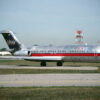
American Airlines emerged as the largest operator of the Boeing 727, utilizing over 160 units at its peak. The aircraft served as the backbone of its domestic network, connecting passengers from major hubs like Dallas/Fort Worth and Chicago O’Hare to smaller cities across the United States. The 727’s ability to handle diverse airport environments and its operational reliability made it an invaluable asset for American, which continued to operate the type until 2001.
Eastern Air Lines: A Launch Customer’s Legacy
As one of the launch customers of the Boeing 727, Eastern Air Lines quickly adopted the aircraft into its fleet, leveraging its performance capabilities on high-frequency routes along the East Coast. The 727 became a defining element of Eastern’s identity during the 1970s and 1980s, providing crucial service from its Miami hub to various destinations.
United and Delta: Giants of the Skies
Both United Airlines and Delta Air Lines played significant roles in the Boeing 727’s commercial success. United was instrumental in launching the aircraft into service, while Delta expanded its fleet to over 180 units, ensuring the 727 was a common sight in its operations until its retirement in 2003. The aircraft’s adaptability allowed these carriers to serve diverse routes, including challenging airports.
International Influence: Lufthansa and Iberia
Outside North America, European airlines like Lufthansa and Iberia recognized the Boeing 727’s potential. Lufthansa utilized the aircraft extensively to rebuild its network in the post-war jet age, while Iberia capitalized on the 727’s reliability to connect Spain with various international markets. Both airlines contributed to the aircraft’s reputation as a dependable workhorse in the aviation industry.
Colorful Histories: Braniff and Pan Am
Braniff International Airways and Pan Am are often remembered for their distinctive branding and operational strategies involving the Boeing 727. Braniff’s vibrant liveries became iconic in the 1970s, while Pan Am used the aircraft to enhance its regional services, feeding passengers into its broader long-haul network. Both airlines showcased the 727’s versatility in different operational contexts.
FedEx: Extending the 727’s Service Life
While primarily recognized as a passenger aircraft, the Boeing 727 also found a second life in cargo operations with FedEx Express. The company acquired numerous retired passenger models and converted them into freighters, enabling the trijet to remain a fixture in air cargo operations well into the 21st century. This adaptation underscores the aircraft’s enduring relevance beyond its initial commercial passenger use.
A Lasting Legacy
The Boeing 727’s impact on the aviation industry is undeniable, with its association to these ten airlines highlighting its versatility and significance. As aviation continues to evolve, the legacy of the 727 serves as a reminder of the innovation and adaptability that define the industry. The stories of these airlines and their connection to the Boeing 727 reflect a rich history that continues to inspire aviation enthusiasts and professionals alike.