

Jul
A Hidden Gem for Aviation Enthusiasts
Fuerteventura Airport (FUE), situated just south of Puerto del Rosario, has emerged as a favored destination for aviation enthusiasts seeking a tranquil plane spotting experience. While the more prominent airports of Tenerife and Gran Canaria often steal the spotlight, Fuerteventura offers a unique blend of consistent sunshine and a diverse range of aircraft movements, particularly appealing during the winter months when holiday traffic surges.
Airport Overview
As the sole commercial airport on the island, Fuerteventura Airport features a single north-south runway, measuring approximately 3,400 meters (11,150 feet). The airport’s straightforward layout facilitates easy viewing of aircraft operations from various vantage points outside the terminal. The passenger terminal is located on the western side, with a main apron for commercial operations, while a separate area caters to general aviation and business aircraft.
Airlines and Traffic Patterns
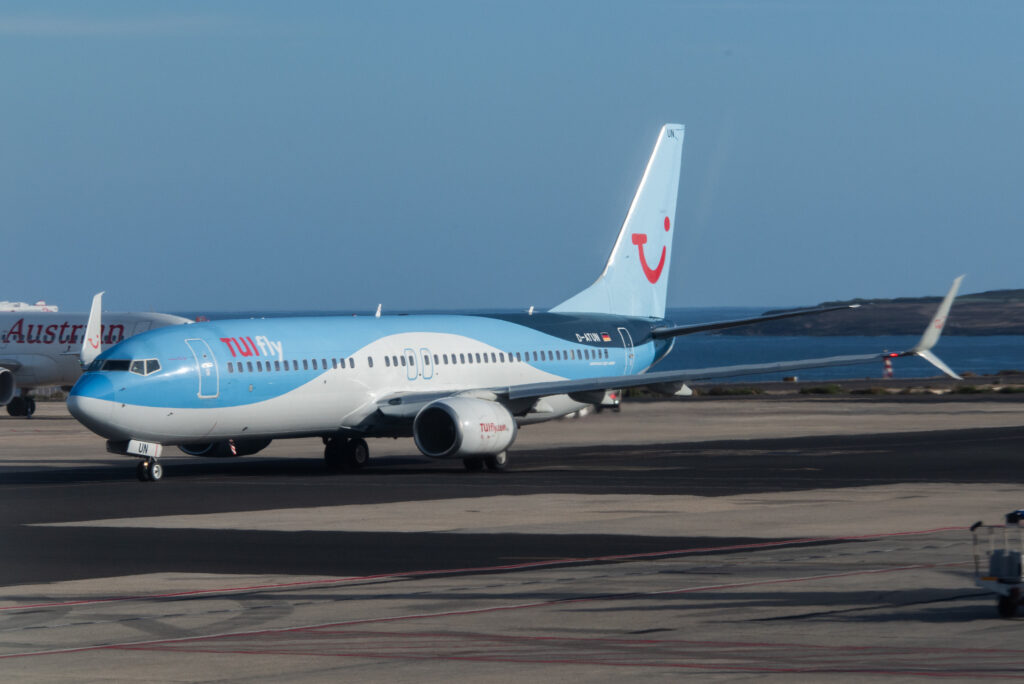
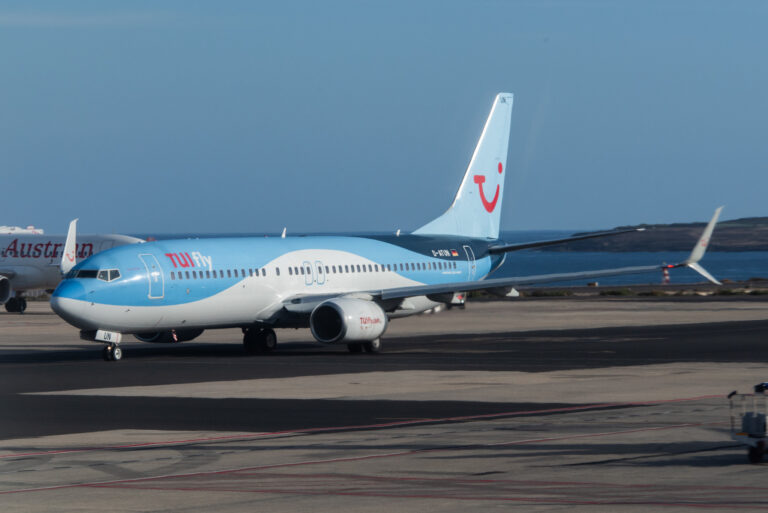
Fuerteventura’s flight schedule is predominantly filled with leisure and low-cost carriers, catering to holidaymakers from across Europe. During peak winter months, the airport sees heightened activity with airlines from the UK, Germany, Scandinavia, and several other countries, making it a vibrant hub for seasonal travel. Notable carriers include Ryanair, easyJet, and TUI Airways, among others, emphasizing the airport’s role in connecting tourists to the idyllic Canary Islands.
Aircraft Spotting Opportunities
The aircraft types prevalent at Fuerteventura primarily consist of Airbus A320-family jets and Boeing 737s, making it an attractive location for those focused on modern short-haul fleets. While widebody aircraft are infrequent, occasional appearances by Airbus A330s and Boeing 787 Dreamliners on charter flights add to the diversity of sightings. The airport also accommodates a modest amount of business aviation, with private jets utilizing the dedicated executive apron.
Optimal Viewing Locations
For those interested in capturing the action on film, several strategic locations around the airport enhance the spotting experience. One of the prime spots is just north of the passenger terminal, where enthusiasts can observe aircraft movements and enjoy unobstructed views of arrivals and departures. Additionally, the threshold of runway 01 offers an excellent vantage point for photographing landing aircraft, accessible via a short journey along local roads.
Why Fuerteventura Stands Out
Fuerteventura Airport may not boast the variety of rare aircraft or long-haul traffic seen at larger airports, but it compensates with a steady flow of flights and consistently favorable weather conditions. The relaxed atmosphere allows spotters to enjoy extended periods of observation without the pressure often felt at busier airports. With clear skies and strong lighting, photographers can achieve remarkable results, making the airport a worthwhile visit for both casual observers and serious aviation photographers alike.
Conclusion: A Must-Visit for Aviation Aficionados
As the aviation community continues to seek new and rewarding plane spotting locations, Fuerteventura Airport is quietly establishing itself as a must-visit destination. Its combination of operational efficiency, diverse airline offerings, and stunning weather creates an ideal environment for enthusiasts to immerse themselves in the world of aviation. Whether you are a seasoned spotter or a casual observer, Fuerteventura offers a refreshing alternative to the more congested airports of the Canary Islands.





This article was prepared by LibelulaFly as an independent aviation-news summary and editorial reinterpretation based on publicly available reporting. Images, when used, are included for editorial context with source attribution. Original source: www.airportspotting.com. Read the original article here: https://www.airportspotting.com/plane-spotting-at-fuerteventura-airport/.
List, promote, or publish aircraft with LibelulaFly.
LibelulaFly.com • Sales@libelulafly.com • +1 305-332-1942

Jul
A Historic Aircraft with Enduring Influence
The Boeing 727, a trijet that revolutionized air travel, played a pivotal role in shaping the aviation landscape from the 1960s to the 1990s. Known for its versatility and performance, the 727 became a staple for numerous airlines, facilitating connections across vast domestic and international networks. As the aircraft reached its zenith, it became synonymous with the operations of several well-known carriers, each contributing to its legacy in unique ways.
American Airlines: A Key Player in the 727’s Journey
American Airlines emerged as the largest operator of the Boeing 727, utilizing over 160 units at its peak. The aircraft served as the backbone of its domestic network, connecting passengers from major hubs like Dallas/Fort Worth and Chicago O’Hare to smaller cities across the United States. The 727’s ability to handle diverse airport environments and its operational reliability made it an invaluable asset for American, which continued to operate the type until 2001.
Eastern Air Lines: A Launch Customer’s Legacy
As one of the launch customers of the Boeing 727, Eastern Air Lines quickly adopted the aircraft into its fleet, leveraging its performance capabilities on high-frequency routes along the East Coast. The 727 became a defining element of Eastern’s identity during the 1970s and 1980s, providing crucial service from its Miami hub to various destinations.
United and Delta: Giants of the Skies
Both United Airlines and Delta Air Lines played significant roles in the Boeing 727’s commercial success. United was instrumental in launching the aircraft into service, while Delta expanded its fleet to over 180 units, ensuring the 727 was a common sight in its operations until its retirement in 2003. The aircraft’s adaptability allowed these carriers to serve diverse routes, including challenging airports.
International Influence: Lufthansa and Iberia
Outside North America, European airlines like Lufthansa and Iberia recognized the Boeing 727’s potential. Lufthansa utilized the aircraft extensively to rebuild its network in the post-war jet age, while Iberia capitalized on the 727’s reliability to connect Spain with various international markets. Both airlines contributed to the aircraft’s reputation as a dependable workhorse in the aviation industry.
Colorful Histories: Braniff and Pan Am
Braniff International Airways and Pan Am are often remembered for their distinctive branding and operational strategies involving the Boeing 727. Braniff’s vibrant liveries became iconic in the 1970s, while Pan Am used the aircraft to enhance its regional services, feeding passengers into its broader long-haul network. Both airlines showcased the 727’s versatility in different operational contexts.
FedEx: Extending the 727’s Service Life
While primarily recognized as a passenger aircraft, the Boeing 727 also found a second life in cargo operations with FedEx Express. The company acquired numerous retired passenger models and converted them into freighters, enabling the trijet to remain a fixture in air cargo operations well into the 21st century. This adaptation underscores the aircraft’s enduring relevance beyond its initial commercial passenger use.
A Lasting Legacy
The Boeing 727’s impact on the aviation industry is undeniable, with its association to these ten airlines highlighting its versatility and significance. As aviation continues to evolve, the legacy of the 727 serves as a reminder of the innovation and adaptability that define the industry. The stories of these airlines and their connection to the Boeing 727 reflect a rich history that continues to inspire aviation enthusiasts and professionals alike.

Jul
Aviation Enthusiasts Flock to Larnaca International Airport
Larnaca International Airport (LCA) has emerged as a notable destination for aviation enthusiasts, thanks to its unique combination of year-round sunshine and a diverse array of airlines. Despite its modest size, Larnaca offers a rich tapestry of flight operations that includes European, Middle Eastern, and regional carriers, making it a fascinating location for plane spotting.
Historical Significance and Operational Scope
As the busiest airport in Cyprus, Larnaca serves as the island’s primary international gateway. Its prominence grew significantly after the division of Cyprus in 1974, which resulted in the closure of Nicosia International Airport. Since then, Larnaca has developed into a vital hub in the eastern Mediterranean, accommodating millions of passengers annually through scheduled, charter, and low-cost flights.
The airport features a single runway (04/22) and a modern passenger terminal located on the southwestern side of the airfield. Additionally, a remote apron at the opposite end is designated for cargo operations, business aviation, and occasional military traffic, further enhancing its operational relevance.
A Diverse Airline Ecosystem
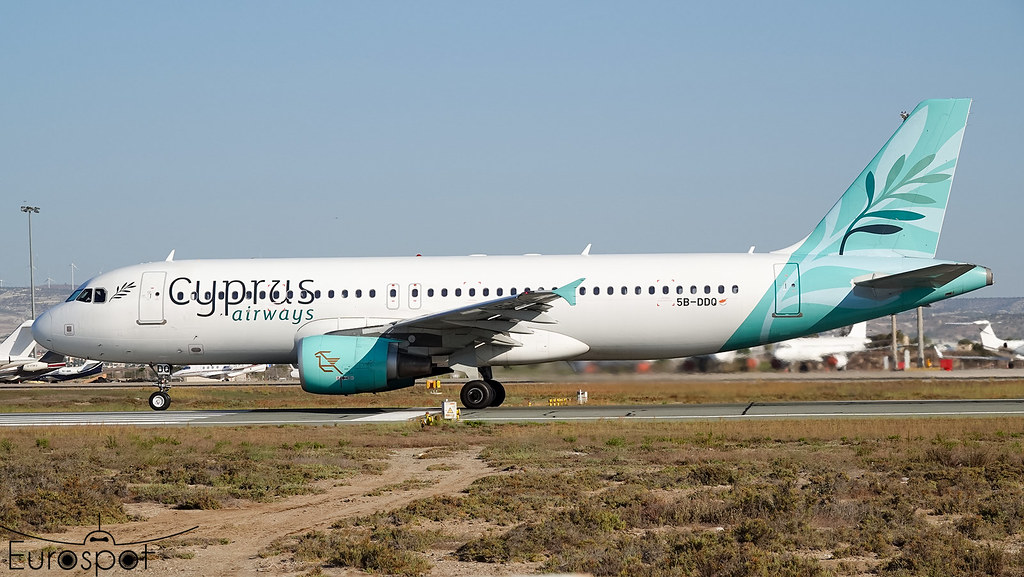
While summer months witness a surge in holiday traffic, Larnaca’s route network remains impressively diverse throughout the year. Cyprus Airways and TUS Airways provide scheduled services that connect to various European and eastern Mediterranean destinations. Low-cost carriers such as easyJet and Wizz Air also maintain extensive operations from the airport.
Other notable airlines operating from Larnaca include Aegean Airlines, British Airways, Emirates, and Qatar Airways, among others. This eclectic mix not only ensures a steady stream of aircraft movements but also presents unique opportunities for enthusiasts to capture images of rare aircraft types that may not be frequently seen in other European airports.
Prime Locations for Plane Spotting
For aviation photographers, Larnaca offers some of the best vantage points in the region. Mackenzie Beach, located directly beneath the approach to runway 22, provides spectacular viewing opportunities as aircraft pass low overhead just before landing. The beach is equipped with various cafés and restaurants, allowing spotters to enjoy a relaxing afternoon while capturing stunning photographs.
Moreover, the Eastern Apron Viewpoint along the B4 road offers a vantage point for observing cargo and business jets. A telephoto lens can yield excellent views of aircraft parked on the remote apron, although spotters should be mindful of airport security protocols.

Accommodations Tailored for Aviation Fans
For those wishing to immerse themselves in the aviation experience, the Flamingo Beach Hotel stands out as an ideal accommodation. Located just minutes from the runway threshold, the hotel offers rooms with views of aircraft on final approach. The rooftop terrace provides an exceptional vantage point for observing flight operations, making it a favored choice among spotting enthusiasts.
Conclusion: A Unique Aviation Experience Awaits
Larnaca International Airport may not rival the largest European hubs in terms of traffic volume, but it offers an unparalleled variety of airlines and flight operations in a picturesque Mediterranean setting. For aviation enthusiasts, the combination of excellent weather, diverse aircraft movements, and iconic spotting locations makes Larnaca a must-visit destination. Whether you are a seasoned spotter or a casual aviation fan, the experiences awaiting you at Larnaca are sure to leave a lasting impression.





This article was prepared by LibelulaFly as an independent aviation-news summary and editorial reinterpretation based on publicly available reporting. Images, when used, are included for editorial context with source attribution. Original source: www.airportspotting.com. Read the original article here: https://www.airportspotting.com/plane-spotting-at-larnaca-airport-cyprus-best-airport-for-aviation-enthusiasts/.
List, promote, or publish aircraft with LibelulaFly.
LibelulaFly.com • Sales@libelulafly.com • +1 305-332-1942

Jul
Global Airliner Deliveries Highlight Aviation Growth
In July 2026, the aviation industry continues to witness significant developments with new airliner deliveries and special liveries enhancing airline fleets worldwide. This month showcases a variety of aircraft ranging from widebody airliners to regional jets, reflecting the ongoing evolution of airline operations and branding strategies.
Expanding Horizons: Air Congo’s New Dreamliner
Air Congo has made a noteworthy stride in expanding its long-haul capabilities by leasing a Boeing 787-8 Dreamliner from Ethiopian Airlines. This aircraft, registered as ET-ASI, marks a significant enhancement in Air Congo’s fleet, enabling the airline to operate more efficiently on international routes. The Dreamliner is renowned for its fuel efficiency and passenger comfort, positioning Air Congo to better serve its growing customer base.
Celebrating Heritage: Special Liveries Commemorate USA’s 250th Anniversary
In celebration of the United States’ 250th anniversary, several airlines have unveiled special liveries. Alaska Airlines has adorned its Boeing 737 MAX 9 with promotional stickers linked to the FIFA World Cup, while American Airlines has introduced a commemorative scheme on its Boeing 737-800. These initiatives not only enhance brand visibility but also connect the airlines with national pride and historical significance.
Innovative Additions: New Aircraft Enhance Operational Capabilities
Several airlines are expanding their fleets with new aircraft types to improve operational flexibility. AZAL Azerbaijan Airlines has welcomed its first Airbus A320neo, enhancing its regional service capabilities. Meanwhile, Ethiopian Airlines is diversifying its fleet with the addition of DHC-6 Twin Otters for domestic operations, showcasing a commitment to serving various market segments effectively.
Private Aviation Growth: Deer Jet’s Acquisition of the C909
In the realm of private aviation, Deer Jet has taken delivery of its first Comac C909, marking a significant milestone for the operator. This aircraft, identified as B-65A9, is poised to cater to the growing demand for business travel in Asia, offering luxurious amenities and advanced technology for discerning clientele.
International Flavor: New Liveries and Aircraft from Global Airlines
Airlines across the globe are also showcasing their identities through unique liveries. China Southern Airlines has introduced a special livery promoting the Altay region on its Boeing 737 MAX 8. Additionally, Emirates has applied the UAE flag scheme to its Airbus A350-900, further emphasizing its national heritage. These liveries not only serve branding purposes but also enhance the visibility of cultural and regional identities across their routes.
Looking Ahead: The Future of Airline Operations
As airlines continue to innovate and expand their fleets, the industry is positioned for sustained growth. The integration of new aircraft types, coupled with strategic branding initiatives, reflects a dynamic market responding to evolving passenger preferences and operational demands. Stakeholders in the aviation sector should monitor these developments closely, as they signal broader trends in fleet modernization, service enhancement, and market positioning.
As the aviation landscape evolves, the commitment to improving operational capabilities and enhancing passenger experiences remains a priority. With each new delivery and livery, airlines are not just adding to their fleets but are also reinforcing their identities and roles in the global market.
Jul
SpiceJet’s Resilience Amidst Turbulence
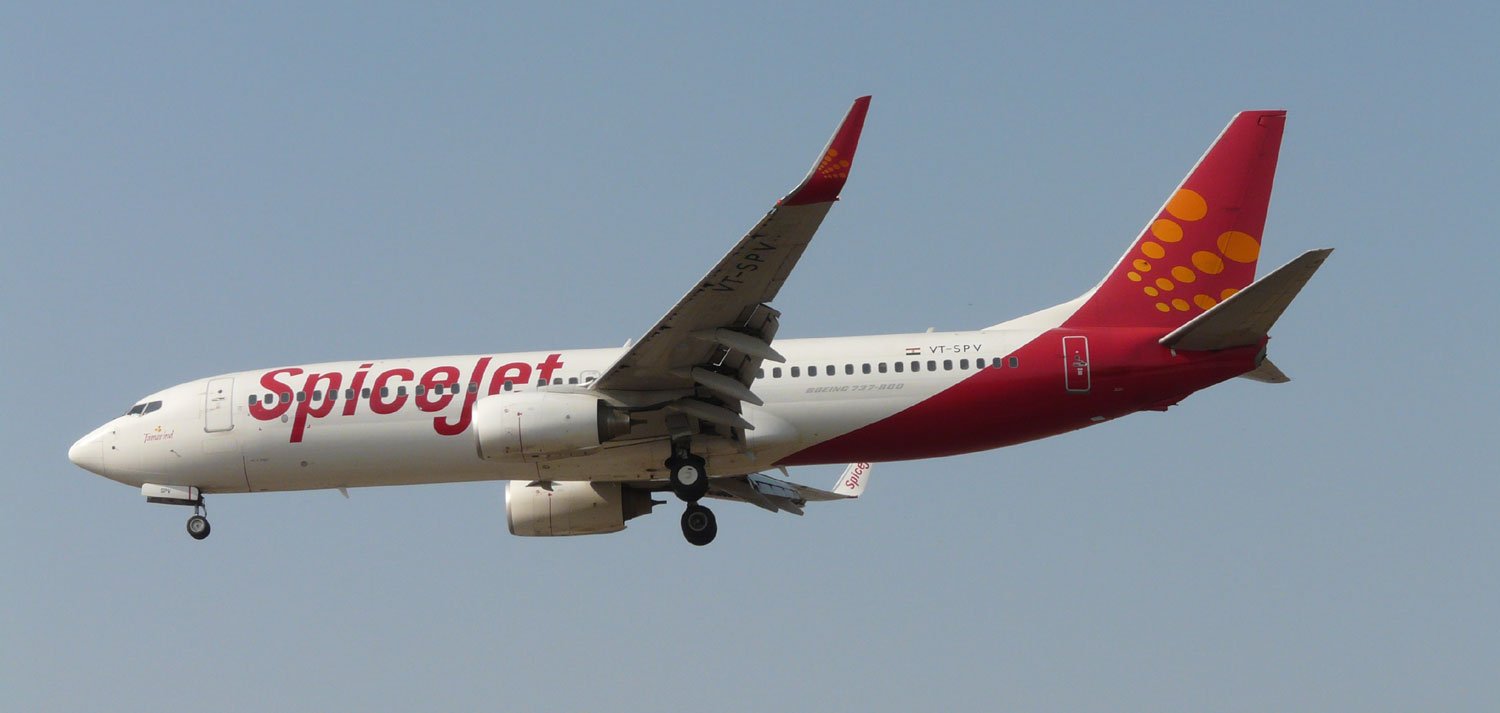
Once celebrated as India’s second-largest airline, SpiceJet has faced a tumultuous journey over the past few years, marked by financial distress and operational challenges. Having once operated a fleet exceeding 100 aircraft and amassed millions of passengers annually, the low-cost carrier now finds itself in a critical phase of recovery. Recent developments indicate that while the airline is striving to regain its foothold, it has considerable ground to cover before returning to its former glory.
A Remarkable Ascent
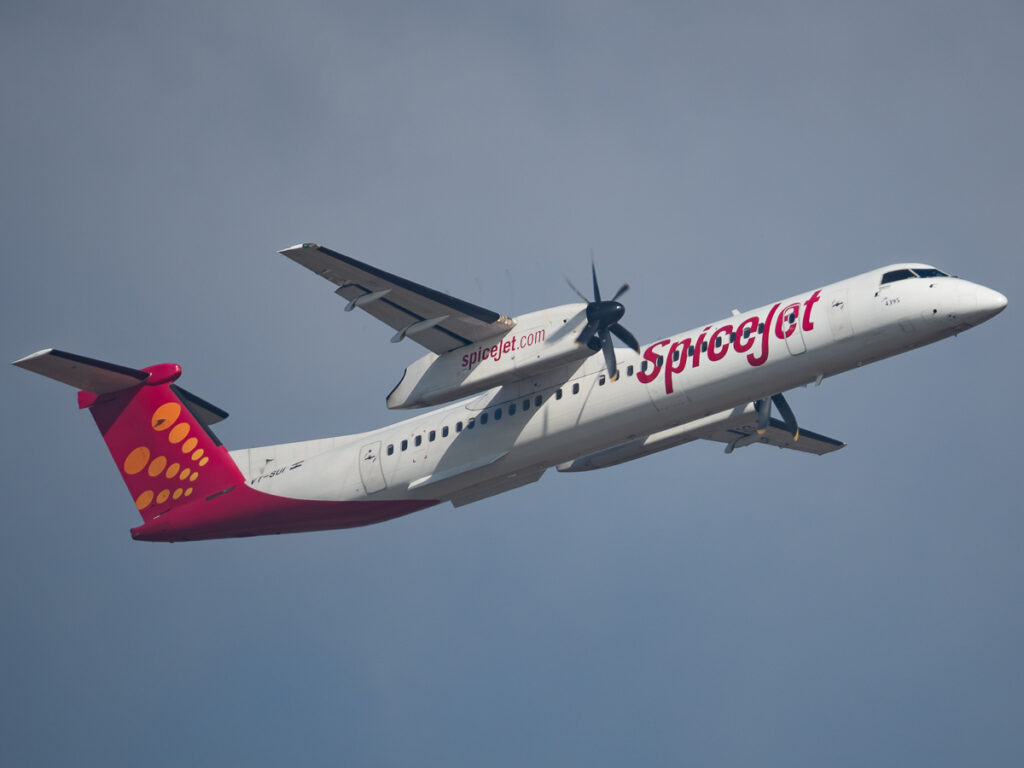
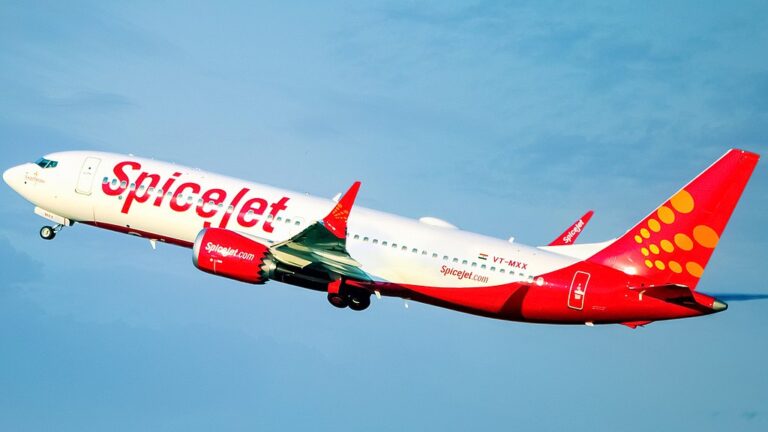
Founded in 2005, SpiceJet quickly rose to prominence as a low-cost carrier, primarily utilizing an all-Boeing 737 fleet to dominate the Indian skies. The airline’s expansion was bolstered by its strategic inclusion of De Havilland Canada Dash 8-400 turboprops, enabling better access to regional airports under India’s connectivity initiatives. By the late 2010s, SpiceJet had established itself as a formidable player in the industry, supported by a significant order of over 150 Boeing 737 MAX aircraft, which were intended to form the backbone of its future operations.
The Onset of Challenges
However, a series of crises began to unfold for SpiceJet, starting with the global grounding of the Boeing 737 MAX in 2019, which severely impacted its operational capacity. This was followed by the COVID-19 pandemic, which decimated air travel demand and exacerbated the airline’s financial situation. Unlike many competitors that rebounded quickly, SpiceJet was left grappling with substantial debts, disputes with lessors, and a dwindling operational fleet as aircraft were either repossessed or grounded for maintenance.
Fleet Transformation and Adaptation
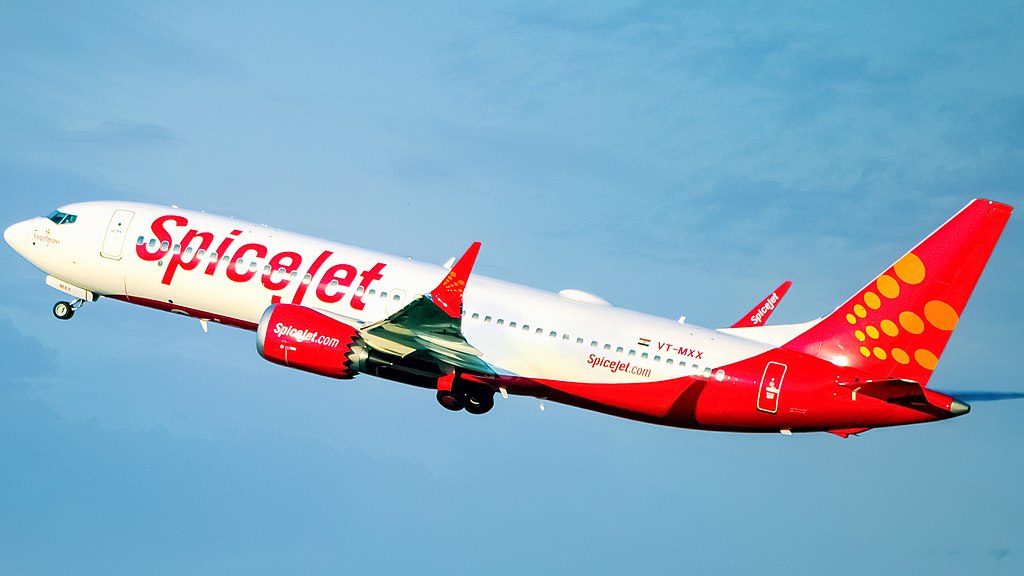
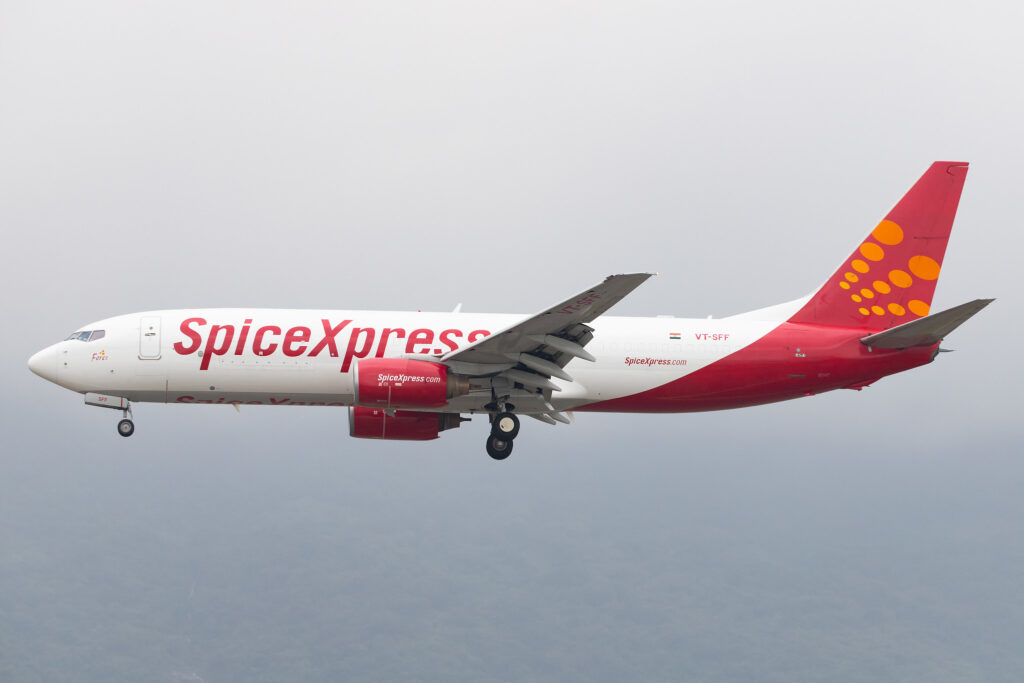
Currently, SpiceJet’s operational fleet primarily comprises various Boeing 737 models alongside Dash 8-400 turboprops. Despite having significant outstanding orders for the Boeing 737 MAX, the number of aircraft actively flying remains limited. Compounding the airline’s challenges, the introduction of Airbus A320 aircraft on a damp-lease basis marks a notable shift in strategy, aimed at supplementing capacity during peak travel seasons while the airline works to reactivate its existing fleet.
Financial Hurdles and Recovery Signs
The overarching hurdle for SpiceJet continues to be its financial health, plagued by ongoing legal disputes and cash-flow issues. Reports of delayed pilot salaries highlight the urgency of securing government-backed funding to stabilize operations. Meanwhile, external factors such as rising fuel prices and currency fluctuations have further strained the airline’s recovery efforts.
Glimmers of Hope
Despite these challenges, there are emerging signs of recovery. Over the past year, SpiceJet has successfully reactivated several grounded Boeing 737 MAX aircraft and added leased 737s to enhance its service offerings. Financial restructuring efforts have led to improved quarterly revenues as passenger demand gradually rebounds. Management remains focused on restoring grounded aircraft, aiming to eventually expand both domestic and international services.
Future Outlook: A Sustainable Business Model
The Indian aviation landscape is witnessing rapid growth, yet it remains fiercely competitive, with major players like IndiGo and the newly revitalized Air India Group leading the charge. For SpiceJet, the path to survival may require a shift from aspirations of regaining its former size to establishing a viable business model characterized by fleet reliability and financial stability. With a well-recognized brand and a loyal customer base, the airline’s future hinges on its ability to navigate these complexities and leverage its substantial order book of Boeing 737 MAX aircraft for future growth. As the airline embarks on this journey of recovery, the aviation community will be watching closely to see if SpiceJet can reclaim its status as a key player in India’s vibrant aviation market.




This article was prepared by LibelulaFly as an independent aviation-news summary and editorial reinterpretation based on publicly available reporting. Images, when used, are included for editorial context with source attribution. Original source: www.airportspotting.com. Read the original article here: https://www.airportspotting.com/whats-happening-with-spicejet/.
List, promote, or publish aircraft with LibelulaFly.
LibelulaFly.com • Sales@libelulafly.com • +1 305-332-1942

Jul
The Airbus A220: Transforming the 100-150 Seat Market
The Airbus A220 has emerged as a pivotal player in commercial aviation, particularly within the 100-150 seat segment. Initially developed by Bombardier as the CSeries, the aircraft transitioned to Airbus ownership in 2018, leading to a significant redesign and rebranding. Today, the A220 is celebrated for its fuel efficiency, extended range, and passenger-centric cabin features, making it a preferred choice for airlines worldwide.
A Growing Global Presence
With over 500 A220 aircraft currently in operation, the model has effectively replaced older aircraft types, such as the Airbus A319 and Boeing 737-700, across various airlines. As Airbus ramps up production, the A220 is increasingly visible at airports in North America, Europe, and beyond, solidifying its status as a mainstay in modern fleets.
Leading Operators in the A220 Fleet
Delta Air Lines stands at the forefront as the largest operator of the Airbus A220, with a fleet of 87 aircraft. The airline utilized the A220 to modernize its fleet, replacing older models like the McDonnell Douglas MD-88 and MD-90. This strategic move has allowed Delta to enhance its operational efficiency while providing passengers with a comfortable travel experience.

JetBlue follows closely with 65 A220-300s, replacing its Embraer E190 fleet. The airline’s focus on passenger comfort and modern amenities, combined with lower fuel consumption, has made the A220 a valuable addition to its operations.
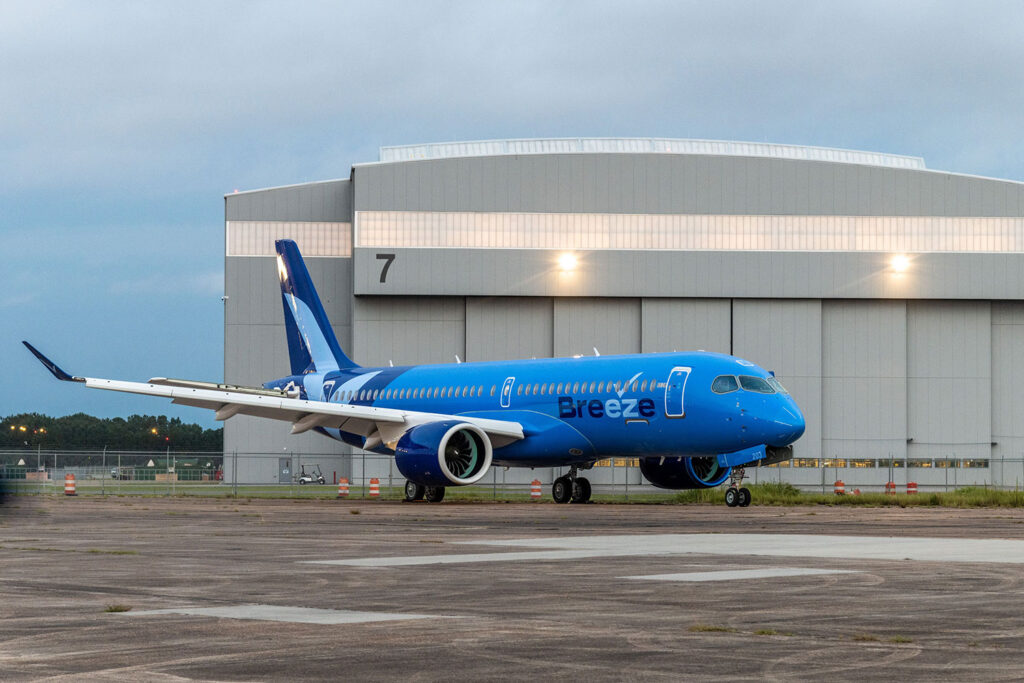
Breeze Airways has also embraced the A220-300, operating 57 units to connect underserved markets across the U.S. The aircraft’s long-range capabilities and cost-effectiveness align with Breeze’s mission to serve routes that larger jets cannot efficiently cover.
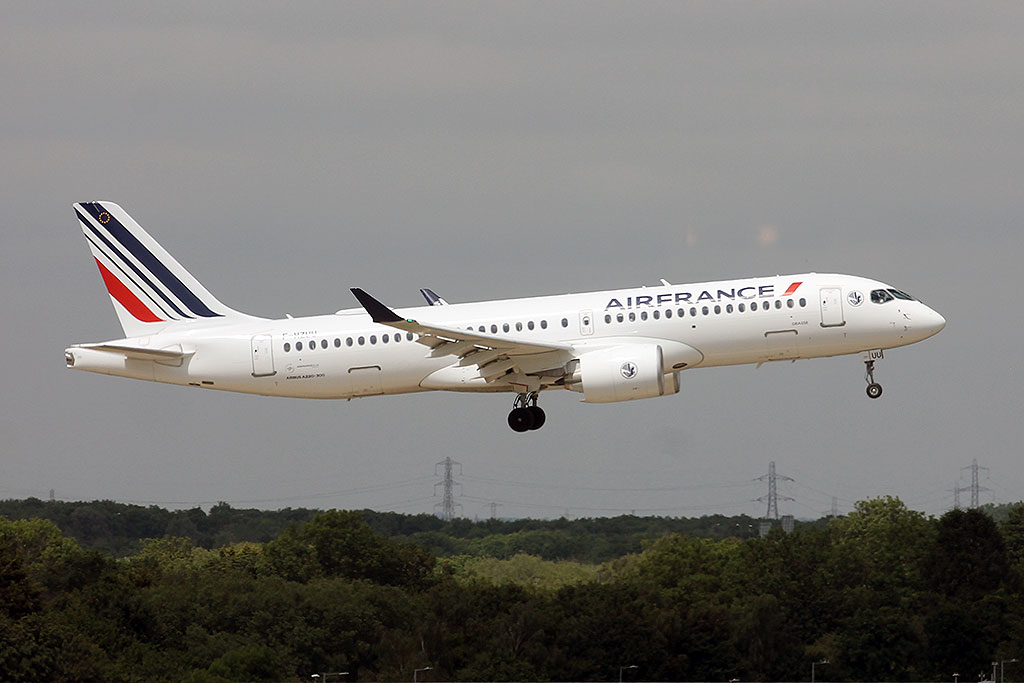
Air France and airBaltic are notable operators as well, with 56 and 55 A220s in their fleets, respectively. Air France is leveraging the A220 to refresh its short-haul services, while airBaltic proudly operates an all-A220 fleet, emphasizing its commitment to modern, efficient air travel.
Market Implications and Future Developments
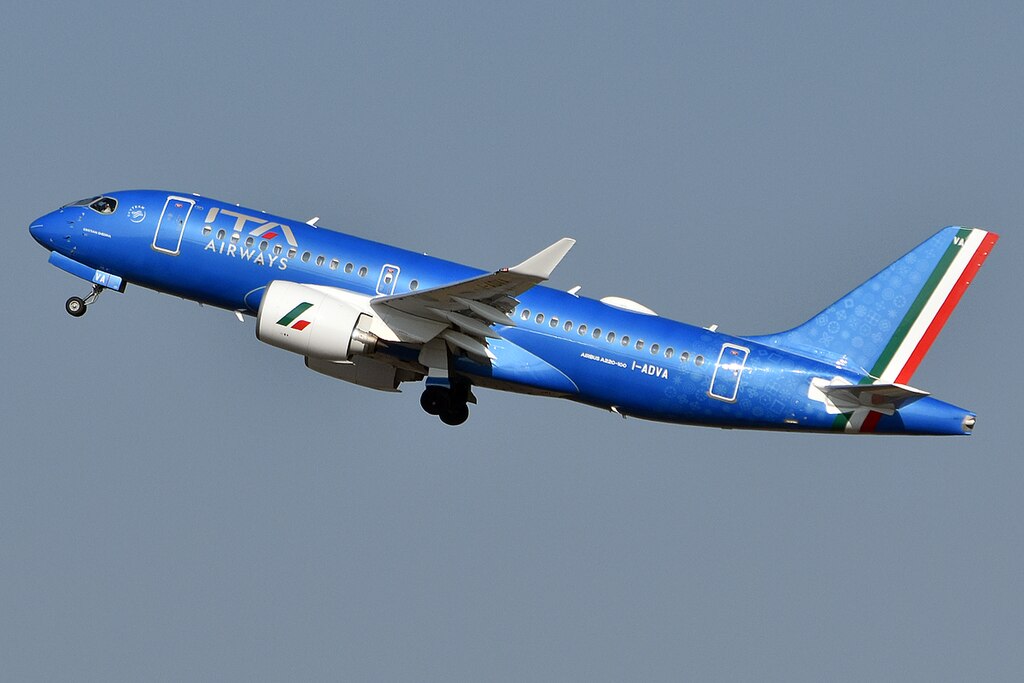
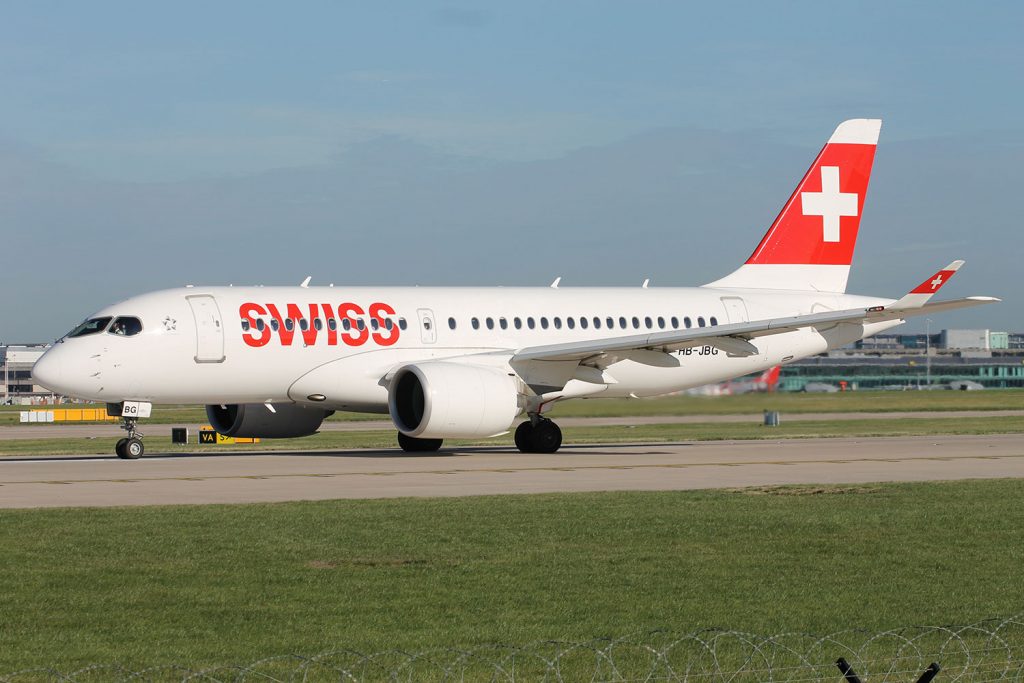
As airlines like Air Canada, ITA Airways, SWISS, QantasLink, and Korean Air integrate the A220 into their fleets, the aircraft’s influence continues to expand. The operational versatility and economic advantages of the A220 are evident, as it serves routes ranging from domestic flights to international connections.

The A220’s success has prompted Airbus to consider an extended version, the A220-500, which could further enhance its appeal in the competitive narrowbody market currently dominated by the A320neo and Boeing 737 MAX 8. Additionally, a recent order from AirAsia for 150 A220-300s signifies the aircraft’s growing popularity, positioning AirAsia to potentially become the largest operator of the A220 series.
A Bright Future for the A220
As the Airbus A220 continues to gain traction among airlines globally, its role in shaping the future of commercial aviation is undeniable. The aircraft’s combination of operational efficiency, passenger comfort, and environmental sustainability aligns with the evolving demands of the airline industry. With production on the rise and new variants on the horizon, the A220 is set to play a critical role in the next chapter of aviation history.


This article was prepared by LibelulaFly as an independent aviation-news summary and editorial reinterpretation based on publicly available reporting. Images, when used, are included for editorial context with source attribution. Original source: www.airportspotting.com. Read the original article here: https://www.airportspotting.com/10-biggest-operators-of-the-airbus-a220/.
List, promote, or publish aircraft with LibelulaFly.
LibelulaFly.com • Sales@libelulafly.com • +1 305-332-1942

Jul
Air Canada Enhances Route Network with A321XLR
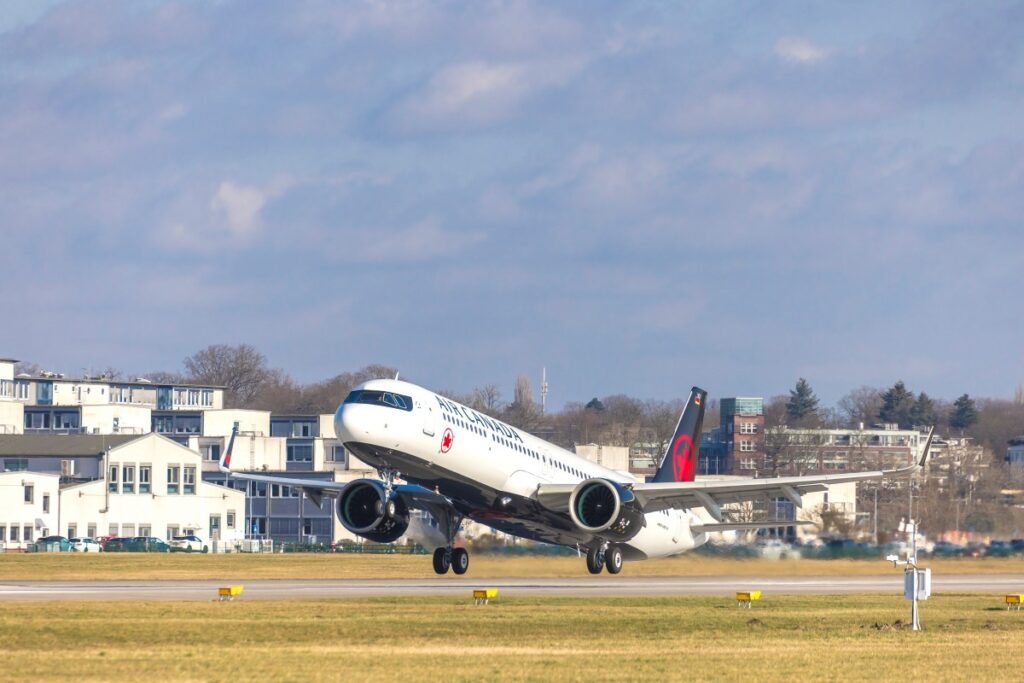
Air Canada has unveiled its strategic deployment plans for the Airbus A321XLR aircraft during the winter schedule of 2026/27. The airline aims to capitalize on the aircraft’s long-range capabilities by integrating it into a more extensive array of both domestic and international routes, marking a significant evolution in its operational strategy.
Broadening Horizons: Domestic and Transatlantic Services
Initially, the A321XLR was primarily associated with Air Canada’s new European routes. However, as part of the upcoming winter schedule, the aircraft will become an integral part of the airline’s North American services. Key routes set to feature the A321XLR include:
- Montreal – San Francisco: Transitioning to a daily service starting January 15, 2027.
- Toronto Pearson – Los Angeles: Introducing A321XLR operations from December 15, 2026.
- Toronto Pearson – Calgary: Daily A321XLR flights commencing December 16, 2026.
- Montreal – Toronto Pearson: Offering two to three weekly flights from October 25 to January 7.
- Montreal – Miami: Adding a weekly A321XLR service during the peak Christmas travel period.
- Montreal – Ottawa: Weekly flights scheduled for the festive season.
In addition to these domestic routes, Air Canada is also expanding the A321XLR’s reach into the Caribbean, introducing a new service from Montreal to Bridgetown, Barbados, with five weekly flights planned for December.
Refining Transatlantic Operations
As the airline continues to receive additional A321XLR aircraft, it is also optimizing its transatlantic operations. A notable adjustment includes the replacement of the Boeing 737 MAX 8 with the A321XLR on the Halifax to London Heathrow route, set to begin on December 17, 2026, with four flights per week. Although the A321XLR was initially slated to commence earlier, the revised schedule reflects a careful assessment of demand and operational efficiency.
Furthermore, the Montreal to Lisbon route will now feature a mixed operation, with three weekly A321XLR flights supplemented by one Airbus A330-300 service, adjusting from the previously planned five A321XLR flights.
Strategic Adaptations in a Dynamic Market
These recent changes exemplify Air Canada’s proactive approach to fleet management and route optimization. By diversifying the A321XLR’s deployment across a wider range of routes, the airline not only enhances passenger choice but also aligns its services with evolving market demands. The adjustments highlight the airline’s commitment to leveraging the capabilities of its fleet while responding to passenger preferences and operational realities.
Looking Ahead: Future Prospects for Air Canada
The ongoing integration of the Airbus A321XLR into Air Canada’s operations signifies a pivotal moment for the airline as it seeks to strengthen its market position. As the fleet expands and operational data becomes clearer, further adjustments may be anticipated. This strategic deployment not only underscores Air Canada’s adaptability but also positions it favorably for future growth in both domestic and international markets.






This article was prepared by LibelulaFly as an independent aviation-news summary and editorial reinterpretation based on publicly available reporting. Images, when used, are included for editorial context with source attribution. Original source: www.airportspotting.com. Read the original article here: https://www.airportspotting.com/air-canada-expands-airbus-a321xlr-network-for-winter-2026-27/.
List, promote, or publish aircraft with LibelulaFly.
LibelulaFly.com • Sales@libelulafly.com • +1 305-332-1942

Jun
Introduction to Cape Town International Airport
Cape Town International Airport, located approximately 20 kilometers east of the city center, stands as South Africa’s second-busiest airport, following OR Tambo in Johannesburg. With over 10 million passengers annually, the airport serves as a vital gateway to the Western Cape, accommodating a diverse mix of domestic, regional, and international flights. Renowned for its picturesque backdrop of Table Mountain and the Cape Peninsula, the airport offers a unique combination of operational activity and scenic beauty, making it a popular destination for aviation enthusiasts.
A Diverse Array of Airlines
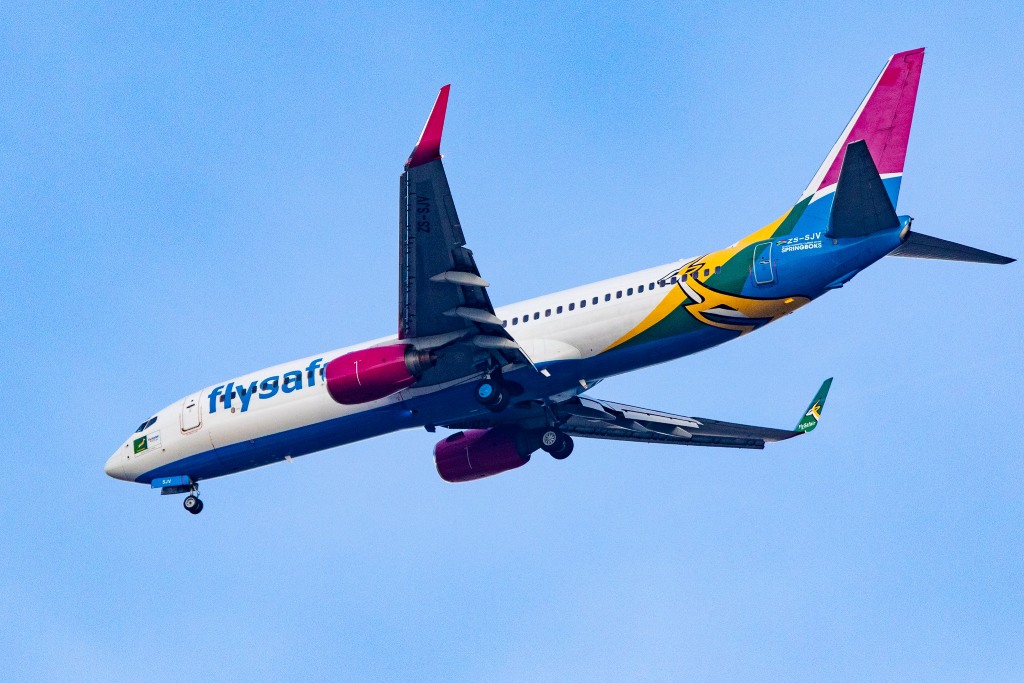
The airport’s operational landscape is characterized by a variety of airlines catering to both leisure and business travelers. Domestic carriers like FlySafair, Airlink, and CemAir dominate the local market, providing frequent connections to major cities such as Johannesburg and Durban. Meanwhile, international airlines including British Airways, Emirates, and Qatar Airways connect Cape Town with destinations across Europe, the Middle East, and beyond.
Seasonal services from European operators during the Southern Hemisphere summer add an extra layer of interest, as airlines increase capacity to meet tourist demand. This seasonal influx often brings a range of aircraft types, including the Airbus A350 and Boeing 787, enhancing the airport’s appeal to spotters.

Operational Characteristics and Layout
Cape Town International Airport features a modern terminal complex that underwent significant redevelopment ahead of the 2010 FIFA World Cup. The terminal connects domestic and international sections, facilitating easy navigation for passengers and aviation enthusiasts alike. The airfield is equipped with two asphalt runways: Runway 01/19, primarily serving international flights, and Runway 16/34, which accommodates domestic and regional traffic.
Runway 01/19, measuring 3,201 meters, is favored for its proximity to several vantage points, offering excellent photography opportunities. Conversely, Runway 16/34, at 1,701 meters, is often utilized during adverse weather conditions, showcasing the airport’s adaptability to varying operational challenges.
Spotting Opportunities and Safety Considerations
Aviation enthusiasts seeking to capture the dynamic operations at Cape Town International Airport will find several prime spotting locations. The central terminal area boasts large windows that provide unobstructed views of runway activity without the need for a flight ticket. The P1 and P2 parking garages also offer vantage points for photography, although spotters should remain vigilant about their surroundings and equipment.
While the airport environment is generally safe, caution is advised when venturing beyond designated areas, as some nearby locations may pose safety risks. Spotters are encouraged to prioritize discretion and utilize secure locations whenever possible.
Conclusion: A Unique Aviation Experience
Cape Town International Airport not only serves as a crucial hub for air travel in South Africa but also captivates aviation enthusiasts with its stunning scenery and diverse airline operations. As the airport continues to experience growth and expansion, it remains a focal point for both travelers and spotters alike. Engaging with the airport’s vibrant atmosphere offers a unique perspective on the intersection of aviation and natural beauty. For those passionate about aviation, Cape Town International Airport is undoubtedly a destination worth exploring.






This article was prepared by LibelulaFly as an independent aviation-news summary and editorial reinterpretation based on publicly available reporting. Images, when used, are included for editorial context with source attribution. Original source: www.airportspotting.com. Read the original article here: https://www.airportspotting.com/cape-town-international-airport-spotting-guide/.
List, promote, or publish aircraft with LibelulaFly.
LibelulaFly.com • Sales@libelulafly.com • +1 305-332-1942
Jun
New Aircraft Liveries Take Flight This June
As summer unfolds, aviation enthusiasts and plane spotters are in for a treat with a series of new aircraft liveries debuting this June. From promotional designs celebrating global events to those showcasing cultural heritage, the skies are set to be adorned with vibrant and eye-catching schemes that reflect the dynamic nature of the aviation industry.
World Cup Spirit in the Skies
Several airlines have embraced the excitement surrounding the FIFA World Cup with special liveries that not only promote their brands but also embody national pride. Aerolineas Argentinas has unveiled a striking design on its Airbus A330-200, LV-KAN, celebrating its national team. Similarly, Air Algerie has introduced a unique livery on its Airbus A330neo, 7T-VLB, setting it apart from the carrier’s traditional aesthetics.
Cultural Celebrations and Promotions
In addition to World Cup-themed designs, airlines are also launching liveries that highlight cultural landmarks and entertainment partnerships. China Eastern Cargo is showcasing its commitment to the arts with a special livery on its Boeing 777 Freighter, B-221S, which is promoting the Shanghai Museum. This aircraft played a pivotal role in transporting priceless artifacts for a new exhibit, merging aviation with cultural heritage.
Meanwhile, Emirates has rolled out two notable liveries on its Airbus A380 fleet. One celebrates its sponsorship of Arsenal FC, while the other pays homage to the UAE’s national identity with a flag-themed design. These liveries not only enhance the visual appeal of the aircraft but also reinforce the airlines’ connections to significant cultural events and partnerships.
Milestones in Cargo and Passenger Aviation
FedEx has marked a significant milestone with the delivery of its 150th Boeing 767-300F, N244FE, which features a commemorative sticker. This delivery underscores the carrier’s long-standing commitment to maintaining a modern and efficient cargo fleet.
Additionally, Hungary Airlines has introduced its first converted Boeing 777-300 freighter, 9H-GLG, into service, expanding its operational capabilities and enhancing its cargo offerings.
Environmental and Heritage Initiatives
Qantas is promoting environmental awareness with a new livery on its Airbus A321XLR, VH-OGG, dedicated to the Great Barrier Reef. This initiative reflects the airline’s commitment to sustainability and conservation efforts, aligning its brand with ecological stewardship.
In a nod to nostalgia, Sun Country Airlines has unveiled a retro livery on its Boeing 737-800, N826SY, as it transitions into Allegiant Air. This design pays homage to the airline’s heritage, celebrating its legacy in the aviation industry.
Looking Ahead: The Future of Aviation Spotting
As these new liveries take to the skies, plane spotters are encouraged to seek out these unique designs and capture their beauty. With the summer months providing ample opportunities for spotting, enthusiasts can look forward to a vibrant display of aviation artistry across global airports. Resources such as airport spotting guides and premium memberships offer valuable insights to enhance the spotting experience, ensuring that every trip is memorable. The evolving landscape of airliner liveries not only captivates aviation enthusiasts but also reflects broader cultural narratives and industry trends.

Jun
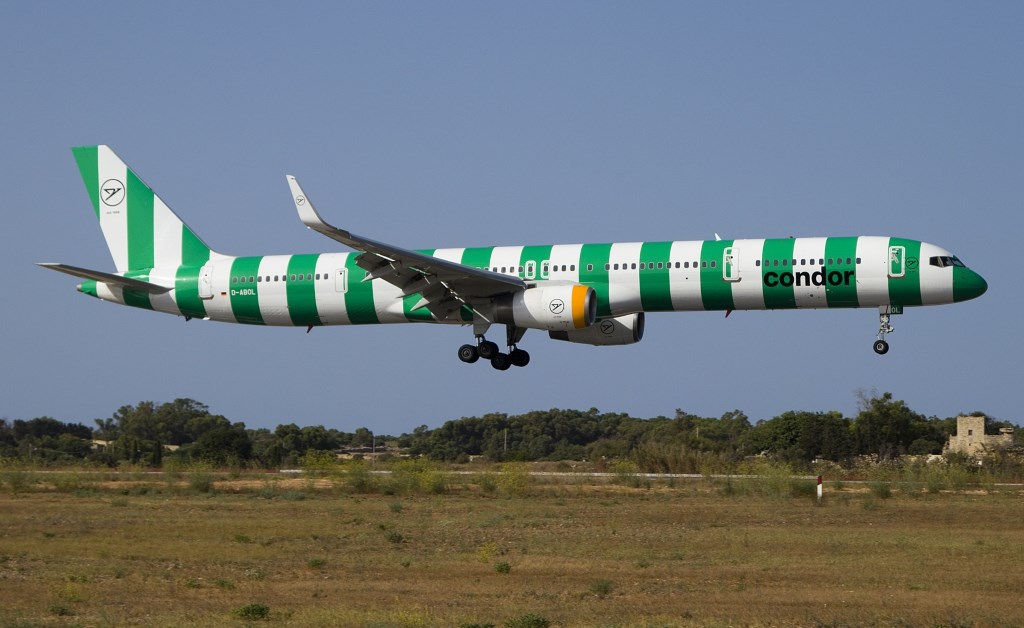
A Legacy of Performance: The Boeing 757-300
The Boeing 757-300, an extended variant of the iconic 757 series, remains a notable figure in commercial aviation despite its limited production run. With only 55 units manufactured, the 757-300 has become a rare sight in the skies, cherished by enthusiasts for its distinctive design and operational capabilities. While its production ceased in 2004, a handful of airlines continue to operate this aircraft, keeping its legacy alive.
The Current Landscape: Four Airlines Still Flying the 757-300
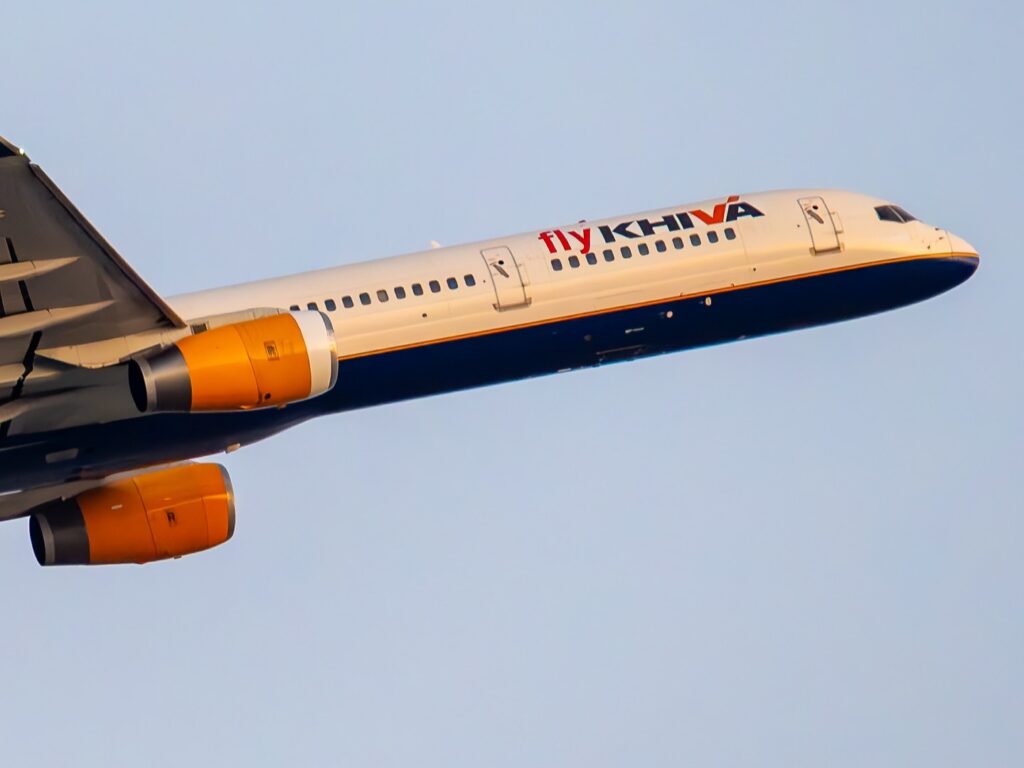
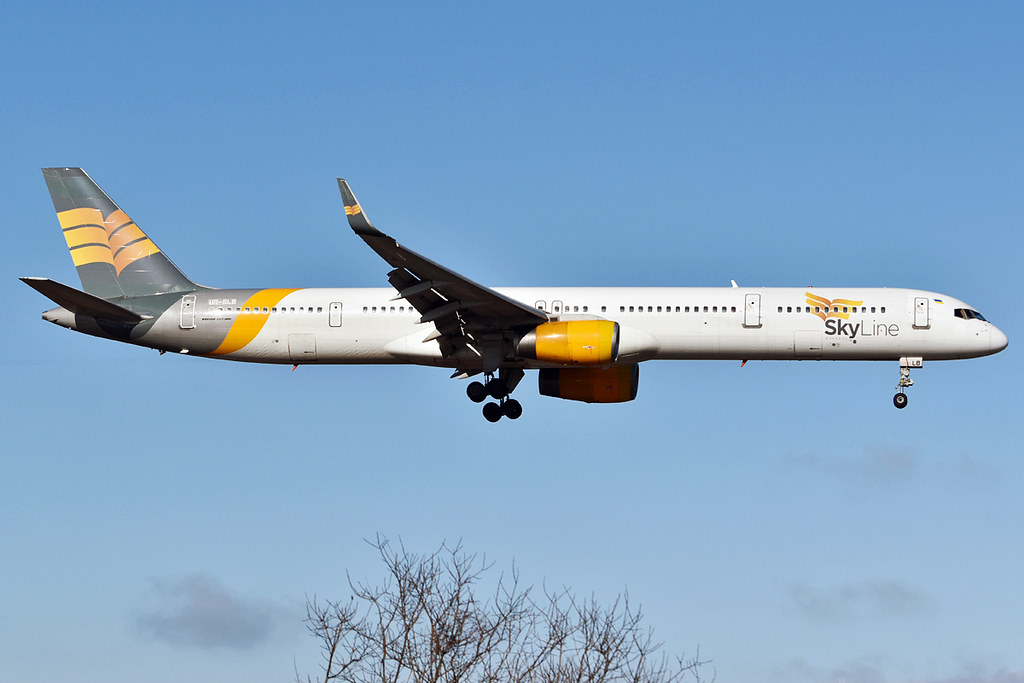
As of now, just four airlines are actively operating the Boeing 757-300, each utilizing the aircraft in ways that highlight its unique features. These operators include Delta Air Lines, United Airlines, Fly Khiva, and Skyline Express Airlines. Each plays a critical role in maintaining the operational relevance of this aircraft type.
Delta Air Lines: The Largest Operator
Delta Air Lines stands as the largest operator of the Boeing 757-300, with approximately 16 aircraft in its fleet. The airline primarily employs these aircraft on high-demand domestic routes, where their capacity of up to 295 passengers is advantageous. Popular destinations served by Delta’s 757-300s include major hubs and leisure locations, such as Orlando and Las Vegas. The airline’s continued use of this model underscores its importance in Delta’s operational strategy.

United Airlines: A Key Player
United Airlines operates around 21 Boeing 757-300s, making it the largest fleet by aircraft numbers. Like Delta, United utilizes the aircraft on busy domestic routes, linking major cities such as Chicago and Los Angeles. Additionally, these aircraft are occasionally deployed on transcontinental flights to Hawaii, showcasing their range capabilities. United’s commitment to the 757-300 highlights its value in the airline’s network amid a competitive landscape.
International Operators: Fly Khiva and Skyline Express
Beyond North America, Fly Khiva, based in Uzbekistan, and Skyline Express Airlines from Ukraine have emerged as notable operators of the Boeing 757-300. Fly Khiva has integrated the aircraft into its fleet for charter and scheduled services, connecting Central Asia with various international destinations. Meanwhile, Skyline Express, which specializes in charter operations, continues to utilize its aircraft for leisure travel across Europe and the Middle East, despite operational challenges stemming from regional instability.
The Future of the Boeing 757-300
The outlook for the Boeing 757-300 is increasingly uncertain as airlines modernize their fleets. With competitors like the Airbus A321neo offering similar capacity and improved efficiency, the longevity of the 757-300 in commercial service is in question. While Delta and United remain committed to their fleets for the time being, the smaller operators face challenges related to aging aircraft and support.
Conclusion: A Cherished Icon in Aviation
The Boeing 757-300, with its impressive performance and operational flexibility, continues to captivate aviation enthusiasts and professionals alike. As the number of active operators dwindles, the rarity of this aircraft only enhances its allure. Its ability to serve high-demand routes while providing a unique flying experience ensures that the 757-300 will be remembered as a significant chapter in aviation history for years to come.




This article was prepared by LibelulaFly as an independent aviation-news summary and editorial reinterpretation based on publicly available reporting. Images, when used, are included for editorial context with source attribution. Original source: www.airportspotting.com. Read the original article here: https://www.airportspotting.com/last-boeing-757-300-operators/.
List, promote, or publish aircraft with LibelulaFly.
LibelulaFly.com • Sales@libelulafly.com • +1 305-332-1942