
Jul
Tracing the Journey of USAir in American Aviation
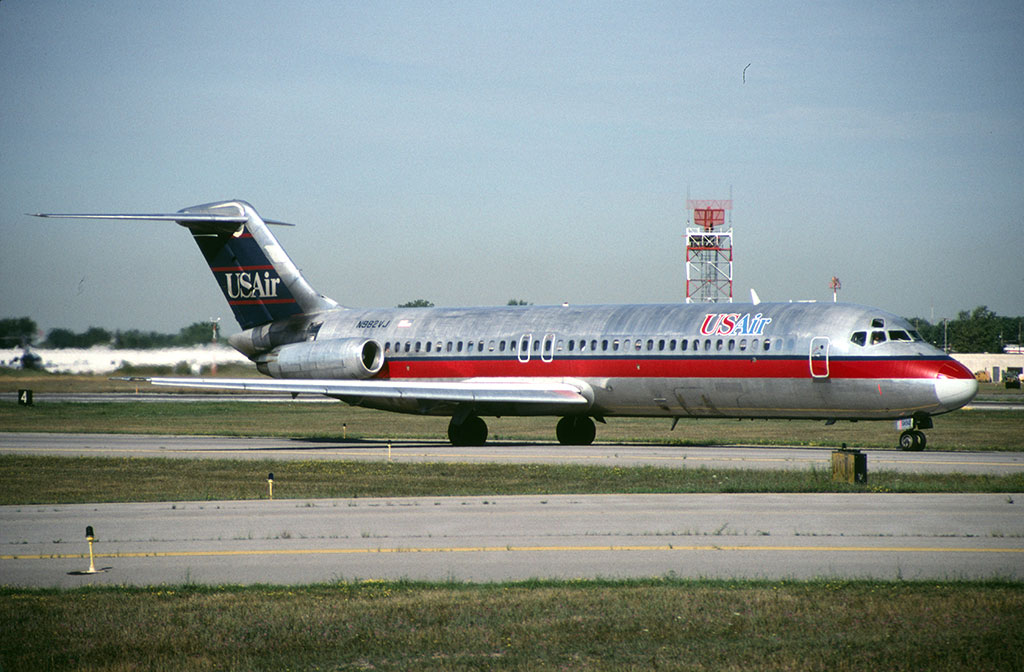
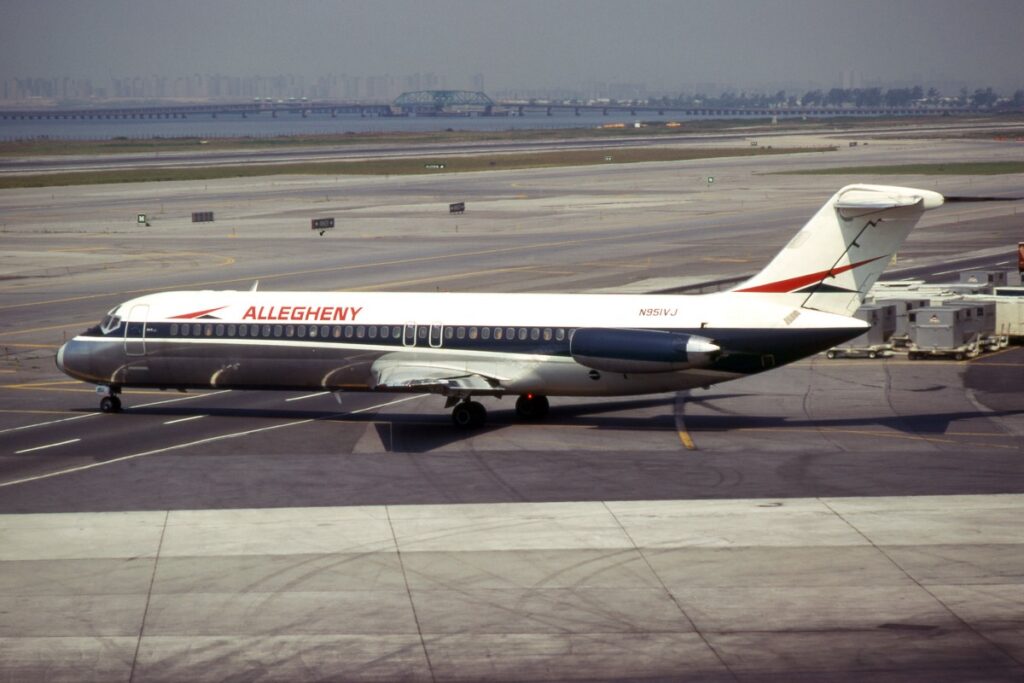
USAir, a name synonymous with American aviation history, traces its roots back to Allegheny Airlines. Founded in 1939 as All American Aviation, the airline initially focused on mail transportation before transitioning to passenger services post-World War II. By 1953, it adopted the name Allegheny Airlines, reflecting its expanding network across the northeastern United States.
Transformation Through Deregulation
The airline landscape in the United States underwent significant changes with the deregulation of the aviation industry in 1978. This shift provided Allegheny Airlines with the opportunity to broaden its horizons beyond its traditional markets. The airline had already begun expanding its reach through strategic acquisitions, absorbing Lake Central Airlines in 1968 and Mohawk Airlines in 1972, thus enhancing its route network. The rebranding to USAir in 1979 marked a pivotal moment, signaling its ambition to evolve into a national carrier with Pittsburgh as its primary hub.
A Diverse Fleet and Operational Expansion
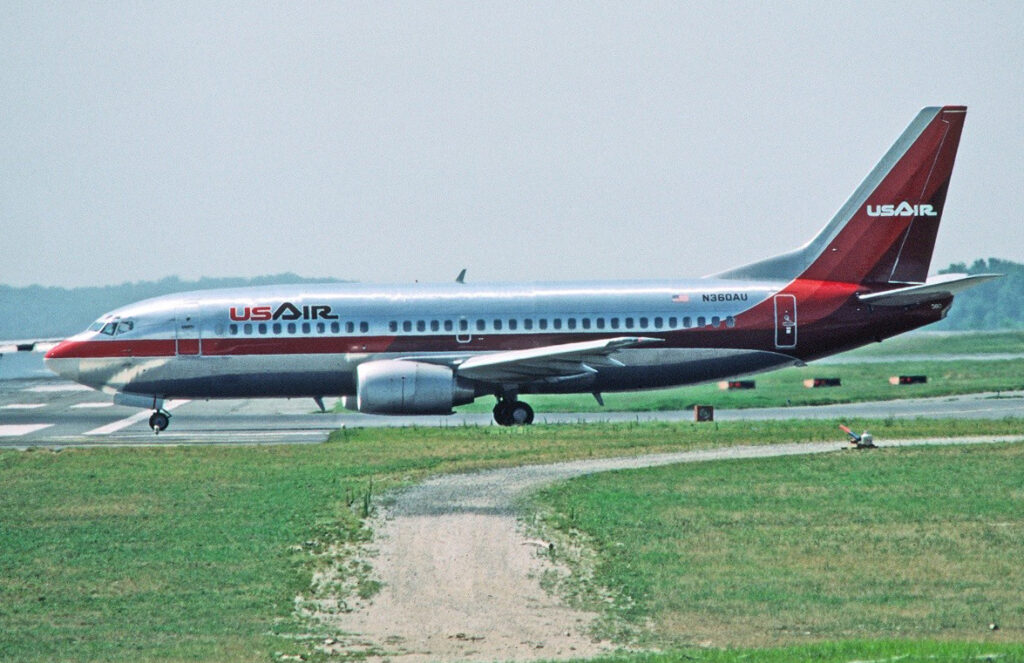
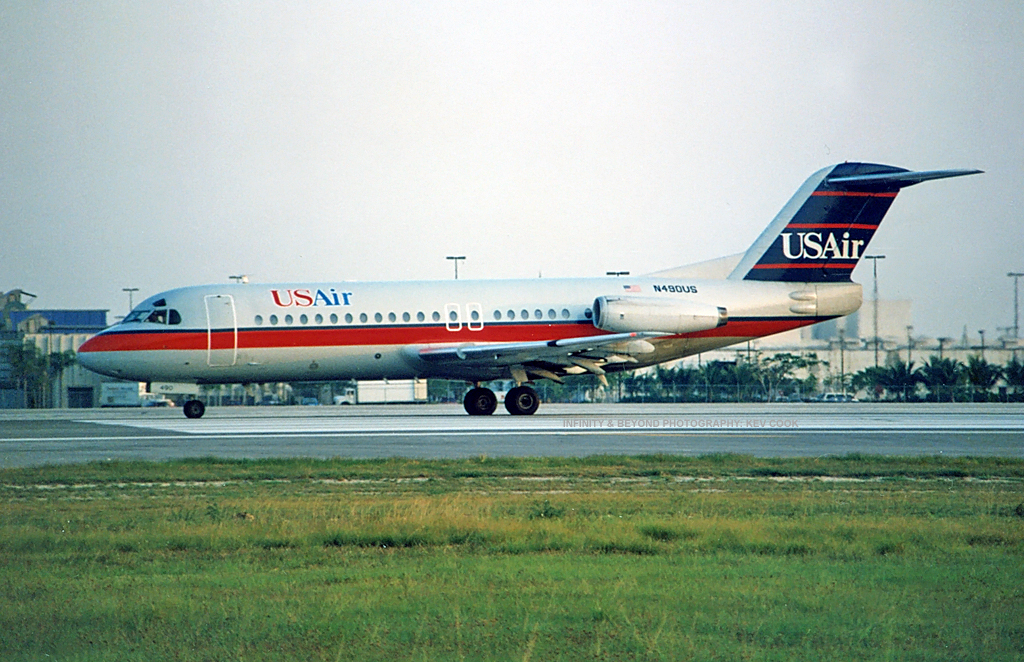
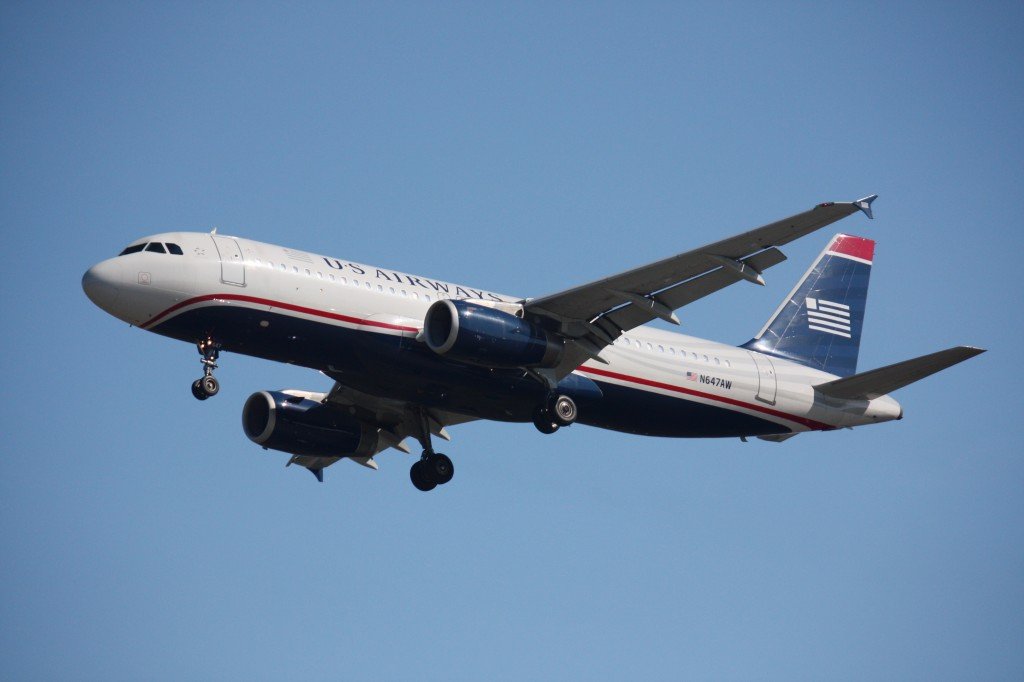
Throughout the 1980s, USAir became known for its diverse fleet, which included the Boeing 727, Douglas DC-9, and Boeing 737. The introduction of the Fokker F28 Fellowship jets allowed the airline to serve shorter regional routes efficiently. By the 1990s, USAir had modernized its operations with newer aircraft like the Airbus A319 and A320, while also expanding its widebody fleet to include Boeing 767s and Airbus A330s, opening transatlantic routes to Europe.
Strategic Mergers and Growth
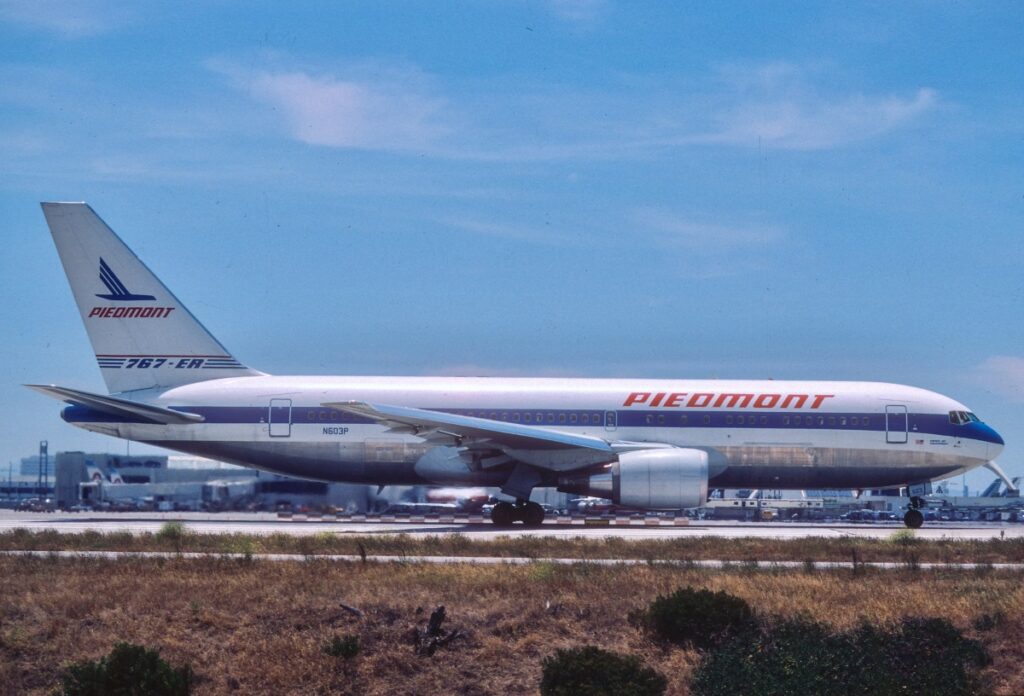
USAir’s growth trajectory was significantly influenced by strategic mergers. The acquisition of Pacific Southwest Airlines in 1987 and Piedmont Airlines in 1989 expanded its operational footprint, transforming it into one of the largest carriers in the United States. These mergers not only consolidated its market position but also unified several iconic airline liveries under the USAir brand.
Challenges and Resilience
The early 2000s presented formidable challenges for US Airways, particularly following the events of September 11, 2001. The airline faced a steep decline in passenger demand, compounded by rising fuel costs and increasing competition from low-cost carriers. Despite entering Chapter 11 bankruptcy protection twice, US Airways managed to navigate these turbulent times through restructuring and strategic adjustments.
A New Era with America West
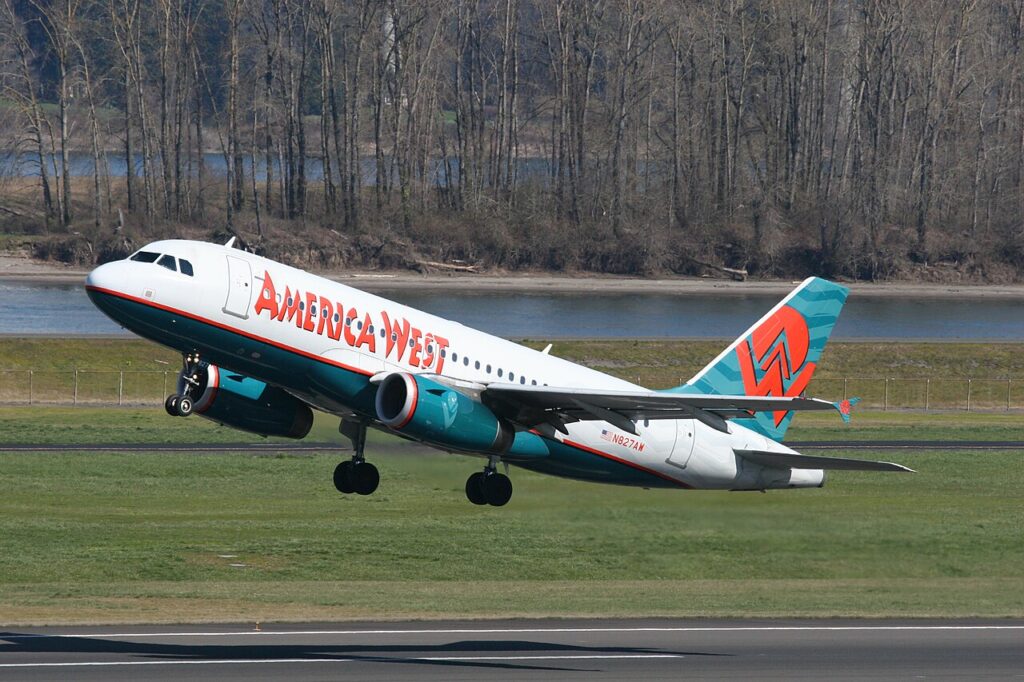
A turning point in US Airways’ history came in 2005 with its merger with America West Airlines. Although the combined entity retained the US Airways name, the management team from America West took the helm, establishing Phoenix as a crucial western hub alongside existing hubs in Philadelphia and Charlotte. This merger laid the groundwork for further expansion and operational synergy.
The Final Chapter: Merger with American Airlines
The culmination of USAir’s journey occurred in 2013 when it merged with American Airlines, creating the world’s largest airline at that time. The integration process culminated with the final US Airways flight on October 16, 2015, marking the end of an era that began with Allegheny Airlines. Although the USAir brand has faded from the skies, its legacy continues to influence American Airlines today.

Honoring a Legacy
The history of USAir is not just a story of an airline; it is a narrative woven into the fabric of American aviation. While the name may no longer exist, the impact of USAir on the industry is evident in the expansive network, fleet diversity, and operational practices that are now part of American Airlines. Heritage liveries honoring USAir, Allegheny, and other predecessors serve as a testament to the enduring legacy of this once-iconic carrier.

This article was prepared by LibelulaFly as an independent aviation-news summary and editorial reinterpretation based on publicly available reporting. Images, when used, are included for editorial context with source attribution. Original source: www.airportspotting.com. Read the original article here: https://www.airportspotting.com/the-history-of-usair-from-local-service-carrier-to-american-airlines/.
List, promote, or publish aircraft with LibelulaFly.
LibelulaFly.com • Sales@libelulafly.com • +1 305-332-1942

Jul
A Historic Aircraft with Enduring Influence
The Boeing 727, a trijet that revolutionized air travel, played a pivotal role in shaping the aviation landscape from the 1960s to the 1990s. Known for its versatility and performance, the 727 became a staple for numerous airlines, facilitating connections across vast domestic and international networks. As the aircraft reached its zenith, it became synonymous with the operations of several well-known carriers, each contributing to its legacy in unique ways.
American Airlines: A Key Player in the 727’s Journey
American Airlines emerged as the largest operator of the Boeing 727, utilizing over 160 units at its peak. The aircraft served as the backbone of its domestic network, connecting passengers from major hubs like Dallas/Fort Worth and Chicago O’Hare to smaller cities across the United States. The 727’s ability to handle diverse airport environments and its operational reliability made it an invaluable asset for American, which continued to operate the type until 2001.
Eastern Air Lines: A Launch Customer’s Legacy
As one of the launch customers of the Boeing 727, Eastern Air Lines quickly adopted the aircraft into its fleet, leveraging its performance capabilities on high-frequency routes along the East Coast. The 727 became a defining element of Eastern’s identity during the 1970s and 1980s, providing crucial service from its Miami hub to various destinations.
United and Delta: Giants of the Skies
Both United Airlines and Delta Air Lines played significant roles in the Boeing 727’s commercial success. United was instrumental in launching the aircraft into service, while Delta expanded its fleet to over 180 units, ensuring the 727 was a common sight in its operations until its retirement in 2003. The aircraft’s adaptability allowed these carriers to serve diverse routes, including challenging airports.
International Influence: Lufthansa and Iberia
Outside North America, European airlines like Lufthansa and Iberia recognized the Boeing 727’s potential. Lufthansa utilized the aircraft extensively to rebuild its network in the post-war jet age, while Iberia capitalized on the 727’s reliability to connect Spain with various international markets. Both airlines contributed to the aircraft’s reputation as a dependable workhorse in the aviation industry.
Colorful Histories: Braniff and Pan Am
Braniff International Airways and Pan Am are often remembered for their distinctive branding and operational strategies involving the Boeing 727. Braniff’s vibrant liveries became iconic in the 1970s, while Pan Am used the aircraft to enhance its regional services, feeding passengers into its broader long-haul network. Both airlines showcased the 727’s versatility in different operational contexts.
FedEx: Extending the 727’s Service Life
While primarily recognized as a passenger aircraft, the Boeing 727 also found a second life in cargo operations with FedEx Express. The company acquired numerous retired passenger models and converted them into freighters, enabling the trijet to remain a fixture in air cargo operations well into the 21st century. This adaptation underscores the aircraft’s enduring relevance beyond its initial commercial passenger use.
A Lasting Legacy
The Boeing 727’s impact on the aviation industry is undeniable, with its association to these ten airlines highlighting its versatility and significance. As aviation continues to evolve, the legacy of the 727 serves as a reminder of the innovation and adaptability that define the industry. The stories of these airlines and their connection to the Boeing 727 reflect a rich history that continues to inspire aviation enthusiasts and professionals alike.

Jul
Oshkosh Set to Host the Premier Aviation Event of 2026
From July 20 to 26, 2026, Wittman Regional Airport in Oshkosh, Wisconsin, will transform into the epicenter of aviation as it hosts the EAA AirVenture Oshkosh. This week-long event is recognized globally as the largest fly-in and airshow, drawing in more than 600,000 aviation enthusiasts and approximately 10,000 aircraft from around the world.
An Unmatched Showcase of Aviation Excellence
The EAA AirVenture is renowned for its diverse display of aircraft, ranging from vintage warbirds and homebuilt planes to the latest commercial and military jets. Attendees can expect to see an extensive static display featuring iconic aircraft from manufacturers like Boeing, Airbus, and Textron, alongside cutting-edge aerospace innovations. Daily flying demonstrations will captivate audiences, showcasing the capabilities of both historical and contemporary aircraft.
Events and Activities to Engage Every Aviation Fan
Throughout the week, the event will offer an array of activities designed to engage aviation enthusiasts of all backgrounds. Visitors can participate in forums and workshops led by industry experts, attend product launches, and explore one of the largest aviation trade exhibitions globally. Evening air shows promise to deliver breathtaking aerial performances, further enriching the experience.

A Unique Arrival Experience for Pilots
The arrival weekend preceding the official opening of AirVenture is a spectacle in itself. Thousands of pilots will navigate the FAA’s famous arrival procedures, creating a remarkable scene as a wide variety of aircraft approach Wittman Field. This coordinated effort highlights the camaraderie and passion that define the aviation community.
Weather Challenges and Safety Considerations
This year’s event is beginning under atypical circumstances due to smoke from ongoing wildfires in Canada, which has affected visibility and air quality in the region. The National Weather Service has issued advisories, prompting air traffic controllers to remind pilots of the importance of conservative decision-making in such conditions. As the event approaches, updates on weather conditions will be critical for ensuring the safety of all participants.
Aviation Community Anticipates a Memorable Experience
As the aviation community prepares for this landmark event, it serves as a reminder of the shared passion that unites pilots, enthusiasts, and industry professionals. EAA AirVenture Oshkosh 2026 is not just an event; it embodies the spirit of aviation and the continuous innovations that drive the industry forward. For those unable to attend in person, various media outlets will provide coverage, ensuring that the excitement of AirVenture reaches audiences worldwide.
Looking Ahead: The Future of AirVenture
As anticipation builds for EAA AirVenture Oshkosh 2026, the event promises to be a significant highlight in the aviation calendar. With its rich history and commitment to aviation excellence, AirVenture continues to inspire future generations of aviators and enthusiasts alike. The gathering is not just a celebration of the past but a platform for showcasing the future of aviation.







This article was prepared by LibelulaFly as an independent aviation-news summary and editorial reinterpretation based on publicly available reporting. Images, when used, are included for editorial context with source attribution. Original source: www.airportspotting.com. Read the original article here: https://www.airportspotting.com/airventure-oshkosh-2026-the-worlds-greatest-aviation-gathering-is-almost-here/.
List, promote, or publish aircraft with LibelulaFly.
LibelulaFly.com • Sales@libelulafly.com • +1 305-332-1942
Jul
Transforming the Single-Aisle Market
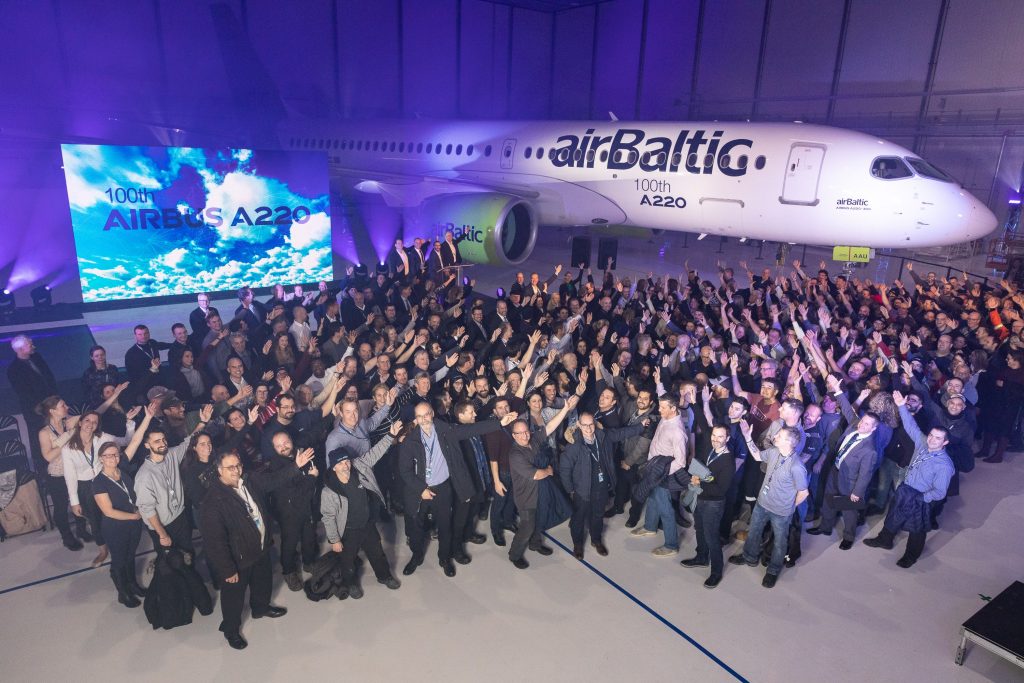
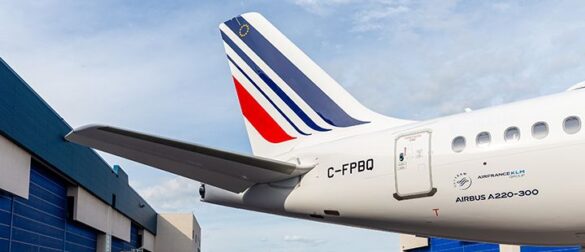
The aviation landscape is witnessing a significant shift as the Airbus A220 increasingly replaces the A319neo in the competitive 100-150 seat segment. This development underscores a broader trend in airline preferences for aircraft that deliver superior efficiency and passenger comfort.
Designed for Modern Demands
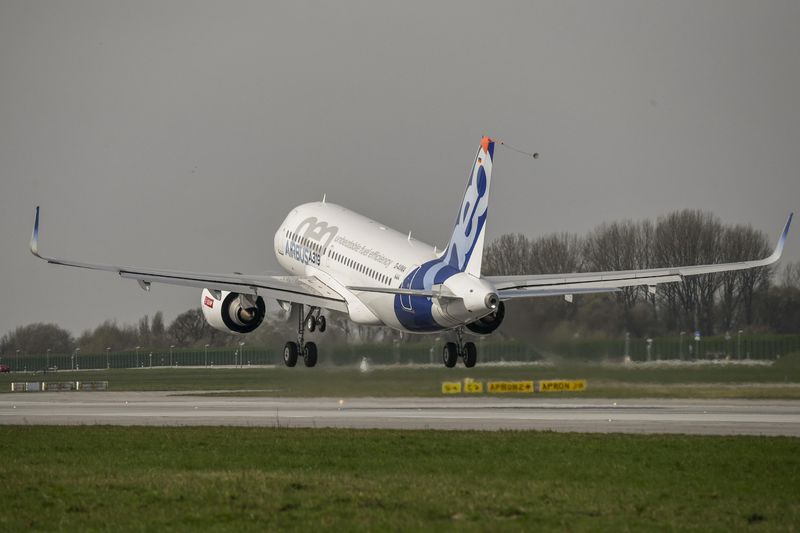
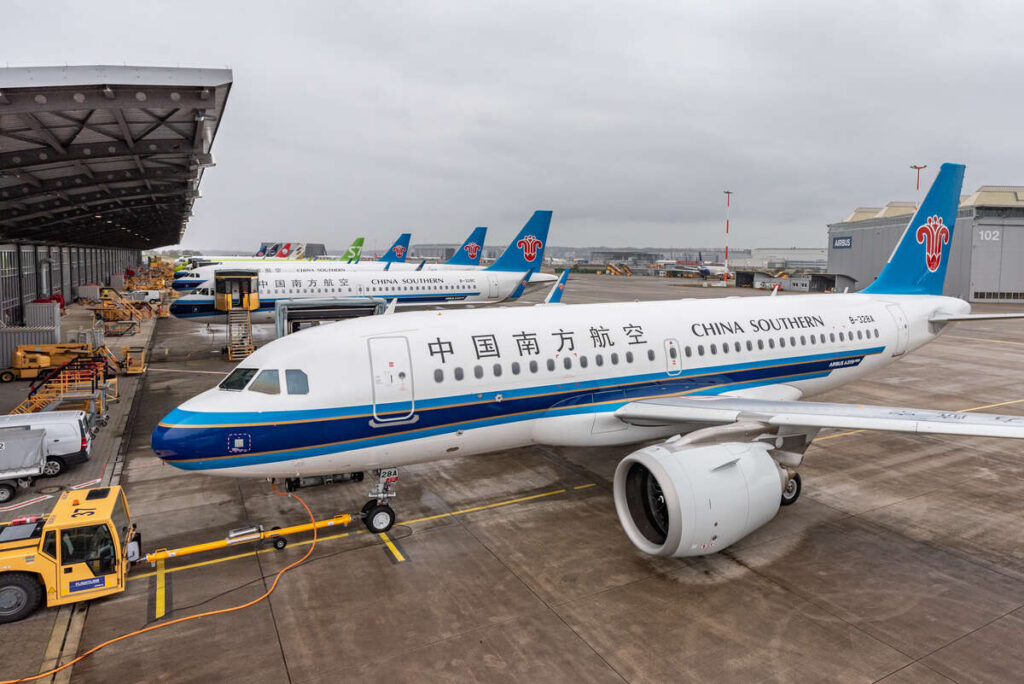
The Airbus A319neo, while a notable member of the A320 family, was not originally conceived for the specific needs of today’s airlines operating thinner routes. The A319neo is an evolution of the A320 series, which first took to the skies in 1987. Despite incorporating modern enhancements such as new engines and aerodynamic improvements, the aircraft retains many features from its larger siblings, resulting in compromises in both weight and economics.
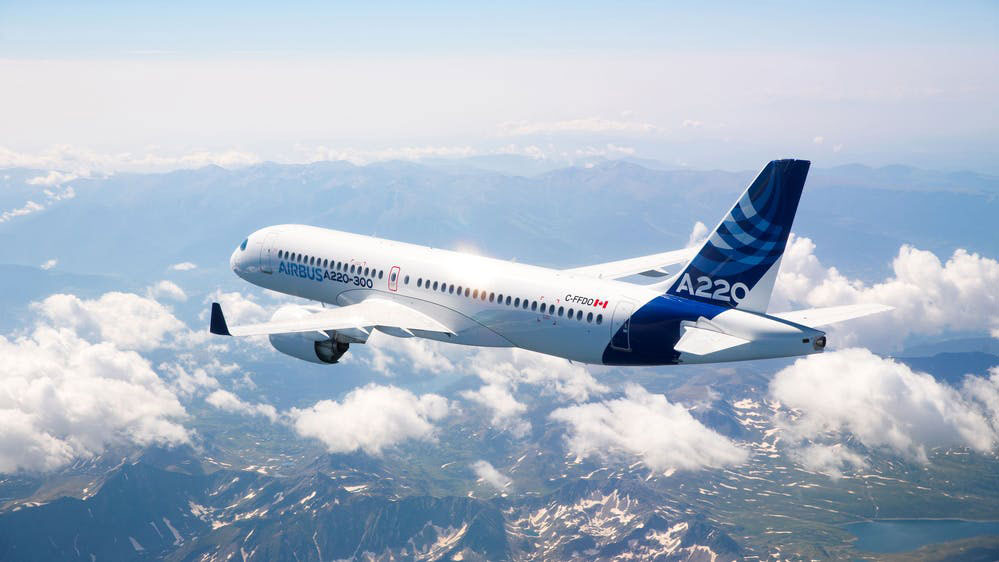
In contrast, the A220, originally developed by Bombardier as the CSeries, was designed with the modern market in mind. Its lightweight structure and advanced aerodynamics, combined with efficient Pratt & Whitney geared turbofan engines, make it a purpose-built solution for airlines targeting the 100-150 seat market. This strategic design focus allows the A220 to operate with lower fuel burn and operating costs compared to the A319neo.
Economic Efficiency as a Priority
For airlines, the cost per seat is a critical factor in operational success. Although the A319neo offers improved fuel efficiency over its predecessor, the A319ceo, it cannot compete with the A220’s optimized performance on short- and medium-haul flights. The A220’s lower operating costs and fuel consumption make it a more attractive option for airlines looking to replace older aircraft like the A319 and Boeing 737-700.
Passenger Preferences Drive Adoption
Beyond operational efficiencies, passenger experience plays a crucial role in the A220’s rising popularity. The aircraft features a five-abreast seating configuration (2-3 layout), minimizing the number of middle seats and enhancing overall comfort. Additionally, the A220 boasts larger windows, quieter cabins, and ample overhead storage, leading to consistently high satisfaction ratings among travelers.
Market Dynamics Favoring Larger Aircraft
The evolving preferences of airlines also contribute to the A319neo’s decline. As air traffic increases and pilot shortages persist, airlines are gravitating towards larger aircraft to maximize efficiency within limited airport slots. The success of the A321neo has further squeezed the A319neo out of the market, as carriers increasingly opt for the A220-300 for about 140 seats or step up to the A320neo for greater capacity.
Sales Figures Reflect the Shift
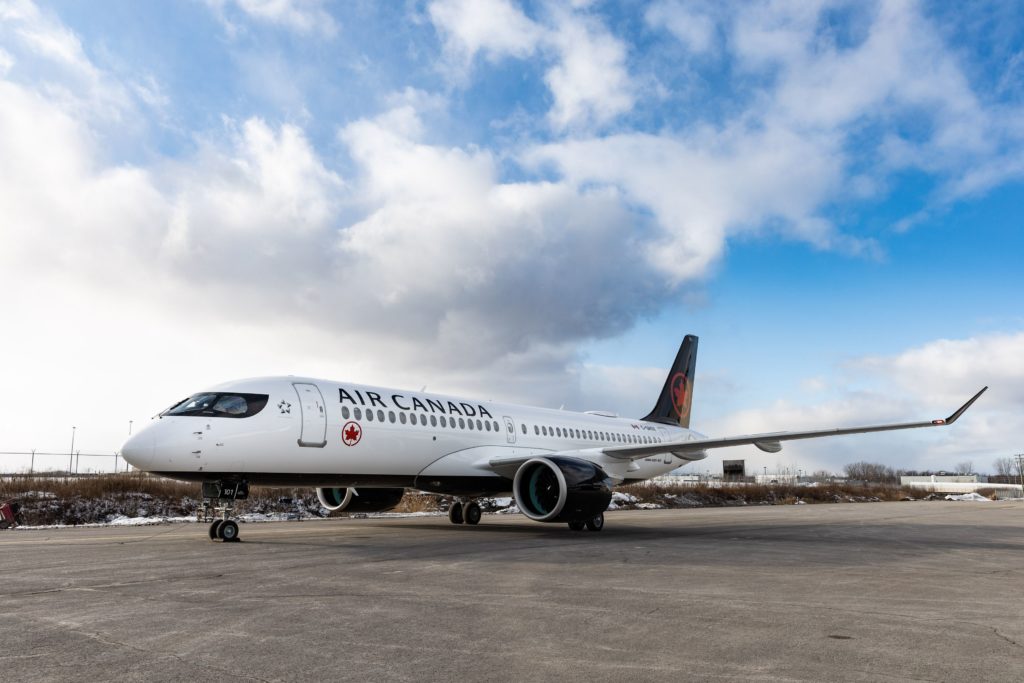
The sales trajectory of both aircraft illustrates this transition. The A319neo has garnered limited orders, with many airlines opting to convert their commitments to the more popular A320 family. Meanwhile, the A220 has surpassed 1,000 firm orders since Airbus took over the program in 2018, with a growing list of operators that include major carriers such as Delta Air Lines and Air France.
Looking Ahead: The Potential of the A220-500
Airbus is also exploring the possibility of a stretched variant, the A220-500, which could further enhance its market position by accommodating more passengers. This potential expansion of the A220 family would solidify its role as Airbus’ dedicated aircraft for the smaller end of the single-aisle market, increasing pressure on the A319neo.
Conclusion: A Strategic Shift in Aviation
The A319neo remains a competent aircraft, but it is clear that the market has evolved beyond its capabilities. Airlines now favor aircraft that are purpose-built for modern operational demands, where efficiency and passenger experience are paramount. By acquiring the Bombardier CSeries program, Airbus has positioned itself to meet these needs effectively, allowing the A220 to not only complement but effectively replace the A319neo in the competitive landscape of single-aisle aviation.


This article was prepared by LibelulaFly as an independent aviation-news summary and editorial reinterpretation based on publicly available reporting. Images, when used, are included for editorial context with source attribution. Original source: www.airportspotting.com. Read the original article here: https://www.airportspotting.com/why-has-the-airbus-a220-replaced-the-a319neo/.
List, promote, or publish aircraft with LibelulaFly.
LibelulaFly.com • Sales@libelulafly.com • +1 305-332-1942

Jul
All Nippon Airways’ Distinctive Approach to the A380
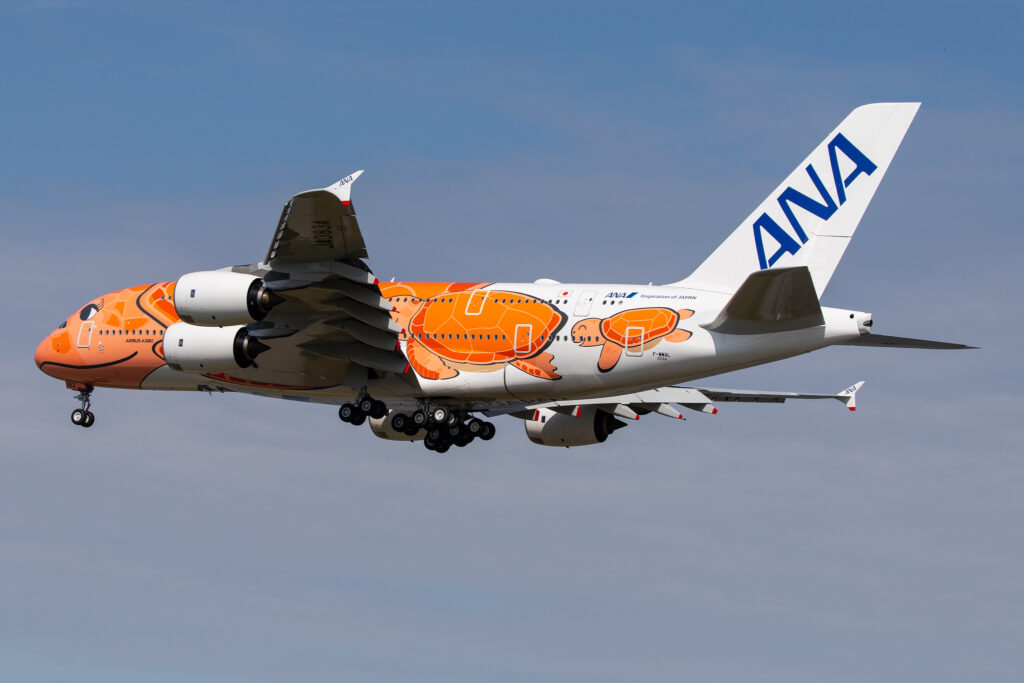
All Nippon Airways (ANA) has carved out a unique niche in the aviation landscape with its fleet of Airbus A380s, known as the ‘Flying Honu.’ Unlike most operators who deploy the superjumbo across multiple high-capacity routes, ANA has committed its three A380-800s exclusively to the Tokyo Narita-Honolulu route. This strategic decision not only highlights the airline’s focus on a popular leisure market but also positions the A380 as a vital asset in ANA’s operational framework.
The Genesis of the Flying Honu
ANA’s journey with the A380 began unexpectedly when the airline acquired three aircraft as part of a restructuring deal following the bankruptcy of Skymark Airlines. Initially, the A380 was not part of ANA’s fleet strategy; however, the airline quickly recognized the potential of these aircraft to serve one of Japan’s most sought-after holiday destinations, Hawaii.
Meet the Fleet
The ‘Flying Honu’ fleet consists of three uniquely liveried A380s:
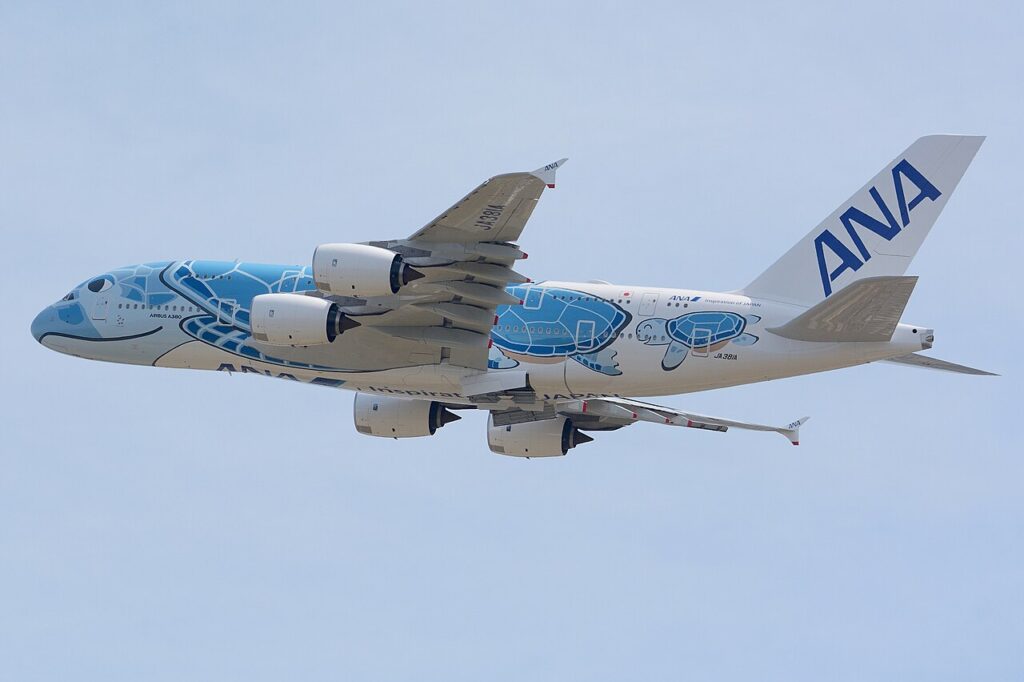
- JA381A Lani – Blue sea turtle
- JA382A Kai – Emerald green sea turtle
- JA383A Lā – Sunset orange sea turtle
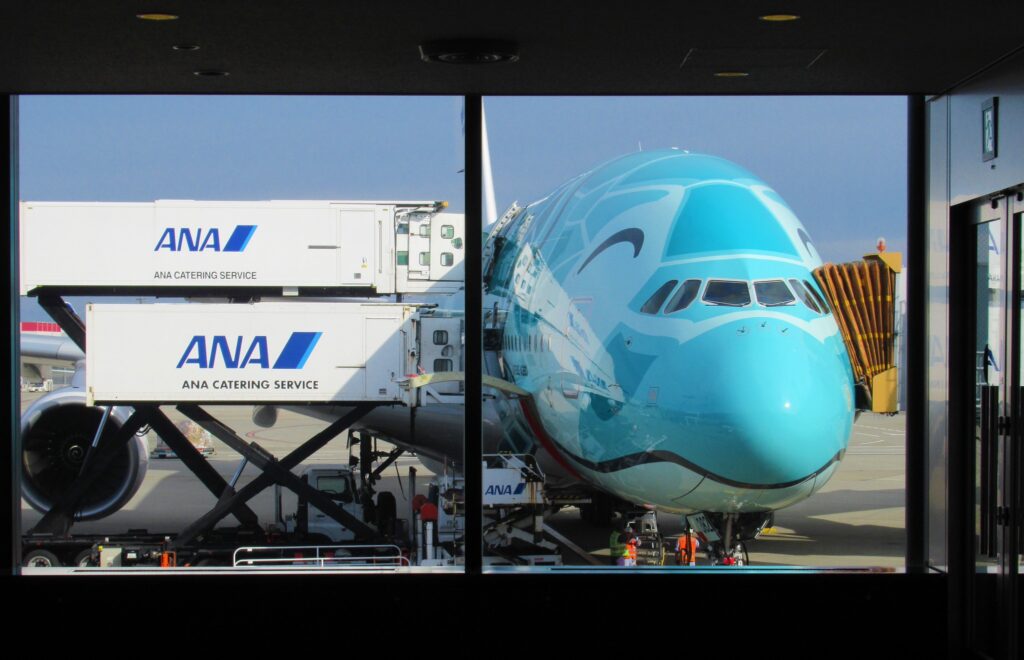
Each aircraft’s livery pays homage to the Hawaiian culture, with ‘Honu’ symbolizing good luck and safe travel. The vibrant designs have made these aircraft some of the most recognizable in the global aviation community.
Operational Focus on Hawaii
ANA operates its A380 fleet solely between Tokyo Narita and Honolulu, a route that has long been a staple for Japanese travelers seeking leisure in Hawaii. Since entering service in May 2019, the A380s have been a consistent presence on this high-demand route, with seasonal frequency adjustments to meet passenger needs.
Innovative Cabin Design
ANA’s A380 configuration is tailored to enhance family travel. With a total capacity of 520 passengers across four classes—8 in First Class, 56 in Business Class, 73 in Premium Economy, and 383 in Economy—the aircraft features the ANA COUCHii, which allows families to convert groups of economy seats into a sofa-like space. This innovative design, along with a multi-purpose room and Hawaiian-themed interiors, underscores the airline’s commitment to providing a family-friendly travel experience.
The Future of the Flying Honu
Despite speculation regarding the potential early retirement of the A380s, there are no current indications that ANA plans to phase them out. The airline continues to invest in the fleet, with the third aircraft having entered service recently after an extended period of storage during the pandemic. Furthermore, the A380 remains prominently featured in ANA’s flight schedules through 2026.
Why the A380 Will Likely Remain
The Flying Honu fleet serves as a powerful marketing tool for ANA, reinforcing the airline’s connection to Hawaii through its distinctive aircraft. The ability to transport over 500 passengers in a single flight is particularly advantageous in a high-capacity market like Tokyo-Honolulu, where demand can be met more efficiently with fewer flights. Additionally, with deliveries occurring between 2019 and 2021, these A380s are among the newest in operation, ensuring they have many productive years ahead.
Conclusion: A Unique Asset in ANA’s Fleet
In conclusion, ANA’s Airbus A380 fleet exemplifies a strategic commitment to serving a key leisure market while also embracing unique branding opportunities. As the airline continues to adapt to changing travel patterns, the Flying Honu is poised to remain a distinctive and valuable component of its operational landscape.





This article was prepared by LibelulaFly as an independent aviation-news summary and editorial reinterpretation based on publicly available reporting. Images, when used, are included for editorial context with source attribution. Original source: www.airportspotting.com. Read the original article here: https://www.airportspotting.com/anas-unique-airbus-a380-fleet-what-makes-the-flying-honu-so-special/.
List, promote, or publish aircraft with LibelulaFly.
LibelulaFly.com • Sales@libelulafly.com • +1 305-332-1942

Jul
The Boeing 727: A Jet Age Icon
The Boeing 727, a hallmark of commercial aviation, continues to capture the interest of aviation enthusiasts and professionals alike. Developed in the early 1960s, this tri-jet was designed for short- to medium-haul routes, offering unique capabilities that allowed it to serve smaller airports effectively. With its innovative T-tail design and rear airstairs, the 727 provided airlines with operational flexibility that was unmatched at the time.
First taking to the skies in February 1963, the 727 quickly gained traction, entering service with major airlines such as United Air Lines and Eastern Air Lines. Over its 22-year production span, Boeing manufactured 1,832 units, making it the best-selling jet airliner until the Boeing 737 took that title. Its versatility allowed it to operate in diverse environments, with significant fleets across North America, Europe, and beyond.
A Shift in the Aviation Landscape
However, as the aviation industry evolved, so did the demands placed on commercial aircraft. By the 1990s, the Boeing 727’s three-engine configuration became a liability as newer twin-engine jets emerged, boasting better fuel efficiency and lower maintenance costs. The operational economics shifted, leading to the retirement of many passenger variants in favor of more modern aircraft.

Today, only a handful of Boeing 727s remain active, primarily serving specialized roles in cargo transport and governmental operations. The aircraft’s legacy is preserved in various capacities, demonstrating its adaptability and resilience in a rapidly changing market.
Current Operators of the Boeing 727
As of 2026, the fleet of active Boeing 727s is limited but notable. These aircraft are primarily utilized for cargo operations and special missions across several regions. Noteworthy operators include:
- Safe Air Company: Operating in Nairobi, Kenya
- Serve Air Cargo: Active in Kinshasa, Democratic Republic of Congo
- Government of Democratic Congo: Utilizing 727s for governmental purposes
- Air Class: Based in Montevideo, Uruguay
- USA Jet Airlines: Operating in Michigan, USA
These operators highlight the ongoing relevance of the 727 in niche markets where its unique capabilities can be leveraged effectively.
Preserving History: The Prototype’s Legacy
The historical significance of the Boeing 727 is preserved not only through its operational fleet but also via its prototype, which resides at the Museum of Flight in Seattle. This aircraft serves as a testament to the innovative spirit of the Jet Age and the impact the 727 has had on commercial aviation.

As aviation continues to evolve, the legacy of the Boeing 727 reminds us of the technological advancements that have shaped the industry. While the operational fleet may be dwindling, the aircraft’s influence remains significant, marking an era of aviation that paved the way for modern air travel.


This article was prepared by LibelulaFly as an independent aviation-news summary and editorial reinterpretation based on publicly available reporting. Images, when used, are included for editorial context with source attribution. Original source: www.airportspotting.com. Read the original article here: https://www.airportspotting.com/every-active-boeing-727-in-2026-your-guide/.
List, promote, or publish aircraft with LibelulaFly.
LibelulaFly.com • Sales@libelulafly.com • +1 305-332-1942
Jul
The Airbus A220: Transforming the 100-150 Seat Market
The Airbus A220 has emerged as a pivotal player in commercial aviation, particularly within the 100-150 seat segment. Initially developed by Bombardier as the CSeries, the aircraft transitioned to Airbus ownership in 2018, leading to a significant redesign and rebranding. Today, the A220 is celebrated for its fuel efficiency, extended range, and passenger-centric cabin features, making it a preferred choice for airlines worldwide.
A Growing Global Presence
With over 500 A220 aircraft currently in operation, the model has effectively replaced older aircraft types, such as the Airbus A319 and Boeing 737-700, across various airlines. As Airbus ramps up production, the A220 is increasingly visible at airports in North America, Europe, and beyond, solidifying its status as a mainstay in modern fleets.
Leading Operators in the A220 Fleet
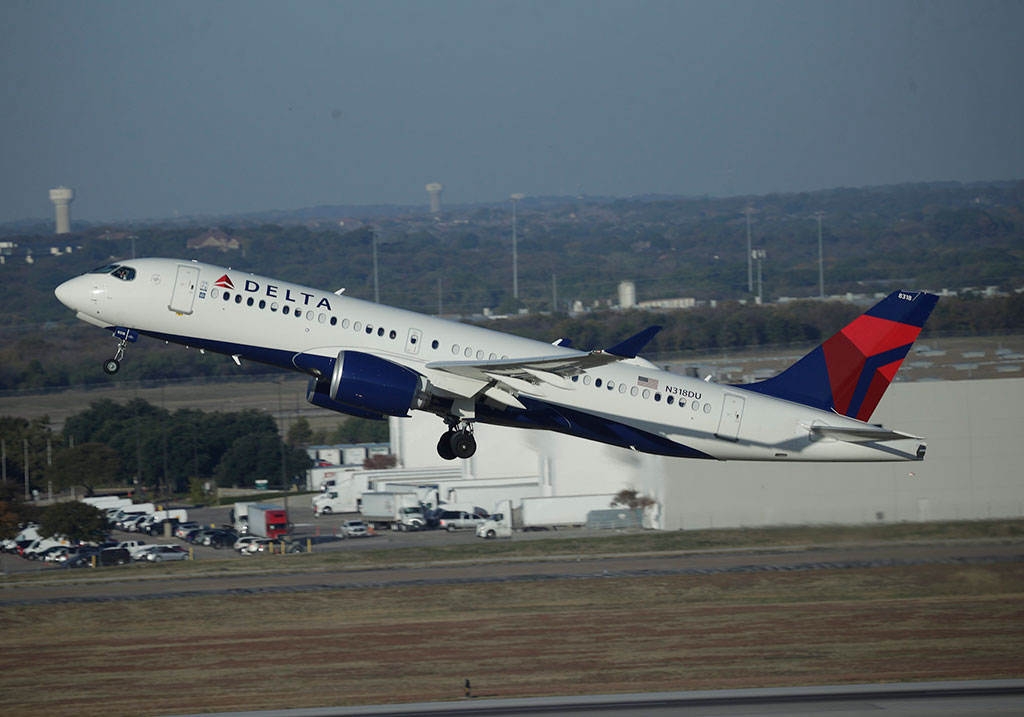
Delta Air Lines stands at the forefront as the largest operator of the Airbus A220, with a fleet of 87 aircraft. The airline utilized the A220 to modernize its fleet, replacing older models like the McDonnell Douglas MD-88 and MD-90. This strategic move has allowed Delta to enhance its operational efficiency while providing passengers with a comfortable travel experience.
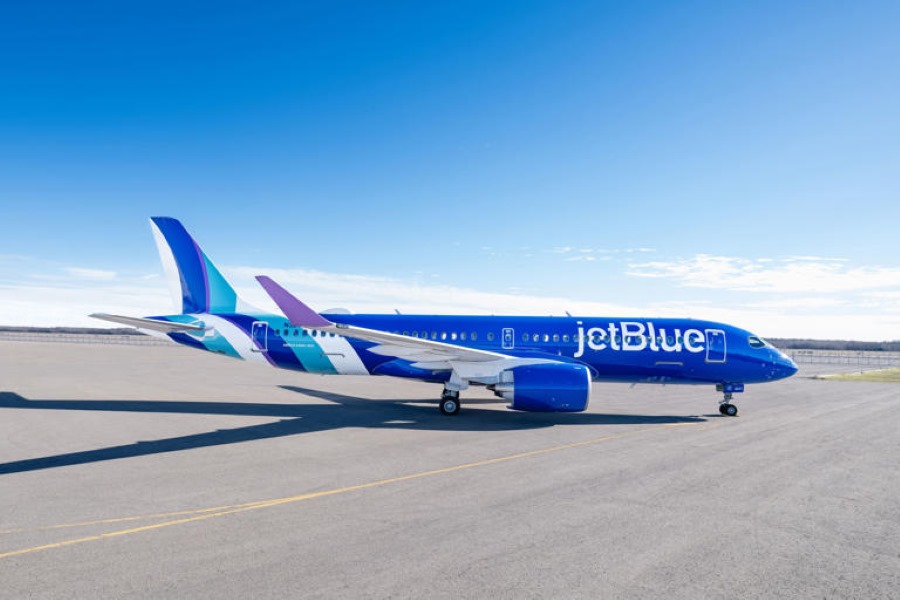
JetBlue follows closely with 65 A220-300s, replacing its Embraer E190 fleet. The airline’s focus on passenger comfort and modern amenities, combined with lower fuel consumption, has made the A220 a valuable addition to its operations.
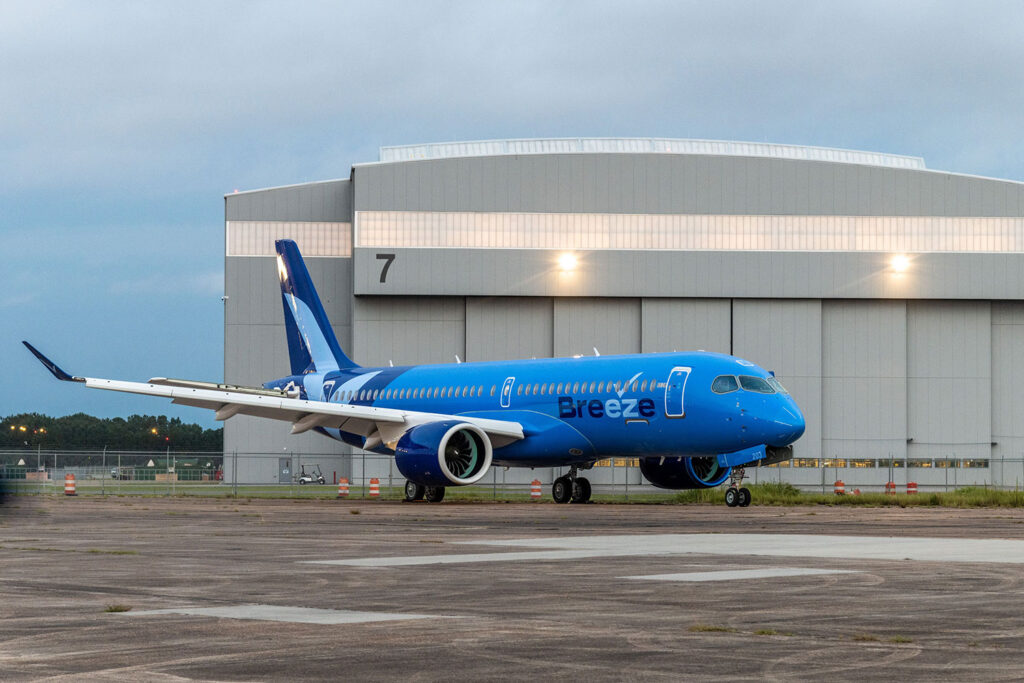
Breeze Airways has also embraced the A220-300, operating 57 units to connect underserved markets across the U.S. The aircraft’s long-range capabilities and cost-effectiveness align with Breeze’s mission to serve routes that larger jets cannot efficiently cover.
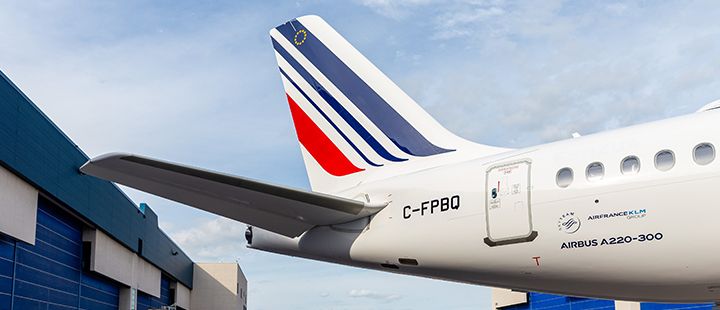
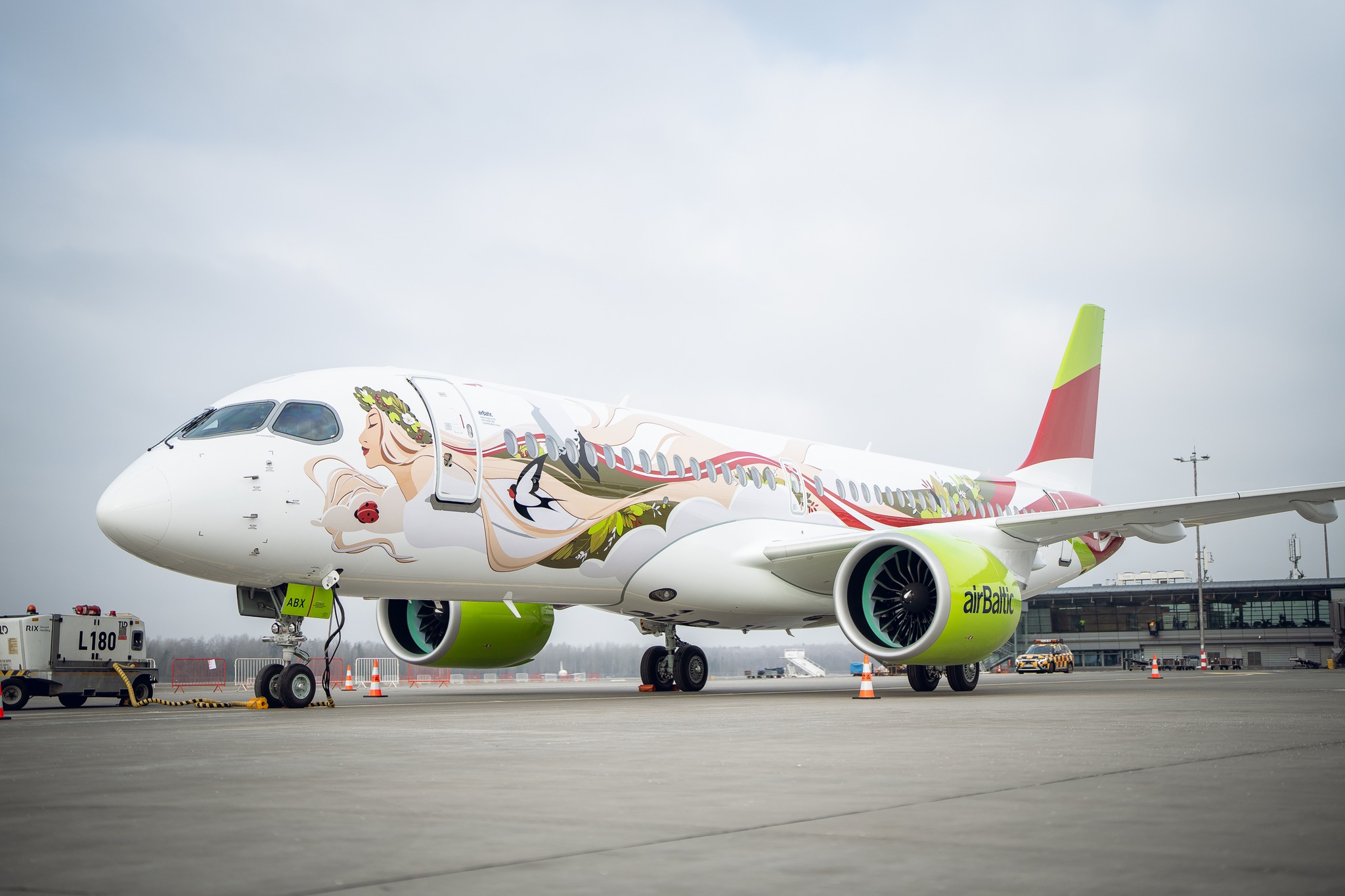
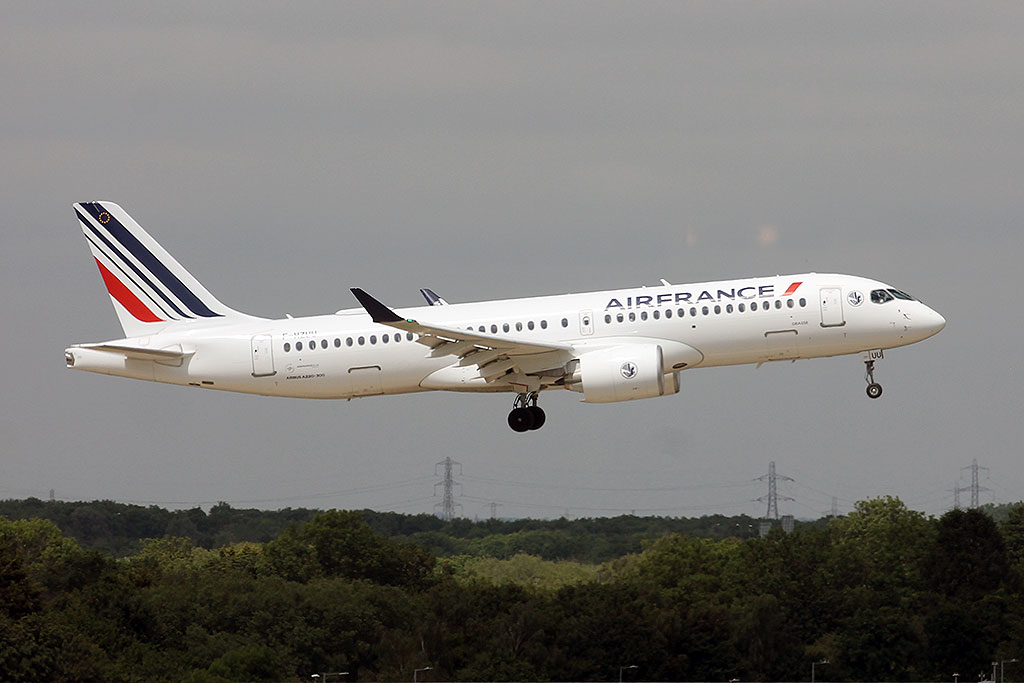
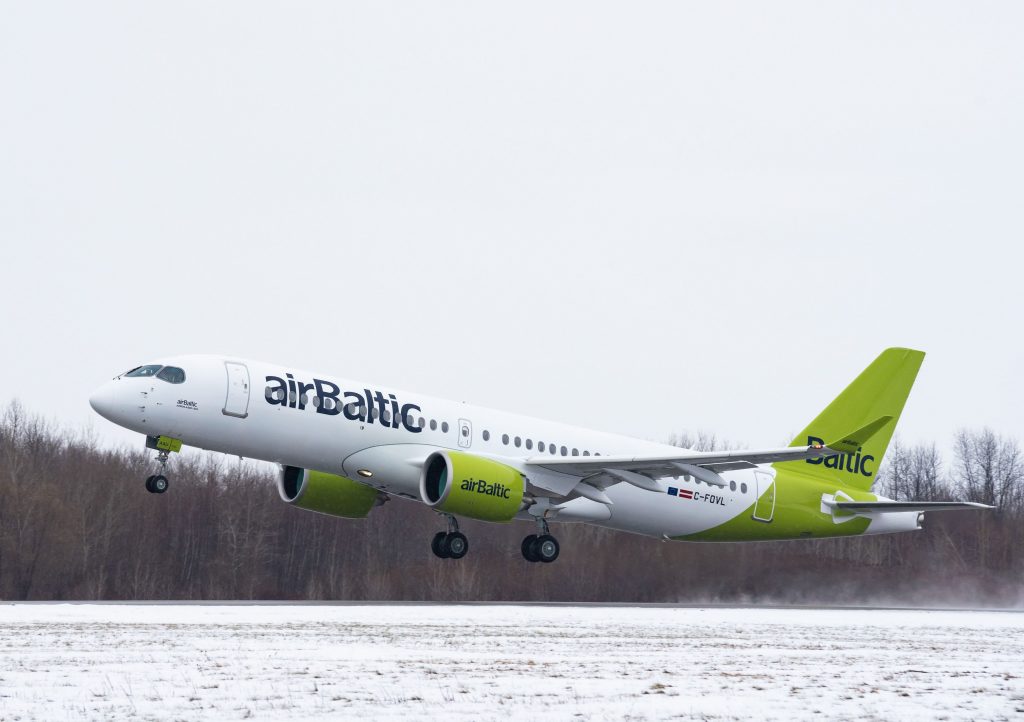
Air France and airBaltic are notable operators as well, with 56 and 55 A220s in their fleets, respectively. Air France is leveraging the A220 to refresh its short-haul services, while airBaltic proudly operates an all-A220 fleet, emphasizing its commitment to modern, efficient air travel.
Market Implications and Future Developments
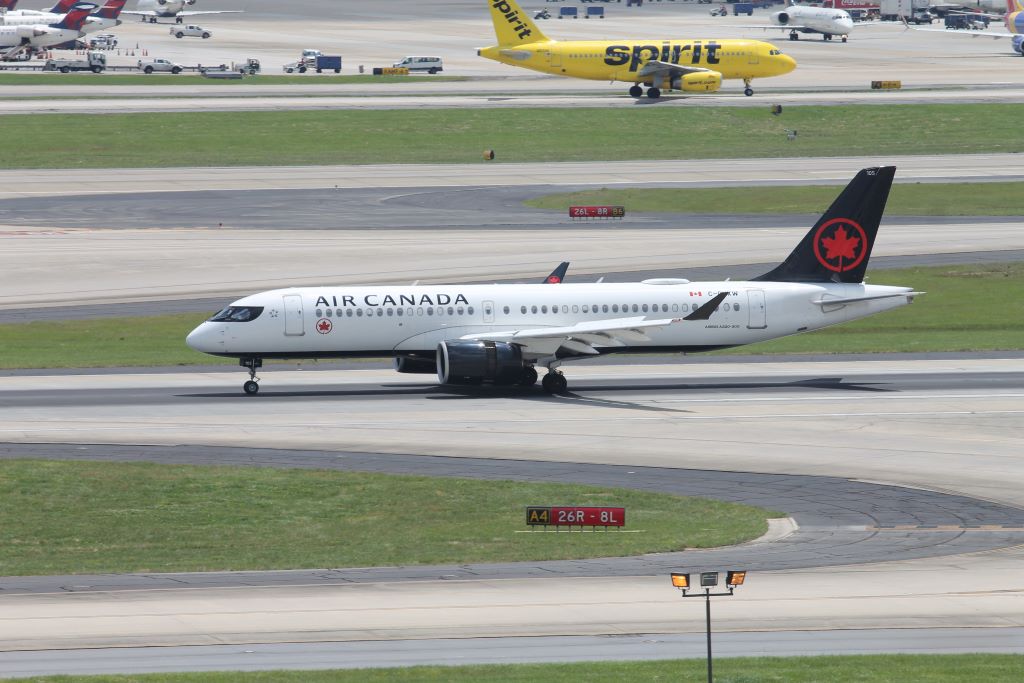
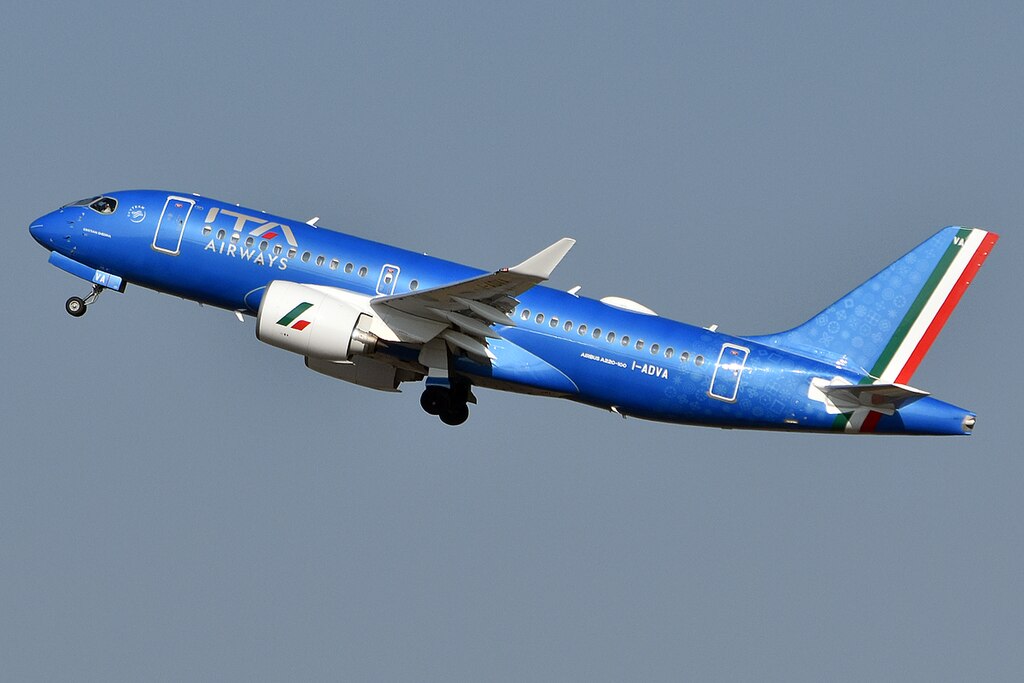
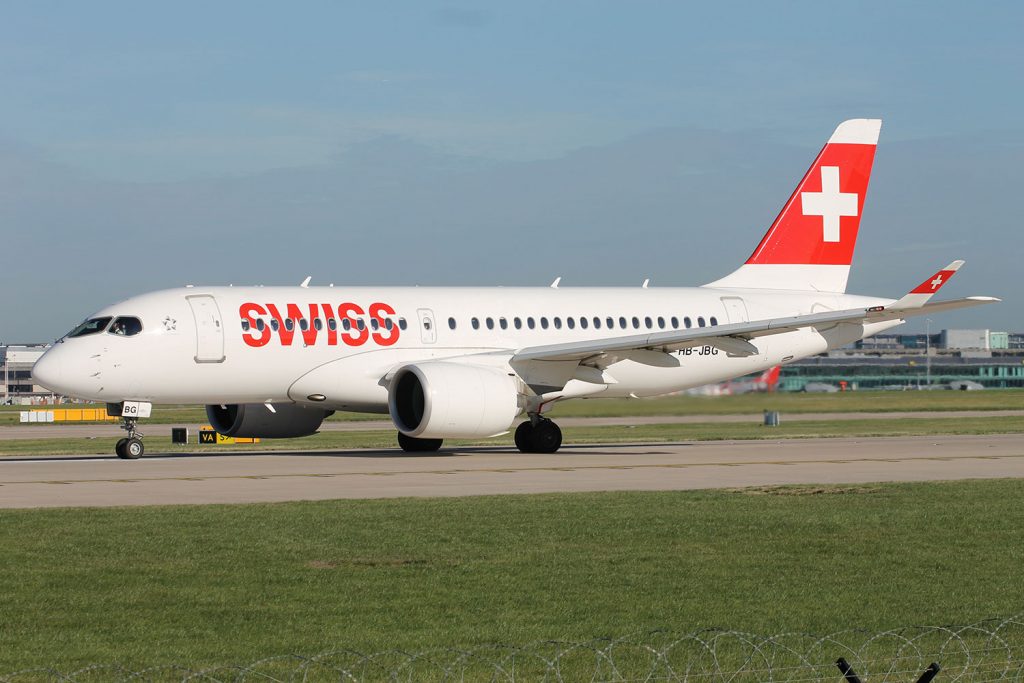
As airlines like Air Canada, ITA Airways, SWISS, QantasLink, and Korean Air integrate the A220 into their fleets, the aircraft’s influence continues to expand. The operational versatility and economic advantages of the A220 are evident, as it serves routes ranging from domestic flights to international connections.
The A220’s success has prompted Airbus to consider an extended version, the A220-500, which could further enhance its appeal in the competitive narrowbody market currently dominated by the A320neo and Boeing 737 MAX 8. Additionally, a recent order from AirAsia for 150 A220-300s signifies the aircraft’s growing popularity, positioning AirAsia to potentially become the largest operator of the A220 series.
A Bright Future for the A220
As the Airbus A220 continues to gain traction among airlines globally, its role in shaping the future of commercial aviation is undeniable. The aircraft’s combination of operational efficiency, passenger comfort, and environmental sustainability aligns with the evolving demands of the airline industry. With production on the rise and new variants on the horizon, the A220 is set to play a critical role in the next chapter of aviation history.
This article was prepared by LibelulaFly as an independent aviation-news summary and editorial reinterpretation based on publicly available reporting. Images, when used, are included for editorial context with source attribution. Original source: www.airportspotting.com. Read the original article here: https://www.airportspotting.com/10-biggest-operators-of-the-airbus-a220/.
List, promote, or publish aircraft with LibelulaFly.
LibelulaFly.com • Sales@libelulafly.com • +1 305-332-1942
Jul
Air Canada Enhances Route Network with A321XLR
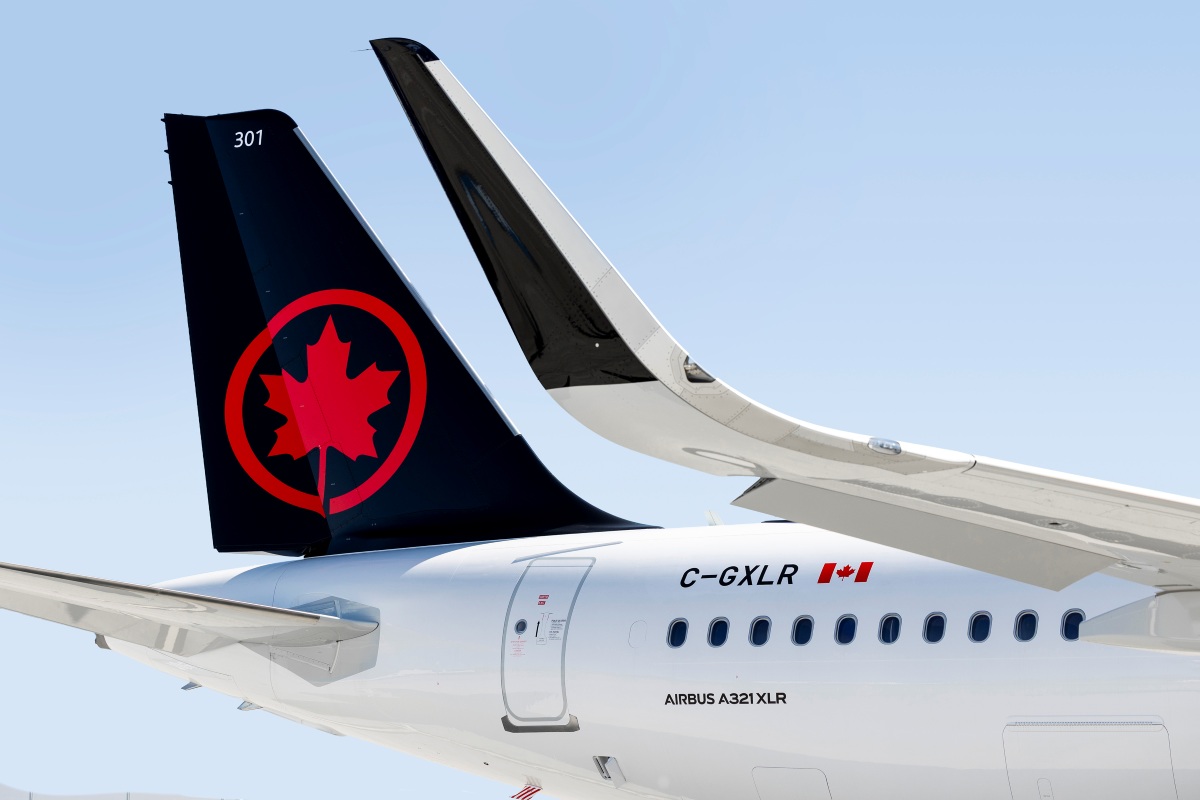
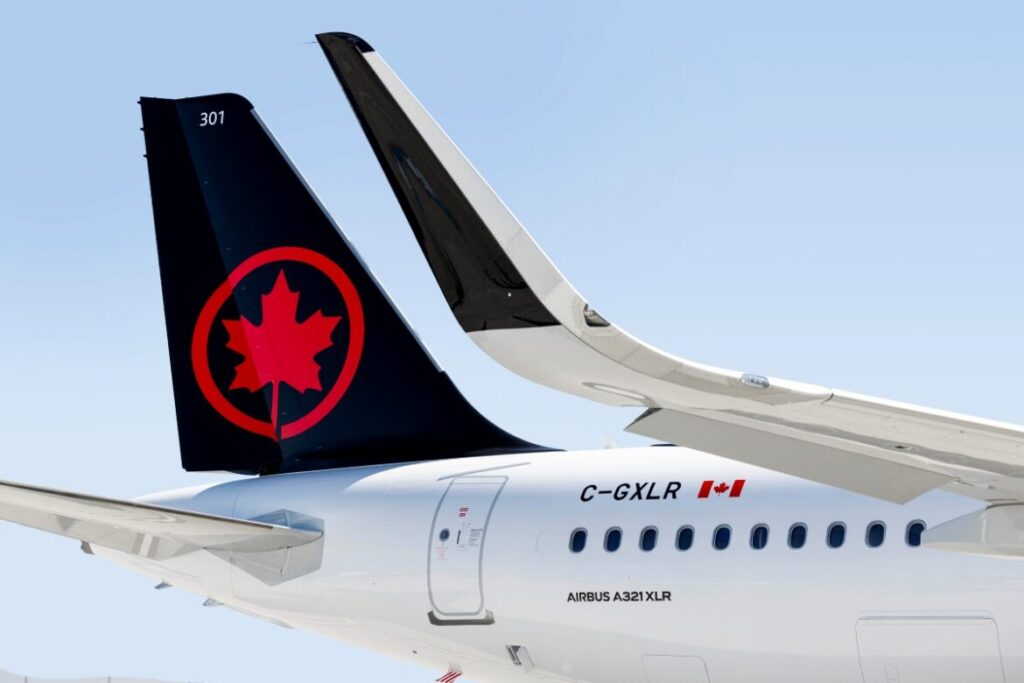
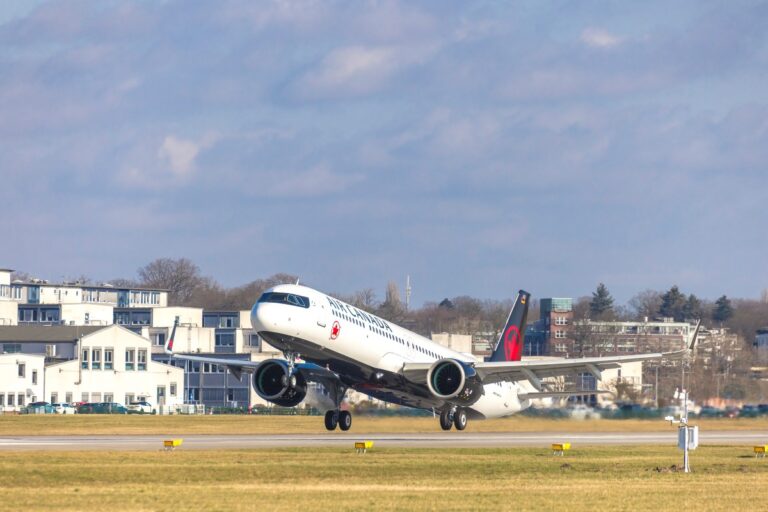
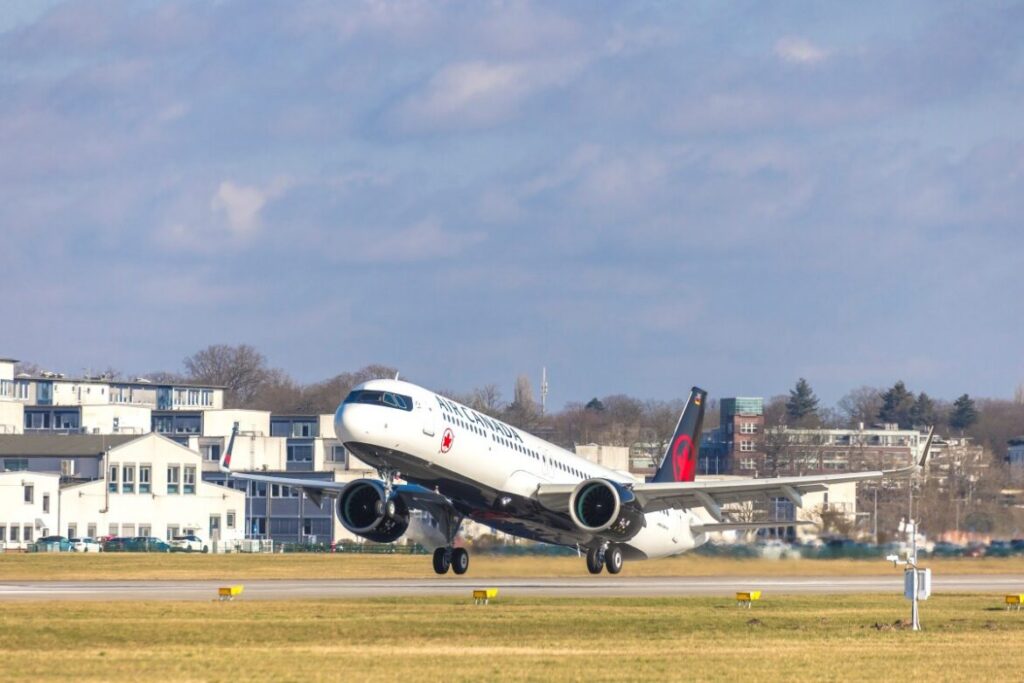
Air Canada has unveiled its strategic deployment plans for the Airbus A321XLR aircraft during the winter schedule of 2026/27. The airline aims to capitalize on the aircraft’s long-range capabilities by integrating it into a more extensive array of both domestic and international routes, marking a significant evolution in its operational strategy.
Broadening Horizons: Domestic and Transatlantic Services
Initially, the A321XLR was primarily associated with Air Canada’s new European routes. However, as part of the upcoming winter schedule, the aircraft will become an integral part of the airline’s North American services. Key routes set to feature the A321XLR include:
- Montreal – San Francisco: Transitioning to a daily service starting January 15, 2027.
- Toronto Pearson – Los Angeles: Introducing A321XLR operations from December 15, 2026.
- Toronto Pearson – Calgary: Daily A321XLR flights commencing December 16, 2026.
- Montreal – Toronto Pearson: Offering two to three weekly flights from October 25 to January 7.
- Montreal – Miami: Adding a weekly A321XLR service during the peak Christmas travel period.
- Montreal – Ottawa: Weekly flights scheduled for the festive season.
In addition to these domestic routes, Air Canada is also expanding the A321XLR’s reach into the Caribbean, introducing a new service from Montreal to Bridgetown, Barbados, with five weekly flights planned for December.
Refining Transatlantic Operations
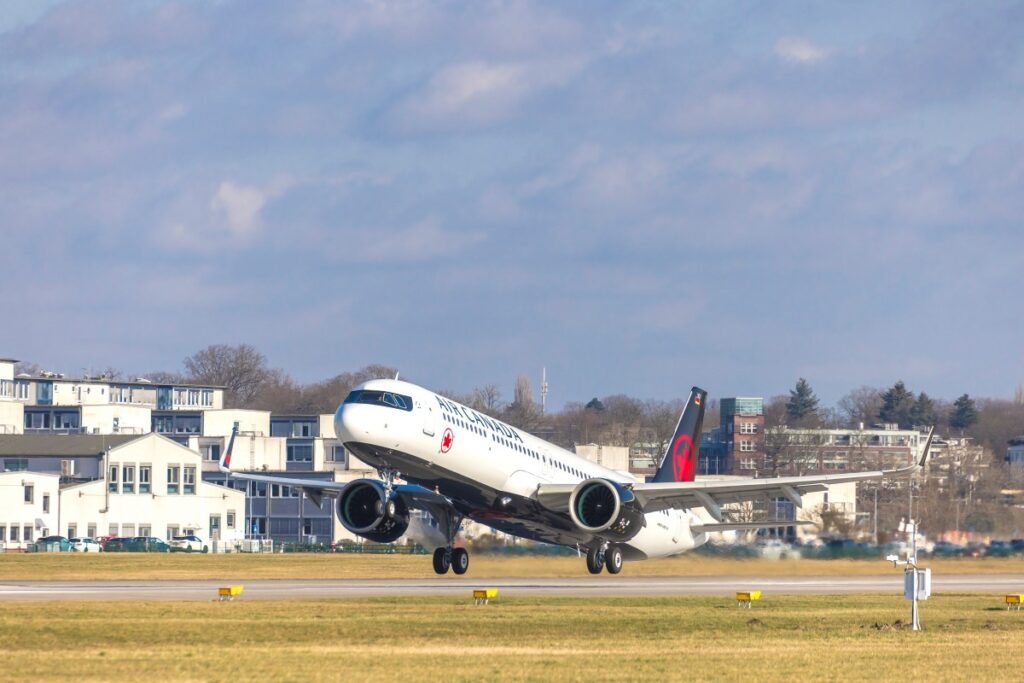
As the airline continues to receive additional A321XLR aircraft, it is also optimizing its transatlantic operations. A notable adjustment includes the replacement of the Boeing 737 MAX 8 with the A321XLR on the Halifax to London Heathrow route, set to begin on December 17, 2026, with four flights per week. Although the A321XLR was initially slated to commence earlier, the revised schedule reflects a careful assessment of demand and operational efficiency.
Furthermore, the Montreal to Lisbon route will now feature a mixed operation, with three weekly A321XLR flights supplemented by one Airbus A330-300 service, adjusting from the previously planned five A321XLR flights.
Strategic Adaptations in a Dynamic Market
These recent changes exemplify Air Canada’s proactive approach to fleet management and route optimization. By diversifying the A321XLR’s deployment across a wider range of routes, the airline not only enhances passenger choice but also aligns its services with evolving market demands. The adjustments highlight the airline’s commitment to leveraging the capabilities of its fleet while responding to passenger preferences and operational realities.
Looking Ahead: Future Prospects for Air Canada
The ongoing integration of the Airbus A321XLR into Air Canada’s operations signifies a pivotal moment for the airline as it seeks to strengthen its market position. As the fleet expands and operational data becomes clearer, further adjustments may be anticipated. This strategic deployment not only underscores Air Canada’s adaptability but also positions it favorably for future growth in both domestic and international markets.



This article was prepared by LibelulaFly as an independent aviation-news summary and editorial reinterpretation based on publicly available reporting. Images, when used, are included for editorial context with source attribution. Original source: www.airportspotting.com. Read the original article here: https://www.airportspotting.com/air-canada-expands-airbus-a321xlr-network-for-winter-2026-27/.
List, promote, or publish aircraft with LibelulaFly.
LibelulaFly.com • Sales@libelulafly.com • +1 305-332-1942
Jun
Conviasa’s Distinctive Role in Aviation
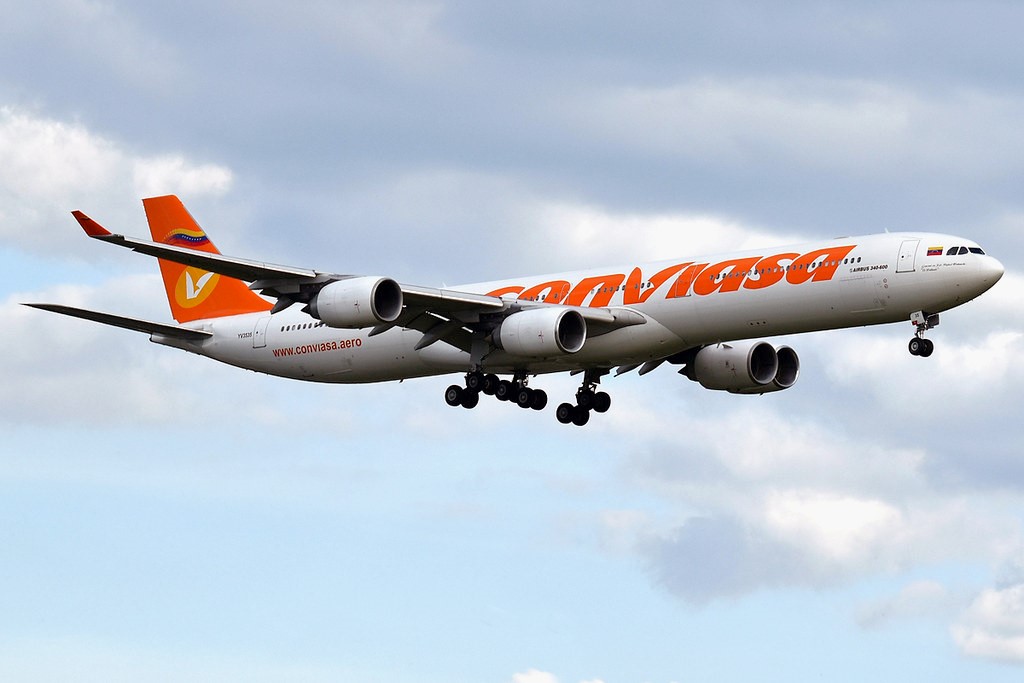
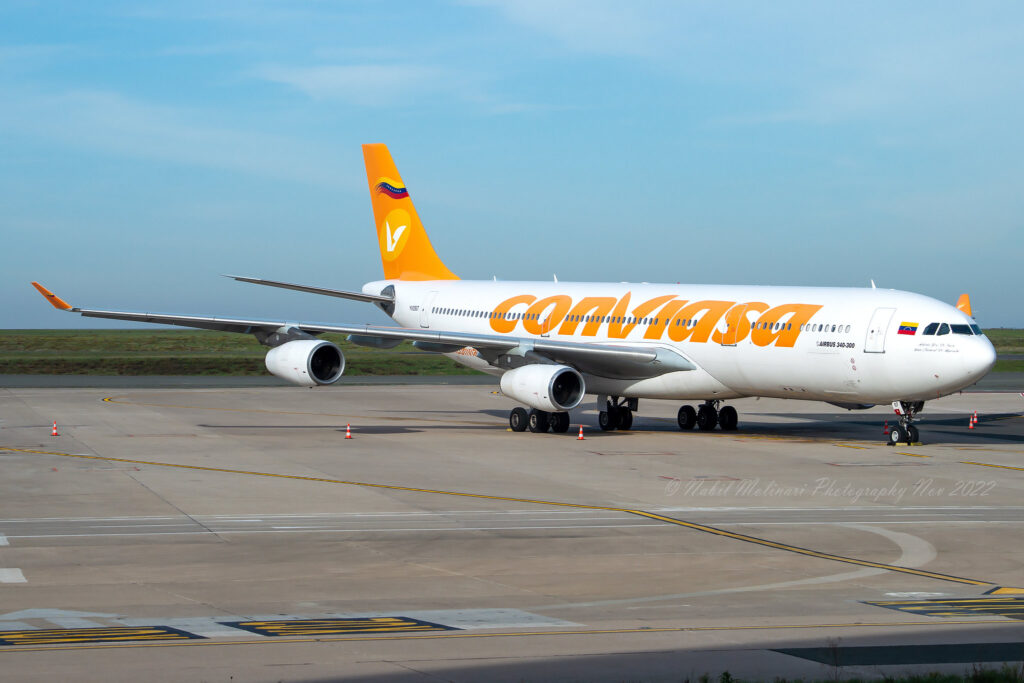
Conviasa, the national airline of Venezuela, continues to intrigue aviation enthusiasts with its operation of classic aircraft, notably the Airbus A340. While most global airlines have transitioned to more modern fleets, Conviasa’s commitment to older models offers a unique glimpse into aviation history. The recent lifting of U.S. sanctions against the airline has reignited discussions about its operational capabilities and potential for fleet modernization.
A Historical Overview
Founded in 2004, Conviasa emerged from the collapse of its predecessor, Viasa, with the mission of enhancing air connectivity within Venezuela and establishing international links. Headquartered at Simón Bolívar International Airport in Caracas, the airline has expanded its domestic network while also serving various international destinations throughout Latin America and the Caribbean.
As a state-owned entity, Conviasa has prioritized connectivity over profitability, playing a crucial role in linking remote regions with urban centers. This operational philosophy has resulted in a diverse fleet that captures the interest of aviation aficionados.
Routes and Connectivity
Conviasa’s domestic operations connect Caracas to several key cities, including Maracaibo, Porlamar, and Maturín. Internationally, the airline serves destinations such as Havana, Managua, and Cancun, with routes often reflecting the political landscape rather than purely commercial considerations.
For enthusiasts, the airline’s service to Mexico and Caribbean locations provides accessible opportunities to experience its unique fleet in action.
A Fleet of Classics
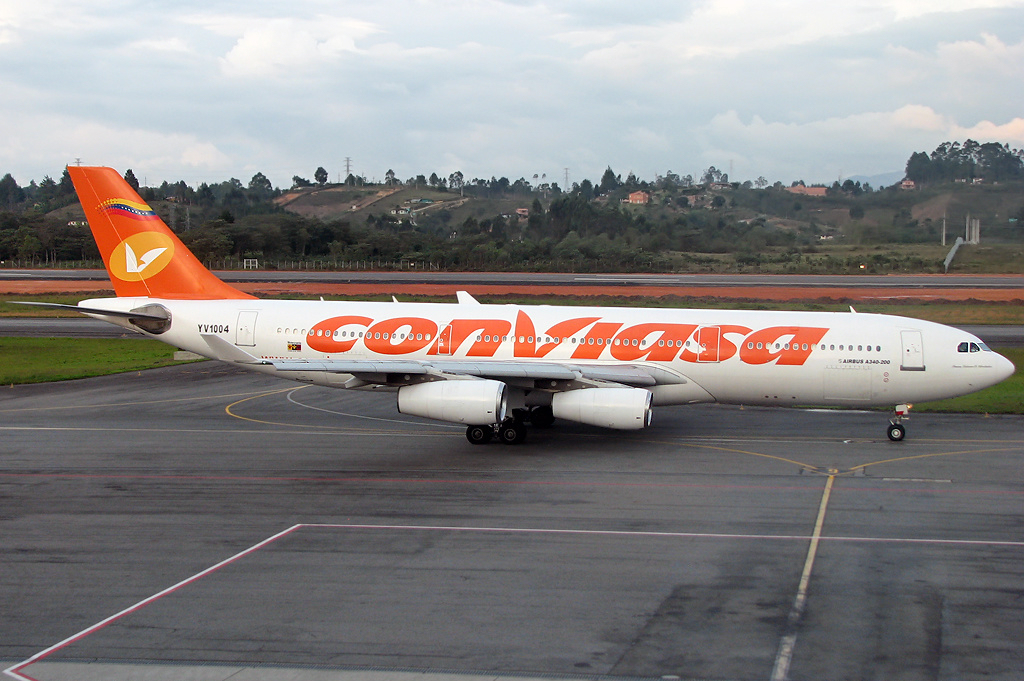
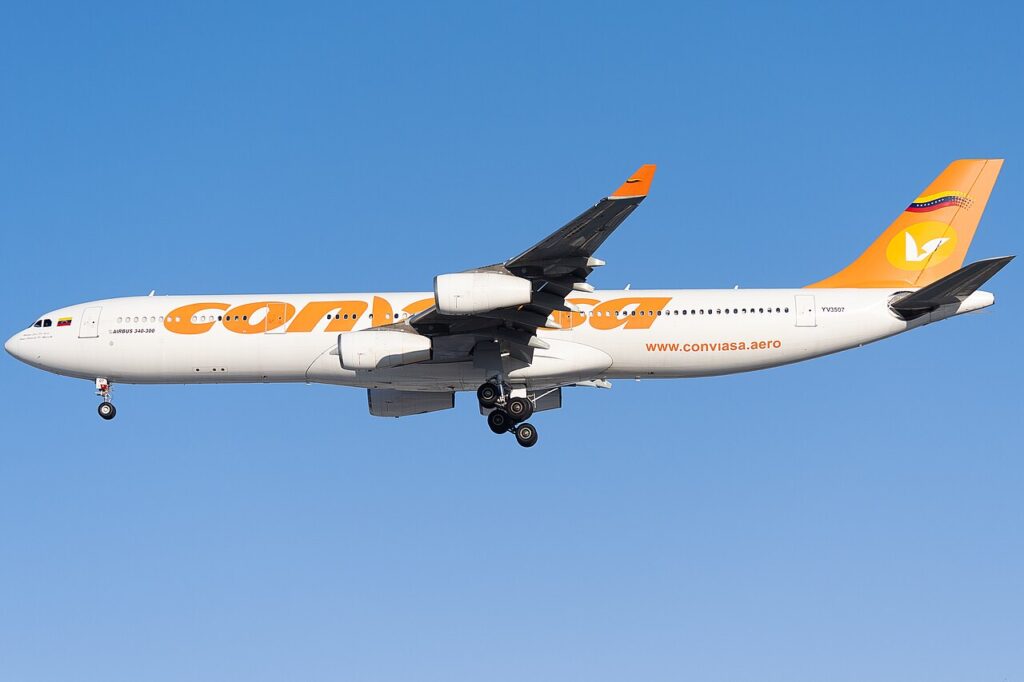
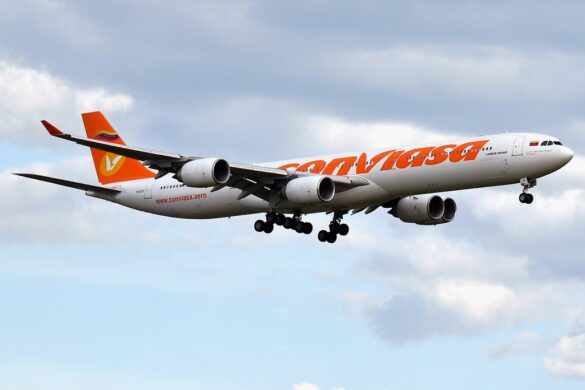
One of the defining features of Conviasa is its eclectic aircraft lineup. The flagship models are the Airbus A340-200 and A340-300, making it one of the few airlines still utilizing these four-engine aircraft for passenger service. Once a staple among major carriers, the A340 has largely been phased out due to rising fuel costs and the efficiency of newer twin-engine models.
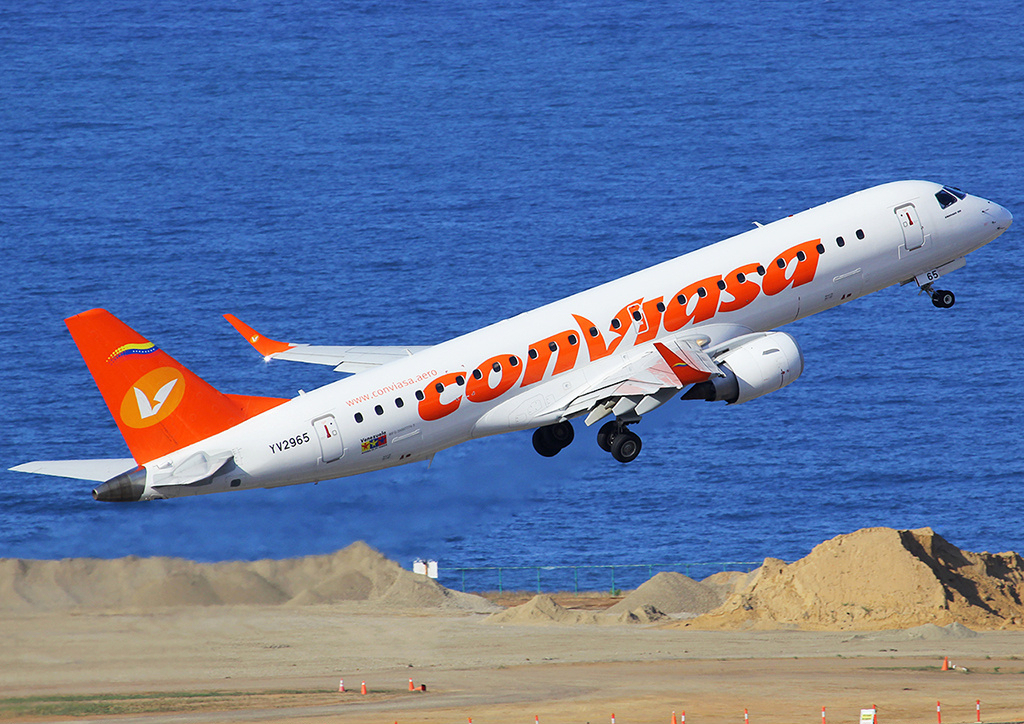
For aviation enthusiasts, Conviasa represents one of the last chances to log a flight on the A340, particularly the rare A340-200 variant. Alongside the A340s, the airline operates a fleet of Embraer E190s, which are crucial for domestic and regional routes, and ATR 42 turboprops for connecting smaller airports.
The Impact of Sanctions
In 2020, U.S. sanctions significantly hindered Conviasa’s operations, limiting access to essential aircraft parts and maintenance support. The recent removal from the sanctions list could facilitate easier access to these resources, although various export controls remain in place.
Looking Ahead: The Future of Conviasa
The lifting of sanctions opens the door for potential fleet modernization, though immediate changes are not guaranteed. With improved access to maintenance and financing, Conviasa may consider renewing its fleet with newer models, including Airbus A320-family aircraft or additional Embraer jets. However, this modernization could also lead to the retirement of the A340s, marking the end of an era for enthusiasts hoping to experience these classic aircraft.
As Conviasa navigates its future, the airline’s unique position in the aviation landscape continues to captivate those who appreciate the rich history and evolution of air travel.



This article was prepared by LibelulaFly as an independent aviation-news summary and editorial reinterpretation based on publicly available reporting. Images, when used, are included for editorial context with source attribution. Original source: www.airportspotting.com. Read the original article here: https://www.airportspotting.com/conviasa-venezuelas-flag-carrier-and-one-of-the-last-places-to-fly-an-airbus-a340/.
List, promote, or publish aircraft with LibelulaFly.
LibelulaFly.com • Sales@libelulafly.com • +1 305-332-1942
May
Decline of a British Aviation Icon
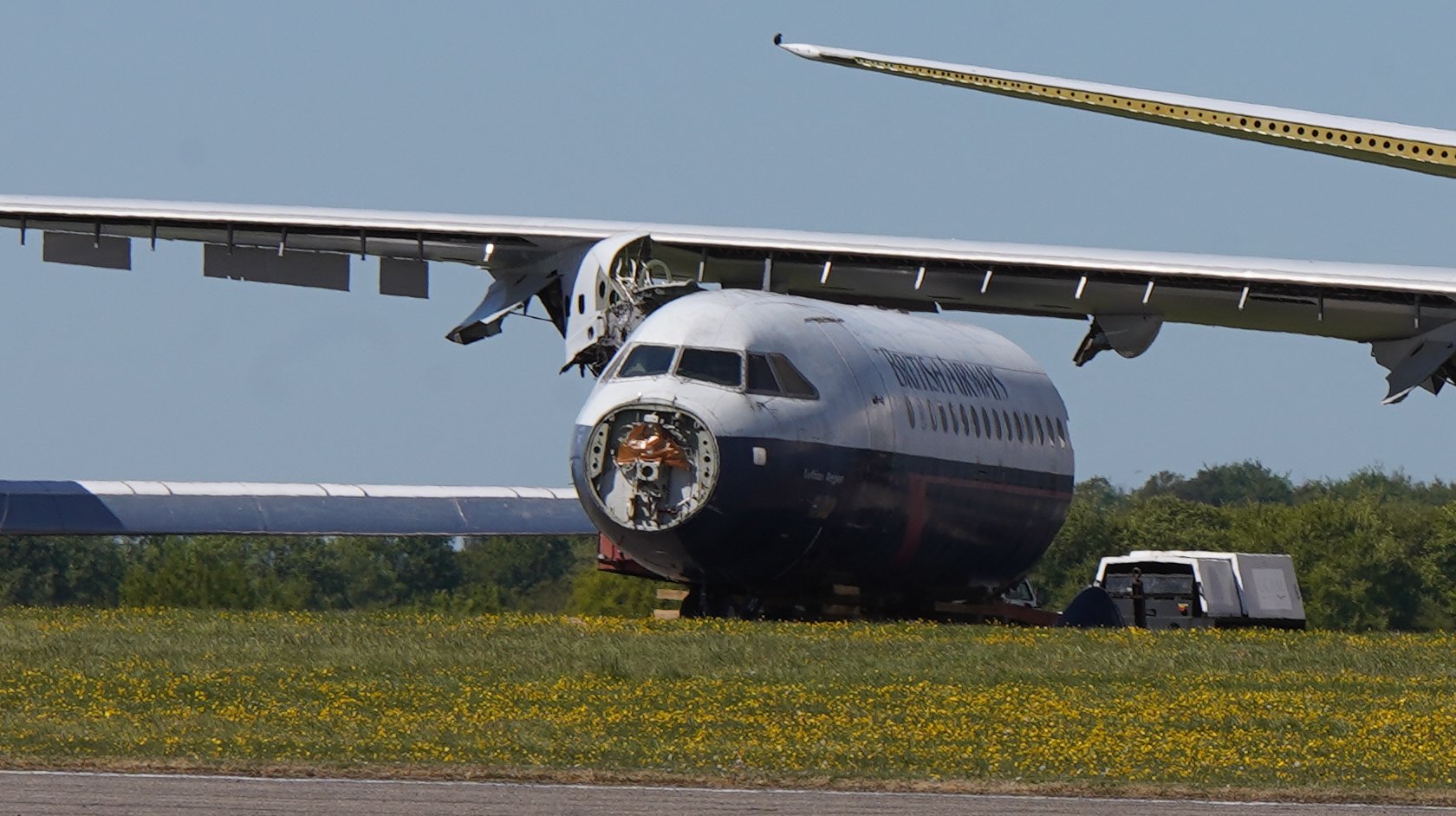
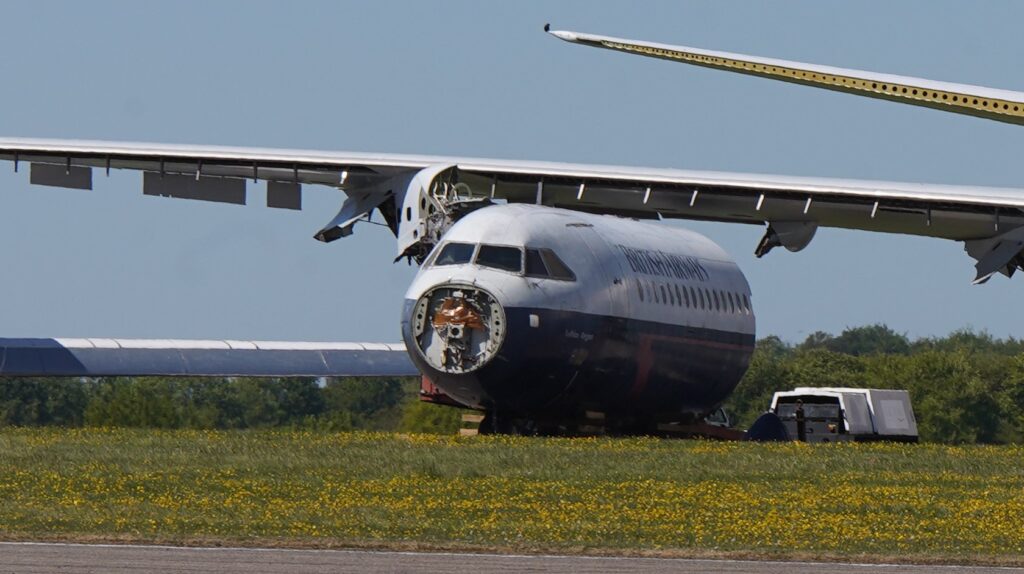
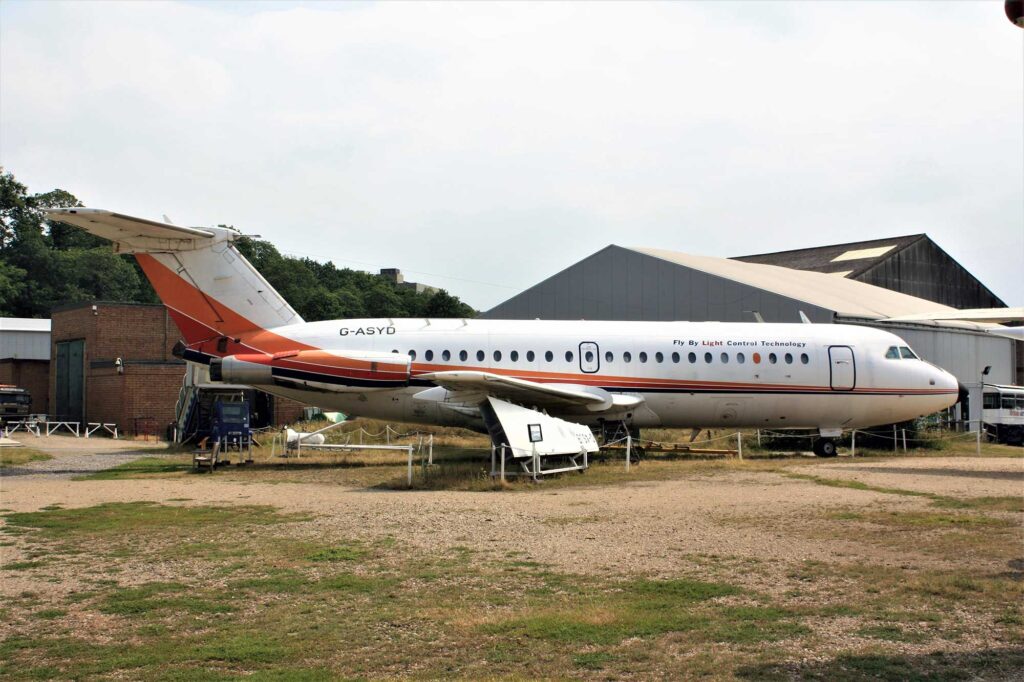
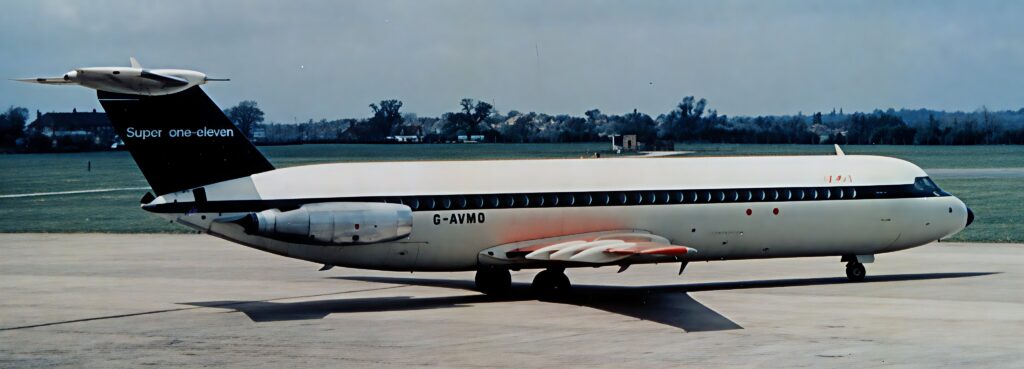
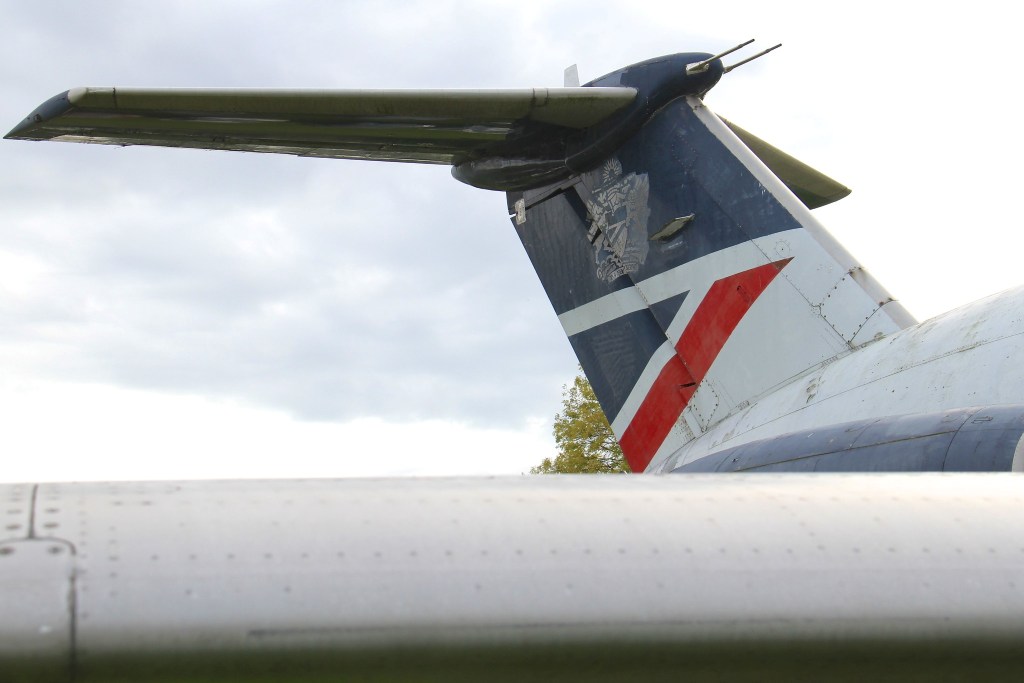
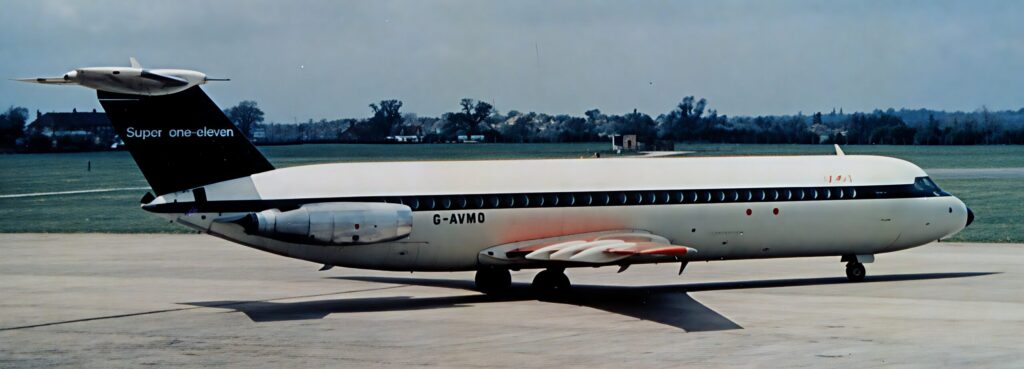
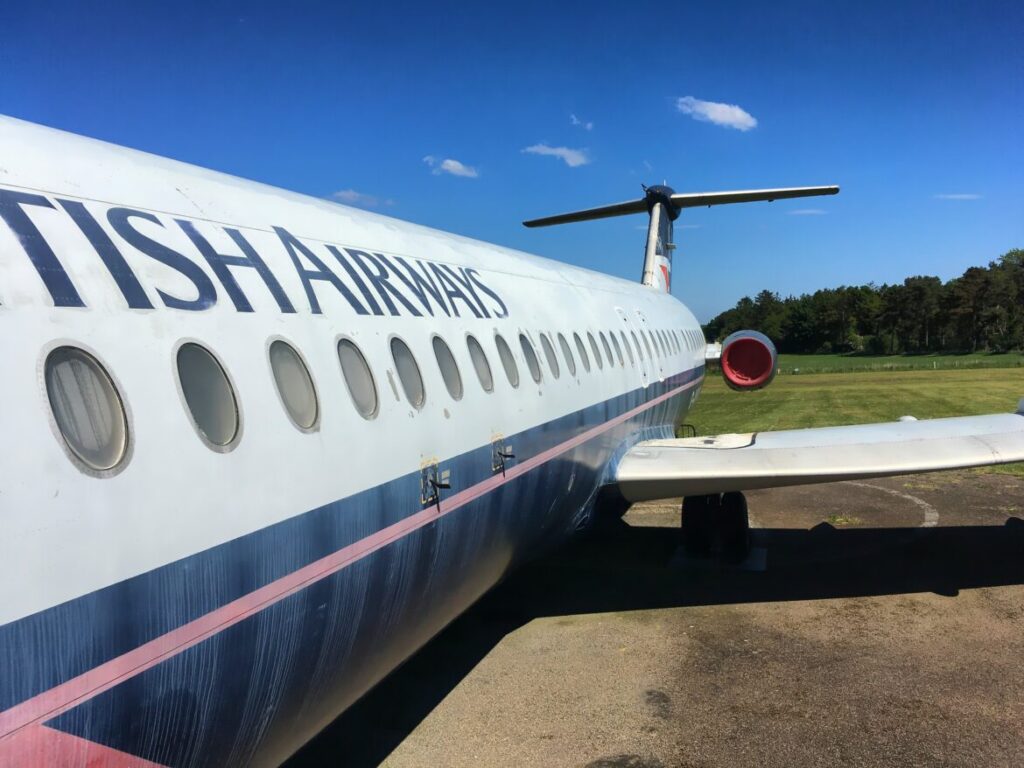
The historic BAC One-Eleven, a hallmark of British aviation from the 1960s through the 1980s, has experienced another significant loss as G-AVMO, a notable example of the aircraft, has been dismantled. Previously showcased at the National Museum of Flight in Scotland, G-AVMO succumbed to years of exposure and deterioration, leading to its removal and subsequent dismantling at Cotswold Airport. This event underscores the ongoing challenges faced in preserving aviation heritage amid changing environmental conditions.
A Legacy of Short-Haul Jet Travel
Developed by the British Aircraft Corporation, the BAC One-Eleven was designed to meet the burgeoning demand for short-haul jet services. Its first flight in 1963 marked the beginning of a successful era, with the aircraft becoming a staple for numerous airlines, including British European Airways and later British Airways. The One-Eleven was celebrated for its operational versatility, allowing it to thrive in various regional settings across Europe.
Challenges in Preservation
The dismantling of G-AVMO raises pressing questions regarding the preservation of historical aircraft. The museum’s decision was driven by the aircraft’s deteriorated state, exacerbated by the UK’s challenging weather conditions. Corrosion and structural damage have rendered many outdoor displays unsustainable, prompting discussions in the aviation community about the future of such significant artifacts.
Remaining Examples and Their Conditions
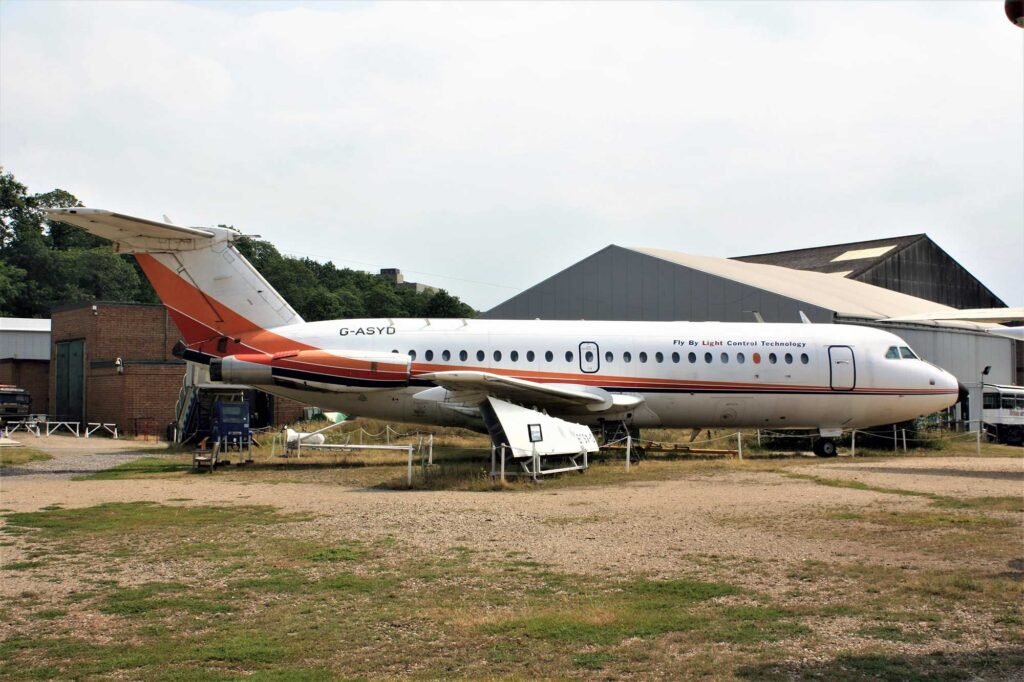
With G-AVMO’s dismantling, only two complete BAC One-Eleven airframes are now known to exist in the UK. One is housed at the British Airliner Collection in Duxford, while the other is a prototype at Brooklands Museum. Both have benefitted from dedicated preservation efforts, which have helped maintain their structural integrity despite being displayed outdoors. However, the number of complete examples is dwindling, making the need for proactive preservation efforts increasingly urgent.
Reflections on an Era
The BAC One-Eleven’s contribution to aviation history cannot be understated. It played a crucial role in shaping the landscape of regional air travel, offering airlines a reliable and efficient option for short-haul flights. Its distinctive design and operational capabilities left a lasting impact, with its sound and silhouette becoming synonymous with an era of British aviation.
The Future of Aviation Heritage
The fate of G-AVMO serves as a poignant reminder of the challenges faced by aviation museums. As large aircraft become increasingly difficult to maintain, the preservation of aviation history may require innovative solutions and increased funding. Enthusiasts and historians alike are calling for a renewed focus on the protection of these aircraft, not only as technical achievements but as cultural artifacts that represent a significant chapter in Britain’s aviation narrative.
Conclusion: A Call to Action
As the aviation community reflects on the legacy of the BAC One-Eleven, the loss of G-AVMO highlights the urgent need for action in preserving the remaining examples of this iconic aircraft. The memories and experiences associated with the One-Eleven are invaluable, and safeguarding these pieces of history will require collaboration among aviation enthusiasts, museums, and funding bodies. The hope remains that the stories of these aircraft will continue to inspire future generations.

This article was prepared by LibelulaFly as an independent aviation-news summary and editorial reinterpretation based on publicly available reporting. Images, when used, are included for editorial context with source attribution. Original source: www.airportspotting.com. Read the original article here: https://www.airportspotting.com/britains-bac-one-eleven-fleet-dwindles-further-as-scottish-example-broken-up/.
List, promote, or publish aircraft with LibelulaFly.
LibelulaFly.com • Sales@libelulafly.com • +1 305-332-1942