
Conviasa’s Distinctive Role in Aviation
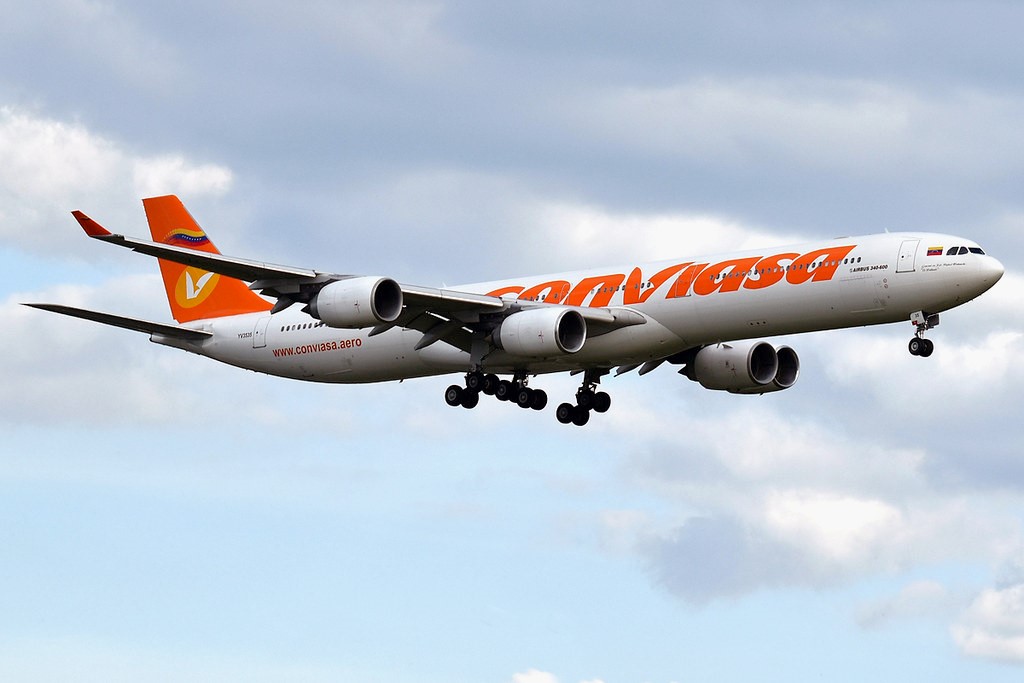
Conviasa, the national airline of Venezuela, continues to intrigue aviation enthusiasts with its operation of classic aircraft, notably the Airbus A340. While most global airlines have transitioned to more modern fleets, Conviasa’s commitment to older models offers a unique glimpse into aviation history. The recent lifting of U.S. sanctions against the airline has reignited discussions about its operational capabilities and potential for fleet modernization.
A Historical Overview
Founded in 2004, Conviasa emerged from the collapse of its predecessor, Viasa, with the mission of enhancing air connectivity within Venezuela and establishing international links. Headquartered at Simón Bolívar International Airport in Caracas, the airline has expanded its domestic network while also serving various international destinations throughout Latin America and the Caribbean.
As a state-owned entity, Conviasa has prioritized connectivity over profitability, playing a crucial role in linking remote regions with urban centers. This operational philosophy has resulted in a diverse fleet that captures the interest of aviation aficionados.
Routes and Connectivity
Conviasa’s domestic operations connect Caracas to several key cities, including Maracaibo, Porlamar, and Maturín. Internationally, the airline serves destinations such as Havana, Managua, and Cancun, with routes often reflecting the political landscape rather than purely commercial considerations.
For enthusiasts, the airline’s service to Mexico and Caribbean locations provides accessible opportunities to experience its unique fleet in action.
A Fleet of Classics
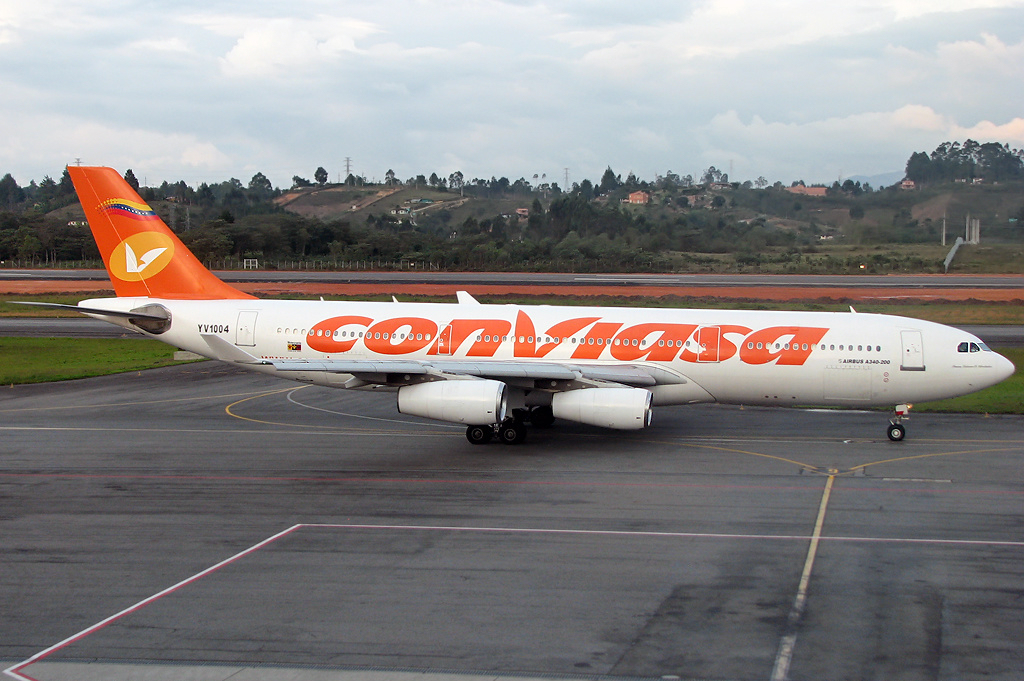
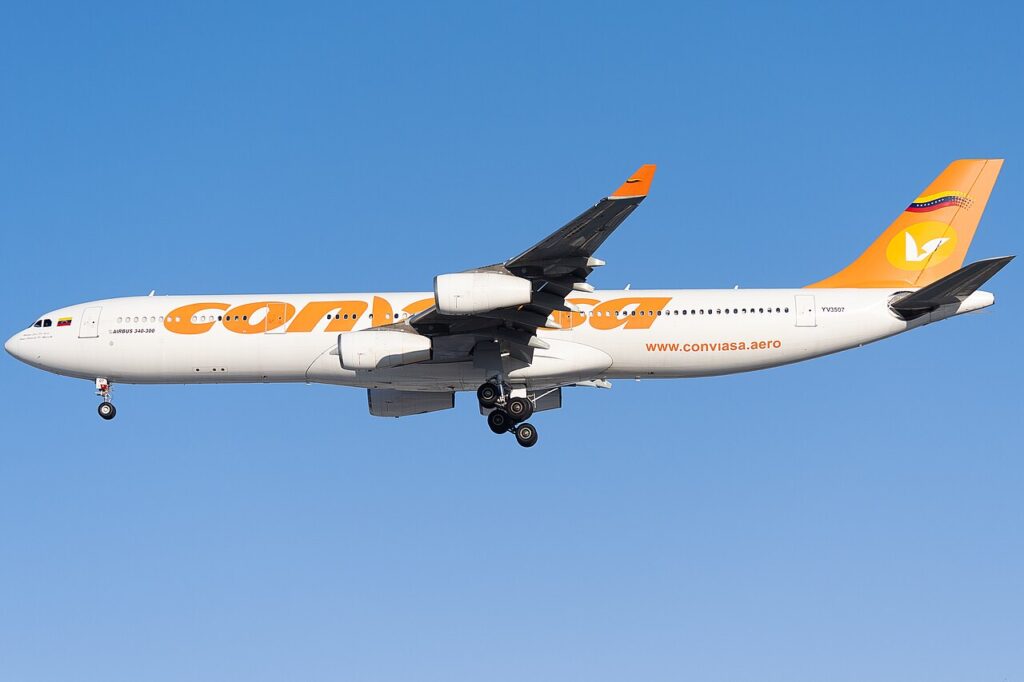
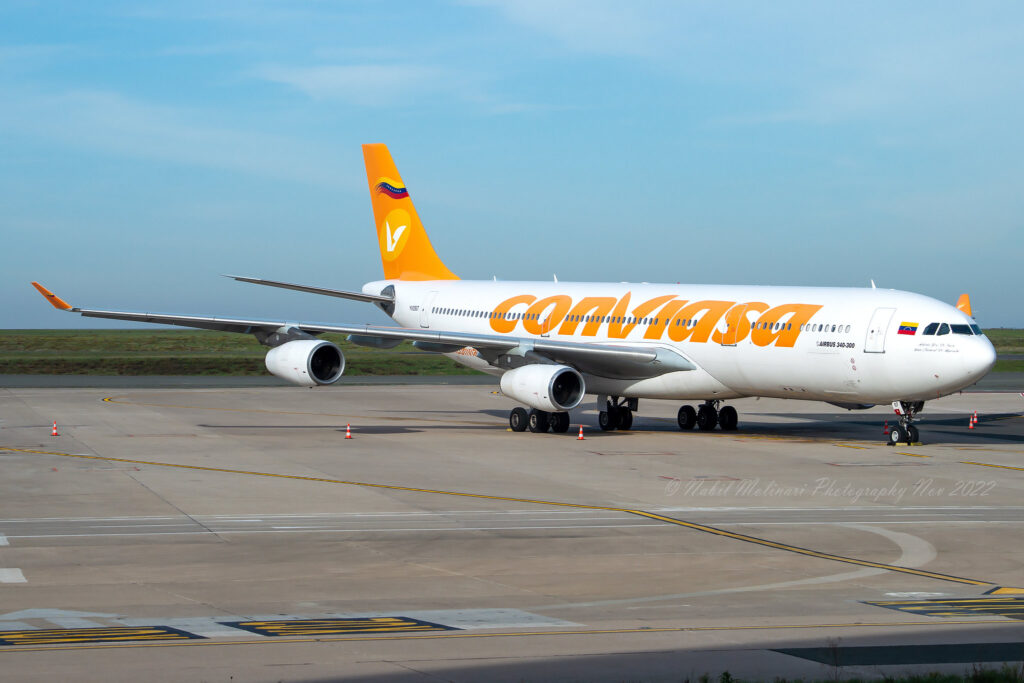
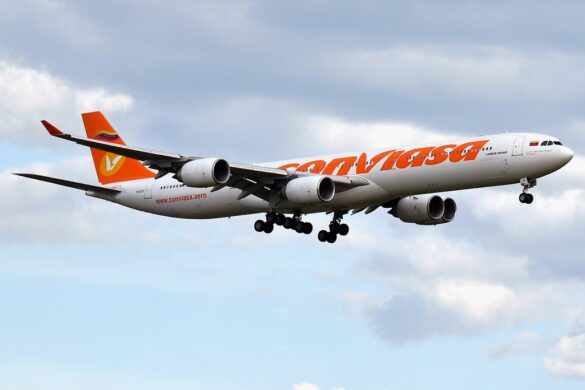
One of the defining features of Conviasa is its eclectic aircraft lineup. The flagship models are the Airbus A340-200 and A340-300, making it one of the few airlines still utilizing these four-engine aircraft for passenger service. Once a staple among major carriers, the A340 has largely been phased out due to rising fuel costs and the efficiency of newer twin-engine models.
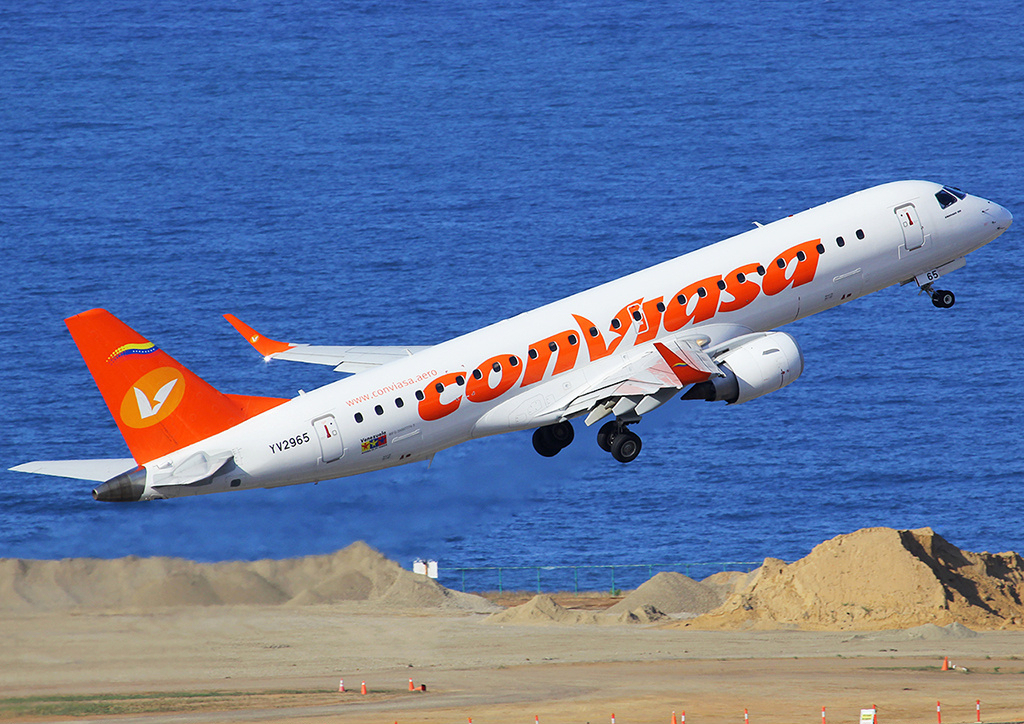
For aviation enthusiasts, Conviasa represents one of the last chances to log a flight on the A340, particularly the rare A340-200 variant. Alongside the A340s, the airline operates a fleet of Embraer E190s, which are crucial for domestic and regional routes, and ATR 42 turboprops for connecting smaller airports.
The Impact of Sanctions
In 2020, U.S. sanctions significantly hindered Conviasa’s operations, limiting access to essential aircraft parts and maintenance support. The recent removal from the sanctions list could facilitate easier access to these resources, although various export controls remain in place.
Looking Ahead: The Future of Conviasa
The lifting of sanctions opens the door for potential fleet modernization, though immediate changes are not guaranteed. With improved access to maintenance and financing, Conviasa may consider renewing its fleet with newer models, including Airbus A320-family aircraft or additional Embraer jets. However, this modernization could also lead to the retirement of the A340s, marking the end of an era for enthusiasts hoping to experience these classic aircraft.
As Conviasa navigates its future, the airline’s unique position in the aviation landscape continues to captivate those who appreciate the rich history and evolution of air travel.



This article was prepared by LibelulaFly as an independent aviation-news summary and editorial reinterpretation based on publicly available reporting. Images, when used, are included for editorial context with source attribution. Original source: www.airportspotting.com. Read the original article here: https://www.airportspotting.com/conviasa-venezuelas-flag-carrier-and-one-of-the-last-places-to-fly-an-airbus-a340/.
List, promote, or publish aircraft with LibelulaFly.
LibelulaFly.com • Sales@libelulafly.com • +1 305-332-1942