
Jul
Scandinavian Airlines Enters a New Era
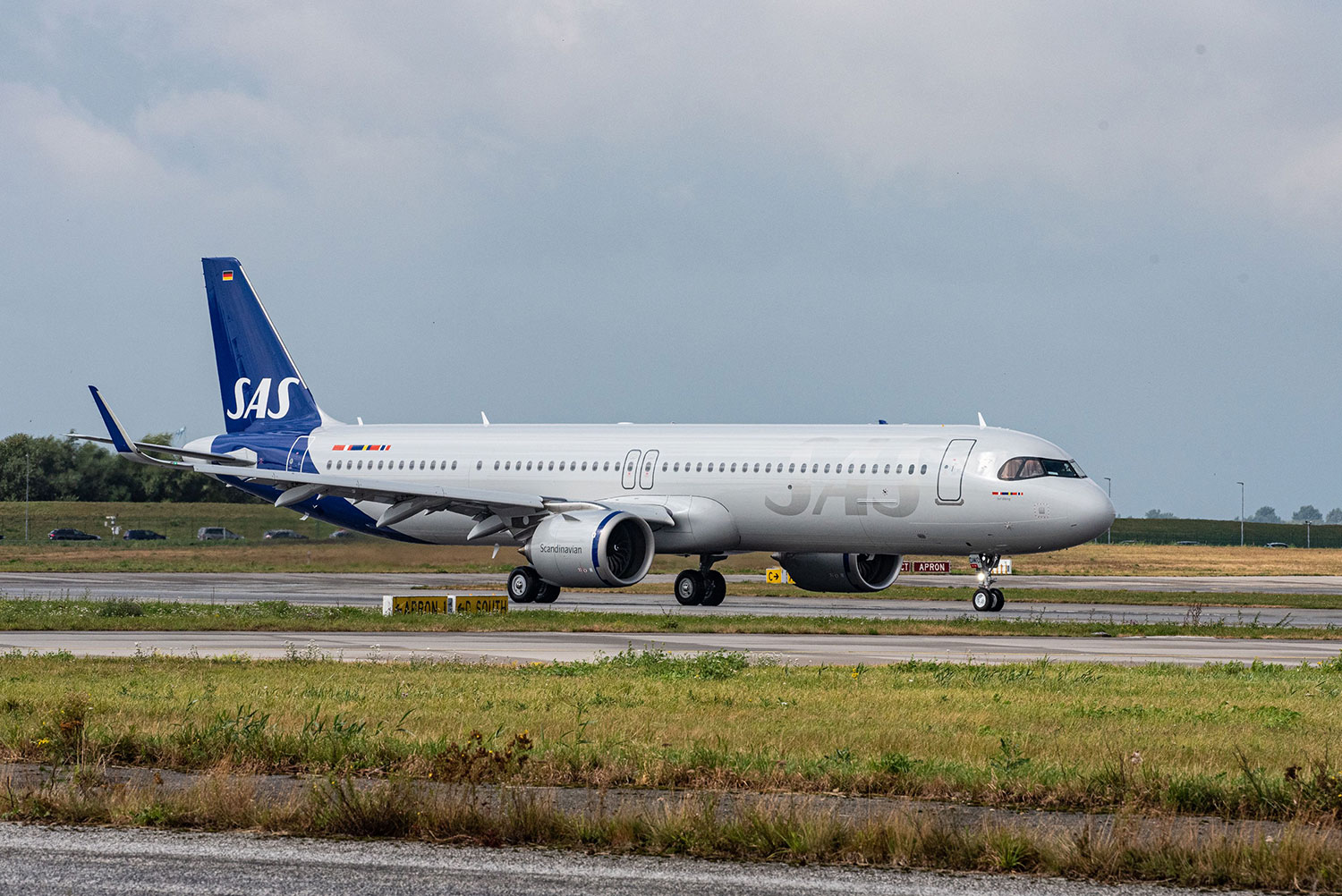
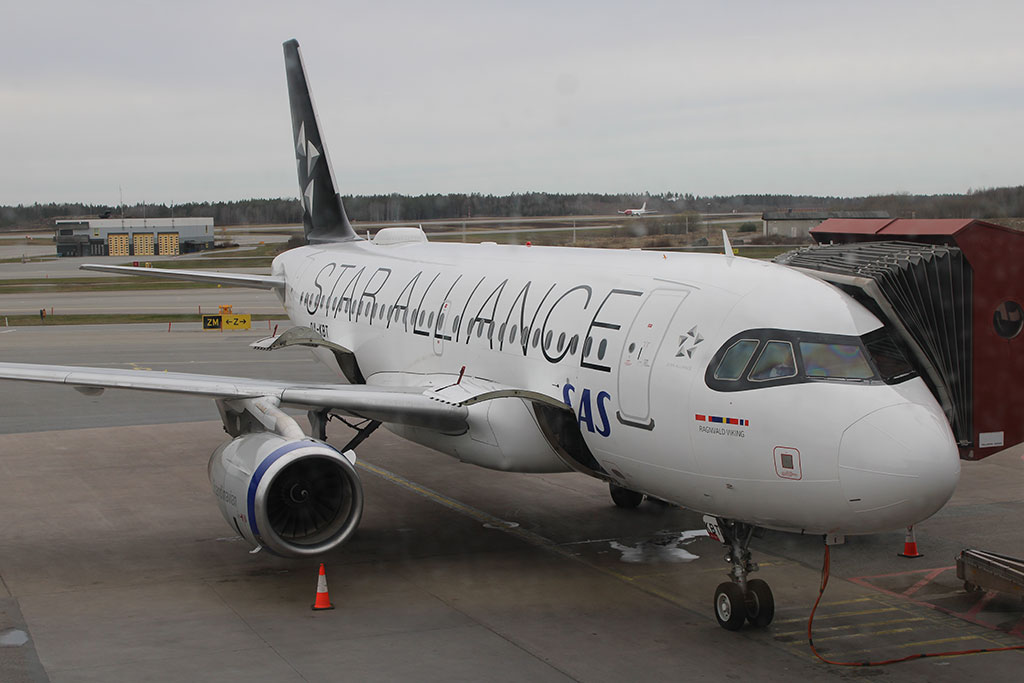
Scandinavian Airlines, widely recognized as SAS, has embarked on a transformative journey following a significant restructuring that commenced in the mid-2020s. This pivotal shift has not only allowed the airline to reestablish its footing in the competitive aviation landscape but has also culminated in its recent integration into the SkyTeam alliance. This strategic move enhances SAS’s operational synergy with major carriers such as Air France-KLM, further solidifying its position as a key player in Northern European aviation.
A Historical Overview
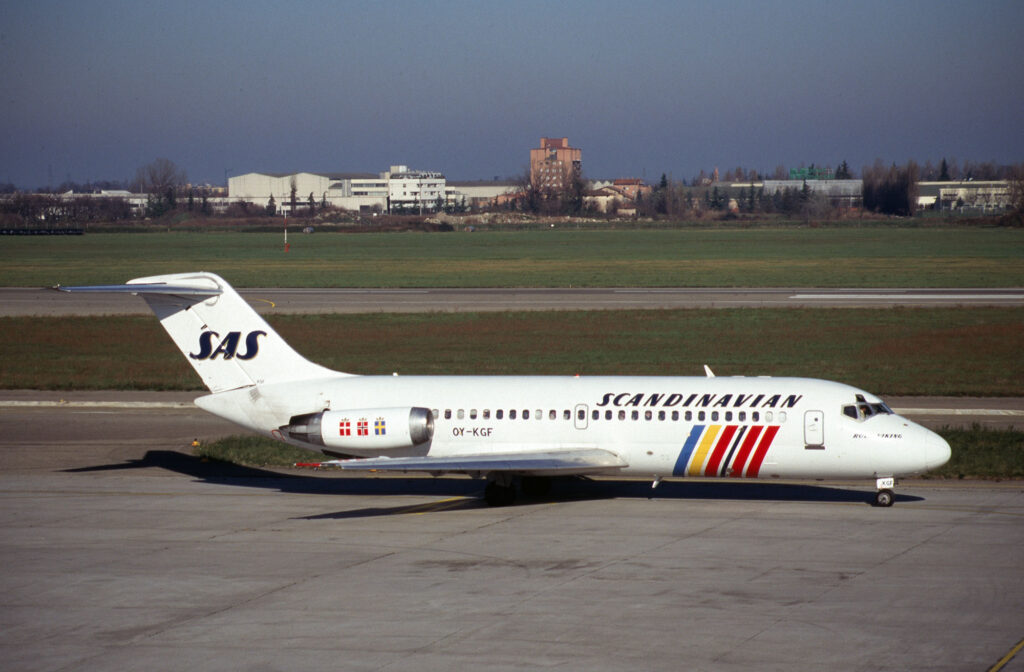
Founded on August 1, 1946, Scandinavian Airlines System was a collaborative effort between the national airlines of Denmark, Norway, and Sweden. This partnership aimed to enhance competitiveness on international routes in the post-World War II era. Over the decades, SAS has been at the forefront of innovation, notably pioneering transpolar flights that significantly reduced travel time between Europe and North America.
Modern Fleet and Operations
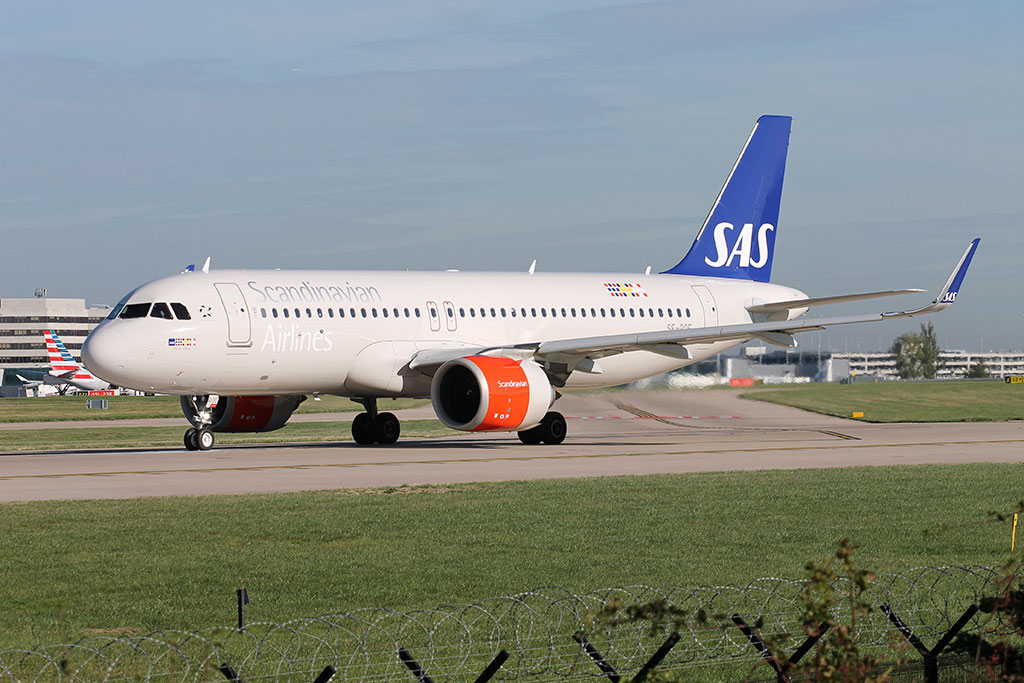
Today, SAS boasts a fleet that primarily consists of Airbus aircraft, reflecting a strategic shift towards modern, fuel-efficient technology. The airline operates from three main hubs: Copenhagen, Stockholm Arlanda, and Oslo Gardermoen, with Copenhagen serving as its principal international gateway. This hub-and-spoke model allows SAS to connect over 100 destinations across Europe, along with essential long-haul routes to North America and Asia.

Key Routes and Market Impact
SAS has long excelled in connecting Scandinavia with Europe, but its intercontinental services are equally vital. Noteworthy routes include direct flights from Copenhagen to major cities such as New York, Chicago, and San Francisco. These long-haul services not only cater to business travelers but also play a crucial role in tourism and economic ties between the regions.
Fleet Composition and Future Plans
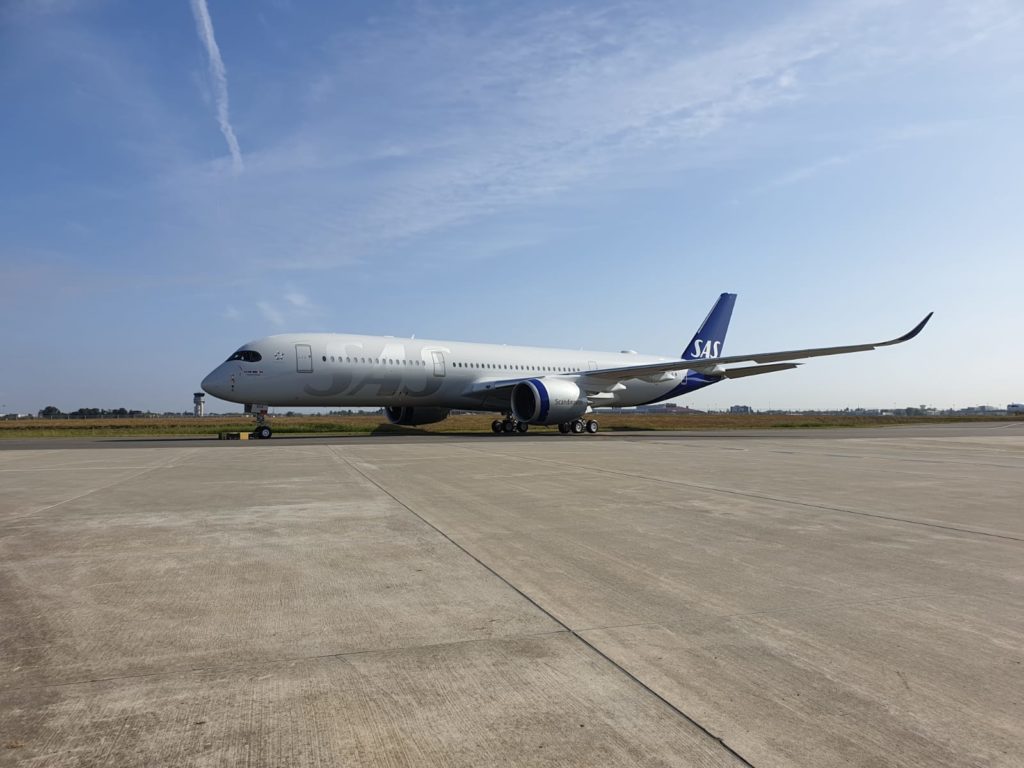
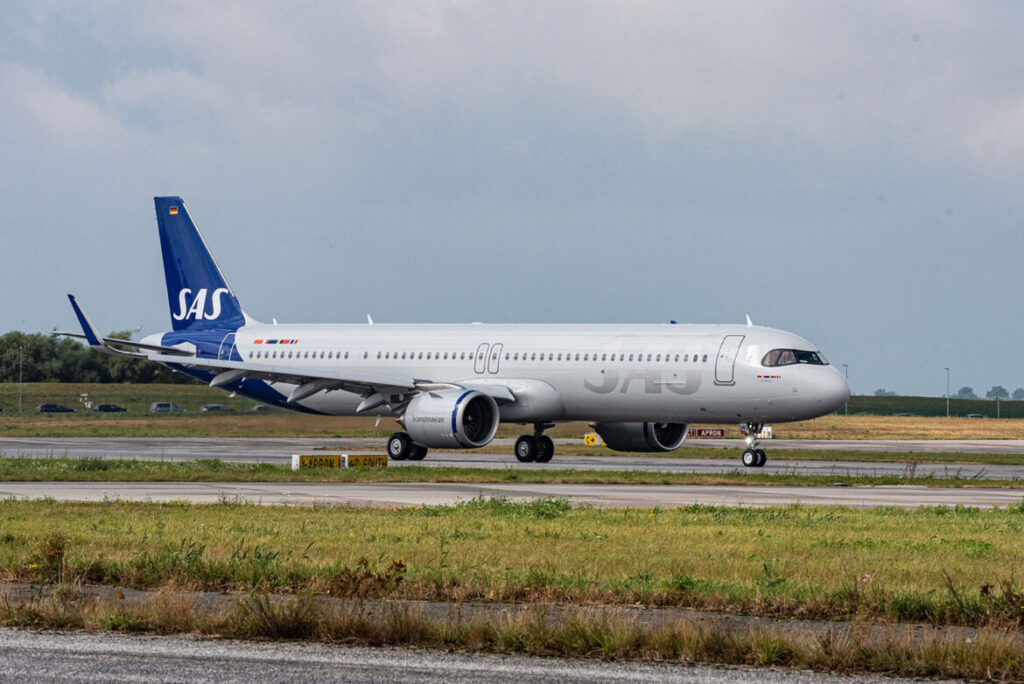
The airline’s commitment to modernizing its fleet is evident, with a current lineup that includes the Airbus A320neo and A350-900, among others. SAS also has firm orders for 18 Airbus A330-900neo aircraft, indicating a clear strategy towards enhancing its long-haul capabilities. This fleet renewal program is essential for maintaining competitive advantage and operational efficiency in a rapidly evolving market.
Brand Identity and Livery Evolution
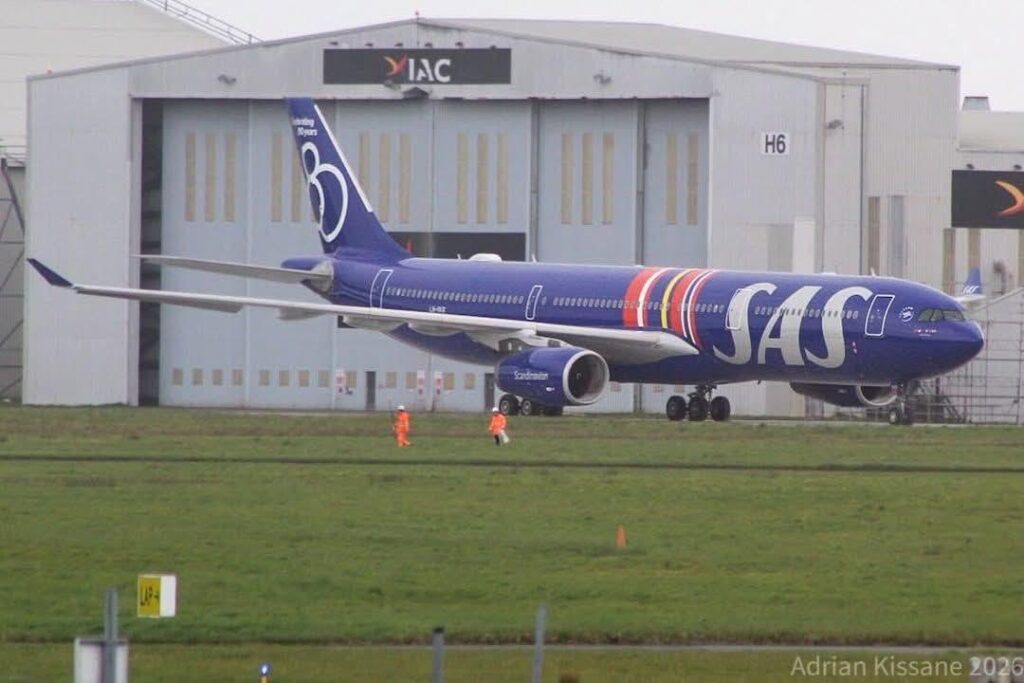
In 2019, SAS unveiled a new corporate identity that reflects a contemporary Scandinavian aesthetic. The updated livery features a sleek silver-grey fuselage adorned with bold dark blue branding, symbolizing the airline’s modern approach while honoring its rich heritage. While the transition to this new design is ongoing, it has already begun to redefine the visual landscape of Scandinavian aviation.
Looking Ahead
As SAS navigates this new chapter, its integration into the SkyTeam alliance and ongoing fleet enhancements position it for future growth and resilience. The airline’s ability to adapt to changing market dynamics, combined with its commitment to operational excellence, will be critical as it continues to serve as a vital link between Scandinavia and the world.

This article was prepared by LibelulaFly as an independent aviation-news summary and editorial reinterpretation based on publicly available reporting. Images, when used, are included for editorial context with source attribution. Original source: www.airportspotting.com. Read the original article here: https://www.airportspotting.com/scandinavian-airlines-sas-fleet-routes-history-and-livery-guide/.
List, promote, or publish aircraft with LibelulaFly.
LibelulaFly.com • Sales@libelulafly.com • +1 305-332-1942

Jun
Malaysia Airlines: A Journey Through Time
Malaysia Airlines, today recognized for its modern fleet of Airbus A330neos and Boeing 737s, has roots that trace back to an evocative era in the 1970s and 80s. This period was pivotal for the airline as it transitioned into a prominent player in Southeast Asia’s aviation landscape, characterized by the introduction of iconic aircraft and the expansion of its global reach.
From MSA to MAS: The Birth of a National Carrier
The journey of Malaysia Airlines began with the formation of Malaysia-Singapore Airlines (MSA) in 1966, which later transformed into Malaysian Airline System (MAS) in 1972 following a split with Singapore. This transition allowed MAS to inherit a diverse fleet and a growing network, setting the stage for significant advancements in the airline’s operational capabilities.
A Diverse Fleet and Expanding Horizons
Throughout the 1970s, MAS adopted a mixed fleet that catered to both regional and international markets. The Boeing 737-200 emerged as the backbone of domestic operations, effectively connecting Kuala Lumpur with neighboring countries. These aircraft, adorned in vibrant red, white, and blue liveries, became synonymous with regional air travel.

For international routes, the airline leveraged the capabilities of the Boeing 707, which facilitated connections to major destinations in Asia, Australia, and Europe. Additionally, the Fokker F27 Friendship played a crucial role in connecting smaller communities, reflecting the geographical challenges of the Malaysian archipelago.
Embracing the Widebody Revolution
The late 1970s marked a significant shift as Malaysia Airlines embraced widebody aircraft, notably the McDonnell Douglas DC-10. This tri-jet was instrumental in enhancing the airline’s long-haul operations, allowing for increased passenger capacity and comfort on routes to Europe and the Middle East. The introduction of the Boeing 747-200 in the 1980s further solidified the airline’s competitive stance among leading Asian carriers.
Establishing a Global Presence
By the mid-1980s, Malaysia Airlines had evolved into a respected international carrier, with a network extending across continents. The airline offered services to major cities including London, Amsterdam, and Tokyo, establishing Kuala Lumpur as a crucial hub for travelers between Australasia, Asia, and Europe. The diverse fleet during this decade showcased a blend of Boeing 737s, Fokker F27s, DC-10s, and Boeing 747s, all featuring variations of the airline’s distinctive livery.
A Legacy of Innovation and Growth
Reflecting on the 1970s and 80s, it is evident that Malaysia Airlines played a vital role in shaping air travel in Southeast Asia. The airline’s commitment to fleet modernization and route expansion not only enhanced its operational capabilities but also contributed to the broader development of the region’s aviation infrastructure. As Malaysia Airlines continues to evolve, the legacy of its formative years remains a testament to the airline’s resilience and adaptability in a dynamic industry.


This article was prepared by LibelulaFly as an independent aviation-news summary and editorial reinterpretation based on publicly available reporting. Images, when used, are included for editorial context with source attribution. Original source: www.airportspotting.com. Read the original article here: https://www.airportspotting.com/malaysia-airlines-in-the-1970s-and-80s/.
List, promote, or publish aircraft with LibelulaFly.
LibelulaFly.com • Sales@libelulafly.com • +1 305-332-1942
Jun
Conviasa’s Distinctive Role in Aviation
Conviasa, the national airline of Venezuela, continues to intrigue aviation enthusiasts with its operation of classic aircraft, notably the Airbus A340. While most global airlines have transitioned to more modern fleets, Conviasa’s commitment to older models offers a unique glimpse into aviation history. The recent lifting of U.S. sanctions against the airline has reignited discussions about its operational capabilities and potential for fleet modernization.
A Historical Overview
Founded in 2004, Conviasa emerged from the collapse of its predecessor, Viasa, with the mission of enhancing air connectivity within Venezuela and establishing international links. Headquartered at Simón Bolívar International Airport in Caracas, the airline has expanded its domestic network while also serving various international destinations throughout Latin America and the Caribbean.
As a state-owned entity, Conviasa has prioritized connectivity over profitability, playing a crucial role in linking remote regions with urban centers. This operational philosophy has resulted in a diverse fleet that captures the interest of aviation aficionados.
Routes and Connectivity
Conviasa’s domestic operations connect Caracas to several key cities, including Maracaibo, Porlamar, and Maturín. Internationally, the airline serves destinations such as Havana, Managua, and Cancun, with routes often reflecting the political landscape rather than purely commercial considerations.
For enthusiasts, the airline’s service to Mexico and Caribbean locations provides accessible opportunities to experience its unique fleet in action.
A Fleet of Classics
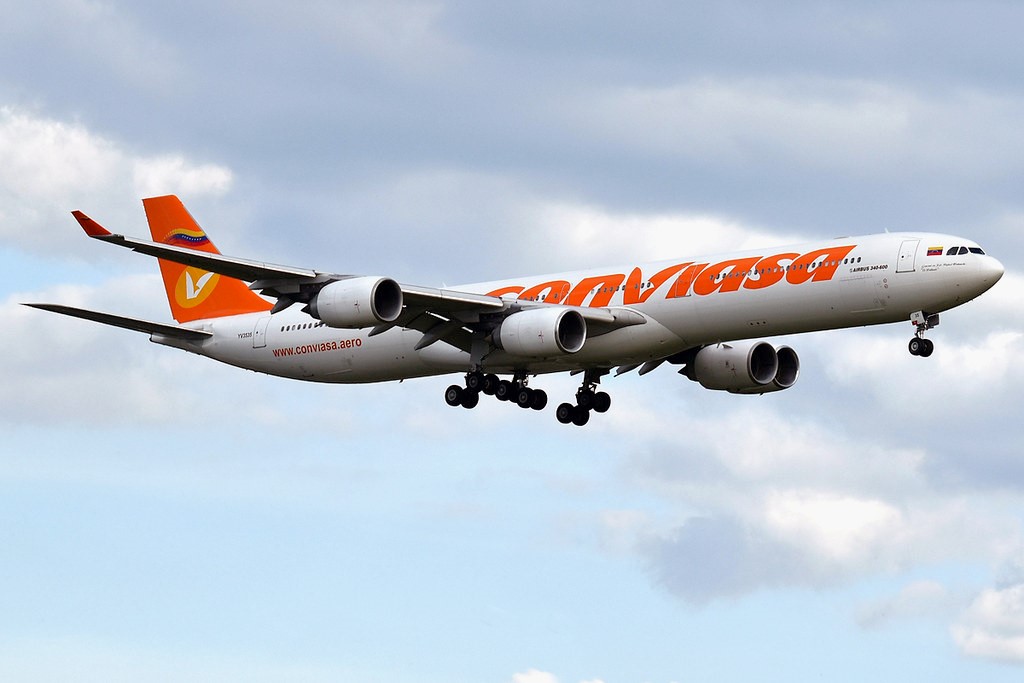
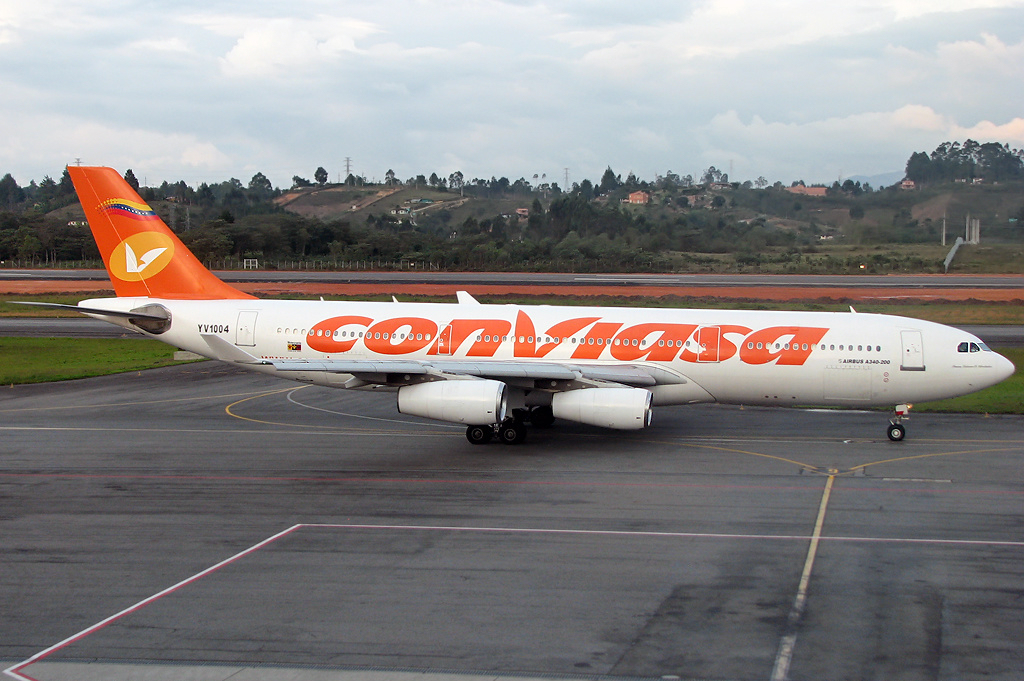
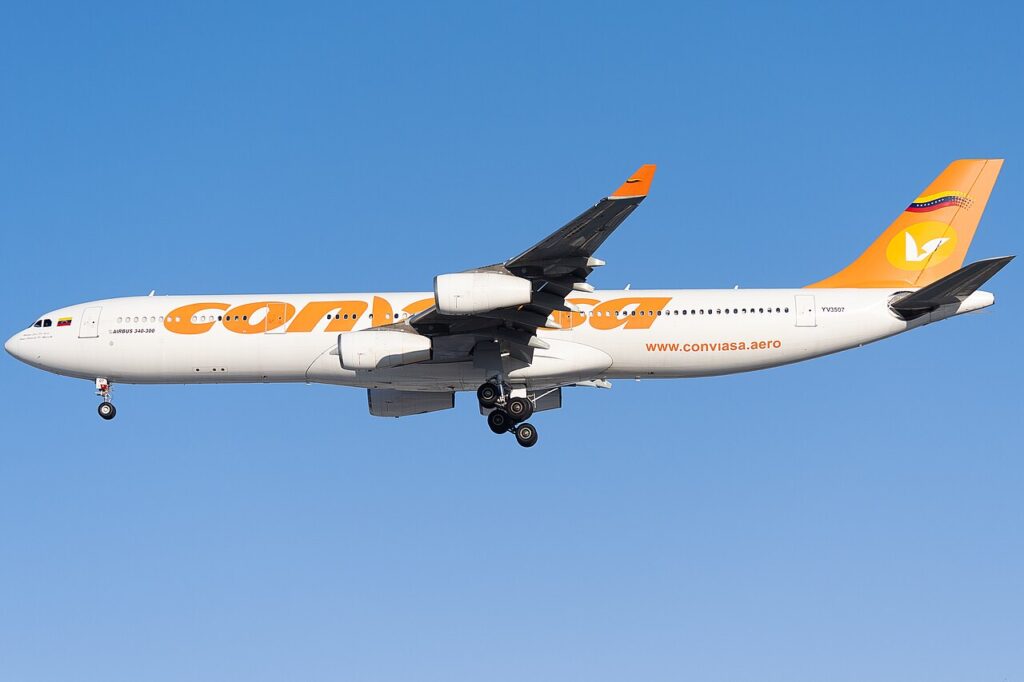
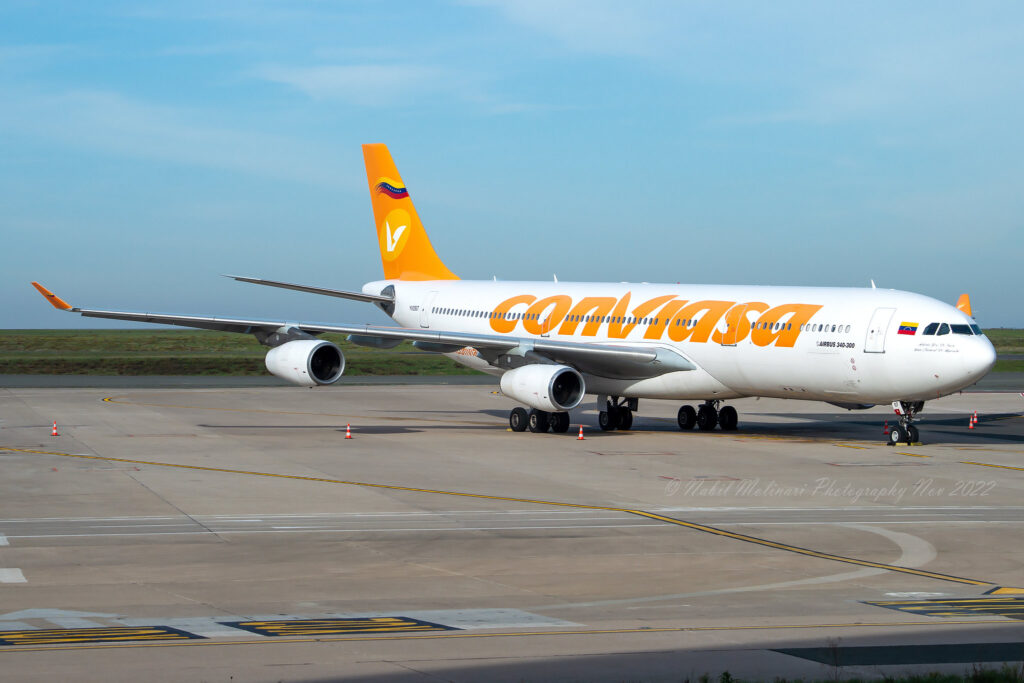
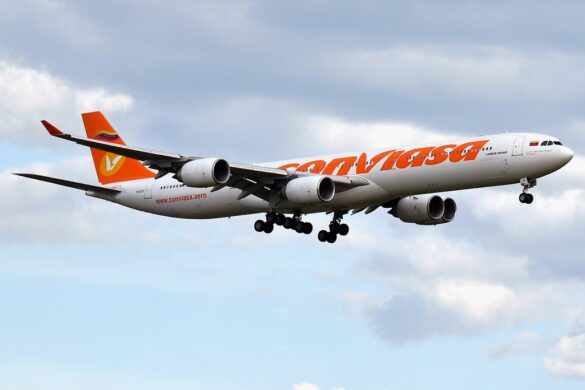
One of the defining features of Conviasa is its eclectic aircraft lineup. The flagship models are the Airbus A340-200 and A340-300, making it one of the few airlines still utilizing these four-engine aircraft for passenger service. Once a staple among major carriers, the A340 has largely been phased out due to rising fuel costs and the efficiency of newer twin-engine models.
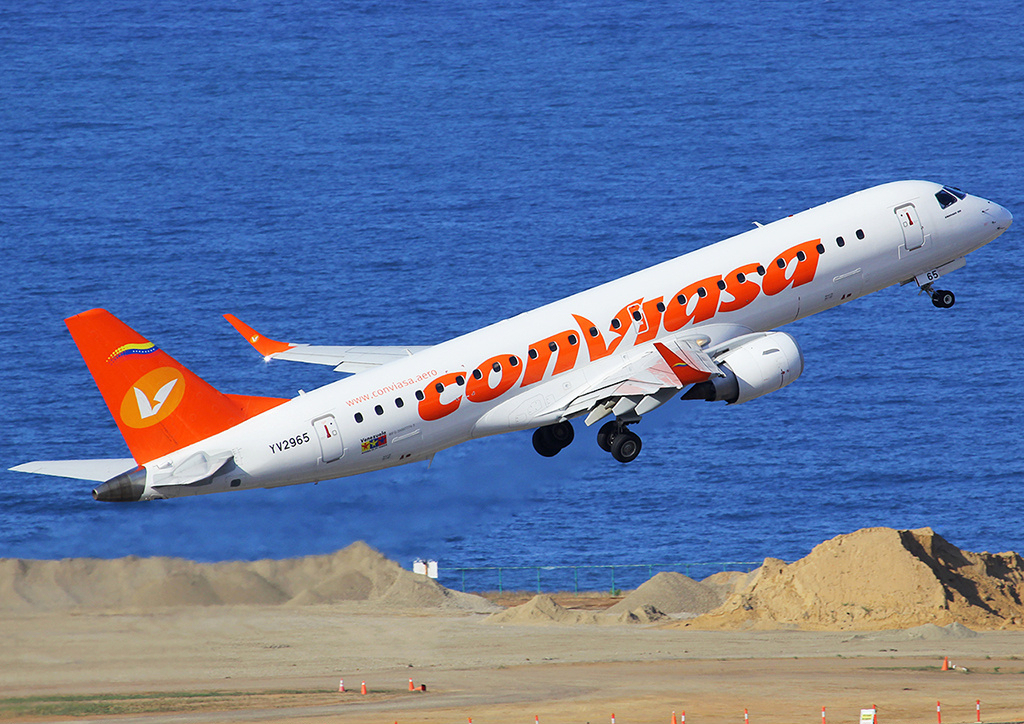
For aviation enthusiasts, Conviasa represents one of the last chances to log a flight on the A340, particularly the rare A340-200 variant. Alongside the A340s, the airline operates a fleet of Embraer E190s, which are crucial for domestic and regional routes, and ATR 42 turboprops for connecting smaller airports.
The Impact of Sanctions
In 2020, U.S. sanctions significantly hindered Conviasa’s operations, limiting access to essential aircraft parts and maintenance support. The recent removal from the sanctions list could facilitate easier access to these resources, although various export controls remain in place.
Looking Ahead: The Future of Conviasa
The lifting of sanctions opens the door for potential fleet modernization, though immediate changes are not guaranteed. With improved access to maintenance and financing, Conviasa may consider renewing its fleet with newer models, including Airbus A320-family aircraft or additional Embraer jets. However, this modernization could also lead to the retirement of the A340s, marking the end of an era for enthusiasts hoping to experience these classic aircraft.
As Conviasa navigates its future, the airline’s unique position in the aviation landscape continues to captivate those who appreciate the rich history and evolution of air travel.


This article was prepared by LibelulaFly as an independent aviation-news summary and editorial reinterpretation based on publicly available reporting. Images, when used, are included for editorial context with source attribution. Original source: www.airportspotting.com. Read the original article here: https://www.airportspotting.com/conviasa-venezuelas-flag-carrier-and-one-of-the-last-places-to-fly-an-airbus-a340/.
List, promote, or publish aircraft with LibelulaFly.
LibelulaFly.com • Sales@libelulafly.com • +1 305-332-1942
Jun
United Airlines Receives Its First Airbus A321XLR
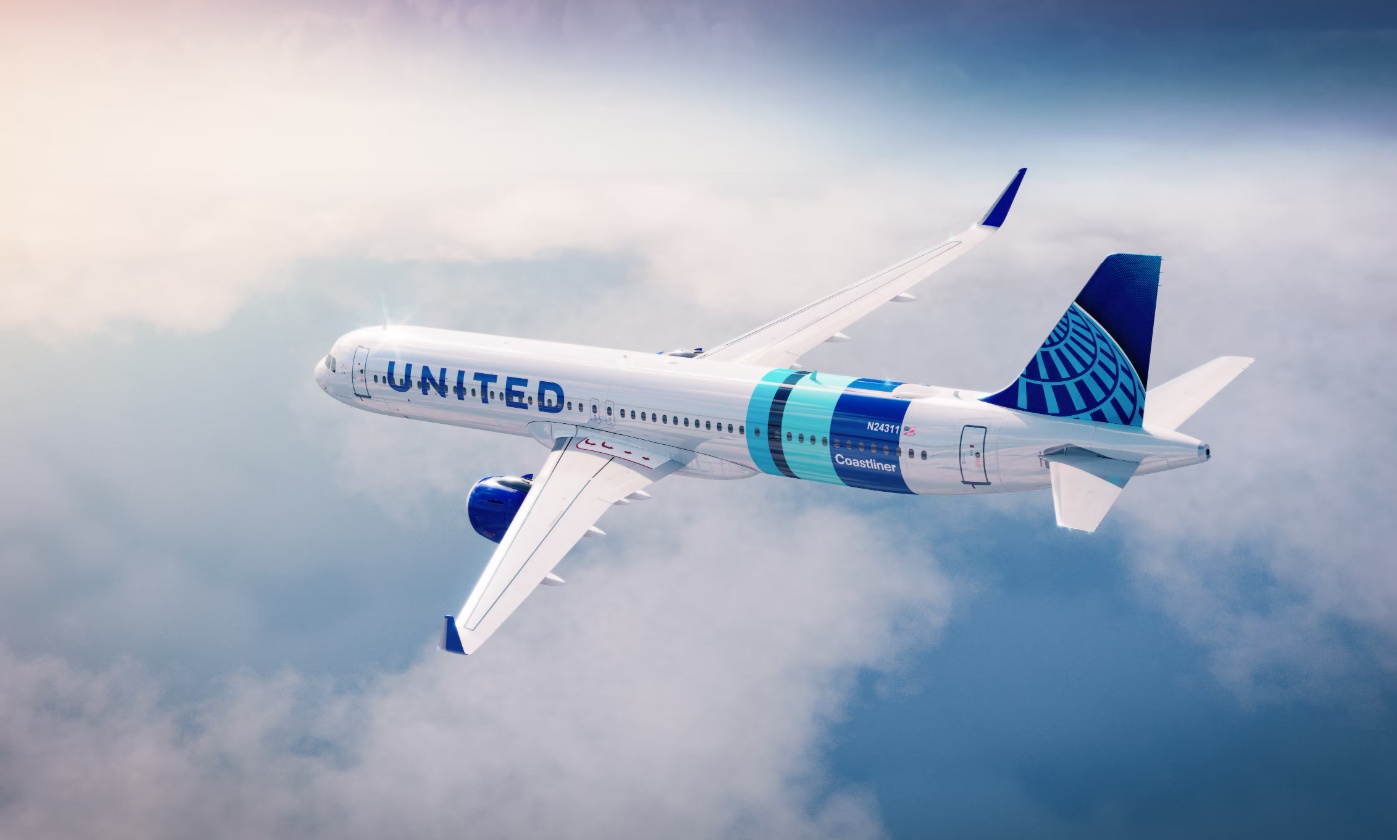
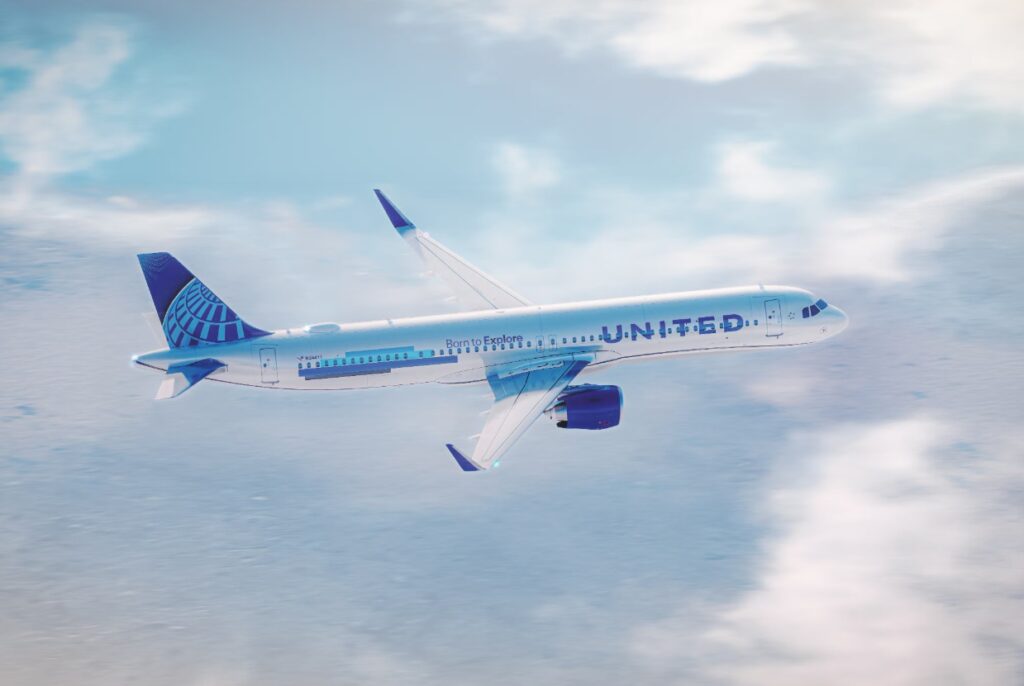
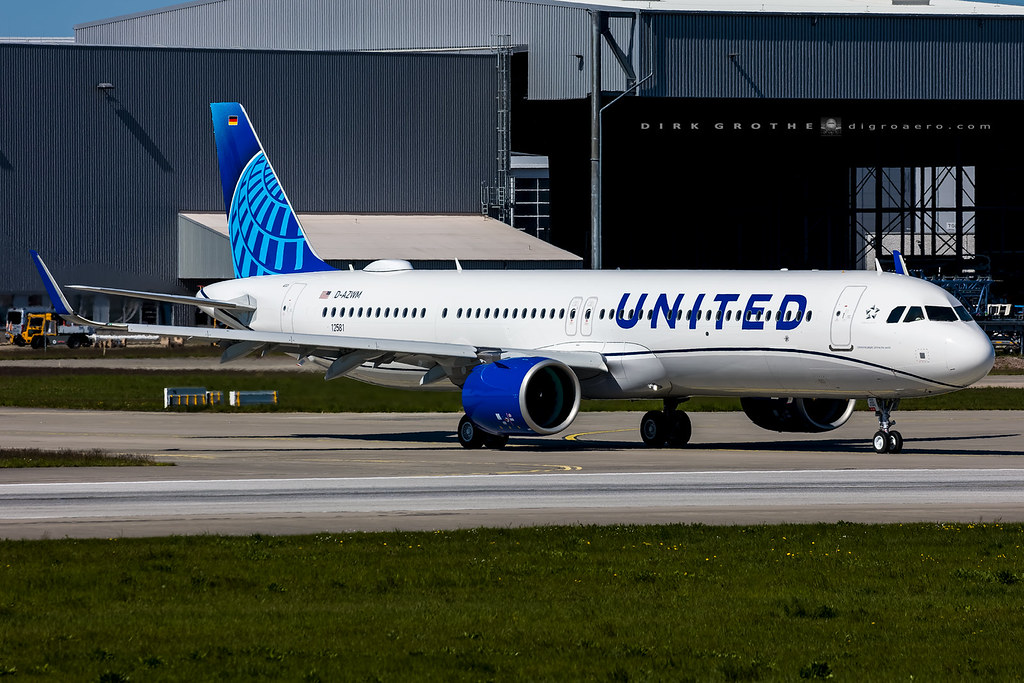
In a pivotal advancement for its fleet and route strategy, United Airlines has officially accepted delivery of its inaugural Airbus A321XLR. The aircraft was handed over at Airbus’ facility in Hamburg, Germany, before embarking on its journey to the United States. This delivery marks the beginning of a significant chapter in United’s long-term growth strategy, with a total of 50 A321XLRs ordered.
Transforming Operational Capabilities
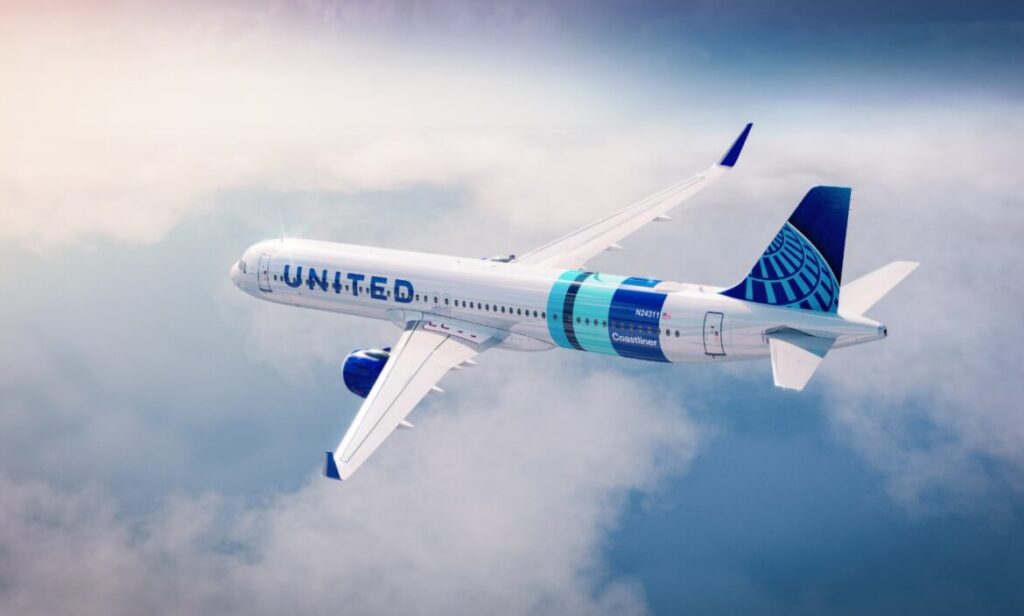
The Airbus A321XLR, the latest variant in the A320neo family, is designed to operate long-haul routes with a range of up to 4,700 nautical miles. This capability allows airlines to serve destinations that typically demand larger widebody aircraft, thereby expanding operational flexibility. United’s adoption of the A321XLR will enable it to explore “long thin” routes—those that do not generate sufficient demand for larger aircraft but can be served profitably by a narrowbody jet.
Replacing an Iconic Fleet
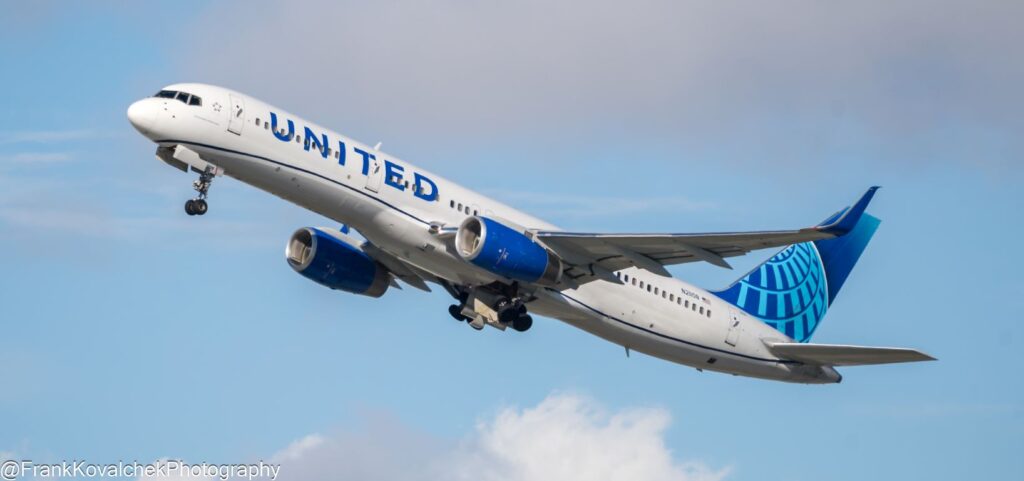
One of the most significant aspects of United’s A321XLR program is its role in replacing the aging Boeing 757 fleet. United has long been one of the largest operators of the 757, utilizing both the -200 and -300 variants for a variety of domestic and international routes. However, many of these aircraft are now over 25 years old, leading to increased operational costs. The A321XLR is poised to fill the gap left by the 757, offering modern engines, enhanced fuel efficiency, and lower operating costs, making it a suitable successor for transatlantic and other long-range services.
A Cabin Designed for Comfort
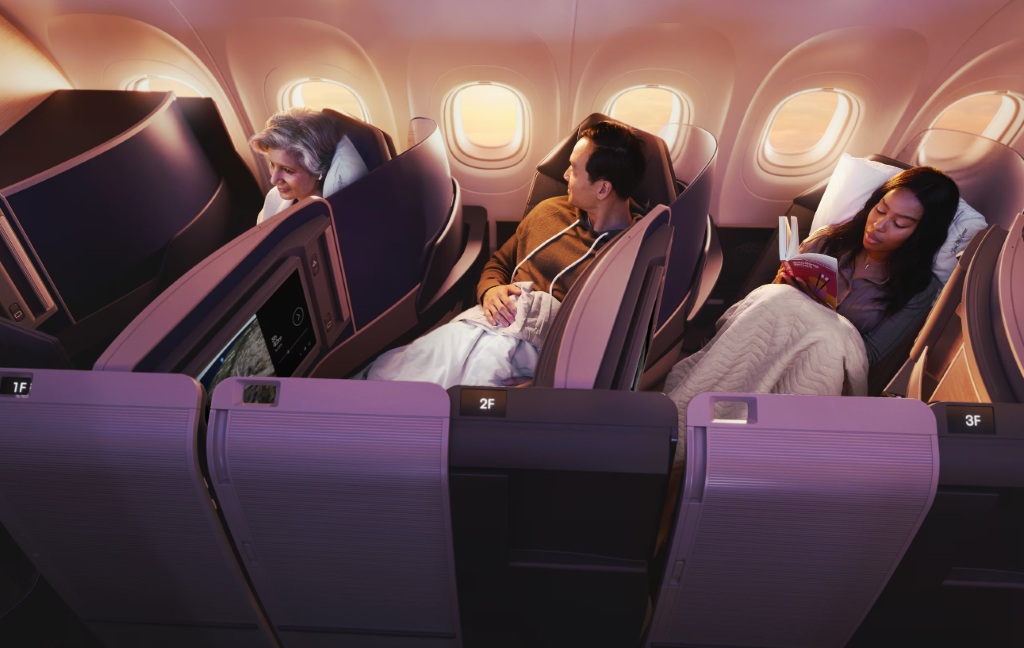
United Airlines has configured its A321XLR for long-haul operations, featuring a premium-heavy cabin layout. The aircraft accommodates 150 passengers, including 20 United Polaris business class suites, 12 Premium Plus premium economy seats, and 118 economy seats. The Polaris suites offer fully lie-flat beds with privacy doors, large entertainment screens, and upgraded amenities, while economy passengers will benefit from modern interiors and a self-service snack bar at the rear of the aircraft. This configuration reflects United’s strategy to deploy the A321XLR primarily on international routes where passenger comfort is paramount.
Future Route Possibilities
While United has yet to announce a comprehensive route map for the A321XLR, indications suggest that the aircraft will primarily serve transatlantic routes and smaller European destinations that are unable to accommodate larger aircraft. The impressive range of the A321XLR opens up various opportunities from United’s hubs, especially in Newark and Washington Dulles, with potential routes to secondary European markets, North Africa, and parts of South America.
A Strategic Addition to the Fleet
With the delivery of the first A321XLR, United Airlines takes a significant step forward in its fleet renewal program, which also includes the acquisition of Airbus A321neos and Boeing 737 MAX aircraft. As deliveries ramp up in the coming years, the A321XLR is expected to become a prominent feature in United’s operations, gradually replacing older aircraft and facilitating new route opportunities. This strategic addition not only enhances United’s operational capabilities but also aligns with the airline’s commitment to modernizing its fleet and improving the travel experience for its passengers.


This article was prepared by LibelulaFly as an independent aviation-news summary and editorial reinterpretation based on publicly available reporting. Images, when used, are included for editorial context with source attribution. Original source: www.airportspotting.com. Read the original article here: https://www.airportspotting.com/united-airlines-takes-delivery-of-its-first-airbus-a321xlr/.
List, promote, or publish aircraft with LibelulaFly.
LibelulaFly.com • Sales@libelulafly.com • +1 305-332-1942