
Jul
Unveiling Switzerland’s Aviation Treasures
Switzerland, renowned for its picturesque landscapes and efficient transportation, is a hidden gem for aviation enthusiasts. With its compact size, the country offers a diverse range of experiences for plane spotters, from vibrant airports to insightful museums. This article highlights ten essential activities that every aviation aficionado should consider during their visit to Switzerland.
Zurich Airport: A Spotter’s Paradise
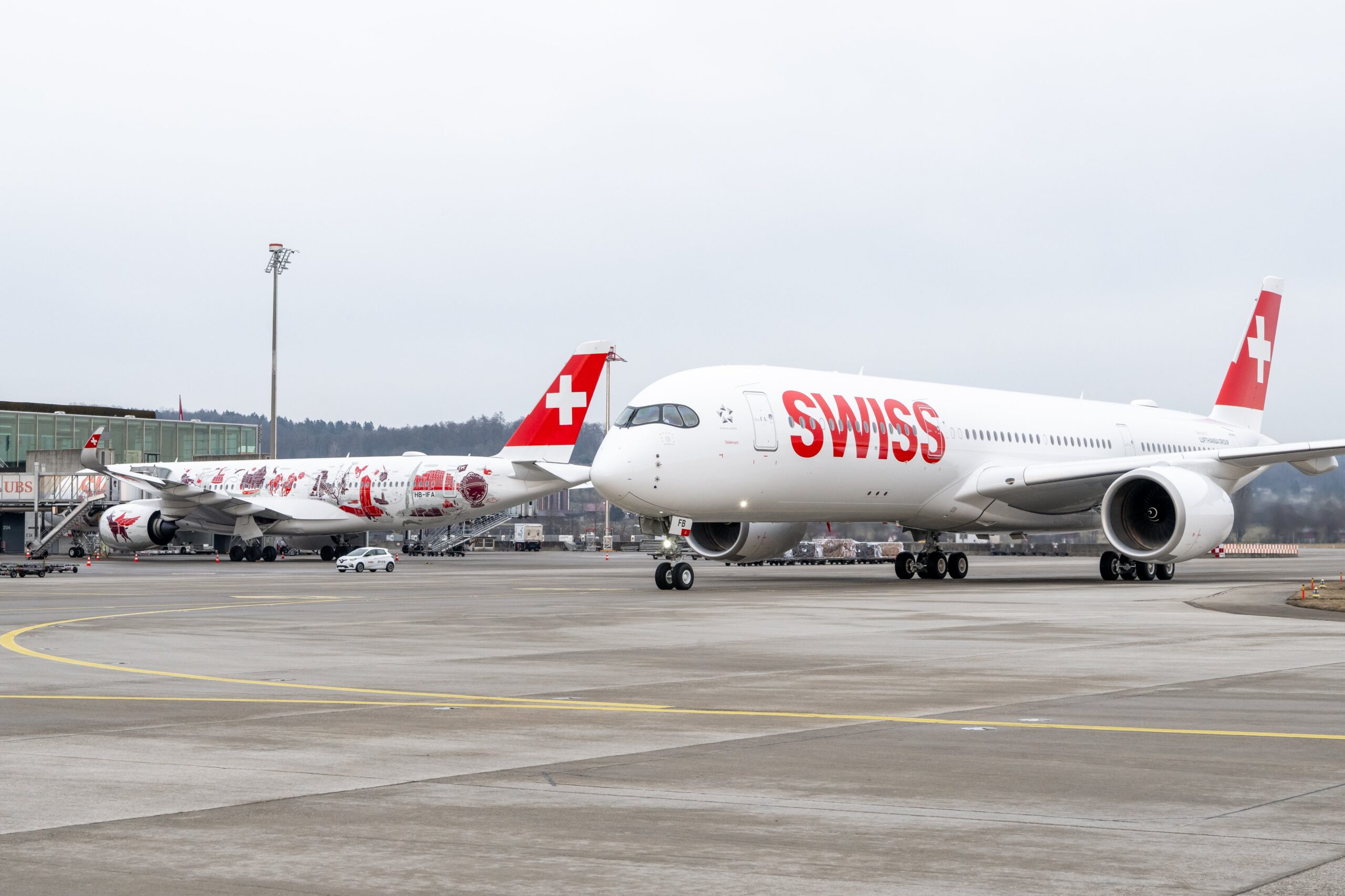
Zurich Airport stands out as one of Europe’s premier destinations for aviation enthusiasts. The airport features well-designed public viewing terraces that provide panoramic views of the bustling runways, taxiways, and terminal operations. Spotters can observe a variety of aircraft, including regional jets and long-haul airliners, while enjoying interactive displays and dining options that enhance the overall experience.
Swiss Museum of Transport: A Journey Through Time
Located in Lucerne, the Swiss Museum of Transport is a must-visit for those interested in the history of aviation. The museum showcases an extensive collection of aircraft, from military jets to commercial airliners, alongside interactive exhibits that illustrate the evolution of aviation in Switzerland. A visit here can easily occupy the better part of a day, making it a worthwhile stop for aviation enthusiasts.
Business Aviation Hub: Geneva Airport
Geneva Airport offers a unique blend of commercial and business aviation. Known as a busy hub for private jets, particularly during the winter ski season, the airport provides ample opportunities for spotting a variety of aircraft. With its strategic location, Geneva serves as a gateway for travelers heading to the Swiss Alps, ensuring a dynamic range of movements throughout the day.
Captivating Views at Runway 34
One of the most popular spotting locations at Zurich Airport is near Runway 34. Here, aircraft approach at remarkably low altitudes, providing excellent photography opportunities against the stunning Swiss countryside. This vantage point not only offers breathtaking views but also features preserved aircraft displays, enriching the experience for visitors.
Buochs Airfield: Home of Pilatus Aircraft
For those interested in aircraft manufacturing, Buochs Airfield, located near Stans, is an essential destination. This site is the production hub for Pilatus Aircraft, known for its PC-12 and PC-24 models. Depending on operational activity, visitors may witness test flights and customer deliveries, all set against a magnificent mountainous backdrop.
Flieger Flab Museum: A Military Aviation Experience
The Flieger Flab Museum, adjacent to Dübendorf Air Base, offers a comprehensive look at Switzerland’s military aviation history. The museum houses a range of aircraft from different eras, providing insight into the nation’s defense strategies and technological advancements in aviation. Its well-preserved exhibits make it an excellent indoor activity for aviation fans.
Clin d’Ailes Museum: Celebrating the Jet Age
Located by Payerne Air Base, the Clin d’Ailes Museum focuses on Switzerland’s jet age, featuring iconic military aircraft such as the Hawker Hunter and Mirage III. The museum frequently hosts exhibitions and events, and the nearby active air base adds an extra layer of excitement for visitors.
EBACE: A Showcase of Business Aviation
If your visit coincides with the European Business Aviation Convention & Exhibition (EBACE) in Geneva, you will experience a showcase of the latest business jets from top manufacturers. This annual event attracts industry professionals and provides a unique opportunity to see new developments in executive aviation.
Sion Airport: Scenic Spotting
Nestled in the Alps, Sion Airport is renowned for its breathtaking scenery. The airport not only accommodates scheduled flights and charter services but also shares facilities with the Swiss Air Force. The dramatic mountain landscape enhances every aircraft movement, making it a picturesque location for photography.
Historic Dübendorf Air Base
Dübendorf Air Base, though no longer a primary military installation, holds historical significance in Swiss aviation. The airfield continues to host military units and aviation activities, making it a vital stop for anyone interested in the evolution of Swiss aviation history.
Plan Your Aviation Adventure
Switzerland’s rich aviation landscape offers countless opportunities for enthusiasts. Whether visiting iconic airports or exploring aviation museums, there is no shortage of experiences to enrich your understanding of flight. Plan your next aviation adventure in Switzerland and discover the unique blend of history and modernity that this country has to offer.
Jul
A Hidden Gem for Aviation Enthusiasts
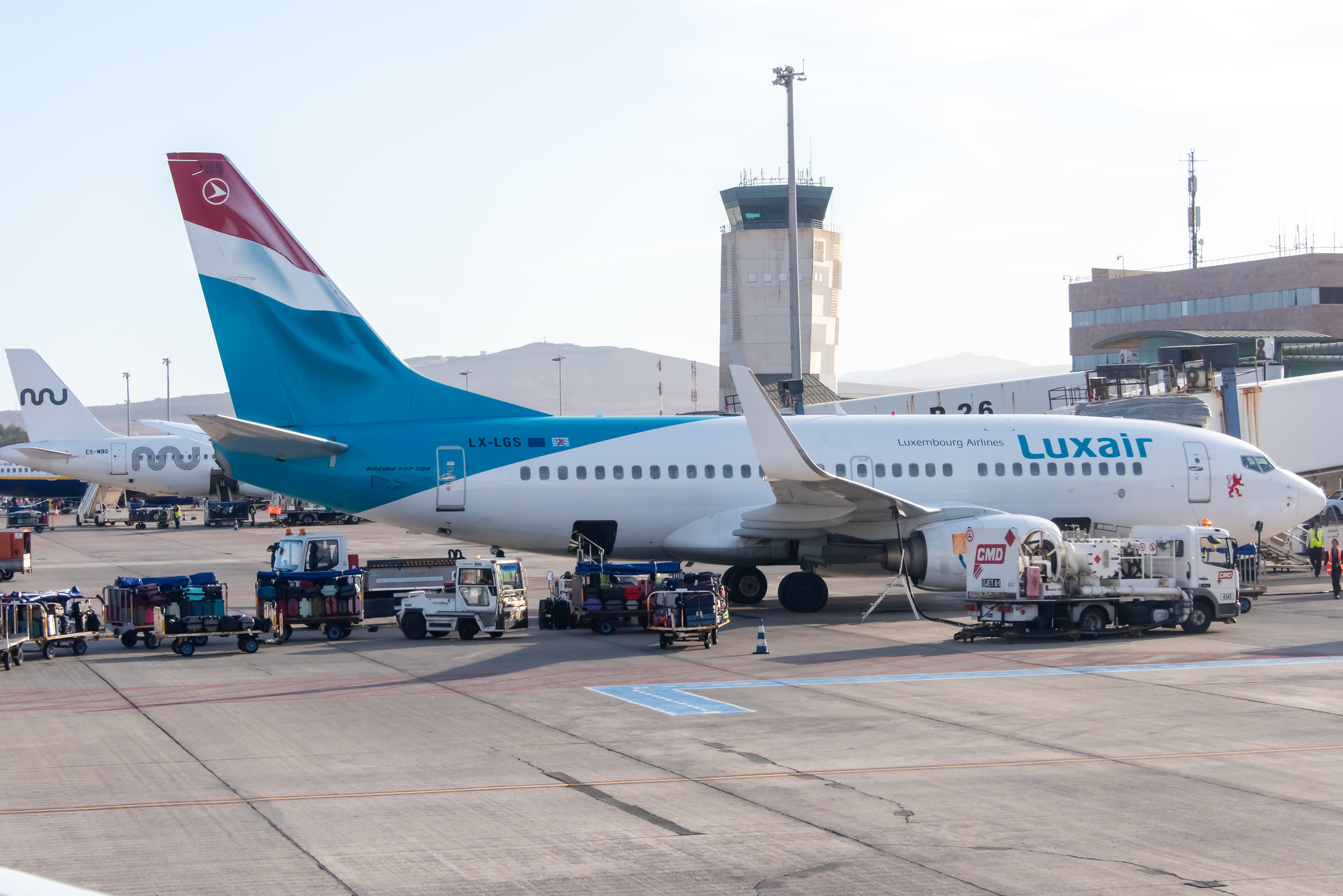
Fuerteventura Airport (FUE), situated just south of Puerto del Rosario, has emerged as a favored destination for aviation enthusiasts seeking a tranquil plane spotting experience. While the more prominent airports of Tenerife and Gran Canaria often steal the spotlight, Fuerteventura offers a unique blend of consistent sunshine and a diverse range of aircraft movements, particularly appealing during the winter months when holiday traffic surges.
Airport Overview
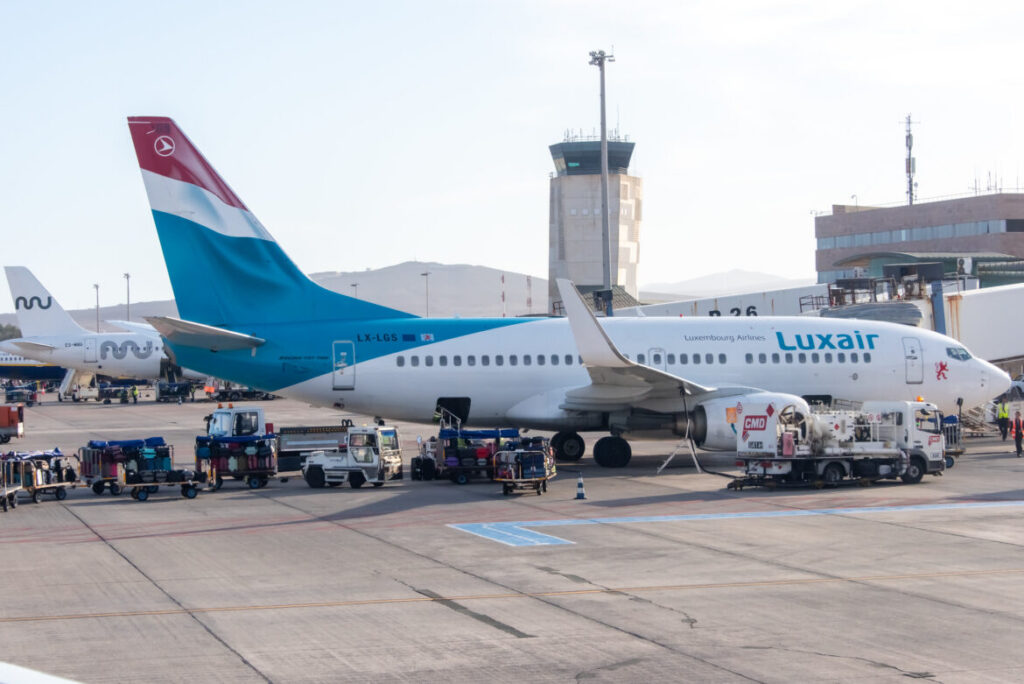
As the sole commercial airport on the island, Fuerteventura Airport features a single north-south runway, measuring approximately 3,400 meters (11,150 feet). The airport’s straightforward layout facilitates easy viewing of aircraft operations from various vantage points outside the terminal. The passenger terminal is located on the western side, with a main apron for commercial operations, while a separate area caters to general aviation and business aircraft.
Airlines and Traffic Patterns
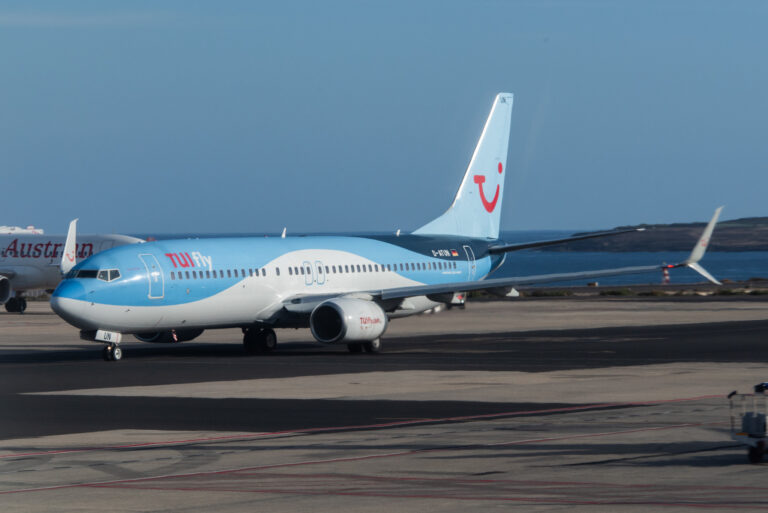
Fuerteventura’s flight schedule is predominantly filled with leisure and low-cost carriers, catering to holidaymakers from across Europe. During peak winter months, the airport sees heightened activity with airlines from the UK, Germany, Scandinavia, and several other countries, making it a vibrant hub for seasonal travel. Notable carriers include Ryanair, easyJet, and TUI Airways, among others, emphasizing the airport’s role in connecting tourists to the idyllic Canary Islands.
Aircraft Spotting Opportunities
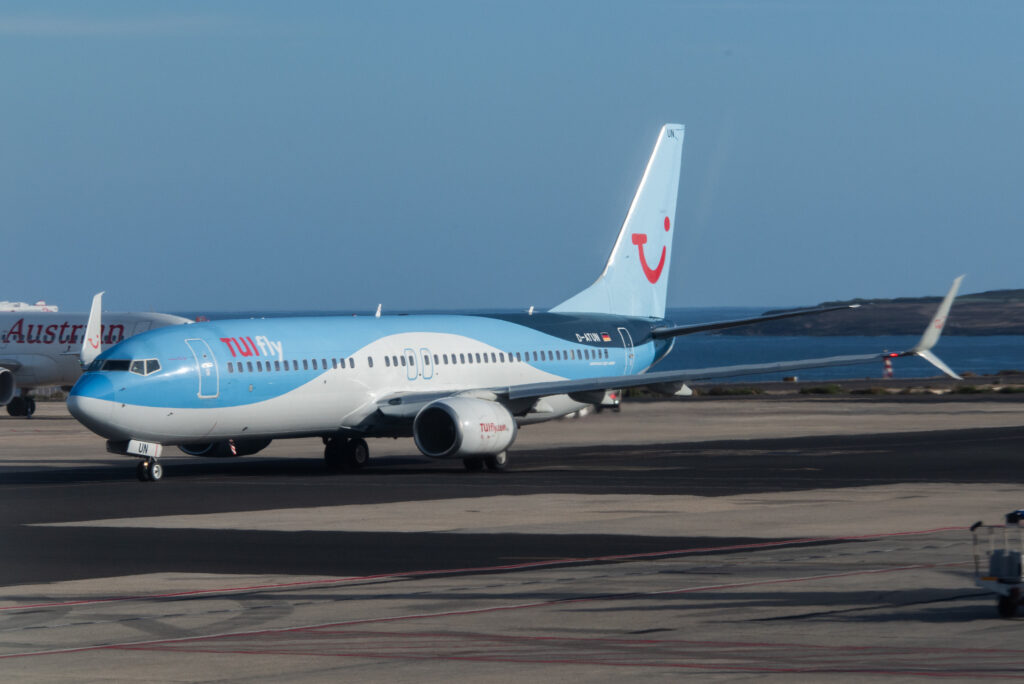
The aircraft types prevalent at Fuerteventura primarily consist of Airbus A320-family jets and Boeing 737s, making it an attractive location for those focused on modern short-haul fleets. While widebody aircraft are infrequent, occasional appearances by Airbus A330s and Boeing 787 Dreamliners on charter flights add to the diversity of sightings. The airport also accommodates a modest amount of business aviation, with private jets utilizing the dedicated executive apron.
Optimal Viewing Locations
For those interested in capturing the action on film, several strategic locations around the airport enhance the spotting experience. One of the prime spots is just north of the passenger terminal, where enthusiasts can observe aircraft movements and enjoy unobstructed views of arrivals and departures. Additionally, the threshold of runway 01 offers an excellent vantage point for photographing landing aircraft, accessible via a short journey along local roads.
Why Fuerteventura Stands Out
Fuerteventura Airport may not boast the variety of rare aircraft or long-haul traffic seen at larger airports, but it compensates with a steady flow of flights and consistently favorable weather conditions. The relaxed atmosphere allows spotters to enjoy extended periods of observation without the pressure often felt at busier airports. With clear skies and strong lighting, photographers can achieve remarkable results, making the airport a worthwhile visit for both casual observers and serious aviation photographers alike.
Conclusion: A Must-Visit for Aviation Aficionados
As the aviation community continues to seek new and rewarding plane spotting locations, Fuerteventura Airport is quietly establishing itself as a must-visit destination. Its combination of operational efficiency, diverse airline offerings, and stunning weather creates an ideal environment for enthusiasts to immerse themselves in the world of aviation. Whether you are a seasoned spotter or a casual observer, Fuerteventura offers a refreshing alternative to the more congested airports of the Canary Islands.


This article was prepared by LibelulaFly as an independent aviation-news summary and editorial reinterpretation based on publicly available reporting. Images, when used, are included for editorial context with source attribution. Original source: www.airportspotting.com. Read the original article here: https://www.airportspotting.com/plane-spotting-at-fuerteventura-airport/.
List, promote, or publish aircraft with LibelulaFly.
LibelulaFly.com • Sales@libelulafly.com • +1 305-332-1942
Jul
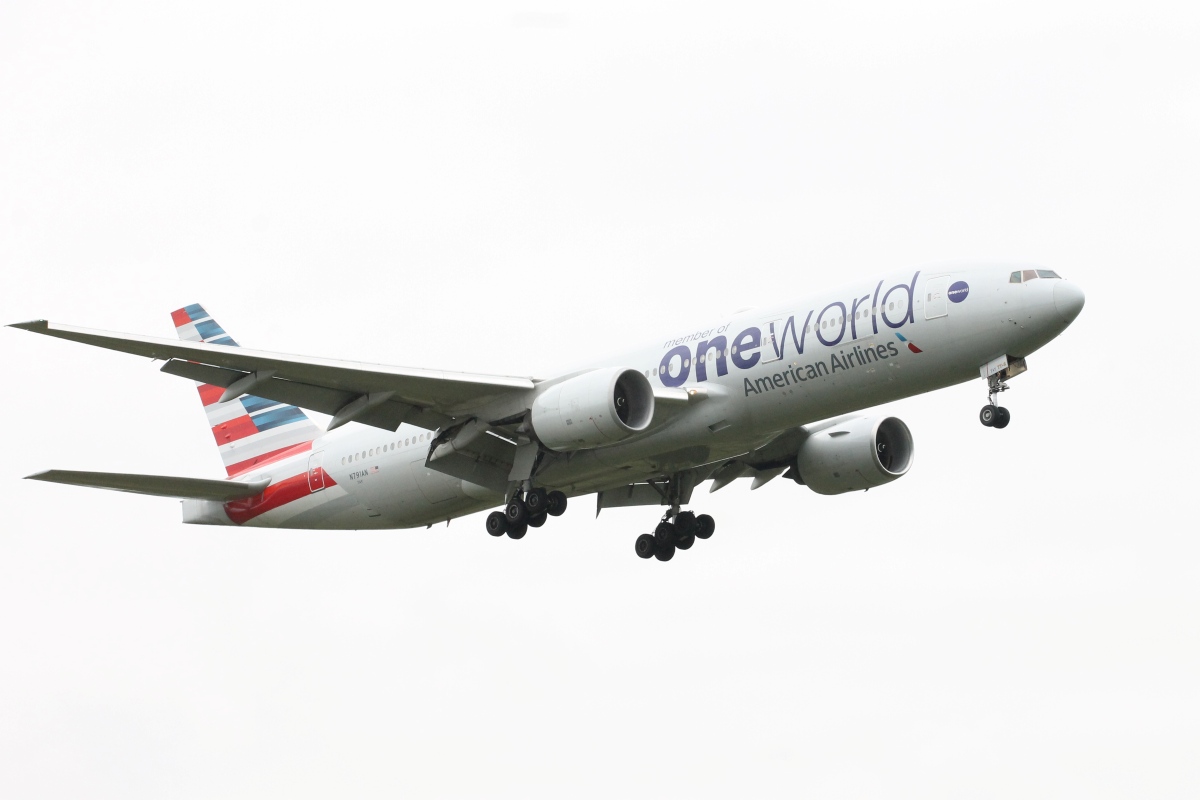
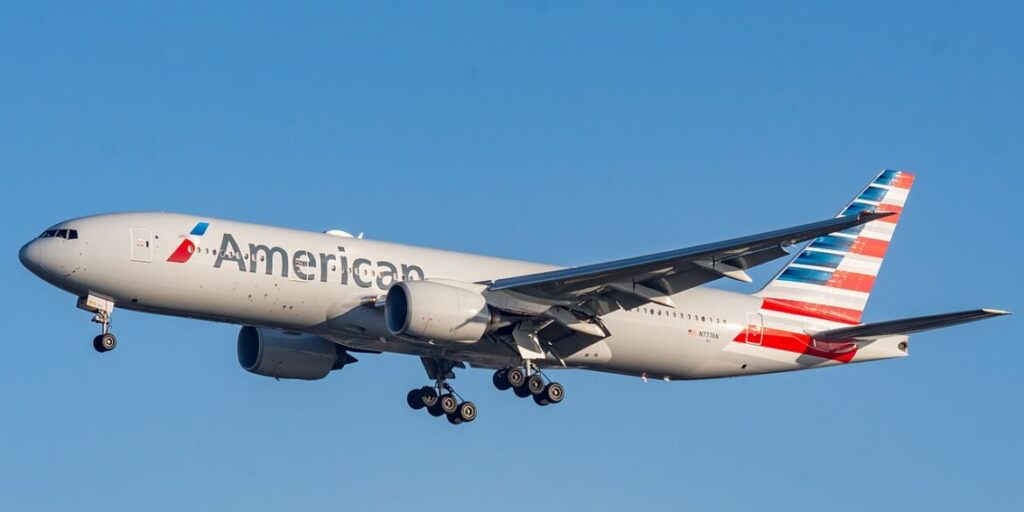
American Airlines’ Commitment to the Boeing 777-200ER
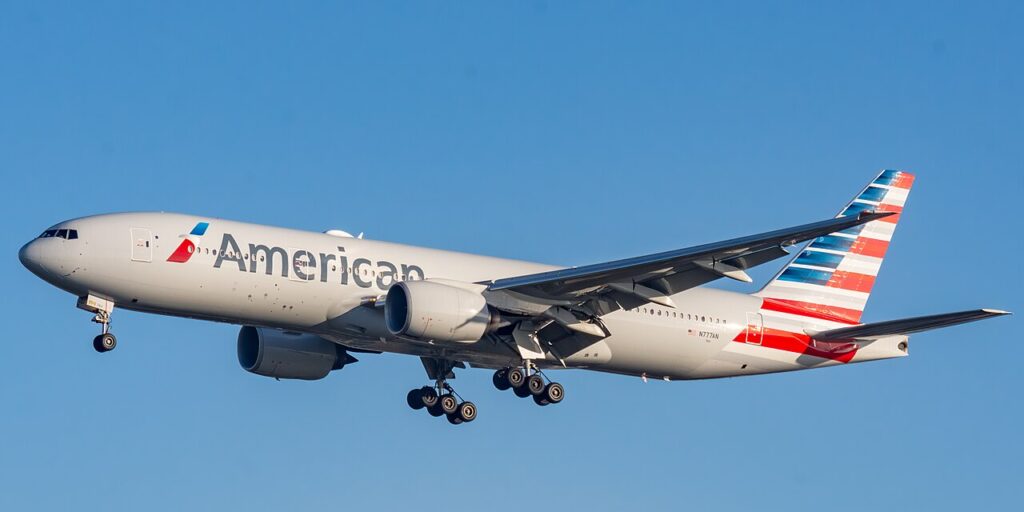
American Airlines has reaffirmed the operational significance of its Boeing 777-200ER fleet, a model that has been integral to its long-haul services for over 25 years. Despite the introduction of newer aircraft like the Boeing 787 Dreamliner, the 777-200ER remains a workhorse for the airline, serving numerous international routes that connect major hubs with key destinations around the globe.
Key Routes Featuring the Boeing 777-200ER
The Boeing 777-200ER continues to operate on several high-demand routes, reflecting its versatility and reliability. Among the most notable is the Dallas/Fort Worth to London Heathrow route, which serves as a flagship service for American Airlines. This route not only facilitates significant business travel but also caters to leisure passengers, making it one of the prime opportunities for aviation enthusiasts to experience the aircraft on a major transatlantic flight.
Another important route is from Charlotte to London Heathrow. While Charlotte may not boast the same international prominence as other hubs, it plays a crucial role in American’s strategy to connect secondary cities with major global destinations. The frequent deployment of the 777-200ER on this route underscores its capability in linking diverse markets.
In Europe, the Philadelphia to Athens route has emerged as a successful addition to American’s network, particularly during the summer months when demand surges. The 777-200ER is well-suited for this route, efficiently transporting passengers between the United States and Greece.
Expanding Horizons in South America
The aircraft’s adaptability is further demonstrated on routes to South America, such as Dallas/Fort Worth to São Paulo, which remains a vital long-haul service for American Airlines. This route exemplifies the aircraft’s ability to meet the demands of diverse international markets.
Additionally, Miami serves as a critical gateway to Latin America, with the 777-200ER frequently operating flights to Buenos Aires and Santiago de Chile. These routes highlight American’s strong presence in the region, catering to both business and leisure travelers.
Future Considerations for the Boeing 777-200ER
While American Airlines has initiated discussions regarding potential replacements for its aging 777 fleet, the aircraft is expected to remain in service for several more years. The airline’s ongoing investments in cabin refurbishments and updated interiors suggest that the 777-200ER will continue to be a prominent feature of its international operations well into the next decade.
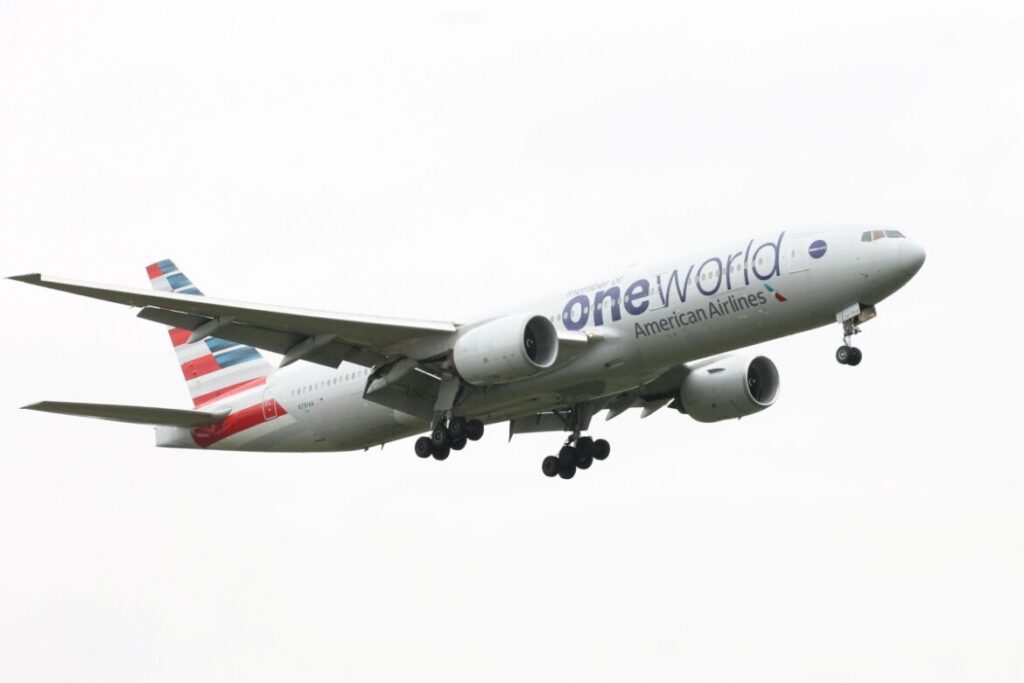
As the aviation industry evolves, the role of the 777-200ER remains critical. For aviation enthusiasts, the opportunity to experience this aircraft on various routes is still very much alive. However, as the airline navigates its future fleet composition, it is advisable for those interested in flying on this iconic model to stay informed about route assignments and schedule changes.
Conclusion: A Legacy in the Skies
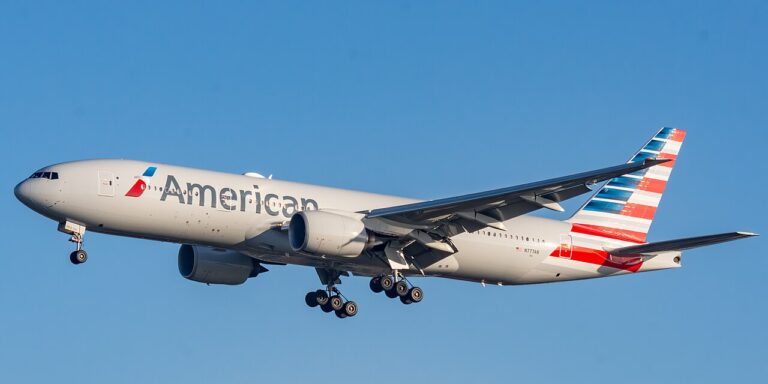
The Boeing 777-200ER has firmly established itself as a cornerstone of American Airlines’ fleet, providing essential connectivity across its extensive international network. As discussions of future aircraft developments unfold, the legacy of the 777-200ER will continue to be celebrated by both passengers and aviation enthusiasts alike. With its robust operational history and ongoing relevance, this aircraft is poised to remain a significant player in American Airlines’ long-haul services for years to come.




This article was prepared by LibelulaFly as an independent aviation-news summary and editorial reinterpretation based on publicly available reporting. Images, when used, are included for editorial context with source attribution. Original source: www.airportspotting.com. Read the original article here: https://www.airportspotting.com/10-routes-where-you-can-still-fly-american-airlines-boeing-777-200er/.
List, promote, or publish aircraft with LibelulaFly.
LibelulaFly.com • Sales@libelulafly.com • +1 305-332-1942
Jul
Tracing the Journey of USAir in American Aviation
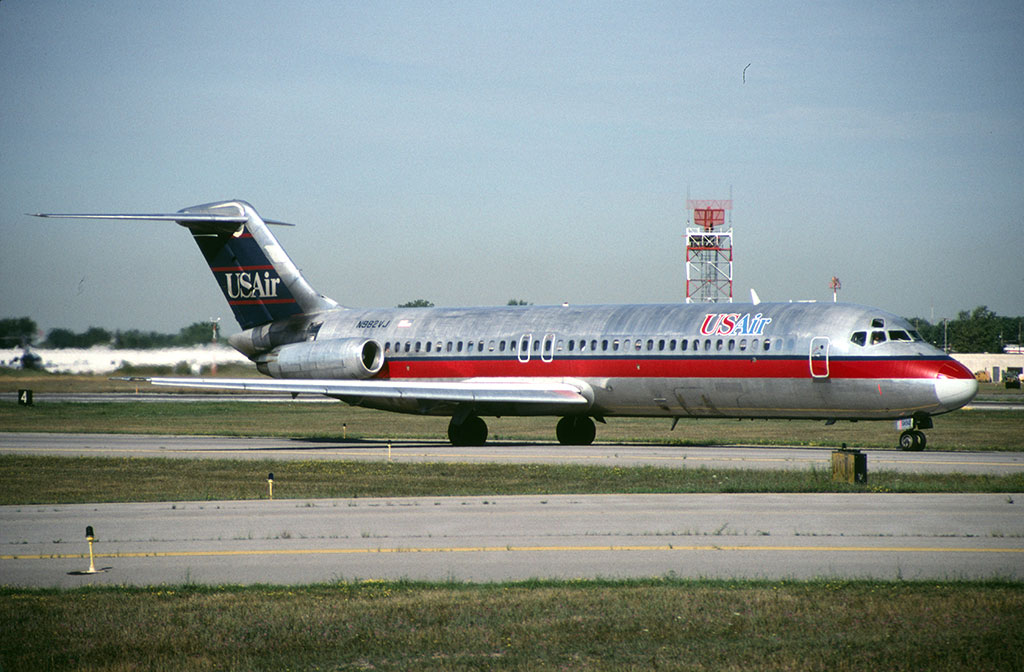
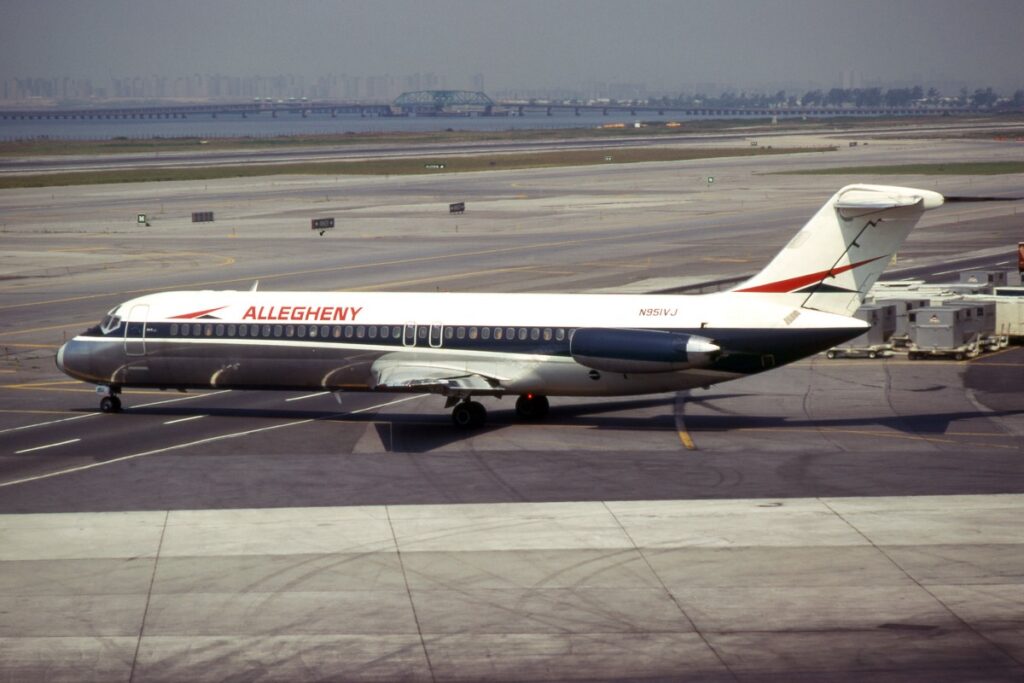
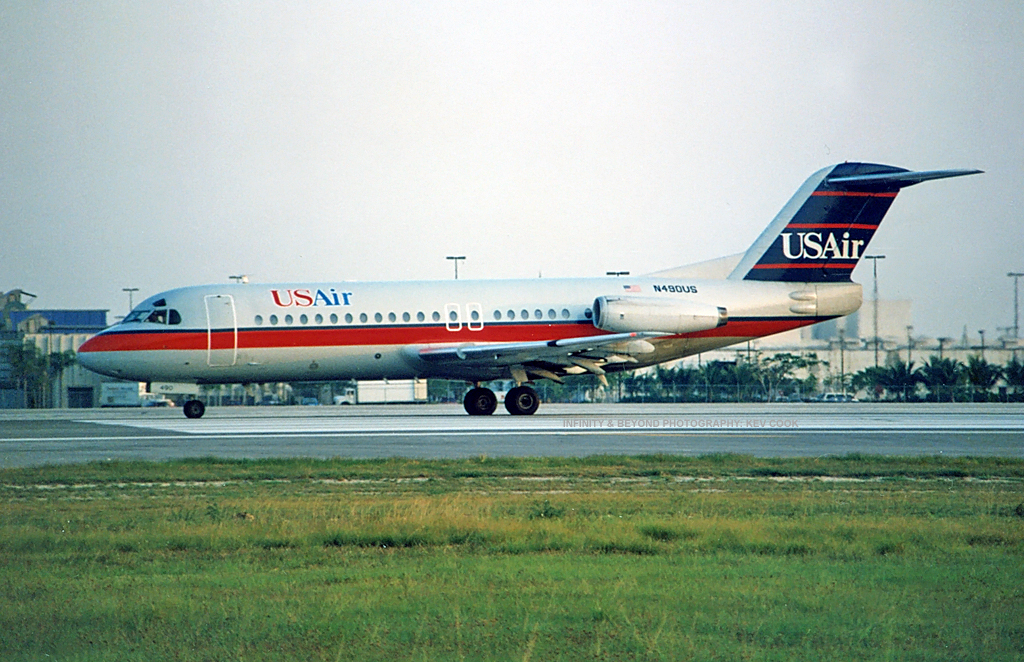
USAir, a name synonymous with American aviation history, traces its roots back to Allegheny Airlines. Founded in 1939 as All American Aviation, the airline initially focused on mail transportation before transitioning to passenger services post-World War II. By 1953, it adopted the name Allegheny Airlines, reflecting its expanding network across the northeastern United States.
Transformation Through Deregulation
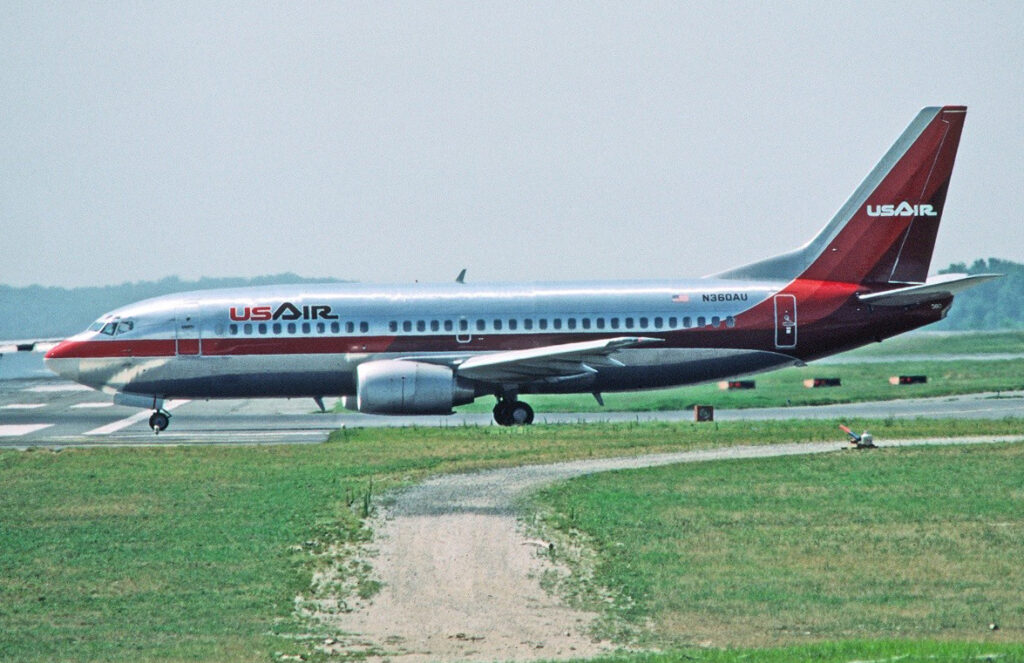
The airline landscape in the United States underwent significant changes with the deregulation of the aviation industry in 1978. This shift provided Allegheny Airlines with the opportunity to broaden its horizons beyond its traditional markets. The airline had already begun expanding its reach through strategic acquisitions, absorbing Lake Central Airlines in 1968 and Mohawk Airlines in 1972, thus enhancing its route network. The rebranding to USAir in 1979 marked a pivotal moment, signaling its ambition to evolve into a national carrier with Pittsburgh as its primary hub.
A Diverse Fleet and Operational Expansion
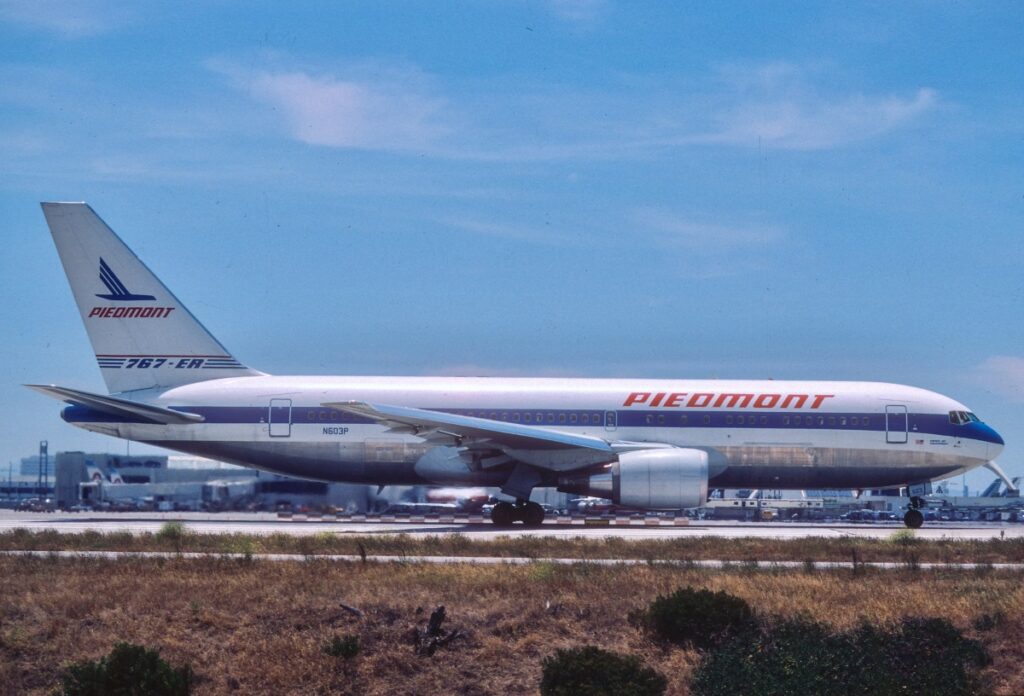
Throughout the 1980s, USAir became known for its diverse fleet, which included the Boeing 727, Douglas DC-9, and Boeing 737. The introduction of the Fokker F28 Fellowship jets allowed the airline to serve shorter regional routes efficiently. By the 1990s, USAir had modernized its operations with newer aircraft like the Airbus A319 and A320, while also expanding its widebody fleet to include Boeing 767s and Airbus A330s, opening transatlantic routes to Europe.
Strategic Mergers and Growth
USAir’s growth trajectory was significantly influenced by strategic mergers. The acquisition of Pacific Southwest Airlines in 1987 and Piedmont Airlines in 1989 expanded its operational footprint, transforming it into one of the largest carriers in the United States. These mergers not only consolidated its market position but also unified several iconic airline liveries under the USAir brand.
Challenges and Resilience
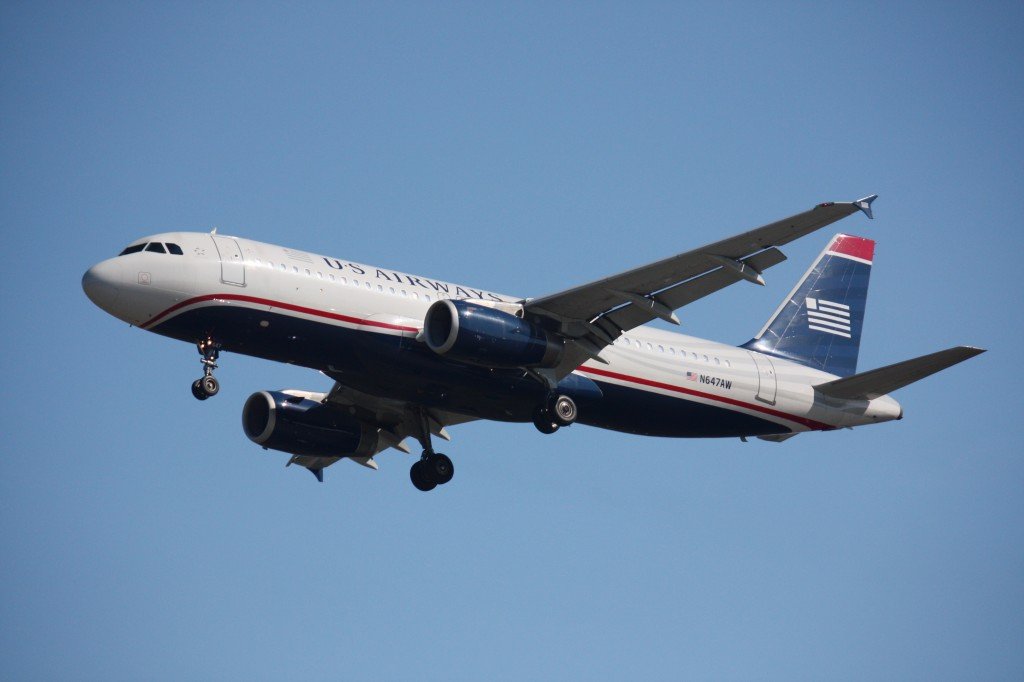
The early 2000s presented formidable challenges for US Airways, particularly following the events of September 11, 2001. The airline faced a steep decline in passenger demand, compounded by rising fuel costs and increasing competition from low-cost carriers. Despite entering Chapter 11 bankruptcy protection twice, US Airways managed to navigate these turbulent times through restructuring and strategic adjustments.
A New Era with America West
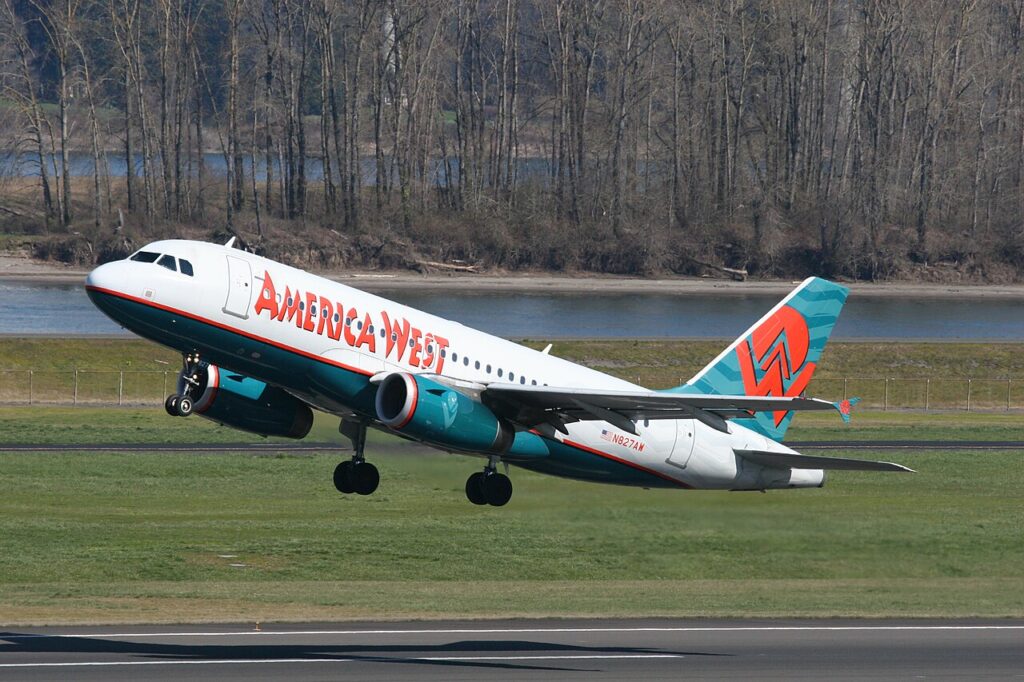
A turning point in US Airways’ history came in 2005 with its merger with America West Airlines. Although the combined entity retained the US Airways name, the management team from America West took the helm, establishing Phoenix as a crucial western hub alongside existing hubs in Philadelphia and Charlotte. This merger laid the groundwork for further expansion and operational synergy.
The Final Chapter: Merger with American Airlines
The culmination of USAir’s journey occurred in 2013 when it merged with American Airlines, creating the world’s largest airline at that time. The integration process culminated with the final US Airways flight on October 16, 2015, marking the end of an era that began with Allegheny Airlines. Although the USAir brand has faded from the skies, its legacy continues to influence American Airlines today.

Honoring a Legacy
The history of USAir is not just a story of an airline; it is a narrative woven into the fabric of American aviation. While the name may no longer exist, the impact of USAir on the industry is evident in the expansive network, fleet diversity, and operational practices that are now part of American Airlines. Heritage liveries honoring USAir, Allegheny, and other predecessors serve as a testament to the enduring legacy of this once-iconic carrier.

This article was prepared by LibelulaFly as an independent aviation-news summary and editorial reinterpretation based on publicly available reporting. Images, when used, are included for editorial context with source attribution. Original source: www.airportspotting.com. Read the original article here: https://www.airportspotting.com/the-history-of-usair-from-local-service-carrier-to-american-airlines/.
List, promote, or publish aircraft with LibelulaFly.
LibelulaFly.com • Sales@libelulafly.com • +1 305-332-1942

Jul
A Historic Aircraft with Enduring Influence
The Boeing 727, a trijet that revolutionized air travel, played a pivotal role in shaping the aviation landscape from the 1960s to the 1990s. Known for its versatility and performance, the 727 became a staple for numerous airlines, facilitating connections across vast domestic and international networks. As the aircraft reached its zenith, it became synonymous with the operations of several well-known carriers, each contributing to its legacy in unique ways.
American Airlines: A Key Player in the 727’s Journey
American Airlines emerged as the largest operator of the Boeing 727, utilizing over 160 units at its peak. The aircraft served as the backbone of its domestic network, connecting passengers from major hubs like Dallas/Fort Worth and Chicago O’Hare to smaller cities across the United States. The 727’s ability to handle diverse airport environments and its operational reliability made it an invaluable asset for American, which continued to operate the type until 2001.
Eastern Air Lines: A Launch Customer’s Legacy
As one of the launch customers of the Boeing 727, Eastern Air Lines quickly adopted the aircraft into its fleet, leveraging its performance capabilities on high-frequency routes along the East Coast. The 727 became a defining element of Eastern’s identity during the 1970s and 1980s, providing crucial service from its Miami hub to various destinations.
United and Delta: Giants of the Skies
Both United Airlines and Delta Air Lines played significant roles in the Boeing 727’s commercial success. United was instrumental in launching the aircraft into service, while Delta expanded its fleet to over 180 units, ensuring the 727 was a common sight in its operations until its retirement in 2003. The aircraft’s adaptability allowed these carriers to serve diverse routes, including challenging airports.
International Influence: Lufthansa and Iberia
Outside North America, European airlines like Lufthansa and Iberia recognized the Boeing 727’s potential. Lufthansa utilized the aircraft extensively to rebuild its network in the post-war jet age, while Iberia capitalized on the 727’s reliability to connect Spain with various international markets. Both airlines contributed to the aircraft’s reputation as a dependable workhorse in the aviation industry.
Colorful Histories: Braniff and Pan Am
Braniff International Airways and Pan Am are often remembered for their distinctive branding and operational strategies involving the Boeing 727. Braniff’s vibrant liveries became iconic in the 1970s, while Pan Am used the aircraft to enhance its regional services, feeding passengers into its broader long-haul network. Both airlines showcased the 727’s versatility in different operational contexts.
FedEx: Extending the 727’s Service Life
While primarily recognized as a passenger aircraft, the Boeing 727 also found a second life in cargo operations with FedEx Express. The company acquired numerous retired passenger models and converted them into freighters, enabling the trijet to remain a fixture in air cargo operations well into the 21st century. This adaptation underscores the aircraft’s enduring relevance beyond its initial commercial passenger use.
A Lasting Legacy
The Boeing 727’s impact on the aviation industry is undeniable, with its association to these ten airlines highlighting its versatility and significance. As aviation continues to evolve, the legacy of the 727 serves as a reminder of the innovation and adaptability that define the industry. The stories of these airlines and their connection to the Boeing 727 reflect a rich history that continues to inspire aviation enthusiasts and professionals alike.

Jul
Oshkosh Set to Host the Premier Aviation Event of 2026
From July 20 to 26, 2026, Wittman Regional Airport in Oshkosh, Wisconsin, will transform into the epicenter of aviation as it hosts the EAA AirVenture Oshkosh. This week-long event is recognized globally as the largest fly-in and airshow, drawing in more than 600,000 aviation enthusiasts and approximately 10,000 aircraft from around the world.
An Unmatched Showcase of Aviation Excellence
The EAA AirVenture is renowned for its diverse display of aircraft, ranging from vintage warbirds and homebuilt planes to the latest commercial and military jets. Attendees can expect to see an extensive static display featuring iconic aircraft from manufacturers like Boeing, Airbus, and Textron, alongside cutting-edge aerospace innovations. Daily flying demonstrations will captivate audiences, showcasing the capabilities of both historical and contemporary aircraft.
Events and Activities to Engage Every Aviation Fan
Throughout the week, the event will offer an array of activities designed to engage aviation enthusiasts of all backgrounds. Visitors can participate in forums and workshops led by industry experts, attend product launches, and explore one of the largest aviation trade exhibitions globally. Evening air shows promise to deliver breathtaking aerial performances, further enriching the experience.

A Unique Arrival Experience for Pilots
The arrival weekend preceding the official opening of AirVenture is a spectacle in itself. Thousands of pilots will navigate the FAA’s famous arrival procedures, creating a remarkable scene as a wide variety of aircraft approach Wittman Field. This coordinated effort highlights the camaraderie and passion that define the aviation community.
Weather Challenges and Safety Considerations
This year’s event is beginning under atypical circumstances due to smoke from ongoing wildfires in Canada, which has affected visibility and air quality in the region. The National Weather Service has issued advisories, prompting air traffic controllers to remind pilots of the importance of conservative decision-making in such conditions. As the event approaches, updates on weather conditions will be critical for ensuring the safety of all participants.
Aviation Community Anticipates a Memorable Experience
As the aviation community prepares for this landmark event, it serves as a reminder of the shared passion that unites pilots, enthusiasts, and industry professionals. EAA AirVenture Oshkosh 2026 is not just an event; it embodies the spirit of aviation and the continuous innovations that drive the industry forward. For those unable to attend in person, various media outlets will provide coverage, ensuring that the excitement of AirVenture reaches audiences worldwide.
Looking Ahead: The Future of AirVenture
As anticipation builds for EAA AirVenture Oshkosh 2026, the event promises to be a significant highlight in the aviation calendar. With its rich history and commitment to aviation excellence, AirVenture continues to inspire future generations of aviators and enthusiasts alike. The gathering is not just a celebration of the past but a platform for showcasing the future of aviation.







This article was prepared by LibelulaFly as an independent aviation-news summary and editorial reinterpretation based on publicly available reporting. Images, when used, are included for editorial context with source attribution. Original source: www.airportspotting.com. Read the original article here: https://www.airportspotting.com/airventure-oshkosh-2026-the-worlds-greatest-aviation-gathering-is-almost-here/.
List, promote, or publish aircraft with LibelulaFly.
LibelulaFly.com • Sales@libelulafly.com • +1 305-332-1942

Jul
Aviation History in Focus: The Rise of Air Atlantis
Air Atlantis, a charter airline that operated from 1986 to 1993, remains a significant chapter in the story of Portuguese aviation. Established as a subsidiary of TAP Air Portugal, Air Atlantis was created to capitalize on the burgeoning demand for leisure travel to Portugal’s picturesque resorts, particularly during the peak holiday seasons. Its operations were characterized by a fleet of Boeing aircraft, including the 727 and 737 series, which became synonymous with package holidays from northern Europe to destinations like the Algarve and Madeira.
Connecting Europe to Portugal’s Coastal Charms
In its brief existence, Air Atlantis became a vital link for holidaymakers traveling from various European nations to Portugal. The airline facilitated connections from the UK, Germany, and Scandinavia to popular destinations such as Lisbon, Faro, and Funchal. By operating flights on behalf of major tour operators, Air Atlantis not only provided essential transportation services but also contributed significantly to the growth of the tourism sector during the late 20th century.
A Fleet Reflecting National Pride
The airline’s fleet was closely aligned with that of its parent company, TAP Air Portugal, featuring a striking green-and-white livery that mirrored the Portuguese flag. This design, combined with the operational efficiency of models like the Boeing 707 and 737, made Air Atlantis a recognizable presence at regional airports across the UK and Europe. The airline’s aircraft were configured for high-density seating, maximizing passenger capacity to meet the demands of the booming holiday market.

The Golden Age of Charter Flights
Air Atlantis emerged during a vibrant period for charter airlines in Europe, where regional airports buzzed with a variety of carriers. Alongside other notable airlines of the time, Air Atlantis offered plane spotters and aviation enthusiasts a unique opportunity to witness a diverse array of aircraft at their local airports. This era is often fondly referred to as the golden age of charter flying, highlighting the excitement and variety that characterized air travel during this time.
Challenges and Closure: The End of an Era
Despite its success, the early 1990s brought significant changes to the aviation landscape. The integration of charter and scheduled operations, coupled with regulatory shifts in Europe, prompted TAP Air Portugal to consolidate its charter services back under its main operations. Consequently, in 1993, Air Atlantis ceased operations, and its fleet was gradually absorbed into TAP. Although the airline’s run lasted less than a decade, it left a lasting impression on those who experienced its services.
Reflecting on Air Atlantis’ Impact
While Air Atlantis may have faded from the skies, its legacy endures in the memories of aviation enthusiasts and those who flew with the airline during its operational years. The airline played a crucial role in shaping the tourism landscape of Portugal, facilitating countless journeys to its beautiful shores. As the aviation industry continues to evolve, the story of Air Atlantis serves as a reminder of the dynamic nature of air travel and the pivotal role that charter airlines have played in connecting people and places.


This article was prepared by LibelulaFly as an independent aviation-news summary and editorial reinterpretation based on publicly available reporting. Images, when used, are included for editorial context with source attribution. Original source: www.airportspotting.com. Read the original article here: https://www.airportspotting.com/air-atlantis-remembering-the-portuguese-charter-airline/.
List, promote, or publish aircraft with LibelulaFly.
LibelulaFly.com • Sales@libelulafly.com • +1 305-332-1942
Jul
Scandinavian Airlines Enters a New Era
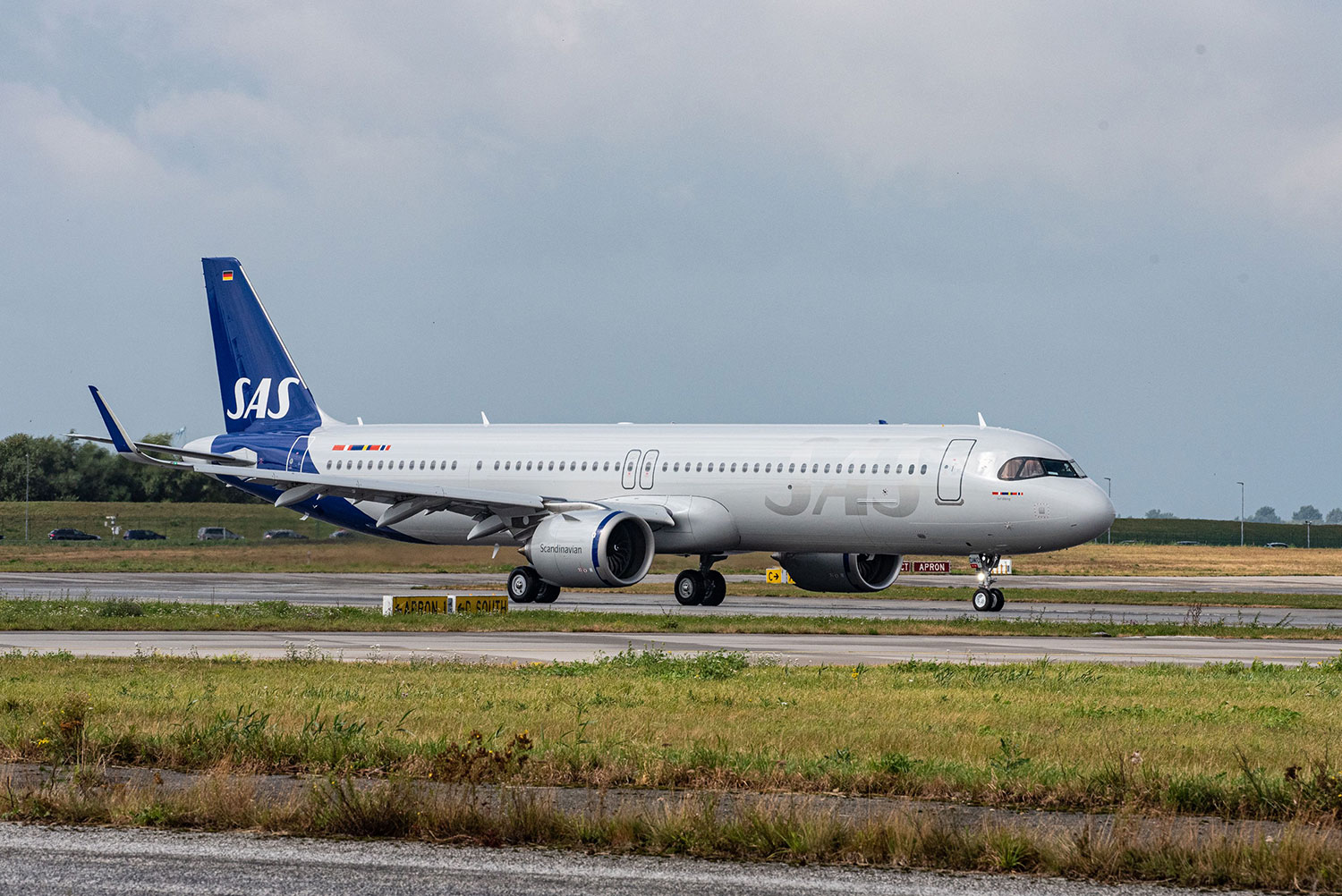
Scandinavian Airlines, widely recognized as SAS, has embarked on a transformative journey following a significant restructuring that commenced in the mid-2020s. This pivotal shift has not only allowed the airline to reestablish its footing in the competitive aviation landscape but has also culminated in its recent integration into the SkyTeam alliance. This strategic move enhances SAS’s operational synergy with major carriers such as Air France-KLM, further solidifying its position as a key player in Northern European aviation.
A Historical Overview
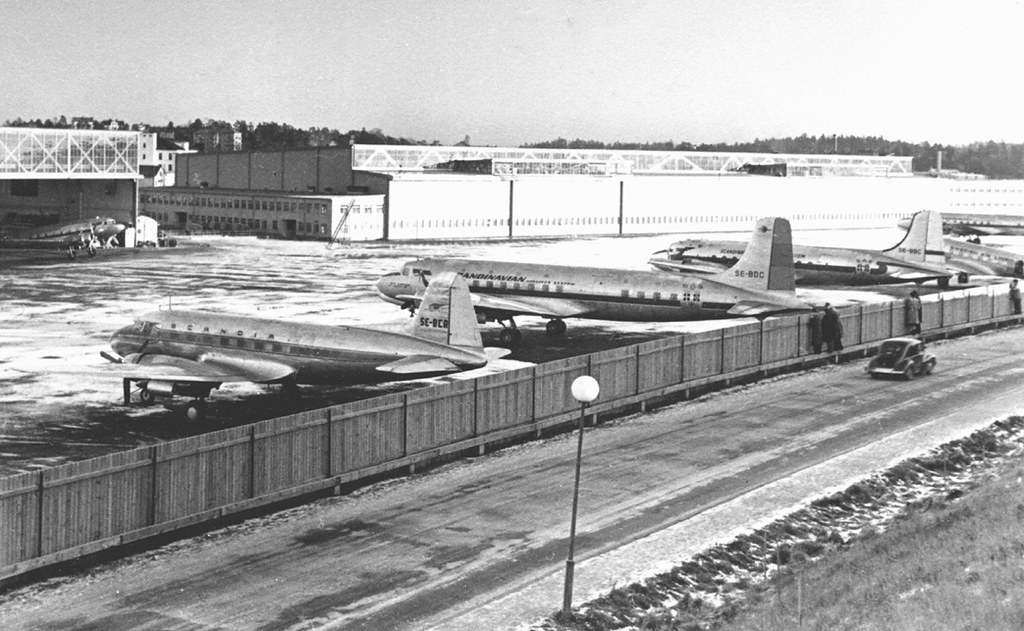
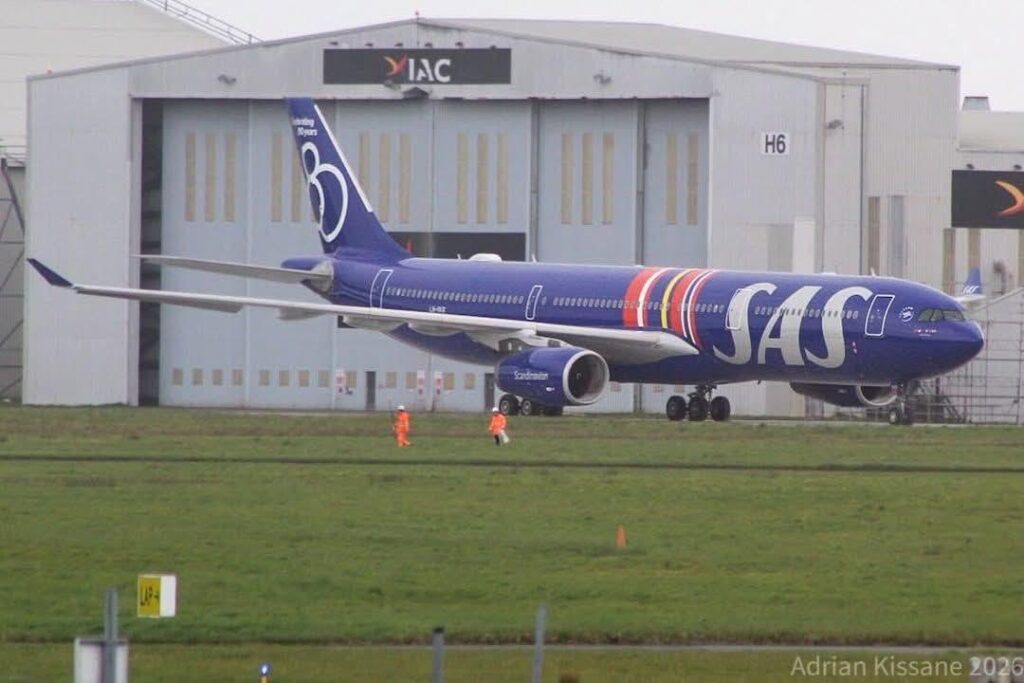
Founded on August 1, 1946, Scandinavian Airlines System was a collaborative effort between the national airlines of Denmark, Norway, and Sweden. This partnership aimed to enhance competitiveness on international routes in the post-World War II era. Over the decades, SAS has been at the forefront of innovation, notably pioneering transpolar flights that significantly reduced travel time between Europe and North America.
Modern Fleet and Operations
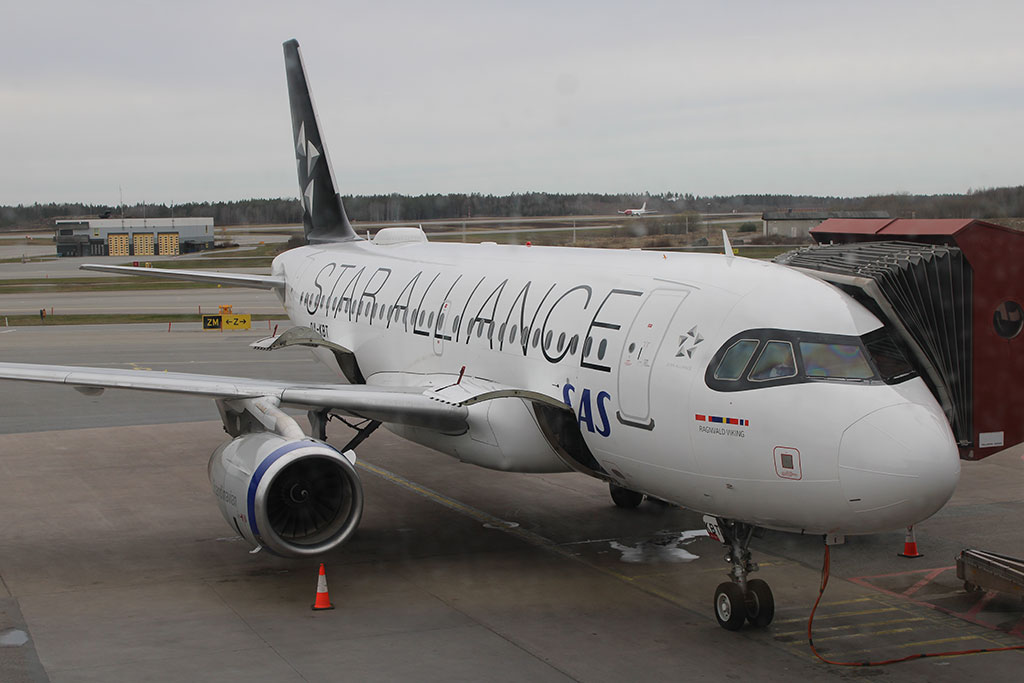
Today, SAS boasts a fleet that primarily consists of Airbus aircraft, reflecting a strategic shift towards modern, fuel-efficient technology. The airline operates from three main hubs: Copenhagen, Stockholm Arlanda, and Oslo Gardermoen, with Copenhagen serving as its principal international gateway. This hub-and-spoke model allows SAS to connect over 100 destinations across Europe, along with essential long-haul routes to North America and Asia.
Key Routes and Market Impact
SAS has long excelled in connecting Scandinavia with Europe, but its intercontinental services are equally vital. Noteworthy routes include direct flights from Copenhagen to major cities such as New York, Chicago, and San Francisco. These long-haul services not only cater to business travelers but also play a crucial role in tourism and economic ties between the regions.
Fleet Composition and Future Plans
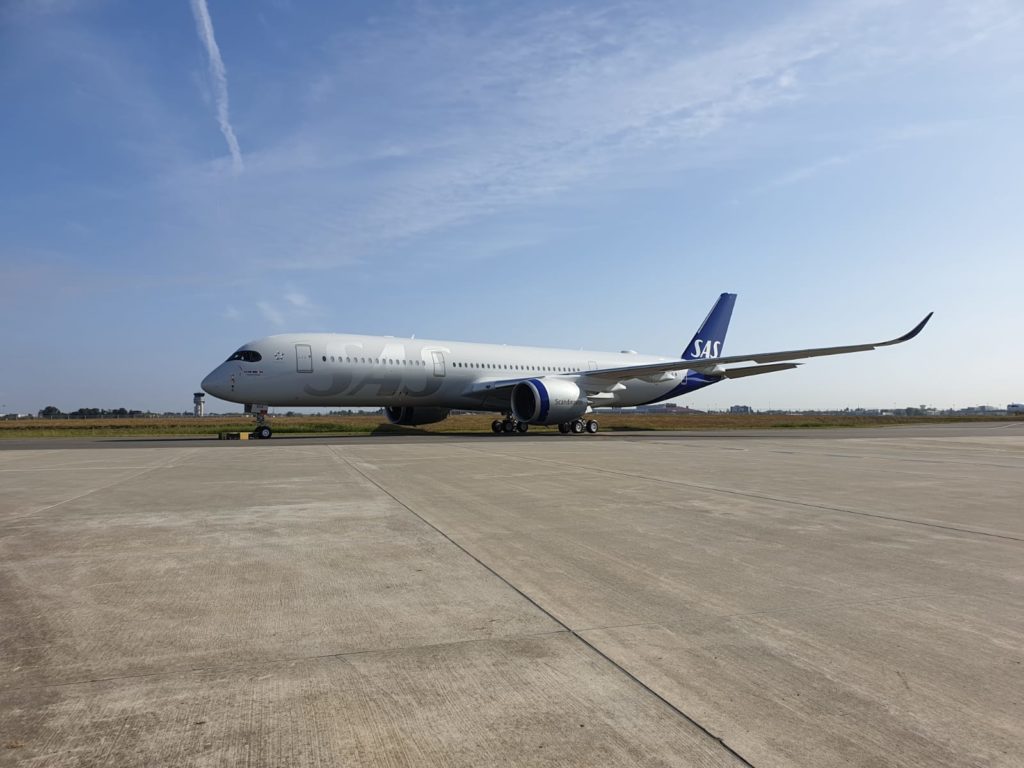
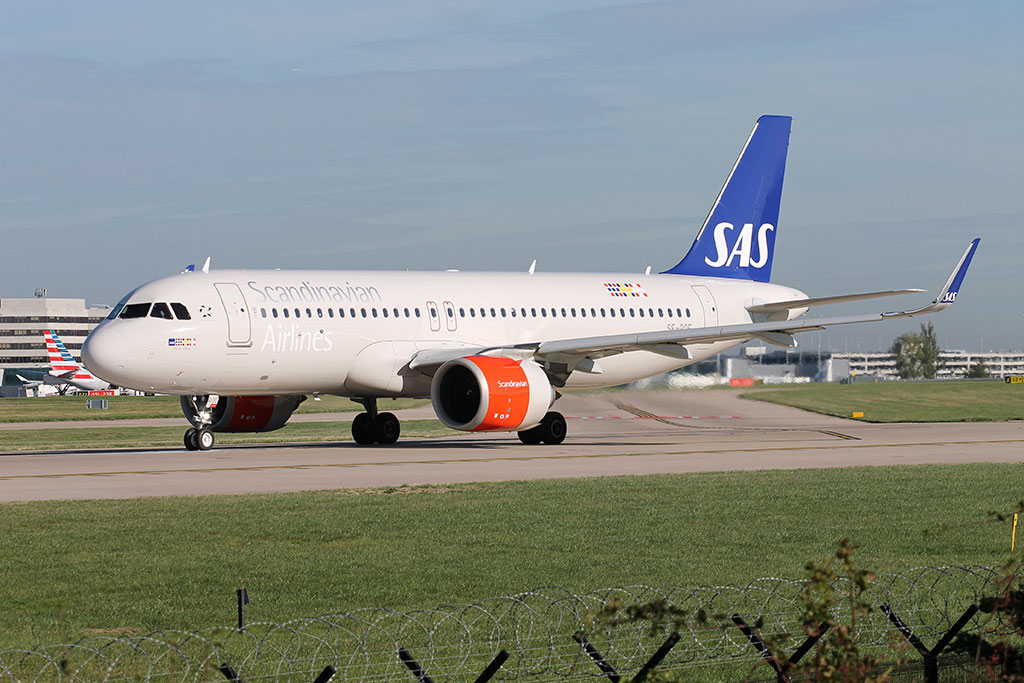
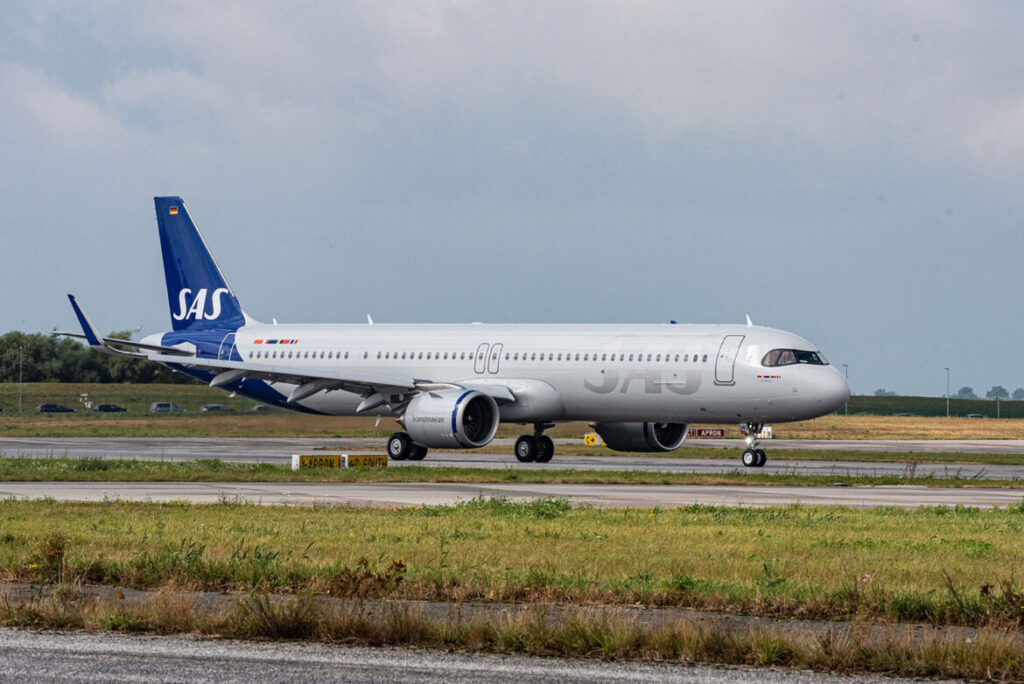
The airline’s commitment to modernizing its fleet is evident, with a current lineup that includes the Airbus A320neo and A350-900, among others. SAS also has firm orders for 18 Airbus A330-900neo aircraft, indicating a clear strategy towards enhancing its long-haul capabilities. This fleet renewal program is essential for maintaining competitive advantage and operational efficiency in a rapidly evolving market.
Brand Identity and Livery Evolution
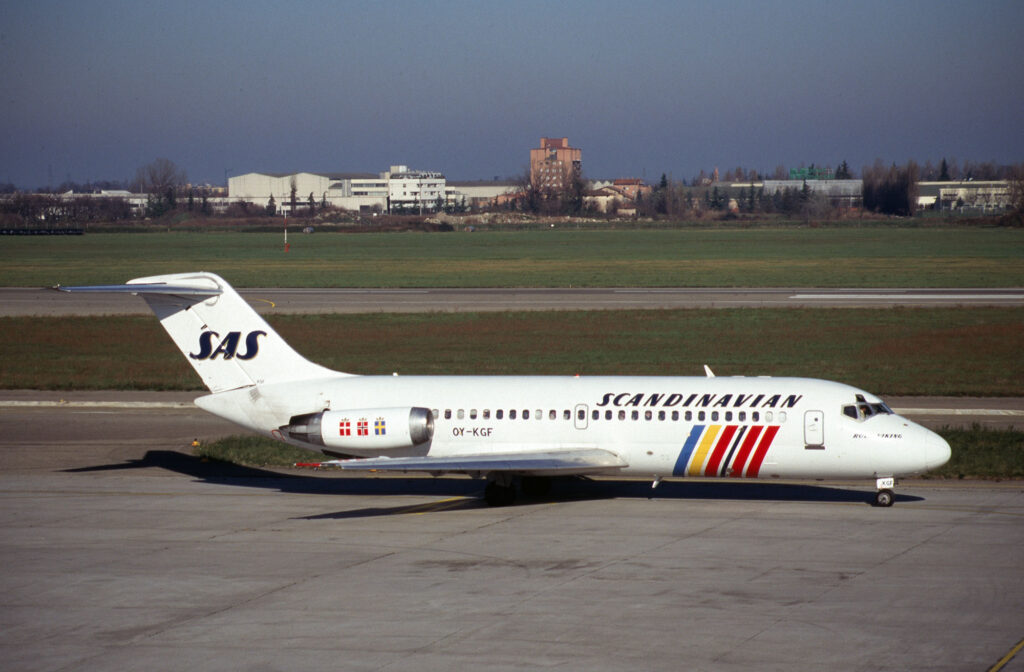
In 2019, SAS unveiled a new corporate identity that reflects a contemporary Scandinavian aesthetic. The updated livery features a sleek silver-grey fuselage adorned with bold dark blue branding, symbolizing the airline’s modern approach while honoring its rich heritage. While the transition to this new design is ongoing, it has already begun to redefine the visual landscape of Scandinavian aviation.
Looking Ahead
As SAS navigates this new chapter, its integration into the SkyTeam alliance and ongoing fleet enhancements position it for future growth and resilience. The airline’s ability to adapt to changing market dynamics, combined with its commitment to operational excellence, will be critical as it continues to serve as a vital link between Scandinavia and the world.

This article was prepared by LibelulaFly as an independent aviation-news summary and editorial reinterpretation based on publicly available reporting. Images, when used, are included for editorial context with source attribution. Original source: www.airportspotting.com. Read the original article here: https://www.airportspotting.com/scandinavian-airlines-sas-fleet-routes-history-and-livery-guide/.
List, promote, or publish aircraft with LibelulaFly.
LibelulaFly.com • Sales@libelulafly.com • +1 305-332-1942
Jul
A Milestone in Aviation History
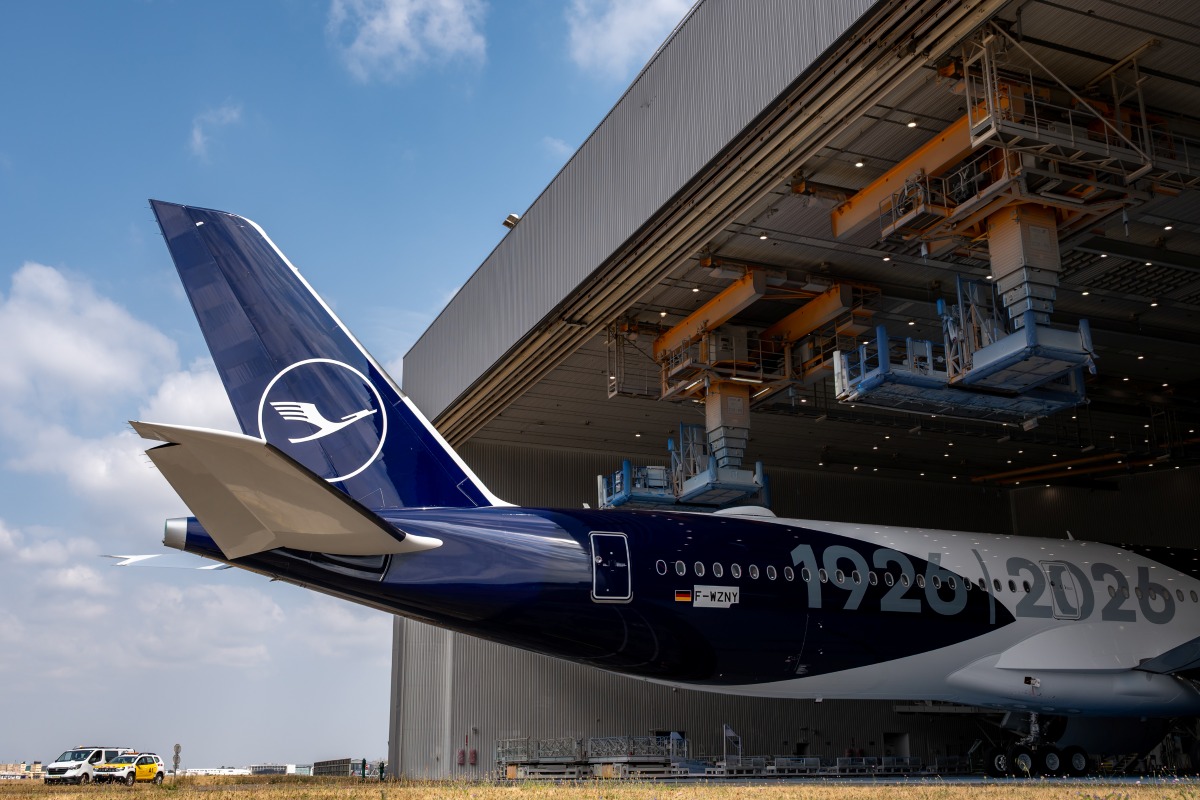
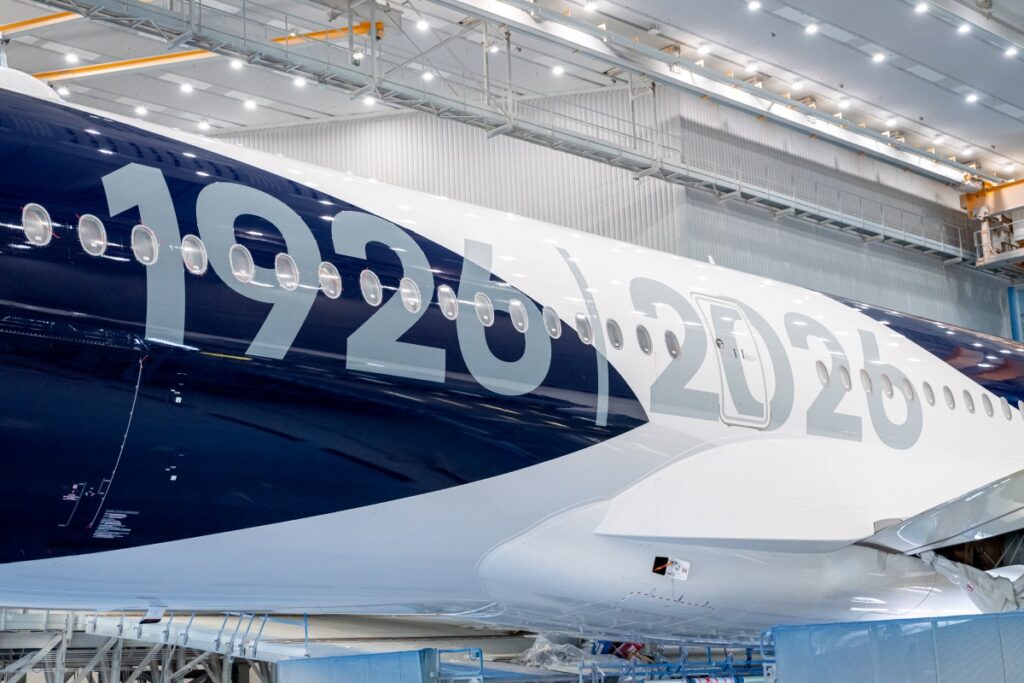
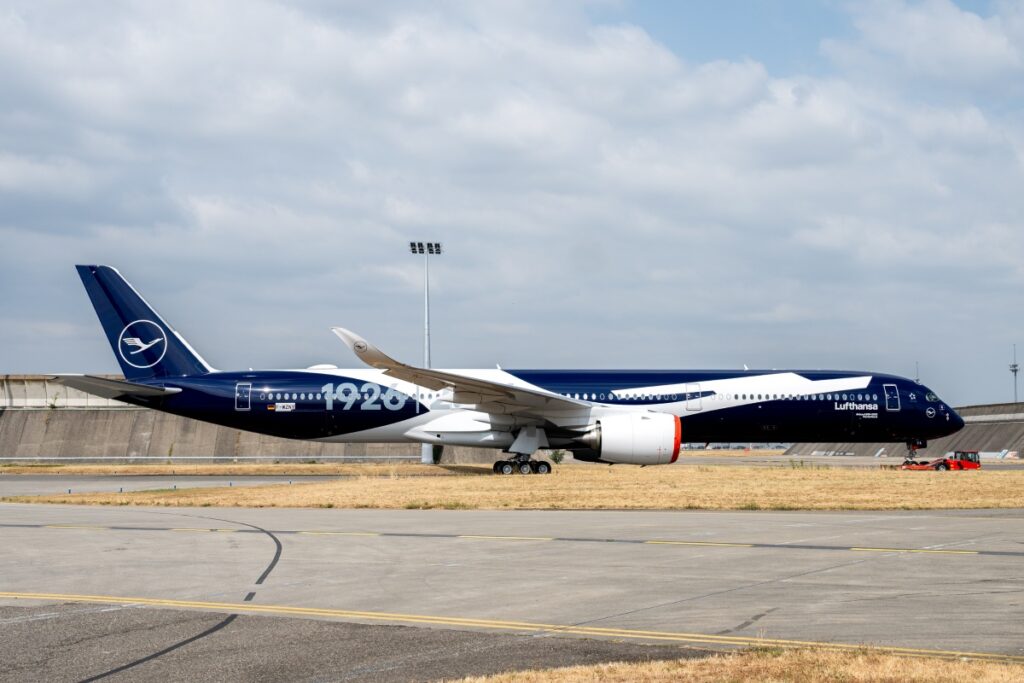
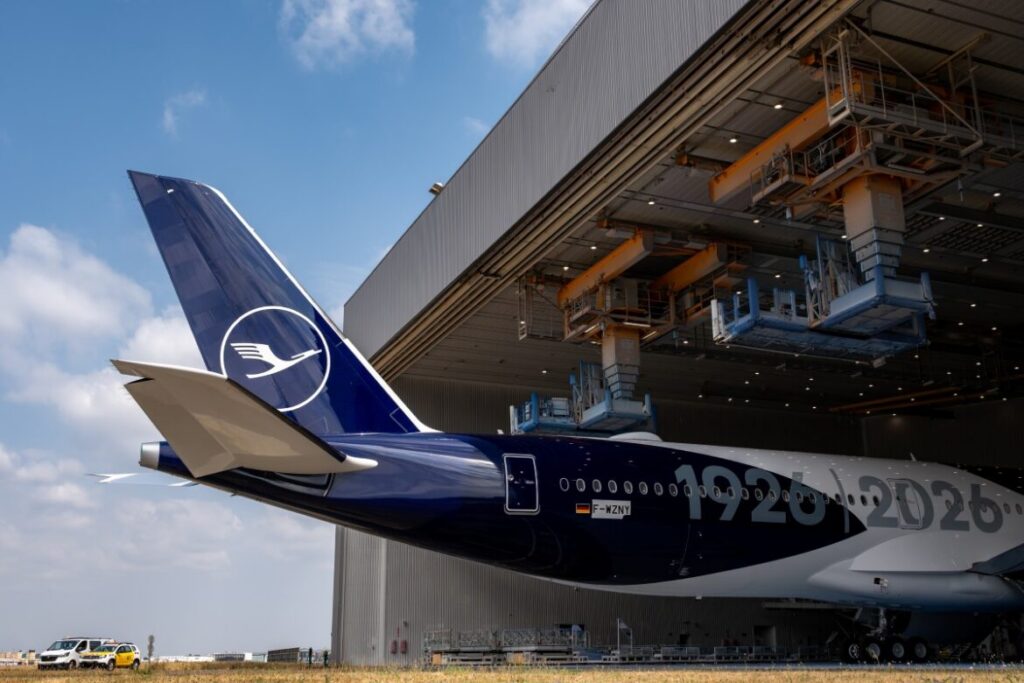
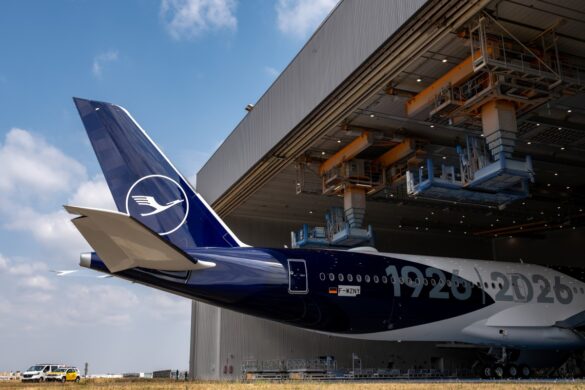
Lufthansa has marked a significant milestone in its operational evolution with the unveiling of its first Airbus A350-1000, designated D-AIFA, emerging from the paint shop in Toulouse. This aircraft is not only a new addition to the airline’s fleet but also celebrates Lufthansa’s centenary, featuring a unique livery that highlights the airline’s iconic crane logo, a symbol of its rich heritage.
Strengthening Long-Haul Operations
As part of an order for 15 Airbus A350-1000 aircraft, D-AIFA is set to enhance Lufthansa’s capacity and operational efficiency on long-haul routes. This new flagship will be stationed at Munich Airport, reinforcing the city as a pivotal hub for the airline’s international services. The A350-1000, being approximately seven meters longer than its A350-900 counterpart, allows for a greater number of passengers while maintaining the operational advantages of fuel efficiency and reduced emissions.
Commemorative Design and Fleet Integration
The special livery adorning D-AIFA aligns with Lufthansa’s ongoing centennial celebrations, which will extend through 2026. This striking design is part of a broader initiative that includes several aircraft across the fleet, showcasing the airline’s commitment to honoring its legacy while looking towards the future. The A350-1000 is expected to integrate seamlessly with Lufthansa’s existing fleet of A350-900s, further enhancing its long-haul service offerings.
Operational Benefits of the A350-1000
The introduction of the A350-1000 into Lufthansa’s fleet represents a strategic move to replace older aircraft, notably the A340-600, which have been less efficient in terms of fuel consumption and operational costs. By adopting the A350-1000, Lufthansa aims to improve its environmental performance while catering to the increasing demand for intercontinental travel. The aircraft will feature the latest Allegris premium cabin products, designed to provide an elevated passenger experience.
A Look Ahead
With D-AIFA nearing the completion of its pre-delivery preparations, Lufthansa is poised to welcome this new asset into service. The A350-1000 is not just a symbol of the airline’s past but also a testament to its forward-looking strategy in the competitive landscape of international aviation. As the airline gears up for its next chapter, the A350-1000 will play a crucial role in shaping the future of its long-haul operations.
Conclusion: A New Era Begins
Lufthansa’s first Airbus A350-1000 is more than just a new aircraft; it is a celebration of a century of aviation excellence and a significant step towards a more sustainable and efficient future. As the airline prepares for its entry into service, the A350-1000 is set to redefine long-haul travel for Lufthansa and its passengers alike, embodying the balance of heritage and innovation.



This article was prepared by LibelulaFly as an independent aviation-news summary and editorial reinterpretation based on publicly available reporting. Images, when used, are included for editorial context with source attribution. Original source: www.airportspotting.com. Read the original article here: https://www.airportspotting.com/lufthansas-first-airbus-a350-1000-spotted/.
List, promote, or publish aircraft with LibelulaFly.
LibelulaFly.com • Sales@libelulafly.com • +1 305-332-1942
Jul
Transforming the Single-Aisle Market
The aviation landscape is witnessing a significant shift as the Airbus A220 increasingly replaces the A319neo in the competitive 100-150 seat segment. This development underscores a broader trend in airline preferences for aircraft that deliver superior efficiency and passenger comfort.
Designed for Modern Demands
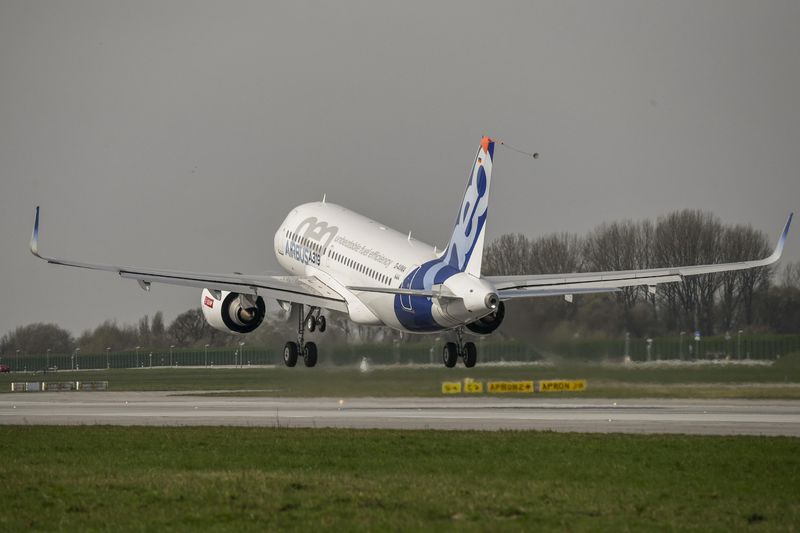
The Airbus A319neo, while a notable member of the A320 family, was not originally conceived for the specific needs of today’s airlines operating thinner routes. The A319neo is an evolution of the A320 series, which first took to the skies in 1987. Despite incorporating modern enhancements such as new engines and aerodynamic improvements, the aircraft retains many features from its larger siblings, resulting in compromises in both weight and economics.
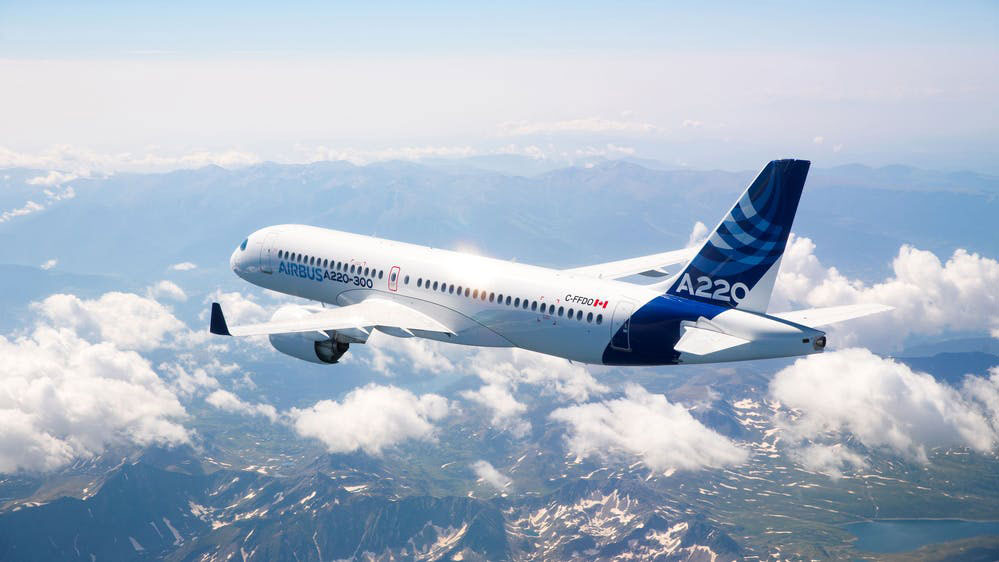
In contrast, the A220, originally developed by Bombardier as the CSeries, was designed with the modern market in mind. Its lightweight structure and advanced aerodynamics, combined with efficient Pratt & Whitney geared turbofan engines, make it a purpose-built solution for airlines targeting the 100-150 seat market. This strategic design focus allows the A220 to operate with lower fuel burn and operating costs compared to the A319neo.
Economic Efficiency as a Priority
For airlines, the cost per seat is a critical factor in operational success. Although the A319neo offers improved fuel efficiency over its predecessor, the A319ceo, it cannot compete with the A220’s optimized performance on short- and medium-haul flights. The A220’s lower operating costs and fuel consumption make it a more attractive option for airlines looking to replace older aircraft like the A319 and Boeing 737-700.
Passenger Preferences Drive Adoption
Beyond operational efficiencies, passenger experience plays a crucial role in the A220’s rising popularity. The aircraft features a five-abreast seating configuration (2-3 layout), minimizing the number of middle seats and enhancing overall comfort. Additionally, the A220 boasts larger windows, quieter cabins, and ample overhead storage, leading to consistently high satisfaction ratings among travelers.
Market Dynamics Favoring Larger Aircraft
The evolving preferences of airlines also contribute to the A319neo’s decline. As air traffic increases and pilot shortages persist, airlines are gravitating towards larger aircraft to maximize efficiency within limited airport slots. The success of the A321neo has further squeezed the A319neo out of the market, as carriers increasingly opt for the A220-300 for about 140 seats or step up to the A320neo for greater capacity.
Sales Figures Reflect the Shift
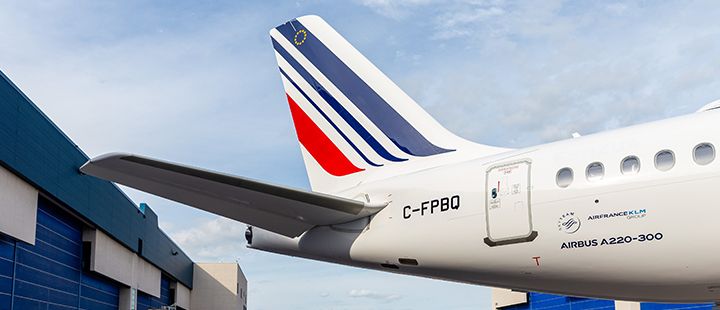
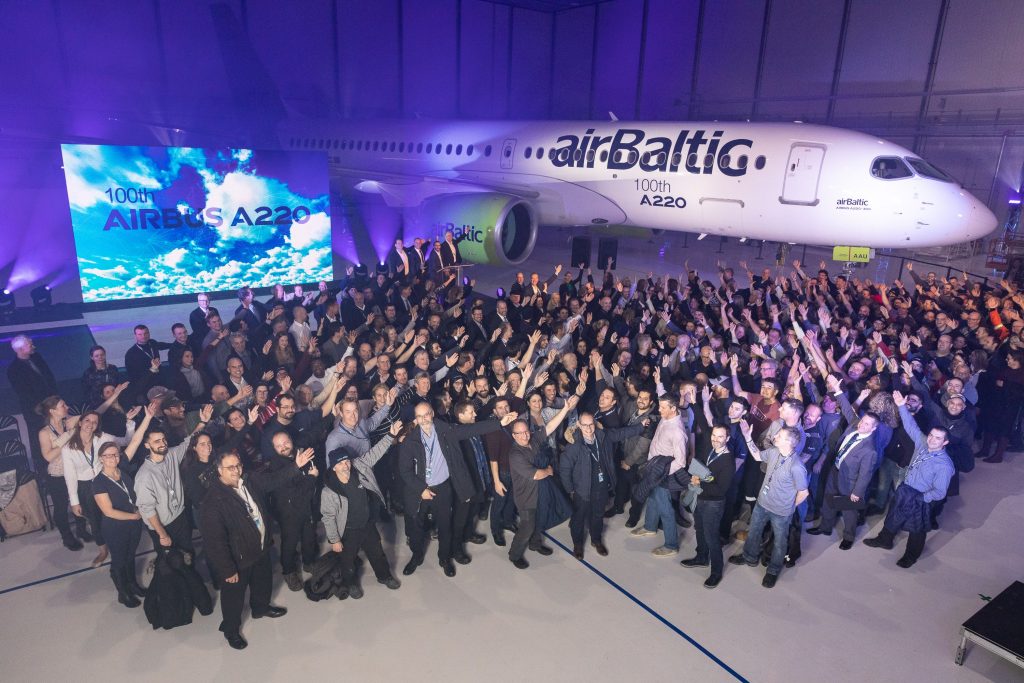
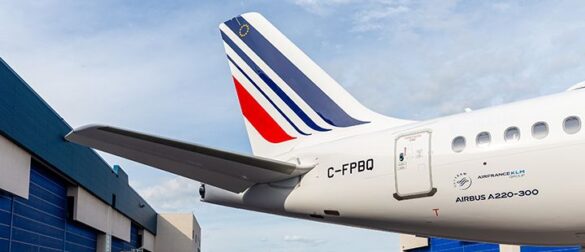
The sales trajectory of both aircraft illustrates this transition. The A319neo has garnered limited orders, with many airlines opting to convert their commitments to the more popular A320 family. Meanwhile, the A220 has surpassed 1,000 firm orders since Airbus took over the program in 2018, with a growing list of operators that include major carriers such as Delta Air Lines and Air France.
Looking Ahead: The Potential of the A220-500
Airbus is also exploring the possibility of a stretched variant, the A220-500, which could further enhance its market position by accommodating more passengers. This potential expansion of the A220 family would solidify its role as Airbus’ dedicated aircraft for the smaller end of the single-aisle market, increasing pressure on the A319neo.
Conclusion: A Strategic Shift in Aviation
The A319neo remains a competent aircraft, but it is clear that the market has evolved beyond its capabilities. Airlines now favor aircraft that are purpose-built for modern operational demands, where efficiency and passenger experience are paramount. By acquiring the Bombardier CSeries program, Airbus has positioned itself to meet these needs effectively, allowing the A220 to not only complement but effectively replace the A319neo in the competitive landscape of single-aisle aviation.




This article was prepared by LibelulaFly as an independent aviation-news summary and editorial reinterpretation based on publicly available reporting. Images, when used, are included for editorial context with source attribution. Original source: www.airportspotting.com. Read the original article here: https://www.airportspotting.com/why-has-the-airbus-a220-replaced-the-a319neo/.
List, promote, or publish aircraft with LibelulaFly.
LibelulaFly.com • Sales@libelulafly.com • +1 305-332-1942