

Jul
A Historic Aircraft with Enduring Influence
The Boeing 727, a trijet that revolutionized air travel, played a pivotal role in shaping the aviation landscape from the 1960s to the 1990s. Known for its versatility and performance, the 727 became a staple for numerous airlines, facilitating connections across vast domestic and international networks. As the aircraft reached its zenith, it became synonymous with the operations of several well-known carriers, each contributing to its legacy in unique ways.
American Airlines: A Key Player in the 727’s Journey
American Airlines emerged as the largest operator of the Boeing 727, utilizing over 160 units at its peak. The aircraft served as the backbone of its domestic network, connecting passengers from major hubs like Dallas/Fort Worth and Chicago O’Hare to smaller cities across the United States. The 727’s ability to handle diverse airport environments and its operational reliability made it an invaluable asset for American, which continued to operate the type until 2001.
Eastern Air Lines: A Launch Customer’s Legacy
As one of the launch customers of the Boeing 727, Eastern Air Lines quickly adopted the aircraft into its fleet, leveraging its performance capabilities on high-frequency routes along the East Coast. The 727 became a defining element of Eastern’s identity during the 1970s and 1980s, providing crucial service from its Miami hub to various destinations.
United and Delta: Giants of the Skies
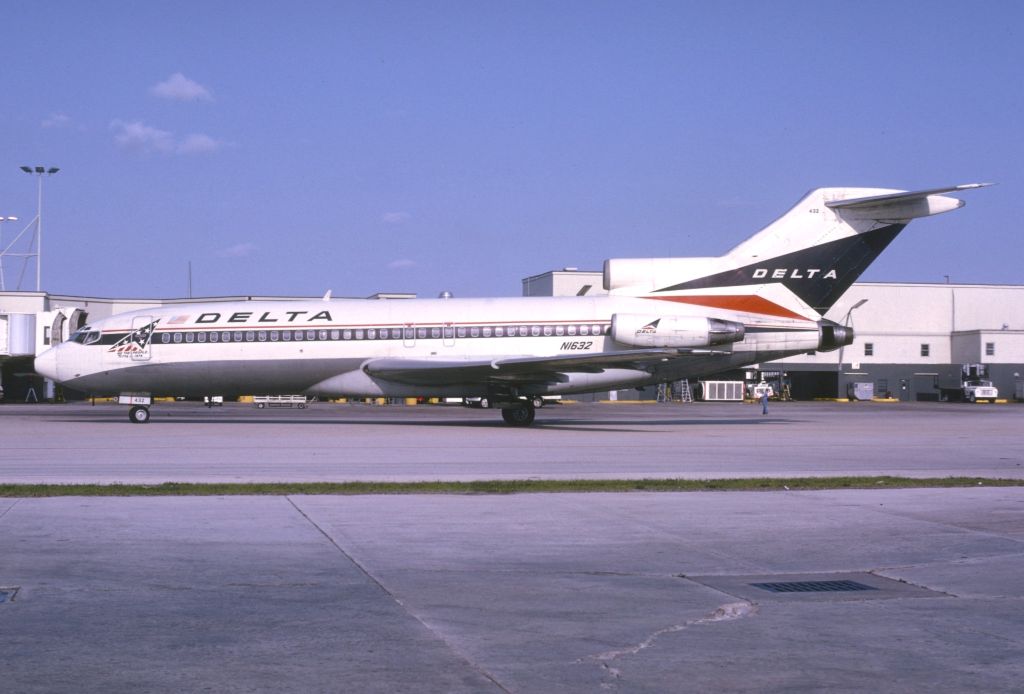
Both United Airlines and Delta Air Lines played significant roles in the Boeing 727’s commercial success. United was instrumental in launching the aircraft into service, while Delta expanded its fleet to over 180 units, ensuring the 727 was a common sight in its operations until its retirement in 2003. The aircraft’s adaptability allowed these carriers to serve diverse routes, including challenging airports.
International Influence: Lufthansa and Iberia
Outside North America, European airlines like Lufthansa and Iberia recognized the Boeing 727’s potential. Lufthansa utilized the aircraft extensively to rebuild its network in the post-war jet age, while Iberia capitalized on the 727’s reliability to connect Spain with various international markets. Both airlines contributed to the aircraft’s reputation as a dependable workhorse in the aviation industry.
Colorful Histories: Braniff and Pan Am
Braniff International Airways and Pan Am are often remembered for their distinctive branding and operational strategies involving the Boeing 727. Braniff’s vibrant liveries became iconic in the 1970s, while Pan Am used the aircraft to enhance its regional services, feeding passengers into its broader long-haul network. Both airlines showcased the 727’s versatility in different operational contexts.
FedEx: Extending the 727’s Service Life
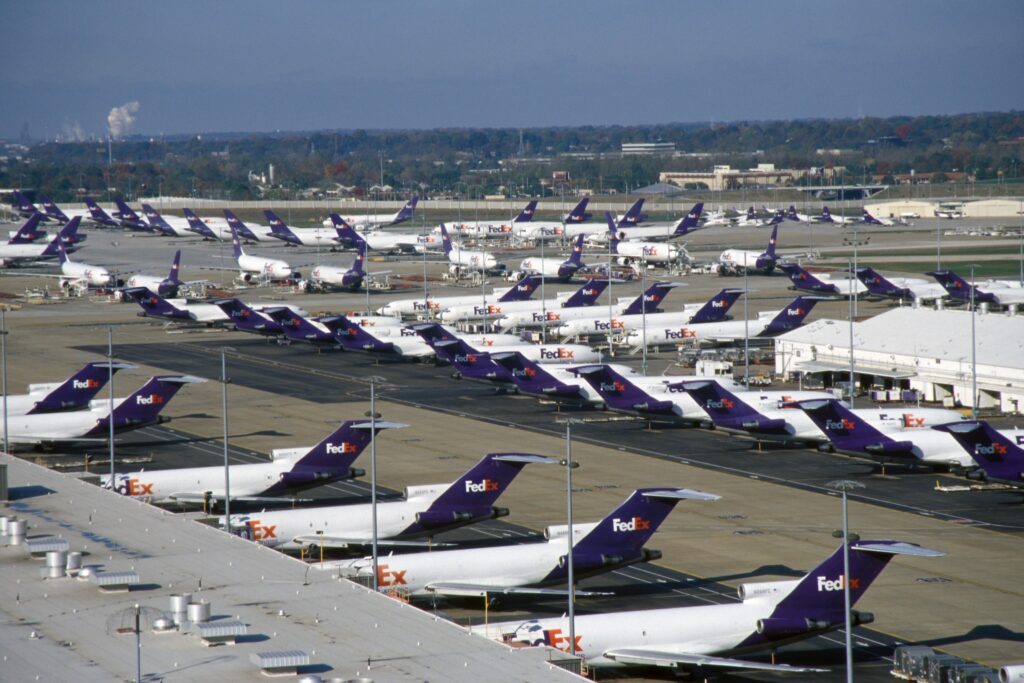
While primarily recognized as a passenger aircraft, the Boeing 727 also found a second life in cargo operations with FedEx Express. The company acquired numerous retired passenger models and converted them into freighters, enabling the trijet to remain a fixture in air cargo operations well into the 21st century. This adaptation underscores the aircraft’s enduring relevance beyond its initial commercial passenger use.
A Lasting Legacy
The Boeing 727’s impact on the aviation industry is undeniable, with its association to these ten airlines highlighting its versatility and significance. As aviation continues to evolve, the legacy of the 727 serves as a reminder of the innovation and adaptability that define the industry. The stories of these airlines and their connection to the Boeing 727 reflect a rich history that continues to inspire aviation enthusiasts and professionals alike.
Jul
Celebrating the Boeing 727’s Enduring Legacy
The Boeing 727, a trijet that revolutionized air travel, has left an indelible mark on the aviation landscape for over four decades. Renowned for its versatility and reliability, the aircraft became a staple at numerous airports across the United States. This article highlights five airports that not only witnessed the 727’s operational prowess but also became synonymous with its legacy.
New York LaGuardia: The Urban Gateway
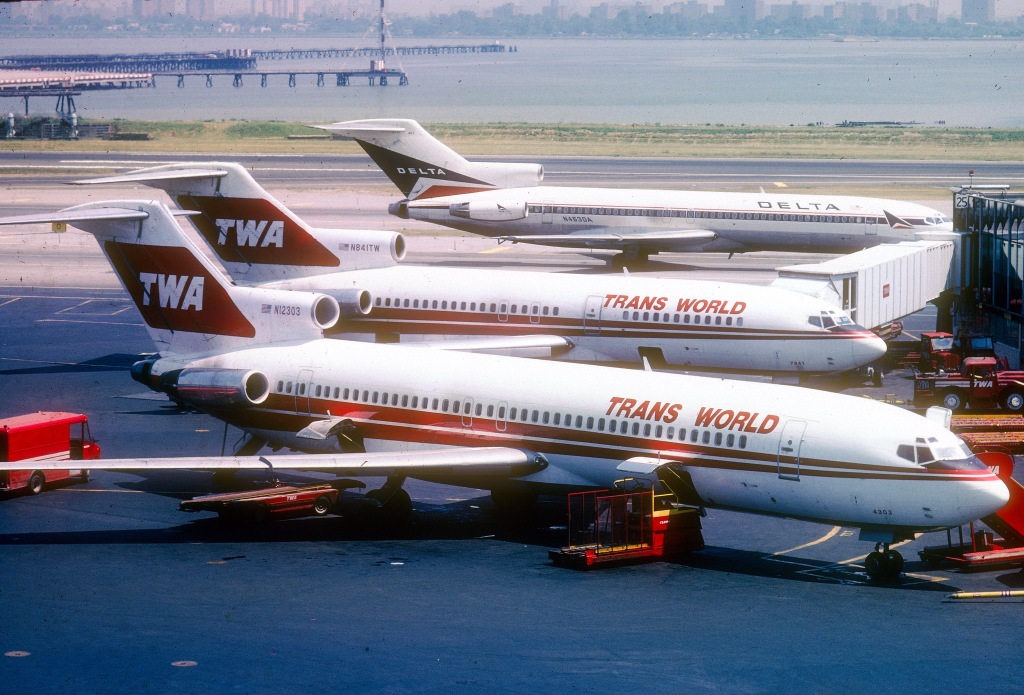
New York’s LaGuardia Airport (LGA) became an iconic site for the Boeing 727, thanks to its unique operational demands. The aircraft’s short-field capabilities, bolstered by powerful Pratt & Whitney JT8D engines, allowed it to thrive in the airport’s constrained environment. Throughout the late 20th century, major airlines such as Eastern Air Lines and TWA showcased the 727 against the backdrop of New York City, turning the distinctive sound of its engines into a familiar urban soundtrack.
Miami International: A Latin American Hub
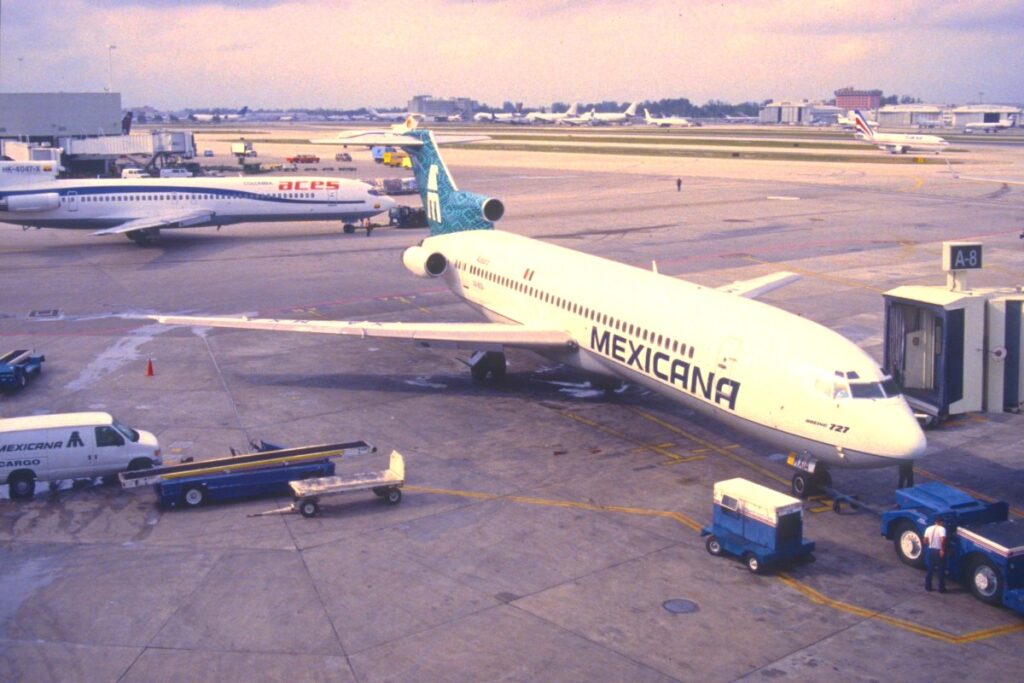
Miami International Airport (MIA) emerged as a key hub for the Boeing 727 during its peak years, serving as a crucial gateway to Latin America and the Caribbean. Eastern Air Lines operated a robust network of 727 flights, connecting passengers to various destinations across the region. Even as U.S. carriers phased out the aircraft, Miami remained a sanctuary for 727s, with many Latin American airlines continuing to operate the model into the 2000s, showcasing its enduring relevance in regional aviation.
Washington National: The Performance Showcase
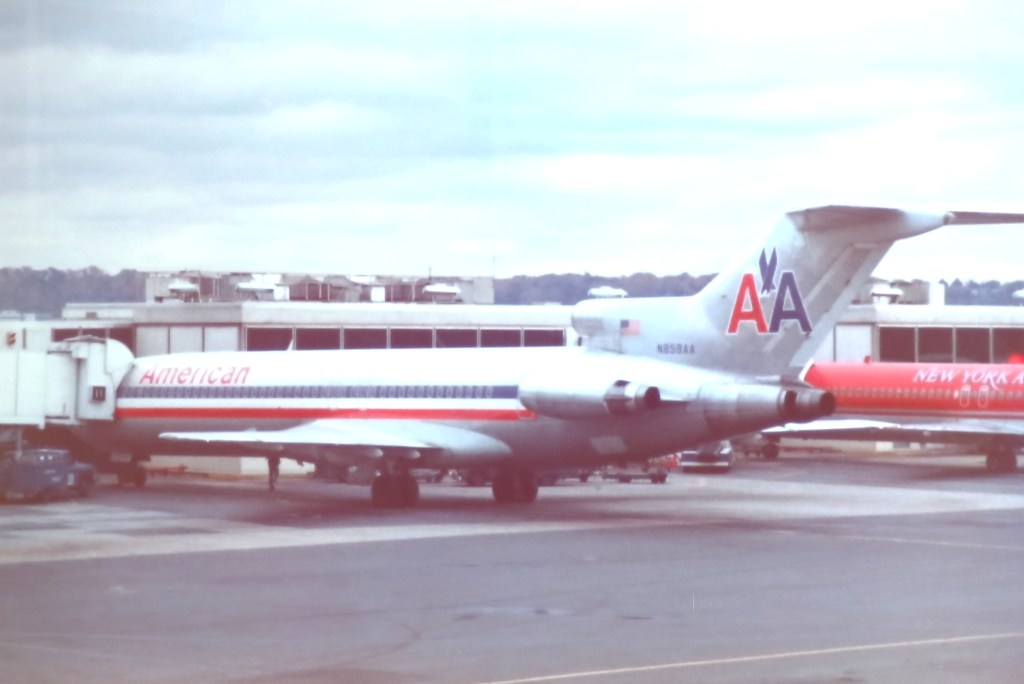
At Washington National Airport (DCA), the Boeing 727’s exceptional climb performance shone through. The airport’s short runways and strict departure procedures necessitated an aircraft capable of rapid ascent, and the 727 delivered just that. Airlines like American and United relied on the trijet to navigate the airport’s operational constraints, making it a frequent sight as it soared over the Potomac River, much to the delight of aviation enthusiasts.
Seattle Boeing Field: Birthplace of the 727
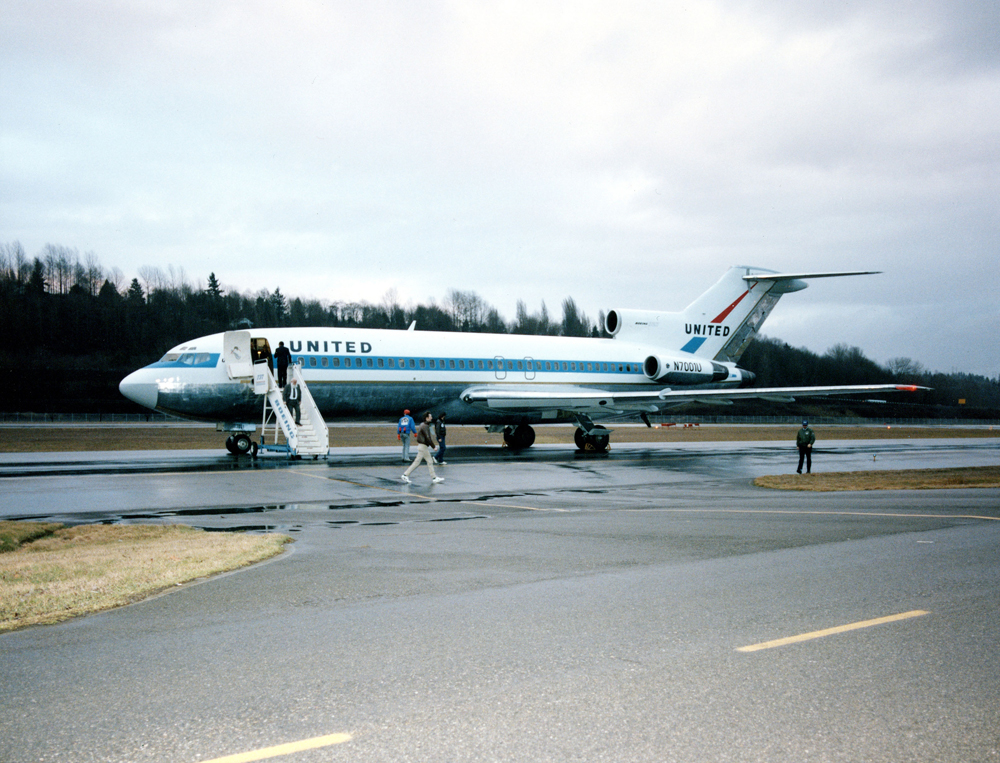
Unlike the other airports highlighted, Seattle Boeing Field (BFI) holds a special place in the Boeing 727’s history as its birthplace. Each of the 1,832 aircraft produced rolled out from the Renton production plant and underwent testing at BFI. For spotters and aviation fans, the sight of newly minted 727s taking to the skies was a testament to Boeing’s engineering prowess and innovation during a transformative era in aviation.
Atlanta Hartsfield-Jackson: Delta’s Dominance
Atlanta Hartsfield-Jackson International Airport (ATL) became a critical operating base for Delta Air Lines and its extensive fleet of Boeing 727s. The airport facilitated hundreds of daily departures, solidifying its status as a major hub for the trijet. The constant activity of 727s at ATL not only underscored Delta’s operational strength but also made the airport a defining location for the aircraft during its height in commercial aviation.
Memphis International: The Cargo Stronghold
While not traditionally recognized as a passenger hub for the Boeing 727, Memphis International Airport (MEM) became a notable center for cargo operations. FedEx embraced the trijet for its freight services, operating a significant fleet that sustained the aircraft’s legacy well into the 21st century. The sight of FedEx 727s on the tarmac remains a powerful symbol of the aircraft’s adaptability and lasting impact on air cargo logistics.
Conclusion: A Lasting Influence
The Boeing 727’s legacy is intricately woven into the fabric of American aviation history. From bustling passenger hubs to pivotal cargo operations, these airports not only showcased the aircraft’s capabilities but also contributed to its storied journey. As the aviation industry continues to evolve, the 727’s influence endures, reminding us of an era where trijets ruled the skies.


This article was prepared by LibelulaFly as an independent aviation-news summary and editorial reinterpretation based on publicly available reporting. Images, when used, are included for editorial context with source attribution. Original source: www.airportspotting.com. Read the original article here: https://www.airportspotting.com/five-us-airports-that-became-synonymous-with-the-boeing-727/.
List, promote, or publish aircraft with LibelulaFly.
LibelulaFly.com • Sales@libelulafly.com • +1 305-332-1942
May
Enduring Partnership in Aviation History
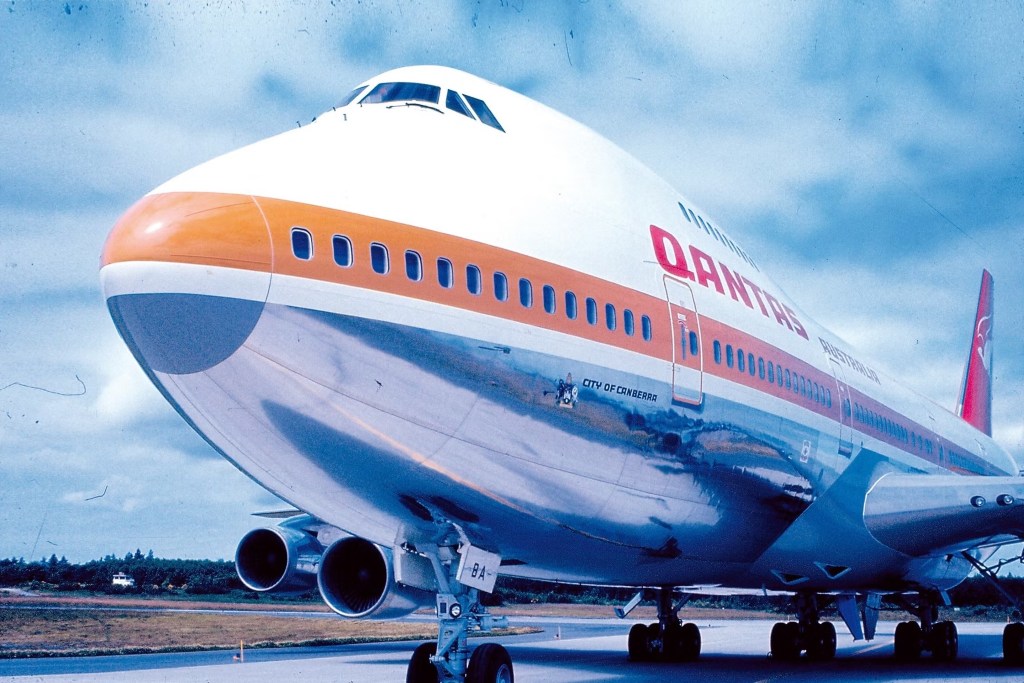
Qantas, Australia’s flagship airline, has enjoyed a remarkable partnership with the Boeing 747 that spanned nearly fifty years, marking a significant chapter in the history of commercial aviation. Since the introduction of the 747-238B in 1971, Qantas has operated 65 aircraft across six variants, including the 747-100, 747-200, 747-300, 747SP, 747-400, and 747-400ER. This enduring relationship not only shaped Qantas’ operational capabilities but also transformed the landscape of air travel globally.
Transforming Long-Haul Travel
The Boeing 747 was pivotal in establishing Qantas as a leader in long-haul air travel. The airline’s inaugural Boeing 747 service commenced on September 17, 1971, with a flight from Sydney to Singapore via Melbourne. This marked the beginning of a new era, allowing Qantas to expand its routes to major cities across the United States and Europe. The 747’s capacity and range enabled Qantas to meet the growing demand for international travel, solidifying its reputation as a pioneer in the industry.
Technical Evolution and Adaptation
Throughout its operational history, Qantas adapted its Boeing 747 fleet to meet evolving market demands and technological advancements. Initially powered by Pratt & Whitney engines, the airline transitioned to Rolls-Royce RB211 engines by the late 1970s, enhancing the aircraft’s performance. The introduction of the 747-400 in 1989 marked a significant upgrade, featuring advanced aerodynamics and fuel efficiency. This variant became known as the ‘Longreach’ due to its extended range capabilities, allowing Qantas to operate non-stop flights on some of the longest routes in the world.
Legacy of Innovation and Comfort
Qantas was known for its commitment to passenger comfort, particularly in its Boeing 747-200s, which featured a unique upper deck lounge known as the ‘Captain Cook’ lounge. This innovation catered to first-class passengers, enhancing the travel experience and setting a standard for luxury in air travel. The airline also pioneered the use of combi aircraft, such as the 747-238BM, which allowed for a flexible configuration of passengers and cargo, showcasing Qantas’ adaptability to market needs.
Farewell to a Legend
As the aviation industry faced unprecedented challenges due to the COVID-19 pandemic, Qantas made the difficult decision to retire its Boeing 747 fleet, with the last aircraft departing Sydney on July 22, 2020. This marked the end of an era for both Qantas and the iconic 747, a symbol of long-haul travel. The retirement of the 747-438ER drew a poignant tribute in the sky, reflecting on the aircraft’s storied history and its significant role in connecting Australia to the world.
A Lasting Impact on Aviation
The legacy of Qantas and the Boeing 747 transcends the operational history of the aircraft. It represents a commitment to innovation, service quality, and the evolution of global air travel. As Qantas moves forward with a modernized fleet, the impact of the Boeing 747 will continue to be felt in the industry, serving as a reminder of the advancements in aviation technology and customer service that have shaped the airline’s journey.