Capturing the Essence of Aviation History
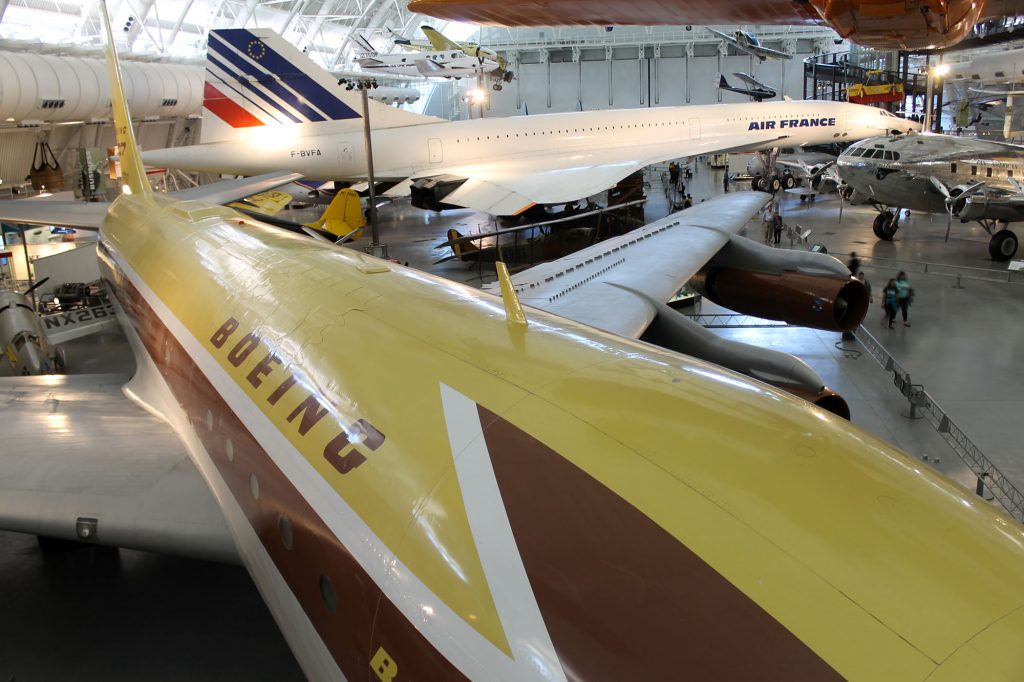
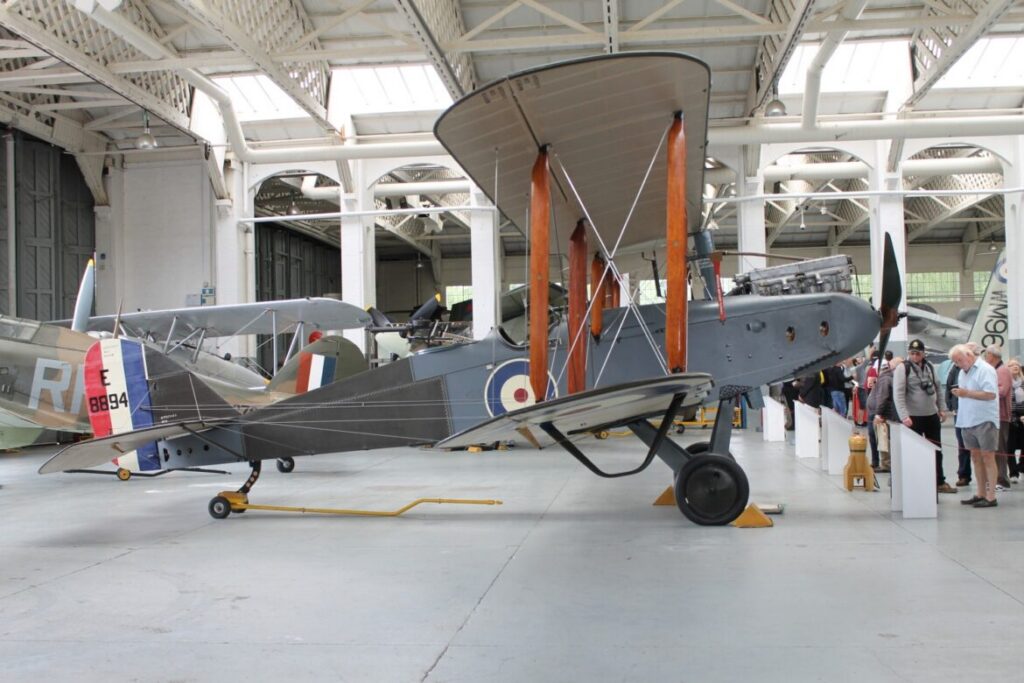
Aviation museums serve as treasure troves for enthusiasts, showcasing a rich tapestry of aircraft that reflect the evolution of flight. However, translating the beauty of these machines into photographs can be a formidable challenge. Visitors often encounter dim lighting, tight spaces, and the presence of other displays that can complicate the photographic process. To help you navigate these hurdles, here are seven practical tips tailored for capturing compelling images in aviation museums.
Embrace the Museum’s Lighting
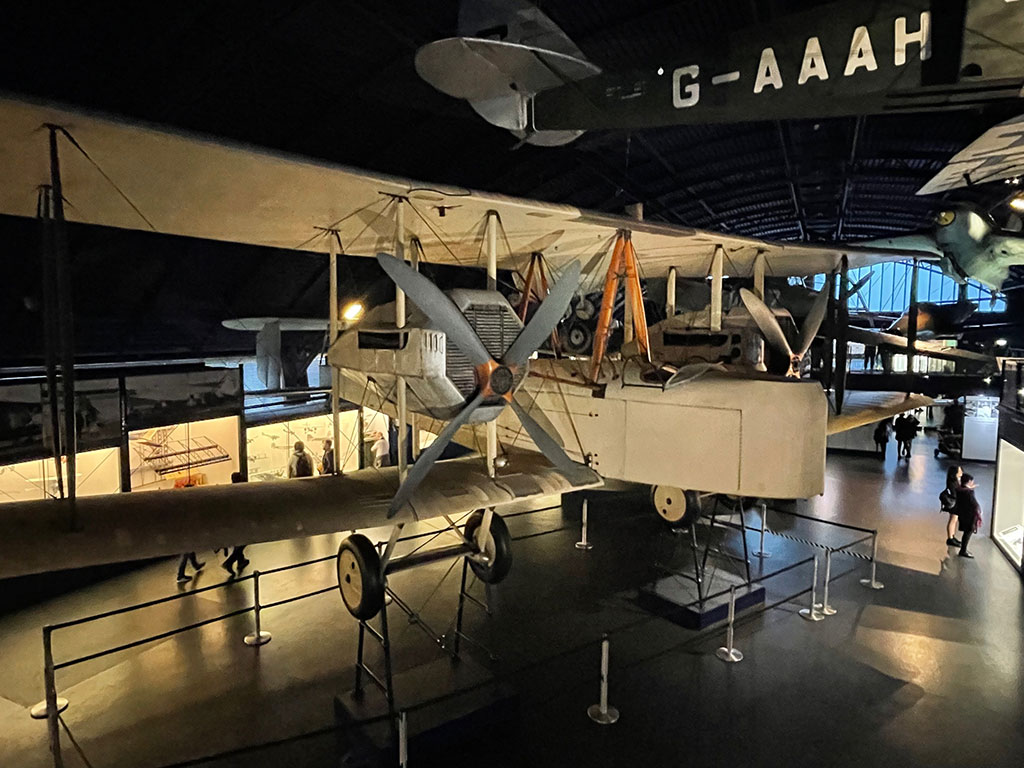
Lighting is a critical factor in museum photography, where environments are often intentionally dimmed to protect artifacts. Rather than fighting against this reality, photographers should adapt by adjusting camera settings. Increasing the ISO sensitivity, shooting in RAW format, and carefully managing exposure can help mitigate the challenges of low light. When tripods are prohibited, stabilize your camera by leaning against nearby structures or utilizing built-in image stabilization features.
Selecting the Right Lens for the Environment
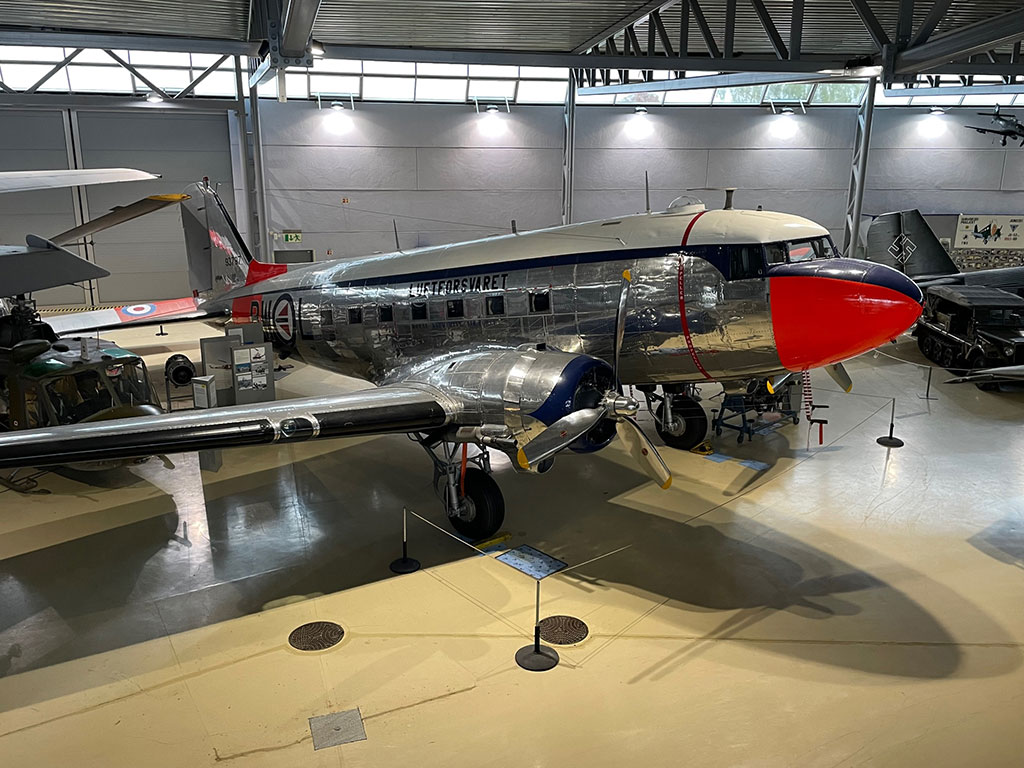
Space constraints are a common feature in aviation museums, making lens selection vital. A wide-angle lens is typically beneficial for capturing entire aircraft and tight interior shots. However, it is essential to be cautious of distortion that can arise from excessive wide angles. A standard or short telephoto lens, around 50 to 85mm, often provides sharper images with a more natural perspective. Even modern smartphones can serve as effective tools for capturing images in these confined spaces, thanks to their versatility in various lighting conditions.
Minimizing Clutter in Your Shots
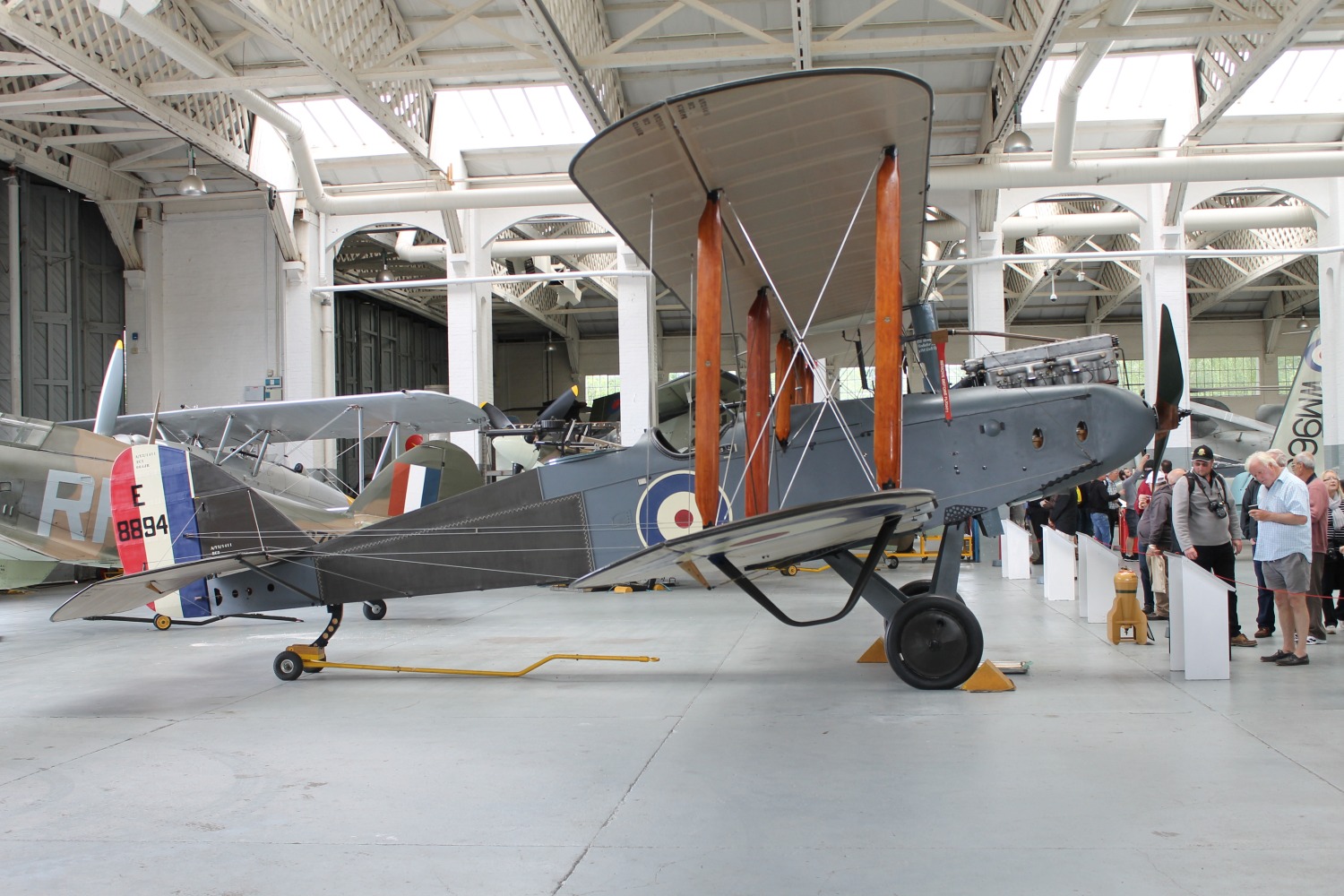
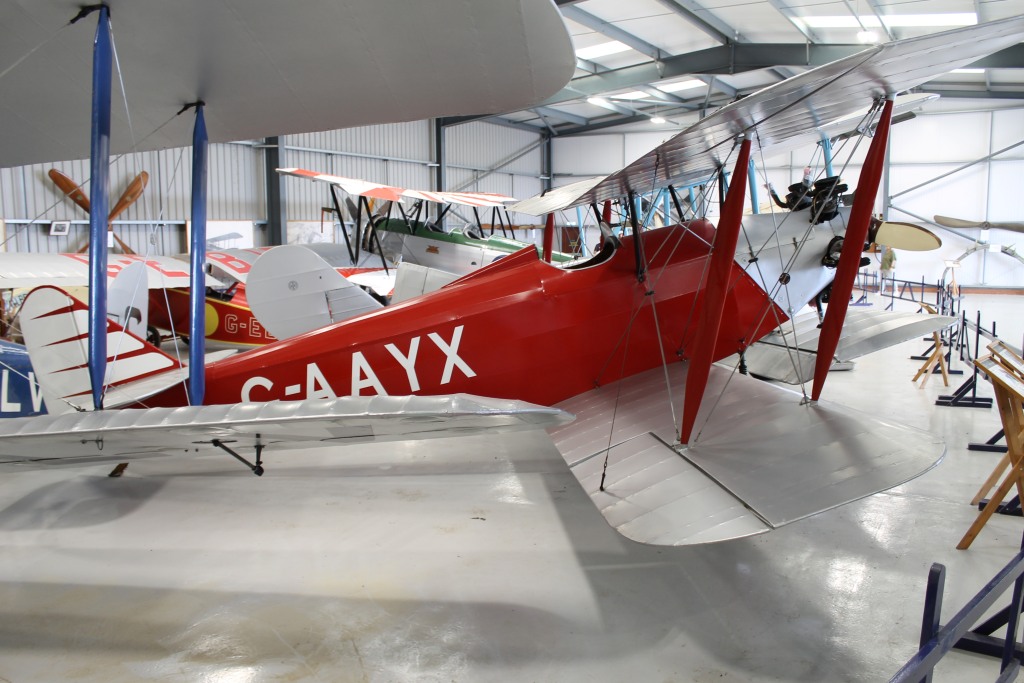
Aviation museums are not always pristine environments; barriers, informational displays, and other visitors can clutter your frame. To enhance your photographs, take a moment to reassess your composition. Shifting your position or altering your angle can often isolate the aircraft from distracting elements, allowing for a stronger focal point in your images. Remember, unlike at airports, the aircraft in museums are stationary, giving you the luxury of time to find the perfect angle.
Focusing on Intricate Details
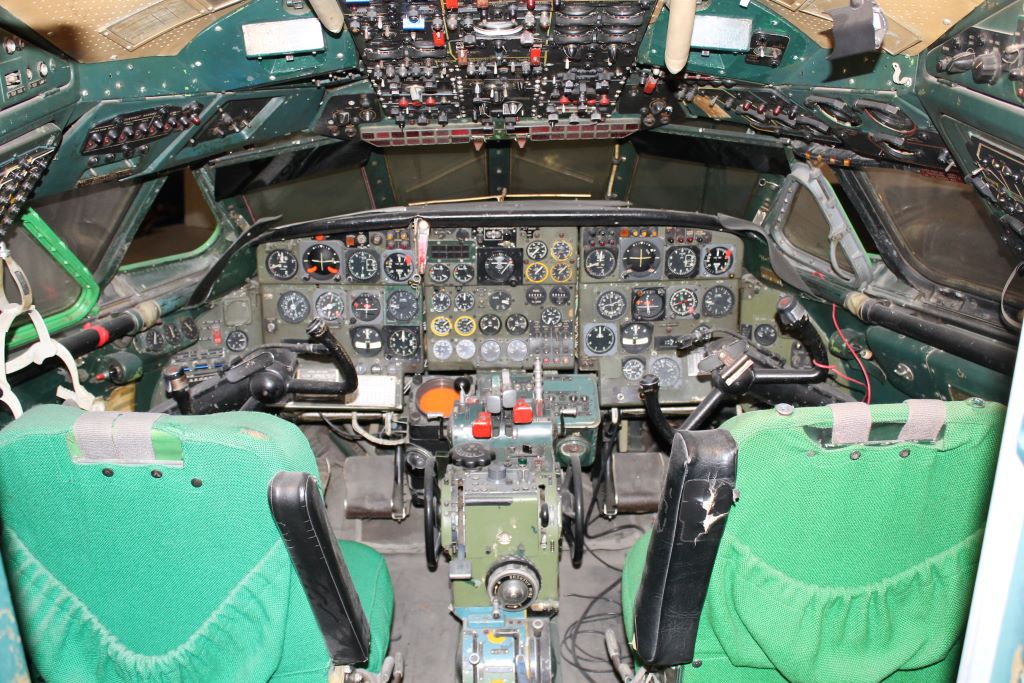
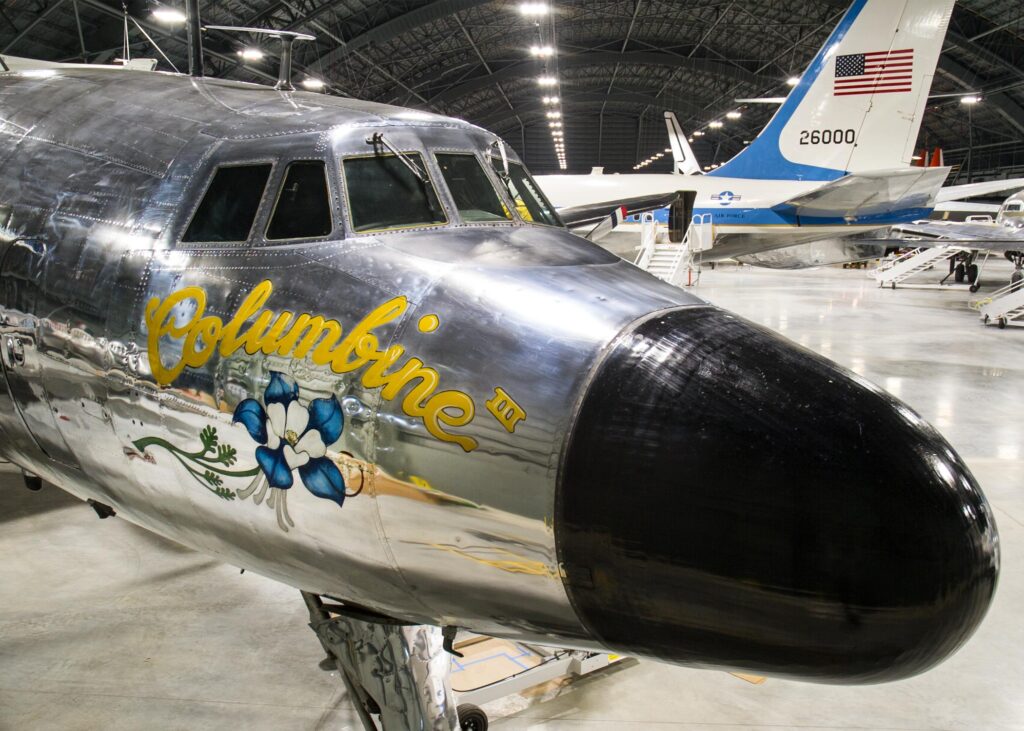
In situations where capturing the entire aircraft is impractical, consider honing in on specific details. Elements such as cockpit panels, engine inlets, and unique markings can create striking images that tell a story about the aircraft’s history and design. This approach not only adds variety to your portfolio but also showcases the craftsmanship involved in aviation.
Managing Reflections and Glass Surfaces
Many exhibits, particularly those featuring cockpits or smaller artifacts, are protected by glass. This can introduce reflections and glare that detract from your images. To combat this, position yourself close to the glass and shoot at an angle to minimize reflections. Using your hand or a lens hood to block stray light can also help maintain contrast. Avoid using flash, as it can exacerbate reflection issues.
Getting the White Balance Just Right
The diverse lighting sources within museums—ranging from LED to natural light—can lead to color inconsistencies in photographs. Setting a custom white balance is advisable, as it can significantly enhance the color accuracy of your images. For those shooting in RAW, adjustments can be made in post-processing to correct any color casts that may arise.
Patience is Key
Photography in shared spaces like museums requires a degree of patience. Be prepared to wait for clear shots, allowing crowds to disperse before capturing your images. Respecting the flow of other visitors is essential, as it ensures a pleasant experience for everyone involved.
Final Reflections on Museum Photography
Aviation museums present unique opportunities for photographers, requiring a thoughtful approach that differs from traditional aircraft spotting. By mastering the nuances of lighting, composition, and technique, you can produce images that not only capture the essence of aviation history but also resonate with viewers. With practice and patience, your photography can reflect the awe and legacy of these remarkable machines.

This article was prepared by LibelulaFly as an independent aviation-news summary and editorial reinterpretation based on publicly available reporting. Images, when used, are included for editorial context with source attribution. Original source: www.airportspotting.com. Read the original article here: https://www.airportspotting.com/7-tips-for-photographing-aircraft-in-aviation-museums/.
List, promote, or publish aircraft with LibelulaFly.
LibelulaFly.com • Sales@libelulafly.com • +1 305-332-1942