

Jul
American Airlines’ Commitment to the Boeing 777-200ER
American Airlines has reaffirmed the operational significance of its Boeing 777-200ER fleet, a model that has been integral to its long-haul services for over 25 years. Despite the introduction of newer aircraft like the Boeing 787 Dreamliner, the 777-200ER remains a workhorse for the airline, serving numerous international routes that connect major hubs with key destinations around the globe.
Key Routes Featuring the Boeing 777-200ER
The Boeing 777-200ER continues to operate on several high-demand routes, reflecting its versatility and reliability. Among the most notable is the Dallas/Fort Worth to London Heathrow route, which serves as a flagship service for American Airlines. This route not only facilitates significant business travel but also caters to leisure passengers, making it one of the prime opportunities for aviation enthusiasts to experience the aircraft on a major transatlantic flight.
Another important route is from Charlotte to London Heathrow. While Charlotte may not boast the same international prominence as other hubs, it plays a crucial role in American’s strategy to connect secondary cities with major global destinations. The frequent deployment of the 777-200ER on this route underscores its capability in linking diverse markets.

In Europe, the Philadelphia to Athens route has emerged as a successful addition to American’s network, particularly during the summer months when demand surges. The 777-200ER is well-suited for this route, efficiently transporting passengers between the United States and Greece.
Expanding Horizons in South America
The aircraft’s adaptability is further demonstrated on routes to South America, such as Dallas/Fort Worth to São Paulo, which remains a vital long-haul service for American Airlines. This route exemplifies the aircraft’s ability to meet the demands of diverse international markets.
Additionally, Miami serves as a critical gateway to Latin America, with the 777-200ER frequently operating flights to Buenos Aires and Santiago de Chile. These routes highlight American’s strong presence in the region, catering to both business and leisure travelers.
Future Considerations for the Boeing 777-200ER
While American Airlines has initiated discussions regarding potential replacements for its aging 777 fleet, the aircraft is expected to remain in service for several more years. The airline’s ongoing investments in cabin refurbishments and updated interiors suggest that the 777-200ER will continue to be a prominent feature of its international operations well into the next decade.

As the aviation industry evolves, the role of the 777-200ER remains critical. For aviation enthusiasts, the opportunity to experience this aircraft on various routes is still very much alive. However, as the airline navigates its future fleet composition, it is advisable for those interested in flying on this iconic model to stay informed about route assignments and schedule changes.
Conclusion: A Legacy in the Skies
The Boeing 777-200ER has firmly established itself as a cornerstone of American Airlines’ fleet, providing essential connectivity across its extensive international network. As discussions of future aircraft developments unfold, the legacy of the 777-200ER will continue to be celebrated by both passengers and aviation enthusiasts alike. With its robust operational history and ongoing relevance, this aircraft is poised to remain a significant player in American Airlines’ long-haul services for years to come.






This article was prepared by LibelulaFly as an independent aviation-news summary and editorial reinterpretation based on publicly available reporting. Images, when used, are included for editorial context with source attribution. Original source: www.airportspotting.com. Read the original article here: https://www.airportspotting.com/10-routes-where-you-can-still-fly-american-airlines-boeing-777-200er/.
List, promote, or publish aircraft with LibelulaFly.
LibelulaFly.com • Sales@libelulafly.com • +1 305-332-1942

Jun
Manchester Airport: A Hub for Aviation Enthusiasts
Manchester Airport stands as a significant player in the UK aviation landscape, being the third busiest airport in the country and a vital international gateway for Northern England. With a rich history dating back to 1938 and a strategic location, the airport has evolved into a bustling hub, accommodating a diverse range of aircraft from commercial airliners to military jets.
A Diverse Array of Aircraft
At Manchester, aviation enthusiasts can witness a vibrant mix of traffic, including long-haul giants such as the Airbus A380 and Boeing 777, alongside regional jets and cargo aircraft. The airport’s operational capacity has been enhanced by its two parallel runways, allowing for seamless operations and a steady stream of arrivals and departures. This variety makes Manchester a unique destination for those passionate about aviation.
Top Spotting Locations at Manchester Airport
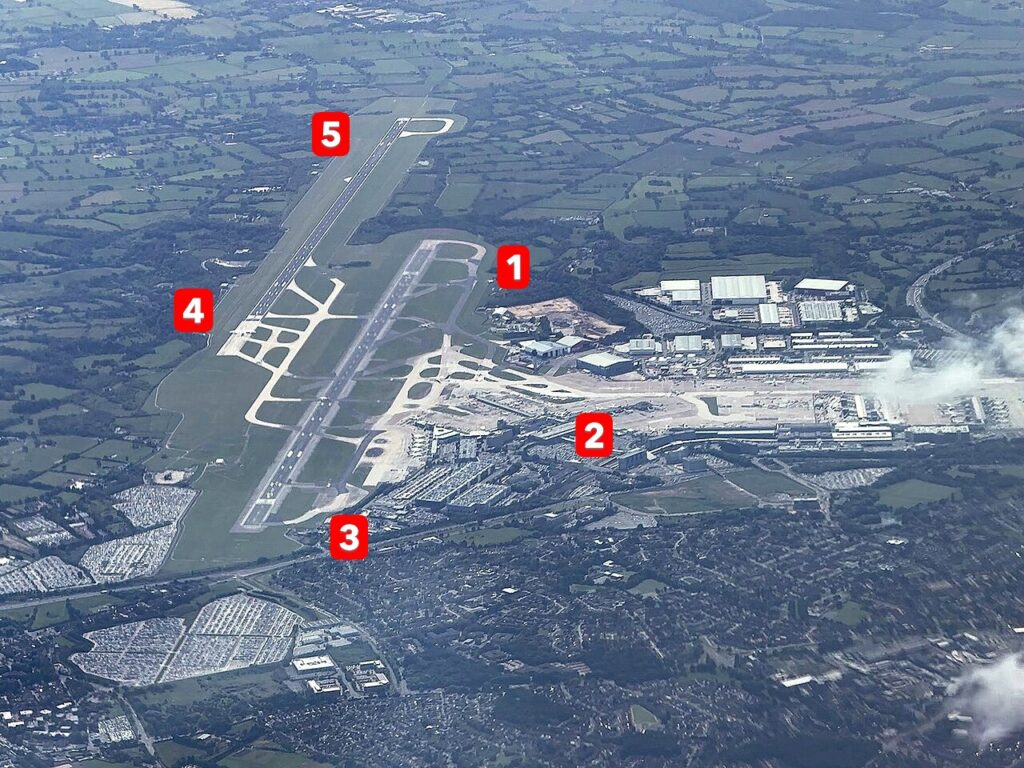
For aviation enthusiasts looking to capture the action, Manchester Airport offers several prime spotting locations:
Runway Visitor Park
The Runway Visitor Park is a must-visit for aviation fans. Situated on the north side of Runway 05L/23R, it features raised viewing areas that provide excellent sightlines for observing aircraft as they take off and land. The park is also home to several preserved aircraft, including a British Airways Concorde, making it an educational experience as well.
Multi-Storey Car Park
The top level of the Terminal 1 Short Stay multi-storey car park offers elevated views across the airport. While some enthusiasts have shifted their focus to other areas, this location still provides excellent vantage points for observing cargo operations and taxiway activity, especially for those looking to log aircraft that may not be visible from other spots.
Airport Pub
For a more relaxed spotting experience, the Airport Pub, located near the threshold of Runway 23R, offers a unique atmosphere. With its outdoor seating area directly adjacent to the taxiway, patrons can enjoy close-up views of aircraft while savoring food and drinks. This spot is particularly enjoyable during warm summer evenings, providing both comfort and excellent photographic opportunities.
South Side Viewing Area
Regarded by many as the premier photography location at Manchester, the South Side provides breathtaking views of aircraft movements along Runway 23L/05R. The elevated terrain allows for striking shots of aircraft during arrivals and departures, especially in favorable lighting conditions.

Runway 05R Approach
Another notable spot is the approach area for Runway 05R. Accessible from the Altrincham Road roundabout, this location offers enthusiasts the chance to capture stunning images of aircraft as they approach for landing, particularly during morning hours when activity is at its peak.
Why Manchester Airport Stands Out
What sets Manchester Airport apart is not only its variety of aircraft but also its commitment to providing accessible spotting locations. The combination of dedicated viewing areas, preserved aviation history, and the opportunity to witness a diverse array of aircraft makes it a top destination for aviation enthusiasts across Europe. Whether for a brief visit or a full day of spotting, Manchester Airport continues to be a beloved location for those who appreciate the art of aviation.





This article was prepared by LibelulaFly as an independent aviation-news summary and editorial reinterpretation based on publicly available reporting. Images, when used, are included for editorial context with source attribution. Original source: www.airportspotting.com. Read the original article here: https://www.airportspotting.com/the-5-best-spotting-locations-at-manchester-airport/.
List, promote, or publish aircraft with LibelulaFly.
LibelulaFly.com • Sales@libelulafly.com • +1 305-332-1942
May
Capturing the Essence of Aviation History
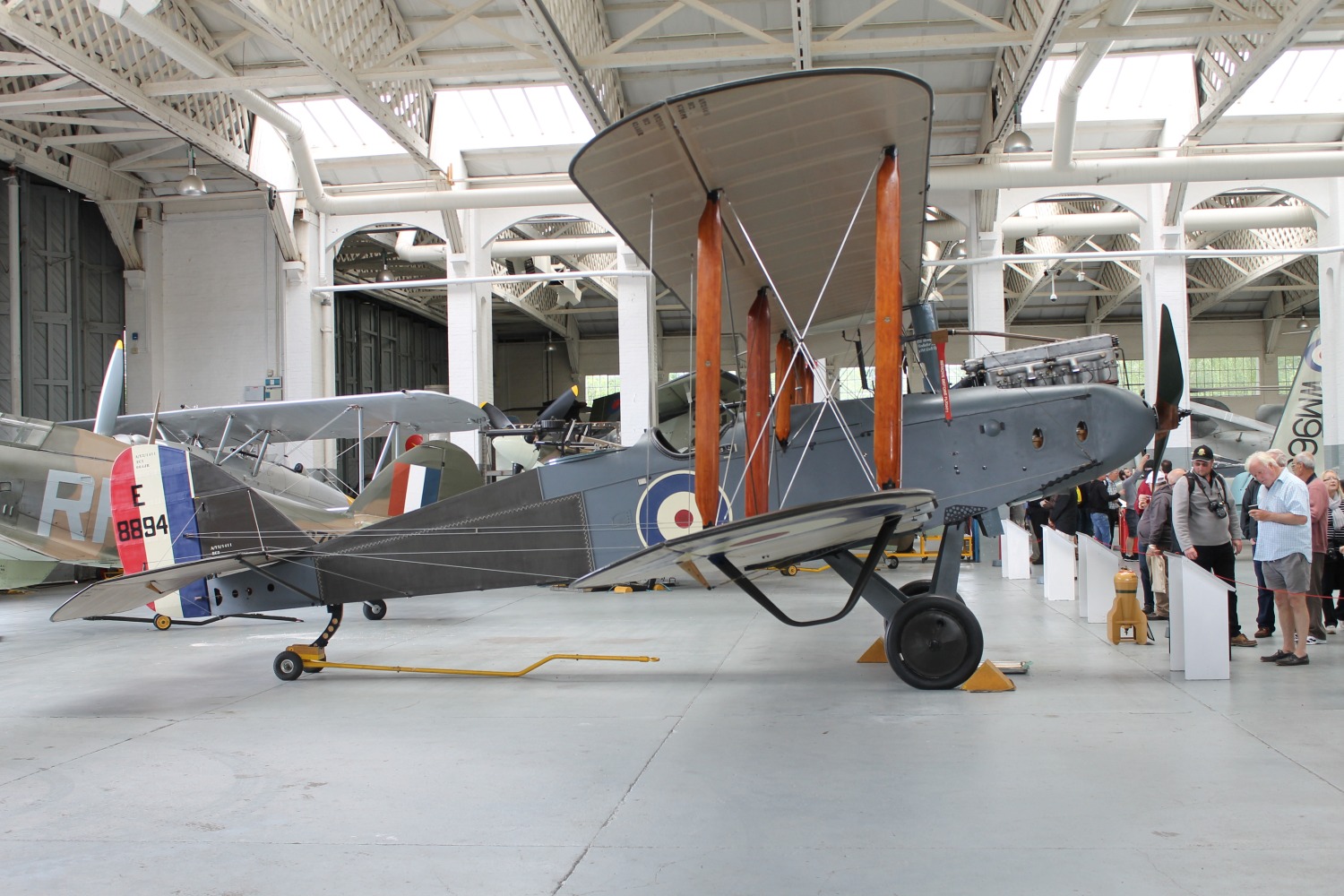
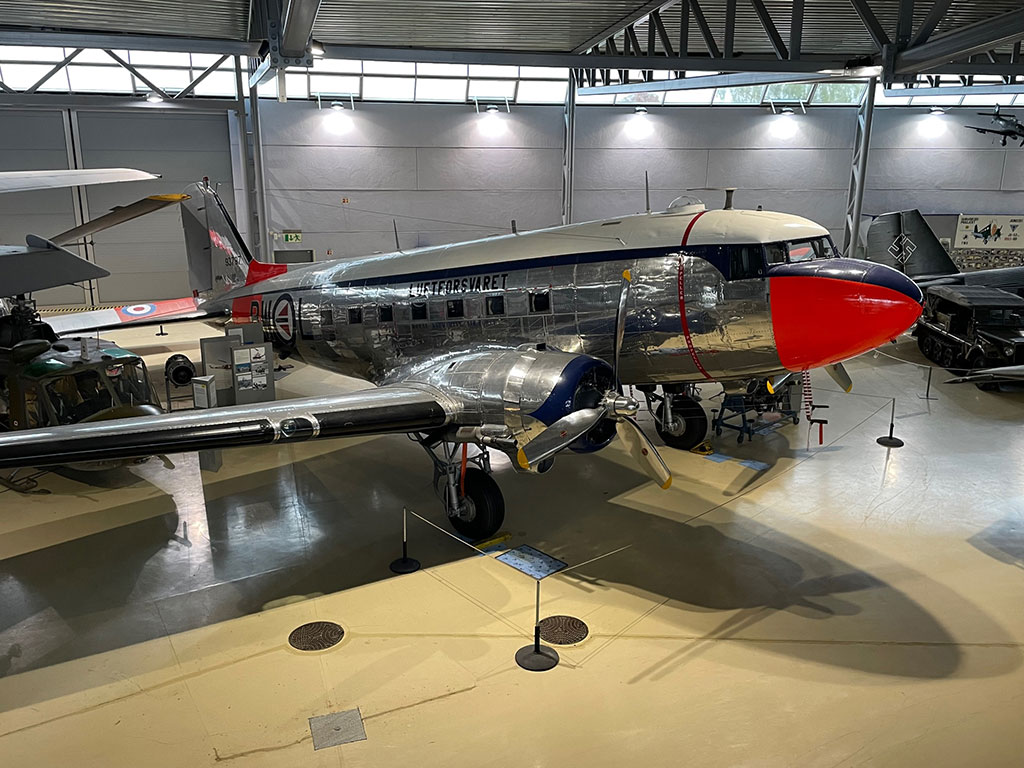
Aviation museums serve as treasure troves for enthusiasts, showcasing a rich tapestry of aircraft that reflect the evolution of flight. However, translating the beauty of these machines into photographs can be a formidable challenge. Visitors often encounter dim lighting, tight spaces, and the presence of other displays that can complicate the photographic process. To help you navigate these hurdles, here are seven practical tips tailored for capturing compelling images in aviation museums.
Embrace the Museum’s Lighting
Lighting is a critical factor in museum photography, where environments are often intentionally dimmed to protect artifacts. Rather than fighting against this reality, photographers should adapt by adjusting camera settings. Increasing the ISO sensitivity, shooting in RAW format, and carefully managing exposure can help mitigate the challenges of low light. When tripods are prohibited, stabilize your camera by leaning against nearby structures or utilizing built-in image stabilization features.
Selecting the Right Lens for the Environment
Space constraints are a common feature in aviation museums, making lens selection vital. A wide-angle lens is typically beneficial for capturing entire aircraft and tight interior shots. However, it is essential to be cautious of distortion that can arise from excessive wide angles. A standard or short telephoto lens, around 50 to 85mm, often provides sharper images with a more natural perspective. Even modern smartphones can serve as effective tools for capturing images in these confined spaces, thanks to their versatility in various lighting conditions.
Minimizing Clutter in Your Shots
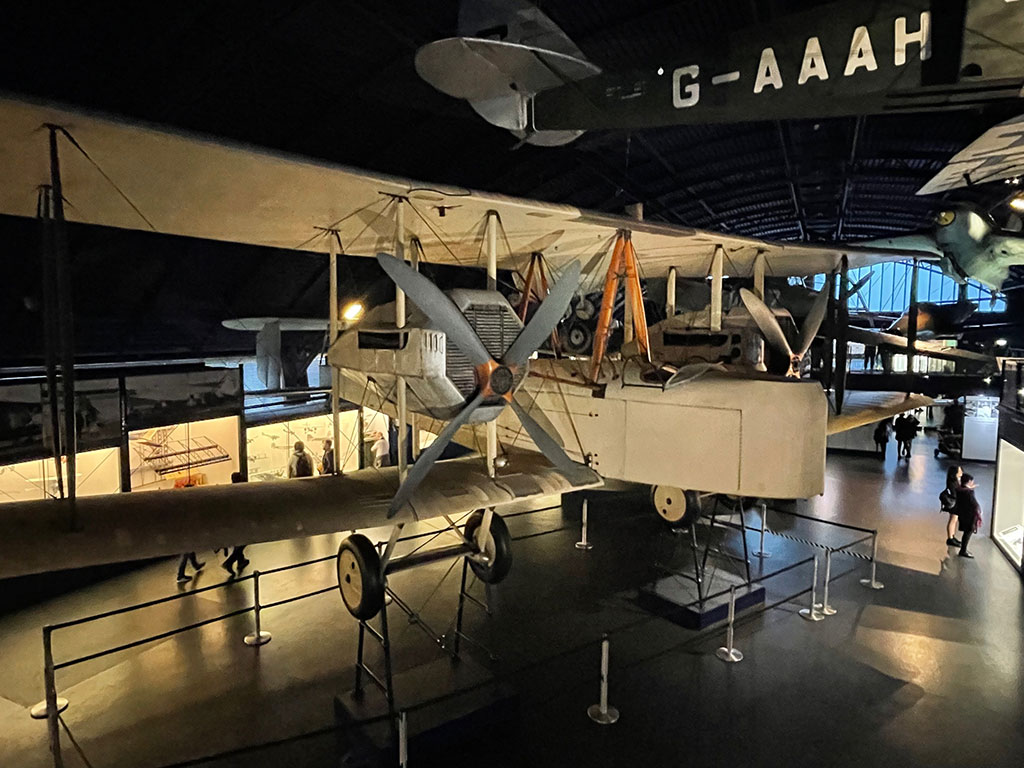
Aviation museums are not always pristine environments; barriers, informational displays, and other visitors can clutter your frame. To enhance your photographs, take a moment to reassess your composition. Shifting your position or altering your angle can often isolate the aircraft from distracting elements, allowing for a stronger focal point in your images. Remember, unlike at airports, the aircraft in museums are stationary, giving you the luxury of time to find the perfect angle.
Focusing on Intricate Details
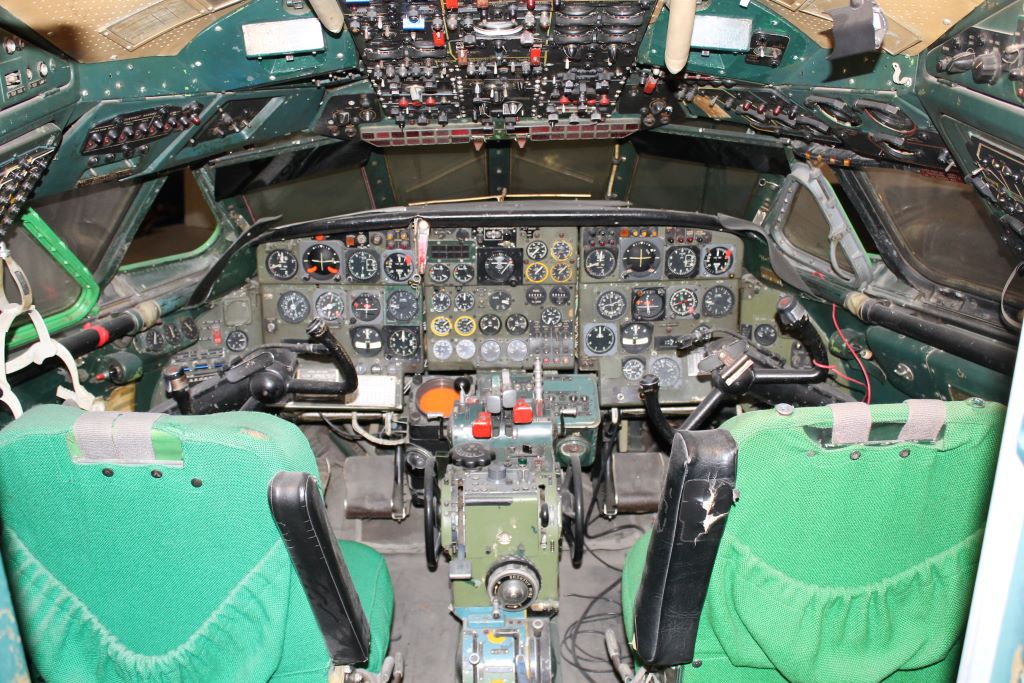
In situations where capturing the entire aircraft is impractical, consider honing in on specific details. Elements such as cockpit panels, engine inlets, and unique markings can create striking images that tell a story about the aircraft’s history and design. This approach not only adds variety to your portfolio but also showcases the craftsmanship involved in aviation.
Managing Reflections and Glass Surfaces
Many exhibits, particularly those featuring cockpits or smaller artifacts, are protected by glass. This can introduce reflections and glare that detract from your images. To combat this, position yourself close to the glass and shoot at an angle to minimize reflections. Using your hand or a lens hood to block stray light can also help maintain contrast. Avoid using flash, as it can exacerbate reflection issues.
Getting the White Balance Just Right
The diverse lighting sources within museums—ranging from LED to natural light—can lead to color inconsistencies in photographs. Setting a custom white balance is advisable, as it can significantly enhance the color accuracy of your images. For those shooting in RAW, adjustments can be made in post-processing to correct any color casts that may arise.
Patience is Key
Photography in shared spaces like museums requires a degree of patience. Be prepared to wait for clear shots, allowing crowds to disperse before capturing your images. Respecting the flow of other visitors is essential, as it ensures a pleasant experience for everyone involved.
Final Reflections on Museum Photography
Aviation museums present unique opportunities for photographers, requiring a thoughtful approach that differs from traditional aircraft spotting. By mastering the nuances of lighting, composition, and technique, you can produce images that not only capture the essence of aviation history but also resonate with viewers. With practice and patience, your photography can reflect the awe and legacy of these remarkable machines.





This article was prepared by LibelulaFly as an independent aviation-news summary and editorial reinterpretation based on publicly available reporting. Images, when used, are included for editorial context with source attribution. Original source: www.airportspotting.com. Read the original article here: https://www.airportspotting.com/7-tips-for-photographing-aircraft-in-aviation-museums/.
List, promote, or publish aircraft with LibelulaFly.
LibelulaFly.com • Sales@libelulafly.com • +1 305-332-1942
May
Unveiling the Summer’s Most Anticipated Aircraft
As the summer season approaches, aviation enthusiasts are gearing up for prime spotting opportunities. With airlines introducing new liveries and celebrating milestones, the skies are set to showcase a variety of aircraft that are not only operational but also visually captivating. This guide highlights ten aircraft that every spotter should aim to see this summer, reflecting the dynamic landscape of commercial aviation.
Celebrating Milestones with Special Liveries
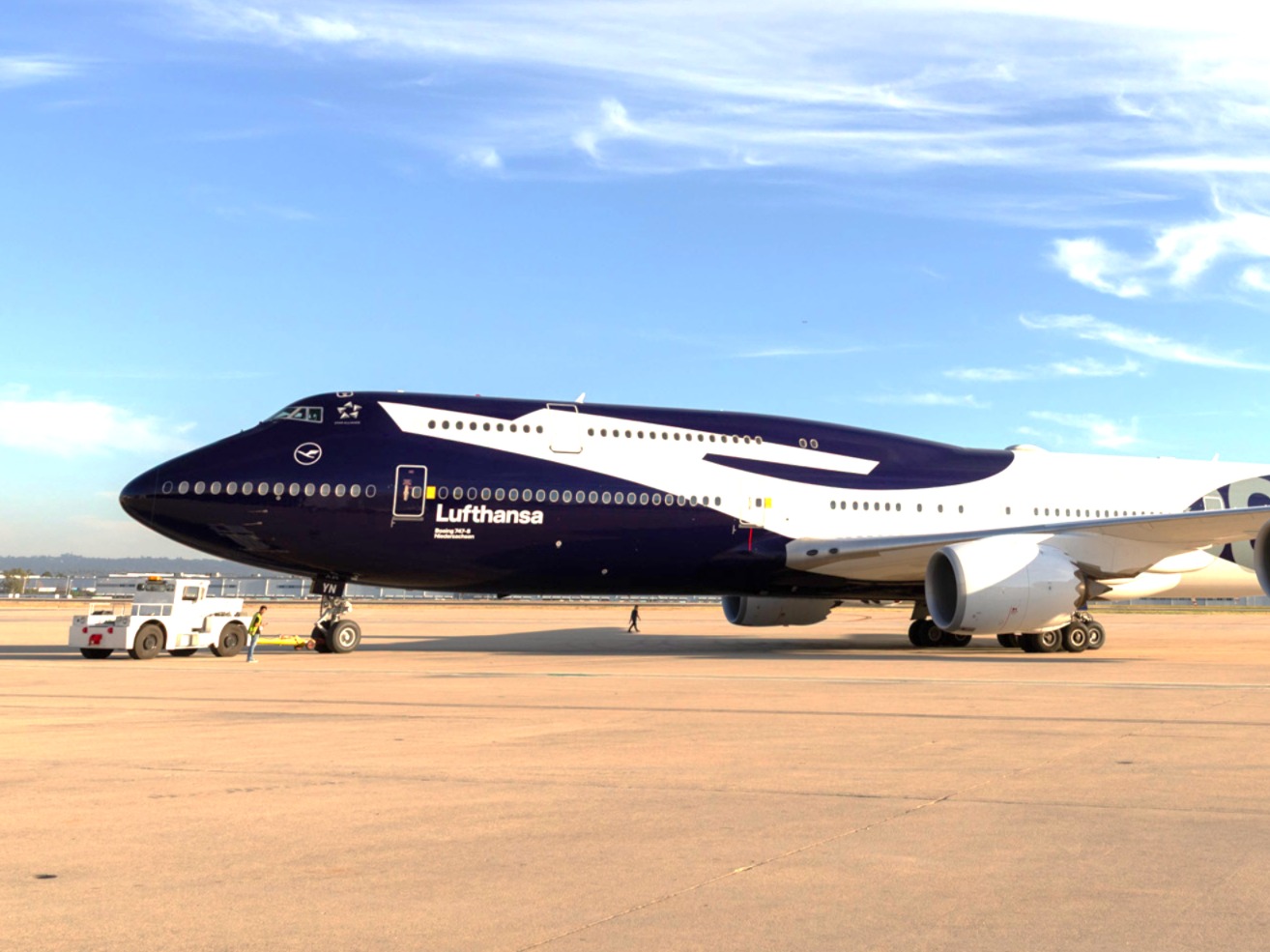
Lufthansa is commemorating its centennial with a special Boeing 747-8 featuring a unique livery that pays homage to its storied history. This iconic aircraft type, known for its distinctive hump and spacious cabin, is becoming increasingly rare in commercial service. The 747-8’s special livery is a tribute to the airline’s legacy, making it a must-see for enthusiasts who appreciate aviation history.
Similarly, Qatar Airways has introduced a striking Formula One-themed livery on its Boeing 777-300ER. This visually stunning design reflects the airline’s partnership with the F1 racing series, and its limited-time status makes it a prime target for spotters eager to capture a piece of this collaboration.
Commemorative Designs Across the Globe
Cathay Pacific’s Airbus A350-900, adorned with an 80th-anniversary livery, is another highlight. This aircraft not only represents the airline’s long-standing service but also features a design that resonates with many aviation fans who remember its classic liveries from years past.
In a similar vein, SAS has unveiled a special livery on an Airbus A330-300 to celebrate its own 80th anniversary. The design has sparked discussions among aviation enthusiasts, showcasing the diverse opinions that special liveries can evoke.
Unique Cultural Representations
Brussels Airlines continues its tradition of cultural representation with its Tintin-themed Airbus A320. This aircraft adds to the airline’s portfolio of unique liveries that celebrate Belgian culture and iconic figures, making it a delightful sight for both aviation enthusiasts and fans of the beloved comic character.
Swiss International Air Lines also offers a visual treat with its A350-941, featuring a stunning design that celebrates Swiss cultural landmarks. This aircraft has already garnered attention from spotters, and its artistic representation of national pride is sure to impress.
Emerging Fleets and New Liveries
Air Niugini is making strides in fleet modernization with its first Airbus A220-300, which marks a significant upgrade in its operations. This aircraft not only incorporates a fresh livery but also commemorates the airline’s 50th anniversary, symbolizing a new era for the carrier.
Alaska Airlines is also transitioning to a modern fleet with the introduction of Boeing 787s, recently painted in a new livery following its merger with Hawaiian Airlines. The updated design on these long-haul aircraft signifies a fresh chapter for the airline, appealing to spotters interested in the evolution of airline branding.
A Nostalgic Return
JetBlue Airways has reintroduced its Blueprint livery on the Airbus A220-300, a nostalgic nod to its previous Embraer 190 fleet. This revival of a beloved design is sure to resonate with long-time fans of the airline, making it a noteworthy addition to the spotting list this summer.
Planning Your Spotting Adventures
With such a diverse array of aircraft taking to the skies this summer, aviation enthusiasts have ample opportunities for spotting. Whether you’re planning trips to specific airports or simply looking to catch a glimpse of these unique liveries, the season promises excitement and visual splendor. As you prepare for your spotting adventures, keep an eye on local flight schedules and updates to maximize your chances of seeing these remarkable aircraft.