

Jul
Oshkosh Set to Host the Premier Aviation Event of 2026
From July 20 to 26, 2026, Wittman Regional Airport in Oshkosh, Wisconsin, will transform into the epicenter of aviation as it hosts the EAA AirVenture Oshkosh. This week-long event is recognized globally as the largest fly-in and airshow, drawing in more than 600,000 aviation enthusiasts and approximately 10,000 aircraft from around the world.
An Unmatched Showcase of Aviation Excellence
The EAA AirVenture is renowned for its diverse display of aircraft, ranging from vintage warbirds and homebuilt planes to the latest commercial and military jets. Attendees can expect to see an extensive static display featuring iconic aircraft from manufacturers like Boeing, Airbus, and Textron, alongside cutting-edge aerospace innovations. Daily flying demonstrations will captivate audiences, showcasing the capabilities of both historical and contemporary aircraft.
Events and Activities to Engage Every Aviation Fan
Throughout the week, the event will offer an array of activities designed to engage aviation enthusiasts of all backgrounds. Visitors can participate in forums and workshops led by industry experts, attend product launches, and explore one of the largest aviation trade exhibitions globally. Evening air shows promise to deliver breathtaking aerial performances, further enriching the experience.

A Unique Arrival Experience for Pilots
The arrival weekend preceding the official opening of AirVenture is a spectacle in itself. Thousands of pilots will navigate the FAA’s famous arrival procedures, creating a remarkable scene as a wide variety of aircraft approach Wittman Field. This coordinated effort highlights the camaraderie and passion that define the aviation community.
Weather Challenges and Safety Considerations
This year’s event is beginning under atypical circumstances due to smoke from ongoing wildfires in Canada, which has affected visibility and air quality in the region. The National Weather Service has issued advisories, prompting air traffic controllers to remind pilots of the importance of conservative decision-making in such conditions. As the event approaches, updates on weather conditions will be critical for ensuring the safety of all participants.
Aviation Community Anticipates a Memorable Experience
As the aviation community prepares for this landmark event, it serves as a reminder of the shared passion that unites pilots, enthusiasts, and industry professionals. EAA AirVenture Oshkosh 2026 is not just an event; it embodies the spirit of aviation and the continuous innovations that drive the industry forward. For those unable to attend in person, various media outlets will provide coverage, ensuring that the excitement of AirVenture reaches audiences worldwide.
Looking Ahead: The Future of AirVenture
As anticipation builds for EAA AirVenture Oshkosh 2026, the event promises to be a significant highlight in the aviation calendar. With its rich history and commitment to aviation excellence, AirVenture continues to inspire future generations of aviators and enthusiasts alike. The gathering is not just a celebration of the past but a platform for showcasing the future of aviation.







This article was prepared by LibelulaFly as an independent aviation-news summary and editorial reinterpretation based on publicly available reporting. Images, when used, are included for editorial context with source attribution. Original source: www.airportspotting.com. Read the original article here: https://www.airportspotting.com/airventure-oshkosh-2026-the-worlds-greatest-aviation-gathering-is-almost-here/.
List, promote, or publish aircraft with LibelulaFly.
LibelulaFly.com • Sales@libelulafly.com • +1 305-332-1942
Jul
A Milestone in Aviation History
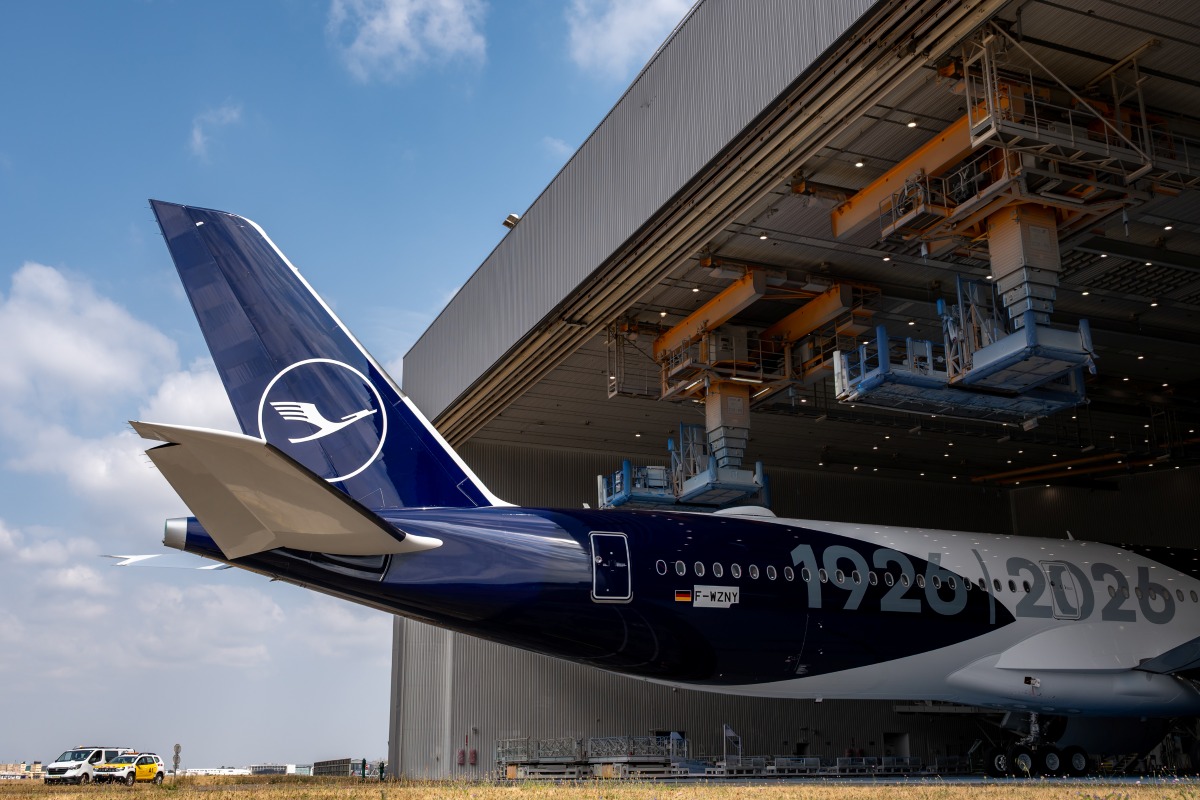
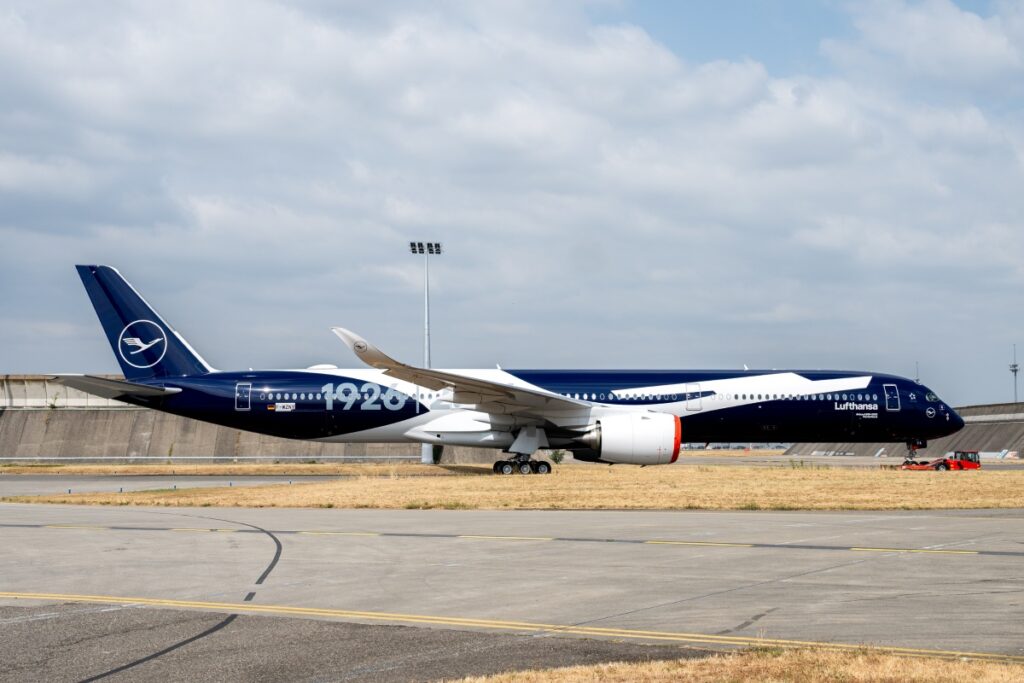
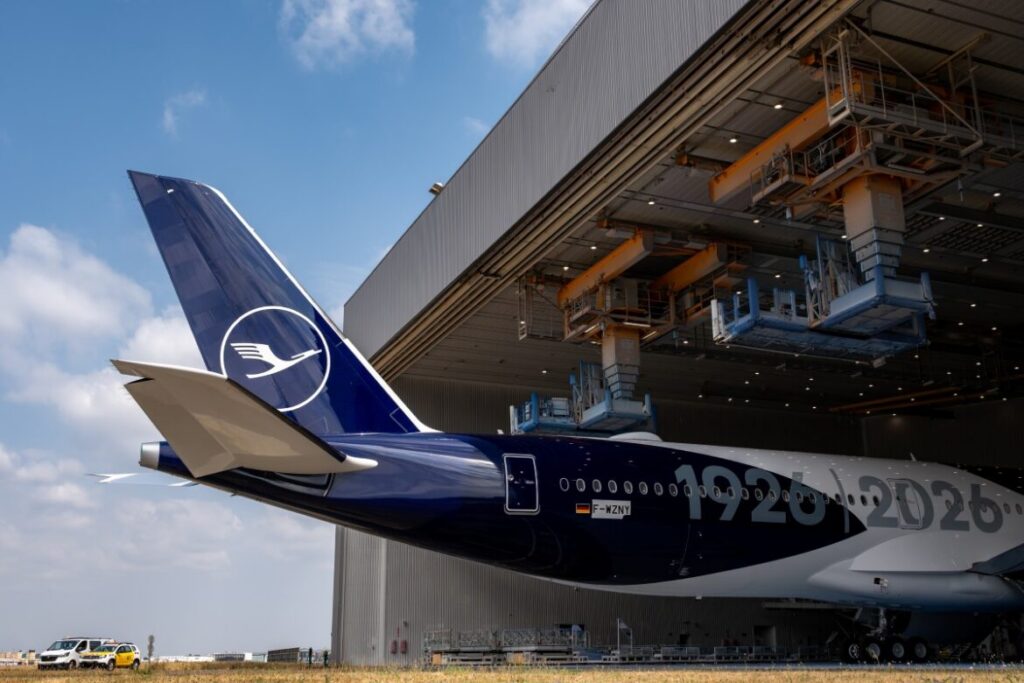
Lufthansa has marked a significant milestone in its operational evolution with the unveiling of its first Airbus A350-1000, designated D-AIFA, emerging from the paint shop in Toulouse. This aircraft is not only a new addition to the airline’s fleet but also celebrates Lufthansa’s centenary, featuring a unique livery that highlights the airline’s iconic crane logo, a symbol of its rich heritage.
Strengthening Long-Haul Operations
As part of an order for 15 Airbus A350-1000 aircraft, D-AIFA is set to enhance Lufthansa’s capacity and operational efficiency on long-haul routes. This new flagship will be stationed at Munich Airport, reinforcing the city as a pivotal hub for the airline’s international services. The A350-1000, being approximately seven meters longer than its A350-900 counterpart, allows for a greater number of passengers while maintaining the operational advantages of fuel efficiency and reduced emissions.
Commemorative Design and Fleet Integration
The special livery adorning D-AIFA aligns with Lufthansa’s ongoing centennial celebrations, which will extend through 2026. This striking design is part of a broader initiative that includes several aircraft across the fleet, showcasing the airline’s commitment to honoring its legacy while looking towards the future. The A350-1000 is expected to integrate seamlessly with Lufthansa’s existing fleet of A350-900s, further enhancing its long-haul service offerings.

Operational Benefits of the A350-1000
The introduction of the A350-1000 into Lufthansa’s fleet represents a strategic move to replace older aircraft, notably the A340-600, which have been less efficient in terms of fuel consumption and operational costs. By adopting the A350-1000, Lufthansa aims to improve its environmental performance while catering to the increasing demand for intercontinental travel. The aircraft will feature the latest Allegris premium cabin products, designed to provide an elevated passenger experience.
A Look Ahead
With D-AIFA nearing the completion of its pre-delivery preparations, Lufthansa is poised to welcome this new asset into service. The A350-1000 is not just a symbol of the airline’s past but also a testament to its forward-looking strategy in the competitive landscape of international aviation. As the airline gears up for its next chapter, the A350-1000 will play a crucial role in shaping the future of its long-haul operations.
Conclusion: A New Era Begins
Lufthansa’s first Airbus A350-1000 is more than just a new aircraft; it is a celebration of a century of aviation excellence and a significant step towards a more sustainable and efficient future. As the airline prepares for its entry into service, the A350-1000 is set to redefine long-haul travel for Lufthansa and its passengers alike, embodying the balance of heritage and innovation.



This article was prepared by LibelulaFly as an independent aviation-news summary and editorial reinterpretation based on publicly available reporting. Images, when used, are included for editorial context with source attribution. Original source: www.airportspotting.com. Read the original article here: https://www.airportspotting.com/lufthansas-first-airbus-a350-1000-spotted/.
List, promote, or publish aircraft with LibelulaFly.
LibelulaFly.com • Sales@libelulafly.com • +1 305-332-1942

Jul
Transforming the Single-Aisle Market
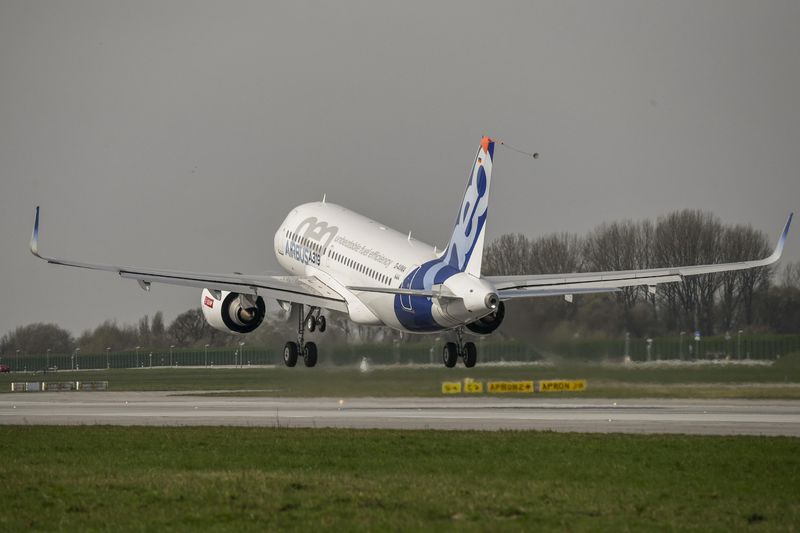
The aviation landscape is witnessing a significant shift as the Airbus A220 increasingly replaces the A319neo in the competitive 100-150 seat segment. This development underscores a broader trend in airline preferences for aircraft that deliver superior efficiency and passenger comfort.
Designed for Modern Demands
The Airbus A319neo, while a notable member of the A320 family, was not originally conceived for the specific needs of today’s airlines operating thinner routes. The A319neo is an evolution of the A320 series, which first took to the skies in 1987. Despite incorporating modern enhancements such as new engines and aerodynamic improvements, the aircraft retains many features from its larger siblings, resulting in compromises in both weight and economics.
In contrast, the A220, originally developed by Bombardier as the CSeries, was designed with the modern market in mind. Its lightweight structure and advanced aerodynamics, combined with efficient Pratt & Whitney geared turbofan engines, make it a purpose-built solution for airlines targeting the 100-150 seat market. This strategic design focus allows the A220 to operate with lower fuel burn and operating costs compared to the A319neo.
Economic Efficiency as a Priority
For airlines, the cost per seat is a critical factor in operational success. Although the A319neo offers improved fuel efficiency over its predecessor, the A319ceo, it cannot compete with the A220’s optimized performance on short- and medium-haul flights. The A220’s lower operating costs and fuel consumption make it a more attractive option for airlines looking to replace older aircraft like the A319 and Boeing 737-700.
Passenger Preferences Drive Adoption
Beyond operational efficiencies, passenger experience plays a crucial role in the A220’s rising popularity. The aircraft features a five-abreast seating configuration (2-3 layout), minimizing the number of middle seats and enhancing overall comfort. Additionally, the A220 boasts larger windows, quieter cabins, and ample overhead storage, leading to consistently high satisfaction ratings among travelers.
Market Dynamics Favoring Larger Aircraft
The evolving preferences of airlines also contribute to the A319neo’s decline. As air traffic increases and pilot shortages persist, airlines are gravitating towards larger aircraft to maximize efficiency within limited airport slots. The success of the A321neo has further squeezed the A319neo out of the market, as carriers increasingly opt for the A220-300 for about 140 seats or step up to the A320neo for greater capacity.
Sales Figures Reflect the Shift
The sales trajectory of both aircraft illustrates this transition. The A319neo has garnered limited orders, with many airlines opting to convert their commitments to the more popular A320 family. Meanwhile, the A220 has surpassed 1,000 firm orders since Airbus took over the program in 2018, with a growing list of operators that include major carriers such as Delta Air Lines and Air France.

Looking Ahead: The Potential of the A220-500
Airbus is also exploring the possibility of a stretched variant, the A220-500, which could further enhance its market position by accommodating more passengers. This potential expansion of the A220 family would solidify its role as Airbus’ dedicated aircraft for the smaller end of the single-aisle market, increasing pressure on the A319neo.
Conclusion: A Strategic Shift in Aviation
The A319neo remains a competent aircraft, but it is clear that the market has evolved beyond its capabilities. Airlines now favor aircraft that are purpose-built for modern operational demands, where efficiency and passenger experience are paramount. By acquiring the Bombardier CSeries program, Airbus has positioned itself to meet these needs effectively, allowing the A220 to not only complement but effectively replace the A319neo in the competitive landscape of single-aisle aviation.






This article was prepared by LibelulaFly as an independent aviation-news summary and editorial reinterpretation based on publicly available reporting. Images, when used, are included for editorial context with source attribution. Original source: www.airportspotting.com. Read the original article here: https://www.airportspotting.com/why-has-the-airbus-a220-replaced-the-a319neo/.
List, promote, or publish aircraft with LibelulaFly.
LibelulaFly.com • Sales@libelulafly.com • +1 305-332-1942
Jul
Aviation Heritage in Transition
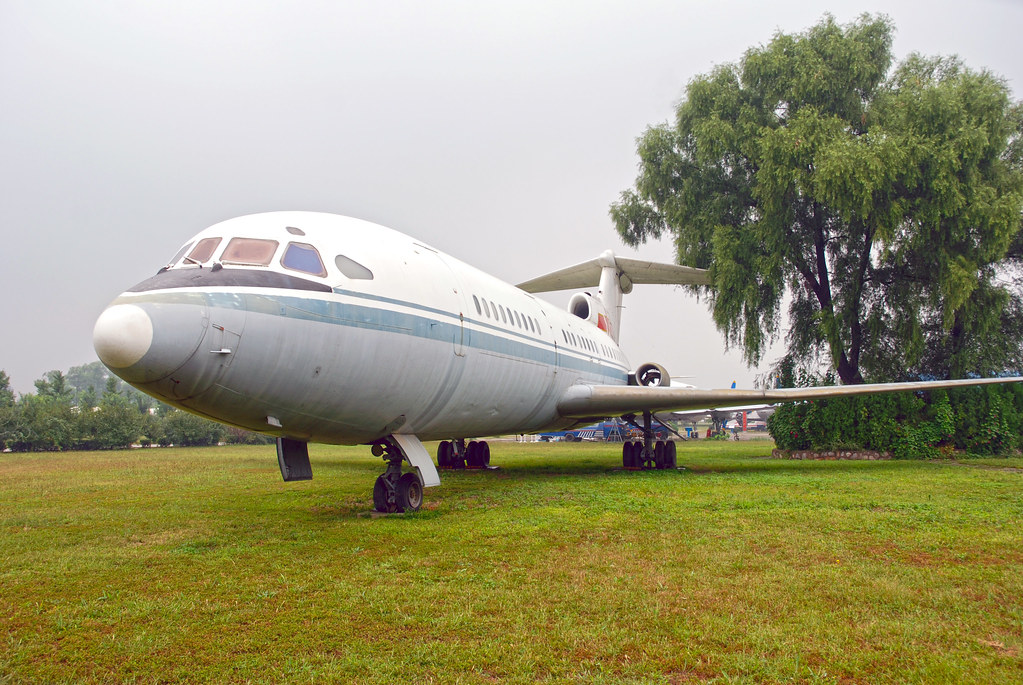
The China Aviation Museum at Datangshan, a renowned destination for aviation enthusiasts, has officially closed its doors as of late 2025. This significant development marks a pivotal moment for one of the world’s largest and most unique aviation museums, which features an extraordinary collection of military and civil aircraft. The museum’s closure is linked to an ambitious relocation project aimed at moving its extensive collection to a new site in Changchun, Jilin Province.
A Glimpse into the Museum’s Legacy
Established in 1989 to commemorate the 40th anniversary of the People’s Liberation Army Air Force (PLAAF), the China Aviation Museum quickly gained recognition as a national treasure and a prominent institution within the global aviation community. Spanning over 700,000 square meters, the museum housed more than 300 aircraft, showcasing the evolution of both military and civil aviation in China.
Among its most striking features was the underground exhibition hall, originally designed as a hardened shelter during the Cold War. This unique setting allowed visitors to explore historic aircraft in a truly one-of-a-kind environment. Outside, the museum’s grounds displayed an extensive array of military fighters, bombers, and helicopters, providing a comprehensive overview of the Chinese Air Force’s aerial capabilities.

A Diverse Collection of Aircraft
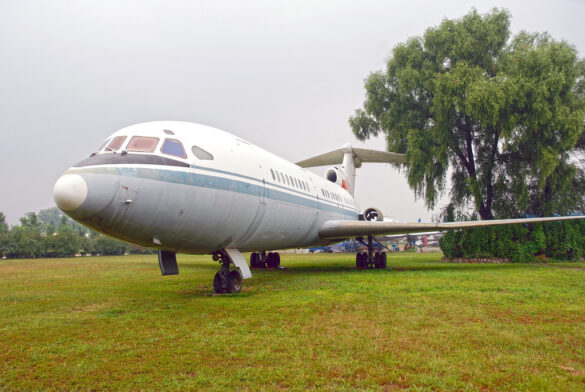
While the museum primarily focused on military aviation, it also boasted a notable selection of classic airliners, many of which had historical significance within China’s aviation narrative. Aircraft such as the Hawker Siddeley Trident, Douglas DC-8, and Airbus A310 were among the highlights, illustrating the diverse lineage of China’s commercial aviation.
This unique combination of military and civil aviation artifacts made Datangshan a rare venue where enthusiasts could appreciate both Chinese and international aircraft side by side. The collection also included notable military models, from early MiGs to indigenous Chinese fighters and experimental prototypes, further enriching the museum’s offerings.
The Challenges of Relocation
The decision to relocate the museum’s vast collection is a monumental undertaking. Reports suggest that the move to the new aviation museum in Changchun involves complex logistics, given the size and fragility of many exhibits. Some aircraft may require disassembly for transport, while others necessitate specialized conservation efforts to ensure their preservation.
Looking Ahead: The Future of Aviation Exhibits in China
As plans for the new museum progress, it is anticipated that the facility may not open its doors until mid-2027 at the earliest. This timeline reflects the careful planning required to ensure the proper handling and presentation of the collection. Aviation enthusiasts planning visits to Beijing should note that the Datangshan museum is currently closed, despite outdated travel resources indicating otherwise.

A Hopeful Horizon for Aviation Enthusiasts
While the closure of the China Aviation Museum is undoubtedly a setback for aviation fans, it also presents an opportunity for the preservation of invaluable artifacts in a modern setting. The forthcoming museum aims not only to safeguard China’s military aviation heritage but also to continue showcasing its unique collection of classic airliners. As the aviation community awaits the new facility’s debut, the promise of a revitalized and accessible collection remains a beacon of hope for enthusiasts worldwide.





This article was prepared by LibelulaFly as an independent aviation-news summary and editorial reinterpretation based on publicly available reporting. Images, when used, are included for editorial context with source attribution. Original source: www.airportspotting.com. Read the original article here: https://www.airportspotting.com/whats-happening-with-chinas-datangshan-aviation-museum/.
List, promote, or publish aircraft with LibelulaFly.
LibelulaFly.com • Sales@libelulafly.com • +1 305-332-1942

Jun
Preserving Aviation History Through Spotting
Aviation is an ever-evolving industry, with airlines continuously updating their fleets to enhance efficiency and performance. While this modernization is beneficial for operational costs and environmental impact, it also means that many classic airliner types are fading from the skies. For aviation enthusiasts and plane spotters, this presents a limited opportunity to witness these iconic aircraft before they are permanently retired from commercial service.
Spotlight on Ten Iconic Airliners
As the aviation landscape transforms, certain airliner types have become increasingly rare, making them prime targets for spotting trips. Below are ten aircraft types that merit attention before they disappear from regular airline operations.
Airbus A300 Freighter: A Legacy in Cargo
While passenger variants of the Airbus A300 have long been retired, the freighter version continues to serve vital roles in cargo operations. European air carriers such as DHL Aviation maintain a notable presence with this aircraft, particularly at Leipzig/Halle Airport, which has become a hotspot for spotting A300s in action.
Boeing 717: The Last of Its Kind
The Boeing 717 is dwindling in numbers, with its largest fleets now operating under Delta Air Lines and Hawaiian Airlines. As Hawaiian Airlines transitions to newer models, enthusiasts should take the opportunity to experience this aircraft in Honolulu, one of the few locations where it remains a common sight.
Boeing 757-300: A Unique Narrowbody
The Boeing 757-300 is a distinctive narrowbody aircraft, yet only a few airlines, including Delta and United, continue to operate this variant. Its unique characteristics and the absence of a direct replacement make it a noteworthy inclusion on any spotting itinerary.
Boeing 767-200: The End of an Era
Despite its recent prevalence, the Boeing 767-200 is rapidly approaching the end of its operational life. Once a staple in many airlines’ fleets, this aircraft is now primarily flown by a select few, including UTair and Eastern Airlines, making sightings of this variant increasingly rare.
Boeing 777-200: A Fading Icon
The Boeing 777-200, while still a popular choice for many airlines, is becoming increasingly scarce, especially earlier variants. With only a handful of operators left, including Austrian Airlines and United Airlines, spotting this aircraft type is becoming a unique experience.
Airbus A380: The Superjumbo’s Legacy
As the largest passenger aircraft ever built, the Airbus A380 is a marvel of modern engineering. Although production has ceased, airlines like Emirates and Qantas continue to operate substantial fleets. However, as retirements loom, enthusiasts should prioritize opportunities to witness this monumental aircraft.
Boeing 747 Passenger Variants: A Nostalgic Farewell
The passenger variant of the Boeing 747 has become a rare sight in today’s aviation environment. With only a few airlines, including Lufthansa and Korean Air, still operating these aircraft, spotting a 747 has become a nostalgic experience that should not be missed.
McDonnell Douglas MD-11 Freighter: A Tri-Jet in Service
The MD-11’s passenger operations have largely ceased, but it remains in service as a freighter. Major operators like FedEx provide opportunities to see this unique tri-jet, particularly at key cargo hubs such as Memphis and Anchorage.
Ilyushin Il-62: A Soviet Classic
Surprisingly, the Ilyushin Il-62 still has a presence in the skies, albeit limited. With a few remaining examples operating in North Korea and for government use in Russia, this vintage aircraft represents a rare glimpse into aviation history.
Airbus A318: The Rarest of the A320 Family
As the smallest member of the A320 family, the Airbus A318 has quietly become one of the rarest commercial aircraft. Air France operates a dwindling number of these aircraft, which are being phased out in favor of newer models. Spotting an A318 is becoming increasingly challenging.
Final Thoughts: A Call for Preservation
As the aviation industry continues to innovate, the importance of preserving the legacy of these iconic aircraft cannot be overstated. For aviation enthusiasts, now is the time to seize the opportunity to spot these rare airliners before they become part of history. Each sighting not only celebrates the engineering marvels of the past but also serves as a reminder of the ever-changing face of aviation.

Jun
Unlock New Horizons in Aviation Enthusiasm
The world of aviation offers endless opportunities for exploration and excitement, particularly for enthusiasts who engage in plane spotting. To support both newcomers and seasoned spotters, a new resource has emerged: The Plane Spotter’s Toolkit (2026 Edition). This free downloadable guide is designed to enrich the plane spotting experience by providing essential information, practical advice, and inspiration for enthusiasts of all levels.
Your Essential Companion for Spotting Adventures
Plane spotting is not merely a hobby; it is a passion that connects individuals with the dynamic world of aviation. Each visit to an airport can reveal unique aircraft, special liveries, and a variety of airlines. However, knowing where to go and what to look for can be challenging. The Plane Spotter’s Toolkit addresses these challenges by offering comprehensive guidance on the best practices for maximizing your spotting experience.
Explore the Best Plane Spotting Locations
One of the standout features of the Toolkit is its curated list of premier plane spotting locations worldwide. From iconic airport approaches to breathtaking beach vantage points, the guide highlights destinations that every aviation enthusiast should consider. Whether you are planning a dedicated spotting trip or simply looking to enhance your next vacation, these recommendations will inspire your journey and ensure memorable experiences.

Understanding Equipment Essentials
Many aspiring plane spotters often believe that high-end cameras and specialized gear are prerequisites for the hobby. The Toolkit dispels this myth by emphasizing that enjoyment can be achieved with minimal investment. It provides practical advice on essential equipment, whether using a smartphone for casual spotting or a dedicated camera for capturing stunning images. This section aims to help enthusiasts focus their resources wisely as their interest in aviation grows.
Spotting Rare Aircraft and Unique Liveries
A thrilling aspect of plane spotting is the chance to observe rare aircraft and newly unveiled special liveries. The Toolkit features a dedicated section that identifies notable aircraft types still in operation and highlights the most visually striking liveries to look out for in 2026. This information can serve as a valuable resource for collectors and photographers, offering insights into which aircraft to prioritize during spotting excursions.
Accommodation for the Avid Spotter
For those who wish to combine comfort with their spotting experience, the Toolkit also lists some of the finest hotels that cater to aviation enthusiasts. These accommodations provide excellent views of airport operations, allowing guests to enjoy aircraft movements without stepping outside. Such hotels are perfect bases for spotting trips, offering a unique vantage point to appreciate the aviation world.
Download Your Free Toolkit Today
The Plane Spotter’s Toolkit (2026 Edition) is more than just a guide; it is an invitation to dive deeper into the captivating world of aviation spotting. Regardless of your experience level, this resource is filled with valuable tips, fresh ideas, and inspiration for your next adventure. To start your journey into the skies, simply download your free copy today and prepare to elevate your spotting experience.







This article was prepared by LibelulaFly as an independent aviation-news summary and editorial reinterpretation based on publicly available reporting. Images, when used, are included for editorial context with source attribution. Original source: www.airportspotting.com. Read the original article here: https://www.airportspotting.com/plane-spotters-toolkit-guide-free-download/.
List, promote, or publish aircraft with LibelulaFly.
LibelulaFly.com • Sales@libelulafly.com • +1 305-332-1942

Jun
Manchester Airport: A Hub for Aviation Enthusiasts
Manchester Airport stands as a significant player in the UK aviation landscape, being the third busiest airport in the country and a vital international gateway for Northern England. With a rich history dating back to 1938 and a strategic location, the airport has evolved into a bustling hub, accommodating a diverse range of aircraft from commercial airliners to military jets.
A Diverse Array of Aircraft
At Manchester, aviation enthusiasts can witness a vibrant mix of traffic, including long-haul giants such as the Airbus A380 and Boeing 777, alongside regional jets and cargo aircraft. The airport’s operational capacity has been enhanced by its two parallel runways, allowing for seamless operations and a steady stream of arrivals and departures. This variety makes Manchester a unique destination for those passionate about aviation.
Top Spotting Locations at Manchester Airport
For aviation enthusiasts looking to capture the action, Manchester Airport offers several prime spotting locations:

Runway Visitor Park
The Runway Visitor Park is a must-visit for aviation fans. Situated on the north side of Runway 05L/23R, it features raised viewing areas that provide excellent sightlines for observing aircraft as they take off and land. The park is also home to several preserved aircraft, including a British Airways Concorde, making it an educational experience as well.
Multi-Storey Car Park
The top level of the Terminal 1 Short Stay multi-storey car park offers elevated views across the airport. While some enthusiasts have shifted their focus to other areas, this location still provides excellent vantage points for observing cargo operations and taxiway activity, especially for those looking to log aircraft that may not be visible from other spots.
Airport Pub
For a more relaxed spotting experience, the Airport Pub, located near the threshold of Runway 23R, offers a unique atmosphere. With its outdoor seating area directly adjacent to the taxiway, patrons can enjoy close-up views of aircraft while savoring food and drinks. This spot is particularly enjoyable during warm summer evenings, providing both comfort and excellent photographic opportunities.
South Side Viewing Area
Regarded by many as the premier photography location at Manchester, the South Side provides breathtaking views of aircraft movements along Runway 23L/05R. The elevated terrain allows for striking shots of aircraft during arrivals and departures, especially in favorable lighting conditions.

Runway 05R Approach
Another notable spot is the approach area for Runway 05R. Accessible from the Altrincham Road roundabout, this location offers enthusiasts the chance to capture stunning images of aircraft as they approach for landing, particularly during morning hours when activity is at its peak.
Why Manchester Airport Stands Out
What sets Manchester Airport apart is not only its variety of aircraft but also its commitment to providing accessible spotting locations. The combination of dedicated viewing areas, preserved aviation history, and the opportunity to witness a diverse array of aircraft makes it a top destination for aviation enthusiasts across Europe. Whether for a brief visit or a full day of spotting, Manchester Airport continues to be a beloved location for those who appreciate the art of aviation.





This article was prepared by LibelulaFly as an independent aviation-news summary and editorial reinterpretation based on publicly available reporting. Images, when used, are included for editorial context with source attribution. Original source: www.airportspotting.com. Read the original article here: https://www.airportspotting.com/the-5-best-spotting-locations-at-manchester-airport/.
List, promote, or publish aircraft with LibelulaFly.
LibelulaFly.com • Sales@libelulafly.com • +1 305-332-1942
May
Capturing the Essence of Aviation History
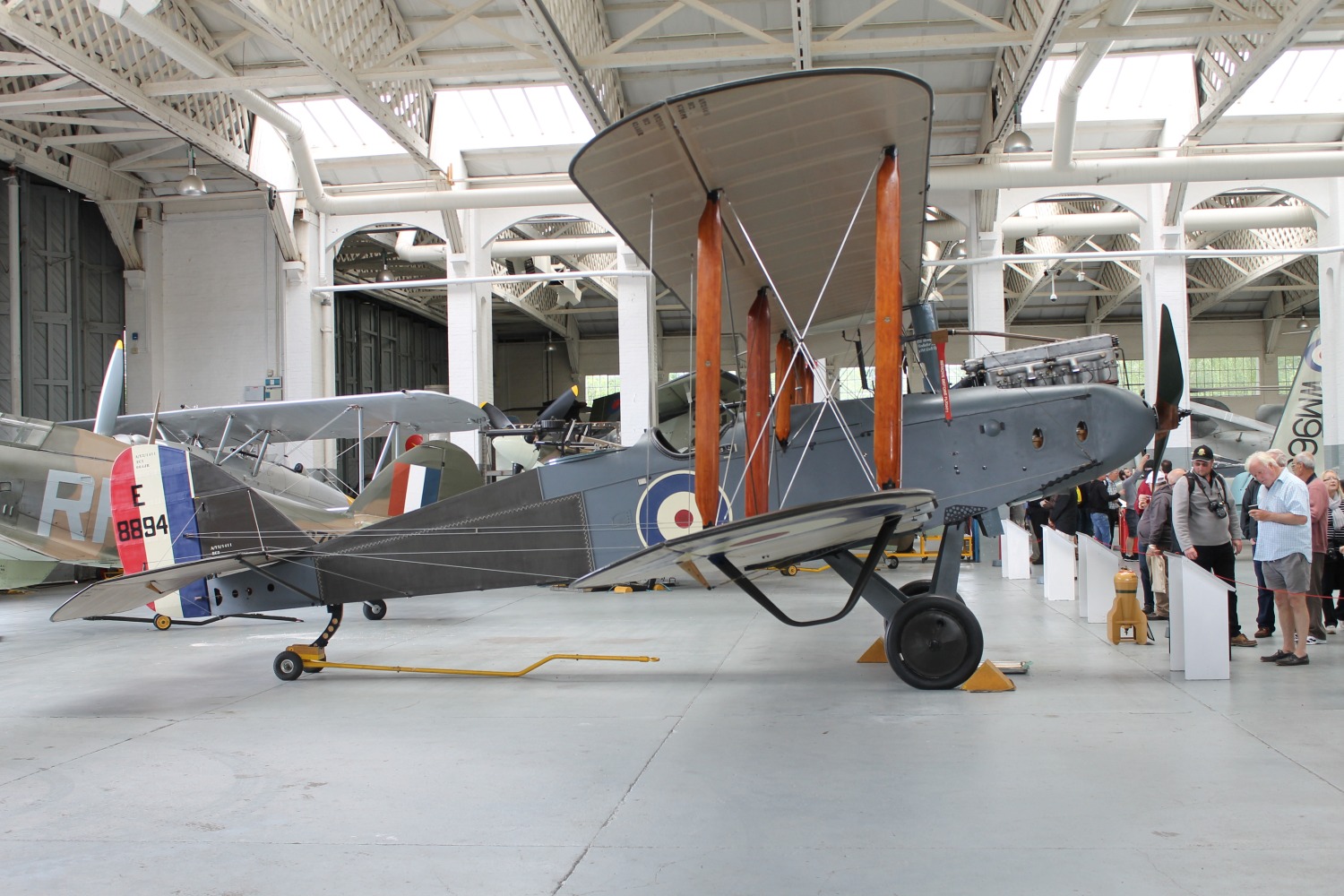
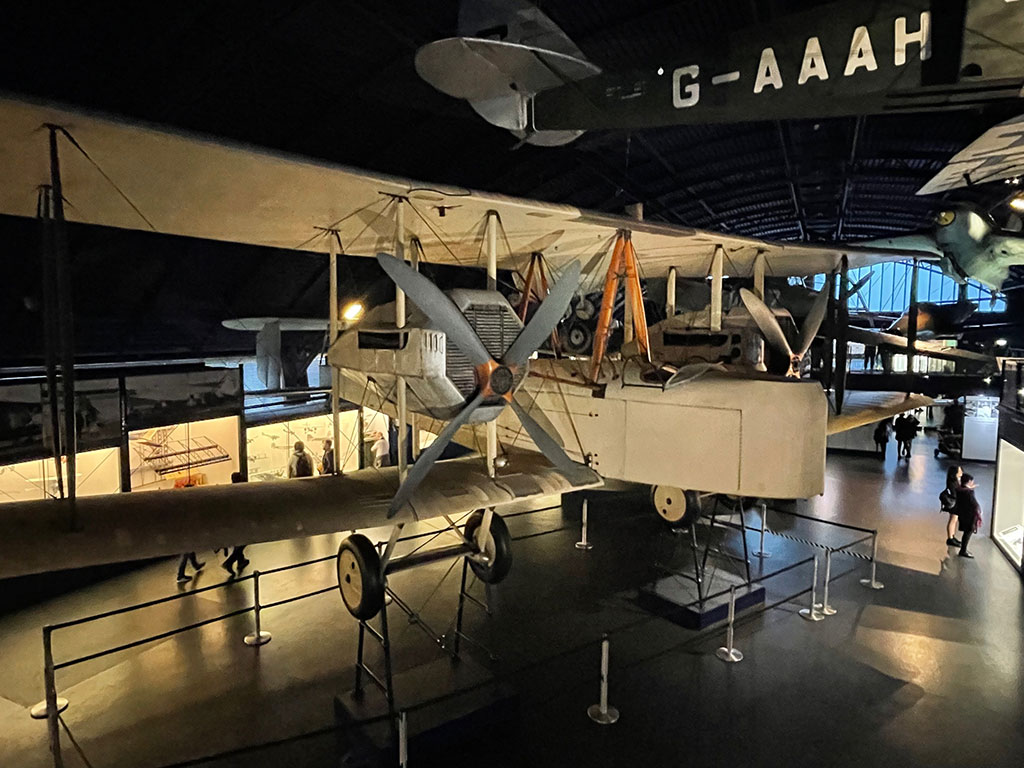
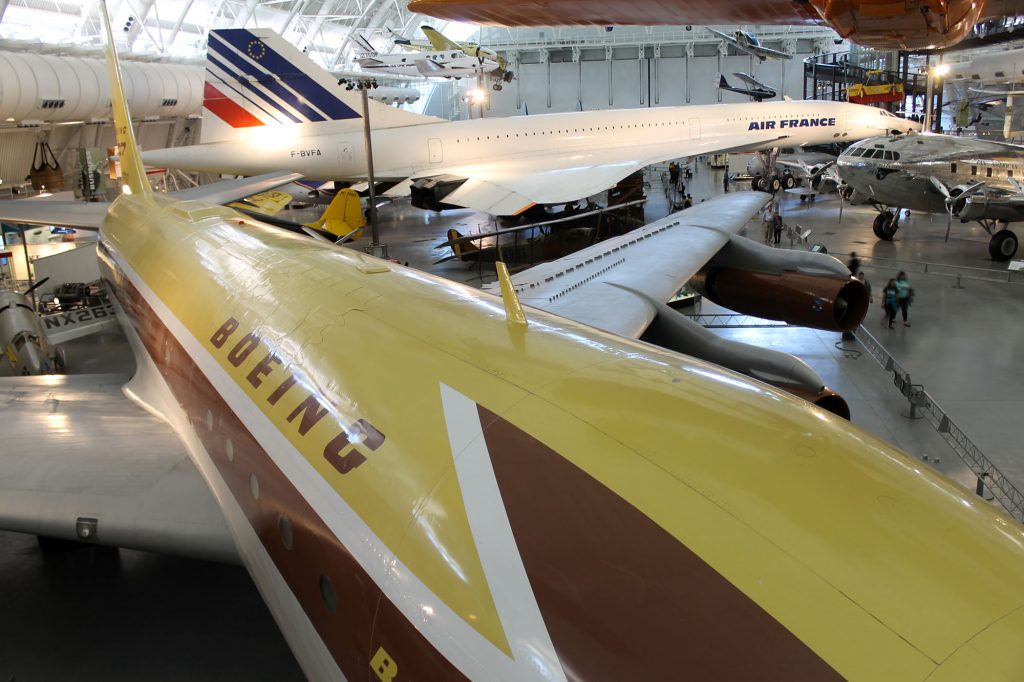
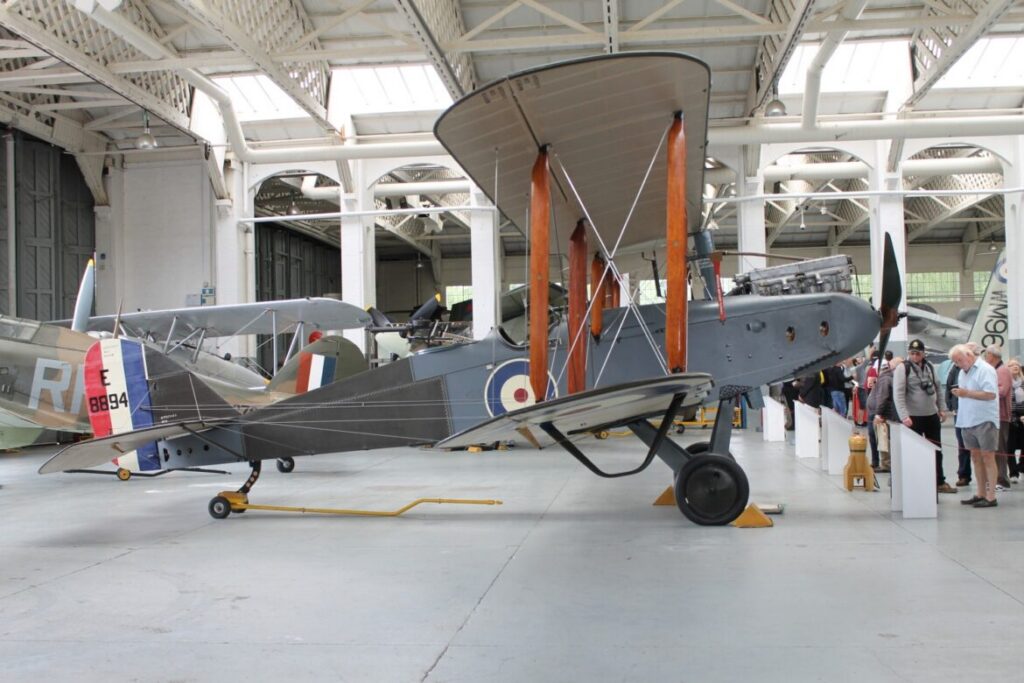
Aviation museums serve as treasure troves for enthusiasts, showcasing a rich tapestry of aircraft that reflect the evolution of flight. However, translating the beauty of these machines into photographs can be a formidable challenge. Visitors often encounter dim lighting, tight spaces, and the presence of other displays that can complicate the photographic process. To help you navigate these hurdles, here are seven practical tips tailored for capturing compelling images in aviation museums.
Embrace the Museum’s Lighting
Lighting is a critical factor in museum photography, where environments are often intentionally dimmed to protect artifacts. Rather than fighting against this reality, photographers should adapt by adjusting camera settings. Increasing the ISO sensitivity, shooting in RAW format, and carefully managing exposure can help mitigate the challenges of low light. When tripods are prohibited, stabilize your camera by leaning against nearby structures or utilizing built-in image stabilization features.
Selecting the Right Lens for the Environment
Space constraints are a common feature in aviation museums, making lens selection vital. A wide-angle lens is typically beneficial for capturing entire aircraft and tight interior shots. However, it is essential to be cautious of distortion that can arise from excessive wide angles. A standard or short telephoto lens, around 50 to 85mm, often provides sharper images with a more natural perspective. Even modern smartphones can serve as effective tools for capturing images in these confined spaces, thanks to their versatility in various lighting conditions.
Minimizing Clutter in Your Shots
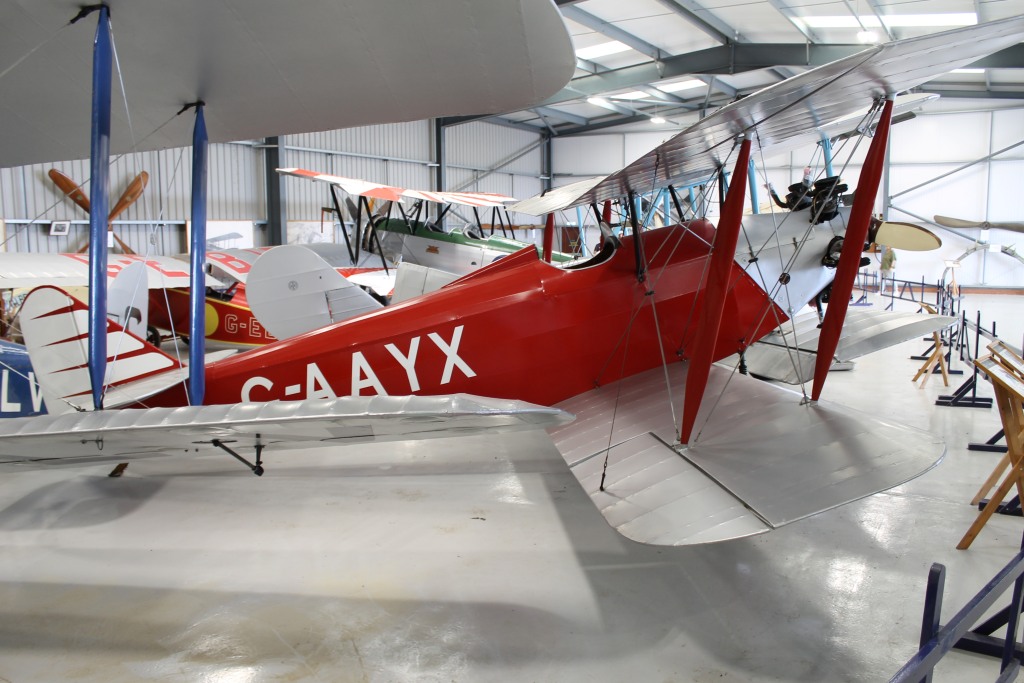
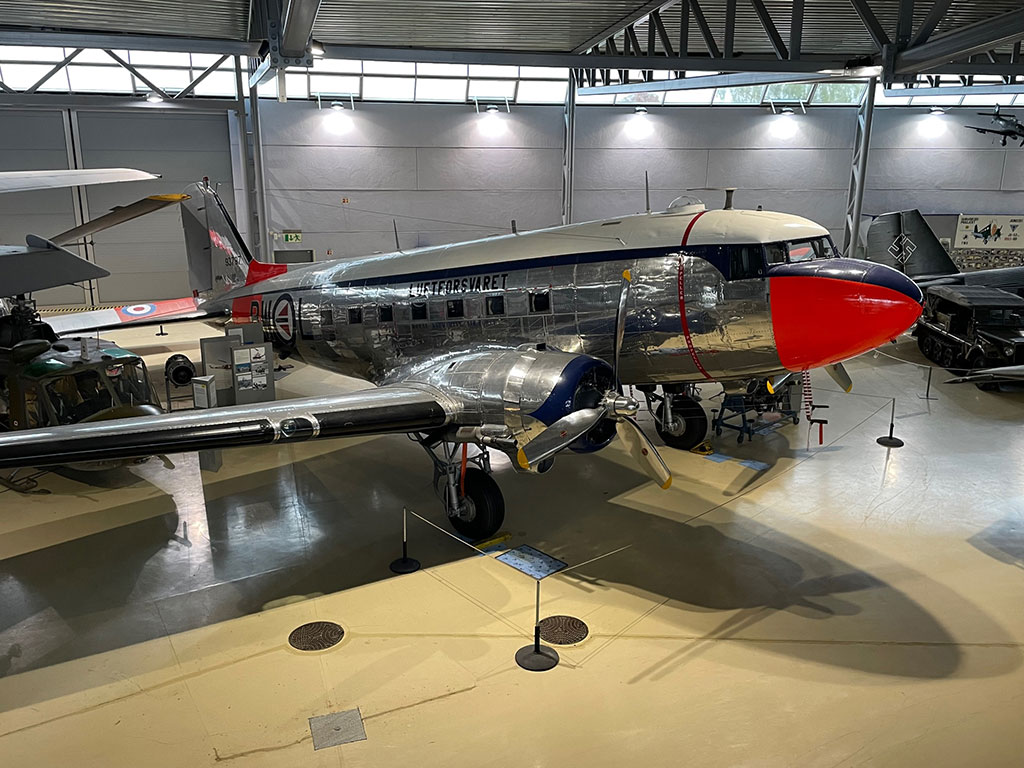
Aviation museums are not always pristine environments; barriers, informational displays, and other visitors can clutter your frame. To enhance your photographs, take a moment to reassess your composition. Shifting your position or altering your angle can often isolate the aircraft from distracting elements, allowing for a stronger focal point in your images. Remember, unlike at airports, the aircraft in museums are stationary, giving you the luxury of time to find the perfect angle.
Focusing on Intricate Details
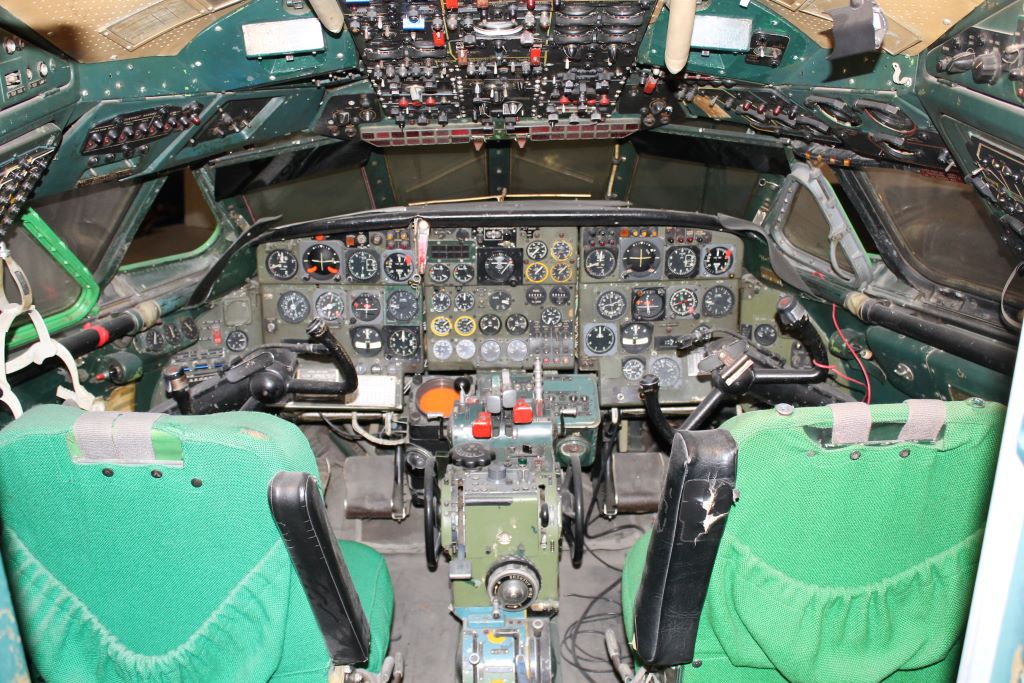
In situations where capturing the entire aircraft is impractical, consider honing in on specific details. Elements such as cockpit panels, engine inlets, and unique markings can create striking images that tell a story about the aircraft’s history and design. This approach not only adds variety to your portfolio but also showcases the craftsmanship involved in aviation.
Managing Reflections and Glass Surfaces
Many exhibits, particularly those featuring cockpits or smaller artifacts, are protected by glass. This can introduce reflections and glare that detract from your images. To combat this, position yourself close to the glass and shoot at an angle to minimize reflections. Using your hand or a lens hood to block stray light can also help maintain contrast. Avoid using flash, as it can exacerbate reflection issues.
Getting the White Balance Just Right
The diverse lighting sources within museums—ranging from LED to natural light—can lead to color inconsistencies in photographs. Setting a custom white balance is advisable, as it can significantly enhance the color accuracy of your images. For those shooting in RAW, adjustments can be made in post-processing to correct any color casts that may arise.
Patience is Key
Photography in shared spaces like museums requires a degree of patience. Be prepared to wait for clear shots, allowing crowds to disperse before capturing your images. Respecting the flow of other visitors is essential, as it ensures a pleasant experience for everyone involved.
Final Reflections on Museum Photography
Aviation museums present unique opportunities for photographers, requiring a thoughtful approach that differs from traditional aircraft spotting. By mastering the nuances of lighting, composition, and technique, you can produce images that not only capture the essence of aviation history but also resonate with viewers. With practice and patience, your photography can reflect the awe and legacy of these remarkable machines.


This article was prepared by LibelulaFly as an independent aviation-news summary and editorial reinterpretation based on publicly available reporting. Images, when used, are included for editorial context with source attribution. Original source: www.airportspotting.com. Read the original article here: https://www.airportspotting.com/7-tips-for-photographing-aircraft-in-aviation-museums/.
List, promote, or publish aircraft with LibelulaFly.
LibelulaFly.com • Sales@libelulafly.com • +1 305-332-1942