The Airbus A220: Transforming the 100-150 Seat Market
The Airbus A220 has emerged as a pivotal player in commercial aviation, particularly within the 100-150 seat segment. Initially developed by Bombardier as the CSeries, the aircraft transitioned to Airbus ownership in 2018, leading to a significant redesign and rebranding. Today, the A220 is celebrated for its fuel efficiency, extended range, and passenger-centric cabin features, making it a preferred choice for airlines worldwide.
A Growing Global Presence
With over 500 A220 aircraft currently in operation, the model has effectively replaced older aircraft types, such as the Airbus A319 and Boeing 737-700, across various airlines. As Airbus ramps up production, the A220 is increasingly visible at airports in North America, Europe, and beyond, solidifying its status as a mainstay in modern fleets.
Leading Operators in the A220 Fleet
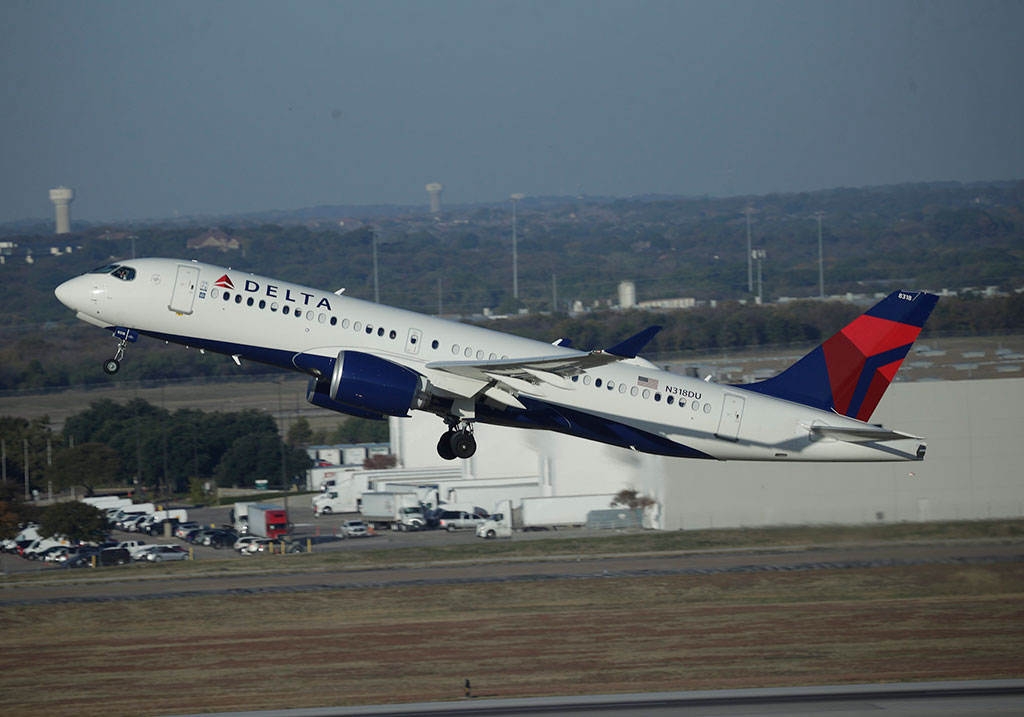
Delta Air Lines stands at the forefront as the largest operator of the Airbus A220, with a fleet of 87 aircraft. The airline utilized the A220 to modernize its fleet, replacing older models like the McDonnell Douglas MD-88 and MD-90. This strategic move has allowed Delta to enhance its operational efficiency while providing passengers with a comfortable travel experience.
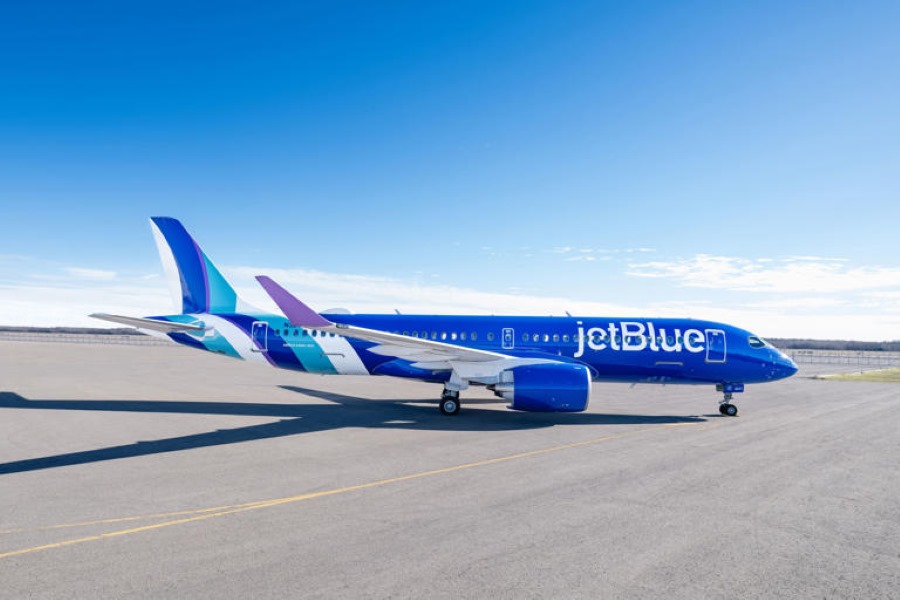
JetBlue follows closely with 65 A220-300s, replacing its Embraer E190 fleet. The airline’s focus on passenger comfort and modern amenities, combined with lower fuel consumption, has made the A220 a valuable addition to its operations.
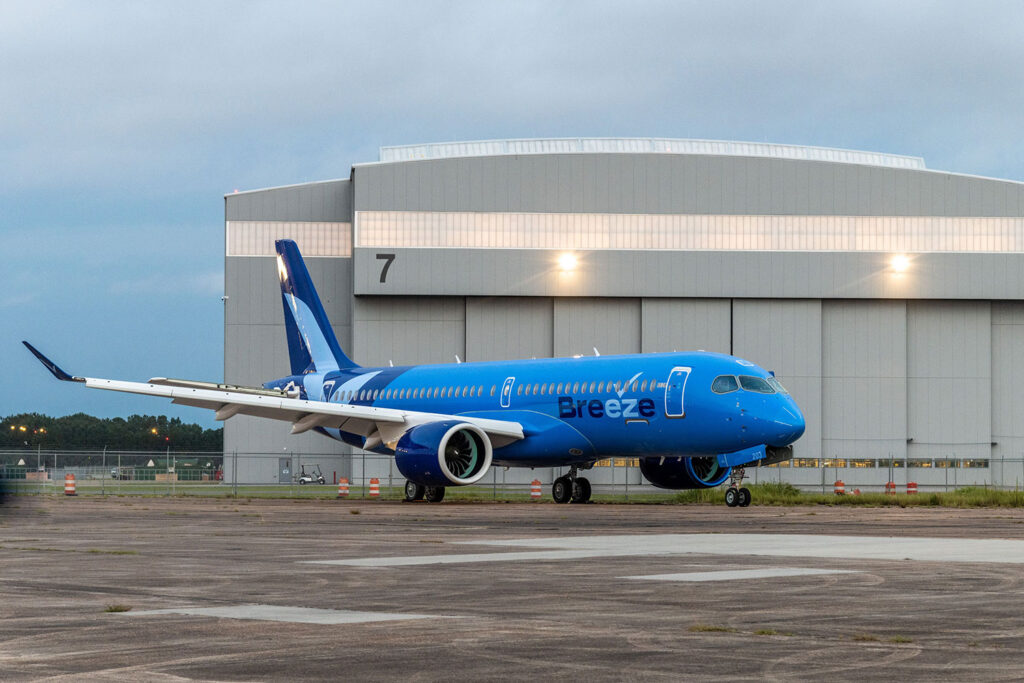
Breeze Airways has also embraced the A220-300, operating 57 units to connect underserved markets across the U.S. The aircraft’s long-range capabilities and cost-effectiveness align with Breeze’s mission to serve routes that larger jets cannot efficiently cover.
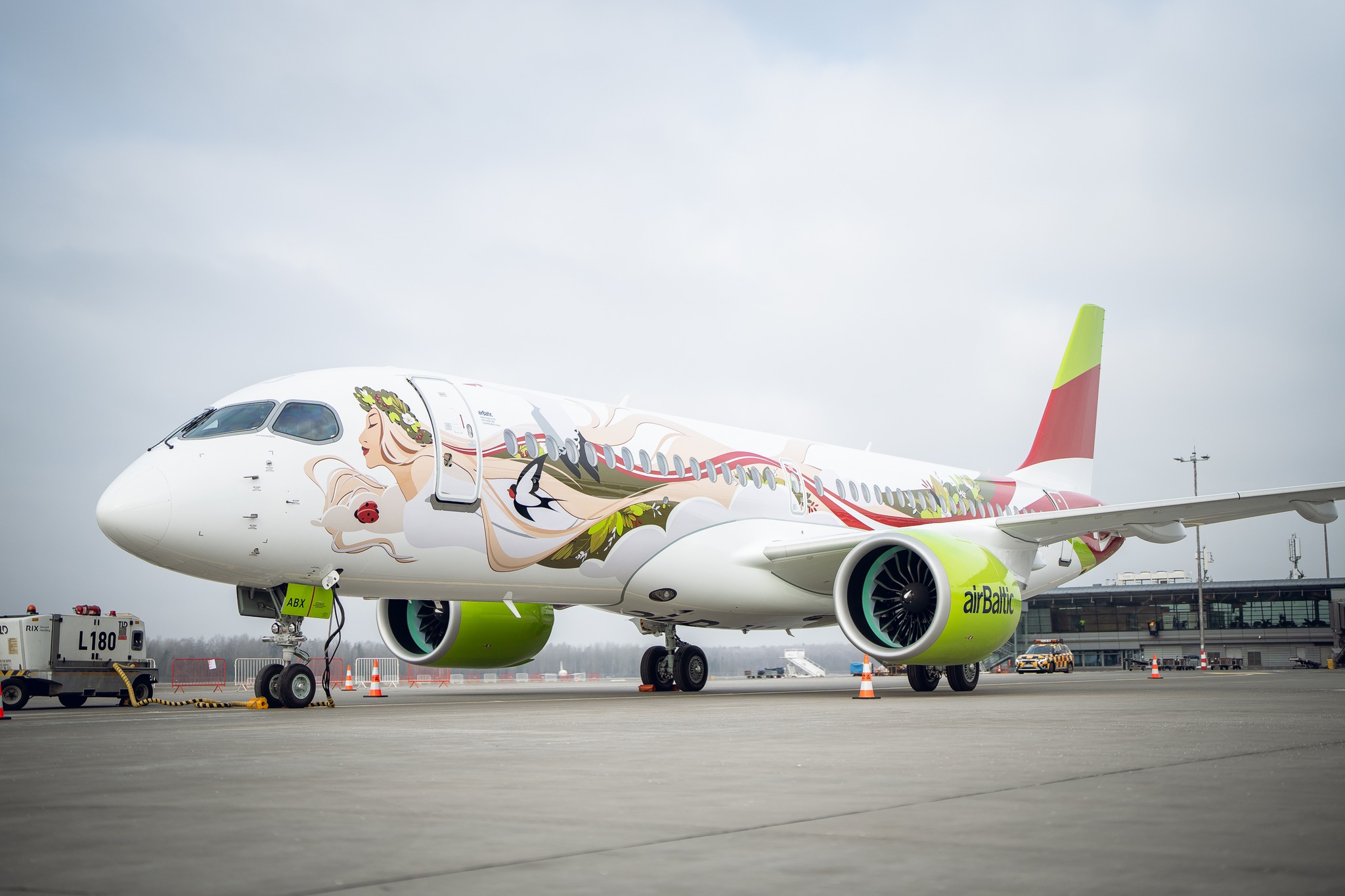
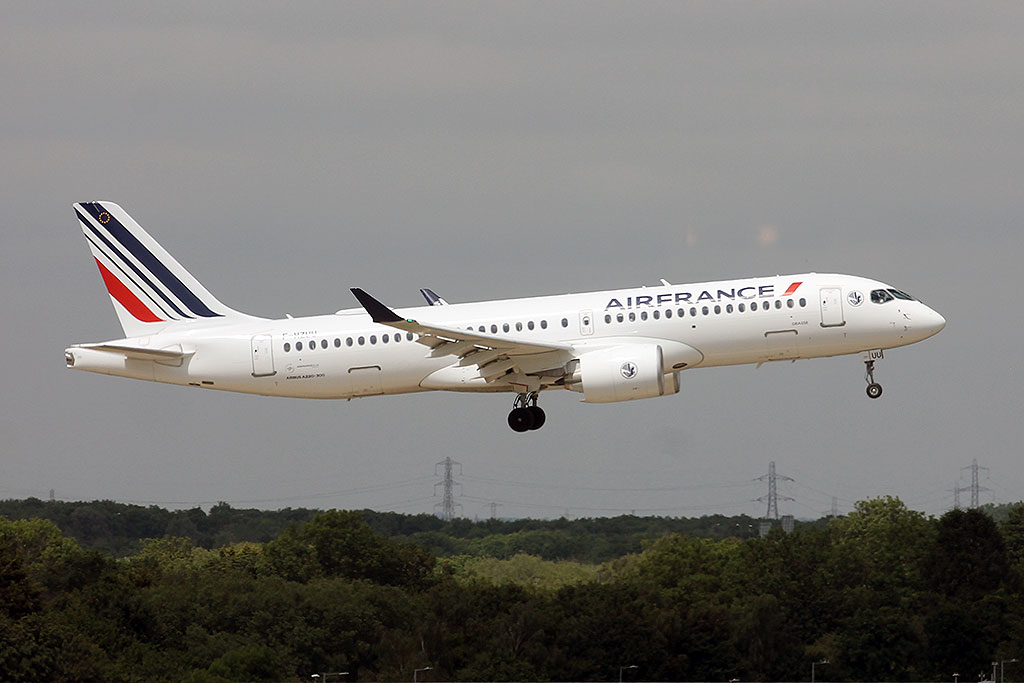
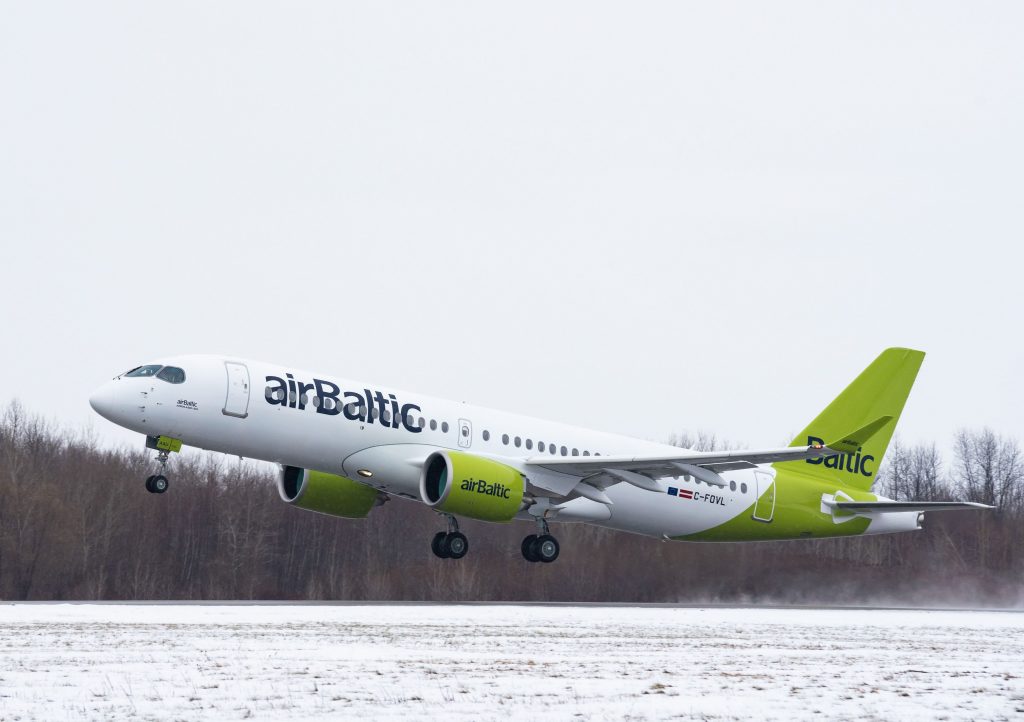
Air France and airBaltic are notable operators as well, with 56 and 55 A220s in their fleets, respectively. Air France is leveraging the A220 to refresh its short-haul services, while airBaltic proudly operates an all-A220 fleet, emphasizing its commitment to modern, efficient air travel.
Market Implications and Future Developments
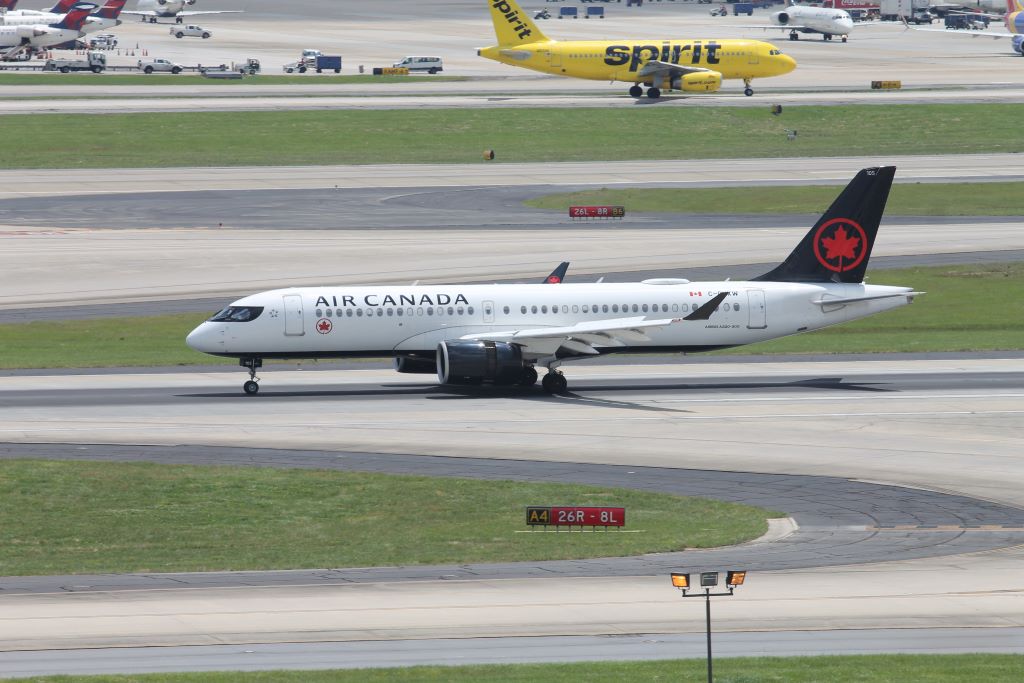
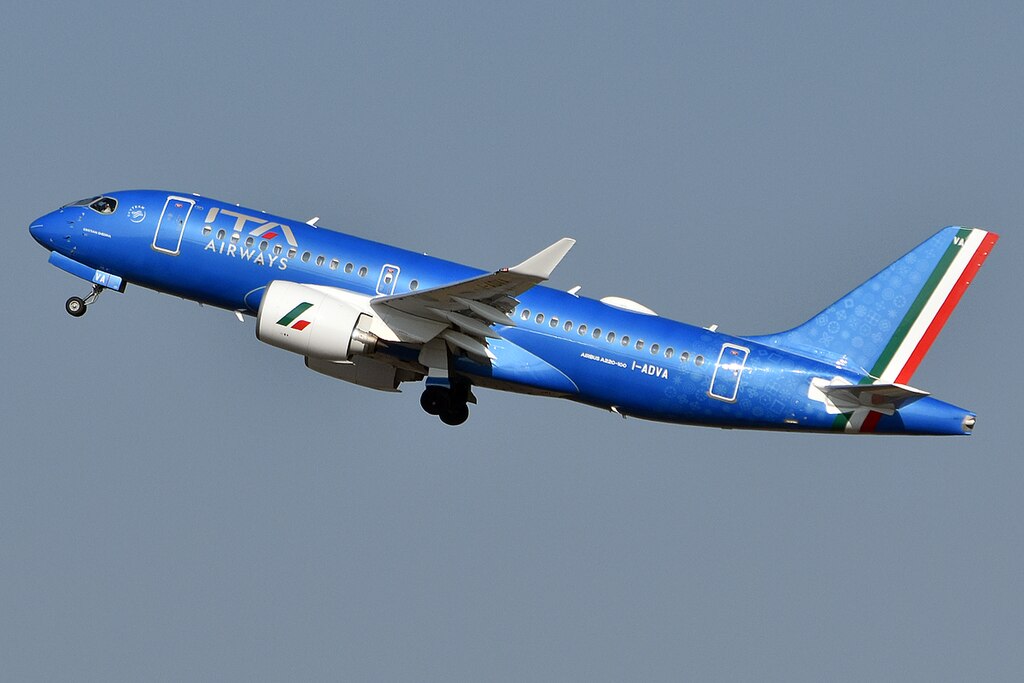
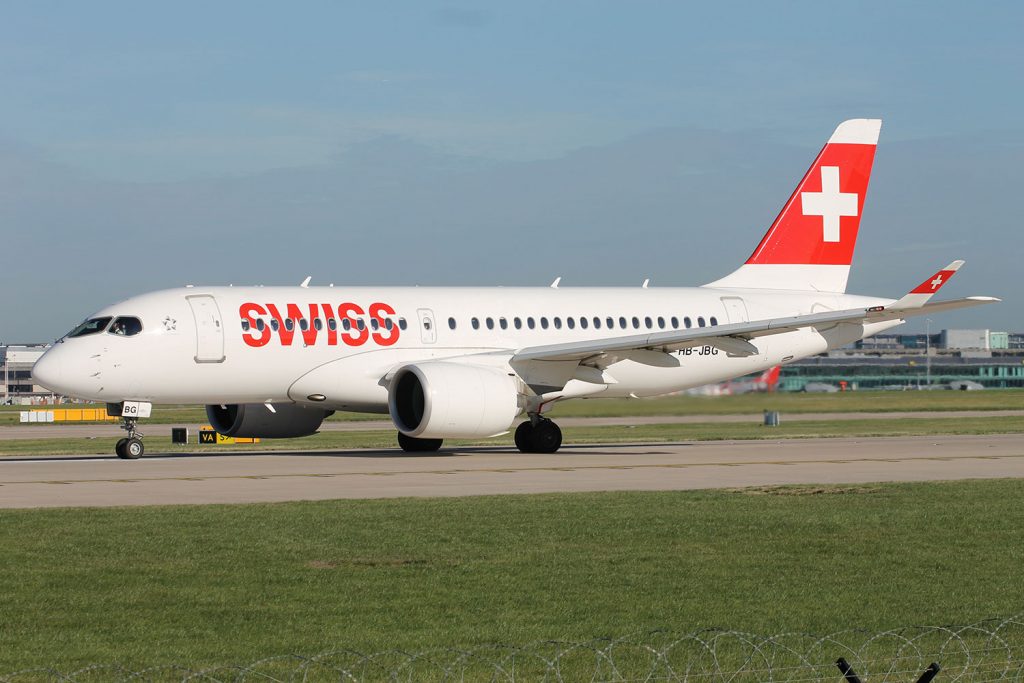
As airlines like Air Canada, ITA Airways, SWISS, QantasLink, and Korean Air integrate the A220 into their fleets, the aircraft’s influence continues to expand. The operational versatility and economic advantages of the A220 are evident, as it serves routes ranging from domestic flights to international connections.
The A220’s success has prompted Airbus to consider an extended version, the A220-500, which could further enhance its appeal in the competitive narrowbody market currently dominated by the A320neo and Boeing 737 MAX 8. Additionally, a recent order from AirAsia for 150 A220-300s signifies the aircraft’s growing popularity, positioning AirAsia to potentially become the largest operator of the A220 series.
A Bright Future for the A220
As the Airbus A220 continues to gain traction among airlines globally, its role in shaping the future of commercial aviation is undeniable. The aircraft’s combination of operational efficiency, passenger comfort, and environmental sustainability aligns with the evolving demands of the airline industry. With production on the rise and new variants on the horizon, the A220 is set to play a critical role in the next chapter of aviation history.
This article was prepared by LibelulaFly as an independent aviation-news summary and editorial reinterpretation based on publicly available reporting. Images, when used, are included for editorial context with source attribution. Original source: www.airportspotting.com. Read the original article here: https://www.airportspotting.com/10-biggest-operators-of-the-airbus-a220/.
List, promote, or publish aircraft with LibelulaFly.
LibelulaFly.com • Sales@libelulafly.com • +1 305-332-1942