
Jul
All Nippon Airways’ Distinctive Approach to the A380
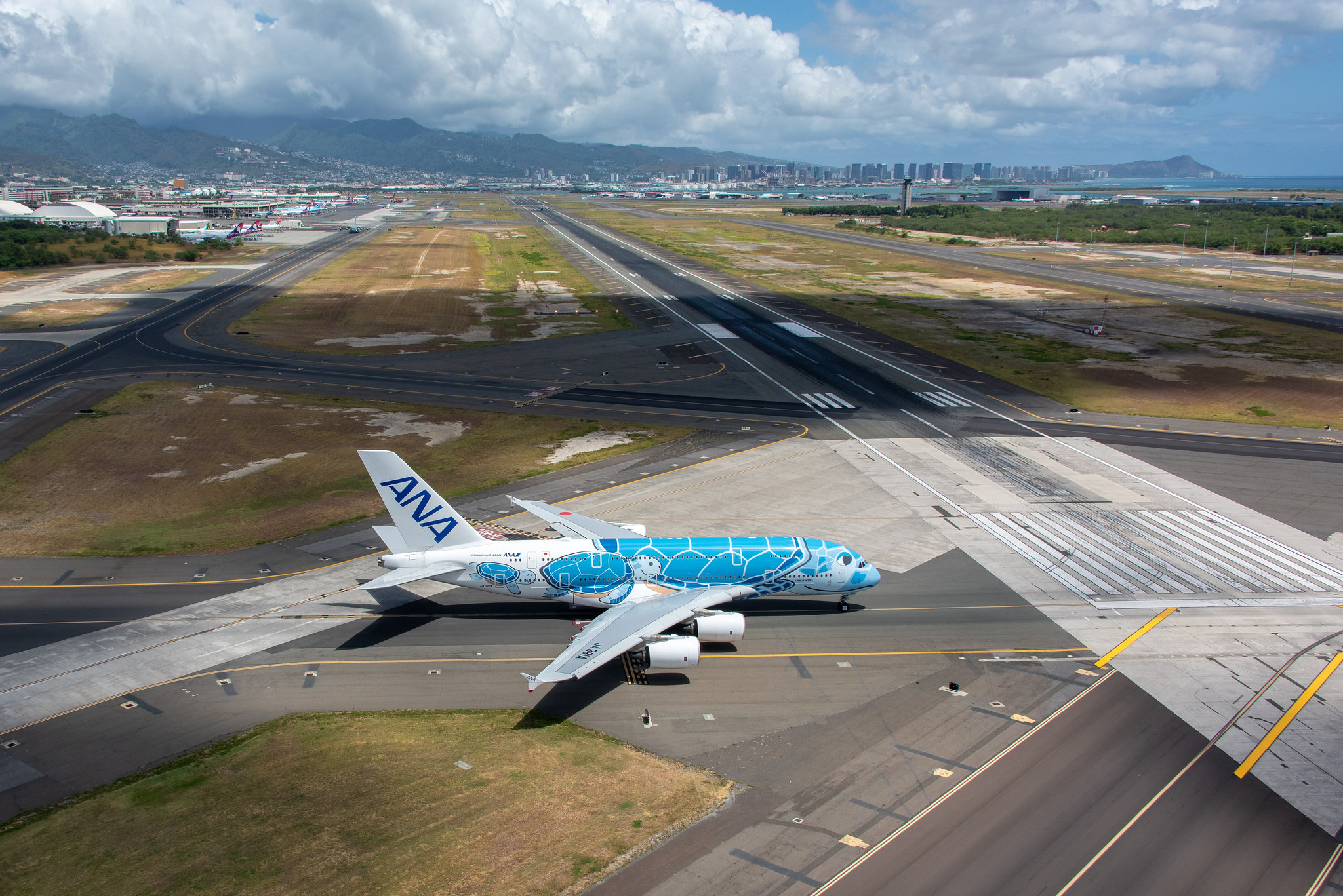
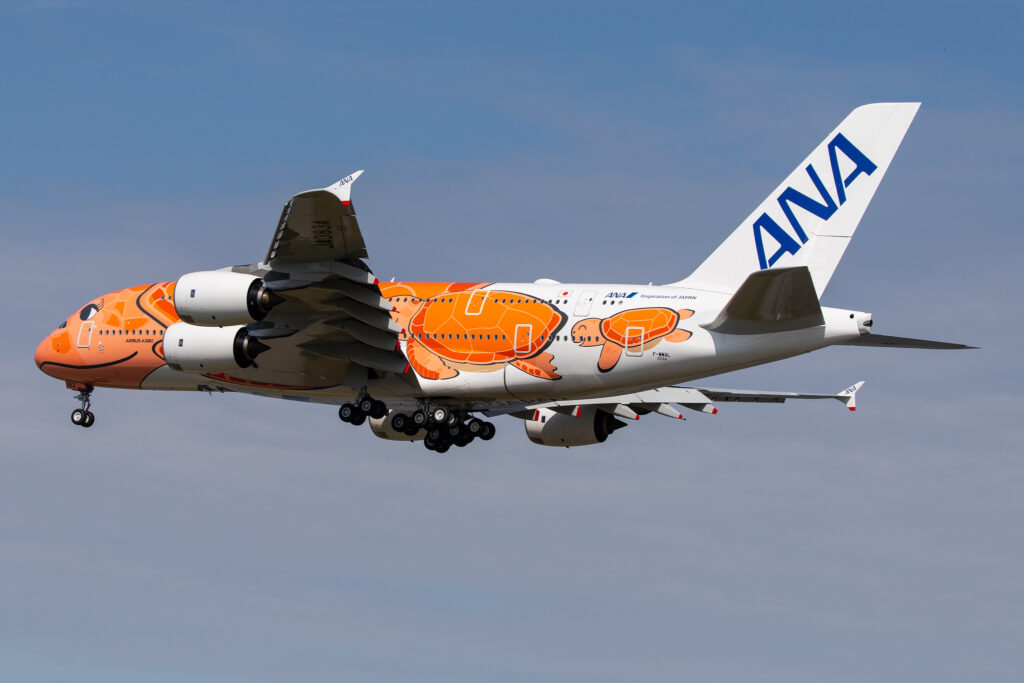
All Nippon Airways (ANA) has carved out a unique niche in the aviation landscape with its fleet of Airbus A380s, known as the ‘Flying Honu.’ Unlike most operators who deploy the superjumbo across multiple high-capacity routes, ANA has committed its three A380-800s exclusively to the Tokyo Narita-Honolulu route. This strategic decision not only highlights the airline’s focus on a popular leisure market but also positions the A380 as a vital asset in ANA’s operational framework.
The Genesis of the Flying Honu
ANA’s journey with the A380 began unexpectedly when the airline acquired three aircraft as part of a restructuring deal following the bankruptcy of Skymark Airlines. Initially, the A380 was not part of ANA’s fleet strategy; however, the airline quickly recognized the potential of these aircraft to serve one of Japan’s most sought-after holiday destinations, Hawaii.
Meet the Fleet
The ‘Flying Honu’ fleet consists of three uniquely liveried A380s:
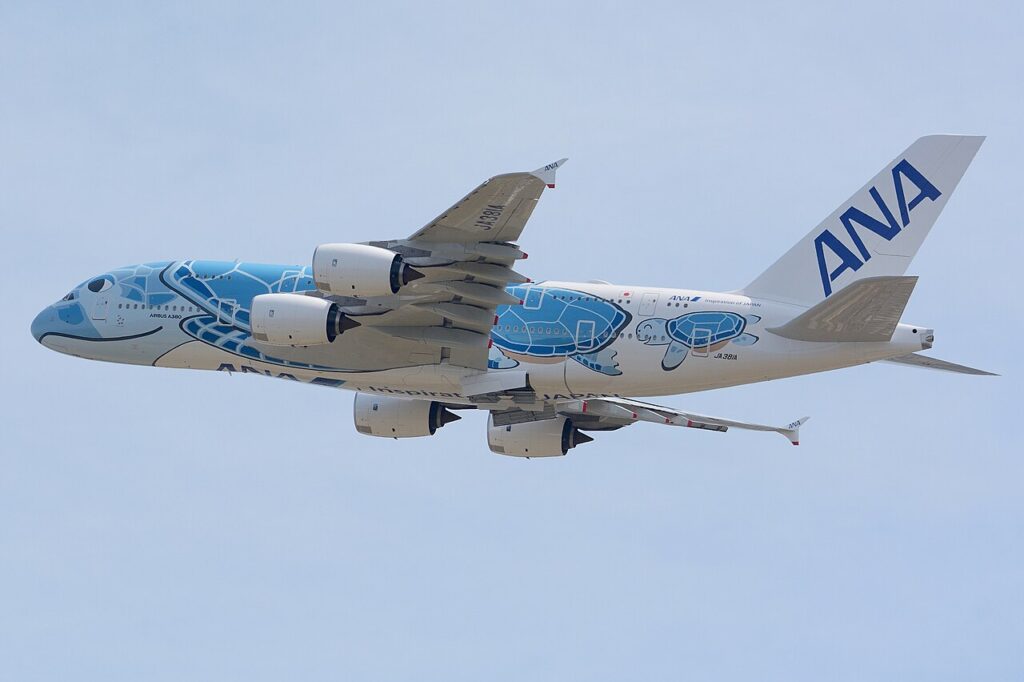
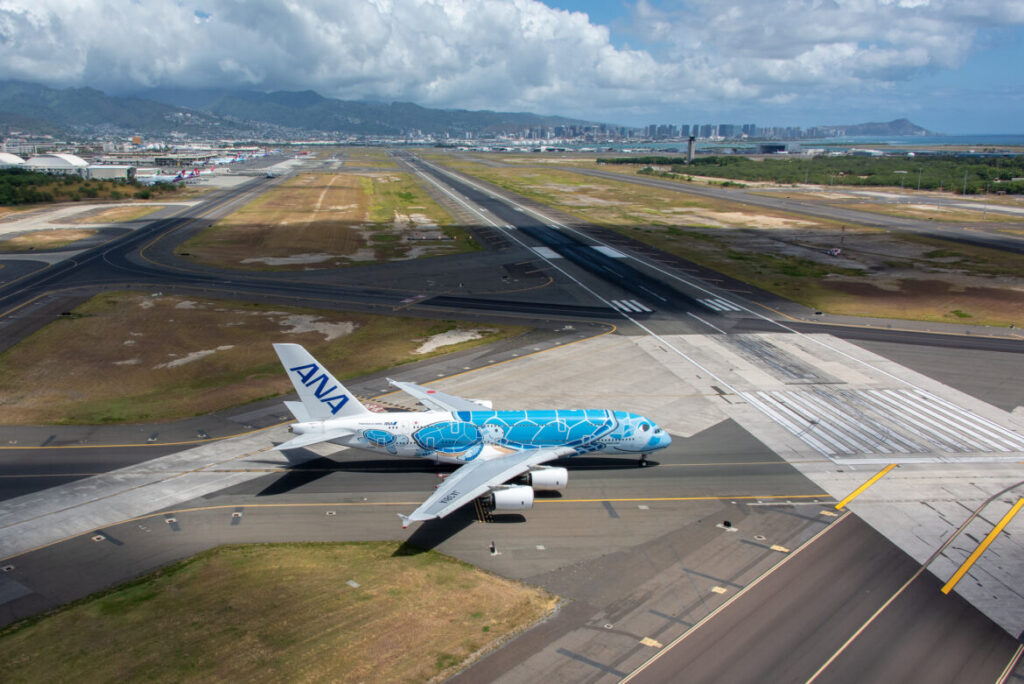
- JA381A Lani – Blue sea turtle
- JA382A Kai – Emerald green sea turtle
- JA383A Lā – Sunset orange sea turtle
Each aircraft’s livery pays homage to the Hawaiian culture, with ‘Honu’ symbolizing good luck and safe travel. The vibrant designs have made these aircraft some of the most recognizable in the global aviation community.
Operational Focus on Hawaii
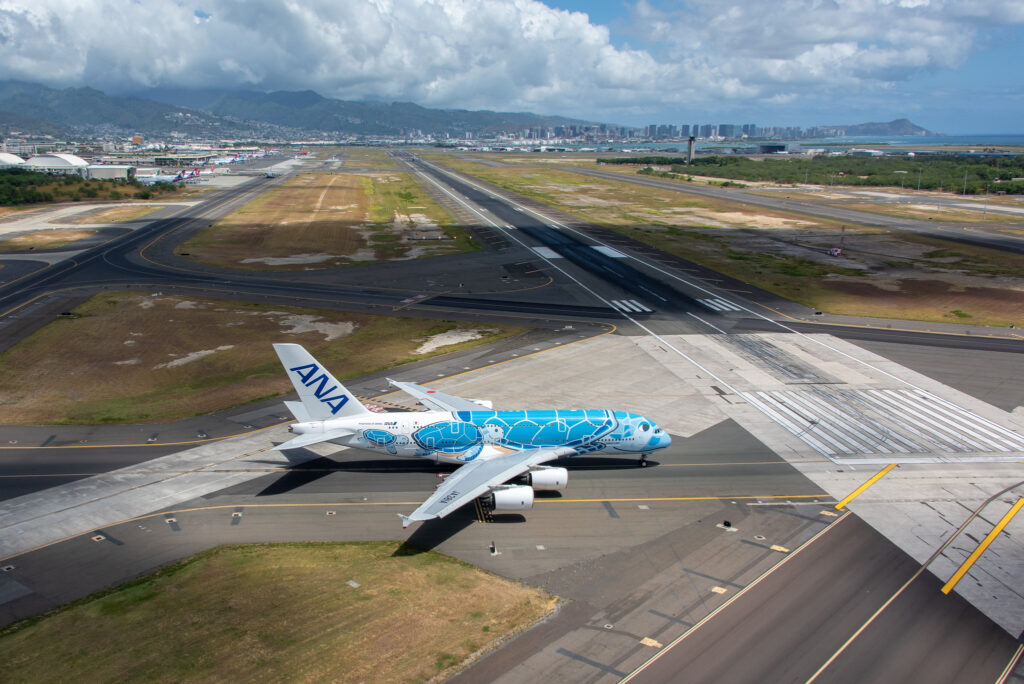
ANA operates its A380 fleet solely between Tokyo Narita and Honolulu, a route that has long been a staple for Japanese travelers seeking leisure in Hawaii. Since entering service in May 2019, the A380s have been a consistent presence on this high-demand route, with seasonal frequency adjustments to meet passenger needs.
Innovative Cabin Design
ANA’s A380 configuration is tailored to enhance family travel. With a total capacity of 520 passengers across four classes—8 in First Class, 56 in Business Class, 73 in Premium Economy, and 383 in Economy—the aircraft features the ANA COUCHii, which allows families to convert groups of economy seats into a sofa-like space. This innovative design, along with a multi-purpose room and Hawaiian-themed interiors, underscores the airline’s commitment to providing a family-friendly travel experience.
The Future of the Flying Honu
Despite speculation regarding the potential early retirement of the A380s, there are no current indications that ANA plans to phase them out. The airline continues to invest in the fleet, with the third aircraft having entered service recently after an extended period of storage during the pandemic. Furthermore, the A380 remains prominently featured in ANA’s flight schedules through 2026.
Why the A380 Will Likely Remain
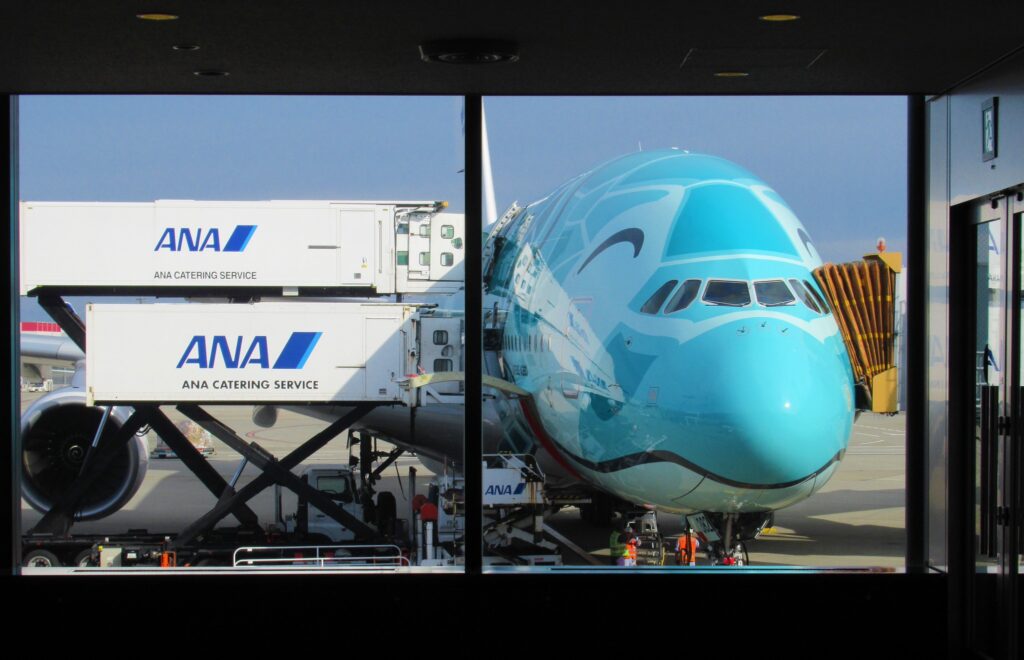
The Flying Honu fleet serves as a powerful marketing tool for ANA, reinforcing the airline’s connection to Hawaii through its distinctive aircraft. The ability to transport over 500 passengers in a single flight is particularly advantageous in a high-capacity market like Tokyo-Honolulu, where demand can be met more efficiently with fewer flights. Additionally, with deliveries occurring between 2019 and 2021, these A380s are among the newest in operation, ensuring they have many productive years ahead.
Conclusion: A Unique Asset in ANA’s Fleet
In conclusion, ANA’s Airbus A380 fleet exemplifies a strategic commitment to serving a key leisure market while also embracing unique branding opportunities. As the airline continues to adapt to changing travel patterns, the Flying Honu is poised to remain a distinctive and valuable component of its operational landscape.


This article was prepared by LibelulaFly as an independent aviation-news summary and editorial reinterpretation based on publicly available reporting. Images, when used, are included for editorial context with source attribution. Original source: www.airportspotting.com. Read the original article here: https://www.airportspotting.com/anas-unique-airbus-a380-fleet-what-makes-the-flying-honu-so-special/.
List, promote, or publish aircraft with LibelulaFly.
LibelulaFly.com • Sales@libelulafly.com • +1 305-332-1942

Jul
The Boeing 727: A Jet Age Icon
The Boeing 727, a hallmark of commercial aviation, continues to capture the interest of aviation enthusiasts and professionals alike. Developed in the early 1960s, this tri-jet was designed for short- to medium-haul routes, offering unique capabilities that allowed it to serve smaller airports effectively. With its innovative T-tail design and rear airstairs, the 727 provided airlines with operational flexibility that was unmatched at the time.
First taking to the skies in February 1963, the 727 quickly gained traction, entering service with major airlines such as United Air Lines and Eastern Air Lines. Over its 22-year production span, Boeing manufactured 1,832 units, making it the best-selling jet airliner until the Boeing 737 took that title. Its versatility allowed it to operate in diverse environments, with significant fleets across North America, Europe, and beyond.
A Shift in the Aviation Landscape
However, as the aviation industry evolved, so did the demands placed on commercial aircraft. By the 1990s, the Boeing 727’s three-engine configuration became a liability as newer twin-engine jets emerged, boasting better fuel efficiency and lower maintenance costs. The operational economics shifted, leading to the retirement of many passenger variants in favor of more modern aircraft.

Today, only a handful of Boeing 727s remain active, primarily serving specialized roles in cargo transport and governmental operations. The aircraft’s legacy is preserved in various capacities, demonstrating its adaptability and resilience in a rapidly changing market.
Current Operators of the Boeing 727
As of 2026, the fleet of active Boeing 727s is limited but notable. These aircraft are primarily utilized for cargo operations and special missions across several regions. Noteworthy operators include:
- Safe Air Company: Operating in Nairobi, Kenya
- Serve Air Cargo: Active in Kinshasa, Democratic Republic of Congo
- Government of Democratic Congo: Utilizing 727s for governmental purposes
- Air Class: Based in Montevideo, Uruguay
- USA Jet Airlines: Operating in Michigan, USA
These operators highlight the ongoing relevance of the 727 in niche markets where its unique capabilities can be leveraged effectively.
Preserving History: The Prototype’s Legacy
The historical significance of the Boeing 727 is preserved not only through its operational fleet but also via its prototype, which resides at the Museum of Flight in Seattle. This aircraft serves as a testament to the innovative spirit of the Jet Age and the impact the 727 has had on commercial aviation.

As aviation continues to evolve, the legacy of the Boeing 727 reminds us of the technological advancements that have shaped the industry. While the operational fleet may be dwindling, the aircraft’s influence remains significant, marking an era of aviation that paved the way for modern air travel.


This article was prepared by LibelulaFly as an independent aviation-news summary and editorial reinterpretation based on publicly available reporting. Images, when used, are included for editorial context with source attribution. Original source: www.airportspotting.com. Read the original article here: https://www.airportspotting.com/every-active-boeing-727-in-2026-your-guide/.
List, promote, or publish aircraft with LibelulaFly.
LibelulaFly.com • Sales@libelulafly.com • +1 305-332-1942
Jul
The Airbus A220: Transforming the 100-150 Seat Market
The Airbus A220 has emerged as a pivotal player in commercial aviation, particularly within the 100-150 seat segment. Initially developed by Bombardier as the CSeries, the aircraft transitioned to Airbus ownership in 2018, leading to a significant redesign and rebranding. Today, the A220 is celebrated for its fuel efficiency, extended range, and passenger-centric cabin features, making it a preferred choice for airlines worldwide.
A Growing Global Presence
With over 500 A220 aircraft currently in operation, the model has effectively replaced older aircraft types, such as the Airbus A319 and Boeing 737-700, across various airlines. As Airbus ramps up production, the A220 is increasingly visible at airports in North America, Europe, and beyond, solidifying its status as a mainstay in modern fleets.
Leading Operators in the A220 Fleet
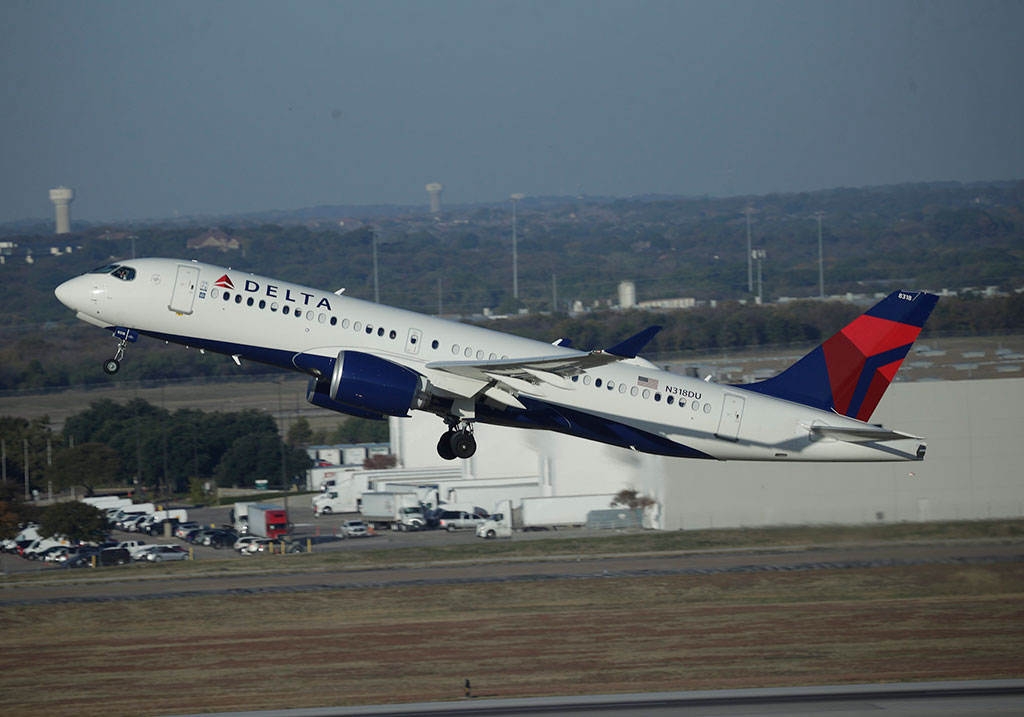
Delta Air Lines stands at the forefront as the largest operator of the Airbus A220, with a fleet of 87 aircraft. The airline utilized the A220 to modernize its fleet, replacing older models like the McDonnell Douglas MD-88 and MD-90. This strategic move has allowed Delta to enhance its operational efficiency while providing passengers with a comfortable travel experience.
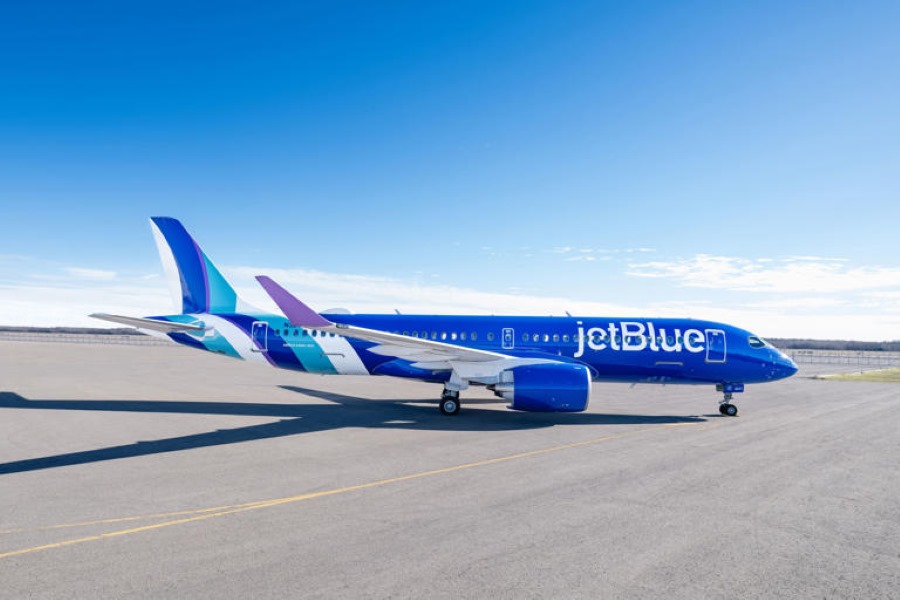
JetBlue follows closely with 65 A220-300s, replacing its Embraer E190 fleet. The airline’s focus on passenger comfort and modern amenities, combined with lower fuel consumption, has made the A220 a valuable addition to its operations.
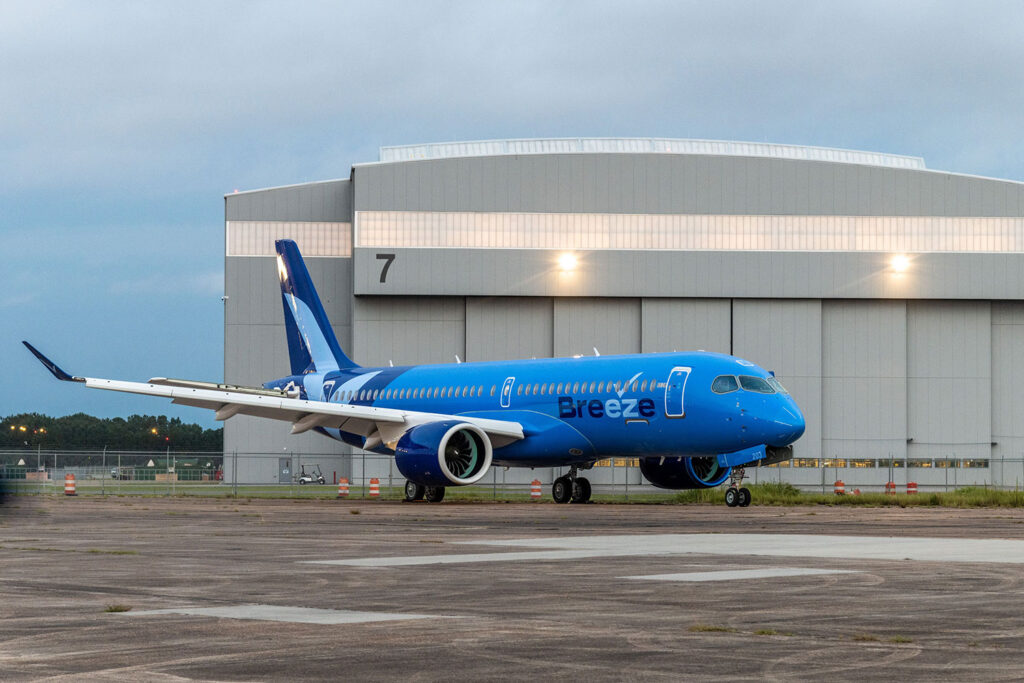
Breeze Airways has also embraced the A220-300, operating 57 units to connect underserved markets across the U.S. The aircraft’s long-range capabilities and cost-effectiveness align with Breeze’s mission to serve routes that larger jets cannot efficiently cover.
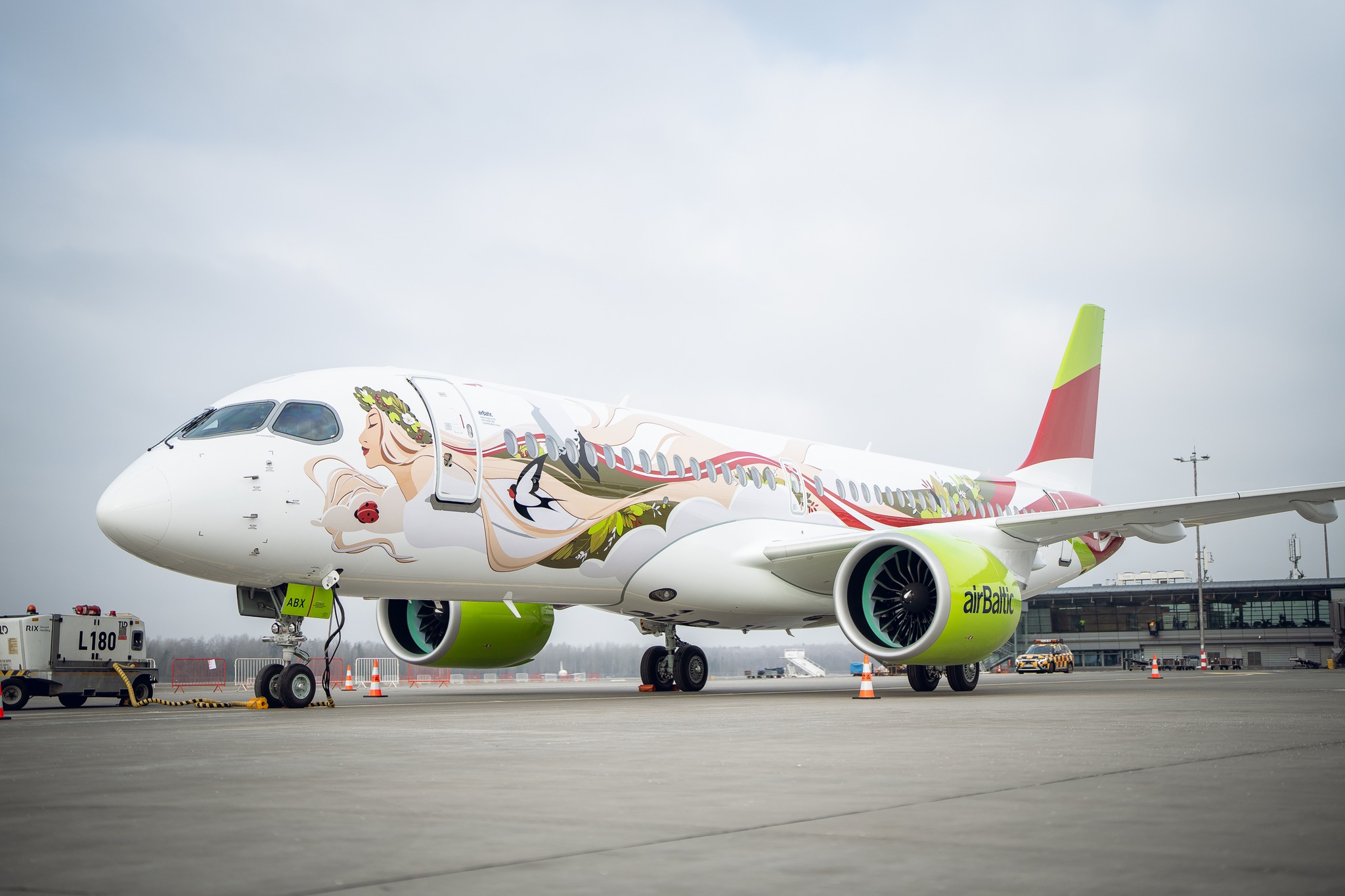
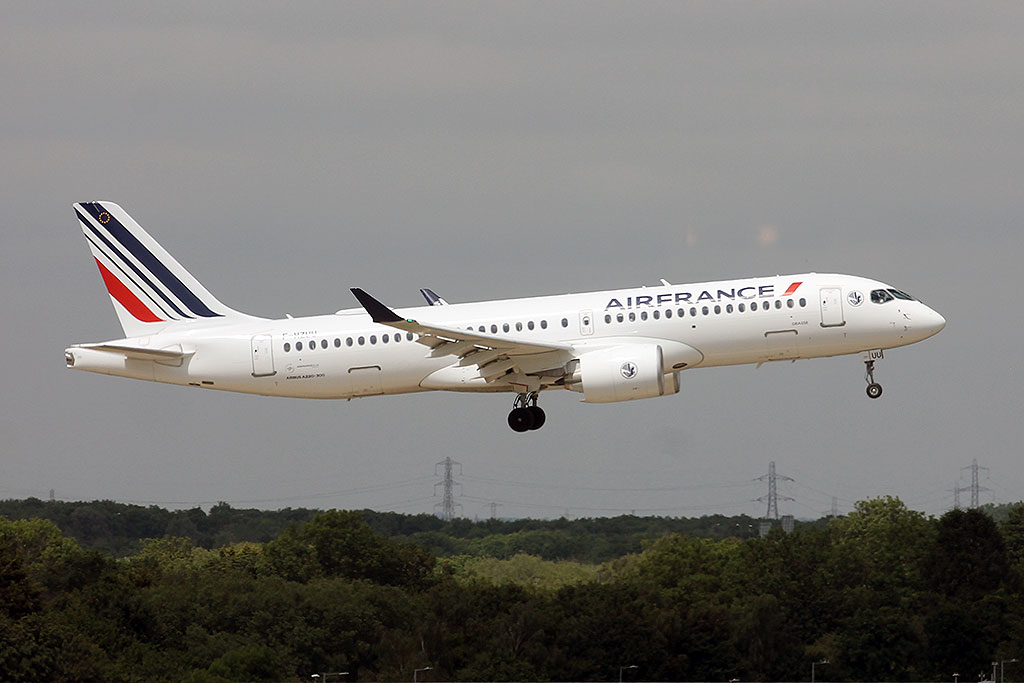
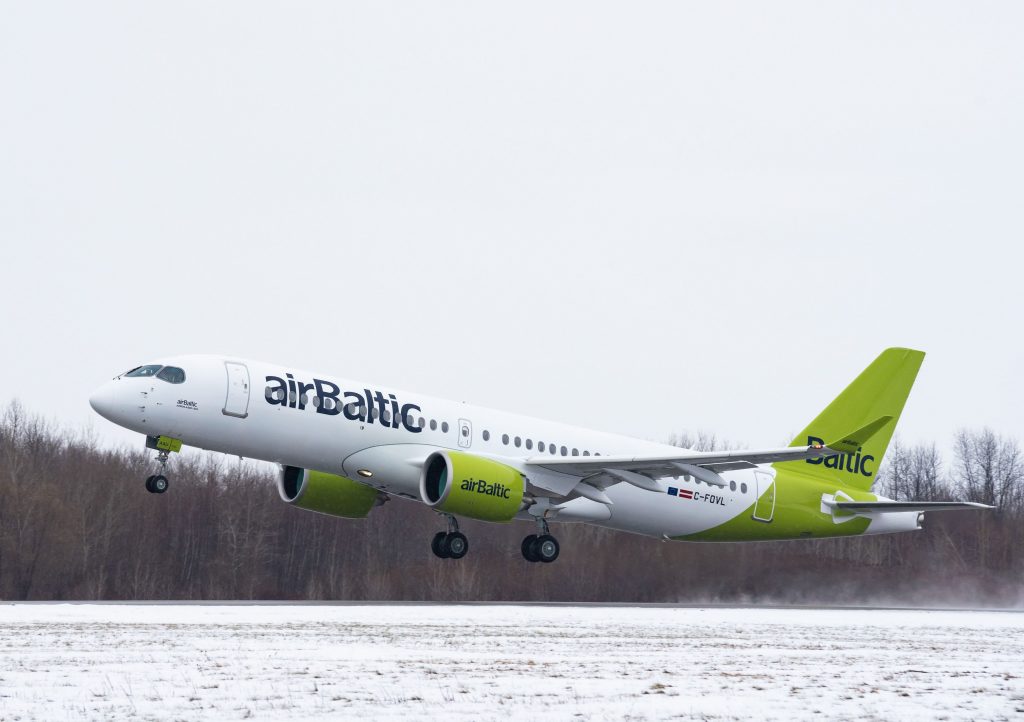
Air France and airBaltic are notable operators as well, with 56 and 55 A220s in their fleets, respectively. Air France is leveraging the A220 to refresh its short-haul services, while airBaltic proudly operates an all-A220 fleet, emphasizing its commitment to modern, efficient air travel.
Market Implications and Future Developments
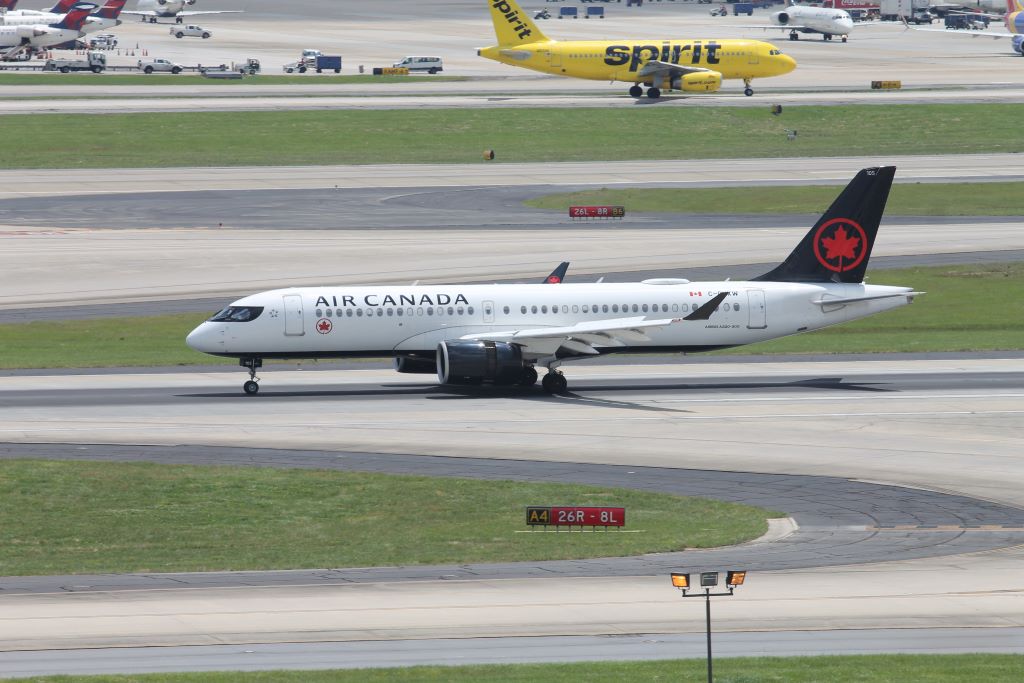
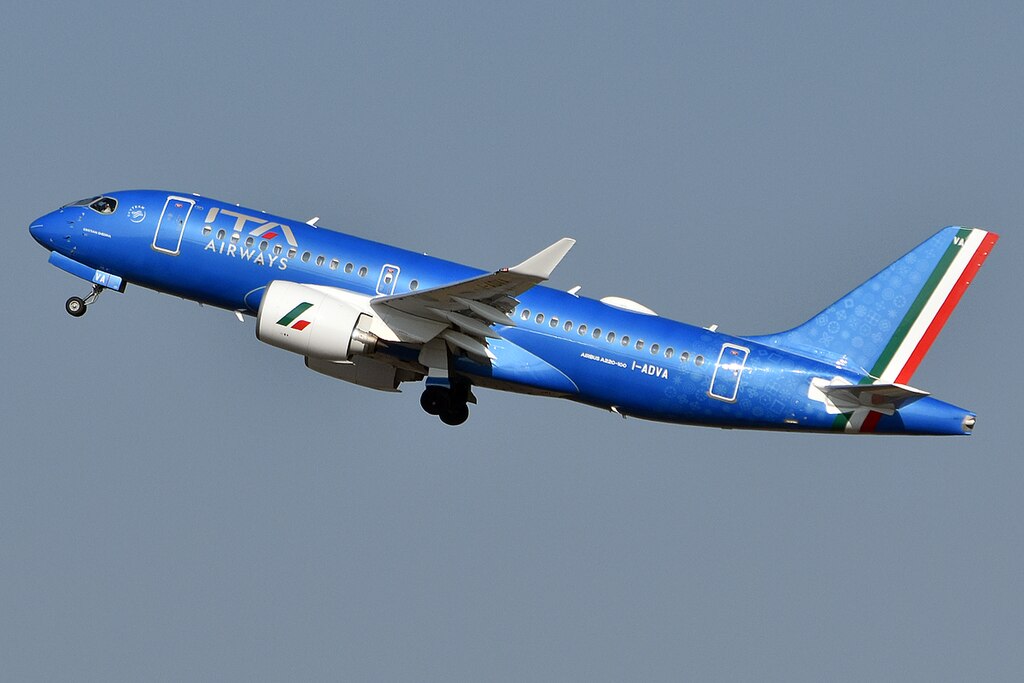
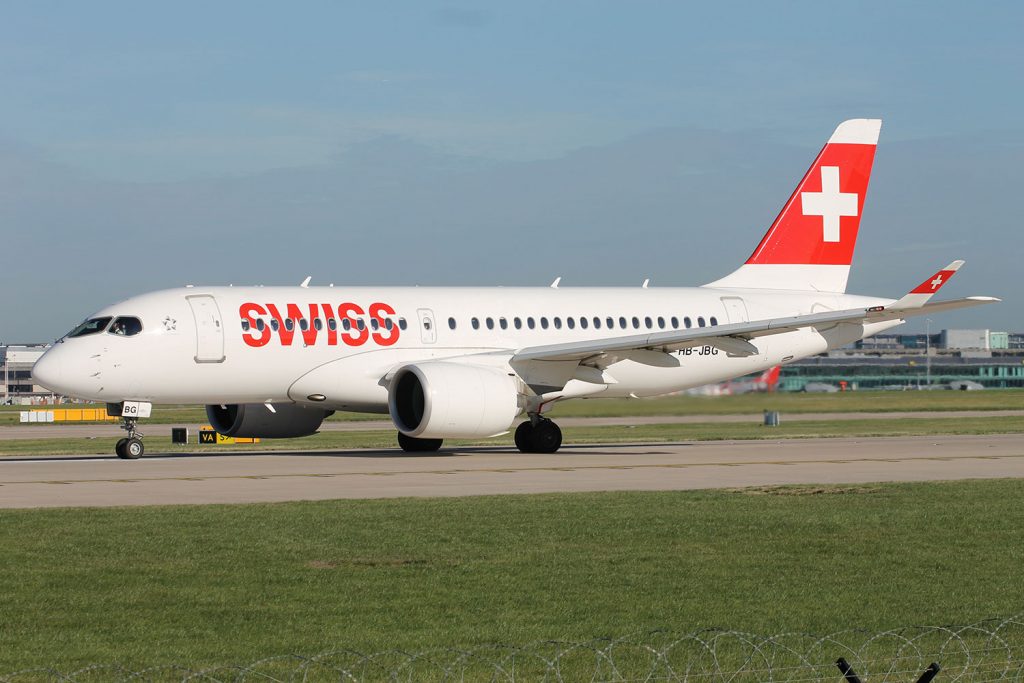
As airlines like Air Canada, ITA Airways, SWISS, QantasLink, and Korean Air integrate the A220 into their fleets, the aircraft’s influence continues to expand. The operational versatility and economic advantages of the A220 are evident, as it serves routes ranging from domestic flights to international connections.
The A220’s success has prompted Airbus to consider an extended version, the A220-500, which could further enhance its appeal in the competitive narrowbody market currently dominated by the A320neo and Boeing 737 MAX 8. Additionally, a recent order from AirAsia for 150 A220-300s signifies the aircraft’s growing popularity, positioning AirAsia to potentially become the largest operator of the A220 series.
A Bright Future for the A220
As the Airbus A220 continues to gain traction among airlines globally, its role in shaping the future of commercial aviation is undeniable. The aircraft’s combination of operational efficiency, passenger comfort, and environmental sustainability aligns with the evolving demands of the airline industry. With production on the rise and new variants on the horizon, the A220 is set to play a critical role in the next chapter of aviation history.
This article was prepared by LibelulaFly as an independent aviation-news summary and editorial reinterpretation based on publicly available reporting. Images, when used, are included for editorial context with source attribution. Original source: www.airportspotting.com. Read the original article here: https://www.airportspotting.com/10-biggest-operators-of-the-airbus-a220/.
List, promote, or publish aircraft with LibelulaFly.
LibelulaFly.com • Sales@libelulafly.com • +1 305-332-1942
Jul
Avelo Airlines to Establish Operations at McKinney National Airport
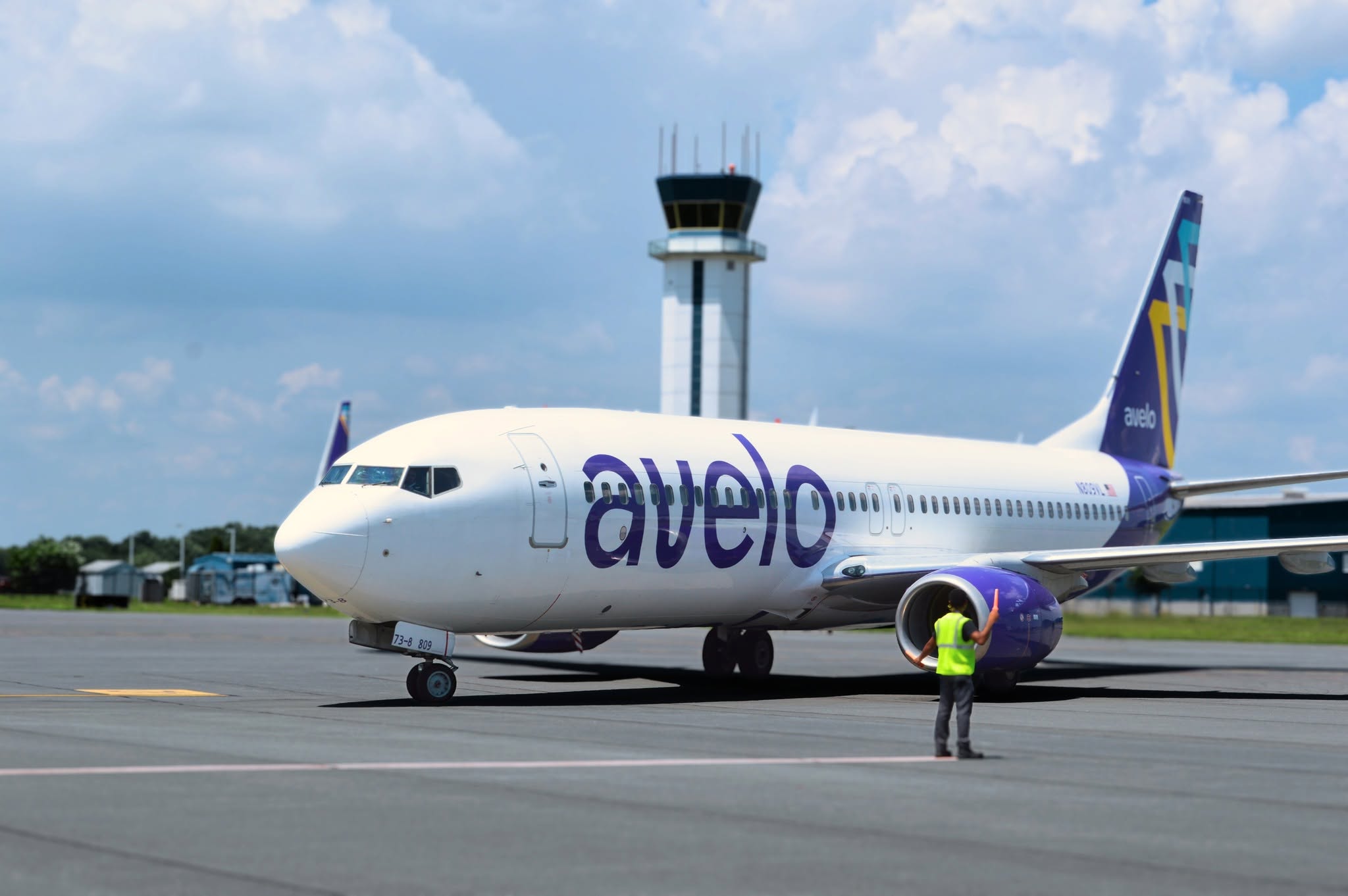
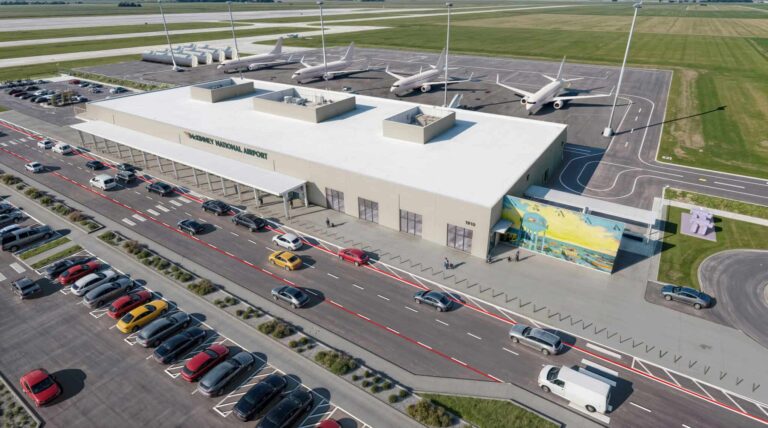
In a significant development for the Dallas-Fort Worth area, Avelo Airlines has confirmed plans to commence commercial passenger flights from McKinney National Airport (DTX/TKI) starting November 11, 2026. This announcement marks a pivotal transformation of the airport, which has primarily served general aviation since its inception in 1979, into a new commercial hub for North Texas.
A New Gateway for Northern Suburbs
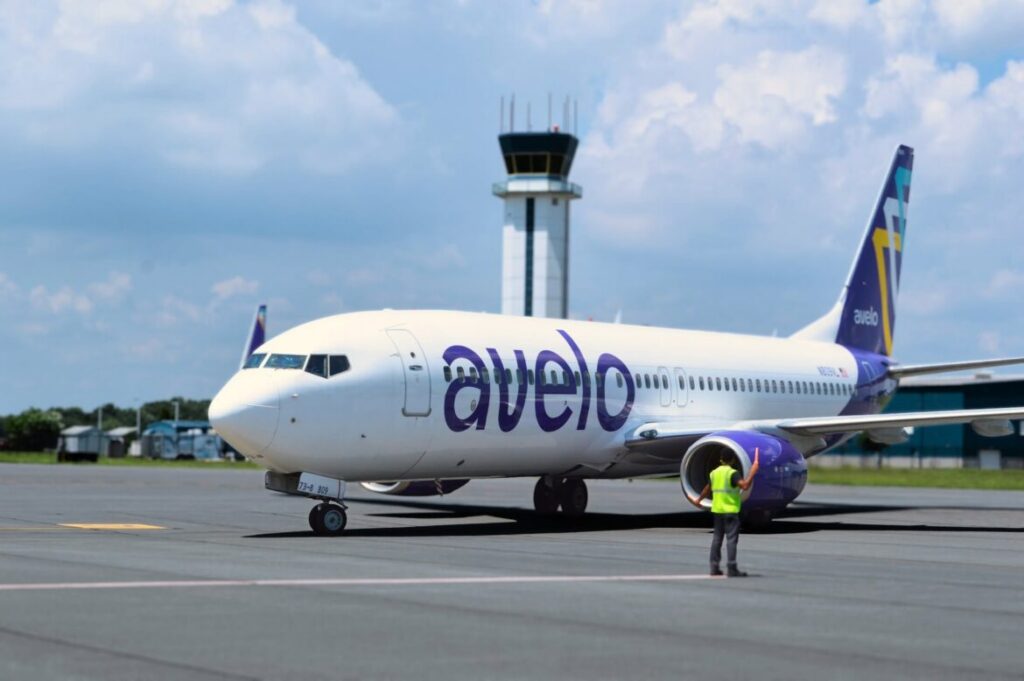
With the addition of Avelo Airlines, McKinney National Airport will become the third passenger airport in the densely populated region, joining Dallas/Fort Worth International Airport (DFW) and Dallas Love Field (DAL). Avelo’s initial service will focus on five leisure destinations, including Las Vegas, Fort Lauderdale, Fort Myers, Orlando, and Tampa, utilizing its Boeing 737-800 fleet. The airline’s decision to base two aircraft at McKinney is expected to create over 100 local jobs, encompassing roles for pilots, cabin crew, engineers, and ground support personnel.
Strategic Location and Future Expansion
Situated approximately 30 miles north of downtown Dallas, McKinney National Airport has long been a vital facility for business aviation, supporting a mix of corporate aircraft and private aviation activities. The airport currently handles more than 140,000 aircraft movements annually and is home to over 200 based aircraft, making it one of Texas’s busiest general aviation airports. The introduction of commercial services is poised to provide a more accessible travel option for residents of the rapidly growing northern suburbs, potentially alleviating congestion at the larger airports.
Modern Facilities Designed for Growth
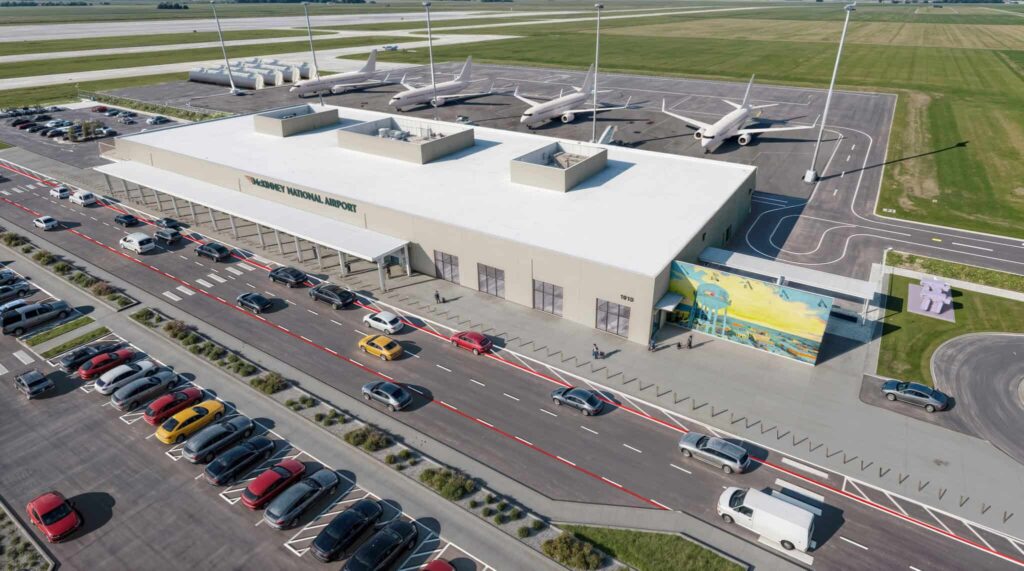
The airport is set to unveil a new 46,000 square foot passenger terminal tailored specifically for low-cost airline operations. This facility will initially feature four boarding gates, with plans to expand to six as demand increases. Additional amenities will include central food and beverage concessions, spacious departure lounges, and nearly 1,000 public parking spaces, along with car rental facilities and modern security screening processes. Airport officials anticipate that the initial phase will accommodate around 200,000 passengers annually, with infrastructure capable of supporting up to one million passengers in the future.
Maintaining General Aviation Character
Despite the shift towards commercial airline operations, McKinney National Airport will continue to support a diverse range of aviation activities. The existing infrastructure, including a single concrete runway equipped with ILS and RNAV procedures, is well-suited for the Boeing 737 and Airbus A320 families, which are expected to dominate future scheduled services. Additionally, the airport will likely retain its vibrant general aviation presence, allowing enthusiasts to witness a variety of aircraft types, from business jets to light aircraft.
Looking Ahead
The arrival of Avelo Airlines at McKinney National Airport signifies a new era for the facility and the surrounding community. As commercial operations begin, the airport is poised to enhance regional connectivity and contribute to the local economy while maintaining its roots in general aviation. The integration of scheduled passenger services will not only provide convenience for travelers but also create opportunities for growth and expansion in the years to come.



This article was prepared by LibelulaFly as an independent aviation-news summary and editorial reinterpretation based on publicly available reporting. Images, when used, are included for editorial context with source attribution. Original source: www.airportspotting.com. Read the original article here: https://www.airportspotting.com/mckinney-national-airport-lands-avelo-airlines-as-dallas-fort-worths-third-passenger-airport/.
List, promote, or publish aircraft with LibelulaFly.
LibelulaFly.com • Sales@libelulafly.com • +1 305-332-1942

Jul
Revisiting the Douglas DC-2: An Aviation Milestone
The Douglas DC-2, introduced in 1934, stands as a pivotal aircraft in the evolution of commercial aviation. While often overshadowed by its more famous successor, the DC-3, the DC-2 was instrumental in demonstrating the viability of air travel for passengers, moving beyond the era dominated by mail contracts. This aircraft not only set new standards for performance and comfort but also established a foundation for the future of air transport.
Design Innovations That Redefined Air Travel
With its all-metal construction, retractable landing gear, and powerful radial engines, the DC-2 represented a significant technological advancement over earlier aircraft designs. It offered a spacious and comfortable cabin for up to 14 passengers, marking a departure from the cramped biplanes and early airliners of its time. The aircraft’s design was a response to market demands for greater reliability and efficiency, which were crucial for airlines looking to expand their operations.
A Strategic Response to Competition
The DC-2’s development was spurred by the introduction of Boeing’s Model 247, which was exclusively available to United Airlines. In response, Transcontinental & Western Air (TWA) sought an alternative, prompting Douglas Aircraft Company to create the DC-1 prototype. Following its successful test flights, the design was refined into the DC-2, which quickly gained traction in the airline industry.

Global Impact and Operators
Upon its entry into service, the DC-2 found a diverse array of customers worldwide. TWA was the first airline to operate the aircraft, with a fleet of 31 units that served their domestic routes extensively. KLM, the Dutch national airline, became the largest operator outside the United States, using 19 DC-2s on various European routes and pioneering long-distance flights to the Dutch East Indies. Other notable operators included American Airlines and Eastern Air Lines, both of which integrated the DC-2 into their fleets as they modernized their services.
Legacy and Transition to Military Use
The DC-2’s operational success laid the groundwork for the development of the DC-3, which would go on to revolutionize airline economics. The lessons learned from the DC-2’s performance and passenger experience directly influenced the design of its successor. During World War II, many DC-2s were repurposed for military service, transporting troops and supplies, which extended their operational life and underscored their versatility.
Preservation and Continued Enthusiasm
Despite its historical significance, only a few Douglas DC-2s remain today, with some preserved in museums across the globe. Notably, the sole airworthy DC-2, registered N1934D, operates from Seattle and honors TWA’s legacy through its livery. This aircraft frequently participates in airshows, providing aviation enthusiasts a unique opportunity to witness a remarkable piece of aviation history in flight.
Conclusion: A Tribute to Aviation Heritage
The Douglas DC-2 may not have the same level of fame as the DC-3, but its impact on commercial aviation is undeniable. As a bridge between early air travel and the modern era, the DC-2 exemplifies how innovation and market demands can shape the future of an industry. The legacy of the DC-2 continues to inspire aviation enthusiasts and professionals alike, reminding us of the pivotal moments that have defined our skies.


This article was prepared by LibelulaFly as an independent aviation-news summary and editorial reinterpretation based on publicly available reporting. Images, when used, are included for editorial context with source attribution. Original source: www.airportspotting.com. Read the original article here: https://www.airportspotting.com/the-douglas-dc-2-the-forgotten-airliner-that-changed-aviation/.
List, promote, or publish aircraft with LibelulaFly.
LibelulaFly.com • Sales@libelulafly.com • +1 305-332-1942
Jun
A Legacy of Performance: The Boeing 757-300
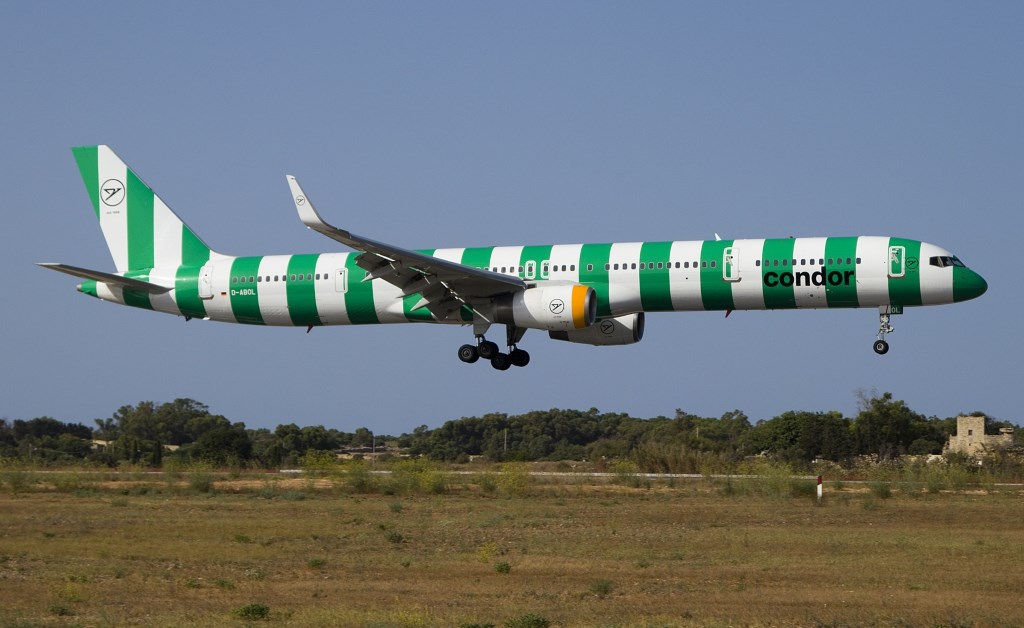
The Boeing 757-300, an extended variant of the iconic 757 series, remains a notable figure in commercial aviation despite its limited production run. With only 55 units manufactured, the 757-300 has become a rare sight in the skies, cherished by enthusiasts for its distinctive design and operational capabilities. While its production ceased in 2004, a handful of airlines continue to operate this aircraft, keeping its legacy alive.
The Current Landscape: Four Airlines Still Flying the 757-300
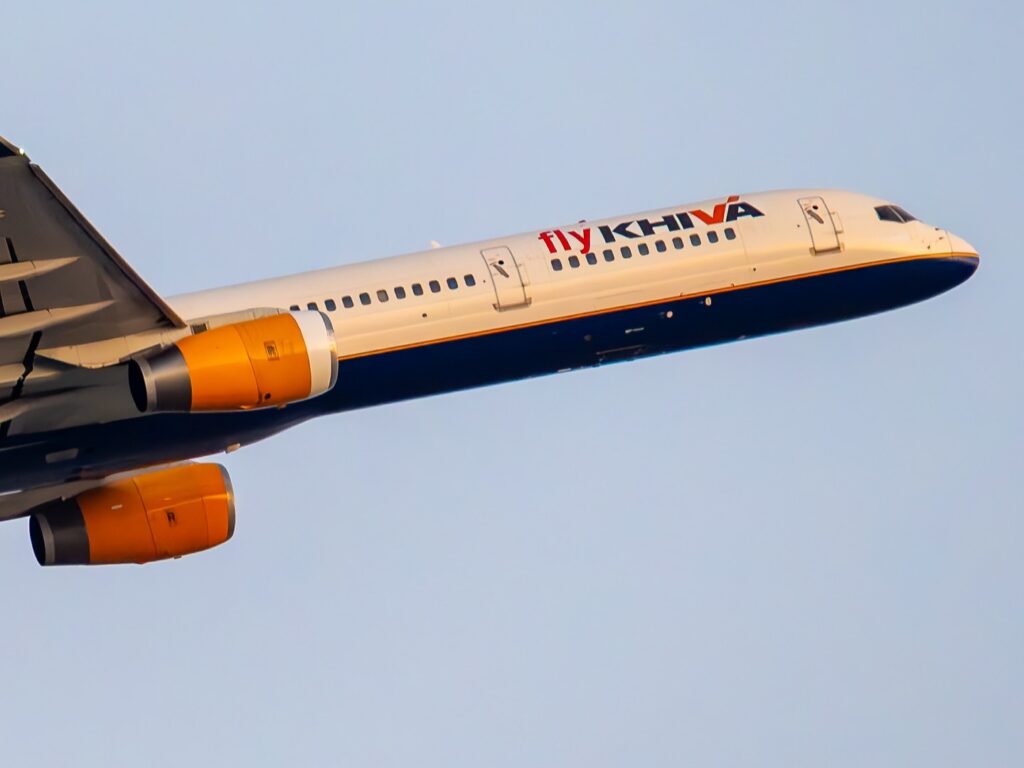
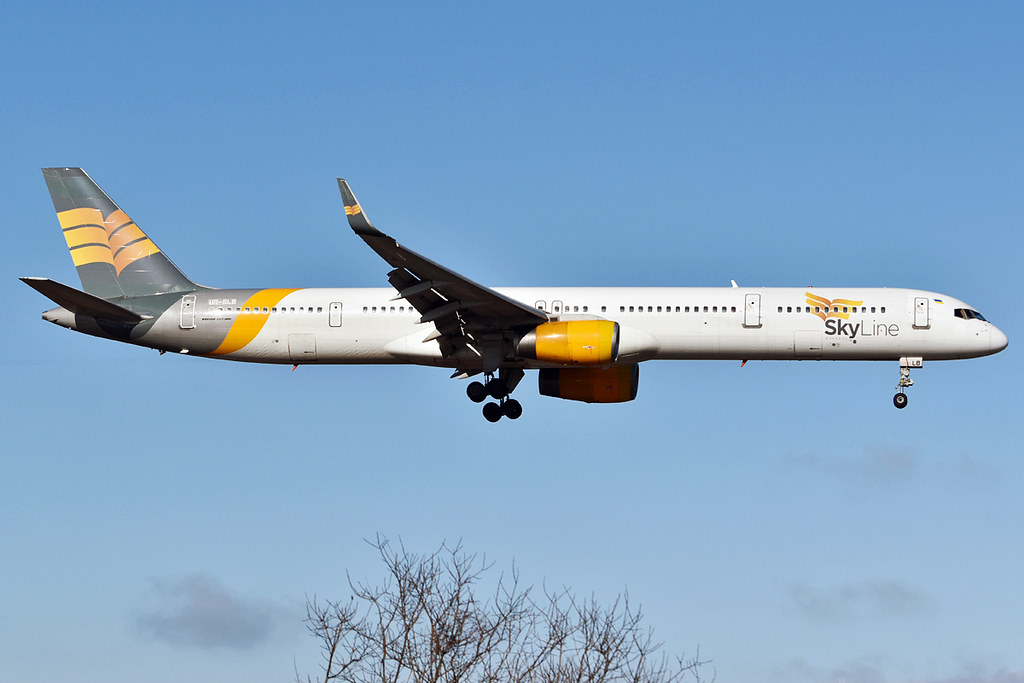
As of now, just four airlines are actively operating the Boeing 757-300, each utilizing the aircraft in ways that highlight its unique features. These operators include Delta Air Lines, United Airlines, Fly Khiva, and Skyline Express Airlines. Each plays a critical role in maintaining the operational relevance of this aircraft type.
Delta Air Lines: The Largest Operator
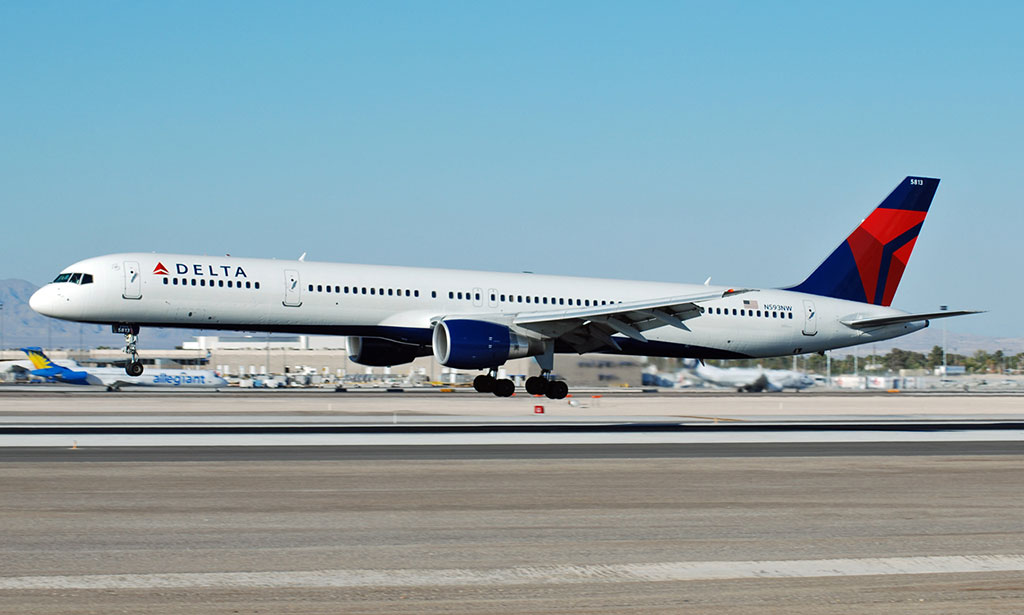
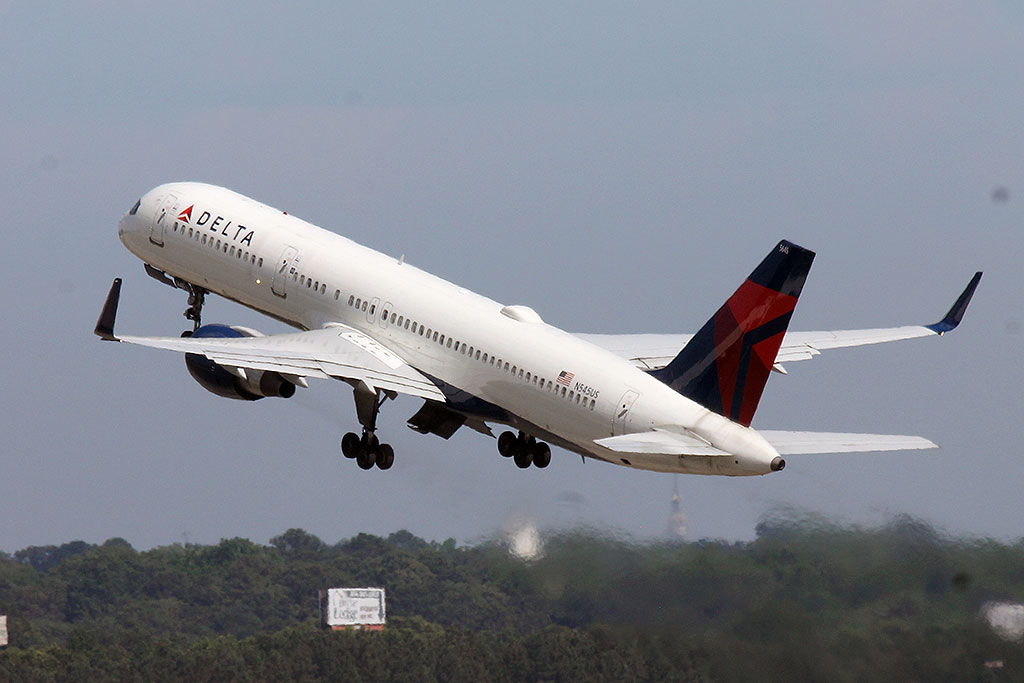
Delta Air Lines stands as the largest operator of the Boeing 757-300, with approximately 16 aircraft in its fleet. The airline primarily employs these aircraft on high-demand domestic routes, where their capacity of up to 295 passengers is advantageous. Popular destinations served by Delta’s 757-300s include major hubs and leisure locations, such as Orlando and Las Vegas. The airline’s continued use of this model underscores its importance in Delta’s operational strategy.
United Airlines: A Key Player
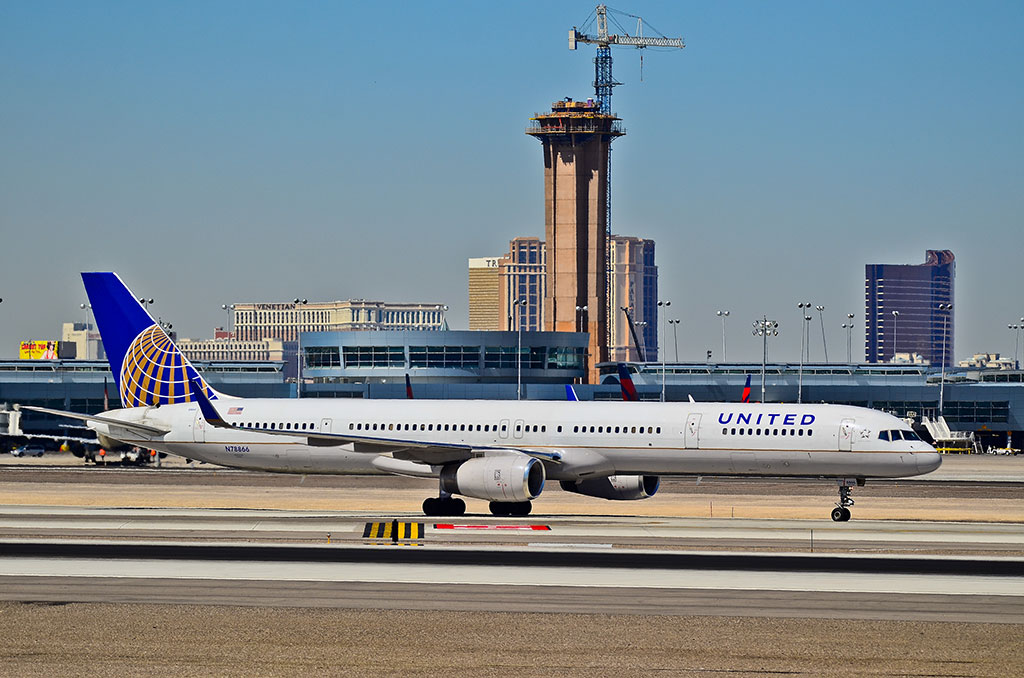
United Airlines operates around 21 Boeing 757-300s, making it the largest fleet by aircraft numbers. Like Delta, United utilizes the aircraft on busy domestic routes, linking major cities such as Chicago and Los Angeles. Additionally, these aircraft are occasionally deployed on transcontinental flights to Hawaii, showcasing their range capabilities. United’s commitment to the 757-300 highlights its value in the airline’s network amid a competitive landscape.
International Operators: Fly Khiva and Skyline Express
Beyond North America, Fly Khiva, based in Uzbekistan, and Skyline Express Airlines from Ukraine have emerged as notable operators of the Boeing 757-300. Fly Khiva has integrated the aircraft into its fleet for charter and scheduled services, connecting Central Asia with various international destinations. Meanwhile, Skyline Express, which specializes in charter operations, continues to utilize its aircraft for leisure travel across Europe and the Middle East, despite operational challenges stemming from regional instability.
The Future of the Boeing 757-300
The outlook for the Boeing 757-300 is increasingly uncertain as airlines modernize their fleets. With competitors like the Airbus A321neo offering similar capacity and improved efficiency, the longevity of the 757-300 in commercial service is in question. While Delta and United remain committed to their fleets for the time being, the smaller operators face challenges related to aging aircraft and support.
Conclusion: A Cherished Icon in Aviation
The Boeing 757-300, with its impressive performance and operational flexibility, continues to captivate aviation enthusiasts and professionals alike. As the number of active operators dwindles, the rarity of this aircraft only enhances its allure. Its ability to serve high-demand routes while providing a unique flying experience ensures that the 757-300 will be remembered as a significant chapter in aviation history for years to come.


This article was prepared by LibelulaFly as an independent aviation-news summary and editorial reinterpretation based on publicly available reporting. Images, when used, are included for editorial context with source attribution. Original source: www.airportspotting.com. Read the original article here: https://www.airportspotting.com/last-boeing-757-300-operators/.
List, promote, or publish aircraft with LibelulaFly.
LibelulaFly.com • Sales@libelulafly.com • +1 305-332-1942
May
Air China Keeps a Classic in the Air
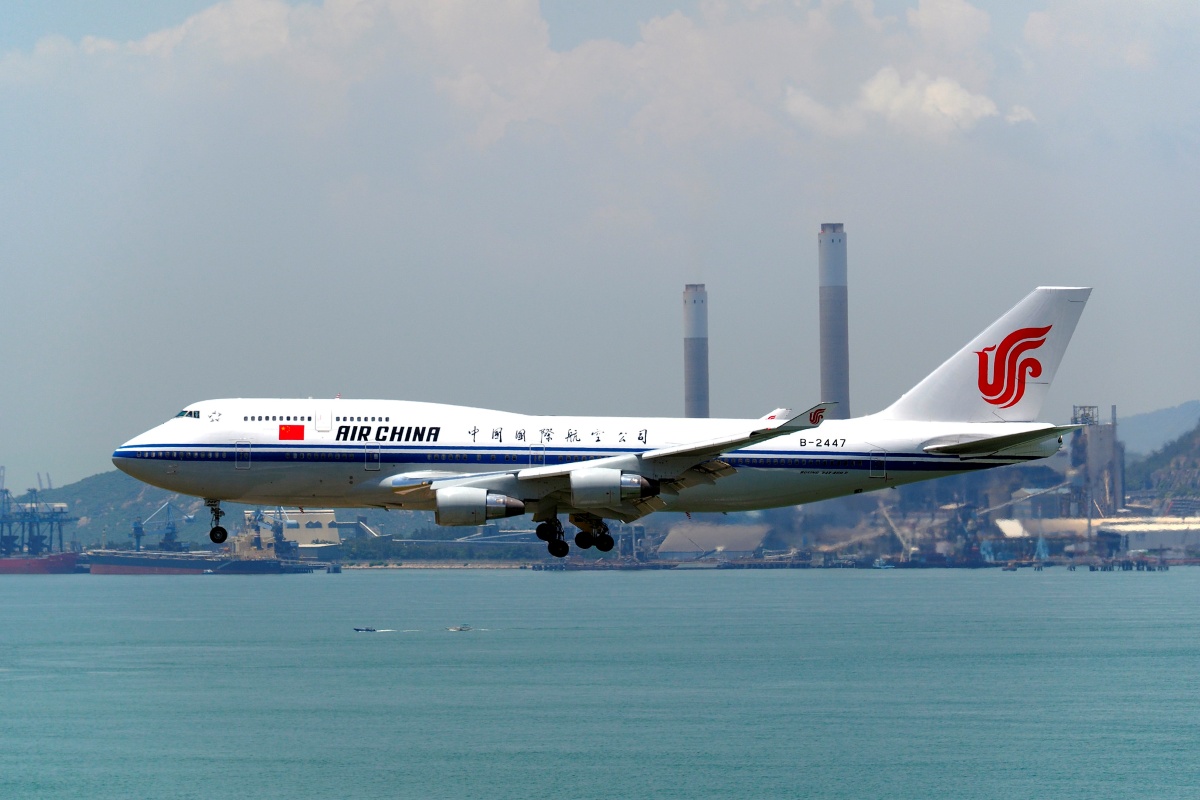
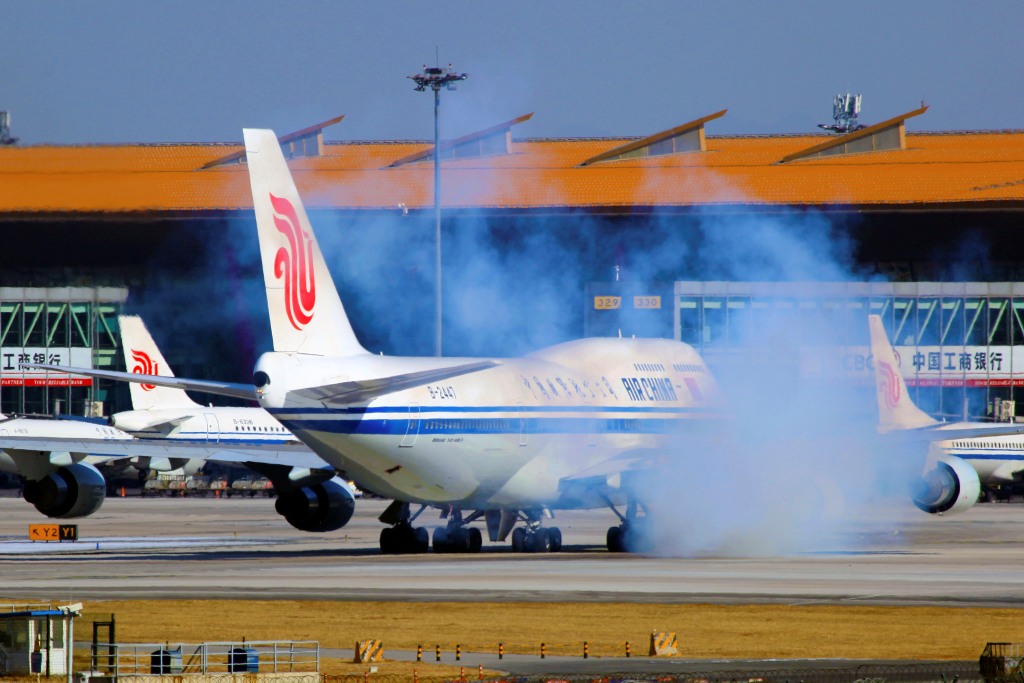
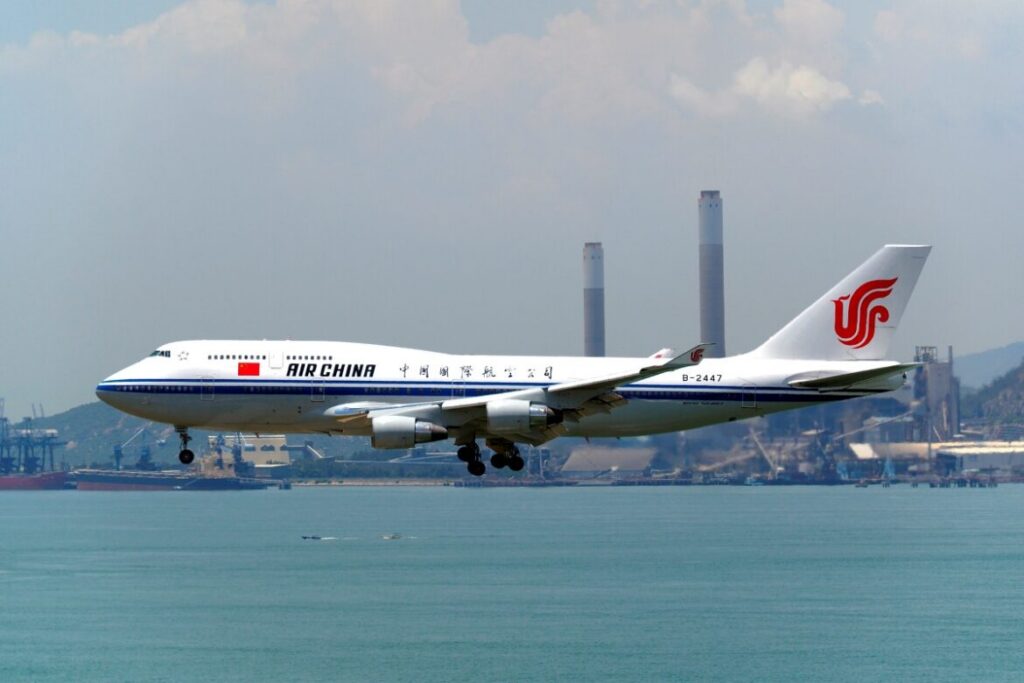
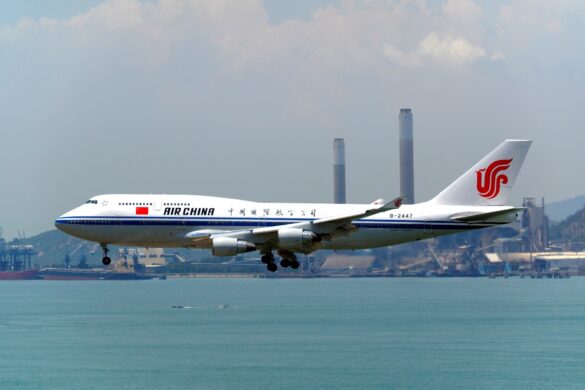
In an aviation landscape increasingly dominated by modern aircraft, Air China continues to operate a remarkable piece of history: the Boeing 747-400, specifically registered as B-2447. First taking to the skies in 1995, this aircraft currently holds the title of the oldest passenger airliner still flying in mainland China, a testament to its enduring legacy.
A Unique Operational Role
Despite the Boeing 747’s original design for long-haul international flights, B-2447 primarily operates on domestic routes. Its current mission profile includes high-demand connections between major Chinese cities, such as Beijing, Shanghai, Guangzhou, and Shenzhen. This operational focus allows aviation enthusiasts a rare opportunity to experience a classic passenger aircraft on shorter domestic services.
A Historical Perspective
Throughout its 31 years, B-2447 has not only served commercial passengers but has also been linked to significant state missions, including transporting high-ranking officials. This dual role enriches the aircraft’s narrative, as it has transitioned from a symbol of luxury air travel to a critical asset for governmental transport.
Classic Features in a Modern Era
B-2447 retains a traditional cabin layout reminiscent of a bygone era, featuring 10 First Class seats, 42 Business Class seats, and 292 Economy Class seats, accommodating a total of 344 passengers. The aircraft’s design is complemented by its distinctive upper deck and the powerful sound of four Pratt & Whitney PW4056 engines, offering a nostalgic experience for those fortunate enough to board.
The Last of Its Kind in Asia
As global airlines phase out the Boeing 747-400, Air China stands as the last scheduled passenger operator of this model in Asia. The COVID-19 pandemic expedited the retirement of many 747 fleets worldwide, making B-2447’s continued operation all the more significant. While the newer Boeing 747-8 models still serve certain routes, the disappearance of the 747-400 from passenger service marks a pivotal moment in aviation history.
Looking Ahead: An Uncertain Future
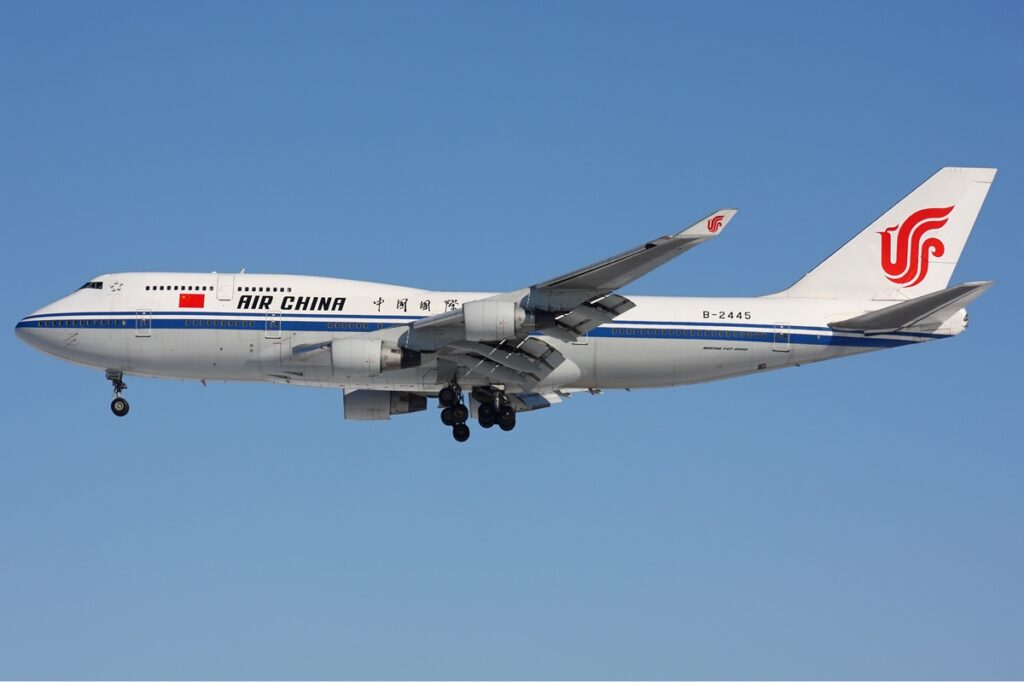
Despite its reliability, B-2447’s days may be numbered. Air China has begun to streamline its fleet towards more efficient twin-engine aircraft such as the Boeing 777 and Airbus A350. With the retirement of sister aircraft B-2445 in 2024, the future of B-2447 remains uncertain, signaling a potential end to an era that has defined Chinese aviation for over three decades.
Conclusion: A Legacy Worth Remembering
As aviation enthusiasts and industry professionals alike reflect on the significance of Air China’s Boeing 747-400, it serves as a reminder of the evolution of air travel and the remarkable stories embedded within each aircraft. B-2447’s legacy is not just a chapter in the history of commercial aviation; it is a living testament to the enduring spirit of the Boeing 747.


This article was prepared by LibelulaFly as an independent aviation-news summary and editorial reinterpretation based on publicly available reporting. Images, when used, are included for editorial context with source attribution. Original source: www.airportspotting.com. Read the original article here: https://www.airportspotting.com/at-31-years-old-inside-chinas-oldest-passenger-airliner-still-flying-today/.
List, promote, or publish aircraft with LibelulaFly.
LibelulaFly.com • Sales@libelulafly.com • +1 305-332-1942
May
A Milestone in Aviation History
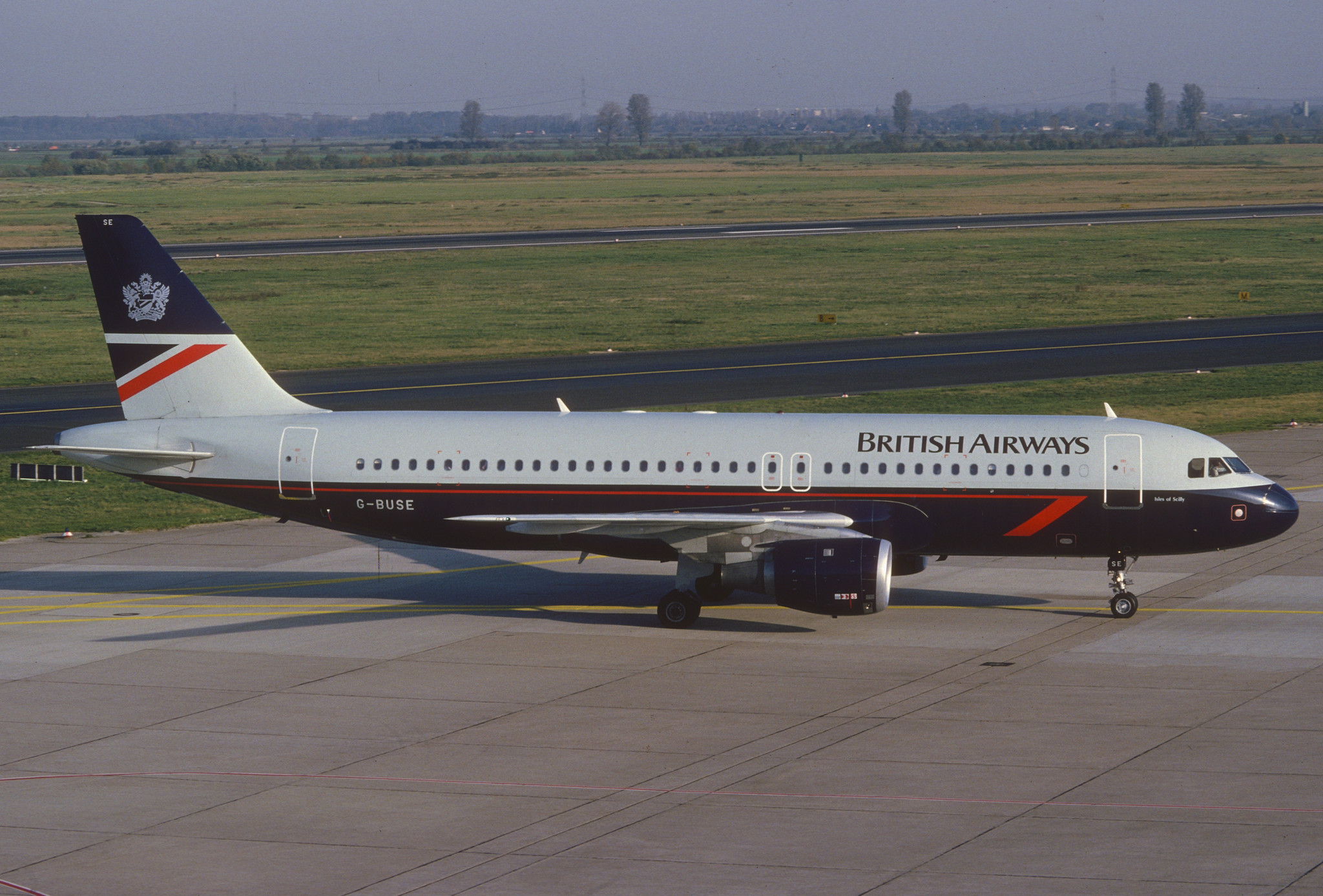
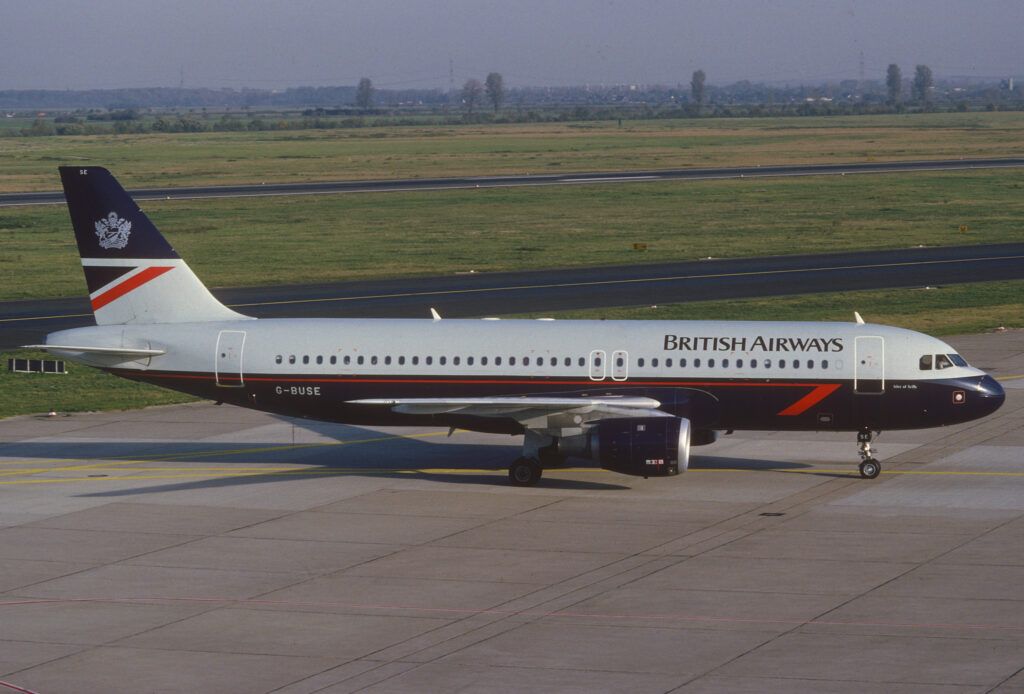
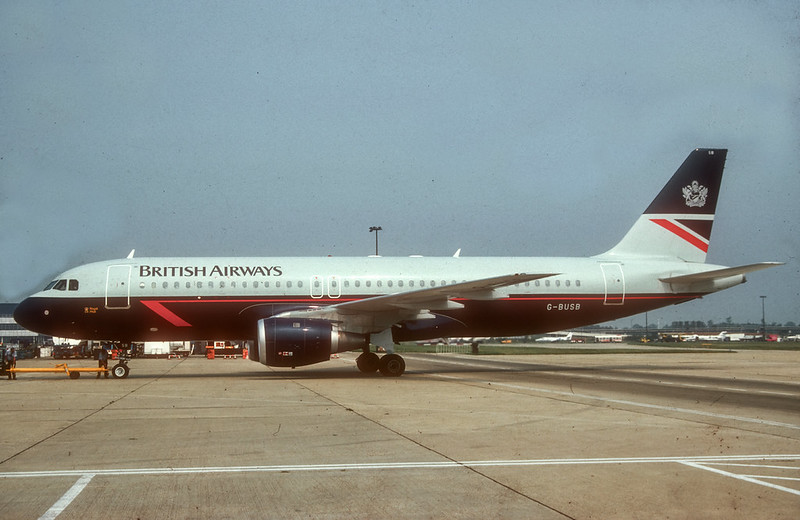
The introduction of the Airbus A320 into British Airways’ fleet in 1988 marked a pivotal moment for the airline, transitioning from a predominantly Boeing-operated short-haul service to embracing the innovative technology offered by Airbus. This strategic shift not only diversified BA’s aircraft portfolio but also reflected broader changes in the aviation landscape as airlines sought greater operational efficiency and passenger comfort.
From Boeing to Airbus: A Strategic Shift
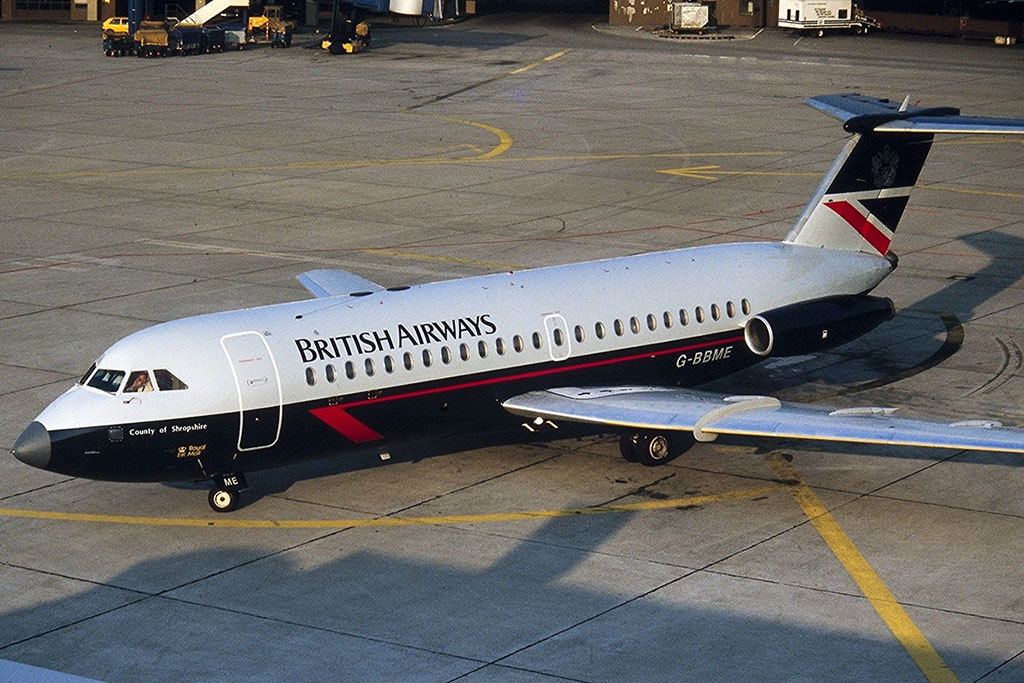
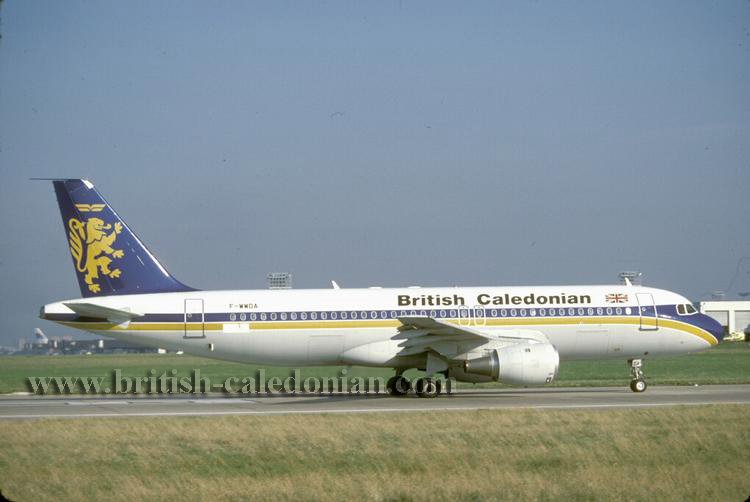
Prior to the arrival of the A320, British Airways primarily relied on Boeing aircraft, including the 737 and 757, alongside a few BAC One-Eleven models. The merger with British Caledonian in 1987 played a crucial role in this transition, as it brought with it a significant order for Airbus A320s. This acquisition not only expanded BA’s operational capacity at London Gatwick but also introduced a new aircraft type that was seen as technologically advanced for its time.
The Unique A320-100 Variant
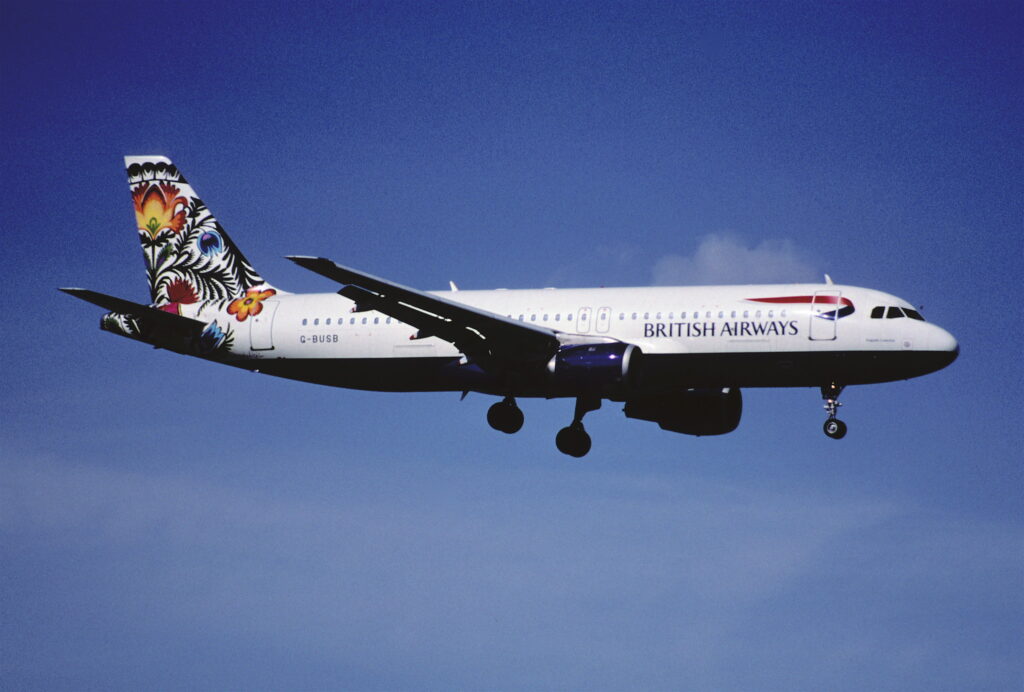
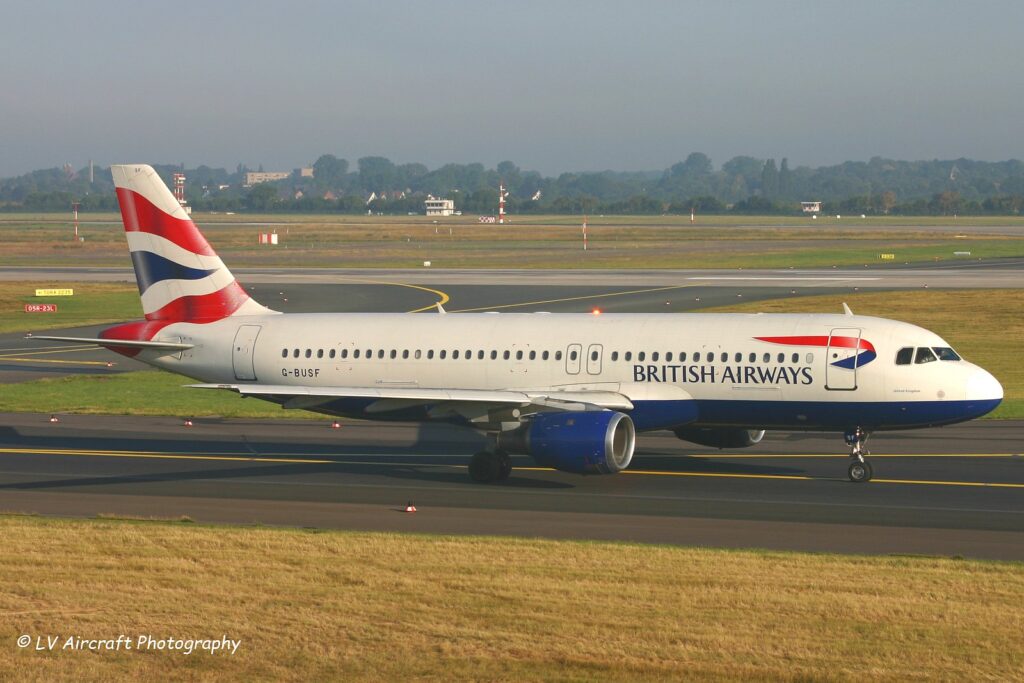
British Airways was among the first operators of the Airbus A320-100, a lesser-known variant of the A320 family. Unlike the more prevalent A320-200, the A320-100 featured lower fuel capacity and a reduced maximum range, making it a unique addition to BA’s fleet. Only 21 A320-100 aircraft were ever produced, and BA’s integration of this model highlighted its willingness to embrace new technology during a period of rapid change in commercial aviation.
Technological Advancements and Operational Benefits
The A320 introduced several groundbreaking features that revolutionized the flying experience. Innovations such as full digital fly-by-wire controls, side-stick controllers, and advanced electronic flight instrument systems (EFIS) provided pilots with enhanced control and situational awareness. For BA pilots accustomed to traditional Boeing cockpits, the transition to the A320’s advanced systems represented a significant evolution in operational procedures.
Operational Impact and Longevity
The A320-100s quickly became integral to British Airways’ short-haul operations, servicing major European business routes and leisure destinations across the Mediterranean. Despite being among the earliest models in the A320 family, these aircraft demonstrated remarkable longevity, remaining in service until 2015. Their durability can be attributed to BA’s commitment to maintenance and the eventual upgrades that brought these aircraft closer to the operational capabilities of the A320-200.
End of an Era
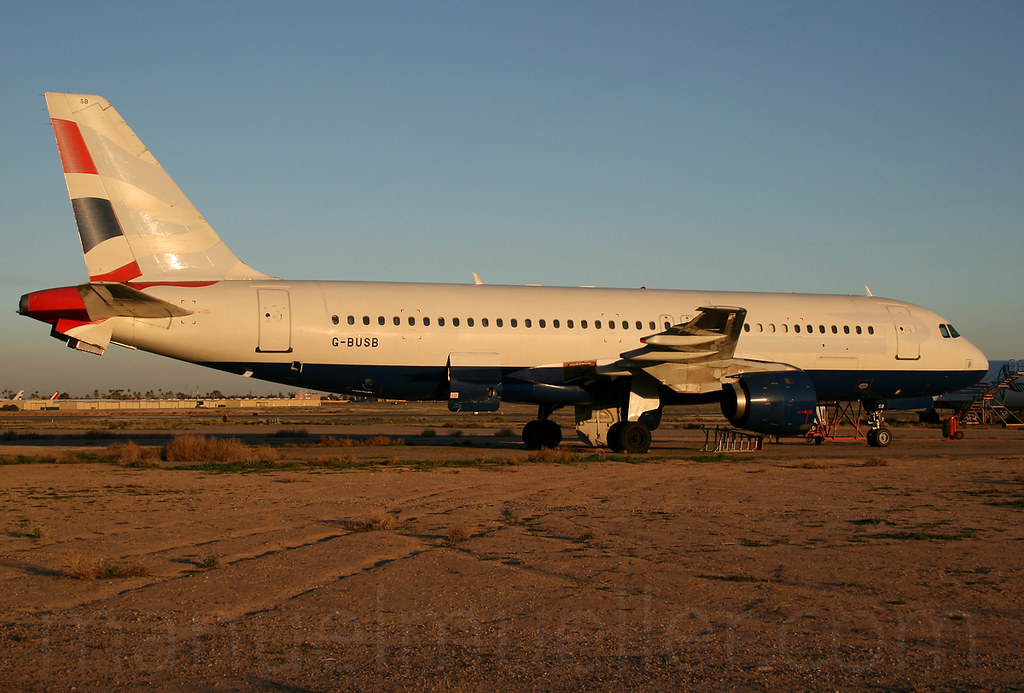
As the aviation market evolved and newer models like the A319, A320, and A321 were introduced, the A320-100s gradually faded from the spotlight. British Airways retired the last of these aircraft between 2013 and 2015, ultimately scrapping all seven units. This marked the end of a unique chapter in the airline’s history, as the A320-100s represented the inception of what would become one of the most successful aircraft families in commercial aviation.
A Legacy in Aviation
The story of British Airways and the Airbus A320-100 is a testament to the airline’s adaptability and forward-thinking approach to fleet management. While the A320-100s are no longer in service, their legacy lives on through the continued success of the A320 family, which remains a cornerstone of modern aviation. As airlines continue to evolve and adapt to new technologies, the pioneering spirit demonstrated by British Airways in the late 1980s serves as an enduring example of the importance of innovation in the industry.
This article was prepared by LibelulaFly as an independent aviation-news summary and editorial reinterpretation based on publicly available reporting. Images, when used, are included for editorial context with source attribution. Original source: www.airportspotting.com. Read the original article here: https://www.airportspotting.com/how-british-airways-came-to-fly-some-of-the-earliest-airbus-a320s/.
List, promote, or publish aircraft with LibelulaFly.
LibelulaFly.com • Sales@libelulafly.com • +1 305-332-1942