A Milestone in Aviation History
The introduction of the Airbus A320 into British Airways’ fleet in 1988 marked a pivotal moment for the airline, transitioning from a predominantly Boeing-operated short-haul service to embracing the innovative technology offered by Airbus. This strategic shift not only diversified BA’s aircraft portfolio but also reflected broader changes in the aviation landscape as airlines sought greater operational efficiency and passenger comfort.
From Boeing to Airbus: A Strategic Shift
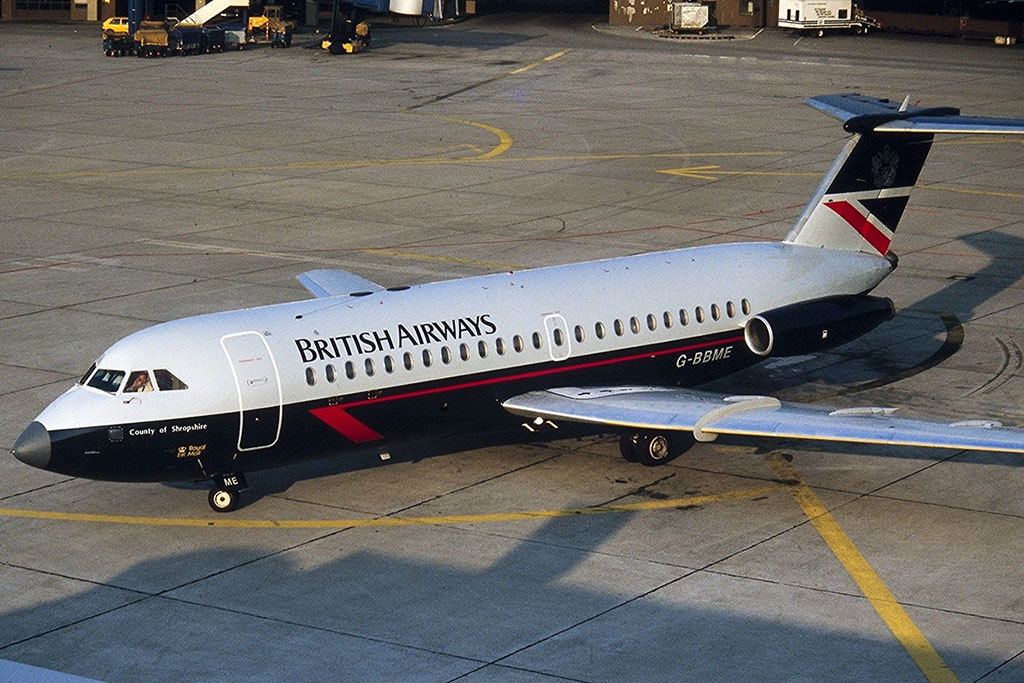
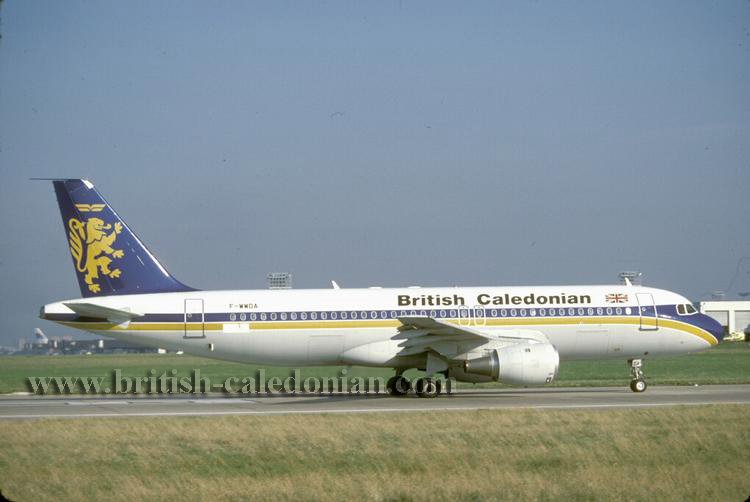
Prior to the arrival of the A320, British Airways primarily relied on Boeing aircraft, including the 737 and 757, alongside a few BAC One-Eleven models. The merger with British Caledonian in 1987 played a crucial role in this transition, as it brought with it a significant order for Airbus A320s. This acquisition not only expanded BA’s operational capacity at London Gatwick but also introduced a new aircraft type that was seen as technologically advanced for its time.
The Unique A320-100 Variant
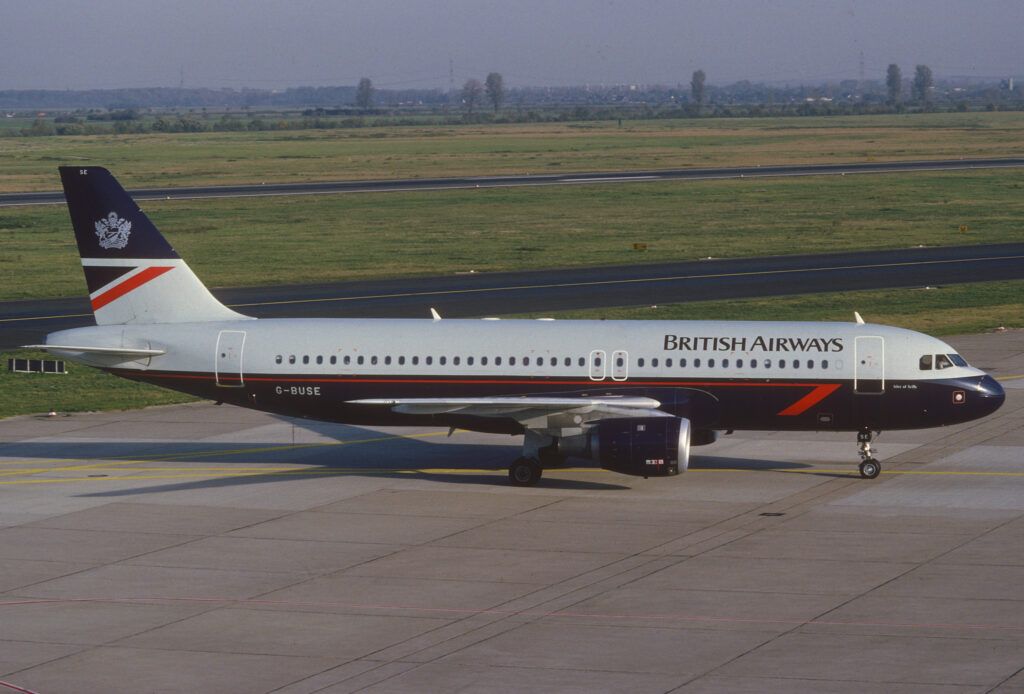
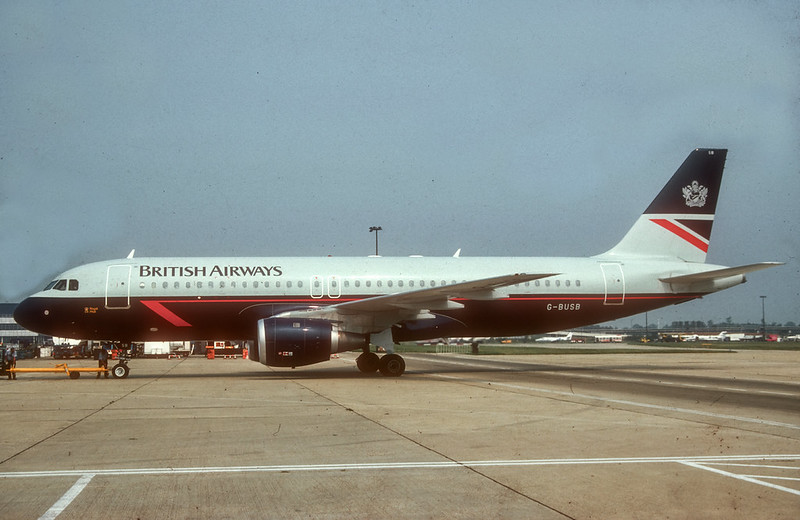
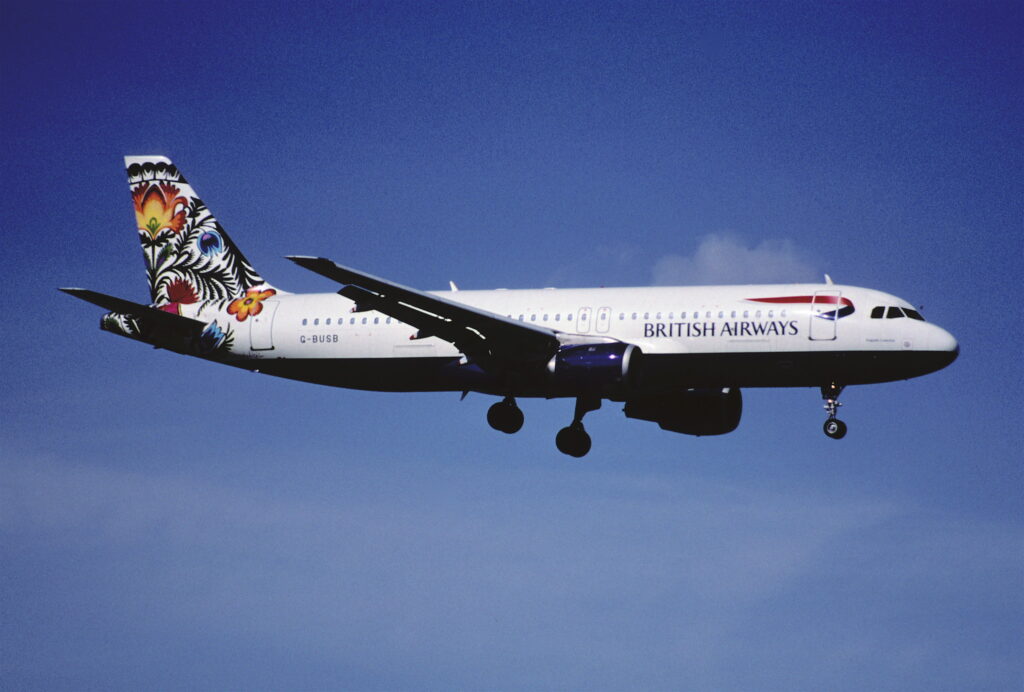
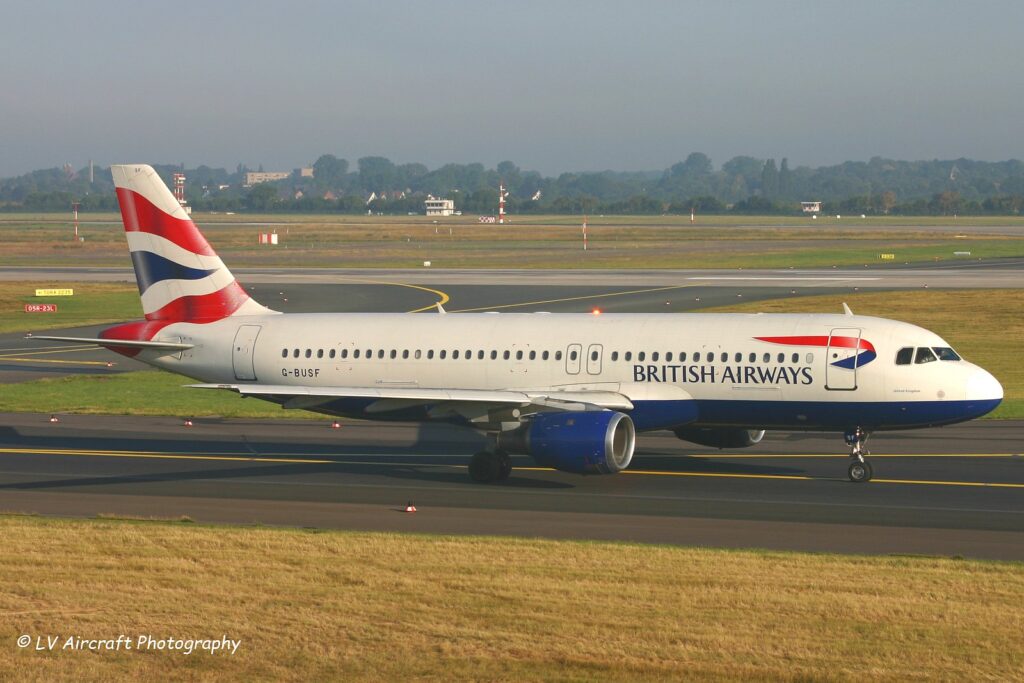
British Airways was among the first operators of the Airbus A320-100, a lesser-known variant of the A320 family. Unlike the more prevalent A320-200, the A320-100 featured lower fuel capacity and a reduced maximum range, making it a unique addition to BA’s fleet. Only 21 A320-100 aircraft were ever produced, and BA’s integration of this model highlighted its willingness to embrace new technology during a period of rapid change in commercial aviation.
Technological Advancements and Operational Benefits
The A320 introduced several groundbreaking features that revolutionized the flying experience. Innovations such as full digital fly-by-wire controls, side-stick controllers, and advanced electronic flight instrument systems (EFIS) provided pilots with enhanced control and situational awareness. For BA pilots accustomed to traditional Boeing cockpits, the transition to the A320’s advanced systems represented a significant evolution in operational procedures.
Operational Impact and Longevity
The A320-100s quickly became integral to British Airways’ short-haul operations, servicing major European business routes and leisure destinations across the Mediterranean. Despite being among the earliest models in the A320 family, these aircraft demonstrated remarkable longevity, remaining in service until 2015. Their durability can be attributed to BA’s commitment to maintenance and the eventual upgrades that brought these aircraft closer to the operational capabilities of the A320-200.
End of an Era
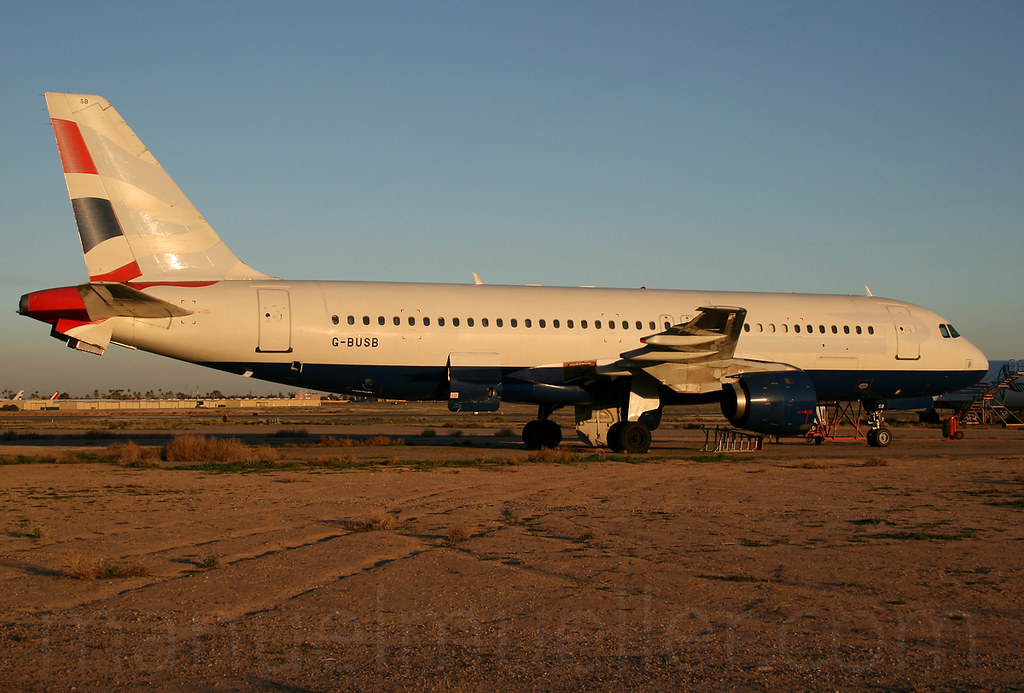
As the aviation market evolved and newer models like the A319, A320, and A321 were introduced, the A320-100s gradually faded from the spotlight. British Airways retired the last of these aircraft between 2013 and 2015, ultimately scrapping all seven units. This marked the end of a unique chapter in the airline’s history, as the A320-100s represented the inception of what would become one of the most successful aircraft families in commercial aviation.
A Legacy in Aviation
The story of British Airways and the Airbus A320-100 is a testament to the airline’s adaptability and forward-thinking approach to fleet management. While the A320-100s are no longer in service, their legacy lives on through the continued success of the A320 family, which remains a cornerstone of modern aviation. As airlines continue to evolve and adapt to new technologies, the pioneering spirit demonstrated by British Airways in the late 1980s serves as an enduring example of the importance of innovation in the industry.
This article was prepared by LibelulaFly as an independent aviation-news summary and editorial reinterpretation based on publicly available reporting. Images, when used, are included for editorial context with source attribution. Original source: www.airportspotting.com. Read the original article here: https://www.airportspotting.com/how-british-airways-came-to-fly-some-of-the-earliest-airbus-a320s/.
List, promote, or publish aircraft with LibelulaFly.
LibelulaFly.com • Sales@libelulafly.com • +1 305-332-1942