
Jul
easyJet Faces Major Transition with Proposed Takeover
In a significant development for the airline industry, easyJet has announced its intention to consider a £5.5 billion takeover offer from US investment firm Castlelake. This deal, which values the airline at £6.90 per share, could lead to easyJet transitioning into a private entity if finalized. According to UK takeover regulations, Castlelake has until August 3, 2026, to submit a formal offer.
Assessing easyJet’s Fleet Strategy
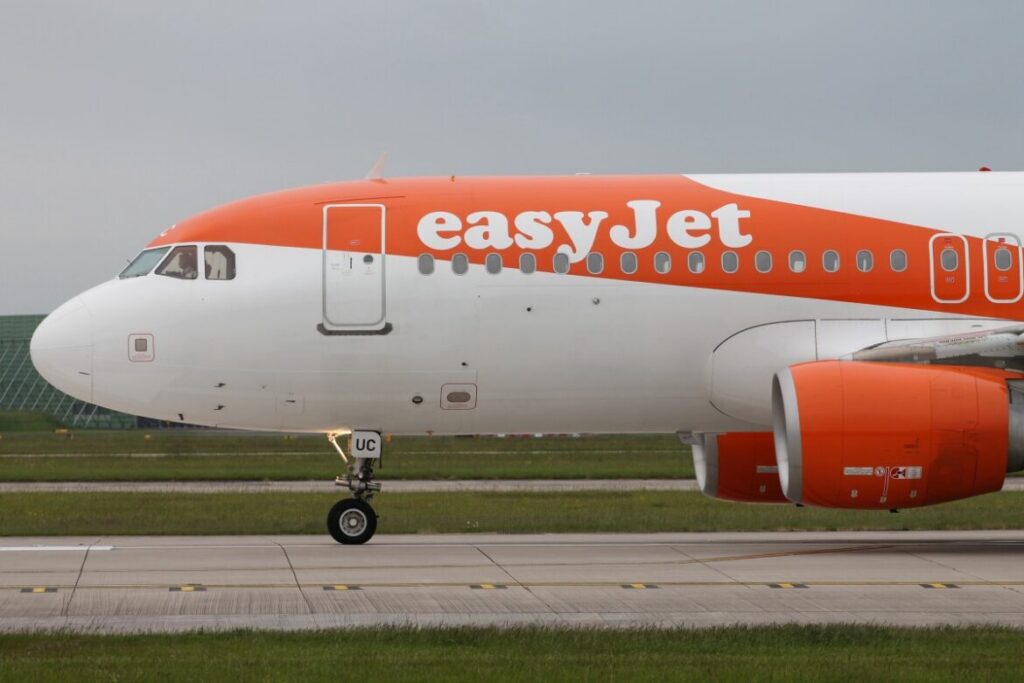
easyJet stands as one of Europe’s leading low-cost carriers, boasting a robust short-haul network that spans the UK, Europe, and North Africa. As of March 31, 2026, the airline operates a fleet of 356 aircraft across 1,273 routes and 165 airports in 37 countries. The current fleet is exclusively composed of Airbus models, primarily the A319, A320, A320neo, and A321neo families.
The attractiveness of easyJet to potential investors is underscored by its valuable airport slots at key locations, including London Gatwick and major European hubs. However, the question arises: will the fleet undergo significant changes under new ownership?
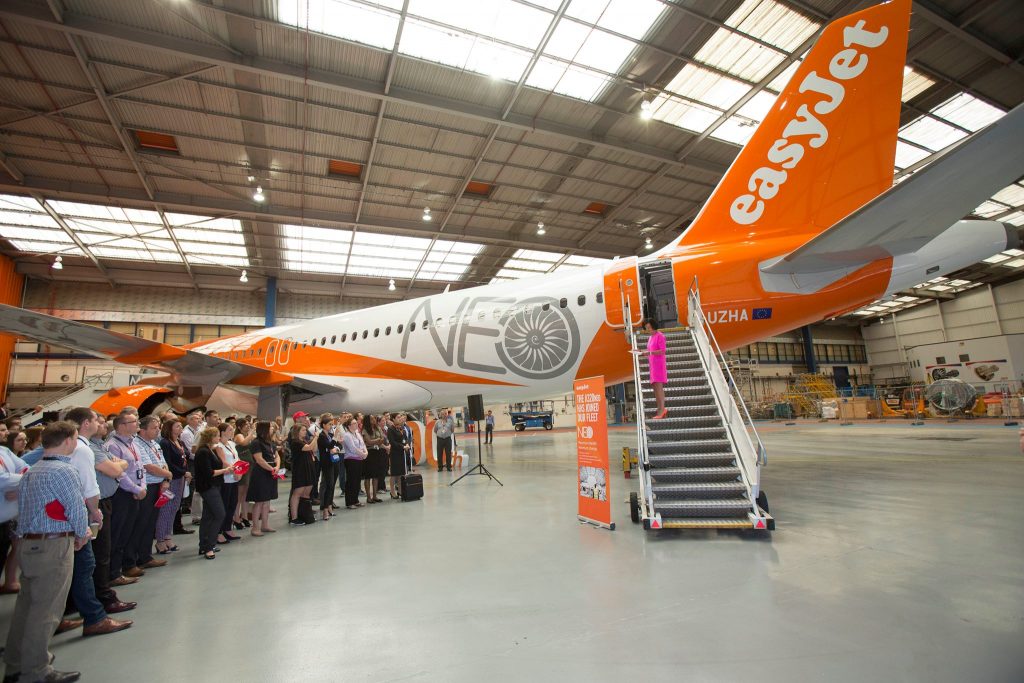
While substantial alterations are not anticipated, easyJet’s existing commitments to the Airbus A320neo family suggest a clear trajectory for fleet modernization. In recent years, the airline has placed a firm order for 157 additional A320neo family aircraft, including a mix of A320neos and A321neos, indicating a shift towards larger, more efficient models. This evolution is likely to phase out older A319s, making way for the A321neo on high-demand routes.
Brand Identity: Stability Amidst Change
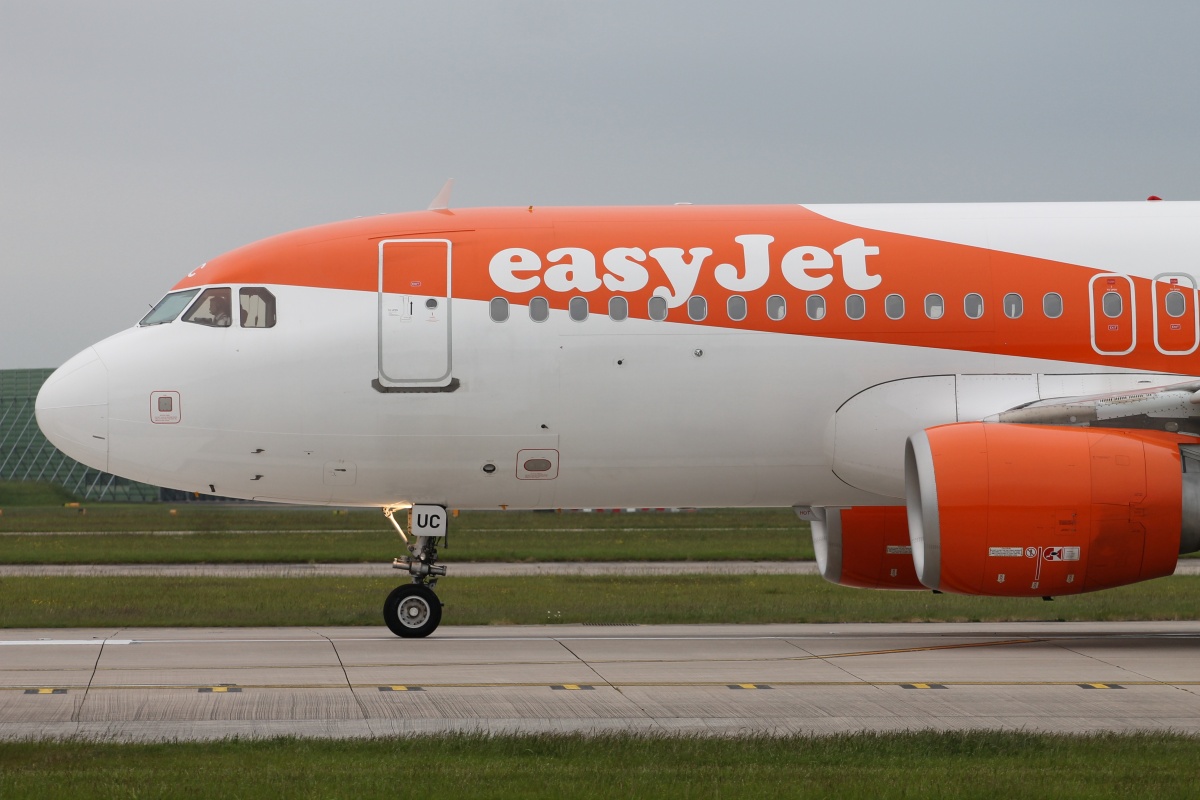
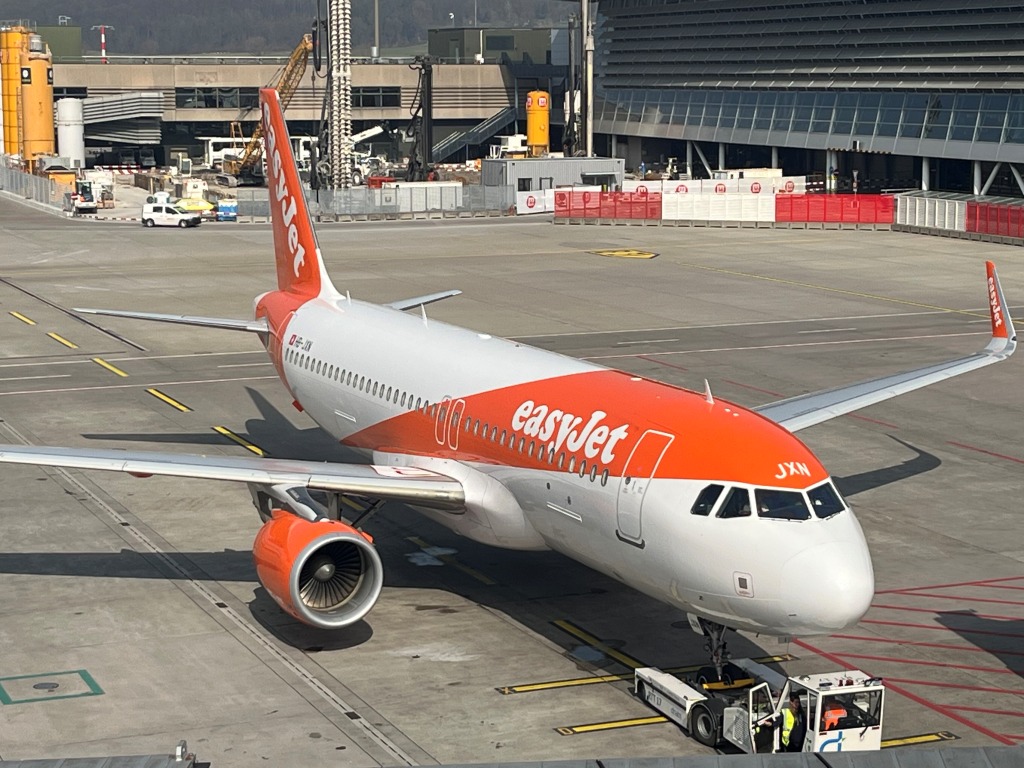
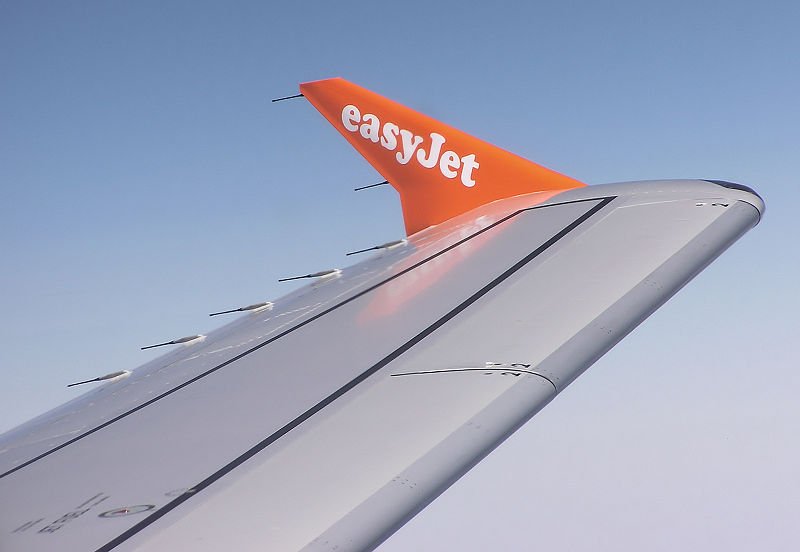
The iconic orange-and-white branding of easyJet is unlikely to undergo drastic changes. Recognized throughout Europe, this branding is integral to the airline’s identity and marketing strategy. While private ownership could lead to adjustments in investment focus or operational strategies, a complete rebranding would pose significant risks.
However, smaller branding modifications may emerge, particularly if Castlelake seeks to enhance easyJet Holidays or expand its premium travel offerings. Such changes could subtly influence customer perception while maintaining the airline’s recognizable presence.
Route Network: Potential for Strategic Adjustments
One of the more likely areas for transformation lies within easyJet’s route network. Given the airline’s strong positioning at several major airports, including London Gatwick, a new ownership structure may prompt a thorough review of routes based on profitability. This could lead to an increased emphasis on leisure markets and a more robust integration of easyJet Holidays into its operational framework.
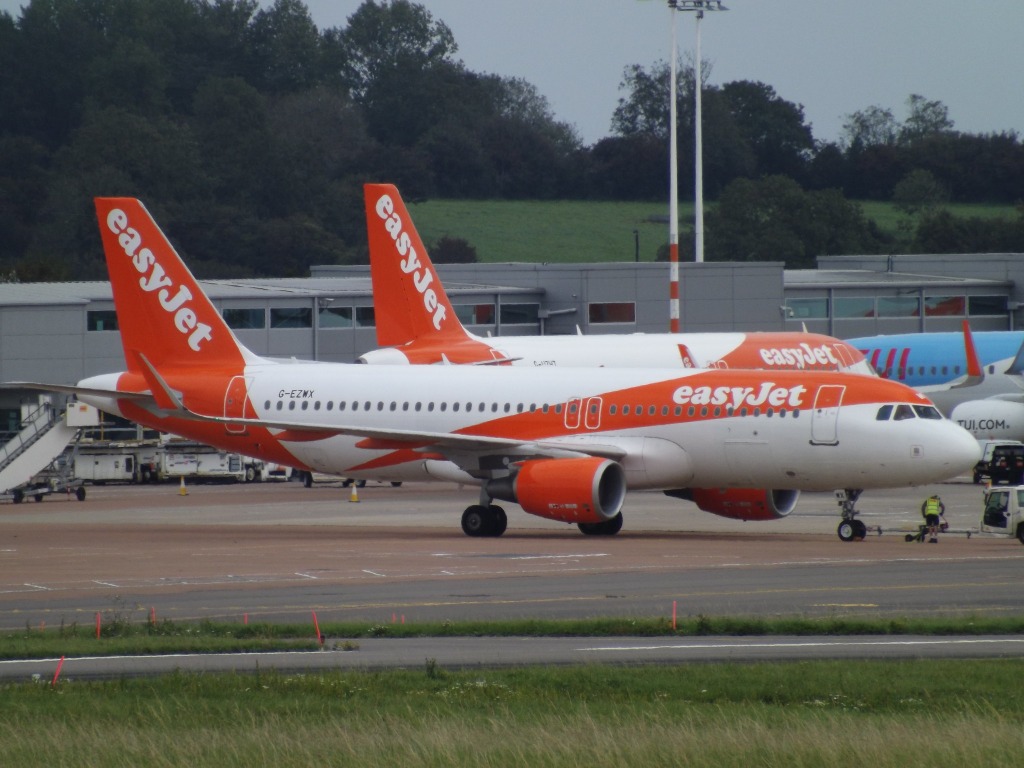
For aviation enthusiasts, the possibilities are intriguing. Observers will be keen to see whether easyJet expands its operations at key airports, increases the deployment of A321neos on busy routes, or modifies less profitable routes. The potential for a shift in operational focus under private management could yield significant changes in the airline’s service offerings.
Future Outlook: What Lies Ahead for easyJet?
Speculation exists regarding the potential for structural changes within easyJet, particularly concerning the separation of easyJet Holidays from the core airline operations. Nevertheless, Castlelake has publicly expressed support for easyJet’s growth and fleet modernization, suggesting that immediate disruption is unlikely.
In the near term, customers and aviation enthusiasts can expect continuity in easyJet’s operations, with aircraft continuing to fly in their familiar colors and the established route network remaining intact. The proposed takeover marks a pivotal moment for easyJet, and its implications will unfold in the coming years as the airline navigates this transition.


This article was prepared by LibelulaFly as an independent aviation-news summary and editorial reinterpretation based on publicly available reporting. Images, when used, are included for editorial context with source attribution. Original source: www.airportspotting.com. Read the original article here: https://www.airportspotting.com/easyjet-takeover-what-could-it-mean-for-the-airlines-fleet-routes-and-brand/.
List, promote, or publish aircraft with LibelulaFly.
LibelulaFly.com • Sales@libelulafly.com • +1 305-332-1942
Jun
Delta Air Lines and the Airbus A350: A Strategic Partnership
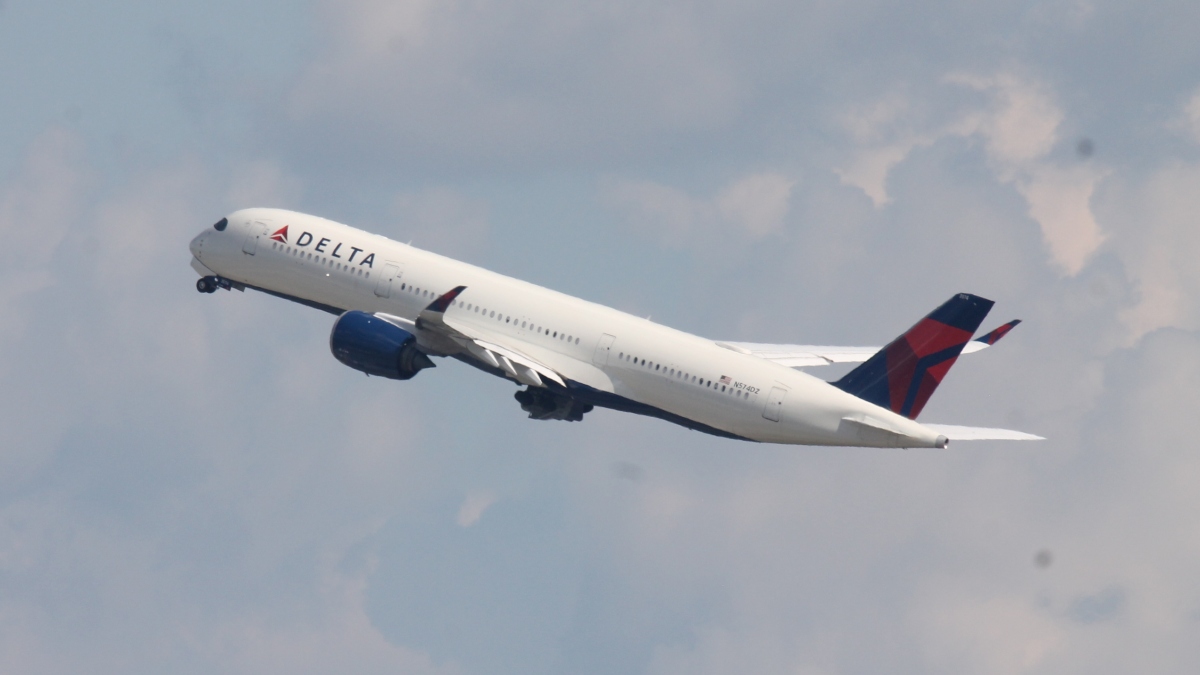
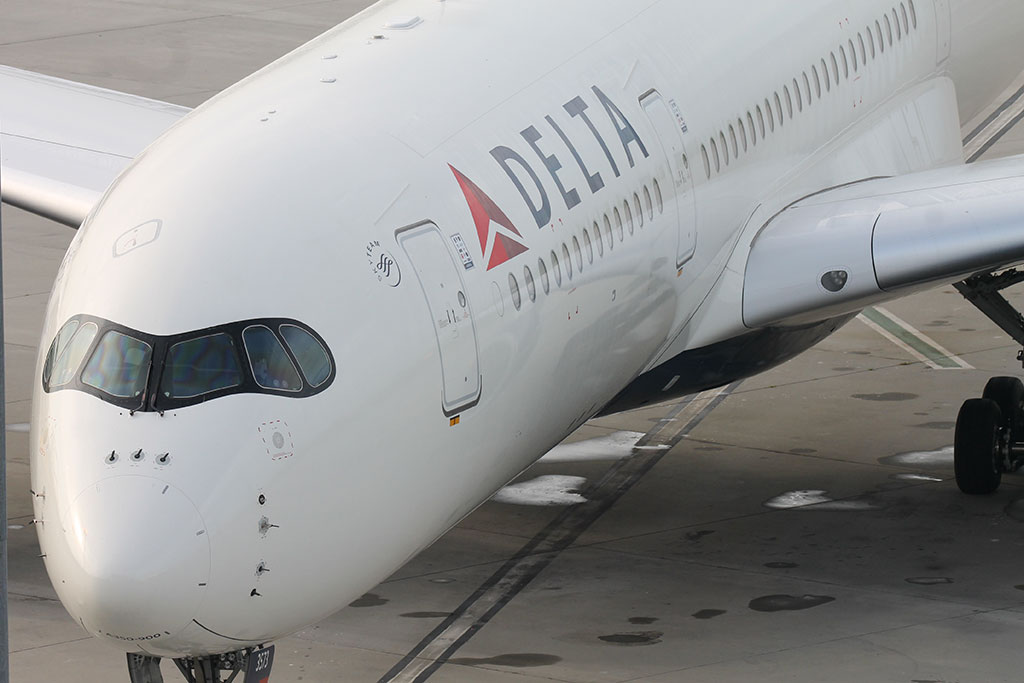
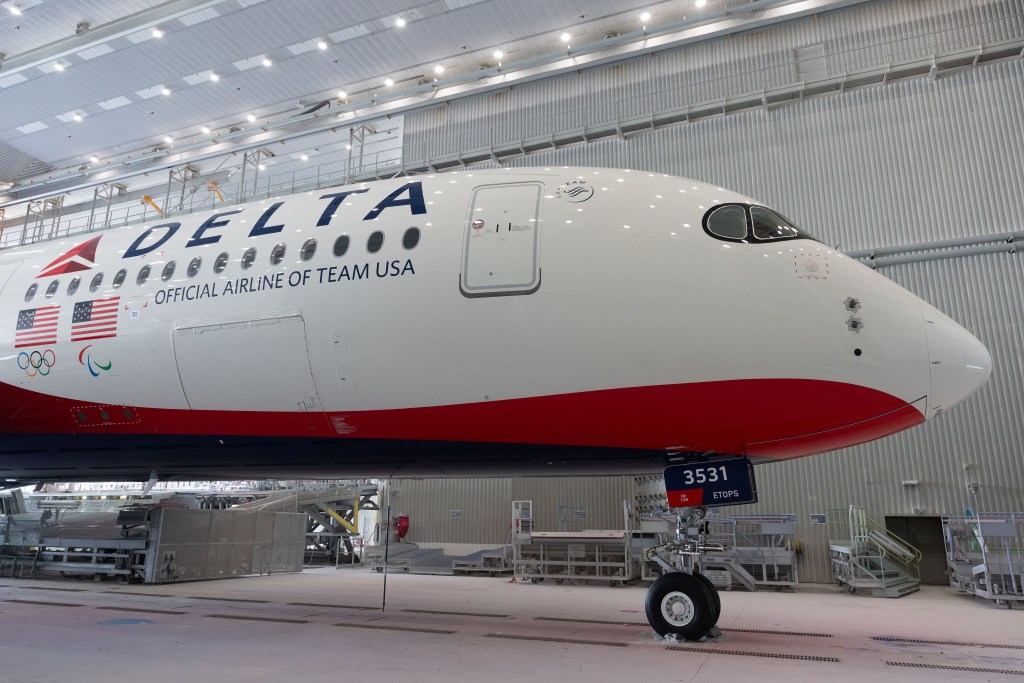
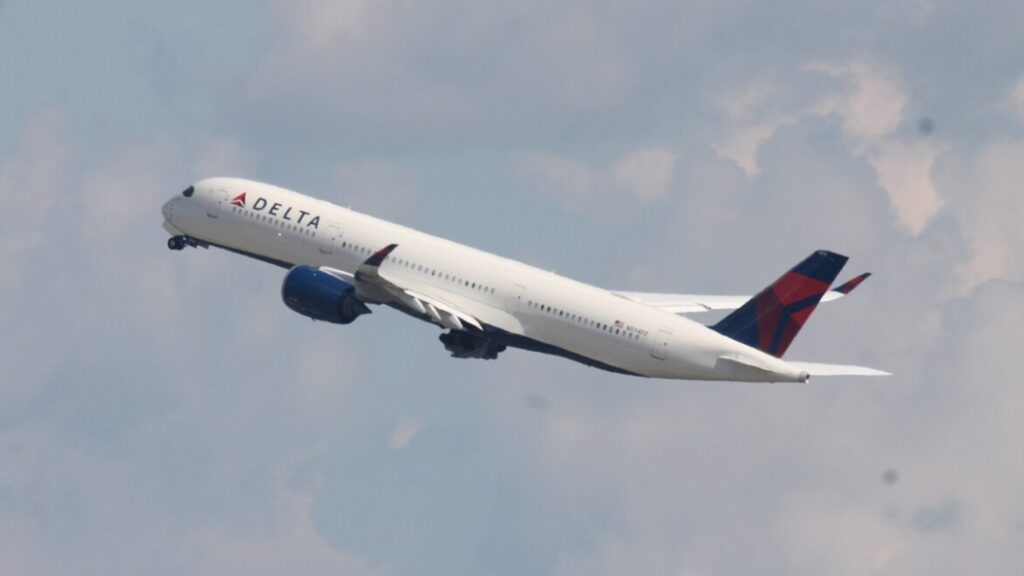
Delta Air Lines has solidified its position in the long-haul market with the Airbus A350, a modern widebody aircraft that has become integral to its fleet since its introduction in 2017. This aircraft has not only replaced older Boeing 777s but has also augmented Delta’s Airbus A330 operations, allowing the airline to maintain its competitive edge on international routes.
Expanding Global Reach
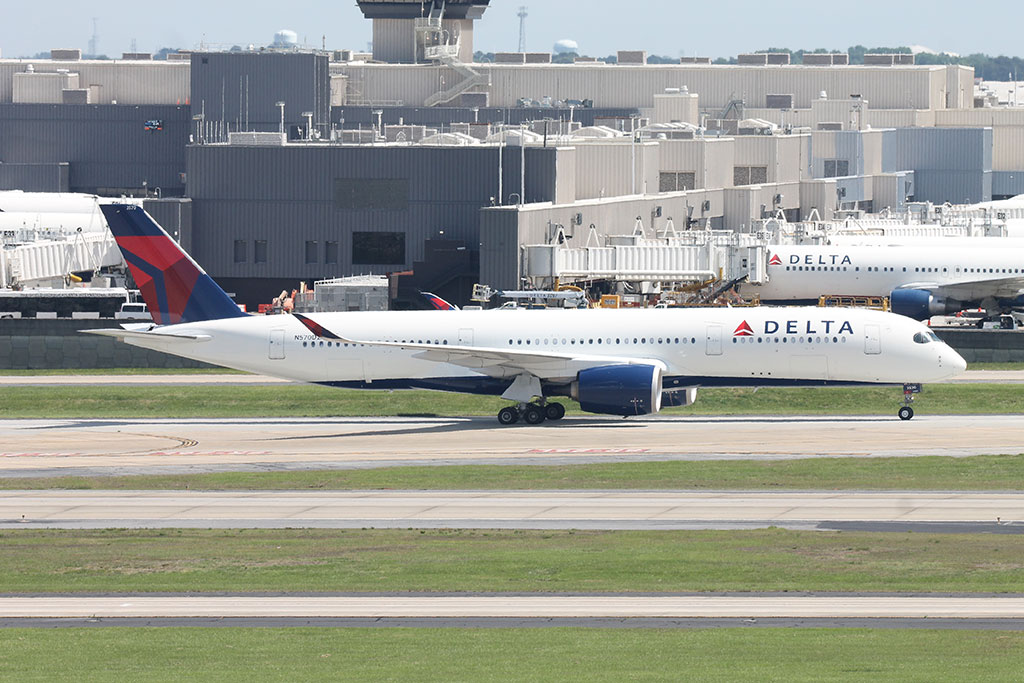
As of 2026, Delta operates a significant fleet of over 35 Airbus A350-900 aircraft, making it one of the largest operators of this model in North America. The A350 is configured to enhance passenger experience, featuring Delta One business class suites, Premium Select economy seating, and Comfort+ options, thereby catering to a diverse clientele. This aircraft has become the backbone of Delta’s long-haul operations, enabling efficient service to destinations across Europe, Asia, Oceania, Africa, and South America.
Key Hubs and Routes
Delta’s Airbus A350 fleet is strategically deployed across its major hubs. Atlanta, as the largest hub, serves as the primary base for A350 operations, connecting to key destinations such as Johannesburg, Cape Town, Seoul Incheon, and Tokyo Haneda. The Johannesburg route is particularly notable, representing one of Delta’s longest flights, showcasing the aircraft’s impressive range and operational capabilities.
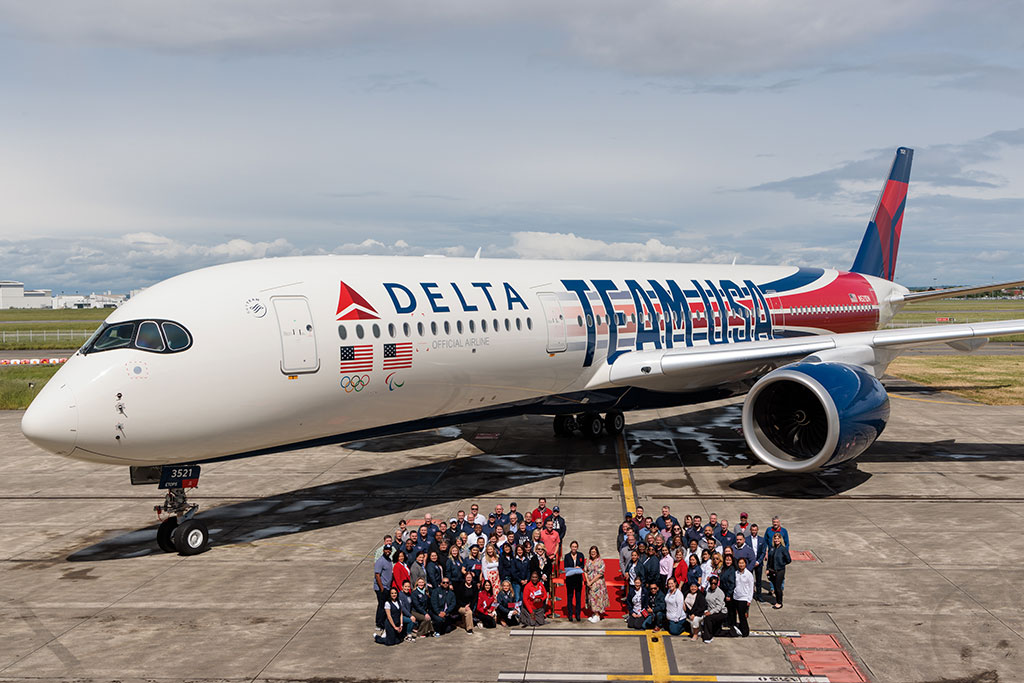
Detroit also plays a critical role in Delta’s A350 operations, serving as a gateway to Asia with routes to cities like Seoul Incheon and Tokyo Haneda. Minneapolis-St. Paul further contributes to the A350’s operational footprint, connecting northern U.S. passengers to international destinations including London and Paris.
Seattle has emerged as a rapidly growing hub for Delta, with the A350 flying to destinations such as Taipei and Shanghai. Despite its lower volume compared to other hubs, Los Angeles still features regular A350 flights to Australia and Japan, reflecting Delta’s commitment to serving long-haul markets.
Operational Efficiency and Future Prospects
Delta’s use of the A350 on some of its longest routes, such as Atlanta to Johannesburg and Los Angeles to Sydney, underscores the aircraft’s operational efficiency and range. As Delta continues to expand its fleet and adjust routes based on seasonal demand, the A350 is expected to play an increasingly prominent role in the airline’s long-haul strategy. The potential for additional routes and the replacement of older Airbus A330s highlights Delta’s forward-thinking approach to fleet management.
Conclusion: A Key Player in Delta’s Fleet
Less than a decade after its introduction, the Airbus A350 has become a flagship aircraft for Delta Air Lines, symbolizing the airline’s commitment to modernizing its fleet and enhancing passenger experience. As the airline navigates the evolving landscape of global air travel, the A350 will remain a crucial asset in connecting North America to key international markets. With ongoing fleet expansion and route optimization, Delta is poised to leverage the A350’s capabilities to meet future travel demands.



This article was prepared by LibelulaFly as an independent aviation-news summary and editorial reinterpretation based on publicly available reporting. Images, when used, are included for editorial context with source attribution. Original source: www.airportspotting.com. Read the original article here: https://www.airportspotting.com/where-is-delta-air-lines-flying-its-airbus-a350-fleet-in-2026/.
List, promote, or publish aircraft with LibelulaFly.
LibelulaFly.com • Sales@libelulafly.com • +1 305-332-1942
May
United Airlines Maintains a Key Role for the Boeing 767
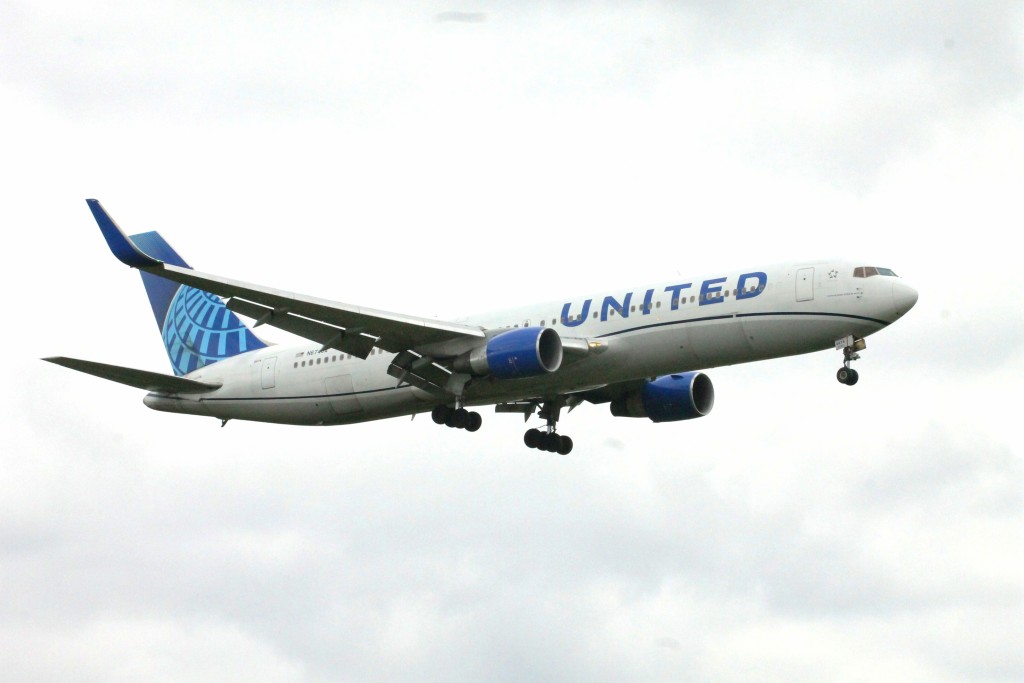
As the aviation industry evolves, many airlines have phased out the Boeing 767 from their fleets. However, United Airlines continues to operate this venerable twinjet, which plays a crucial role in the airline’s long-haul operations. In 2026, the Boeing 767 remains integral to several of United’s significant international routes, highlighting the aircraft’s enduring relevance in a competitive market.
Current Fleet Composition and Operational Focus
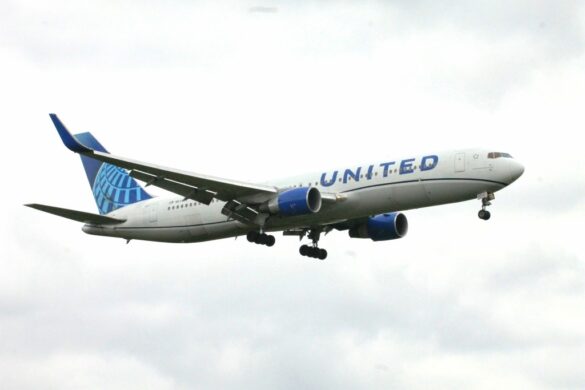
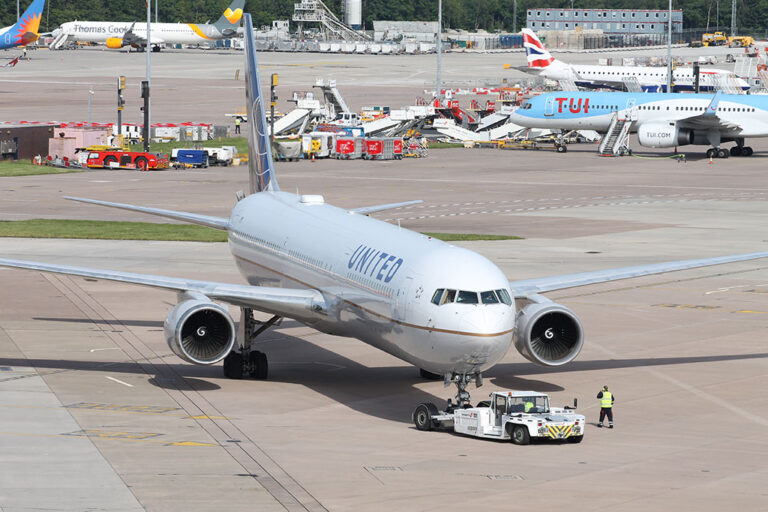
United Airlines currently operates 53 Boeing 767 aircraft, consisting of two passenger variants: 37 Boeing 767-300ERs and 16 Boeing 767-400ERs. This positions United as one of the largest passenger operators of the Boeing 767 globally, trailing only Delta Air Lines. Many of these aircraft are among the oldest in United’s long-haul fleet, with several 767-300ERs dating back to the early 1990s.
Differentiating the Variants: Roles and Capabilities
The operational roles of United’s Boeing 767-300ERs and 767-400ERs differ significantly, catering to various market demands. The 767-300ER primarily serves transatlantic routes, medium-density long-haul flights, and seasonal destinations in Europe and Hawaii. With seating configurations accommodating 167 to 214 passengers, these aircraft are designed for markets where larger widebody jets may not be economically viable.
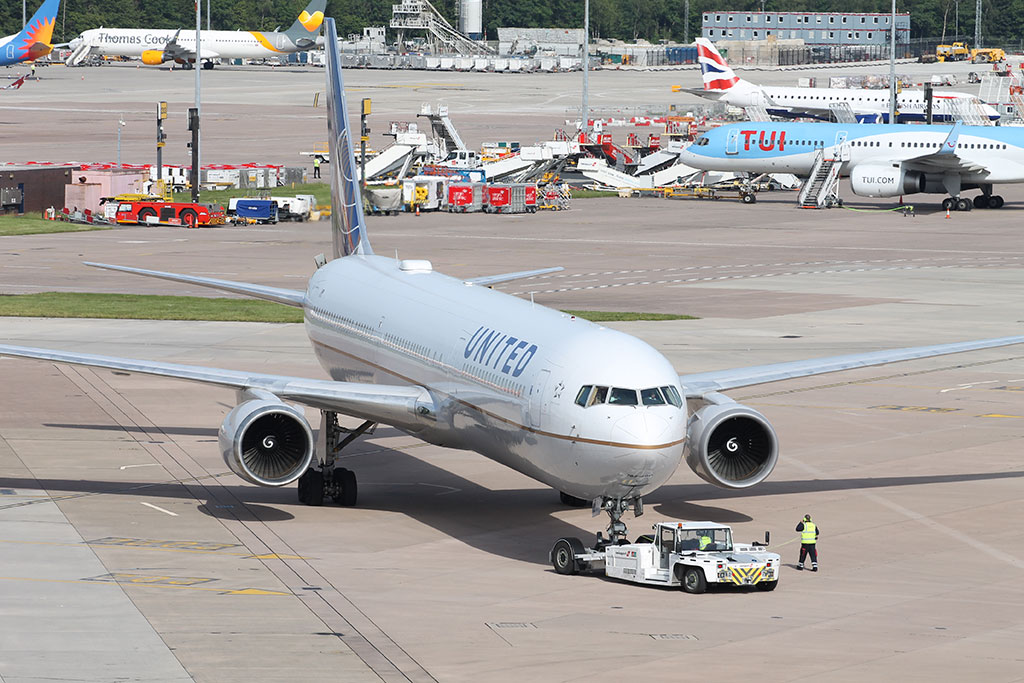
In contrast, the 767-400ER is a more modern variant that is typically deployed on high-demand routes, particularly those with a premium passenger focus. This variant features a longer fuselage and updated interiors, providing enhanced capacity and comfort, especially in the Polaris business class cabins.
Strategic Importance of the 767 in United’s Network
Despite their age, United Airlines continues to leverage the Boeing 767 effectively within its network. The aircraft’s lower operating costs compared to larger models such as the Boeing 777, combined with solid cargo capabilities and a strong transatlantic range, make them well-suited for niche international destinations. This strategy has enabled United to solidify its position as one of the largest transatlantic carriers, offering service to underserved markets that may not support daily operations with larger aircraft.
Key Routes and Future Prospects
In 2026, notable routes for United’s Boeing 767 include extensive services from Chicago and Newark to London Heathrow, as well as new leisure-focused routes to destinations like Split and Bari in Croatia. Additionally, the 767-400ER continues to operate on select domestic routes such as Washington Dulles to Honolulu, showcasing the aircraft’s versatility.
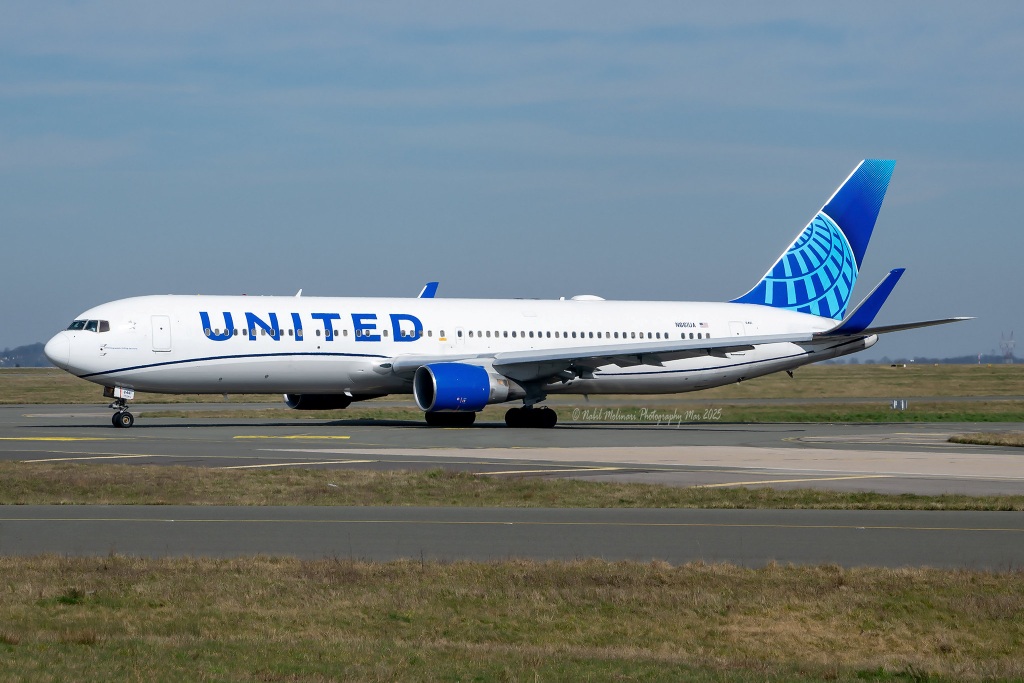
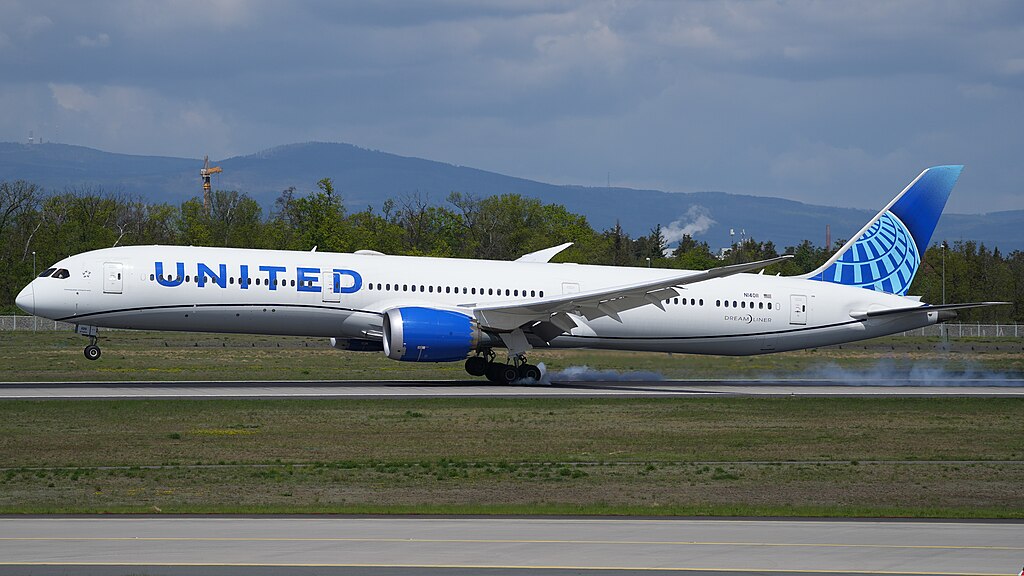
Looking ahead, United Airlines has announced that the Boeing 767 fleet is approaching its final years of service, with gradual retirements anticipated as the airline prepares for a transition to newer aircraft, primarily the Boeing 787 Dreamliner and Airbus A321XLR. This shift is driven by the need for improved fuel efficiency, passenger comfort, and operational economics.
Aviation Enthusiasts’ Last Chance
As the clock ticks down on the Boeing 767’s operational tenure with United Airlines, aviation enthusiasts have a unique opportunity to experience this iconic aircraft in service. With retirement plans in place and a clear path toward modernization, now may be the perfect time for travelers and spotters alike to secure a flight on United’s Boeing 767 before it becomes a relic of aviation history.


This article was prepared by LibelulaFly as an independent aviation-news summary and editorial reinterpretation based on publicly available reporting. Images, when used, are included for editorial context with source attribution. Original source: www.airportspotting.com. Read the original article here: https://www.airportspotting.com/inside-uniteds-boeing-767-fleet-how-many-aircraft-and-when-will-they-retire/.
List, promote, or publish aircraft with LibelulaFly.
LibelulaFly.com • Sales@libelulafly.com • +1 305-332-1942
May
A Milestone in Aviation History
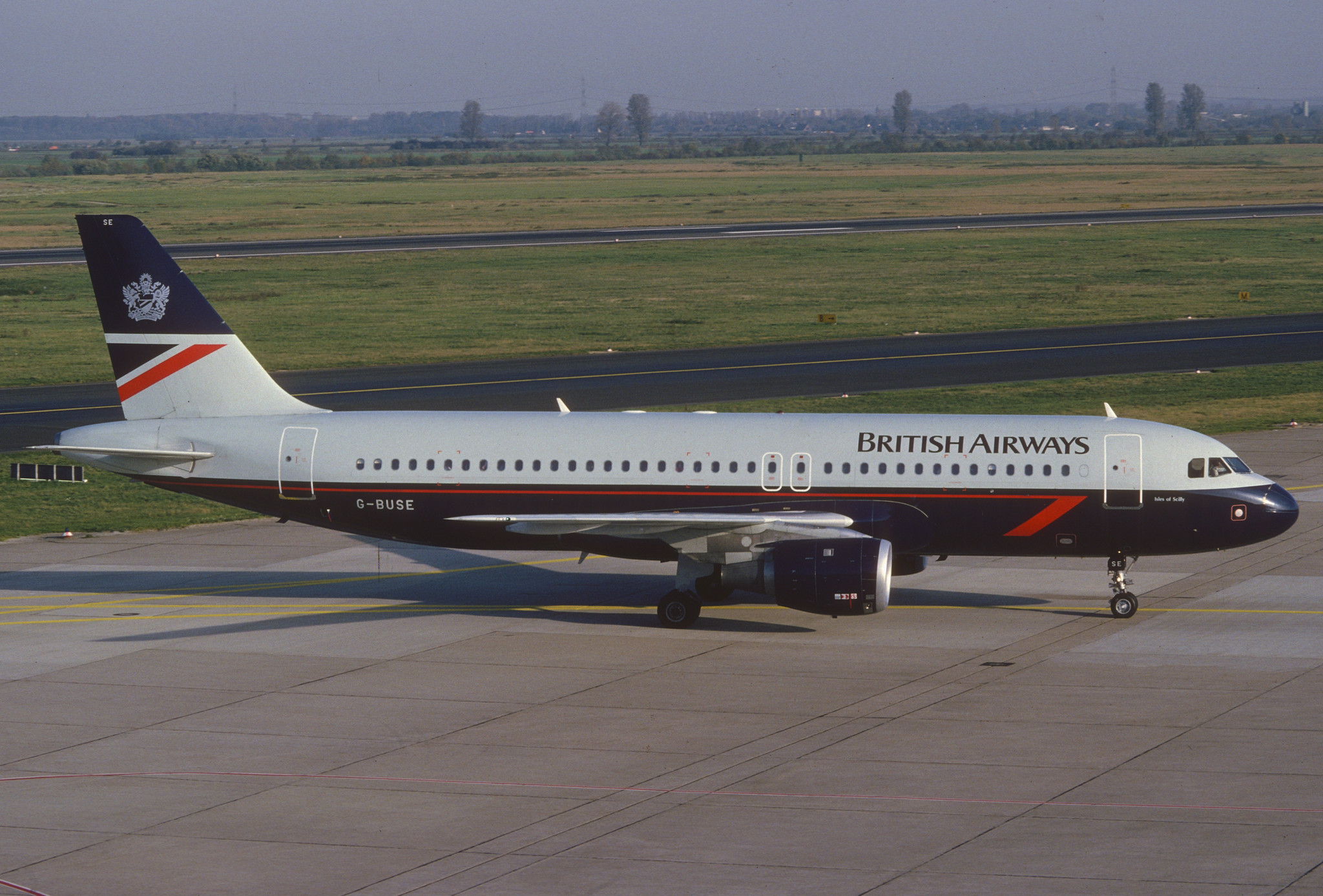
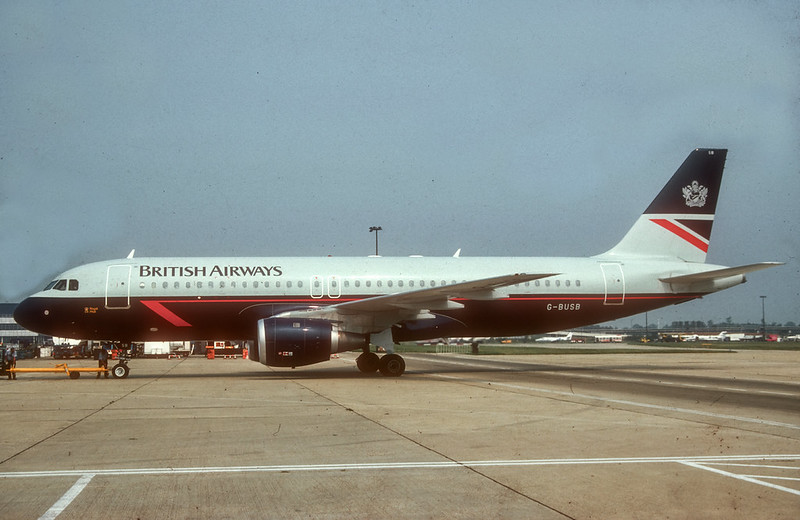
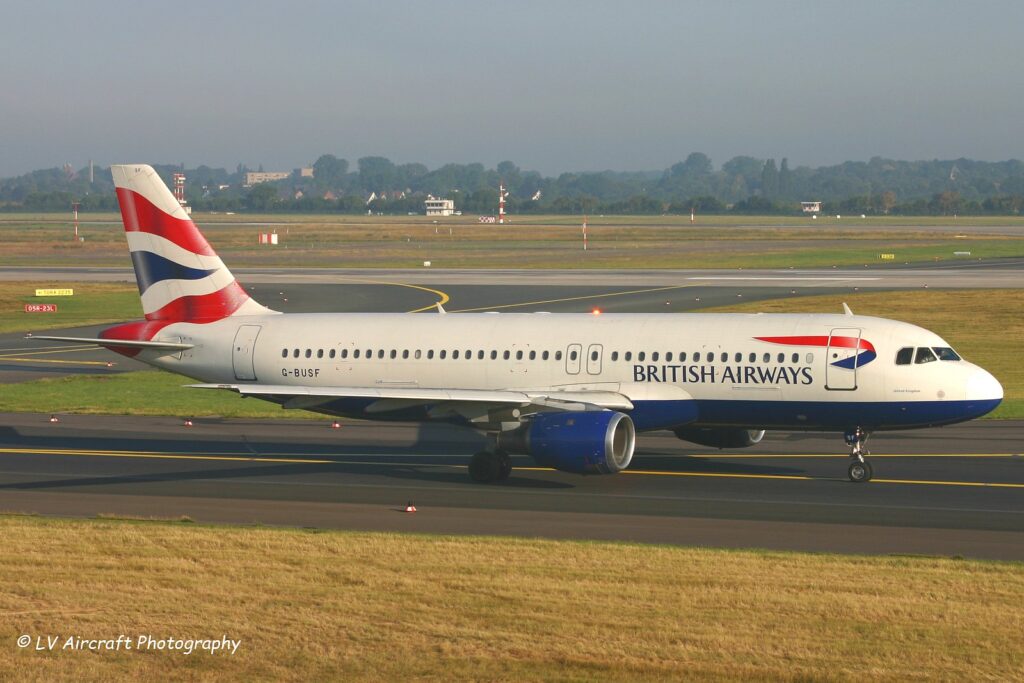
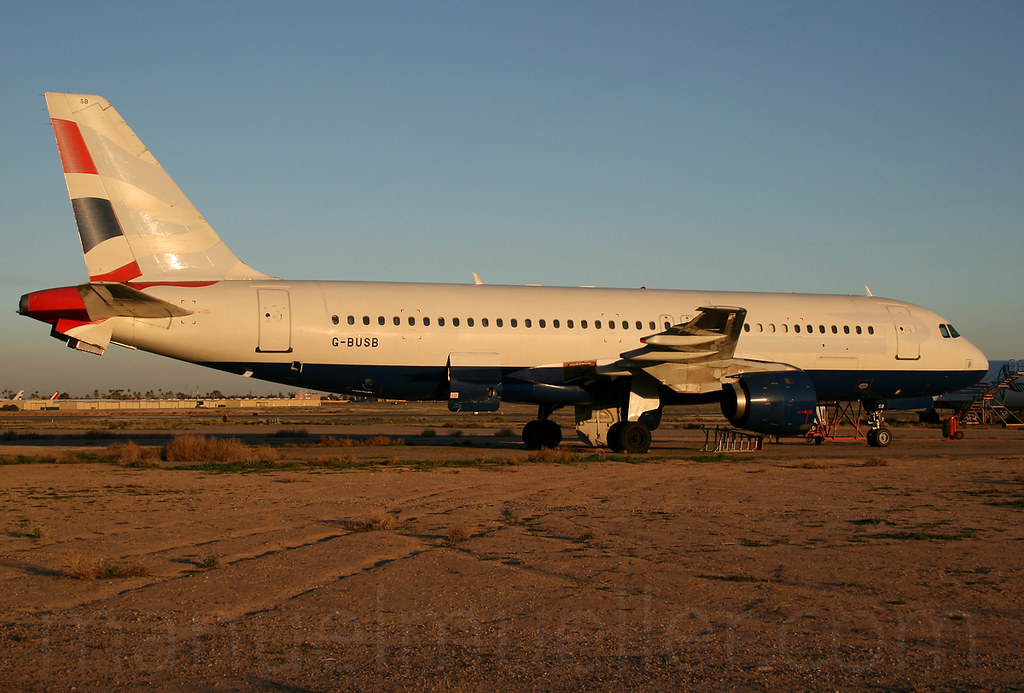
The introduction of the Airbus A320 into British Airways’ fleet in 1988 marked a pivotal moment for the airline, transitioning from a predominantly Boeing-operated short-haul service to embracing the innovative technology offered by Airbus. This strategic shift not only diversified BA’s aircraft portfolio but also reflected broader changes in the aviation landscape as airlines sought greater operational efficiency and passenger comfort.
From Boeing to Airbus: A Strategic Shift
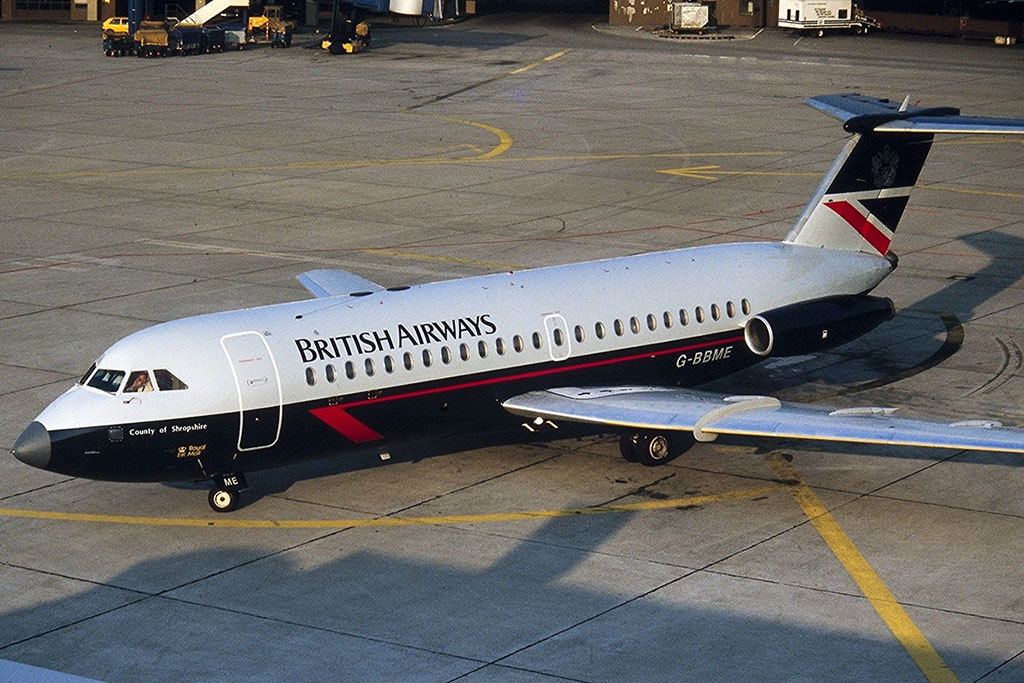
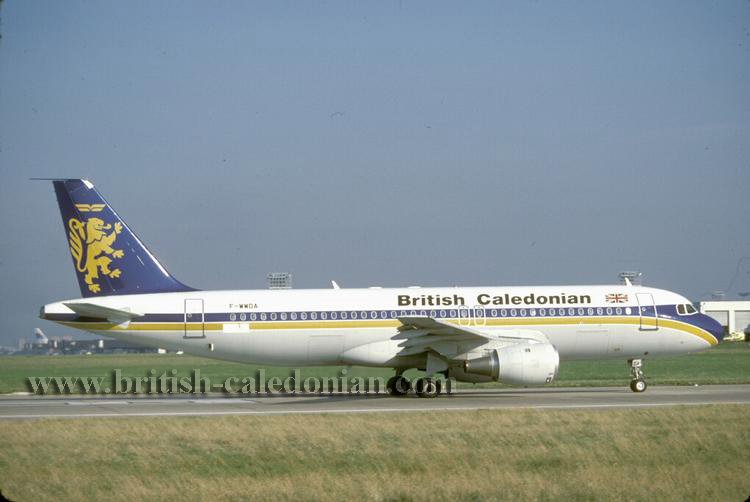
Prior to the arrival of the A320, British Airways primarily relied on Boeing aircraft, including the 737 and 757, alongside a few BAC One-Eleven models. The merger with British Caledonian in 1987 played a crucial role in this transition, as it brought with it a significant order for Airbus A320s. This acquisition not only expanded BA’s operational capacity at London Gatwick but also introduced a new aircraft type that was seen as technologically advanced for its time.
The Unique A320-100 Variant
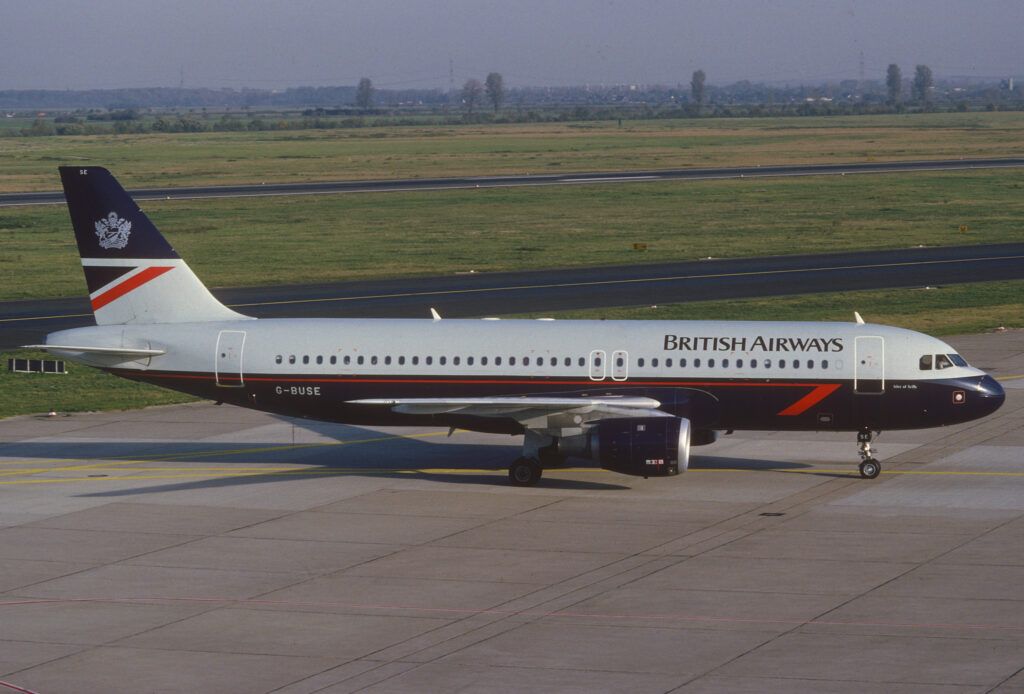
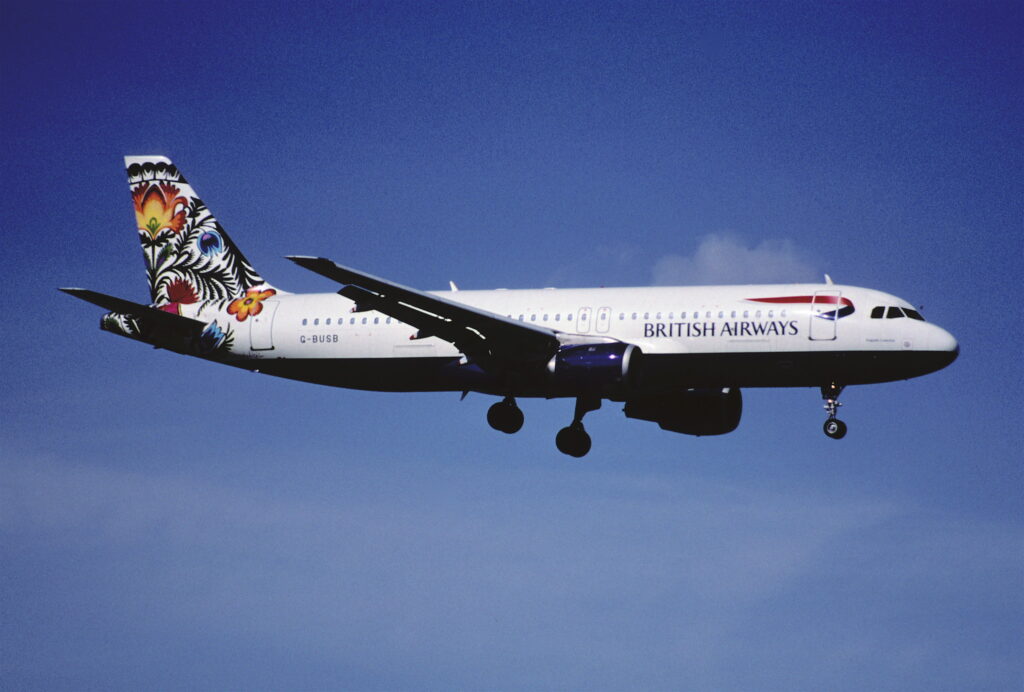
British Airways was among the first operators of the Airbus A320-100, a lesser-known variant of the A320 family. Unlike the more prevalent A320-200, the A320-100 featured lower fuel capacity and a reduced maximum range, making it a unique addition to BA’s fleet. Only 21 A320-100 aircraft were ever produced, and BA’s integration of this model highlighted its willingness to embrace new technology during a period of rapid change in commercial aviation.
Technological Advancements and Operational Benefits
The A320 introduced several groundbreaking features that revolutionized the flying experience. Innovations such as full digital fly-by-wire controls, side-stick controllers, and advanced electronic flight instrument systems (EFIS) provided pilots with enhanced control and situational awareness. For BA pilots accustomed to traditional Boeing cockpits, the transition to the A320’s advanced systems represented a significant evolution in operational procedures.
Operational Impact and Longevity
The A320-100s quickly became integral to British Airways’ short-haul operations, servicing major European business routes and leisure destinations across the Mediterranean. Despite being among the earliest models in the A320 family, these aircraft demonstrated remarkable longevity, remaining in service until 2015. Their durability can be attributed to BA’s commitment to maintenance and the eventual upgrades that brought these aircraft closer to the operational capabilities of the A320-200.
End of an Era
As the aviation market evolved and newer models like the A319, A320, and A321 were introduced, the A320-100s gradually faded from the spotlight. British Airways retired the last of these aircraft between 2013 and 2015, ultimately scrapping all seven units. This marked the end of a unique chapter in the airline’s history, as the A320-100s represented the inception of what would become one of the most successful aircraft families in commercial aviation.
A Legacy in Aviation
The story of British Airways and the Airbus A320-100 is a testament to the airline’s adaptability and forward-thinking approach to fleet management. While the A320-100s are no longer in service, their legacy lives on through the continued success of the A320 family, which remains a cornerstone of modern aviation. As airlines continue to evolve and adapt to new technologies, the pioneering spirit demonstrated by British Airways in the late 1980s serves as an enduring example of the importance of innovation in the industry.
This article was prepared by LibelulaFly as an independent aviation-news summary and editorial reinterpretation based on publicly available reporting. Images, when used, are included for editorial context with source attribution. Original source: www.airportspotting.com. Read the original article here: https://www.airportspotting.com/how-british-airways-came-to-fly-some-of-the-earliest-airbus-a320s/.
List, promote, or publish aircraft with LibelulaFly.
LibelulaFly.com • Sales@libelulafly.com • +1 305-332-1942