
Jun
A Historic Transformation
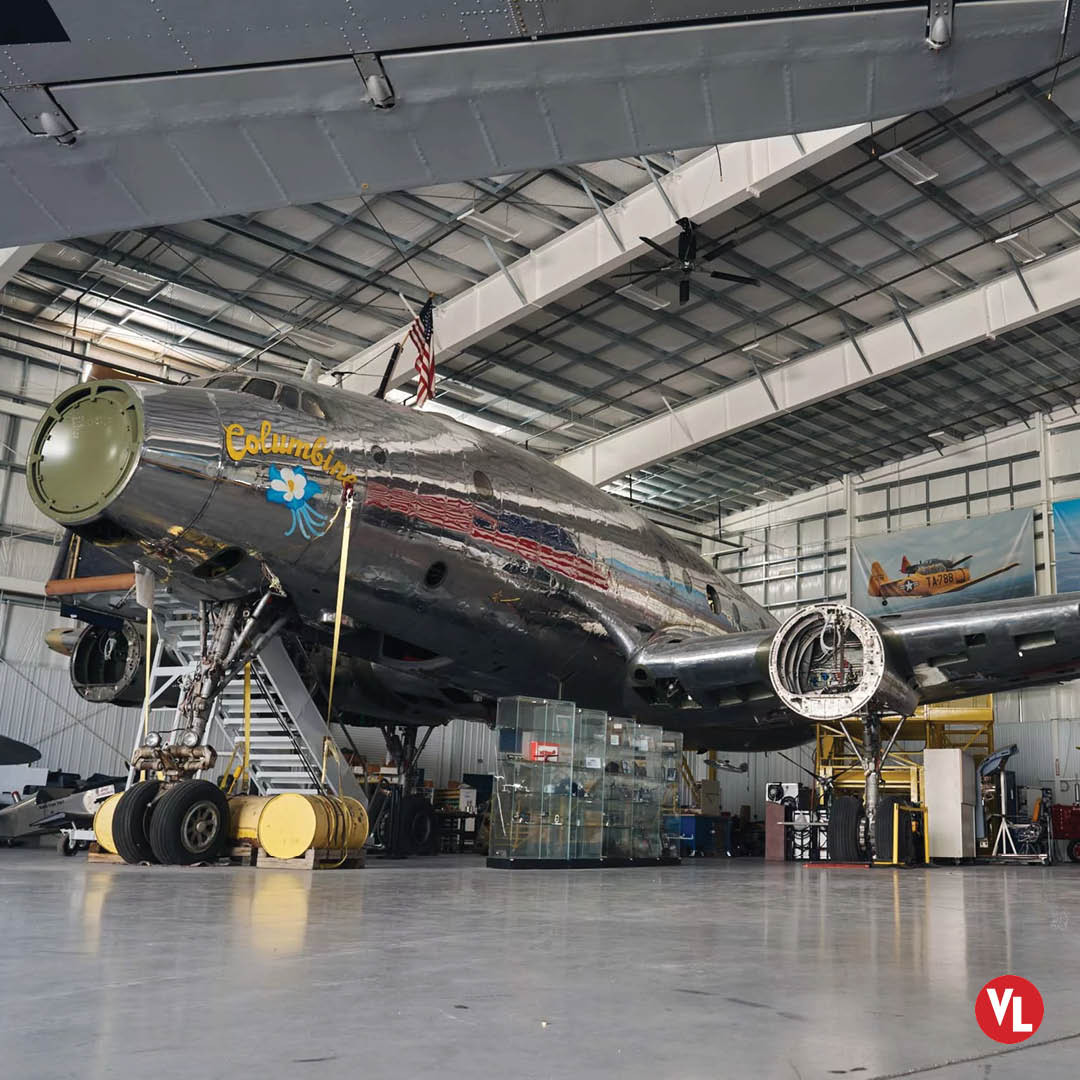
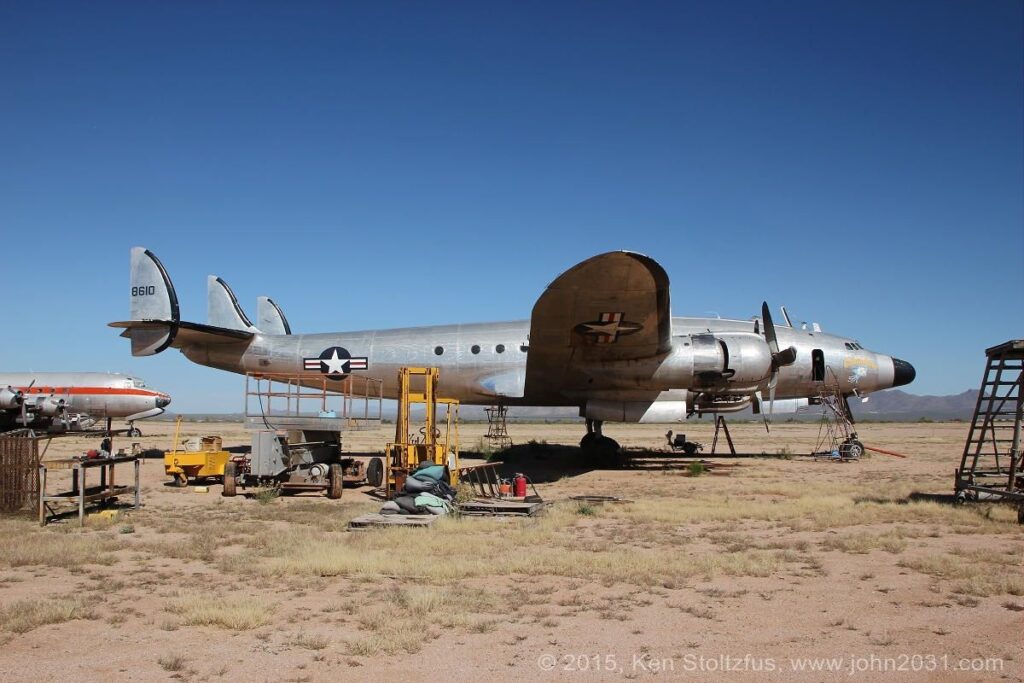
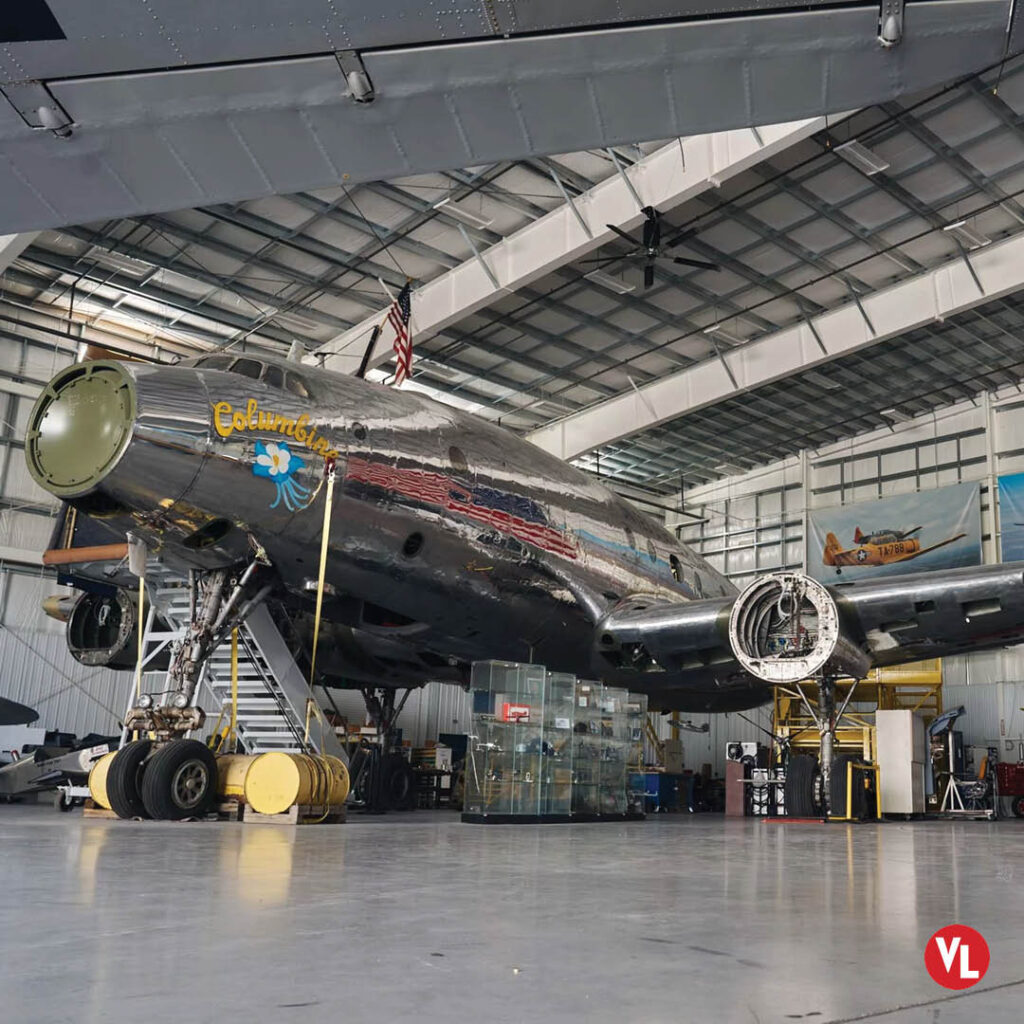
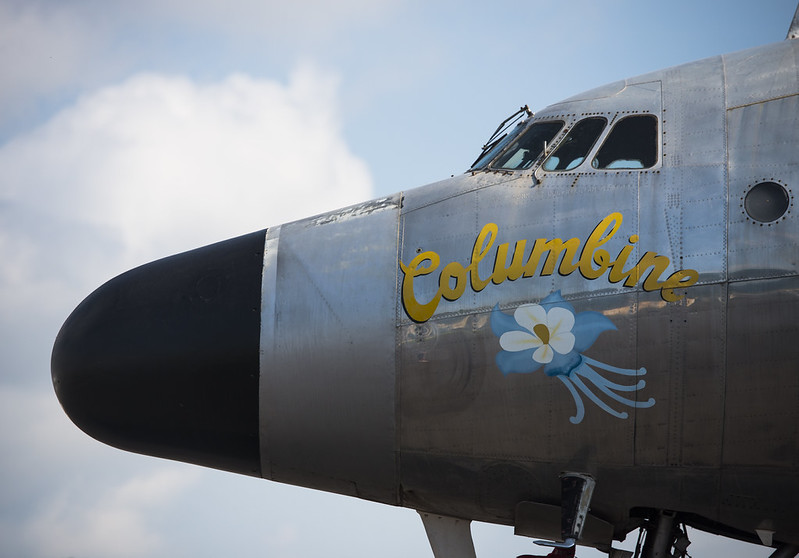
In 1952, a Lockheed Constellation operated by the United States Air Force underwent a significant transformation, becoming the presidential transport aircraft known as Columbine II. This aircraft was the first to be assigned the now-iconic call sign, Air Force One, marking a pivotal moment in the history of presidential aviation.
Operational Challenges and Innovations
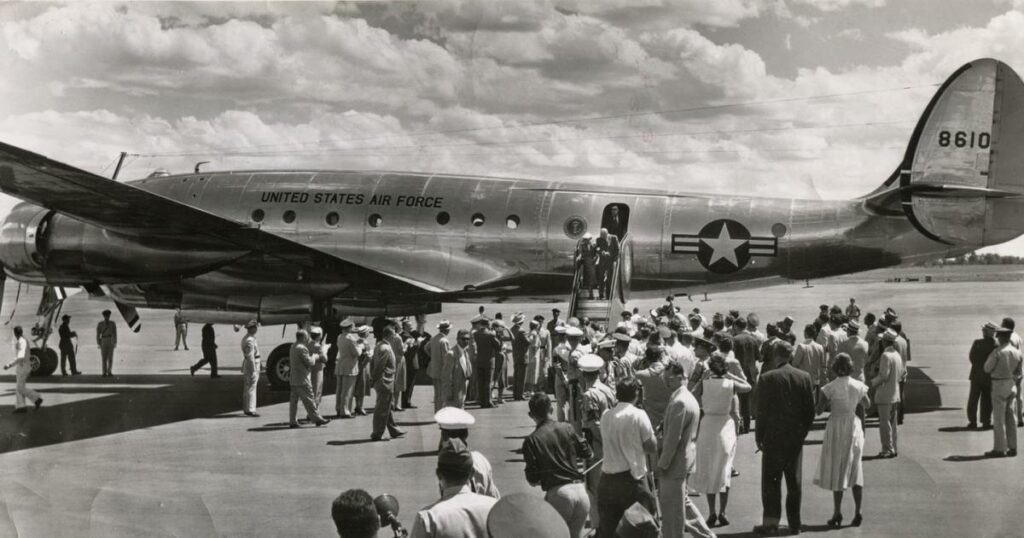
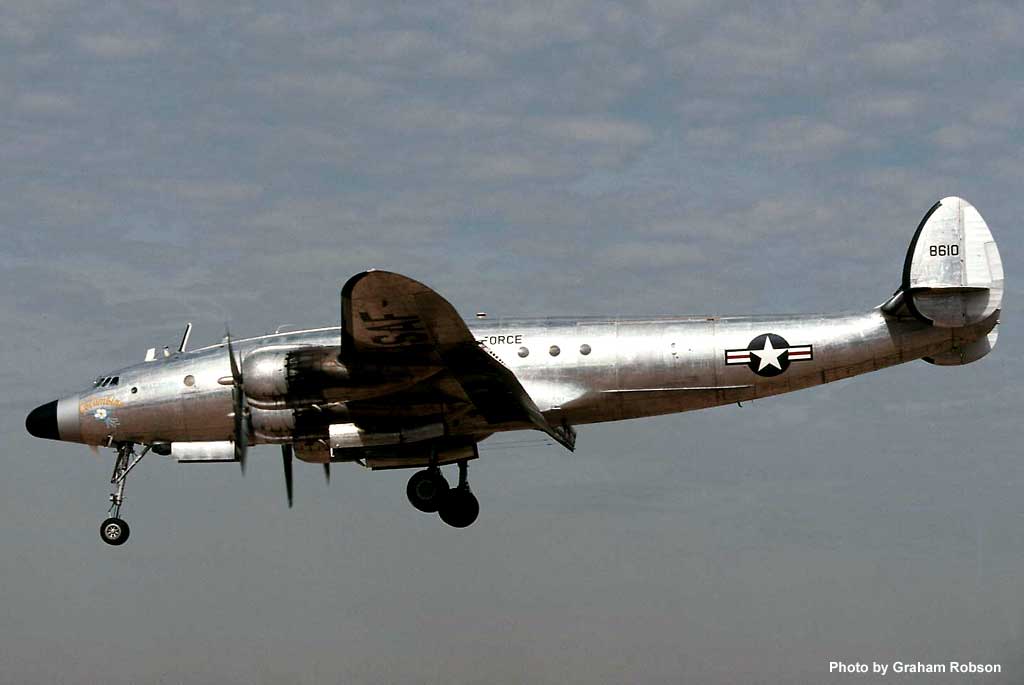
The introduction of the Air Force One designation was born from a moment of operational risk. In 1954, a close call occurred when both Eastern Air Lines flight 8610 and Air Force 8610 were in the air simultaneously, leading to potential confusion for air traffic controllers. This incident prompted the Air Force to standardize the call sign for any aircraft carrying the President, establishing a clear and unmistakable identification system that remains in place today.
The Journey of Columbine II
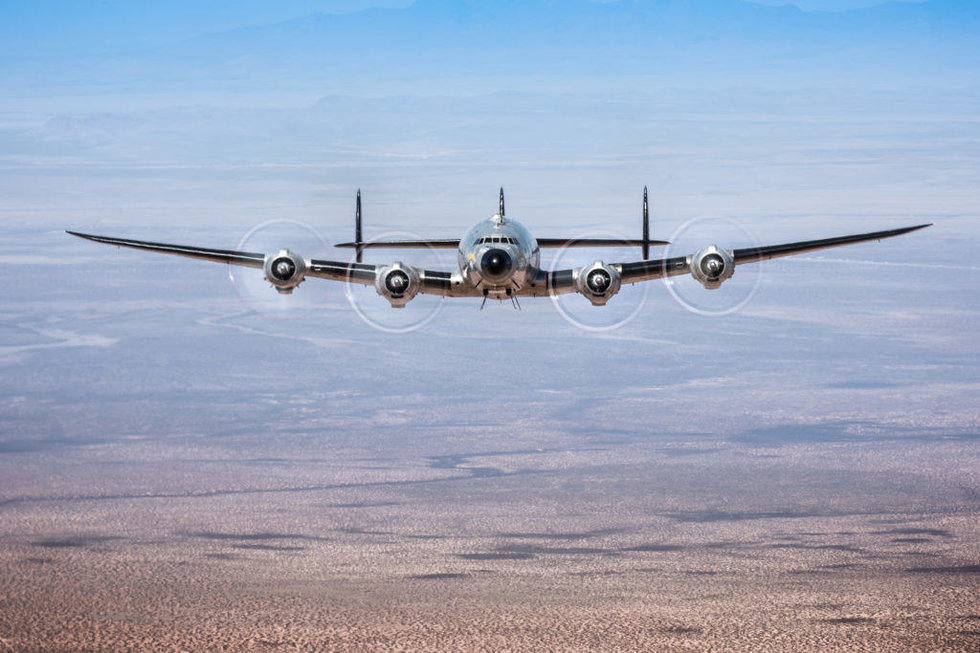
Originally delivered to the U.S. Air Force in 1948, Columbine II was a VC-121A Constellation, serving primarily as a support aircraft in Iceland. However, its true significance emerged during the presidency of Dwight D. Eisenhower. The aircraft was named after the state flower of Colorado, reflecting First Lady Mamie Eisenhower’s affection for her adopted state. With its four powerful engines, Columbine II was a symbol of American aviation prowess before the dawn of the jet age.
Presidential Duties and Historical Significance
Columbine II served as President Eisenhower’s primary mode of transportation during critical diplomatic missions, covering over 63,000 miles in just two years. The aircraft facilitated meetings with world leaders and played a role in shaping U.S. foreign policy during a tense period marked by the Cold War. One of its notable contributions was during Eisenhower’s address to the United Nations, where he crafted his influential “Atoms for Peace” speech while airborne.
A Legacy Preserved
Following its retirement in 1954, Columbine II continued to serve as a VIP transport for other dignitaries, including Vice President Richard Nixon. However, after years of obscurity, the aircraft’s fate became uncertain, leading to its classification as a “lost” piece of aviation history. It was only decades later that efforts to locate and restore Columbine II gained momentum, culminating in its rediscovery by a historian at the Smithsonian.
Restoration Efforts and Future Aspirations
In 2015, Dynamic Aviation’s CEO, Karl Stoltzus, purchased Columbine II for $1.5 million, recognizing its historical value. The restoration process was extensive, requiring significant labor and resources to return the aircraft to flying condition. After a year of dedicated work, Columbine II successfully completed a test flight in March 2016, marking a triumphant return to the skies.
A Tribute to Aviation Heritage
The restoration of Columbine II not only honors its past but also serves as a testament to the enduring legacy of presidential aviation. With the support of Eisenhower’s family and aviation enthusiasts, this historic aircraft stands as a reminder of the pivotal role it played in American history. As plans for further preservation and exhibition are discussed, Columbine II is poised to inspire future generations, showcasing the intersection of aviation innovation and national leadership.


This article was prepared by LibelulaFly as an independent aviation-news summary and editorial reinterpretation based on publicly available reporting. Images, when used, are included for editorial context with source attribution. Original source: www.airportspotting.com. Read the original article here: https://www.airportspotting.com/from-just-another-cargo-plane-to-air-force-one-the-story-of-columbine-ii/.
List, promote, or publish aircraft with LibelulaFly.
LibelulaFly.com • Sales@libelulafly.com • +1 305-332-1942
Jun
Flybe’s Dash 8-Q400: A Legacy in Regional Aviation
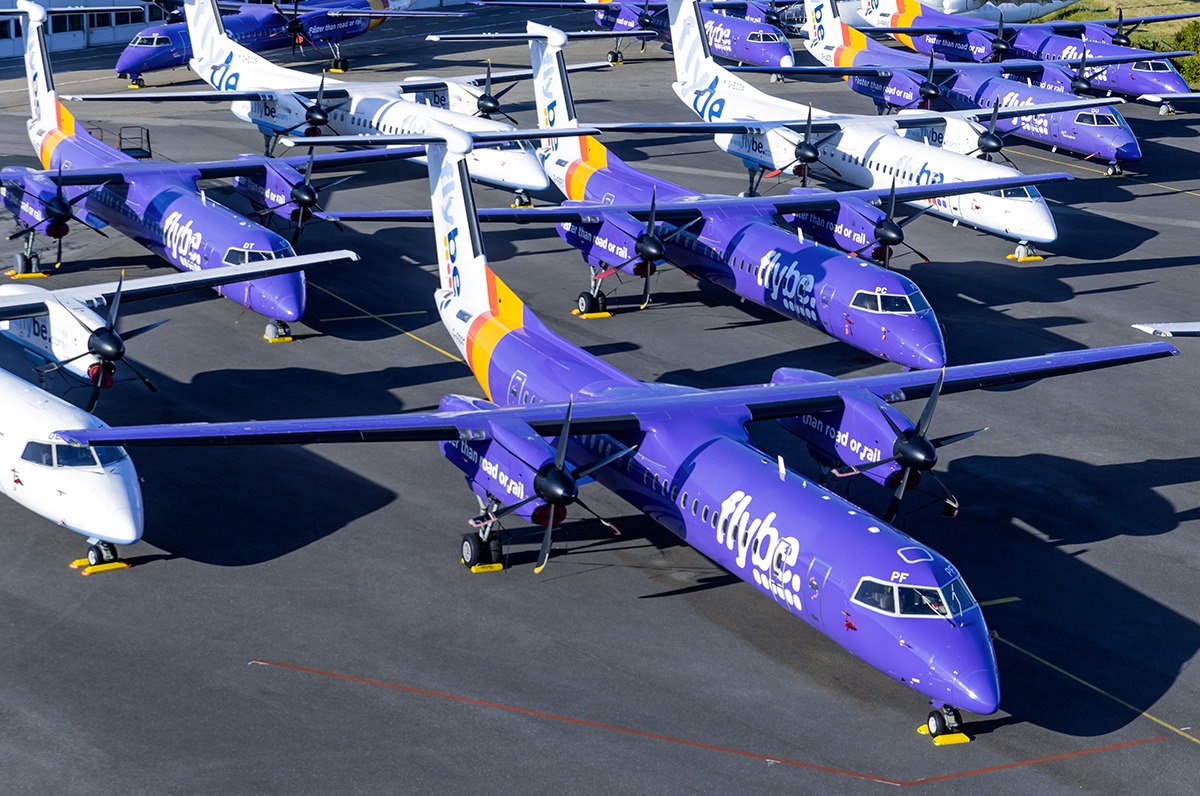
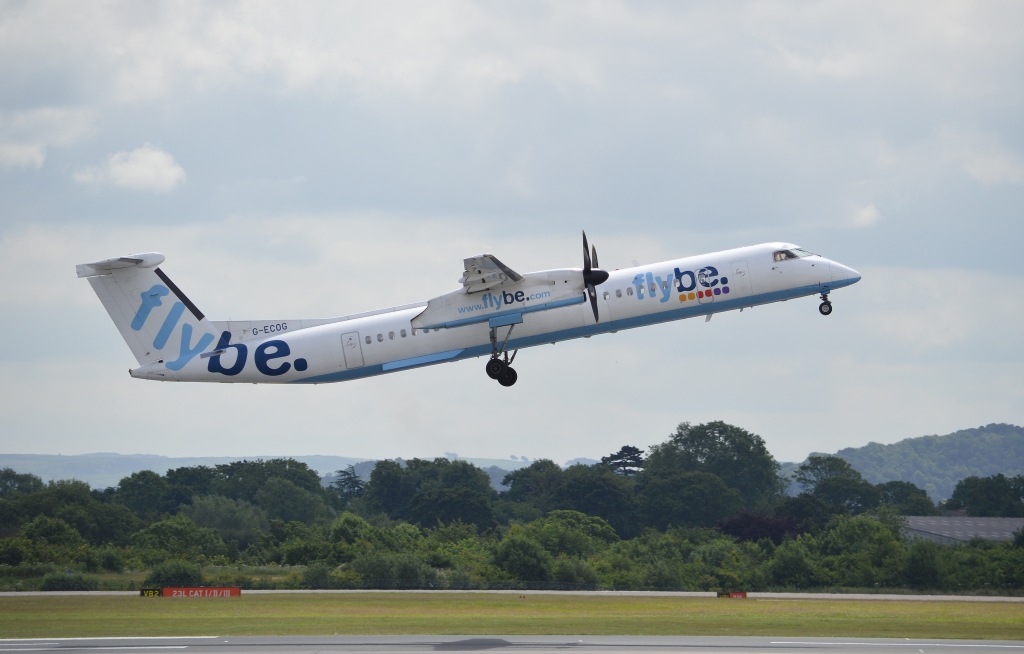
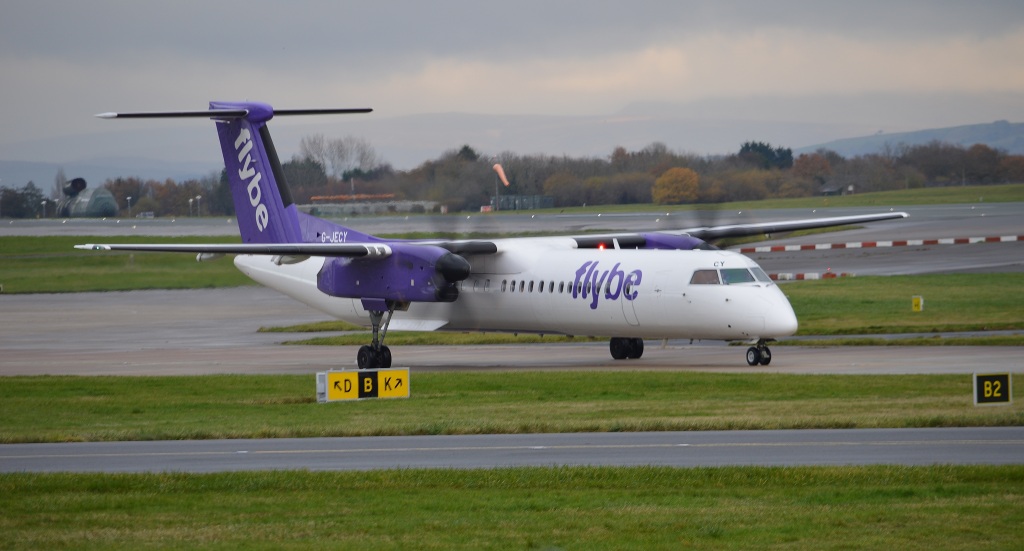
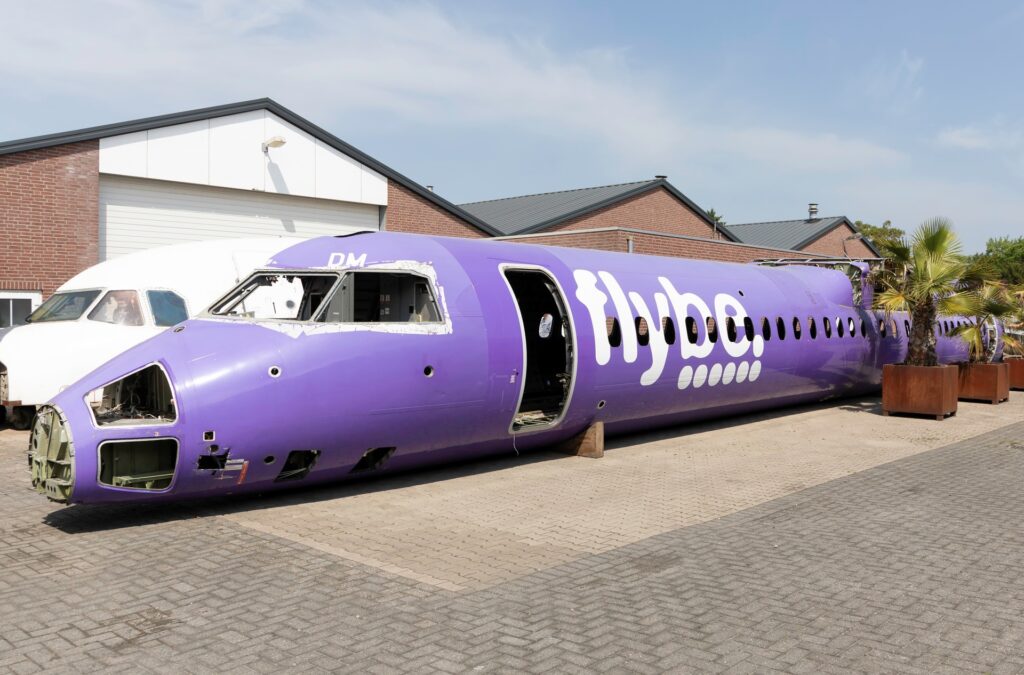
Flybe, once a dominant player in the European regional aviation market, operated a significant fleet of Bombardier Dash 8-Q400 aircraft. Known for their efficiency and performance, these turboprop airliners represented a critical component of Flybe’s operations. However, the airline’s abrupt collapse in March 2020 marked the end of an era for both the airline and its aircraft, leaving many to wonder about the fate of the Dash 8-Q400s.
From Operational Powerhouse to Storage
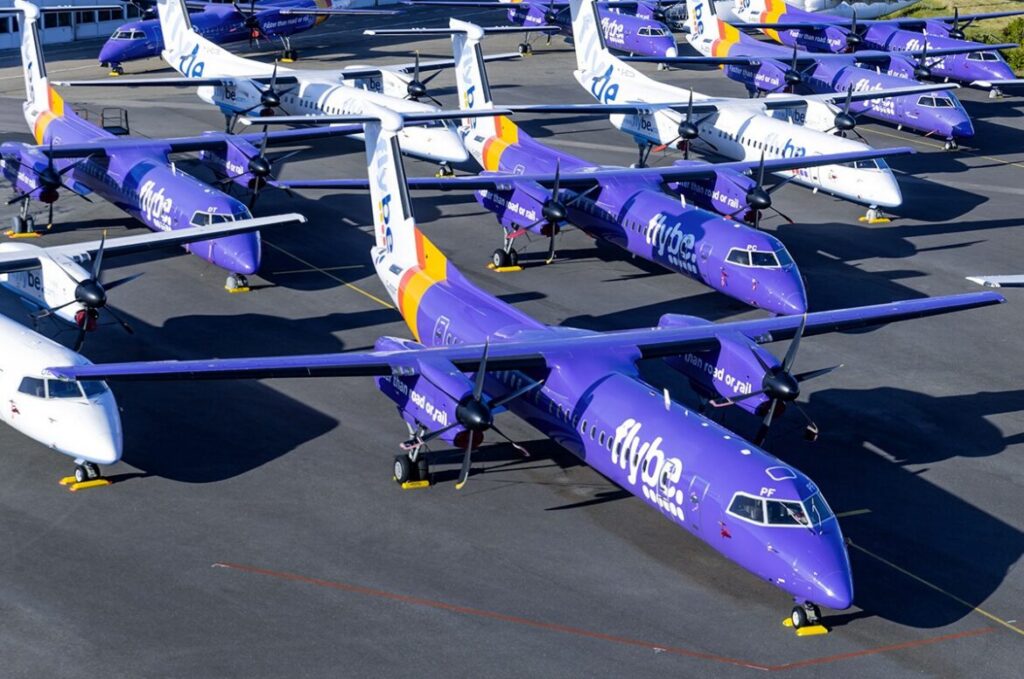
At its peak, Flybe was the largest operator of the Dash 8-Q400, with a fleet that included 54 of these aircraft at the time of its administration. Following the airline’s closure, the Dash 8-Q400s were temporarily stored at various UK airports, including Manchester and Birmingham. By mid-2020, these aircraft began to be returned to their lessors, including prominent firms like Norddeutsche Landesbank and Nordic Aviation Capital.
The Rise and Fall of Flybe 2.0
In April 2022, a new entity, often referred to as Flybe 2.0, attempted to revive the brand by reintroducing the Dash 8-Q400s into service. This new airline commenced operations with a phased approach, launching twenty-three routes across the UK and Europe. Despite initial optimism, Flybe 2.0 faced significant challenges, including rising operational costs and low passenger loads, leading to its eventual cessation of operations in January 2023.
A Diverse Future for the Dash 8-Q400s
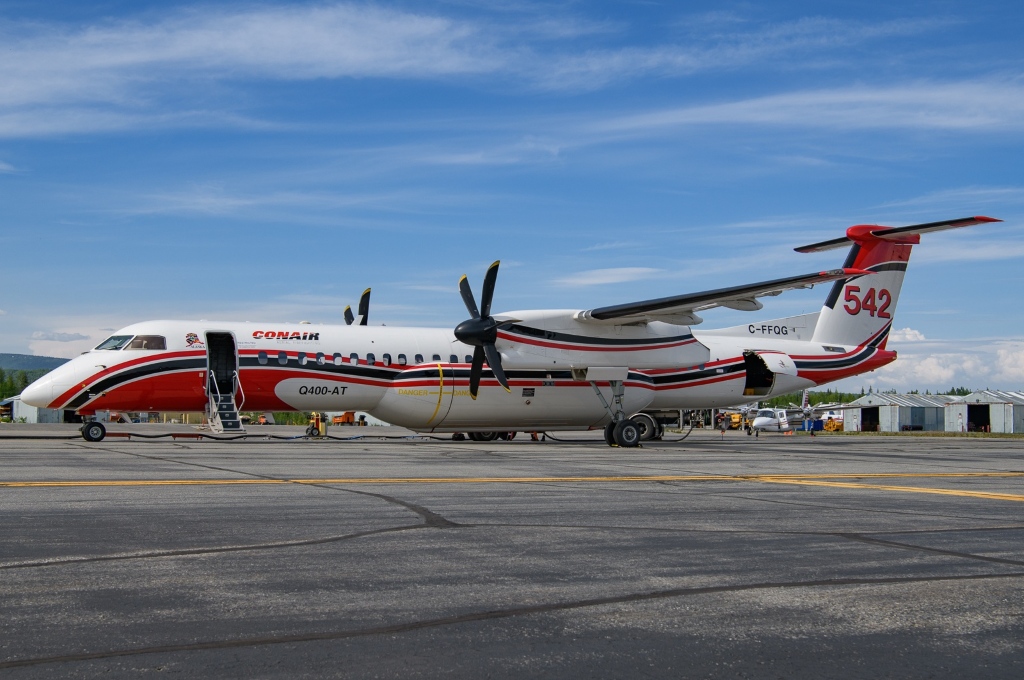
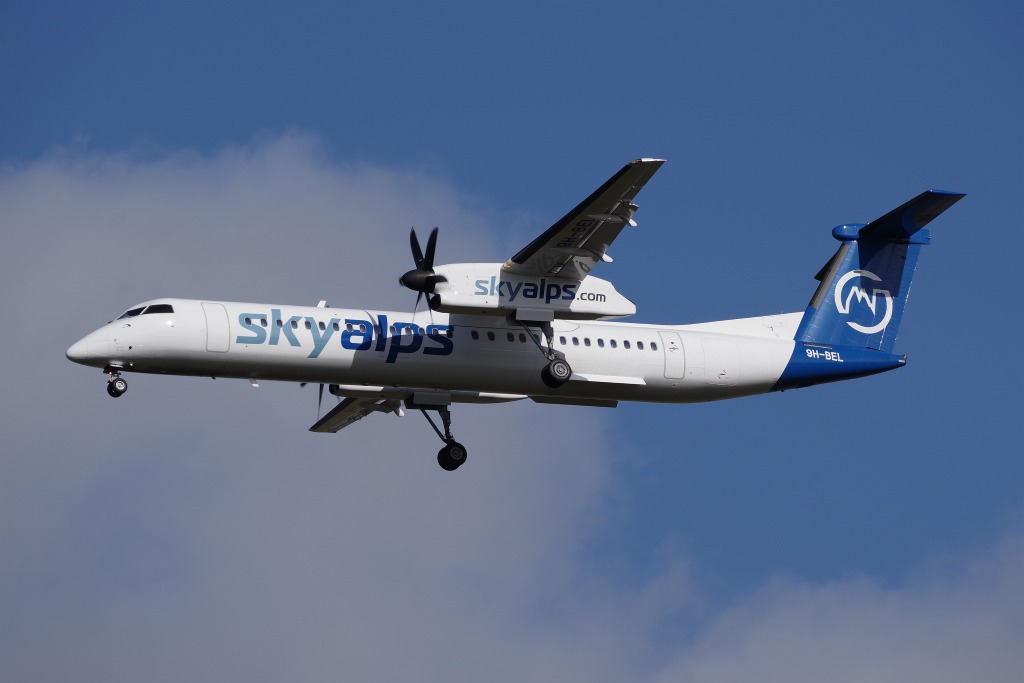
The current status of Flybe’s former fleet illustrates a varied future for these aircraft. While some have been broken up, others have found new lives with different operators worldwide. Notably, several Dash 8-Q400s are now engaged in humanitarian efforts, leased to the United Nations Humanitarian Air Service, while others have transitioned to roles in aerial firefighting and regional operations across Europe, Africa, and North America.
Operational Relevance and Market Implications
The evolution of the Dash 8-Q400 fleet post-Flybe highlights the aircraft’s adaptability and continued relevance in various operational contexts. As airlines seek to optimize their fleets for efficiency and performance, the Dash 8-Q400 remains a viable option for regional connectivity and specialized missions. The aircraft’s operational flexibility has enabled it to serve in diverse roles, from passenger transport to firefighting, demonstrating its enduring value in the aviation landscape.
Looking Ahead: The Dash 8-Q400’s Place in Aviation
As the aviation industry continues to recover from the impacts of the pandemic, the future of the Dash 8-Q400 fleet remains promising. With its established reputation for reliability and efficiency, the aircraft is well-positioned to meet the evolving demands of regional air travel and specialized operations. The legacy of Flybe’s fleet, once a symbol of regional aviation strength, now serves as a reminder of the challenges and opportunities that lie ahead for both aircraft and operators in a shifting market.
This article was prepared by LibelulaFly as an independent aviation-news summary and editorial reinterpretation based on publicly available reporting. Images, when used, are included for editorial context with source attribution. Original source: www.airportspotting.com. Read the original article here: https://www.airportspotting.com/what-happened-to-flybes-dash-8-q400s/.
List, promote, or publish aircraft with LibelulaFly.
LibelulaFly.com • Sales@libelulafly.com • +1 305-332-1942
Jun
New Aircraft Liveries Take Flight This June
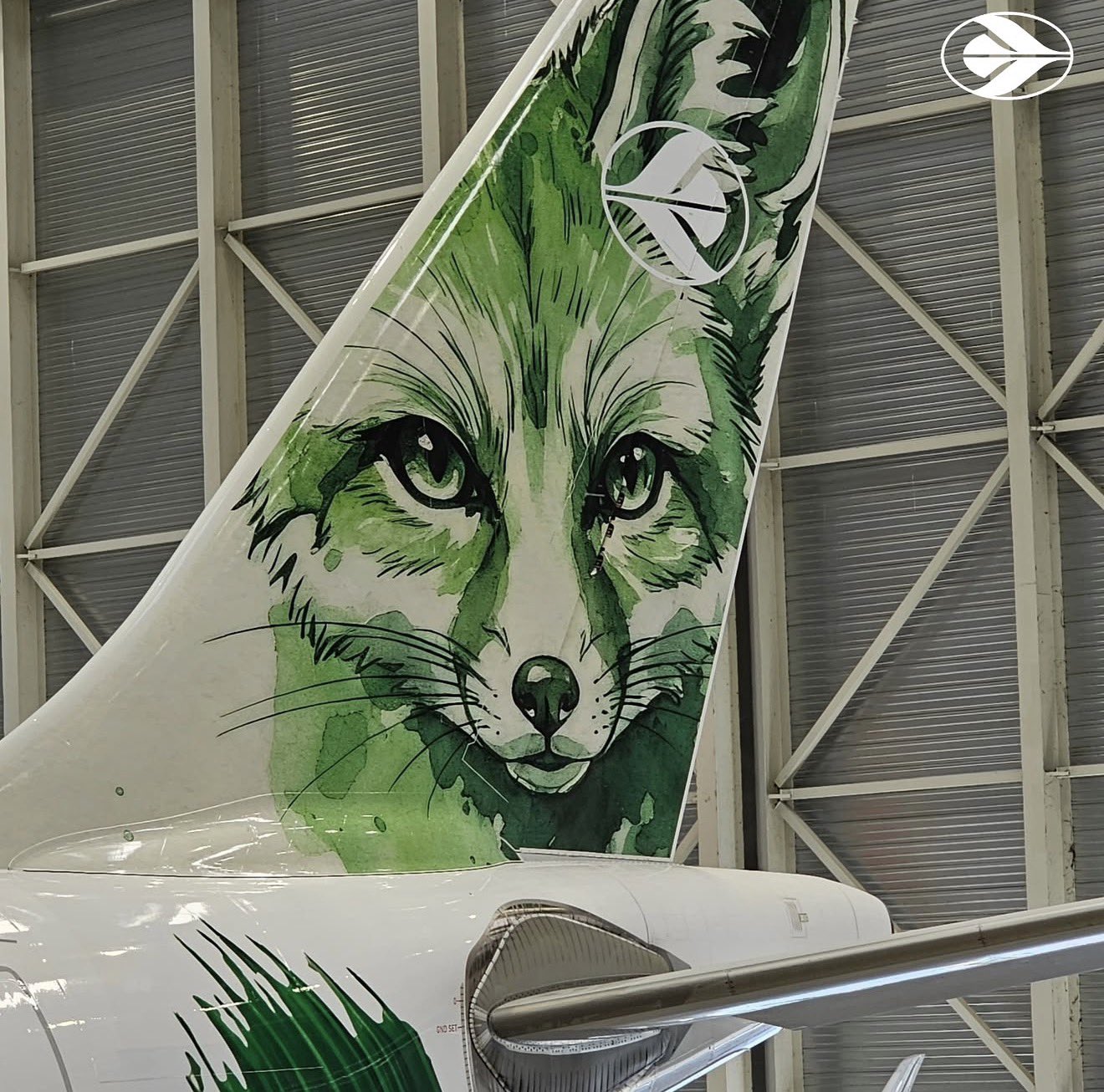
As summer unfolds, aviation enthusiasts and plane spotters are in for a treat with a series of new aircraft liveries debuting this June. From promotional designs celebrating global events to those showcasing cultural heritage, the skies are set to be adorned with vibrant and eye-catching schemes that reflect the dynamic nature of the aviation industry.
World Cup Spirit in the Skies
Several airlines have embraced the excitement surrounding the FIFA World Cup with special liveries that not only promote their brands but also embody national pride. Aerolineas Argentinas has unveiled a striking design on its Airbus A330-200, LV-KAN, celebrating its national team. Similarly, Air Algerie has introduced a unique livery on its Airbus A330neo, 7T-VLB, setting it apart from the carrier’s traditional aesthetics.
Cultural Celebrations and Promotions
In addition to World Cup-themed designs, airlines are also launching liveries that highlight cultural landmarks and entertainment partnerships. China Eastern Cargo is showcasing its commitment to the arts with a special livery on its Boeing 777 Freighter, B-221S, which is promoting the Shanghai Museum. This aircraft played a pivotal role in transporting priceless artifacts for a new exhibit, merging aviation with cultural heritage.
Meanwhile, Emirates has rolled out two notable liveries on its Airbus A380 fleet. One celebrates its sponsorship of Arsenal FC, while the other pays homage to the UAE’s national identity with a flag-themed design. These liveries not only enhance the visual appeal of the aircraft but also reinforce the airlines’ connections to significant cultural events and partnerships.
Milestones in Cargo and Passenger Aviation
FedEx has marked a significant milestone with the delivery of its 150th Boeing 767-300F, N244FE, which features a commemorative sticker. This delivery underscores the carrier’s long-standing commitment to maintaining a modern and efficient cargo fleet.
Additionally, Hungary Airlines has introduced its first converted Boeing 777-300 freighter, 9H-GLG, into service, expanding its operational capabilities and enhancing its cargo offerings.
Environmental and Heritage Initiatives
Qantas is promoting environmental awareness with a new livery on its Airbus A321XLR, VH-OGG, dedicated to the Great Barrier Reef. This initiative reflects the airline’s commitment to sustainability and conservation efforts, aligning its brand with ecological stewardship.
In a nod to nostalgia, Sun Country Airlines has unveiled a retro livery on its Boeing 737-800, N826SY, as it transitions into Allegiant Air. This design pays homage to the airline’s heritage, celebrating its legacy in the aviation industry.
Looking Ahead: The Future of Aviation Spotting
As these new liveries take to the skies, plane spotters are encouraged to seek out these unique designs and capture their beauty. With the summer months providing ample opportunities for spotting, enthusiasts can look forward to a vibrant display of aviation artistry across global airports. Resources such as airport spotting guides and premium memberships offer valuable insights to enhance the spotting experience, ensuring that every trip is memorable. The evolving landscape of airliner liveries not only captivates aviation enthusiasts but also reflects broader cultural narratives and industry trends.

Jun
Legacy of the Lockheed TriStar in Aviation
The Lockheed L-1011 TriStar, a prominent figure in the history of commercial aviation, has seen its final days as the C-FTNA airframe has been scrapped after a 25-year presence at Lyon-Saint Exupéry Airport. This development not only signifies the end of a chapter for this iconic aircraft but also highlights the challenges faced by vintage airliners in maintaining operational viability.
From Flight to Fixture: C-FTNA’s Journey
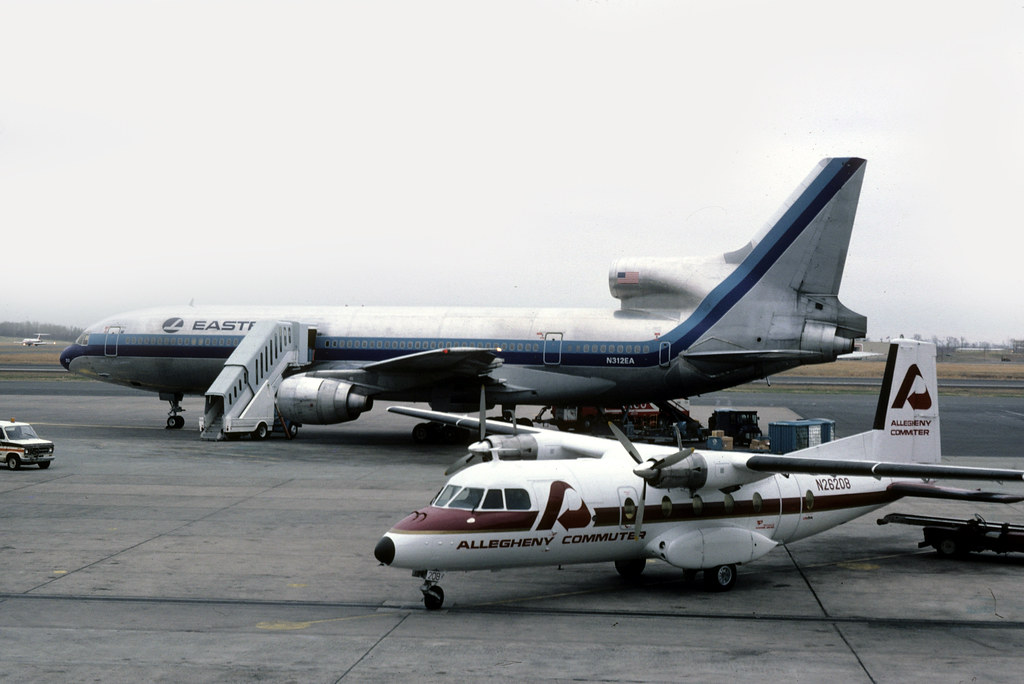
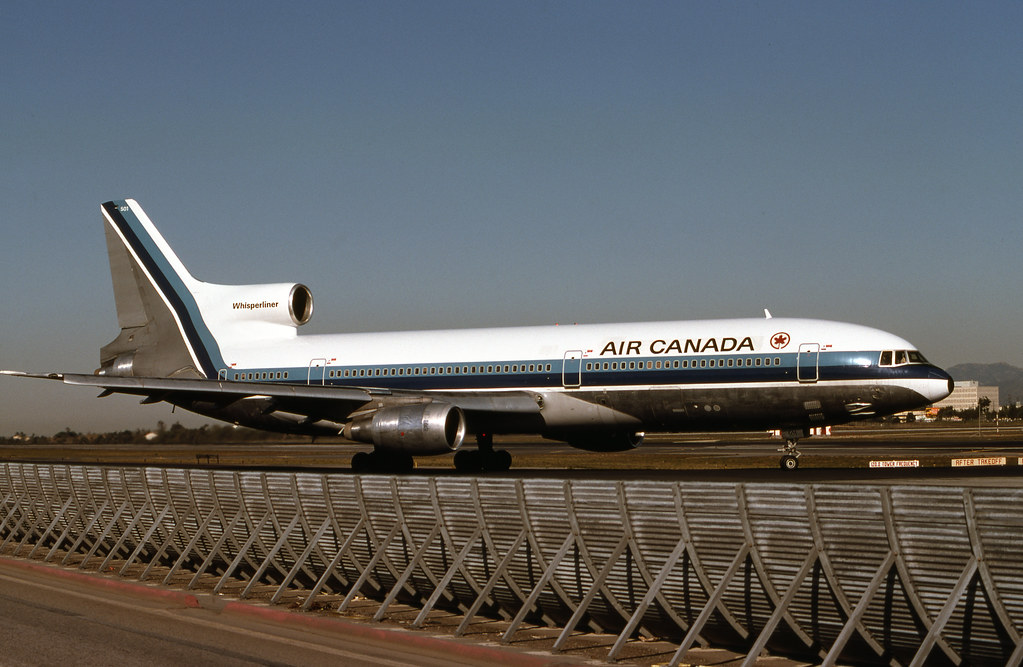
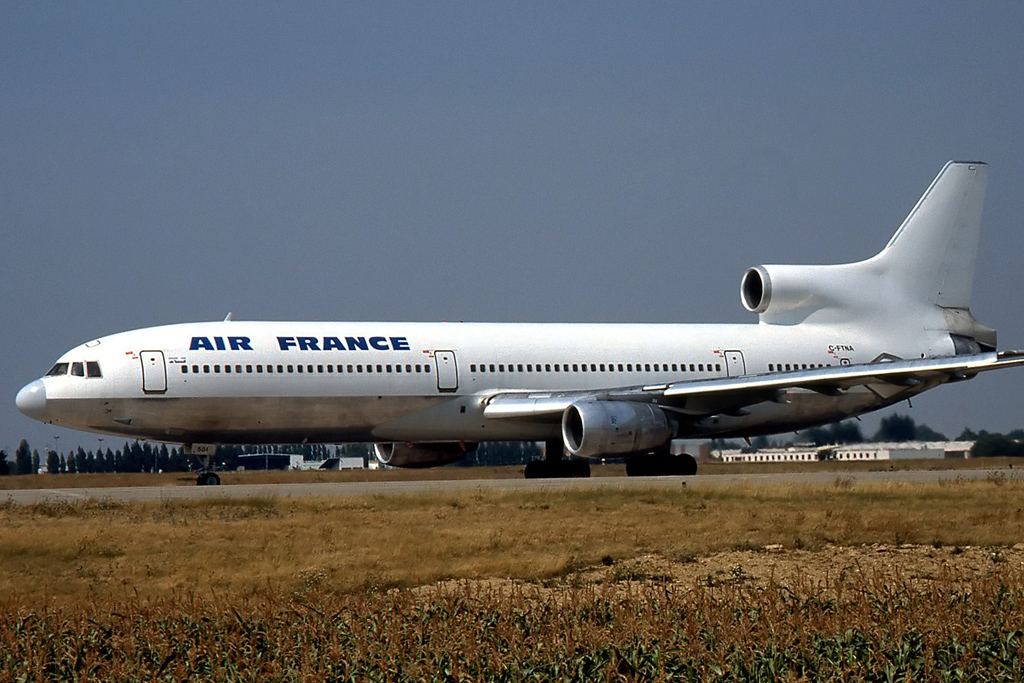
C-FTNA, originally delivered to Eastern Air Lines in 1972, had a varied career before becoming synonymous with Air Transat. After a series of leases, including a notable period with Air Canada, it transitioned to a charter role with Air Transat, where it served long-haul routes to destinations in the Caribbean and Europe. However, its operational history took a dramatic turn on July 6, 2001, when the aircraft encountered severe thunderstorms shortly after takeoff from Lyon, resulting in significant damage. Thankfully, the skilled crew managed to return safely without injury to any passengers or crew members.
Decline and Transformation
Following the incident, extensive assessments determined that the damage was beyond economical repair, and Air Transat made the decision to permanently ground the aircraft. Subsequently, C-FTNA was towed to a remote area of the airport where it remained visible to travelers and aviation enthusiasts alike. Over time, the aircraft was repurposed as a unique venue for conferences and events and served as a training aid for airport firefighters. However, as years passed, the airframe’s condition deteriorated, leading to an inevitable conclusion.
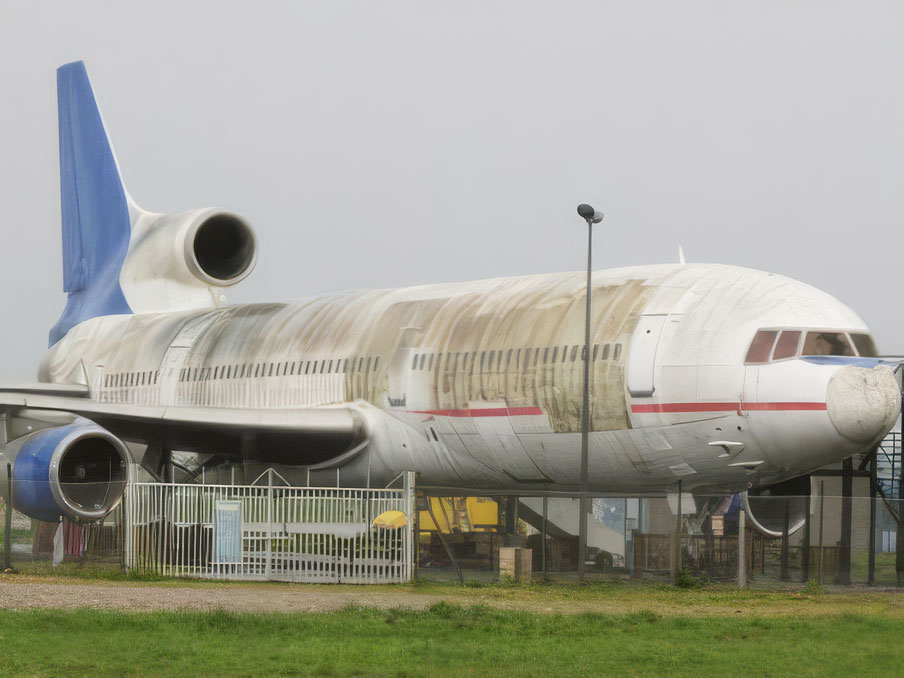
Final Farewell: The Scrapping of C-FTNA
Recent images circulating on social media have confirmed the dismantling of C-FTNA, marking the definitive end of its storied legacy. The aircraft’s scrapping underscores the broader trend affecting classic aircraft, where the costs and efforts required for preservation often outweigh the benefits, particularly as fewer examples of the TriStar remain in existence.
A Reflection on the TriStar’s Place in History
The Lockheed TriStar was once celebrated for its innovative design and engineering prowess, featuring advanced aerodynamics and a unique T-tail configuration. Despite its historical significance and the nostalgia it evokes among aviation enthusiasts, the realities of modern aviation and operational economics have led to the gradual retirement of such aircraft. With only a handful of TriStars still operational worldwide, the scrapping of C-FTNA serves as a poignant reminder of the passage of time in the aviation industry.
Looking Ahead in Aviation
As we bid farewell to C-FTNA, the legacy of the Lockheed TriStar remains a cherished chapter in aviation history. The aircraft’s story reflects the evolution of air travel and the need for continuous innovation in the aerospace sector. For current and future operators, the focus will undoubtedly shift towards more efficient, sustainable aircraft that can meet the demands of modern travel while honoring the rich history of aviation.



This article was prepared by LibelulaFly as an independent aviation-news summary and editorial reinterpretation based on publicly available reporting. Images, when used, are included for editorial context with source attribution. Original source: www.airportspotting.com. Read the original article here: https://www.airportspotting.com/lyons-resident-lockheed-tristar-scrapped-after-25-years/.
List, promote, or publish aircraft with LibelulaFly.
LibelulaFly.com • Sales@libelulafly.com • +1 305-332-1942

Jun
United Airlines Receives Its First Airbus A321XLR
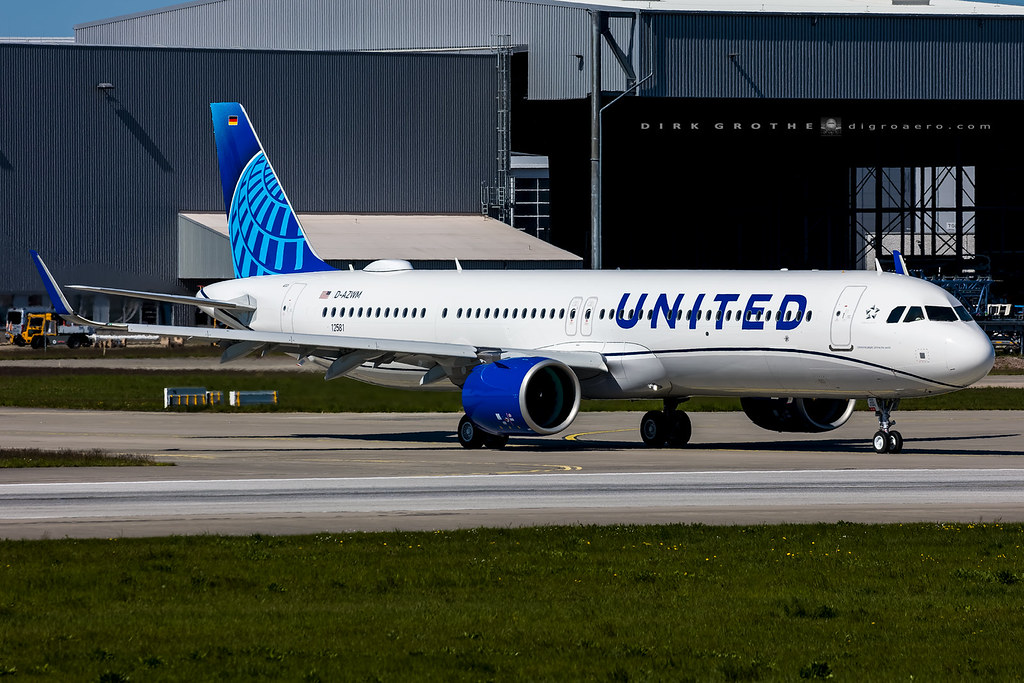
In a pivotal advancement for its fleet and route strategy, United Airlines has officially accepted delivery of its inaugural Airbus A321XLR. The aircraft was handed over at Airbus’ facility in Hamburg, Germany, before embarking on its journey to the United States. This delivery marks the beginning of a significant chapter in United’s long-term growth strategy, with a total of 50 A321XLRs ordered.
Transforming Operational Capabilities
The Airbus A321XLR, the latest variant in the A320neo family, is designed to operate long-haul routes with a range of up to 4,700 nautical miles. This capability allows airlines to serve destinations that typically demand larger widebody aircraft, thereby expanding operational flexibility. United’s adoption of the A321XLR will enable it to explore “long thin” routes—those that do not generate sufficient demand for larger aircraft but can be served profitably by a narrowbody jet.
Replacing an Iconic Fleet
One of the most significant aspects of United’s A321XLR program is its role in replacing the aging Boeing 757 fleet. United has long been one of the largest operators of the 757, utilizing both the -200 and -300 variants for a variety of domestic and international routes. However, many of these aircraft are now over 25 years old, leading to increased operational costs. The A321XLR is poised to fill the gap left by the 757, offering modern engines, enhanced fuel efficiency, and lower operating costs, making it a suitable successor for transatlantic and other long-range services.

A Cabin Designed for Comfort
United Airlines has configured its A321XLR for long-haul operations, featuring a premium-heavy cabin layout. The aircraft accommodates 150 passengers, including 20 United Polaris business class suites, 12 Premium Plus premium economy seats, and 118 economy seats. The Polaris suites offer fully lie-flat beds with privacy doors, large entertainment screens, and upgraded amenities, while economy passengers will benefit from modern interiors and a self-service snack bar at the rear of the aircraft. This configuration reflects United’s strategy to deploy the A321XLR primarily on international routes where passenger comfort is paramount.
Future Route Possibilities
While United has yet to announce a comprehensive route map for the A321XLR, indications suggest that the aircraft will primarily serve transatlantic routes and smaller European destinations that are unable to accommodate larger aircraft. The impressive range of the A321XLR opens up various opportunities from United’s hubs, especially in Newark and Washington Dulles, with potential routes to secondary European markets, North Africa, and parts of South America.
A Strategic Addition to the Fleet
With the delivery of the first A321XLR, United Airlines takes a significant step forward in its fleet renewal program, which also includes the acquisition of Airbus A321neos and Boeing 737 MAX aircraft. As deliveries ramp up in the coming years, the A321XLR is expected to become a prominent feature in United’s operations, gradually replacing older aircraft and facilitating new route opportunities. This strategic addition not only enhances United’s operational capabilities but also aligns with the airline’s commitment to modernizing its fleet and improving the travel experience for its passengers.




This article was prepared by LibelulaFly as an independent aviation-news summary and editorial reinterpretation based on publicly available reporting. Images, when used, are included for editorial context with source attribution. Original source: www.airportspotting.com. Read the original article here: https://www.airportspotting.com/united-airlines-takes-delivery-of-its-first-airbus-a321xlr/.
List, promote, or publish aircraft with LibelulaFly.
LibelulaFly.com • Sales@libelulafly.com • +1 305-332-1942
Jun
Aviation Enthusiasts Anticipate Farnborough 2026
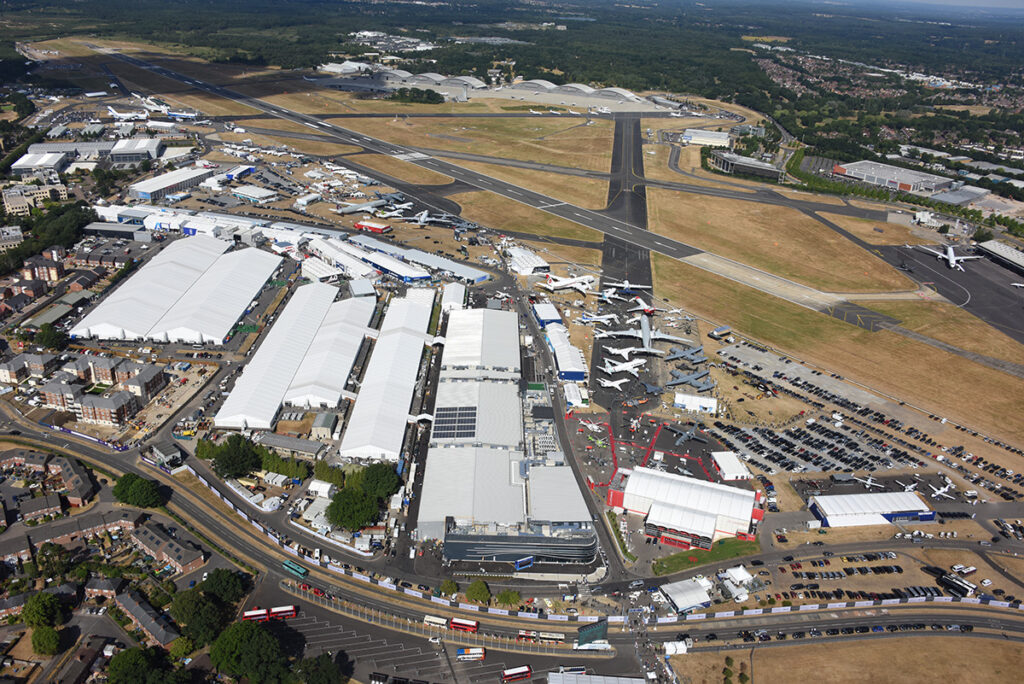
The Farnborough International Airshow, a cornerstone event in the aerospace calendar, has unveiled its first aircraft for the 2026 edition, scheduled from July 20 to 24 at Farnborough Airport in Hampshire. This biennial gathering is renowned for showcasing the latest advancements in aviation technology, alongside a rich array of historic aircraft. The early announcement of participating aircraft has already generated excitement among aviation professionals and enthusiasts alike.
Highlighting Innovation with the Boeing 747-400 Testbed
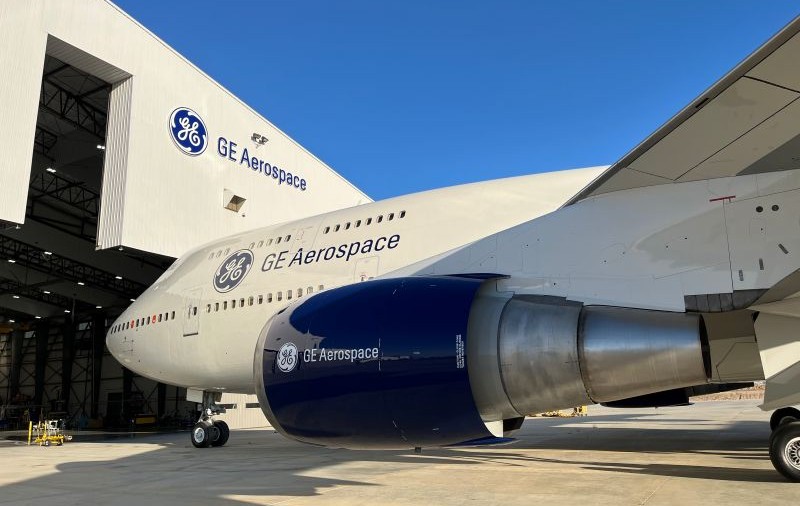
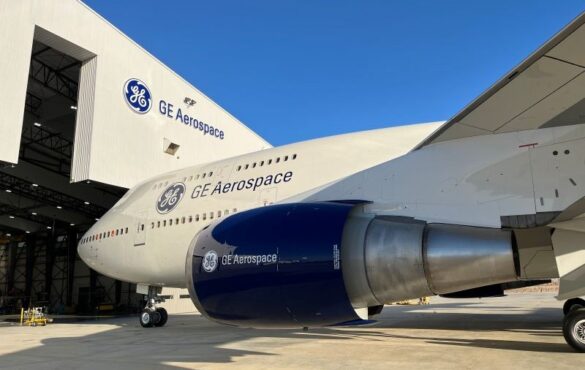
Among the notable aircraft confirmed for the show is the Boeing 747-400 testbed, operated by GE Aerospace. This aircraft has played a pivotal role in engine development and certification, often featuring experimental engines that are vital to the evolution of modern airliner propulsion systems. The 747-400 testbed’s presence at Farnborough not only underscores its significance in aviation research but also offers a rare opportunity for spectators to witness this iconic aircraft in flight, as it gradually phases out of commercial service globally.
Showcasing the Airbus A350-1000
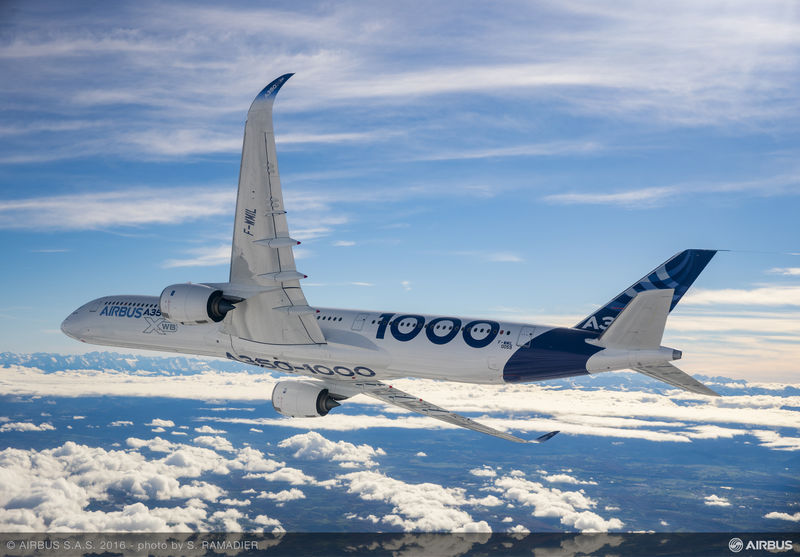
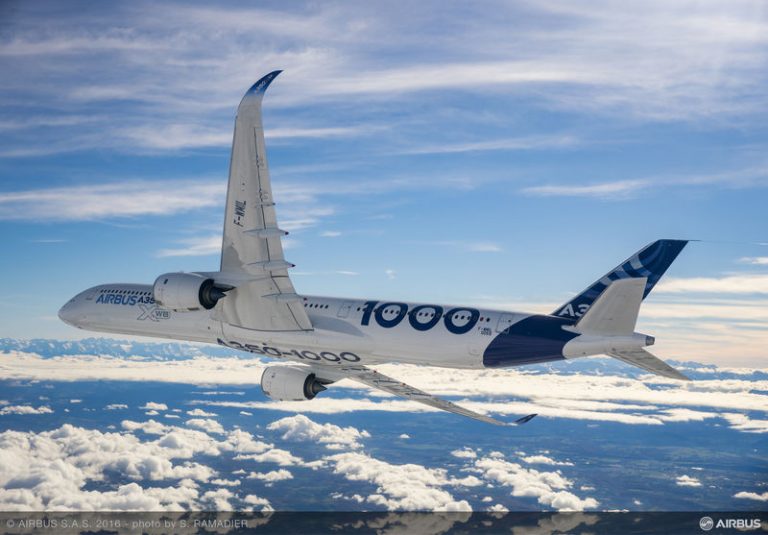
Airbus will also feature its A350-1000, a model that epitomizes the latest advancements in widebody aircraft design and technology. Renowned for its fuel efficiency, extended range, and enhanced passenger comfort, the A350-1000 has become a staple for several major airlines, including British Airways and Qatar Airways. Attendees can expect a compelling aerial demonstration, as Airbus is known for delivering impressive flight displays that highlight the aircraft’s capabilities and innovations.
A Nod to History with the P-51D Mustang
In addition to modern marvels, the airshow will also celebrate aviation history with the inclusion of the P-51D Mustang from Ultimate Warbird Flights. This legendary fighter aircraft, famous for its role in World War II, remains one of the most celebrated warbirds today. Its distinctive design and powerful Merlin engine continue to captivate audiences, providing a nostalgic contrast to the contemporary aircraft populating the event.
Looking Ahead: More Aircraft to Be Announced
The initial lineup represents just a fraction of what attendees can expect at Farnborough 2026. Organizers have indicated that additional aircraft for both flying and static displays will be announced in the coming months, promising a diverse array of aircraft that spans the spectrum of aviation history and innovation. Given the event’s reputation for attracting significant participants, the 2026 show is poised to be one of the largest in its history, reflecting the growing demand within the aerospace sector.
Aviation’s Future Takes Flight
The Farnborough International Airshow 2026 is shaping up to be a landmark event for aviation enthusiasts, industry professionals, and manufacturers alike. With the confirmed presence of the Boeing 747-400 testbed, Airbus A350-1000, and P-51D Mustang, the event not only highlights the ongoing advancements in aviation technology but also honors the rich legacy of flight. As the aviation world continues to evolve, Farnborough remains a vital platform for showcasing both current innovations and historical achievements, making it a must-attend event on the aerospace calendar.



This article was prepared by LibelulaFly as an independent aviation-news summary and editorial reinterpretation based on publicly available reporting. Images, when used, are included for editorial context with source attribution. Original source: www.airportspotting.com. Read the original article here: https://www.airportspotting.com/farnborough-airshow-2026-reveals-aircraft-display-line-up-boeing-747-airbus-a350-mustang-among-highlights/.
List, promote, or publish aircraft with LibelulaFly.
LibelulaFly.com • Sales@libelulafly.com • +1 305-332-1942
Jun
Emirates Takes Delivery of First Converted Boeing 777-300ERSF
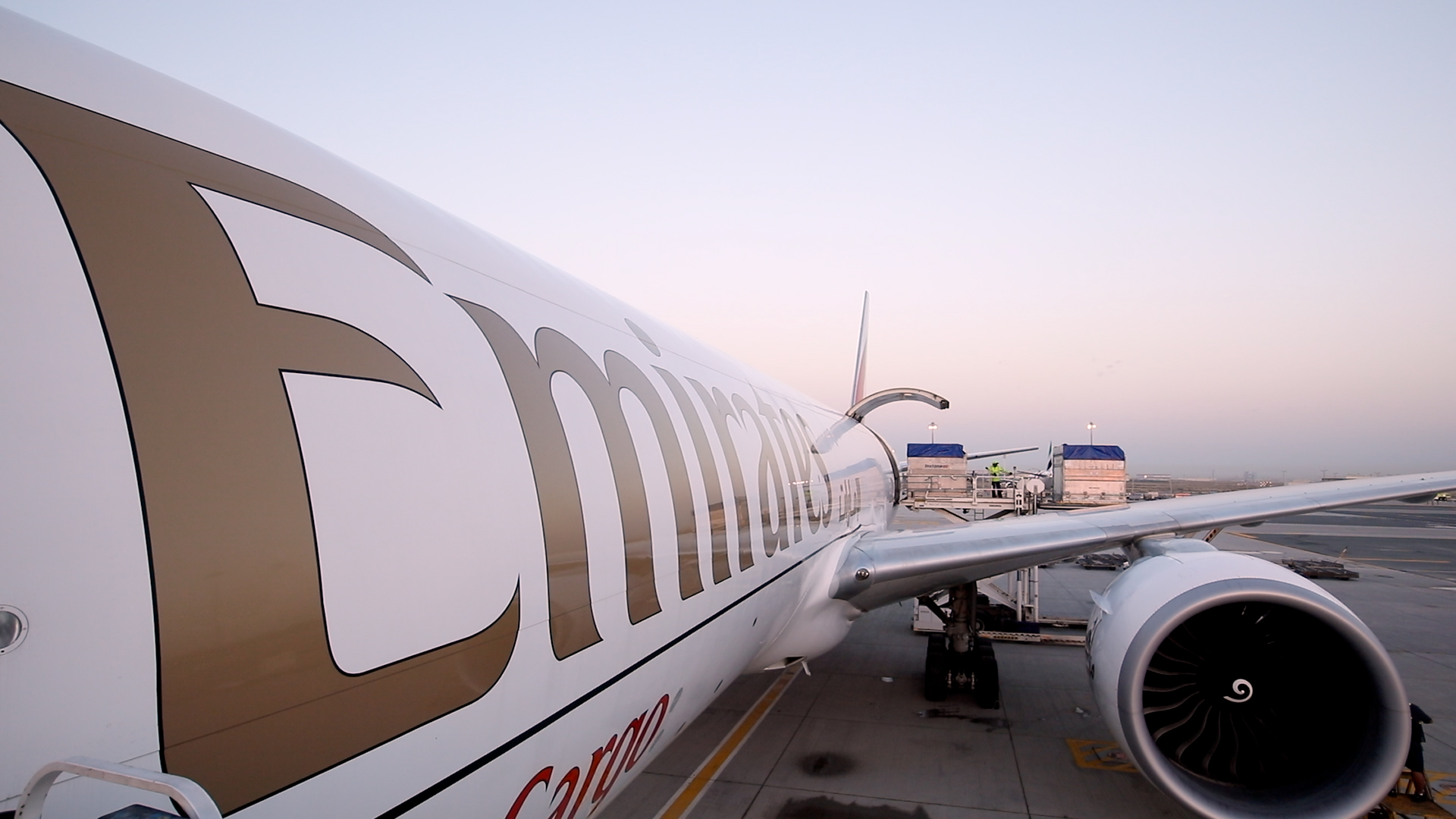
Emirates has marked a pivotal moment in its cargo operations with the delivery of its inaugural Boeing 777-300ERSF freighter. This aircraft, designated A6-EBK, recently completed its conversion at the hands of Israel Aerospace Industries (IAI) in Tel Aviv, Israel. The addition of this freighter aligns with Emirates SkyCargo’s long-term strategy to enhance its cargo capacity and operational efficiency.
Transforming Passenger Jets into Cargo Workhorses
The Boeing 777-300ER has long been a cornerstone of Emirates’ passenger fleet, with the airline operating over 100 units, making it the largest operator of this aircraft type globally. As the airline introduces newer models like the Airbus A350 and Boeing 777X, it is strategically repurposing selected older 777-300ERs into dedicated freighters. This innovative approach allows Emirates to extend the lifespan of these airframes while meeting the growing demand for air cargo services.
Understanding the Boeing 777-300ERSF Conversion
The Boeing 777-300ERSF, often referred to as the “Big Twin,” represents the largest twin-engine passenger-to-freighter conversion program in the world. Developed by IAI, the conversion process retains the core structure and systems of the original 777-300ER while implementing significant modifications. Key enhancements include the installation of a large cargo door, reinforced flooring, and a specialized cargo handling system, all while removing the passenger cabin. This transformation enables the aircraft to transport approximately 100 tonnes of cargo, capitalizing on the fuel efficiency and range that made the 777-300ER a success in commercial aviation.
Strategic Expansion of Cargo Capacity
For Emirates, cargo operations are increasingly vital, complementing its extensive passenger services. Emirates SkyCargo is recognized as one of the world’s largest dedicated cargo fleets, servicing numerous global destinations. The airline’s current fleet includes Boeing 777 freighters, along with additional new-build orders from Boeing. The conversion of existing passenger aircraft into freighters allows Emirates to swiftly and cost-effectively expand its cargo capacity, catering to the surging demand for air freight driven by sectors such as e-commerce, pharmaceuticals, and perishables.
A Sustainable Future for the Boeing 777-300ER
The introduction of A6-EBK is significant not only for Emirates but also for the broader aviation industry. With thousands of Boeing 777-300ERs in operation worldwide, many are approaching the end of their service life. The success of the 777-300ERSF conversion program offers airlines an alternative to retiring these aircraft, enabling continued utilization in cargo roles. Emirates’ commitment to converting ten aircraft underscores its confidence in this innovative approach.
Looking Ahead
The arrival of A6-EBK is just the beginning of what is expected to be a growing fleet of converted freighters. As Emirates continues to modernize its passenger operations while simultaneously expanding its cargo capabilities, the Boeing 777-300ERSF could emerge as a pivotal development in the air freight sector. The operational relevance of this conversion program will likely resonate throughout the industry, providing airlines with new opportunities to optimize their fleets and meet evolving market demands.
Jun
A Legacy of Performance: The Boeing 757-300
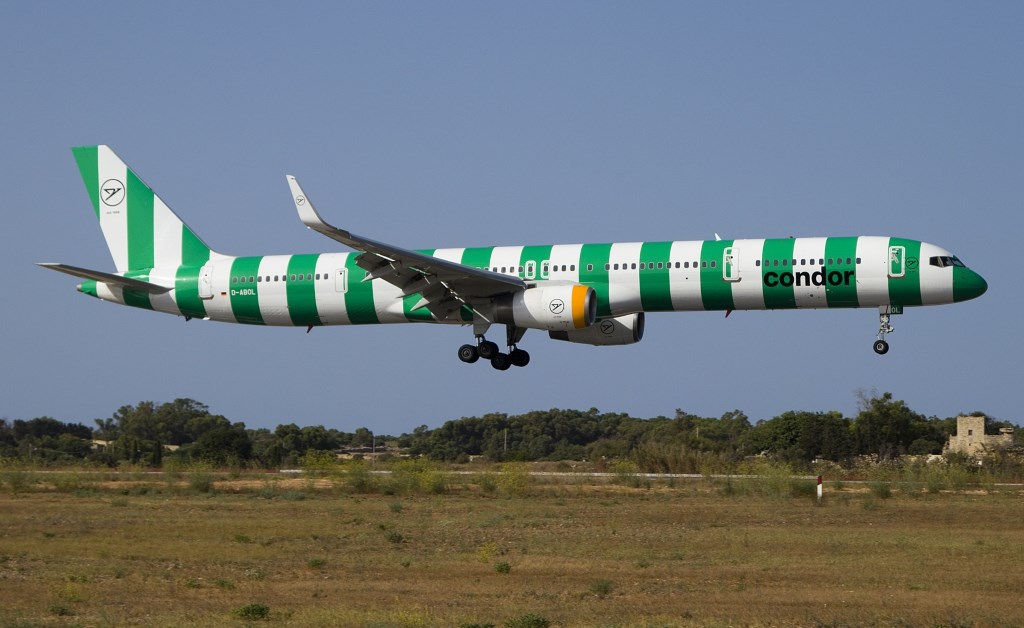
The Boeing 757-300, an extended variant of the iconic 757 series, remains a notable figure in commercial aviation despite its limited production run. With only 55 units manufactured, the 757-300 has become a rare sight in the skies, cherished by enthusiasts for its distinctive design and operational capabilities. While its production ceased in 2004, a handful of airlines continue to operate this aircraft, keeping its legacy alive.
The Current Landscape: Four Airlines Still Flying the 757-300
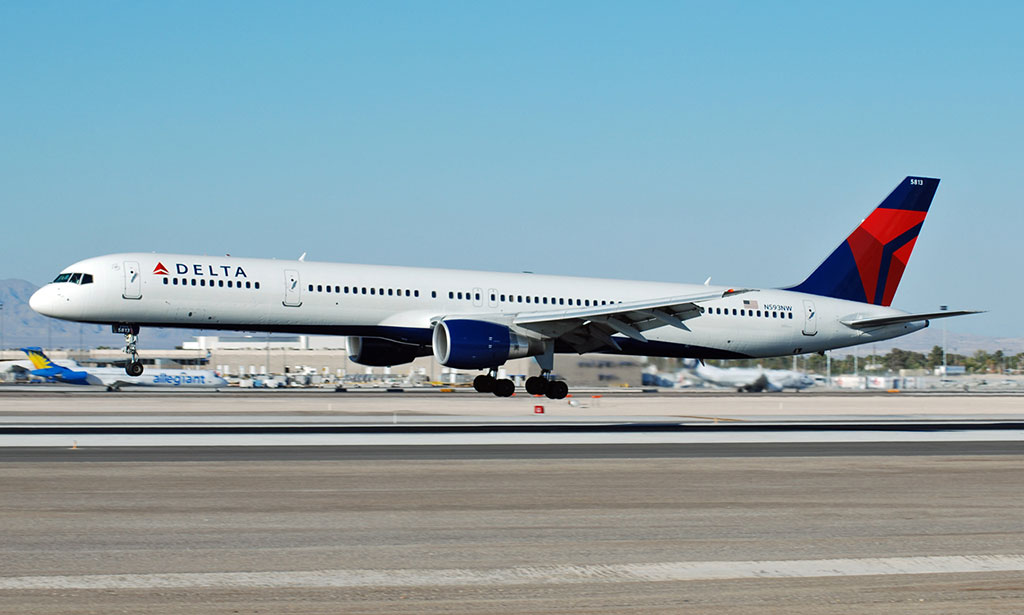
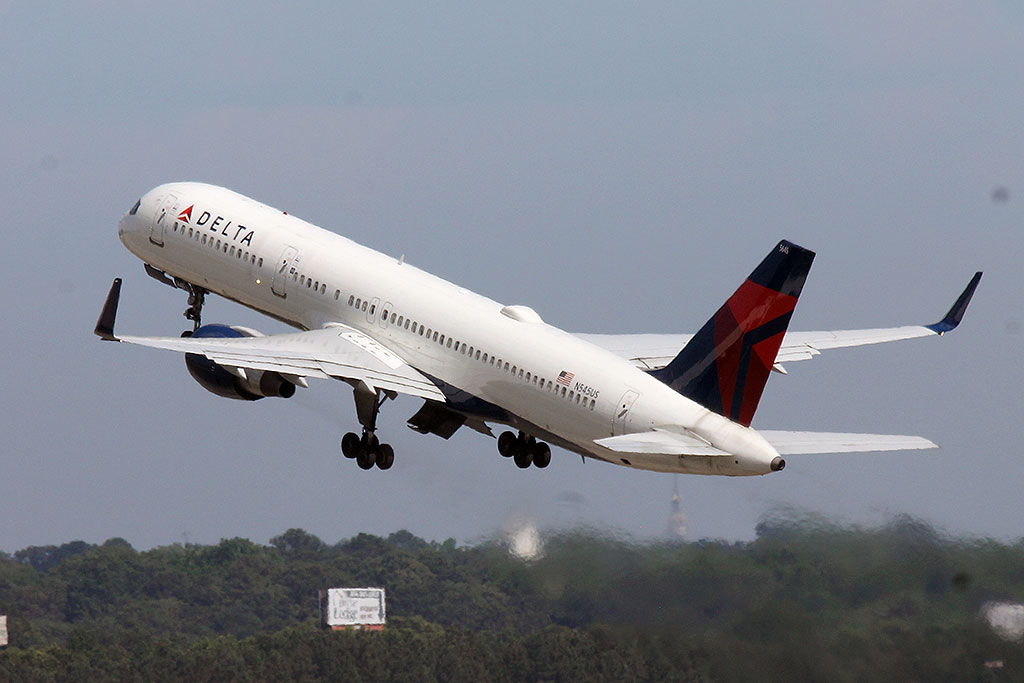
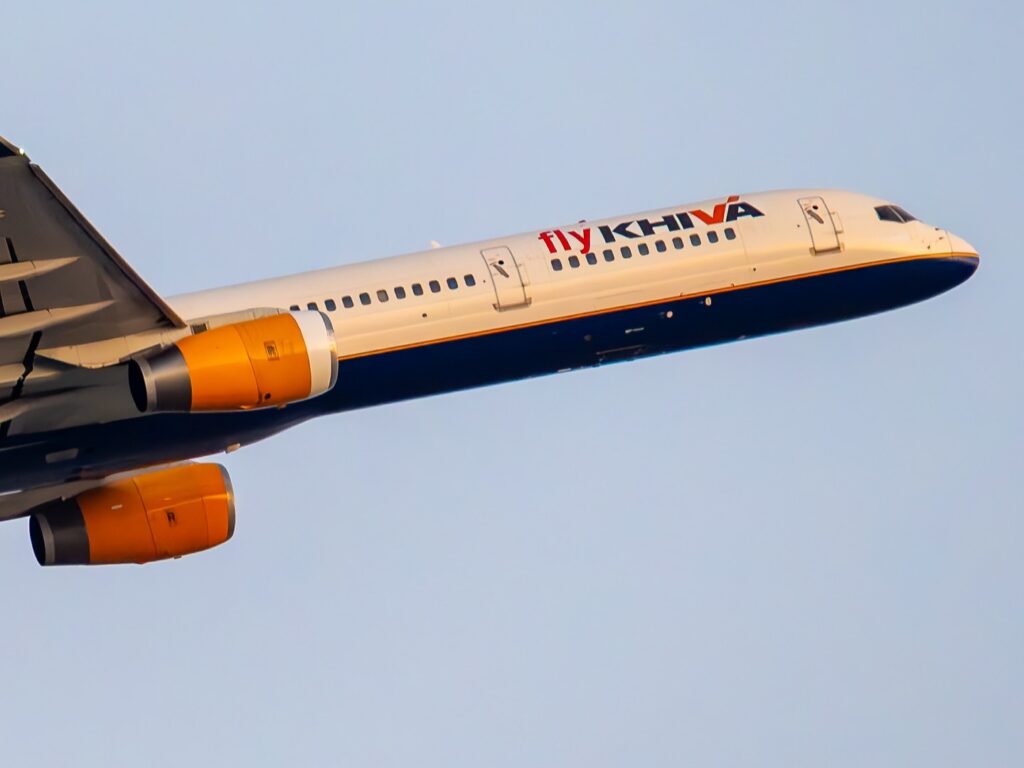
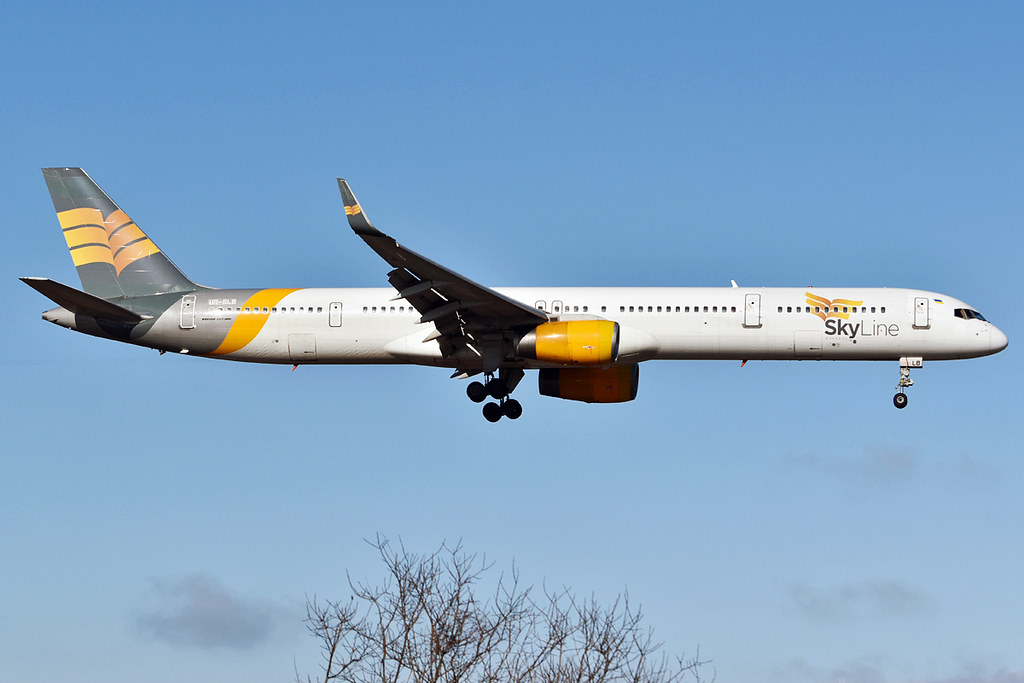
As of now, just four airlines are actively operating the Boeing 757-300, each utilizing the aircraft in ways that highlight its unique features. These operators include Delta Air Lines, United Airlines, Fly Khiva, and Skyline Express Airlines. Each plays a critical role in maintaining the operational relevance of this aircraft type.
Delta Air Lines: The Largest Operator
Delta Air Lines stands as the largest operator of the Boeing 757-300, with approximately 16 aircraft in its fleet. The airline primarily employs these aircraft on high-demand domestic routes, where their capacity of up to 295 passengers is advantageous. Popular destinations served by Delta’s 757-300s include major hubs and leisure locations, such as Orlando and Las Vegas. The airline’s continued use of this model underscores its importance in Delta’s operational strategy.
United Airlines: A Key Player
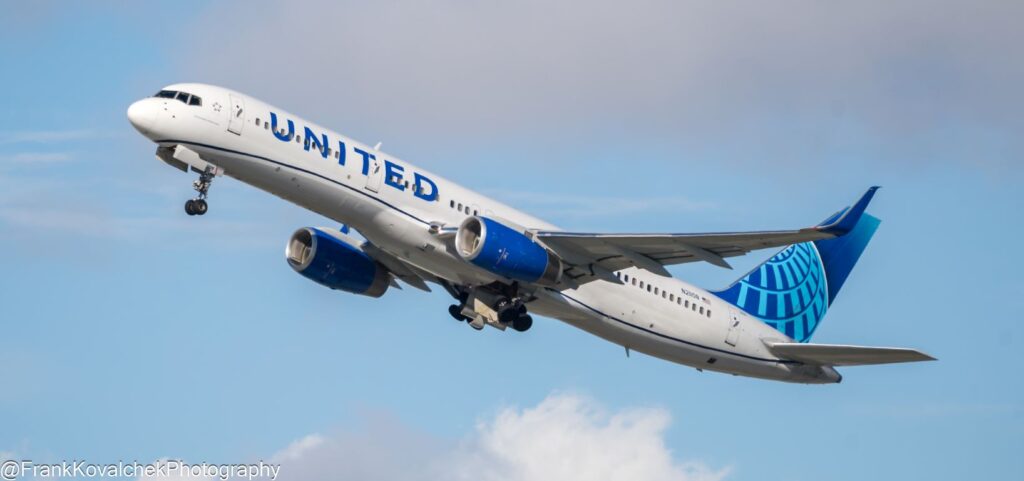
United Airlines operates around 21 Boeing 757-300s, making it the largest fleet by aircraft numbers. Like Delta, United utilizes the aircraft on busy domestic routes, linking major cities such as Chicago and Los Angeles. Additionally, these aircraft are occasionally deployed on transcontinental flights to Hawaii, showcasing their range capabilities. United’s commitment to the 757-300 highlights its value in the airline’s network amid a competitive landscape.
International Operators: Fly Khiva and Skyline Express
Beyond North America, Fly Khiva, based in Uzbekistan, and Skyline Express Airlines from Ukraine have emerged as notable operators of the Boeing 757-300. Fly Khiva has integrated the aircraft into its fleet for charter and scheduled services, connecting Central Asia with various international destinations. Meanwhile, Skyline Express, which specializes in charter operations, continues to utilize its aircraft for leisure travel across Europe and the Middle East, despite operational challenges stemming from regional instability.
The Future of the Boeing 757-300
The outlook for the Boeing 757-300 is increasingly uncertain as airlines modernize their fleets. With competitors like the Airbus A321neo offering similar capacity and improved efficiency, the longevity of the 757-300 in commercial service is in question. While Delta and United remain committed to their fleets for the time being, the smaller operators face challenges related to aging aircraft and support.
Conclusion: A Cherished Icon in Aviation
The Boeing 757-300, with its impressive performance and operational flexibility, continues to captivate aviation enthusiasts and professionals alike. As the number of active operators dwindles, the rarity of this aircraft only enhances its allure. Its ability to serve high-demand routes while providing a unique flying experience ensures that the 757-300 will be remembered as a significant chapter in aviation history for years to come.




This article was prepared by LibelulaFly as an independent aviation-news summary and editorial reinterpretation based on publicly available reporting. Images, when used, are included for editorial context with source attribution. Original source: www.airportspotting.com. Read the original article here: https://www.airportspotting.com/last-boeing-757-300-operators/.
List, promote, or publish aircraft with LibelulaFly.
LibelulaFly.com • Sales@libelulafly.com • +1 305-332-1942
Jun
Manchester Airport: A Hub for Aviation Enthusiasts
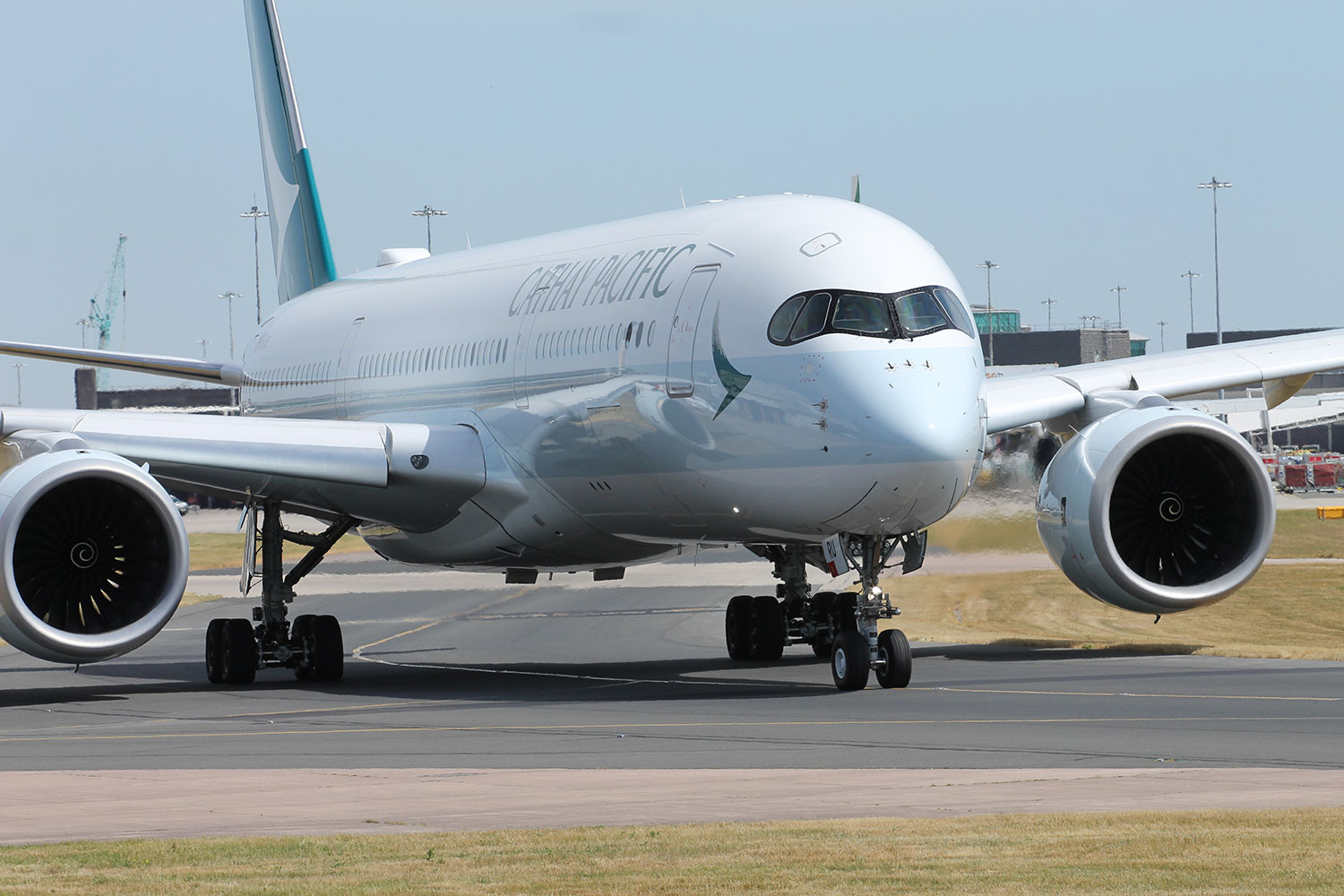
Manchester Airport stands as a significant player in the UK aviation landscape, being the third busiest airport in the country and a vital international gateway for Northern England. With a rich history dating back to 1938 and a strategic location, the airport has evolved into a bustling hub, accommodating a diverse range of aircraft from commercial airliners to military jets.
A Diverse Array of Aircraft
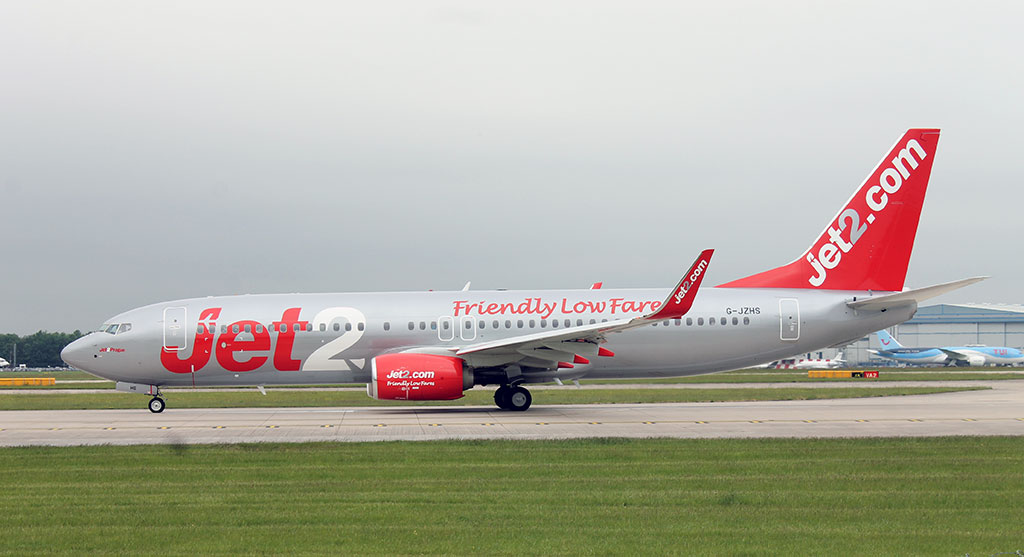
At Manchester, aviation enthusiasts can witness a vibrant mix of traffic, including long-haul giants such as the Airbus A380 and Boeing 777, alongside regional jets and cargo aircraft. The airport’s operational capacity has been enhanced by its two parallel runways, allowing for seamless operations and a steady stream of arrivals and departures. This variety makes Manchester a unique destination for those passionate about aviation.
Top Spotting Locations at Manchester Airport
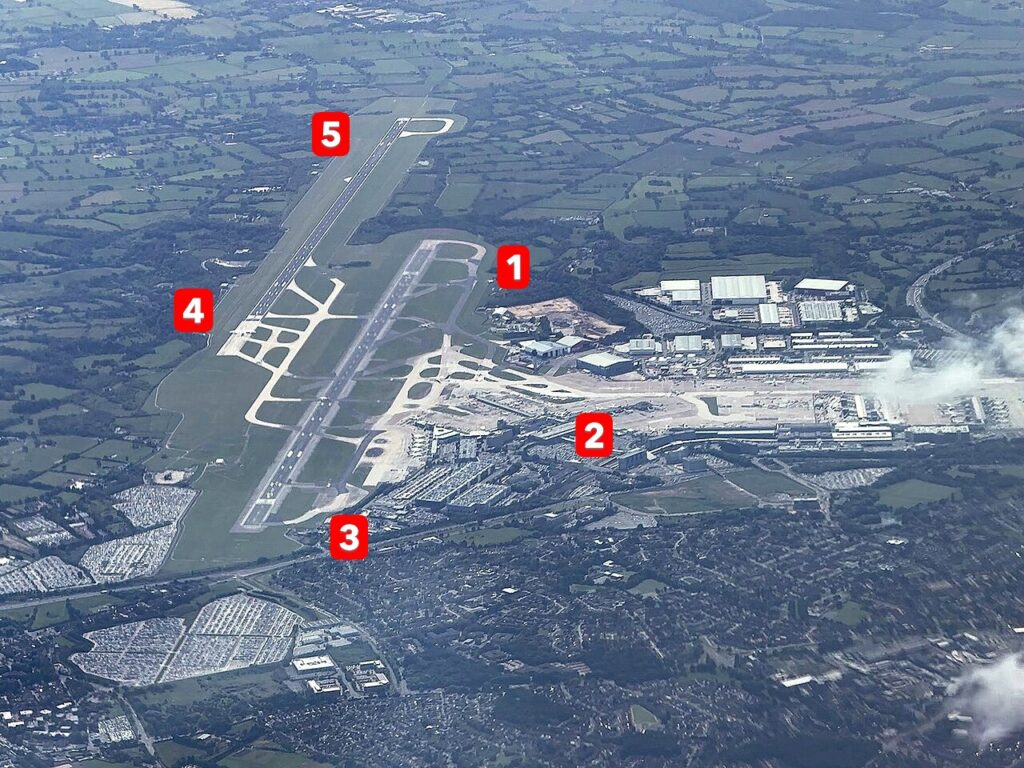
For aviation enthusiasts looking to capture the action, Manchester Airport offers several prime spotting locations:
Runway Visitor Park
The Runway Visitor Park is a must-visit for aviation fans. Situated on the north side of Runway 05L/23R, it features raised viewing areas that provide excellent sightlines for observing aircraft as they take off and land. The park is also home to several preserved aircraft, including a British Airways Concorde, making it an educational experience as well.
Multi-Storey Car Park
The top level of the Terminal 1 Short Stay multi-storey car park offers elevated views across the airport. While some enthusiasts have shifted their focus to other areas, this location still provides excellent vantage points for observing cargo operations and taxiway activity, especially for those looking to log aircraft that may not be visible from other spots.
Airport Pub
For a more relaxed spotting experience, the Airport Pub, located near the threshold of Runway 23R, offers a unique atmosphere. With its outdoor seating area directly adjacent to the taxiway, patrons can enjoy close-up views of aircraft while savoring food and drinks. This spot is particularly enjoyable during warm summer evenings, providing both comfort and excellent photographic opportunities.
South Side Viewing Area
Regarded by many as the premier photography location at Manchester, the South Side provides breathtaking views of aircraft movements along Runway 23L/05R. The elevated terrain allows for striking shots of aircraft during arrivals and departures, especially in favorable lighting conditions.

Runway 05R Approach
Another notable spot is the approach area for Runway 05R. Accessible from the Altrincham Road roundabout, this location offers enthusiasts the chance to capture stunning images of aircraft as they approach for landing, particularly during morning hours when activity is at its peak.
Why Manchester Airport Stands Out
What sets Manchester Airport apart is not only its variety of aircraft but also its commitment to providing accessible spotting locations. The combination of dedicated viewing areas, preserved aviation history, and the opportunity to witness a diverse array of aircraft makes it a top destination for aviation enthusiasts across Europe. Whether for a brief visit or a full day of spotting, Manchester Airport continues to be a beloved location for those who appreciate the art of aviation.


This article was prepared by LibelulaFly as an independent aviation-news summary and editorial reinterpretation based on publicly available reporting. Images, when used, are included for editorial context with source attribution. Original source: www.airportspotting.com. Read the original article here: https://www.airportspotting.com/the-5-best-spotting-locations-at-manchester-airport/.
List, promote, or publish aircraft with LibelulaFly.
LibelulaFly.com • Sales@libelulafly.com • +1 305-332-1942

Jun
Alaska Airlines Celebrates Milestone with New Toy Story 5 Livery
Alaska Airlines has officially introduced a vibrant special livery on one of its Horizon Air Embraer E175 jets, coinciding with the upcoming release of Disney and Pixar’s Toy Story 5. This festive aircraft, unveiled at Portland International Airport, adds to Alaska Airlines’ growing collection of themed aircraft and enhances the visual appeal of its regional fleet.
Introducing ‘To 45 and Beyond’
The newly adorned Embraer E175, registered as N659QX, is aptly named “To 45 and Beyond,” a nod to Buzz Lightyear’s iconic phrase and a celebration of Horizon Air’s impending 45th anniversary. Since its inception in 1981, Horizon Air has played a crucial role in Alaska Airlines’ operations, providing essential feeder services across the Pacific Northwest and western United States.
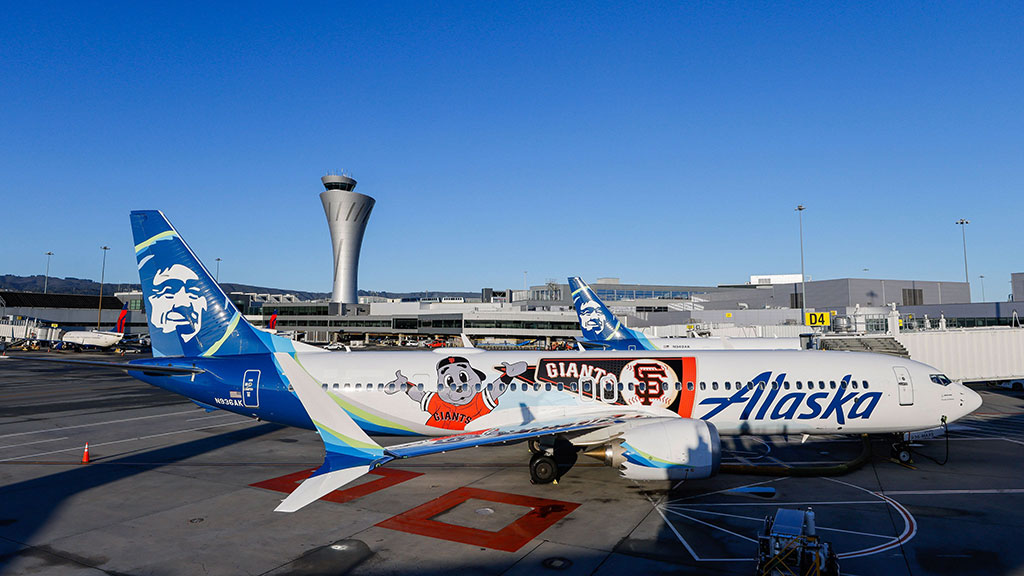
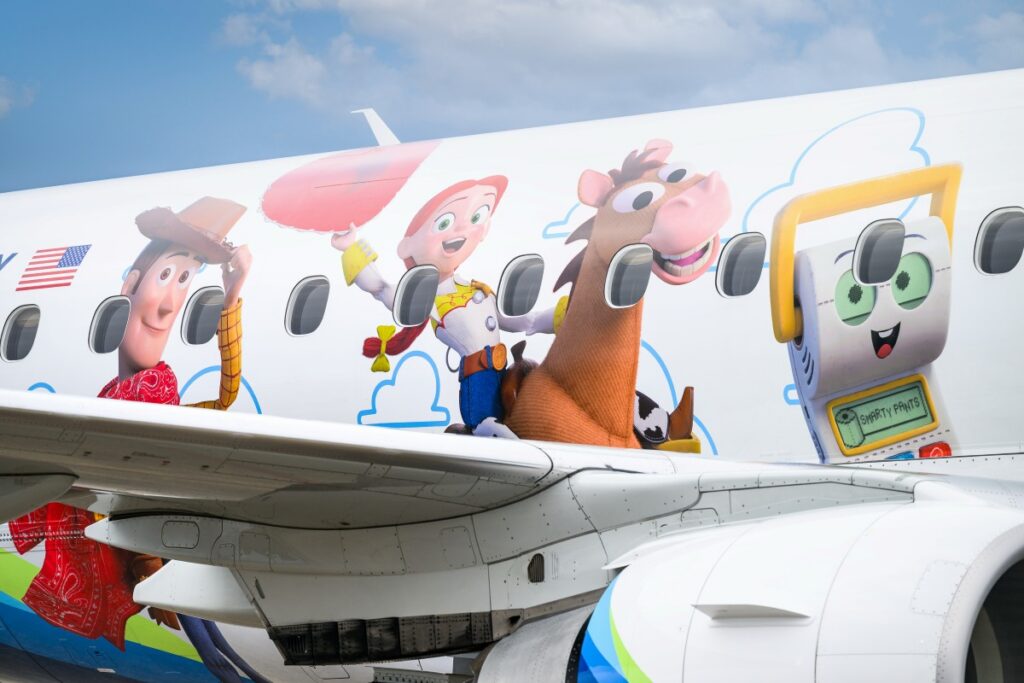
This special livery showcases beloved characters from the Toy Story franchise, including Woody, Buzz Lightyear, and Jessie, along with new additions from the upcoming film. The design features whimsical floating clouds and Toy Story-themed slogans, extending even to the aircraft’s winglets, which are adorned with characters Forky and Karen Beverly.

A Tradition of Unique Liveries
Alaska Airlines has established a reputation for its diverse array of special liveries, which celebrate the airline’s rich heritage, regional culture, and partnerships with organizations such as Disney. The Toy Story 5 aircraft joins a distinguished fleet that includes designs inspired by Disneyland Resort and Star Wars, appealing to aviation enthusiasts and spotters alike.
Horizon Air, in particular, has become known for its colorful liveries on the Embraer E175 fleet, a trend that continues from its previous operations with Bombardier Q400 aircraft. The airline’s commitment to distinctive designs has fostered a dedicated following among aviation photographers and enthusiasts, who eagerly anticipate sightings of these unique aircraft.
The Embraer E175: A Regional Workhorse
While the livery captures attention, the aircraft itself plays a vital role in Horizon Air’s operations. The Embraer E175 serves as the backbone of the regional fleet, effectively replacing the older Bombardier Q400 turboprops. With a seating capacity of approximately 76 passengers, the E175 is well-suited for regional routes where the larger Boeing 737s would be less economical.
This aircraft type is known for its comfort and efficiency, making it a popular choice among passengers traveling on Horizon Air’s extensive regional network. The E175 has emerged as one of the most prominent regional jets in North America, with a variety of operators including Horizon Air, SkyWest Airlines, and Envoy Air.
A New Attraction for Aviation Enthusiasts
As Toy Story 5 is set to debut on June 19, 2026, the new livery promises to be a captivating addition to Alaska Airlines’ fleet, likely drawing attention from aviation enthusiasts across the country. Special liveries have long captivated aviation fans, and Alaska Airlines remains a leader in promoting unique aircraft designs.
For those spotting in the Pacific Northwest, N659QX will surely become a highlight, blending its playful Toy Story characters with Horizon Air’s anniversary markings. This special aircraft is poised to become one of the most photographed regional jets in North America this year, further solidifying Alaska Airlines’ status as a pioneer in creative aviation branding.





This article was prepared by LibelulaFly as an independent aviation-news summary and editorial reinterpretation based on publicly available reporting. Images, when used, are included for editorial context with source attribution. Original source: www.airportspotting.com. Read the original article here: https://www.airportspotting.com/alaska-airlines-unveils-new-toy-story-5-special-livery-on-horizon-air-embraer-e175/.
List, promote, or publish aircraft with LibelulaFly.
LibelulaFly.com • Sales@libelulafly.com • +1 305-332-1942