Emirates Takes Delivery of First Converted Boeing 777-300ERSF
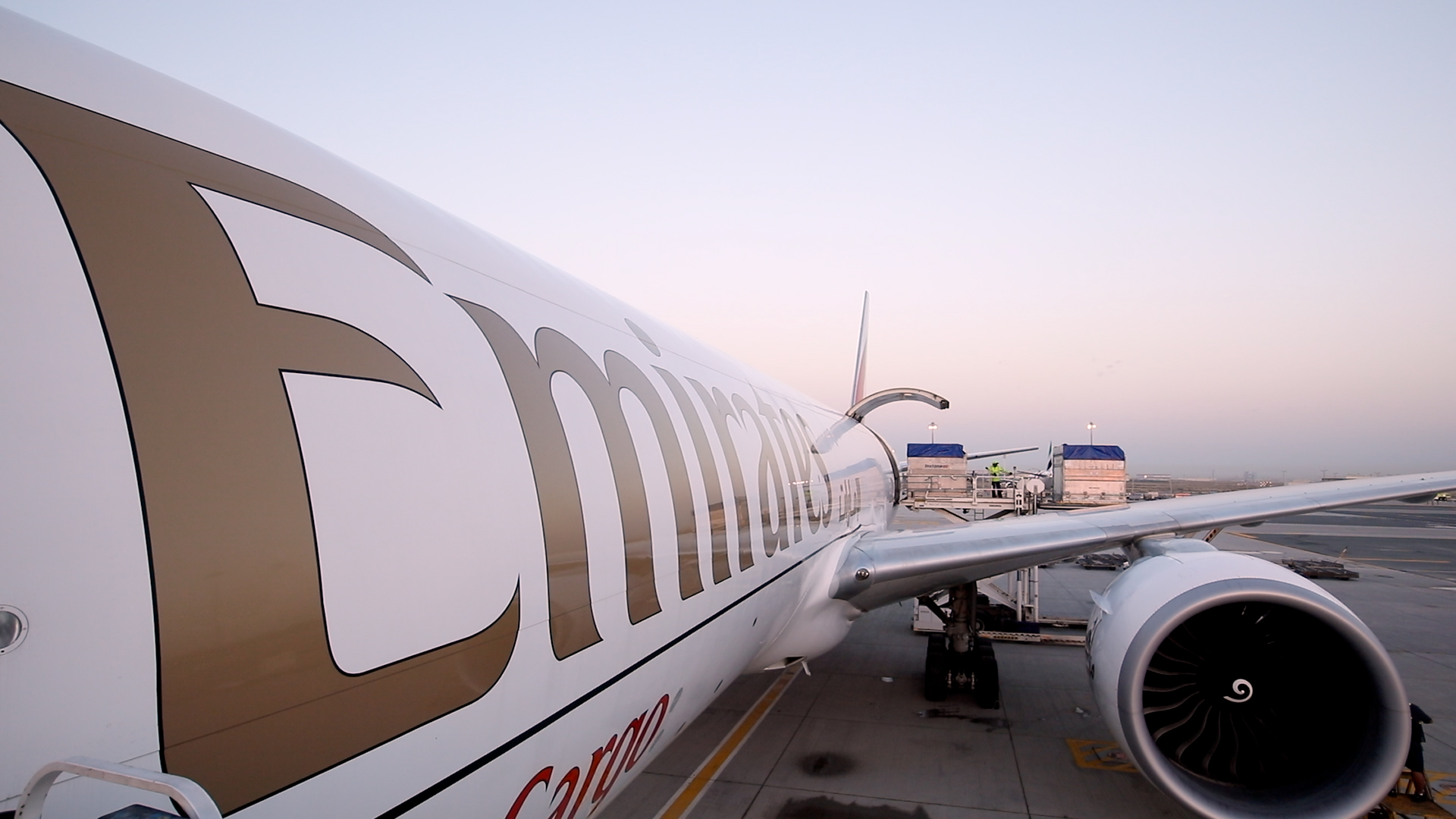
Emirates has marked a pivotal moment in its cargo operations with the delivery of its inaugural Boeing 777-300ERSF freighter. This aircraft, designated A6-EBK, recently completed its conversion at the hands of Israel Aerospace Industries (IAI) in Tel Aviv, Israel. The addition of this freighter aligns with Emirates SkyCargo’s long-term strategy to enhance its cargo capacity and operational efficiency.
Transforming Passenger Jets into Cargo Workhorses
The Boeing 777-300ER has long been a cornerstone of Emirates’ passenger fleet, with the airline operating over 100 units, making it the largest operator of this aircraft type globally. As the airline introduces newer models like the Airbus A350 and Boeing 777X, it is strategically repurposing selected older 777-300ERs into dedicated freighters. This innovative approach allows Emirates to extend the lifespan of these airframes while meeting the growing demand for air cargo services.
Understanding the Boeing 777-300ERSF Conversion
The Boeing 777-300ERSF, often referred to as the “Big Twin,” represents the largest twin-engine passenger-to-freighter conversion program in the world. Developed by IAI, the conversion process retains the core structure and systems of the original 777-300ER while implementing significant modifications. Key enhancements include the installation of a large cargo door, reinforced flooring, and a specialized cargo handling system, all while removing the passenger cabin. This transformation enables the aircraft to transport approximately 100 tonnes of cargo, capitalizing on the fuel efficiency and range that made the 777-300ER a success in commercial aviation.
Strategic Expansion of Cargo Capacity
For Emirates, cargo operations are increasingly vital, complementing its extensive passenger services. Emirates SkyCargo is recognized as one of the world’s largest dedicated cargo fleets, servicing numerous global destinations. The airline’s current fleet includes Boeing 777 freighters, along with additional new-build orders from Boeing. The conversion of existing passenger aircraft into freighters allows Emirates to swiftly and cost-effectively expand its cargo capacity, catering to the surging demand for air freight driven by sectors such as e-commerce, pharmaceuticals, and perishables.
A Sustainable Future for the Boeing 777-300ER
The introduction of A6-EBK is significant not only for Emirates but also for the broader aviation industry. With thousands of Boeing 777-300ERs in operation worldwide, many are approaching the end of their service life. The success of the 777-300ERSF conversion program offers airlines an alternative to retiring these aircraft, enabling continued utilization in cargo roles. Emirates’ commitment to converting ten aircraft underscores its confidence in this innovative approach.
Looking Ahead
The arrival of A6-EBK is just the beginning of what is expected to be a growing fleet of converted freighters. As Emirates continues to modernize its passenger operations while simultaneously expanding its cargo capabilities, the Boeing 777-300ERSF could emerge as a pivotal development in the air freight sector. The operational relevance of this conversion program will likely resonate throughout the industry, providing airlines with new opportunities to optimize their fleets and meet evolving market demands.