
Jul
Celebrating the Boeing 727’s Enduring Legacy
The Boeing 727, a trijet that revolutionized air travel, has left an indelible mark on the aviation landscape for over four decades. Renowned for its versatility and reliability, the aircraft became a staple at numerous airports across the United States. This article highlights five airports that not only witnessed the 727’s operational prowess but also became synonymous with its legacy.
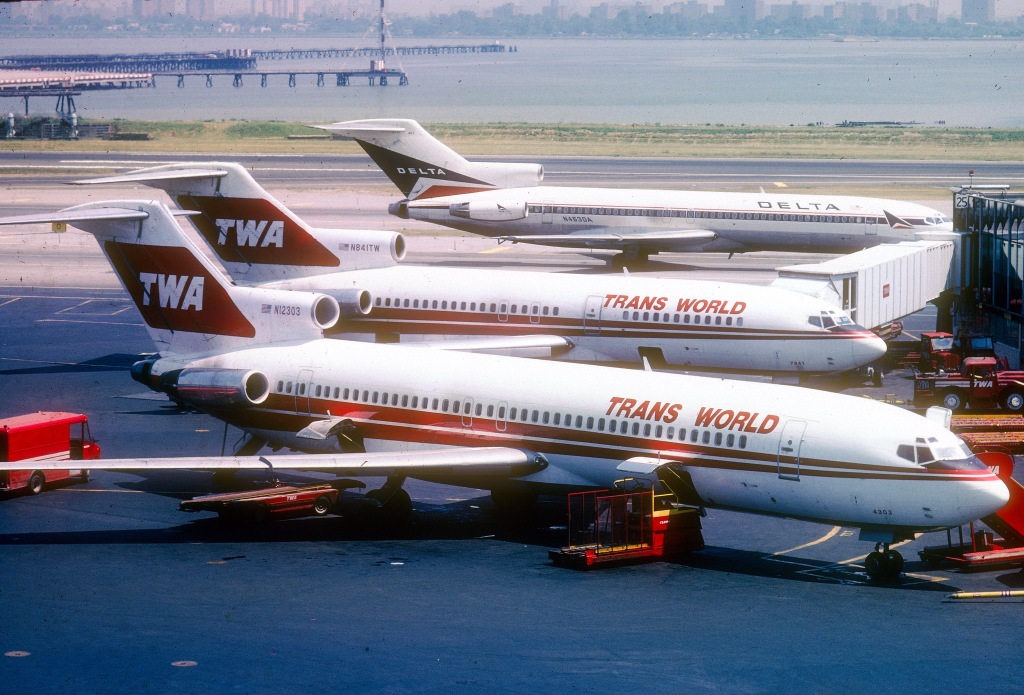
New York LaGuardia: The Urban Gateway
New York’s LaGuardia Airport (LGA) became an iconic site for the Boeing 727, thanks to its unique operational demands. The aircraft’s short-field capabilities, bolstered by powerful Pratt & Whitney JT8D engines, allowed it to thrive in the airport’s constrained environment. Throughout the late 20th century, major airlines such as Eastern Air Lines and TWA showcased the 727 against the backdrop of New York City, turning the distinctive sound of its engines into a familiar urban soundtrack.
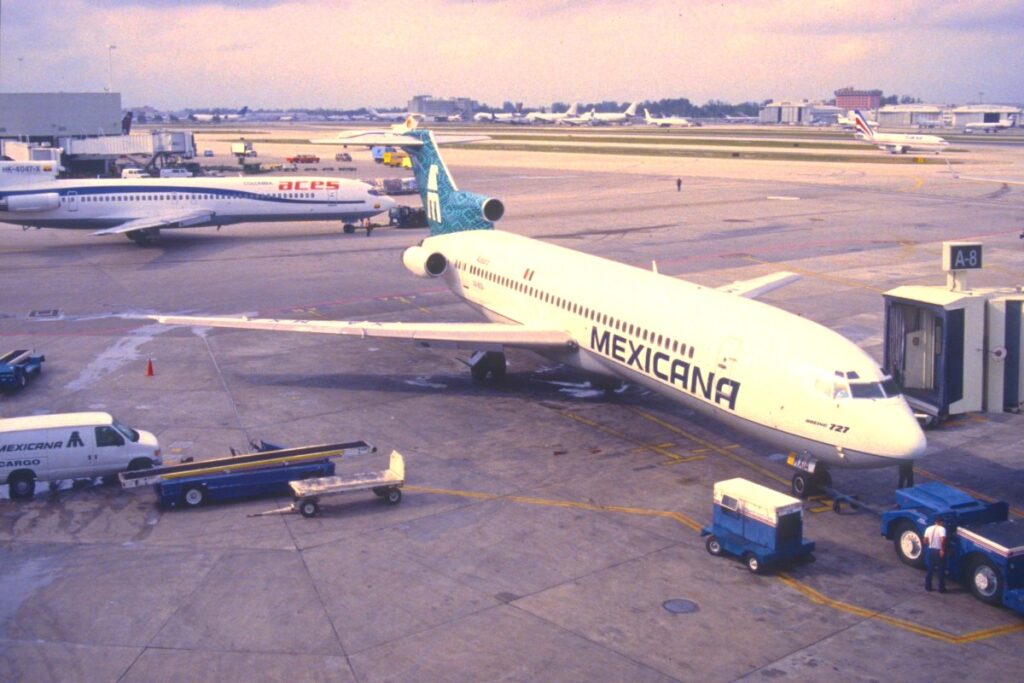
Miami International: A Latin American Hub
Miami International Airport (MIA) emerged as a key hub for the Boeing 727 during its peak years, serving as a crucial gateway to Latin America and the Caribbean. Eastern Air Lines operated a robust network of 727 flights, connecting passengers to various destinations across the region. Even as U.S. carriers phased out the aircraft, Miami remained a sanctuary for 727s, with many Latin American airlines continuing to operate the model into the 2000s, showcasing its enduring relevance in regional aviation.
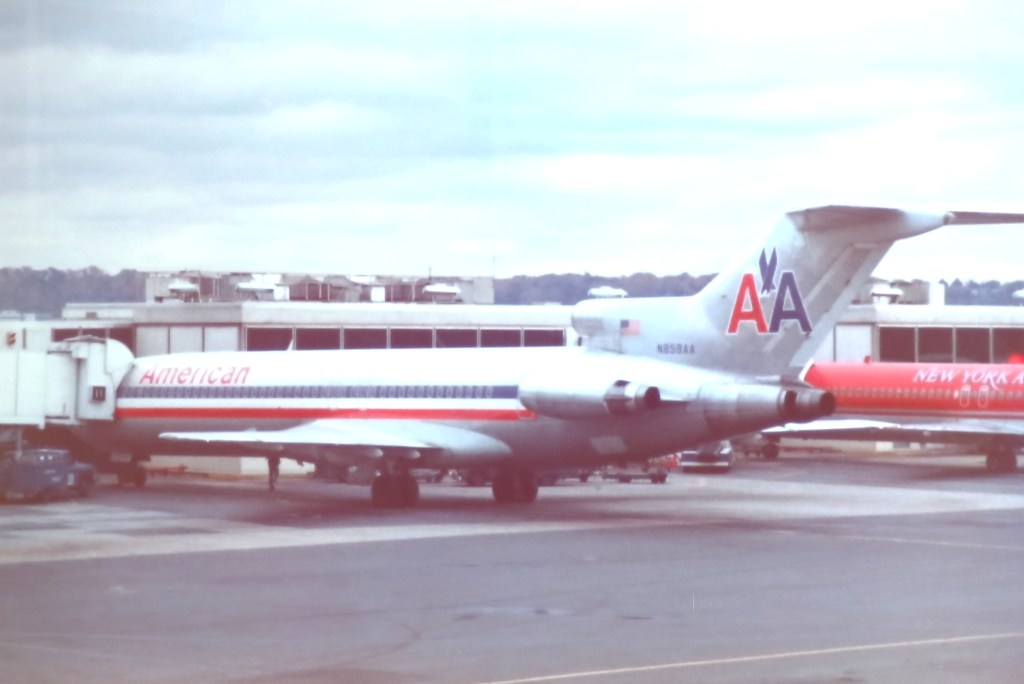
Washington National: The Performance Showcase
At Washington National Airport (DCA), the Boeing 727’s exceptional climb performance shone through. The airport’s short runways and strict departure procedures necessitated an aircraft capable of rapid ascent, and the 727 delivered just that. Airlines like American and United relied on the trijet to navigate the airport’s operational constraints, making it a frequent sight as it soared over the Potomac River, much to the delight of aviation enthusiasts.
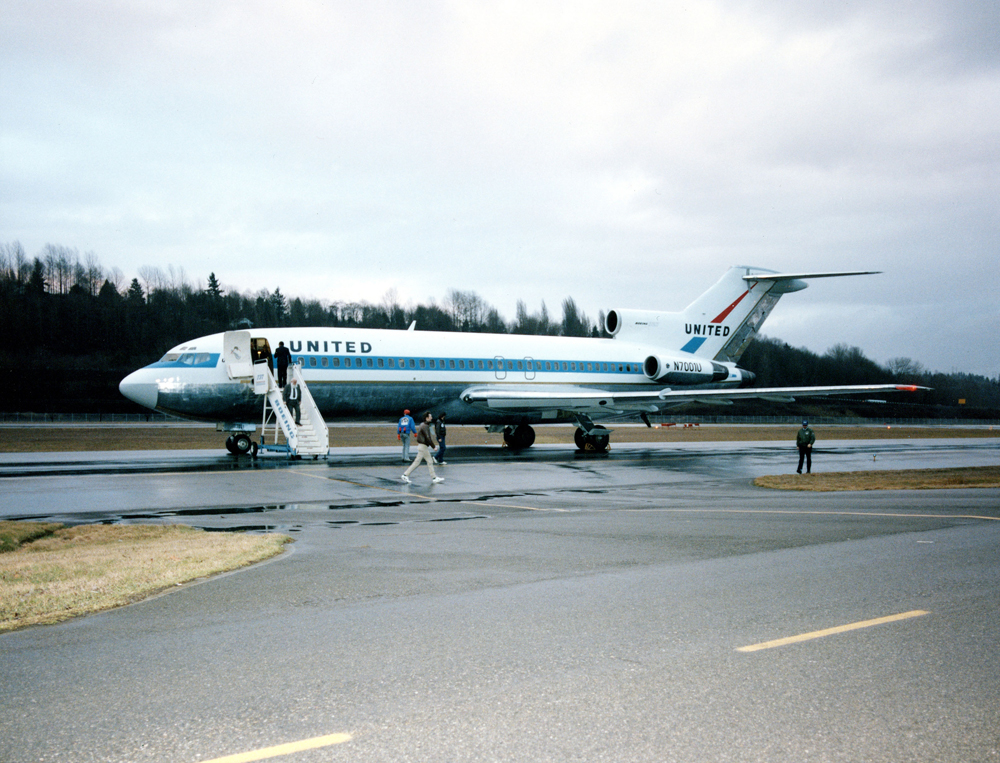
Seattle Boeing Field: Birthplace of the 727
Unlike the other airports highlighted, Seattle Boeing Field (BFI) holds a special place in the Boeing 727’s history as its birthplace. Each of the 1,832 aircraft produced rolled out from the Renton production plant and underwent testing at BFI. For spotters and aviation fans, the sight of newly minted 727s taking to the skies was a testament to Boeing’s engineering prowess and innovation during a transformative era in aviation.
Atlanta Hartsfield-Jackson: Delta’s Dominance
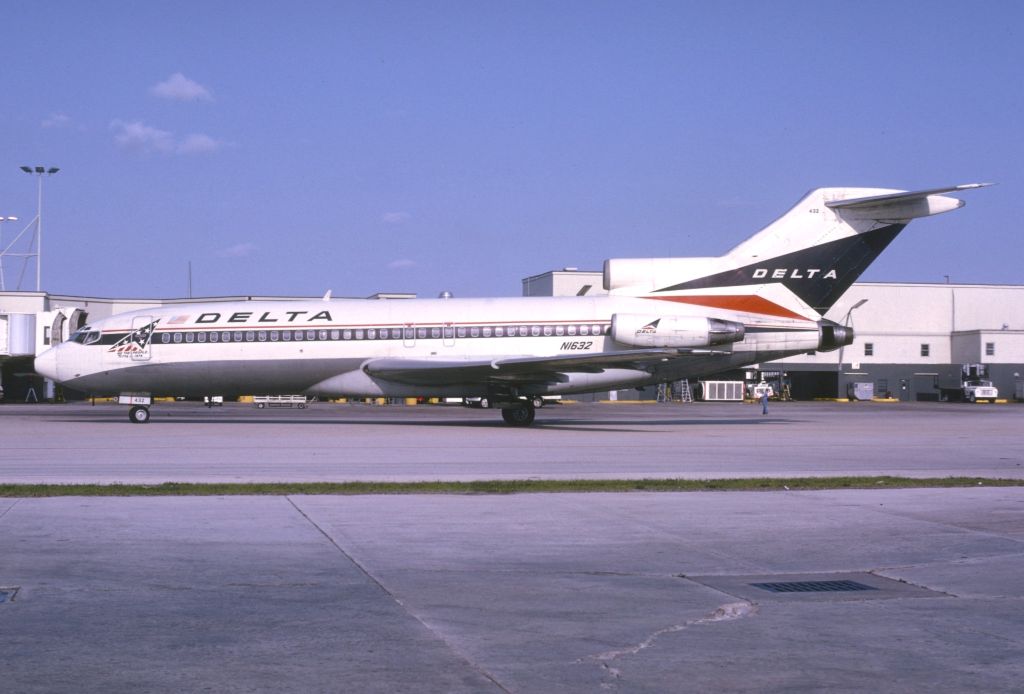
Atlanta Hartsfield-Jackson International Airport (ATL) became a critical operating base for Delta Air Lines and its extensive fleet of Boeing 727s. The airport facilitated hundreds of daily departures, solidifying its status as a major hub for the trijet. The constant activity of 727s at ATL not only underscored Delta’s operational strength but also made the airport a defining location for the aircraft during its height in commercial aviation.
Memphis International: The Cargo Stronghold
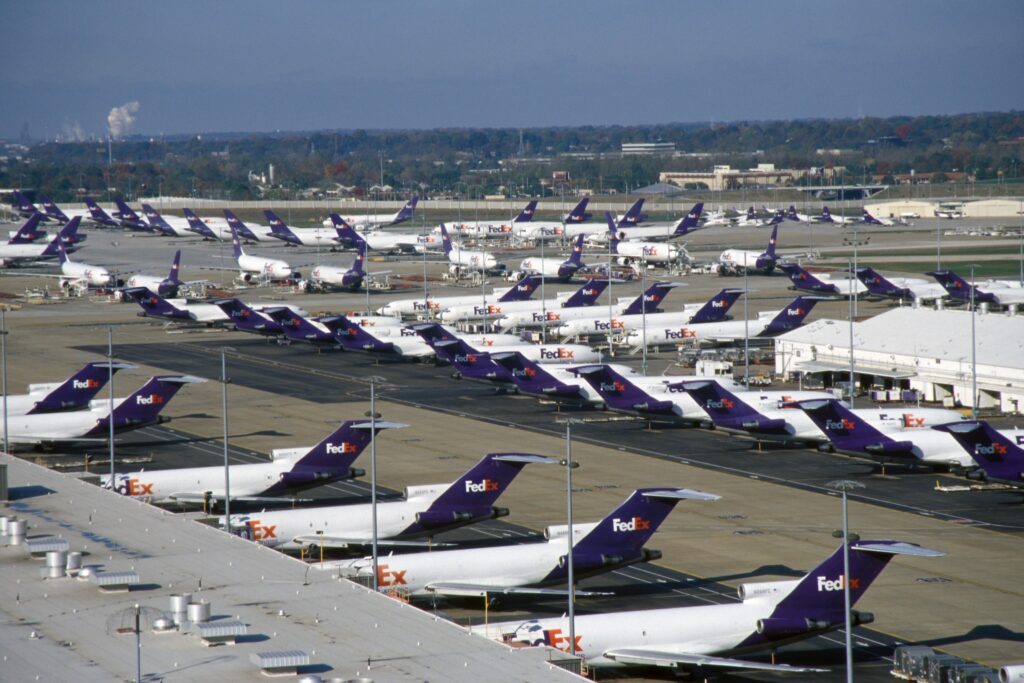
While not traditionally recognized as a passenger hub for the Boeing 727, Memphis International Airport (MEM) became a notable center for cargo operations. FedEx embraced the trijet for its freight services, operating a significant fleet that sustained the aircraft’s legacy well into the 21st century. The sight of FedEx 727s on the tarmac remains a powerful symbol of the aircraft’s adaptability and lasting impact on air cargo logistics.
Conclusion: A Lasting Influence
The Boeing 727’s legacy is intricately woven into the fabric of American aviation history. From bustling passenger hubs to pivotal cargo operations, these airports not only showcased the aircraft’s capabilities but also contributed to its storied journey. As the aviation industry continues to evolve, the 727’s influence endures, reminding us of an era where trijets ruled the skies.


This article was prepared by LibelulaFly as an independent aviation-news summary and editorial reinterpretation based on publicly available reporting. Images, when used, are included for editorial context with source attribution. Original source: www.airportspotting.com. Read the original article here: https://www.airportspotting.com/five-us-airports-that-became-synonymous-with-the-boeing-727/.
List, promote, or publish aircraft with LibelulaFly.
LibelulaFly.com • Sales@libelulafly.com • +1 305-332-1942
Jun
Emirates Takes Delivery of First Converted Boeing 777-300ERSF
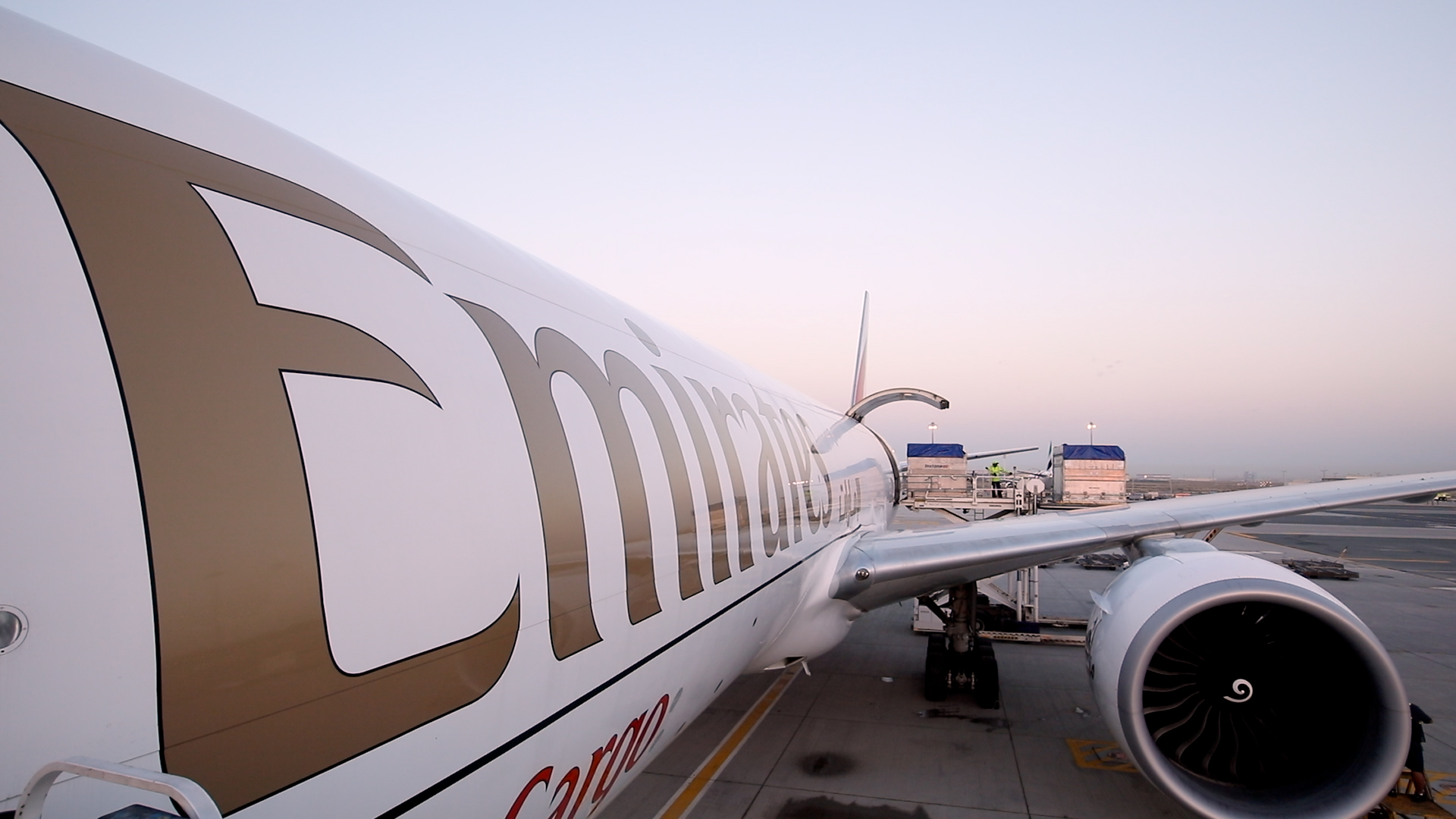
Emirates has marked a pivotal moment in its cargo operations with the delivery of its inaugural Boeing 777-300ERSF freighter. This aircraft, designated A6-EBK, recently completed its conversion at the hands of Israel Aerospace Industries (IAI) in Tel Aviv, Israel. The addition of this freighter aligns with Emirates SkyCargo’s long-term strategy to enhance its cargo capacity and operational efficiency.
Transforming Passenger Jets into Cargo Workhorses
The Boeing 777-300ER has long been a cornerstone of Emirates’ passenger fleet, with the airline operating over 100 units, making it the largest operator of this aircraft type globally. As the airline introduces newer models like the Airbus A350 and Boeing 777X, it is strategically repurposing selected older 777-300ERs into dedicated freighters. This innovative approach allows Emirates to extend the lifespan of these airframes while meeting the growing demand for air cargo services.
Understanding the Boeing 777-300ERSF Conversion
The Boeing 777-300ERSF, often referred to as the “Big Twin,” represents the largest twin-engine passenger-to-freighter conversion program in the world. Developed by IAI, the conversion process retains the core structure and systems of the original 777-300ER while implementing significant modifications. Key enhancements include the installation of a large cargo door, reinforced flooring, and a specialized cargo handling system, all while removing the passenger cabin. This transformation enables the aircraft to transport approximately 100 tonnes of cargo, capitalizing on the fuel efficiency and range that made the 777-300ER a success in commercial aviation.
Strategic Expansion of Cargo Capacity
For Emirates, cargo operations are increasingly vital, complementing its extensive passenger services. Emirates SkyCargo is recognized as one of the world’s largest dedicated cargo fleets, servicing numerous global destinations. The airline’s current fleet includes Boeing 777 freighters, along with additional new-build orders from Boeing. The conversion of existing passenger aircraft into freighters allows Emirates to swiftly and cost-effectively expand its cargo capacity, catering to the surging demand for air freight driven by sectors such as e-commerce, pharmaceuticals, and perishables.
A Sustainable Future for the Boeing 777-300ER
The introduction of A6-EBK is significant not only for Emirates but also for the broader aviation industry. With thousands of Boeing 777-300ERs in operation worldwide, many are approaching the end of their service life. The success of the 777-300ERSF conversion program offers airlines an alternative to retiring these aircraft, enabling continued utilization in cargo roles. Emirates’ commitment to converting ten aircraft underscores its confidence in this innovative approach.
Looking Ahead
The arrival of A6-EBK is just the beginning of what is expected to be a growing fleet of converted freighters. As Emirates continues to modernize its passenger operations while simultaneously expanding its cargo capabilities, the Boeing 777-300ERSF could emerge as a pivotal development in the air freight sector. The operational relevance of this conversion program will likely resonate throughout the industry, providing airlines with new opportunities to optimize their fleets and meet evolving market demands.