A Historic Transformation
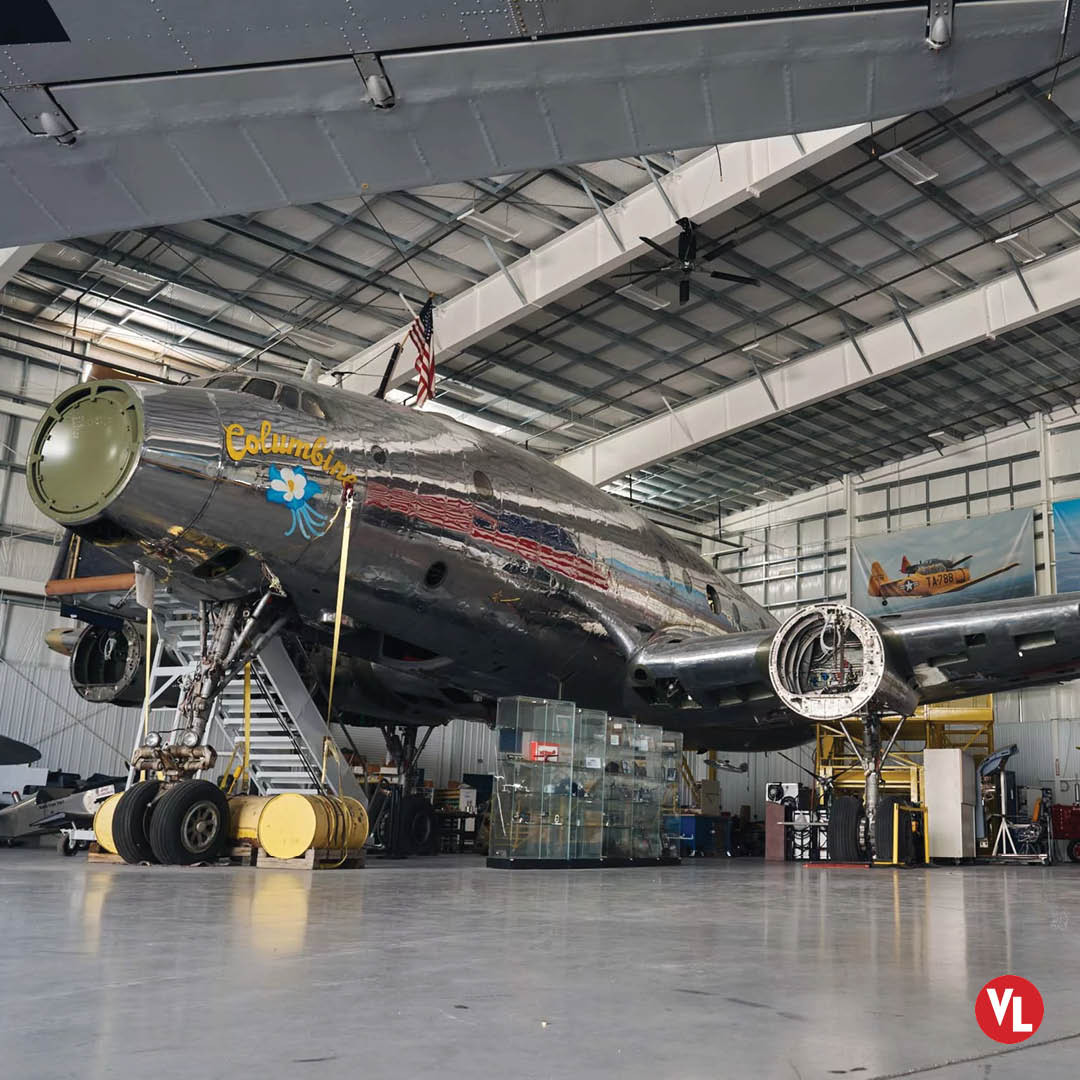
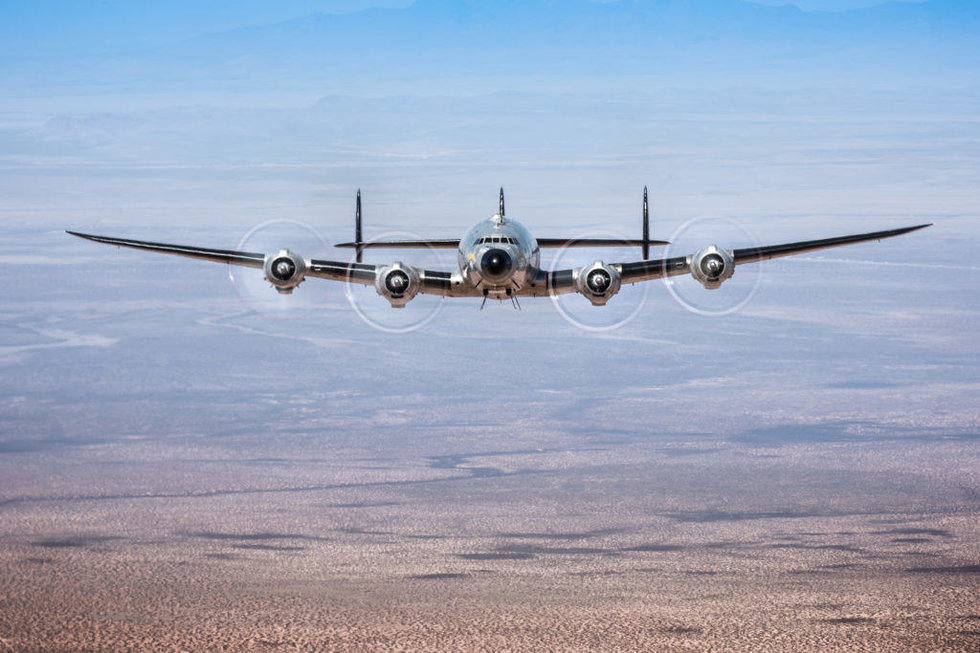
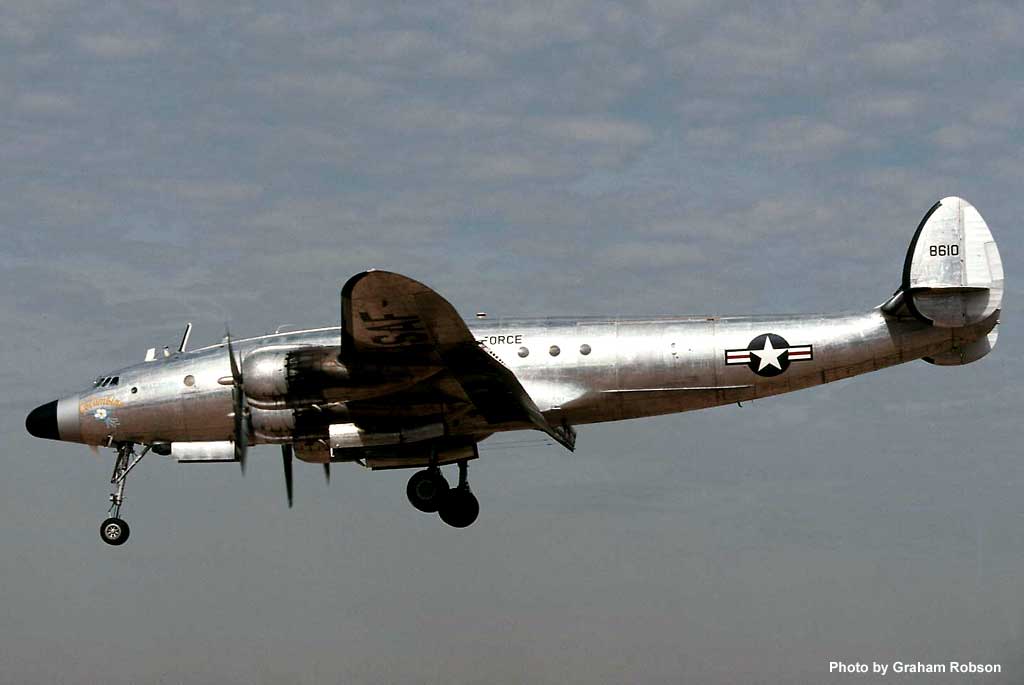
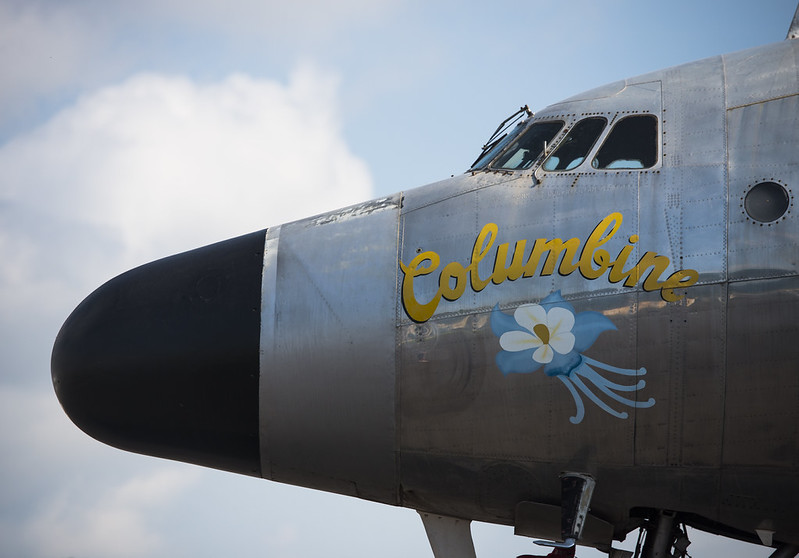
In 1952, a Lockheed Constellation operated by the United States Air Force underwent a significant transformation, becoming the presidential transport aircraft known as Columbine II. This aircraft was the first to be assigned the now-iconic call sign, Air Force One, marking a pivotal moment in the history of presidential aviation.
Operational Challenges and Innovations
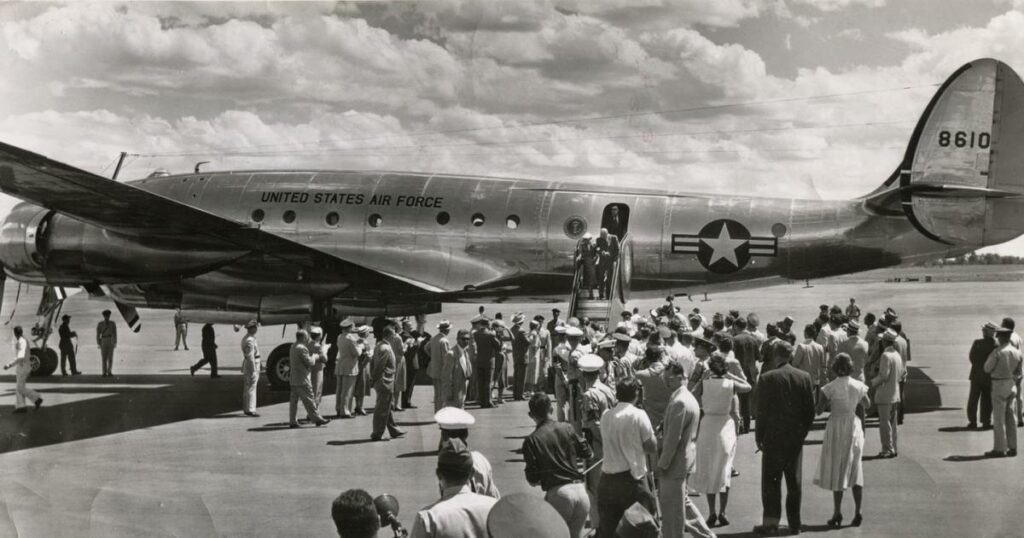
The introduction of the Air Force One designation was born from a moment of operational risk. In 1954, a close call occurred when both Eastern Air Lines flight 8610 and Air Force 8610 were in the air simultaneously, leading to potential confusion for air traffic controllers. This incident prompted the Air Force to standardize the call sign for any aircraft carrying the President, establishing a clear and unmistakable identification system that remains in place today.
The Journey of Columbine II
Originally delivered to the U.S. Air Force in 1948, Columbine II was a VC-121A Constellation, serving primarily as a support aircraft in Iceland. However, its true significance emerged during the presidency of Dwight D. Eisenhower. The aircraft was named after the state flower of Colorado, reflecting First Lady Mamie Eisenhower’s affection for her adopted state. With its four powerful engines, Columbine II was a symbol of American aviation prowess before the dawn of the jet age.
Presidential Duties and Historical Significance
Columbine II served as President Eisenhower’s primary mode of transportation during critical diplomatic missions, covering over 63,000 miles in just two years. The aircraft facilitated meetings with world leaders and played a role in shaping U.S. foreign policy during a tense period marked by the Cold War. One of its notable contributions was during Eisenhower’s address to the United Nations, where he crafted his influential “Atoms for Peace” speech while airborne.
A Legacy Preserved
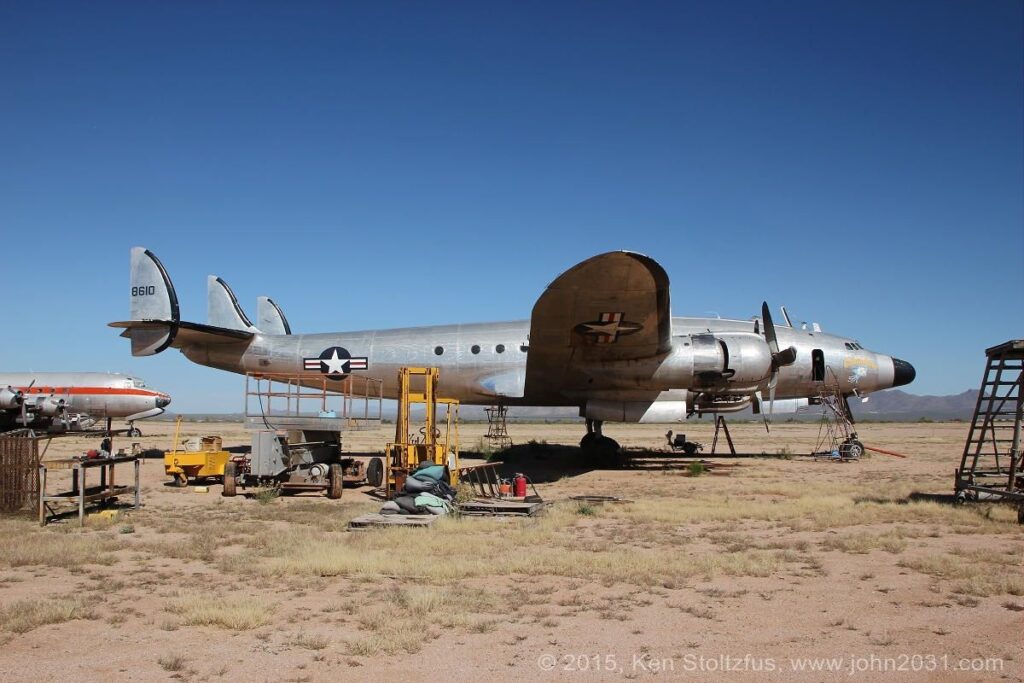
Following its retirement in 1954, Columbine II continued to serve as a VIP transport for other dignitaries, including Vice President Richard Nixon. However, after years of obscurity, the aircraft’s fate became uncertain, leading to its classification as a “lost” piece of aviation history. It was only decades later that efforts to locate and restore Columbine II gained momentum, culminating in its rediscovery by a historian at the Smithsonian.
Restoration Efforts and Future Aspirations
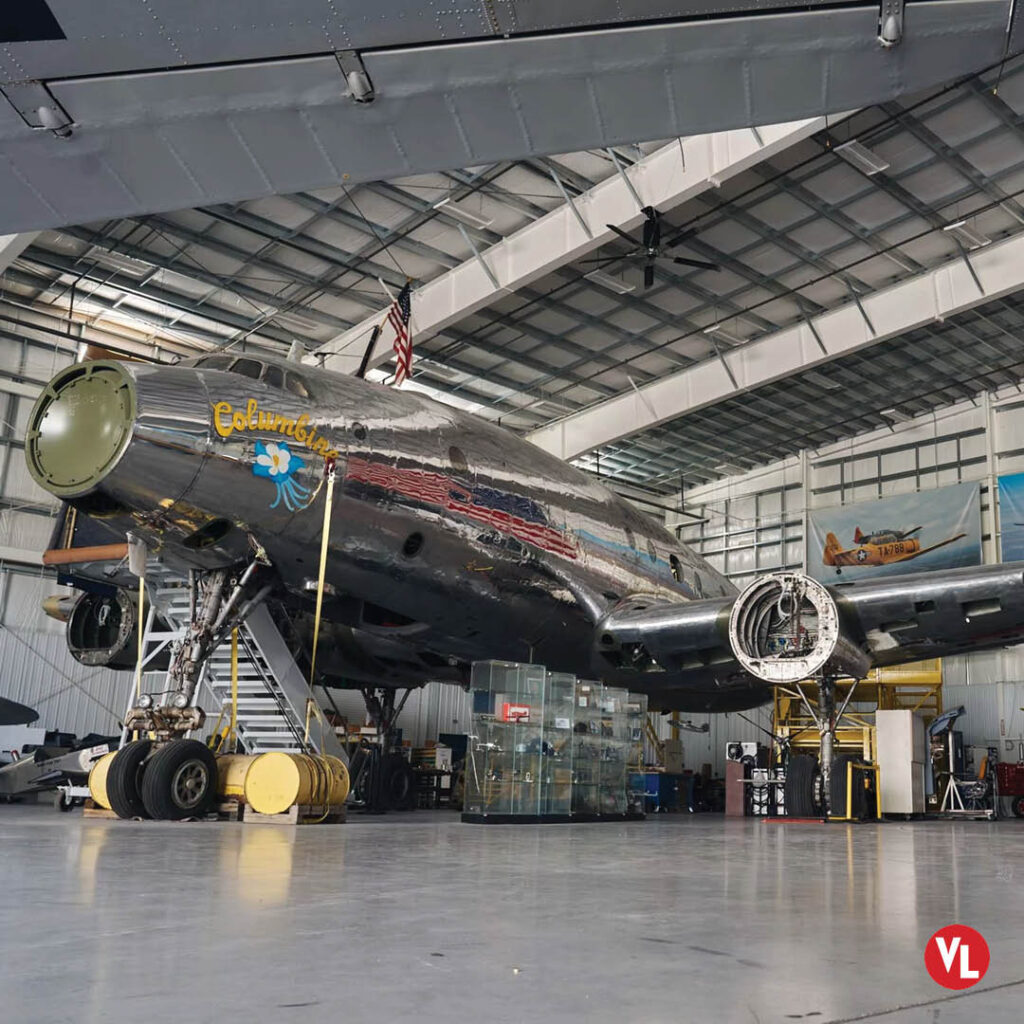
In 2015, Dynamic Aviation’s CEO, Karl Stoltzus, purchased Columbine II for $1.5 million, recognizing its historical value. The restoration process was extensive, requiring significant labor and resources to return the aircraft to flying condition. After a year of dedicated work, Columbine II successfully completed a test flight in March 2016, marking a triumphant return to the skies.
A Tribute to Aviation Heritage
The restoration of Columbine II not only honors its past but also serves as a testament to the enduring legacy of presidential aviation. With the support of Eisenhower’s family and aviation enthusiasts, this historic aircraft stands as a reminder of the pivotal role it played in American history. As plans for further preservation and exhibition are discussed, Columbine II is poised to inspire future generations, showcasing the intersection of aviation innovation and national leadership.


This article was prepared by LibelulaFly as an independent aviation-news summary and editorial reinterpretation based on publicly available reporting. Images, when used, are included for editorial context with source attribution. Original source: www.airportspotting.com. Read the original article here: https://www.airportspotting.com/from-just-another-cargo-plane-to-air-force-one-the-story-of-columbine-ii/.
List, promote, or publish aircraft with LibelulaFly.
LibelulaFly.com • Sales@libelulafly.com • +1 305-332-1942