
May
A Glimpse into Malév Hungarian Airlines’ History
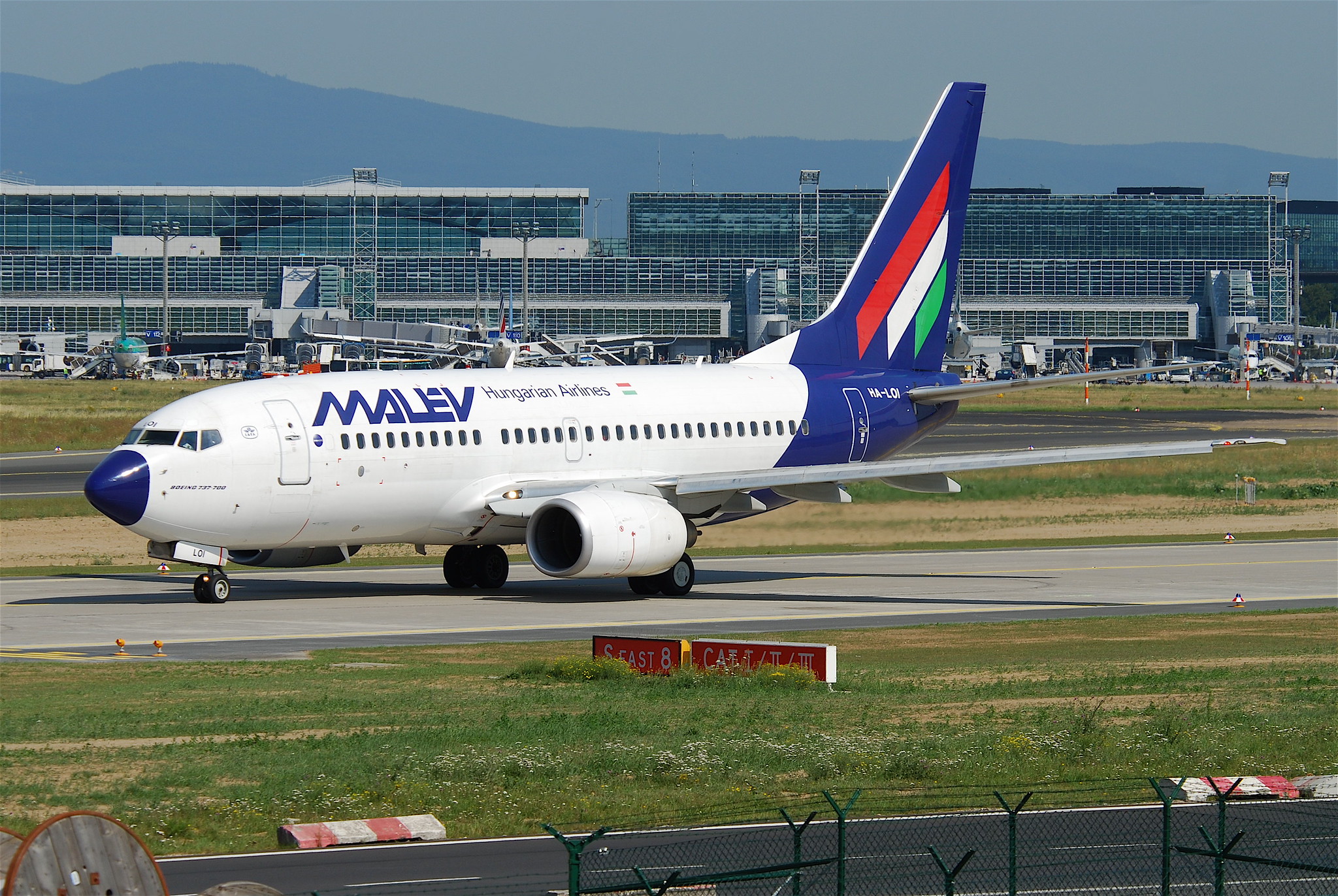
Malév Hungarian Airlines, once a prominent carrier in Eastern Europe, marked its presence in the aviation industry for over six decades. Established in the aftermath of World War II, the airline began as a joint Hungarian-Soviet venture and eventually evolved into a key player in regional and international air travel. Its distinctive blue-and-white livery became synonymous with air travel in Hungary, connecting Budapest to numerous destinations across Europe, the Middle East, and beyond.
Transitioning Through Turbulent Times
Throughout its operations, Malév navigated a landscape of political and economic change, transitioning from a fleet of Soviet-built aircraft to modern Western jets. Notably, the airline’s modernization in the late 20th century included the introduction of Boeing aircraft, which significantly enhanced its operational capabilities. The Boeing 737 family and Boeing 767 models allowed Malév to expand its reach, catering to a growing demand for contemporary air travel.
Challenges and Financial Struggles
Despite its modernization efforts, Malév faced mounting financial pressures. The rise of low-cost carriers in Europe and fluctuating fuel prices strained the airline’s profitability. Repeated attempts at privatization failed to stabilize its financial situation, leading to a complex ownership history that culminated in re-nationalization. The European Commission’s ruling on state aid further exacerbated Malév’s challenges, ultimately resulting in the airline’s abrupt cessation of operations on February 3, 2012.
The Fate of Malév’s Fleet
Following the airline’s closure, the fate of its fleet became a point of interest. Many of Malév’s leased aircraft were quickly reclaimed by their lessors and redistributed to various operators worldwide. However, a number of historic aircraft have found refuge in preservation. Notable among these is the collection at Aeropark Budapest, which houses several significant models, including the Tupolev Tu-154 and the Ilyushin Il-18, both of which are emblematic of Malév’s rich heritage.
Preserving a Legacy
The legacy of Malév extends beyond its operational years, as its preserved aircraft serve as a tribute to the airline’s contribution to aviation history. The collection at Aeropark Budapest, along with other preserved examples across Europe, stands as a testament to the evolution of air travel in Hungary. These aircraft not only represent the technological advancements of their time but also the cultural connection between Hungary and the world.
Reflections on a National Icon
Although Malév ceased operations over a decade ago, its impact on Hungarian aviation and the broader European market is still felt today. The airline’s sudden disappearance paved the way for low-cost carriers, reshaping Budapest Airport into a hub for budget travel. For many, Malév remains a nostalgic symbol of Hungary’s historical ties to global aviation.
As the aviation industry continues to evolve, the story of Malév serves as a reminder of the challenges faced by national carriers in a competitive environment. The preservation of its aircraft ensures that future generations can appreciate the legacy of an airline that once bridged continents and cultures.
May
Delta Air Lines Reinforces Boeing 767’s Role in Long-Haul Operations
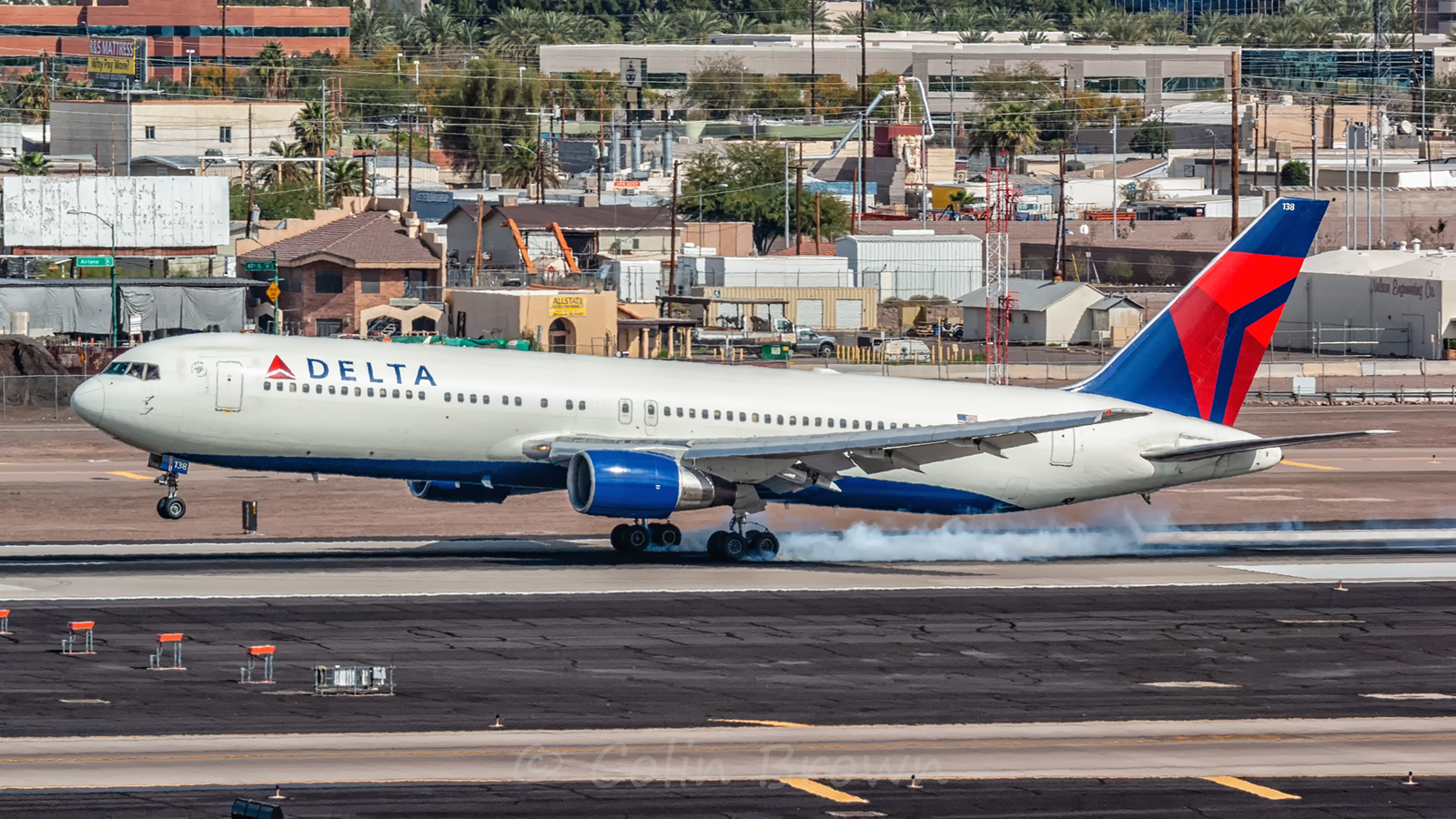
As the aviation industry continues to evolve, Delta Air Lines stands out as the largest operator of the Boeing 767, maintaining a significant presence with this aircraft type in its long-haul fleet. In 2026, Delta’s commitment to the Boeing 767-300ER and 767-400ER remains evident, as the airline deploys these aircraft on key international routes, reflecting a strategic approach to its network.
Operational Strategy: Leveraging the Boeing 767
Delta’s decision to retain its nearly 60 active Boeing 767 aircraft is rooted in the operational efficiency they provide. While many airlines opted to retire their 767s during the pandemic, Delta chose to modernize and refurbish its fleet. This strategic move has allowed the 767 to fill a niche in Delta’s route structure, particularly on “long and thin” routes where larger aircraft would be excessive.
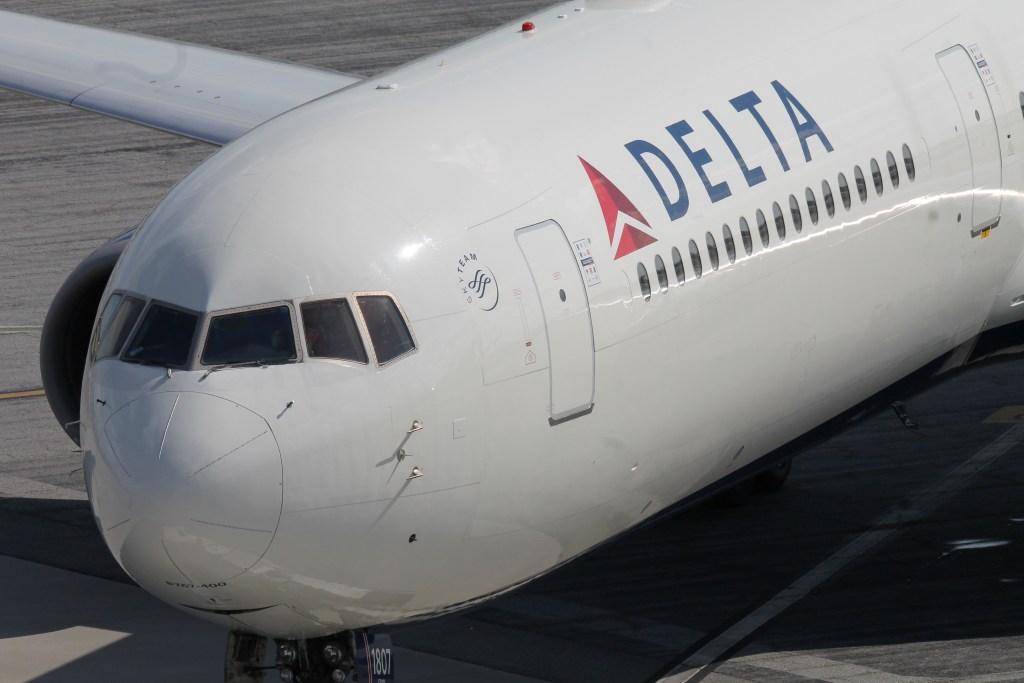
The Boeing 767-400ERs are equipped with Delta One suites and Premium Select seating, enhancing the travel experience for passengers and catering to the growing demand for premium services. This makes the aircraft particularly suitable for routes with a high proportion of business travelers.
Connecting Continents: Delta’s Key Routes This Summer
This summer, Delta’s Boeing 767 fleet will be prominently featured on several critical routes connecting major hubs. The flagship transatlantic corridor between New York JFK and Paris Charles de Gaulle remains a highlight, with multiple daily flights showcasing the aircraft’s ability to meet robust demand from both business and leisure travelers.
Additionally, Delta’s Atlanta to Madrid route capitalizes on the increasing tourism between the United States and Spain, while also facing minimal competition. The 767’s operational efficiency makes it a preferred choice for this service.
Other notable routes include New York JFK to Barcelona and Zurich, both of which are vital for Delta’s premium travel market. The introduction of new routes to Porto and Malta emphasizes Delta’s strategy to expand its Mediterranean offerings, utilizing the 767 to capture burgeoning travel demand in these regions.
Domestic Opportunities: The 767’s Continued Relevance
While the Boeing 767 is primarily recognized for its international operations, Delta also employs the aircraft on select domestic routes. These include premium transcontinental services and flights to popular destinations such as Hawaii and major cities across the U.S. This strategy provides aviation enthusiasts with opportunities to experience the 767 without traveling internationally.

The Future of Delta’s Boeing 767 Fleet
Despite the increasing age of the 767 fleet, Delta’s commitment to these aircraft is expected to persist for several more years. However, the recent order of Boeing 787-10 Dreamliners signals a gradual transition as Delta looks to modernize its long-haul fleet. While the 787 will eventually replace the oldest 767s, the latter will continue to play a pivotal role in the airline’s operations.
For aviation enthusiasts, the summer of 2026 represents a unique opportunity to experience and photograph the Boeing 767 in action. As Delta continues to leverage this aircraft type, the operational landscape of long-haul travel remains dynamic and engaging.






This article was prepared by LibelulaFly as an independent aviation-news summary and editorial reinterpretation based on publicly available reporting. Images, when used, are included for editorial context with source attribution. Original source: www.airportspotting.com. Read the original article here: https://www.airportspotting.com/deltas-top-boeing-767-routes-this-summer/.
List, promote, or publish aircraft with LibelulaFly.
LibelulaFly.com • Sales@libelulafly.com • +1 305-332-1942
May
Capturing the Essence of Aviation History
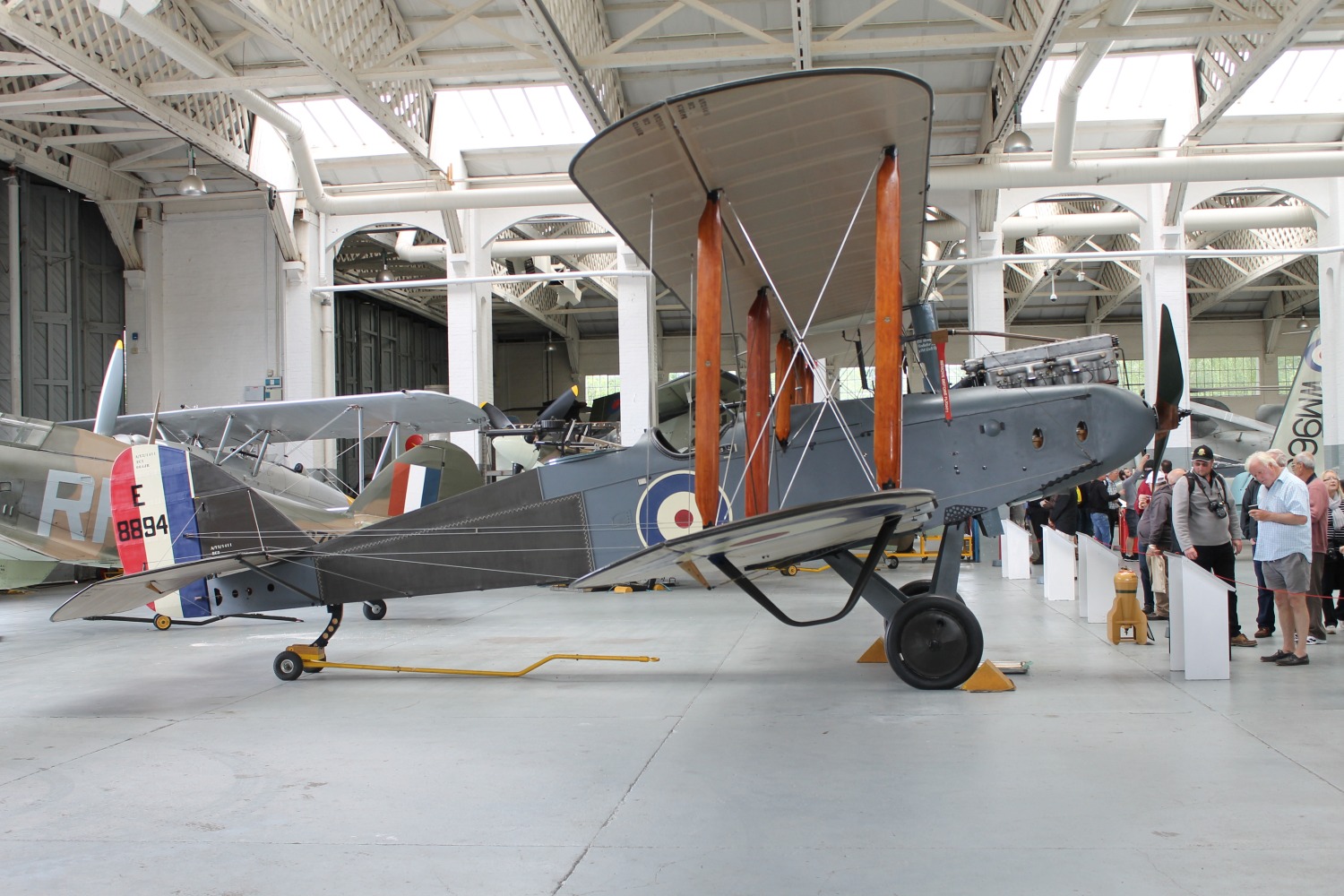
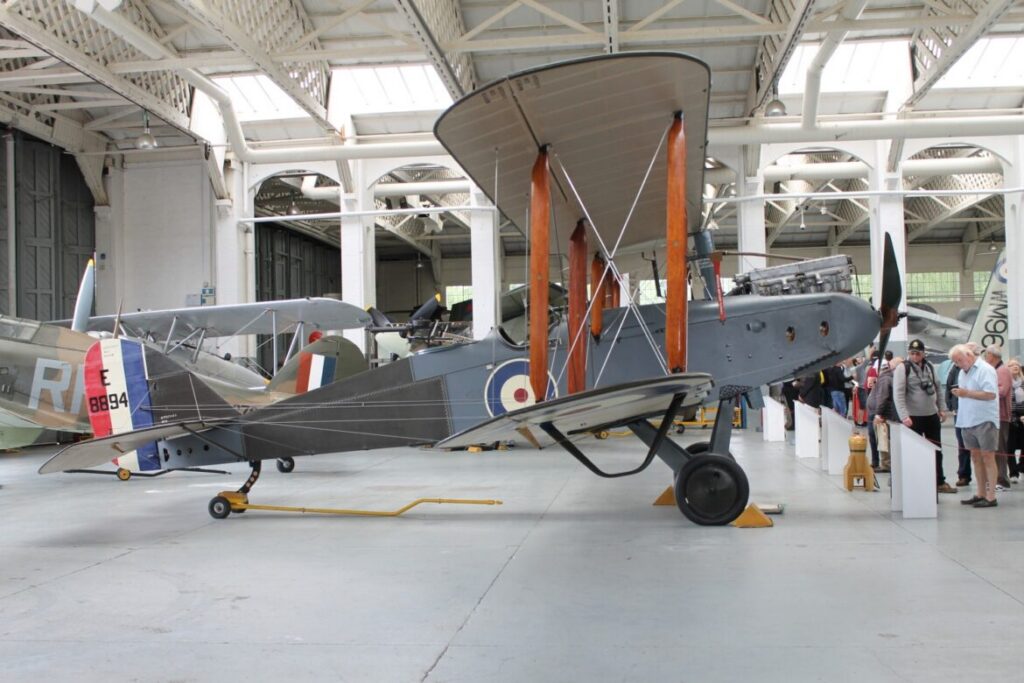
Aviation museums serve as treasure troves for enthusiasts, showcasing a rich tapestry of aircraft that reflect the evolution of flight. However, translating the beauty of these machines into photographs can be a formidable challenge. Visitors often encounter dim lighting, tight spaces, and the presence of other displays that can complicate the photographic process. To help you navigate these hurdles, here are seven practical tips tailored for capturing compelling images in aviation museums.
Embrace the Museum’s Lighting
Lighting is a critical factor in museum photography, where environments are often intentionally dimmed to protect artifacts. Rather than fighting against this reality, photographers should adapt by adjusting camera settings. Increasing the ISO sensitivity, shooting in RAW format, and carefully managing exposure can help mitigate the challenges of low light. When tripods are prohibited, stabilize your camera by leaning against nearby structures or utilizing built-in image stabilization features.
Selecting the Right Lens for the Environment
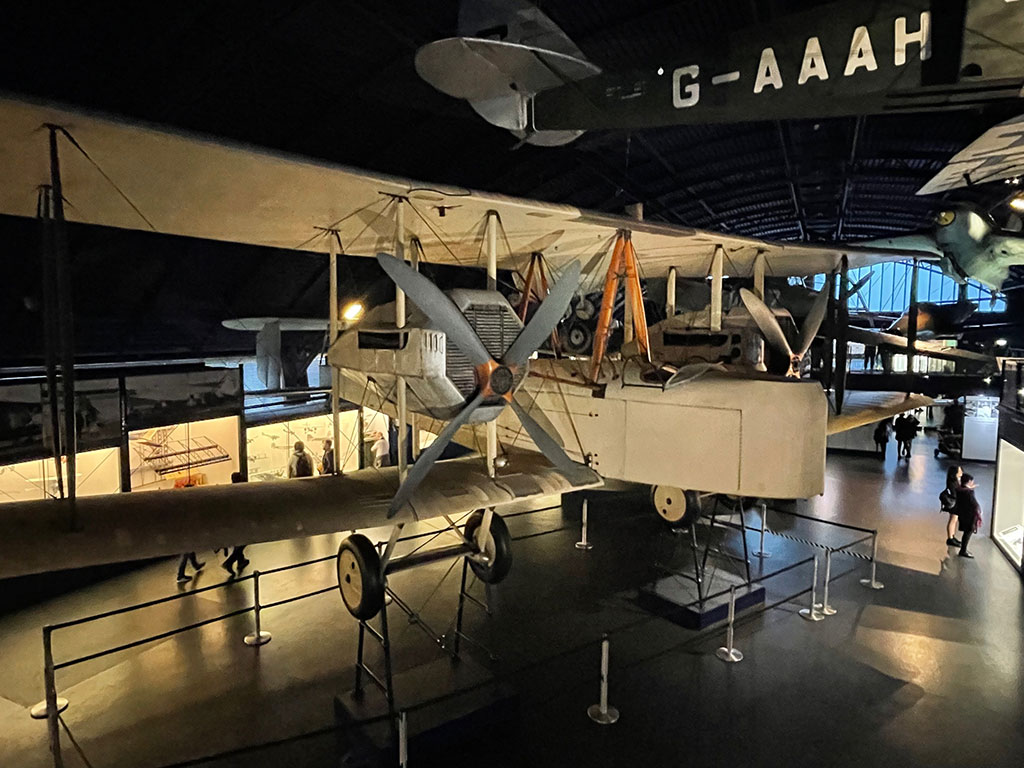
Space constraints are a common feature in aviation museums, making lens selection vital. A wide-angle lens is typically beneficial for capturing entire aircraft and tight interior shots. However, it is essential to be cautious of distortion that can arise from excessive wide angles. A standard or short telephoto lens, around 50 to 85mm, often provides sharper images with a more natural perspective. Even modern smartphones can serve as effective tools for capturing images in these confined spaces, thanks to their versatility in various lighting conditions.
Minimizing Clutter in Your Shots
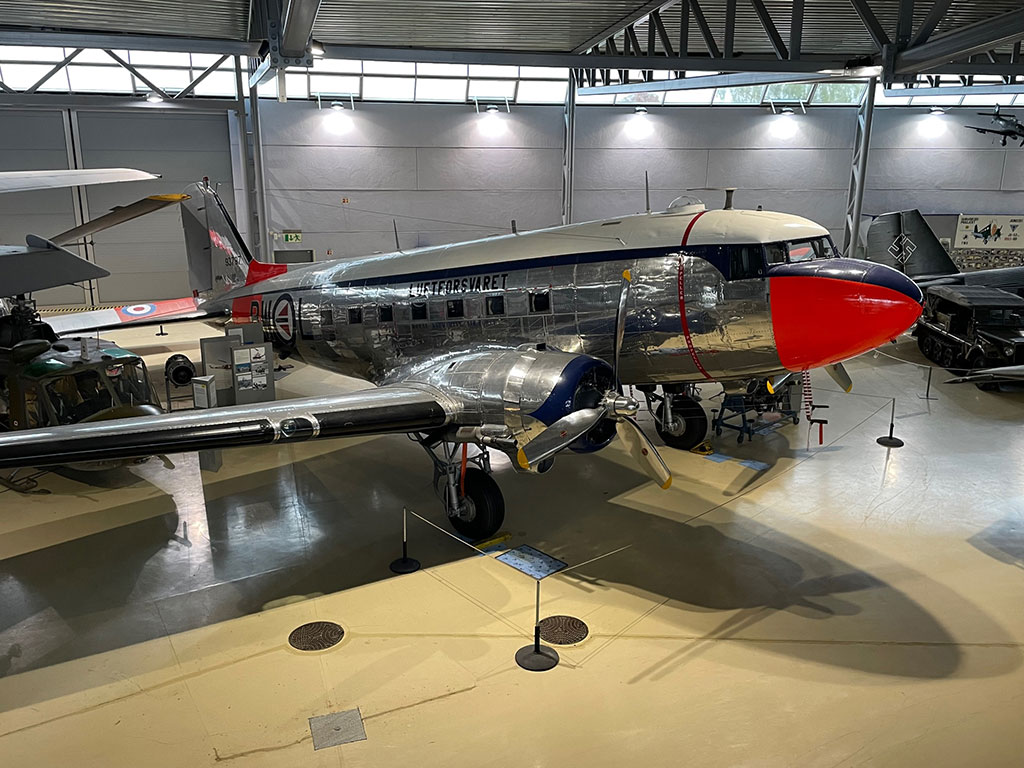
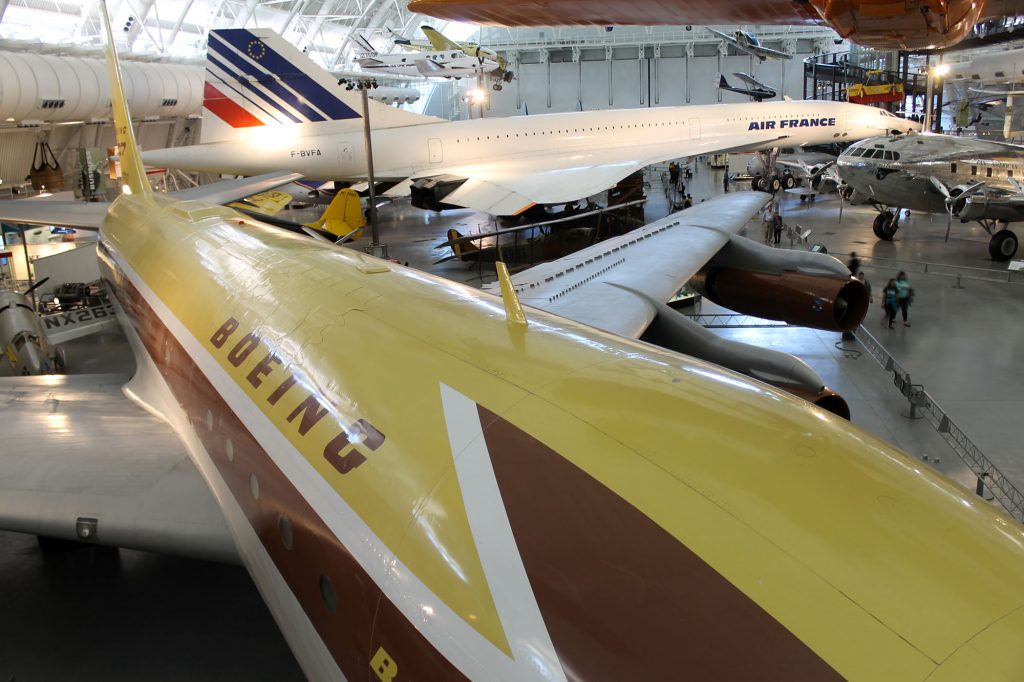
Aviation museums are not always pristine environments; barriers, informational displays, and other visitors can clutter your frame. To enhance your photographs, take a moment to reassess your composition. Shifting your position or altering your angle can often isolate the aircraft from distracting elements, allowing for a stronger focal point in your images. Remember, unlike at airports, the aircraft in museums are stationary, giving you the luxury of time to find the perfect angle.
Focusing on Intricate Details
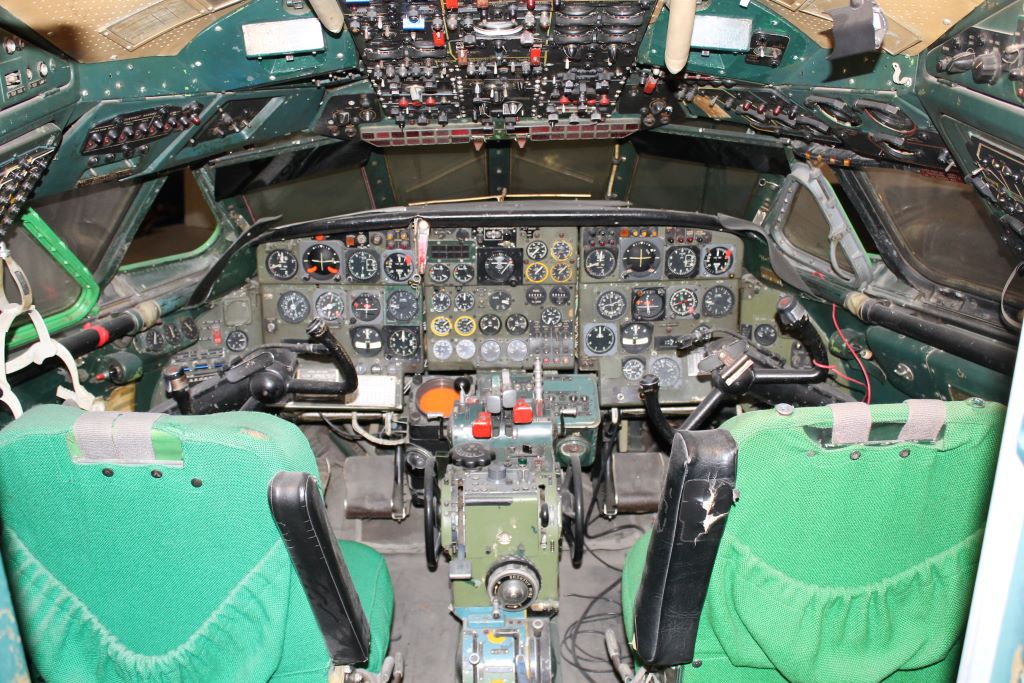
In situations where capturing the entire aircraft is impractical, consider honing in on specific details. Elements such as cockpit panels, engine inlets, and unique markings can create striking images that tell a story about the aircraft’s history and design. This approach not only adds variety to your portfolio but also showcases the craftsmanship involved in aviation.
Managing Reflections and Glass Surfaces
Many exhibits, particularly those featuring cockpits or smaller artifacts, are protected by glass. This can introduce reflections and glare that detract from your images. To combat this, position yourself close to the glass and shoot at an angle to minimize reflections. Using your hand or a lens hood to block stray light can also help maintain contrast. Avoid using flash, as it can exacerbate reflection issues.
Getting the White Balance Just Right
The diverse lighting sources within museums—ranging from LED to natural light—can lead to color inconsistencies in photographs. Setting a custom white balance is advisable, as it can significantly enhance the color accuracy of your images. For those shooting in RAW, adjustments can be made in post-processing to correct any color casts that may arise.
Patience is Key
Photography in shared spaces like museums requires a degree of patience. Be prepared to wait for clear shots, allowing crowds to disperse before capturing your images. Respecting the flow of other visitors is essential, as it ensures a pleasant experience for everyone involved.
Final Reflections on Museum Photography
Aviation museums present unique opportunities for photographers, requiring a thoughtful approach that differs from traditional aircraft spotting. By mastering the nuances of lighting, composition, and technique, you can produce images that not only capture the essence of aviation history but also resonate with viewers. With practice and patience, your photography can reflect the awe and legacy of these remarkable machines.



This article was prepared by LibelulaFly as an independent aviation-news summary and editorial reinterpretation based on publicly available reporting. Images, when used, are included for editorial context with source attribution. Original source: www.airportspotting.com. Read the original article here: https://www.airportspotting.com/7-tips-for-photographing-aircraft-in-aviation-museums/.
List, promote, or publish aircraft with LibelulaFly.
LibelulaFly.com • Sales@libelulafly.com • +1 305-332-1942
May
Unveiling the Summer’s Most Anticipated Aircraft
As the summer season approaches, aviation enthusiasts are gearing up for prime spotting opportunities. With airlines introducing new liveries and celebrating milestones, the skies are set to showcase a variety of aircraft that are not only operational but also visually captivating. This guide highlights ten aircraft that every spotter should aim to see this summer, reflecting the dynamic landscape of commercial aviation.
Celebrating Milestones with Special Liveries
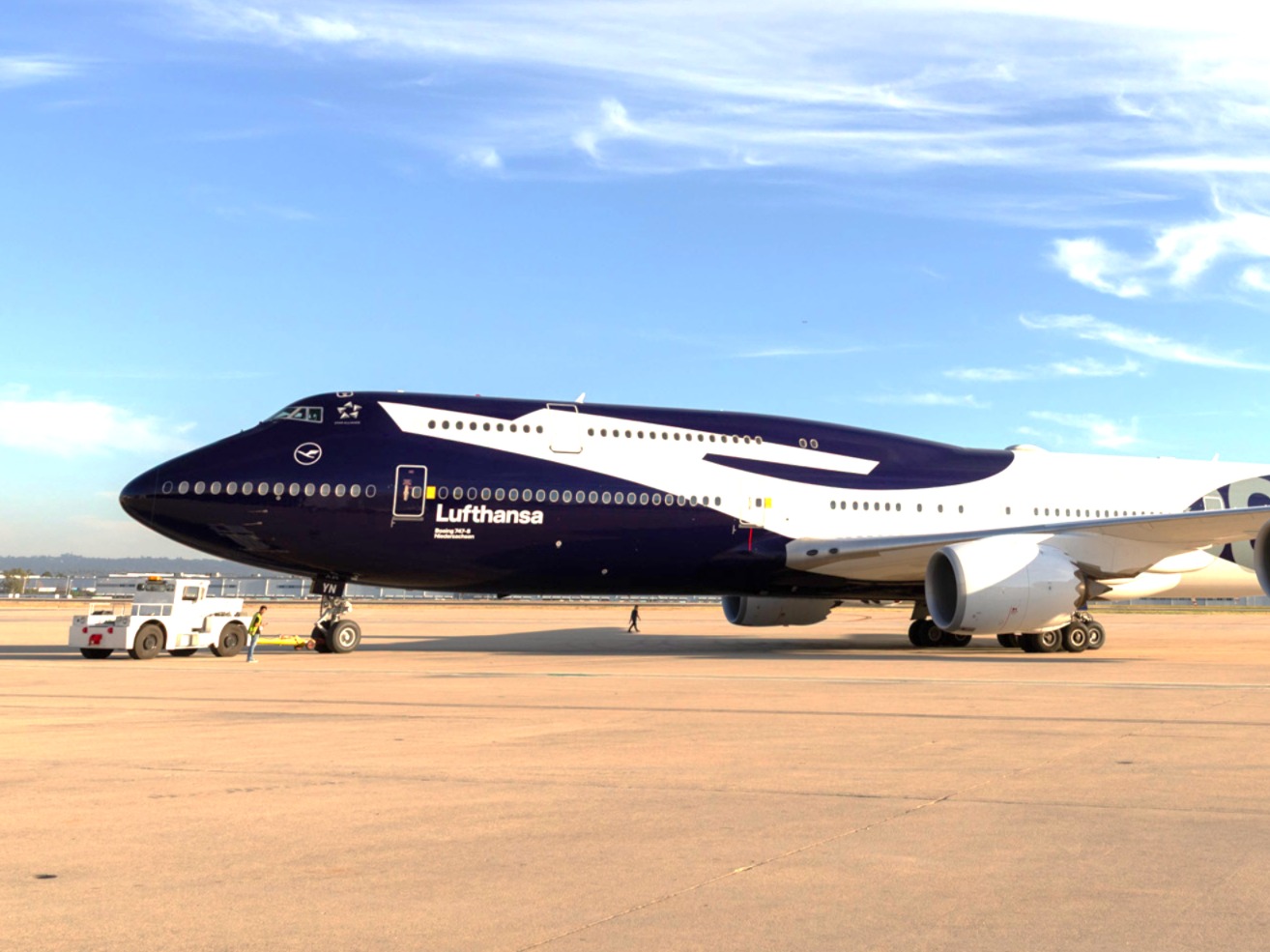
Lufthansa is commemorating its centennial with a special Boeing 747-8 featuring a unique livery that pays homage to its storied history. This iconic aircraft type, known for its distinctive hump and spacious cabin, is becoming increasingly rare in commercial service. The 747-8’s special livery is a tribute to the airline’s legacy, making it a must-see for enthusiasts who appreciate aviation history.
Similarly, Qatar Airways has introduced a striking Formula One-themed livery on its Boeing 777-300ER. This visually stunning design reflects the airline’s partnership with the F1 racing series, and its limited-time status makes it a prime target for spotters eager to capture a piece of this collaboration.
Commemorative Designs Across the Globe
Cathay Pacific’s Airbus A350-900, adorned with an 80th-anniversary livery, is another highlight. This aircraft not only represents the airline’s long-standing service but also features a design that resonates with many aviation fans who remember its classic liveries from years past.
In a similar vein, SAS has unveiled a special livery on an Airbus A330-300 to celebrate its own 80th anniversary. The design has sparked discussions among aviation enthusiasts, showcasing the diverse opinions that special liveries can evoke.
Unique Cultural Representations
Brussels Airlines continues its tradition of cultural representation with its Tintin-themed Airbus A320. This aircraft adds to the airline’s portfolio of unique liveries that celebrate Belgian culture and iconic figures, making it a delightful sight for both aviation enthusiasts and fans of the beloved comic character.
Swiss International Air Lines also offers a visual treat with its A350-941, featuring a stunning design that celebrates Swiss cultural landmarks. This aircraft has already garnered attention from spotters, and its artistic representation of national pride is sure to impress.
Emerging Fleets and New Liveries
Air Niugini is making strides in fleet modernization with its first Airbus A220-300, which marks a significant upgrade in its operations. This aircraft not only incorporates a fresh livery but also commemorates the airline’s 50th anniversary, symbolizing a new era for the carrier.
Alaska Airlines is also transitioning to a modern fleet with the introduction of Boeing 787s, recently painted in a new livery following its merger with Hawaiian Airlines. The updated design on these long-haul aircraft signifies a fresh chapter for the airline, appealing to spotters interested in the evolution of airline branding.
A Nostalgic Return
JetBlue Airways has reintroduced its Blueprint livery on the Airbus A220-300, a nostalgic nod to its previous Embraer 190 fleet. This revival of a beloved design is sure to resonate with long-time fans of the airline, making it a noteworthy addition to the spotting list this summer.
Planning Your Spotting Adventures
With such a diverse array of aircraft taking to the skies this summer, aviation enthusiasts have ample opportunities for spotting. Whether you’re planning trips to specific airports or simply looking to catch a glimpse of these unique liveries, the season promises excitement and visual splendor. As you prepare for your spotting adventures, keep an eye on local flight schedules and updates to maximize your chances of seeing these remarkable aircraft.

May
Decline of a British Aviation Icon
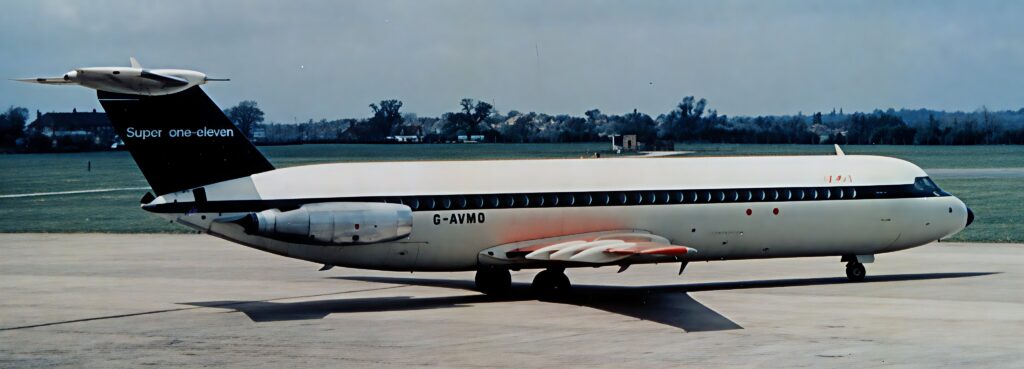
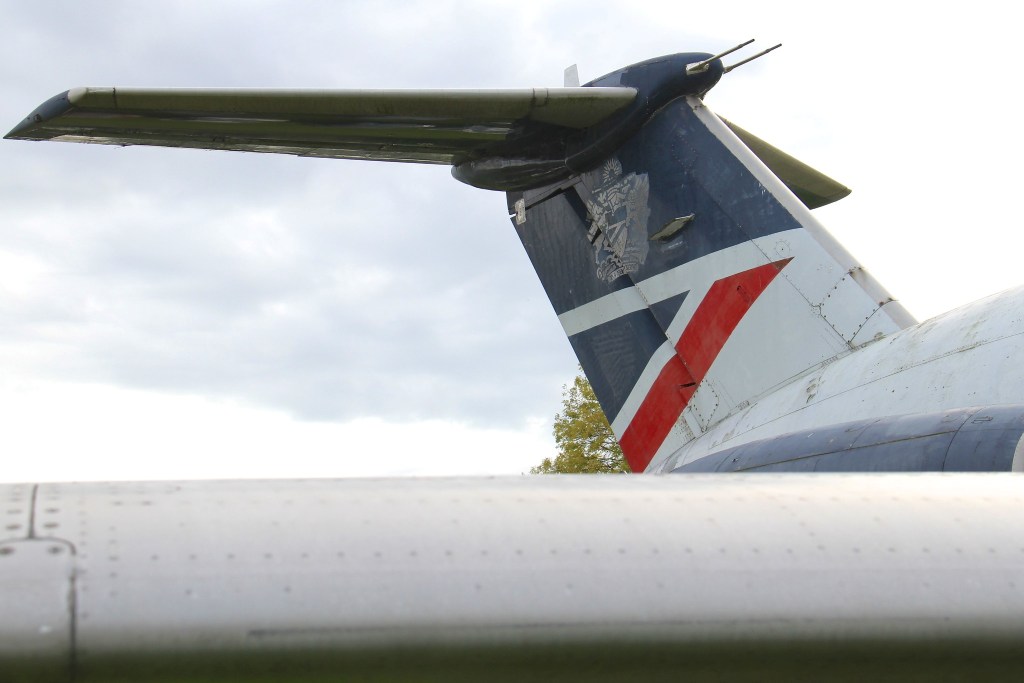
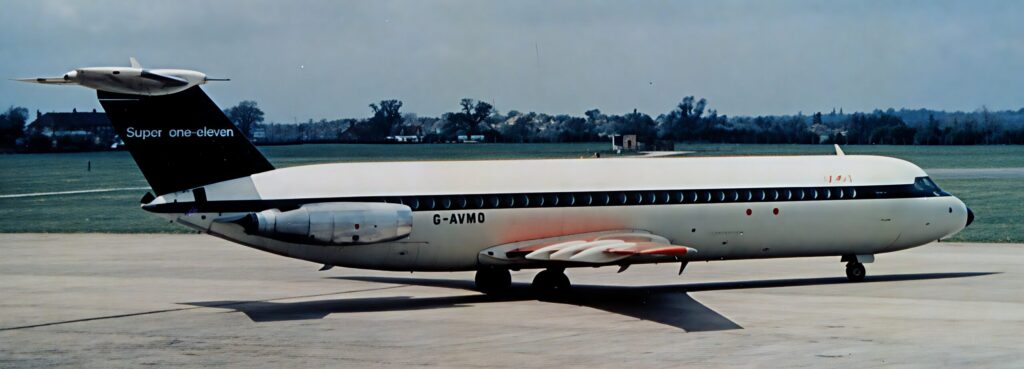
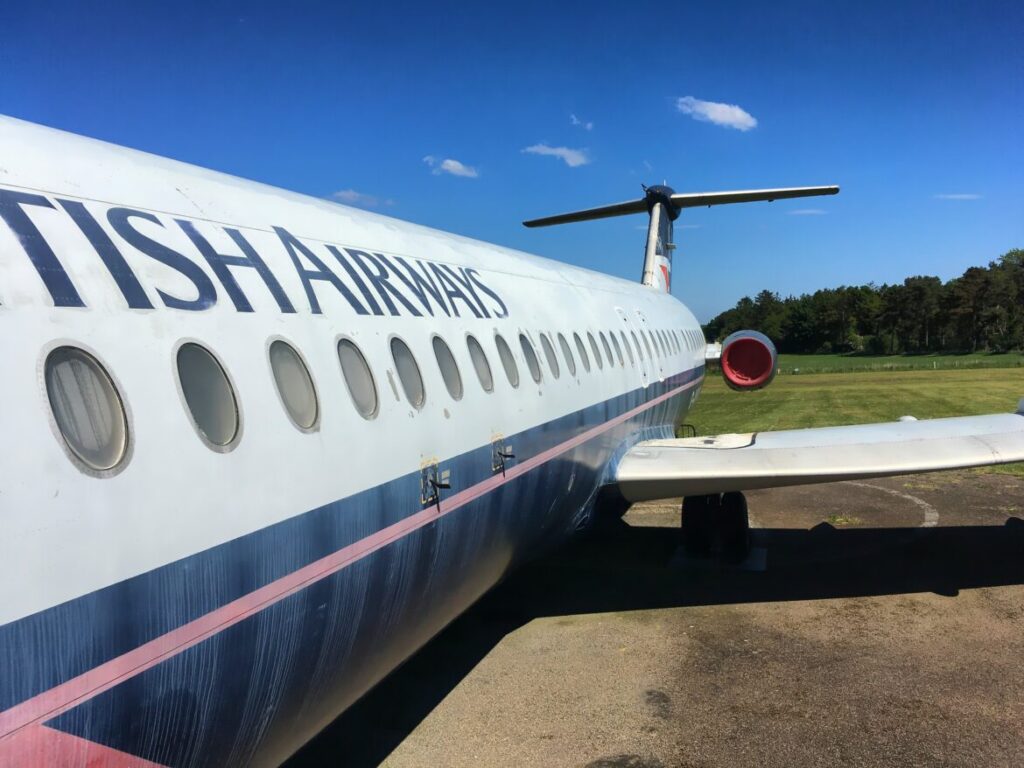
The historic BAC One-Eleven, a hallmark of British aviation from the 1960s through the 1980s, has experienced another significant loss as G-AVMO, a notable example of the aircraft, has been dismantled. Previously showcased at the National Museum of Flight in Scotland, G-AVMO succumbed to years of exposure and deterioration, leading to its removal and subsequent dismantling at Cotswold Airport. This event underscores the ongoing challenges faced in preserving aviation heritage amid changing environmental conditions.
A Legacy of Short-Haul Jet Travel
Developed by the British Aircraft Corporation, the BAC One-Eleven was designed to meet the burgeoning demand for short-haul jet services. Its first flight in 1963 marked the beginning of a successful era, with the aircraft becoming a staple for numerous airlines, including British European Airways and later British Airways. The One-Eleven was celebrated for its operational versatility, allowing it to thrive in various regional settings across Europe.
Challenges in Preservation
The dismantling of G-AVMO raises pressing questions regarding the preservation of historical aircraft. The museum’s decision was driven by the aircraft’s deteriorated state, exacerbated by the UK’s challenging weather conditions. Corrosion and structural damage have rendered many outdoor displays unsustainable, prompting discussions in the aviation community about the future of such significant artifacts.

Remaining Examples and Their Conditions
With G-AVMO’s dismantling, only two complete BAC One-Eleven airframes are now known to exist in the UK. One is housed at the British Airliner Collection in Duxford, while the other is a prototype at Brooklands Museum. Both have benefitted from dedicated preservation efforts, which have helped maintain their structural integrity despite being displayed outdoors. However, the number of complete examples is dwindling, making the need for proactive preservation efforts increasingly urgent.
Reflections on an Era
The BAC One-Eleven’s contribution to aviation history cannot be understated. It played a crucial role in shaping the landscape of regional air travel, offering airlines a reliable and efficient option for short-haul flights. Its distinctive design and operational capabilities left a lasting impact, with its sound and silhouette becoming synonymous with an era of British aviation.
The Future of Aviation Heritage
The fate of G-AVMO serves as a poignant reminder of the challenges faced by aviation museums. As large aircraft become increasingly difficult to maintain, the preservation of aviation history may require innovative solutions and increased funding. Enthusiasts and historians alike are calling for a renewed focus on the protection of these aircraft, not only as technical achievements but as cultural artifacts that represent a significant chapter in Britain’s aviation narrative.
Conclusion: A Call to Action
As the aviation community reflects on the legacy of the BAC One-Eleven, the loss of G-AVMO highlights the urgent need for action in preserving the remaining examples of this iconic aircraft. The memories and experiences associated with the One-Eleven are invaluable, and safeguarding these pieces of history will require collaboration among aviation enthusiasts, museums, and funding bodies. The hope remains that the stories of these aircraft will continue to inspire future generations.



This article was prepared by LibelulaFly as an independent aviation-news summary and editorial reinterpretation based on publicly available reporting. Images, when used, are included for editorial context with source attribution. Original source: www.airportspotting.com. Read the original article here: https://www.airportspotting.com/britains-bac-one-eleven-fleet-dwindles-further-as-scottish-example-broken-up/.
List, promote, or publish aircraft with LibelulaFly.
LibelulaFly.com • Sales@libelulafly.com • +1 305-332-1942
May
The End of an Era for the Airbus A340
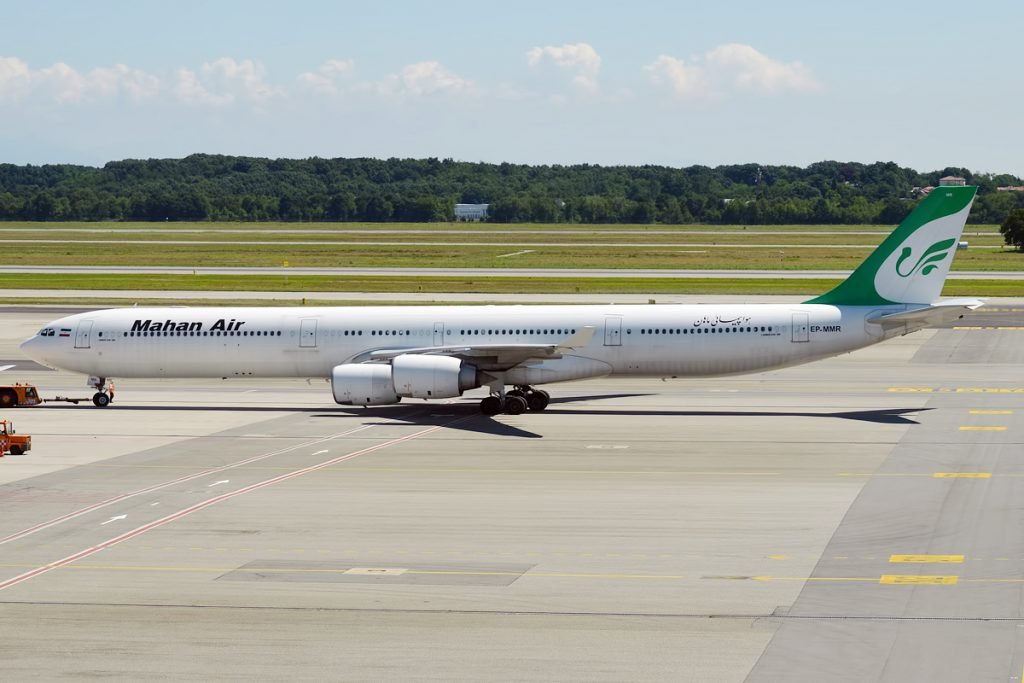
The Airbus A340, once a staple of long-haul aviation, is gradually fading from the skies as airlines shift to more fuel-efficient twin-engine aircraft. With its distinctive four-engine design and impressive range, the A340 was a preferred choice for many carriers during the 1990s and 2000s. However, as newer models like the Boeing 787 and Airbus A350 gain prominence, the A340’s operational days are numbered. This summer, aviation enthusiasts have a unique opportunity to witness this classic aircraft at select airports before it becomes a rare sight.
Frankfurt Airport: A Hub for the A340
Frankfurt Airport stands out as the primary location for spotting the A340, primarily due to Lufthansa’s continued operation of the aircraft. As the largest operator of the A340, Lufthansa utilizes both the A340-300 and A340-600 variants for long-haul flights, particularly to destinations in North America. With the ongoing delays in Boeing 777X deliveries, the airline has extended the operational life of its A340 fleet, making Frankfurt a premier destination for spotting these iconic aircraft.
Zurich and Unique European Sightings
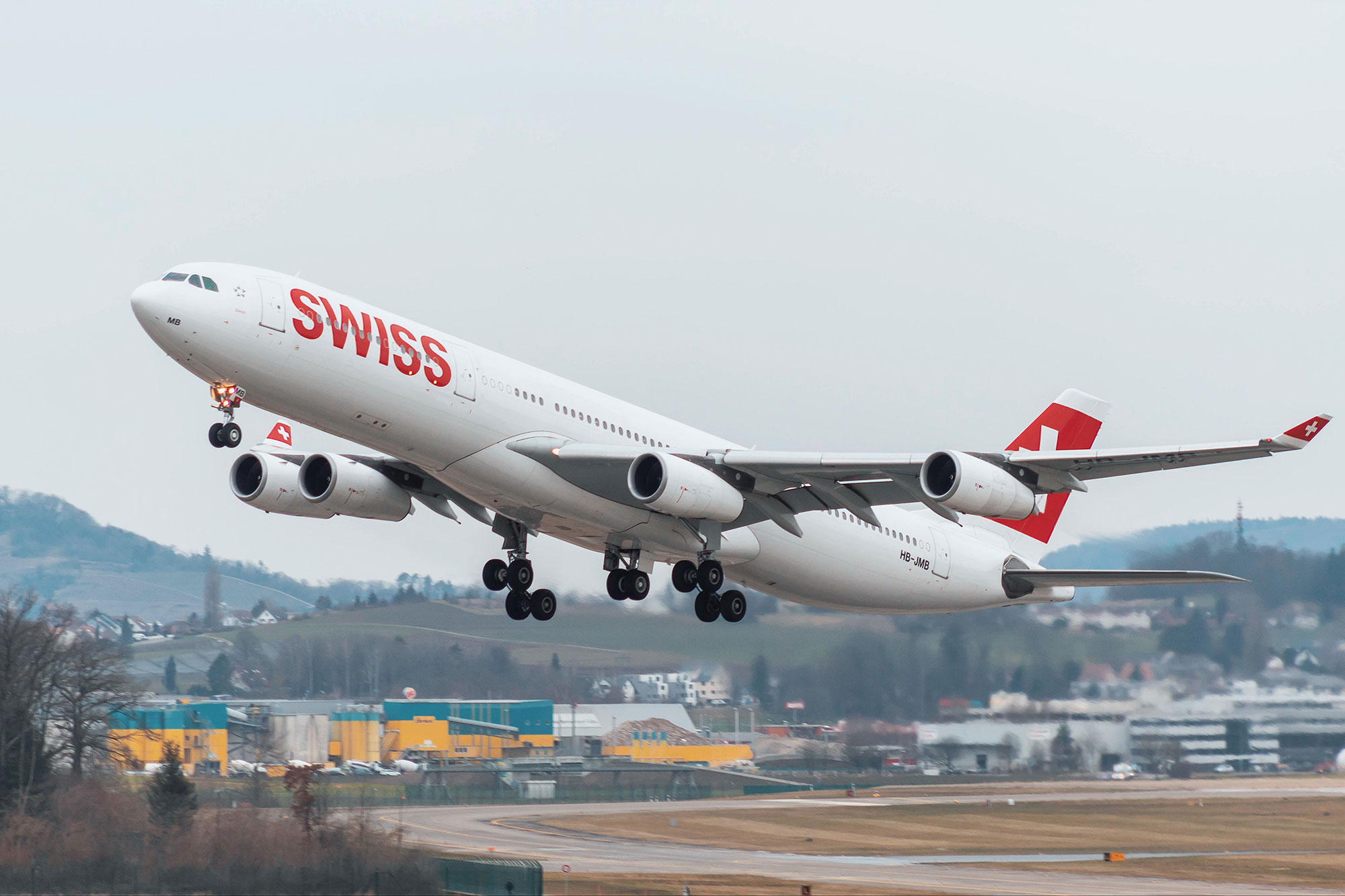
Zurich Airport remains one of the few European locations where aviation enthusiasts can still see A340s in passenger service. Both SWISS and Edelweiss operate the A340-300, although both airlines are gradually phasing them out in favor of newer models. The picturesque setting of Zurich, combined with the operational presence of these aircraft, offers excellent opportunities for photography and spotting.

Rare Finds in Caracas
For those seeking something out of the ordinary, Caracas Simón Bolívar Airport is home to Conviasa, Venezuela’s state-owned airline, which operates a small fleet of A340s. This unique operational environment presents a fascinating opportunity to see the A340 in action on routes to cities like Moscow and Guangzhou, although travelers should be mindful of local conditions and regulations.
The Cargo Operations: Bournemouth Airport
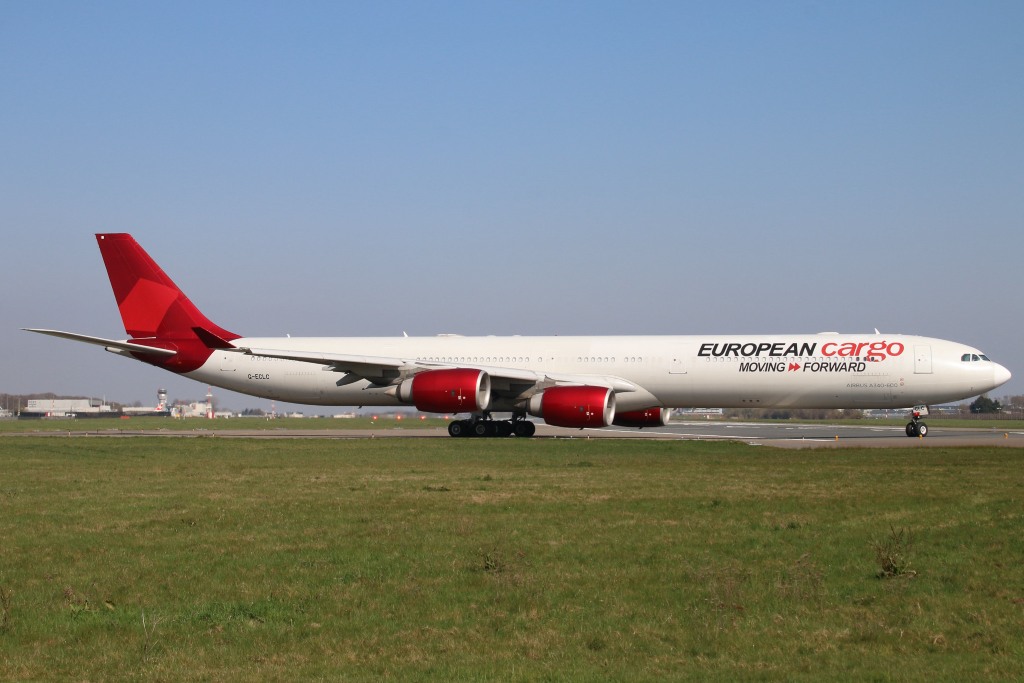
Bournemouth Airport has emerged as an unexpected hotspot for A340 enthusiasts, primarily due to European Cargo’s operations of converted A340-600 freighters. These aircraft are utilized for cargo services to China, providing a rare chance to see the A340 in a cargo configuration, making it a notable destination for spotting.
Global A340 Hotspots
Other notable airports include New York JFK, where Lufthansa and SWISS maintain A340 services, and Chicago O’Hare, which sees regular A340 flights during the summer season. Boston Logan also features A340 operations, particularly from Lufthansa and Edelweiss, while Istanbul Airport offers a blend of A340 activity from various Middle Eastern carriers.
Final Opportunities to Experience the A340
As the A340 fleet diminishes, airports like Johannesburg OR Tambo continue to provide opportunities to see this aircraft type in service, particularly with South African Airways. The combination of scenic backdrops and operational diversity at these airports creates an essential experience for aviation enthusiasts. With the retirement of A340 fleets imminent, the window to spot this classic quadjet is rapidly closing. Aviation enthusiasts are encouraged to act quickly to capture the last glimpses of the Airbus A340 before it becomes a relic of aviation history.





This article was prepared by LibelulaFly as an independent aviation-news summary and editorial reinterpretation based on publicly available reporting. Images, when used, are included for editorial context with source attribution. Original source: www.airportspotting.com. Read the original article here: https://www.airportspotting.com/the-10-best-airports-to-spot-an-a340-this-summer/.
List, promote, or publish aircraft with LibelulaFly.
LibelulaFly.com • Sales@libelulafly.com • +1 305-332-1942

May
AirIdea Prepares to Enter Italy’s Regional Aviation Market
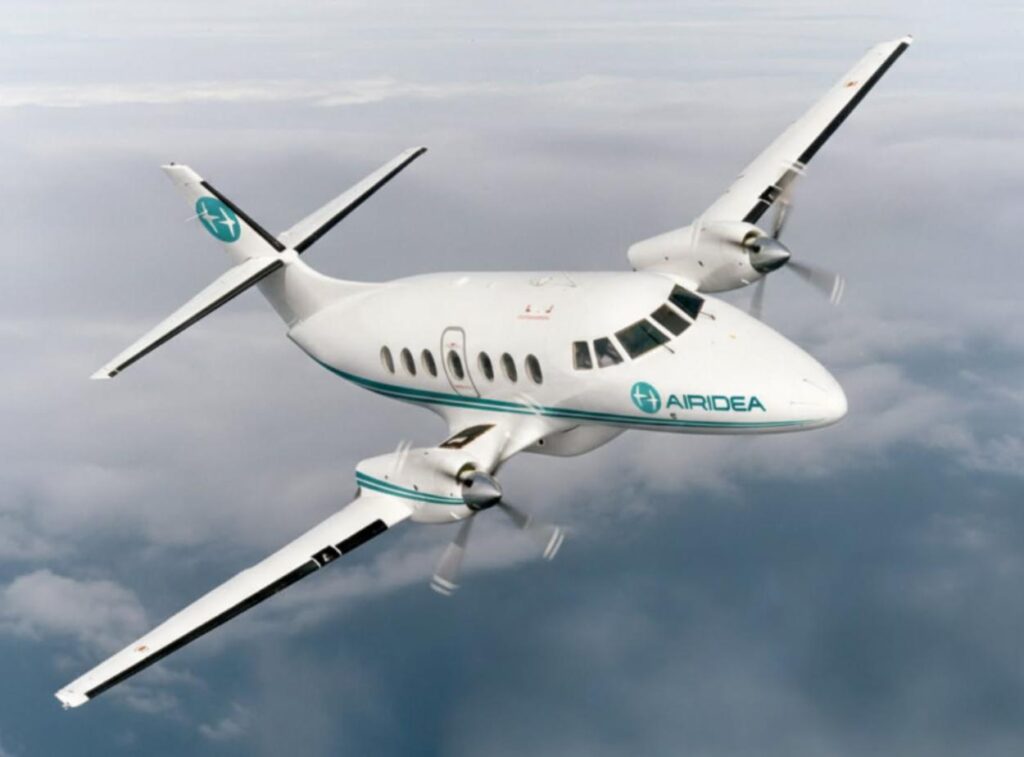
Italy’s aviation landscape is poised for a new chapter as AirIdea, a burgeoning regional airline, gears up to commence operations next month. Based at Genoa Cristoforo Colombo Airport, AirIdea aims to fill the void in domestic air travel by offering scheduled flights that connect cities currently lacking efficient direct links. With a fleet primarily featuring the Saab 340 and later the BAe Jetstream 32, the airline is targeting both business and leisure travelers.
Connecting Italy’s Underserved Regions
Set to begin operations on June 8, 2026, AirIdea is strategically launching its services to connect Genoa with several key Italian cities, including Trieste, Venice, Florence, Bologna, Bergamo, Olbia, and Alghero. The airline’s mission reflects a growing trend towards revitalizing regional connectivity, particularly in areas where road and rail travel options are limited. With more than 70% of Italy’s regional city pairs lacking adequate air service, AirIdea seeks to provide practical and time-efficient travel alternatives.
A Focus on Short-Haul Efficiency
The operational model of AirIdea emphasizes short-haul flights, with average journey times around 45 minutes. This approach is designed to facilitate same-day return trips, appealing to business travelers who require efficient travel solutions. By avoiding competition on major trunk routes, the airline is positioning itself to serve niche markets overlooked by larger carriers.

A Unique Aircraft Offering
AirIdea’s fleet will initially comprise 34-seat Saab 340B turboprops, leased from Maltese carrier Luxwing. The Saab 340, a stalwart of regional aviation since its introduction in the 1980s, has a strong following among aviation enthusiasts. Its reliability and operational efficiency make it a suitable choice for AirIdea’s domestic routes. Furthermore, the airline plans to introduce the BAe Jetstream 32 later in 2026, which, with its 19-seat configuration, represents a rare opportunity for passengers and aviation fans alike to experience this classic aircraft in scheduled service.
Route Plans and Pricing Strategy
AirIdea has outlined an ambitious route network, with flights connecting Genoa to Trieste, Venice, Florence, Bologna, Bergamo, Olbia, and Alghero, as well as additional routes from Bergamo to Rimini and Perugia. The airline plans to offer a fixed pricing model, avoiding the dynamic pricing trends common in the industry, and instead providing transparent, one-way fares regardless of when tickets are purchased.
A Part of a Larger Movement
AirIdea joins a small but significant number of regional start-ups across Europe that are emerging to reclaim air routes abandoned by larger airlines, driven by increasing competition from rail services and evolving market dynamics. The airline’s model could potentially inspire similar initiatives in other regions, especially in countries where geographical challenges hinder effective transport links.
The Road Ahead for AirIdea
As AirIdea prepares for its inaugural flights, the aviation community is watching closely. The airline’s commitment to restoring regional connectivity with classic turboprop aircraft offers a refreshing alternative to the current market landscape. While the long-term success of AirIdea remains to be seen, its entry into the market is a promising development for both Italian travelers and aviation enthusiasts.






This article was prepared by LibelulaFly as an independent aviation-news summary and editorial reinterpretation based on publicly available reporting. Images, when used, are included for editorial context with source attribution. Original source: www.airportspotting.com. Read the original article here: https://www.airportspotting.com/italys-new-regional-airline-airidea-launches-flights-next-month-with-saab-340s-jetstream-turboprops/.
List, promote, or publish aircraft with LibelulaFly.
LibelulaFly.com • Sales@libelulafly.com • +1 305-332-1942
May
Las Vegas: A Unique Plane Spotting Destination
Las Vegas, known for its vibrant entertainment scene, also serves as a remarkable hub for aviation enthusiasts. With Harry Reid International Airport, formerly McCarran International, positioned just south of the iconic Strip, the airport ranks among the busiest leisure airports in the United States. Its strategic location and diverse air traffic make it a prime spot for plane spotting, drawing aviation aficionados year-round.
Diverse Air Traffic at Harry Reid International
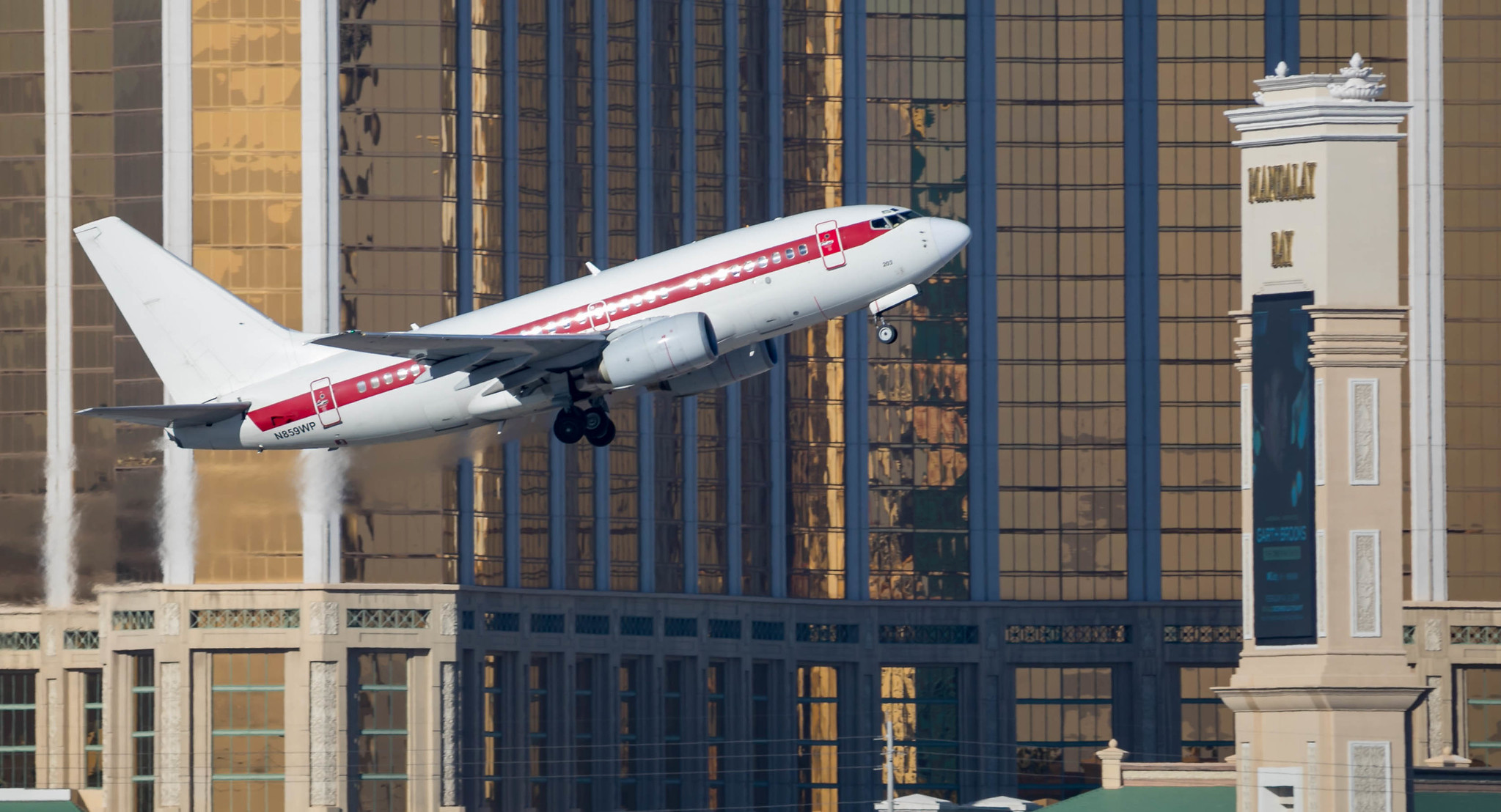
Harry Reid International Airport operates four intersecting runways, facilitating a significant volume of air traffic that includes domestic airlines, international carriers, private jets, and cargo flights. Major airlines such as Southwest Airlines, Delta Air Lines, and United Airlines dominate the landscape, while international flights from Europe, Asia, and beyond contribute to the airport’s bustling activity. Additionally, the airport is renowned for its executive aircraft traffic, catering to a clientele that includes celebrities and business leaders. One notable feature is the fleet of Boeing 737s operated by JANET Airlines, which transport personnel to various classified government sites.
Top Five Plane Spotting Locations
For those looking to capture the action, Las Vegas offers several prime locations for plane spotting:
1. Sunset Road Viewing Area
This official spotting location is favored for its expansive views of the east-west runways. Positioned near Sunset Road, it provides excellent vantage points for photographing a variety of aircraft movements, including arrivals and departures. Enthusiasts should prepare for high temperatures during the summer months, as shade is minimal.
2. Tropicana Avenue & Paradise Road
For dramatic landing shots, the intersection of Tropicana Avenue and Paradise Road offers a classic perspective as aircraft approach the runways. The low altitude of incoming flights creates unique photographic opportunities, especially during the late afternoon when the light softens over the Strip.
3. Terminal 1 Parking Garage
Unlike many major airports, Las Vegas allows for decent aircraft views from its parking structures. The top floor of the Terminal 1 garage provides elevated sightlines over taxiways and active stands, making it ideal for capturing airline liveries and parked aircraft, although discretion is advised to avoid security inquiries.
4. South Las Vegas Boulevard
Located south of the terminals, this underrated area allows for low-flying aircraft to be photographed as they line up for landing. The backdrop of the Las Vegas skyline adds a unique element, though enthusiasts should be mindful of heat haze during midday.
5. Mandalay Bay & Luxor Area
Hotels like Mandalay Bay and Luxor provide an unusual vantage point for spotting aircraft. Higher floors offer breathtaking views of planes descending over the Strip, merging the excitement of aviation with the iconic Las Vegas scenery.
Exploring North Las Vegas Airport
While Harry Reid International is the main attraction, North Las Vegas Airport is worth a visit for those interested in general aviation. This airport caters to a variety of private aircraft, helicopters, and training flights. Gus Sabo Memorial Park offers a designated viewing area with comfortable amenities, making it a pleasant spot for aviation enthusiasts.
Aviation Enthusiasm in the City of Lights
Las Vegas stands out as a unique destination for plane spotting, where the convergence of diverse air traffic, accessible viewing locations, and the vibrant atmosphere of the city create an unparalleled experience. Here, enthusiasts can witness a range of aircraft—from commercial airliners to private jets—all while enjoying the distinctive backdrop of one of America’s most famous cities.
May
A Pivotal Era for Hawaiian Airlines
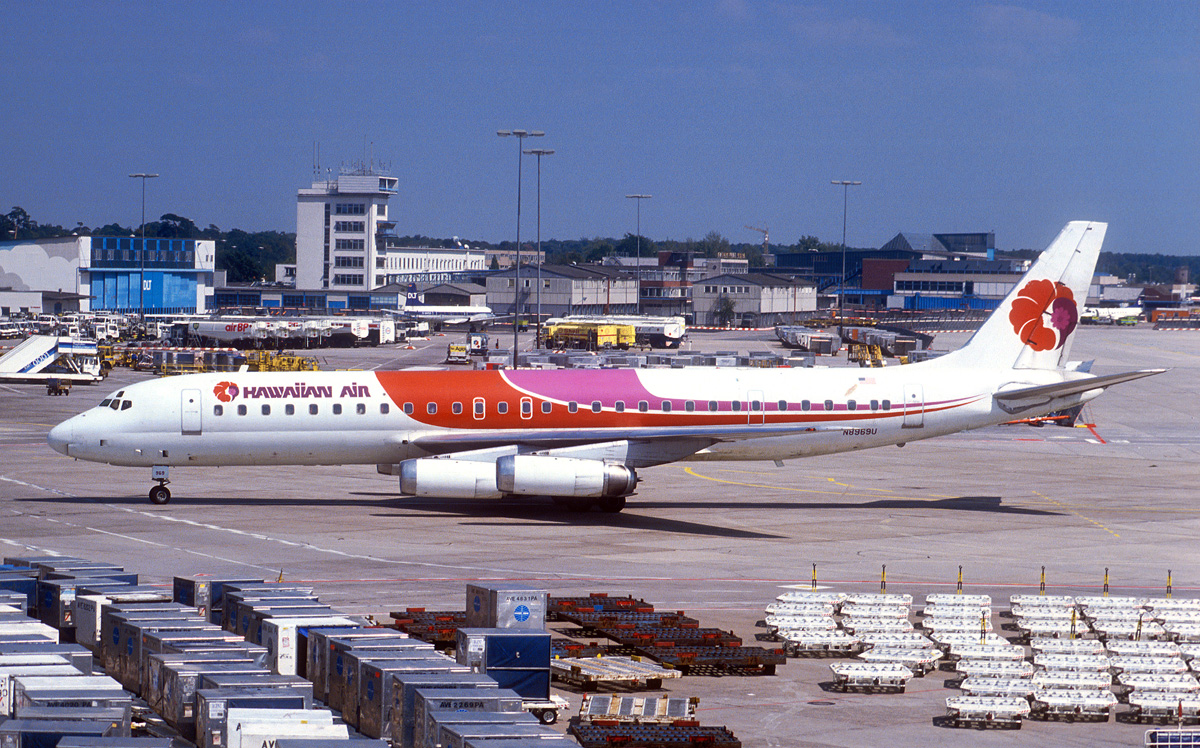
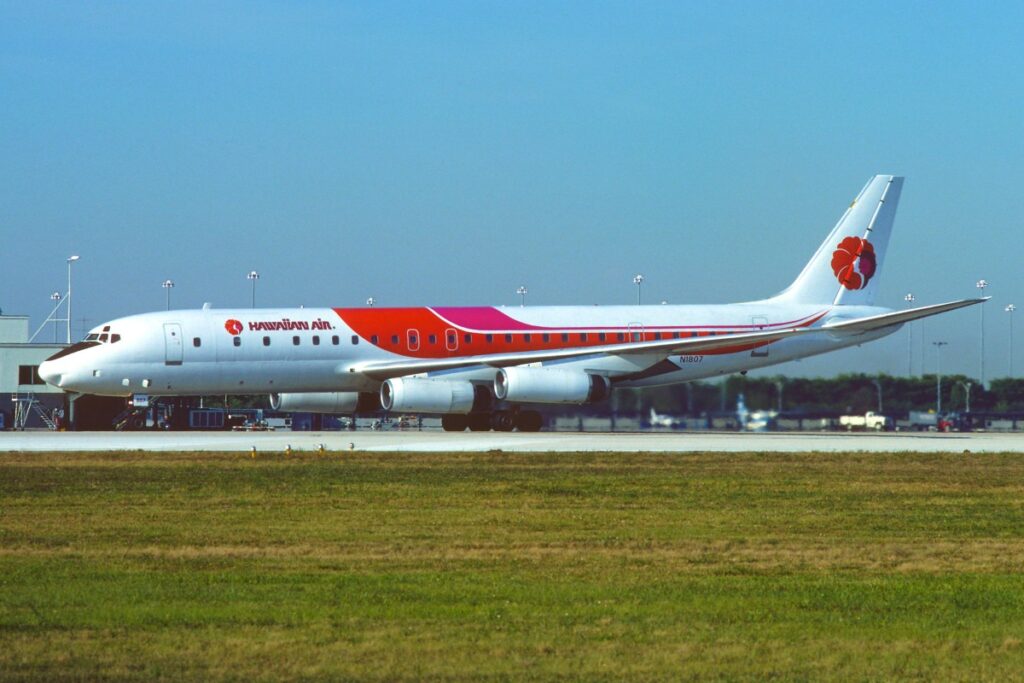
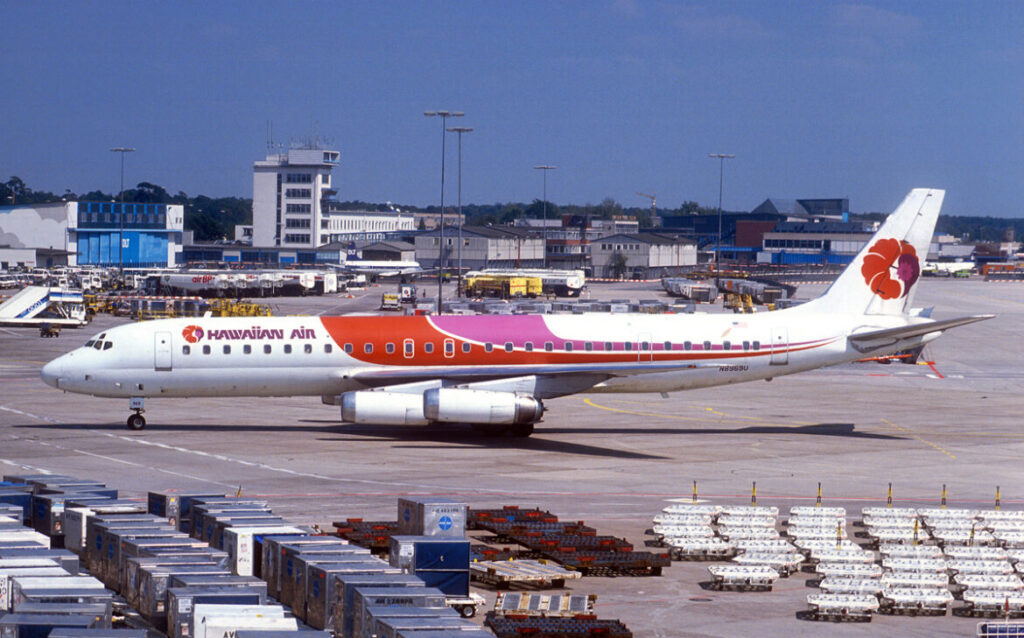
In the 1980s, Hawaiian Airlines embarked on a transformative journey, shifting from its traditional inter-island operations to a more ambitious international profile. Central to this strategic pivot was the introduction of the Douglas DC-8, a classic aircraft that played a crucial role in expanding the airline’s reach across the Pacific.
Embracing Long-Haul Opportunities
Faced with increasing competition on its core routes, Hawaiian Airlines recognized the need to innovate. The decision to incorporate widebody aircraft into its fleet marked a significant departure from its established business model. The DC-8, particularly its stretched variants, was chosen for its proven long-range capabilities and capacity, making it an ideal candidate for the airline’s expansion into long-haul markets.
The DC-8 Fleet Takes Flight
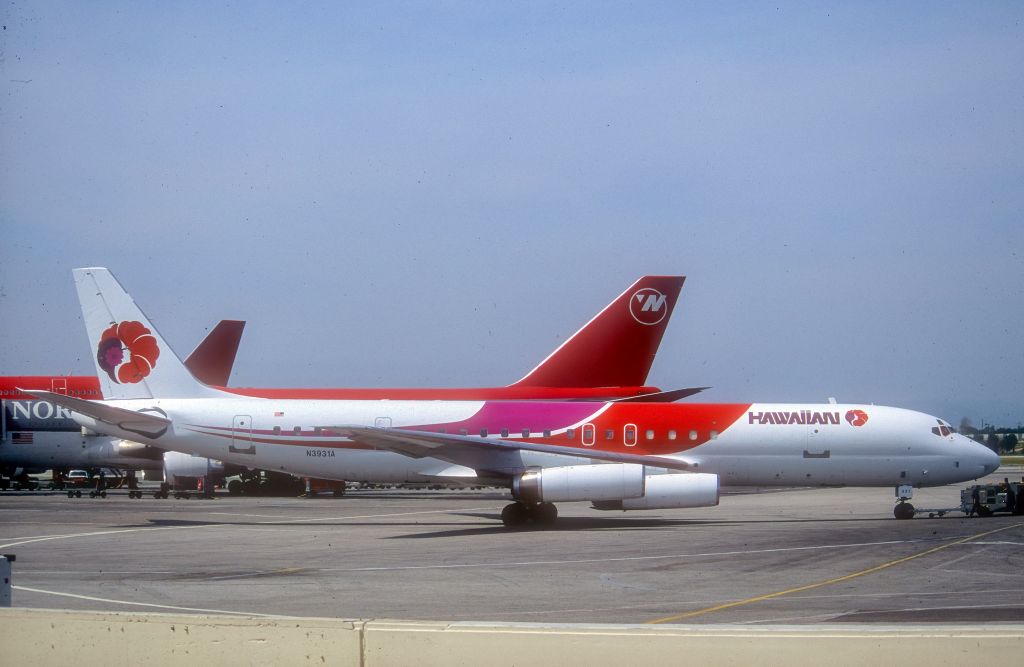
Hawaiian Airlines began operating a fleet of seven Douglas DC-8s in the mid-1980s, primarily sourcing these aircraft as second-hand models. This strategic choice allowed the airline to capitalize on the aircraft’s relatively low acquisition costs while leveraging its capabilities for both charter and scheduled services. The fleet consisted mainly of the DC-8-61 and DC-8-63 variants, which were designed to handle dense passenger routes and extended range operations.
Operational Versatility and Market Impact
The DC-8s were not utilized for the airline’s typical inter-island services but instead served as the backbone of Hawaiian’s burgeoning international charter business. Routes included destinations in Japan, South Pacific islands, and military contract flights. This flexibility enabled Hawaiian Airlines to explore lucrative markets without committing to full scheduled services, a significant advantage during the deregulated era.
Challenges and Regulatory Hurdles
Despite the initial success of the DC-8 operations, the fleet faced considerable challenges. Stricter noise regulations imposed by U.S. authorities made it increasingly difficult to operate older jetliners like the DC-8 without costly modifications. Additionally, Hawaiian Airlines struggled to balance its long-haul ambitions with the financial pressures of maintaining its inter-island network, leading to significant operational strain.
The Conclusion of an Era
By the early 1990s, Hawaiian Airlines entered a period of financial difficulty, culminating in Chapter 11 bankruptcy protection in 1993. As part of its restructuring efforts, the airline opted to retire its DC-8 fleet, marking the end of a significant chapter in its history. The last of the DC-8s were phased out just as larger, more efficient aircraft began to dominate the skies.
A Legacy in Aviation History
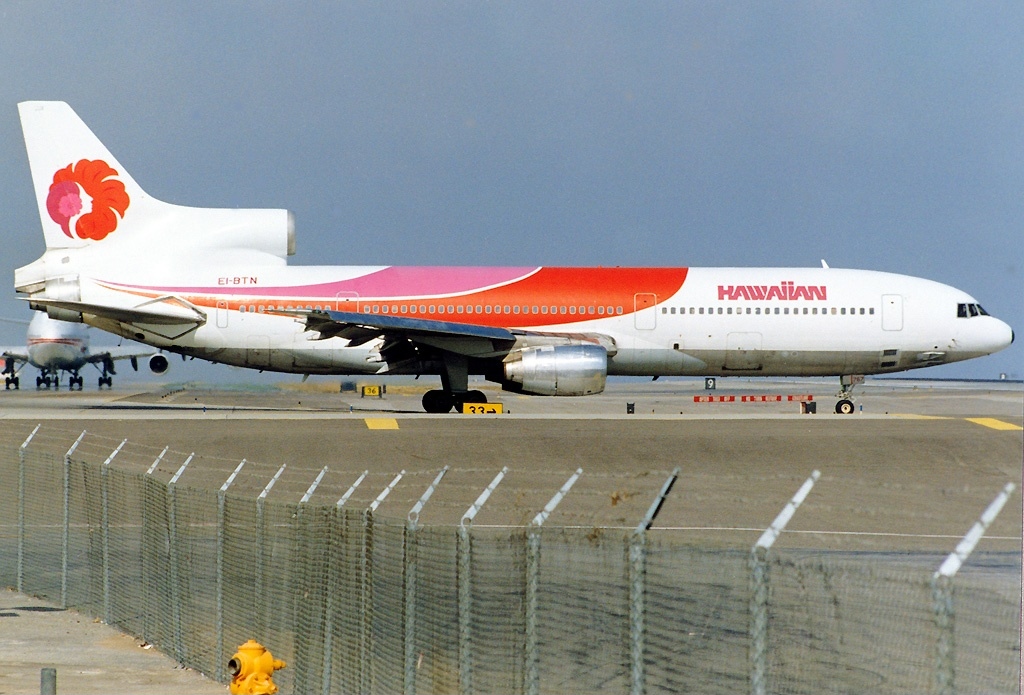
The Douglas DC-8 holds a unique place in aviation history, particularly for Hawaiian Airlines. As one of the last airlines to operate the type in scheduled passenger service, Hawaiian’s experience with the DC-8 underscores the aircraft’s durability and the airline’s unique operational needs during a transformative period. Following the DC-8, Hawaiian transitioned to more modern aircraft, including the Lockheed L-1011 TriStar and later the Boeing 767, which became the backbone of its transpacific services.
Today, the DC-8 is largely absent from commercial aviation, with only a few examples remaining in limited cargo roles. The legacy of Hawaiian Airlines’ DC-8s serves as a reminder of the airline’s bold ambitions and the enduring impact of classic aircraft in shaping the industry’s landscape.



This article was prepared by LibelulaFly as an independent aviation-news summary and editorial reinterpretation based on publicly available reporting. Images, when used, are included for editorial context with source attribution. Original source: www.airportspotting.com. Read the original article here: https://www.airportspotting.com/classic-airline-fleets-hawaiian-airlines-douglas-dc-8s/.
List, promote, or publish aircraft with LibelulaFly.
LibelulaFly.com • Sales@libelulafly.com • +1 305-332-1942

May
Aviation Icon Finds New Purpose in Los Angeles
In a significant development for aviation enthusiasts and the public alike, a retired Boeing 747-400 once operated by Korean Air has been repurposed as a centerpiece exhibit at the California Science Center in Los Angeles. This remarkable aircraft, registered as HL7489, has been transformed into a major attraction, inviting visitors to explore its interior while celebrating the rich history and technology of aviation.
The 747 Experience: A Walk Through History
The newly launched exhibit, aptly named “The 747 Experience,” showcases the forward 70-foot section of the aircraft. This area includes key features such as the upper deck, main passenger cabin, cockpit, forward cargo hold, and landing gear area. Visitors will have the unique opportunity to walk through these sections, gaining insights into the operational capabilities and systems of this iconic aircraft.
Interactive displays will enhance the experience, offering educational insights into aerodynamics, aircraft systems, and potential career paths in aviation. A highlight of the exhibit is a simulated flight experience that replicates a journey from Los Angeles to Seoul, reflecting one of Korean Air’s flagship routes. Additionally, hands-on activities involving wind tunnel experiments and aircraft design will further engage visitors.

A Legacy of the Jumbo Jet
HL7489 has an impressive operational history, having been delivered to Korean Air in 1994. Over two decades, it completed 13,842 flights and logged more than 86,000 flight hours before its retirement from passenger service in 2014. After a brief period in storage, the aircraft was earmarked for preservation, a decision that highlights the cultural significance of the Boeing 747, especially the later 747-400 variant.
The Boeing 747, often referred to as the “Queen of the Skies,” has been pivotal in shaping long-haul travel since its introduction in 1970. The 747-400 variant, known for its improved engines, extended range, and advanced cockpit design, became one of the most successful iterations of this legendary aircraft. Despite a decline in passenger operations, the 747 remains a beloved subject among aviation aficionados.
Preserving Aviation History for Future Generations
The addition of HL7489 to the California Science Center’s future Samuel Oschin Air and Space Center expansion underscores the commitment to preserving aviation history. This exhibit not only allows visitors to appreciate the scale and design of the Boeing 747 but also ensures that future generations can engage with the legacy of this remarkable aircraft.
Visiting the Exhibit
The Korean Air 747 Experience is located within the California Science Center, where permanent galleries typically offer free admission. However, specific exhibits may require tickets. For those interested in aviation and history, this exhibit represents a rare opportunity to experience a preserved Boeing 747-400 up close. Further details regarding visiting hours and the ongoing development of the Samuel Oschin Air and Space Center can be accessed through the Science Center’s official website.

As aviation continues to evolve, preserving the stories and technologies of iconic aircraft like the Boeing 747 ensures that their legacy will inspire and educate generations to come.






This article was prepared by LibelulaFly as an independent aviation-news summary and editorial reinterpretation based on publicly available reporting. Images, when used, are included for editorial context with source attribution. Original source: www.airportspotting.com. Read the original article here: https://www.airportspotting.com/retired-korean-air-boeing-747-finds-new-life-at-california-science-center/.
List, promote, or publish aircraft with LibelulaFly.
LibelulaFly.com • Sales@libelulafly.com • +1 305-332-1942