
May
Qantas Introduces Eye-Catching Great Barrier Reef Livery
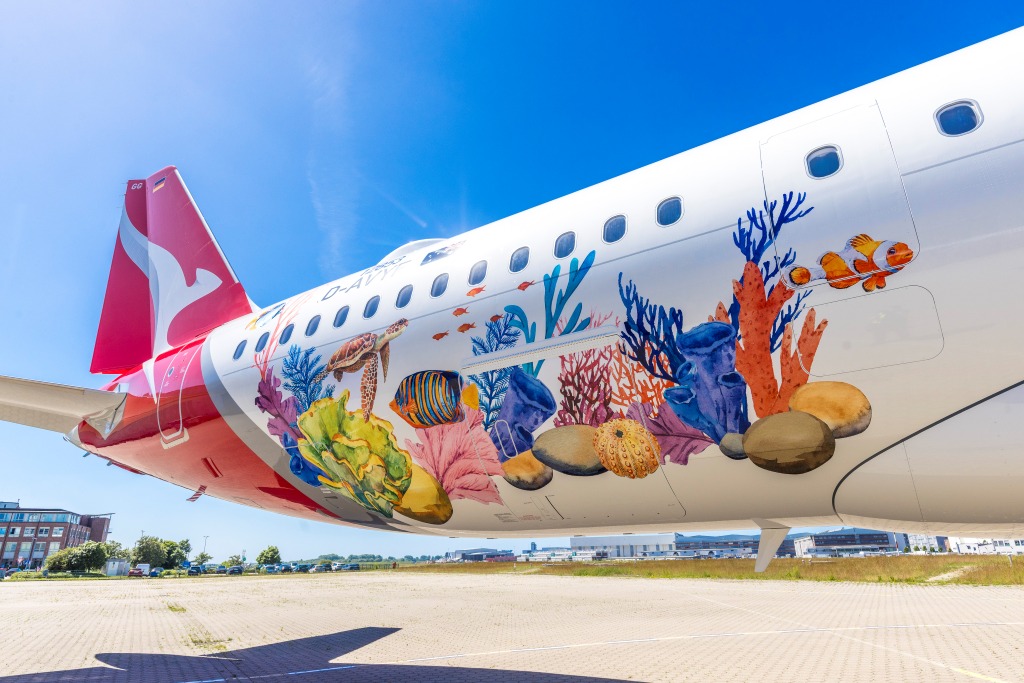
In a notable announcement, Qantas has unveiled a striking new livery for its forthcoming Airbus A321XLR, designated VH-OGG and named Coral Sea. This eye-catching design, inspired by the Great Barrier Reef, was revealed following the aircraft’s completion at Airbus’ Hamburg facility, with delivery expected imminently. As Qantas continues to expand its Airbus A321XLR fleet, this new addition signifies both operational growth and a commitment to environmental stewardship.
A Celebration of Australia’s Natural Heritage
The vibrant livery showcases the rich marine biodiversity of the Great Barrier Reef, featuring detailed imagery of coral formations, sea turtles, and tropical fish. This artistic representation not only celebrates Australia’s natural beauty but also underscores Qantas’ long-standing partnership with the Great Barrier Reef Foundation, which has been active since 2009. The airline has made significant contributions, exceeding AU$10 million, to the Reef Restoration Fund, which supports various conservation initiatives aimed at preserving this UNESCO World Heritage site.
Enhancing Fleet Capabilities with the A321XLR
Once introduced into service, VH-OGG will be the seventh Airbus A321XLR in Qantas’ growing fleet, which is part of a broader strategy to modernize its domestic operations. With a total of 48 A321XLR aircraft on order, Qantas is transitioning from older Boeing 737-800 models to this more advanced narrowbody, which offers enhanced range and fuel efficiency. The A321XLR can operate routes exceeding 3,000 kilometers more than its predecessors, thereby facilitating new domestic and international service opportunities.
Revamping Passenger Experience
The Airbus A321XLR is configured to provide an improved travel experience, featuring 20 Business Class seats and 180 Economy seats. This modern layout enhances passenger comfort and aligns with Qantas’ commitment to delivering high-quality service across its network. The introduction of this aircraft type marks a significant milestone for Qantas, as it became the first airline in the Asia-Pacific region to operate the A321XLR, with the first aircraft entering service in 2025.
Potential for Future Special Liveries
Qantas has a storied tradition of applying special liveries to its aircraft, often celebrating Australian culture and partnerships. Previous designs have included themes inspired by Indigenous art, Olympic events, and tourism campaigns. The unveiling of the Coral Sea livery indicates Qantas’ intention to continue this practice, utilizing its fleet as a dynamic canvas to promote Australian identity. Following its delivery, VH-OGG is expected to primarily operate domestic routes, with potential appearances on expanding regional international services.
A New Icon in the Skies
As aviation enthusiasts eagerly anticipate the delivery of VH-OGG, the Coral Sea is poised to become a standout aircraft in Qantas’ fleet. Its distinctive livery not only enhances the airline’s visual presence but also serves as a reminder of the importance of environmental conservation in the aviation industry. With the A321XLR representing a significant advancement in operational capability, Qantas is well-positioned to meet the evolving demands of air travel while promoting Australia’s natural wonders.

May
MD-11F Takes to the Skies Again
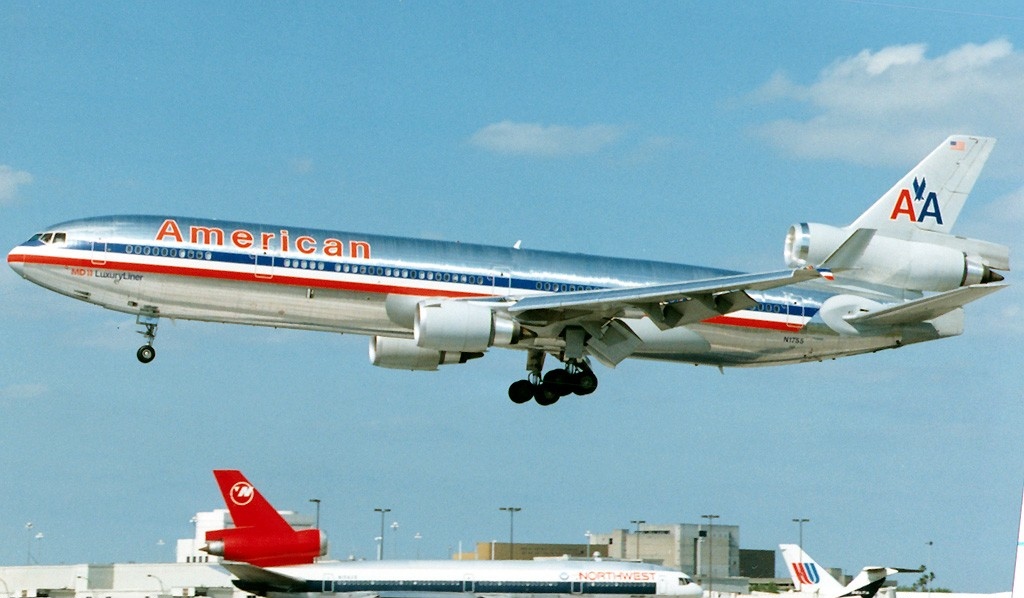
In a notable development for the aviation community, Western Global Airlines has resumed operations of the McDonnell Douglas MD-11F after a period of grounding that followed a tragic incident in late 2025. This return marks a significant moment for one of the last remaining operators of this iconic trijet, as the aircraft reenters the commercial cargo market alongside FedEx Express.
Operational Insights Post-Grounding
Following the grounding, which was triggered by safety concerns after the UPS Airlines MD-11 crash, Western Global Airlines faced considerable operational challenges. The airline, heavily reliant on its MD-11 fleet, experienced pilot furloughs and disruptions that tested its resilience. Reports indicate that the airline successfully conducted its first test flight from Fort Myers, Florida, to Columbus, Ohio, signaling a cautious but hopeful return to full operational capacity.
Western Global’s Unique Position in Cargo Operations
Western Global Airlines has carved a niche in the air cargo sector, focusing on ACMI (Aircraft, Crew, Maintenance, and Insurance) and charter services. The airline’s fleet predominantly comprises MD-11Fs and Boeing 747-400 freighters, enabling it to meet diverse logistical needs across various global markets. With a fleet of approximately 15 MD-11Fs, Western Global’s operational flexibility allows it to serve a wide array of clients, including freight forwarders, government agencies, and military operations.

The MD-11’s Legacy and Future
The MD-11, which commenced service in 1990, has a storied history in both passenger and cargo operations. While passenger versions have largely been retired, the freighter variant has continued to demonstrate its utility in the cargo sector due to its substantial payload capacity and operational range. The grounding of the MD-11 fleet following the UPS incident led to the permanent retirement of UPS’s MD-11s, significantly reducing the aircraft’s presence in commercial aviation. However, with Western Global’s resumption of flights, the MD-11 remains a vital player in the specialized charter market, alongside FedEx Express.
Global Reach and Operational Flexibility
Western Global’s MD-11Fs are known for their versatility, frequently deployed on ad-hoc charter operations that span North America, South America, Europe, the Middle East, and Africa. The aircraft has been utilized for a variety of cargo, from e-commerce shipments to military supplies, often landing in airports that are not typically serviced by large freighters. This operational model not only enhances Western Global’s service offerings but also provides aviation enthusiasts with opportunities to spot these rare trijets at diverse locations.
Aviation Enthusiasts and the MD-11’s Enduring Appeal
The return of the MD-11F to commercial service is a bittersweet moment for aviation enthusiasts. As one of the last trijets in operation, the MD-11 holds a unique place in the hearts of many. With Western Global Airlines now back in the air, the distinctive silhouette of the MD-11 will continue to grace runways, ensuring that this iconic aircraft remains a part of the aviation landscape for the foreseeable future.





This article was prepared by LibelulaFly as an independent aviation-news summary and editorial reinterpretation based on publicly available reporting. Images, when used, are included for editorial context with source attribution. Original source: www.airportspotting.com. Read the original article here: https://www.airportspotting.com/the-md-11-is-back-western-global-airlines-resumes-flying-the-classic-trijet/.
List, promote, or publish aircraft with LibelulaFly.
LibelulaFly.com • Sales@libelulafly.com • +1 305-332-1942
May
New York: A Hub for Aviation Enthusiasts
New York City stands out as a premier destination for aviation enthusiasts, offering unparalleled access to a dynamic range of aircraft movements across its major airports. With three bustling commercial airports — John F. Kennedy International (JFK), LaGuardia (LGA), and Newark Liberty International (EWR) — along with Teterboro Airport, a key player in business aviation, the region showcases a captivating mix of international airliners, cargo jets, and private aircraft.
Iconic Spotting Locations at JFK
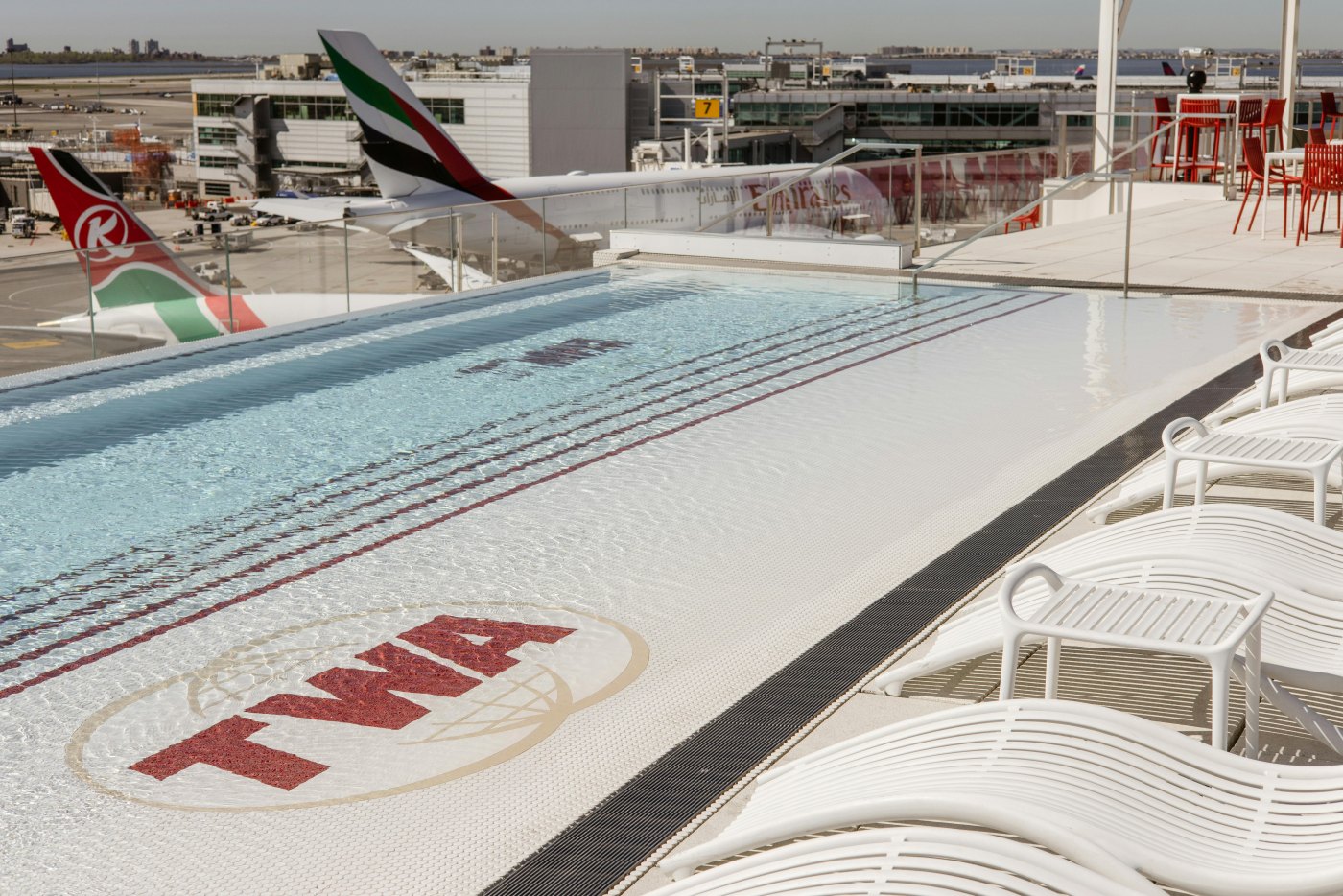
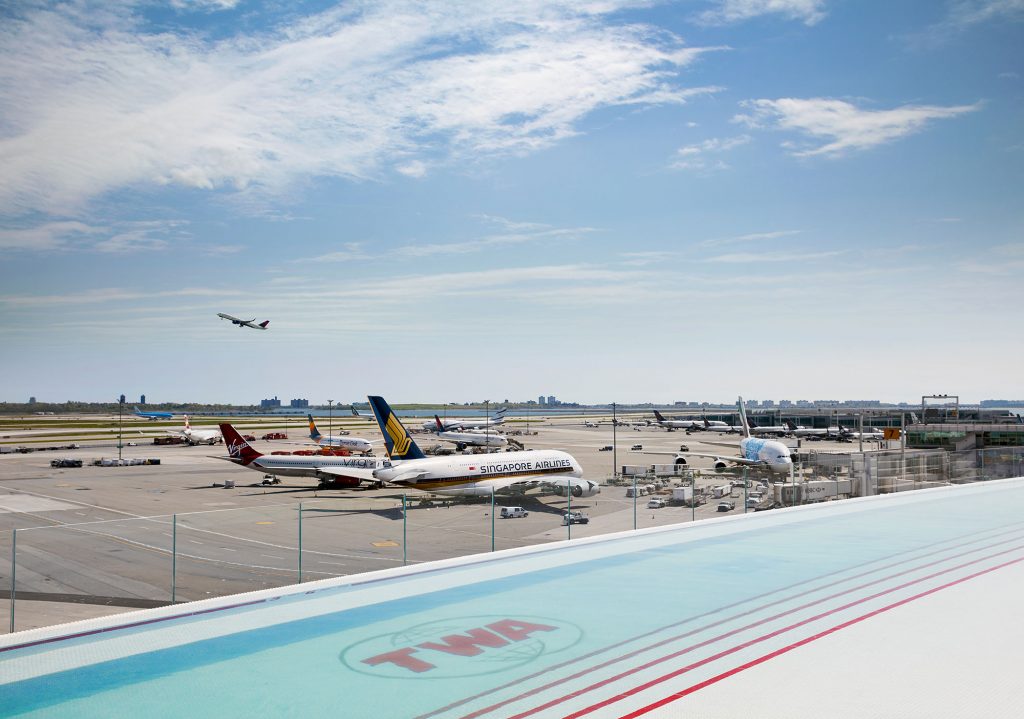
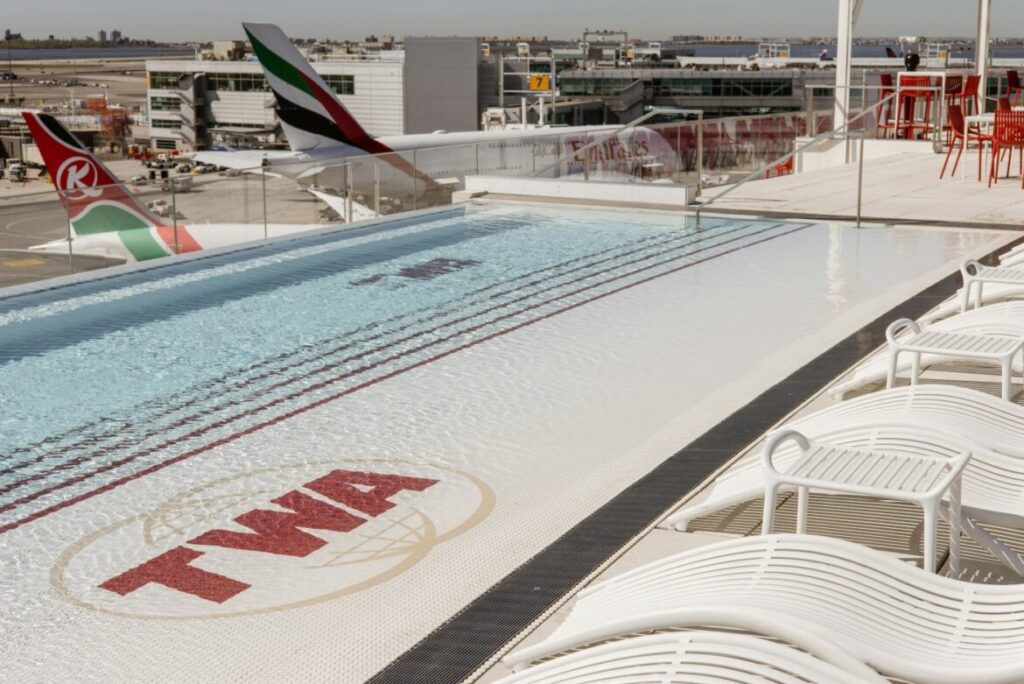
For those seeking the ultimate plane spotting experience, JFK offers several prime locations. The TWA Hotel, situated at the former Trans World Airlines terminal, features a rooftop observation deck that provides stunning views of the airport’s operations. Visitors can enjoy watching a variety of aircraft, from the Airbus A380 to Boeing 777s, all while relaxing beside an infinity pool.
Bayswater Park, located adjacent to Jamaica Bay, is another excellent spot for aviation photography. With its unobstructed views of aircraft on Runways 04L and 04R, spotters can capture a diverse array of airlines from around the globe. The elevated Brookville Park Mounds also offers a unique vantage point for arrivals and departures, allowing enthusiasts to enjoy a more tranquil spotting experience.
Exploring LaGuardia’s Unique Offerings
LaGuardia Airport, although smaller, is equally rewarding for plane spotters. Planeview Park, located near the airport, is a favored spot where visitors can witness low-flying arrivals on Runway 04. The constant activity from major airlines such as American Airlines and Delta Air Lines makes it a vibrant location for capturing daily aviation operations.
Nearby, the World’s Fair Marina provides a picturesque setting for photography, particularly for departures from Runway 13. The scenic backdrop of Flushing Bay enhances the appeal, especially during the golden hours of late afternoon and evening.
Newark Liberty: A Gateway for Global Aviation
At Newark Liberty International Airport, the IKEA parking lot has become a well-known site for spotters, offering views of aircraft approaching Runways 04L and 04R. Dominated by United Airlines, Newark also handles substantial international traffic, providing a diverse mix of aircraft to observe. However, spotters should remain mindful of security personnel in the area.
Teterboro: The Epicenter of Business Aviation
For those with a keen interest in business jets, Teterboro Airport is a must-visit. Known as one of the busiest executive jet airports globally, Teterboro attracts a range of high-profile aircraft. Industrial Avenue runs alongside key ramps and hangars, providing an ideal spot for observing both parked and taxiing business jets, from Gulfstreams to rare private aircraft.

Conclusion: A Diverse Aviation Landscape
New York City offers an unmatched aviation experience, where enthusiasts can witness a remarkable variety of aircraft in a single day. From the grandeur of international airlines at JFK to the bustling domestic traffic at LaGuardia and the elite business jets at Teterboro, the city remains a vibrant hub for aviation lovers. As spotters explore these iconic locations, they not only enjoy the thrill of aviation but also contribute to the rich tapestry of New York’s aviation culture.


This article was prepared by LibelulaFly as an independent aviation-news summary and editorial reinterpretation based on publicly available reporting. Images, when used, are included for editorial context with source attribution. Original source: www.airportspotting.com. Read the original article here: https://www.airportspotting.com/7-great-places-for-plane-spotting-in-new-york/.
List, promote, or publish aircraft with LibelulaFly.
LibelulaFly.com • Sales@libelulafly.com • +1 305-332-1942
May
Air China Keeps a Classic in the Air
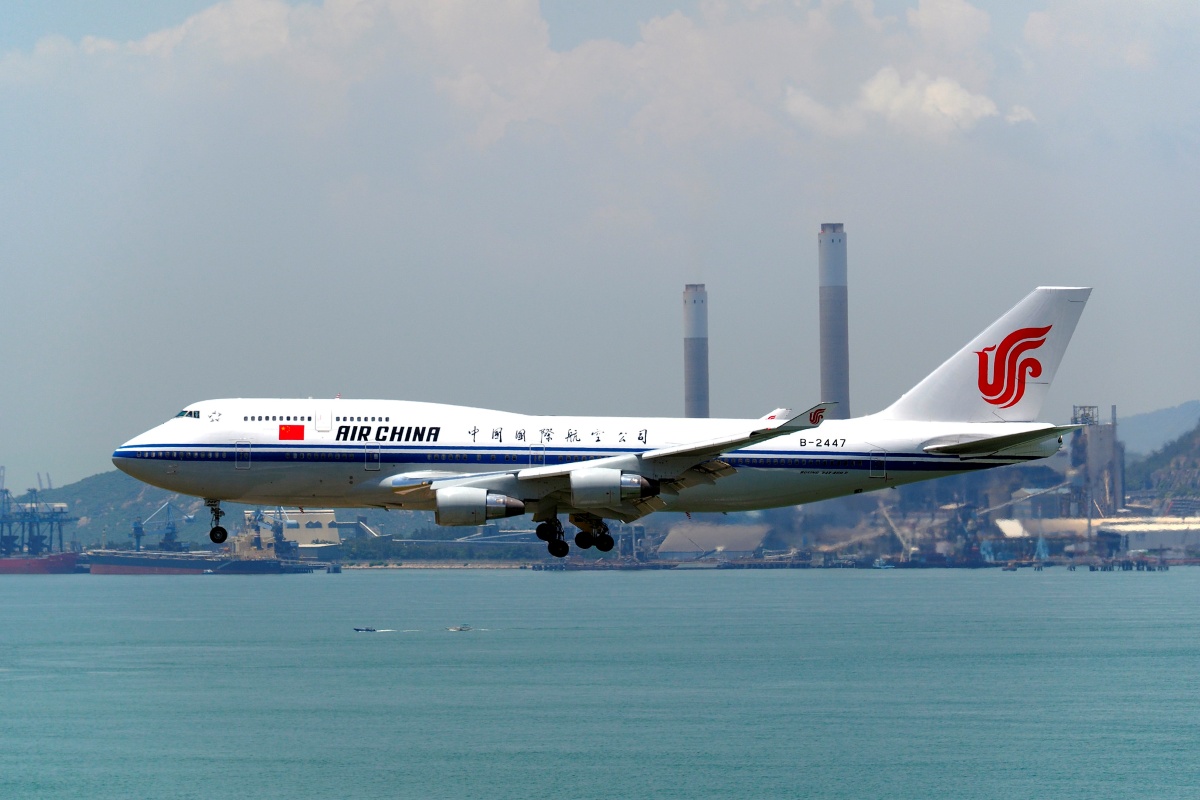
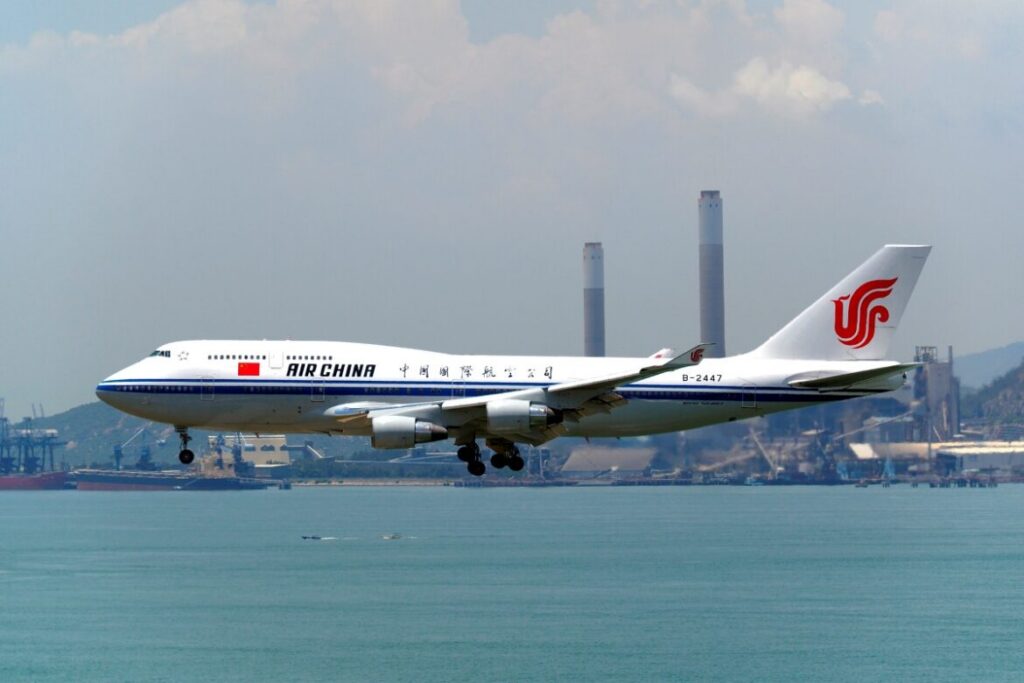
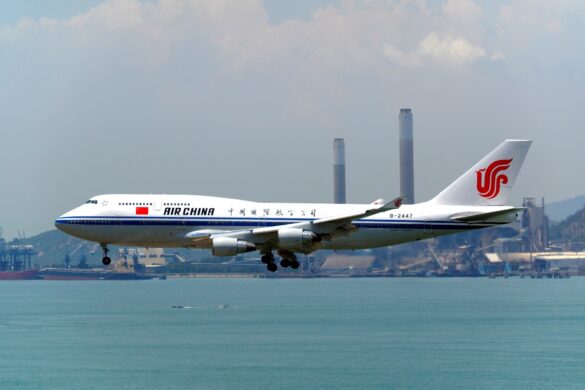
In an aviation landscape increasingly dominated by modern aircraft, Air China continues to operate a remarkable piece of history: the Boeing 747-400, specifically registered as B-2447. First taking to the skies in 1995, this aircraft currently holds the title of the oldest passenger airliner still flying in mainland China, a testament to its enduring legacy.
A Unique Operational Role
Despite the Boeing 747’s original design for long-haul international flights, B-2447 primarily operates on domestic routes. Its current mission profile includes high-demand connections between major Chinese cities, such as Beijing, Shanghai, Guangzhou, and Shenzhen. This operational focus allows aviation enthusiasts a rare opportunity to experience a classic passenger aircraft on shorter domestic services.
A Historical Perspective
Throughout its 31 years, B-2447 has not only served commercial passengers but has also been linked to significant state missions, including transporting high-ranking officials. This dual role enriches the aircraft’s narrative, as it has transitioned from a symbol of luxury air travel to a critical asset for governmental transport.

Classic Features in a Modern Era
B-2447 retains a traditional cabin layout reminiscent of a bygone era, featuring 10 First Class seats, 42 Business Class seats, and 292 Economy Class seats, accommodating a total of 344 passengers. The aircraft’s design is complemented by its distinctive upper deck and the powerful sound of four Pratt & Whitney PW4056 engines, offering a nostalgic experience for those fortunate enough to board.
The Last of Its Kind in Asia
As global airlines phase out the Boeing 747-400, Air China stands as the last scheduled passenger operator of this model in Asia. The COVID-19 pandemic expedited the retirement of many 747 fleets worldwide, making B-2447’s continued operation all the more significant. While the newer Boeing 747-8 models still serve certain routes, the disappearance of the 747-400 from passenger service marks a pivotal moment in aviation history.
Looking Ahead: An Uncertain Future
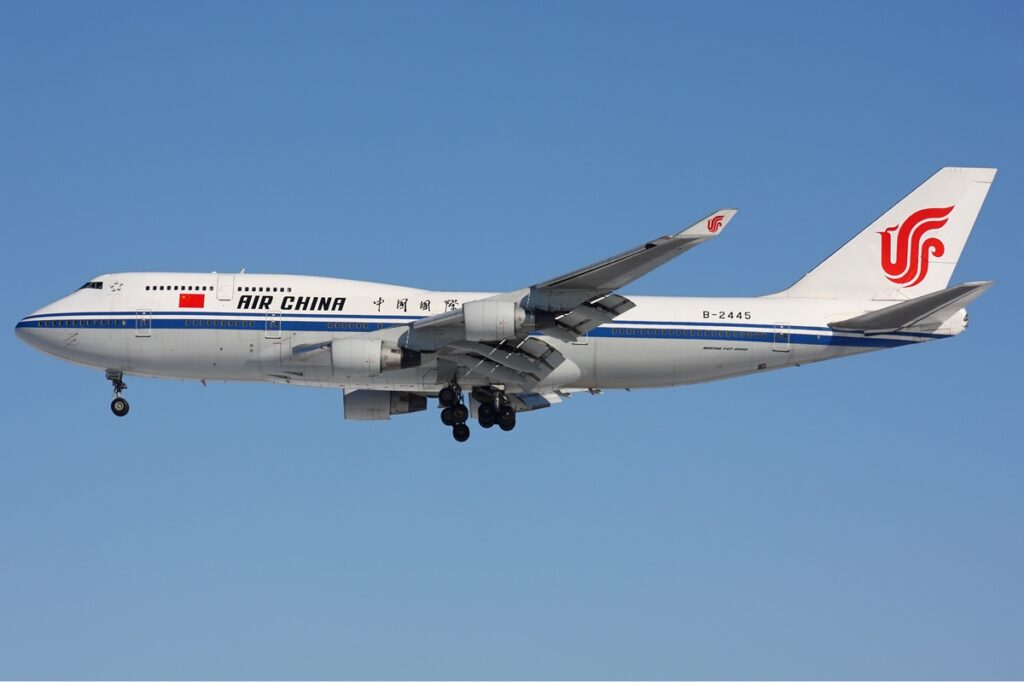
Despite its reliability, B-2447’s days may be numbered. Air China has begun to streamline its fleet towards more efficient twin-engine aircraft such as the Boeing 777 and Airbus A350. With the retirement of sister aircraft B-2445 in 2024, the future of B-2447 remains uncertain, signaling a potential end to an era that has defined Chinese aviation for over three decades.
Conclusion: A Legacy Worth Remembering
As aviation enthusiasts and industry professionals alike reflect on the significance of Air China’s Boeing 747-400, it serves as a reminder of the evolution of air travel and the remarkable stories embedded within each aircraft. B-2447’s legacy is not just a chapter in the history of commercial aviation; it is a living testament to the enduring spirit of the Boeing 747.



This article was prepared by LibelulaFly as an independent aviation-news summary and editorial reinterpretation based on publicly available reporting. Images, when used, are included for editorial context with source attribution. Original source: www.airportspotting.com. Read the original article here: https://www.airportspotting.com/at-31-years-old-inside-chinas-oldest-passenger-airliner-still-flying-today/.
List, promote, or publish aircraft with LibelulaFly.
LibelulaFly.com • Sales@libelulafly.com • +1 305-332-1942

May
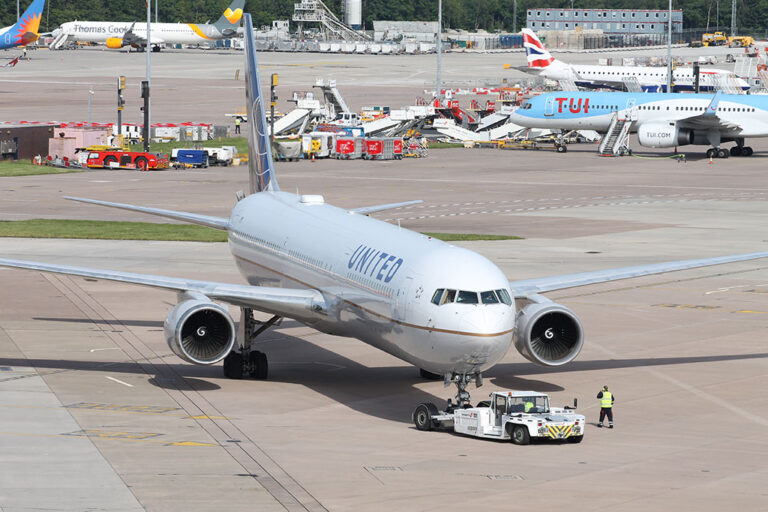
United Airlines Maintains a Key Role for the Boeing 767
As the aviation industry evolves, many airlines have phased out the Boeing 767 from their fleets. However, United Airlines continues to operate this venerable twinjet, which plays a crucial role in the airline’s long-haul operations. In 2026, the Boeing 767 remains integral to several of United’s significant international routes, highlighting the aircraft’s enduring relevance in a competitive market.
Current Fleet Composition and Operational Focus
United Airlines currently operates 53 Boeing 767 aircraft, consisting of two passenger variants: 37 Boeing 767-300ERs and 16 Boeing 767-400ERs. This positions United as one of the largest passenger operators of the Boeing 767 globally, trailing only Delta Air Lines. Many of these aircraft are among the oldest in United’s long-haul fleet, with several 767-300ERs dating back to the early 1990s.
Differentiating the Variants: Roles and Capabilities
The operational roles of United’s Boeing 767-300ERs and 767-400ERs differ significantly, catering to various market demands. The 767-300ER primarily serves transatlantic routes, medium-density long-haul flights, and seasonal destinations in Europe and Hawaii. With seating configurations accommodating 167 to 214 passengers, these aircraft are designed for markets where larger widebody jets may not be economically viable.
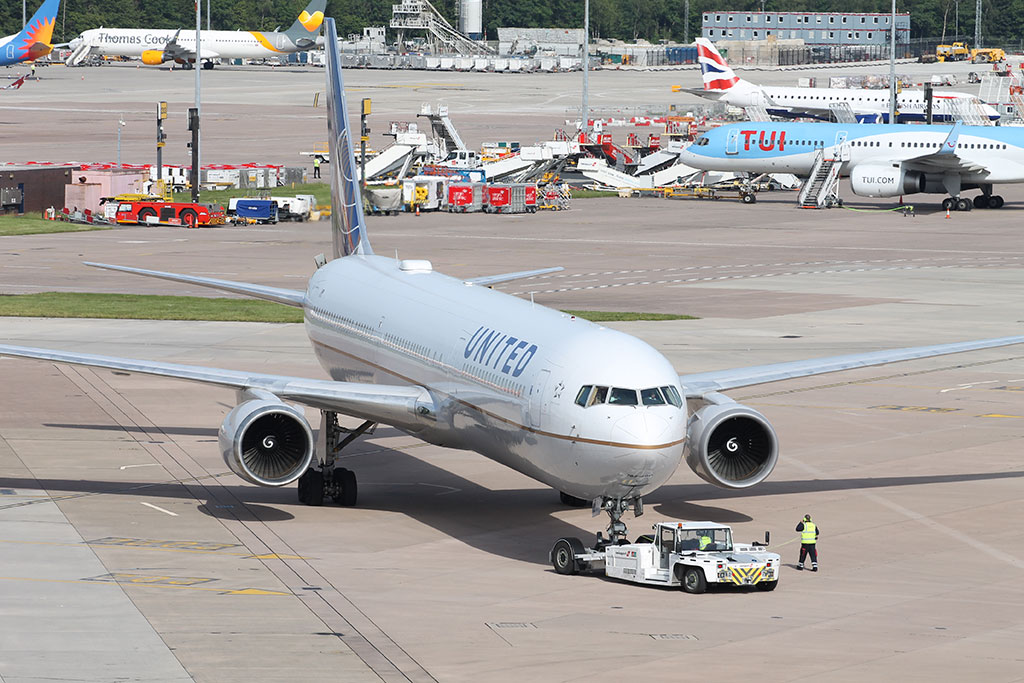
In contrast, the 767-400ER is a more modern variant that is typically deployed on high-demand routes, particularly those with a premium passenger focus. This variant features a longer fuselage and updated interiors, providing enhanced capacity and comfort, especially in the Polaris business class cabins.
Strategic Importance of the 767 in United’s Network
Despite their age, United Airlines continues to leverage the Boeing 767 effectively within its network. The aircraft’s lower operating costs compared to larger models such as the Boeing 777, combined with solid cargo capabilities and a strong transatlantic range, make them well-suited for niche international destinations. This strategy has enabled United to solidify its position as one of the largest transatlantic carriers, offering service to underserved markets that may not support daily operations with larger aircraft.
Key Routes and Future Prospects
In 2026, notable routes for United’s Boeing 767 include extensive services from Chicago and Newark to London Heathrow, as well as new leisure-focused routes to destinations like Split and Bari in Croatia. Additionally, the 767-400ER continues to operate on select domestic routes such as Washington Dulles to Honolulu, showcasing the aircraft’s versatility.
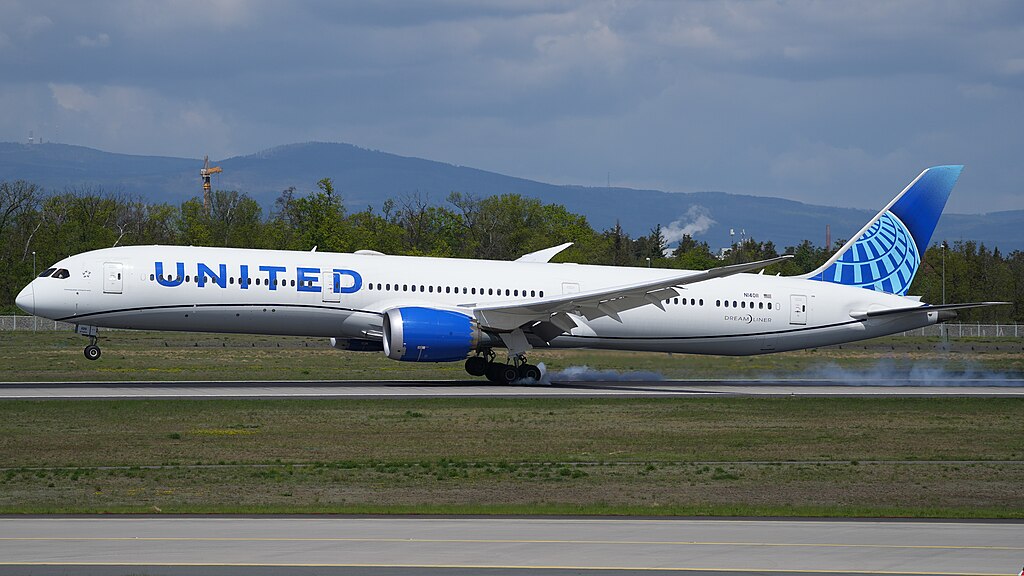
Looking ahead, United Airlines has announced that the Boeing 767 fleet is approaching its final years of service, with gradual retirements anticipated as the airline prepares for a transition to newer aircraft, primarily the Boeing 787 Dreamliner and Airbus A321XLR. This shift is driven by the need for improved fuel efficiency, passenger comfort, and operational economics.

Aviation Enthusiasts’ Last Chance
As the clock ticks down on the Boeing 767’s operational tenure with United Airlines, aviation enthusiasts have a unique opportunity to experience this iconic aircraft in service. With retirement plans in place and a clear path toward modernization, now may be the perfect time for travelers and spotters alike to secure a flight on United’s Boeing 767 before it becomes a relic of aviation history.



This article was prepared by LibelulaFly as an independent aviation-news summary and editorial reinterpretation based on publicly available reporting. Images, when used, are included for editorial context with source attribution. Original source: www.airportspotting.com. Read the original article here: https://www.airportspotting.com/inside-uniteds-boeing-767-fleet-how-many-aircraft-and-when-will-they-retire/.
List, promote, or publish aircraft with LibelulaFly.
LibelulaFly.com • Sales@libelulafly.com • +1 305-332-1942
May
Saudia Embarks on a New Era with Airbus A321XLR
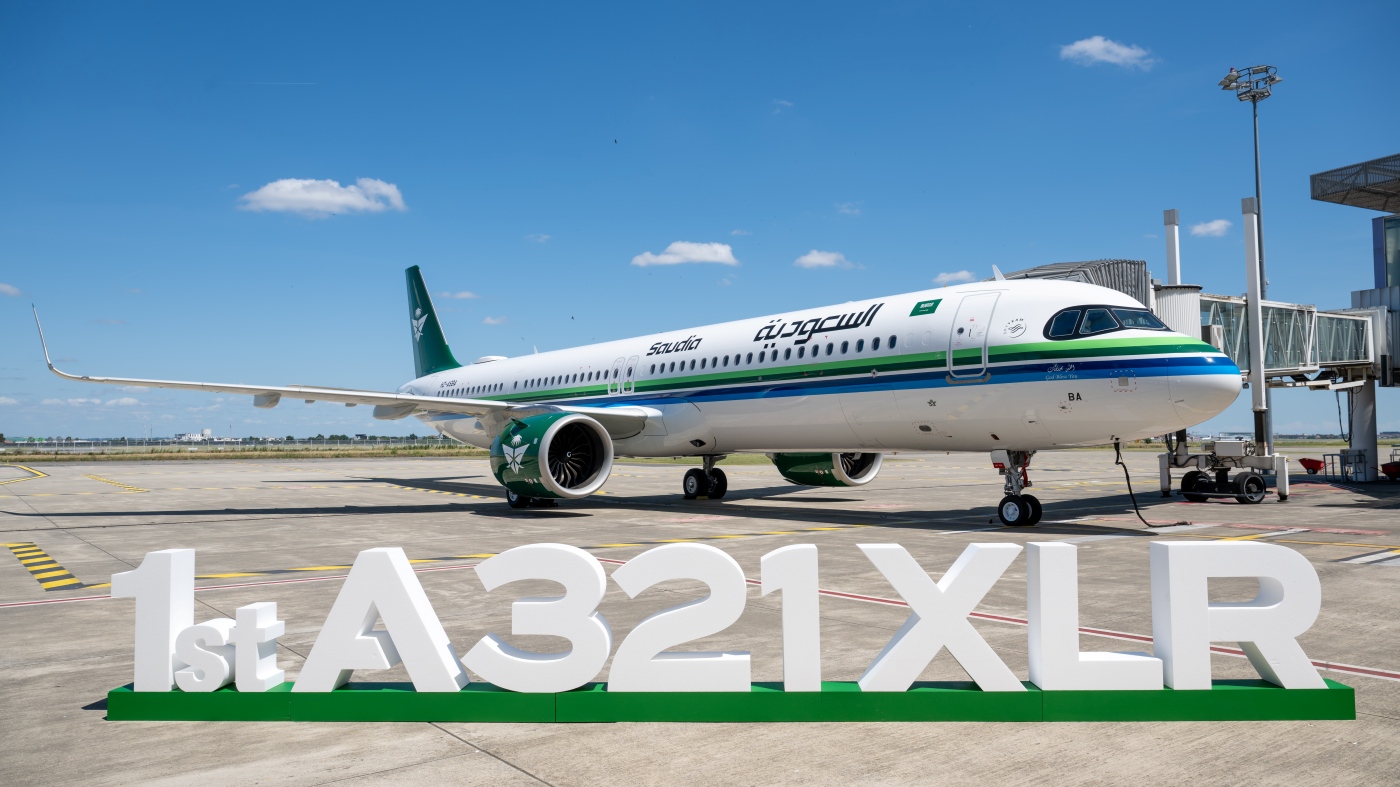
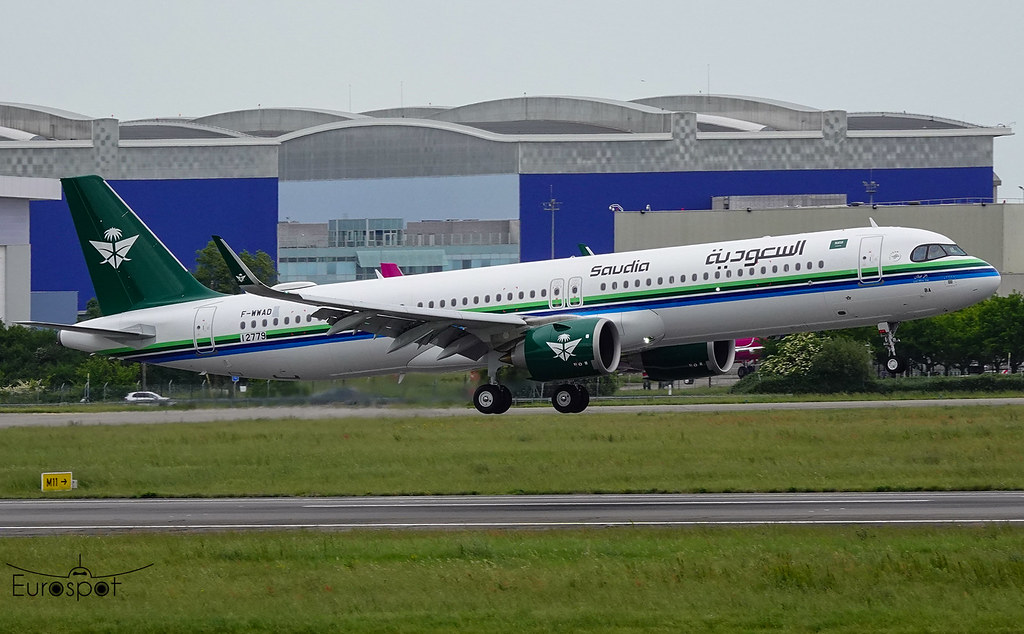
In a significant advancement for its fleet modernization strategy, Saudia has officially received its inaugural Airbus A321XLR, becoming the first airline in the Middle East and Africa to incorporate this state-of-the-art ultra long-range narrowbody airliner into its operations. This delivery not only underscores Saudia’s commitment to enhancing its service offerings but also aligns with Saudi Arabia’s broader aviation ambitions outlined in Vision 2030.
A Strategic Addition to the Fleet
The aircraft, registered as HZ-ASBA, was delivered from Airbus’ Toulouse facility and made its way directly to Jeddah on May 24. This marks the beginning of a series of deliveries, with Saudia set to welcome a total of 15 A321XLRs by 2027. The inclusion of these aircraft is poised to transform the airline’s operational capabilities, allowing it to tap into new markets and optimize existing routes.
Innovative Cabin Configuration
The A321XLR is configured to accommodate 144 passengers, featuring a premium layout that includes 24 fully-flat Business Class suites with direct aisle access, complemented by 120 Economy Class seats. This configuration is designed to provide a “widebody experience” within a single-aisle framework, thanks to the advanced Airspace cabin interior. The aircraft’s long-range capabilities enable Saudia to operate thinner long-haul routes more efficiently than traditional larger aircraft such as the Boeing 787 or Airbus A330.
Operational Flexibility and Market Reach
With an impressive range of up to 4,700 nautical miles (8,700 km), the A321XLR allows Saudia to explore new operational possibilities, including increasing flight frequencies on existing routes while maintaining lower operational costs. According to route filings, the airline is expected to deploy the A321XLR on services from both Jeddah and Riyadh to various destinations in Europe beginning in the summer of 2026. Planned routes include:
- Jeddah – Vienna
- Jeddah – Athens
- Jeddah – Milan Malpensa
- Jeddah – Barcelona
- Jeddah – Brussels
- Jeddah – Male
- Riyadh – Geneva
- Riyadh – Moscow Sheremetyevo
In addition to these European routes, further expansion into African and South Asian markets is anticipated as more A321XLR aircraft join the fleet.
Implications for Aviation Enthusiasts
The introduction of the A321XLR is particularly noteworthy for aviation enthusiasts and plane spotters, as it represents a shift in operational dynamics by bringing narrowbody aircraft into markets traditionally dominated by widebody jets. Saudia’s unique low-density premium configuration positions these aircraft as some of the most exclusive A321XLRs currently in service.
Future Prospects and Fleet Expansion
This delivery is part of a larger strategic order from the Saudia Group that includes additional A321neos and other fleet expansion initiatives for both Saudia and its low-cost subsidiary, flyadeal. As the aviation landscape evolves, Saudia’s commitment to modernization and operational efficiency will play a crucial role in its ability to adapt to changing market demands.






This article was prepared by LibelulaFly as an independent aviation-news summary and editorial reinterpretation based on publicly available reporting. Images, when used, are included for editorial context with source attribution. Original source: www.airportspotting.com. Read the original article here: https://www.airportspotting.com/saudia-takes-delivery-of-its-first-airbus-a321xlr/.
List, promote, or publish aircraft with LibelulaFly.
LibelulaFly.com • Sales@libelulafly.com • +1 305-332-1942
May
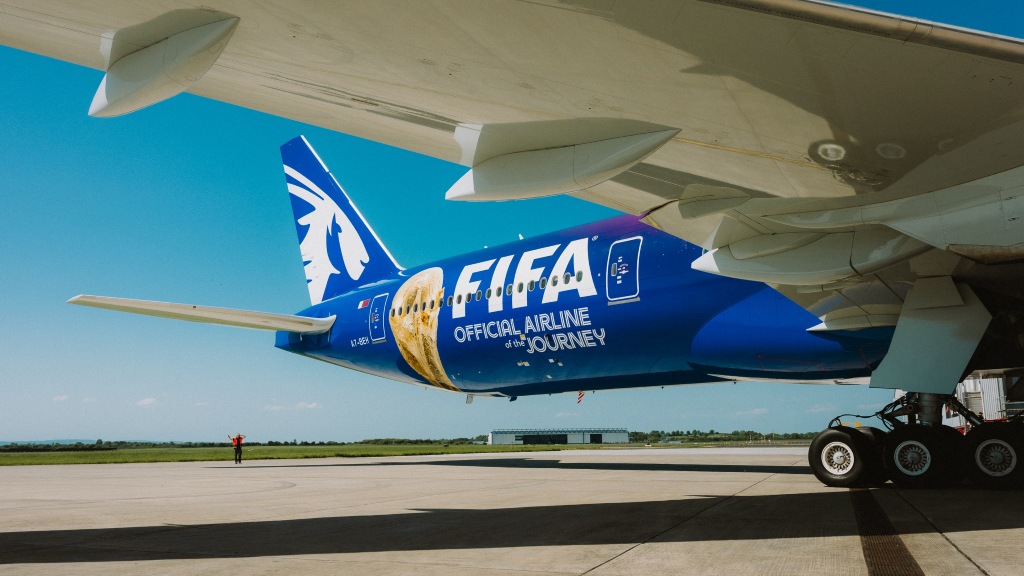
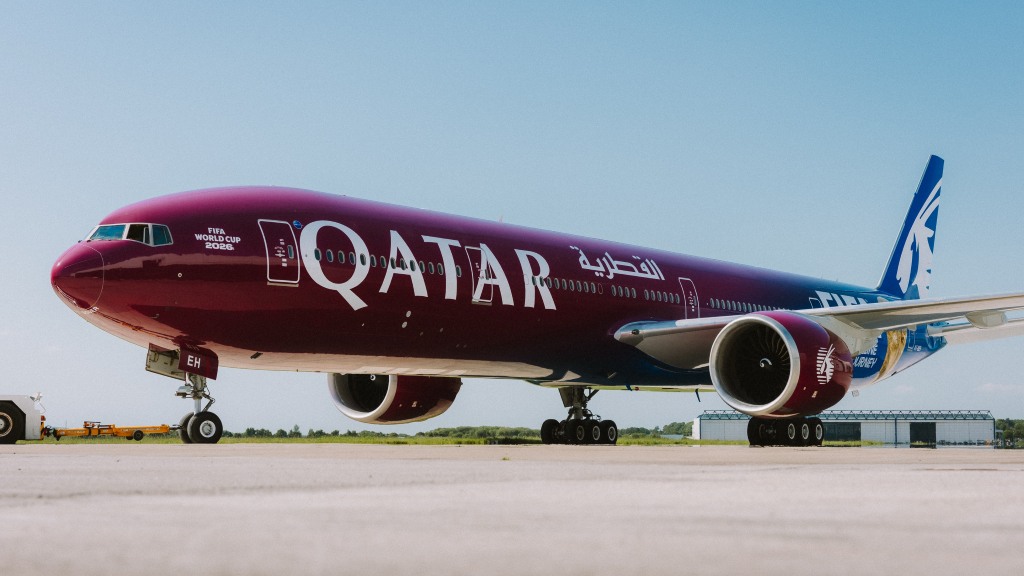
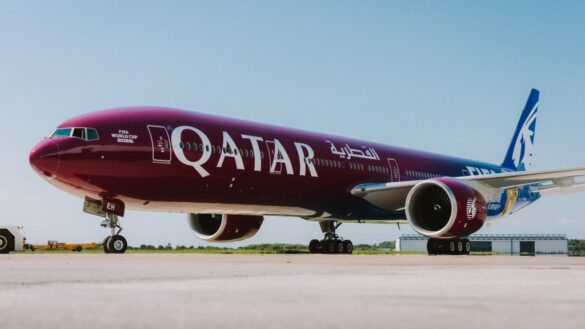
Qatar Airways Unveils Special Livery Ahead of FIFA World Cup 2026
In a significant move to underscore its commitment to global sporting events, Qatar Airways has unveiled a specially designed Boeing 777-300ER featuring a vibrant livery in celebration of the FIFA World Cup 2026. This announcement marks a continuation of the airline’s longstanding partnership with FIFA and sets the stage for its role in the upcoming tournament, which will take place across the United States, Canada, and Mexico.
A Symbol of Partnership and Passion
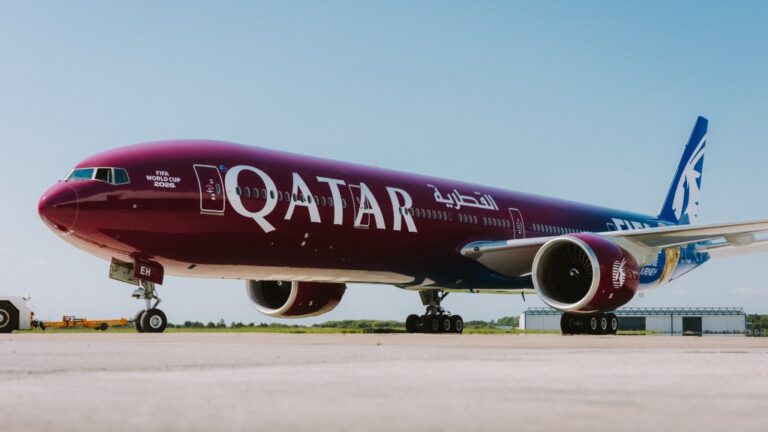
The aircraft, registered as A7-BEH, showcases an eye-catching design that integrates FIFA World Cup 2026 branding alongside Qatar Airways’ signature burgundy hues. This visual representation not only promotes the tournament but also reinforces the airline’s position as FIFA’s Official Airline Partner through to 2030.
Operational Relevance in a Global Context
The Boeing 777-300ER, a reliable workhorse within Qatar Airways’ long-haul fleet, has been selected to bear this unique livery. Equipped with two General Electric GE90 engines, the aircraft first took to the skies in February 2016 and is well-regarded for its performance and efficiency on long-distance routes. In preparation for the World Cup, the specially-painted aircraft will operate on selected routes throughout Europe, Asia, and the United States, effectively transforming it into a flying ambassador for the tournament.
Creating a Unique Passenger Experience
In addition to its striking exterior, the aircraft features bespoke FIFA-themed cabin decorations that enhance the onboard experience for passengers. Qatar Airways has indicated that these special interior designs will remain after the tournament concludes, allowing the aircraft to serve as a lasting tribute to the World Cup and the airline’s dedication to the event.
Joining a Global Trend
The trend of airlines unveiling special liveries for major sporting events has gained momentum in recent years. Qatar Airways’ initiative aligns with similar efforts by other carriers, such as American Airlines and various Latin American airlines, who have also introduced football-themed aircraft in anticipation of the World Cup. These unique designs not only celebrate the spirit of the tournament but also serve as a marketing tool to engage fans and travelers alike.
Looking Ahead: A Celebration of Sport and Aviation
As the countdown to the FIFA World Cup 2026 continues, Qatar Airways’ specially-liveried Boeing 777-300ER is expected to become a highlight among aviation enthusiasts and football fans alike. The aircraft will likely be a common sight at major international airports, capturing the attention of plane spotters around the globe. This initiative not only showcases Qatar Airways’ innovative approach to airline branding but also its pivotal role in connecting fans with the excitement of the World Cup.



This article was prepared by LibelulaFly as an independent aviation-news summary and editorial reinterpretation based on publicly available reporting. Images, when used, are included for editorial context with source attribution. Original source: www.airportspotting.com. Read the original article here: https://www.airportspotting.com/qatar-airways-unveils-fifa-world-cup-2026-special-livery-boeing-777/.
List, promote, or publish aircraft with LibelulaFly.
LibelulaFly.com • Sales@libelulafly.com • +1 305-332-1942
May
A Milestone in Aviation History
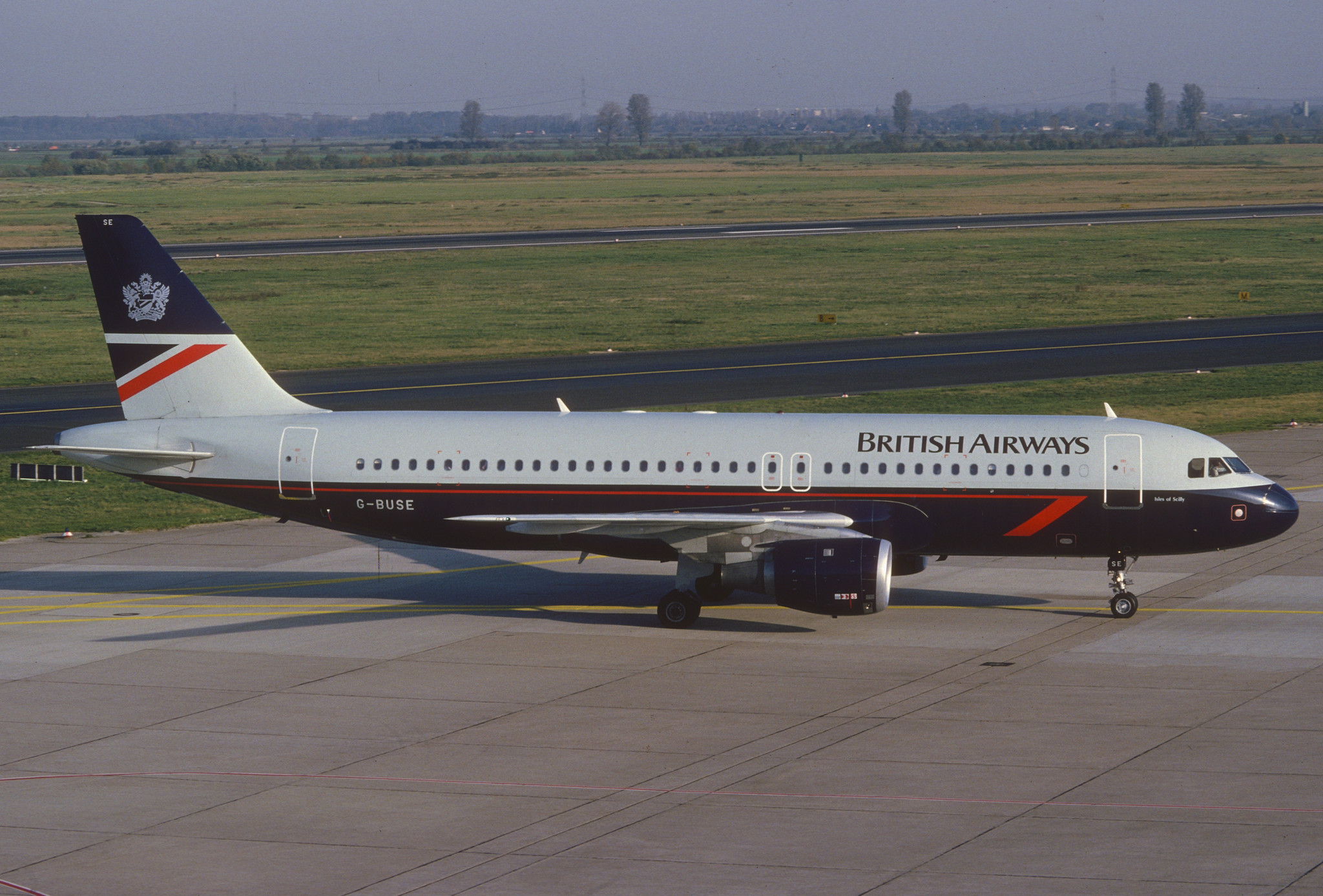
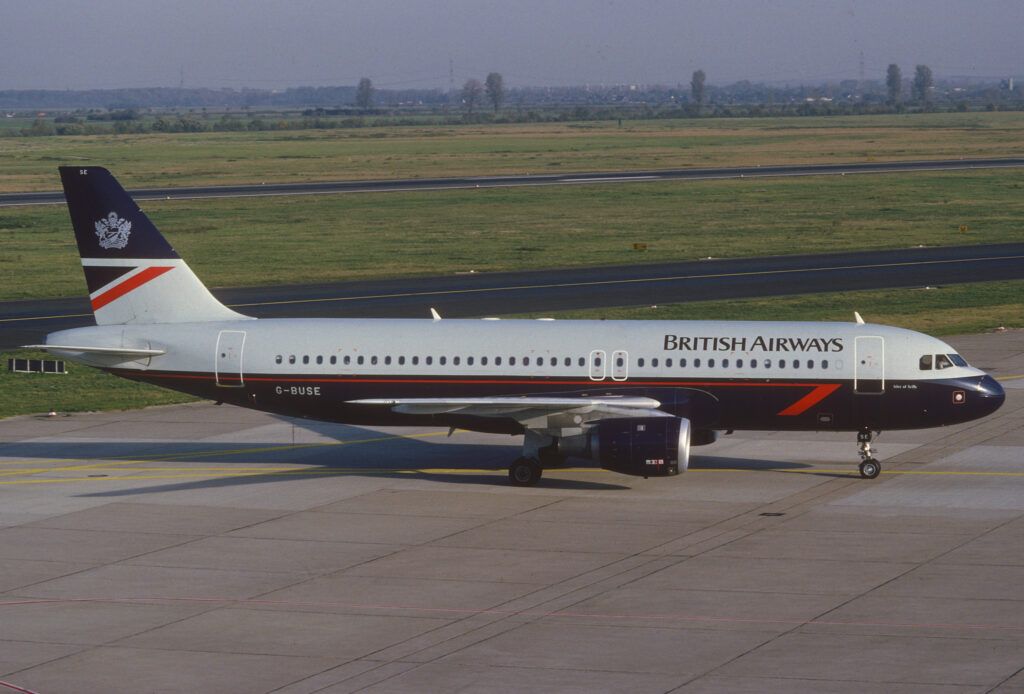
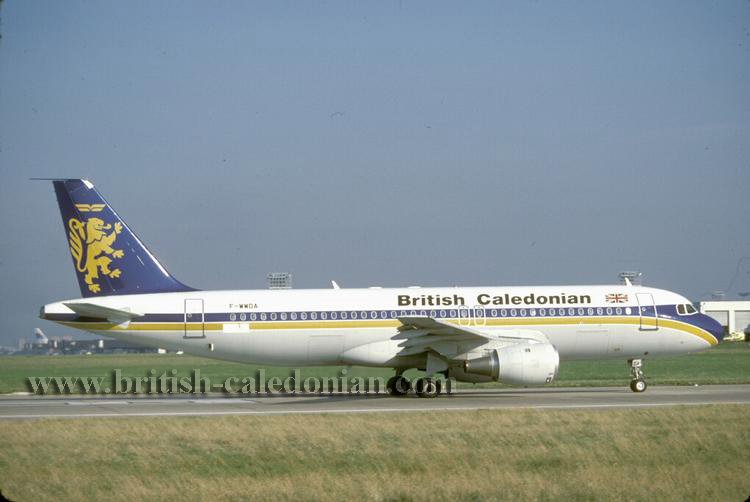
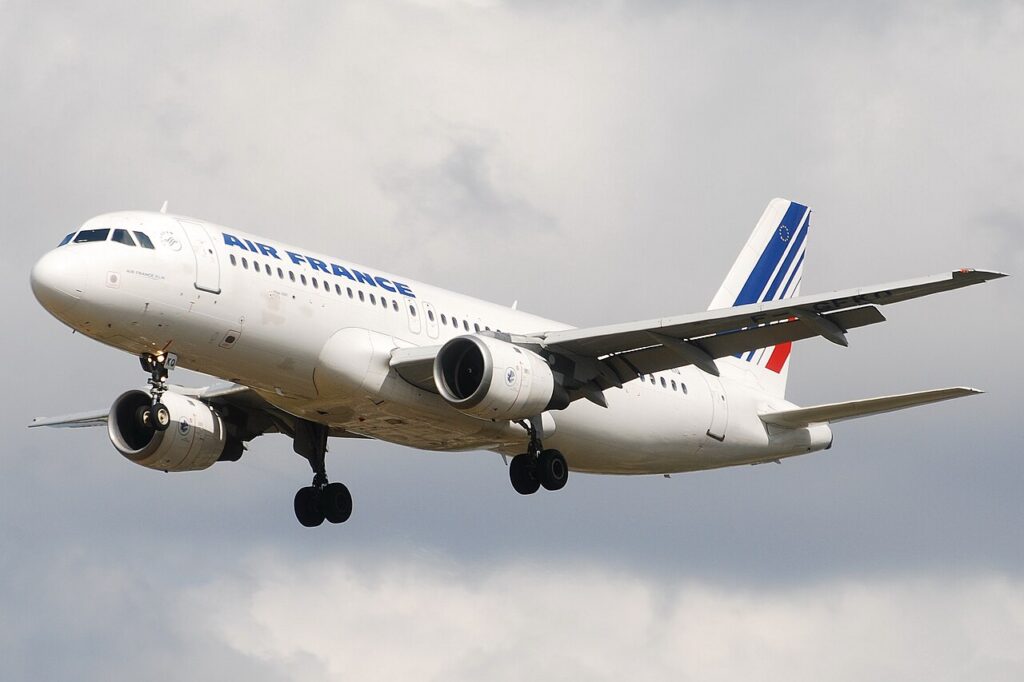
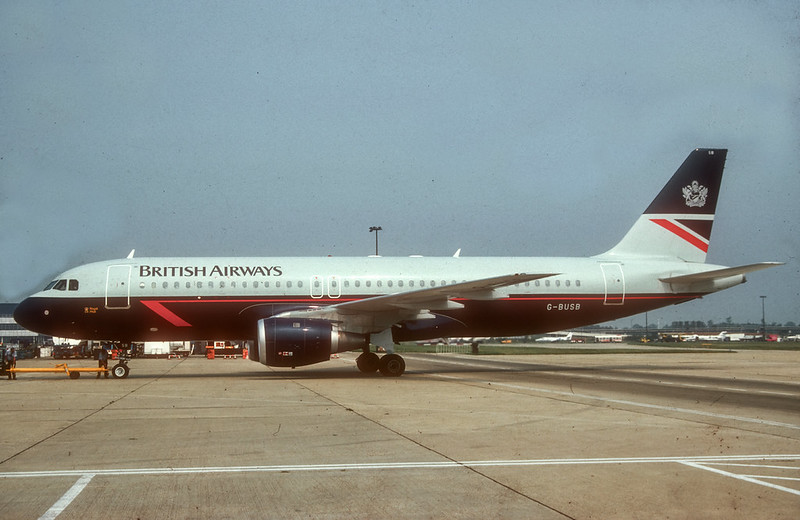
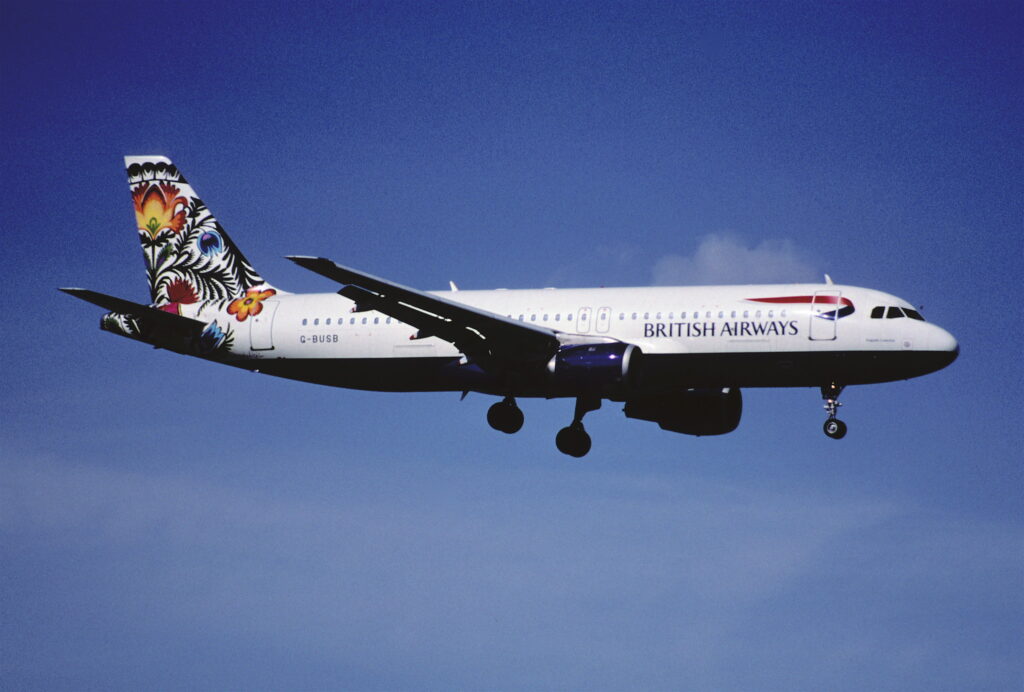
The introduction of the Airbus A320 into British Airways’ fleet in 1988 marked a pivotal moment for the airline, transitioning from a predominantly Boeing-operated short-haul service to embracing the innovative technology offered by Airbus. This strategic shift not only diversified BA’s aircraft portfolio but also reflected broader changes in the aviation landscape as airlines sought greater operational efficiency and passenger comfort.
From Boeing to Airbus: A Strategic Shift
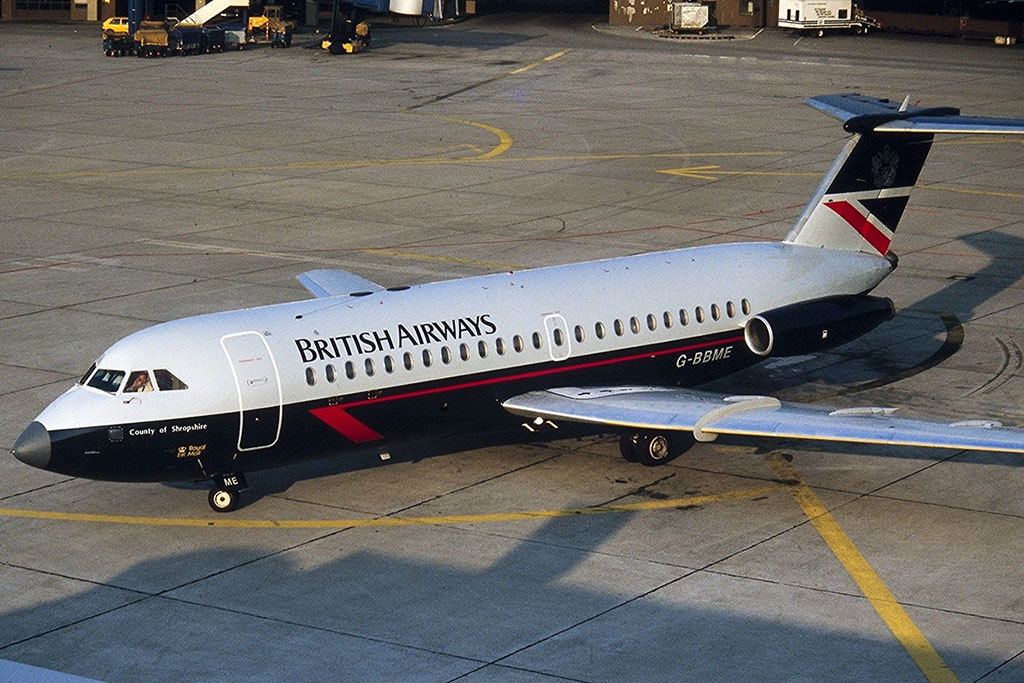
Prior to the arrival of the A320, British Airways primarily relied on Boeing aircraft, including the 737 and 757, alongside a few BAC One-Eleven models. The merger with British Caledonian in 1987 played a crucial role in this transition, as it brought with it a significant order for Airbus A320s. This acquisition not only expanded BA’s operational capacity at London Gatwick but also introduced a new aircraft type that was seen as technologically advanced for its time.
The Unique A320-100 Variant
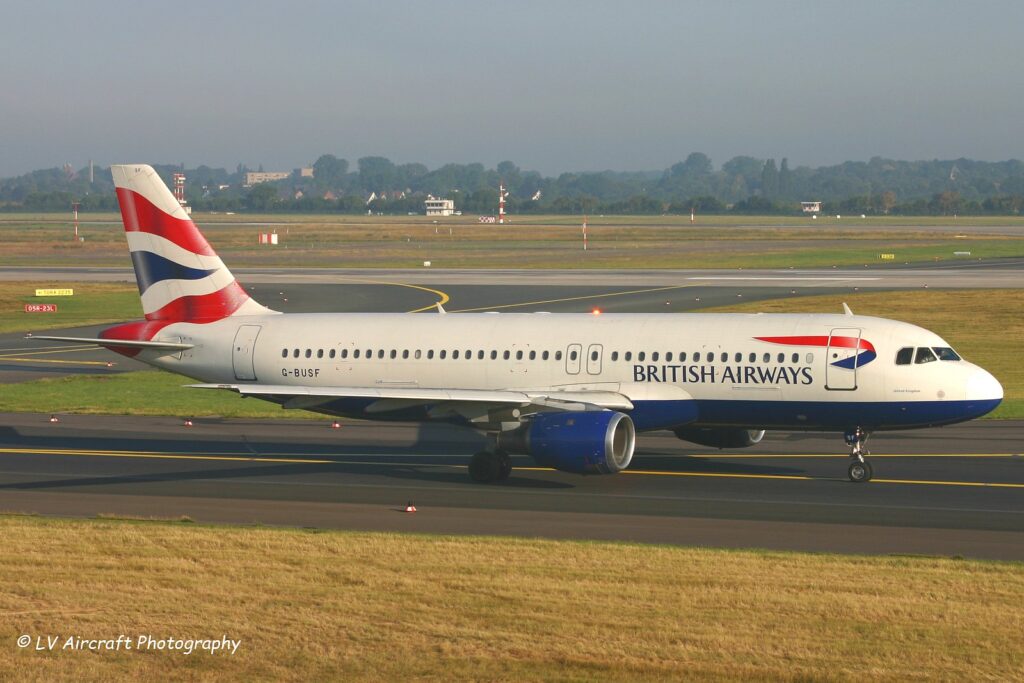
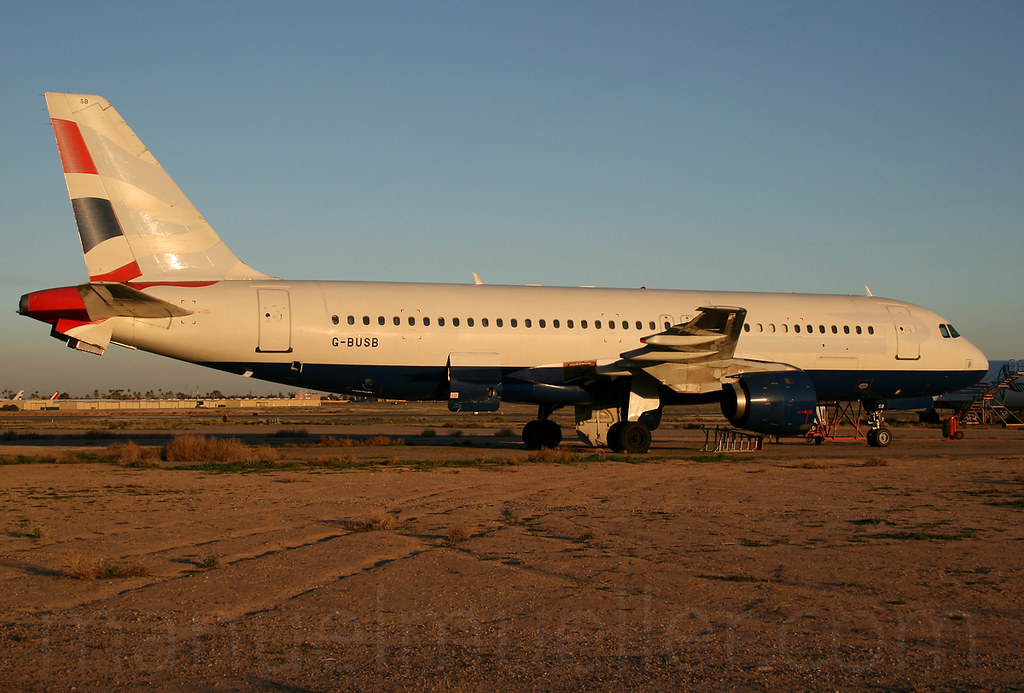
British Airways was among the first operators of the Airbus A320-100, a lesser-known variant of the A320 family. Unlike the more prevalent A320-200, the A320-100 featured lower fuel capacity and a reduced maximum range, making it a unique addition to BA’s fleet. Only 21 A320-100 aircraft were ever produced, and BA’s integration of this model highlighted its willingness to embrace new technology during a period of rapid change in commercial aviation.
Technological Advancements and Operational Benefits
The A320 introduced several groundbreaking features that revolutionized the flying experience. Innovations such as full digital fly-by-wire controls, side-stick controllers, and advanced electronic flight instrument systems (EFIS) provided pilots with enhanced control and situational awareness. For BA pilots accustomed to traditional Boeing cockpits, the transition to the A320’s advanced systems represented a significant evolution in operational procedures.
Operational Impact and Longevity
The A320-100s quickly became integral to British Airways’ short-haul operations, servicing major European business routes and leisure destinations across the Mediterranean. Despite being among the earliest models in the A320 family, these aircraft demonstrated remarkable longevity, remaining in service until 2015. Their durability can be attributed to BA’s commitment to maintenance and the eventual upgrades that brought these aircraft closer to the operational capabilities of the A320-200.
End of an Era
As the aviation market evolved and newer models like the A319, A320, and A321 were introduced, the A320-100s gradually faded from the spotlight. British Airways retired the last of these aircraft between 2013 and 2015, ultimately scrapping all seven units. This marked the end of a unique chapter in the airline’s history, as the A320-100s represented the inception of what would become one of the most successful aircraft families in commercial aviation.
A Legacy in Aviation
The story of British Airways and the Airbus A320-100 is a testament to the airline’s adaptability and forward-thinking approach to fleet management. While the A320-100s are no longer in service, their legacy lives on through the continued success of the A320 family, which remains a cornerstone of modern aviation. As airlines continue to evolve and adapt to new technologies, the pioneering spirit demonstrated by British Airways in the late 1980s serves as an enduring example of the importance of innovation in the industry.
This article was prepared by LibelulaFly as an independent aviation-news summary and editorial reinterpretation based on publicly available reporting. Images, when used, are included for editorial context with source attribution. Original source: www.airportspotting.com. Read the original article here: https://www.airportspotting.com/how-british-airways-came-to-fly-some-of-the-earliest-airbus-a320s/.
List, promote, or publish aircraft with LibelulaFly.
LibelulaFly.com • Sales@libelulafly.com • +1 305-332-1942
May
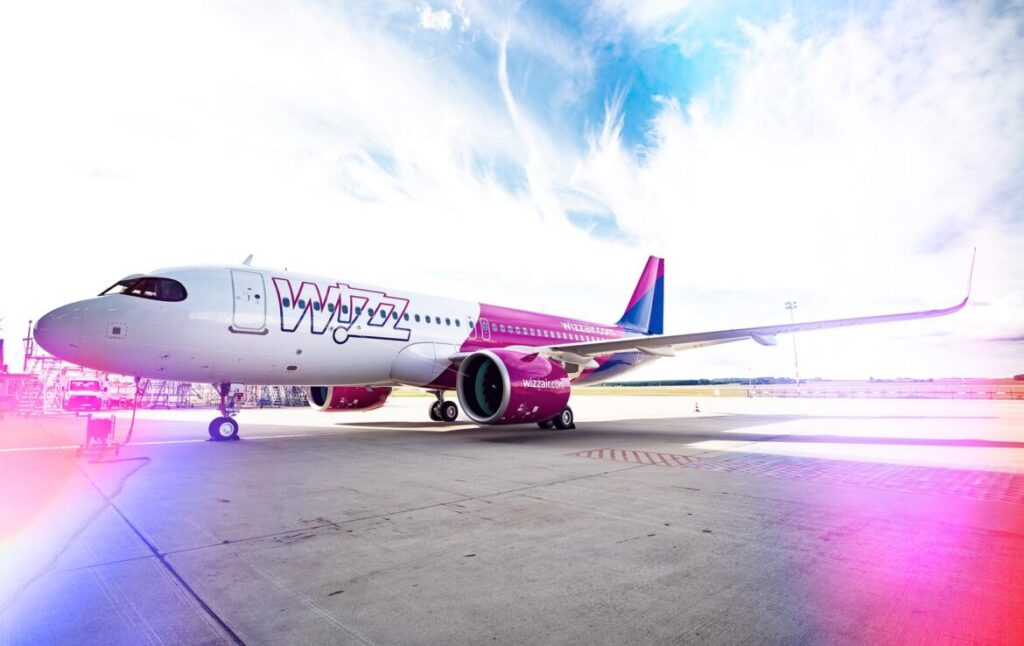
Wizz Air’s Strategic Growth in Europe
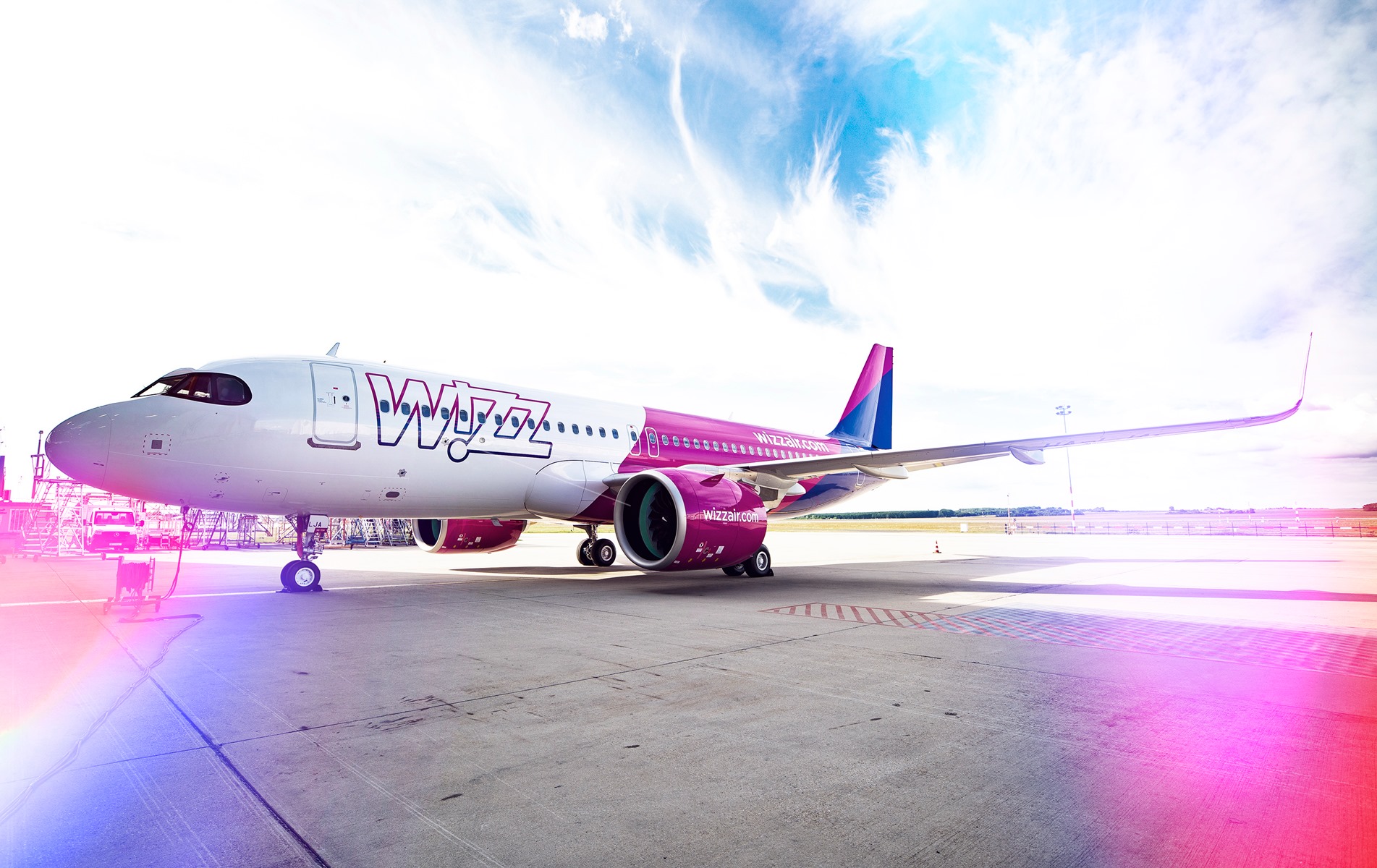
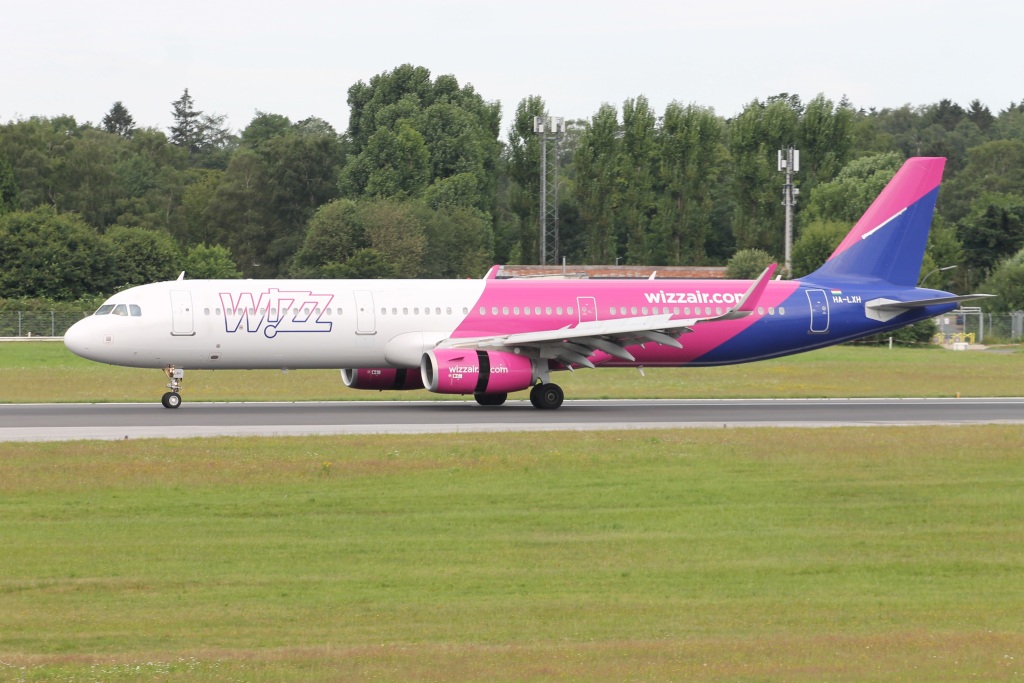
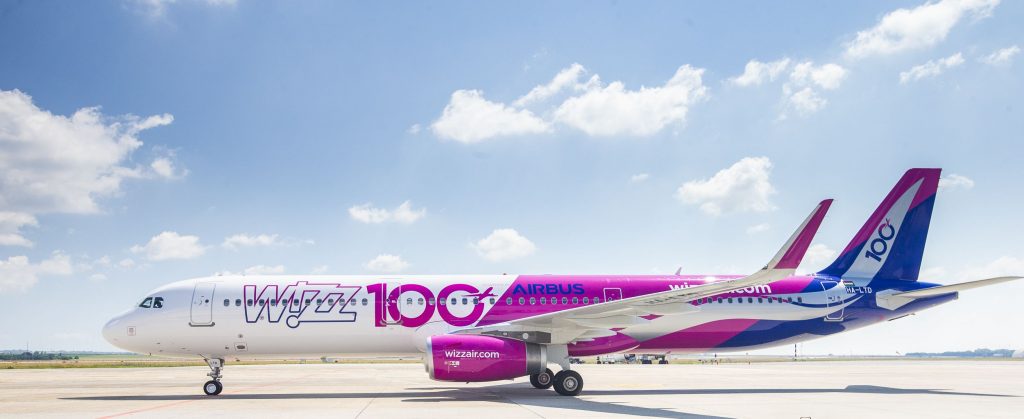
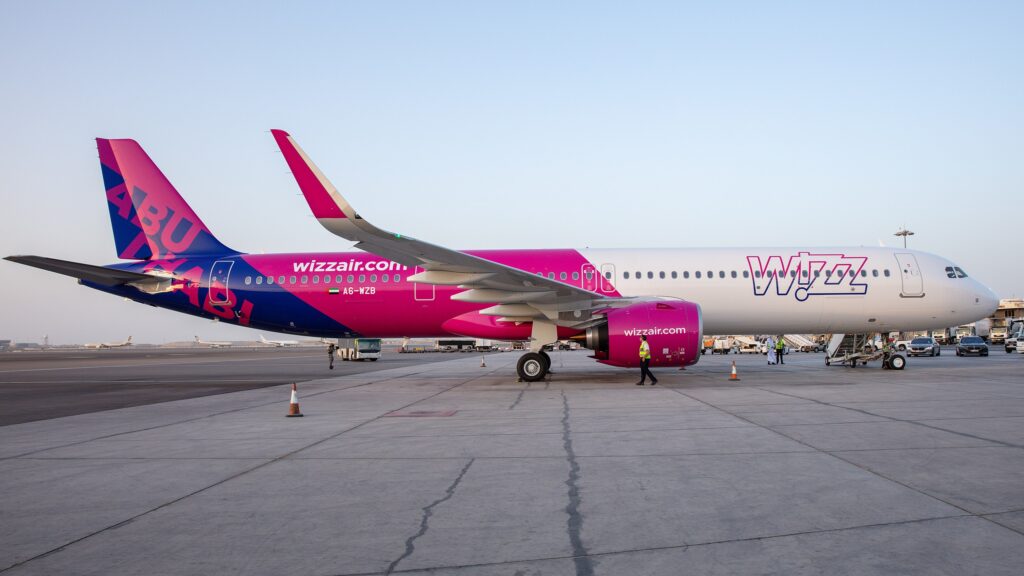
As Wizz Air continues to solidify its presence across Europe, the airline is preparing for significant operational milestones in 2026. Known for its vibrant purple-and-pink Airbus fleet, Wizz Air has rapidly expanded its network to become one of the largest low-cost carriers on the continent, with a focus on underserved markets in Central and Eastern Europe.
Historical Context and Fleet Composition
Founded in 2003, Wizz Air commenced operations in 2004, capitalizing on the opportunities presented by the European Union’s expansion. The airline’s strategy has centered on establishing a strong foothold in markets where low-cost travel was still emerging, enabling it to grow its passenger base significantly. Today, Wizz Air operates a fleet primarily composed of Airbus A320-family aircraft, with the Airbus A321neo serving as the backbone of its operations. This focus on a single aircraft family enhances operational efficiency and maintenance simplicity.
Major Bases and Operational Centers
By 2026, Wizz Air will maintain numerous bases across Europe, with several key airports serving as major operational hubs:
- Budapest Ferenc Liszt International Airport: As the airline’s original home, Budapest remains a crucial hub, facilitating extensive connections across Europe and the Middle East.
- Bucharest Otopeni: This airport has become one of Wizz Air’s largest operational centers, reflecting Romania’s significance in the airline’s network.
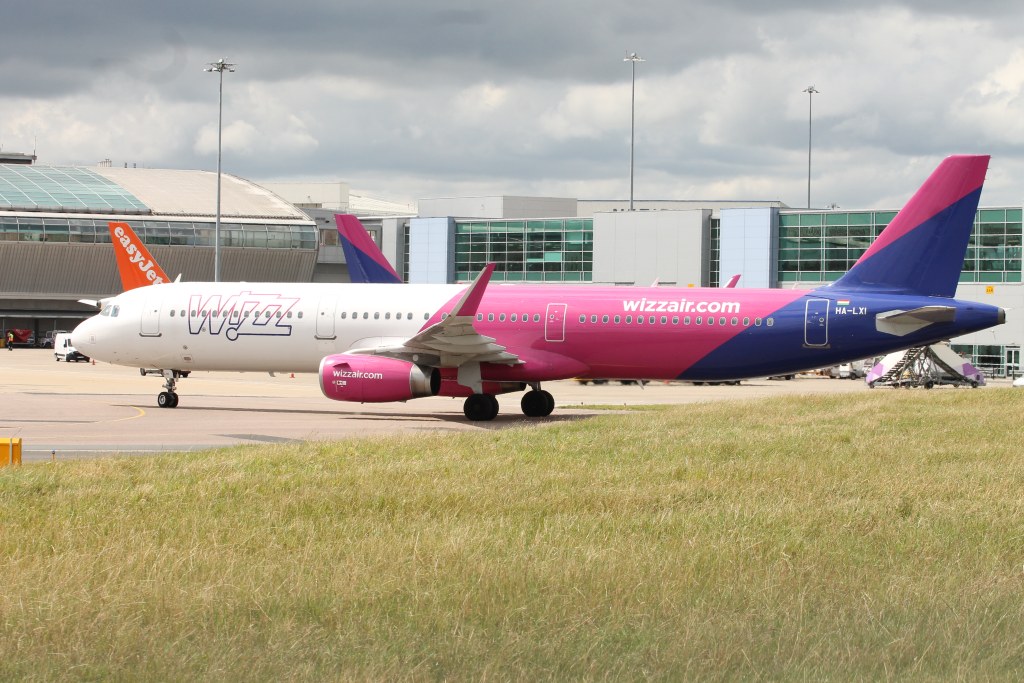
- London Luton Airport: Serving as the main base for Wizz Air UK, Luton has emerged as a vital point for flights to Eastern Europe and Mediterranean destinations.
- Warsaw Chopin Airport: A key location for Wizz Air, Warsaw competes with other carriers while continuing to attract significant passenger traffic.
- Milan Malpensa Airport: With its growing operations in Western Europe, Malpensa has become increasingly important for Wizz Air’s expansion strategy.
Operational Relevance and Market Impact
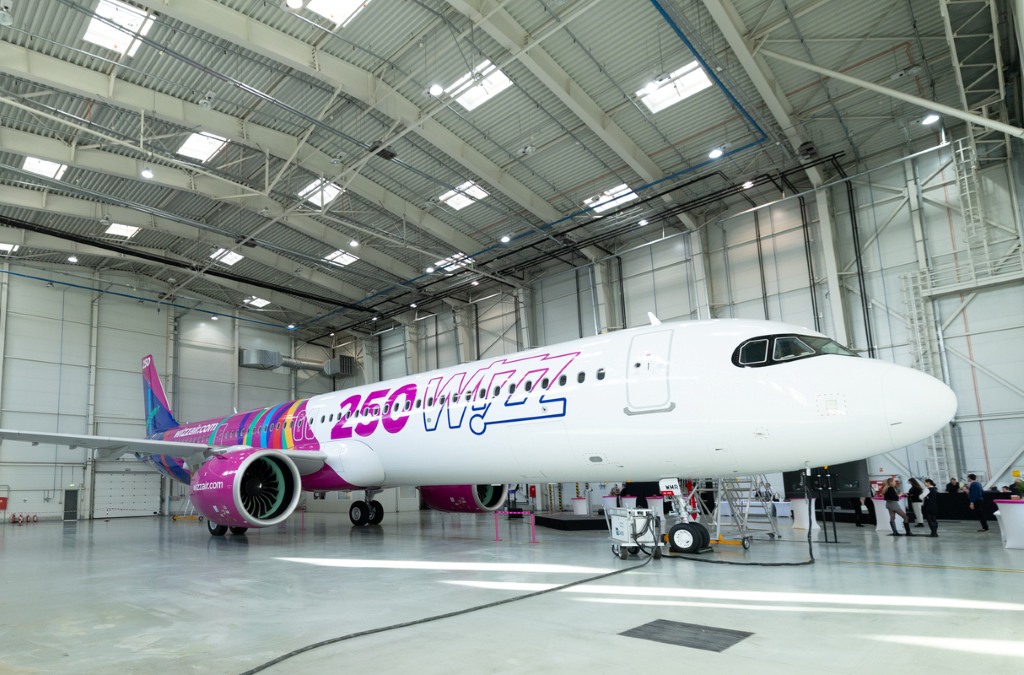
Wizz Air’s growth is not just a testament to its operational strategy but also reflects broader trends in the aviation market. The airline’s concentration on high-density routes with a focus on cost efficiency positions it favorably against competitors. With over 250 Airbus aircraft and nearly 2,000 routes, Wizz Air is poised to meet the increasing demand for budget travel, particularly as Europe emerges from the challenges of recent years.
Future Outlook and Next Steps
Looking ahead, Wizz Air’s operational strategy will continue to evolve, focusing on expanding its fleet and enhancing its service offerings. The airline’s commitment to maintaining an all-Airbus fleet allows for streamlined operations while ensuring passenger comfort through modern aircraft configurations.
As Wizz Air prepares for 2026, aviation enthusiasts and industry stakeholders alike can anticipate witnessing the airline’s continued growth and the increasing visibility of its distinctive fleet across Europe’s skies.

This article was prepared by LibelulaFly as an independent aviation-news summary and editorial reinterpretation based on publicly available reporting. Images, when used, are included for editorial context with source attribution. Original source: www.airportspotting.com. Read the original article here: https://www.airportspotting.com/wizz-airs-biggest-bases-where-to-catch-the-purple-aircraft-in-2026/.
List, promote, or publish aircraft with LibelulaFly.
LibelulaFly.com • Sales@libelulafly.com • +1 305-332-1942
May
Enduring Partnership in Aviation History
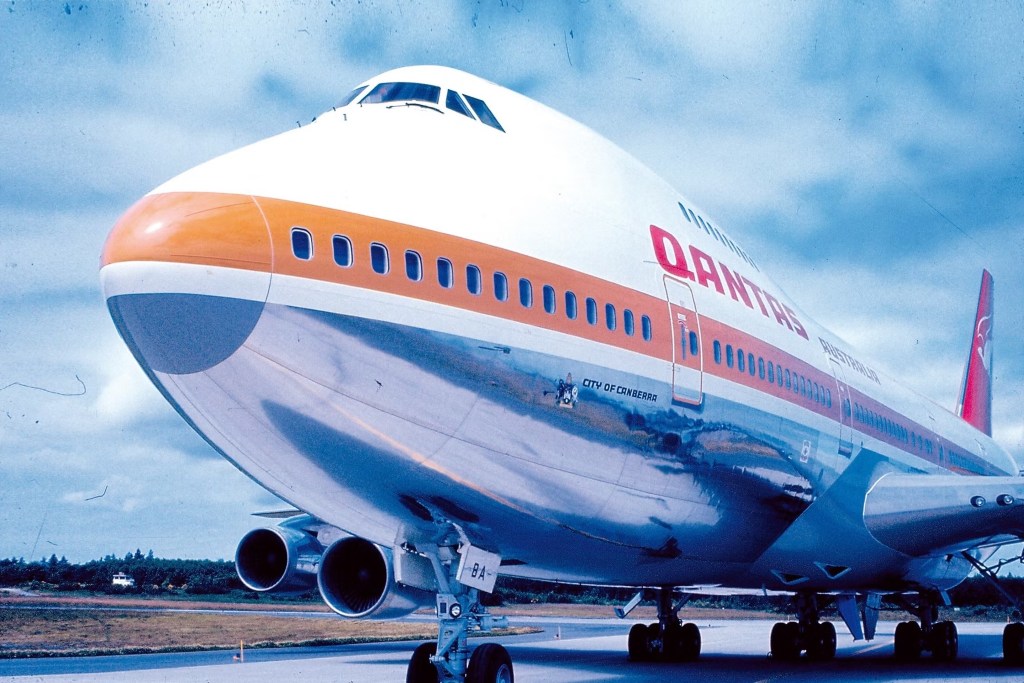
Qantas, Australia’s flagship airline, has enjoyed a remarkable partnership with the Boeing 747 that spanned nearly fifty years, marking a significant chapter in the history of commercial aviation. Since the introduction of the 747-238B in 1971, Qantas has operated 65 aircraft across six variants, including the 747-100, 747-200, 747-300, 747SP, 747-400, and 747-400ER. This enduring relationship not only shaped Qantas’ operational capabilities but also transformed the landscape of air travel globally.
Transforming Long-Haul Travel
The Boeing 747 was pivotal in establishing Qantas as a leader in long-haul air travel. The airline’s inaugural Boeing 747 service commenced on September 17, 1971, with a flight from Sydney to Singapore via Melbourne. This marked the beginning of a new era, allowing Qantas to expand its routes to major cities across the United States and Europe. The 747’s capacity and range enabled Qantas to meet the growing demand for international travel, solidifying its reputation as a pioneer in the industry.
Technical Evolution and Adaptation
Throughout its operational history, Qantas adapted its Boeing 747 fleet to meet evolving market demands and technological advancements. Initially powered by Pratt & Whitney engines, the airline transitioned to Rolls-Royce RB211 engines by the late 1970s, enhancing the aircraft’s performance. The introduction of the 747-400 in 1989 marked a significant upgrade, featuring advanced aerodynamics and fuel efficiency. This variant became known as the ‘Longreach’ due to its extended range capabilities, allowing Qantas to operate non-stop flights on some of the longest routes in the world.
Legacy of Innovation and Comfort
Qantas was known for its commitment to passenger comfort, particularly in its Boeing 747-200s, which featured a unique upper deck lounge known as the ‘Captain Cook’ lounge. This innovation catered to first-class passengers, enhancing the travel experience and setting a standard for luxury in air travel. The airline also pioneered the use of combi aircraft, such as the 747-238BM, which allowed for a flexible configuration of passengers and cargo, showcasing Qantas’ adaptability to market needs.
Farewell to a Legend
As the aviation industry faced unprecedented challenges due to the COVID-19 pandemic, Qantas made the difficult decision to retire its Boeing 747 fleet, with the last aircraft departing Sydney on July 22, 2020. This marked the end of an era for both Qantas and the iconic 747, a symbol of long-haul travel. The retirement of the 747-438ER drew a poignant tribute in the sky, reflecting on the aircraft’s storied history and its significant role in connecting Australia to the world.
A Lasting Impact on Aviation
The legacy of Qantas and the Boeing 747 transcends the operational history of the aircraft. It represents a commitment to innovation, service quality, and the evolution of global air travel. As Qantas moves forward with a modernized fleet, the impact of the Boeing 747 will continue to be felt in the industry, serving as a reminder of the advancements in aviation technology and customer service that have shaped the airline’s journey.