
Jun
WestJet Expands European Reach in 2026
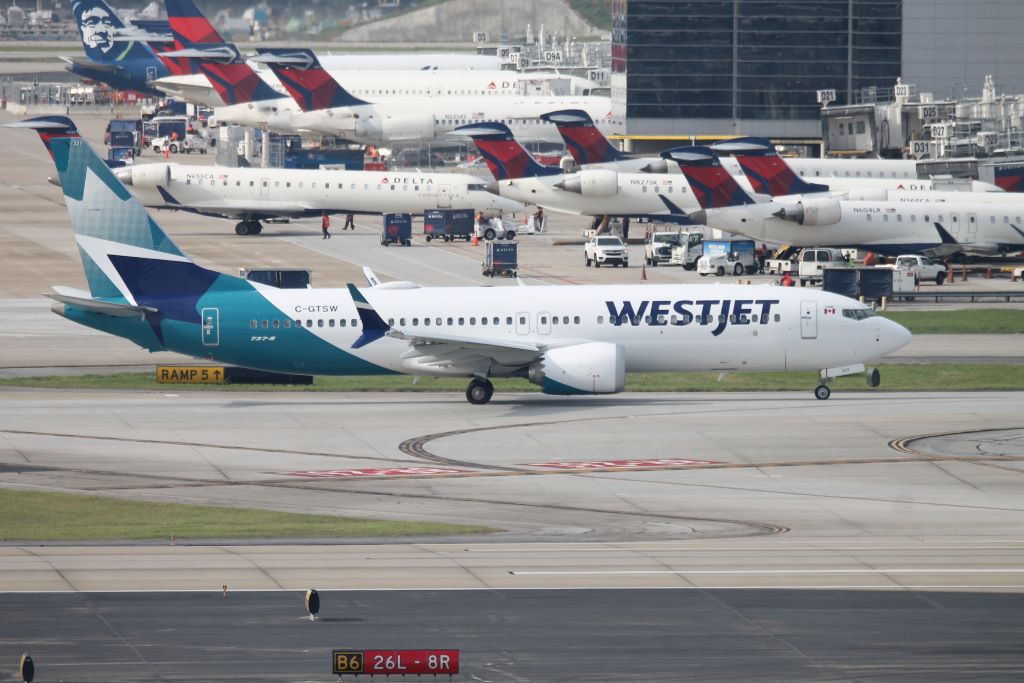
In a significant development for transatlantic travel, WestJet has unveiled its most extensive European network to date for 2026. This expansion will see the airline offering a total of 26 routes, connecting various Canadian cities to a diverse selection of European destinations. The strategic use of Boeing 737 MAX 8 aircraft allows WestJet to operate routes that are typically underserved, thereby enhancing its operational footprint across the Atlantic.
Strategic Route Development
WestJet’s approach to its European operations sets it apart from competitors like Air Canada. While Air Canada centralizes many of its flights through Toronto and Montreal, WestJet has adopted a more decentralized strategy. Calgary continues to serve as the primary long-haul hub for the airline, particularly for its Boeing 787 Dreamliner services. However, cities such as Toronto, Halifax, and others in western Canada are now emerging as vital gateways to Europe, thanks to the operational flexibility provided by the Boeing 737 MAX 8.
Utilizing the Boeing 737 MAX
The integration of the Boeing 737 MAX into WestJet’s transatlantic operations is noteworthy. The aircraft’s range capabilities enable the airline to connect eastern Canada with various European destinations while maintaining efficient operations with fewer passengers compared to widebody aircraft. Currently, WestJet operates approximately 20 European routes using the 737 MAX, positioning itself as one of the largest narrowbody transatlantic operators globally.

New Routes for Summer 2026
As part of its ongoing expansion, WestJet has announced eight new routes for the summer of 2026, all operated by the Boeing 737 MAX 8. The new destinations include:
- From Toronto: Glasgow, Cardiff, Ponta Delgada (Azores)
- From Halifax: Lisbon, Madrid, Copenhagen
- From Edmonton: Reykjavik Keflavik
- From Winnipeg: Reykjavik Keflavik
This expansion marks a significant milestone for WestJet, enhancing its European network’s overall capacity.
Toronto: A Key European Gateway
Toronto Pearson International Airport has solidified its role as a crucial gateway for WestJet’s European operations. The airline now connects Toronto to a range of destinations including Edinburgh, Dublin, and the newly added Cardiff, which is notable for being North America’s only non-stop service to Wales. This route, at nearly 3,000 nautical miles, represents a significant operational achievement for WestJet.
Halifax’s Growing European Schedule
Halifax Stanfield International Airport has experienced the most substantial growth from WestJet’s European expansion. With the addition of new routes to Copenhagen, Lisbon, and Madrid, Halifax now boasts its largest-ever European schedule, further establishing it as Canada’s Atlantic gateway.

Future Prospects for WestJet
Looking ahead, WestJet remains committed to enhancing its fleet with a focus on Boeing aircraft. The airline has one of Canada’s largest aircraft order books, with plans to introduce the Boeing 737 MAX 10 starting in 2027, along with an expansion of its Boeing 787 fleet. This strategic investment is anticipated to facilitate further growth in European markets, allowing WestJet to continue capitalizing on underserved routes while avoiding direct competition with larger North American carriers.
As WestJet continues to evolve its transatlantic network, its innovative approach may set new standards for narrowbody operations in long-haul markets.






This article was prepared by LibelulaFly as an independent aviation-news summary and editorial reinterpretation based on publicly available reporting. Images, when used, are included for editorial context with source attribution. Original source: www.airportspotting.com. Read the original article here: https://www.airportspotting.com/where-is-westjet-flying-in-europe-in-2026/.
List, promote, or publish aircraft with LibelulaFly.
LibelulaFly.com • Sales@libelulafly.com • +1 305-332-1942

Jun
Unlock New Horizons in Aviation Enthusiasm
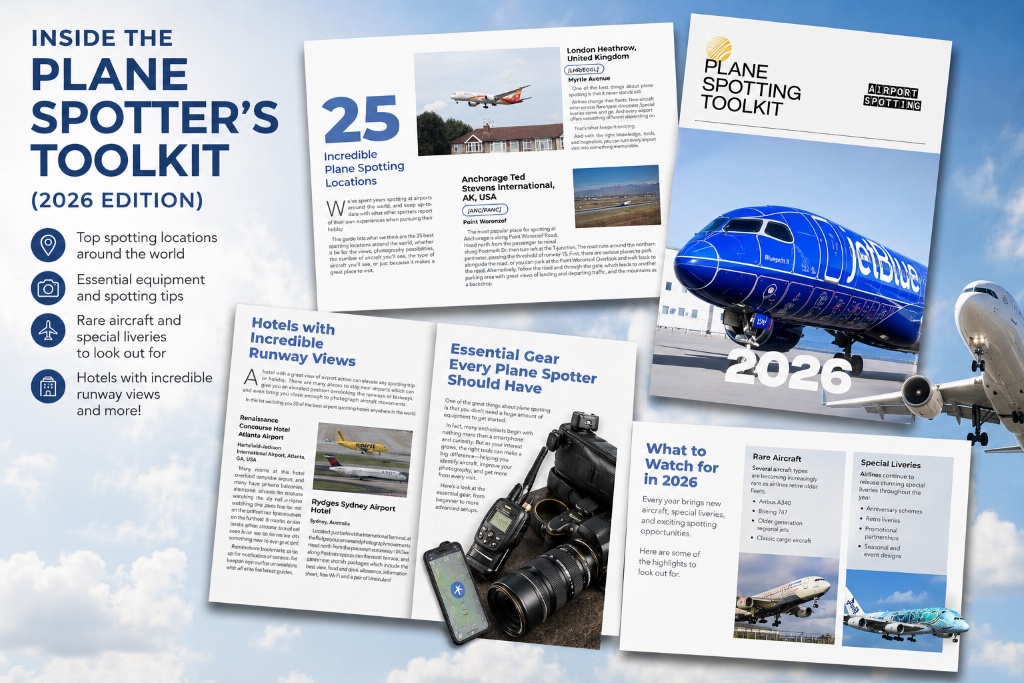
The world of aviation offers endless opportunities for exploration and excitement, particularly for enthusiasts who engage in plane spotting. To support both newcomers and seasoned spotters, a new resource has emerged: The Plane Spotter’s Toolkit (2026 Edition). This free downloadable guide is designed to enrich the plane spotting experience by providing essential information, practical advice, and inspiration for enthusiasts of all levels.
Your Essential Companion for Spotting Adventures
Plane spotting is not merely a hobby; it is a passion that connects individuals with the dynamic world of aviation. Each visit to an airport can reveal unique aircraft, special liveries, and a variety of airlines. However, knowing where to go and what to look for can be challenging. The Plane Spotter’s Toolkit addresses these challenges by offering comprehensive guidance on the best practices for maximizing your spotting experience.
Explore the Best Plane Spotting Locations
One of the standout features of the Toolkit is its curated list of premier plane spotting locations worldwide. From iconic airport approaches to breathtaking beach vantage points, the guide highlights destinations that every aviation enthusiast should consider. Whether you are planning a dedicated spotting trip or simply looking to enhance your next vacation, these recommendations will inspire your journey and ensure memorable experiences.
Understanding Equipment Essentials
Many aspiring plane spotters often believe that high-end cameras and specialized gear are prerequisites for the hobby. The Toolkit dispels this myth by emphasizing that enjoyment can be achieved with minimal investment. It provides practical advice on essential equipment, whether using a smartphone for casual spotting or a dedicated camera for capturing stunning images. This section aims to help enthusiasts focus their resources wisely as their interest in aviation grows.
Spotting Rare Aircraft and Unique Liveries
A thrilling aspect of plane spotting is the chance to observe rare aircraft and newly unveiled special liveries. The Toolkit features a dedicated section that identifies notable aircraft types still in operation and highlights the most visually striking liveries to look out for in 2026. This information can serve as a valuable resource for collectors and photographers, offering insights into which aircraft to prioritize during spotting excursions.
Accommodation for the Avid Spotter
For those who wish to combine comfort with their spotting experience, the Toolkit also lists some of the finest hotels that cater to aviation enthusiasts. These accommodations provide excellent views of airport operations, allowing guests to enjoy aircraft movements without stepping outside. Such hotels are perfect bases for spotting trips, offering a unique vantage point to appreciate the aviation world.
Download Your Free Toolkit Today
The Plane Spotter’s Toolkit (2026 Edition) is more than just a guide; it is an invitation to dive deeper into the captivating world of aviation spotting. Regardless of your experience level, this resource is filled with valuable tips, fresh ideas, and inspiration for your next adventure. To start your journey into the skies, simply download your free copy today and prepare to elevate your spotting experience.







This article was prepared by LibelulaFly as an independent aviation-news summary and editorial reinterpretation based on publicly available reporting. Images, when used, are included for editorial context with source attribution. Original source: www.airportspotting.com. Read the original article here: https://www.airportspotting.com/plane-spotters-toolkit-guide-free-download/.
List, promote, or publish aircraft with LibelulaFly.
LibelulaFly.com • Sales@libelulafly.com • +1 305-332-1942
Jun
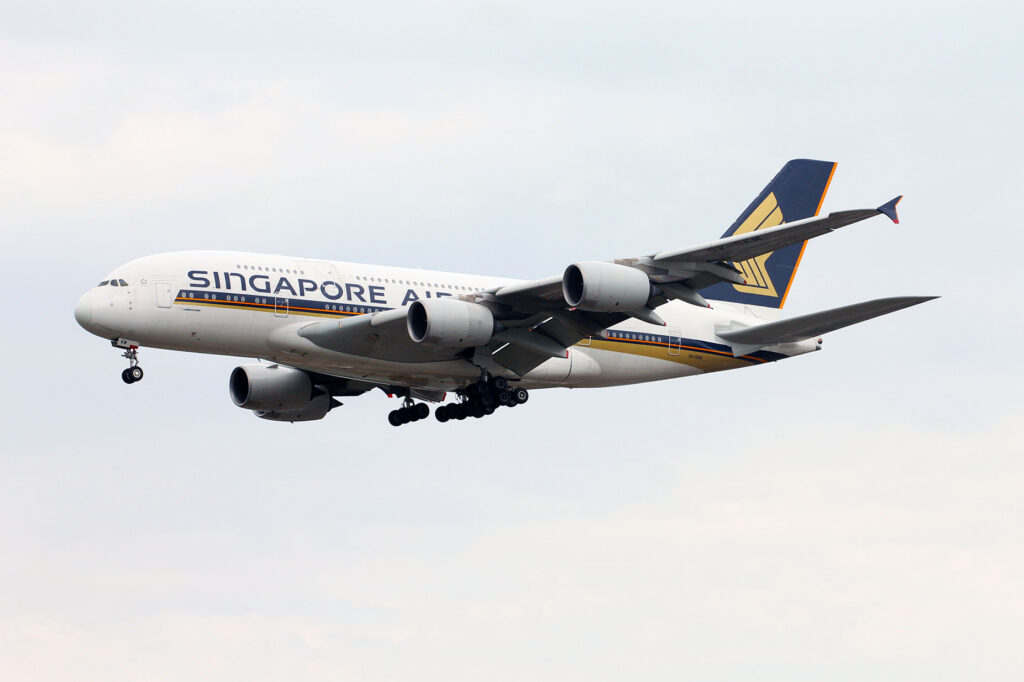
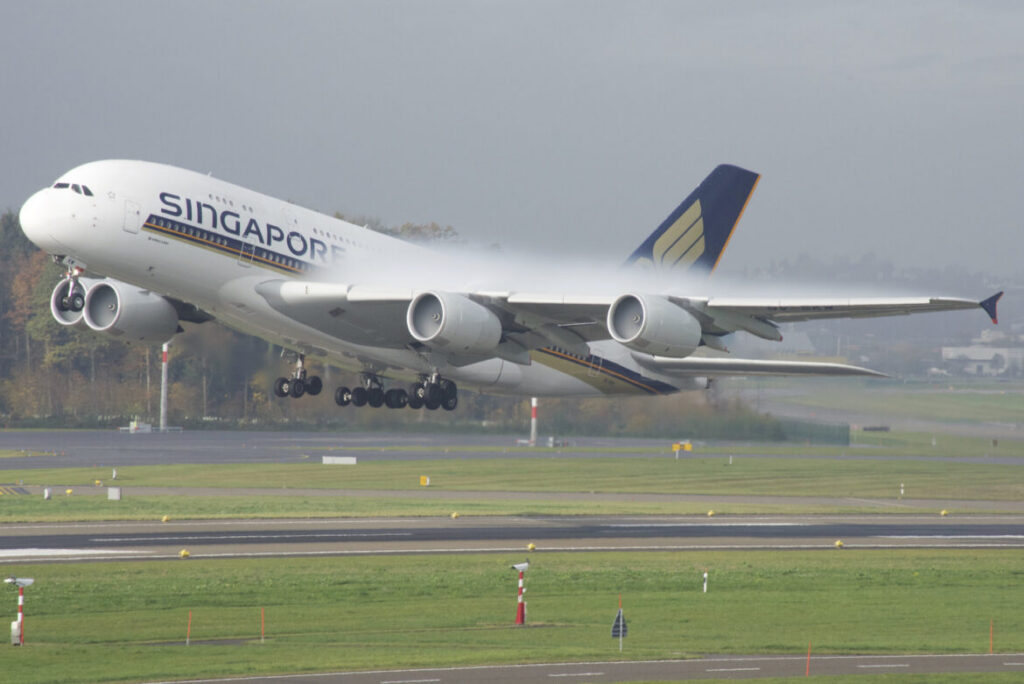
Strategic Deployment of the A380 in Singapore Airlines’ Future
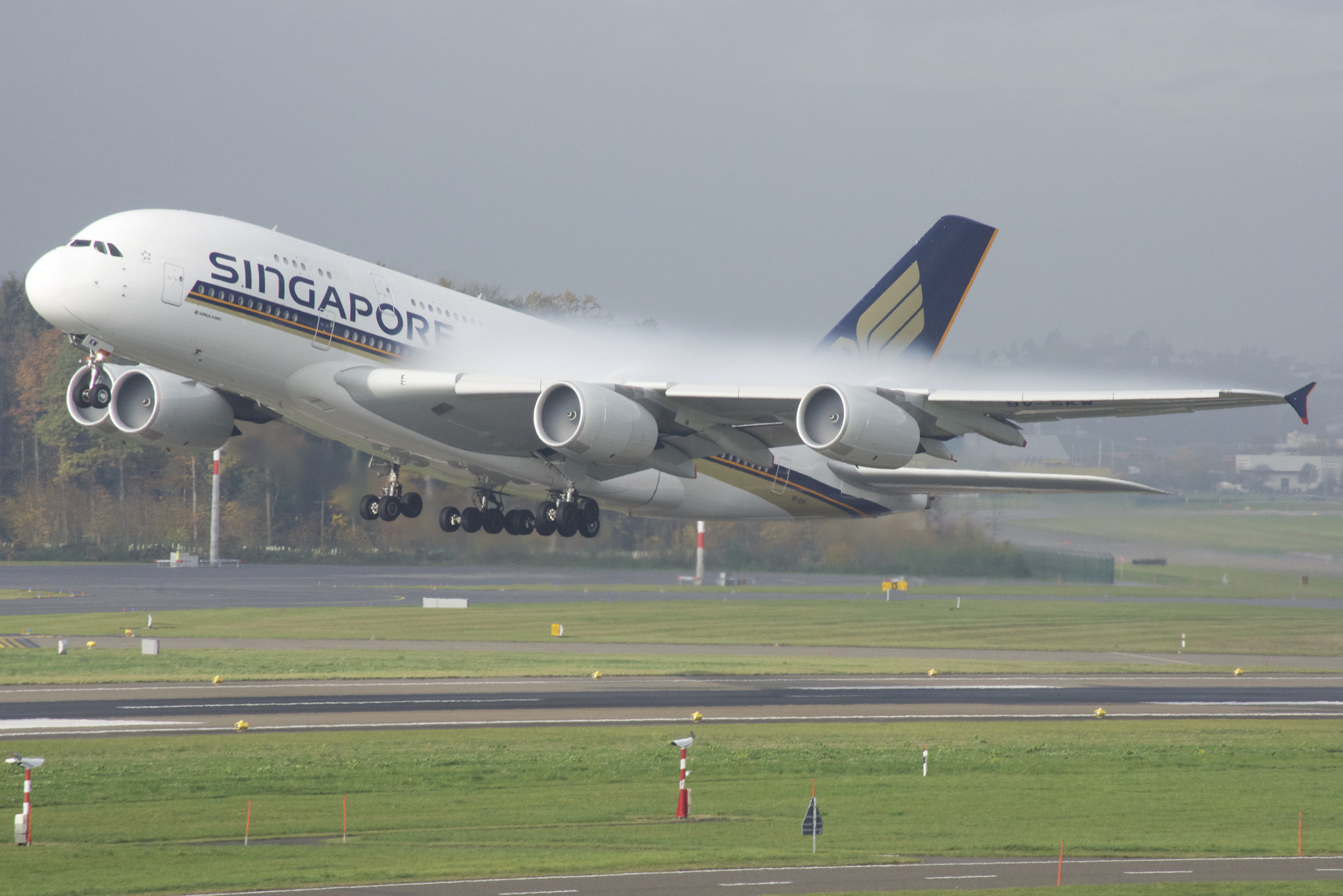
Singapore Airlines has long been synonymous with the Airbus A380, having made history as its launch customer in 2007. As the world’s largest passenger aircraft, the A380 has become a centerpiece of the airline’s fleet, serving high-demand routes with its impressive capacity and luxurious offerings. With its continued commitment to this aircraft, Singapore Airlines is poised to maintain its status as a leading operator of the A380 through 2026.
A380 Fleet Overview
Currently, Singapore Airlines operates a fleet of 12 Airbus A380-800 aircraft. Although reduced from pre-pandemic levels, these aircraft have undergone extensive refurbishments, enhancing their cabins to provide some of the most luxurious flying experiences available today. Configured to accommodate approximately 470 passengers, the fleet includes the airline’s renowned Suites, Business Class, Premium Economy, and Economy Class offerings, ensuring a diverse range of travel options for passengers.
High-Demand Routes for the A380
The deployment of the A380 is strategically focused on routes with exceptionally high passenger demand and limited airport capacity. Singapore Airlines utilizes this aircraft on key international routes to maximize revenue potential while providing a premium travel experience. Notable destinations for the A380 include:
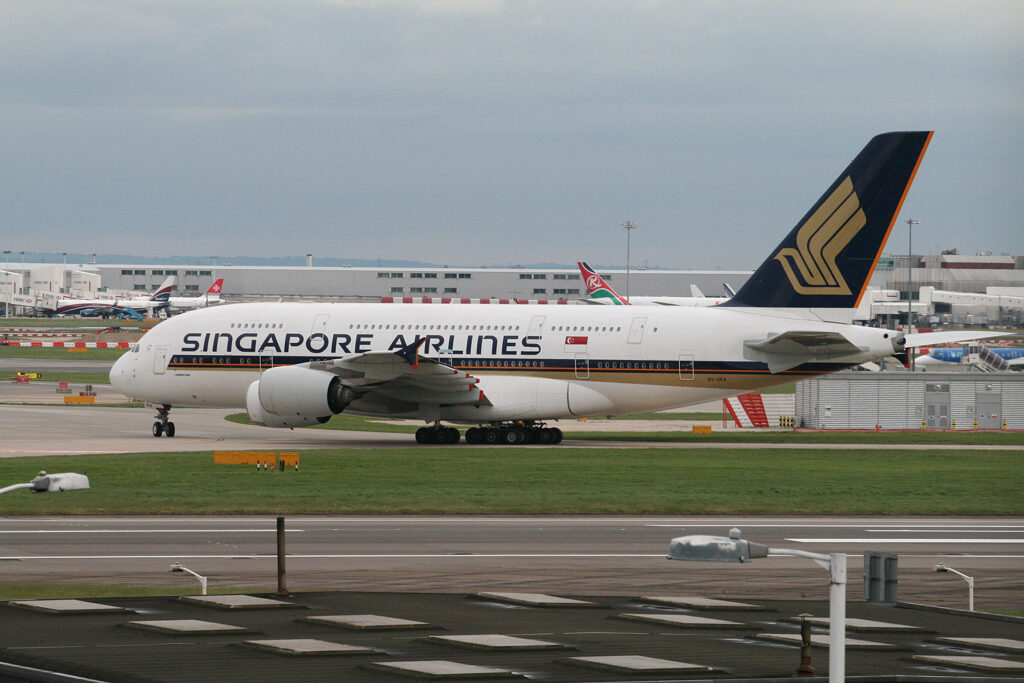
- London Heathrow: A long-standing A380 hub, Singapore Airlines operates multiple daily flights to Heathrow, making it a prime location for aviation enthusiasts to view this iconic aircraft.
- Sydney: As one of the airline’s most important markets, Sydney regularly sees A380 services, connecting passengers to a wide range of destinations through Singapore’s Changi Airport.
- Melbourne: This route supports a significant number of business and leisure travelers, further solidifying the A380’s role in Singapore Airlines’ operations.
- Frankfurt: The A380 continues to serve Germany’s busiest airport, facilitating connections to various European destinations.
- Paris Charles de Gaulle: Strong tourism and business traffic ensure that the A380 remains a staple on this route.
- Tokyo Narita: This route links two major Asian hubs, sustaining a robust demand for A380 operations.
- Shanghai Pudong: Regular A380 services cater to the growing international travel market in China.
- Mumbai: A mix of business and leisure travel supports periodic A380 flights to India.
Dynamic Route Adjustments
As with many airlines, Singapore Airlines continually assesses its route network, making adjustments based on seasonal demand and market conditions. This flexibility allows the airline to optimize its A380 operations to meet passenger needs effectively. Routes such as Hong Kong, Zurich, New Delhi, Auckland, and Osaka have seen A380 service at various times, highlighting the adaptability of the airline’s operations.
Commitment to the A380
Nearly two decades after introducing the A380, Singapore Airlines remains a steadfast advocate for this aircraft. The airline has made significant investments in refurbishing its fleet, ensuring that the A380 continues to play a vital role in its operations. With Airbus ceasing production of the A380, the existing fleet is likely to remain a prized asset for both aviation enthusiasts and travelers. As the airline looks to the future, it is clear that the A380 will continue to be an integral part of Singapore Airlines’ strategy, offering unparalleled capacity and comfort in the skies.


This article was prepared by LibelulaFly as an independent aviation-news summary and editorial reinterpretation based on publicly available reporting. Images, when used, are included for editorial context with source attribution. Original source: www.airportspotting.com. Read the original article here: https://www.airportspotting.com/where-is-singapore-airlines-flying-its-airbus-a380-fleet-in-2026/.
List, promote, or publish aircraft with LibelulaFly.
LibelulaFly.com • Sales@libelulafly.com • +1 305-332-1942

Jun
Malaysia Airlines: A Journey Through Time
Malaysia Airlines, today recognized for its modern fleet of Airbus A330neos and Boeing 737s, has roots that trace back to an evocative era in the 1970s and 80s. This period was pivotal for the airline as it transitioned into a prominent player in Southeast Asia’s aviation landscape, characterized by the introduction of iconic aircraft and the expansion of its global reach.
From MSA to MAS: The Birth of a National Carrier
The journey of Malaysia Airlines began with the formation of Malaysia-Singapore Airlines (MSA) in 1966, which later transformed into Malaysian Airline System (MAS) in 1972 following a split with Singapore. This transition allowed MAS to inherit a diverse fleet and a growing network, setting the stage for significant advancements in the airline’s operational capabilities.
A Diverse Fleet and Expanding Horizons
Throughout the 1970s, MAS adopted a mixed fleet that catered to both regional and international markets. The Boeing 737-200 emerged as the backbone of domestic operations, effectively connecting Kuala Lumpur with neighboring countries. These aircraft, adorned in vibrant red, white, and blue liveries, became synonymous with regional air travel.

For international routes, the airline leveraged the capabilities of the Boeing 707, which facilitated connections to major destinations in Asia, Australia, and Europe. Additionally, the Fokker F27 Friendship played a crucial role in connecting smaller communities, reflecting the geographical challenges of the Malaysian archipelago.
Embracing the Widebody Revolution
The late 1970s marked a significant shift as Malaysia Airlines embraced widebody aircraft, notably the McDonnell Douglas DC-10. This tri-jet was instrumental in enhancing the airline’s long-haul operations, allowing for increased passenger capacity and comfort on routes to Europe and the Middle East. The introduction of the Boeing 747-200 in the 1980s further solidified the airline’s competitive stance among leading Asian carriers.
Establishing a Global Presence
By the mid-1980s, Malaysia Airlines had evolved into a respected international carrier, with a network extending across continents. The airline offered services to major cities including London, Amsterdam, and Tokyo, establishing Kuala Lumpur as a crucial hub for travelers between Australasia, Asia, and Europe. The diverse fleet during this decade showcased a blend of Boeing 737s, Fokker F27s, DC-10s, and Boeing 747s, all featuring variations of the airline’s distinctive livery.
A Legacy of Innovation and Growth
Reflecting on the 1970s and 80s, it is evident that Malaysia Airlines played a vital role in shaping air travel in Southeast Asia. The airline’s commitment to fleet modernization and route expansion not only enhanced its operational capabilities but also contributed to the broader development of the region’s aviation infrastructure. As Malaysia Airlines continues to evolve, the legacy of its formative years remains a testament to the airline’s resilience and adaptability in a dynamic industry.


This article was prepared by LibelulaFly as an independent aviation-news summary and editorial reinterpretation based on publicly available reporting. Images, when used, are included for editorial context with source attribution. Original source: www.airportspotting.com. Read the original article here: https://www.airportspotting.com/malaysia-airlines-in-the-1970s-and-80s/.
List, promote, or publish aircraft with LibelulaFly.
LibelulaFly.com • Sales@libelulafly.com • +1 305-332-1942
Jun
Strategic Expansion into Regional Markets
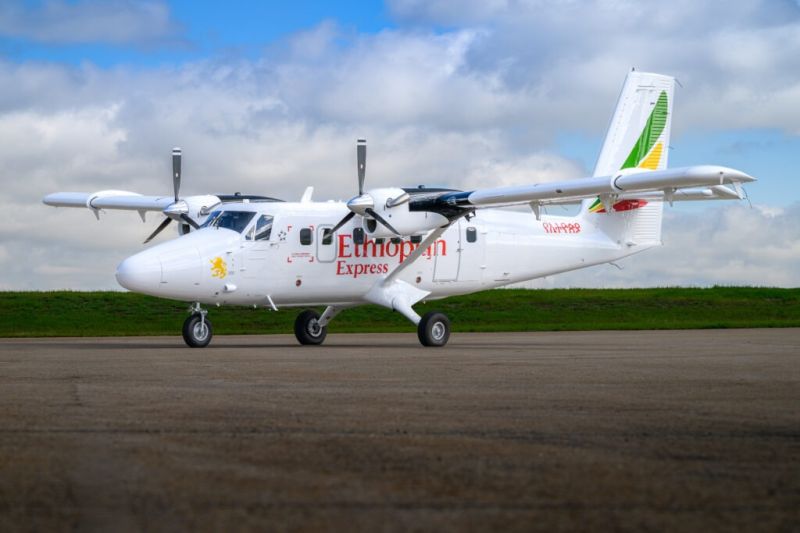
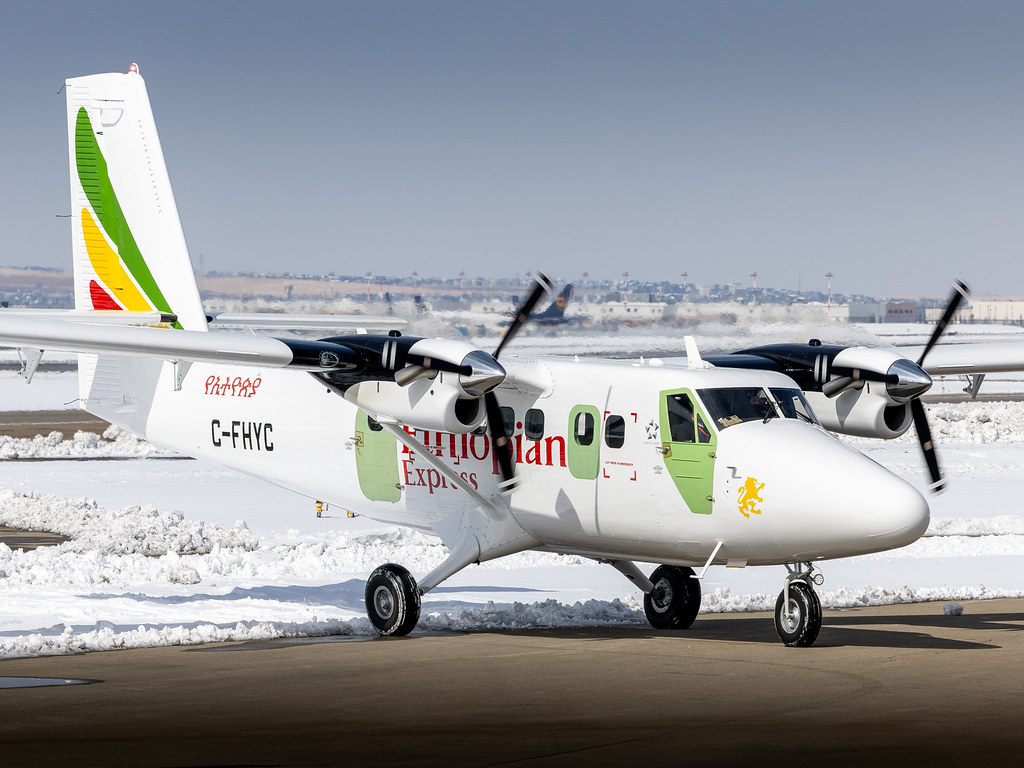
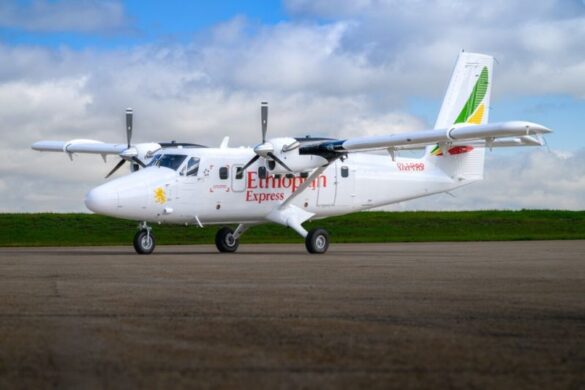
Ethiopian Airlines, Africa’s largest airline renowned for its modern fleet, has recently enhanced its operational capabilities with the introduction of the De Havilland Canada DHC-6-300G Twin Otter Classic. This acquisition is part of a strategic initiative aimed at bolstering air connectivity in challenging terrains across Ethiopia, a country characterized by its diverse geography.
A Versatile Aircraft for Unique Challenges
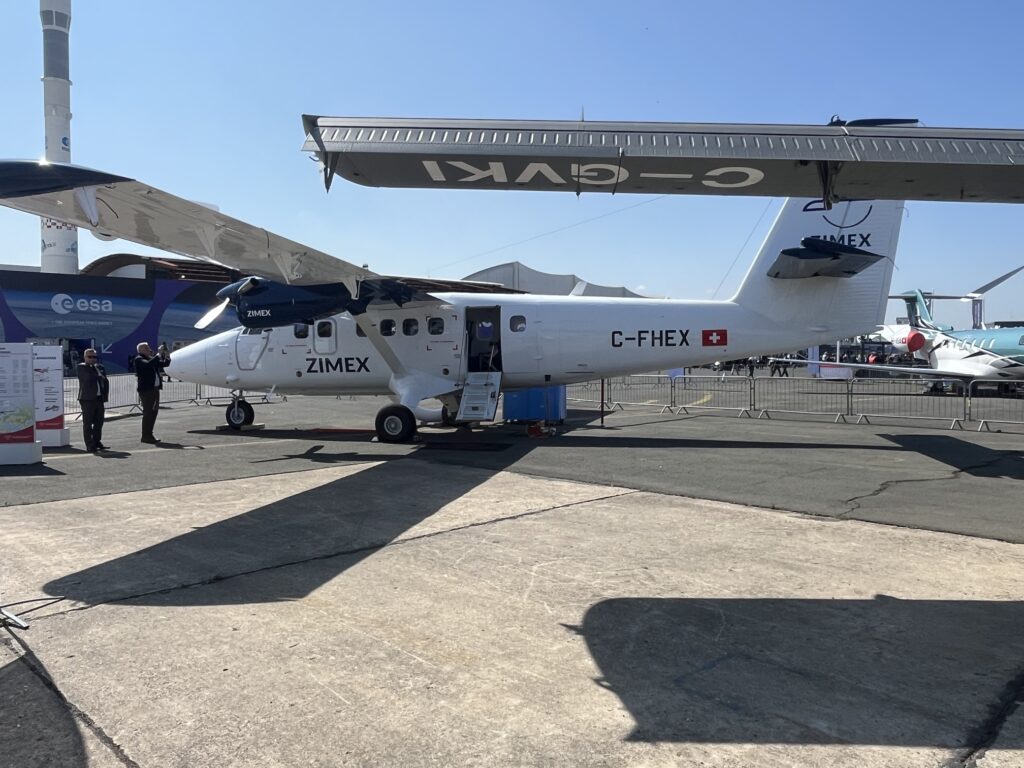
The Twin Otter, known for its exceptional short take-off and landing (STOL) performance, is uniquely suited for operations in remote and rugged environments. The first of two aircraft ordered by Ethiopian Airlines has successfully completed a complex delivery journey from Calgary to Addis Ababa, making several stops along the way. This journey underscores the aircraft’s versatility, as it can operate from airstrips that would be unsuitable for larger commercial airliners.
Bridging the Gap in Connectivity
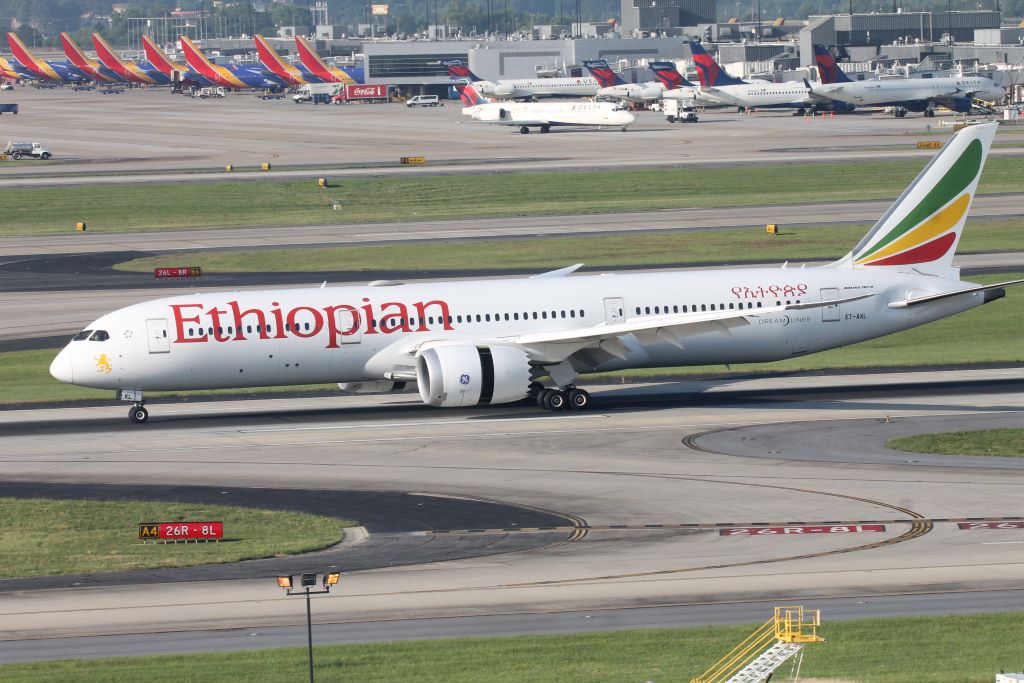
Despite its modern fleet of Airbus A350-1000s and Boeing 787 Dreamliners, Ethiopian Airlines faces significant challenges in reaching many of its domestic destinations. The country’s mountainous terrain and limited airport infrastructure often restrict access for larger aircraft. The Twin Otter is specifically designed to navigate these limitations, making it an ideal asset for connecting underserved communities.
Supporting Diverse Operational Needs
The introduction of the Twin Otter is expected to enhance Ethiopian Airlines’ capabilities in various operational areas. The aircraft will support domestic flights, tourism development, air ambulance services, and charter operations, thereby facilitating critical access to healthcare, commerce, and transport for remote populations. With plans to expand its domestic network, the airline aims to utilize the Twin Otter to open new routes to smaller communities.
The Future of Regional Aviation
This acquisition highlights a significant trend in aviation where modern technology meets enduring design. While Ethiopian Airlines continues to invest in cutting-edge airliners, the addition of the Twin Otter reflects a commitment to serving all facets of its operational landscape. The second Twin Otter Classic 300-G is anticipated to join the fleet later this year, further enhancing the airline’s ability to meet diverse regional demands.
Conclusion: A Balanced Fleet for Comprehensive Connectivity
The delivery of the Twin Otter Classic marks a pivotal moment for Ethiopian Airlines, symbolizing a bridge between high-capacity international routes and essential domestic services. This dual approach not only strengthens the airline’s operational flexibility but also reaffirms its role as a vital connector within Ethiopia. As Ethiopian Airlines continues to grow its fleet and expand its reach, the Twin Otter will play a crucial role in ensuring that even the most remote communities are not left behind in the global aviation landscape.



This article was prepared by LibelulaFly as an independent aviation-news summary and editorial reinterpretation based on publicly available reporting. Images, when used, are included for editorial context with source attribution. Original source: www.airportspotting.com. Read the original article here: https://www.airportspotting.com/why-is-ethiopian-airlines-buying-twin-otters/.
List, promote, or publish aircraft with LibelulaFly.
LibelulaFly.com • Sales@libelulafly.com • +1 305-332-1942

Jun
WestJet Celebrates a Legacy with New Special Livery
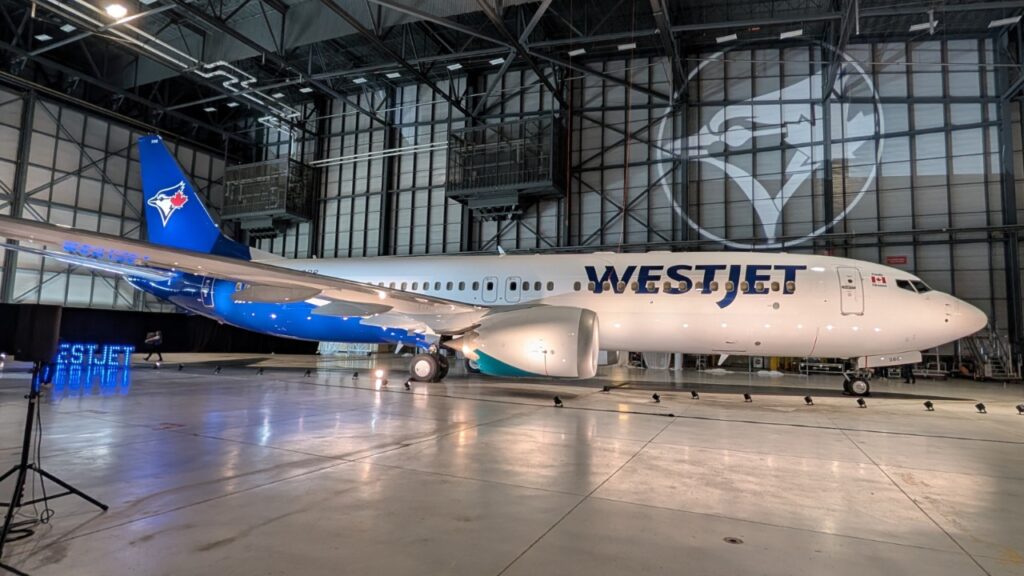
WestJet Airlines has launched a new Boeing 737 MAX 8 featuring a vibrant special livery that pays tribute to its long-standing partnership with the Toronto Blue Jays, a prominent team in Major League Baseball. This aircraft, registered as C-GORP, was unveiled during a special event at Toronto Pearson International Airport, where nearly 1,000 attendees, including employees, team representatives, and former players, gathered to witness the occasion.
A Design that Soars
The new livery showcases the Toronto Blue Jays’ signature blue colors, enhanced with dynamic graphics that symbolize both the thrill of aviation and the excitement of baseball. The design represents an aircraft taking flight alongside a baseball soaring from a bat, encapsulating the spirit of both the airline and the team. This unveiling also signifies the renewal of WestJet’s partnership with the Blue Jays, which began in 2012 and has now been extended for an additional seven years.
Marking Milestones
This launch coincides with significant anniversaries for both organizations: the Toronto Blue Jays are celebrating their 50th season, while WestJet marks its 30th year of operations. The introduction of C-GORP not only enhances WestJet’s fleet but also serves as a visual representation of the airline’s commitment to community and sports.
Operational Relevance and Fleet Dynamics
WestJet, which has evolved from a low-cost regional carrier into Canada’s second-largest airline since its founding in 1996, operates a diverse fleet of over 180 aircraft. This includes a substantial number of Boeing 737 MAX 8s, alongside Boeing 787-9 Dreamliners for long-haul international routes and dedicated cargo aircraft. The addition of the specially liveried C-GORP aircraft adds to the uniqueness of WestJet’s operations, especially as special liveries have become less common in the airline’s lineup.
What This Means for Aviation Enthusiasts
The introduction of C-GORP is expected to attract the attention of aviation enthusiasts and plane spotters across Canada. With its distinctive branding, this aircraft will likely become a highlight within WestJet’s domestic and international network. The special livery not only enhances the visual appeal of the airline but also fosters a sense of community pride among fans of the Blue Jays and supporters of WestJet.
Looking Ahead
As WestJet continues to expand its fleet and enhance its operational capabilities, the introduction of the Toronto Blue Jays special livery serves as a reminder of the airline’s commitment to innovation and partnership. With the aircraft scheduled to enter service shortly, passengers can look forward to experiencing this unique blend of aviation and sports culture on their travels.




This article was prepared by LibelulaFly as an independent aviation-news summary and editorial reinterpretation based on publicly available reporting. Images, when used, are included for editorial context with source attribution. Original source: www.airportspotting.com. Read the original article here: https://www.airportspotting.com/westjet-unveils-toronto-blue-jays-special-livery-boeing-737-max-8/.
List, promote, or publish aircraft with LibelulaFly.
LibelulaFly.com • Sales@libelulafly.com • +1 305-332-1942
Jun
COMAC Unveils C919-600 Variant Testing Phase
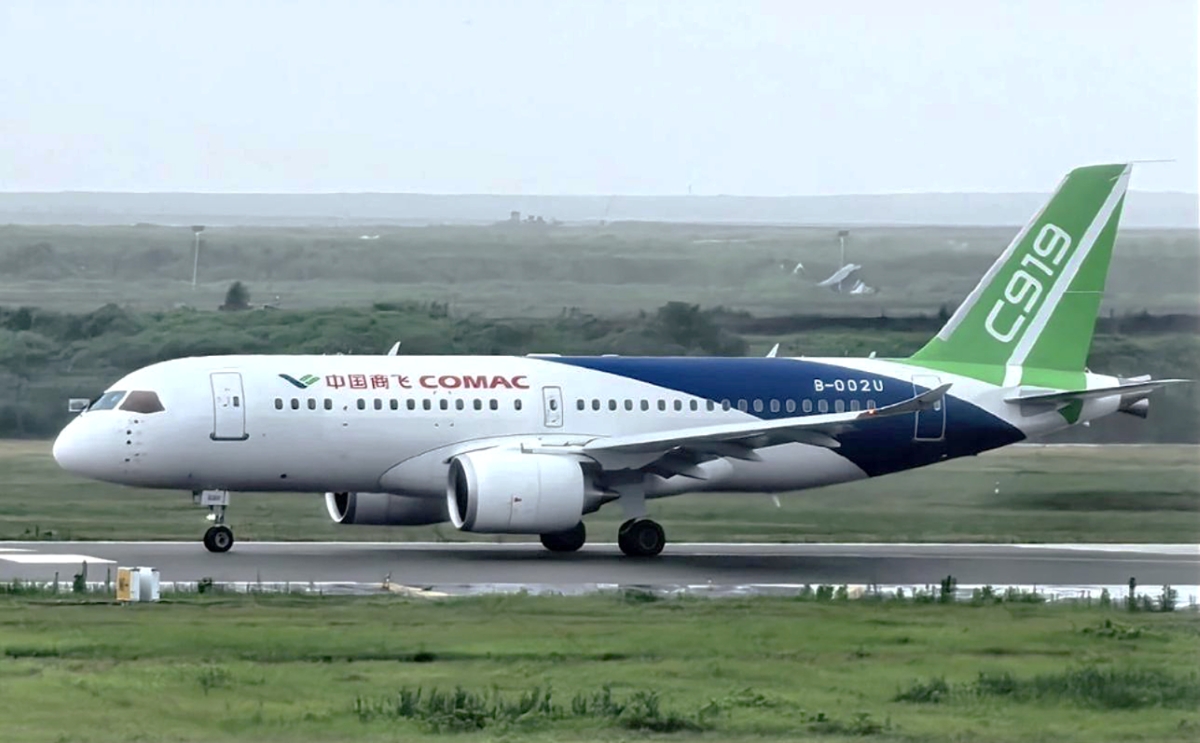
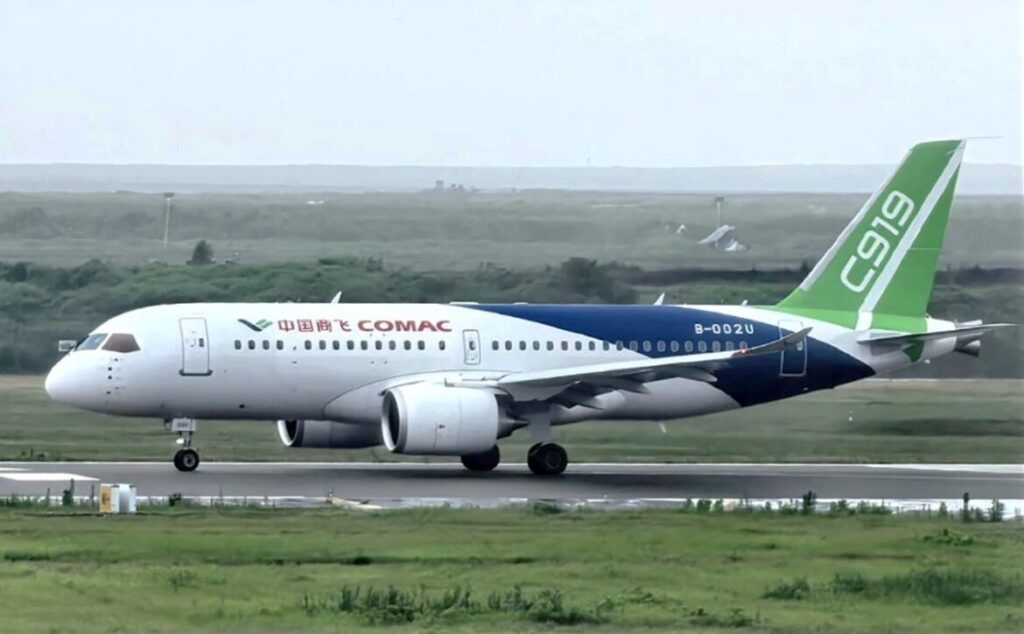
China’s Commercial Aircraft Corporation (COMAC) has marked a pivotal moment in its aviation advancements with the commencement of ground testing for the C919-600 variant. Recently spotted at COMAC’s facilities near Shanghai Pudong Airport, the prototype, registered B-002U, has successfully conducted taxi and high-speed braking tests, a crucial step in the aircraft’s certification journey.
Transitioning to the Skies
The testing phase for the C919-600 is integral to assessing the aircraft’s handling characteristics and braking performance. These evaluations are standard within the certification process and serve as a precursor to subsequent flight testing. The C919-600 is the first major derivative of the C919 narrowbody family, expanding COMAC’s offerings in the competitive commercial aviation market.
Understanding the C919-600’s Role
Distinct from its standard counterpart, the C919-600 is engineered specifically for operations at high altitudes, catering to airports located on the Tibetan Plateau and similar regions. By reducing the fuselage length through the removal of six frame sections, the C919-600 achieves a lighter airframe, capable of accommodating between 140 to 160 passengers. This design modification enhances performance, particularly in conditions where thin air can adversely affect engine thrust and lift.

Tailored for High-Altitude Operations
The development of the C919-600 is a direct response to the increasing demand for aircraft that can efficiently operate in challenging high-altitude environments. Airports situated above 3,000 meters (9,840 feet) present unique operational challenges, necessitating aircraft that can either reduce passenger capacity or be specifically adapted to perform under such conditions. COMAC’s collaboration with Tibet Airlines, initiated in 2023, underscores the importance of this variant in addressing the needs of China’s extensive network of high-altitude airports.
Strategic Market Positioning
With the C919-600, COMAC aims to carve out a niche in the market traditionally dominated by smaller narrowbody aircraft, such as the Airbus A319neo and Boeing 737-700. The shorter fuselage not only reduces capacity but also enhances the thrust-to-weight ratio, significantly improving take-off performance in high-density conditions. This strategic positioning aligns with COMAC’s broader objective to establish a comprehensive family of aircraft that can cater to diverse airline requirements.
Looking Ahead: The Future of the C919 Family
The C919-600’s introduction is a testament to COMAC’s commitment to innovation and market responsiveness. As the company continues to develop its C919 family, the potential for additional variants—both shorter and stretched—could extend its reach into markets ranging from 140 to over 200 passengers. This approach mirrors the successful strategies employed by major manufacturers like Airbus and Boeing, further solidifying COMAC’s place in the global aerospace landscape.
Conclusion: A New Chapter for COMAC
The ongoing testing of the C919-600 not only represents a significant advancement for COMAC but also highlights the evolving dynamics of the aviation market. As the company prepares for the next stages of certification and eventual entry into service, the C919-600 is poised to play a crucial role in enhancing connectivity across China’s challenging high-altitude regions, setting a new benchmark for operational efficiency in the sector.





This article was prepared by LibelulaFly as an independent aviation-news summary and editorial reinterpretation based on publicly available reporting. Images, when used, are included for editorial context with source attribution. Original source: www.airportspotting.com. Read the original article here: https://www.airportspotting.com/comacs-new-c919-600-variant-spotted-testing/.
List, promote, or publish aircraft with LibelulaFly.
LibelulaFly.com • Sales@libelulafly.com • +1 305-332-1942

Jun
A Comprehensive Look at Jet2.com’s Journey
Jet2.com, a name synonymous with low-cost leisure travel in the UK, has established itself as a dominant player in the aviation sector since its inception in 2003. However, the airline’s roots extend back to 1971, tracing its lineage to a small freight operation in the Channel Islands. This remarkable evolution is meticulously chronicled in a newly released hardback book titled Jet2.com The Complete History by author Nigel Richardson.
From Freight to Leisure Travel
The book offers a detailed narrative of Jet2’s transformation from its origins as Carpenter’s Air Services Ltd, which initially transported goods such as flowers from Guernsey using Douglas DC-3 aircraft. Over the years, the company underwent several rebranding phases, including becoming Channel Express, which expanded its operations to include passenger flights with Boeing 737-300 Quick Change variants. This strategic move allowed the airline to optimize aircraft utilization by catering to both cargo and passenger markets.
The Birth of Jet2.com
In 2002, as the low-cost carrier market began to burgeon with the likes of easyJet and Ryanair, the owners of Channel Express identified an opportunity to pivot towards the leisure travel sector. The launch of Jet2.com marked a significant milestone, with Leeds Bradford Airport chosen as its operational base. This strategic decision laid the groundwork for what would become the UK’s largest tour operator, demonstrating the airline’s agile response to market demands.

A Rich Tapestry of Aviation History
Richardson’s book is not just a recount of Jet2’s corporate milestones; it is enriched with a plethora of photographs that capture the airline’s journey through the decades. It spans 55 years of aviation history, providing readers with visual insights into the various aircraft and branding iterations that have characterized Jet2 and its predecessors. This narrative serves as both an educational resource and a nostalgic tribute for aviation enthusiasts.
The Significance of Jet2’s Evolution
Jet2.com’s growth story is emblematic of the broader shifts within the aviation industry, particularly in the context of the low-cost carrier model that has reshaped travel accessibility. The airline’s ability to adapt and thrive amidst changing market conditions highlights the resilience and innovation that are crucial in the competitive landscape of air travel.
Looking Ahead
As Jet2.com continues to expand its fleet and enhance its service offerings, the insights gleaned from Richardson’s book provide valuable context for understanding the airline’s strategic direction. For aviation professionals, operators, and enthusiasts alike, Jet2.com The Complete History serves as a testament to the dynamic nature of the aviation industry and the enduring legacy of a company that began as a humble freight operator.
This book is now available for purchase from Key Publishing and other retailers, making it an essential addition to any aviation enthusiast’s library.


This article was prepared by LibelulaFly as an independent aviation-news summary and editorial reinterpretation based on publicly available reporting. Images, when used, are included for editorial context with source attribution. Original source: www.airportspotting.com. Read the original article here: https://www.airportspotting.com/jet2-com-the-complete-history-book-review/.
List, promote, or publish aircraft with LibelulaFly.
LibelulaFly.com • Sales@libelulafly.com • +1 305-332-1942
Jun
Delta Air Lines and the Airbus A350: A Strategic Partnership
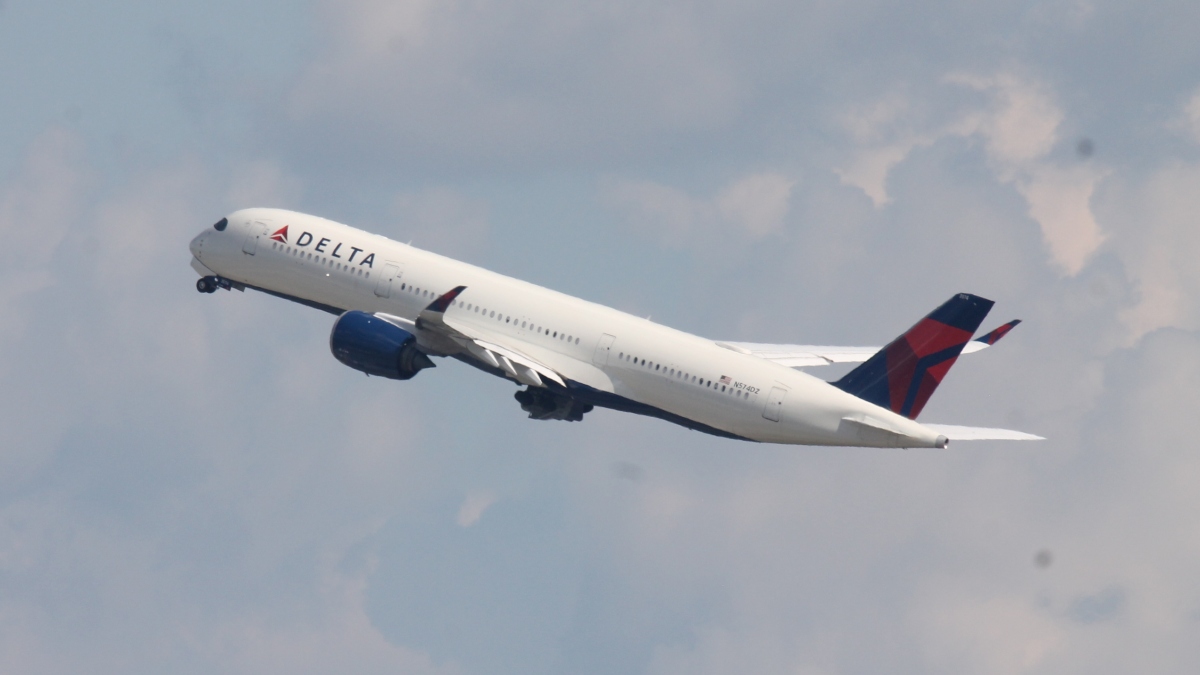
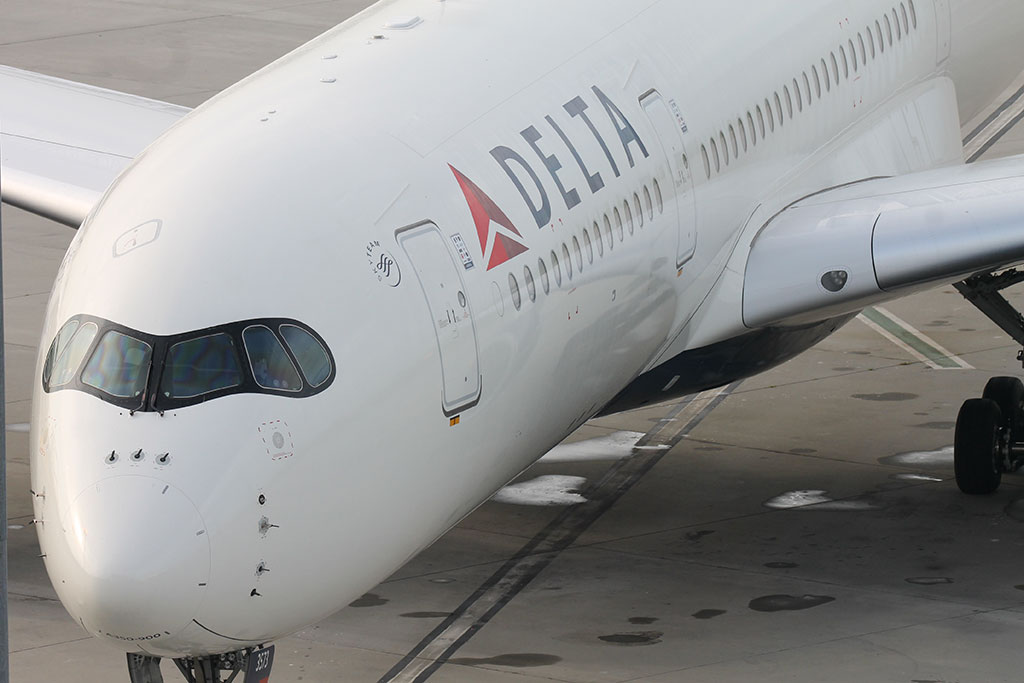
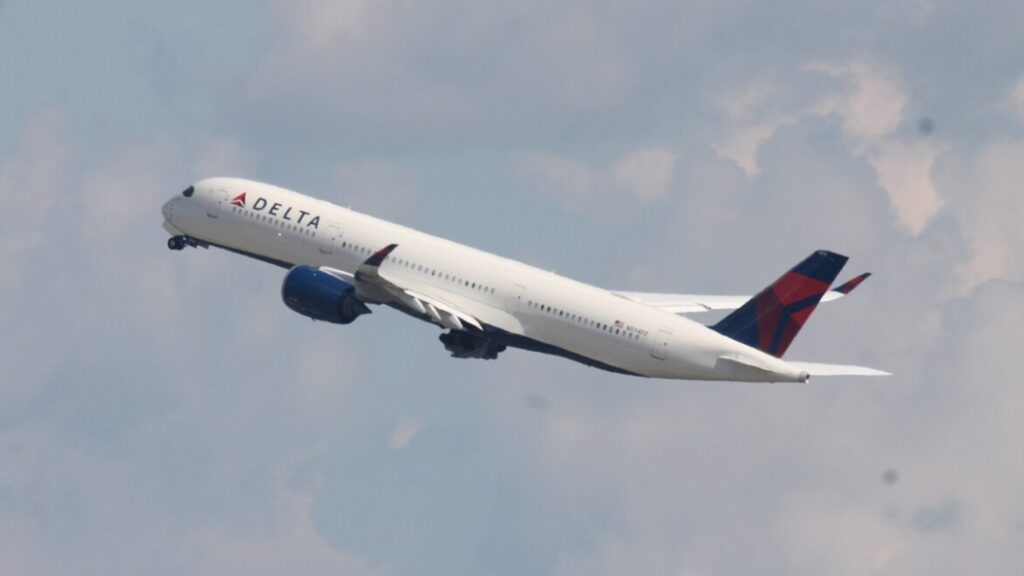
Delta Air Lines has solidified its position in the long-haul market with the Airbus A350, a modern widebody aircraft that has become integral to its fleet since its introduction in 2017. This aircraft has not only replaced older Boeing 777s but has also augmented Delta’s Airbus A330 operations, allowing the airline to maintain its competitive edge on international routes.
Expanding Global Reach
As of 2026, Delta operates a significant fleet of over 35 Airbus A350-900 aircraft, making it one of the largest operators of this model in North America. The A350 is configured to enhance passenger experience, featuring Delta One business class suites, Premium Select economy seating, and Comfort+ options, thereby catering to a diverse clientele. This aircraft has become the backbone of Delta’s long-haul operations, enabling efficient service to destinations across Europe, Asia, Oceania, Africa, and South America.
Key Hubs and Routes
Delta’s Airbus A350 fleet is strategically deployed across its major hubs. Atlanta, as the largest hub, serves as the primary base for A350 operations, connecting to key destinations such as Johannesburg, Cape Town, Seoul Incheon, and Tokyo Haneda. The Johannesburg route is particularly notable, representing one of Delta’s longest flights, showcasing the aircraft’s impressive range and operational capabilities.

Detroit also plays a critical role in Delta’s A350 operations, serving as a gateway to Asia with routes to cities like Seoul Incheon and Tokyo Haneda. Minneapolis-St. Paul further contributes to the A350’s operational footprint, connecting northern U.S. passengers to international destinations including London and Paris.
Seattle has emerged as a rapidly growing hub for Delta, with the A350 flying to destinations such as Taipei and Shanghai. Despite its lower volume compared to other hubs, Los Angeles still features regular A350 flights to Australia and Japan, reflecting Delta’s commitment to serving long-haul markets.
Operational Efficiency and Future Prospects
Delta’s use of the A350 on some of its longest routes, such as Atlanta to Johannesburg and Los Angeles to Sydney, underscores the aircraft’s operational efficiency and range. As Delta continues to expand its fleet and adjust routes based on seasonal demand, the A350 is expected to play an increasingly prominent role in the airline’s long-haul strategy. The potential for additional routes and the replacement of older Airbus A330s highlights Delta’s forward-thinking approach to fleet management.
Conclusion: A Key Player in Delta’s Fleet
Less than a decade after its introduction, the Airbus A350 has become a flagship aircraft for Delta Air Lines, symbolizing the airline’s commitment to modernizing its fleet and enhancing passenger experience. As the airline navigates the evolving landscape of global air travel, the A350 will remain a crucial asset in connecting North America to key international markets. With ongoing fleet expansion and route optimization, Delta is poised to leverage the A350’s capabilities to meet future travel demands.





This article was prepared by LibelulaFly as an independent aviation-news summary and editorial reinterpretation based on publicly available reporting. Images, when used, are included for editorial context with source attribution. Original source: www.airportspotting.com. Read the original article here: https://www.airportspotting.com/where-is-delta-air-lines-flying-its-airbus-a350-fleet-in-2026/.
List, promote, or publish aircraft with LibelulaFly.
LibelulaFly.com • Sales@libelulafly.com • +1 305-332-1942
Jun
Conviasa’s Distinctive Role in Aviation
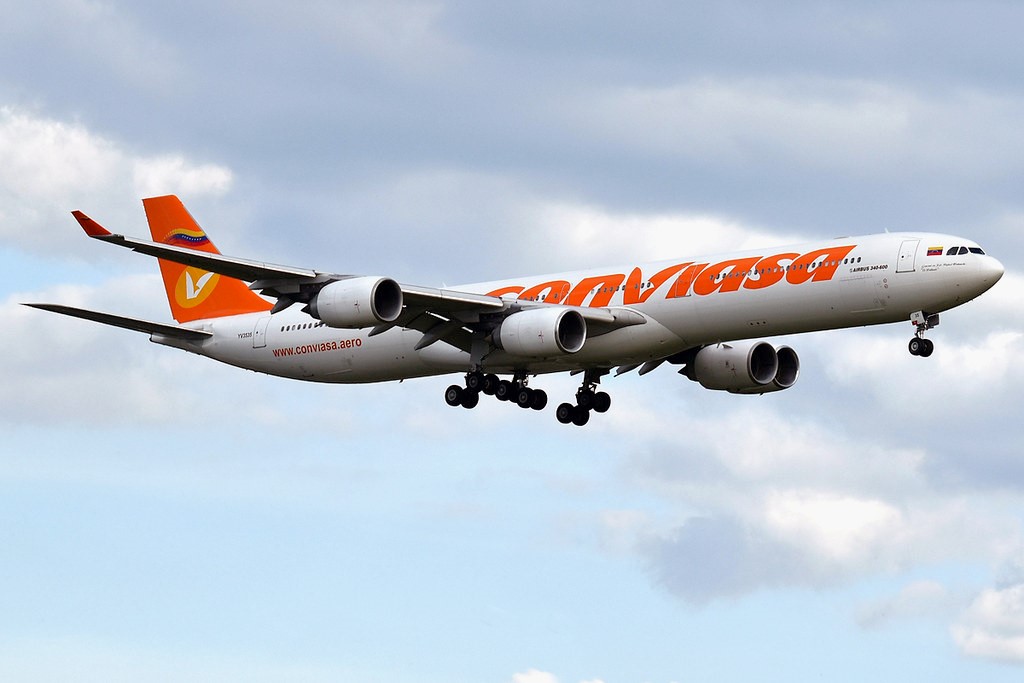
Conviasa, the national airline of Venezuela, continues to intrigue aviation enthusiasts with its operation of classic aircraft, notably the Airbus A340. While most global airlines have transitioned to more modern fleets, Conviasa’s commitment to older models offers a unique glimpse into aviation history. The recent lifting of U.S. sanctions against the airline has reignited discussions about its operational capabilities and potential for fleet modernization.
A Historical Overview
Founded in 2004, Conviasa emerged from the collapse of its predecessor, Viasa, with the mission of enhancing air connectivity within Venezuela and establishing international links. Headquartered at Simón Bolívar International Airport in Caracas, the airline has expanded its domestic network while also serving various international destinations throughout Latin America and the Caribbean.
As a state-owned entity, Conviasa has prioritized connectivity over profitability, playing a crucial role in linking remote regions with urban centers. This operational philosophy has resulted in a diverse fleet that captures the interest of aviation aficionados.
Routes and Connectivity
Conviasa’s domestic operations connect Caracas to several key cities, including Maracaibo, Porlamar, and Maturín. Internationally, the airline serves destinations such as Havana, Managua, and Cancun, with routes often reflecting the political landscape rather than purely commercial considerations.
For enthusiasts, the airline’s service to Mexico and Caribbean locations provides accessible opportunities to experience its unique fleet in action.
A Fleet of Classics
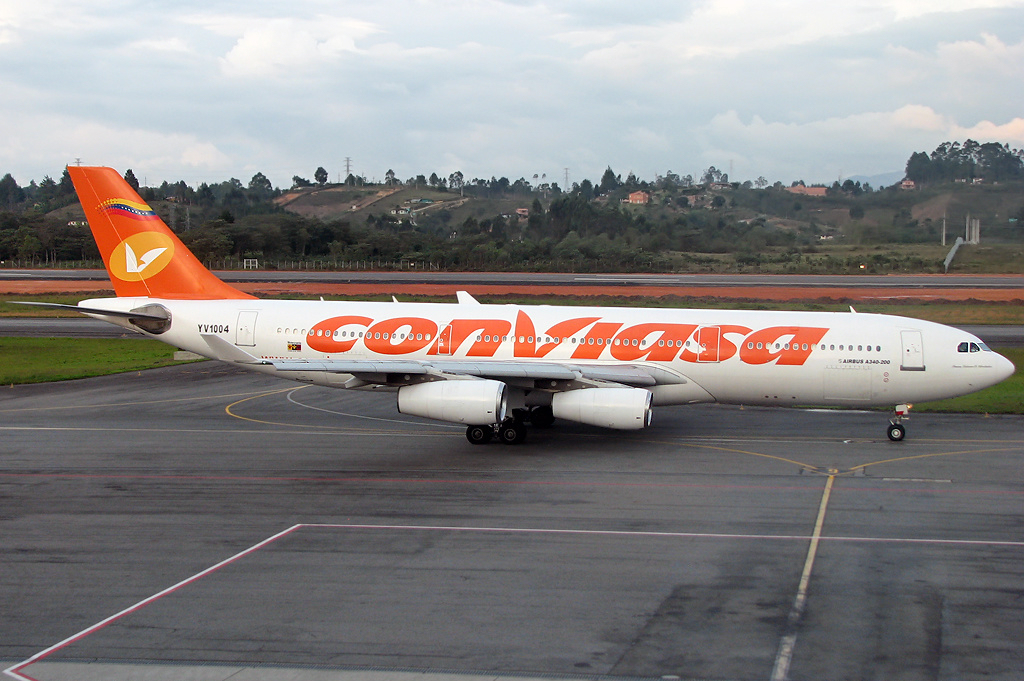
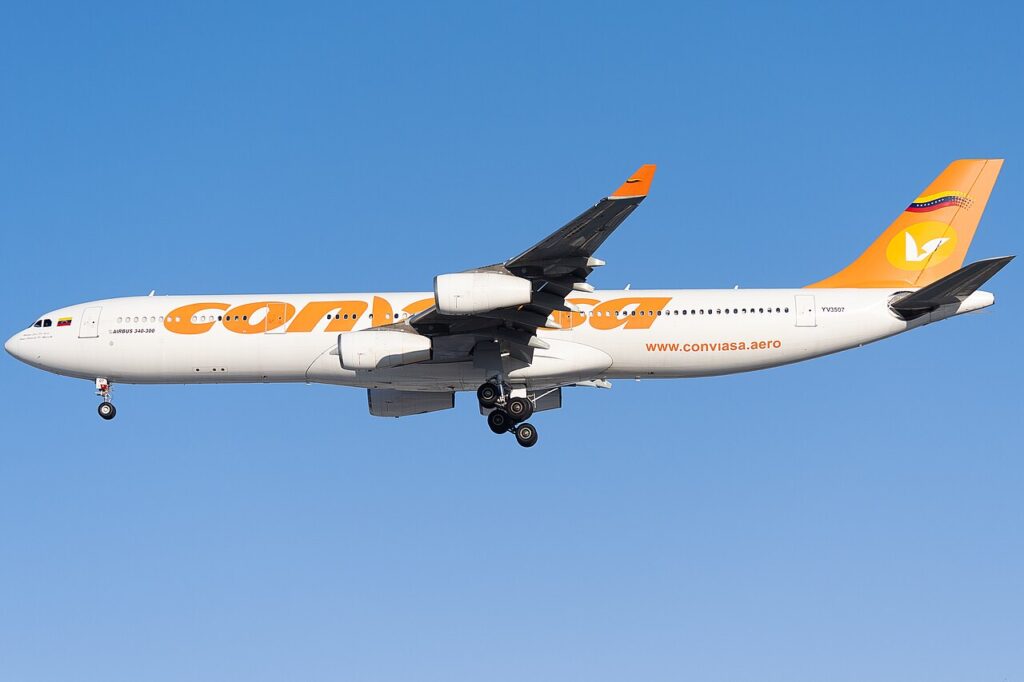
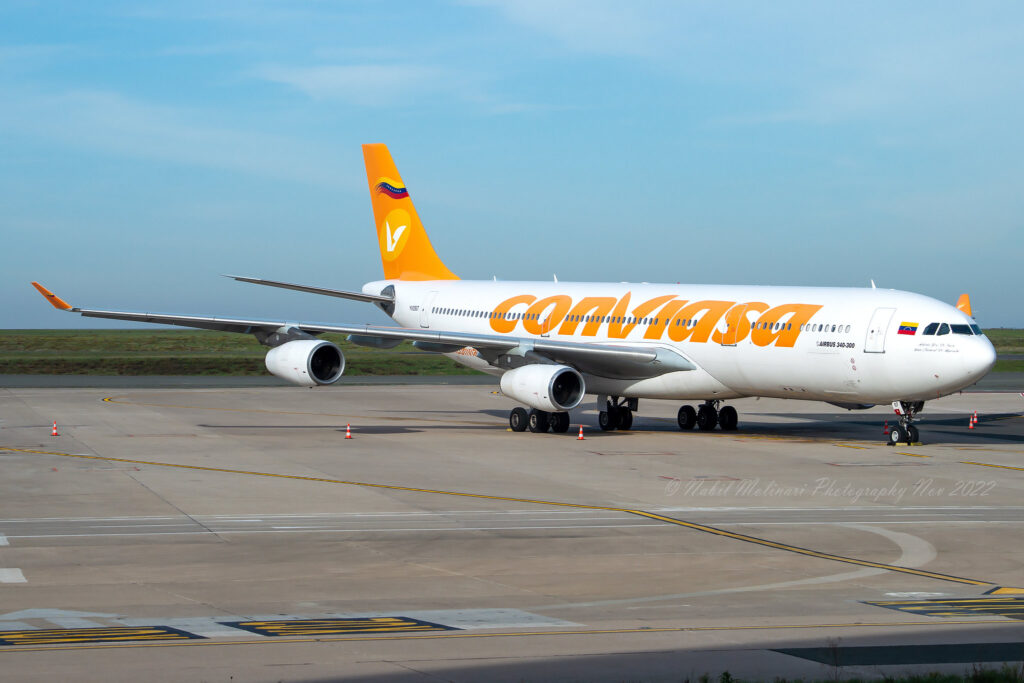
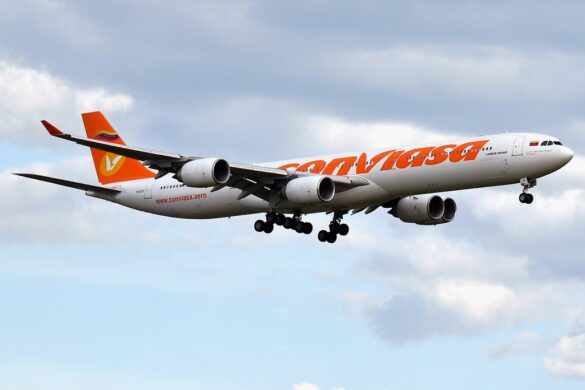
One of the defining features of Conviasa is its eclectic aircraft lineup. The flagship models are the Airbus A340-200 and A340-300, making it one of the few airlines still utilizing these four-engine aircraft for passenger service. Once a staple among major carriers, the A340 has largely been phased out due to rising fuel costs and the efficiency of newer twin-engine models.
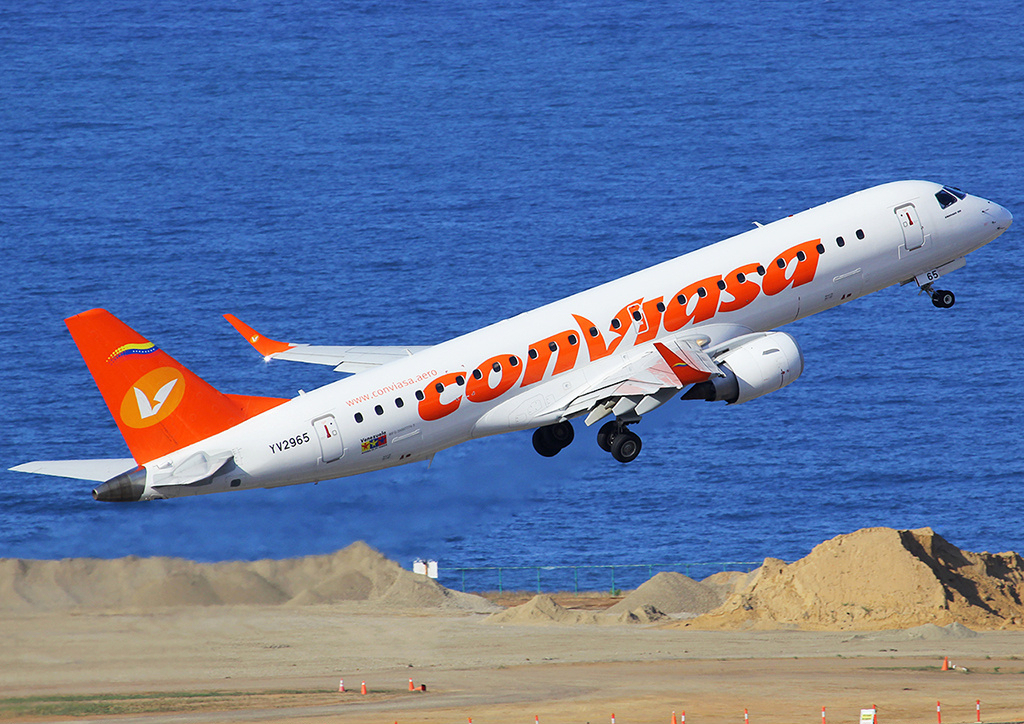
For aviation enthusiasts, Conviasa represents one of the last chances to log a flight on the A340, particularly the rare A340-200 variant. Alongside the A340s, the airline operates a fleet of Embraer E190s, which are crucial for domestic and regional routes, and ATR 42 turboprops for connecting smaller airports.
The Impact of Sanctions
In 2020, U.S. sanctions significantly hindered Conviasa’s operations, limiting access to essential aircraft parts and maintenance support. The recent removal from the sanctions list could facilitate easier access to these resources, although various export controls remain in place.
Looking Ahead: The Future of Conviasa
The lifting of sanctions opens the door for potential fleet modernization, though immediate changes are not guaranteed. With improved access to maintenance and financing, Conviasa may consider renewing its fleet with newer models, including Airbus A320-family aircraft or additional Embraer jets. However, this modernization could also lead to the retirement of the A340s, marking the end of an era for enthusiasts hoping to experience these classic aircraft.
As Conviasa navigates its future, the airline’s unique position in the aviation landscape continues to captivate those who appreciate the rich history and evolution of air travel.



This article was prepared by LibelulaFly as an independent aviation-news summary and editorial reinterpretation based on publicly available reporting. Images, when used, are included for editorial context with source attribution. Original source: www.airportspotting.com. Read the original article here: https://www.airportspotting.com/conviasa-venezuelas-flag-carrier-and-one-of-the-last-places-to-fly-an-airbus-a340/.
List, promote, or publish aircraft with LibelulaFly.
LibelulaFly.com • Sales@libelulafly.com • +1 305-332-1942