
Jun
Strategic Deployment of the A380 in Singapore Airlines’ Future
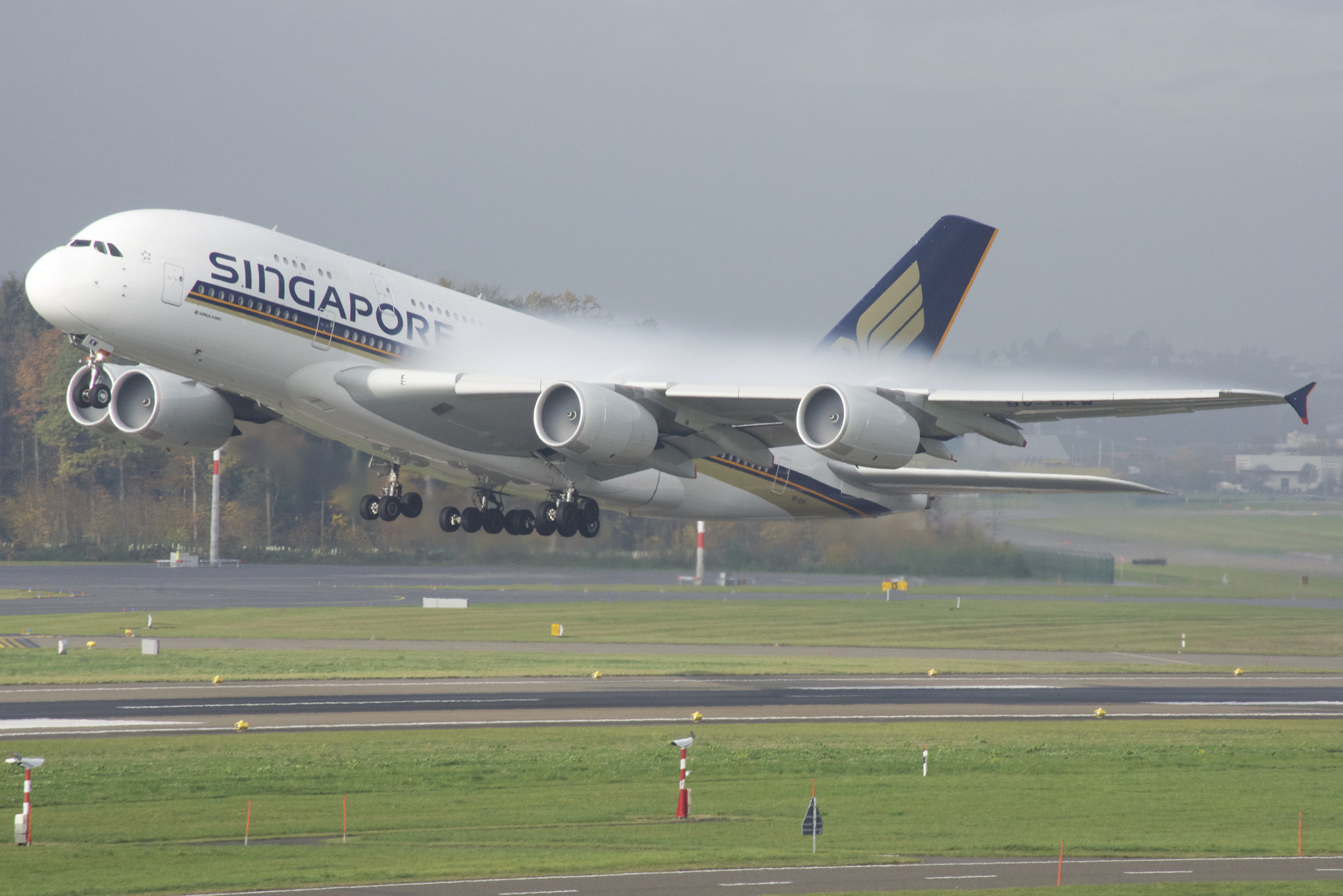
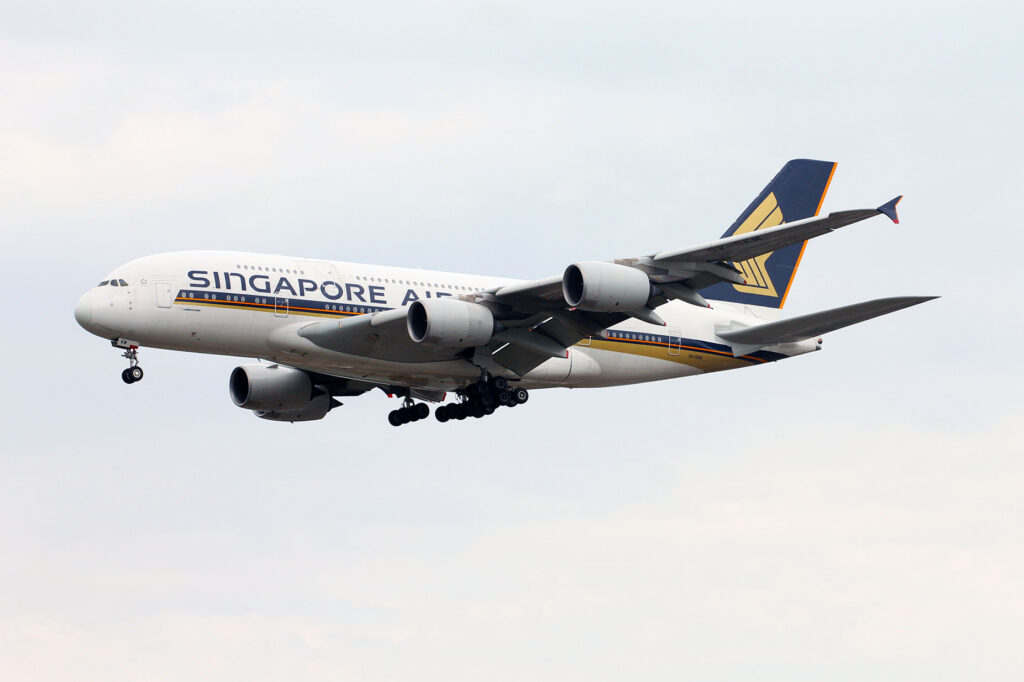
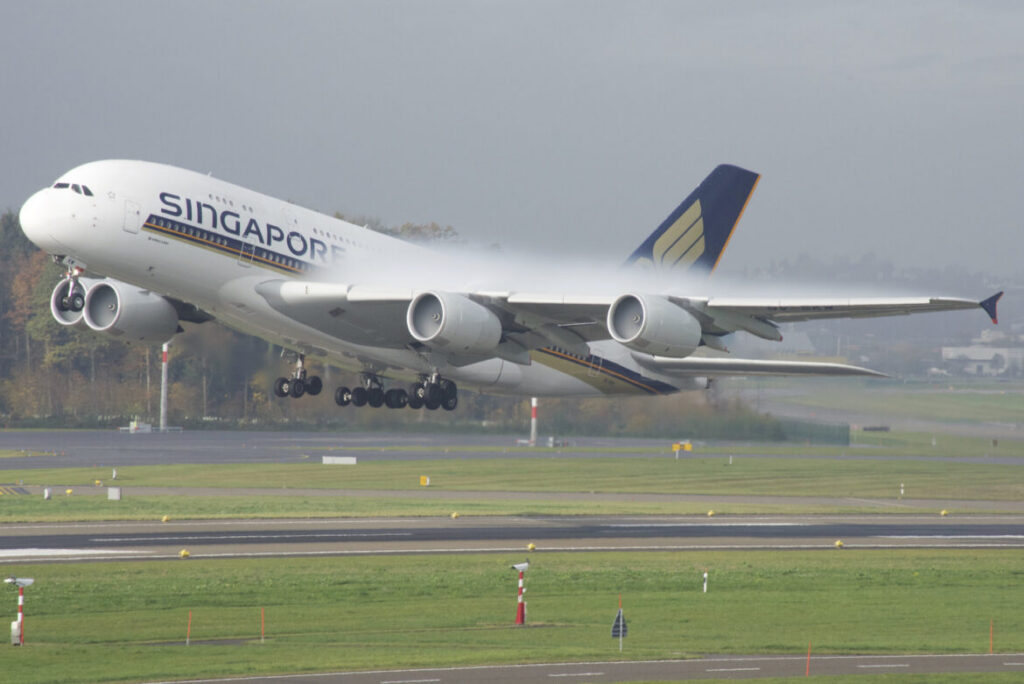
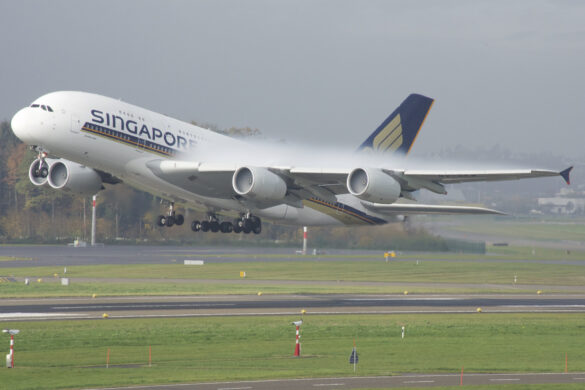
Singapore Airlines has long been synonymous with the Airbus A380, having made history as its launch customer in 2007. As the world’s largest passenger aircraft, the A380 has become a centerpiece of the airline’s fleet, serving high-demand routes with its impressive capacity and luxurious offerings. With its continued commitment to this aircraft, Singapore Airlines is poised to maintain its status as a leading operator of the A380 through 2026.
A380 Fleet Overview
Currently, Singapore Airlines operates a fleet of 12 Airbus A380-800 aircraft. Although reduced from pre-pandemic levels, these aircraft have undergone extensive refurbishments, enhancing their cabins to provide some of the most luxurious flying experiences available today. Configured to accommodate approximately 470 passengers, the fleet includes the airline’s renowned Suites, Business Class, Premium Economy, and Economy Class offerings, ensuring a diverse range of travel options for passengers.
High-Demand Routes for the A380
The deployment of the A380 is strategically focused on routes with exceptionally high passenger demand and limited airport capacity. Singapore Airlines utilizes this aircraft on key international routes to maximize revenue potential while providing a premium travel experience. Notable destinations for the A380 include:
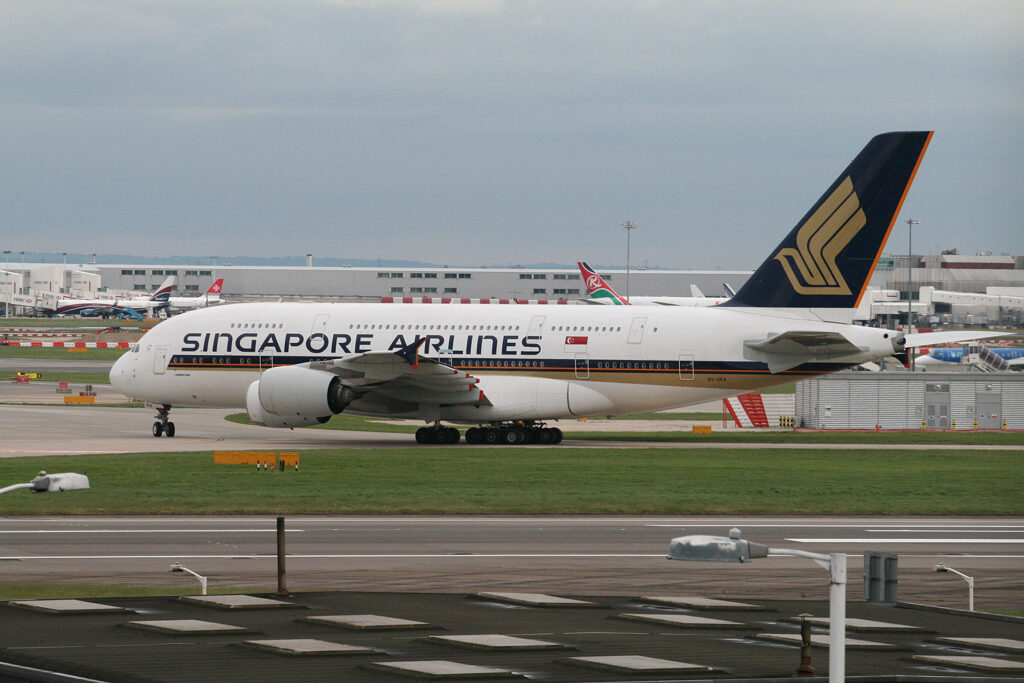
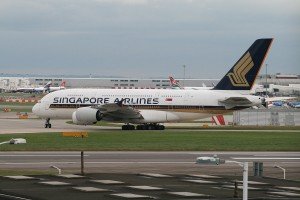
- London Heathrow: A long-standing A380 hub, Singapore Airlines operates multiple daily flights to Heathrow, making it a prime location for aviation enthusiasts to view this iconic aircraft.
- Sydney: As one of the airline’s most important markets, Sydney regularly sees A380 services, connecting passengers to a wide range of destinations through Singapore’s Changi Airport.
- Melbourne: This route supports a significant number of business and leisure travelers, further solidifying the A380’s role in Singapore Airlines’ operations.
- Frankfurt: The A380 continues to serve Germany’s busiest airport, facilitating connections to various European destinations.
- Paris Charles de Gaulle: Strong tourism and business traffic ensure that the A380 remains a staple on this route.
- Tokyo Narita: This route links two major Asian hubs, sustaining a robust demand for A380 operations.
- Shanghai Pudong: Regular A380 services cater to the growing international travel market in China.
- Mumbai: A mix of business and leisure travel supports periodic A380 flights to India.
Dynamic Route Adjustments
As with many airlines, Singapore Airlines continually assesses its route network, making adjustments based on seasonal demand and market conditions. This flexibility allows the airline to optimize its A380 operations to meet passenger needs effectively. Routes such as Hong Kong, Zurich, New Delhi, Auckland, and Osaka have seen A380 service at various times, highlighting the adaptability of the airline’s operations.
Commitment to the A380
Nearly two decades after introducing the A380, Singapore Airlines remains a steadfast advocate for this aircraft. The airline has made significant investments in refurbishing its fleet, ensuring that the A380 continues to play a vital role in its operations. With Airbus ceasing production of the A380, the existing fleet is likely to remain a prized asset for both aviation enthusiasts and travelers. As the airline looks to the future, it is clear that the A380 will continue to be an integral part of Singapore Airlines’ strategy, offering unparalleled capacity and comfort in the skies.


This article was prepared by LibelulaFly as an independent aviation-news summary and editorial reinterpretation based on publicly available reporting. Images, when used, are included for editorial context with source attribution. Original source: www.airportspotting.com. Read the original article here: https://www.airportspotting.com/where-is-singapore-airlines-flying-its-airbus-a380-fleet-in-2026/.
List, promote, or publish aircraft with LibelulaFly.
LibelulaFly.com • Sales@libelulafly.com • +1 305-332-1942
Jun
WestJet Celebrates a Legacy with New Special Livery
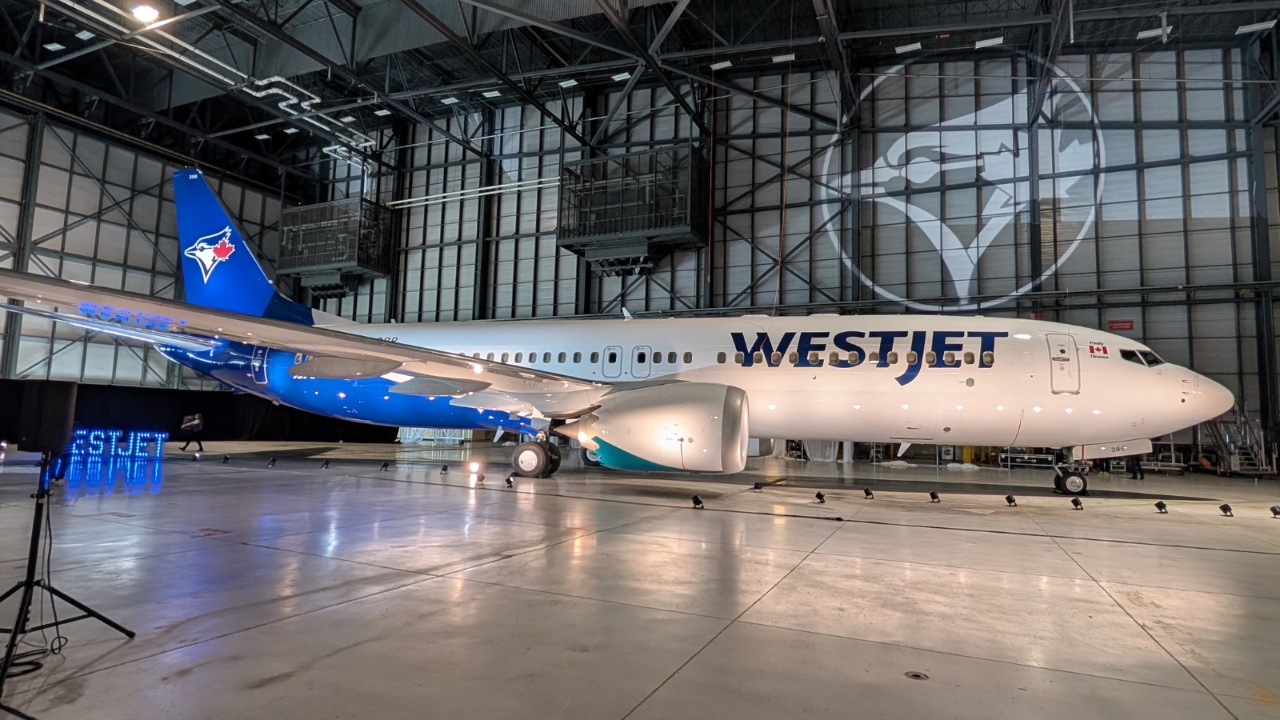
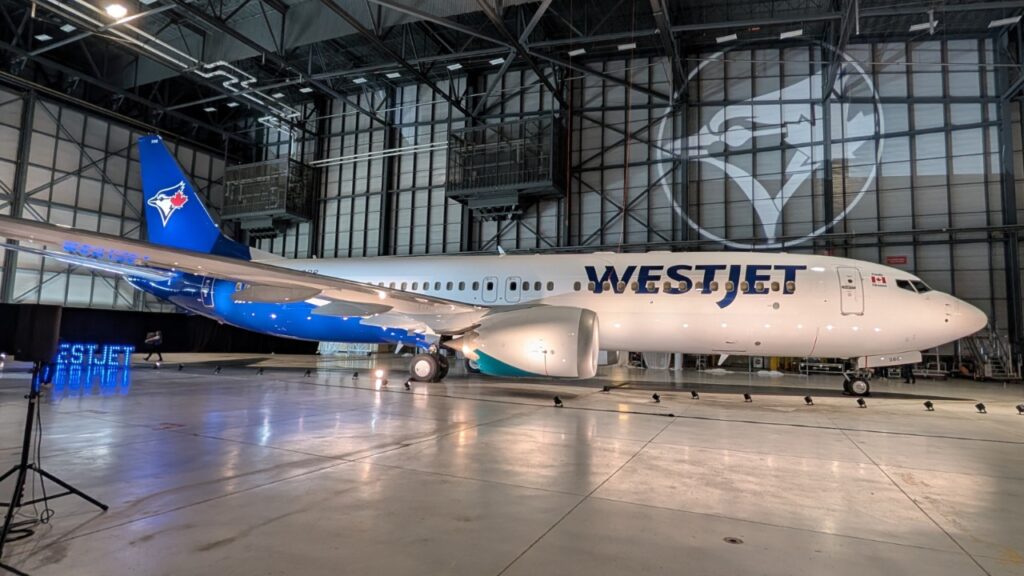
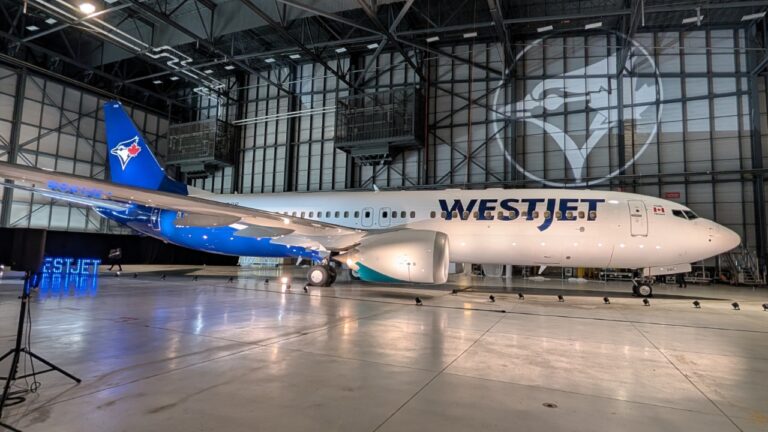
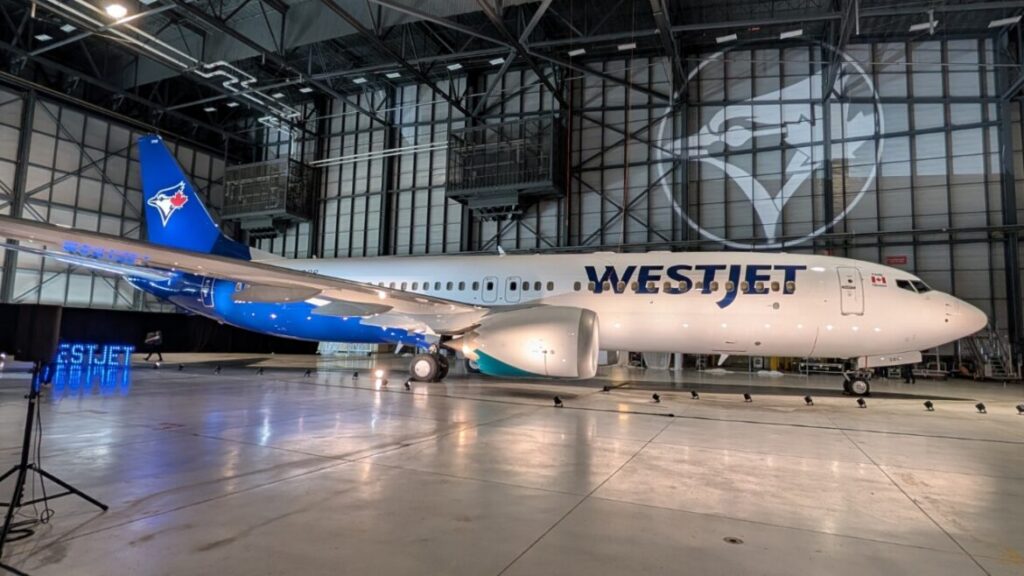
WestJet Airlines has launched a new Boeing 737 MAX 8 featuring a vibrant special livery that pays tribute to its long-standing partnership with the Toronto Blue Jays, a prominent team in Major League Baseball. This aircraft, registered as C-GORP, was unveiled during a special event at Toronto Pearson International Airport, where nearly 1,000 attendees, including employees, team representatives, and former players, gathered to witness the occasion.
A Design that Soars
The new livery showcases the Toronto Blue Jays’ signature blue colors, enhanced with dynamic graphics that symbolize both the thrill of aviation and the excitement of baseball. The design represents an aircraft taking flight alongside a baseball soaring from a bat, encapsulating the spirit of both the airline and the team. This unveiling also signifies the renewal of WestJet’s partnership with the Blue Jays, which began in 2012 and has now been extended for an additional seven years.
Marking Milestones
This launch coincides with significant anniversaries for both organizations: the Toronto Blue Jays are celebrating their 50th season, while WestJet marks its 30th year of operations. The introduction of C-GORP not only enhances WestJet’s fleet but also serves as a visual representation of the airline’s commitment to community and sports.
Operational Relevance and Fleet Dynamics
WestJet, which has evolved from a low-cost regional carrier into Canada’s second-largest airline since its founding in 1996, operates a diverse fleet of over 180 aircraft. This includes a substantial number of Boeing 737 MAX 8s, alongside Boeing 787-9 Dreamliners for long-haul international routes and dedicated cargo aircraft. The addition of the specially liveried C-GORP aircraft adds to the uniqueness of WestJet’s operations, especially as special liveries have become less common in the airline’s lineup.
What This Means for Aviation Enthusiasts
The introduction of C-GORP is expected to attract the attention of aviation enthusiasts and plane spotters across Canada. With its distinctive branding, this aircraft will likely become a highlight within WestJet’s domestic and international network. The special livery not only enhances the visual appeal of the airline but also fosters a sense of community pride among fans of the Blue Jays and supporters of WestJet.
Looking Ahead
As WestJet continues to expand its fleet and enhance its operational capabilities, the introduction of the Toronto Blue Jays special livery serves as a reminder of the airline’s commitment to innovation and partnership. With the aircraft scheduled to enter service shortly, passengers can look forward to experiencing this unique blend of aviation and sports culture on their travels.




This article was prepared by LibelulaFly as an independent aviation-news summary and editorial reinterpretation based on publicly available reporting. Images, when used, are included for editorial context with source attribution. Original source: www.airportspotting.com. Read the original article here: https://www.airportspotting.com/westjet-unveils-toronto-blue-jays-special-livery-boeing-737-max-8/.
List, promote, or publish aircraft with LibelulaFly.
LibelulaFly.com • Sales@libelulafly.com • +1 305-332-1942
Jun
COMAC Unveils C919-600 Variant Testing Phase
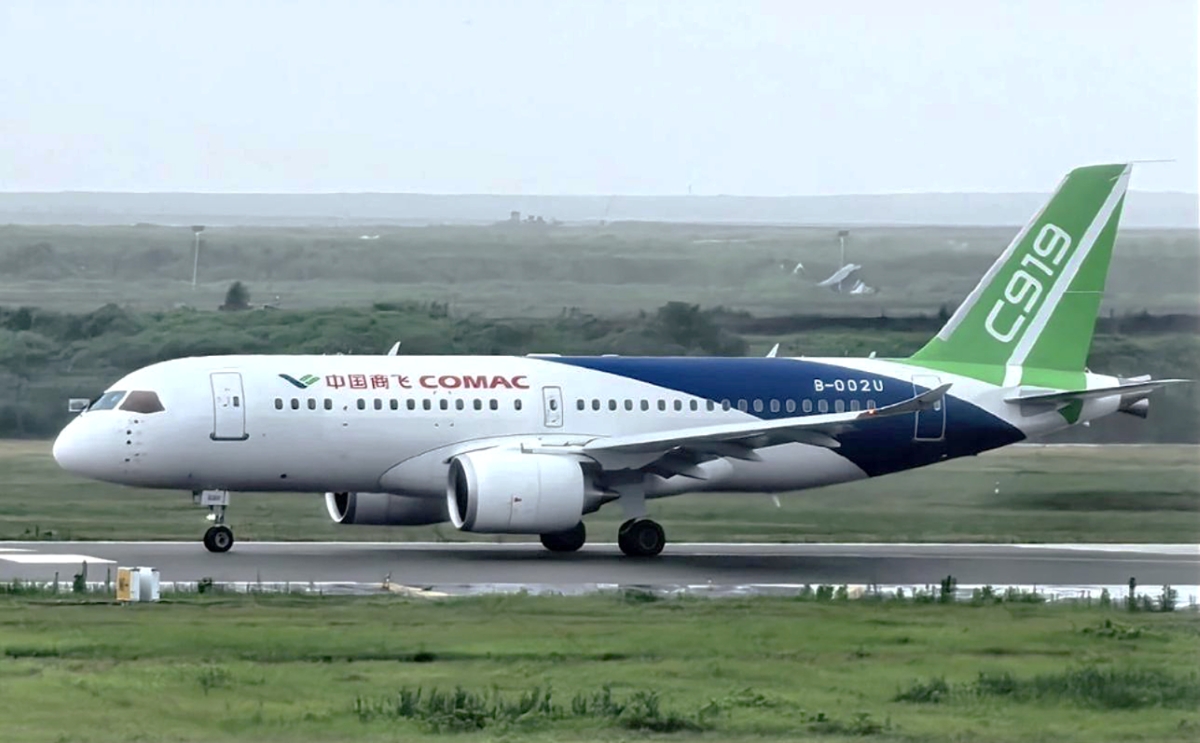
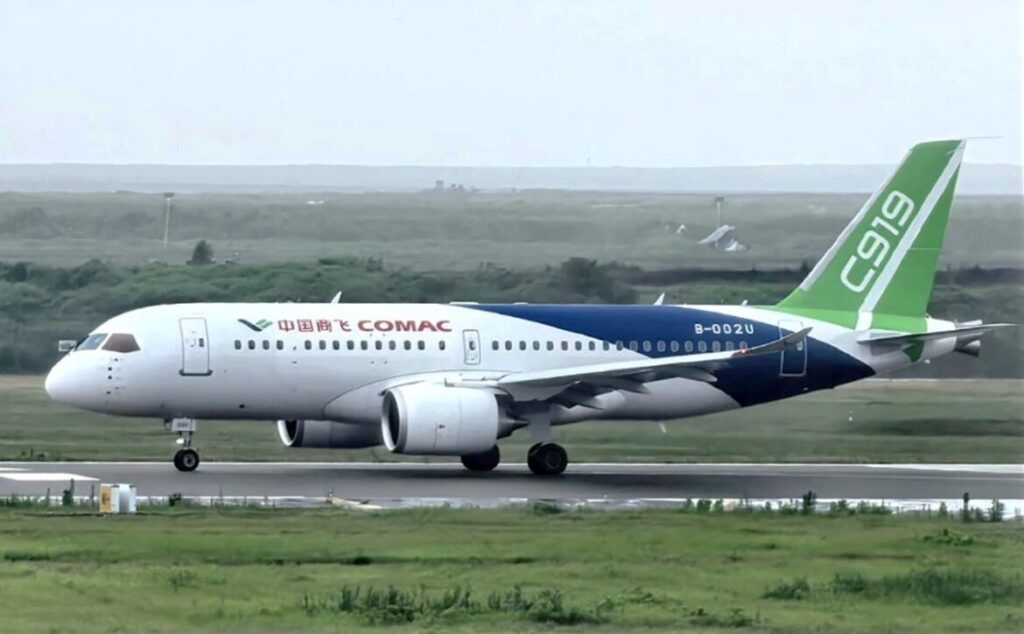
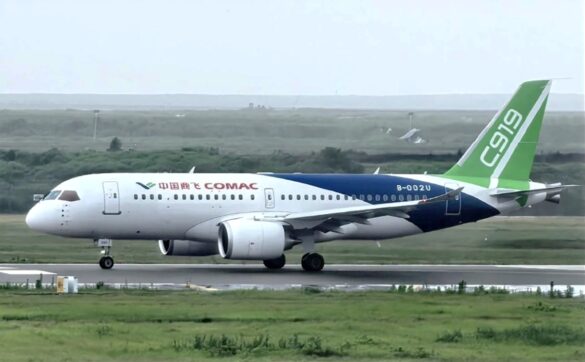
China’s Commercial Aircraft Corporation (COMAC) has marked a pivotal moment in its aviation advancements with the commencement of ground testing for the C919-600 variant. Recently spotted at COMAC’s facilities near Shanghai Pudong Airport, the prototype, registered B-002U, has successfully conducted taxi and high-speed braking tests, a crucial step in the aircraft’s certification journey.
Transitioning to the Skies
The testing phase for the C919-600 is integral to assessing the aircraft’s handling characteristics and braking performance. These evaluations are standard within the certification process and serve as a precursor to subsequent flight testing. The C919-600 is the first major derivative of the C919 narrowbody family, expanding COMAC’s offerings in the competitive commercial aviation market.
Understanding the C919-600’s Role
Distinct from its standard counterpart, the C919-600 is engineered specifically for operations at high altitudes, catering to airports located on the Tibetan Plateau and similar regions. By reducing the fuselage length through the removal of six frame sections, the C919-600 achieves a lighter airframe, capable of accommodating between 140 to 160 passengers. This design modification enhances performance, particularly in conditions where thin air can adversely affect engine thrust and lift.

Tailored for High-Altitude Operations
The development of the C919-600 is a direct response to the increasing demand for aircraft that can efficiently operate in challenging high-altitude environments. Airports situated above 3,000 meters (9,840 feet) present unique operational challenges, necessitating aircraft that can either reduce passenger capacity or be specifically adapted to perform under such conditions. COMAC’s collaboration with Tibet Airlines, initiated in 2023, underscores the importance of this variant in addressing the needs of China’s extensive network of high-altitude airports.
Strategic Market Positioning
With the C919-600, COMAC aims to carve out a niche in the market traditionally dominated by smaller narrowbody aircraft, such as the Airbus A319neo and Boeing 737-700. The shorter fuselage not only reduces capacity but also enhances the thrust-to-weight ratio, significantly improving take-off performance in high-density conditions. This strategic positioning aligns with COMAC’s broader objective to establish a comprehensive family of aircraft that can cater to diverse airline requirements.
Looking Ahead: The Future of the C919 Family
The C919-600’s introduction is a testament to COMAC’s commitment to innovation and market responsiveness. As the company continues to develop its C919 family, the potential for additional variants—both shorter and stretched—could extend its reach into markets ranging from 140 to over 200 passengers. This approach mirrors the successful strategies employed by major manufacturers like Airbus and Boeing, further solidifying COMAC’s place in the global aerospace landscape.
Conclusion: A New Chapter for COMAC
The ongoing testing of the C919-600 not only represents a significant advancement for COMAC but also highlights the evolving dynamics of the aviation market. As the company prepares for the next stages of certification and eventual entry into service, the C919-600 is poised to play a crucial role in enhancing connectivity across China’s challenging high-altitude regions, setting a new benchmark for operational efficiency in the sector.





This article was prepared by LibelulaFly as an independent aviation-news summary and editorial reinterpretation based on publicly available reporting. Images, when used, are included for editorial context with source attribution. Original source: www.airportspotting.com. Read the original article here: https://www.airportspotting.com/comacs-new-c919-600-variant-spotted-testing/.
List, promote, or publish aircraft with LibelulaFly.
LibelulaFly.com • Sales@libelulafly.com • +1 305-332-1942
Jun
Delta Air Lines and the Airbus A350: A Strategic Partnership
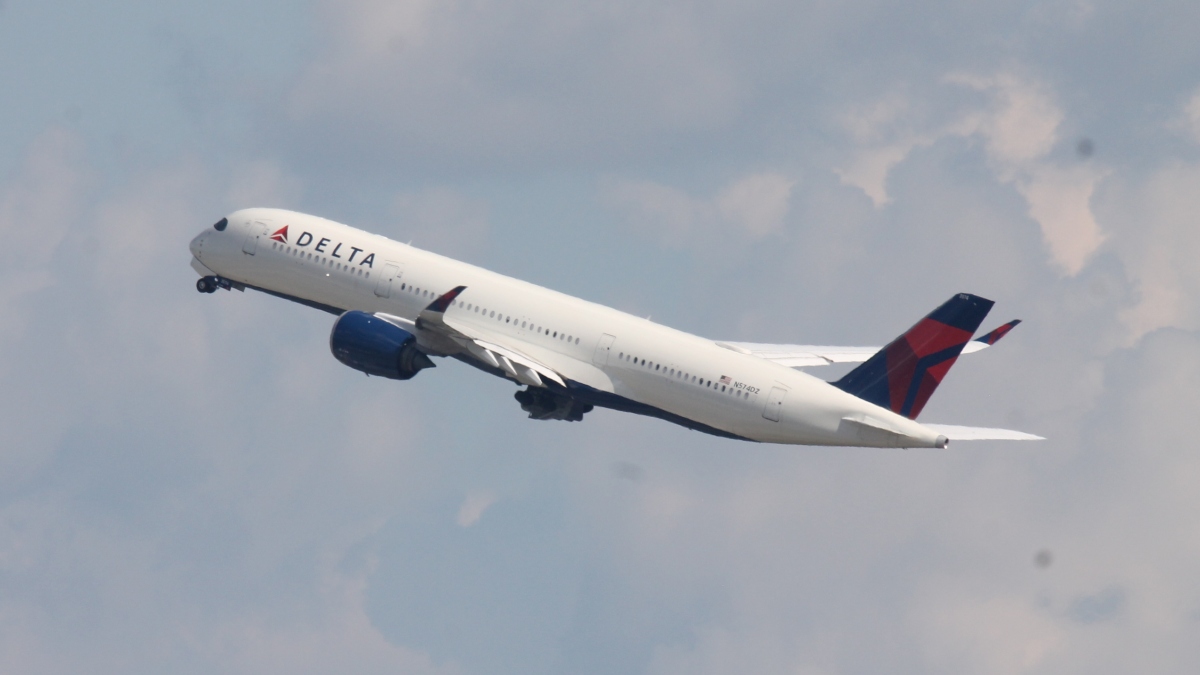
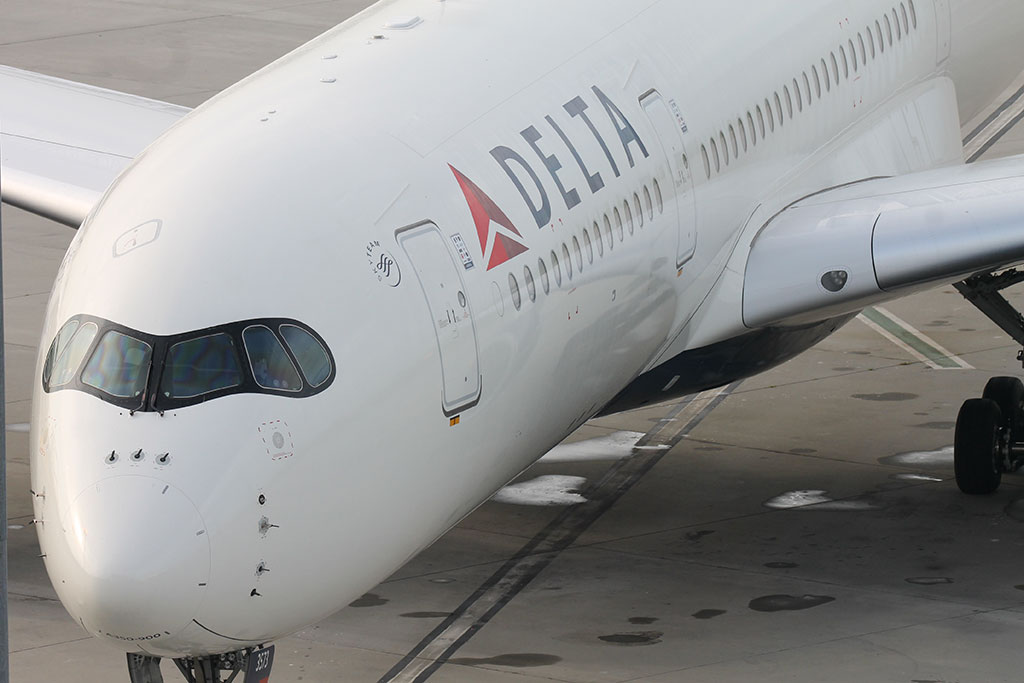
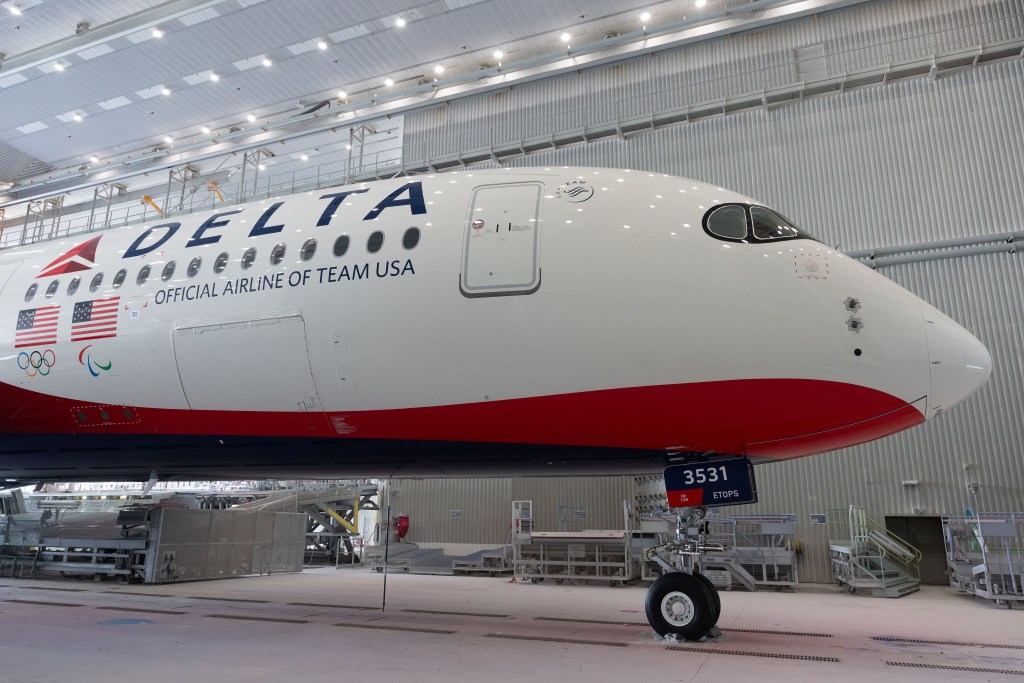
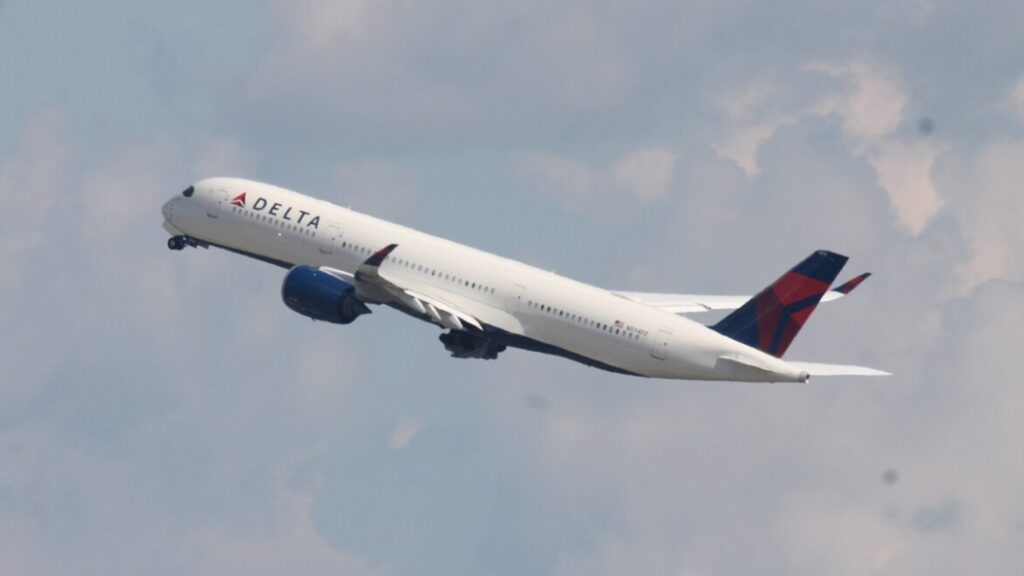
Delta Air Lines has solidified its position in the long-haul market with the Airbus A350, a modern widebody aircraft that has become integral to its fleet since its introduction in 2017. This aircraft has not only replaced older Boeing 777s but has also augmented Delta’s Airbus A330 operations, allowing the airline to maintain its competitive edge on international routes.
Expanding Global Reach
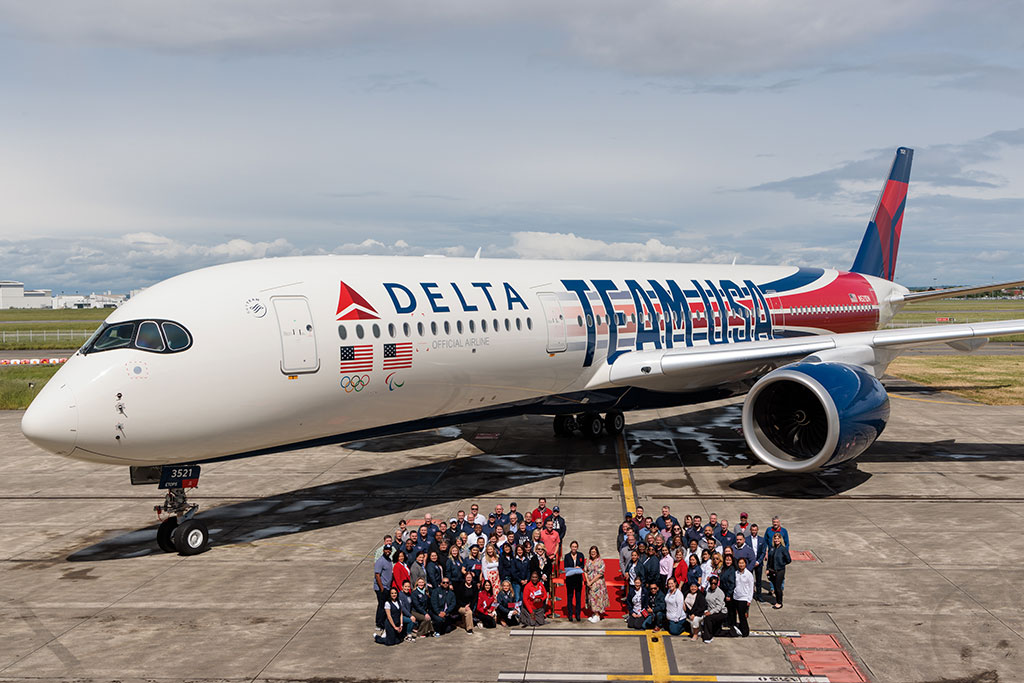
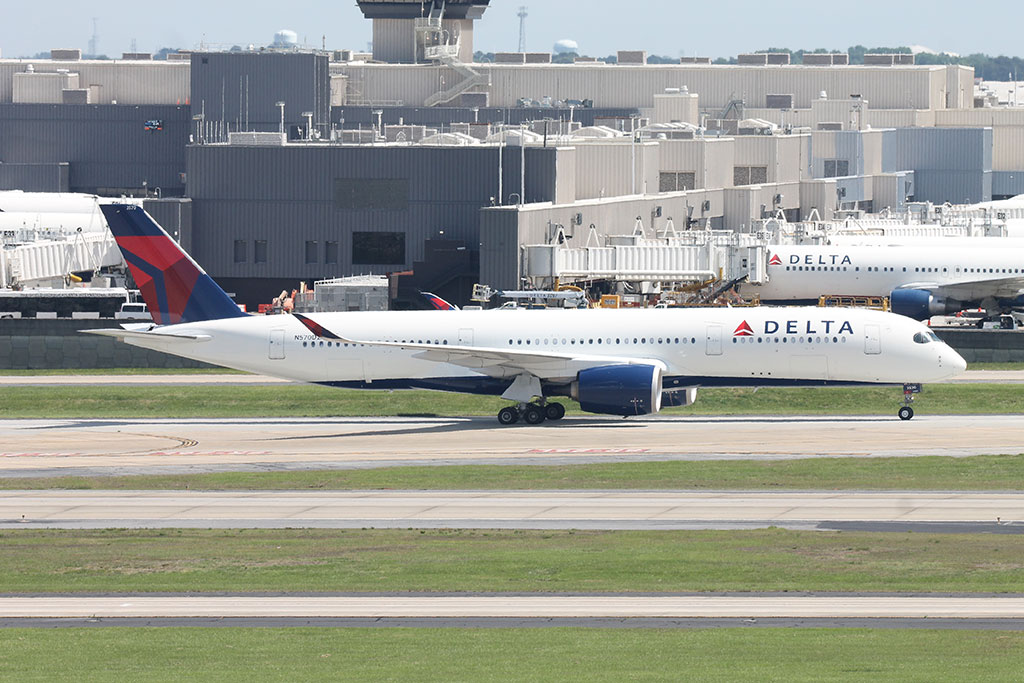
As of 2026, Delta operates a significant fleet of over 35 Airbus A350-900 aircraft, making it one of the largest operators of this model in North America. The A350 is configured to enhance passenger experience, featuring Delta One business class suites, Premium Select economy seating, and Comfort+ options, thereby catering to a diverse clientele. This aircraft has become the backbone of Delta’s long-haul operations, enabling efficient service to destinations across Europe, Asia, Oceania, Africa, and South America.
Key Hubs and Routes
Delta’s Airbus A350 fleet is strategically deployed across its major hubs. Atlanta, as the largest hub, serves as the primary base for A350 operations, connecting to key destinations such as Johannesburg, Cape Town, Seoul Incheon, and Tokyo Haneda. The Johannesburg route is particularly notable, representing one of Delta’s longest flights, showcasing the aircraft’s impressive range and operational capabilities.
Detroit also plays a critical role in Delta’s A350 operations, serving as a gateway to Asia with routes to cities like Seoul Incheon and Tokyo Haneda. Minneapolis-St. Paul further contributes to the A350’s operational footprint, connecting northern U.S. passengers to international destinations including London and Paris.
Seattle has emerged as a rapidly growing hub for Delta, with the A350 flying to destinations such as Taipei and Shanghai. Despite its lower volume compared to other hubs, Los Angeles still features regular A350 flights to Australia and Japan, reflecting Delta’s commitment to serving long-haul markets.
Operational Efficiency and Future Prospects
Delta’s use of the A350 on some of its longest routes, such as Atlanta to Johannesburg and Los Angeles to Sydney, underscores the aircraft’s operational efficiency and range. As Delta continues to expand its fleet and adjust routes based on seasonal demand, the A350 is expected to play an increasingly prominent role in the airline’s long-haul strategy. The potential for additional routes and the replacement of older Airbus A330s highlights Delta’s forward-thinking approach to fleet management.
Conclusion: A Key Player in Delta’s Fleet
Less than a decade after its introduction, the Airbus A350 has become a flagship aircraft for Delta Air Lines, symbolizing the airline’s commitment to modernizing its fleet and enhancing passenger experience. As the airline navigates the evolving landscape of global air travel, the A350 will remain a crucial asset in connecting North America to key international markets. With ongoing fleet expansion and route optimization, Delta is poised to leverage the A350’s capabilities to meet future travel demands.



This article was prepared by LibelulaFly as an independent aviation-news summary and editorial reinterpretation based on publicly available reporting. Images, when used, are included for editorial context with source attribution. Original source: www.airportspotting.com. Read the original article here: https://www.airportspotting.com/where-is-delta-air-lines-flying-its-airbus-a350-fleet-in-2026/.
List, promote, or publish aircraft with LibelulaFly.
LibelulaFly.com • Sales@libelulafly.com • +1 305-332-1942
Jun
Conviasa’s Distinctive Role in Aviation
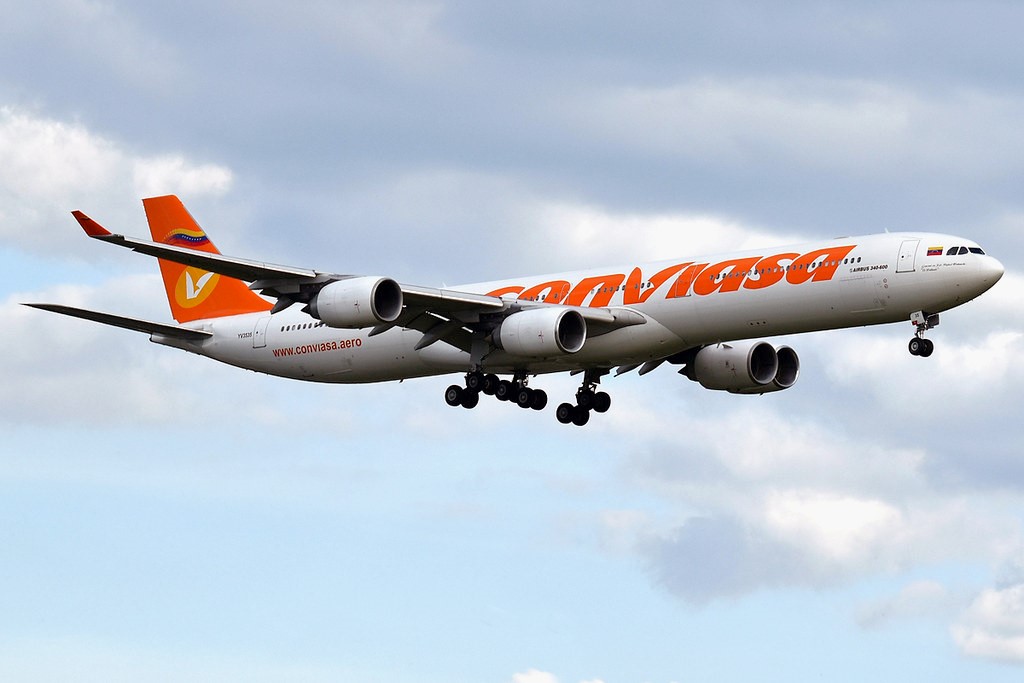
Conviasa, the national airline of Venezuela, continues to intrigue aviation enthusiasts with its operation of classic aircraft, notably the Airbus A340. While most global airlines have transitioned to more modern fleets, Conviasa’s commitment to older models offers a unique glimpse into aviation history. The recent lifting of U.S. sanctions against the airline has reignited discussions about its operational capabilities and potential for fleet modernization.
A Historical Overview
Founded in 2004, Conviasa emerged from the collapse of its predecessor, Viasa, with the mission of enhancing air connectivity within Venezuela and establishing international links. Headquartered at Simón Bolívar International Airport in Caracas, the airline has expanded its domestic network while also serving various international destinations throughout Latin America and the Caribbean.
As a state-owned entity, Conviasa has prioritized connectivity over profitability, playing a crucial role in linking remote regions with urban centers. This operational philosophy has resulted in a diverse fleet that captures the interest of aviation aficionados.
Routes and Connectivity
Conviasa’s domestic operations connect Caracas to several key cities, including Maracaibo, Porlamar, and Maturín. Internationally, the airline serves destinations such as Havana, Managua, and Cancun, with routes often reflecting the political landscape rather than purely commercial considerations.
For enthusiasts, the airline’s service to Mexico and Caribbean locations provides accessible opportunities to experience its unique fleet in action.
A Fleet of Classics
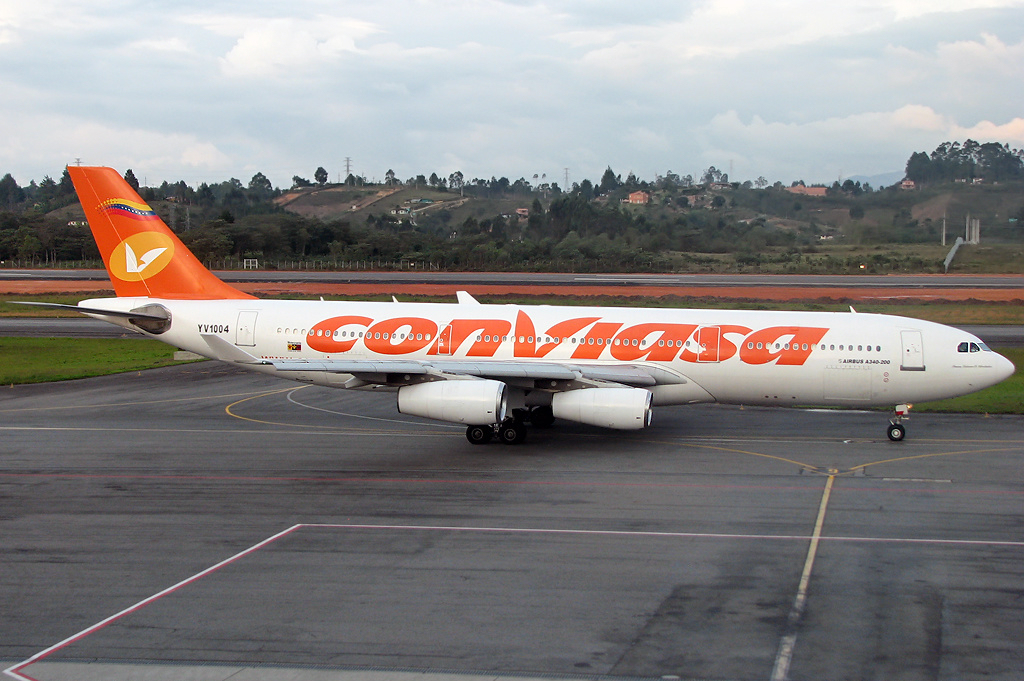
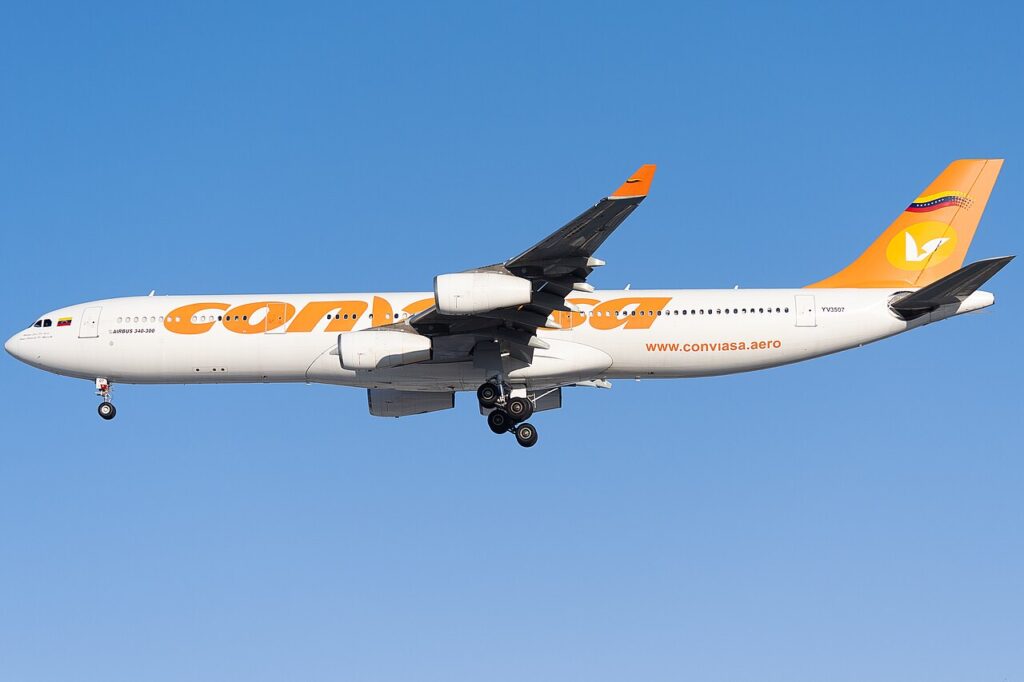
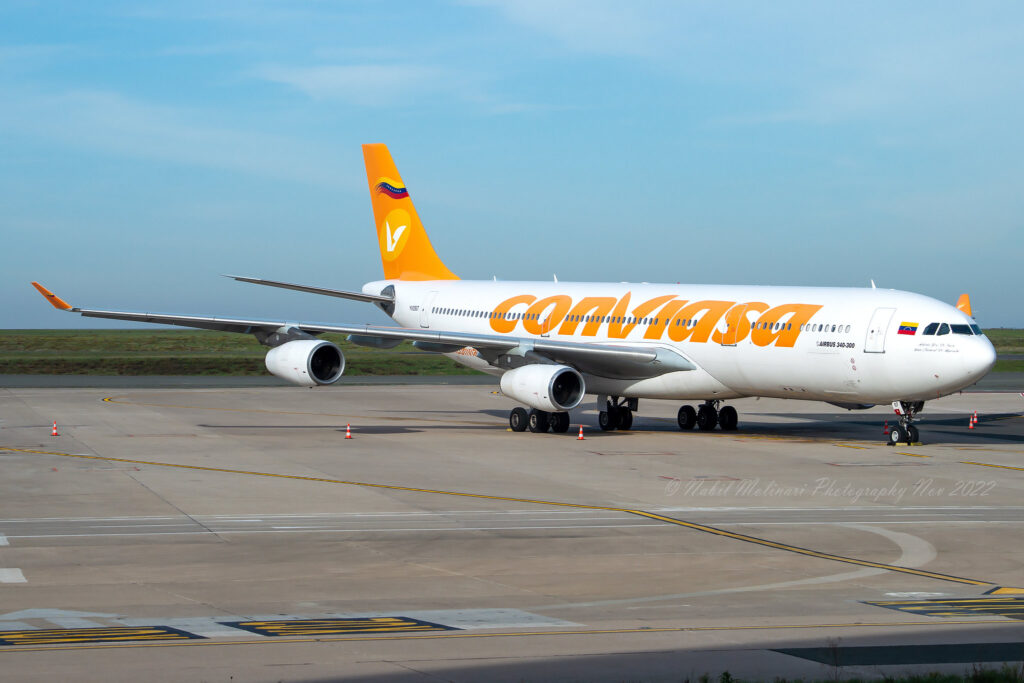
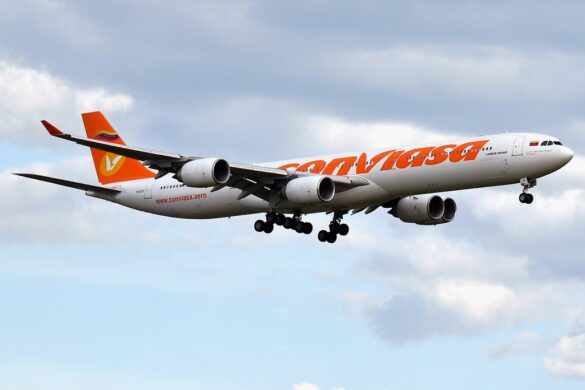
One of the defining features of Conviasa is its eclectic aircraft lineup. The flagship models are the Airbus A340-200 and A340-300, making it one of the few airlines still utilizing these four-engine aircraft for passenger service. Once a staple among major carriers, the A340 has largely been phased out due to rising fuel costs and the efficiency of newer twin-engine models.
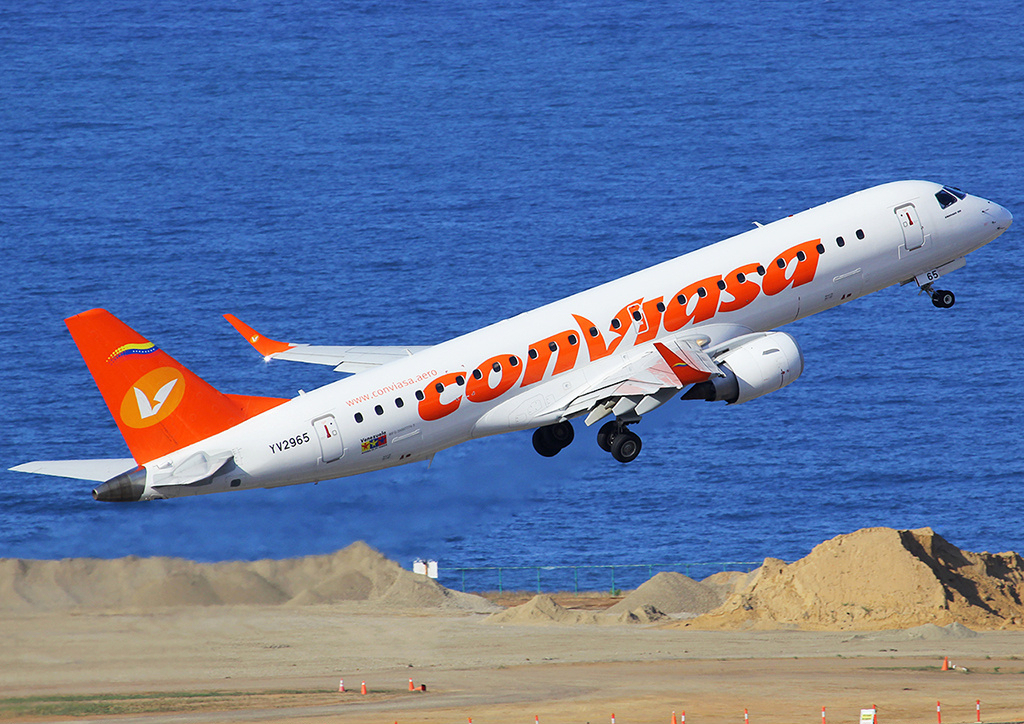
For aviation enthusiasts, Conviasa represents one of the last chances to log a flight on the A340, particularly the rare A340-200 variant. Alongside the A340s, the airline operates a fleet of Embraer E190s, which are crucial for domestic and regional routes, and ATR 42 turboprops for connecting smaller airports.
The Impact of Sanctions
In 2020, U.S. sanctions significantly hindered Conviasa’s operations, limiting access to essential aircraft parts and maintenance support. The recent removal from the sanctions list could facilitate easier access to these resources, although various export controls remain in place.
Looking Ahead: The Future of Conviasa
The lifting of sanctions opens the door for potential fleet modernization, though immediate changes are not guaranteed. With improved access to maintenance and financing, Conviasa may consider renewing its fleet with newer models, including Airbus A320-family aircraft or additional Embraer jets. However, this modernization could also lead to the retirement of the A340s, marking the end of an era for enthusiasts hoping to experience these classic aircraft.
As Conviasa navigates its future, the airline’s unique position in the aviation landscape continues to captivate those who appreciate the rich history and evolution of air travel.



This article was prepared by LibelulaFly as an independent aviation-news summary and editorial reinterpretation based on publicly available reporting. Images, when used, are included for editorial context with source attribution. Original source: www.airportspotting.com. Read the original article here: https://www.airportspotting.com/conviasa-venezuelas-flag-carrier-and-one-of-the-last-places-to-fly-an-airbus-a340/.
List, promote, or publish aircraft with LibelulaFly.
LibelulaFly.com • Sales@libelulafly.com • +1 305-332-1942
Jun
Qantas Marks a Milestone with A350-1000ULR Rollout
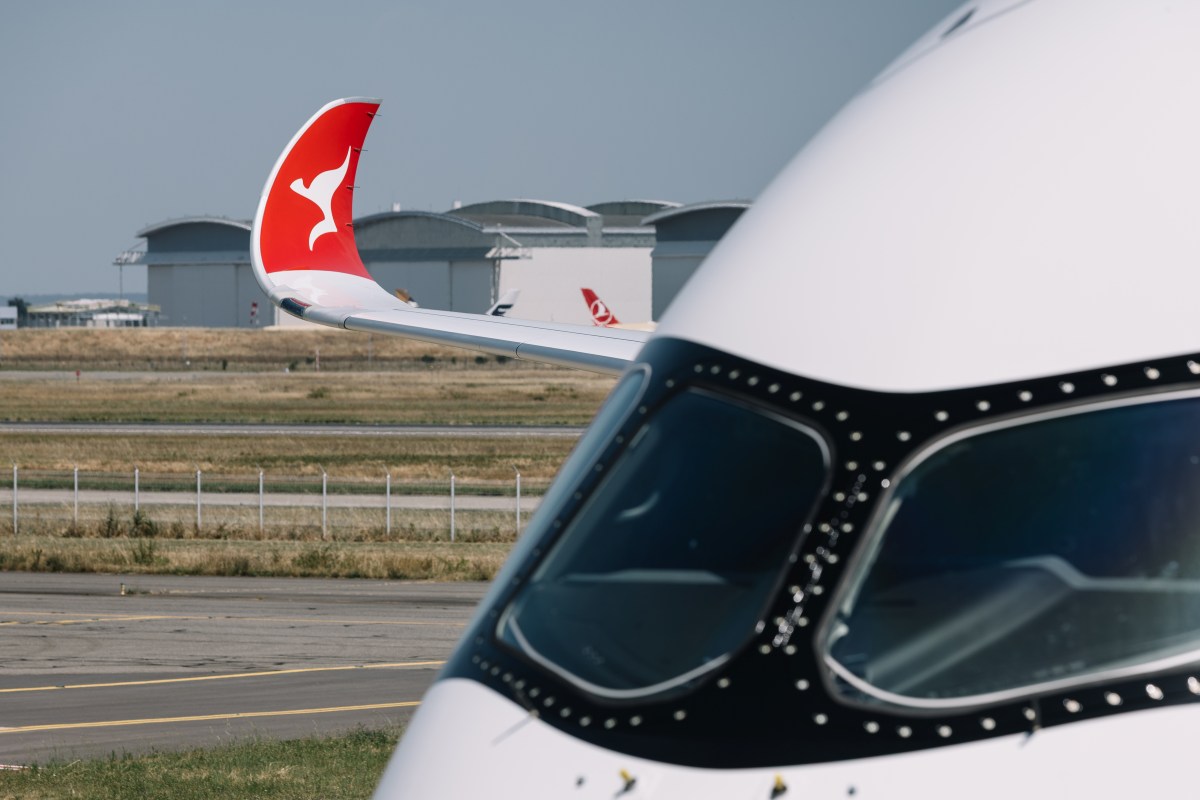
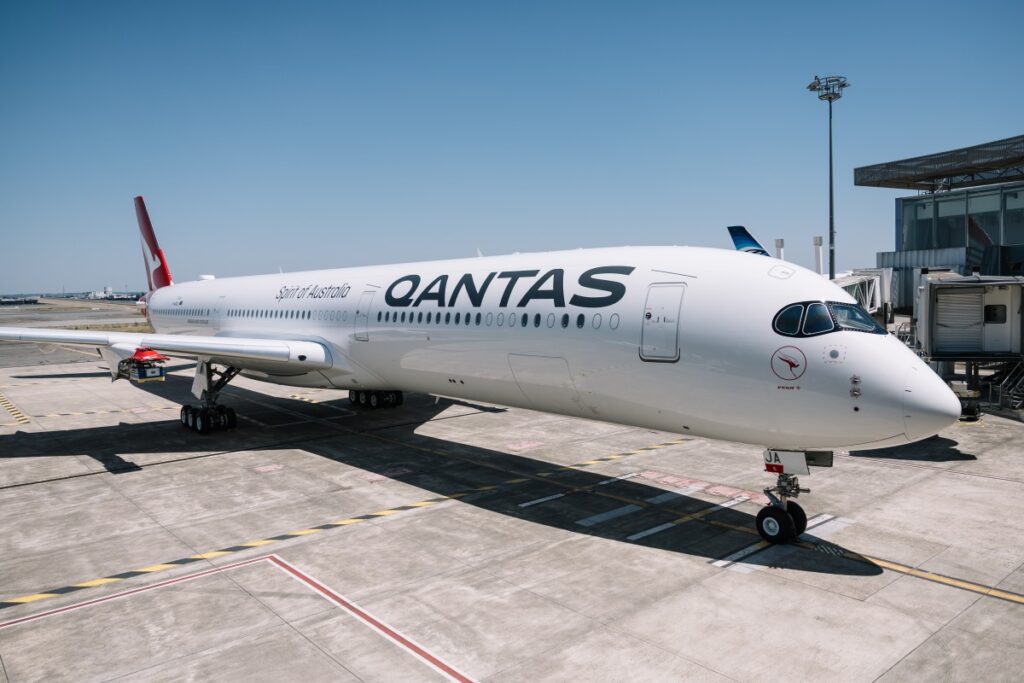
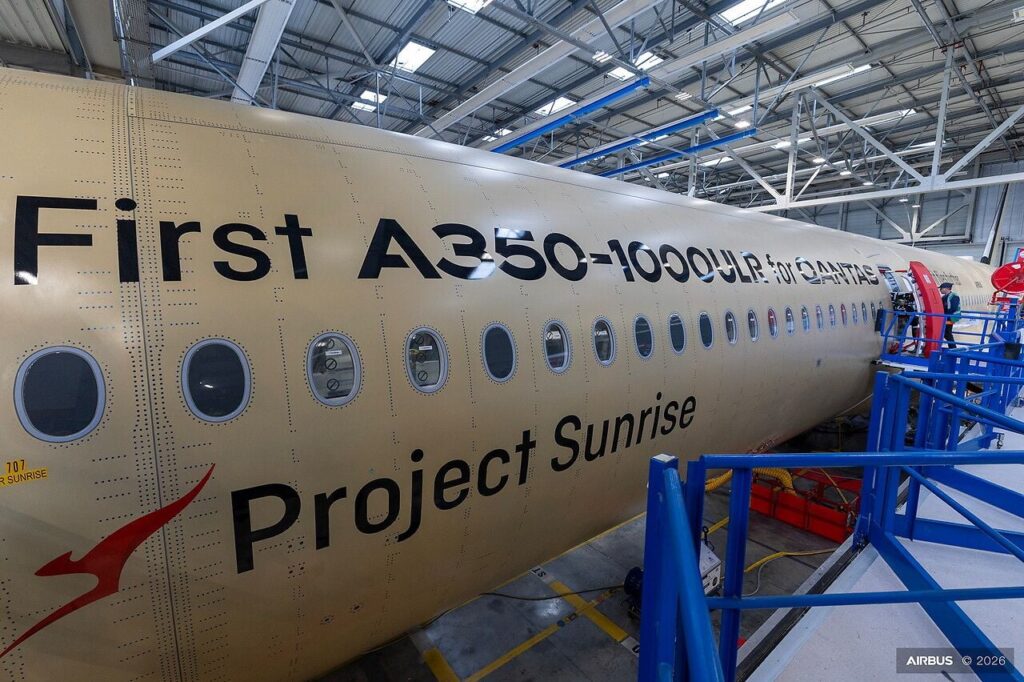
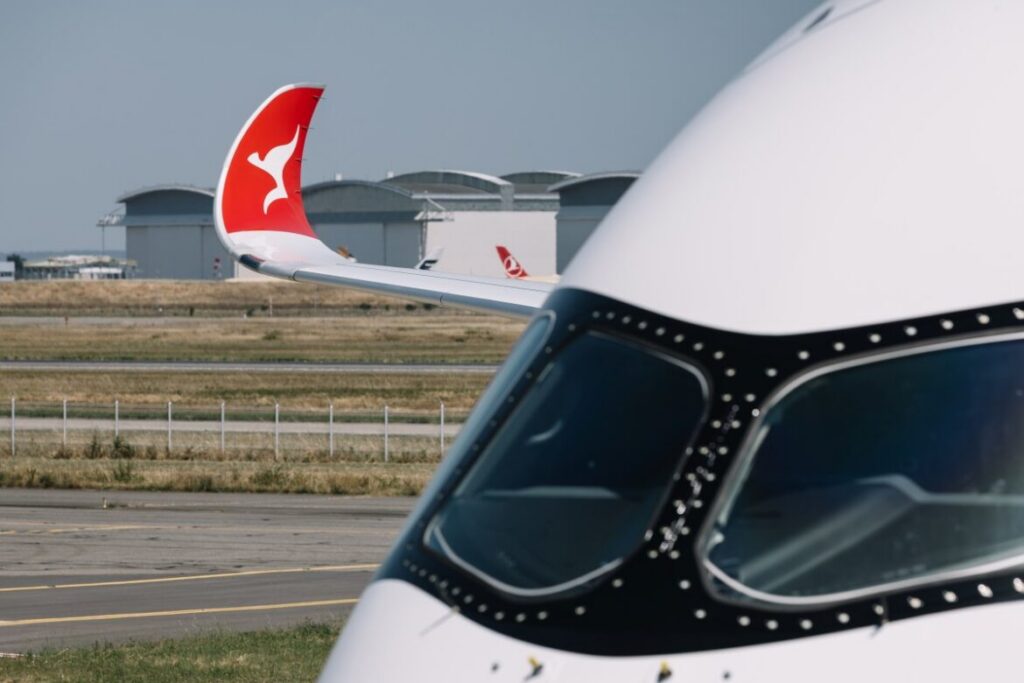
In a significant advancement for long-haul aviation, Qantas has unveiled its first Airbus A350-1000ULR at Airbus’ Toulouse facility, a key development in the airline’s ambitious Project Sunrise initiative. This rollout not only showcases the aircraft in full Qantas livery but also solidifies the airline’s commitment to launching non-stop services between Sydney and London, set to commence in October 2027.
Setting New Standards in Long-Haul Travel
The A350-1000ULR, registered as VH-OJA, is the first of 12 ultra-long-range aircraft ordered by Qantas specifically for this groundbreaking project. With the capacity to cover nearly 10,000 nautical miles, this aircraft is engineered to redefine the parameters of commercial air travel, enabling non-stop services that will significantly reduce travel time across the globe.
Operational Significance of the New Routes
Scheduled to begin in late 2027, the Sydney to London route is poised to become the world’s longest scheduled passenger flight, with journey times estimated between 20 to 22 hours, depending on various operational conditions. This development eliminates the need for stopovers, offering travelers a direct and time-efficient option for one of the most sought-after long-haul routes.
Expanding Horizons: New York to Follow
Following the launch of the London service, Qantas has indicated that non-stop flights to New York will also be introduced. The A350-1000ULRs will be strategically assigned to both routes, enhancing connectivity between Australia and key global markets. The decision to prioritize Sydney as the launch point reflects the city’s robust premium travel demand, highlighting the airline’s focus on catering to high-value passengers.
Innovative Design Enhancements
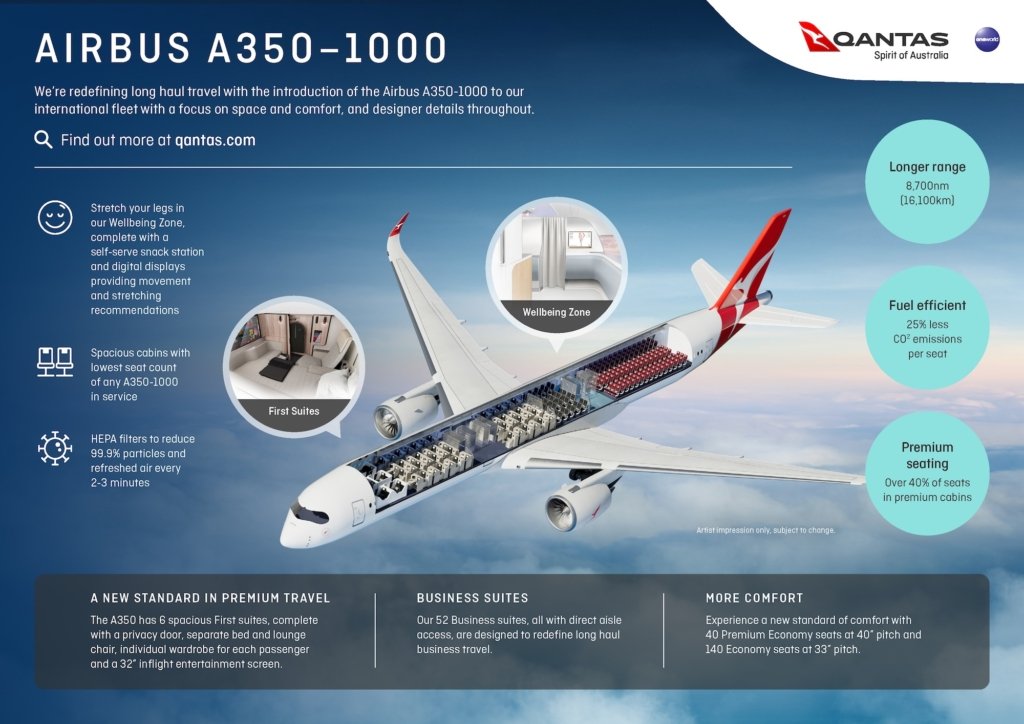
The A350-1000ULR features substantial modifications compared to its standard counterpart, including an additional fuel tank that extends its range by approximately 1,000 nautical miles. This capability allows the aircraft to sustain longer flight durations while accommodating a lower passenger count of 238 in a four-class configuration. This design prioritizes passenger comfort and well-being, particularly for long-haul journeys.
From Concept to Reality: The Journey of Project Sunrise
Project Sunrise was initiated in 2017, with Qantas challenging manufacturers to develop an aircraft capable of connecting Australia directly with Europe and North America. After thorough evaluations, the airline selected the Airbus A350-1000 and finalized the order in 2022. Despite facing challenges such as the pandemic and supply chain disruptions, Qantas is now on the cusp of realizing its vision, with the first aircraft undergoing testing as it prepares for certification.
A Glimpse into the Future of Aviation
The rollout of VH-OJA marks a pivotal moment not just for Qantas, but for the aviation industry as a whole. As the airline gears up for its first flights in 2027, the A350-1000ULR represents a leap forward in the quest for ultra-long-haul capabilities, promising to transform the travel experience and open new avenues for international connectivity.


This article was prepared by LibelulaFly as an independent aviation-news summary and editorial reinterpretation based on publicly available reporting. Images, when used, are included for editorial context with source attribution. Original source: www.airportspotting.com. Read the original article here: https://www.airportspotting.com/qantas-reveals-sydney-london-launch-date-as-first-a350-1000ulr-rolls-out/.
List, promote, or publish aircraft with LibelulaFly.
LibelulaFly.com • Sales@libelulafly.com • +1 305-332-1942
Jun
DHL Aviation’s Enduring Commitment to the Airbus A300
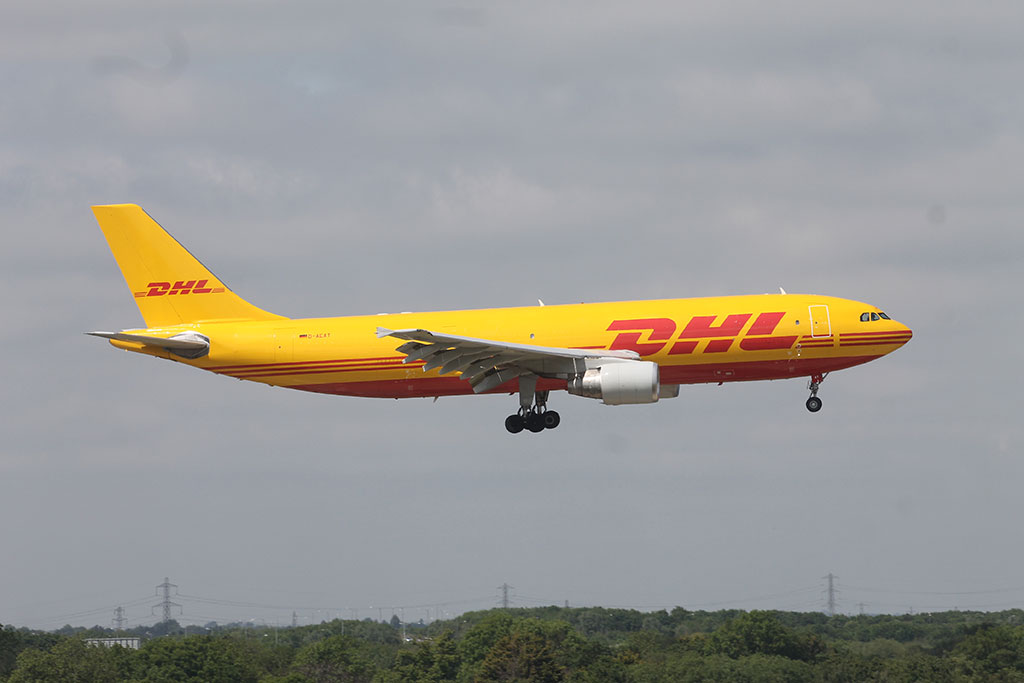
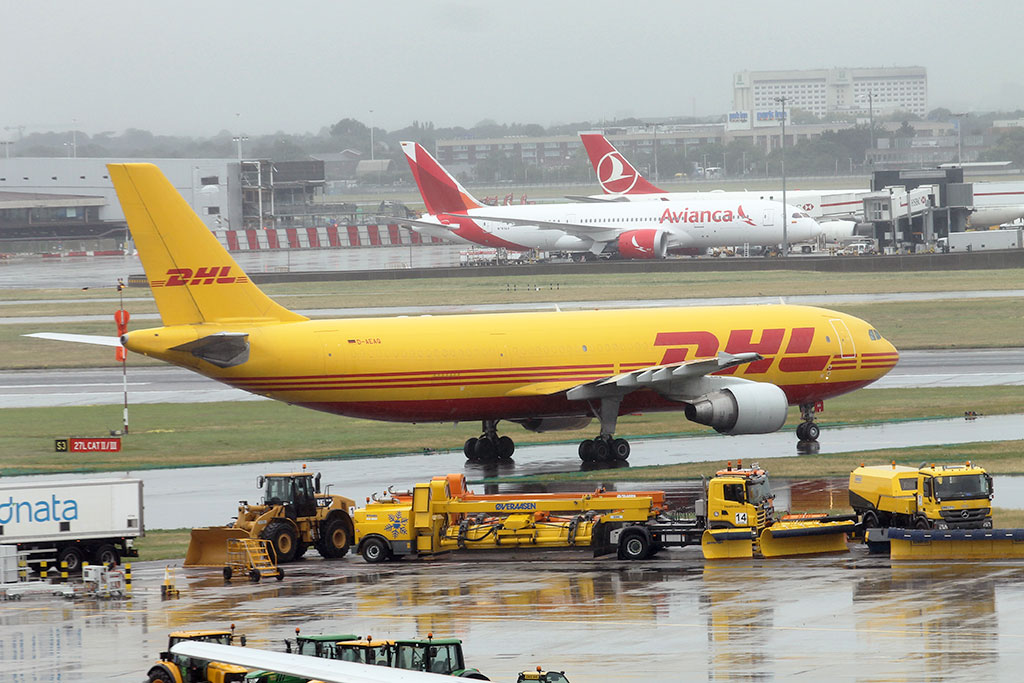
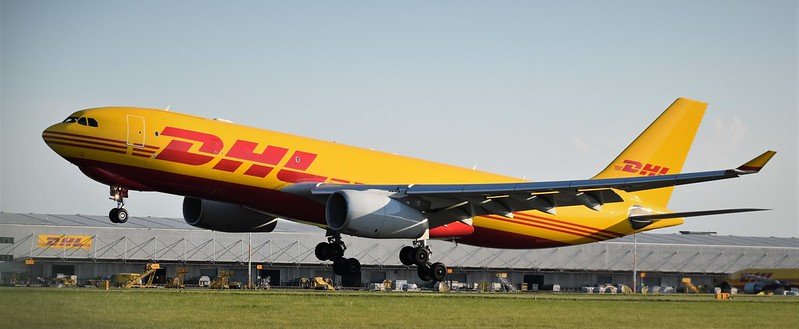
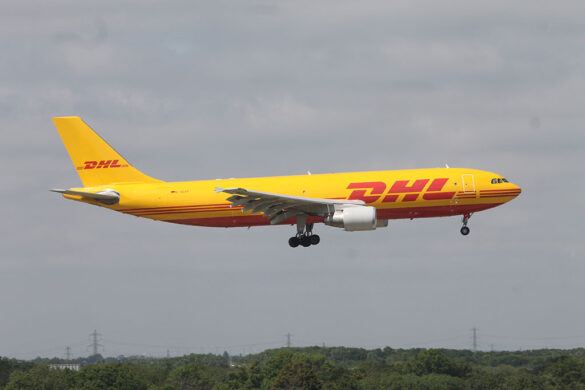
As the aviation industry evolves, DHL Aviation remains steadfast in its use of the Airbus A300, a pioneering aircraft that has played a crucial role in the global cargo transport landscape for over 50 years. With approximately 34 Airbus A300-600RF freighters still in operation, DHL stands as one of the largest operators of this model, ensuring that the aircraft continues to serve vital logistics needs across Europe.
The Evolution of the Airbus A300
First introduced in 1974, the Airbus A300 was groundbreaking as the world’s first twin-engine widebody airliner. Initially facing slow sales, the A300 eventually gained traction due to its efficiency and spacious design. While passenger services waned in the 2000s, the aircraft found a niche in the cargo sector, where its wide fuselage and substantial payload capabilities became invaluable. Today, most A300s in operation are dedicated freighters, with DHL leading the way.
DHL’s Historical Connection to the A300
DHL’s relationship with the A300 dates back to its early days, with the company initially operating older A300B4 models for European express services. This strategic decision helped establish Leipzig as a major hub for overnight cargo transport. Over the years, DHL transitioned to the A300-600 variant, which offered advancements in avionics and payload capacity while maintaining the aircraft’s cargo efficiency.
Operational Framework of DHL’s A300 Fleet
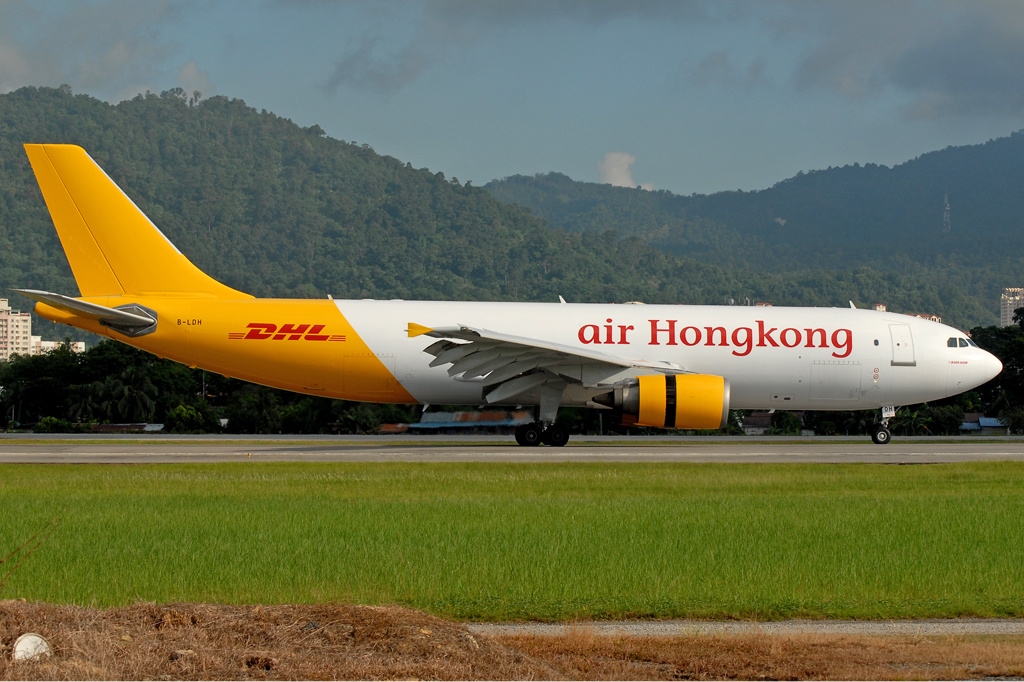
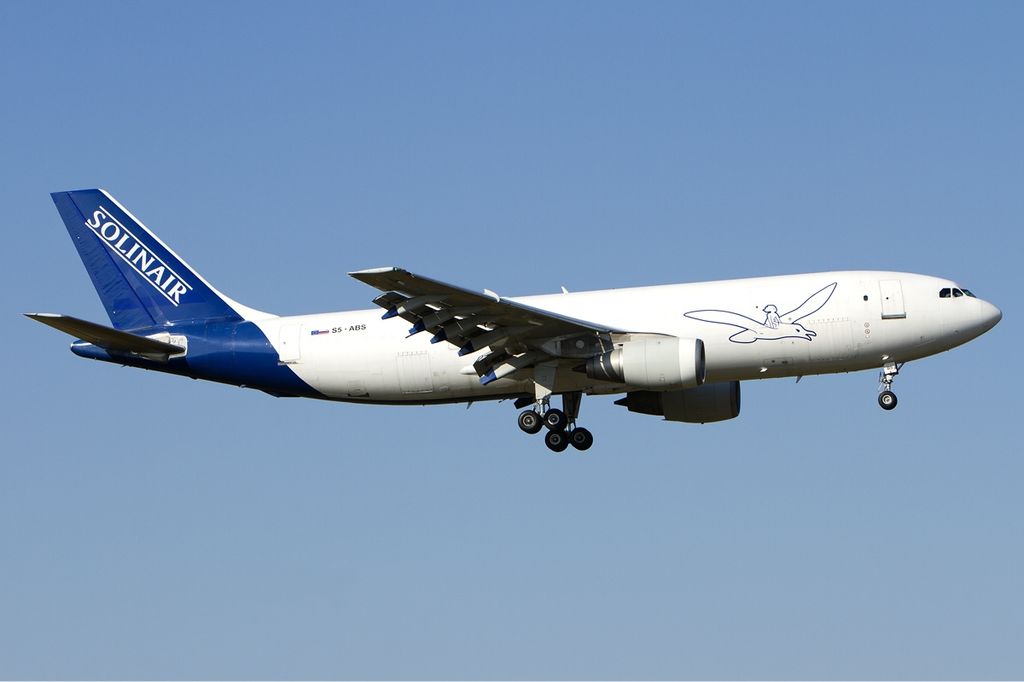
DHL Aviation’s operations are unique, utilizing a network of subsidiary and partner carriers to manage its fleet effectively. The primary operators of the A300 within DHL’s logistics framework include European Air Transport Leipzig, ASL Airlines Ireland, and Solinair. European Air Transport Leipzig, based at Leipzig/Halle Airport, operates the largest share of the fleet, ensuring the timely movement of cargo between major European hubs.
Where to Spot the A300 in Action
The Airbus A300 fleet primarily operates out of DHL’s superhub at Leipzig/Halle Airport, where its nightly schedule sees a flurry of activity as aircraft transport time-sensitive shipments across the continent. Enthusiasts can often spot these freighters at various airports, including Brussels, East Midlands, and Milan Malpensa, particularly during their overnight operations.
Looking Ahead: The Future of the A300 Fleet
Despite its continued relevance, the future of the Airbus A300 fleet is uncertain. With an average age nearing three decades, challenges related to maintenance and spare parts availability have prompted DHL to consider newer alternatives. The company has begun integrating Airbus A330 freighters into its operations, which offer greater payload capacity and efficiency. Additionally, the Airbus A321P2F is being evaluated for lower-density routes, hinting at a strategic shift in DHL’s fleet composition.
A Legacy of Reliability
While the Airbus A300 may no longer be a passenger aircraft, its legacy continues through DHL’s operations. The enduring presence of the A300 in the skies underscores its reliability and adaptability in the ever-evolving world of air freight. As DHL navigates the future of its fleet, the A300 will remain a symbol of innovation and a testament to the aircraft’s remarkable contribution to the logistics industry.


This article was prepared by LibelulaFly as an independent aviation-news summary and editorial reinterpretation based on publicly available reporting. Images, when used, are included for editorial context with source attribution. Original source: www.airportspotting.com. Read the original article here: https://www.airportspotting.com/update-on-the-dhl-airbus-a300-fleet-routes-fleet-and-future/.
List, promote, or publish aircraft with LibelulaFly.
LibelulaFly.com • Sales@libelulafly.com • +1 305-332-1942
Jun
A Tribute in the Skies: United Airlines Unveils Special Liveries
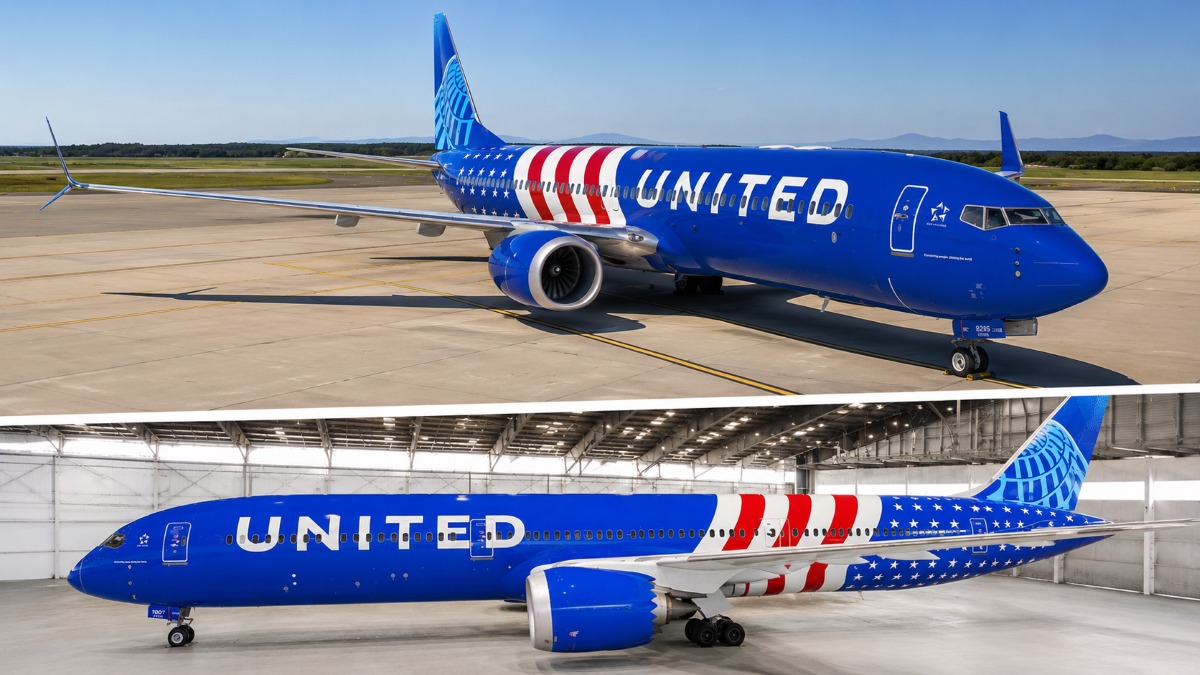
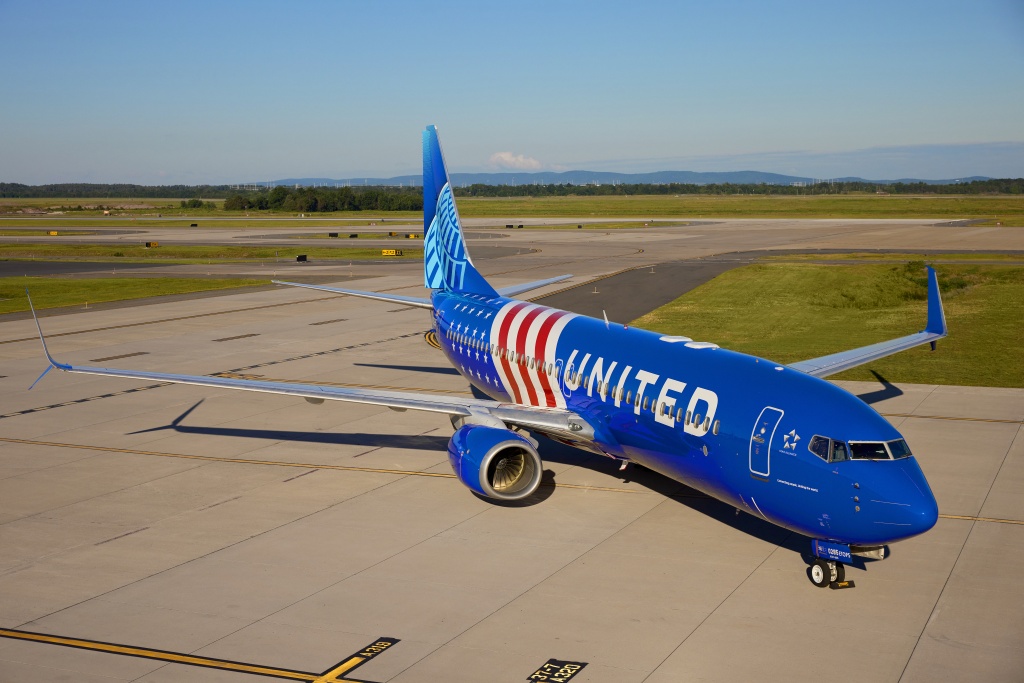
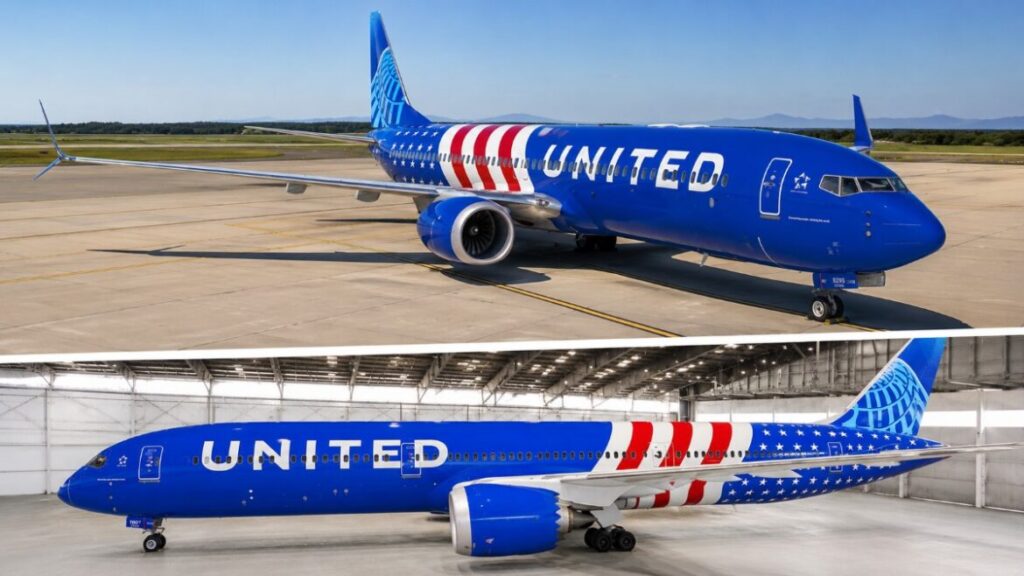
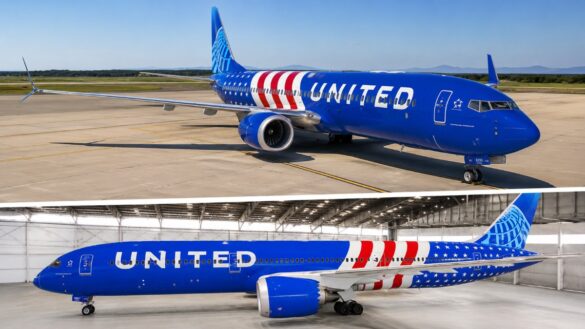
In a significant gesture celebrating the upcoming 250th anniversary of the United States, United Airlines has introduced two aircraft adorned with special liveries. The Boeing 787-10 Dreamliner, registered as N91007, and the Boeing 737 MAX 8, registered as N78285, will feature designs themed around the “America 250” initiative. This move is part of a broader trend among U.S. airlines as the nation prepares for large-scale celebrations in 2026.
Designs that Reflect a Nation’s Heritage
The specially painted aircraft showcase vibrant red, white, and blue graphics that symbolize American patriotism. These liveries not only honor the historical significance of the Declaration of Independence but also highlight the critical role that aviation has played in uniting communities across the country and beyond. Passengers and aviation enthusiasts alike will have opportunities to spot these aircraft operating on various routes within United’s extensive domestic and international network.
Operational Profiles: Connecting the Globe
The Boeing 787-10 N91007 is a flagship model for long-haul operations, regularly servicing international destinations in Europe, Asia, and South America. In contrast, the Boeing 737 MAX 8 N78285 will primarily operate on United’s domestic routes and select shorter international flights. This dual deployment not only enhances the visibility of the special liveries but also allows a wide audience to engage with the celebration.
A Growing Movement in Aviation
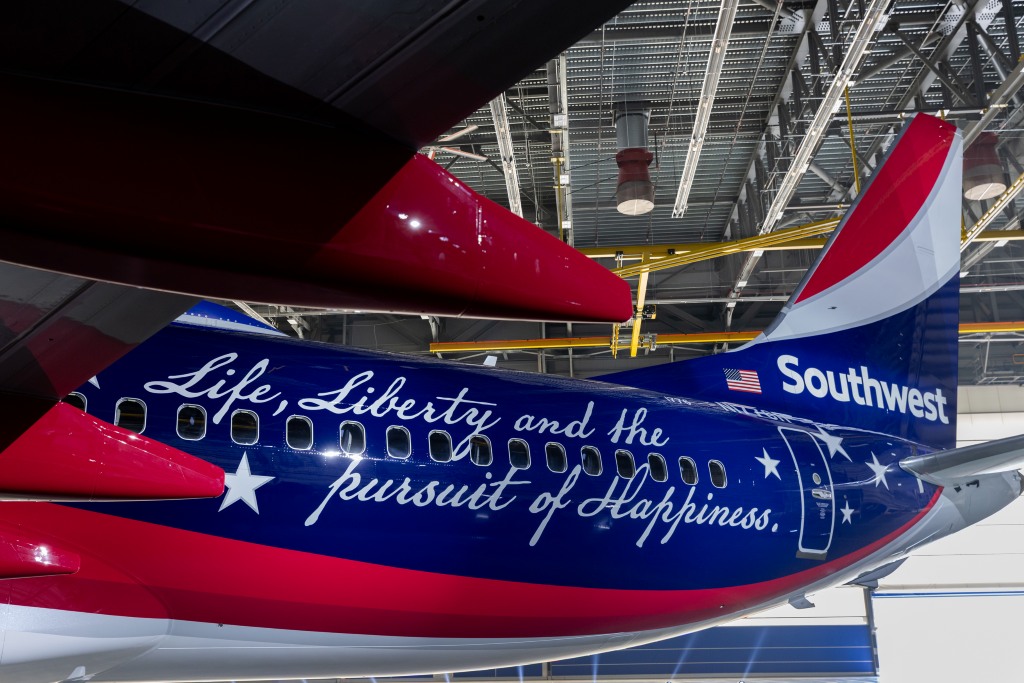
United Airlines joins several other carriers in commemorating this historic milestone. Southwest Airlines recently unveiled its own patriotic livery, the “Independence One” Boeing 737, which complements its existing themed aircraft. American Airlines has also announced plans for two aircraft featuring anniversary branding. This growing trend among U.S. airlines reflects a collective effort to engage with the public and celebrate national pride through aviation.
United Airlines: A Legacy of Service
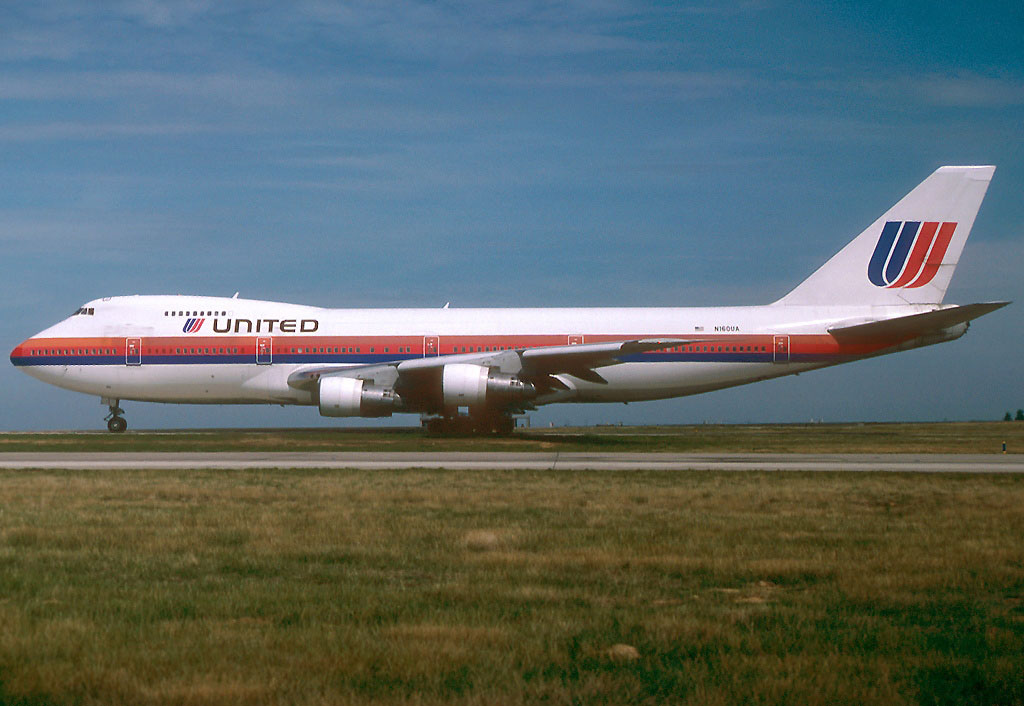
Founded in the early days of commercial aviation, United Airlines has evolved into one of the largest airlines globally, with a fleet exceeding 1,000 aircraft. As the airline approaches its centennial in 2026, the introduction of these special liveries serves as a reminder of its long-standing commitment to connecting people and cultures. Such commemorative designs have become increasingly popular, allowing airlines to celebrate milestones while providing unique opportunities for aviation photographers and enthusiasts.
Tracking the America 250 Aircraft
United has not limited the special liveries to specific routes, allowing both the Boeing 787-10 and Boeing 737 MAX 8 to appear across the airline’s entire network. Travelers can anticipate sightings of N91007 on long-haul international services from major hubs like Chicago O’Hare and Newark, while N78285 will be prevalent on domestic routes. For those keen to spot these aircraft, tracking links will be available to monitor their movements.
Conclusion: Soaring Towards a Historic Celebration
As the United States approaches its 250th anniversary, United Airlines’ special liveries serve as a flying tribute that resonates with both history and modern connectivity. This initiative not only enhances the airline’s brand presence but also invites the public to engage with the rich narrative of American aviation. With the excitement building for 2026, these aircraft are poised to become iconic symbols of national pride in the skies.



This article was prepared by LibelulaFly as an independent aviation-news summary and editorial reinterpretation based on publicly available reporting. Images, when used, are included for editorial context with source attribution. Original source: www.airportspotting.com. Read the original article here: https://www.airportspotting.com/united-airlines-unveils-two-special-liveries-to-celebrate-americas-250th-anniversary/.
List, promote, or publish aircraft with LibelulaFly.
LibelulaFly.com • Sales@libelulafly.com • +1 305-332-1942

Jun
Introduction to Cape Town International Airport
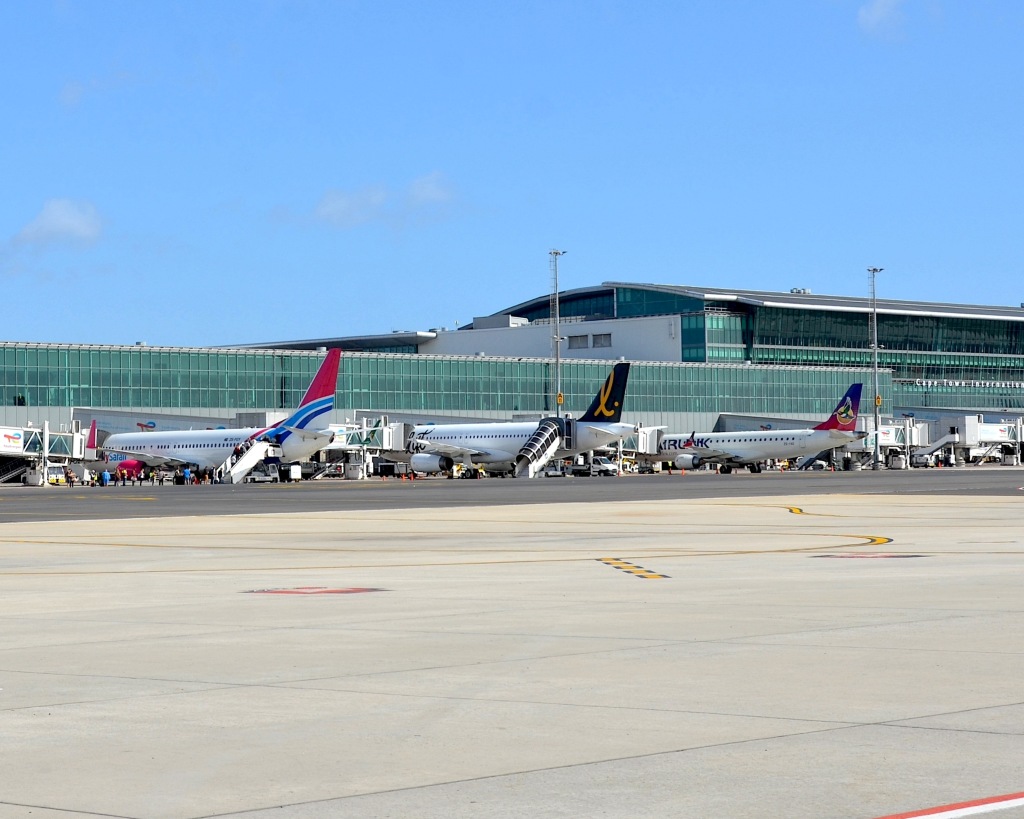
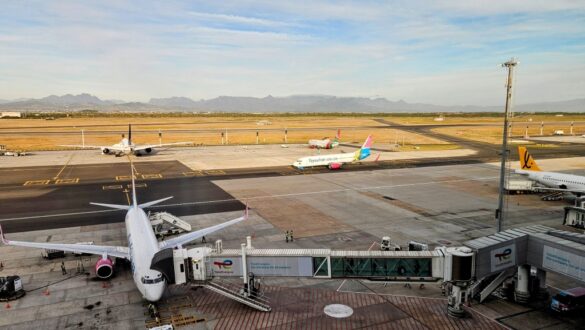
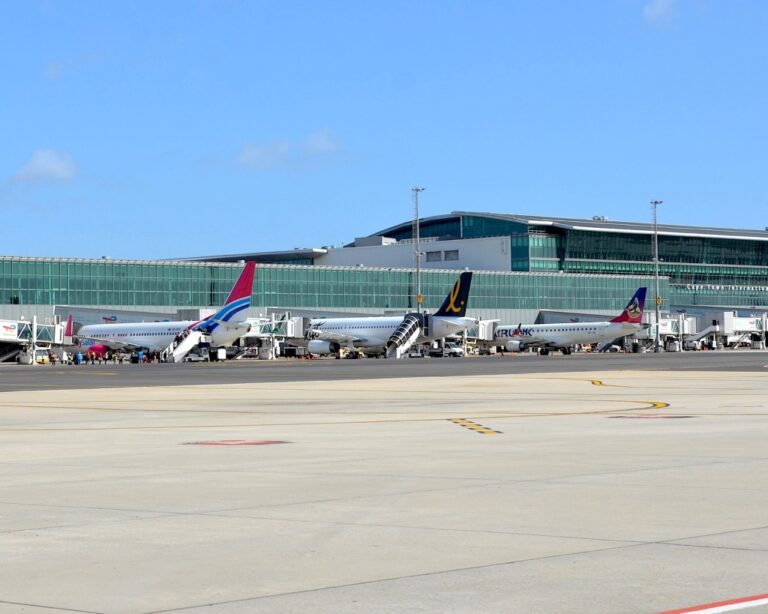
Cape Town International Airport, located approximately 20 kilometers east of the city center, stands as South Africa’s second-busiest airport, following OR Tambo in Johannesburg. With over 10 million passengers annually, the airport serves as a vital gateway to the Western Cape, accommodating a diverse mix of domestic, regional, and international flights. Renowned for its picturesque backdrop of Table Mountain and the Cape Peninsula, the airport offers a unique combination of operational activity and scenic beauty, making it a popular destination for aviation enthusiasts.
A Diverse Array of Airlines
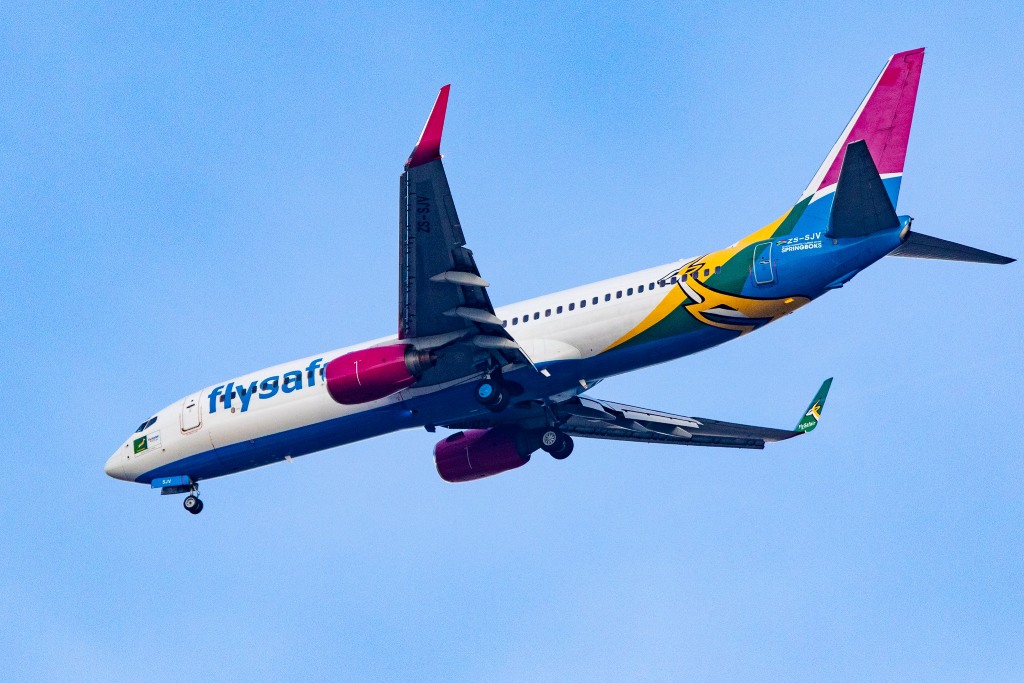
The airport’s operational landscape is characterized by a variety of airlines catering to both leisure and business travelers. Domestic carriers like FlySafair, Airlink, and CemAir dominate the local market, providing frequent connections to major cities such as Johannesburg and Durban. Meanwhile, international airlines including British Airways, Emirates, and Qatar Airways connect Cape Town with destinations across Europe, the Middle East, and beyond.
Seasonal services from European operators during the Southern Hemisphere summer add an extra layer of interest, as airlines increase capacity to meet tourist demand. This seasonal influx often brings a range of aircraft types, including the Airbus A350 and Boeing 787, enhancing the airport’s appeal to spotters.
Operational Characteristics and Layout
Cape Town International Airport features a modern terminal complex that underwent significant redevelopment ahead of the 2010 FIFA World Cup. The terminal connects domestic and international sections, facilitating easy navigation for passengers and aviation enthusiasts alike. The airfield is equipped with two asphalt runways: Runway 01/19, primarily serving international flights, and Runway 16/34, which accommodates domestic and regional traffic.
Runway 01/19, measuring 3,201 meters, is favored for its proximity to several vantage points, offering excellent photography opportunities. Conversely, Runway 16/34, at 1,701 meters, is often utilized during adverse weather conditions, showcasing the airport’s adaptability to varying operational challenges.
Spotting Opportunities and Safety Considerations
Aviation enthusiasts seeking to capture the dynamic operations at Cape Town International Airport will find several prime spotting locations. The central terminal area boasts large windows that provide unobstructed views of runway activity without the need for a flight ticket. The P1 and P2 parking garages also offer vantage points for photography, although spotters should remain vigilant about their surroundings and equipment.
While the airport environment is generally safe, caution is advised when venturing beyond designated areas, as some nearby locations may pose safety risks. Spotters are encouraged to prioritize discretion and utilize secure locations whenever possible.
Conclusion: A Unique Aviation Experience
Cape Town International Airport not only serves as a crucial hub for air travel in South Africa but also captivates aviation enthusiasts with its stunning scenery and diverse airline operations. As the airport continues to experience growth and expansion, it remains a focal point for both travelers and spotters alike. Engaging with the airport’s vibrant atmosphere offers a unique perspective on the intersection of aviation and natural beauty. For those passionate about aviation, Cape Town International Airport is undoubtedly a destination worth exploring.




This article was prepared by LibelulaFly as an independent aviation-news summary and editorial reinterpretation based on publicly available reporting. Images, when used, are included for editorial context with source attribution. Original source: www.airportspotting.com. Read the original article here: https://www.airportspotting.com/cape-town-international-airport-spotting-guide/.
List, promote, or publish aircraft with LibelulaFly.
LibelulaFly.com • Sales@libelulafly.com • +1 305-332-1942
Jun
Hawaiian Airlines Launches Disney Moana-Themed Aircraft
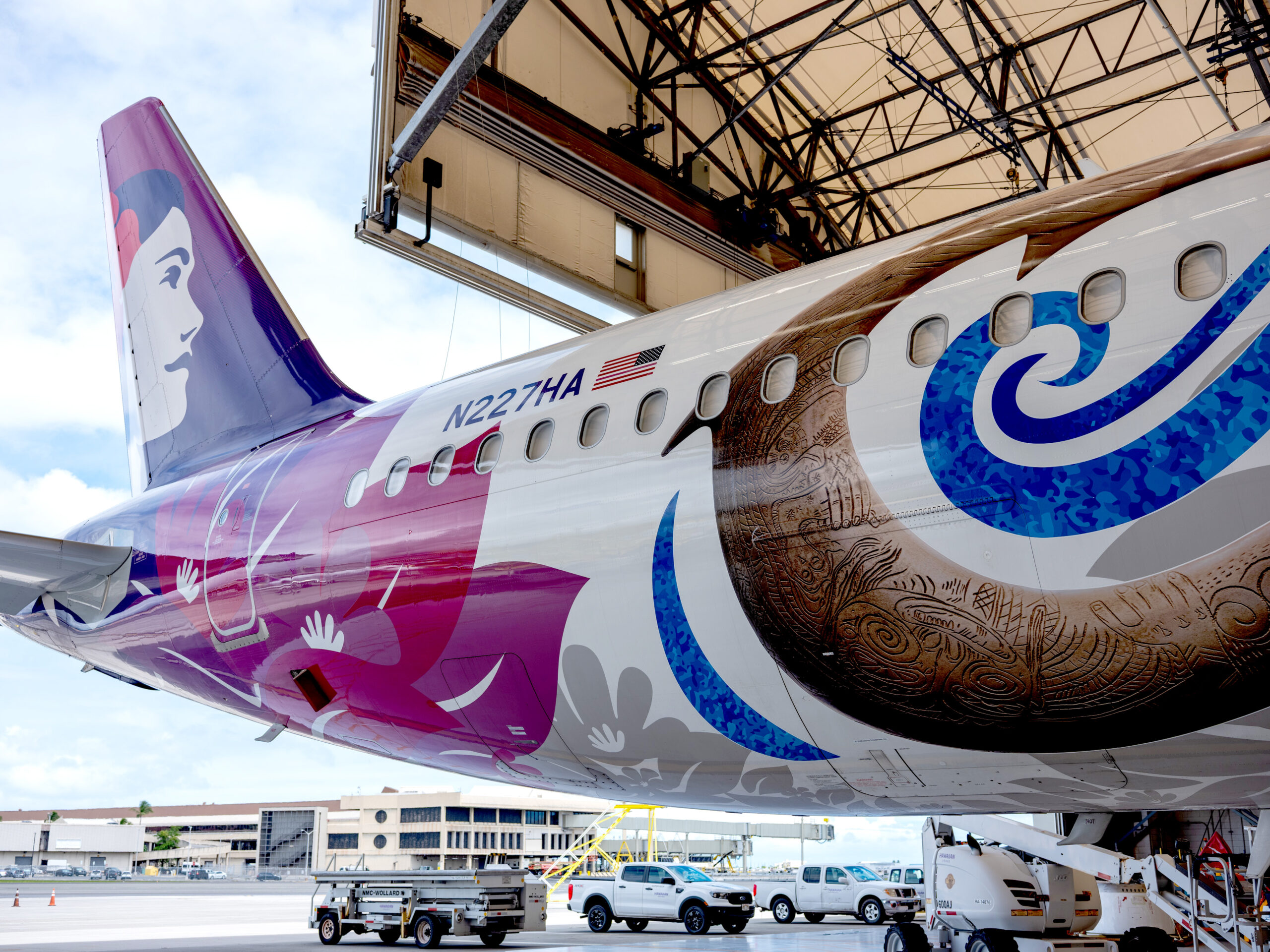
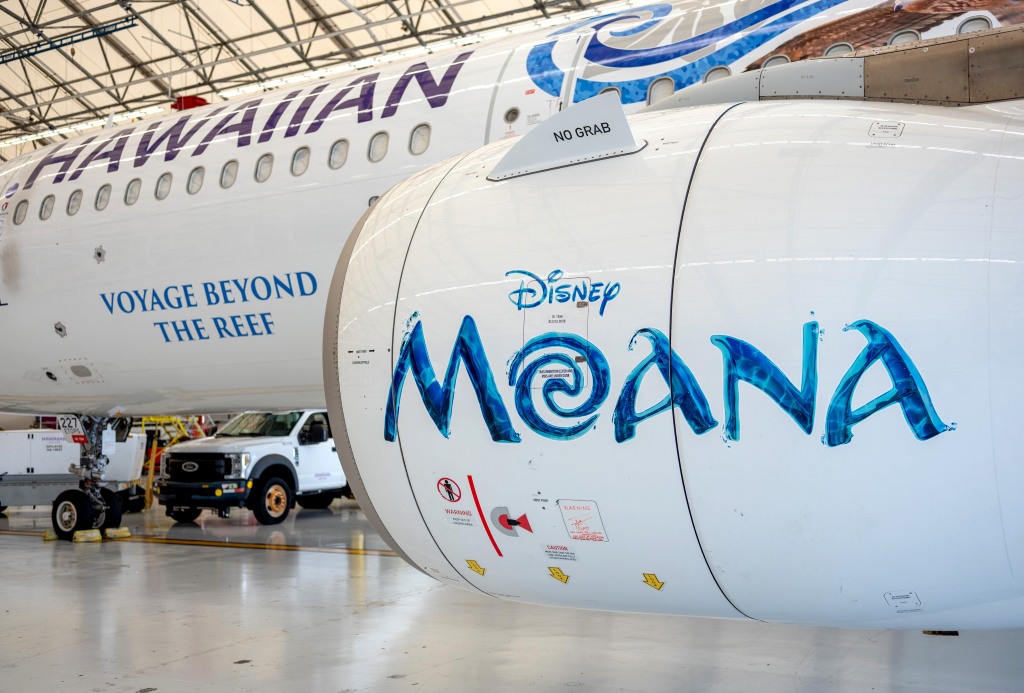
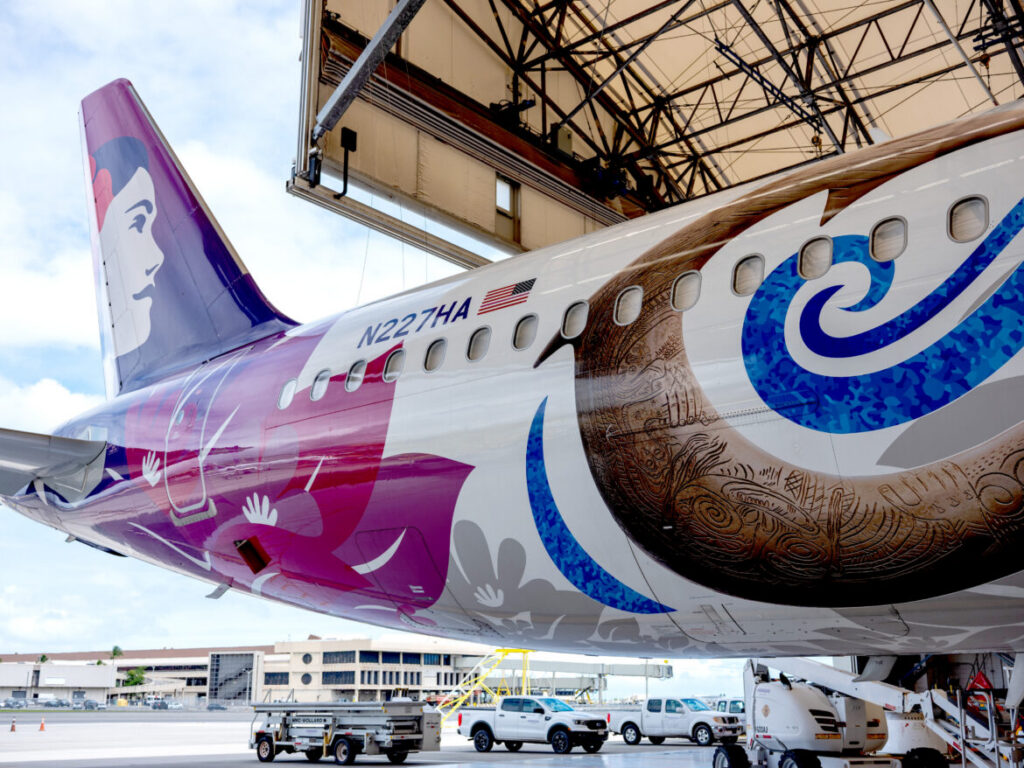
Hawaiian Airlines has officially unveiled the first of three new vibrant Disney-themed liveries inspired by the highly anticipated live-action adaptation of Moana. The inaugural aircraft, an Airbus A321neo designated N227HA, debuted its striking design on June 11, just ahead of the film’s theatrical premiere set for July 10. This initiative not only enhances the airline’s visual identity but also reinforces its cultural ties to the Polynesian heritage depicted in the film.
First Aircraft Takes Flight
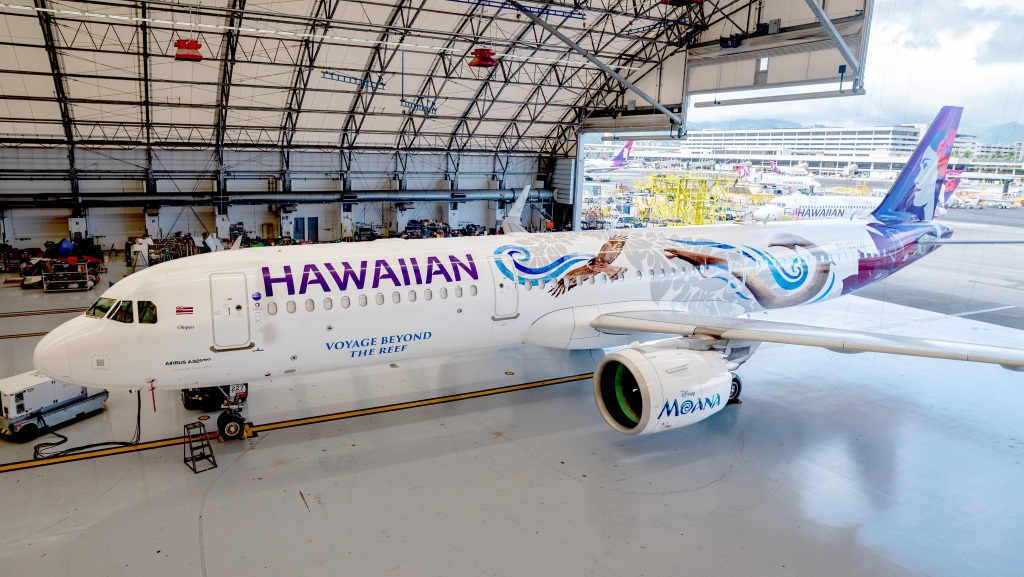
The Airbus A321neo N227HA, a narrowbody aircraft integral to Hawaiian Airlines’ operations, will primarily serve routes connecting Hawaii to the U.S. West Coast and the Cook Islands. The special livery showcases iconic imagery and characters from the Moana film, encapsulating the essence of oceanic adventures and Polynesian themes. The design prominently features the slogan “Voyage Beyond the Reef,” and extends its artistic flair into the aircraft’s interior, including custom artwork on overhead luggage bins, creating an immersive experience for passengers.
Expanding the Fleet with Special Liveries
In addition to the A321neo, Hawaiian Airlines plans to introduce two more aircraft adorned with the Moana theme: an Airbus A330 and a Boeing 717. The A330, known for its long-haul capabilities, will be deployed on transpacific routes, while the Boeing 717 will serve the airline’s extensive inter-island network. This diverse application of the Moana liveries across different aircraft types allows aviation enthusiasts to spot the special designs on a wide range of flights, from short island hops to longer journeys across the Pacific.
A Legacy of Unique Liveries
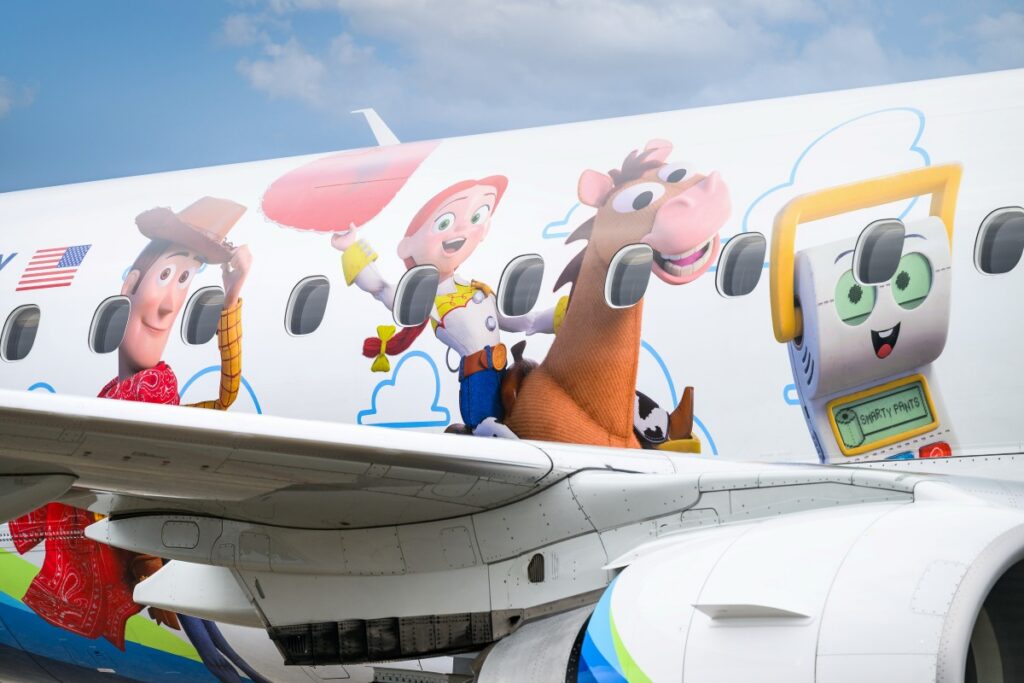
The introduction of the Moana-themed aircraft continues Hawaiian Airlines’ tradition of utilizing special liveries to celebrate cultural narratives and engage with its customer base. This initiative follows on the heels of recent special liveries introduced by sister carrier Horizon Air, which showcased Disney and Pixar themes on its fleet. Such unique designs not only attract the attention of aviation enthusiasts but also serve as a point of pride for the airline, reflecting its commitment to honoring the rich cultural tapestry of the regions it serves.
Where to Spot the New Liveries
The A321neo N227HA is already in service, operating scheduled flights between Hawaii and various cities on the U.S. West Coast, as well as routes to the Cook Islands. As the Airbus A330 and Boeing 717 join the fleet later this summer, the opportunities to see these eye-catching liveries will expand across Hawaiian Airlines’ domestic, inter-island, and international operations. For aviation photographers and enthusiasts visiting Hawaii, the Moana liveries are set to become highly sought-after captures, blending artistry with the allure of flight.
A Cultural Connection in the Skies
The introduction of the Moana-themed aircraft not only enhances Hawaiian Airlines’ fleet but also celebrates the deep-rooted connections between the story of Moana and Hawaiian culture. As these aircraft take to the skies, they serve as flying ambassadors of Polynesian heritage, inviting travelers to embark on their own voyages of discovery. The vibrant designs are expected to resonate with both locals and visitors alike, making each flight a celebration of culture and adventure.



This article was prepared by LibelulaFly as an independent aviation-news summary and editorial reinterpretation based on publicly available reporting. Images, when used, are included for editorial context with source attribution. Original source: www.airportspotting.com. Read the original article here: https://www.airportspotting.com/hawaiian-airlines-unveils-new-disney-moana-special-liveries/.
List, promote, or publish aircraft with LibelulaFly.
LibelulaFly.com • Sales@libelulafly.com • +1 305-332-1942