
Jun
Berlin’s Aviation Legacy: A Journey Through Time
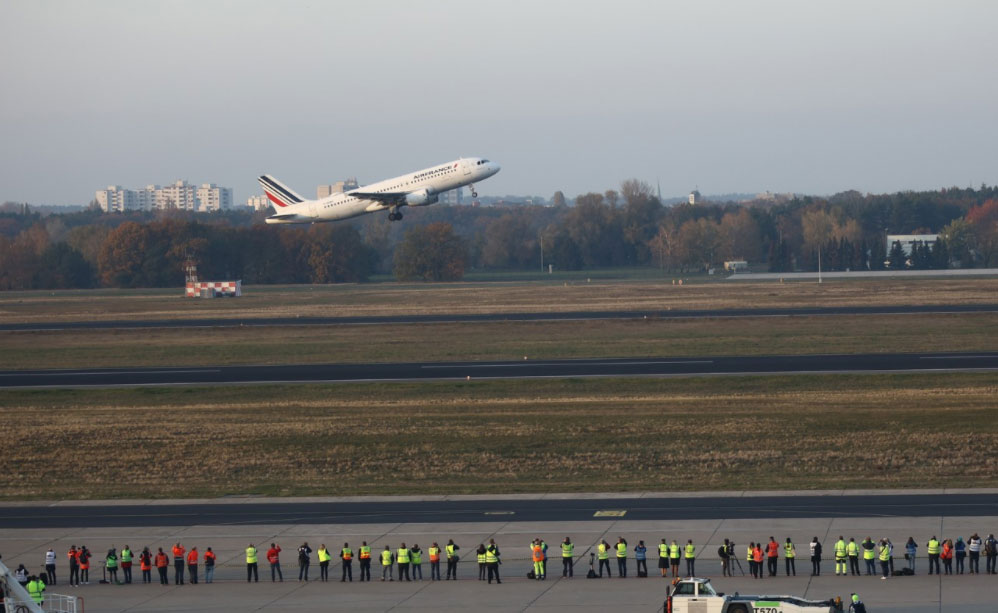
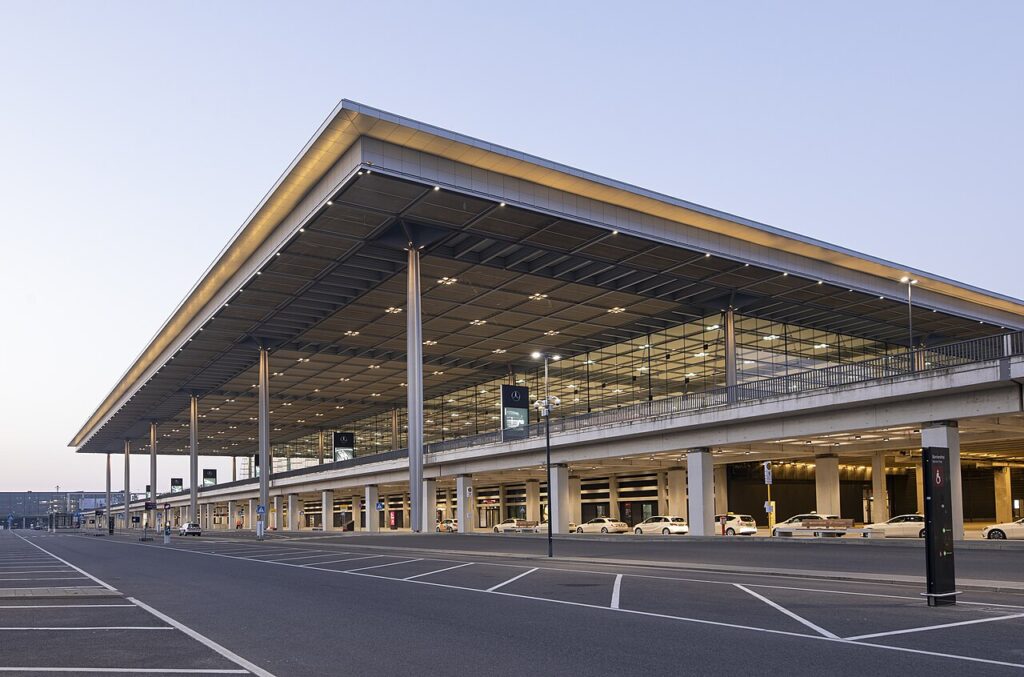
Berlin’s aviation landscape has undergone significant transformations over the decades, culminating in the opening of Berlin Brandenburg Airport in 2020. This modern hub now serves as the primary gateway to the German capital, but it was not always so singular in its function. Throughout the 20th century, Berlin was home to multiple airports that played pivotal roles in shaping not only the city’s identity but also the broader narrative of European aviation history.
The Rise of Tempelhof: An Icon of Resilience
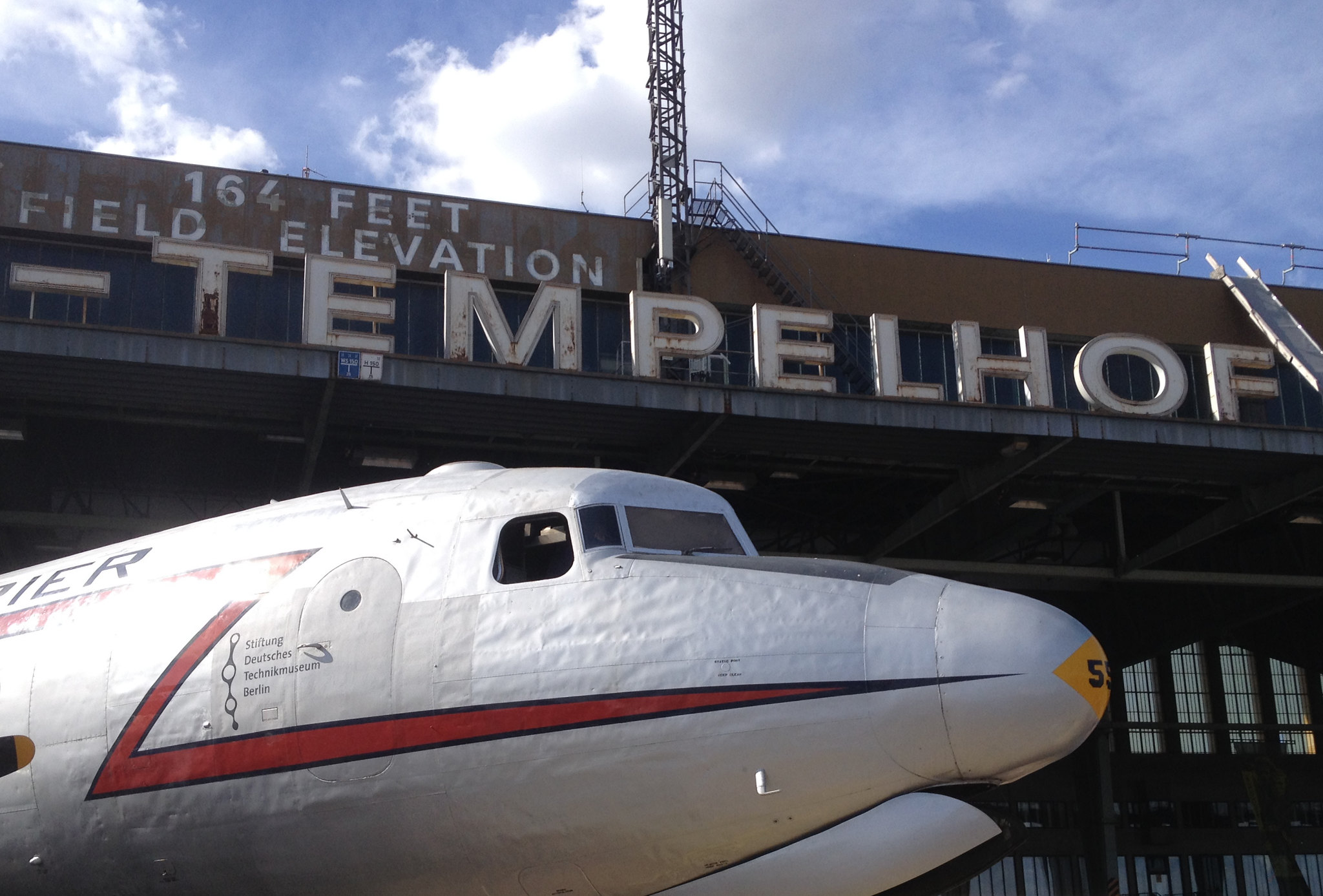
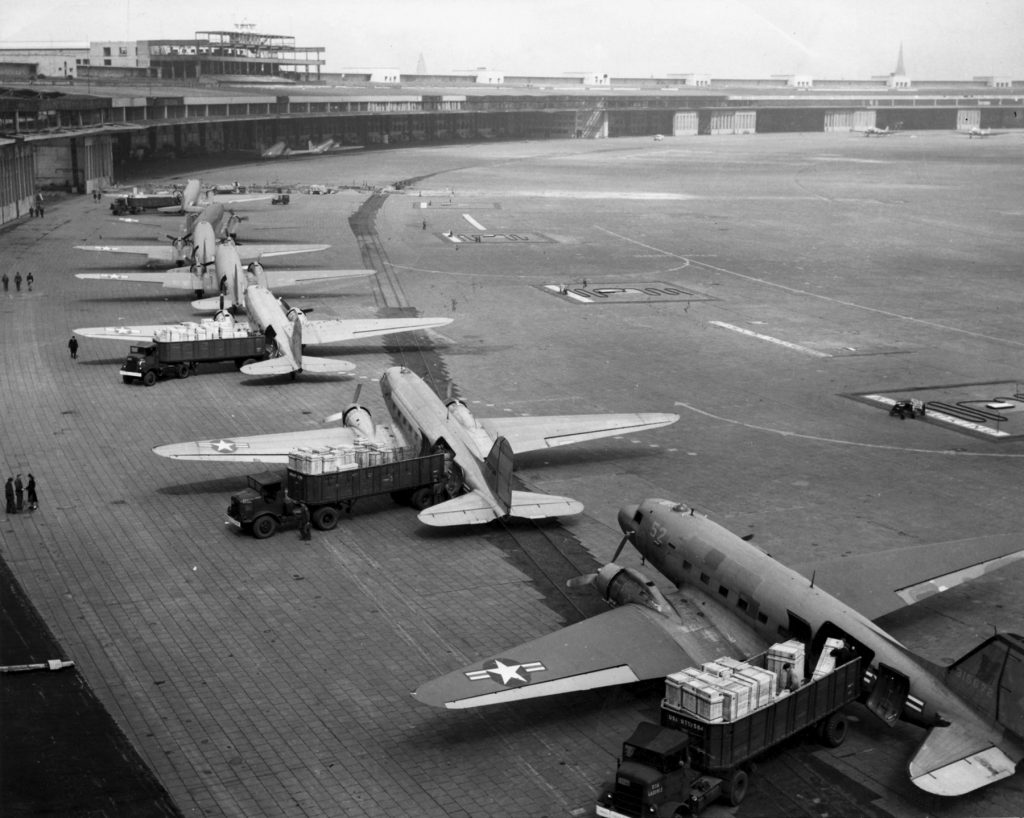
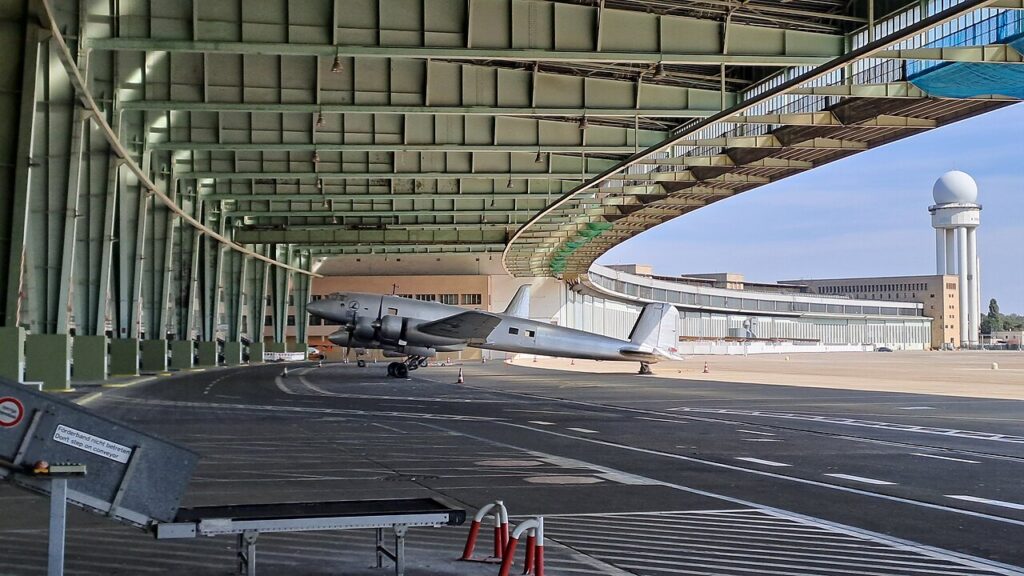
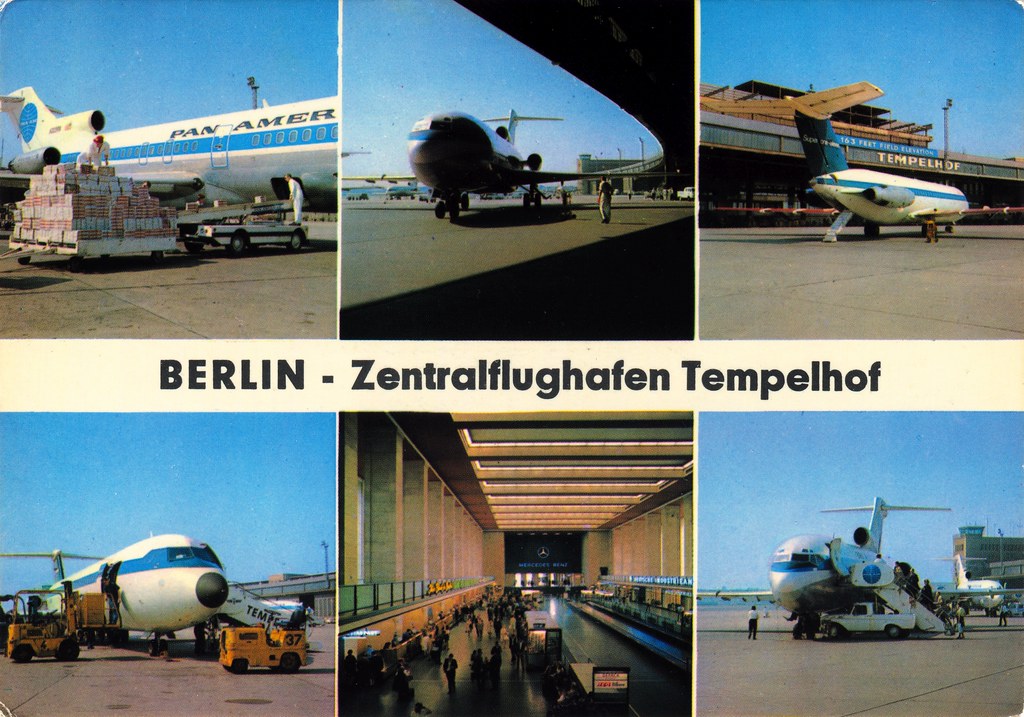
Among the most storied of these airports is Berlin Tempelhof, which became a symbol of resilience during the Berlin Airlift from 1948 to 1949. Originally established in the early 20th century, its expansive terminal, designed by Ernst Sagebiel, was a marvel of engineering and architecture. During the Airlift, it served as a crucial logistical hub for Allied forces, facilitating the delivery of vital supplies to West Berlin amidst the Soviet blockade.
Despite its historical significance, commercial operations at Tempelhof dwindled over the years, leading to its closure in 2008. Today, the site has been transformed into Tempelhofer Feld, a public park that retains the spirit of its aviation past while serving as a recreational space for the community.
Tegel: The Gateway of West Berlin
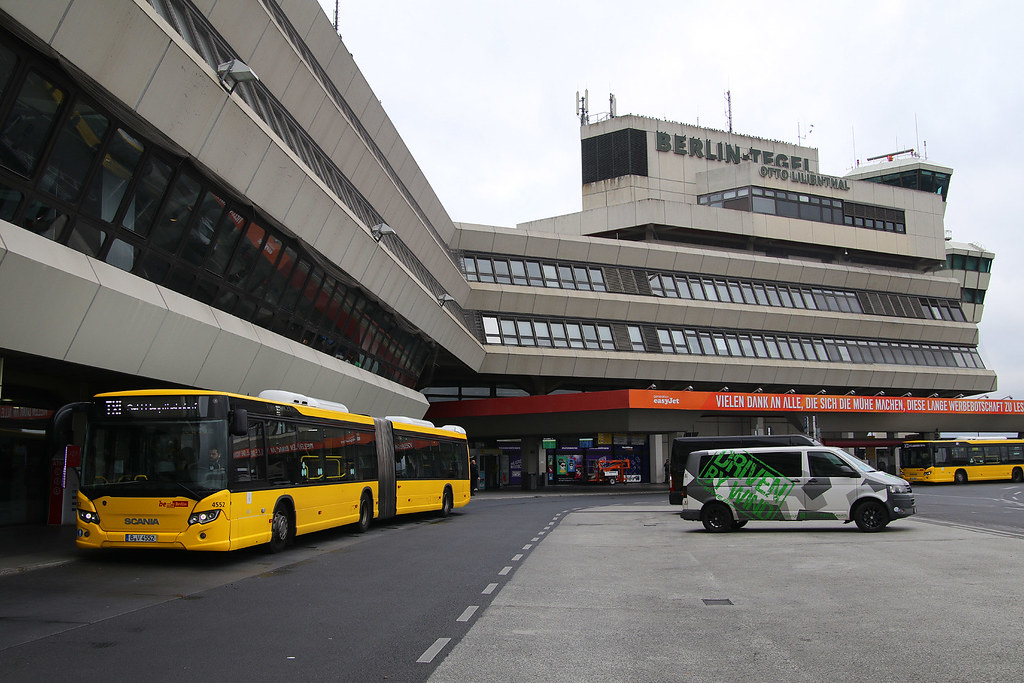
Berlin Tegel Airport, constructed rapidly in 1948, became the main airport for West Berlin and was characterized by its distinctive hexagonal design. It emerged as a vital transport hub during the Cold War, accommodating airlines from the Allied powers. Tegel’s strategic importance was underscored by its role in connecting West Berlin to the rest of the world during a time of division.
Following reunification, Tegel saw significant growth and became a major airport for both traditional and low-cost carriers. However, it ultimately closed in November 2020, shortly after the inauguration of Berlin Brandenburg Airport. The site is now undergoing redevelopment into Berlin TXL, a modern urban project aimed at fostering innovation and sustainable industries.
Schönefeld: The East Berlin Connection
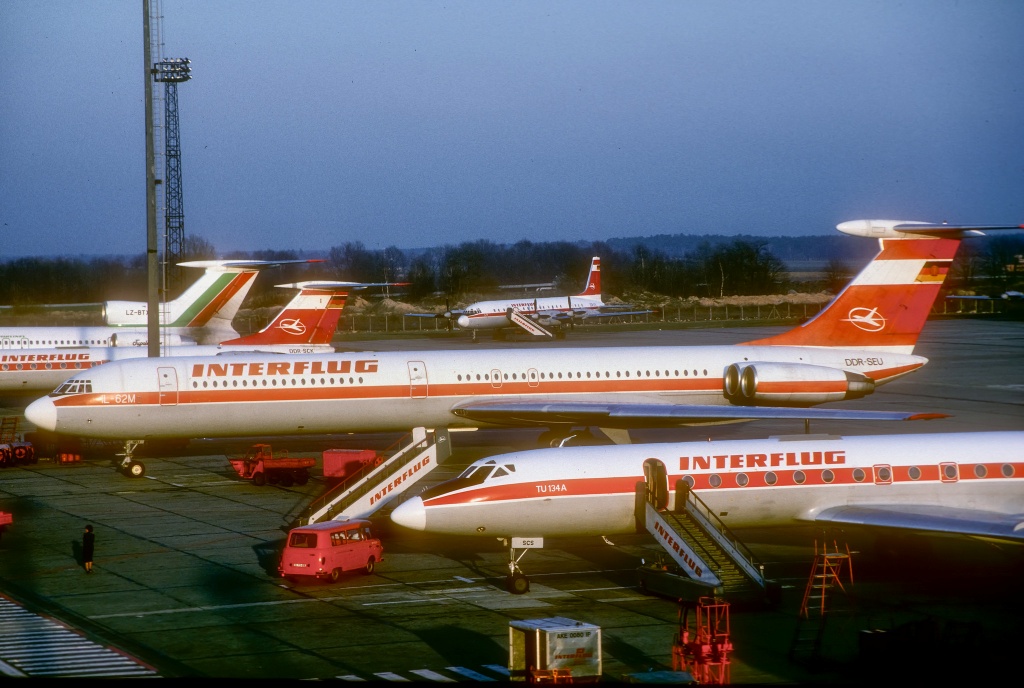
Unlike its counterparts, Berlin Schönefeld Airport has maintained a continuous presence in the aviation landscape. Initially serving as East Berlin’s primary international airport, it became synonymous with the operations of Interflug, East Germany’s national airline. Following the fall of the Berlin Wall, Schönefeld adapted to changing market dynamics and now functions as Terminal 5 of the Berlin Brandenburg Airport complex.
This integration has allowed Schönefeld to continue serving passengers, albeit under a new operational framework, highlighting the adaptability of aviation infrastructure in response to geopolitical changes.
The Military Legacy: RAF Gatow
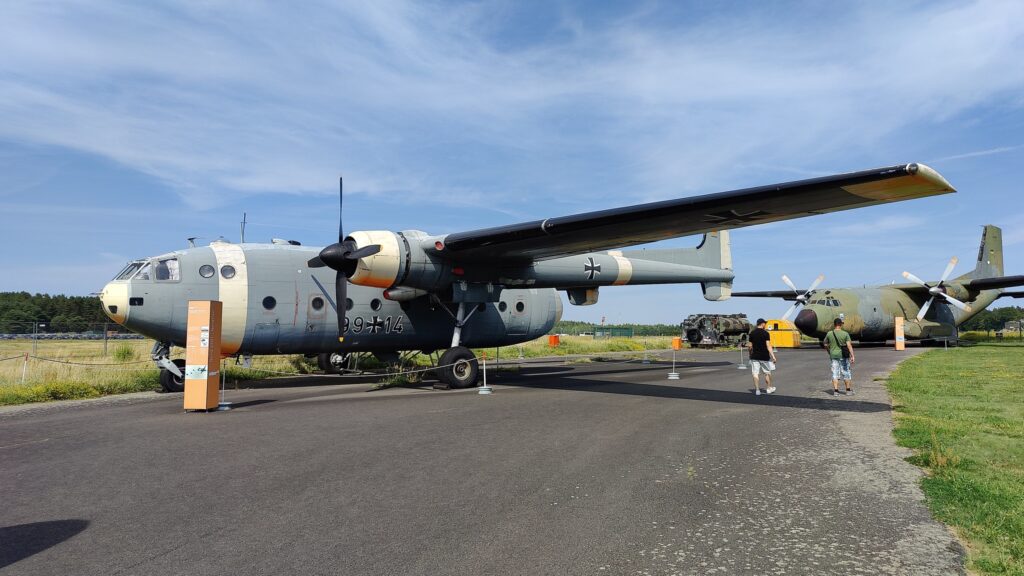
RAF Gatow, the least recognized of Berlin’s former airports, was established in 1935 and served as a key military airfield during the Cold War. Its strategic location and operational significance were evident during the Berlin Airlift and subsequent military operations. The base was closed in 1994, but it now houses the Luftwaffe Museum, where visitors can explore the rich tapestry of military aviation history.
Aviation Heritage in Modern Berlin
As Berlin Brandenburg Airport continues to serve as the city’s aviation nexus, the historical airports of Tempelhof, Tegel, Schönefeld, and Gatow offer a glimpse into the past. These sites not only reflect the evolution of air travel but also encapsulate the resilience and spirit of a city that has navigated significant historical challenges. For aviation enthusiasts and historians alike, exploring these former gateways provides valuable insights into the rich narrative of Berlin’s aviation legacy.
This article was prepared by LibelulaFly as an independent aviation-news summary and editorial reinterpretation based on publicly available reporting. Images, when used, are included for editorial context with source attribution. Original source: www.airportspotting.com. Read the original article here: https://www.airportspotting.com/what-happened-to-berlins-old-airports-exploring-the-german-capitals-lost-aviation-gateways/.
List, promote, or publish aircraft with LibelulaFly.
LibelulaFly.com • Sales@libelulafly.com • +1 305-332-1942
May
Air China Keeps a Classic in the Air
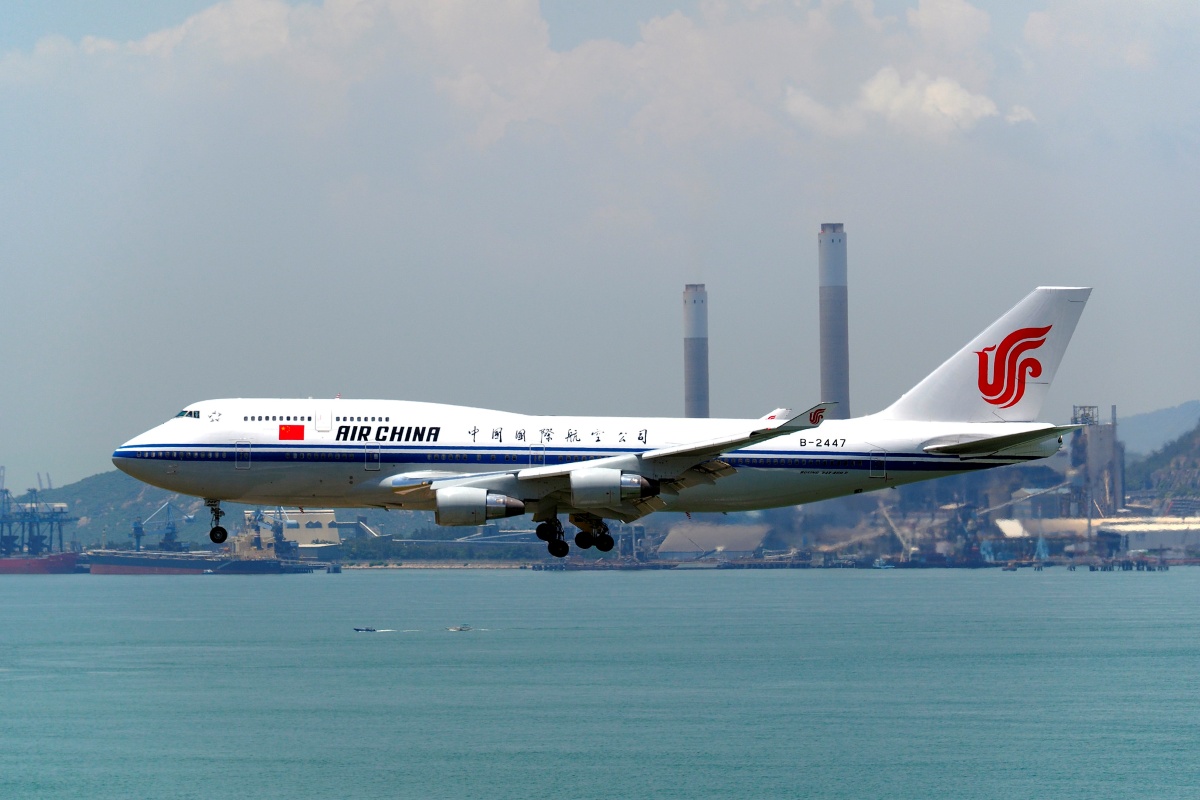
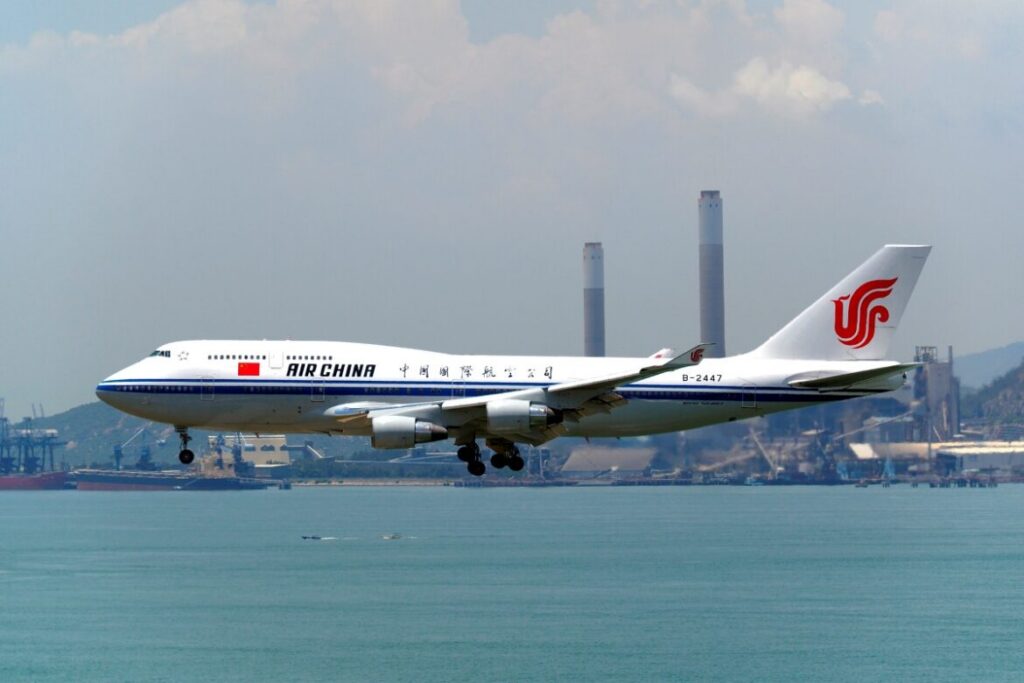
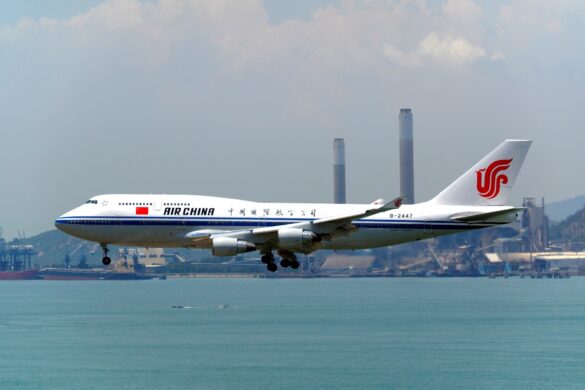
In an aviation landscape increasingly dominated by modern aircraft, Air China continues to operate a remarkable piece of history: the Boeing 747-400, specifically registered as B-2447. First taking to the skies in 1995, this aircraft currently holds the title of the oldest passenger airliner still flying in mainland China, a testament to its enduring legacy.
A Unique Operational Role
Despite the Boeing 747’s original design for long-haul international flights, B-2447 primarily operates on domestic routes. Its current mission profile includes high-demand connections between major Chinese cities, such as Beijing, Shanghai, Guangzhou, and Shenzhen. This operational focus allows aviation enthusiasts a rare opportunity to experience a classic passenger aircraft on shorter domestic services.
A Historical Perspective
Throughout its 31 years, B-2447 has not only served commercial passengers but has also been linked to significant state missions, including transporting high-ranking officials. This dual role enriches the aircraft’s narrative, as it has transitioned from a symbol of luxury air travel to a critical asset for governmental transport.

Classic Features in a Modern Era
B-2447 retains a traditional cabin layout reminiscent of a bygone era, featuring 10 First Class seats, 42 Business Class seats, and 292 Economy Class seats, accommodating a total of 344 passengers. The aircraft’s design is complemented by its distinctive upper deck and the powerful sound of four Pratt & Whitney PW4056 engines, offering a nostalgic experience for those fortunate enough to board.
The Last of Its Kind in Asia
As global airlines phase out the Boeing 747-400, Air China stands as the last scheduled passenger operator of this model in Asia. The COVID-19 pandemic expedited the retirement of many 747 fleets worldwide, making B-2447’s continued operation all the more significant. While the newer Boeing 747-8 models still serve certain routes, the disappearance of the 747-400 from passenger service marks a pivotal moment in aviation history.
Looking Ahead: An Uncertain Future
Despite its reliability, B-2447’s days may be numbered. Air China has begun to streamline its fleet towards more efficient twin-engine aircraft such as the Boeing 777 and Airbus A350. With the retirement of sister aircraft B-2445 in 2024, the future of B-2447 remains uncertain, signaling a potential end to an era that has defined Chinese aviation for over three decades.
Conclusion: A Legacy Worth Remembering
As aviation enthusiasts and industry professionals alike reflect on the significance of Air China’s Boeing 747-400, it serves as a reminder of the evolution of air travel and the remarkable stories embedded within each aircraft. B-2447’s legacy is not just a chapter in the history of commercial aviation; it is a living testament to the enduring spirit of the Boeing 747.




This article was prepared by LibelulaFly as an independent aviation-news summary and editorial reinterpretation based on publicly available reporting. Images, when used, are included for editorial context with source attribution. Original source: www.airportspotting.com. Read the original article here: https://www.airportspotting.com/at-31-years-old-inside-chinas-oldest-passenger-airliner-still-flying-today/.
List, promote, or publish aircraft with LibelulaFly.
LibelulaFly.com • Sales@libelulafly.com • +1 305-332-1942
May
A Milestone in Aviation History
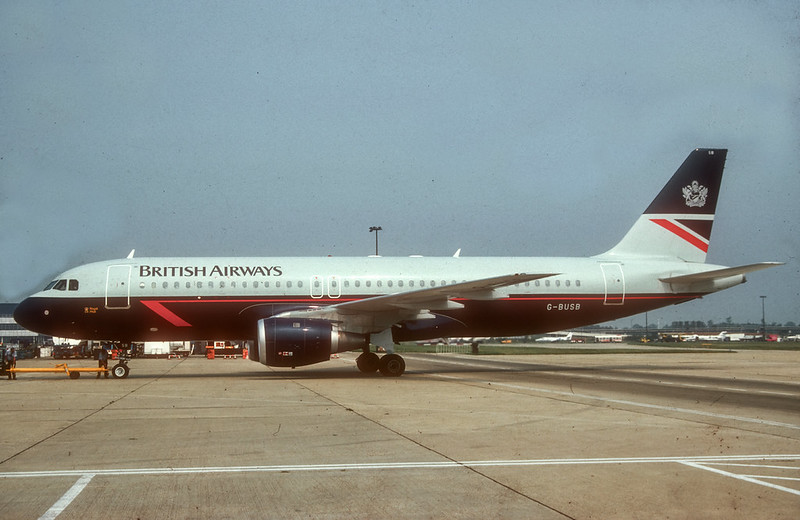
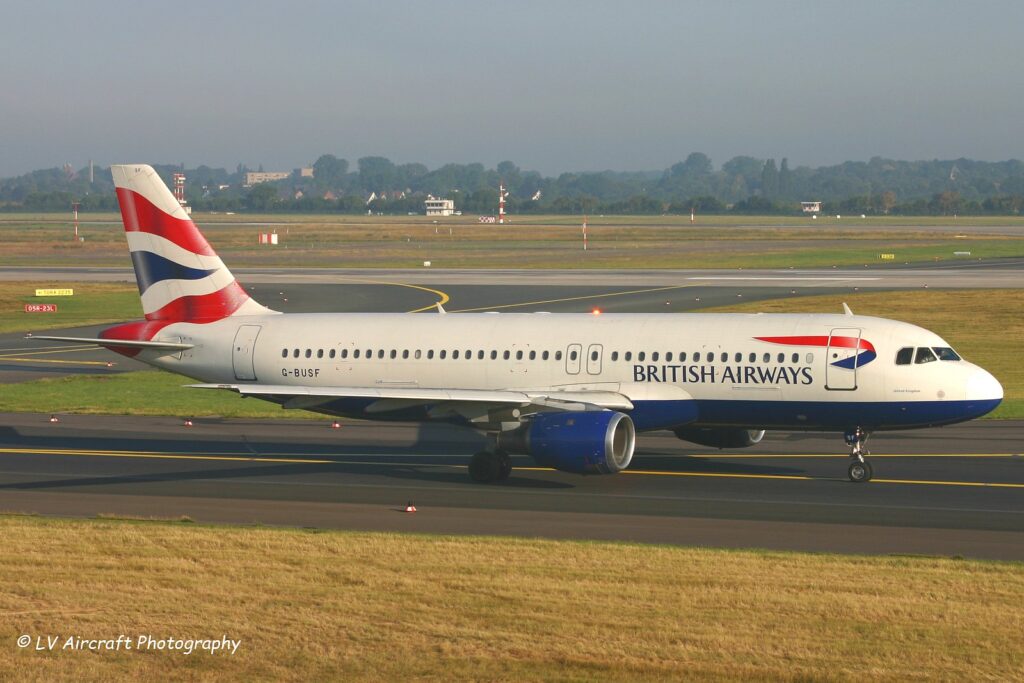
The introduction of the Airbus A320 into British Airways’ fleet in 1988 marked a pivotal moment for the airline, transitioning from a predominantly Boeing-operated short-haul service to embracing the innovative technology offered by Airbus. This strategic shift not only diversified BA’s aircraft portfolio but also reflected broader changes in the aviation landscape as airlines sought greater operational efficiency and passenger comfort.
From Boeing to Airbus: A Strategic Shift
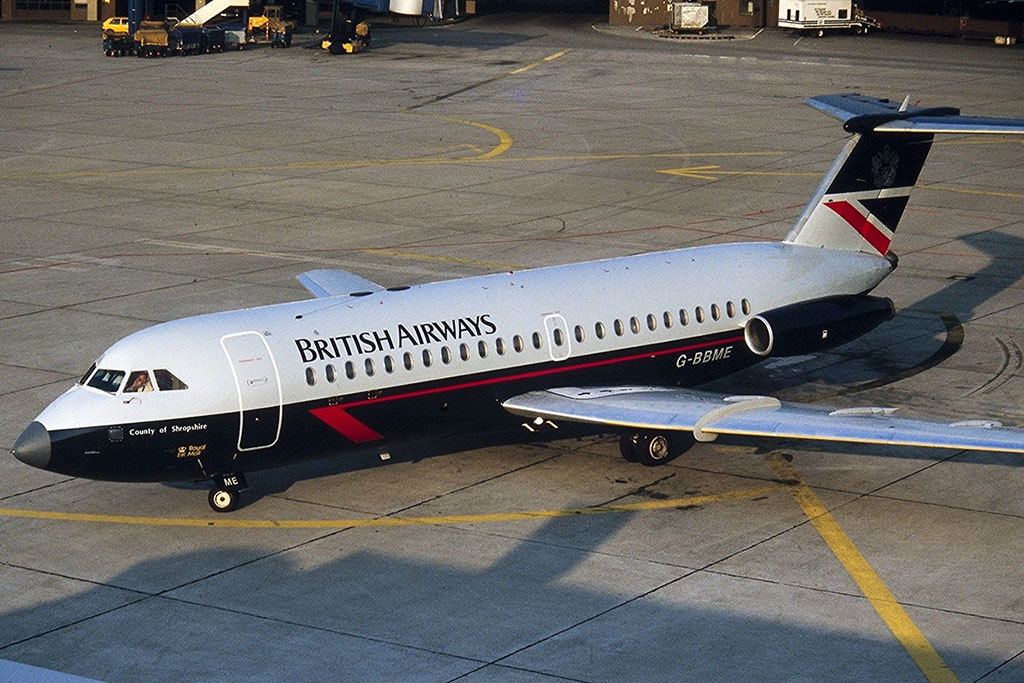
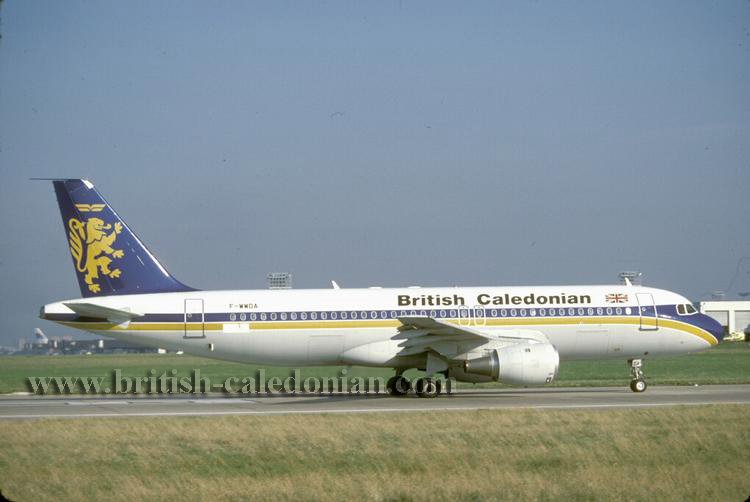
Prior to the arrival of the A320, British Airways primarily relied on Boeing aircraft, including the 737 and 757, alongside a few BAC One-Eleven models. The merger with British Caledonian in 1987 played a crucial role in this transition, as it brought with it a significant order for Airbus A320s. This acquisition not only expanded BA’s operational capacity at London Gatwick but also introduced a new aircraft type that was seen as technologically advanced for its time.
The Unique A320-100 Variant
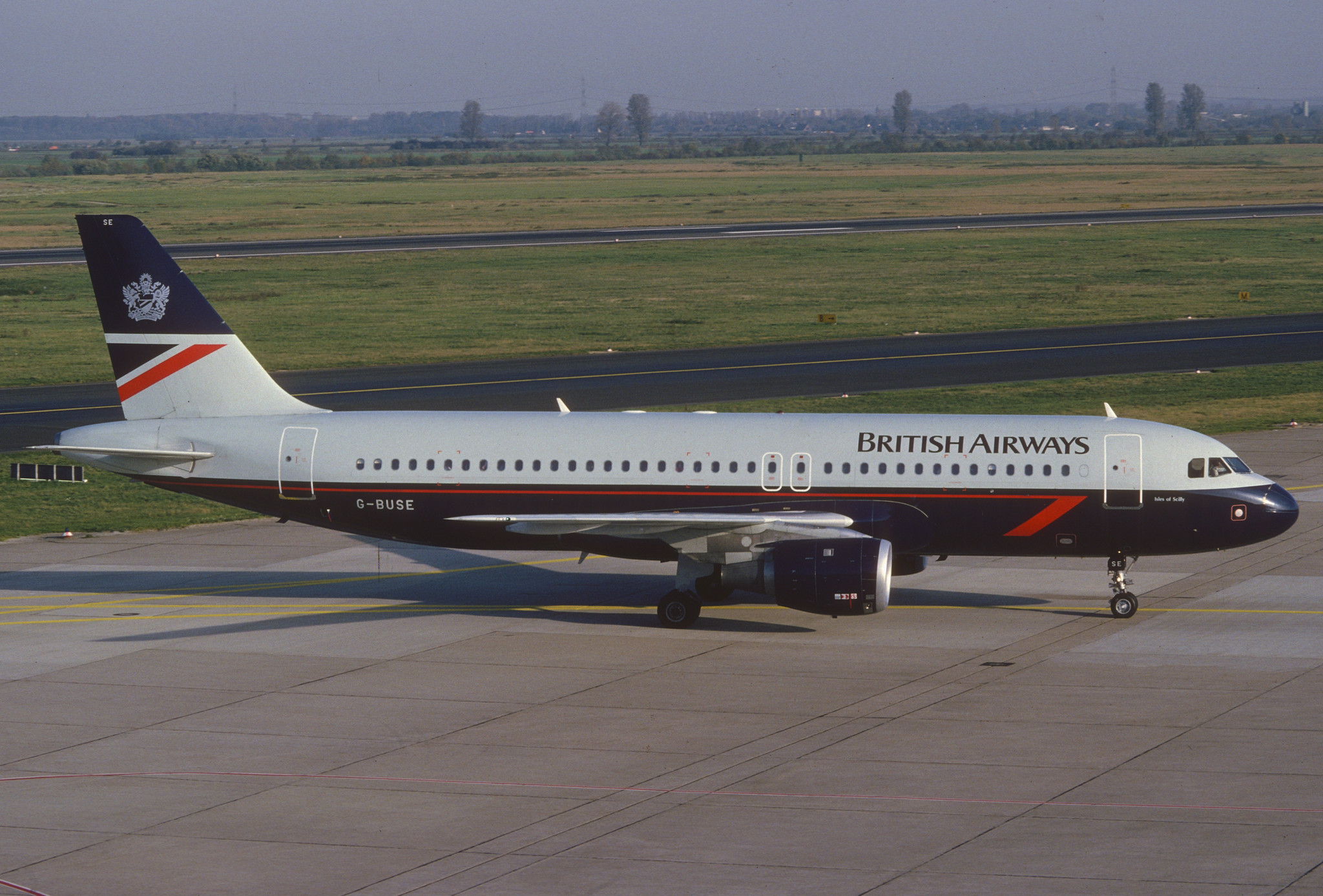
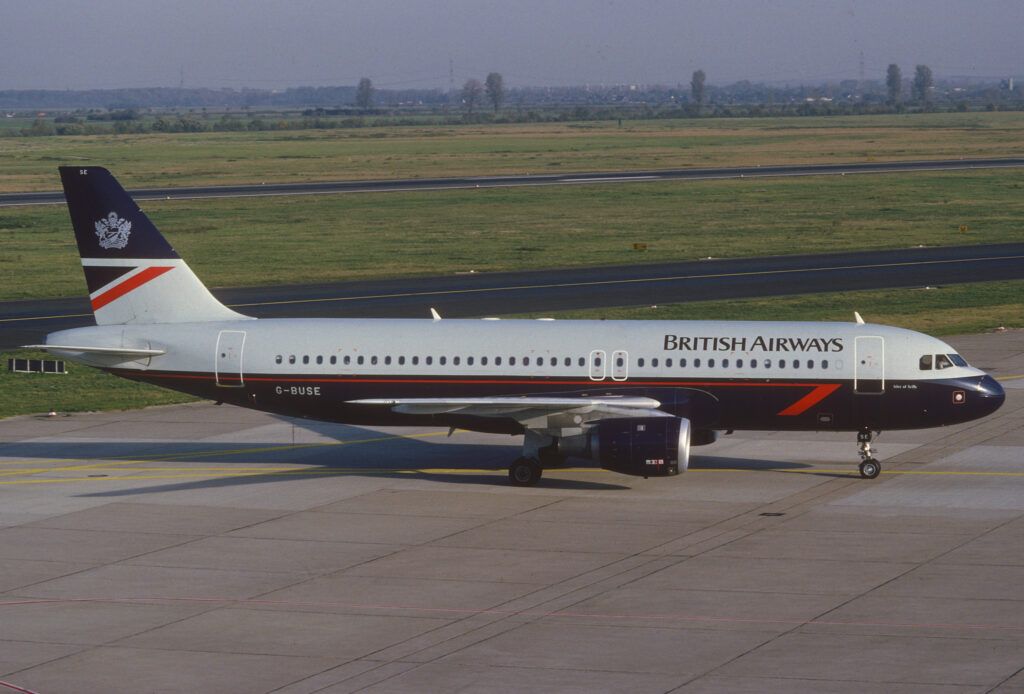
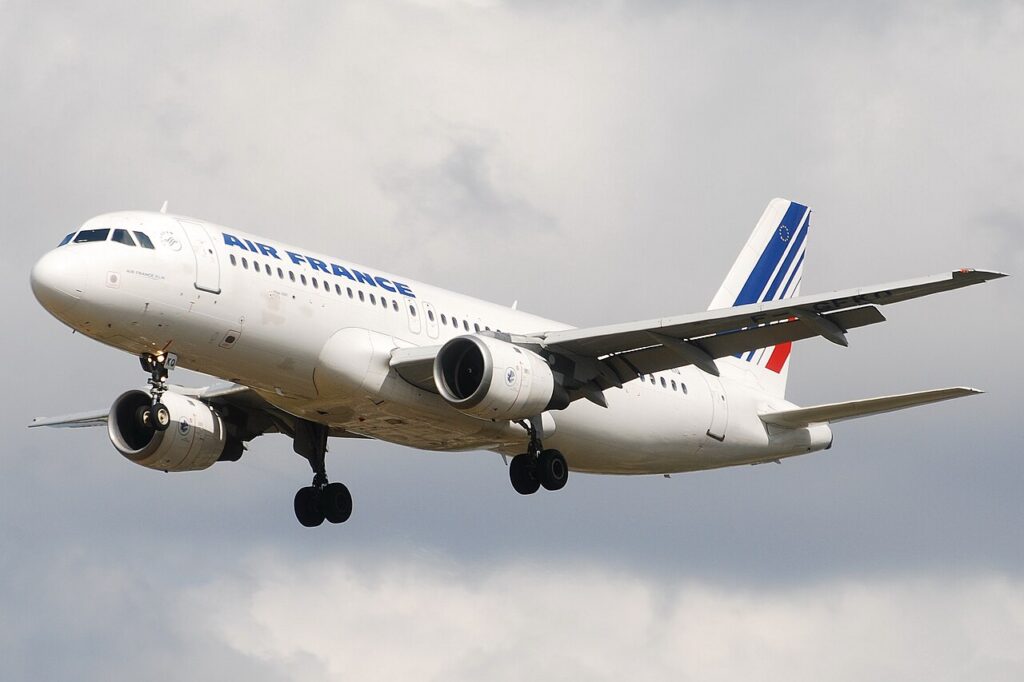
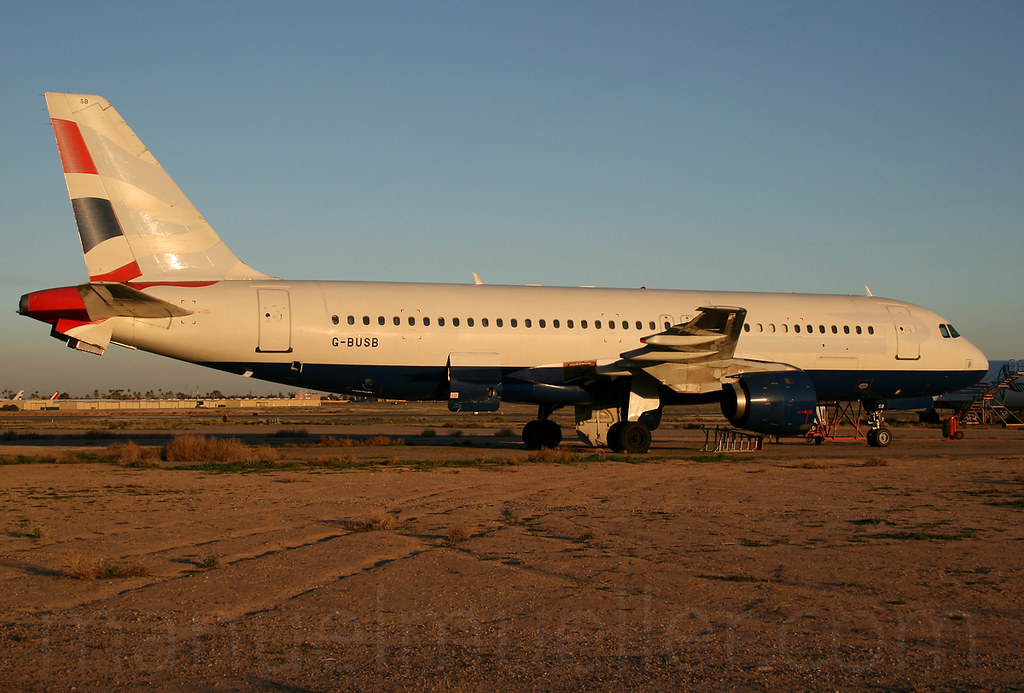
British Airways was among the first operators of the Airbus A320-100, a lesser-known variant of the A320 family. Unlike the more prevalent A320-200, the A320-100 featured lower fuel capacity and a reduced maximum range, making it a unique addition to BA’s fleet. Only 21 A320-100 aircraft were ever produced, and BA’s integration of this model highlighted its willingness to embrace new technology during a period of rapid change in commercial aviation.
Technological Advancements and Operational Benefits
The A320 introduced several groundbreaking features that revolutionized the flying experience. Innovations such as full digital fly-by-wire controls, side-stick controllers, and advanced electronic flight instrument systems (EFIS) provided pilots with enhanced control and situational awareness. For BA pilots accustomed to traditional Boeing cockpits, the transition to the A320’s advanced systems represented a significant evolution in operational procedures.
Operational Impact and Longevity
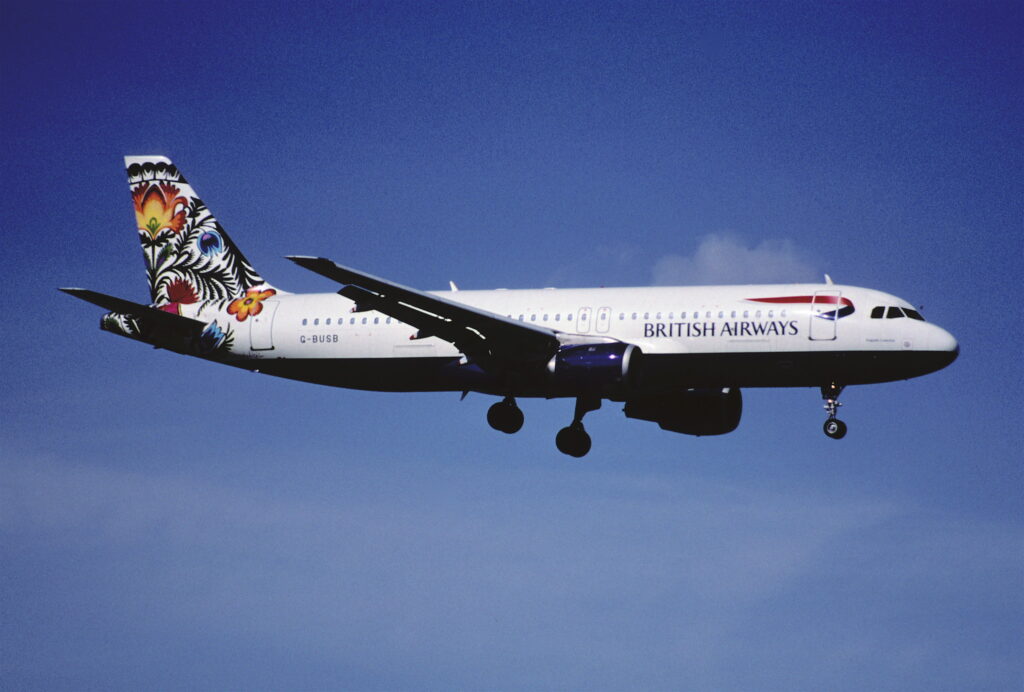
The A320-100s quickly became integral to British Airways’ short-haul operations, servicing major European business routes and leisure destinations across the Mediterranean. Despite being among the earliest models in the A320 family, these aircraft demonstrated remarkable longevity, remaining in service until 2015. Their durability can be attributed to BA’s commitment to maintenance and the eventual upgrades that brought these aircraft closer to the operational capabilities of the A320-200.
End of an Era
As the aviation market evolved and newer models like the A319, A320, and A321 were introduced, the A320-100s gradually faded from the spotlight. British Airways retired the last of these aircraft between 2013 and 2015, ultimately scrapping all seven units. This marked the end of a unique chapter in the airline’s history, as the A320-100s represented the inception of what would become one of the most successful aircraft families in commercial aviation.
A Legacy in Aviation
The story of British Airways and the Airbus A320-100 is a testament to the airline’s adaptability and forward-thinking approach to fleet management. While the A320-100s are no longer in service, their legacy lives on through the continued success of the A320 family, which remains a cornerstone of modern aviation. As airlines continue to evolve and adapt to new technologies, the pioneering spirit demonstrated by British Airways in the late 1980s serves as an enduring example of the importance of innovation in the industry.
This article was prepared by LibelulaFly as an independent aviation-news summary and editorial reinterpretation based on publicly available reporting. Images, when used, are included for editorial context with source attribution. Original source: www.airportspotting.com. Read the original article here: https://www.airportspotting.com/how-british-airways-came-to-fly-some-of-the-earliest-airbus-a320s/.
List, promote, or publish aircraft with LibelulaFly.
LibelulaFly.com • Sales@libelulafly.com • +1 305-332-1942
May
A Glimpse into Malév Hungarian Airlines’ History
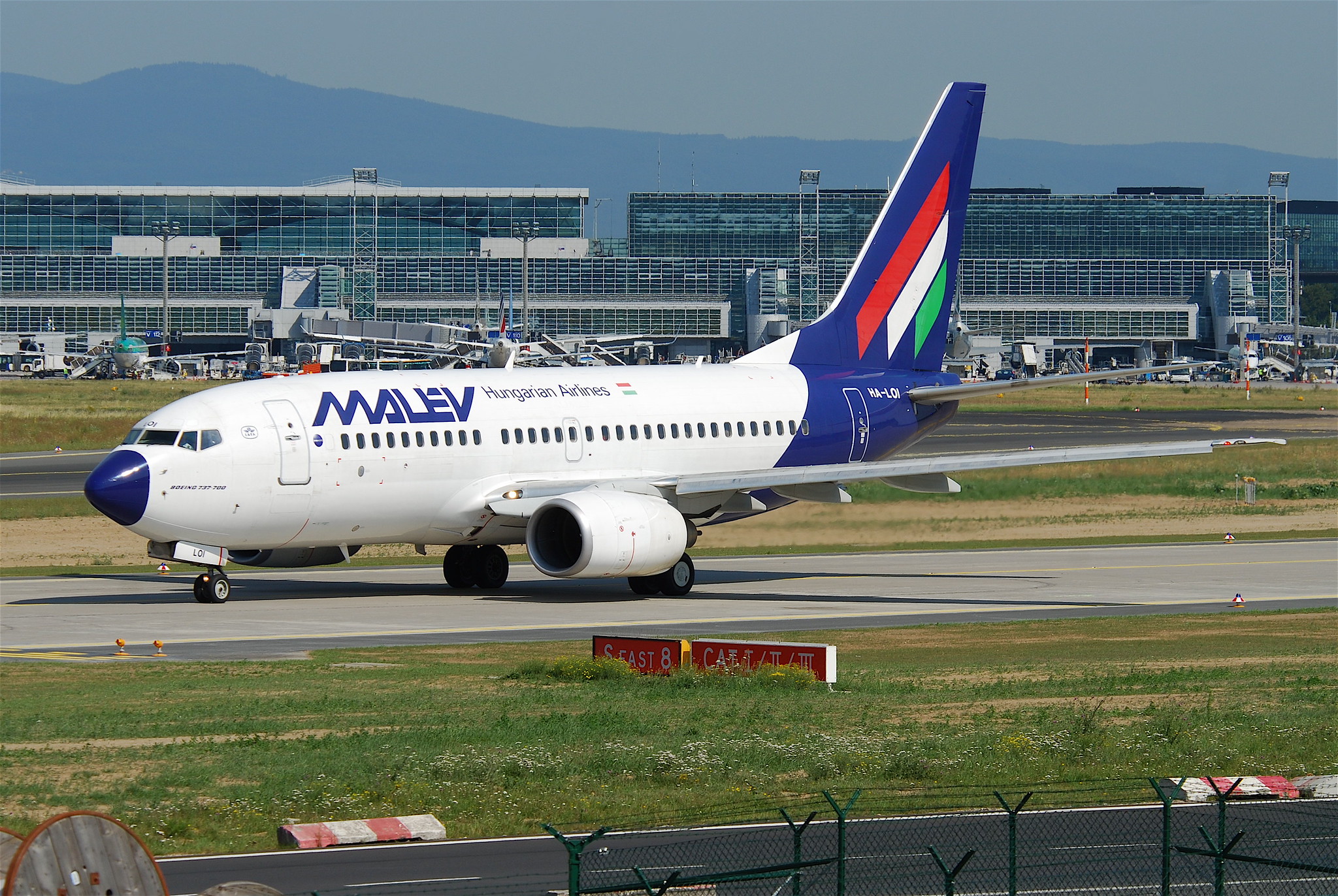
Malév Hungarian Airlines, once a prominent carrier in Eastern Europe, marked its presence in the aviation industry for over six decades. Established in the aftermath of World War II, the airline began as a joint Hungarian-Soviet venture and eventually evolved into a key player in regional and international air travel. Its distinctive blue-and-white livery became synonymous with air travel in Hungary, connecting Budapest to numerous destinations across Europe, the Middle East, and beyond.
Transitioning Through Turbulent Times
Throughout its operations, Malév navigated a landscape of political and economic change, transitioning from a fleet of Soviet-built aircraft to modern Western jets. Notably, the airline’s modernization in the late 20th century included the introduction of Boeing aircraft, which significantly enhanced its operational capabilities. The Boeing 737 family and Boeing 767 models allowed Malév to expand its reach, catering to a growing demand for contemporary air travel.
Challenges and Financial Struggles
Despite its modernization efforts, Malév faced mounting financial pressures. The rise of low-cost carriers in Europe and fluctuating fuel prices strained the airline’s profitability. Repeated attempts at privatization failed to stabilize its financial situation, leading to a complex ownership history that culminated in re-nationalization. The European Commission’s ruling on state aid further exacerbated Malév’s challenges, ultimately resulting in the airline’s abrupt cessation of operations on February 3, 2012.
The Fate of Malév’s Fleet
Following the airline’s closure, the fate of its fleet became a point of interest. Many of Malév’s leased aircraft were quickly reclaimed by their lessors and redistributed to various operators worldwide. However, a number of historic aircraft have found refuge in preservation. Notable among these is the collection at Aeropark Budapest, which houses several significant models, including the Tupolev Tu-154 and the Ilyushin Il-18, both of which are emblematic of Malév’s rich heritage.
Preserving a Legacy
The legacy of Malév extends beyond its operational years, as its preserved aircraft serve as a tribute to the airline’s contribution to aviation history. The collection at Aeropark Budapest, along with other preserved examples across Europe, stands as a testament to the evolution of air travel in Hungary. These aircraft not only represent the technological advancements of their time but also the cultural connection between Hungary and the world.
Reflections on a National Icon
Although Malév ceased operations over a decade ago, its impact on Hungarian aviation and the broader European market is still felt today. The airline’s sudden disappearance paved the way for low-cost carriers, reshaping Budapest Airport into a hub for budget travel. For many, Malév remains a nostalgic symbol of Hungary’s historical ties to global aviation.
As the aviation industry continues to evolve, the story of Malév serves as a reminder of the challenges faced by national carriers in a competitive environment. The preservation of its aircraft ensures that future generations can appreciate the legacy of an airline that once bridged continents and cultures.
May
Decline of a British Aviation Icon
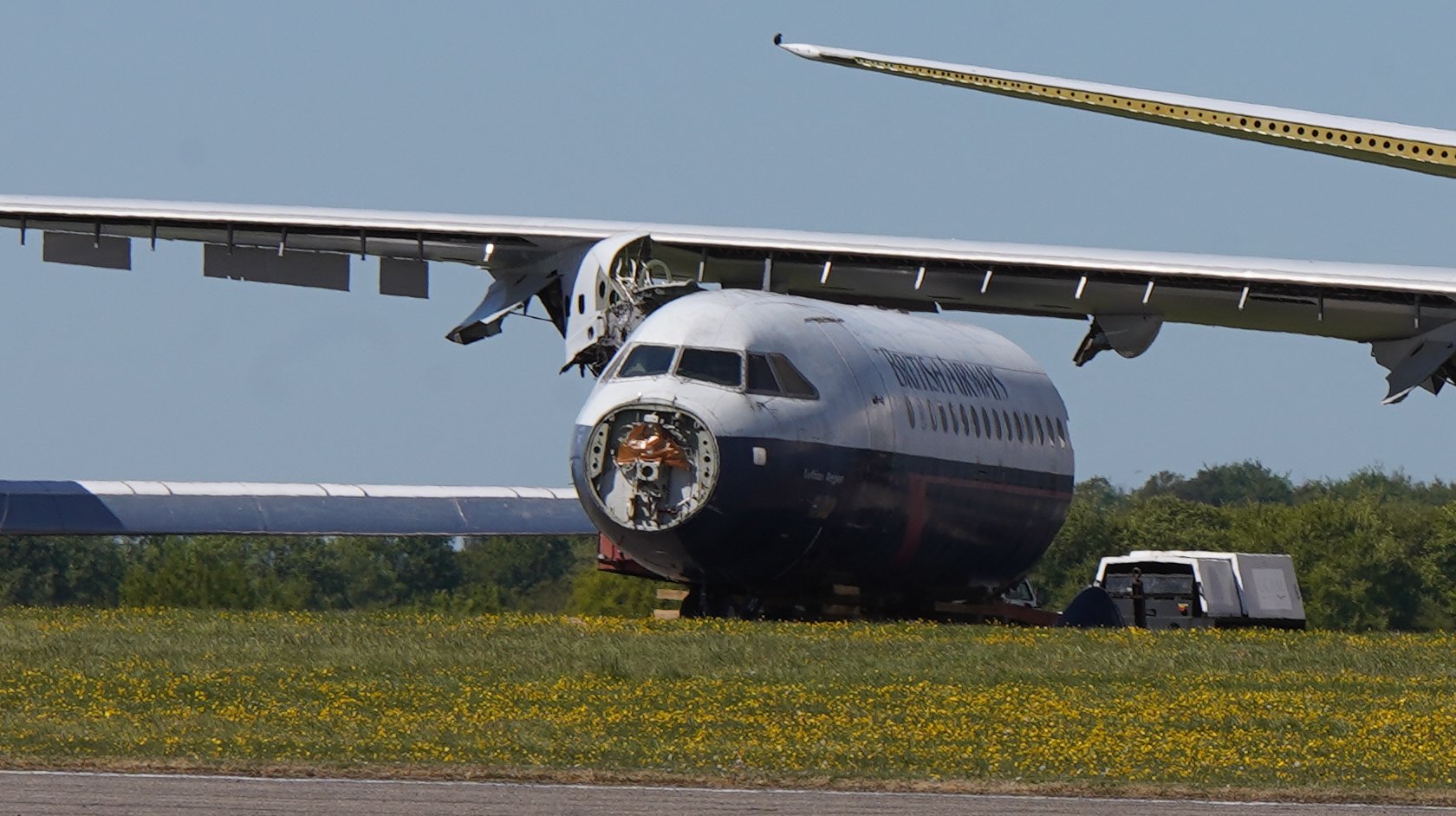
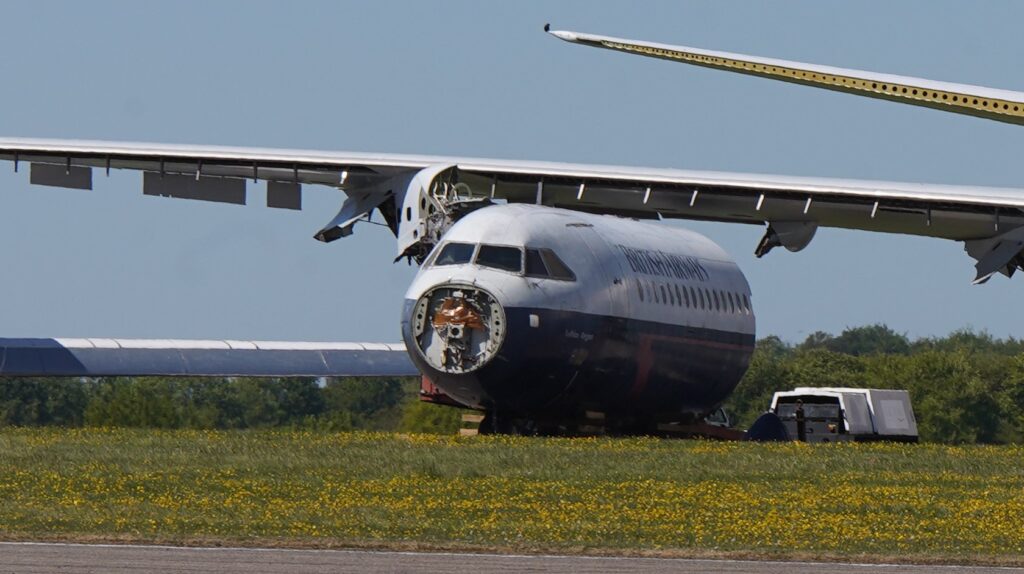
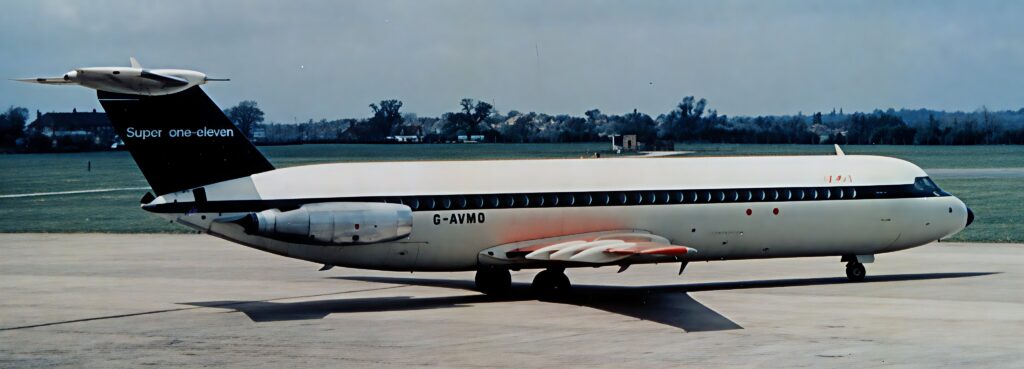
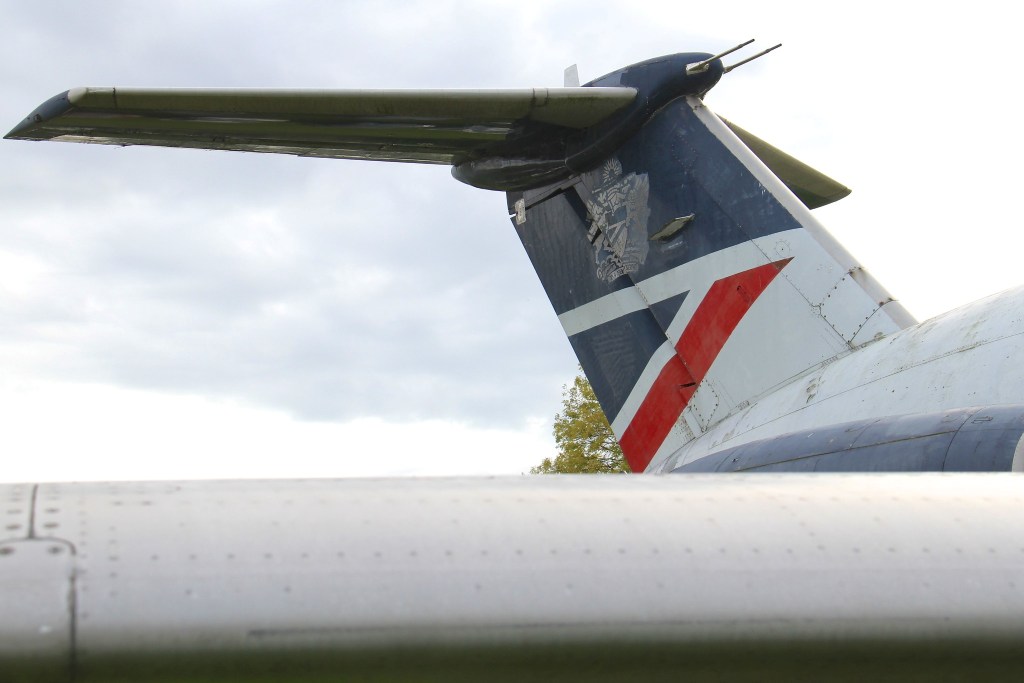
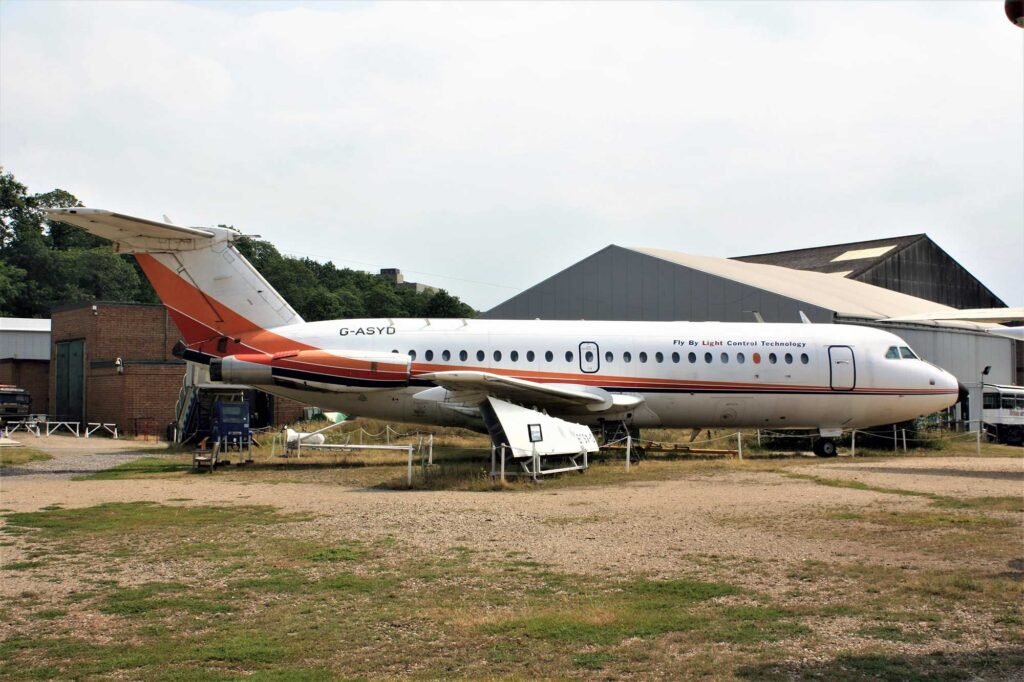
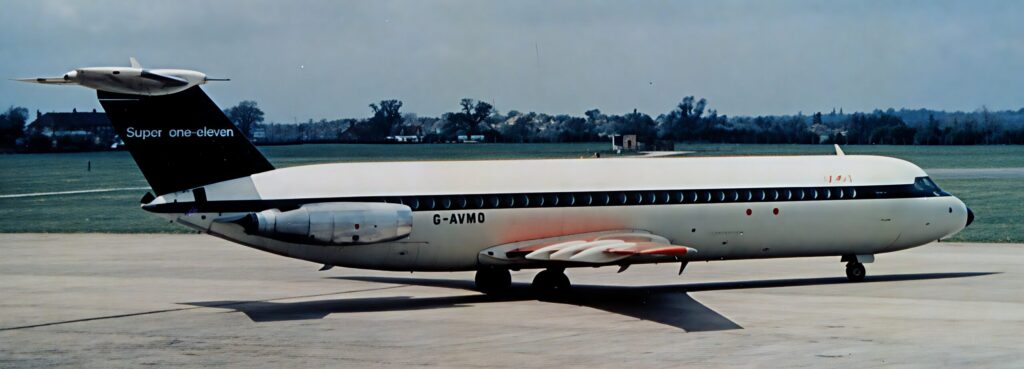
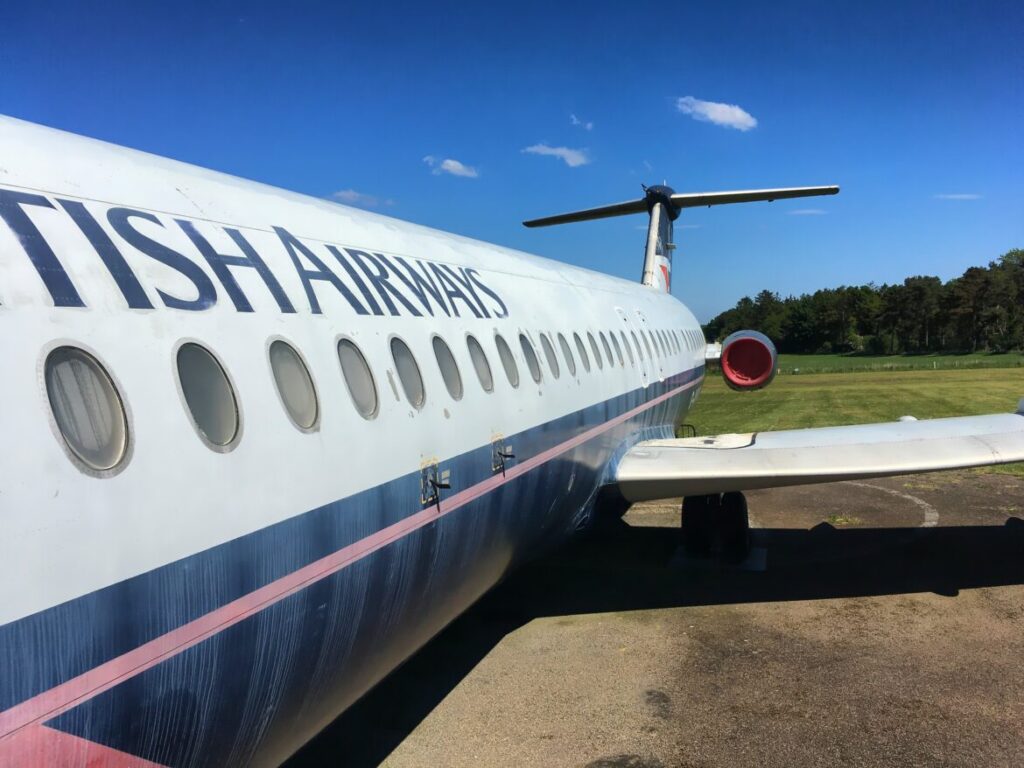
The historic BAC One-Eleven, a hallmark of British aviation from the 1960s through the 1980s, has experienced another significant loss as G-AVMO, a notable example of the aircraft, has been dismantled. Previously showcased at the National Museum of Flight in Scotland, G-AVMO succumbed to years of exposure and deterioration, leading to its removal and subsequent dismantling at Cotswold Airport. This event underscores the ongoing challenges faced in preserving aviation heritage amid changing environmental conditions.
A Legacy of Short-Haul Jet Travel
Developed by the British Aircraft Corporation, the BAC One-Eleven was designed to meet the burgeoning demand for short-haul jet services. Its first flight in 1963 marked the beginning of a successful era, with the aircraft becoming a staple for numerous airlines, including British European Airways and later British Airways. The One-Eleven was celebrated for its operational versatility, allowing it to thrive in various regional settings across Europe.
Challenges in Preservation
The dismantling of G-AVMO raises pressing questions regarding the preservation of historical aircraft. The museum’s decision was driven by the aircraft’s deteriorated state, exacerbated by the UK’s challenging weather conditions. Corrosion and structural damage have rendered many outdoor displays unsustainable, prompting discussions in the aviation community about the future of such significant artifacts.
Remaining Examples and Their Conditions
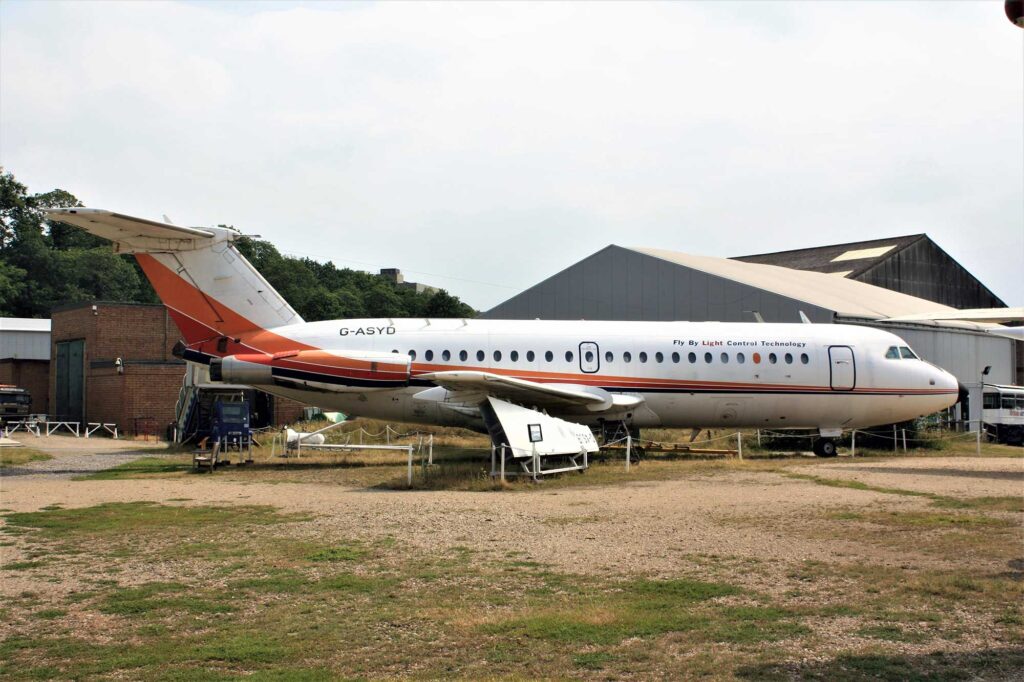
With G-AVMO’s dismantling, only two complete BAC One-Eleven airframes are now known to exist in the UK. One is housed at the British Airliner Collection in Duxford, while the other is a prototype at Brooklands Museum. Both have benefitted from dedicated preservation efforts, which have helped maintain their structural integrity despite being displayed outdoors. However, the number of complete examples is dwindling, making the need for proactive preservation efforts increasingly urgent.
Reflections on an Era
The BAC One-Eleven’s contribution to aviation history cannot be understated. It played a crucial role in shaping the landscape of regional air travel, offering airlines a reliable and efficient option for short-haul flights. Its distinctive design and operational capabilities left a lasting impact, with its sound and silhouette becoming synonymous with an era of British aviation.
The Future of Aviation Heritage
The fate of G-AVMO serves as a poignant reminder of the challenges faced by aviation museums. As large aircraft become increasingly difficult to maintain, the preservation of aviation history may require innovative solutions and increased funding. Enthusiasts and historians alike are calling for a renewed focus on the protection of these aircraft, not only as technical achievements but as cultural artifacts that represent a significant chapter in Britain’s aviation narrative.
Conclusion: A Call to Action
As the aviation community reflects on the legacy of the BAC One-Eleven, the loss of G-AVMO highlights the urgent need for action in preserving the remaining examples of this iconic aircraft. The memories and experiences associated with the One-Eleven are invaluable, and safeguarding these pieces of history will require collaboration among aviation enthusiasts, museums, and funding bodies. The hope remains that the stories of these aircraft will continue to inspire future generations.

This article was prepared by LibelulaFly as an independent aviation-news summary and editorial reinterpretation based on publicly available reporting. Images, when used, are included for editorial context with source attribution. Original source: www.airportspotting.com. Read the original article here: https://www.airportspotting.com/britains-bac-one-eleven-fleet-dwindles-further-as-scottish-example-broken-up/.
List, promote, or publish aircraft with LibelulaFly.
LibelulaFly.com • Sales@libelulafly.com • +1 305-332-1942
May
A Pivotal Era for Hawaiian Airlines
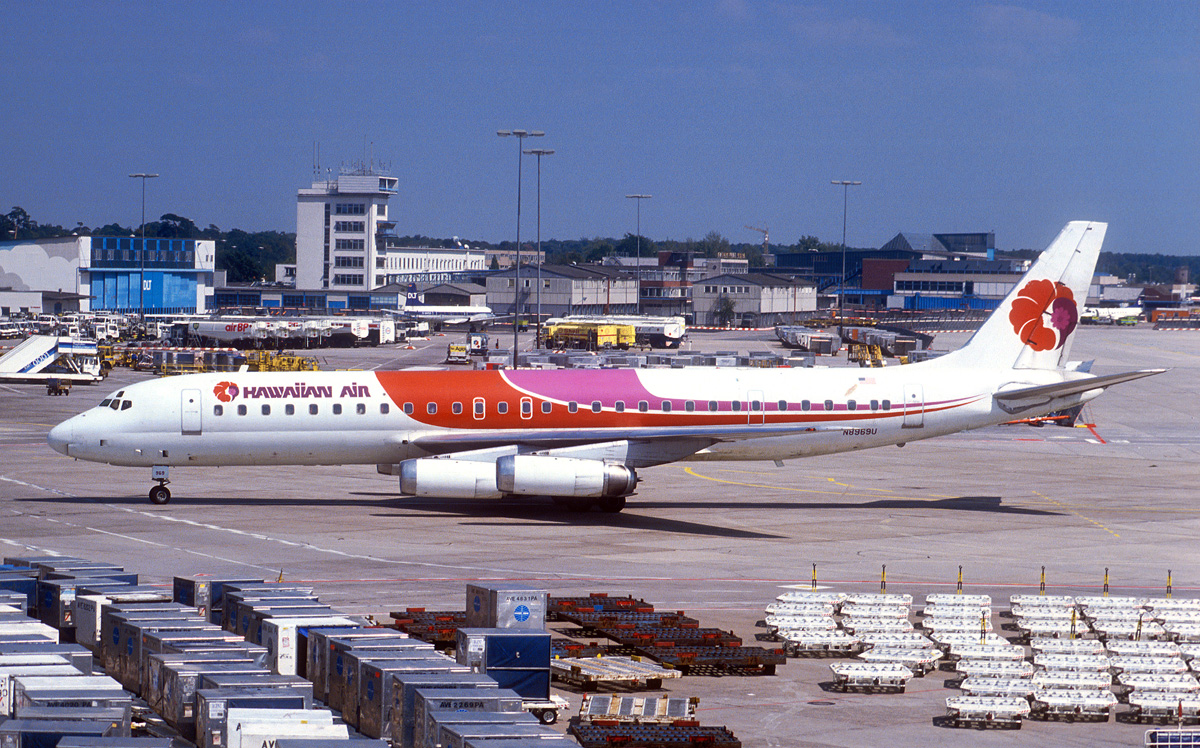
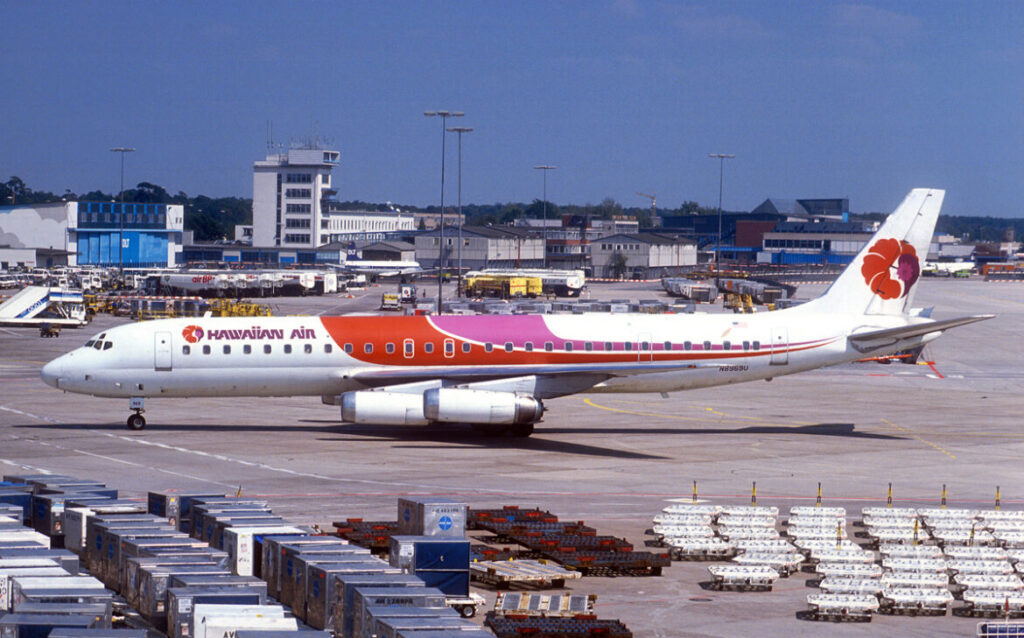
In the 1980s, Hawaiian Airlines embarked on a transformative journey, shifting from its traditional inter-island operations to a more ambitious international profile. Central to this strategic pivot was the introduction of the Douglas DC-8, a classic aircraft that played a crucial role in expanding the airline’s reach across the Pacific.
Embracing Long-Haul Opportunities
Faced with increasing competition on its core routes, Hawaiian Airlines recognized the need to innovate. The decision to incorporate widebody aircraft into its fleet marked a significant departure from its established business model. The DC-8, particularly its stretched variants, was chosen for its proven long-range capabilities and capacity, making it an ideal candidate for the airline’s expansion into long-haul markets.
The DC-8 Fleet Takes Flight
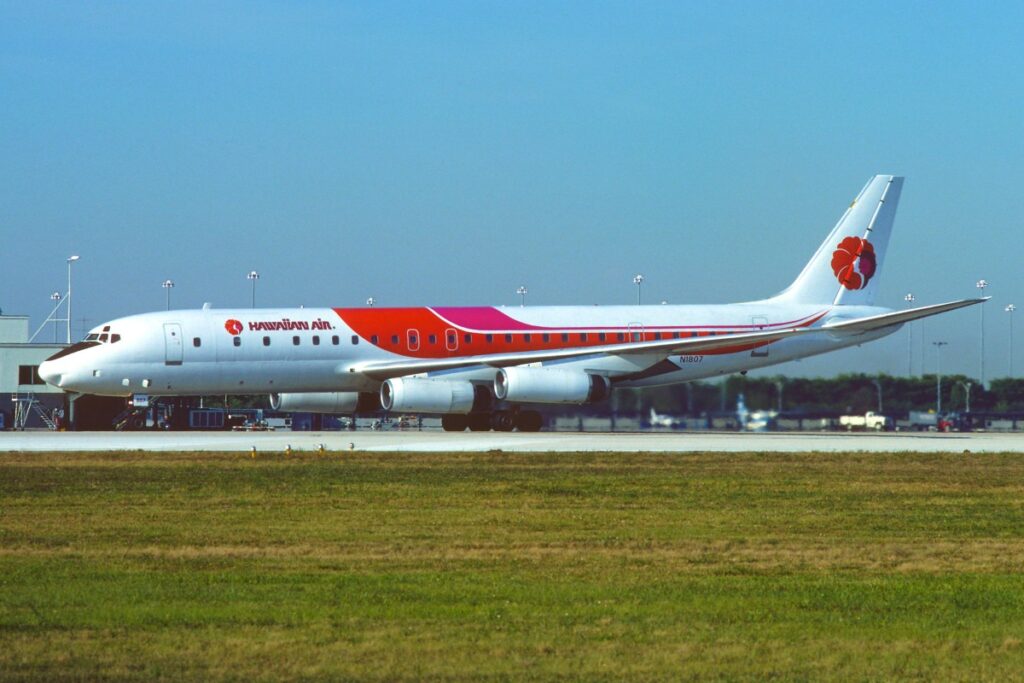
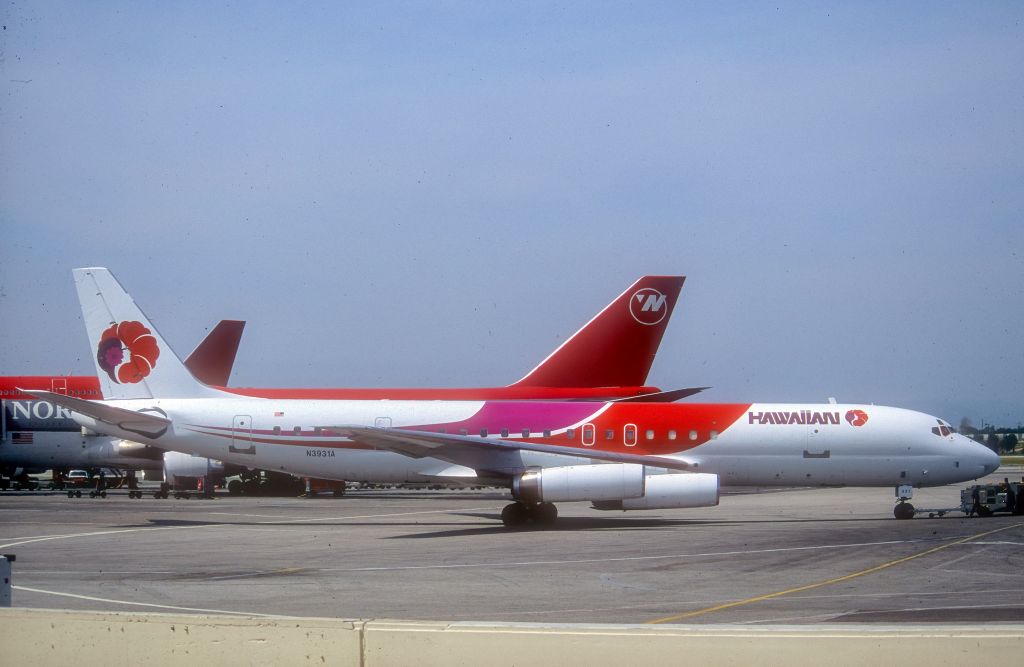
Hawaiian Airlines began operating a fleet of seven Douglas DC-8s in the mid-1980s, primarily sourcing these aircraft as second-hand models. This strategic choice allowed the airline to capitalize on the aircraft’s relatively low acquisition costs while leveraging its capabilities for both charter and scheduled services. The fleet consisted mainly of the DC-8-61 and DC-8-63 variants, which were designed to handle dense passenger routes and extended range operations.
Operational Versatility and Market Impact
The DC-8s were not utilized for the airline’s typical inter-island services but instead served as the backbone of Hawaiian’s burgeoning international charter business. Routes included destinations in Japan, South Pacific islands, and military contract flights. This flexibility enabled Hawaiian Airlines to explore lucrative markets without committing to full scheduled services, a significant advantage during the deregulated era.
Challenges and Regulatory Hurdles
Despite the initial success of the DC-8 operations, the fleet faced considerable challenges. Stricter noise regulations imposed by U.S. authorities made it increasingly difficult to operate older jetliners like the DC-8 without costly modifications. Additionally, Hawaiian Airlines struggled to balance its long-haul ambitions with the financial pressures of maintaining its inter-island network, leading to significant operational strain.
The Conclusion of an Era
By the early 1990s, Hawaiian Airlines entered a period of financial difficulty, culminating in Chapter 11 bankruptcy protection in 1993. As part of its restructuring efforts, the airline opted to retire its DC-8 fleet, marking the end of a significant chapter in its history. The last of the DC-8s were phased out just as larger, more efficient aircraft began to dominate the skies.
A Legacy in Aviation History
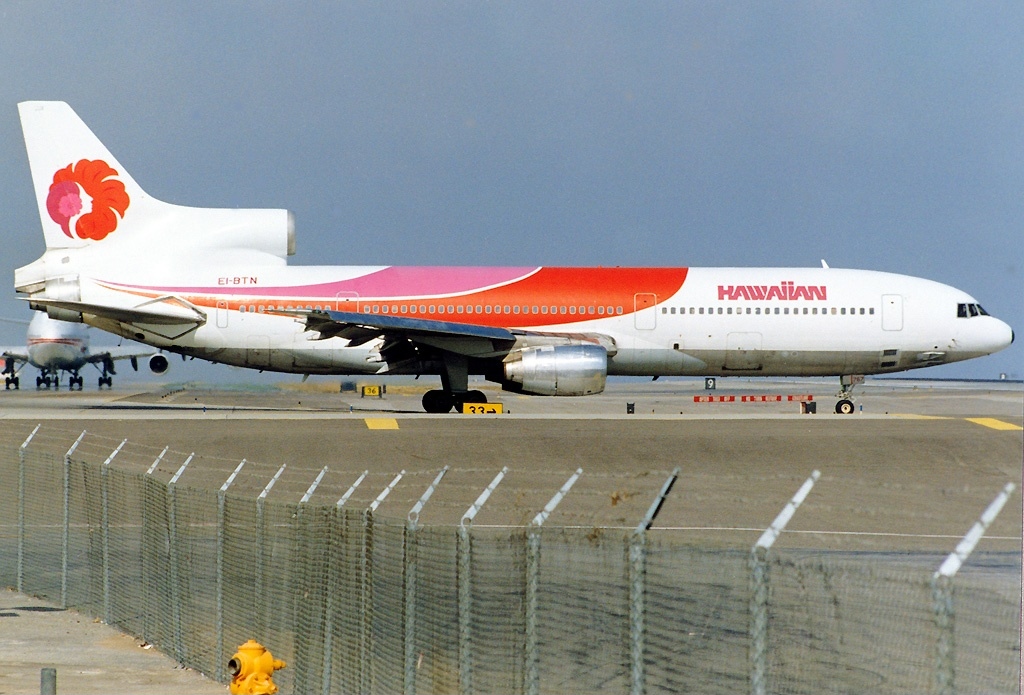
The Douglas DC-8 holds a unique place in aviation history, particularly for Hawaiian Airlines. As one of the last airlines to operate the type in scheduled passenger service, Hawaiian’s experience with the DC-8 underscores the aircraft’s durability and the airline’s unique operational needs during a transformative period. Following the DC-8, Hawaiian transitioned to more modern aircraft, including the Lockheed L-1011 TriStar and later the Boeing 767, which became the backbone of its transpacific services.
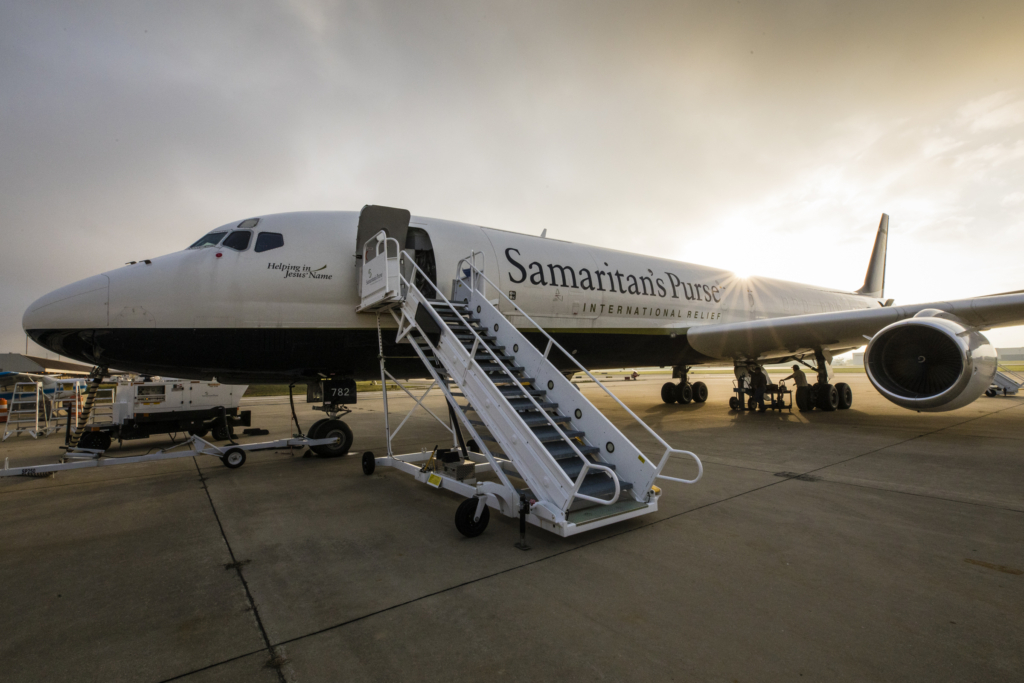
Today, the DC-8 is largely absent from commercial aviation, with only a few examples remaining in limited cargo roles. The legacy of Hawaiian Airlines’ DC-8s serves as a reminder of the airline’s bold ambitions and the enduring impact of classic aircraft in shaping the industry’s landscape.



This article was prepared by LibelulaFly as an independent aviation-news summary and editorial reinterpretation based on publicly available reporting. Images, when used, are included for editorial context with source attribution. Original source: www.airportspotting.com. Read the original article here: https://www.airportspotting.com/classic-airline-fleets-hawaiian-airlines-douglas-dc-8s/.
List, promote, or publish aircraft with LibelulaFly.
LibelulaFly.com • Sales@libelulafly.com • +1 305-332-1942