
Jul
easyJet Faces Major Transition with Proposed Takeover
In a significant development for the airline industry, easyJet has announced its intention to consider a £5.5 billion takeover offer from US investment firm Castlelake. This deal, which values the airline at £6.90 per share, could lead to easyJet transitioning into a private entity if finalized. According to UK takeover regulations, Castlelake has until August 3, 2026, to submit a formal offer.
Assessing easyJet’s Fleet Strategy
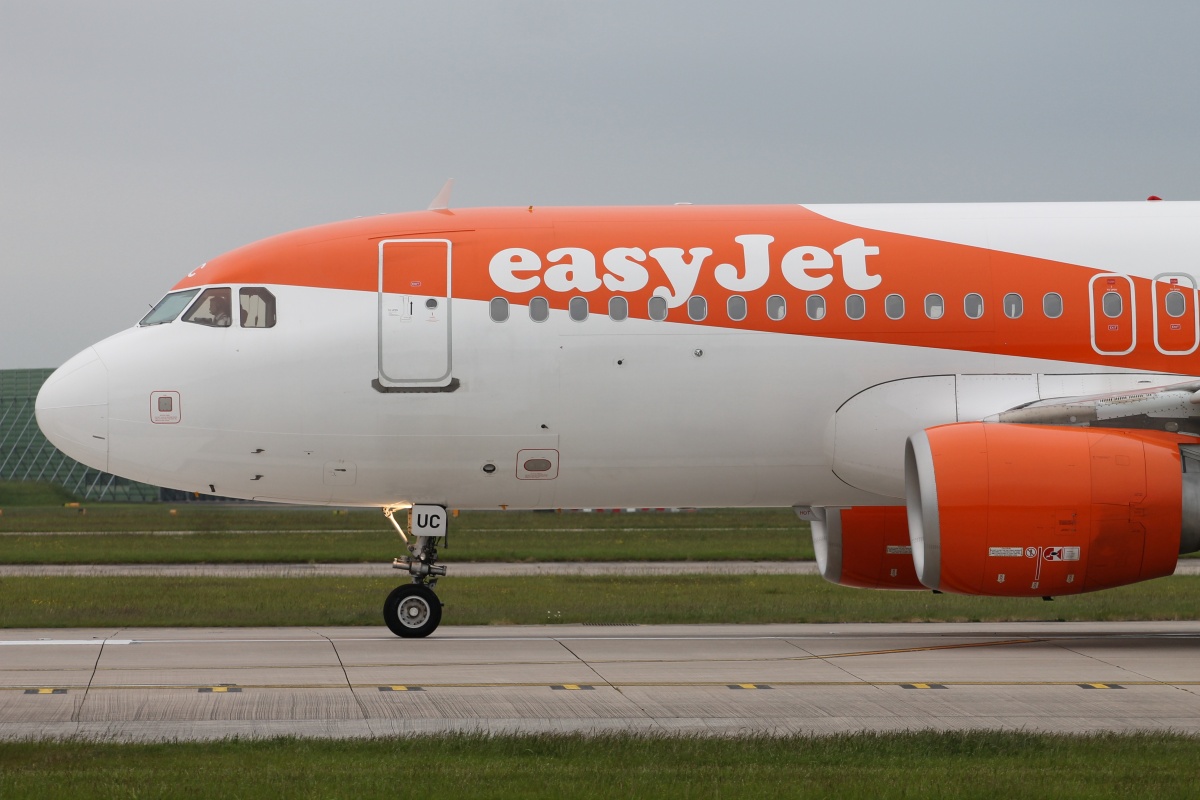
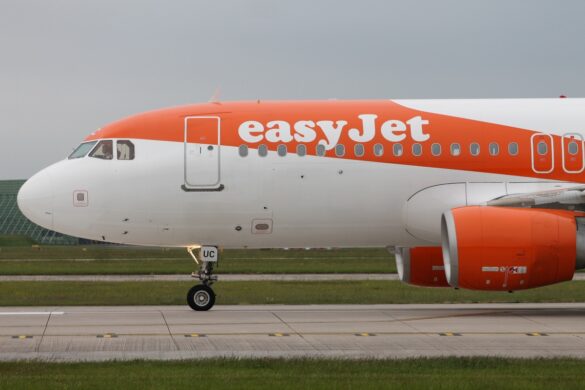
easyJet stands as one of Europe’s leading low-cost carriers, boasting a robust short-haul network that spans the UK, Europe, and North Africa. As of March 31, 2026, the airline operates a fleet of 356 aircraft across 1,273 routes and 165 airports in 37 countries. The current fleet is exclusively composed of Airbus models, primarily the A319, A320, A320neo, and A321neo families.
The attractiveness of easyJet to potential investors is underscored by its valuable airport slots at key locations, including London Gatwick and major European hubs. However, the question arises: will the fleet undergo significant changes under new ownership?
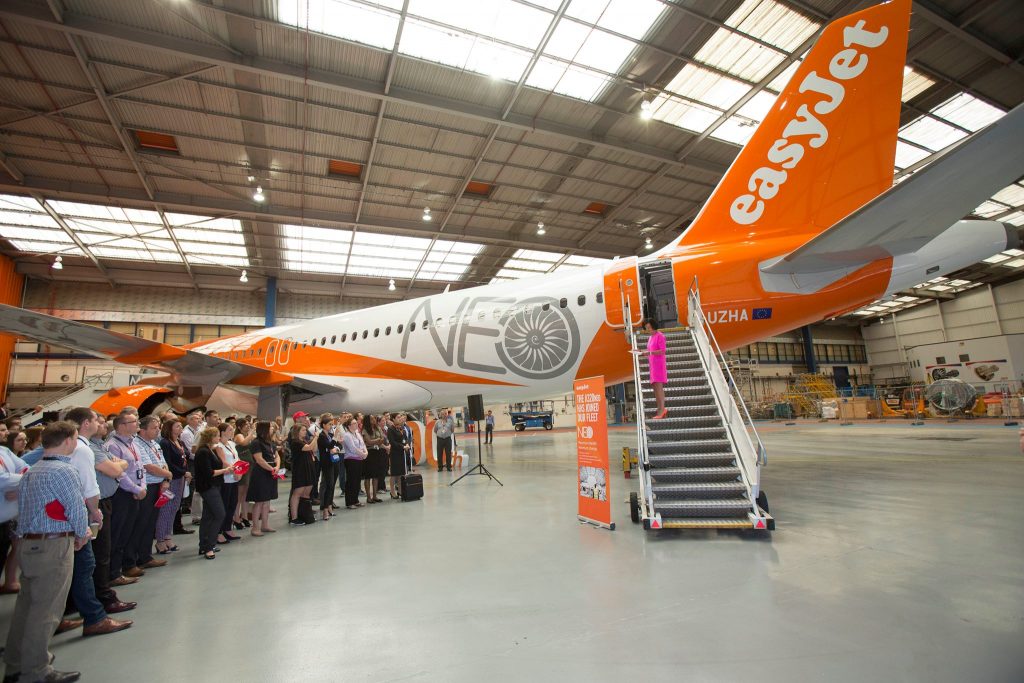
While substantial alterations are not anticipated, easyJet’s existing commitments to the Airbus A320neo family suggest a clear trajectory for fleet modernization. In recent years, the airline has placed a firm order for 157 additional A320neo family aircraft, including a mix of A320neos and A321neos, indicating a shift towards larger, more efficient models. This evolution is likely to phase out older A319s, making way for the A321neo on high-demand routes.
Brand Identity: Stability Amidst Change
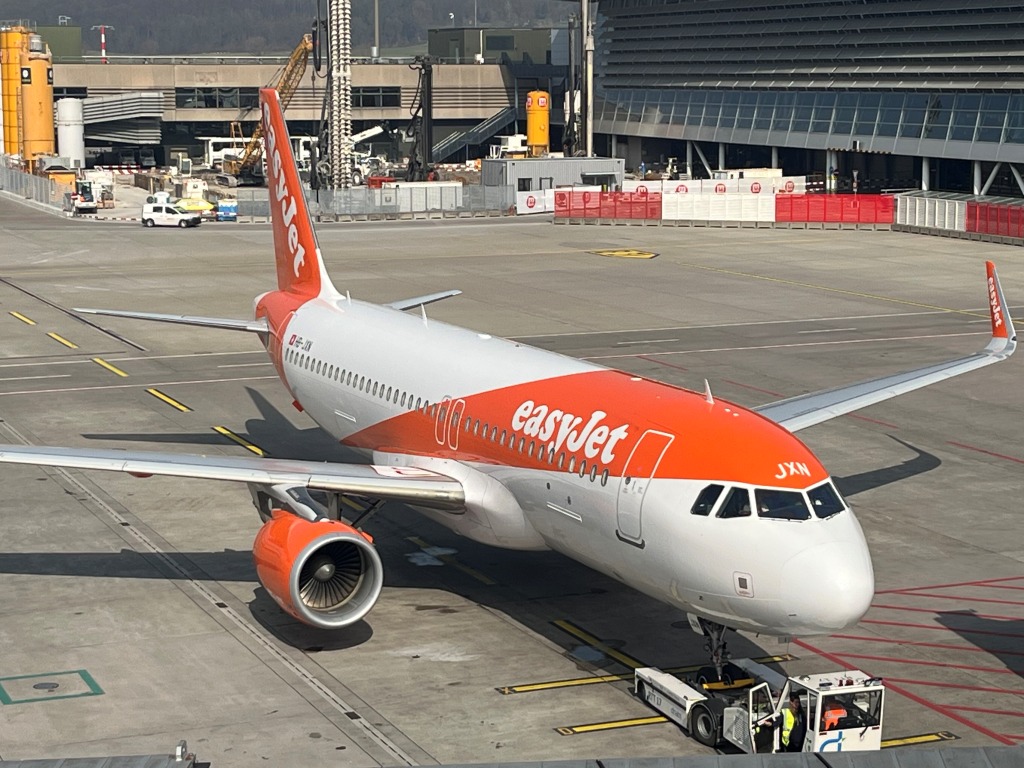
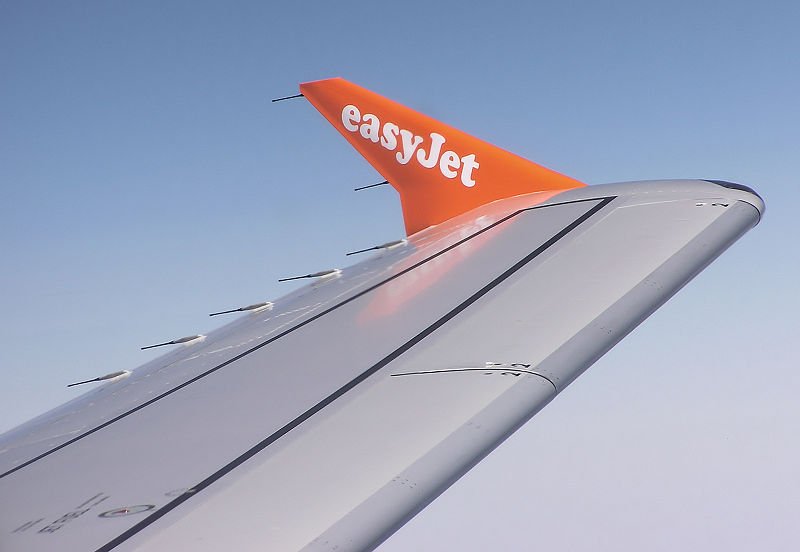
The iconic orange-and-white branding of easyJet is unlikely to undergo drastic changes. Recognized throughout Europe, this branding is integral to the airline’s identity and marketing strategy. While private ownership could lead to adjustments in investment focus or operational strategies, a complete rebranding would pose significant risks.
However, smaller branding modifications may emerge, particularly if Castlelake seeks to enhance easyJet Holidays or expand its premium travel offerings. Such changes could subtly influence customer perception while maintaining the airline’s recognizable presence.
Route Network: Potential for Strategic Adjustments
One of the more likely areas for transformation lies within easyJet’s route network. Given the airline’s strong positioning at several major airports, including London Gatwick, a new ownership structure may prompt a thorough review of routes based on profitability. This could lead to an increased emphasis on leisure markets and a more robust integration of easyJet Holidays into its operational framework.
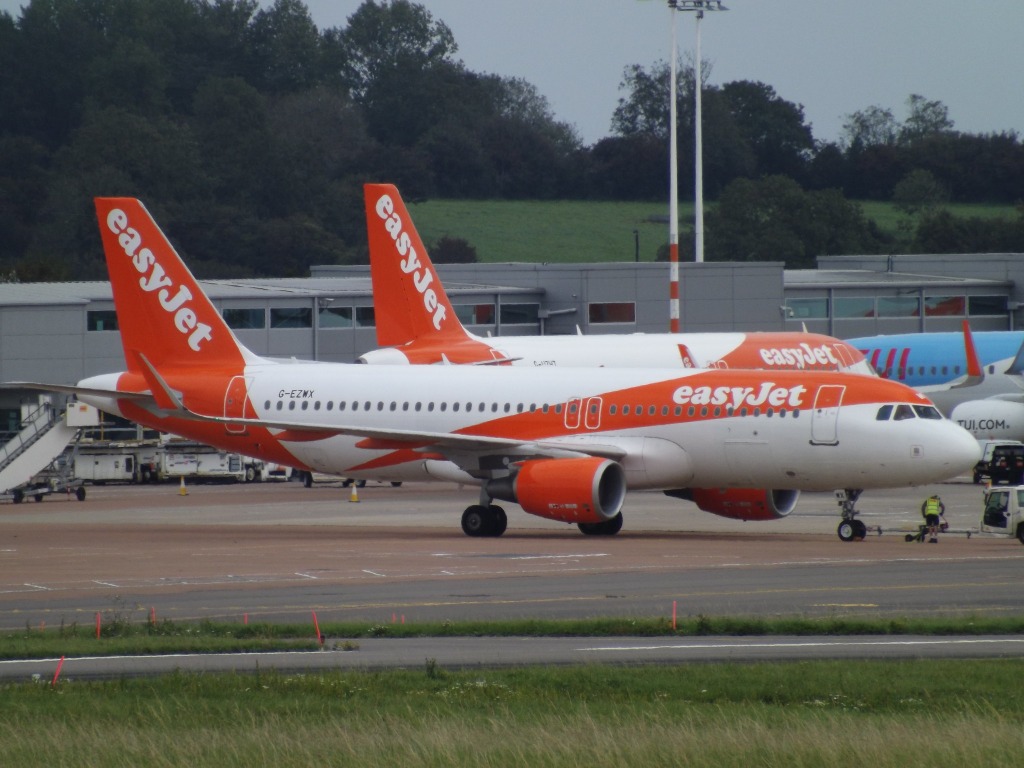
For aviation enthusiasts, the possibilities are intriguing. Observers will be keen to see whether easyJet expands its operations at key airports, increases the deployment of A321neos on busy routes, or modifies less profitable routes. The potential for a shift in operational focus under private management could yield significant changes in the airline’s service offerings.
Future Outlook: What Lies Ahead for easyJet?
Speculation exists regarding the potential for structural changes within easyJet, particularly concerning the separation of easyJet Holidays from the core airline operations. Nevertheless, Castlelake has publicly expressed support for easyJet’s growth and fleet modernization, suggesting that immediate disruption is unlikely.
In the near term, customers and aviation enthusiasts can expect continuity in easyJet’s operations, with aircraft continuing to fly in their familiar colors and the established route network remaining intact. The proposed takeover marks a pivotal moment for easyJet, and its implications will unfold in the coming years as the airline navigates this transition.



This article was prepared by LibelulaFly as an independent aviation-news summary and editorial reinterpretation based on publicly available reporting. Images, when used, are included for editorial context with source attribution. Original source: www.airportspotting.com. Read the original article here: https://www.airportspotting.com/easyjet-takeover-what-could-it-mean-for-the-airlines-fleet-routes-and-brand/.
List, promote, or publish aircraft with LibelulaFly.
LibelulaFly.com • Sales@libelulafly.com • +1 305-332-1942

Jul
Farewell to a Cargo Icon
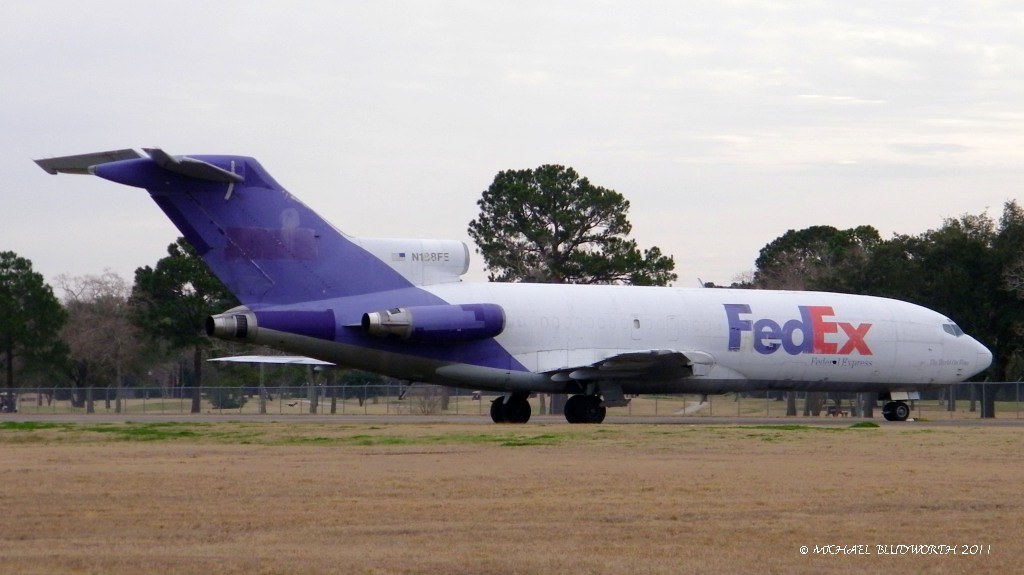
The retirement of FedEx’s Boeing 727 fleet in June 2013 marked the conclusion of a significant chapter in the history of cargo aviation. For nearly four decades, the trijet served as a backbone of the express delivery service, playing a crucial role in shaping FedEx’s operations across North America. With its distinctive purple-and-orange livery, the Boeing 727 became synonymous with FedEx, particularly at its Memphis superhub, where the aircraft facilitated the overnight delivery of packages.
Building an Express Delivery Network
FedEx introduced the Boeing 727 into its operations in 1977, leveraging the aircraft’s unique capabilities to build a robust domestic network. The versatility of the 727, initially designed for passenger transport, allowed FedEx to convert many of these aircraft into freighters. Their ability to serve smaller airports and deliver cargo swiftly made them an ideal choice for the burgeoning express delivery market, contributing to FedEx’s rapid expansion and success.
Transitioning to Modern Freighters
Despite its storied history, the Boeing 727 faced challenges as newer aircraft entered the market. The trijet’s three Pratt & Whitney JT8D engines were less fuel-efficient compared to contemporary twin-engine freighters like the Boeing 757 and 767. As operational costs and environmental regulations evolved, FedEx began phasing out the 727 in favor of more efficient models starting in 2007. The final flight of the 727 on June 21, 2013, signaled the end of an era, as the company transitioned to a more modern fleet.

Preserving a Piece of Aviation History
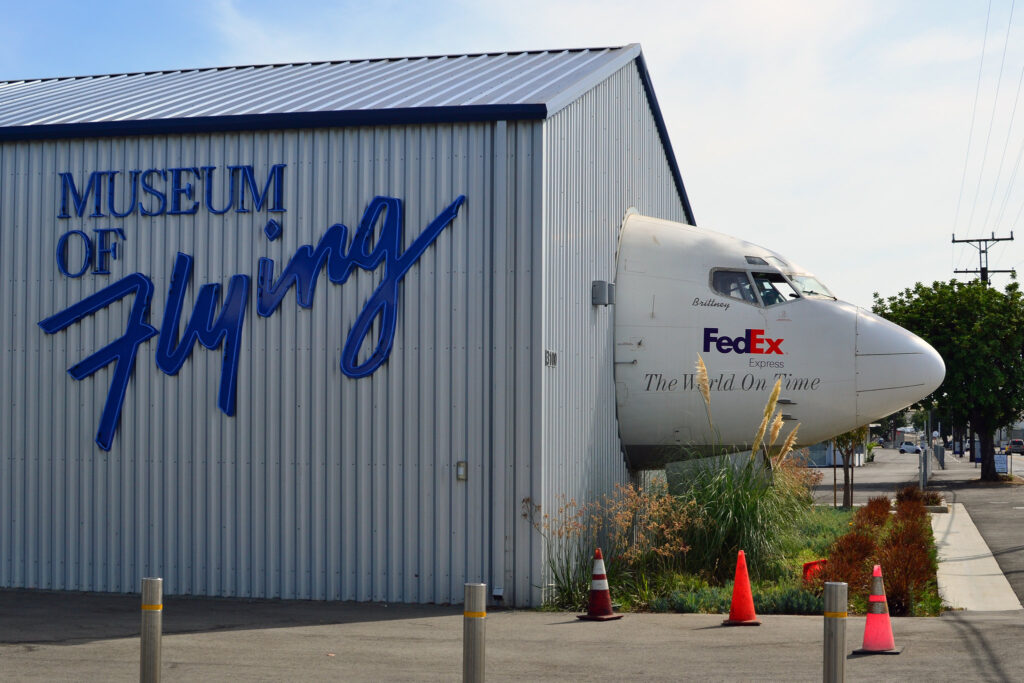
The retirement of the Boeing 727 did not signify the end of its legacy. FedEx took a commendable step by donating many of its retired aircraft to educational institutions, museums, and fire training facilities across the United States. Over 80 former FedEx 727s found new roles as training airframes, ensuring that future generations of aviation technicians could learn on a piece of history.
A Lasting Impact on Aviation Education
Among the institutions that received these aircraft are the Kansas Aviation Museum, Florida Air Museum, and Owens Community College, among others. These donations allow students and aviation enthusiasts to engage with the aircraft firsthand, fostering a deeper appreciation for the engineering and operational aspects of aviation. The Boeing 727 remains an essential part of training programs, providing invaluable hands-on experience for aspiring technicians.
Continuing the Legacy
While the Boeing 727 may no longer fly in FedEx’s fleet, its impact on the aviation industry and express delivery service is undeniable. The aircraft’s design, operational efficiency, and adaptability helped shape the logistics landscape, influencing how goods are transported across the globe. As enthusiasts and professionals reflect on the Boeing 727’s legacy, its contributions to aviation education and preservation ensure that its story will continue to inspire future generations.
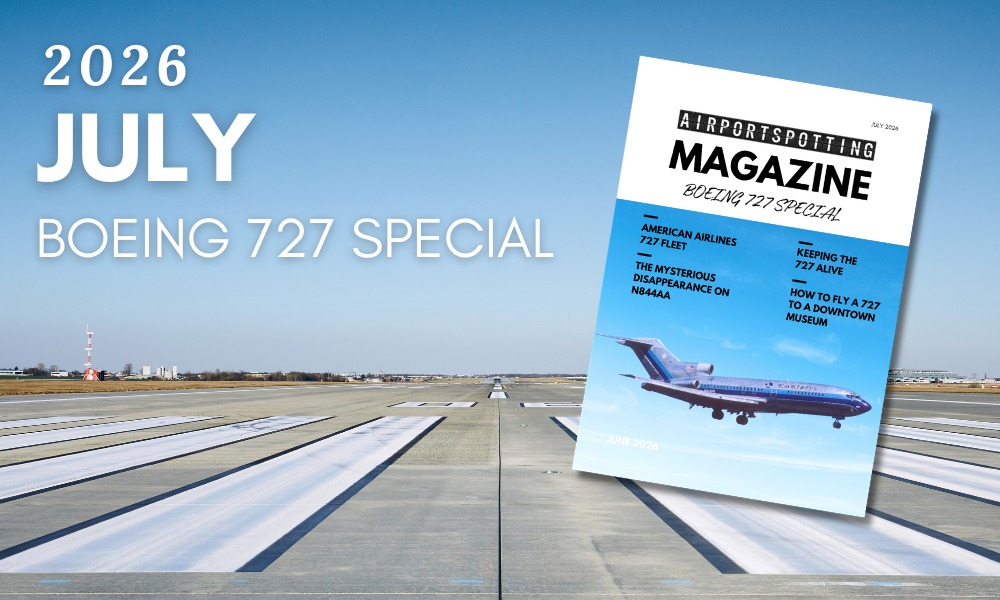



This article was prepared by LibelulaFly as an independent aviation-news summary and editorial reinterpretation based on publicly available reporting. Images, when used, are included for editorial context with source attribution. Original source: www.airportspotting.com. Read the original article here: https://www.airportspotting.com/what-happened-to-fedexs-boeing-727-fleet/.
List, promote, or publish aircraft with LibelulaFly.
LibelulaFly.com • Sales@libelulafly.com • +1 305-332-1942
Jul
Air Canada Enhances Route Network with A321XLR
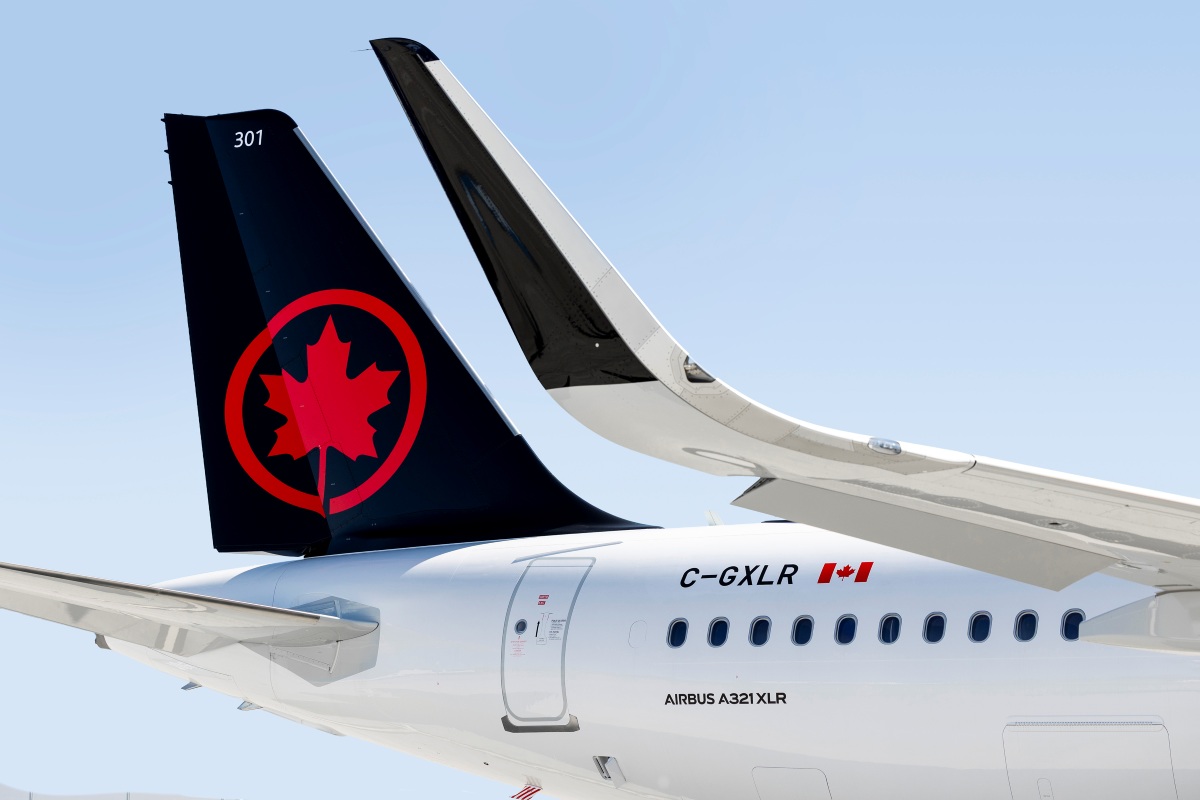
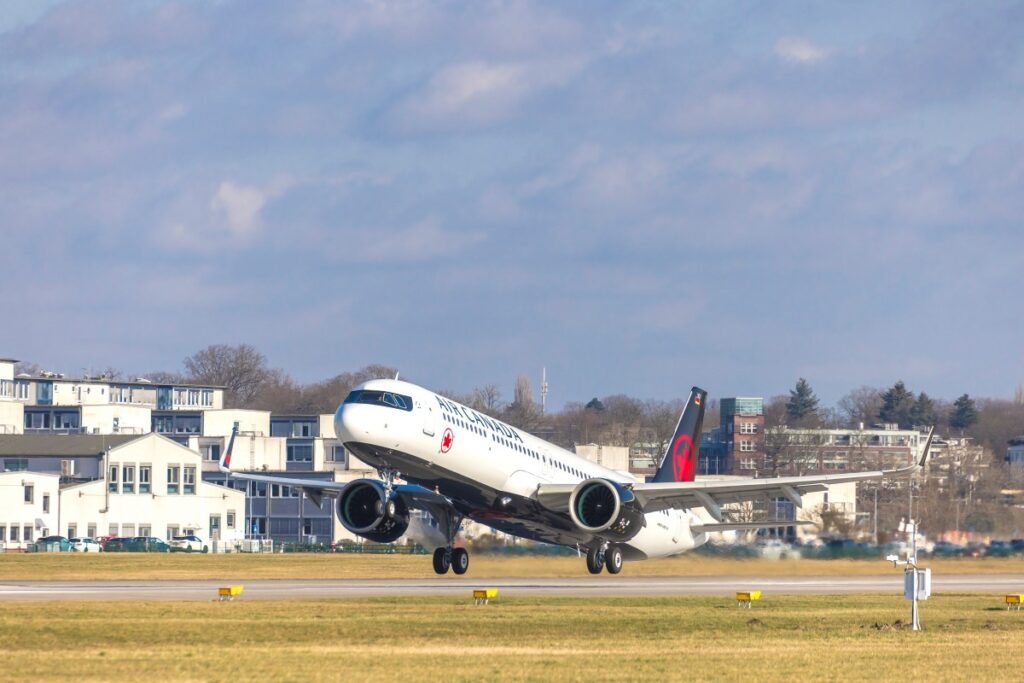
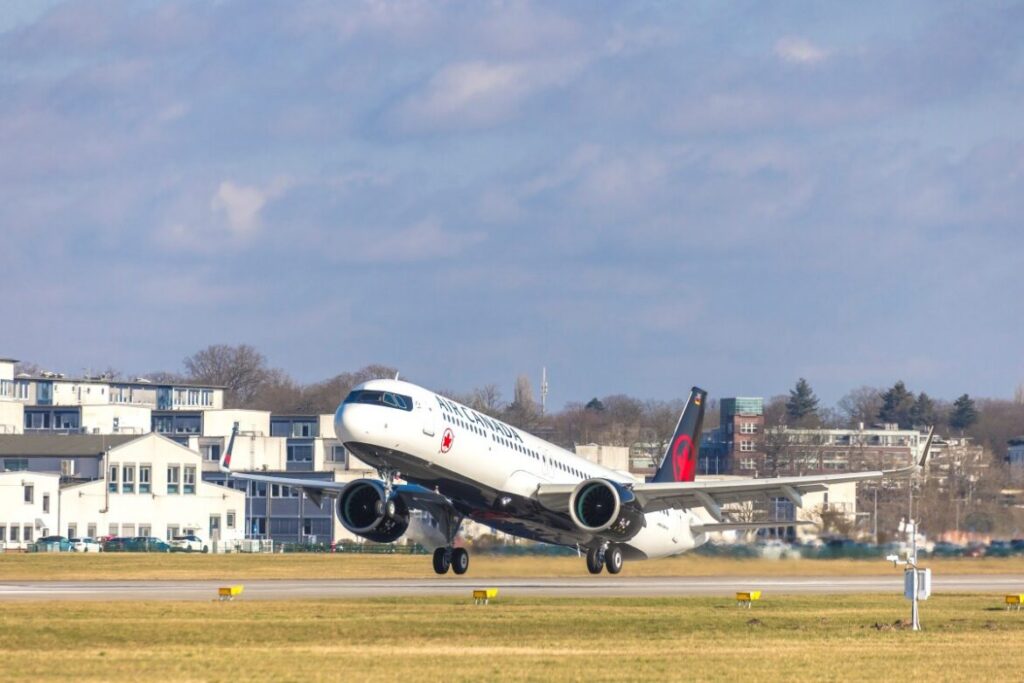
Air Canada has unveiled its strategic deployment plans for the Airbus A321XLR aircraft during the winter schedule of 2026/27. The airline aims to capitalize on the aircraft’s long-range capabilities by integrating it into a more extensive array of both domestic and international routes, marking a significant evolution in its operational strategy.
Broadening Horizons: Domestic and Transatlantic Services
Initially, the A321XLR was primarily associated with Air Canada’s new European routes. However, as part of the upcoming winter schedule, the aircraft will become an integral part of the airline’s North American services. Key routes set to feature the A321XLR include:
- Montreal – San Francisco: Transitioning to a daily service starting January 15, 2027.
- Toronto Pearson – Los Angeles: Introducing A321XLR operations from December 15, 2026.
- Toronto Pearson – Calgary: Daily A321XLR flights commencing December 16, 2026.
- Montreal – Toronto Pearson: Offering two to three weekly flights from October 25 to January 7.
- Montreal – Miami: Adding a weekly A321XLR service during the peak Christmas travel period.
- Montreal – Ottawa: Weekly flights scheduled for the festive season.
In addition to these domestic routes, Air Canada is also expanding the A321XLR’s reach into the Caribbean, introducing a new service from Montreal to Bridgetown, Barbados, with five weekly flights planned for December.
Refining Transatlantic Operations
As the airline continues to receive additional A321XLR aircraft, it is also optimizing its transatlantic operations. A notable adjustment includes the replacement of the Boeing 737 MAX 8 with the A321XLR on the Halifax to London Heathrow route, set to begin on December 17, 2026, with four flights per week. Although the A321XLR was initially slated to commence earlier, the revised schedule reflects a careful assessment of demand and operational efficiency.
Furthermore, the Montreal to Lisbon route will now feature a mixed operation, with three weekly A321XLR flights supplemented by one Airbus A330-300 service, adjusting from the previously planned five A321XLR flights.
Strategic Adaptations in a Dynamic Market
These recent changes exemplify Air Canada’s proactive approach to fleet management and route optimization. By diversifying the A321XLR’s deployment across a wider range of routes, the airline not only enhances passenger choice but also aligns its services with evolving market demands. The adjustments highlight the airline’s commitment to leveraging the capabilities of its fleet while responding to passenger preferences and operational realities.
Looking Ahead: Future Prospects for Air Canada
The ongoing integration of the Airbus A321XLR into Air Canada’s operations signifies a pivotal moment for the airline as it seeks to strengthen its market position. As the fleet expands and operational data becomes clearer, further adjustments may be anticipated. This strategic deployment not only underscores Air Canada’s adaptability but also positions it favorably for future growth in both domestic and international markets.





This article was prepared by LibelulaFly as an independent aviation-news summary and editorial reinterpretation based on publicly available reporting. Images, when used, are included for editorial context with source attribution. Original source: www.airportspotting.com. Read the original article here: https://www.airportspotting.com/air-canada-expands-airbus-a321xlr-network-for-winter-2026-27/.
List, promote, or publish aircraft with LibelulaFly.
LibelulaFly.com • Sales@libelulafly.com • +1 305-332-1942
Jul
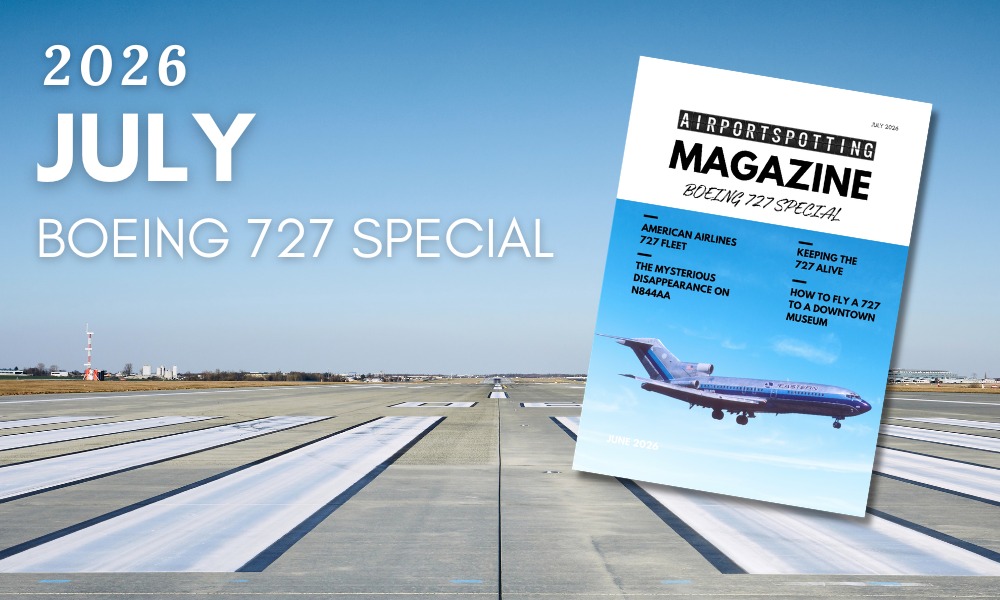
Celebrating the Boeing 727’s Enduring Legacy
The Boeing 727, a trijet that revolutionized air travel, has left an indelible mark on the aviation landscape for over four decades. Renowned for its versatility and reliability, the aircraft became a staple at numerous airports across the United States. This article highlights five airports that not only witnessed the 727’s operational prowess but also became synonymous with its legacy.
New York LaGuardia: The Urban Gateway
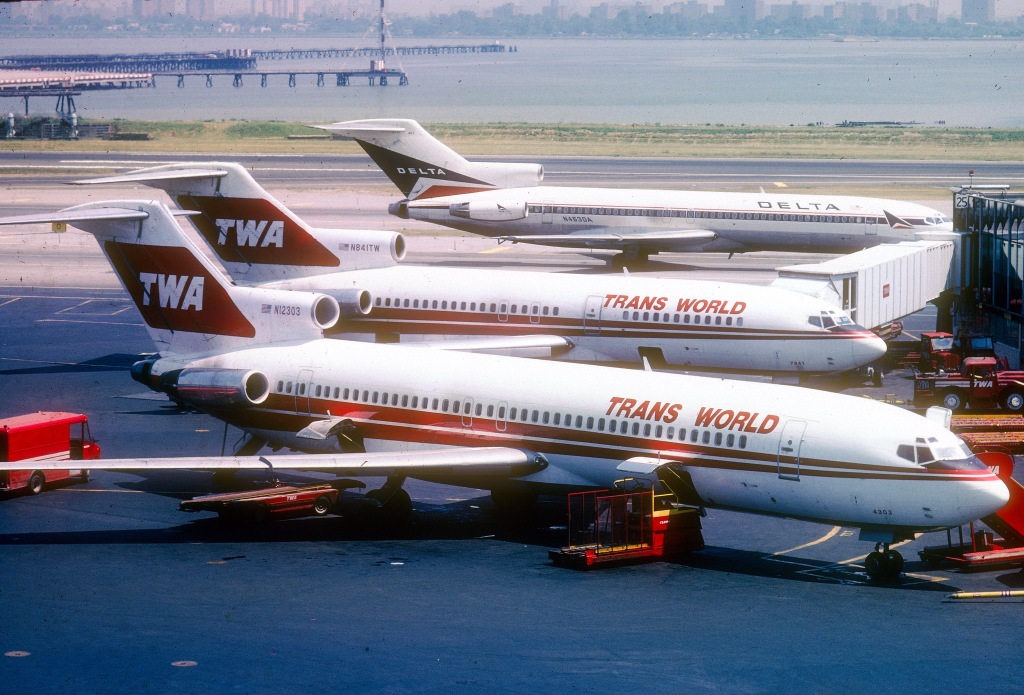
New York’s LaGuardia Airport (LGA) became an iconic site for the Boeing 727, thanks to its unique operational demands. The aircraft’s short-field capabilities, bolstered by powerful Pratt & Whitney JT8D engines, allowed it to thrive in the airport’s constrained environment. Throughout the late 20th century, major airlines such as Eastern Air Lines and TWA showcased the 727 against the backdrop of New York City, turning the distinctive sound of its engines into a familiar urban soundtrack.
Miami International: A Latin American Hub
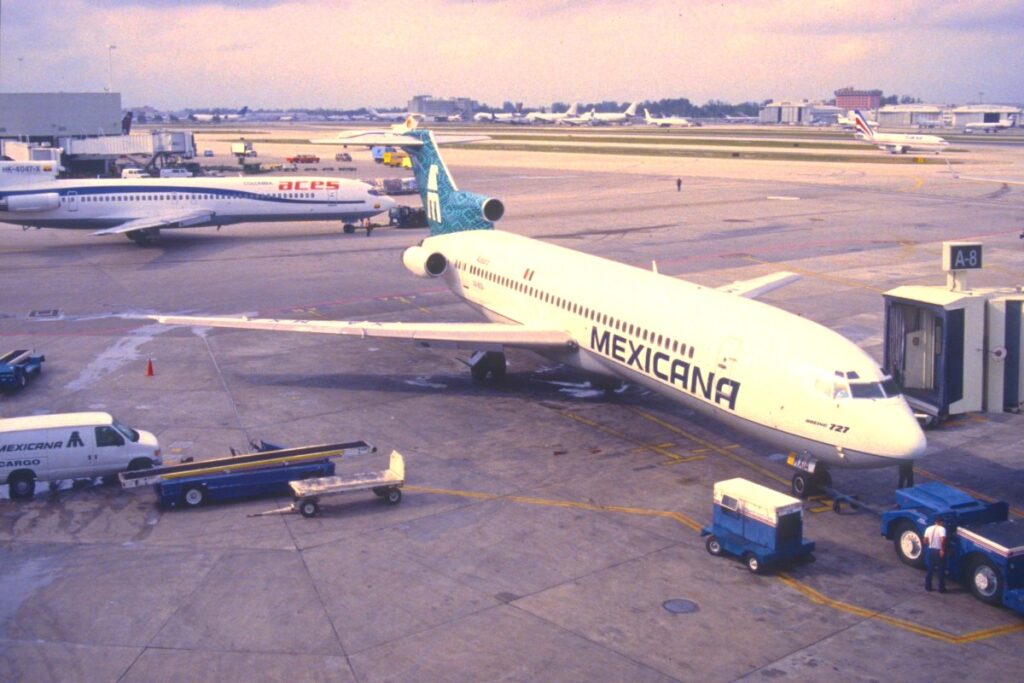
Miami International Airport (MIA) emerged as a key hub for the Boeing 727 during its peak years, serving as a crucial gateway to Latin America and the Caribbean. Eastern Air Lines operated a robust network of 727 flights, connecting passengers to various destinations across the region. Even as U.S. carriers phased out the aircraft, Miami remained a sanctuary for 727s, with many Latin American airlines continuing to operate the model into the 2000s, showcasing its enduring relevance in regional aviation.
Washington National: The Performance Showcase
At Washington National Airport (DCA), the Boeing 727’s exceptional climb performance shone through. The airport’s short runways and strict departure procedures necessitated an aircraft capable of rapid ascent, and the 727 delivered just that. Airlines like American and United relied on the trijet to navigate the airport’s operational constraints, making it a frequent sight as it soared over the Potomac River, much to the delight of aviation enthusiasts.
Seattle Boeing Field: Birthplace of the 727
Unlike the other airports highlighted, Seattle Boeing Field (BFI) holds a special place in the Boeing 727’s history as its birthplace. Each of the 1,832 aircraft produced rolled out from the Renton production plant and underwent testing at BFI. For spotters and aviation fans, the sight of newly minted 727s taking to the skies was a testament to Boeing’s engineering prowess and innovation during a transformative era in aviation.
Atlanta Hartsfield-Jackson: Delta’s Dominance
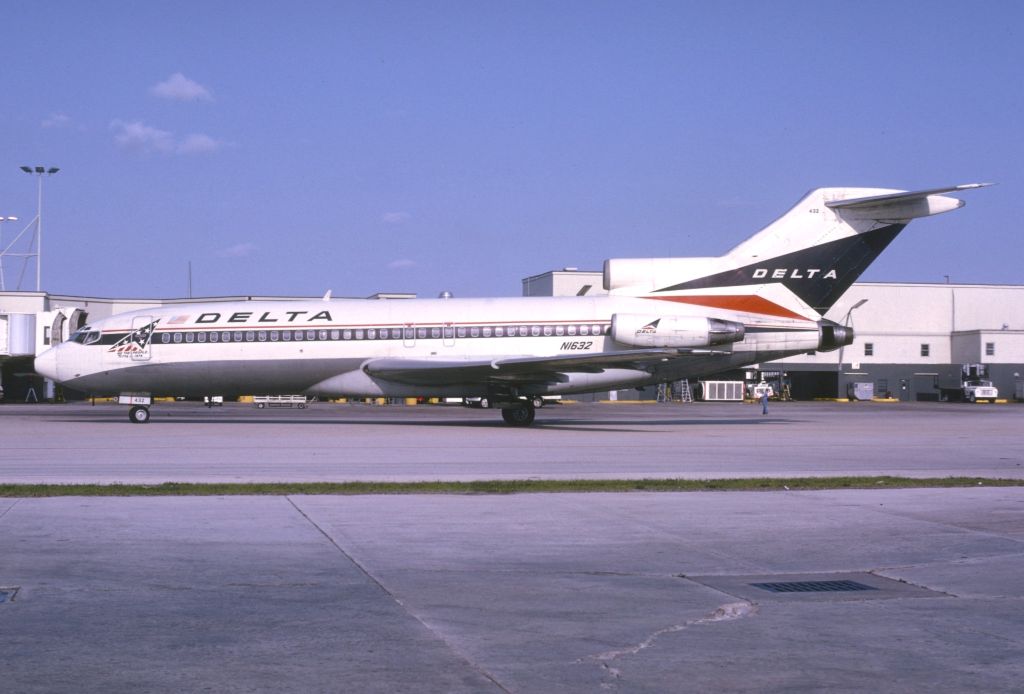
Atlanta Hartsfield-Jackson International Airport (ATL) became a critical operating base for Delta Air Lines and its extensive fleet of Boeing 727s. The airport facilitated hundreds of daily departures, solidifying its status as a major hub for the trijet. The constant activity of 727s at ATL not only underscored Delta’s operational strength but also made the airport a defining location for the aircraft during its height in commercial aviation.
Memphis International: The Cargo Stronghold
While not traditionally recognized as a passenger hub for the Boeing 727, Memphis International Airport (MEM) became a notable center for cargo operations. FedEx embraced the trijet for its freight services, operating a significant fleet that sustained the aircraft’s legacy well into the 21st century. The sight of FedEx 727s on the tarmac remains a powerful symbol of the aircraft’s adaptability and lasting impact on air cargo logistics.

Conclusion: A Lasting Influence
The Boeing 727’s legacy is intricately woven into the fabric of American aviation history. From bustling passenger hubs to pivotal cargo operations, these airports not only showcased the aircraft’s capabilities but also contributed to its storied journey. As the aviation industry continues to evolve, the 727’s influence endures, reminding us of an era where trijets ruled the skies.




This article was prepared by LibelulaFly as an independent aviation-news summary and editorial reinterpretation based on publicly available reporting. Images, when used, are included for editorial context with source attribution. Original source: www.airportspotting.com. Read the original article here: https://www.airportspotting.com/five-us-airports-that-became-synonymous-with-the-boeing-727/.
List, promote, or publish aircraft with LibelulaFly.
LibelulaFly.com • Sales@libelulafly.com • +1 305-332-1942

Jul
A Tribute to Aviation History
The Battle of Britain Memorial Flight (BBMF) stands as a revered institution within the United Kingdom, dedicated to preserving the legacy of the Royal Air Force’s most iconic aircraft. Its mission is to honor those who served during World War II and subsequent conflicts by maintaining and flying these historic machines. Located at RAF Coningsby, the BBMF serves as a living testament to the bravery and sacrifice of those who defended Britain during pivotal moments in history.
A Rich Historical Foundation
The BBMF’s origins can be traced back to 1957, when the RAF established the Historic Aircraft Flight at RAF Biggin Hill. Initially formed to preserve a small collection of wartime aircraft, the unit aimed to ensure that these important pieces of history were available for ceremonial flypasts and public displays. In 1960, the unit was rebranded as the Battle of Britain Memorial Flight, reflecting its expanded role in commemorating the pilots and crews who played crucial roles during the Battle of Britain and throughout the war.
Throughout its history, the BBMF has relocated several times, eventually settling at RAF Coningsby in 1976. This site not only provides access to shared runways with the modern RAF Typhoon squadrons but also offers essential engineering facilities to maintain aircraft that are often over 80 years old.

An Impressive Collection of Aircraft
Today, the BBMF boasts one of the world’s most extraordinary collections of airworthy military aircraft. At the heart of this collection is the Avro Lancaster PA474, one of only two remaining airworthy Lancasters globally. Accompanying this iconic bomber are six Supermarine Spitfires, which represent various significant variants, including the Mk IIa, Mk Vb, PR Mk XIX, Mk XVIe, and Mk LF IXe, along with two Hawker Hurricanes. This diverse lineup ensures that all three primary fighters of the Battle of Britain remain operational.
Additionally, the collection features a Douglas Dakota ZA947, which entered service in 1993. This aircraft is painted in wartime colors to commemorate the vital role transport aircraft played during World War II, including operations during D-Day and the Berlin Airlift.
More Than Just Public Displays
While the BBMF is widely recognized for its participation in air shows and national commemorations, its mission extends beyond mere public display. The Flight is committed to maintaining these historic aircraft in flying condition, honoring the service and sacrifice of RAF personnel, and inspiring future generations through the preservation of living aviation history. Each display serves as a poignant reminder that these aircraft are not just static exhibits but active participants in the narrative of modern Britain.
A Unique Visitor Experience
RAF Coningsby houses the BBMF Visitor Centre, offering an exclusive look at the hangar where these historic aircraft are maintained. Guided tours provide visitors with insights into the history of the BBMF and its aircraft, led by knowledgeable staff, often including retired RAF members with a wealth of knowledge about the aircraft’s storied past.

During visits, guests can engage with the collection, witnessing maintenance work and experiencing the sound of engines as they are tested. This immersive experience allows aviation enthusiasts to appreciate the dedication and expertise required to keep these historic aircraft operational for future generations.
Plan Your Visit
The BBMF Visitor Centre is open on weekdays, excluding bank holidays, with tours available from 10:30 AM to 3:30 PM. Admission is priced at £12.50 for adults and £11.50 for concessions, with discounts available for serving or veteran armed forces members. A visit to the BBMF not only offers a chance to see historic aircraft but also to connect with the enduring legacy of those who served in the RAF.


This article was prepared by LibelulaFly as an independent aviation-news summary and editorial reinterpretation based on publicly available reporting. Images, when used, are included for editorial context with source attribution. Original source: www.airportspotting.com. Read the original article here: https://www.airportspotting.com/visiting-the-battle-of-britain-memorial-flight/.
List, promote, or publish aircraft with LibelulaFly.
LibelulaFly.com • Sales@libelulafly.com • +1 305-332-1942
Jul
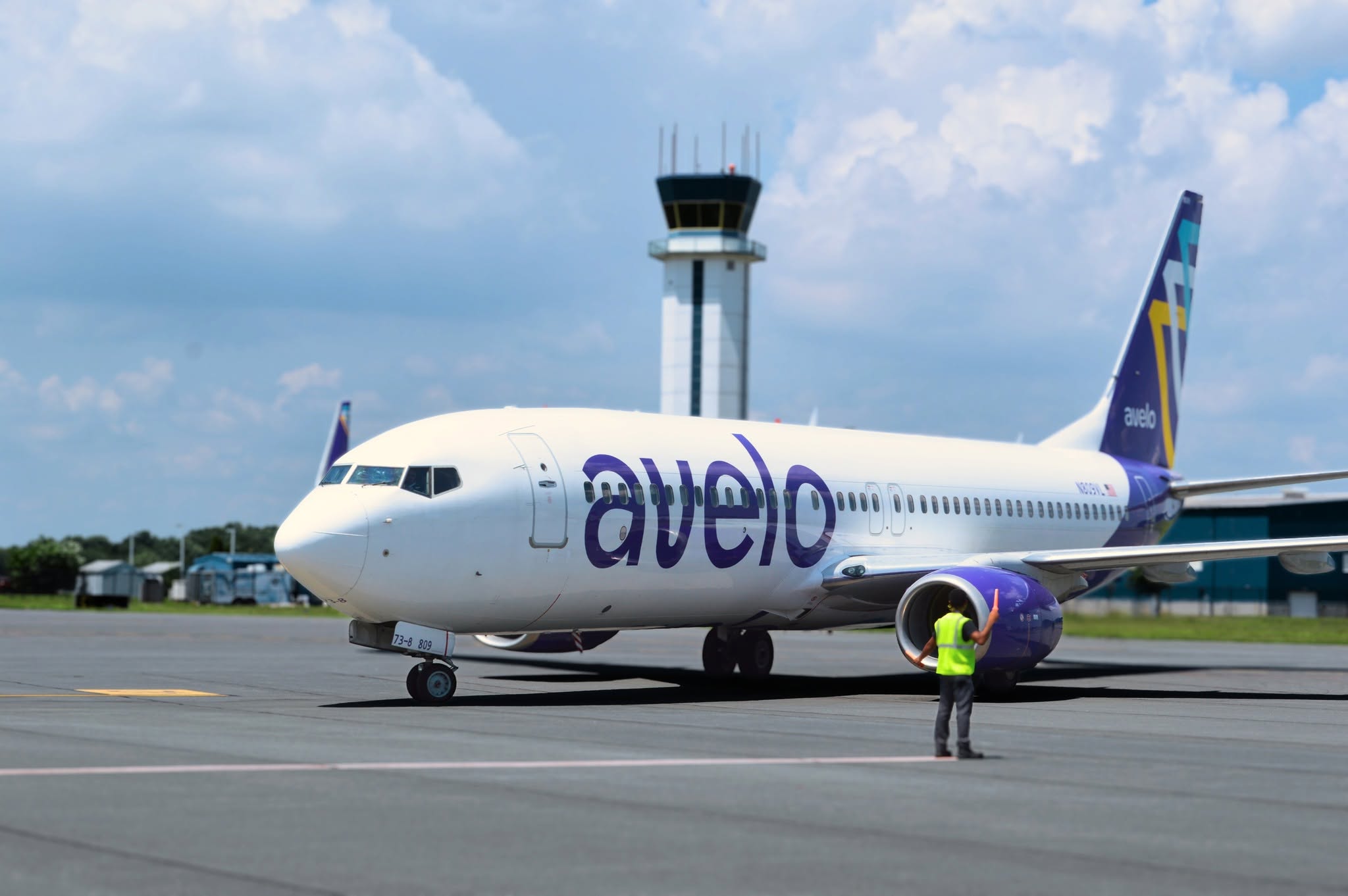
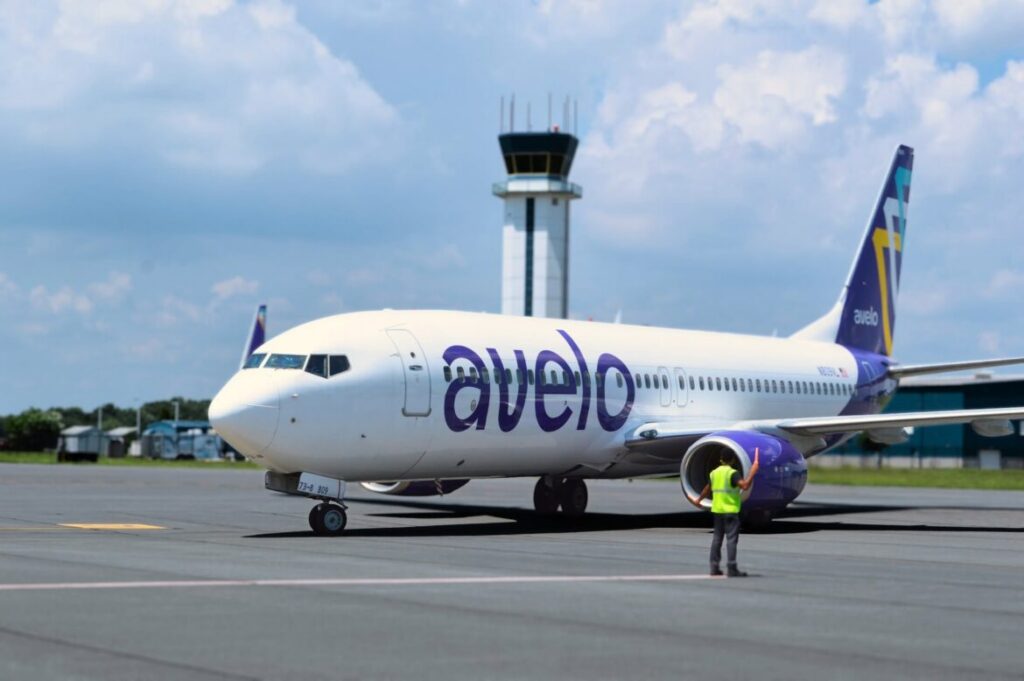
Avelo Airlines to Establish Operations at McKinney National Airport
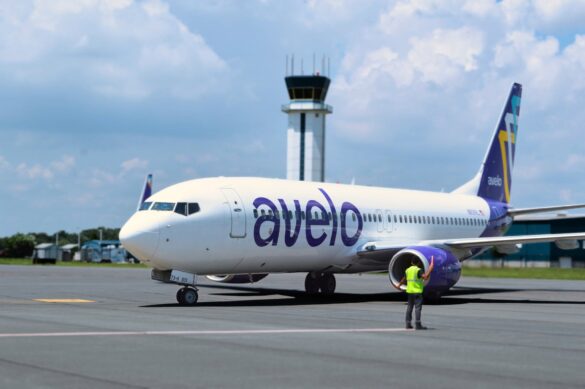
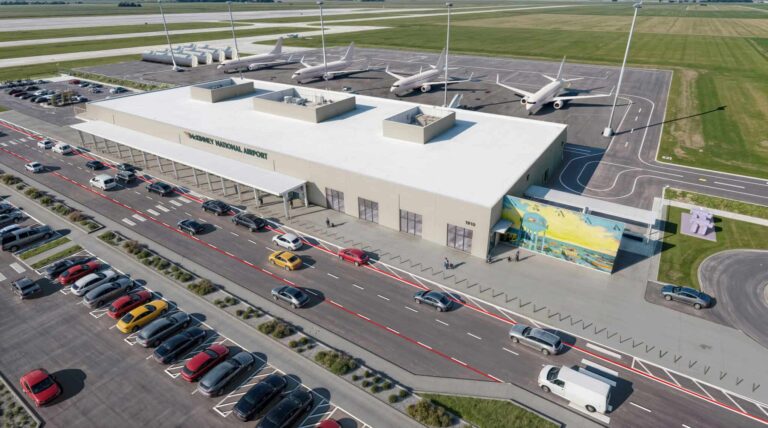
In a significant development for the Dallas-Fort Worth area, Avelo Airlines has confirmed plans to commence commercial passenger flights from McKinney National Airport (DTX/TKI) starting November 11, 2026. This announcement marks a pivotal transformation of the airport, which has primarily served general aviation since its inception in 1979, into a new commercial hub for North Texas.
A New Gateway for Northern Suburbs
With the addition of Avelo Airlines, McKinney National Airport will become the third passenger airport in the densely populated region, joining Dallas/Fort Worth International Airport (DFW) and Dallas Love Field (DAL). Avelo’s initial service will focus on five leisure destinations, including Las Vegas, Fort Lauderdale, Fort Myers, Orlando, and Tampa, utilizing its Boeing 737-800 fleet. The airline’s decision to base two aircraft at McKinney is expected to create over 100 local jobs, encompassing roles for pilots, cabin crew, engineers, and ground support personnel.
Strategic Location and Future Expansion
Situated approximately 30 miles north of downtown Dallas, McKinney National Airport has long been a vital facility for business aviation, supporting a mix of corporate aircraft and private aviation activities. The airport currently handles more than 140,000 aircraft movements annually and is home to over 200 based aircraft, making it one of Texas’s busiest general aviation airports. The introduction of commercial services is poised to provide a more accessible travel option for residents of the rapidly growing northern suburbs, potentially alleviating congestion at the larger airports.
Modern Facilities Designed for Growth
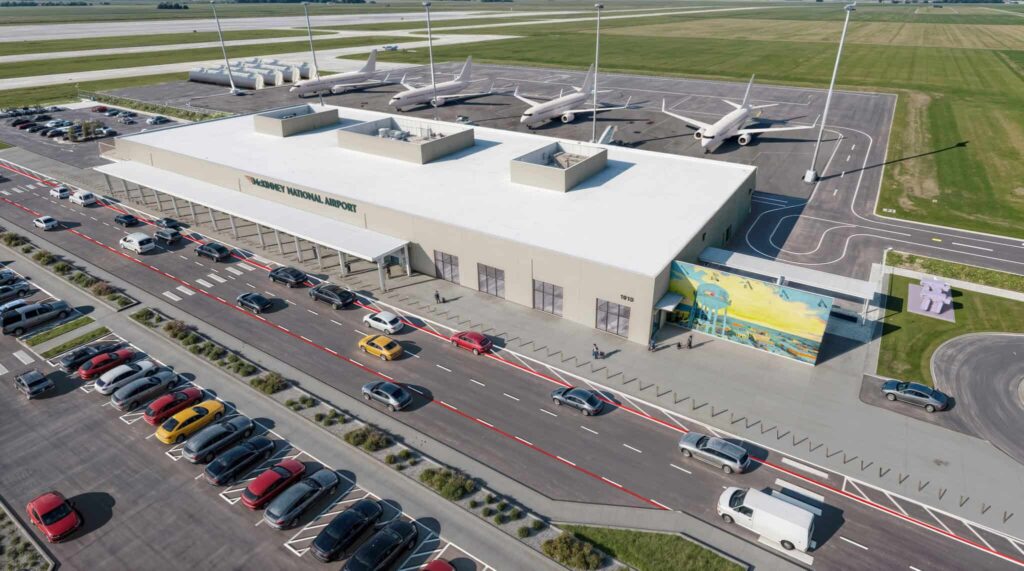
The airport is set to unveil a new 46,000 square foot passenger terminal tailored specifically for low-cost airline operations. This facility will initially feature four boarding gates, with plans to expand to six as demand increases. Additional amenities will include central food and beverage concessions, spacious departure lounges, and nearly 1,000 public parking spaces, along with car rental facilities and modern security screening processes. Airport officials anticipate that the initial phase will accommodate around 200,000 passengers annually, with infrastructure capable of supporting up to one million passengers in the future.
Maintaining General Aviation Character
Despite the shift towards commercial airline operations, McKinney National Airport will continue to support a diverse range of aviation activities. The existing infrastructure, including a single concrete runway equipped with ILS and RNAV procedures, is well-suited for the Boeing 737 and Airbus A320 families, which are expected to dominate future scheduled services. Additionally, the airport will likely retain its vibrant general aviation presence, allowing enthusiasts to witness a variety of aircraft types, from business jets to light aircraft.
Looking Ahead
The arrival of Avelo Airlines at McKinney National Airport signifies a new era for the facility and the surrounding community. As commercial operations begin, the airport is poised to enhance regional connectivity and contribute to the local economy while maintaining its roots in general aviation. The integration of scheduled passenger services will not only provide convenience for travelers but also create opportunities for growth and expansion in the years to come.



This article was prepared by LibelulaFly as an independent aviation-news summary and editorial reinterpretation based on publicly available reporting. Images, when used, are included for editorial context with source attribution. Original source: www.airportspotting.com. Read the original article here: https://www.airportspotting.com/mckinney-national-airport-lands-avelo-airlines-as-dallas-fort-worths-third-passenger-airport/.
List, promote, or publish aircraft with LibelulaFly.
LibelulaFly.com • Sales@libelulafly.com • +1 305-332-1942

Jul
Revisiting the Douglas DC-2: An Aviation Milestone
The Douglas DC-2, introduced in 1934, stands as a pivotal aircraft in the evolution of commercial aviation. While often overshadowed by its more famous successor, the DC-3, the DC-2 was instrumental in demonstrating the viability of air travel for passengers, moving beyond the era dominated by mail contracts. This aircraft not only set new standards for performance and comfort but also established a foundation for the future of air transport.
Design Innovations That Redefined Air Travel
With its all-metal construction, retractable landing gear, and powerful radial engines, the DC-2 represented a significant technological advancement over earlier aircraft designs. It offered a spacious and comfortable cabin for up to 14 passengers, marking a departure from the cramped biplanes and early airliners of its time. The aircraft’s design was a response to market demands for greater reliability and efficiency, which were crucial for airlines looking to expand their operations.
A Strategic Response to Competition
The DC-2’s development was spurred by the introduction of Boeing’s Model 247, which was exclusively available to United Airlines. In response, Transcontinental & Western Air (TWA) sought an alternative, prompting Douglas Aircraft Company to create the DC-1 prototype. Following its successful test flights, the design was refined into the DC-2, which quickly gained traction in the airline industry.

Global Impact and Operators
Upon its entry into service, the DC-2 found a diverse array of customers worldwide. TWA was the first airline to operate the aircraft, with a fleet of 31 units that served their domestic routes extensively. KLM, the Dutch national airline, became the largest operator outside the United States, using 19 DC-2s on various European routes and pioneering long-distance flights to the Dutch East Indies. Other notable operators included American Airlines and Eastern Air Lines, both of which integrated the DC-2 into their fleets as they modernized their services.
Legacy and Transition to Military Use
The DC-2’s operational success laid the groundwork for the development of the DC-3, which would go on to revolutionize airline economics. The lessons learned from the DC-2’s performance and passenger experience directly influenced the design of its successor. During World War II, many DC-2s were repurposed for military service, transporting troops and supplies, which extended their operational life and underscored their versatility.
Preservation and Continued Enthusiasm
Despite its historical significance, only a few Douglas DC-2s remain today, with some preserved in museums across the globe. Notably, the sole airworthy DC-2, registered N1934D, operates from Seattle and honors TWA’s legacy through its livery. This aircraft frequently participates in airshows, providing aviation enthusiasts a unique opportunity to witness a remarkable piece of aviation history in flight.
Conclusion: A Tribute to Aviation Heritage
The Douglas DC-2 may not have the same level of fame as the DC-3, but its impact on commercial aviation is undeniable. As a bridge between early air travel and the modern era, the DC-2 exemplifies how innovation and market demands can shape the future of an industry. The legacy of the DC-2 continues to inspire aviation enthusiasts and professionals alike, reminding us of the pivotal moments that have defined our skies.


This article was prepared by LibelulaFly as an independent aviation-news summary and editorial reinterpretation based on publicly available reporting. Images, when used, are included for editorial context with source attribution. Original source: www.airportspotting.com. Read the original article here: https://www.airportspotting.com/the-douglas-dc-2-the-forgotten-airliner-that-changed-aviation/.
List, promote, or publish aircraft with LibelulaFly.
LibelulaFly.com • Sales@libelulafly.com • +1 305-332-1942
Jun
Preserving Aviation History Through Spotting
Aviation is an ever-evolving industry, with airlines continuously updating their fleets to enhance efficiency and performance. While this modernization is beneficial for operational costs and environmental impact, it also means that many classic airliner types are fading from the skies. For aviation enthusiasts and plane spotters, this presents a limited opportunity to witness these iconic aircraft before they are permanently retired from commercial service.
Spotlight on Ten Iconic Airliners
As the aviation landscape transforms, certain airliner types have become increasingly rare, making them prime targets for spotting trips. Below are ten aircraft types that merit attention before they disappear from regular airline operations.
Airbus A300 Freighter: A Legacy in Cargo
While passenger variants of the Airbus A300 have long been retired, the freighter version continues to serve vital roles in cargo operations. European air carriers such as DHL Aviation maintain a notable presence with this aircraft, particularly at Leipzig/Halle Airport, which has become a hotspot for spotting A300s in action.
Boeing 717: The Last of Its Kind
The Boeing 717 is dwindling in numbers, with its largest fleets now operating under Delta Air Lines and Hawaiian Airlines. As Hawaiian Airlines transitions to newer models, enthusiasts should take the opportunity to experience this aircraft in Honolulu, one of the few locations where it remains a common sight.
Boeing 757-300: A Unique Narrowbody
The Boeing 757-300 is a distinctive narrowbody aircraft, yet only a few airlines, including Delta and United, continue to operate this variant. Its unique characteristics and the absence of a direct replacement make it a noteworthy inclusion on any spotting itinerary.
Boeing 767-200: The End of an Era
Despite its recent prevalence, the Boeing 767-200 is rapidly approaching the end of its operational life. Once a staple in many airlines’ fleets, this aircraft is now primarily flown by a select few, including UTair and Eastern Airlines, making sightings of this variant increasingly rare.
Boeing 777-200: A Fading Icon
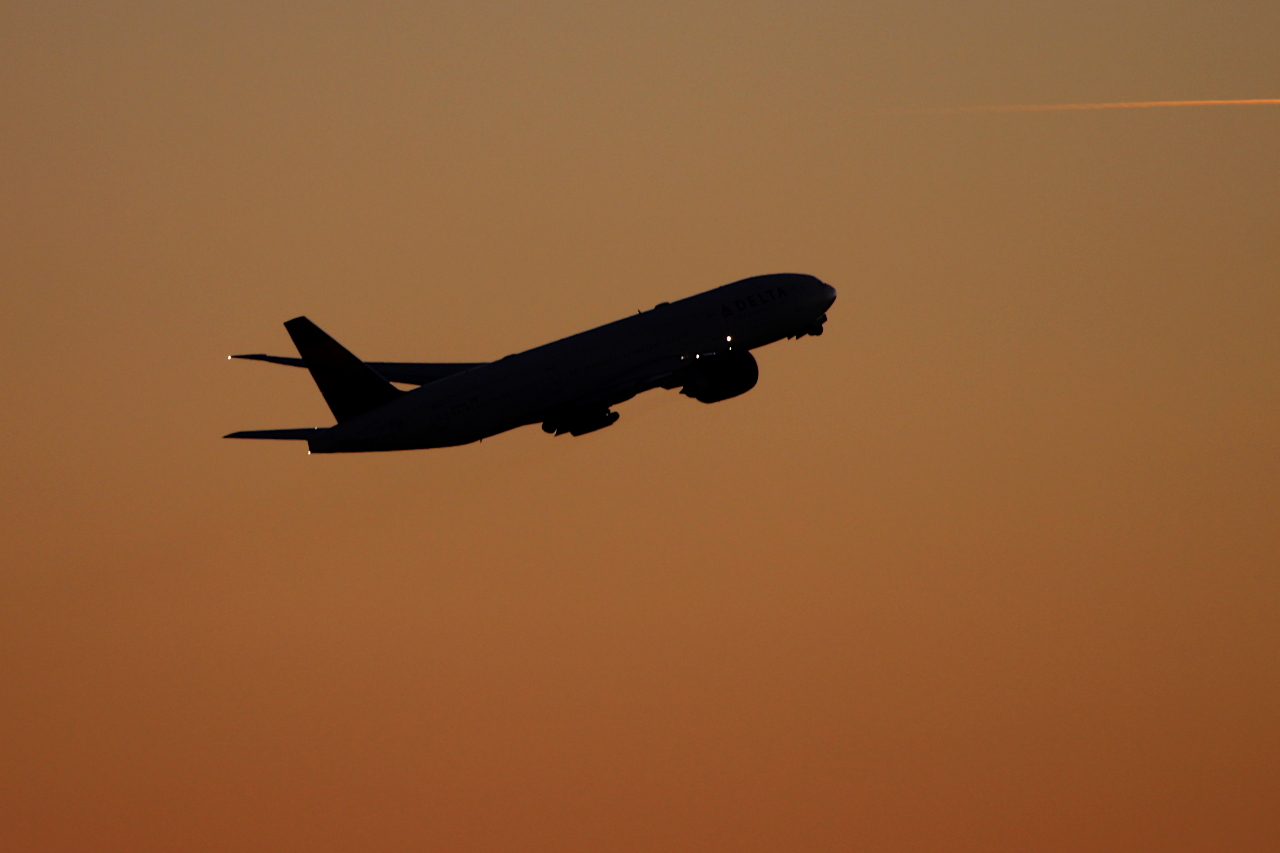
The Boeing 777-200, while still a popular choice for many airlines, is becoming increasingly scarce, especially earlier variants. With only a handful of operators left, including Austrian Airlines and United Airlines, spotting this aircraft type is becoming a unique experience.
Airbus A380: The Superjumbo’s Legacy
As the largest passenger aircraft ever built, the Airbus A380 is a marvel of modern engineering. Although production has ceased, airlines like Emirates and Qantas continue to operate substantial fleets. However, as retirements loom, enthusiasts should prioritize opportunities to witness this monumental aircraft.
Boeing 747 Passenger Variants: A Nostalgic Farewell
The passenger variant of the Boeing 747 has become a rare sight in today’s aviation environment. With only a few airlines, including Lufthansa and Korean Air, still operating these aircraft, spotting a 747 has become a nostalgic experience that should not be missed.
McDonnell Douglas MD-11 Freighter: A Tri-Jet in Service
The MD-11’s passenger operations have largely ceased, but it remains in service as a freighter. Major operators like FedEx provide opportunities to see this unique tri-jet, particularly at key cargo hubs such as Memphis and Anchorage.
Ilyushin Il-62: A Soviet Classic
Surprisingly, the Ilyushin Il-62 still has a presence in the skies, albeit limited. With a few remaining examples operating in North Korea and for government use in Russia, this vintage aircraft represents a rare glimpse into aviation history.
Airbus A318: The Rarest of the A320 Family
As the smallest member of the A320 family, the Airbus A318 has quietly become one of the rarest commercial aircraft. Air France operates a dwindling number of these aircraft, which are being phased out in favor of newer models. Spotting an A318 is becoming increasingly challenging.
Final Thoughts: A Call for Preservation
As the aviation industry continues to innovate, the importance of preserving the legacy of these iconic aircraft cannot be overstated. For aviation enthusiasts, now is the time to seize the opportunity to spot these rare airliners before they become part of history. Each sighting not only celebrates the engineering marvels of the past but also serves as a reminder of the ever-changing face of aviation.
Jun
Transitioning from a Legacy Fleet
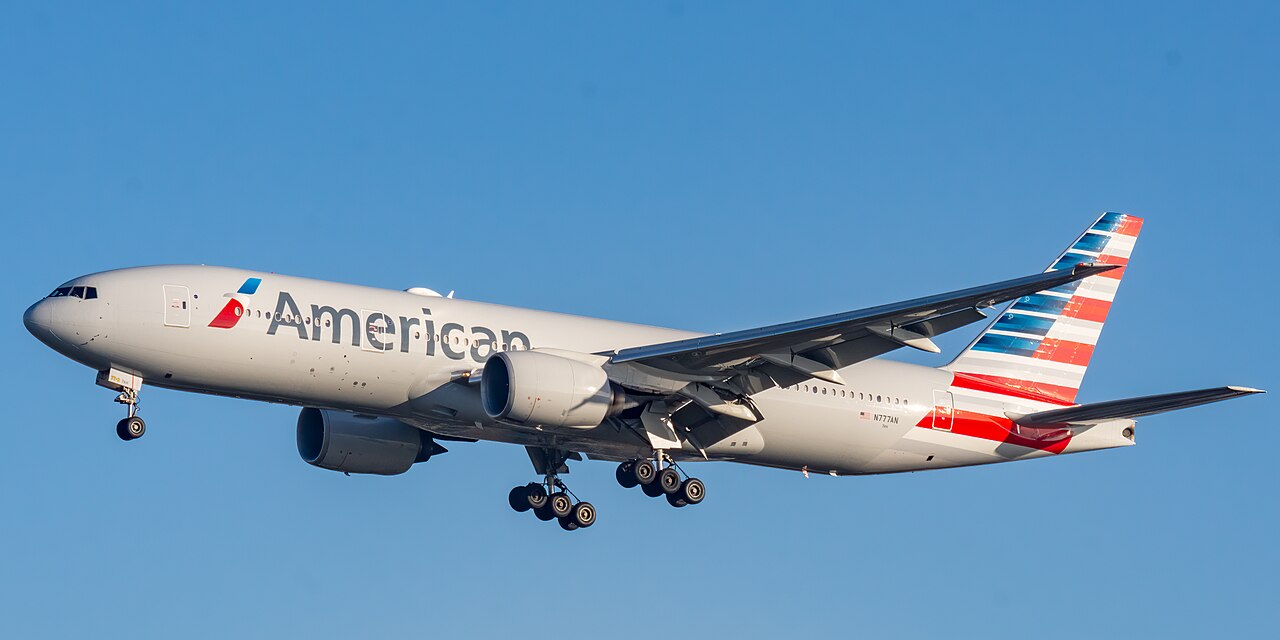
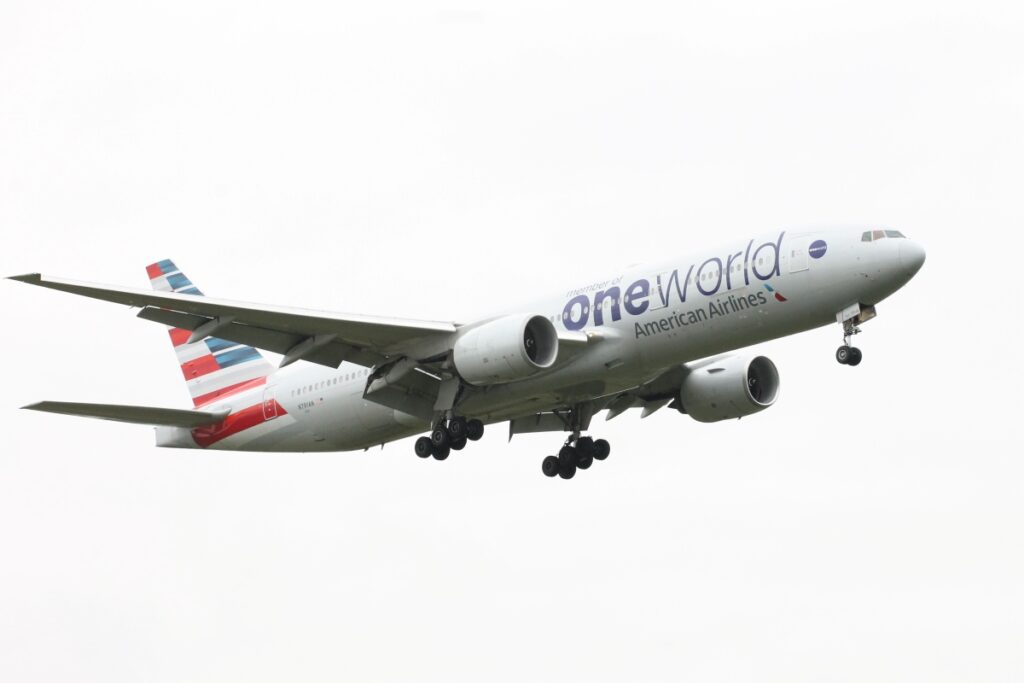
American Airlines has relied on the Boeing 777-200ER for over twenty years, making it a cornerstone of the airline’s long-haul operations. As the fleet ages, with many aircraft nearing 25 years in service, discussions about their eventual replacement have intensified. CEO Robert Isom has indicated that American is actively assessing its future widebody aircraft needs, with proposals from both Boeing and Airbus under consideration.
The Role of the Boeing 777-200ER
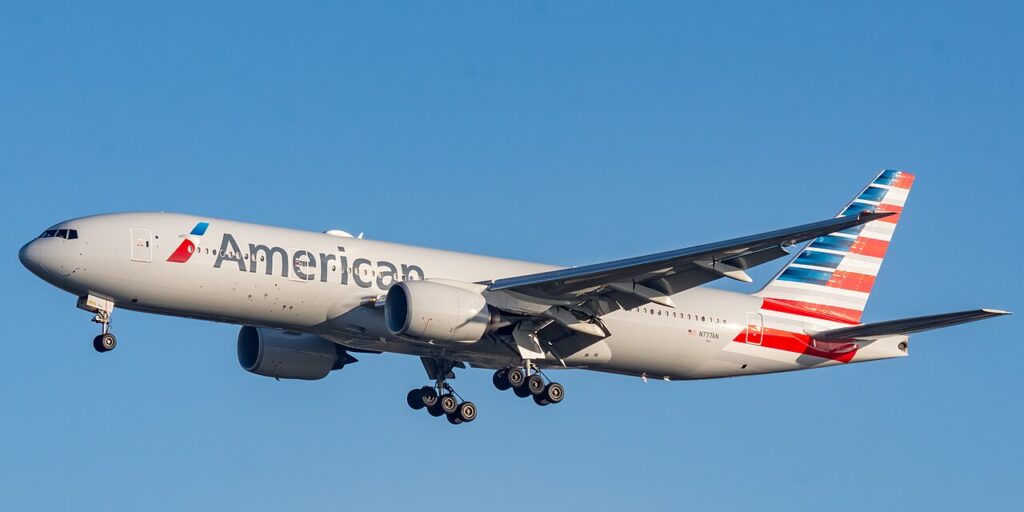
Currently, American Airlines operates approximately 45 Boeing 777-200ER aircraft, which serve as critical links between major hubs and international destinations. These aircraft are integral to routes such as Dallas/Fort Worth to London Heathrow and Miami to Buenos Aires, among others. While the Boeing 777-300ER handles flagship routes, the 777-200ER has proven itself as a reliable workhorse, adapting to seasonal demand fluctuations and maintaining a significant presence in the airline’s international operations.
Commitment to the Current Fleet
Despite initial expectations for a swift retirement of the 777-200ERs, American Airlines has opted for extensive refurbishment. Upgrades include modernized interiors, enhanced Wi-Fi connectivity, and cabin improvements designed to align the aircraft with newer models. This strategy suggests that the airline anticipates keeping the 777-200ER operational well into the 2030s, demonstrating a commitment to maximizing the aircraft’s lifespan while improving passenger experience.
Looking Ahead: Evaluating Future Options
As American Airlines prepares for the eventual retirement of its Boeing 777-200ER fleet, the airline is considering several potential successors. The evaluation process is critical, given the long lead times associated with aircraft orders and the current backlog in widebody aircraft production.
Potential Candidates for Replacement
One strong contender is the Boeing 787 Dreamliner, which American already operates. The airline has both 787-8 and 787-9 models and has additional orders pending. The benefits of fleet commonality, including shared pilot training and maintenance, position the Dreamliner as a practical choice for gradual replacement of the 777-200ER.
Another possibility is the Airbus A350, which, despite American’s previous cancellation of its order, has garnered renewed interest due to its efficiency and performance capabilities. The A350-900 could serve as a suitable replacement for many of the routes currently flown by the 777-200ER.
Lastly, the Boeing 777X family, particularly the 777-9 variant, could offer greater capacity and operational flexibility. However, its size may limit its suitability for many routes currently served by the 777-200ER, complicating its potential as a direct replacement.

Strategic Decisions Ahead
While the retirement of the Boeing 777-200ER fleet is not imminent, American Airlines faces crucial decisions regarding its future widebody aircraft strategy. The outcome of this evaluation will significantly shape the airline’s long-haul operations and fleet composition for years to come. For now, the Boeing 777-200ER remains a familiar sight in the skies, continuing to connect passengers across continents while the future unfolds.



This article was prepared by LibelulaFly as an independent aviation-news summary and editorial reinterpretation based on publicly available reporting. Images, when used, are included for editorial context with source attribution. Original source: www.airportspotting.com. Read the original article here: https://www.airportspotting.com/what-will-replace-american-airlines-boeing-777-200er-fleet/.
List, promote, or publish aircraft with LibelulaFly.
LibelulaFly.com • Sales@libelulafly.com • +1 305-332-1942
Jun
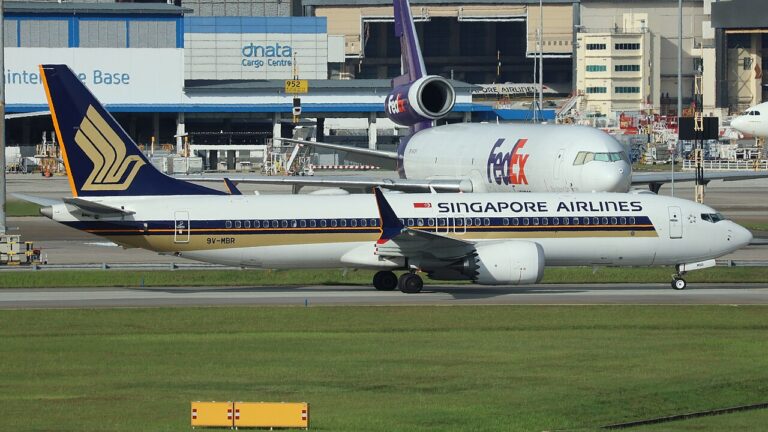
Singapore Airlines Expands Its Reach with the Boeing 737 MAX
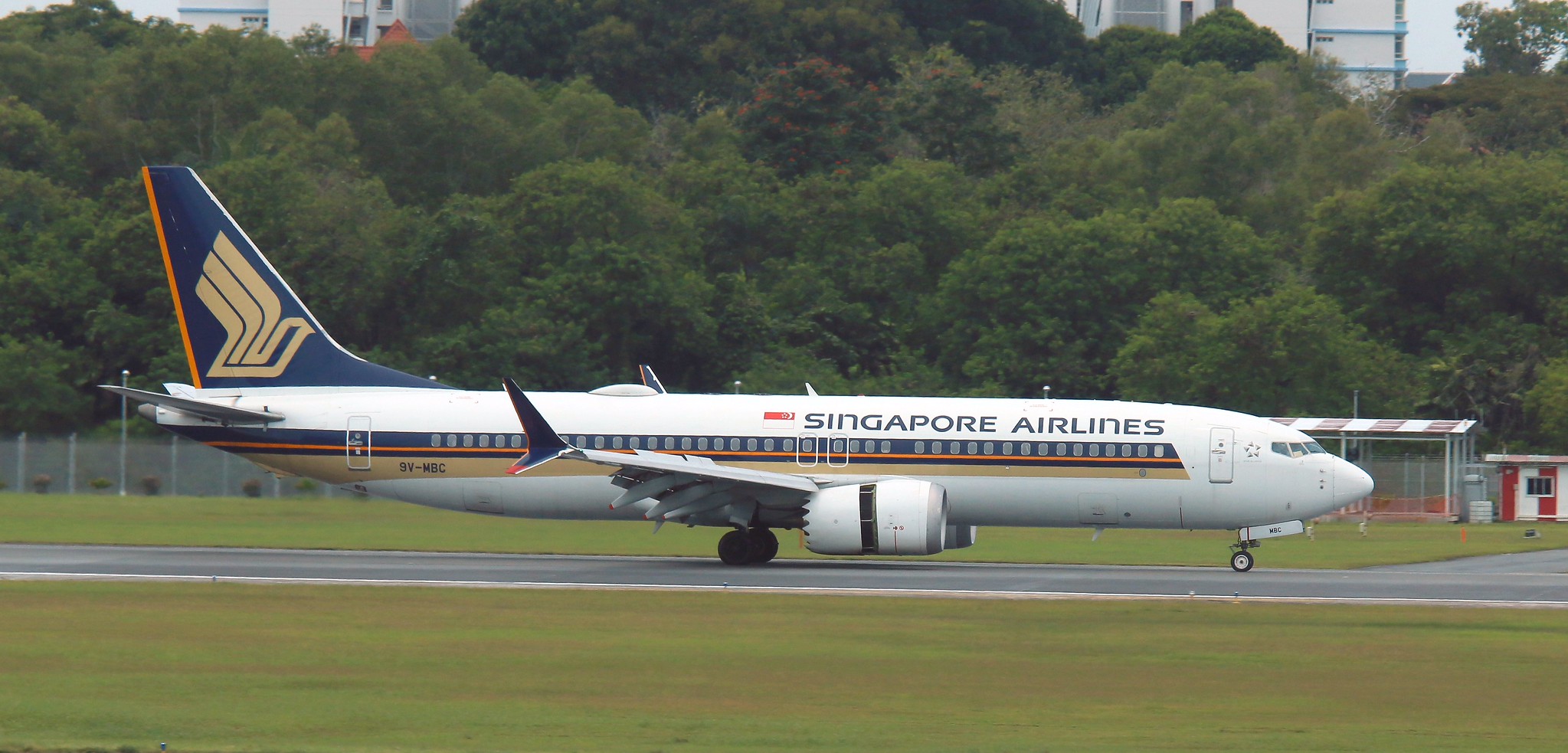
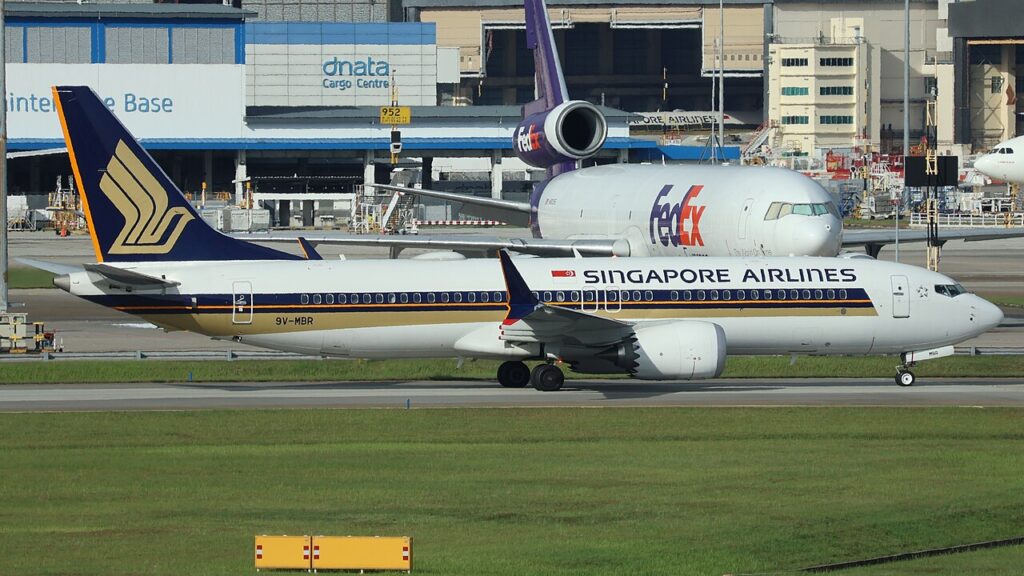
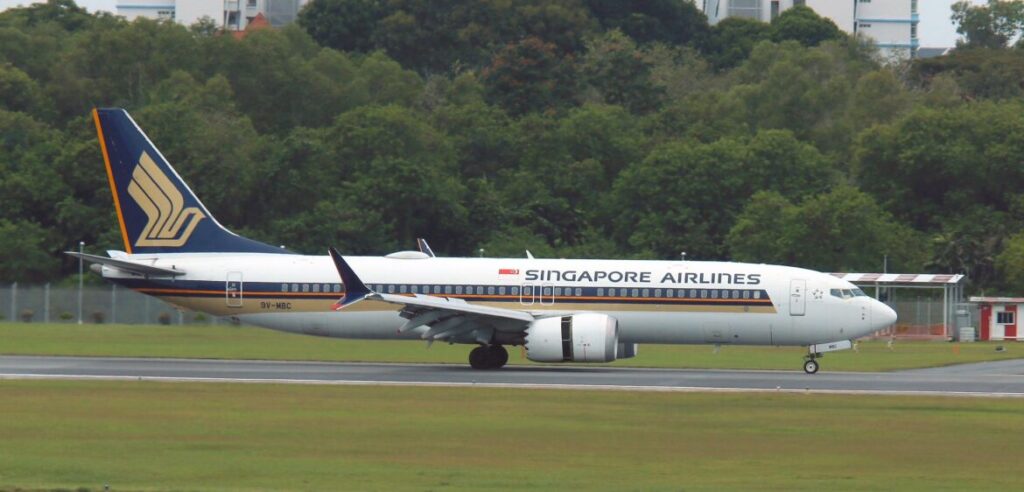
Singapore Airlines has broadened its operational capabilities with the integration of the Boeing 737 MAX into its fleet. Originally inherited from the merger with SilkAir, this aircraft type has transitioned into a vital component of the airline’s short and medium-haul services. As the aviation landscape evolves, the 737 MAX plays a pivotal role in connecting Singapore with key destinations across Southeast Asia, India, and beyond.
A Modern Solution for Regional Connectivity
The inclusion of the Boeing 737 MAX allows Singapore Airlines to optimize its route network by offering a narrowbody solution for shorter flights that do not necessitate the use of larger widebody aircraft like the Airbus A350 or Boeing 787. Currently, the airline operates a fleet of 23 Boeing 737-8 aircraft, with plans for further expansion as demand for regional travel grows.
Changi Airport: The Heart of Operations
Singapore Changi Airport serves as the primary hub for Singapore Airlines’ Boeing 737 MAX operations. Enthusiasts can observe a bustling scene as the aircraft frequently departs for various destinations throughout Asia. The airport’s strategic location and efficient operations make it the perfect vantage point for aviation aficionados to witness the diverse fleet in action.
Key Destinations for the Boeing 737 MAX
As Singapore Airlines enhances its regional service offerings, several airports have emerged as hotspots for spotting the Boeing 737 MAX:
- Phuket, Thailand: This popular leisure destination sees multiple daily flights, making it a prime location for enthusiasts.
- Bangkok Suvarnabhumi Airport: A critical hub for both business and leisure travel, the 737 MAX regularly operates on this route.
- Kuala Lumpur International Airport: Known for its short international routes, Kuala Lumpur frequently welcomes the Boeing 737 MAX.
- Denpasar (Bali) Airport: Bali’s allure as a tourist hotspot means the 737 MAX is a common sight here.
- Jakarta Soekarno-Hatta Airport: With Indonesia being a significant market, Jakarta sees consistent 737 MAX operations.
- Bengaluru Airport: This Indian city has gained importance in Singapore Airlines’ network, accommodating the 737 MAX.
- Kathmandu Airport: Known for its challenging approach amid stunning landscapes, Kathmandu is a unique destination for the 737 MAX.
- Male, Maldives: The scenic approach to Male over the Indian Ocean makes for a memorable spotting experience.
The Future of the 737 MAX in Singapore Airlines’ Network
The Boeing 737 MAX is set to play an increasingly significant role in Singapore Airlines’ operations, with additional destinations likely to be added to its network. While it may not possess the same grandeur as the Airbus A380 or the extended range of the A350, the 737 MAX has proven to be an essential asset in meeting the demands of modern air travel.
Conclusion: Embracing the Evolution of Air Travel
As Singapore Airlines continues to adapt to the dynamic aviation market, the Boeing 737 MAX stands as a testament to its commitment to providing efficient and reliable service. This aircraft not only enhances the airline’s operational flexibility but also offers aviation enthusiasts numerous opportunities to engage with the evolving landscape of regional air travel.



This article was prepared by LibelulaFly as an independent aviation-news summary and editorial reinterpretation based on publicly available reporting. Images, when used, are included for editorial context with source attribution. Original source: www.airportspotting.com. Read the original article here: https://www.airportspotting.com/10-airports-where-you-can-see-singapore-airlines-boeing-737-max-fleet/.
List, promote, or publish aircraft with LibelulaFly.
LibelulaFly.com • Sales@libelulafly.com • +1 305-332-1942