

Jul
All Nippon Airways’ Distinctive Approach to the A380
All Nippon Airways (ANA) has carved out a unique niche in the aviation landscape with its fleet of Airbus A380s, known as the ‘Flying Honu.’ Unlike most operators who deploy the superjumbo across multiple high-capacity routes, ANA has committed its three A380-800s exclusively to the Tokyo Narita-Honolulu route. This strategic decision not only highlights the airline’s focus on a popular leisure market but also positions the A380 as a vital asset in ANA’s operational framework.
The Genesis of the Flying Honu
ANA’s journey with the A380 began unexpectedly when the airline acquired three aircraft as part of a restructuring deal following the bankruptcy of Skymark Airlines. Initially, the A380 was not part of ANA’s fleet strategy; however, the airline quickly recognized the potential of these aircraft to serve one of Japan’s most sought-after holiday destinations, Hawaii.
Meet the Fleet
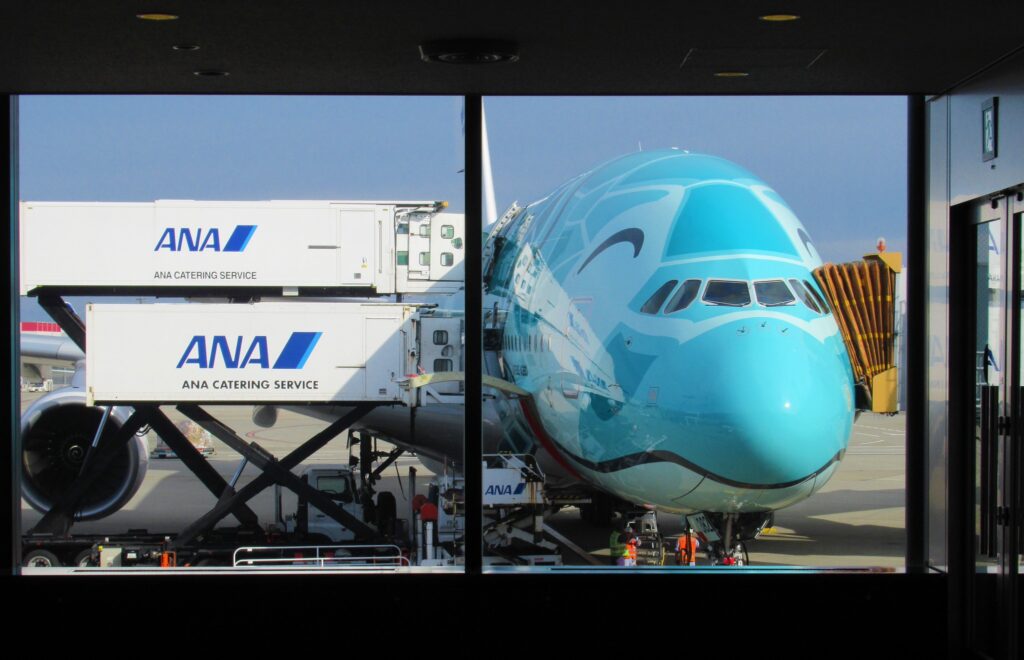
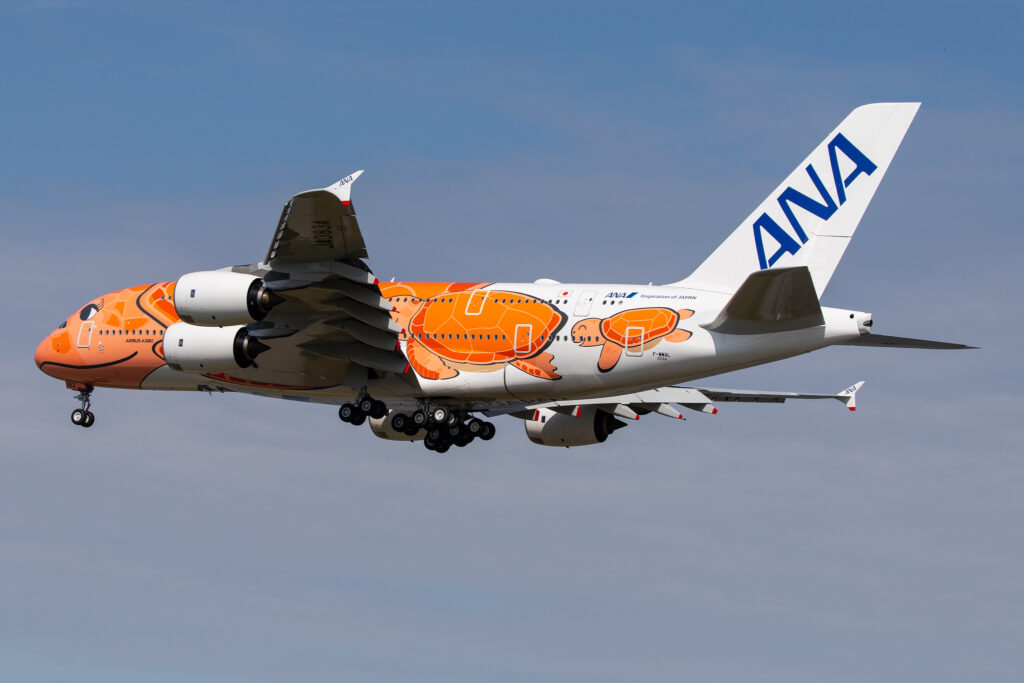
The ‘Flying Honu’ fleet consists of three uniquely liveried A380s:
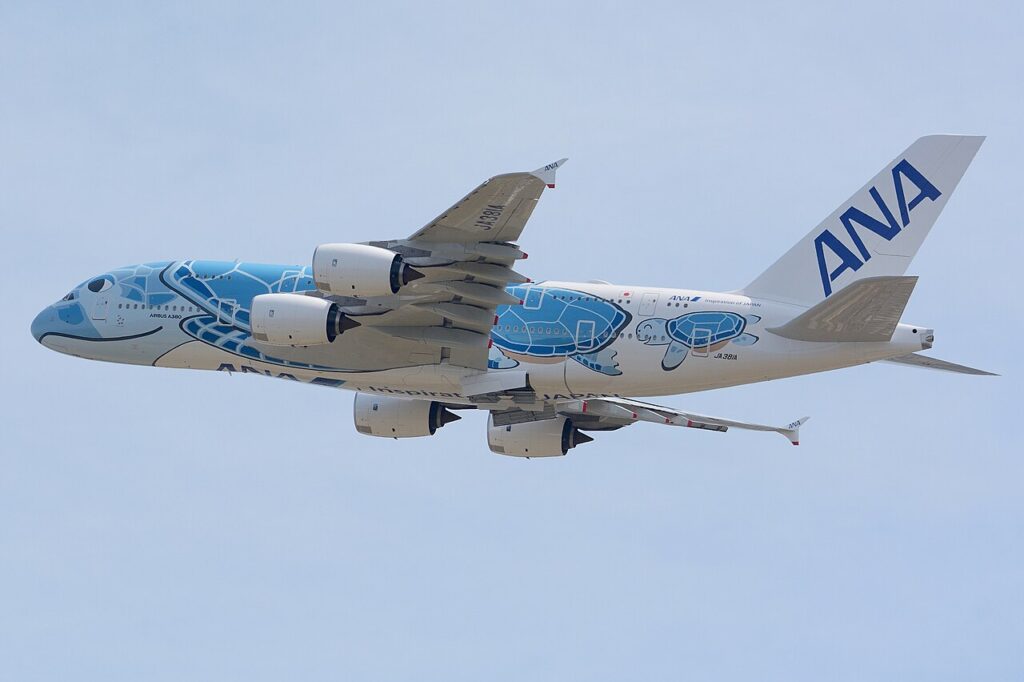
- JA381A Lani – Blue sea turtle
- JA382A Kai – Emerald green sea turtle
- JA383A Lā – Sunset orange sea turtle
Each aircraft’s livery pays homage to the Hawaiian culture, with ‘Honu’ symbolizing good luck and safe travel. The vibrant designs have made these aircraft some of the most recognizable in the global aviation community.
Operational Focus on Hawaii
ANA operates its A380 fleet solely between Tokyo Narita and Honolulu, a route that has long been a staple for Japanese travelers seeking leisure in Hawaii. Since entering service in May 2019, the A380s have been a consistent presence on this high-demand route, with seasonal frequency adjustments to meet passenger needs.
Innovative Cabin Design
ANA’s A380 configuration is tailored to enhance family travel. With a total capacity of 520 passengers across four classes—8 in First Class, 56 in Business Class, 73 in Premium Economy, and 383 in Economy—the aircraft features the ANA COUCHii, which allows families to convert groups of economy seats into a sofa-like space. This innovative design, along with a multi-purpose room and Hawaiian-themed interiors, underscores the airline’s commitment to providing a family-friendly travel experience.
The Future of the Flying Honu
Despite speculation regarding the potential early retirement of the A380s, there are no current indications that ANA plans to phase them out. The airline continues to invest in the fleet, with the third aircraft having entered service recently after an extended period of storage during the pandemic. Furthermore, the A380 remains prominently featured in ANA’s flight schedules through 2026.
Why the A380 Will Likely Remain
The Flying Honu fleet serves as a powerful marketing tool for ANA, reinforcing the airline’s connection to Hawaii through its distinctive aircraft. The ability to transport over 500 passengers in a single flight is particularly advantageous in a high-capacity market like Tokyo-Honolulu, where demand can be met more efficiently with fewer flights. Additionally, with deliveries occurring between 2019 and 2021, these A380s are among the newest in operation, ensuring they have many productive years ahead.
Conclusion: A Unique Asset in ANA’s Fleet
In conclusion, ANA’s Airbus A380 fleet exemplifies a strategic commitment to serving a key leisure market while also embracing unique branding opportunities. As the airline continues to adapt to changing travel patterns, the Flying Honu is poised to remain a distinctive and valuable component of its operational landscape.





This article was prepared by LibelulaFly as an independent aviation-news summary and editorial reinterpretation based on publicly available reporting. Images, when used, are included for editorial context with source attribution. Original source: www.airportspotting.com. Read the original article here: https://www.airportspotting.com/anas-unique-airbus-a380-fleet-what-makes-the-flying-honu-so-special/.
List, promote, or publish aircraft with LibelulaFly.
LibelulaFly.com • Sales@libelulafly.com • +1 305-332-1942
Jul
Vueling to Launch Boeing 737 MAX Service
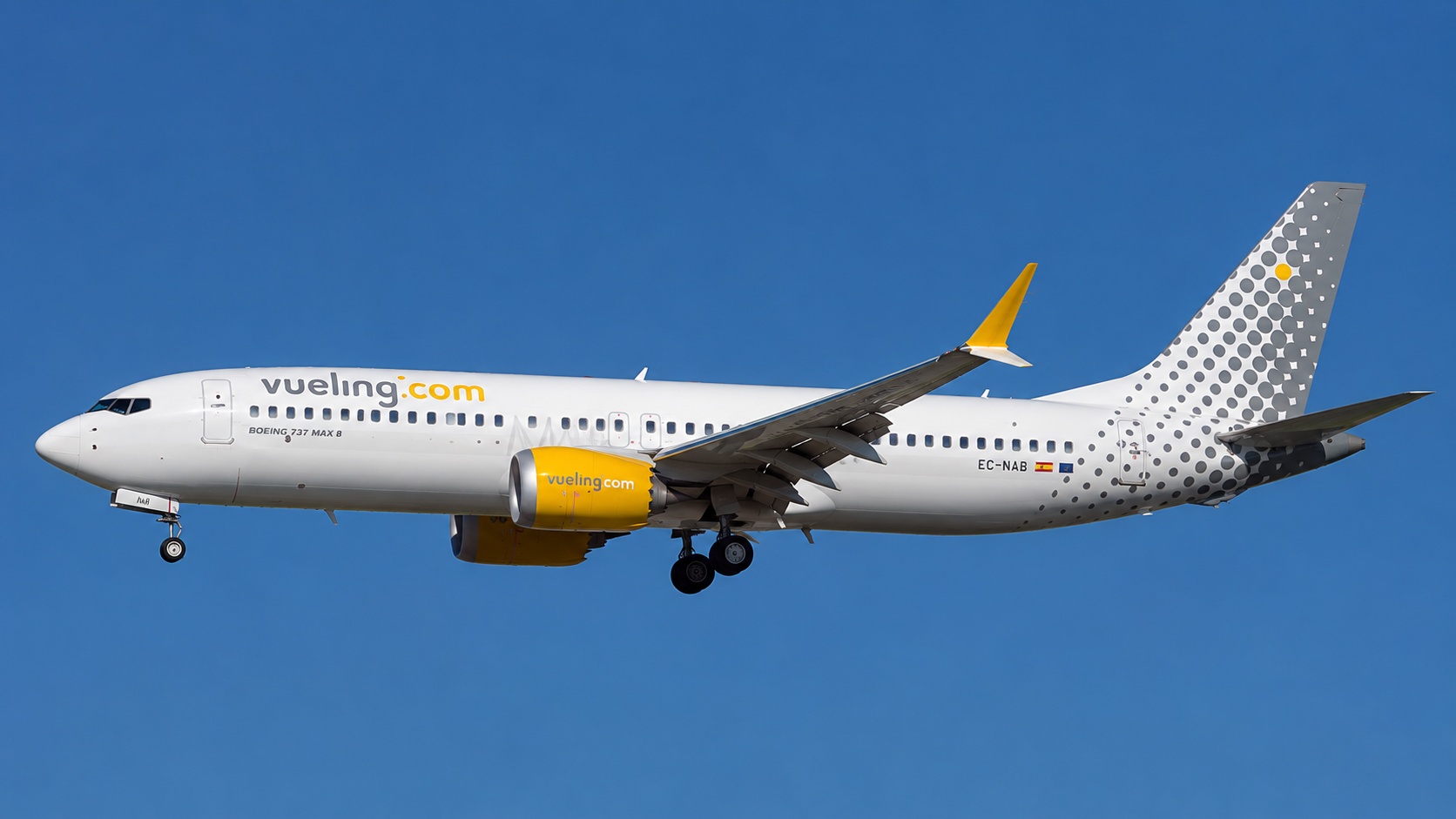
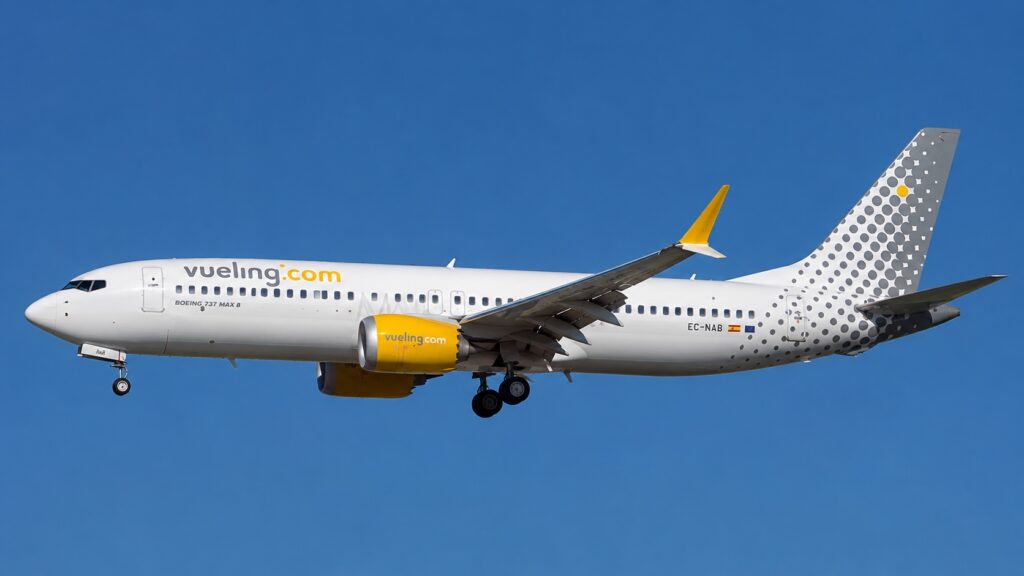
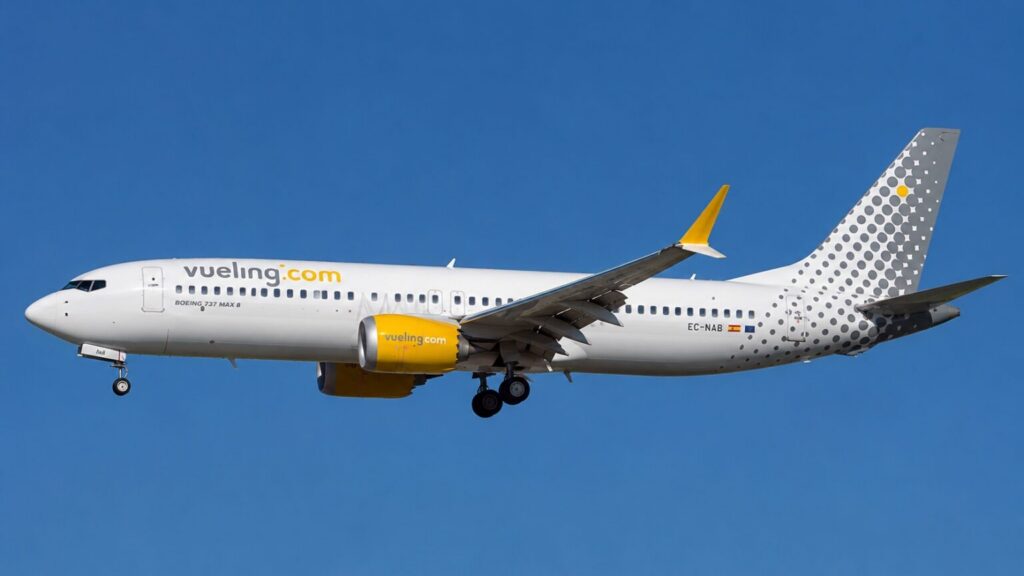
Spanish low-cost airline Vueling has officially announced its plans to introduce the Boeing 737 MAX 8-200 into commercial service, starting December 18, 2026. This decision marks a pivotal moment in the airline’s operational history, transitioning from an all-Airbus fleet to a mixed-fleet strategy under its parent company, International Airlines Group (IAG).
New Routes and Operational Debut
The inaugural flights for the Boeing 737 MAX will operate from Vueling’s main hub at Barcelona-El Prat Airport (BCN). Initially, the aircraft will be deployed on select routes, with the first destinations including popular locations such as Alicante, Málaga, and Palma de Mallorca, as well as major European cities like Paris and Rome. The introduction of this aircraft type is expected to enhance Vueling’s operational efficiency and service offerings during peak travel seasons.
A Shift in Fleet Composition
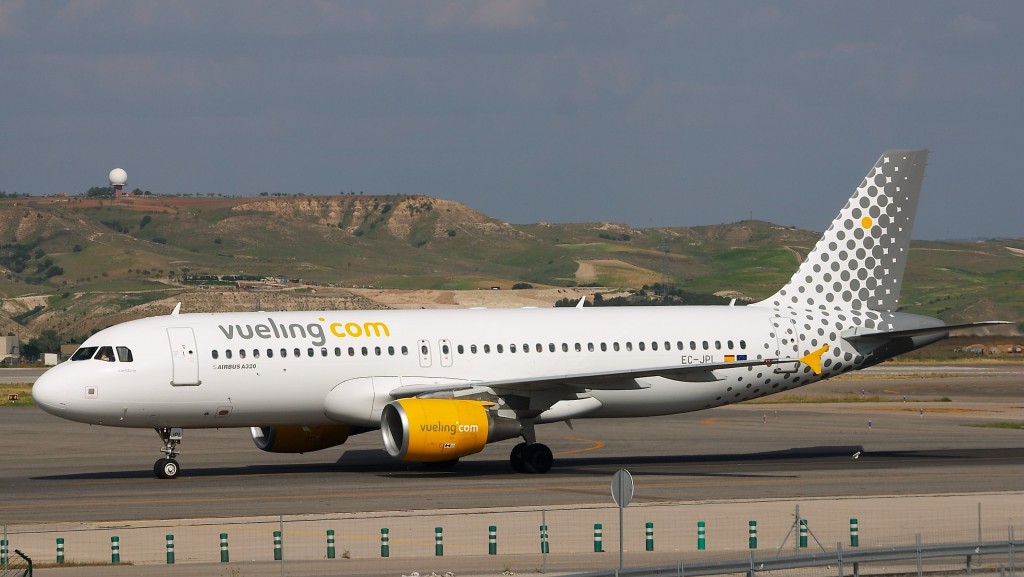
Since its inception in 2004, Vueling has exclusively operated a fleet comprised solely of Airbus aircraft, including various models from the A320 family. The decision to incorporate the Boeing 737 MAX represents a significant shift, necessitating comprehensive training for pilots, engineers, and cabin crew, as well as adjustments to maintenance and operational protocols to support a dual aircraft fleet.
Understanding the Boeing 737 MAX 8-200
The Boeing 737 MAX 8-200 is tailored for low-cost operations, featuring a single-class layout that accommodates approximately 197-200 passengers. This high-capacity model is designed to deliver improved fuel efficiency and reduced operating costs compared to earlier aircraft generations, aligning with Vueling’s commitment to operational excellence and sustainability.
Strategic Fleet Expansion
The decision to add the Boeing 737 MAX to Vueling’s fleet follows IAG’s strategic allocation of a total order for 50 Boeing 737 MAX aircraft to the airline. This order includes 25 units of the MAX 8-200 and 25 units of the larger MAX 10, with the first three aircraft anticipated to arrive before the end of 2026. This fleet diversification allows Vueling to enhance its operational flexibility and mitigate risks associated with reliance on a single aircraft manufacturer.
Current Operations and Future Outlook
Prior to the introduction of the Boeing 737 MAX, Vueling operates a fleet of approximately 140 Airbus aircraft, serving over 100 destinations across Europe, North Africa, and the Mediterranean. The impending arrival of the Boeing fleet signifies a transformative phase for Vueling, transitioning away from more than two decades as a prominent all-Airbus airline. As the airline prepares for this significant operational shift, industry observers will be closely watching its progress and the impact on its service offerings and market position.
Conclusion: Embracing Change in Aviation
Vueling’s move to incorporate the Boeing 737 MAX into its fleet not only reflects a strategic evolution in its operational model but also highlights broader trends within the aviation industry towards fleet diversification and enhanced operational efficiency. As the airline gears up for its first flights with the MAX, stakeholders across the aviation sector will be keenly interested in how this transition shapes Vueling’s future and its competitive landscape.




This article was prepared by LibelulaFly as an independent aviation-news summary and editorial reinterpretation based on publicly available reporting. Images, when used, are included for editorial context with source attribution. Original source: www.airportspotting.com. Read the original article here: https://www.airportspotting.com/vueling-reveals-first-boeing-737-max-routes/.
List, promote, or publish aircraft with LibelulaFly.
LibelulaFly.com • Sales@libelulafly.com • +1 305-332-1942

Jul
The Boeing 727: A Jet Age Icon
The Boeing 727, a hallmark of commercial aviation, continues to capture the interest of aviation enthusiasts and professionals alike. Developed in the early 1960s, this tri-jet was designed for short- to medium-haul routes, offering unique capabilities that allowed it to serve smaller airports effectively. With its innovative T-tail design and rear airstairs, the 727 provided airlines with operational flexibility that was unmatched at the time.
First taking to the skies in February 1963, the 727 quickly gained traction, entering service with major airlines such as United Air Lines and Eastern Air Lines. Over its 22-year production span, Boeing manufactured 1,832 units, making it the best-selling jet airliner until the Boeing 737 took that title. Its versatility allowed it to operate in diverse environments, with significant fleets across North America, Europe, and beyond.
A Shift in the Aviation Landscape
However, as the aviation industry evolved, so did the demands placed on commercial aircraft. By the 1990s, the Boeing 727’s three-engine configuration became a liability as newer twin-engine jets emerged, boasting better fuel efficiency and lower maintenance costs. The operational economics shifted, leading to the retirement of many passenger variants in favor of more modern aircraft.

Today, only a handful of Boeing 727s remain active, primarily serving specialized roles in cargo transport and governmental operations. The aircraft’s legacy is preserved in various capacities, demonstrating its adaptability and resilience in a rapidly changing market.
Current Operators of the Boeing 727
As of 2026, the fleet of active Boeing 727s is limited but notable. These aircraft are primarily utilized for cargo operations and special missions across several regions. Noteworthy operators include:
- Safe Air Company: Operating in Nairobi, Kenya
- Serve Air Cargo: Active in Kinshasa, Democratic Republic of Congo
- Government of Democratic Congo: Utilizing 727s for governmental purposes
- Air Class: Based in Montevideo, Uruguay
- USA Jet Airlines: Operating in Michigan, USA
These operators highlight the ongoing relevance of the 727 in niche markets where its unique capabilities can be leveraged effectively.
Preserving History: The Prototype’s Legacy
The historical significance of the Boeing 727 is preserved not only through its operational fleet but also via its prototype, which resides at the Museum of Flight in Seattle. This aircraft serves as a testament to the innovative spirit of the Jet Age and the impact the 727 has had on commercial aviation.

As aviation continues to evolve, the legacy of the Boeing 727 reminds us of the technological advancements that have shaped the industry. While the operational fleet may be dwindling, the aircraft’s influence remains significant, marking an era of aviation that paved the way for modern air travel.


This article was prepared by LibelulaFly as an independent aviation-news summary and editorial reinterpretation based on publicly available reporting. Images, when used, are included for editorial context with source attribution. Original source: www.airportspotting.com. Read the original article here: https://www.airportspotting.com/every-active-boeing-727-in-2026-your-guide/.
List, promote, or publish aircraft with LibelulaFly.
LibelulaFly.com • Sales@libelulafly.com • +1 305-332-1942
Jul
Aviation Enthusiasts Flock to Larnaca International Airport
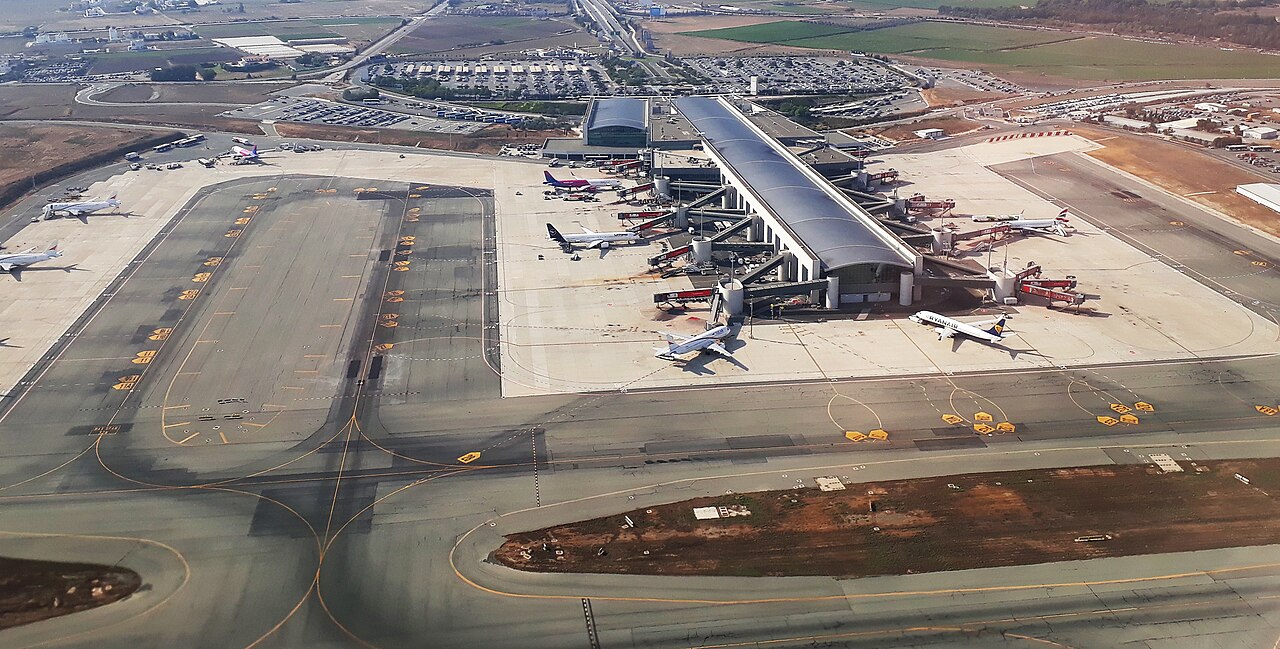
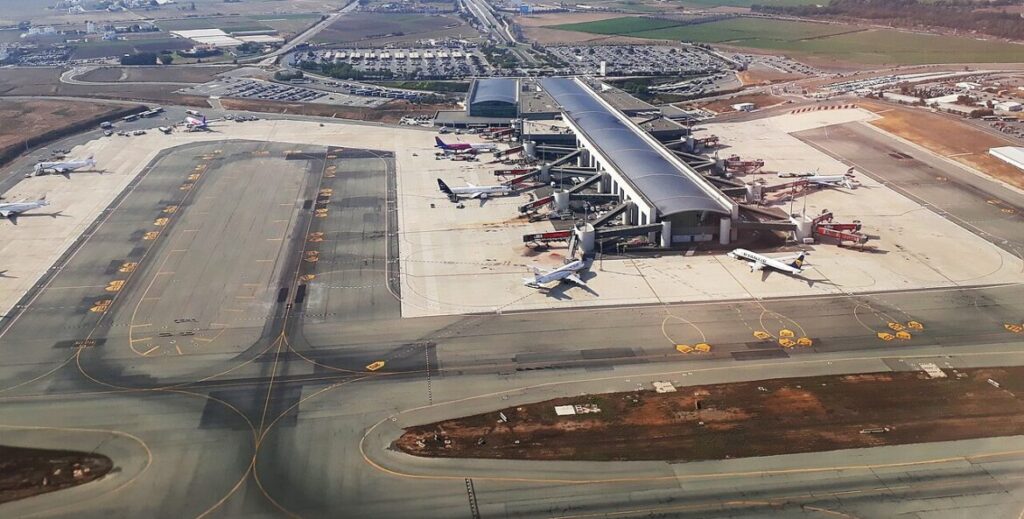
Larnaca International Airport (LCA) has emerged as a notable destination for aviation enthusiasts, thanks to its unique combination of year-round sunshine and a diverse array of airlines. Despite its modest size, Larnaca offers a rich tapestry of flight operations that includes European, Middle Eastern, and regional carriers, making it a fascinating location for plane spotting.
Historical Significance and Operational Scope
As the busiest airport in Cyprus, Larnaca serves as the island’s primary international gateway. Its prominence grew significantly after the division of Cyprus in 1974, which resulted in the closure of Nicosia International Airport. Since then, Larnaca has developed into a vital hub in the eastern Mediterranean, accommodating millions of passengers annually through scheduled, charter, and low-cost flights.
The airport features a single runway (04/22) and a modern passenger terminal located on the southwestern side of the airfield. Additionally, a remote apron at the opposite end is designated for cargo operations, business aviation, and occasional military traffic, further enhancing its operational relevance.
A Diverse Airline Ecosystem
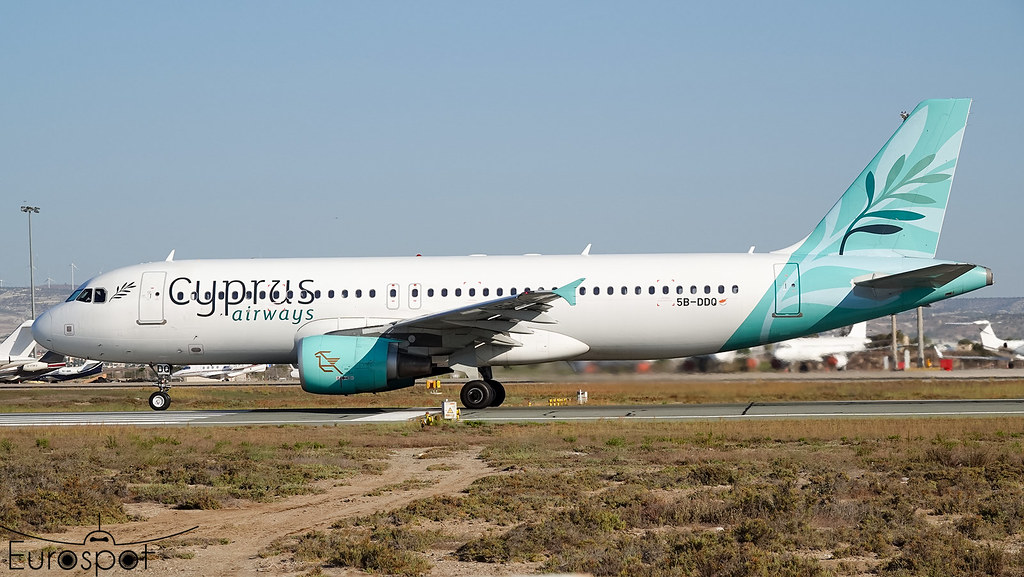
While summer months witness a surge in holiday traffic, Larnaca’s route network remains impressively diverse throughout the year. Cyprus Airways and TUS Airways provide scheduled services that connect to various European and eastern Mediterranean destinations. Low-cost carriers such as easyJet and Wizz Air also maintain extensive operations from the airport.
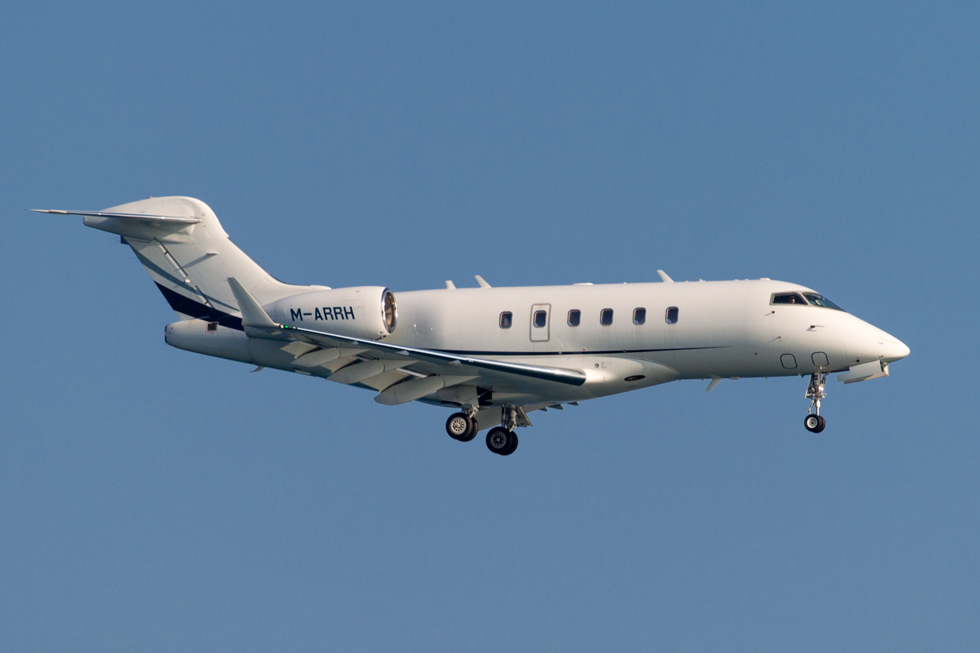
Other notable airlines operating from Larnaca include Aegean Airlines, British Airways, Emirates, and Qatar Airways, among others. This eclectic mix not only ensures a steady stream of aircraft movements but also presents unique opportunities for enthusiasts to capture images of rare aircraft types that may not be frequently seen in other European airports.
Prime Locations for Plane Spotting
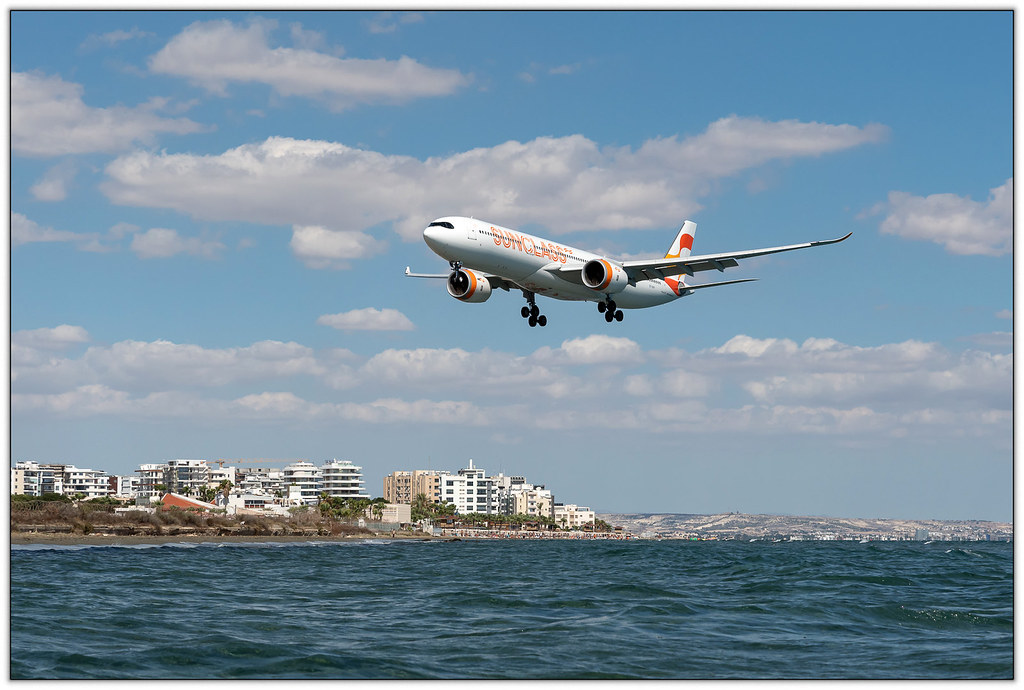
For aviation photographers, Larnaca offers some of the best vantage points in the region. Mackenzie Beach, located directly beneath the approach to runway 22, provides spectacular viewing opportunities as aircraft pass low overhead just before landing. The beach is equipped with various cafés and restaurants, allowing spotters to enjoy a relaxing afternoon while capturing stunning photographs.
Moreover, the Eastern Apron Viewpoint along the B4 road offers a vantage point for observing cargo and business jets. A telephoto lens can yield excellent views of aircraft parked on the remote apron, although spotters should be mindful of airport security protocols.
Accommodations Tailored for Aviation Fans
For those wishing to immerse themselves in the aviation experience, the Flamingo Beach Hotel stands out as an ideal accommodation. Located just minutes from the runway threshold, the hotel offers rooms with views of aircraft on final approach. The rooftop terrace provides an exceptional vantage point for observing flight operations, making it a favored choice among spotting enthusiasts.
Conclusion: A Unique Aviation Experience Awaits
Larnaca International Airport may not rival the largest European hubs in terms of traffic volume, but it offers an unparalleled variety of airlines and flight operations in a picturesque Mediterranean setting. For aviation enthusiasts, the combination of excellent weather, diverse aircraft movements, and iconic spotting locations makes Larnaca a must-visit destination. Whether you are a seasoned spotter or a casual aviation fan, the experiences awaiting you at Larnaca are sure to leave a lasting impression.



This article was prepared by LibelulaFly as an independent aviation-news summary and editorial reinterpretation based on publicly available reporting. Images, when used, are included for editorial context with source attribution. Original source: www.airportspotting.com. Read the original article here: https://www.airportspotting.com/plane-spotting-at-larnaca-airport-cyprus-best-airport-for-aviation-enthusiasts/.
List, promote, or publish aircraft with LibelulaFly.
LibelulaFly.com • Sales@libelulafly.com • +1 305-332-1942

Jul
Tragedy at Tenerife: A Day to Remember
On April 25, 1980, the aviation community was shaken by the catastrophic crash of Dan-Air Flight 1008, a Boeing 727-46, during its approach to Tenerife North Airport in the Canary Islands. This incident resulted in the loss of all 146 individuals on board, marking it as one of the deadliest accidents in British aviation history. The flight, a charter service from Manchester, was carrying holidaymakers eager to enjoy their vacation in the sun.
The Flight and Its Journey
Dan-Air Flight 1008 was a routine charter operation, featuring a Boeing 727 that had joined the airline’s fleet in 1974 after being previously operated in the United States. With over 30,000 flight hours logged, the aircraft was fully capable of handling the journey across the Bay of Biscay. However, as the flight neared its destination, adverse weather conditions presented a significant challenge. Low cloud cover obscured the mountainous terrain of Tenerife, necessitating reliance on instrument flight rules for a safe approach.
Confusion in the Skies
As the aircraft approached the airport, it was placed in a holding pattern behind a slower Iberia flight. The air traffic control instructions provided to the Dan-Air flight were not included in the published approach procedures, leading to confusion among the crew. This ambiguity resulted in a critical navigational error as the aircraft inadvertently descended towards mountainous terrain instead of remaining at a safe altitude.

A Fatal Descent
Despite being cleared to descend to 5,000 feet, the pilots misjudged their position relative to the terrain. The Ground Proximity Warning System (GPWS) activated, alerting the crew of impending danger. In a desperate attempt to avoid disaster, the pilots applied full power and initiated a steep right turn. Tragically, at 13:21 local time, the aircraft collided with the slopes of Mount La Esperanza, resulting in total destruction and no survivors.
Investigation and Findings
The official investigation into the crash identified it as a classic case of Controlled Flight Into Terrain (CFIT). The Spanish authorities determined that the crew’s misinterpretation of the holding procedure, combined with the lack of clear air traffic control instructions, played a crucial role in the accident. The British investigation further highlighted systemic issues, emphasizing the need for clear communication and adequate terrain protection during instrument approaches.
Impact on Dan-Air and Aviation Safety
The loss of Flight 1008 was a profound tragedy for Dan-Air, an airline known for its inclusive-tour charters and scheduled services throughout Europe. Although the airline continued to operate and expand after the accident, this incident remained its most devastating moment. It underscored the crucial importance of unambiguous air traffic procedures and the need for rigorous adherence to safety protocols in aviation.
Legacy and Remembrance
Over four decades later, the memory of Flight 1008 serves as a reminder of the inherent risks of aviation and the critical importance of safety measures. While overshadowed by other aviation disasters, the tragedy remains a significant event in British aviation history, reinforcing lessons that are still relevant today. The legacy of the 146 lives lost continues to influence safety standards and operational protocols within the industry.


This article was prepared by LibelulaFly as an independent aviation-news summary and editorial reinterpretation based on publicly available reporting. Images, when used, are included for editorial context with source attribution. Original source: www.airportspotting.com. Read the original article here: https://www.airportspotting.com/dan-air-flight-1008-remembering-the-tragic-boeing-727-crash-that-shocked-britain/.
List, promote, or publish aircraft with LibelulaFly.
LibelulaFly.com • Sales@libelulafly.com • +1 305-332-1942

Jul
RAF Coningsby: A Hub of Aviation Heritage and Modern Excellence
RAF Coningsby, located in Lincolnshire, stands as one of the UK’s most significant military airfields, blending modern aviation with a rich historical backdrop. As the operational base for the Royal Air Force’s frontline Eurofighter Typhoon units and the iconic Battle of Britain Memorial Flight, Coningsby offers a unique opportunity for aviation enthusiasts to witness both cutting-edge technology and historic aircraft in action.
A Legacy Rooted in History
Established in 1940 during World War II, RAF Coningsby originally served as a bomber station supporting the RAF Bomber Command. It played a pivotal role in the air campaign over Europe, transitioning from initial operations with Whitley bombers to the legendary Avro Lancaster. The airfield has since evolved, embracing the jet age with aircraft such as the English Electric Canberra and the Avro Vulcan. Today, it is a critical site for the Eurofighter Typhoon operations, underscoring its importance in the UK’s air defense strategy.
Operational Significance of the Typhoon Force
Coningsby is home to several key squadrons, including No. 3 (Fighter) Squadron and No. XI (Fighter) Squadron, both of which are integral to maintaining the UK’s air sovereignty. The station also hosts No. 29 Squadron, the Operational Conversion Unit responsible for training new Typhoon pilots. This operational tempo ensures that visitors frequently witness multiple Typhoon sorties during weekdays, alongside occasional appearances from NATO and international military aircraft.

The Battle of Britain Memorial Flight: Preserving History
A highlight of any visit to RAF Coningsby is the Battle of Britain Memorial Flight (BBMF), which preserves and operates a collection of historic aircraft, including the Avro Lancaster and Supermarine Spitfires. The BBMF plays a crucial role in commemorating the sacrifices of those who served during the Battle of Britain. The flight’s hangars are accessible through the Visitor Centre, offering guided tours that provide insight into the engineering and maintenance efforts required to keep these historic aircraft operational.
Spotting Opportunities and Visitor Experience
RAF Coningsby is a prime destination for aviation spotting, offering various locations for enthusiasts to observe and photograph both modern and historic aircraft. Key spots include the Spotters Car Park along Dogdyke Lane, where visitors can watch Typhoons take off and land, and the BoBMF Layby, which offers views of the historic aircraft. The area near runway 25 provides excellent photography opportunities for those keen on capturing aircraft in action.
Planning Your Visit
For those looking to explore RAF Coningsby, a visit can be greatly enriched by combining aircraft spotting with a tour of the BBMF Visitor Centre. This dual experience not only highlights the modern capabilities of the RAF but also connects visitors with the rich history of British aviation. With its combination of operational excellence and historical significance, RAF Coningsby remains a must-visit for both aviation enthusiasts and historians alike.
Conclusion: A Testament to Aviation Heritage
RAF Coningsby is more than just a military airfield; it is a living testament to the evolution of aviation in the UK. As it continues to serve as a frontline base for the Typhoon and a guardian of historical aircraft, it offers a unique lens through which to appreciate both the advancements in modern air power and the legacy of those who paved the way. Whether you are an avid spotter or a casual observer, Coningsby promises an engaging experience that celebrates the past while looking towards the future of aviation.


This article was prepared by LibelulaFly as an independent aviation-news summary and editorial reinterpretation based on publicly available reporting. Images, when used, are included for editorial context with source attribution. Original source: www.airportspotting.com. Read the original article here: https://www.airportspotting.com/raf-coningsby-spotting-guide/.
List, promote, or publish aircraft with LibelulaFly.
LibelulaFly.com • Sales@libelulafly.com • +1 305-332-1942

Jul
Global Airliner Deliveries Highlight Aviation Growth
In July 2026, the aviation industry continues to witness significant developments with new airliner deliveries and special liveries enhancing airline fleets worldwide. This month showcases a variety of aircraft ranging from widebody airliners to regional jets, reflecting the ongoing evolution of airline operations and branding strategies.
Expanding Horizons: Air Congo’s New Dreamliner
Air Congo has made a noteworthy stride in expanding its long-haul capabilities by leasing a Boeing 787-8 Dreamliner from Ethiopian Airlines. This aircraft, registered as ET-ASI, marks a significant enhancement in Air Congo’s fleet, enabling the airline to operate more efficiently on international routes. The Dreamliner is renowned for its fuel efficiency and passenger comfort, positioning Air Congo to better serve its growing customer base.
Celebrating Heritage: Special Liveries Commemorate USA’s 250th Anniversary
In celebration of the United States’ 250th anniversary, several airlines have unveiled special liveries. Alaska Airlines has adorned its Boeing 737 MAX 9 with promotional stickers linked to the FIFA World Cup, while American Airlines has introduced a commemorative scheme on its Boeing 737-800. These initiatives not only enhance brand visibility but also connect the airlines with national pride and historical significance.
Innovative Additions: New Aircraft Enhance Operational Capabilities
Several airlines are expanding their fleets with new aircraft types to improve operational flexibility. AZAL Azerbaijan Airlines has welcomed its first Airbus A320neo, enhancing its regional service capabilities. Meanwhile, Ethiopian Airlines is diversifying its fleet with the addition of DHC-6 Twin Otters for domestic operations, showcasing a commitment to serving various market segments effectively.
Private Aviation Growth: Deer Jet’s Acquisition of the C909
In the realm of private aviation, Deer Jet has taken delivery of its first Comac C909, marking a significant milestone for the operator. This aircraft, identified as B-65A9, is poised to cater to the growing demand for business travel in Asia, offering luxurious amenities and advanced technology for discerning clientele.
International Flavor: New Liveries and Aircraft from Global Airlines
Airlines across the globe are also showcasing their identities through unique liveries. China Southern Airlines has introduced a special livery promoting the Altay region on its Boeing 737 MAX 8. Additionally, Emirates has applied the UAE flag scheme to its Airbus A350-900, further emphasizing its national heritage. These liveries not only serve branding purposes but also enhance the visibility of cultural and regional identities across their routes.
Looking Ahead: The Future of Airline Operations
As airlines continue to innovate and expand their fleets, the industry is positioned for sustained growth. The integration of new aircraft types, coupled with strategic branding initiatives, reflects a dynamic market responding to evolving passenger preferences and operational demands. Stakeholders in the aviation sector should monitor these developments closely, as they signal broader trends in fleet modernization, service enhancement, and market positioning.
As the aviation landscape evolves, the commitment to improving operational capabilities and enhancing passenger experiences remains a priority. With each new delivery and livery, airlines are not just adding to their fleets but are also reinforcing their identities and roles in the global market.
Jul
SpiceJet’s Resilience Amidst Turbulence
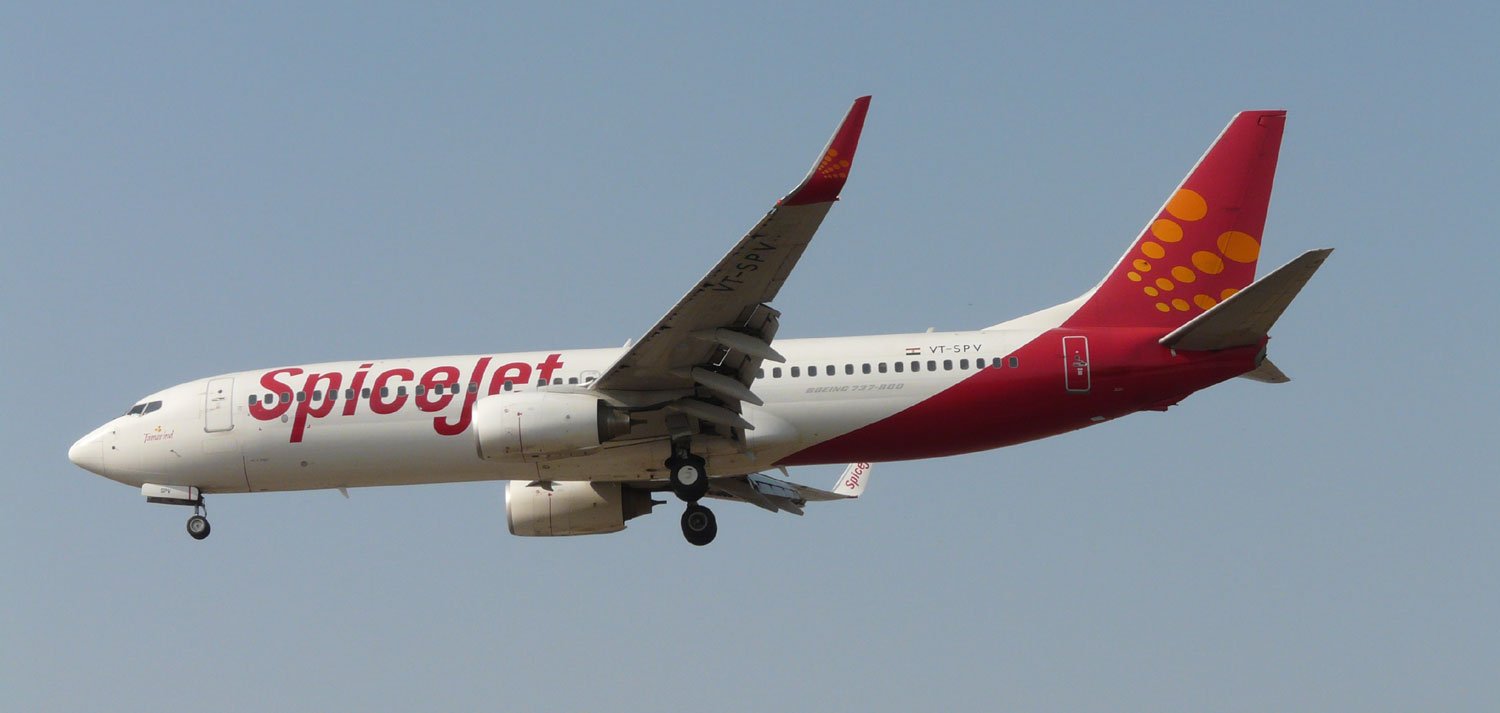
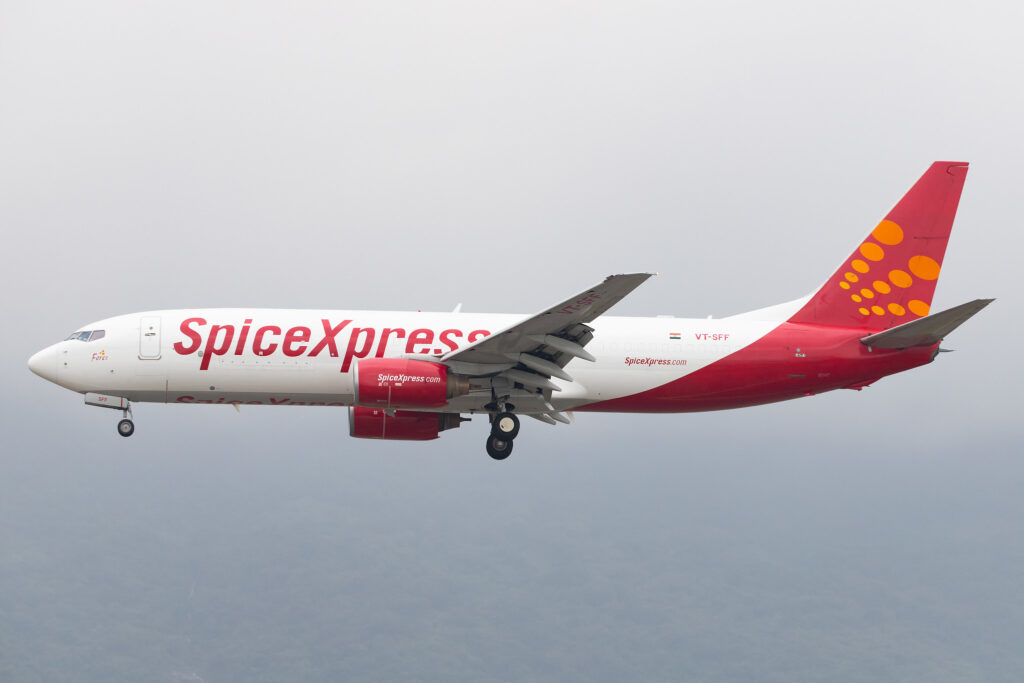
Once celebrated as India’s second-largest airline, SpiceJet has faced a tumultuous journey over the past few years, marked by financial distress and operational challenges. Having once operated a fleet exceeding 100 aircraft and amassed millions of passengers annually, the low-cost carrier now finds itself in a critical phase of recovery. Recent developments indicate that while the airline is striving to regain its foothold, it has considerable ground to cover before returning to its former glory.
A Remarkable Ascent
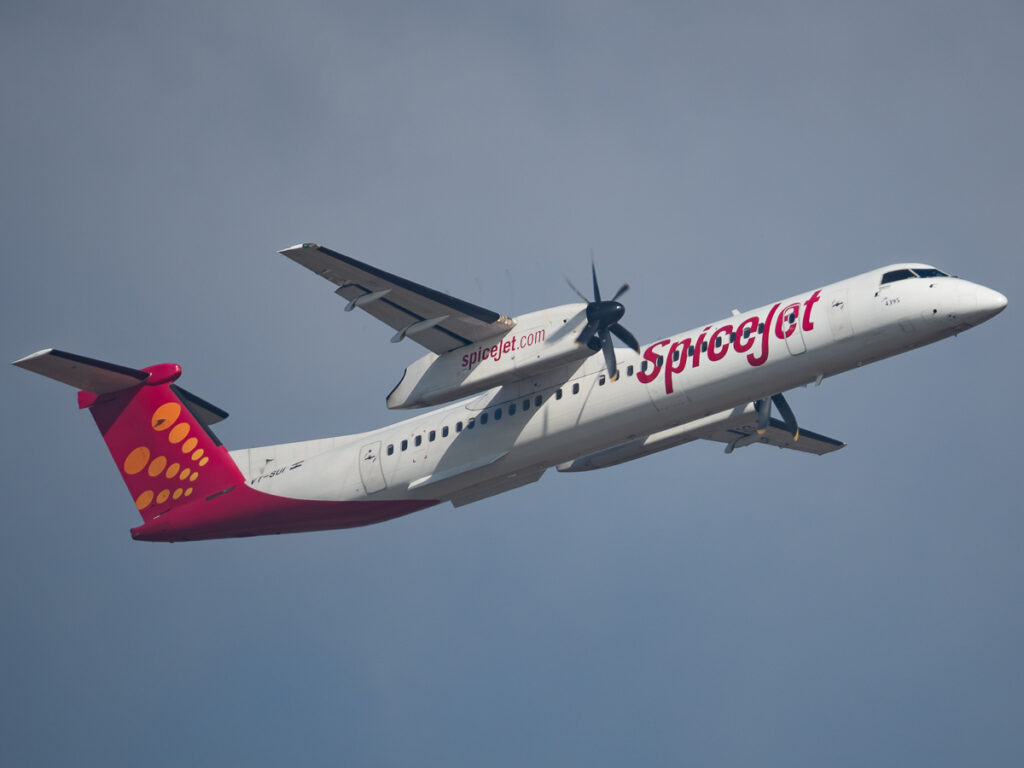
Founded in 2005, SpiceJet quickly rose to prominence as a low-cost carrier, primarily utilizing an all-Boeing 737 fleet to dominate the Indian skies. The airline’s expansion was bolstered by its strategic inclusion of De Havilland Canada Dash 8-400 turboprops, enabling better access to regional airports under India’s connectivity initiatives. By the late 2010s, SpiceJet had established itself as a formidable player in the industry, supported by a significant order of over 150 Boeing 737 MAX aircraft, which were intended to form the backbone of its future operations.
The Onset of Challenges
However, a series of crises began to unfold for SpiceJet, starting with the global grounding of the Boeing 737 MAX in 2019, which severely impacted its operational capacity. This was followed by the COVID-19 pandemic, which decimated air travel demand and exacerbated the airline’s financial situation. Unlike many competitors that rebounded quickly, SpiceJet was left grappling with substantial debts, disputes with lessors, and a dwindling operational fleet as aircraft were either repossessed or grounded for maintenance.
Fleet Transformation and Adaptation
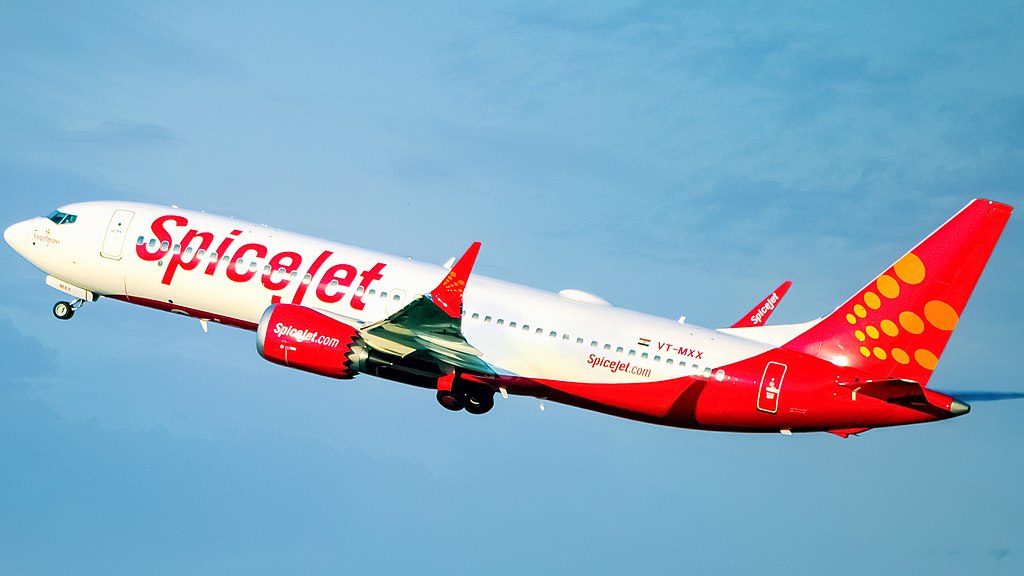
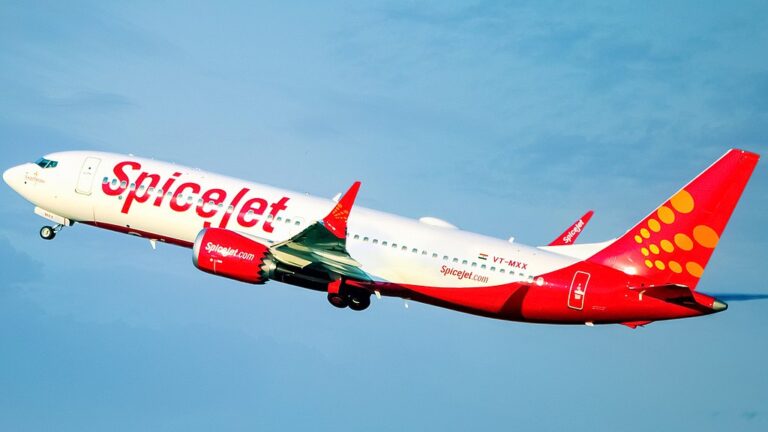
Currently, SpiceJet’s operational fleet primarily comprises various Boeing 737 models alongside Dash 8-400 turboprops. Despite having significant outstanding orders for the Boeing 737 MAX, the number of aircraft actively flying remains limited. Compounding the airline’s challenges, the introduction of Airbus A320 aircraft on a damp-lease basis marks a notable shift in strategy, aimed at supplementing capacity during peak travel seasons while the airline works to reactivate its existing fleet.
Financial Hurdles and Recovery Signs
The overarching hurdle for SpiceJet continues to be its financial health, plagued by ongoing legal disputes and cash-flow issues. Reports of delayed pilot salaries highlight the urgency of securing government-backed funding to stabilize operations. Meanwhile, external factors such as rising fuel prices and currency fluctuations have further strained the airline’s recovery efforts.
Glimmers of Hope
Despite these challenges, there are emerging signs of recovery. Over the past year, SpiceJet has successfully reactivated several grounded Boeing 737 MAX aircraft and added leased 737s to enhance its service offerings. Financial restructuring efforts have led to improved quarterly revenues as passenger demand gradually rebounds. Management remains focused on restoring grounded aircraft, aiming to eventually expand both domestic and international services.
Future Outlook: A Sustainable Business Model
The Indian aviation landscape is witnessing rapid growth, yet it remains fiercely competitive, with major players like IndiGo and the newly revitalized Air India Group leading the charge. For SpiceJet, the path to survival may require a shift from aspirations of regaining its former size to establishing a viable business model characterized by fleet reliability and financial stability. With a well-recognized brand and a loyal customer base, the airline’s future hinges on its ability to navigate these complexities and leverage its substantial order book of Boeing 737 MAX aircraft for future growth. As the airline embarks on this journey of recovery, the aviation community will be watching closely to see if SpiceJet can reclaim its status as a key player in India’s vibrant aviation market.




This article was prepared by LibelulaFly as an independent aviation-news summary and editorial reinterpretation based on publicly available reporting. Images, when used, are included for editorial context with source attribution. Original source: www.airportspotting.com. Read the original article here: https://www.airportspotting.com/whats-happening-with-spicejet/.
List, promote, or publish aircraft with LibelulaFly.
LibelulaFly.com • Sales@libelulafly.com • +1 305-332-1942
Jul
Aviation Heritage in Transition
The China Aviation Museum at Datangshan, a renowned destination for aviation enthusiasts, has officially closed its doors as of late 2025. This significant development marks a pivotal moment for one of the world’s largest and most unique aviation museums, which features an extraordinary collection of military and civil aircraft. The museum’s closure is linked to an ambitious relocation project aimed at moving its extensive collection to a new site in Changchun, Jilin Province.
A Glimpse into the Museum’s Legacy
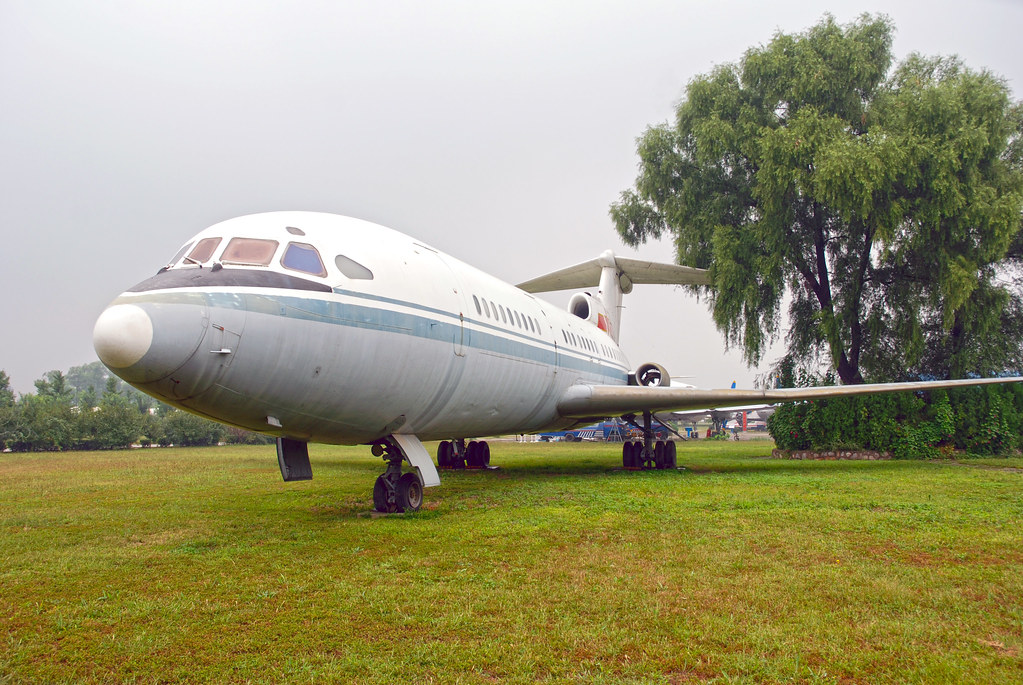
Established in 1989 to commemorate the 40th anniversary of the People’s Liberation Army Air Force (PLAAF), the China Aviation Museum quickly gained recognition as a national treasure and a prominent institution within the global aviation community. Spanning over 700,000 square meters, the museum housed more than 300 aircraft, showcasing the evolution of both military and civil aviation in China.
Among its most striking features was the underground exhibition hall, originally designed as a hardened shelter during the Cold War. This unique setting allowed visitors to explore historic aircraft in a truly one-of-a-kind environment. Outside, the museum’s grounds displayed an extensive array of military fighters, bombers, and helicopters, providing a comprehensive overview of the Chinese Air Force’s aerial capabilities.
A Diverse Collection of Aircraft
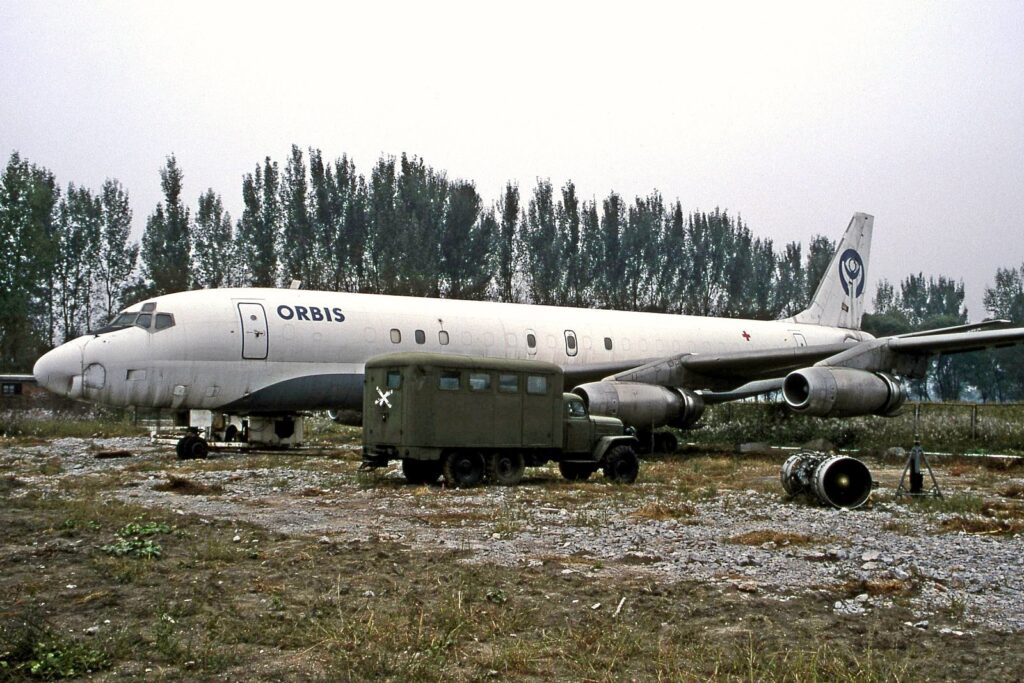
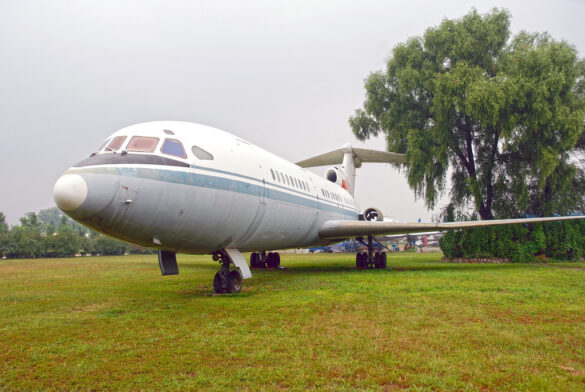
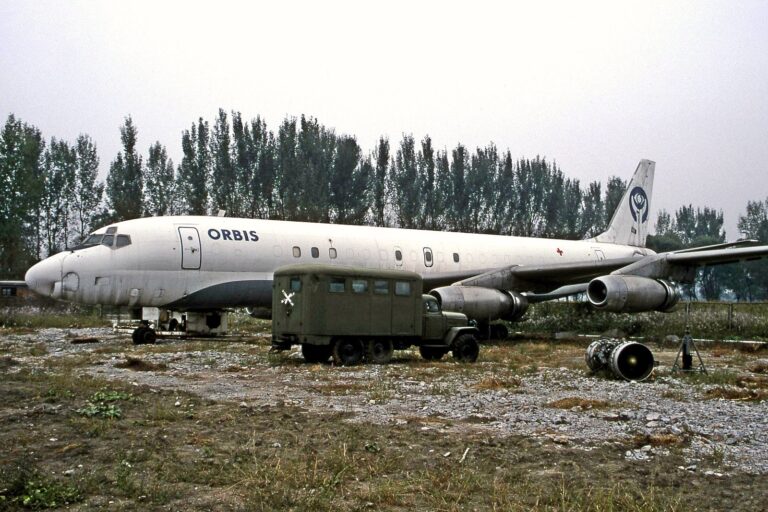
While the museum primarily focused on military aviation, it also boasted a notable selection of classic airliners, many of which had historical significance within China’s aviation narrative. Aircraft such as the Hawker Siddeley Trident, Douglas DC-8, and Airbus A310 were among the highlights, illustrating the diverse lineage of China’s commercial aviation.
This unique combination of military and civil aviation artifacts made Datangshan a rare venue where enthusiasts could appreciate both Chinese and international aircraft side by side. The collection also included notable military models, from early MiGs to indigenous Chinese fighters and experimental prototypes, further enriching the museum’s offerings.
The Challenges of Relocation
The decision to relocate the museum’s vast collection is a monumental undertaking. Reports suggest that the move to the new aviation museum in Changchun involves complex logistics, given the size and fragility of many exhibits. Some aircraft may require disassembly for transport, while others necessitate specialized conservation efforts to ensure their preservation.
Looking Ahead: The Future of Aviation Exhibits in China
As plans for the new museum progress, it is anticipated that the facility may not open its doors until mid-2027 at the earliest. This timeline reflects the careful planning required to ensure the proper handling and presentation of the collection. Aviation enthusiasts planning visits to Beijing should note that the Datangshan museum is currently closed, despite outdated travel resources indicating otherwise.

A Hopeful Horizon for Aviation Enthusiasts
While the closure of the China Aviation Museum is undoubtedly a setback for aviation fans, it also presents an opportunity for the preservation of invaluable artifacts in a modern setting. The forthcoming museum aims not only to safeguard China’s military aviation heritage but also to continue showcasing its unique collection of classic airliners. As the aviation community awaits the new facility’s debut, the promise of a revitalized and accessible collection remains a beacon of hope for enthusiasts worldwide.




This article was prepared by LibelulaFly as an independent aviation-news summary and editorial reinterpretation based on publicly available reporting. Images, when used, are included for editorial context with source attribution. Original source: www.airportspotting.com. Read the original article here: https://www.airportspotting.com/whats-happening-with-chinas-datangshan-aviation-museum/.
List, promote, or publish aircraft with LibelulaFly.
LibelulaFly.com • Sales@libelulafly.com • +1 305-332-1942
Jul
The Airbus A220: Transforming the 100-150 Seat Market
The Airbus A220 has emerged as a pivotal player in commercial aviation, particularly within the 100-150 seat segment. Initially developed by Bombardier as the CSeries, the aircraft transitioned to Airbus ownership in 2018, leading to a significant redesign and rebranding. Today, the A220 is celebrated for its fuel efficiency, extended range, and passenger-centric cabin features, making it a preferred choice for airlines worldwide.
A Growing Global Presence
With over 500 A220 aircraft currently in operation, the model has effectively replaced older aircraft types, such as the Airbus A319 and Boeing 737-700, across various airlines. As Airbus ramps up production, the A220 is increasingly visible at airports in North America, Europe, and beyond, solidifying its status as a mainstay in modern fleets.
Leading Operators in the A220 Fleet
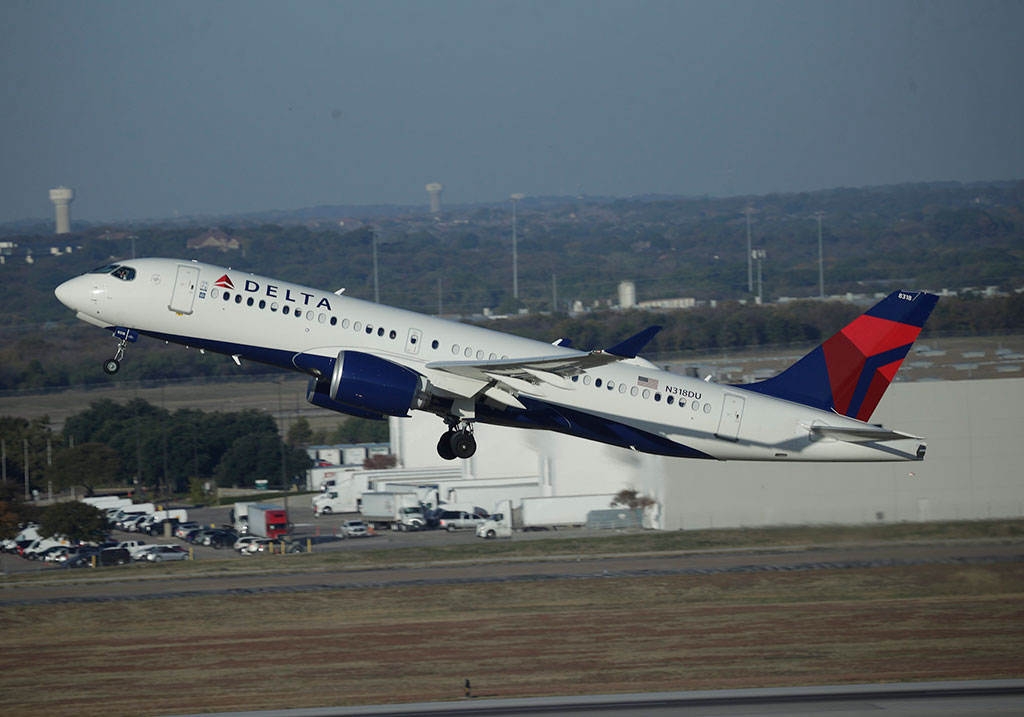
Delta Air Lines stands at the forefront as the largest operator of the Airbus A220, with a fleet of 87 aircraft. The airline utilized the A220 to modernize its fleet, replacing older models like the McDonnell Douglas MD-88 and MD-90. This strategic move has allowed Delta to enhance its operational efficiency while providing passengers with a comfortable travel experience.
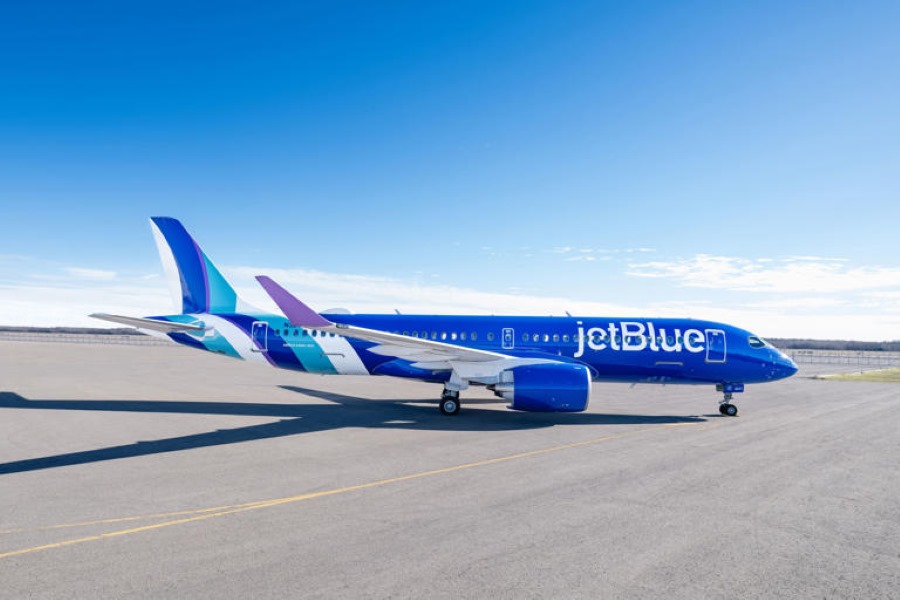
JetBlue follows closely with 65 A220-300s, replacing its Embraer E190 fleet. The airline’s focus on passenger comfort and modern amenities, combined with lower fuel consumption, has made the A220 a valuable addition to its operations.
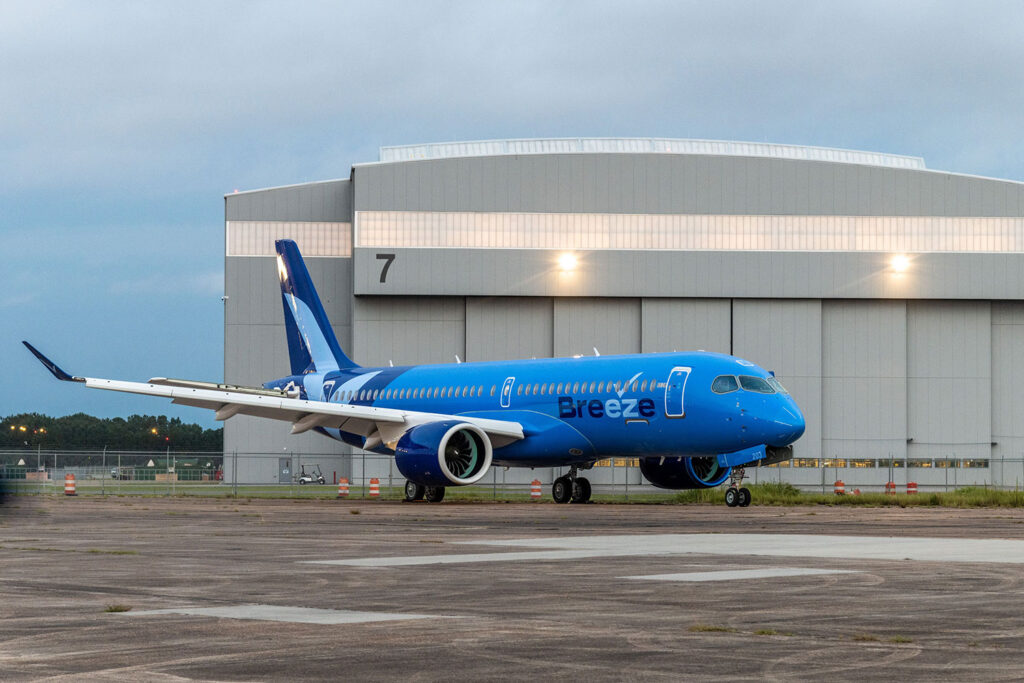
Breeze Airways has also embraced the A220-300, operating 57 units to connect underserved markets across the U.S. The aircraft’s long-range capabilities and cost-effectiveness align with Breeze’s mission to serve routes that larger jets cannot efficiently cover.
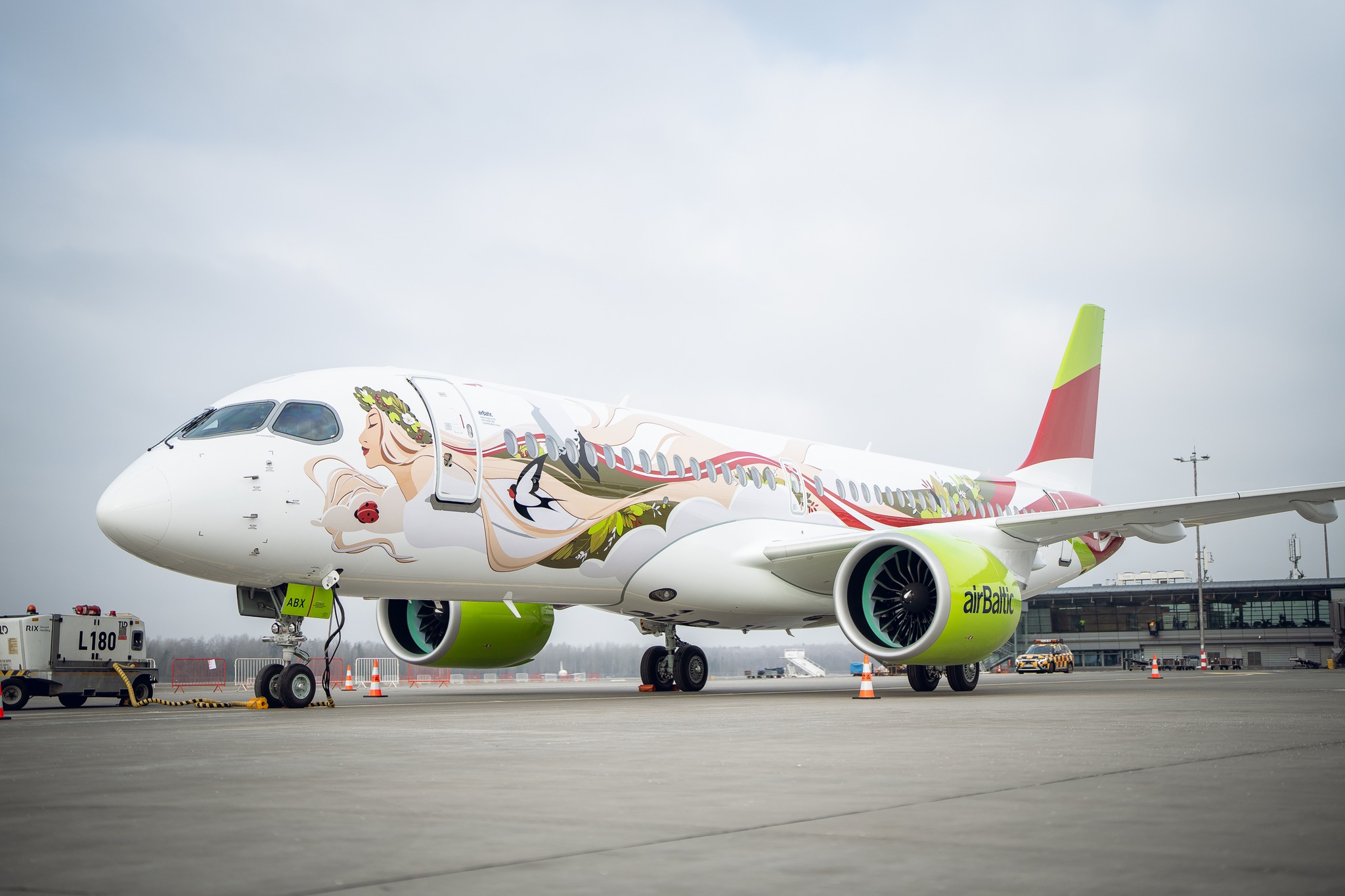
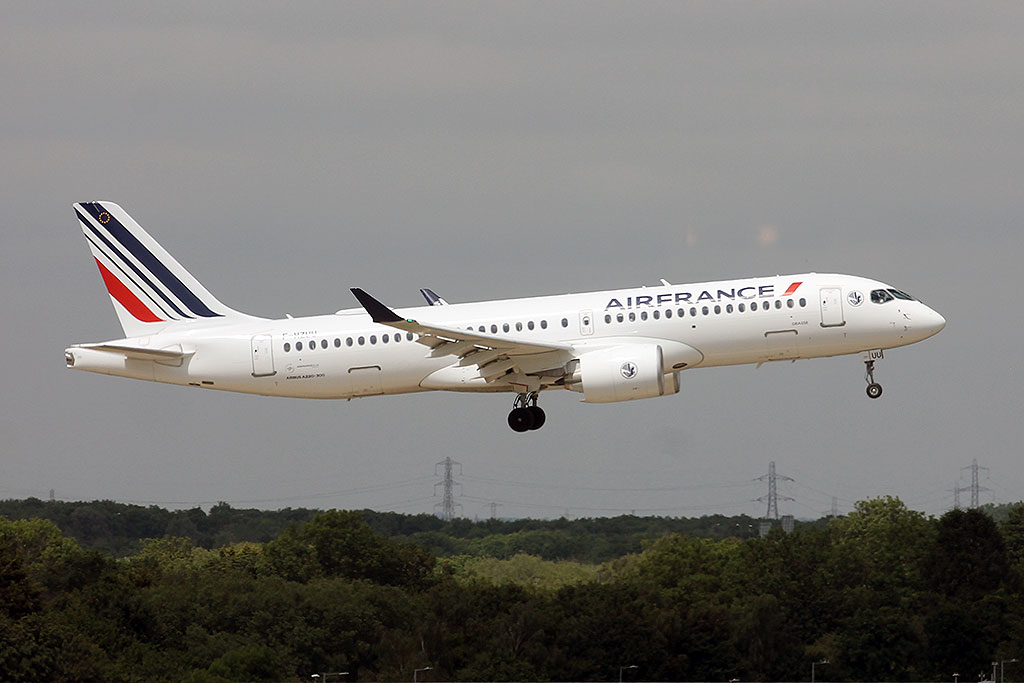
Air France and airBaltic are notable operators as well, with 56 and 55 A220s in their fleets, respectively. Air France is leveraging the A220 to refresh its short-haul services, while airBaltic proudly operates an all-A220 fleet, emphasizing its commitment to modern, efficient air travel.
Market Implications and Future Developments
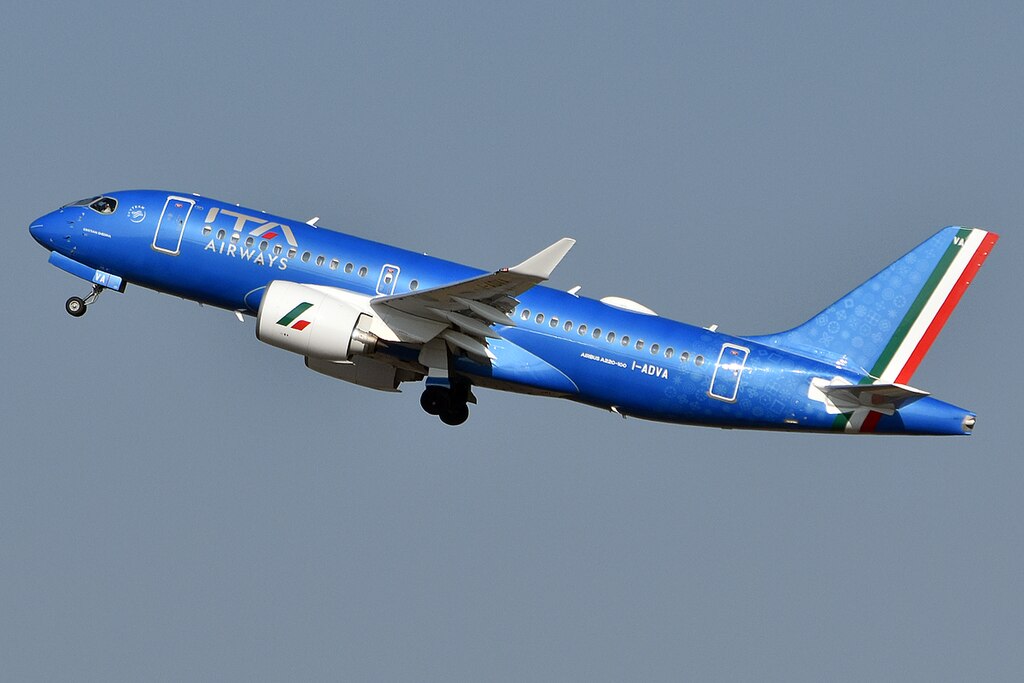
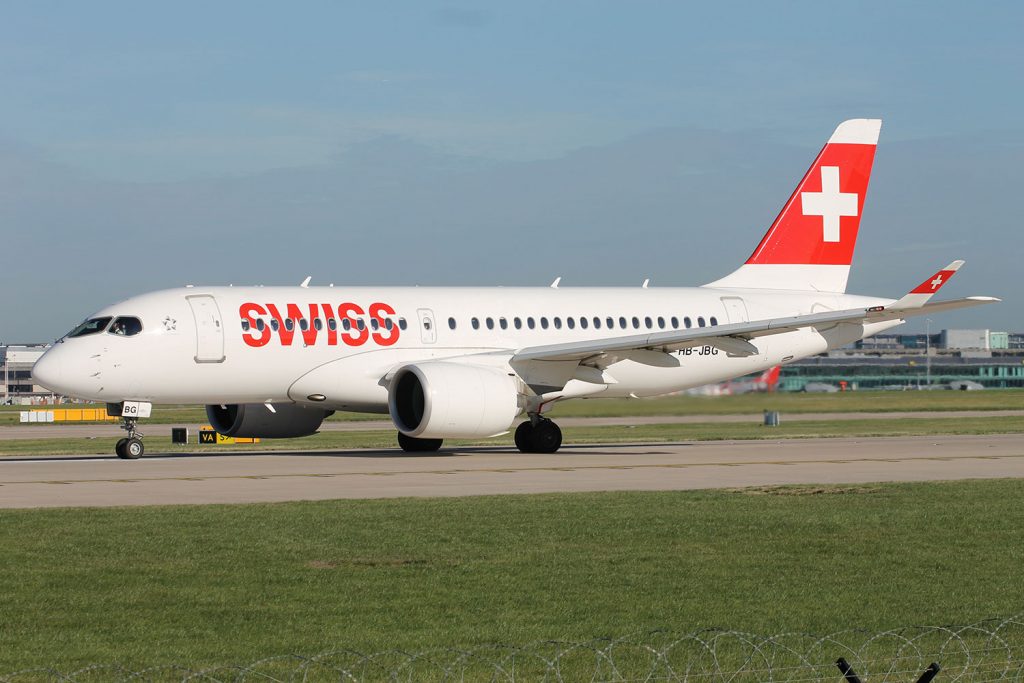
As airlines like Air Canada, ITA Airways, SWISS, QantasLink, and Korean Air integrate the A220 into their fleets, the aircraft’s influence continues to expand. The operational versatility and economic advantages of the A220 are evident, as it serves routes ranging from domestic flights to international connections.
The A220’s success has prompted Airbus to consider an extended version, the A220-500, which could further enhance its appeal in the competitive narrowbody market currently dominated by the A320neo and Boeing 737 MAX 8. Additionally, a recent order from AirAsia for 150 A220-300s signifies the aircraft’s growing popularity, positioning AirAsia to potentially become the largest operator of the A220 series.
A Bright Future for the A220
As the Airbus A220 continues to gain traction among airlines globally, its role in shaping the future of commercial aviation is undeniable. The aircraft’s combination of operational efficiency, passenger comfort, and environmental sustainability aligns with the evolving demands of the airline industry. With production on the rise and new variants on the horizon, the A220 is set to play a critical role in the next chapter of aviation history.


This article was prepared by LibelulaFly as an independent aviation-news summary and editorial reinterpretation based on publicly available reporting. Images, when used, are included for editorial context with source attribution. Original source: www.airportspotting.com. Read the original article here: https://www.airportspotting.com/10-biggest-operators-of-the-airbus-a220/.
List, promote, or publish aircraft with LibelulaFly.
LibelulaFly.com • Sales@libelulafly.com • +1 305-332-1942