
COMAC Unveils C919-600 Variant Testing Phase
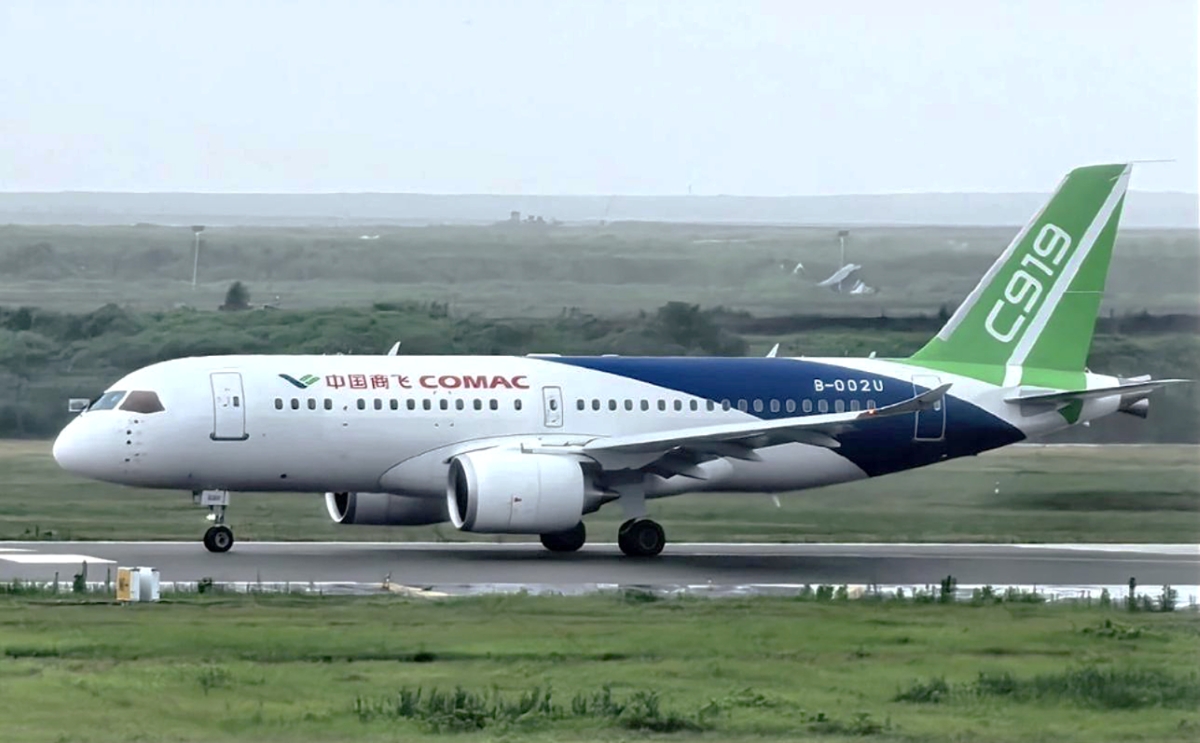
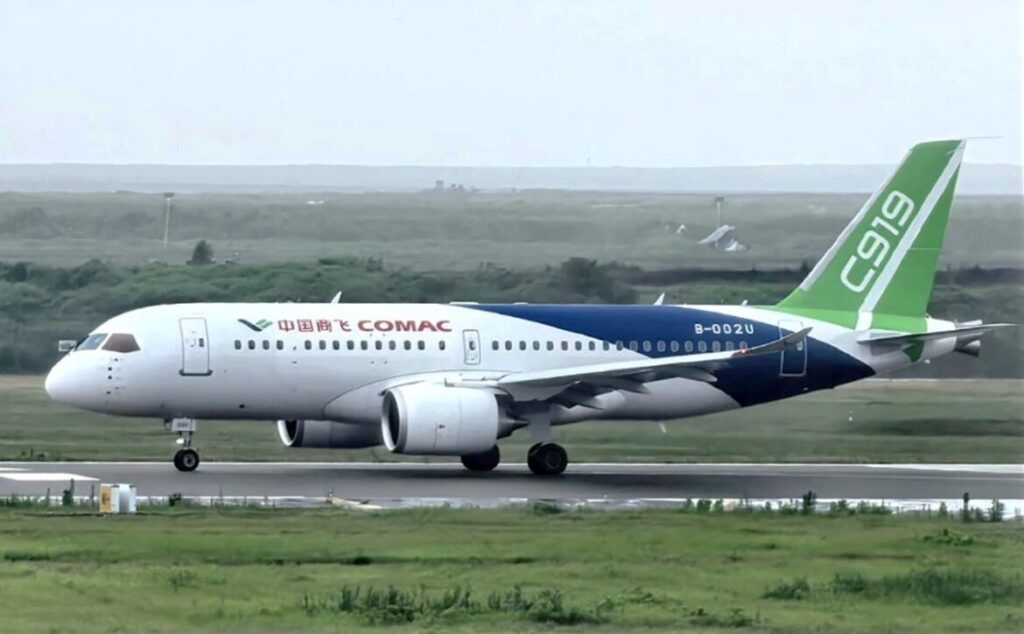
China’s Commercial Aircraft Corporation (COMAC) has marked a pivotal moment in its aviation advancements with the commencement of ground testing for the C919-600 variant. Recently spotted at COMAC’s facilities near Shanghai Pudong Airport, the prototype, registered B-002U, has successfully conducted taxi and high-speed braking tests, a crucial step in the aircraft’s certification journey.
Transitioning to the Skies
The testing phase for the C919-600 is integral to assessing the aircraft’s handling characteristics and braking performance. These evaluations are standard within the certification process and serve as a precursor to subsequent flight testing. The C919-600 is the first major derivative of the C919 narrowbody family, expanding COMAC’s offerings in the competitive commercial aviation market.
Understanding the C919-600’s Role
Distinct from its standard counterpart, the C919-600 is engineered specifically for operations at high altitudes, catering to airports located on the Tibetan Plateau and similar regions. By reducing the fuselage length through the removal of six frame sections, the C919-600 achieves a lighter airframe, capable of accommodating between 140 to 160 passengers. This design modification enhances performance, particularly in conditions where thin air can adversely affect engine thrust and lift.

Tailored for High-Altitude Operations
The development of the C919-600 is a direct response to the increasing demand for aircraft that can efficiently operate in challenging high-altitude environments. Airports situated above 3,000 meters (9,840 feet) present unique operational challenges, necessitating aircraft that can either reduce passenger capacity or be specifically adapted to perform under such conditions. COMAC’s collaboration with Tibet Airlines, initiated in 2023, underscores the importance of this variant in addressing the needs of China’s extensive network of high-altitude airports.
Strategic Market Positioning
With the C919-600, COMAC aims to carve out a niche in the market traditionally dominated by smaller narrowbody aircraft, such as the Airbus A319neo and Boeing 737-700. The shorter fuselage not only reduces capacity but also enhances the thrust-to-weight ratio, significantly improving take-off performance in high-density conditions. This strategic positioning aligns with COMAC’s broader objective to establish a comprehensive family of aircraft that can cater to diverse airline requirements.
Looking Ahead: The Future of the C919 Family
The C919-600’s introduction is a testament to COMAC’s commitment to innovation and market responsiveness. As the company continues to develop its C919 family, the potential for additional variants—both shorter and stretched—could extend its reach into markets ranging from 140 to over 200 passengers. This approach mirrors the successful strategies employed by major manufacturers like Airbus and Boeing, further solidifying COMAC’s place in the global aerospace landscape.
Conclusion: A New Chapter for COMAC
The ongoing testing of the C919-600 not only represents a significant advancement for COMAC but also highlights the evolving dynamics of the aviation market. As the company prepares for the next stages of certification and eventual entry into service, the C919-600 is poised to play a crucial role in enhancing connectivity across China’s challenging high-altitude regions, setting a new benchmark for operational efficiency in the sector.





This article was prepared by LibelulaFly as an independent aviation-news summary and editorial reinterpretation based on publicly available reporting. Images, when used, are included for editorial context with source attribution. Original source: www.airportspotting.com. Read the original article here: https://www.airportspotting.com/comacs-new-c919-600-variant-spotted-testing/.
List, promote, or publish aircraft with LibelulaFly.
LibelulaFly.com • Sales@libelulafly.com • +1 305-332-1942