
Jun
Singapore Airlines Expands Its Reach with the Boeing 737 MAX
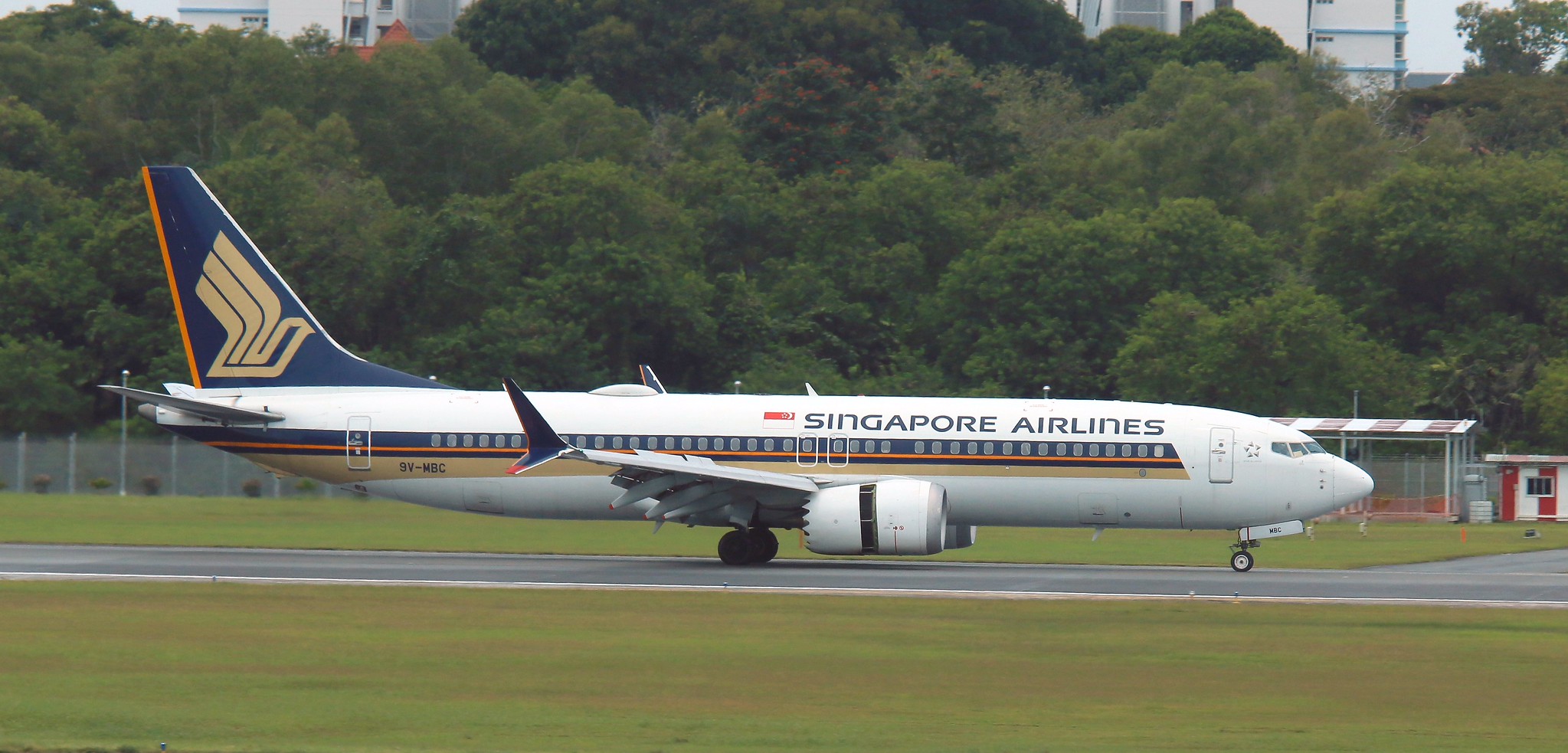
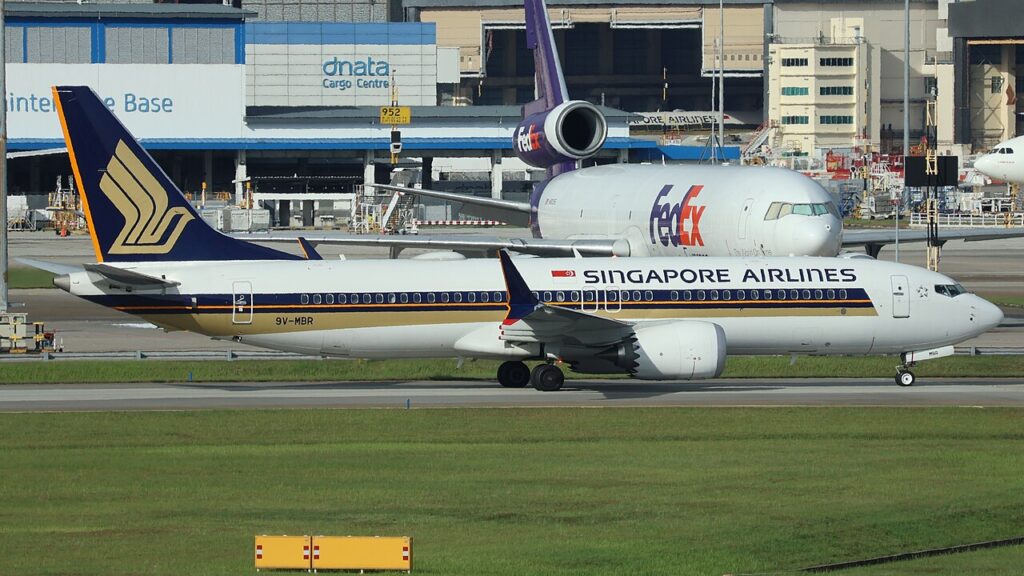
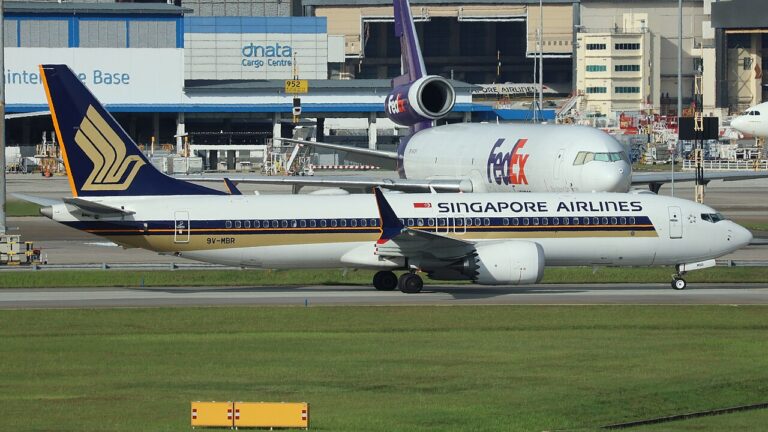
Singapore Airlines has broadened its operational capabilities with the integration of the Boeing 737 MAX into its fleet. Originally inherited from the merger with SilkAir, this aircraft type has transitioned into a vital component of the airline’s short and medium-haul services. As the aviation landscape evolves, the 737 MAX plays a pivotal role in connecting Singapore with key destinations across Southeast Asia, India, and beyond.
A Modern Solution for Regional Connectivity
The inclusion of the Boeing 737 MAX allows Singapore Airlines to optimize its route network by offering a narrowbody solution for shorter flights that do not necessitate the use of larger widebody aircraft like the Airbus A350 or Boeing 787. Currently, the airline operates a fleet of 23 Boeing 737-8 aircraft, with plans for further expansion as demand for regional travel grows.
Changi Airport: The Heart of Operations
Singapore Changi Airport serves as the primary hub for Singapore Airlines’ Boeing 737 MAX operations. Enthusiasts can observe a bustling scene as the aircraft frequently departs for various destinations throughout Asia. The airport’s strategic location and efficient operations make it the perfect vantage point for aviation aficionados to witness the diverse fleet in action.
Key Destinations for the Boeing 737 MAX
As Singapore Airlines enhances its regional service offerings, several airports have emerged as hotspots for spotting the Boeing 737 MAX:
- Phuket, Thailand: This popular leisure destination sees multiple daily flights, making it a prime location for enthusiasts.
- Bangkok Suvarnabhumi Airport: A critical hub for both business and leisure travel, the 737 MAX regularly operates on this route.
- Kuala Lumpur International Airport: Known for its short international routes, Kuala Lumpur frequently welcomes the Boeing 737 MAX.
- Denpasar (Bali) Airport: Bali’s allure as a tourist hotspot means the 737 MAX is a common sight here.
- Jakarta Soekarno-Hatta Airport: With Indonesia being a significant market, Jakarta sees consistent 737 MAX operations.
- Bengaluru Airport: This Indian city has gained importance in Singapore Airlines’ network, accommodating the 737 MAX.
- Kathmandu Airport: Known for its challenging approach amid stunning landscapes, Kathmandu is a unique destination for the 737 MAX.
- Male, Maldives: The scenic approach to Male over the Indian Ocean makes for a memorable spotting experience.
The Future of the 737 MAX in Singapore Airlines’ Network
The Boeing 737 MAX is set to play an increasingly significant role in Singapore Airlines’ operations, with additional destinations likely to be added to its network. While it may not possess the same grandeur as the Airbus A380 or the extended range of the A350, the 737 MAX has proven to be an essential asset in meeting the demands of modern air travel.
Conclusion: Embracing the Evolution of Air Travel
As Singapore Airlines continues to adapt to the dynamic aviation market, the Boeing 737 MAX stands as a testament to its commitment to providing efficient and reliable service. This aircraft not only enhances the airline’s operational flexibility but also offers aviation enthusiasts numerous opportunities to engage with the evolving landscape of regional air travel.


This article was prepared by LibelulaFly as an independent aviation-news summary and editorial reinterpretation based on publicly available reporting. Images, when used, are included for editorial context with source attribution. Original source: www.airportspotting.com. Read the original article here: https://www.airportspotting.com/10-airports-where-you-can-see-singapore-airlines-boeing-737-max-fleet/.
List, promote, or publish aircraft with LibelulaFly.
LibelulaFly.com • Sales@libelulafly.com • +1 305-332-1942
Jun
Strategic Deployment of the A380 in Singapore Airlines’ Future
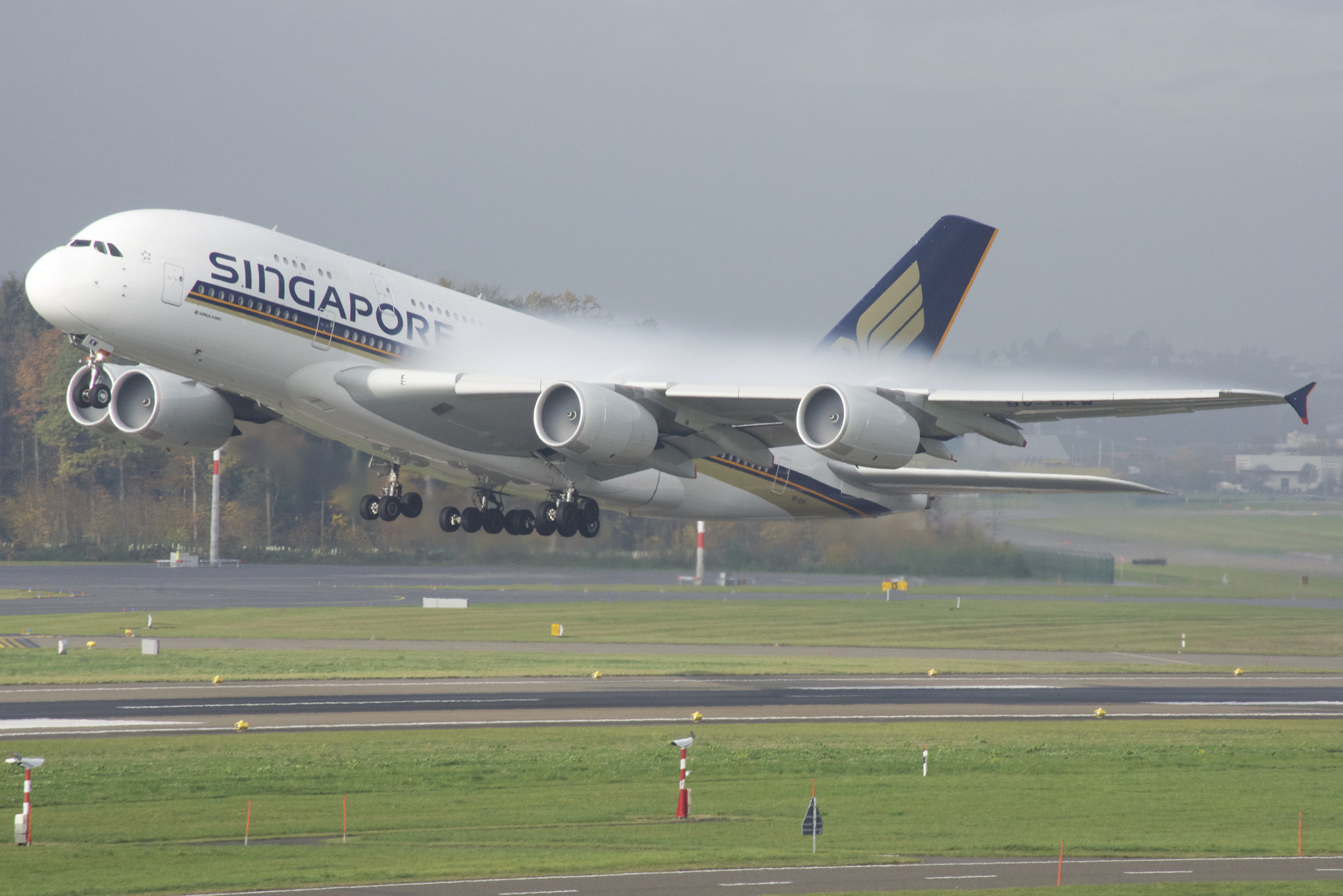
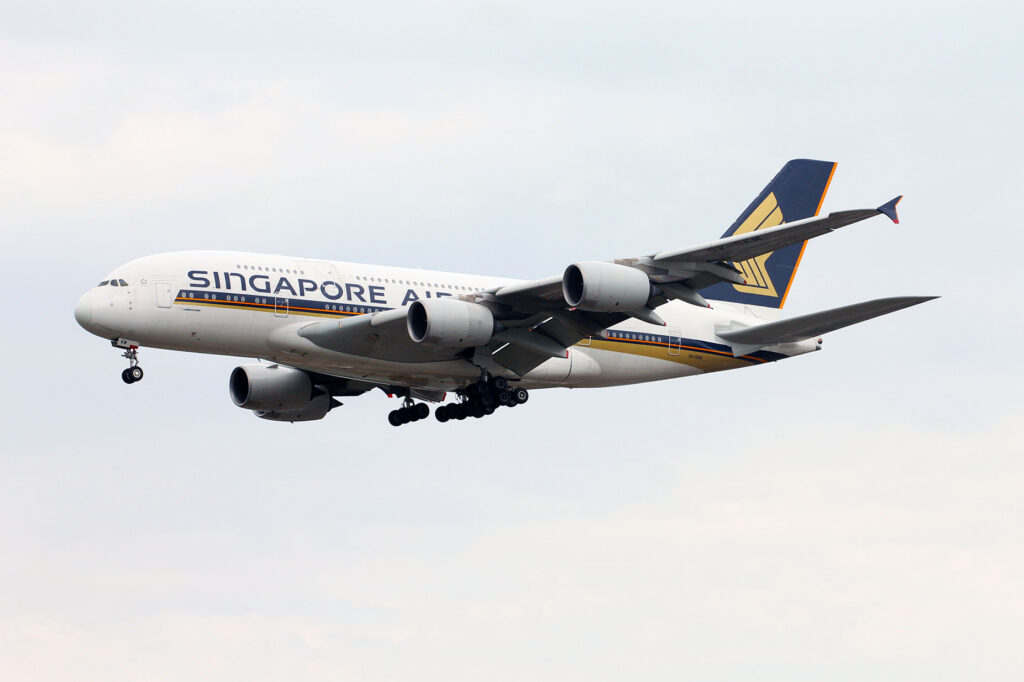
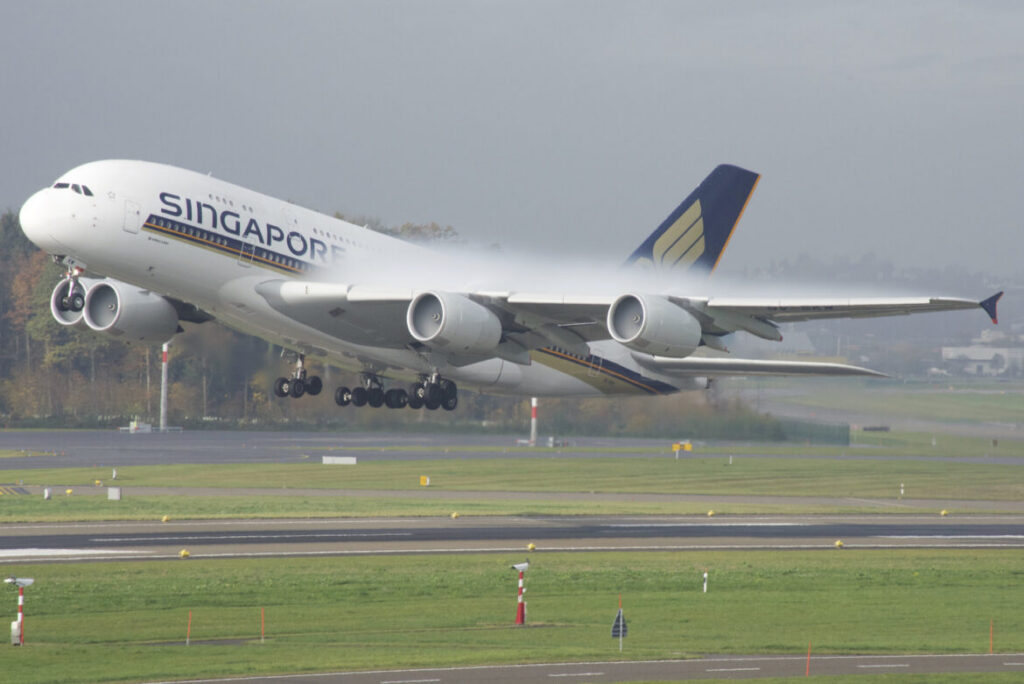
Singapore Airlines has long been synonymous with the Airbus A380, having made history as its launch customer in 2007. As the world’s largest passenger aircraft, the A380 has become a centerpiece of the airline’s fleet, serving high-demand routes with its impressive capacity and luxurious offerings. With its continued commitment to this aircraft, Singapore Airlines is poised to maintain its status as a leading operator of the A380 through 2026.
A380 Fleet Overview
Currently, Singapore Airlines operates a fleet of 12 Airbus A380-800 aircraft. Although reduced from pre-pandemic levels, these aircraft have undergone extensive refurbishments, enhancing their cabins to provide some of the most luxurious flying experiences available today. Configured to accommodate approximately 470 passengers, the fleet includes the airline’s renowned Suites, Business Class, Premium Economy, and Economy Class offerings, ensuring a diverse range of travel options for passengers.
High-Demand Routes for the A380
The deployment of the A380 is strategically focused on routes with exceptionally high passenger demand and limited airport capacity. Singapore Airlines utilizes this aircraft on key international routes to maximize revenue potential while providing a premium travel experience. Notable destinations for the A380 include:
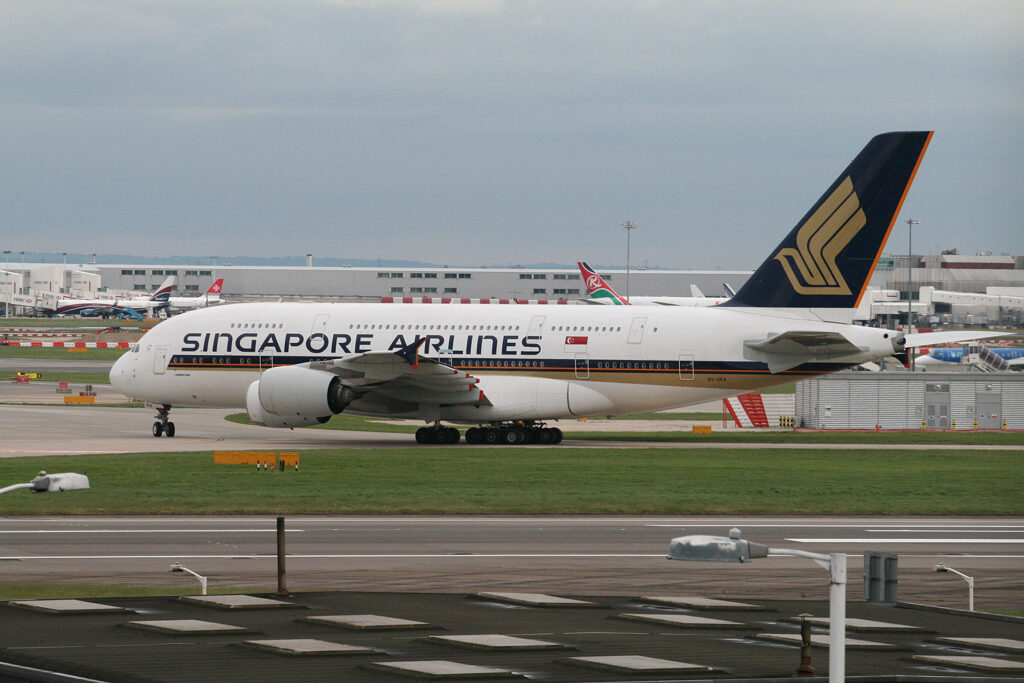
- London Heathrow: A long-standing A380 hub, Singapore Airlines operates multiple daily flights to Heathrow, making it a prime location for aviation enthusiasts to view this iconic aircraft.
- Sydney: As one of the airline’s most important markets, Sydney regularly sees A380 services, connecting passengers to a wide range of destinations through Singapore’s Changi Airport.
- Melbourne: This route supports a significant number of business and leisure travelers, further solidifying the A380’s role in Singapore Airlines’ operations.
- Frankfurt: The A380 continues to serve Germany’s busiest airport, facilitating connections to various European destinations.
- Paris Charles de Gaulle: Strong tourism and business traffic ensure that the A380 remains a staple on this route.
- Tokyo Narita: This route links two major Asian hubs, sustaining a robust demand for A380 operations.
- Shanghai Pudong: Regular A380 services cater to the growing international travel market in China.
- Mumbai: A mix of business and leisure travel supports periodic A380 flights to India.
Dynamic Route Adjustments
As with many airlines, Singapore Airlines continually assesses its route network, making adjustments based on seasonal demand and market conditions. This flexibility allows the airline to optimize its A380 operations to meet passenger needs effectively. Routes such as Hong Kong, Zurich, New Delhi, Auckland, and Osaka have seen A380 service at various times, highlighting the adaptability of the airline’s operations.
Commitment to the A380
Nearly two decades after introducing the A380, Singapore Airlines remains a steadfast advocate for this aircraft. The airline has made significant investments in refurbishing its fleet, ensuring that the A380 continues to play a vital role in its operations. With Airbus ceasing production of the A380, the existing fleet is likely to remain a prized asset for both aviation enthusiasts and travelers. As the airline looks to the future, it is clear that the A380 will continue to be an integral part of Singapore Airlines’ strategy, offering unparalleled capacity and comfort in the skies.


This article was prepared by LibelulaFly as an independent aviation-news summary and editorial reinterpretation based on publicly available reporting. Images, when used, are included for editorial context with source attribution. Original source: www.airportspotting.com. Read the original article here: https://www.airportspotting.com/where-is-singapore-airlines-flying-its-airbus-a380-fleet-in-2026/.
List, promote, or publish aircraft with LibelulaFly.
LibelulaFly.com • Sales@libelulafly.com • +1 305-332-1942