
Jul
Scandinavian Airlines Enters a New Era
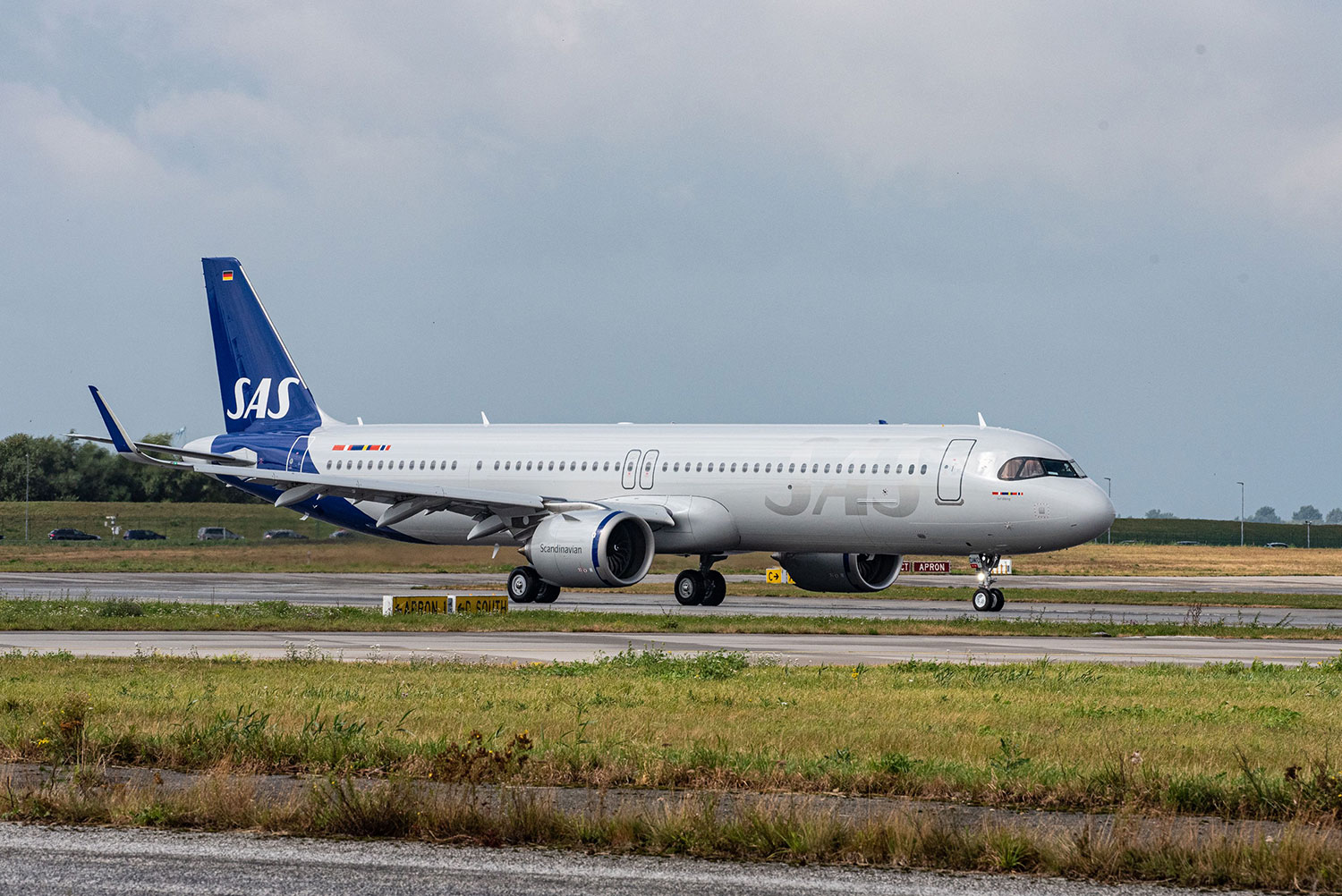
Scandinavian Airlines, widely recognized as SAS, has embarked on a transformative journey following a significant restructuring that commenced in the mid-2020s. This pivotal shift has not only allowed the airline to reestablish its footing in the competitive aviation landscape but has also culminated in its recent integration into the SkyTeam alliance. This strategic move enhances SAS’s operational synergy with major carriers such as Air France-KLM, further solidifying its position as a key player in Northern European aviation.
A Historical Overview
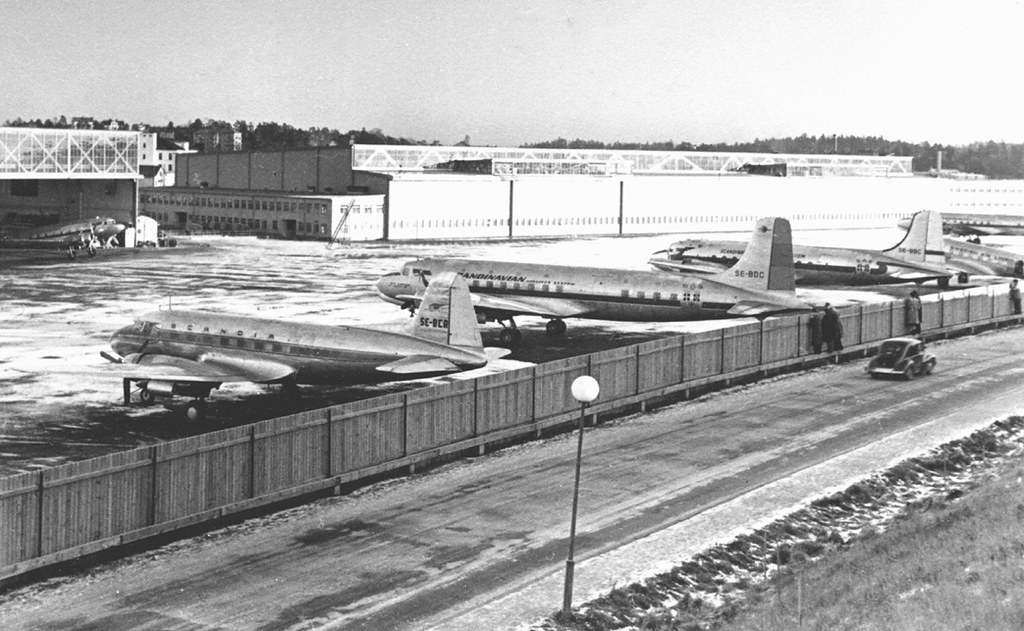
Founded on August 1, 1946, Scandinavian Airlines System was a collaborative effort between the national airlines of Denmark, Norway, and Sweden. This partnership aimed to enhance competitiveness on international routes in the post-World War II era. Over the decades, SAS has been at the forefront of innovation, notably pioneering transpolar flights that significantly reduced travel time between Europe and North America.
Modern Fleet and Operations
Today, SAS boasts a fleet that primarily consists of Airbus aircraft, reflecting a strategic shift towards modern, fuel-efficient technology. The airline operates from three main hubs: Copenhagen, Stockholm Arlanda, and Oslo Gardermoen, with Copenhagen serving as its principal international gateway. This hub-and-spoke model allows SAS to connect over 100 destinations across Europe, along with essential long-haul routes to North America and Asia.
Key Routes and Market Impact
SAS has long excelled in connecting Scandinavia with Europe, but its intercontinental services are equally vital. Noteworthy routes include direct flights from Copenhagen to major cities such as New York, Chicago, and San Francisco. These long-haul services not only cater to business travelers but also play a crucial role in tourism and economic ties between the regions.
Fleet Composition and Future Plans
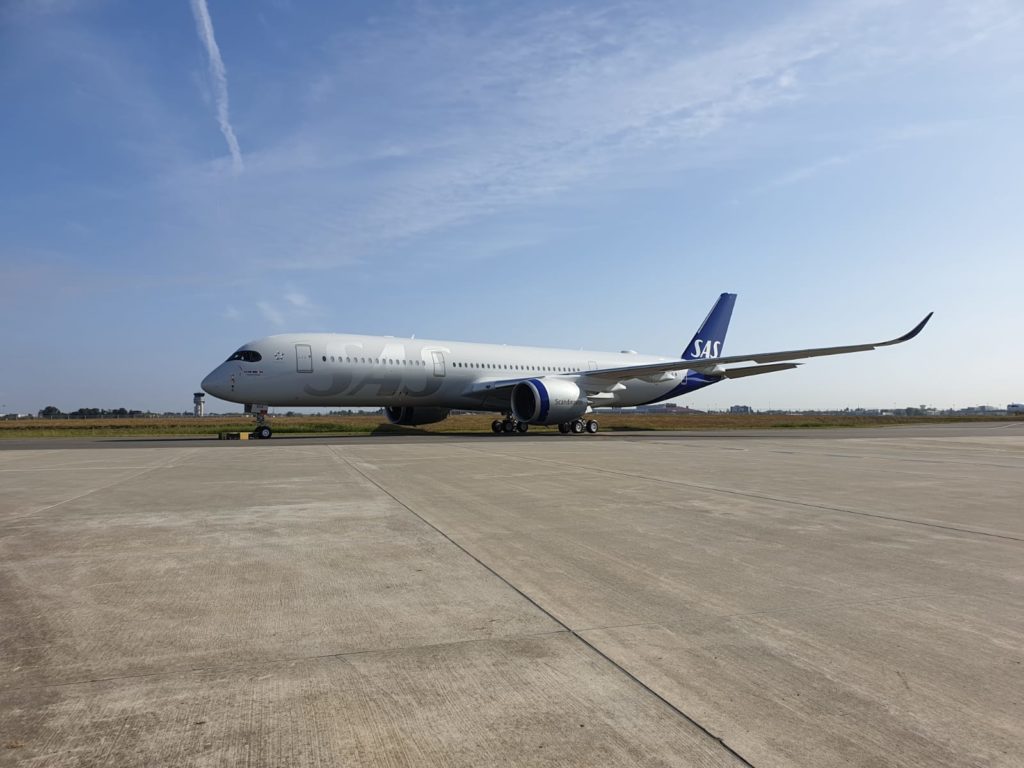
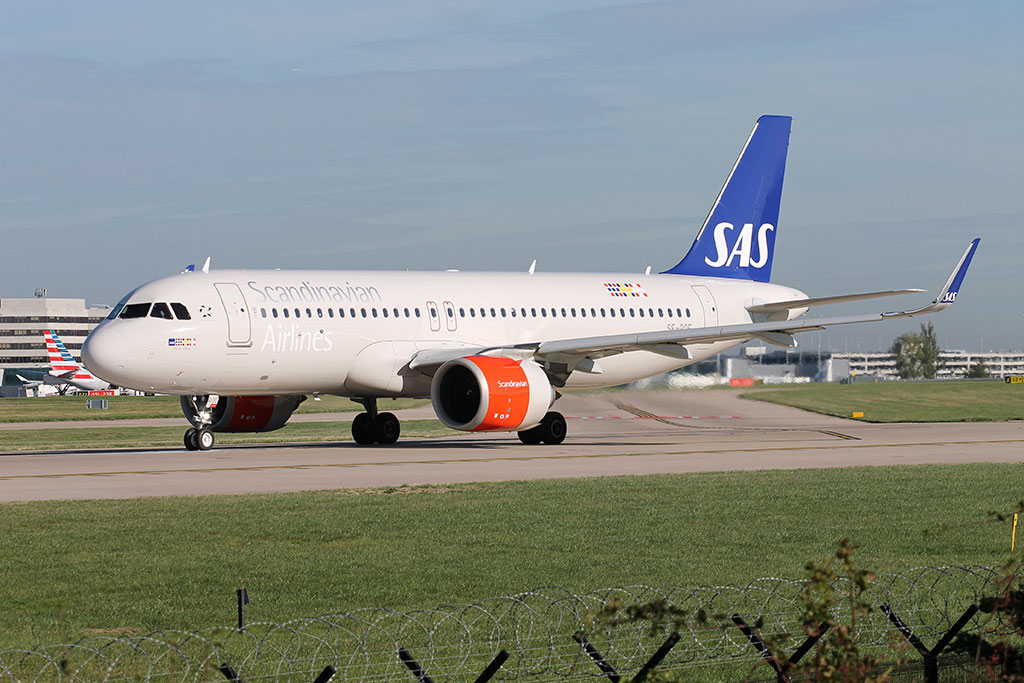
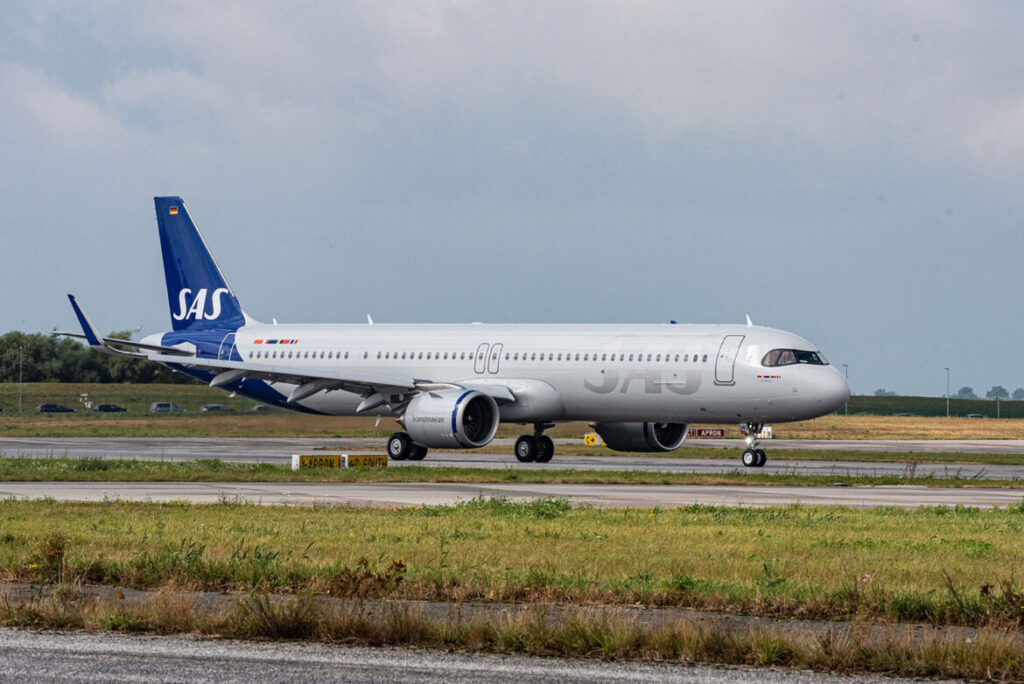
The airline’s commitment to modernizing its fleet is evident, with a current lineup that includes the Airbus A320neo and A350-900, among others. SAS also has firm orders for 18 Airbus A330-900neo aircraft, indicating a clear strategy towards enhancing its long-haul capabilities. This fleet renewal program is essential for maintaining competitive advantage and operational efficiency in a rapidly evolving market.
Brand Identity and Livery Evolution
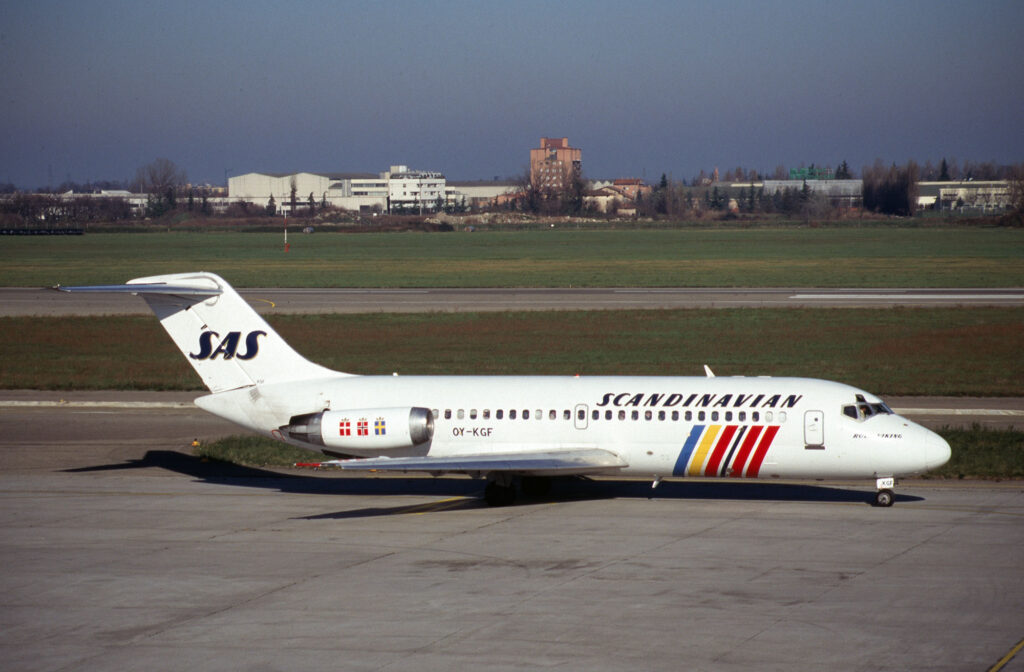
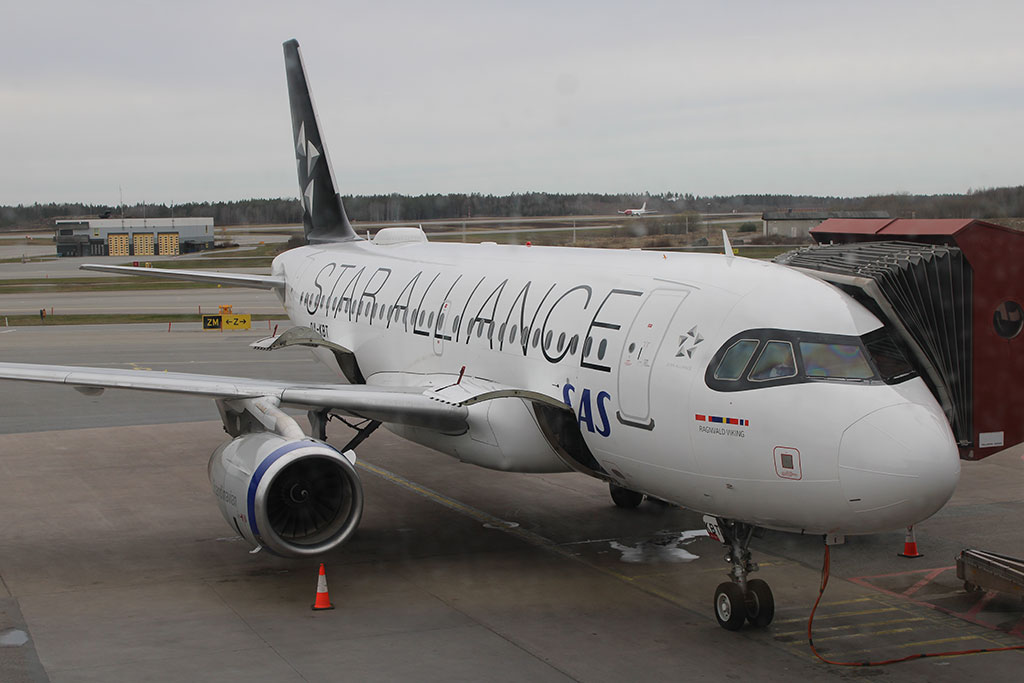
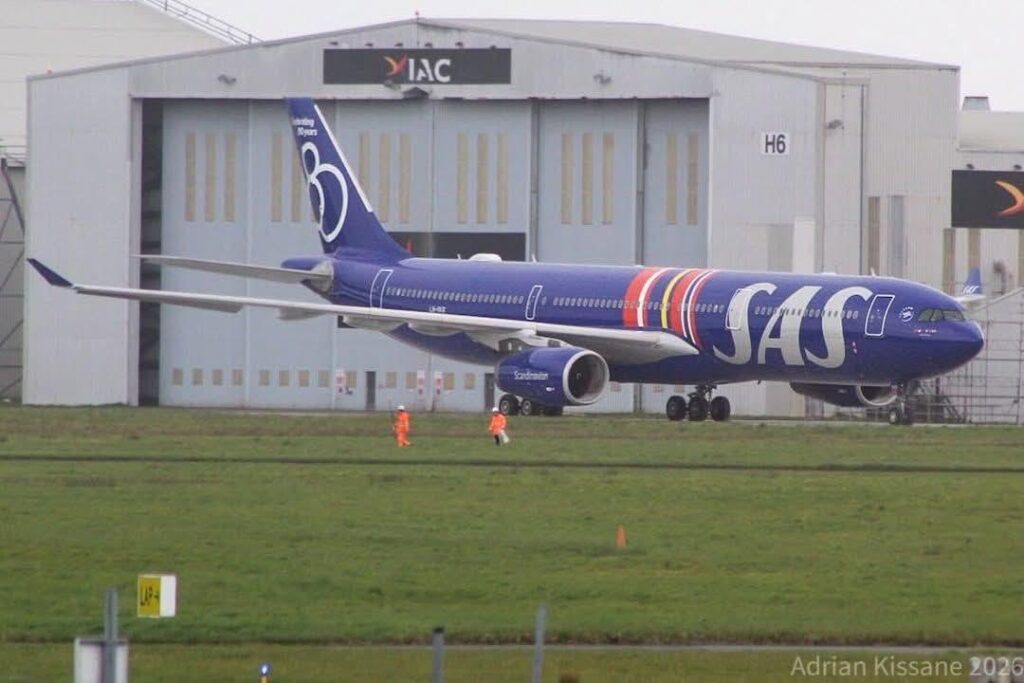
In 2019, SAS unveiled a new corporate identity that reflects a contemporary Scandinavian aesthetic. The updated livery features a sleek silver-grey fuselage adorned with bold dark blue branding, symbolizing the airline’s modern approach while honoring its rich heritage. While the transition to this new design is ongoing, it has already begun to redefine the visual landscape of Scandinavian aviation.
Looking Ahead
As SAS navigates this new chapter, its integration into the SkyTeam alliance and ongoing fleet enhancements position it for future growth and resilience. The airline’s ability to adapt to changing market dynamics, combined with its commitment to operational excellence, will be critical as it continues to serve as a vital link between Scandinavia and the world.

This article was prepared by LibelulaFly as an independent aviation-news summary and editorial reinterpretation based on publicly available reporting. Images, when used, are included for editorial context with source attribution. Original source: www.airportspotting.com. Read the original article here: https://www.airportspotting.com/scandinavian-airlines-sas-fleet-routes-history-and-livery-guide/.
List, promote, or publish aircraft with LibelulaFly.
LibelulaFly.com • Sales@libelulafly.com • +1 305-332-1942