
Jun
Strategic Expansion into Regional Markets
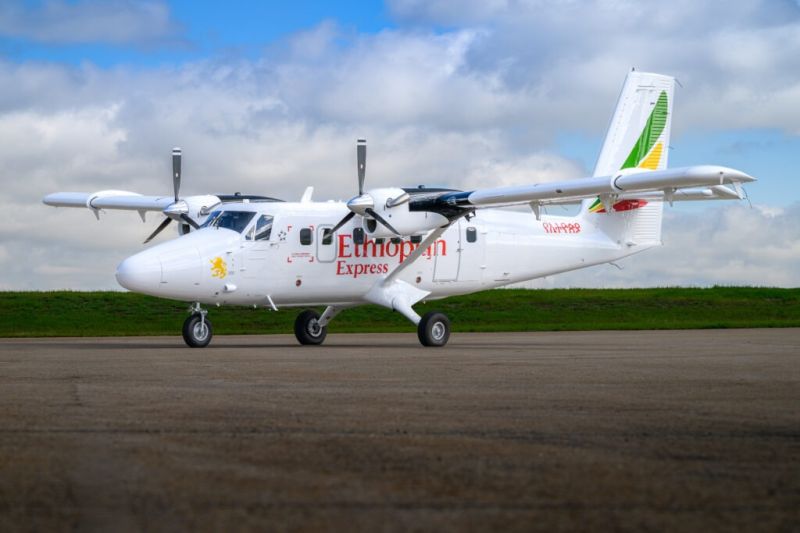
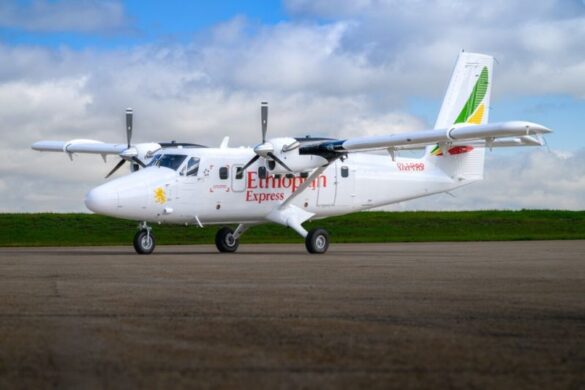
Ethiopian Airlines, Africa’s largest airline renowned for its modern fleet, has recently enhanced its operational capabilities with the introduction of the De Havilland Canada DHC-6-300G Twin Otter Classic. This acquisition is part of a strategic initiative aimed at bolstering air connectivity in challenging terrains across Ethiopia, a country characterized by its diverse geography.
A Versatile Aircraft for Unique Challenges
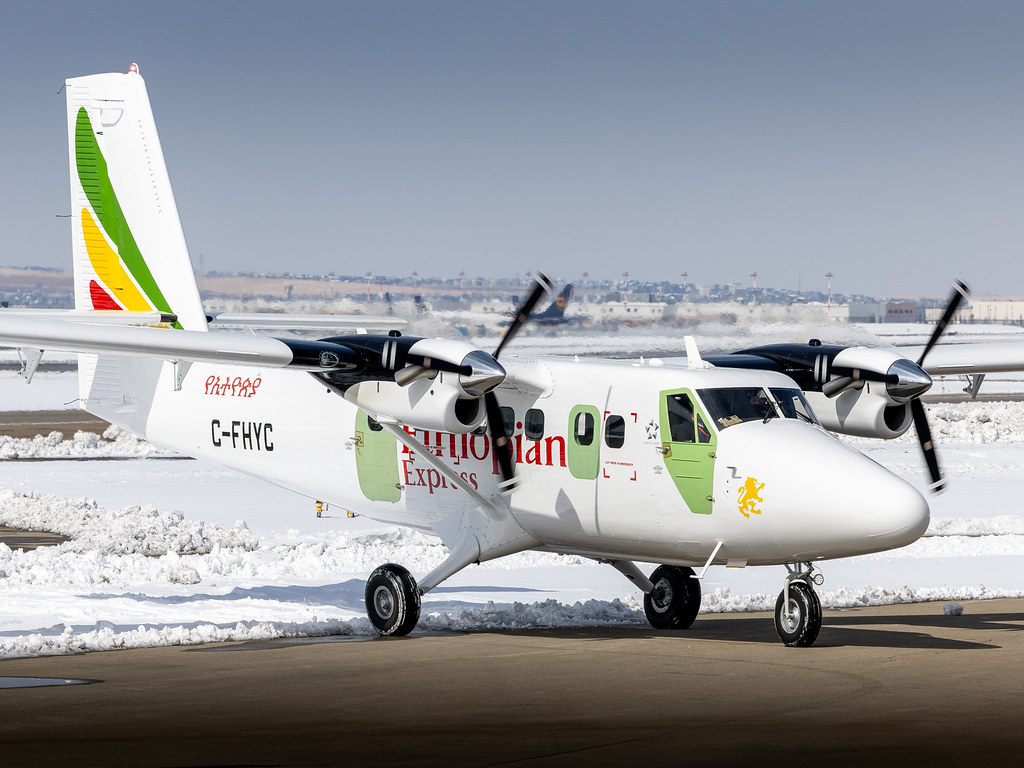
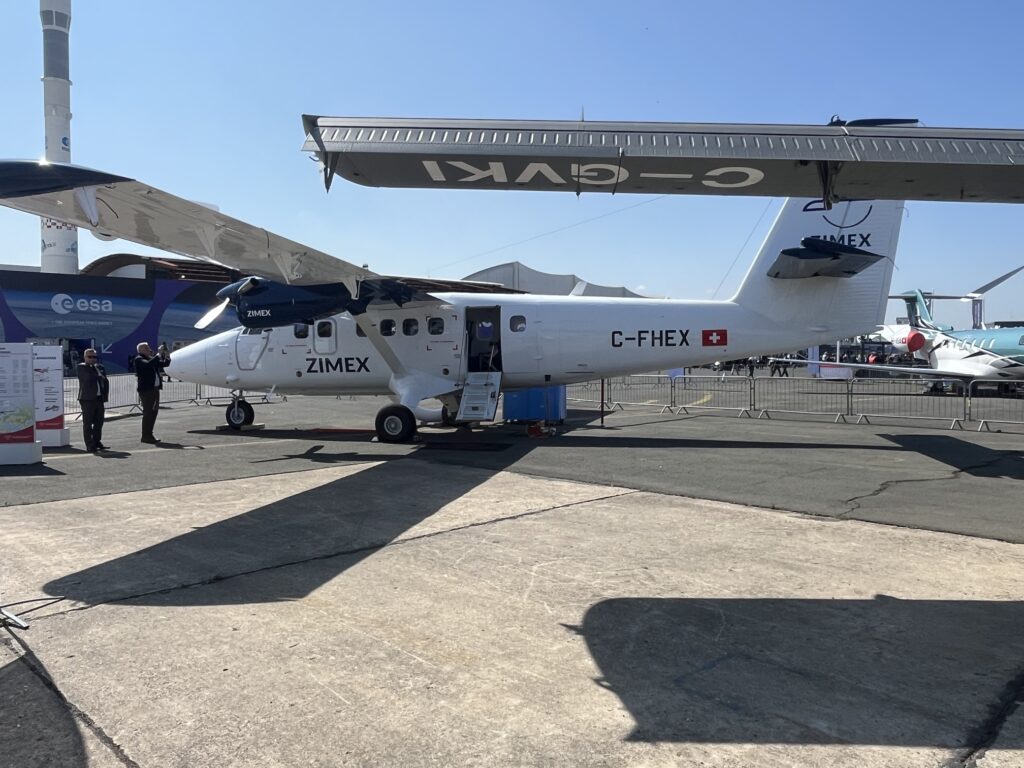
The Twin Otter, known for its exceptional short take-off and landing (STOL) performance, is uniquely suited for operations in remote and rugged environments. The first of two aircraft ordered by Ethiopian Airlines has successfully completed a complex delivery journey from Calgary to Addis Ababa, making several stops along the way. This journey underscores the aircraft’s versatility, as it can operate from airstrips that would be unsuitable for larger commercial airliners.
Bridging the Gap in Connectivity
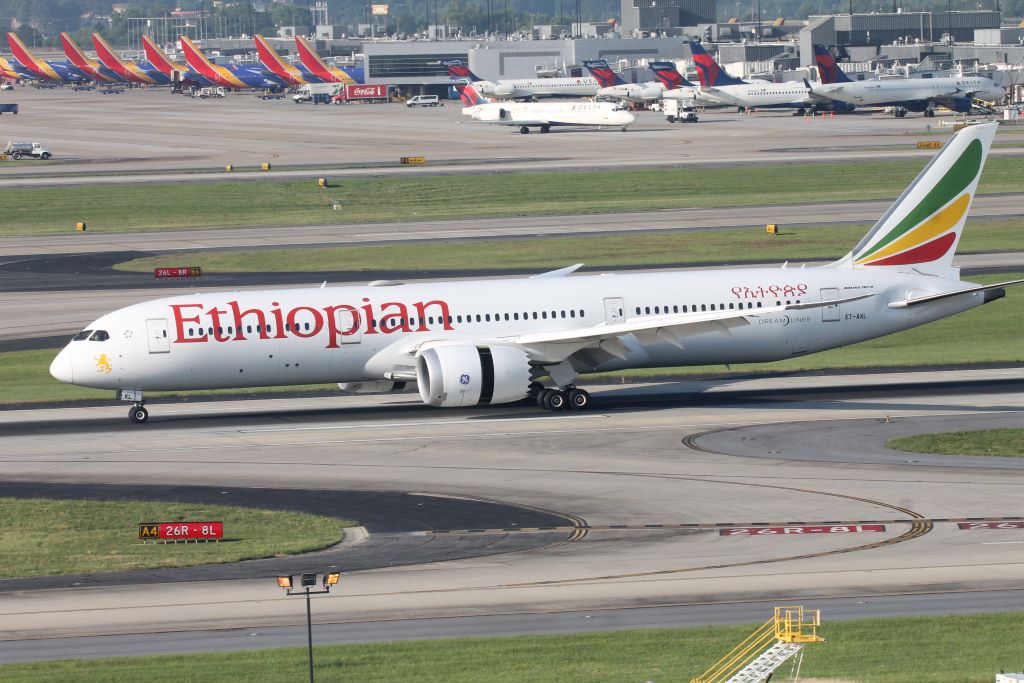
Despite its modern fleet of Airbus A350-1000s and Boeing 787 Dreamliners, Ethiopian Airlines faces significant challenges in reaching many of its domestic destinations. The country’s mountainous terrain and limited airport infrastructure often restrict access for larger aircraft. The Twin Otter is specifically designed to navigate these limitations, making it an ideal asset for connecting underserved communities.
Supporting Diverse Operational Needs
The introduction of the Twin Otter is expected to enhance Ethiopian Airlines’ capabilities in various operational areas. The aircraft will support domestic flights, tourism development, air ambulance services, and charter operations, thereby facilitating critical access to healthcare, commerce, and transport for remote populations. With plans to expand its domestic network, the airline aims to utilize the Twin Otter to open new routes to smaller communities.
The Future of Regional Aviation
This acquisition highlights a significant trend in aviation where modern technology meets enduring design. While Ethiopian Airlines continues to invest in cutting-edge airliners, the addition of the Twin Otter reflects a commitment to serving all facets of its operational landscape. The second Twin Otter Classic 300-G is anticipated to join the fleet later this year, further enhancing the airline’s ability to meet diverse regional demands.
Conclusion: A Balanced Fleet for Comprehensive Connectivity
The delivery of the Twin Otter Classic marks a pivotal moment for Ethiopian Airlines, symbolizing a bridge between high-capacity international routes and essential domestic services. This dual approach not only strengthens the airline’s operational flexibility but also reaffirms its role as a vital connector within Ethiopia. As Ethiopian Airlines continues to grow its fleet and expand its reach, the Twin Otter will play a crucial role in ensuring that even the most remote communities are not left behind in the global aviation landscape.



This article was prepared by LibelulaFly as an independent aviation-news summary and editorial reinterpretation based on publicly available reporting. Images, when used, are included for editorial context with source attribution. Original source: www.airportspotting.com. Read the original article here: https://www.airportspotting.com/why-is-ethiopian-airlines-buying-twin-otters/.
List, promote, or publish aircraft with LibelulaFly.
LibelulaFly.com • Sales@libelulafly.com • +1 305-332-1942
Jun
Flybe’s Dash 8-Q400: A Legacy in Regional Aviation
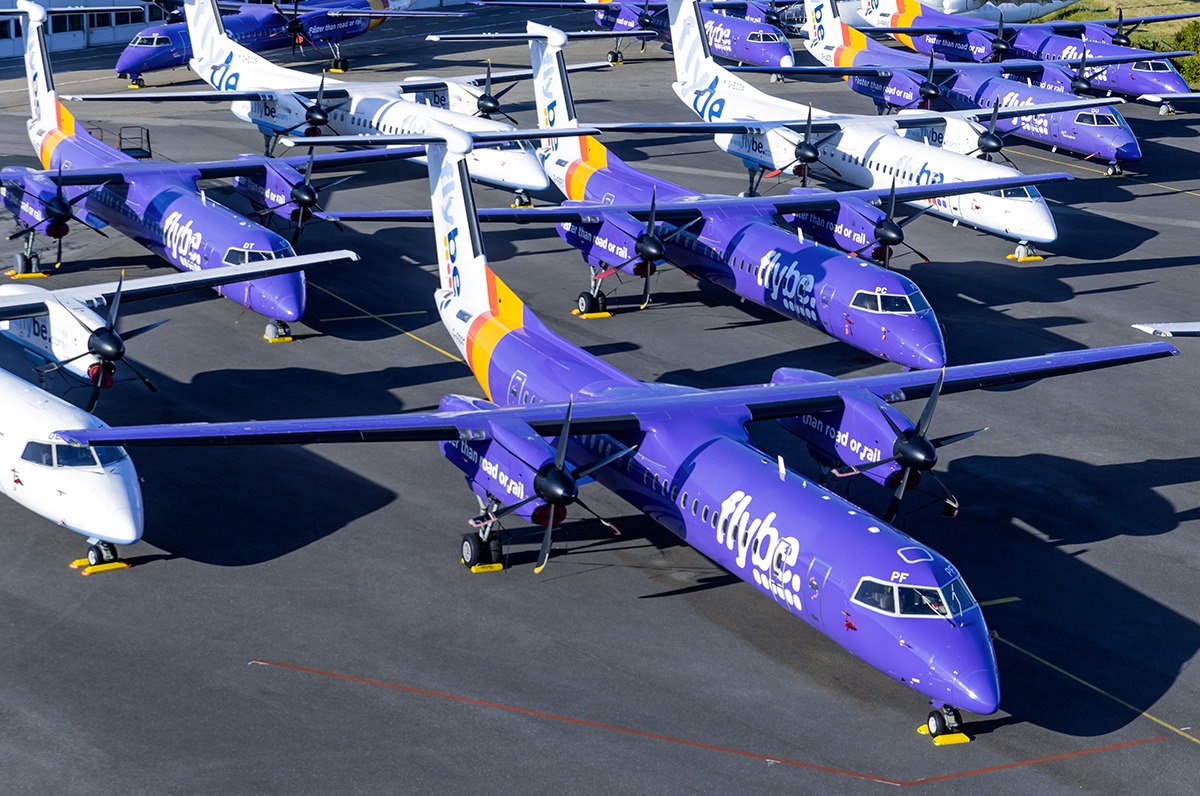
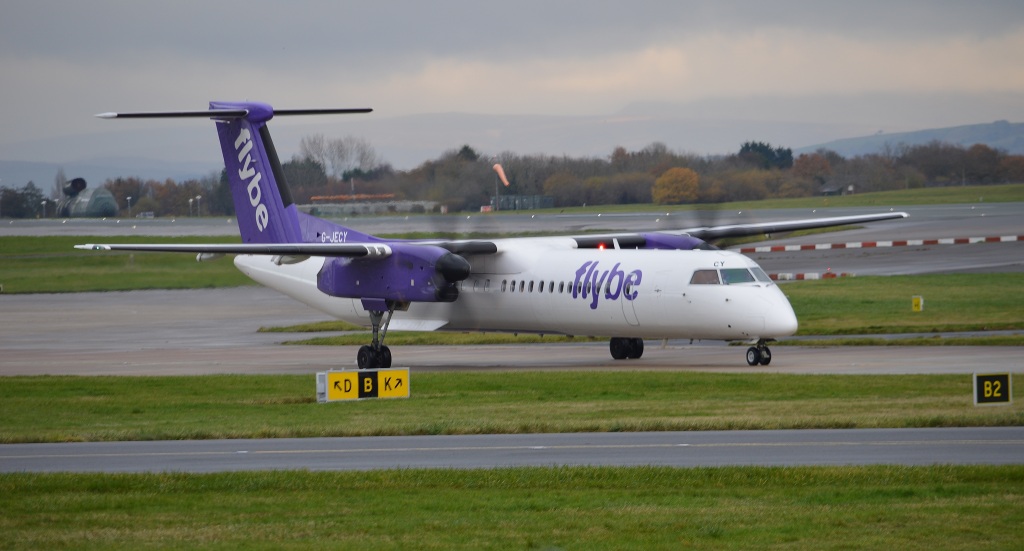
Flybe, once a dominant player in the European regional aviation market, operated a significant fleet of Bombardier Dash 8-Q400 aircraft. Known for their efficiency and performance, these turboprop airliners represented a critical component of Flybe’s operations. However, the airline’s abrupt collapse in March 2020 marked the end of an era for both the airline and its aircraft, leaving many to wonder about the fate of the Dash 8-Q400s.
From Operational Powerhouse to Storage
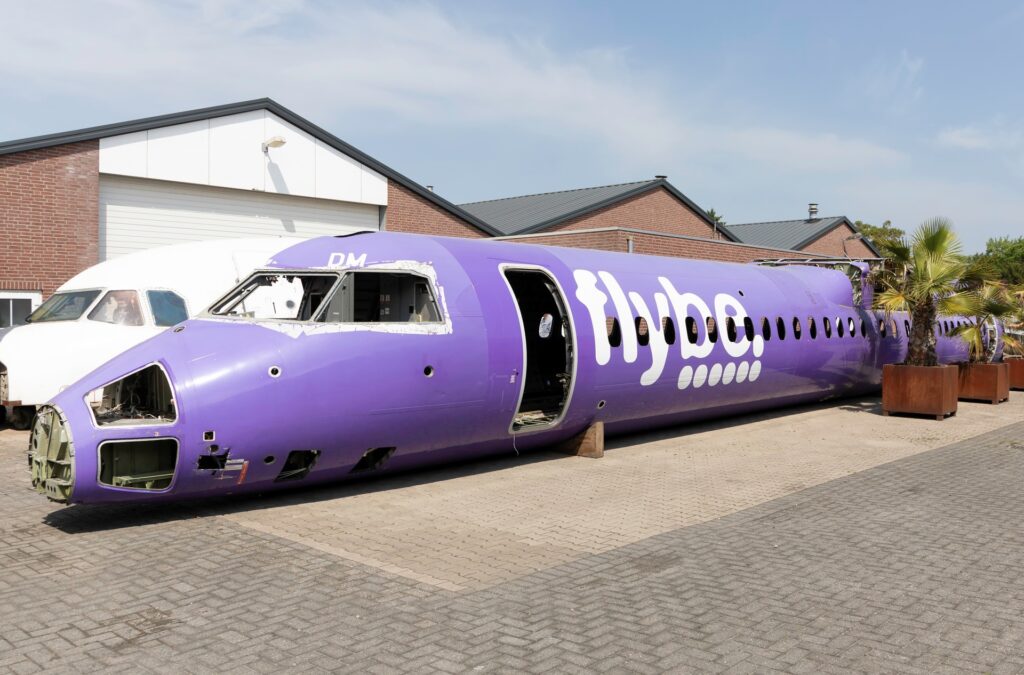
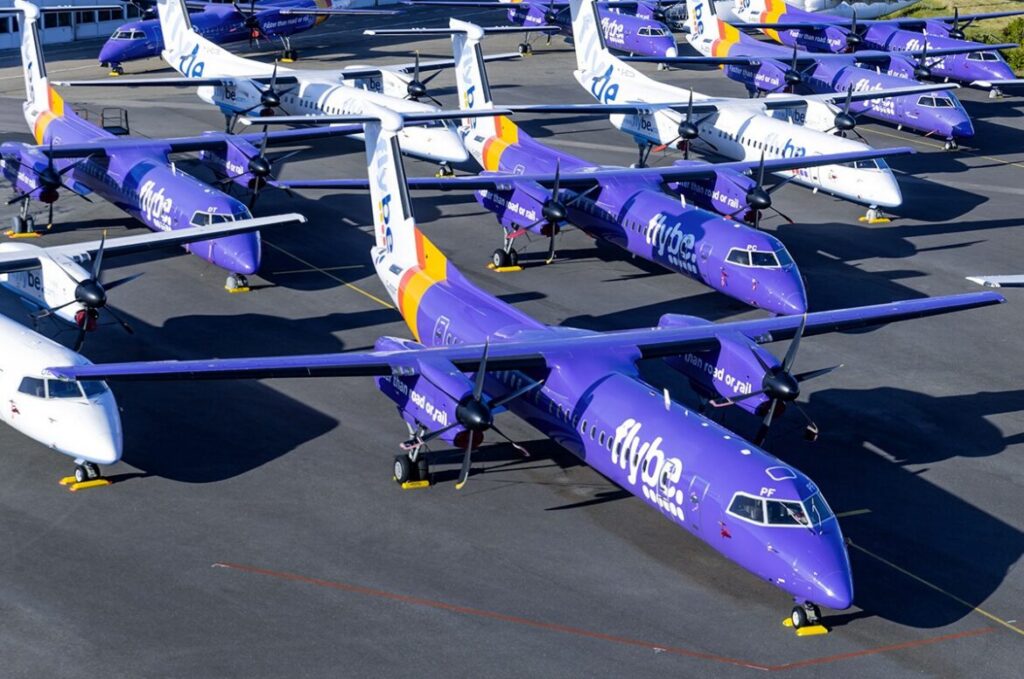
At its peak, Flybe was the largest operator of the Dash 8-Q400, with a fleet that included 54 of these aircraft at the time of its administration. Following the airline’s closure, the Dash 8-Q400s were temporarily stored at various UK airports, including Manchester and Birmingham. By mid-2020, these aircraft began to be returned to their lessors, including prominent firms like Norddeutsche Landesbank and Nordic Aviation Capital.
The Rise and Fall of Flybe 2.0
In April 2022, a new entity, often referred to as Flybe 2.0, attempted to revive the brand by reintroducing the Dash 8-Q400s into service. This new airline commenced operations with a phased approach, launching twenty-three routes across the UK and Europe. Despite initial optimism, Flybe 2.0 faced significant challenges, including rising operational costs and low passenger loads, leading to its eventual cessation of operations in January 2023.
A Diverse Future for the Dash 8-Q400s
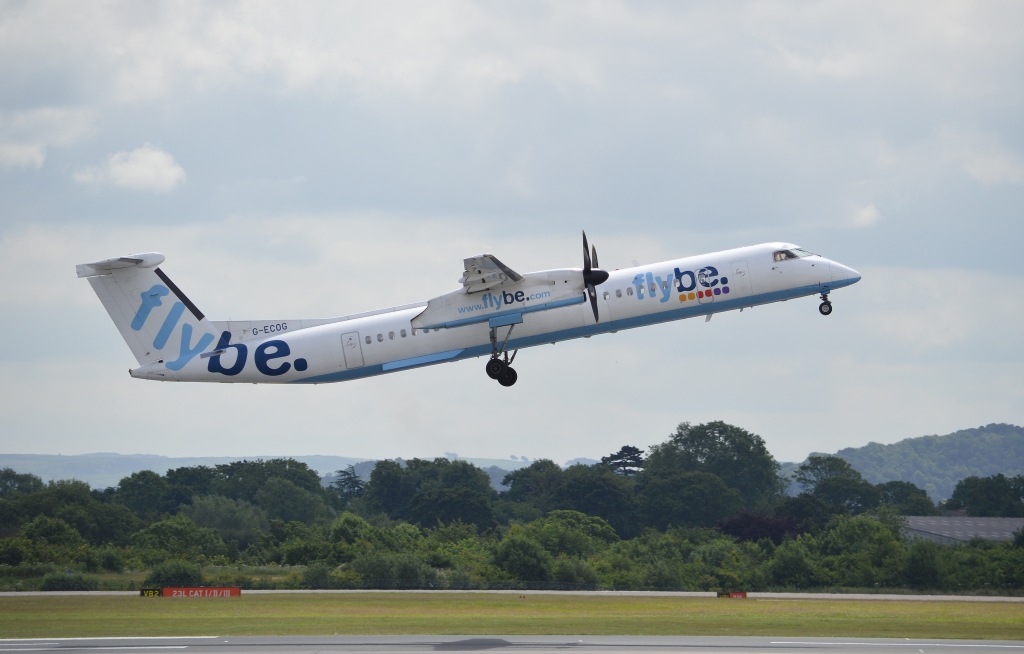
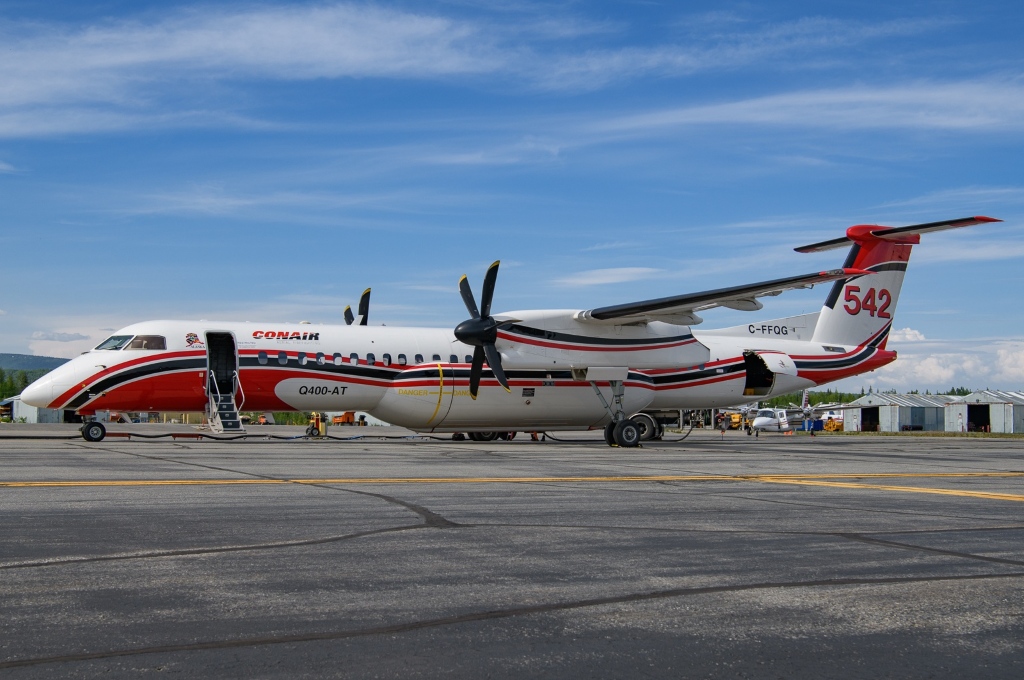
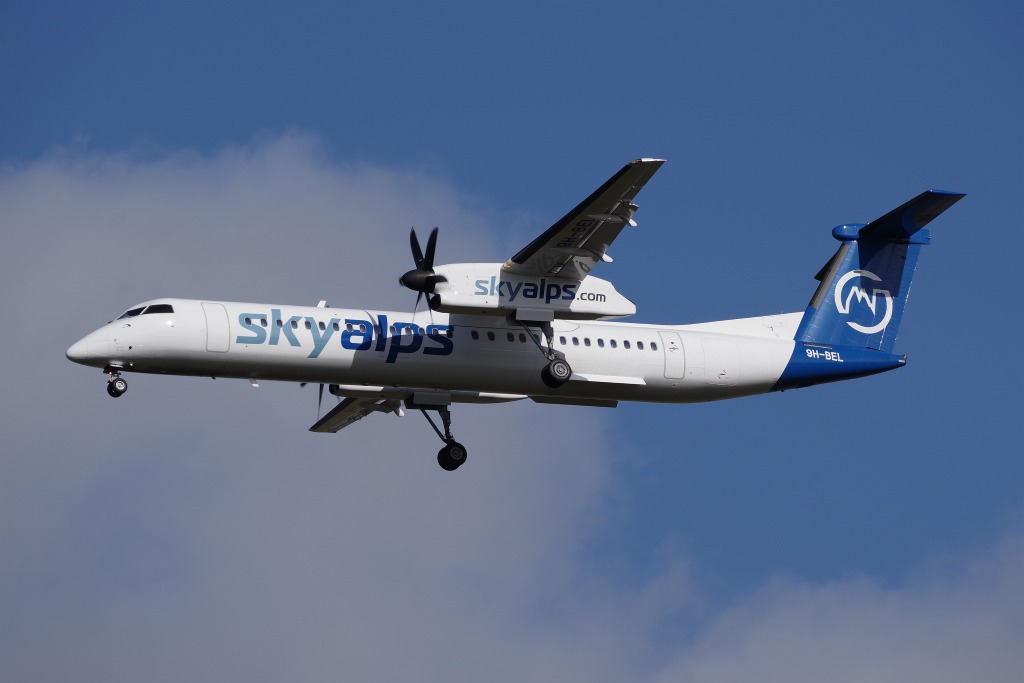
The current status of Flybe’s former fleet illustrates a varied future for these aircraft. While some have been broken up, others have found new lives with different operators worldwide. Notably, several Dash 8-Q400s are now engaged in humanitarian efforts, leased to the United Nations Humanitarian Air Service, while others have transitioned to roles in aerial firefighting and regional operations across Europe, Africa, and North America.
Operational Relevance and Market Implications
The evolution of the Dash 8-Q400 fleet post-Flybe highlights the aircraft’s adaptability and continued relevance in various operational contexts. As airlines seek to optimize their fleets for efficiency and performance, the Dash 8-Q400 remains a viable option for regional connectivity and specialized missions. The aircraft’s operational flexibility has enabled it to serve in diverse roles, from passenger transport to firefighting, demonstrating its enduring value in the aviation landscape.
Looking Ahead: The Dash 8-Q400’s Place in Aviation
As the aviation industry continues to recover from the impacts of the pandemic, the future of the Dash 8-Q400 fleet remains promising. With its established reputation for reliability and efficiency, the aircraft is well-positioned to meet the evolving demands of regional air travel and specialized operations. The legacy of Flybe’s fleet, once a symbol of regional aviation strength, now serves as a reminder of the challenges and opportunities that lie ahead for both aircraft and operators in a shifting market.

This article was prepared by LibelulaFly as an independent aviation-news summary and editorial reinterpretation based on publicly available reporting. Images, when used, are included for editorial context with source attribution. Original source: www.airportspotting.com. Read the original article here: https://www.airportspotting.com/what-happened-to-flybes-dash-8-q400s/.
List, promote, or publish aircraft with LibelulaFly.
LibelulaFly.com • Sales@libelulafly.com • +1 305-332-1942

Jun
Alaska Airlines Celebrates Milestone with New Toy Story 5 Livery
Alaska Airlines has officially introduced a vibrant special livery on one of its Horizon Air Embraer E175 jets, coinciding with the upcoming release of Disney and Pixar’s Toy Story 5. This festive aircraft, unveiled at Portland International Airport, adds to Alaska Airlines’ growing collection of themed aircraft and enhances the visual appeal of its regional fleet.
Introducing ‘To 45 and Beyond’
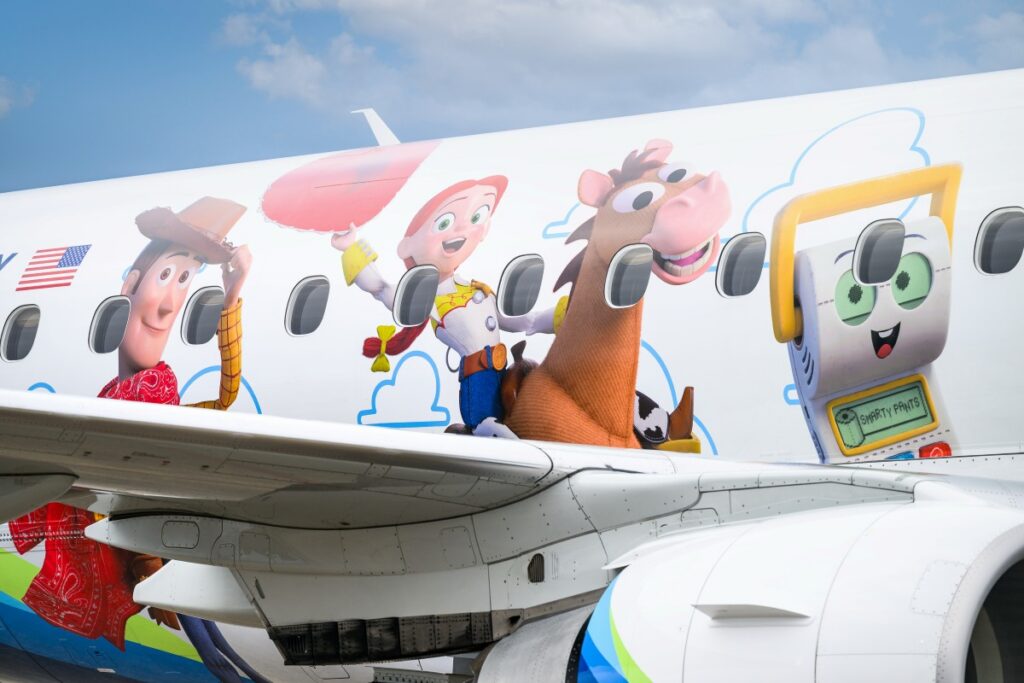
The newly adorned Embraer E175, registered as N659QX, is aptly named “To 45 and Beyond,” a nod to Buzz Lightyear’s iconic phrase and a celebration of Horizon Air’s impending 45th anniversary. Since its inception in 1981, Horizon Air has played a crucial role in Alaska Airlines’ operations, providing essential feeder services across the Pacific Northwest and western United States.
This special livery showcases beloved characters from the Toy Story franchise, including Woody, Buzz Lightyear, and Jessie, along with new additions from the upcoming film. The design features whimsical floating clouds and Toy Story-themed slogans, extending even to the aircraft’s winglets, which are adorned with characters Forky and Karen Beverly.

A Tradition of Unique Liveries
Alaska Airlines has established a reputation for its diverse array of special liveries, which celebrate the airline’s rich heritage, regional culture, and partnerships with organizations such as Disney. The Toy Story 5 aircraft joins a distinguished fleet that includes designs inspired by Disneyland Resort and Star Wars, appealing to aviation enthusiasts and spotters alike.
Horizon Air, in particular, has become known for its colorful liveries on the Embraer E175 fleet, a trend that continues from its previous operations with Bombardier Q400 aircraft. The airline’s commitment to distinctive designs has fostered a dedicated following among aviation photographers and enthusiasts, who eagerly anticipate sightings of these unique aircraft.
The Embraer E175: A Regional Workhorse
While the livery captures attention, the aircraft itself plays a vital role in Horizon Air’s operations. The Embraer E175 serves as the backbone of the regional fleet, effectively replacing the older Bombardier Q400 turboprops. With a seating capacity of approximately 76 passengers, the E175 is well-suited for regional routes where the larger Boeing 737s would be less economical.
This aircraft type is known for its comfort and efficiency, making it a popular choice among passengers traveling on Horizon Air’s extensive regional network. The E175 has emerged as one of the most prominent regional jets in North America, with a variety of operators including Horizon Air, SkyWest Airlines, and Envoy Air.

A New Attraction for Aviation Enthusiasts
As Toy Story 5 is set to debut on June 19, 2026, the new livery promises to be a captivating addition to Alaska Airlines’ fleet, likely drawing attention from aviation enthusiasts across the country. Special liveries have long captivated aviation fans, and Alaska Airlines remains a leader in promoting unique aircraft designs.
For those spotting in the Pacific Northwest, N659QX will surely become a highlight, blending its playful Toy Story characters with Horizon Air’s anniversary markings. This special aircraft is poised to become one of the most photographed regional jets in North America this year, further solidifying Alaska Airlines’ status as a pioneer in creative aviation branding.





This article was prepared by LibelulaFly as an independent aviation-news summary and editorial reinterpretation based on publicly available reporting. Images, when used, are included for editorial context with source attribution. Original source: www.airportspotting.com. Read the original article here: https://www.airportspotting.com/alaska-airlines-unveils-new-toy-story-5-special-livery-on-horizon-air-embraer-e175/.
List, promote, or publish aircraft with LibelulaFly.
LibelulaFly.com • Sales@libelulafly.com • +1 305-332-1942

May
AirIdea Prepares to Enter Italy’s Regional Aviation Market
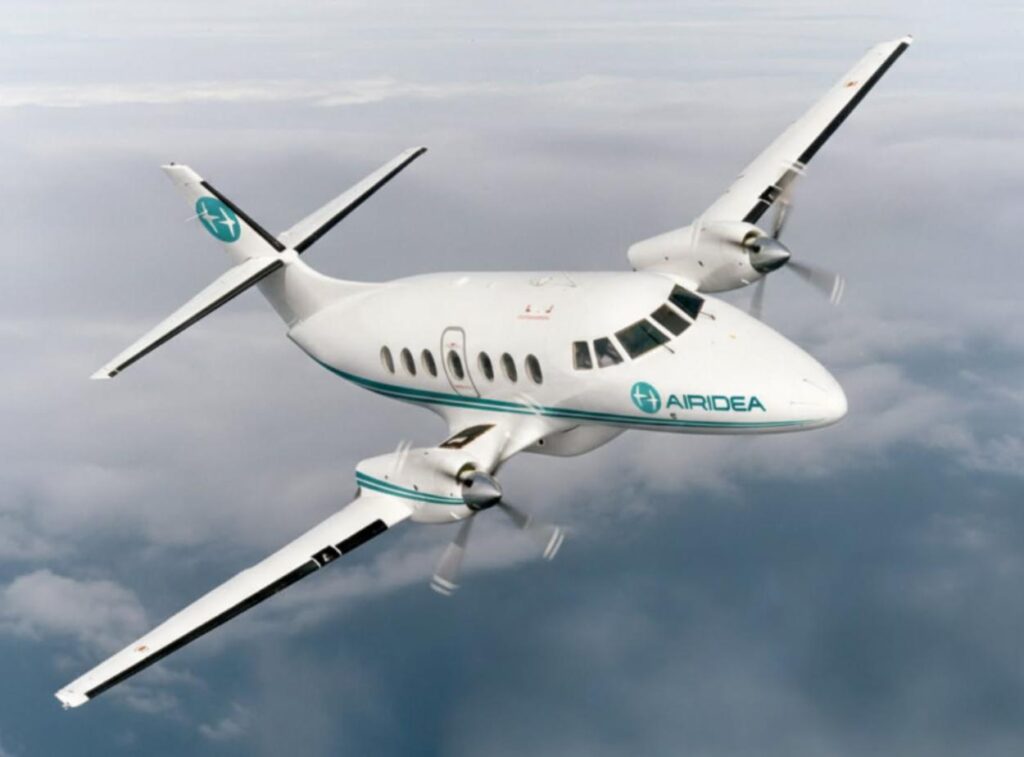
Italy’s aviation landscape is poised for a new chapter as AirIdea, a burgeoning regional airline, gears up to commence operations next month. Based at Genoa Cristoforo Colombo Airport, AirIdea aims to fill the void in domestic air travel by offering scheduled flights that connect cities currently lacking efficient direct links. With a fleet primarily featuring the Saab 340 and later the BAe Jetstream 32, the airline is targeting both business and leisure travelers.
Connecting Italy’s Underserved Regions
Set to begin operations on June 8, 2026, AirIdea is strategically launching its services to connect Genoa with several key Italian cities, including Trieste, Venice, Florence, Bologna, Bergamo, Olbia, and Alghero. The airline’s mission reflects a growing trend towards revitalizing regional connectivity, particularly in areas where road and rail travel options are limited. With more than 70% of Italy’s regional city pairs lacking adequate air service, AirIdea seeks to provide practical and time-efficient travel alternatives.
A Focus on Short-Haul Efficiency
The operational model of AirIdea emphasizes short-haul flights, with average journey times around 45 minutes. This approach is designed to facilitate same-day return trips, appealing to business travelers who require efficient travel solutions. By avoiding competition on major trunk routes, the airline is positioning itself to serve niche markets overlooked by larger carriers.

A Unique Aircraft Offering
AirIdea’s fleet will initially comprise 34-seat Saab 340B turboprops, leased from Maltese carrier Luxwing. The Saab 340, a stalwart of regional aviation since its introduction in the 1980s, has a strong following among aviation enthusiasts. Its reliability and operational efficiency make it a suitable choice for AirIdea’s domestic routes. Furthermore, the airline plans to introduce the BAe Jetstream 32 later in 2026, which, with its 19-seat configuration, represents a rare opportunity for passengers and aviation fans alike to experience this classic aircraft in scheduled service.
Route Plans and Pricing Strategy
AirIdea has outlined an ambitious route network, with flights connecting Genoa to Trieste, Venice, Florence, Bologna, Bergamo, Olbia, and Alghero, as well as additional routes from Bergamo to Rimini and Perugia. The airline plans to offer a fixed pricing model, avoiding the dynamic pricing trends common in the industry, and instead providing transparent, one-way fares regardless of when tickets are purchased.
A Part of a Larger Movement
AirIdea joins a small but significant number of regional start-ups across Europe that are emerging to reclaim air routes abandoned by larger airlines, driven by increasing competition from rail services and evolving market dynamics. The airline’s model could potentially inspire similar initiatives in other regions, especially in countries where geographical challenges hinder effective transport links.
The Road Ahead for AirIdea
As AirIdea prepares for its inaugural flights, the aviation community is watching closely. The airline’s commitment to restoring regional connectivity with classic turboprop aircraft offers a refreshing alternative to the current market landscape. While the long-term success of AirIdea remains to be seen, its entry into the market is a promising development for both Italian travelers and aviation enthusiasts.






This article was prepared by LibelulaFly as an independent aviation-news summary and editorial reinterpretation based on publicly available reporting. Images, when used, are included for editorial context with source attribution. Original source: www.airportspotting.com. Read the original article here: https://www.airportspotting.com/italys-new-regional-airline-airidea-launches-flights-next-month-with-saab-340s-jetstream-turboprops/.
List, promote, or publish aircraft with LibelulaFly.
LibelulaFly.com • Sales@libelulafly.com • +1 305-332-1942