
Jun
Qantas Marks a Milestone with A350-1000ULR Rollout
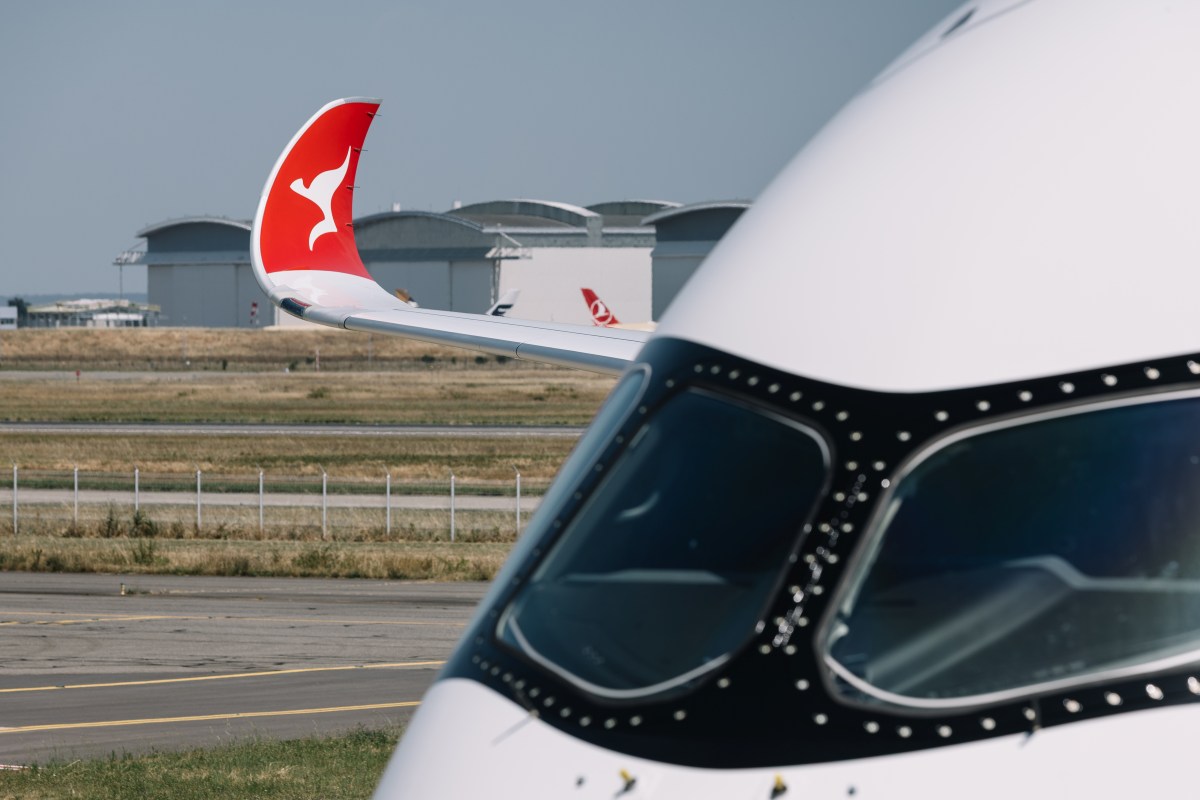
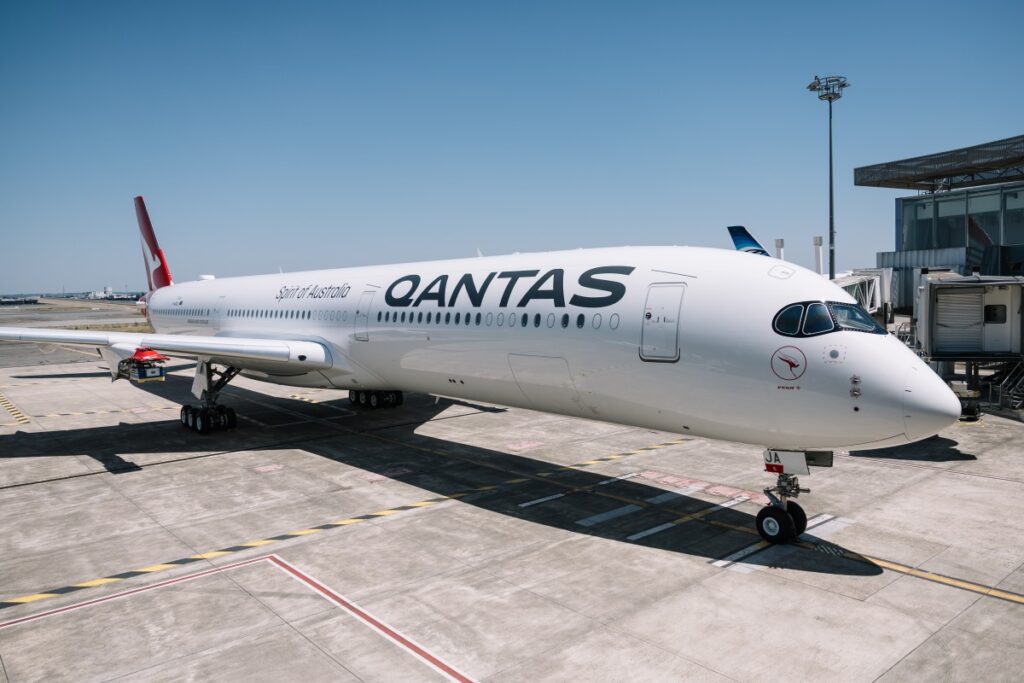
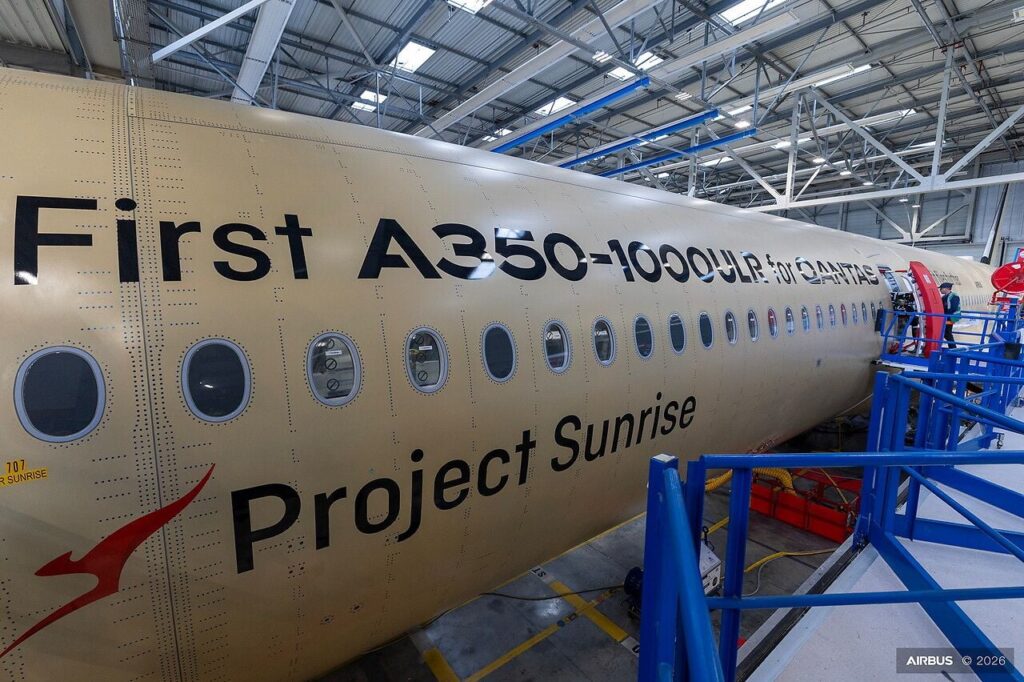
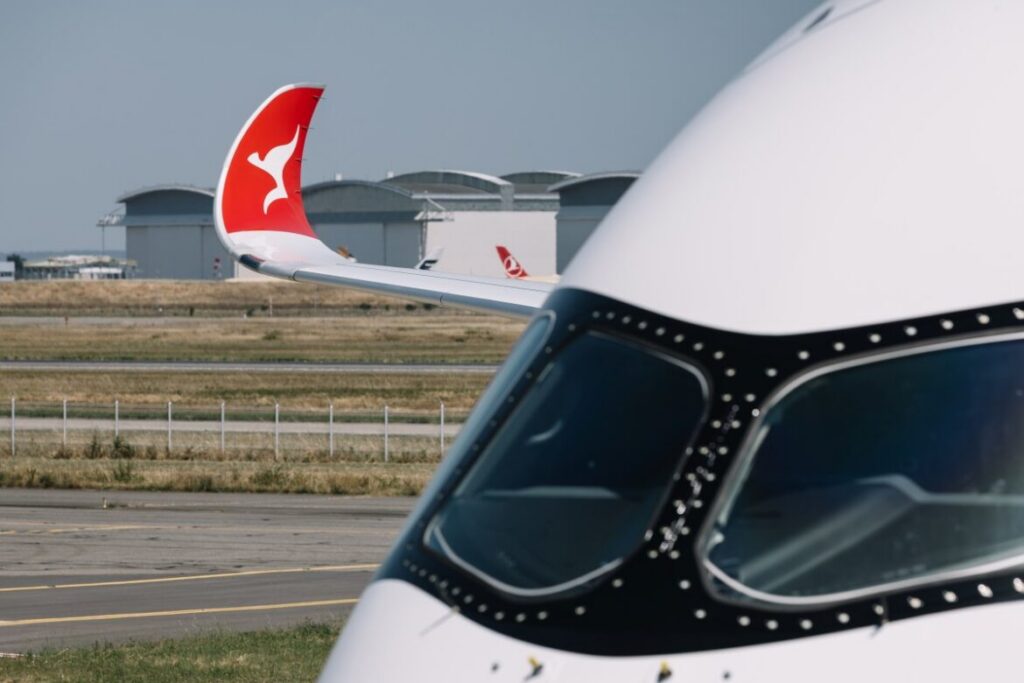
In a significant advancement for long-haul aviation, Qantas has unveiled its first Airbus A350-1000ULR at Airbus’ Toulouse facility, a key development in the airline’s ambitious Project Sunrise initiative. This rollout not only showcases the aircraft in full Qantas livery but also solidifies the airline’s commitment to launching non-stop services between Sydney and London, set to commence in October 2027.
Setting New Standards in Long-Haul Travel
The A350-1000ULR, registered as VH-OJA, is the first of 12 ultra-long-range aircraft ordered by Qantas specifically for this groundbreaking project. With the capacity to cover nearly 10,000 nautical miles, this aircraft is engineered to redefine the parameters of commercial air travel, enabling non-stop services that will significantly reduce travel time across the globe.
Operational Significance of the New Routes
Scheduled to begin in late 2027, the Sydney to London route is poised to become the world’s longest scheduled passenger flight, with journey times estimated between 20 to 22 hours, depending on various operational conditions. This development eliminates the need for stopovers, offering travelers a direct and time-efficient option for one of the most sought-after long-haul routes.
Expanding Horizons: New York to Follow
Following the launch of the London service, Qantas has indicated that non-stop flights to New York will also be introduced. The A350-1000ULRs will be strategically assigned to both routes, enhancing connectivity between Australia and key global markets. The decision to prioritize Sydney as the launch point reflects the city’s robust premium travel demand, highlighting the airline’s focus on catering to high-value passengers.
Innovative Design Enhancements
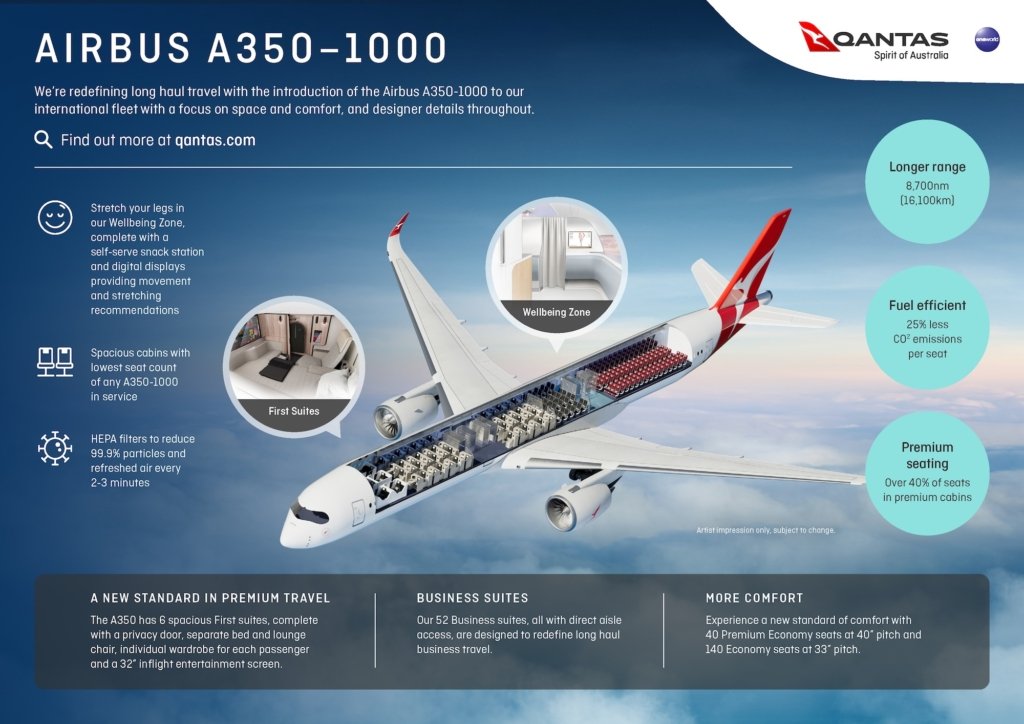
The A350-1000ULR features substantial modifications compared to its standard counterpart, including an additional fuel tank that extends its range by approximately 1,000 nautical miles. This capability allows the aircraft to sustain longer flight durations while accommodating a lower passenger count of 238 in a four-class configuration. This design prioritizes passenger comfort and well-being, particularly for long-haul journeys.
From Concept to Reality: The Journey of Project Sunrise
Project Sunrise was initiated in 2017, with Qantas challenging manufacturers to develop an aircraft capable of connecting Australia directly with Europe and North America. After thorough evaluations, the airline selected the Airbus A350-1000 and finalized the order in 2022. Despite facing challenges such as the pandemic and supply chain disruptions, Qantas is now on the cusp of realizing its vision, with the first aircraft undergoing testing as it prepares for certification.
A Glimpse into the Future of Aviation
The rollout of VH-OJA marks a pivotal moment not just for Qantas, but for the aviation industry as a whole. As the airline gears up for its first flights in 2027, the A350-1000ULR represents a leap forward in the quest for ultra-long-haul capabilities, promising to transform the travel experience and open new avenues for international connectivity.


This article was prepared by LibelulaFly as an independent aviation-news summary and editorial reinterpretation based on publicly available reporting. Images, when used, are included for editorial context with source attribution. Original source: www.airportspotting.com. Read the original article here: https://www.airportspotting.com/qantas-reveals-sydney-london-launch-date-as-first-a350-1000ulr-rolls-out/.
List, promote, or publish aircraft with LibelulaFly.
LibelulaFly.com • Sales@libelulafly.com • +1 305-332-1942
May
Qantas Introduces Eye-Catching Great Barrier Reef Livery
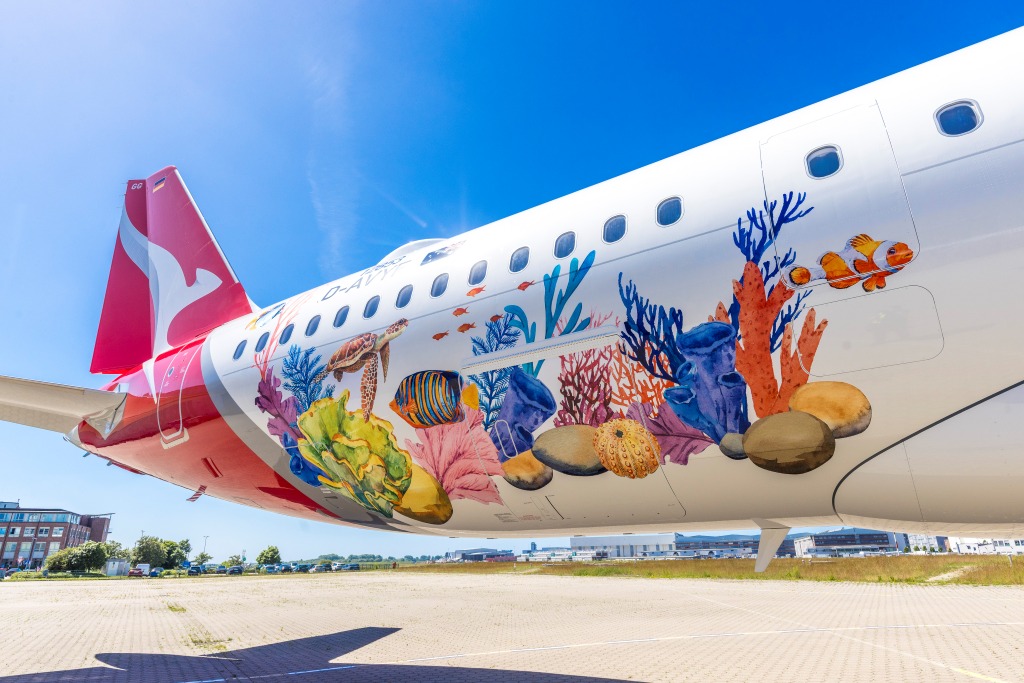
In a notable announcement, Qantas has unveiled a striking new livery for its forthcoming Airbus A321XLR, designated VH-OGG and named Coral Sea. This eye-catching design, inspired by the Great Barrier Reef, was revealed following the aircraft’s completion at Airbus’ Hamburg facility, with delivery expected imminently. As Qantas continues to expand its Airbus A321XLR fleet, this new addition signifies both operational growth and a commitment to environmental stewardship.
A Celebration of Australia’s Natural Heritage
The vibrant livery showcases the rich marine biodiversity of the Great Barrier Reef, featuring detailed imagery of coral formations, sea turtles, and tropical fish. This artistic representation not only celebrates Australia’s natural beauty but also underscores Qantas’ long-standing partnership with the Great Barrier Reef Foundation, which has been active since 2009. The airline has made significant contributions, exceeding AU$10 million, to the Reef Restoration Fund, which supports various conservation initiatives aimed at preserving this UNESCO World Heritage site.
Enhancing Fleet Capabilities with the A321XLR
Once introduced into service, VH-OGG will be the seventh Airbus A321XLR in Qantas’ growing fleet, which is part of a broader strategy to modernize its domestic operations. With a total of 48 A321XLR aircraft on order, Qantas is transitioning from older Boeing 737-800 models to this more advanced narrowbody, which offers enhanced range and fuel efficiency. The A321XLR can operate routes exceeding 3,000 kilometers more than its predecessors, thereby facilitating new domestic and international service opportunities.
Revamping Passenger Experience
The Airbus A321XLR is configured to provide an improved travel experience, featuring 20 Business Class seats and 180 Economy seats. This modern layout enhances passenger comfort and aligns with Qantas’ commitment to delivering high-quality service across its network. The introduction of this aircraft type marks a significant milestone for Qantas, as it became the first airline in the Asia-Pacific region to operate the A321XLR, with the first aircraft entering service in 2025.
Potential for Future Special Liveries
Qantas has a storied tradition of applying special liveries to its aircraft, often celebrating Australian culture and partnerships. Previous designs have included themes inspired by Indigenous art, Olympic events, and tourism campaigns. The unveiling of the Coral Sea livery indicates Qantas’ intention to continue this practice, utilizing its fleet as a dynamic canvas to promote Australian identity. Following its delivery, VH-OGG is expected to primarily operate domestic routes, with potential appearances on expanding regional international services.
A New Icon in the Skies
As aviation enthusiasts eagerly anticipate the delivery of VH-OGG, the Coral Sea is poised to become a standout aircraft in Qantas’ fleet. Its distinctive livery not only enhances the airline’s visual presence but also serves as a reminder of the importance of environmental conservation in the aviation industry. With the A321XLR representing a significant advancement in operational capability, Qantas is well-positioned to meet the evolving demands of air travel while promoting Australia’s natural wonders.
May
Enduring Partnership in Aviation History
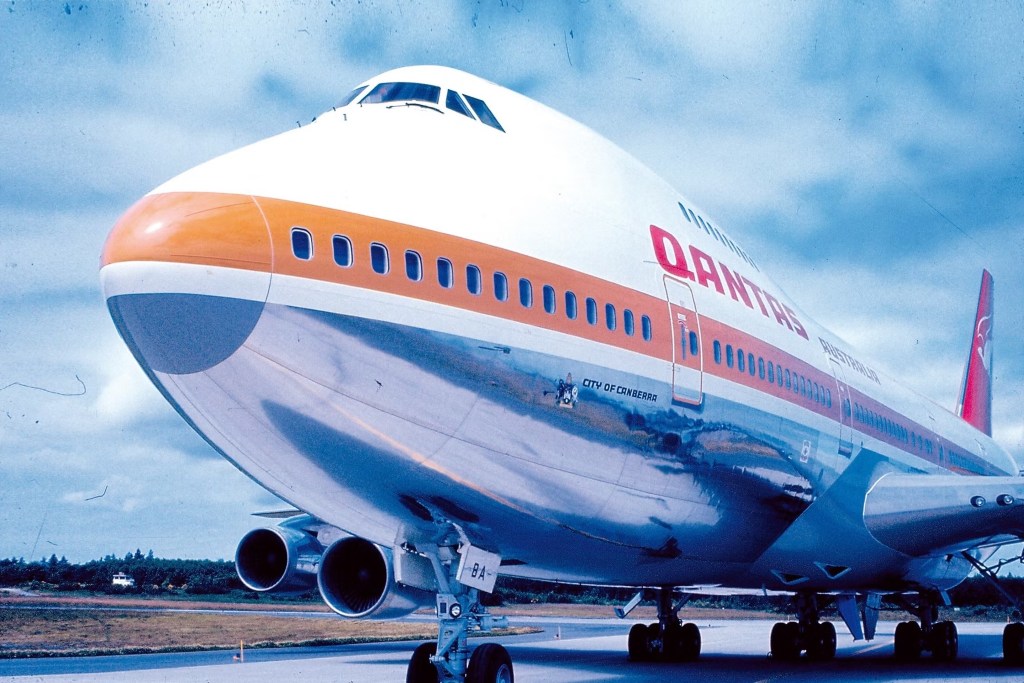
Qantas, Australia’s flagship airline, has enjoyed a remarkable partnership with the Boeing 747 that spanned nearly fifty years, marking a significant chapter in the history of commercial aviation. Since the introduction of the 747-238B in 1971, Qantas has operated 65 aircraft across six variants, including the 747-100, 747-200, 747-300, 747SP, 747-400, and 747-400ER. This enduring relationship not only shaped Qantas’ operational capabilities but also transformed the landscape of air travel globally.
Transforming Long-Haul Travel
The Boeing 747 was pivotal in establishing Qantas as a leader in long-haul air travel. The airline’s inaugural Boeing 747 service commenced on September 17, 1971, with a flight from Sydney to Singapore via Melbourne. This marked the beginning of a new era, allowing Qantas to expand its routes to major cities across the United States and Europe. The 747’s capacity and range enabled Qantas to meet the growing demand for international travel, solidifying its reputation as a pioneer in the industry.
Technical Evolution and Adaptation
Throughout its operational history, Qantas adapted its Boeing 747 fleet to meet evolving market demands and technological advancements. Initially powered by Pratt & Whitney engines, the airline transitioned to Rolls-Royce RB211 engines by the late 1970s, enhancing the aircraft’s performance. The introduction of the 747-400 in 1989 marked a significant upgrade, featuring advanced aerodynamics and fuel efficiency. This variant became known as the ‘Longreach’ due to its extended range capabilities, allowing Qantas to operate non-stop flights on some of the longest routes in the world.
Legacy of Innovation and Comfort
Qantas was known for its commitment to passenger comfort, particularly in its Boeing 747-200s, which featured a unique upper deck lounge known as the ‘Captain Cook’ lounge. This innovation catered to first-class passengers, enhancing the travel experience and setting a standard for luxury in air travel. The airline also pioneered the use of combi aircraft, such as the 747-238BM, which allowed for a flexible configuration of passengers and cargo, showcasing Qantas’ adaptability to market needs.
Farewell to a Legend
As the aviation industry faced unprecedented challenges due to the COVID-19 pandemic, Qantas made the difficult decision to retire its Boeing 747 fleet, with the last aircraft departing Sydney on July 22, 2020. This marked the end of an era for both Qantas and the iconic 747, a symbol of long-haul travel. The retirement of the 747-438ER drew a poignant tribute in the sky, reflecting on the aircraft’s storied history and its significant role in connecting Australia to the world.
A Lasting Impact on Aviation
The legacy of Qantas and the Boeing 747 transcends the operational history of the aircraft. It represents a commitment to innovation, service quality, and the evolution of global air travel. As Qantas moves forward with a modernized fleet, the impact of the Boeing 747 will continue to be felt in the industry, serving as a reminder of the advancements in aviation technology and customer service that have shaped the airline’s journey.