
Jul
easyJet Faces Major Transition with Proposed Takeover
In a significant development for the airline industry, easyJet has announced its intention to consider a £5.5 billion takeover offer from US investment firm Castlelake. This deal, which values the airline at £6.90 per share, could lead to easyJet transitioning into a private entity if finalized. According to UK takeover regulations, Castlelake has until August 3, 2026, to submit a formal offer.
Assessing easyJet’s Fleet Strategy
easyJet stands as one of Europe’s leading low-cost carriers, boasting a robust short-haul network that spans the UK, Europe, and North Africa. As of March 31, 2026, the airline operates a fleet of 356 aircraft across 1,273 routes and 165 airports in 37 countries. The current fleet is exclusively composed of Airbus models, primarily the A319, A320, A320neo, and A321neo families.
The attractiveness of easyJet to potential investors is underscored by its valuable airport slots at key locations, including London Gatwick and major European hubs. However, the question arises: will the fleet undergo significant changes under new ownership?
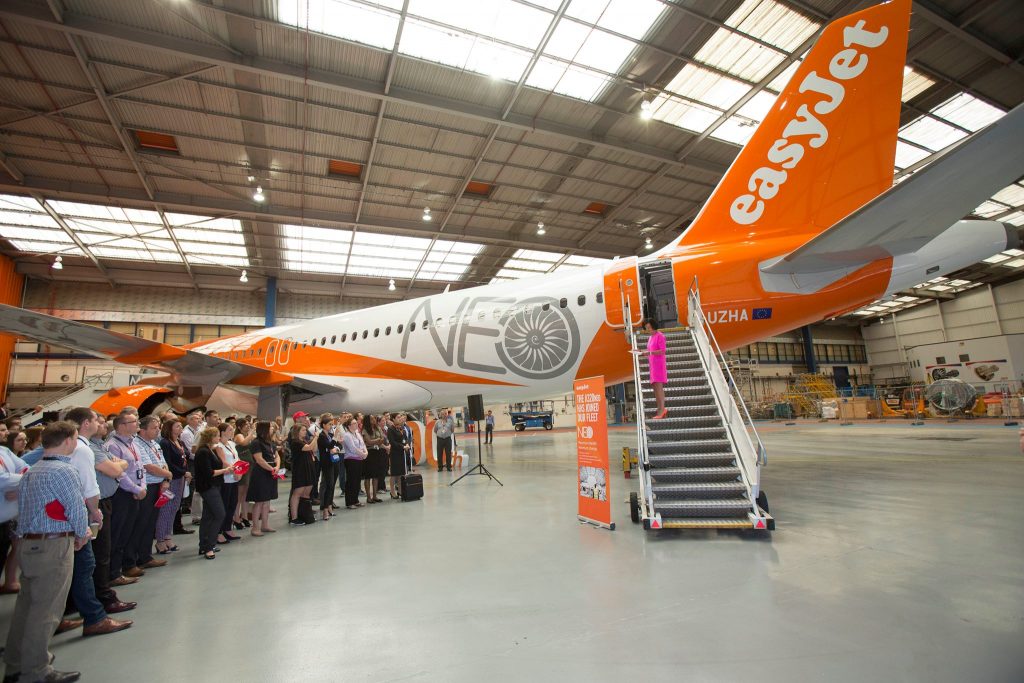
While substantial alterations are not anticipated, easyJet’s existing commitments to the Airbus A320neo family suggest a clear trajectory for fleet modernization. In recent years, the airline has placed a firm order for 157 additional A320neo family aircraft, including a mix of A320neos and A321neos, indicating a shift towards larger, more efficient models. This evolution is likely to phase out older A319s, making way for the A321neo on high-demand routes.
Brand Identity: Stability Amidst Change
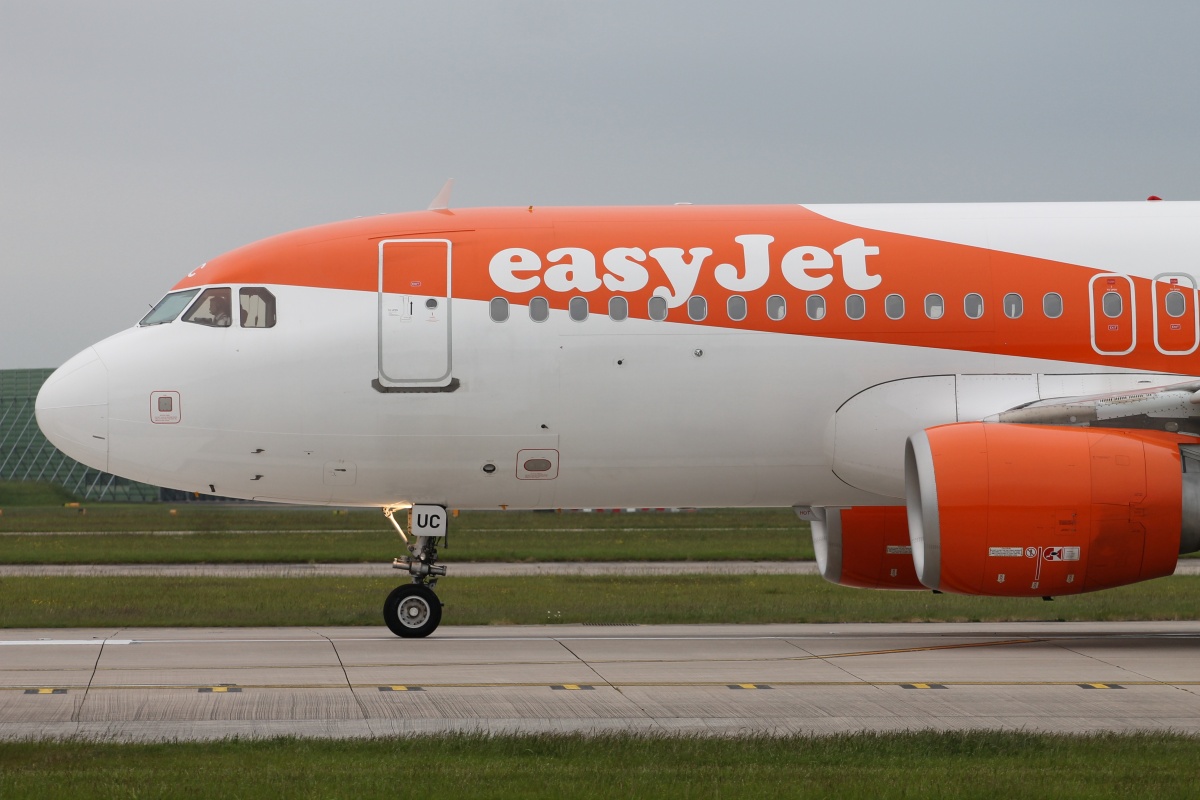
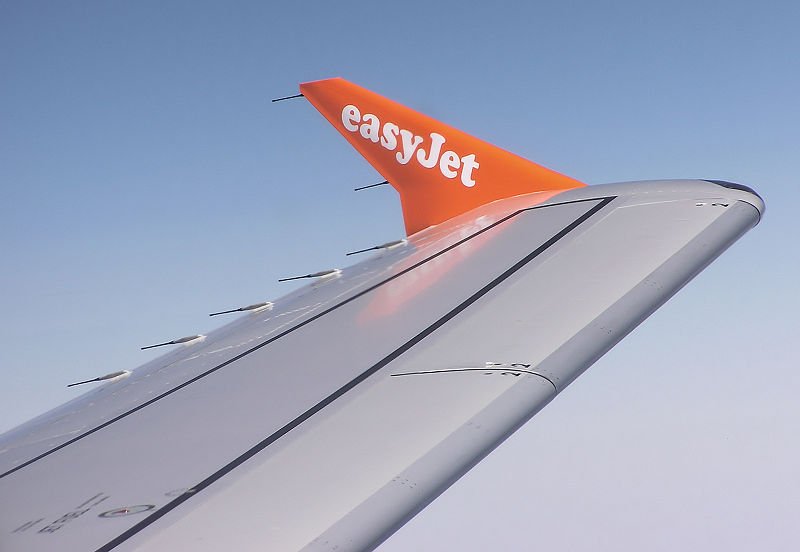
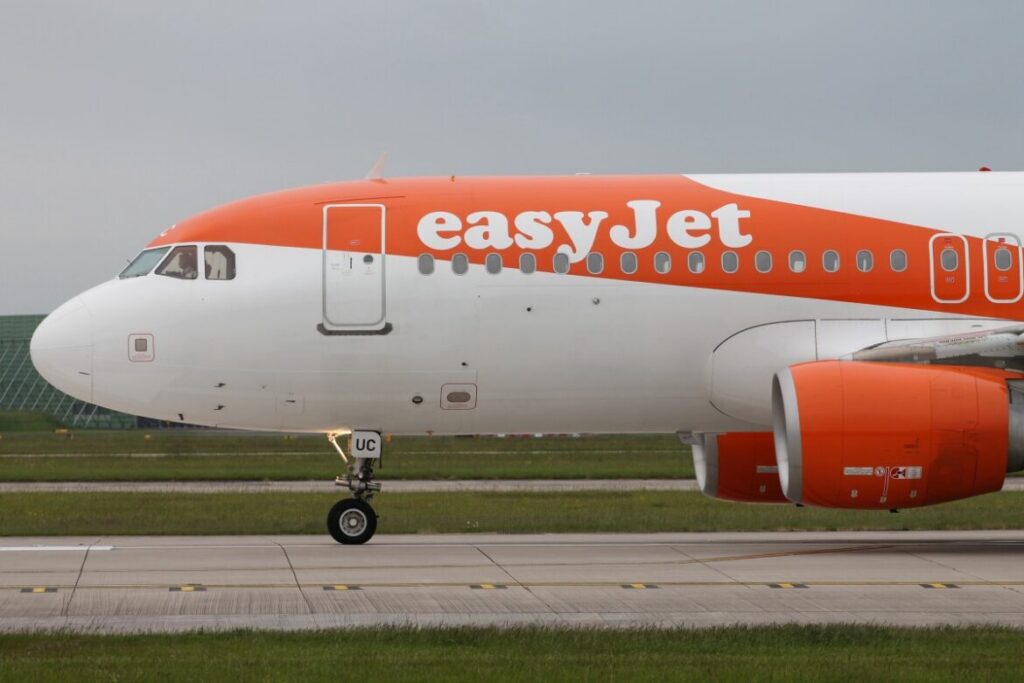
The iconic orange-and-white branding of easyJet is unlikely to undergo drastic changes. Recognized throughout Europe, this branding is integral to the airline’s identity and marketing strategy. While private ownership could lead to adjustments in investment focus or operational strategies, a complete rebranding would pose significant risks.
However, smaller branding modifications may emerge, particularly if Castlelake seeks to enhance easyJet Holidays or expand its premium travel offerings. Such changes could subtly influence customer perception while maintaining the airline’s recognizable presence.
Route Network: Potential for Strategic Adjustments
One of the more likely areas for transformation lies within easyJet’s route network. Given the airline’s strong positioning at several major airports, including London Gatwick, a new ownership structure may prompt a thorough review of routes based on profitability. This could lead to an increased emphasis on leisure markets and a more robust integration of easyJet Holidays into its operational framework.
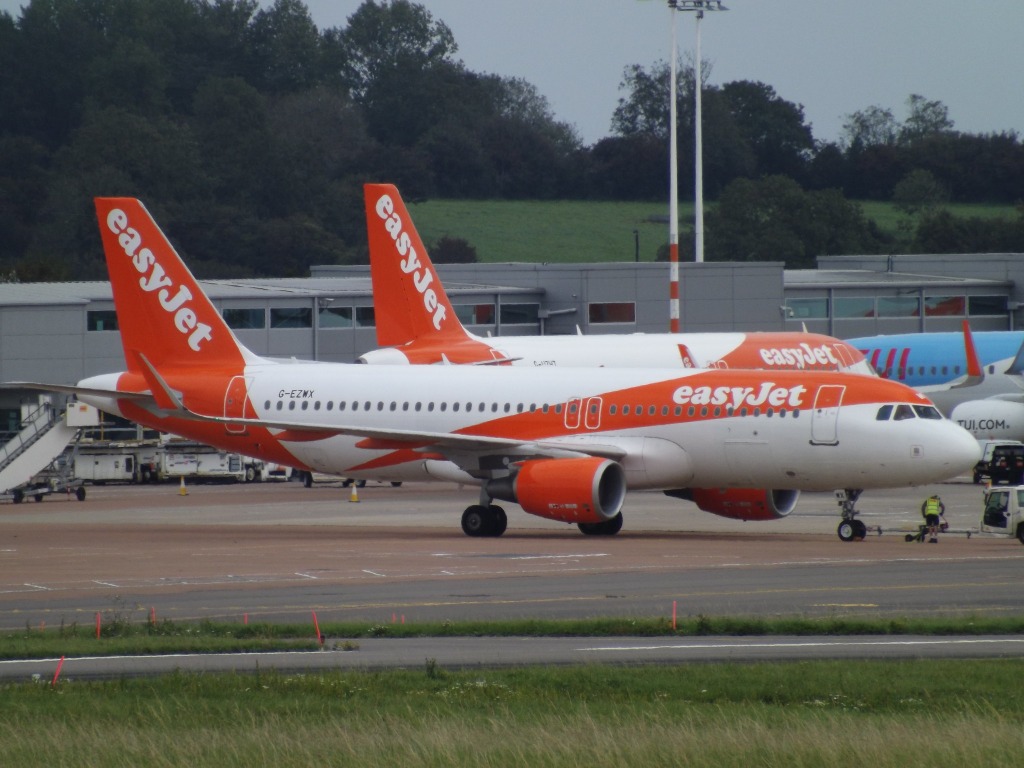
For aviation enthusiasts, the possibilities are intriguing. Observers will be keen to see whether easyJet expands its operations at key airports, increases the deployment of A321neos on busy routes, or modifies less profitable routes. The potential for a shift in operational focus under private management could yield significant changes in the airline’s service offerings.
Future Outlook: What Lies Ahead for easyJet?
Speculation exists regarding the potential for structural changes within easyJet, particularly concerning the separation of easyJet Holidays from the core airline operations. Nevertheless, Castlelake has publicly expressed support for easyJet’s growth and fleet modernization, suggesting that immediate disruption is unlikely.
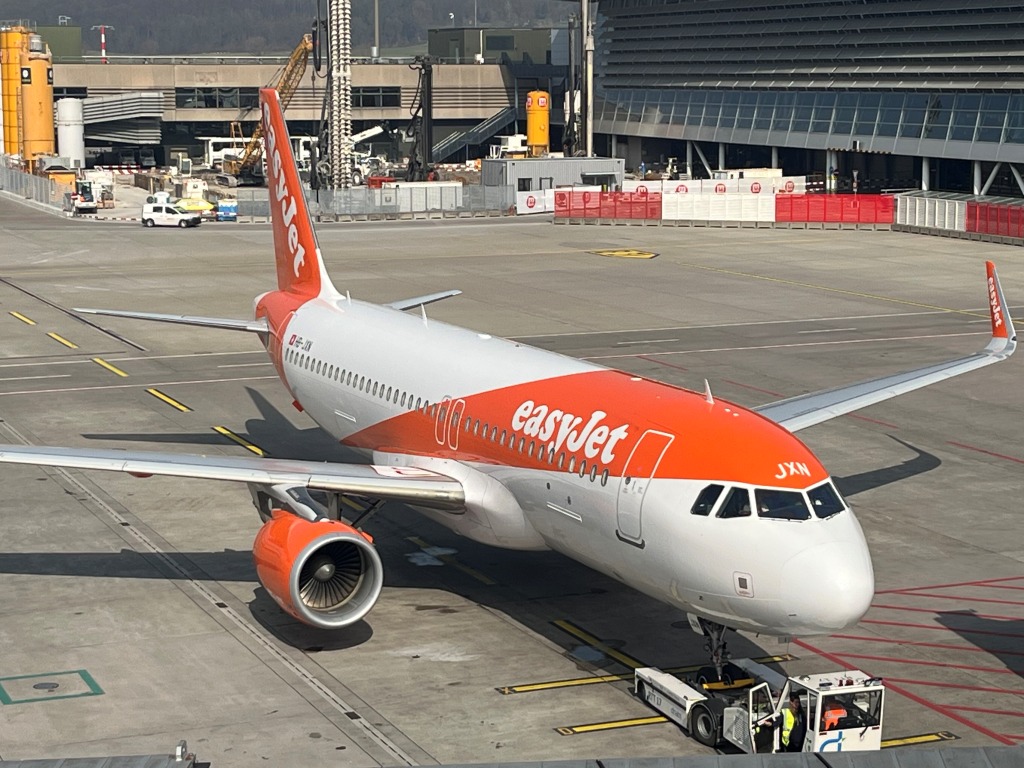
In the near term, customers and aviation enthusiasts can expect continuity in easyJet’s operations, with aircraft continuing to fly in their familiar colors and the established route network remaining intact. The proposed takeover marks a pivotal moment for easyJet, and its implications will unfold in the coming years as the airline navigates this transition.


This article was prepared by LibelulaFly as an independent aviation-news summary and editorial reinterpretation based on publicly available reporting. Images, when used, are included for editorial context with source attribution. Original source: www.airportspotting.com. Read the original article here: https://www.airportspotting.com/easyjet-takeover-what-could-it-mean-for-the-airlines-fleet-routes-and-brand/.
List, promote, or publish aircraft with LibelulaFly.
LibelulaFly.com • Sales@libelulafly.com • +1 305-332-1942
May
Wizz Air’s Strategic Growth in Europe
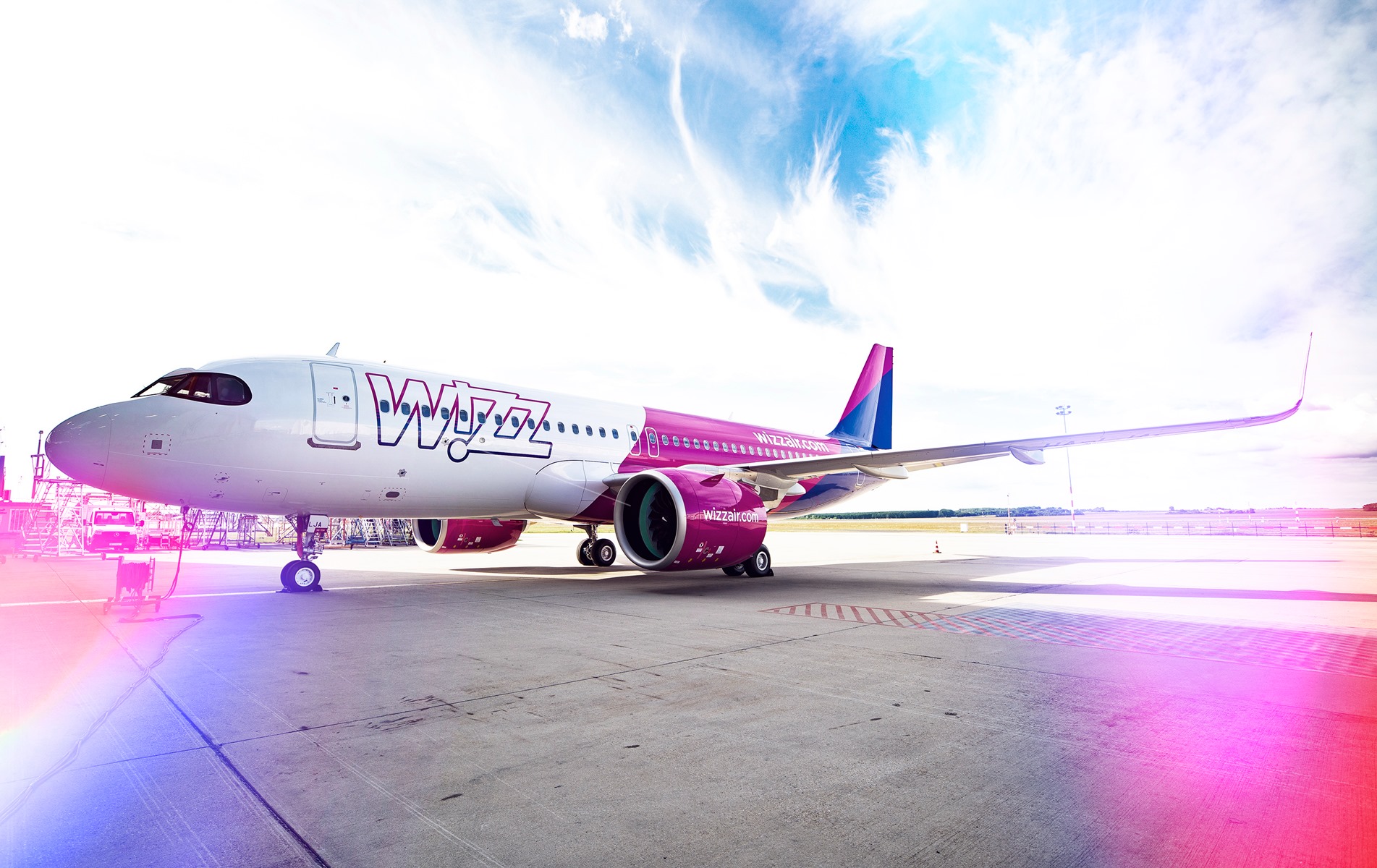
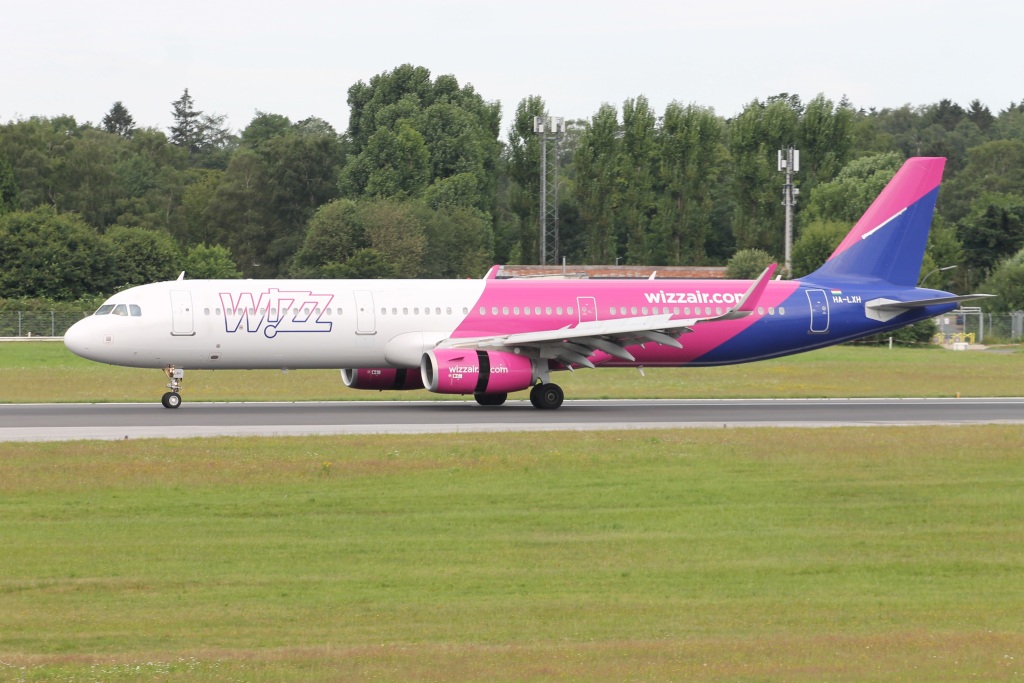
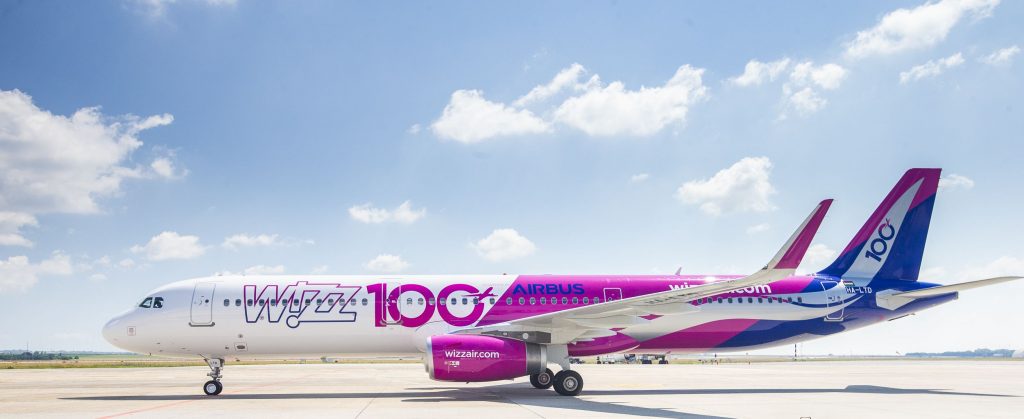
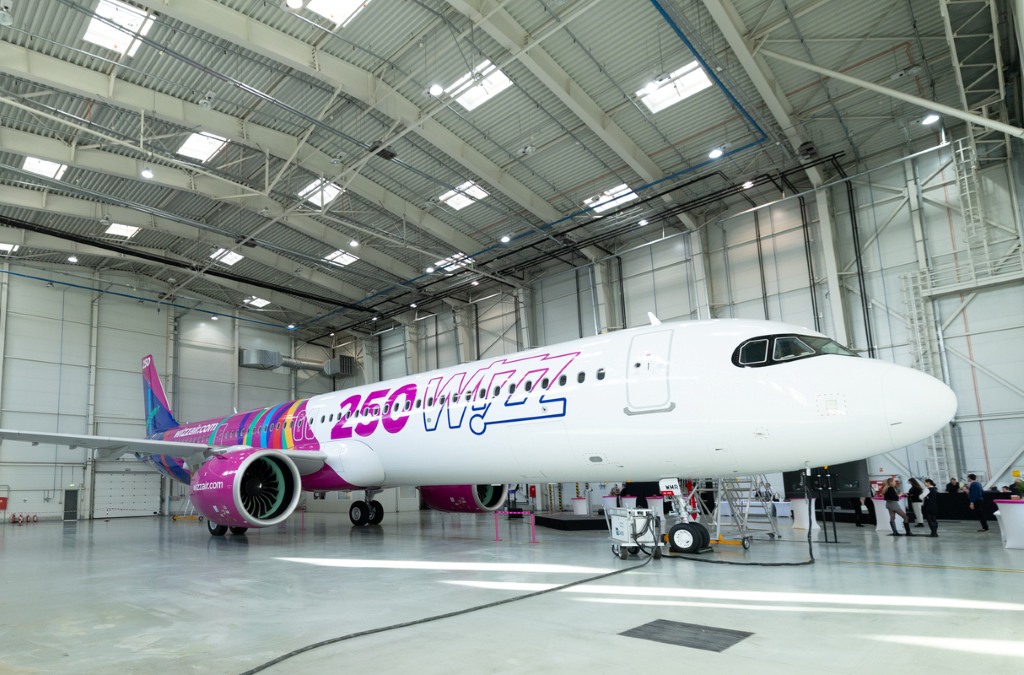
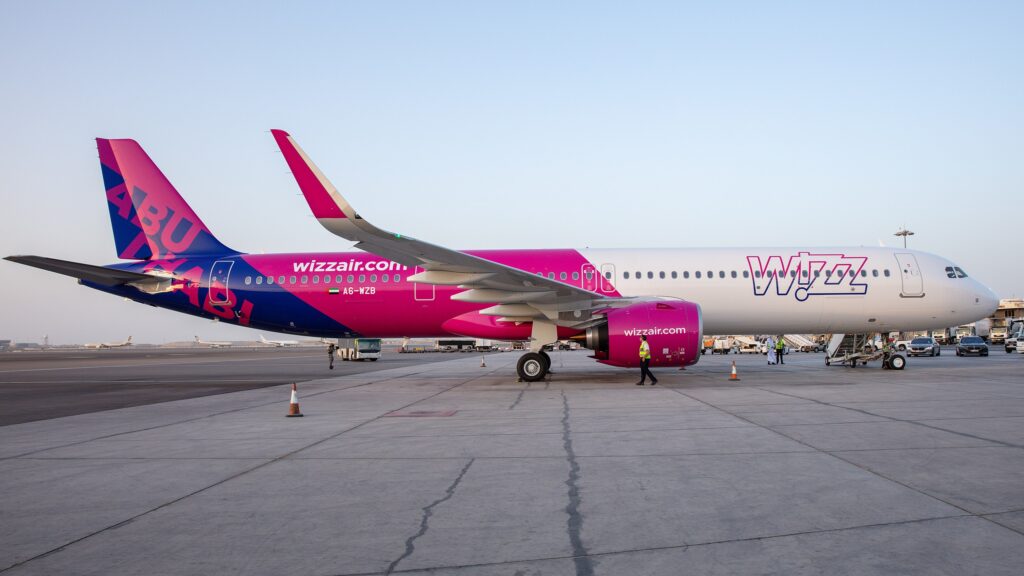
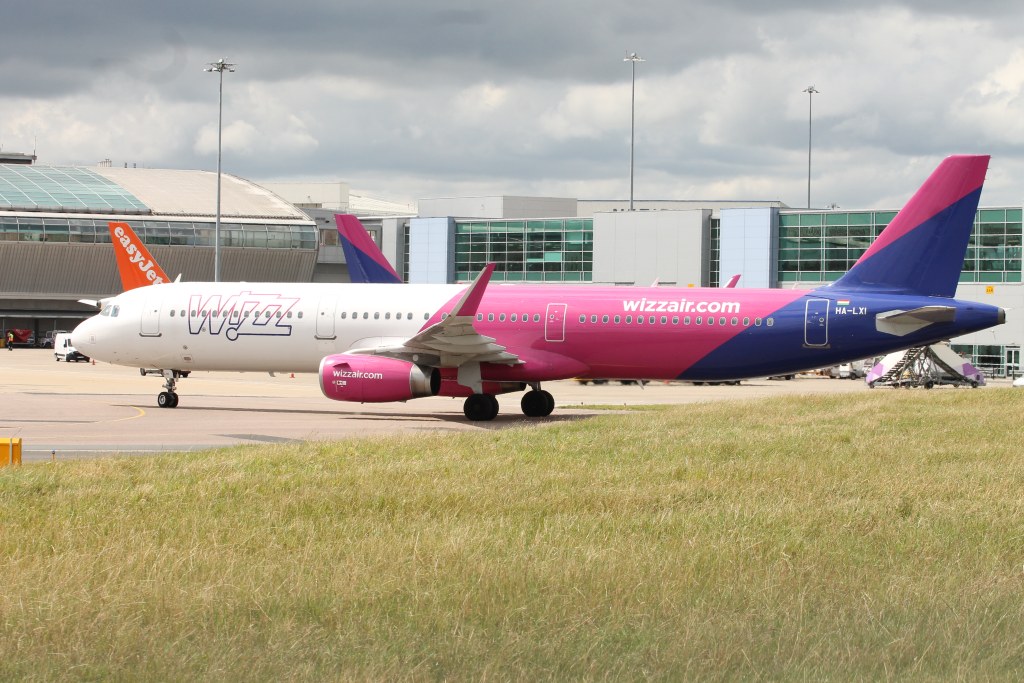
As Wizz Air continues to solidify its presence across Europe, the airline is preparing for significant operational milestones in 2026. Known for its vibrant purple-and-pink Airbus fleet, Wizz Air has rapidly expanded its network to become one of the largest low-cost carriers on the continent, with a focus on underserved markets in Central and Eastern Europe.
Historical Context and Fleet Composition
Founded in 2003, Wizz Air commenced operations in 2004, capitalizing on the opportunities presented by the European Union’s expansion. The airline’s strategy has centered on establishing a strong foothold in markets where low-cost travel was still emerging, enabling it to grow its passenger base significantly. Today, Wizz Air operates a fleet primarily composed of Airbus A320-family aircraft, with the Airbus A321neo serving as the backbone of its operations. This focus on a single aircraft family enhances operational efficiency and maintenance simplicity.
Major Bases and Operational Centers
By 2026, Wizz Air will maintain numerous bases across Europe, with several key airports serving as major operational hubs:
- Budapest Ferenc Liszt International Airport: As the airline’s original home, Budapest remains a crucial hub, facilitating extensive connections across Europe and the Middle East.
- Bucharest Otopeni: This airport has become one of Wizz Air’s largest operational centers, reflecting Romania’s significance in the airline’s network.
- London Luton Airport: Serving as the main base for Wizz Air UK, Luton has emerged as a vital point for flights to Eastern Europe and Mediterranean destinations.
- Warsaw Chopin Airport: A key location for Wizz Air, Warsaw competes with other carriers while continuing to attract significant passenger traffic.
- Milan Malpensa Airport: With its growing operations in Western Europe, Malpensa has become increasingly important for Wizz Air’s expansion strategy.
Operational Relevance and Market Impact
Wizz Air’s growth is not just a testament to its operational strategy but also reflects broader trends in the aviation market. The airline’s concentration on high-density routes with a focus on cost efficiency positions it favorably against competitors. With over 250 Airbus aircraft and nearly 2,000 routes, Wizz Air is poised to meet the increasing demand for budget travel, particularly as Europe emerges from the challenges of recent years.
Future Outlook and Next Steps
Looking ahead, Wizz Air’s operational strategy will continue to evolve, focusing on expanding its fleet and enhancing its service offerings. The airline’s commitment to maintaining an all-Airbus fleet allows for streamlined operations while ensuring passenger comfort through modern aircraft configurations.
As Wizz Air prepares for 2026, aviation enthusiasts and industry stakeholders alike can anticipate witnessing the airline’s continued growth and the increasing visibility of its distinctive fleet across Europe’s skies.


This article was prepared by LibelulaFly as an independent aviation-news summary and editorial reinterpretation based on publicly available reporting. Images, when used, are included for editorial context with source attribution. Original source: www.airportspotting.com. Read the original article here: https://www.airportspotting.com/wizz-airs-biggest-bases-where-to-catch-the-purple-aircraft-in-2026/.
List, promote, or publish aircraft with LibelulaFly.
LibelulaFly.com • Sales@libelulafly.com • +1 305-332-1942