
May
A Glimpse into Malév Hungarian Airlines’ History
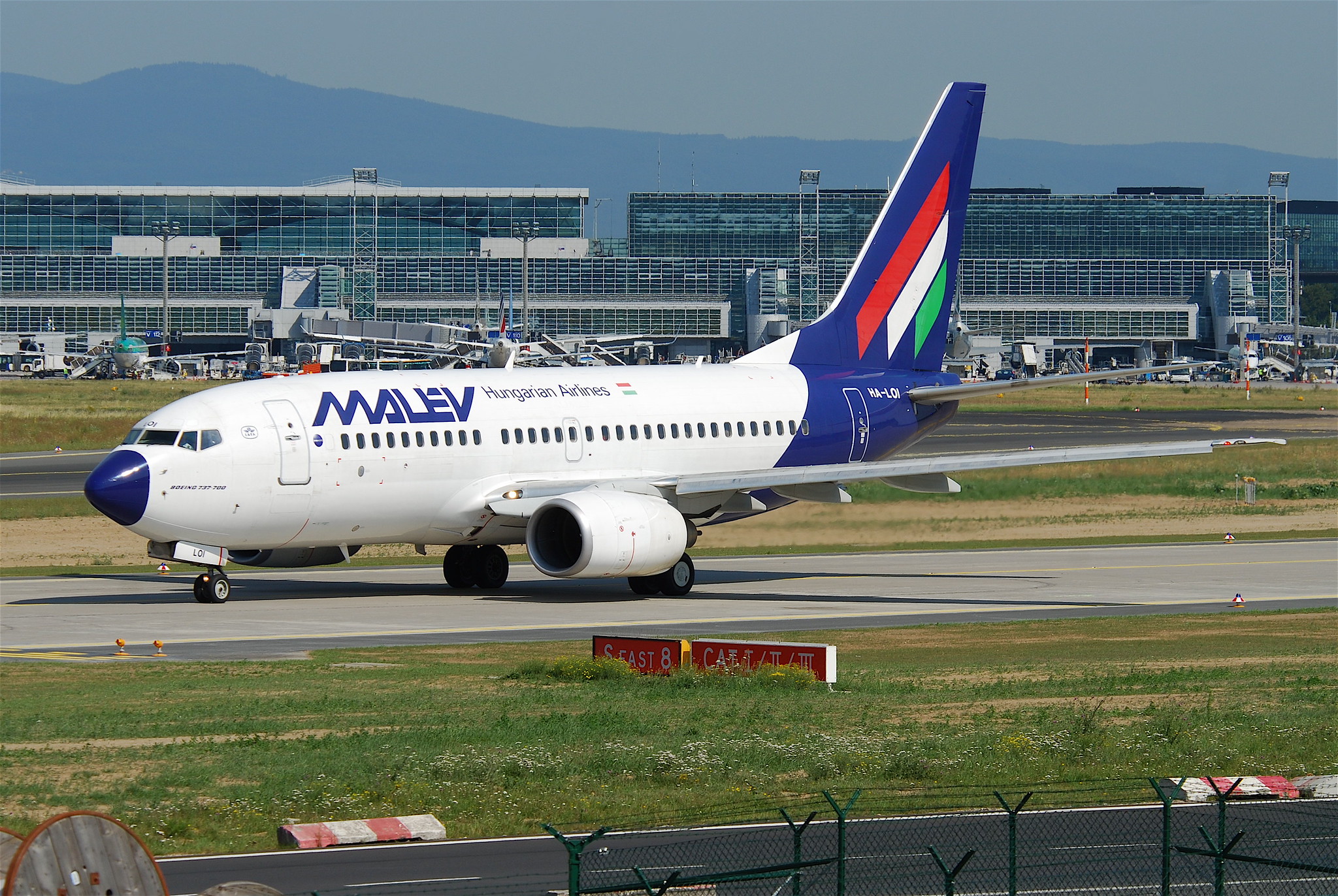
Malév Hungarian Airlines, once a prominent carrier in Eastern Europe, marked its presence in the aviation industry for over six decades. Established in the aftermath of World War II, the airline began as a joint Hungarian-Soviet venture and eventually evolved into a key player in regional and international air travel. Its distinctive blue-and-white livery became synonymous with air travel in Hungary, connecting Budapest to numerous destinations across Europe, the Middle East, and beyond.
Transitioning Through Turbulent Times
Throughout its operations, Malév navigated a landscape of political and economic change, transitioning from a fleet of Soviet-built aircraft to modern Western jets. Notably, the airline’s modernization in the late 20th century included the introduction of Boeing aircraft, which significantly enhanced its operational capabilities. The Boeing 737 family and Boeing 767 models allowed Malév to expand its reach, catering to a growing demand for contemporary air travel.
Challenges and Financial Struggles
Despite its modernization efforts, Malév faced mounting financial pressures. The rise of low-cost carriers in Europe and fluctuating fuel prices strained the airline’s profitability. Repeated attempts at privatization failed to stabilize its financial situation, leading to a complex ownership history that culminated in re-nationalization. The European Commission’s ruling on state aid further exacerbated Malév’s challenges, ultimately resulting in the airline’s abrupt cessation of operations on February 3, 2012.
The Fate of Malév’s Fleet
Following the airline’s closure, the fate of its fleet became a point of interest. Many of Malév’s leased aircraft were quickly reclaimed by their lessors and redistributed to various operators worldwide. However, a number of historic aircraft have found refuge in preservation. Notable among these is the collection at Aeropark Budapest, which houses several significant models, including the Tupolev Tu-154 and the Ilyushin Il-18, both of which are emblematic of Malév’s rich heritage.
Preserving a Legacy
The legacy of Malév extends beyond its operational years, as its preserved aircraft serve as a tribute to the airline’s contribution to aviation history. The collection at Aeropark Budapest, along with other preserved examples across Europe, stands as a testament to the evolution of air travel in Hungary. These aircraft not only represent the technological advancements of their time but also the cultural connection between Hungary and the world.
Reflections on a National Icon
Although Malév ceased operations over a decade ago, its impact on Hungarian aviation and the broader European market is still felt today. The airline’s sudden disappearance paved the way for low-cost carriers, reshaping Budapest Airport into a hub for budget travel. For many, Malév remains a nostalgic symbol of Hungary’s historical ties to global aviation.
As the aviation industry continues to evolve, the story of Malév serves as a reminder of the challenges faced by national carriers in a competitive environment. The preservation of its aircraft ensures that future generations can appreciate the legacy of an airline that once bridged continents and cultures.