
Jul
Farewell to a Cargo Icon
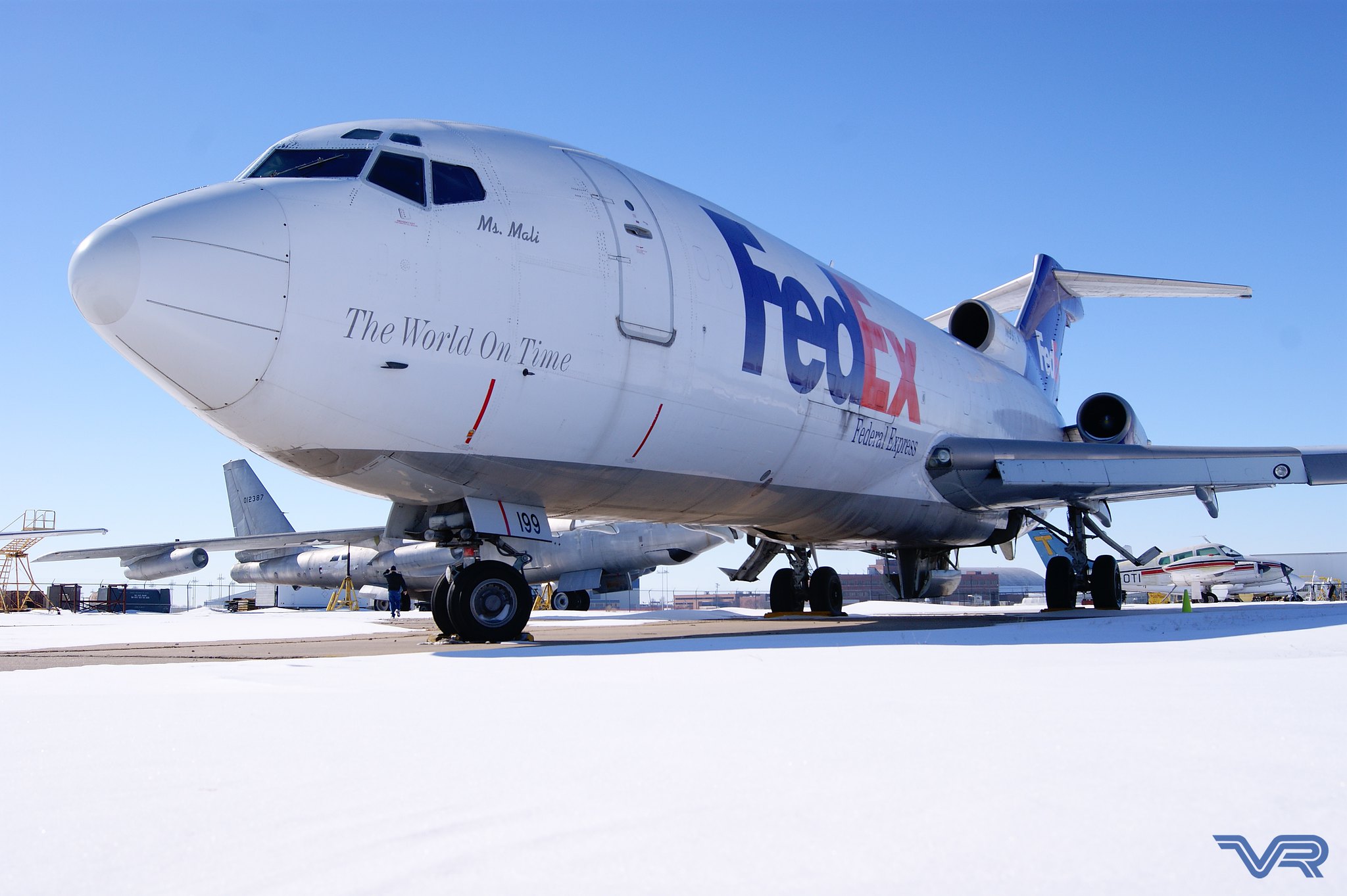
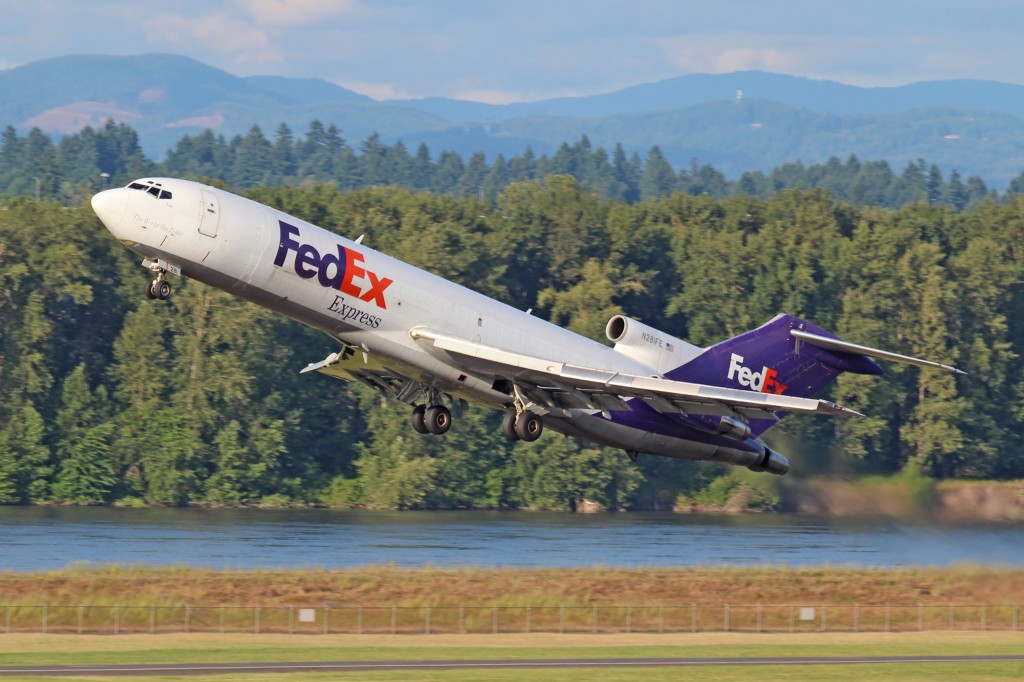
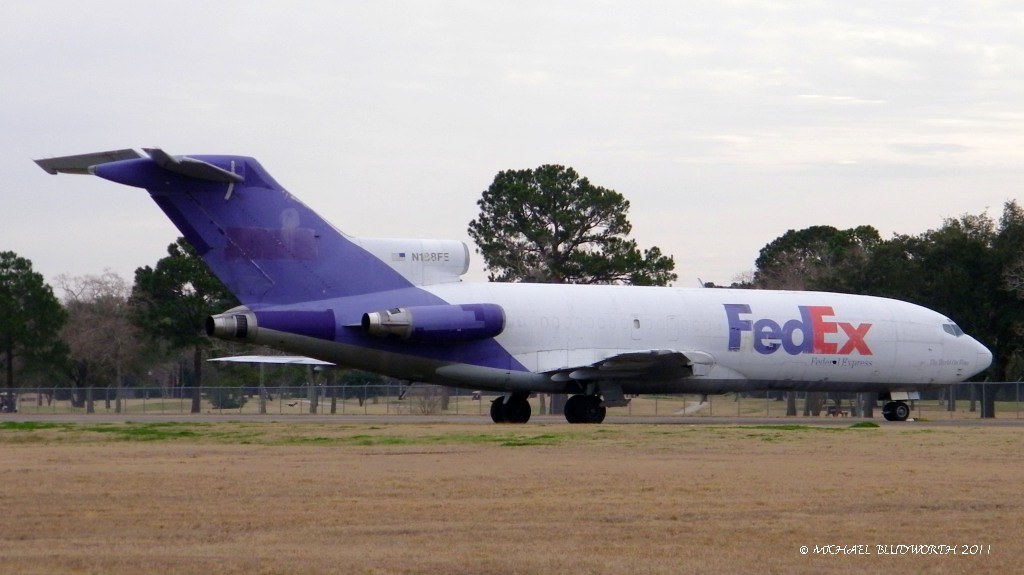
The retirement of FedEx’s Boeing 727 fleet in June 2013 marked the conclusion of a significant chapter in the history of cargo aviation. For nearly four decades, the trijet served as a backbone of the express delivery service, playing a crucial role in shaping FedEx’s operations across North America. With its distinctive purple-and-orange livery, the Boeing 727 became synonymous with FedEx, particularly at its Memphis superhub, where the aircraft facilitated the overnight delivery of packages.
Building an Express Delivery Network
FedEx introduced the Boeing 727 into its operations in 1977, leveraging the aircraft’s unique capabilities to build a robust domestic network. The versatility of the 727, initially designed for passenger transport, allowed FedEx to convert many of these aircraft into freighters. Their ability to serve smaller airports and deliver cargo swiftly made them an ideal choice for the burgeoning express delivery market, contributing to FedEx’s rapid expansion and success.
Transitioning to Modern Freighters
Despite its storied history, the Boeing 727 faced challenges as newer aircraft entered the market. The trijet’s three Pratt & Whitney JT8D engines were less fuel-efficient compared to contemporary twin-engine freighters like the Boeing 757 and 767. As operational costs and environmental regulations evolved, FedEx began phasing out the 727 in favor of more efficient models starting in 2007. The final flight of the 727 on June 21, 2013, signaled the end of an era, as the company transitioned to a more modern fleet.
Preserving a Piece of Aviation History
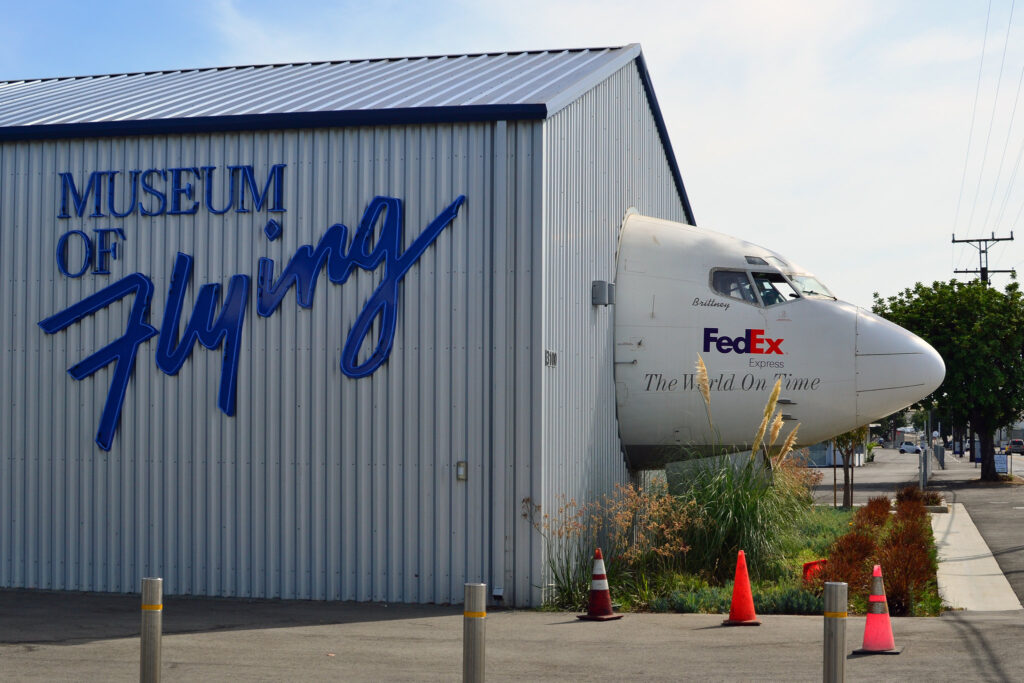
The retirement of the Boeing 727 did not signify the end of its legacy. FedEx took a commendable step by donating many of its retired aircraft to educational institutions, museums, and fire training facilities across the United States. Over 80 former FedEx 727s found new roles as training airframes, ensuring that future generations of aviation technicians could learn on a piece of history.
A Lasting Impact on Aviation Education
Among the institutions that received these aircraft are the Kansas Aviation Museum, Florida Air Museum, and Owens Community College, among others. These donations allow students and aviation enthusiasts to engage with the aircraft firsthand, fostering a deeper appreciation for the engineering and operational aspects of aviation. The Boeing 727 remains an essential part of training programs, providing invaluable hands-on experience for aspiring technicians.
Continuing the Legacy
While the Boeing 727 may no longer fly in FedEx’s fleet, its impact on the aviation industry and express delivery service is undeniable. The aircraft’s design, operational efficiency, and adaptability helped shape the logistics landscape, influencing how goods are transported across the globe. As enthusiasts and professionals reflect on the Boeing 727’s legacy, its contributions to aviation education and preservation ensure that its story will continue to inspire future generations.



This article was prepared by LibelulaFly as an independent aviation-news summary and editorial reinterpretation based on publicly available reporting. Images, when used, are included for editorial context with source attribution. Original source: www.airportspotting.com. Read the original article here: https://www.airportspotting.com/what-happened-to-fedexs-boeing-727-fleet/.
List, promote, or publish aircraft with LibelulaFly.
LibelulaFly.com • Sales@libelulafly.com • +1 305-332-1942