
Jun
Swiss International Air Lines Takes Unconventional Step with A220-100s
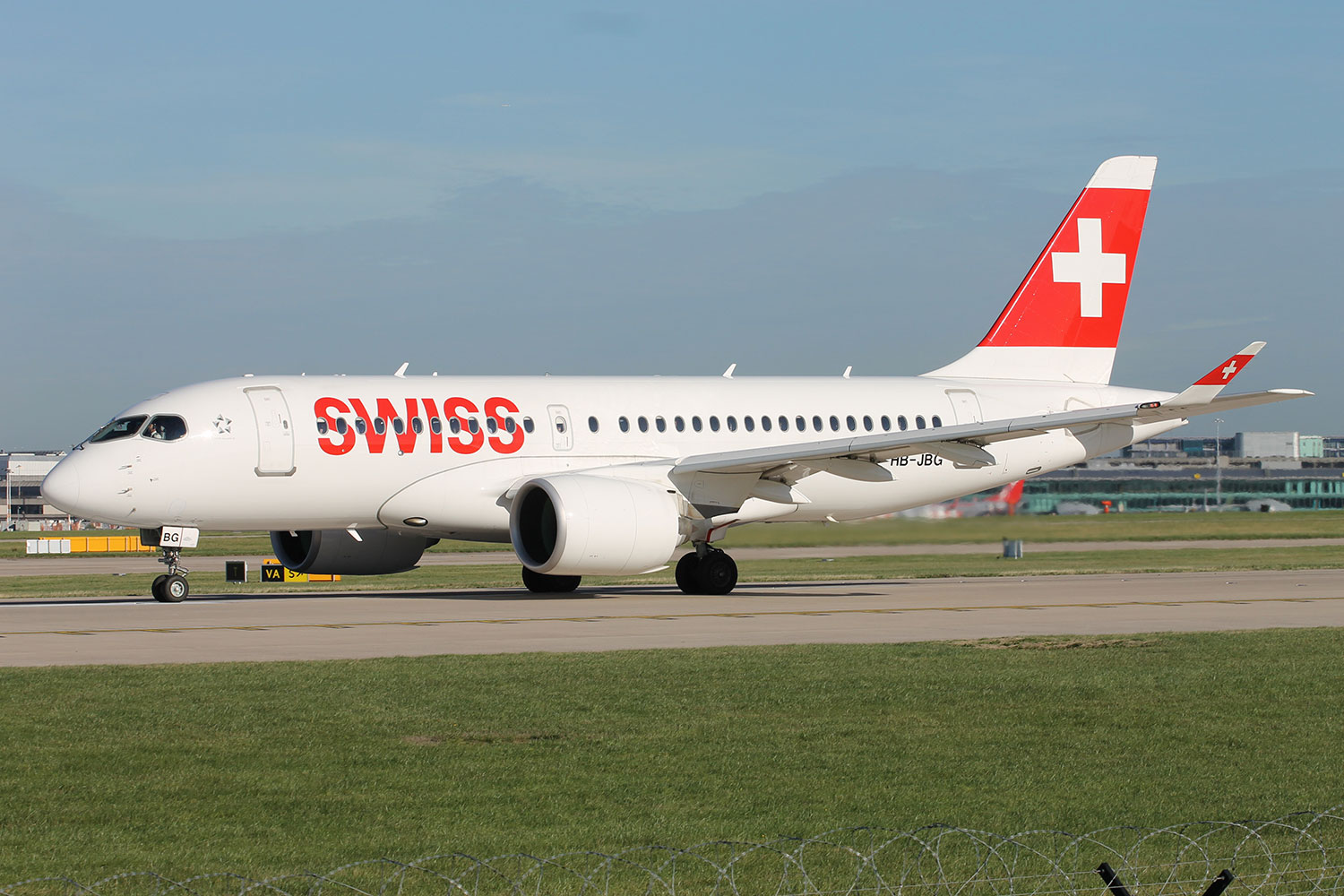
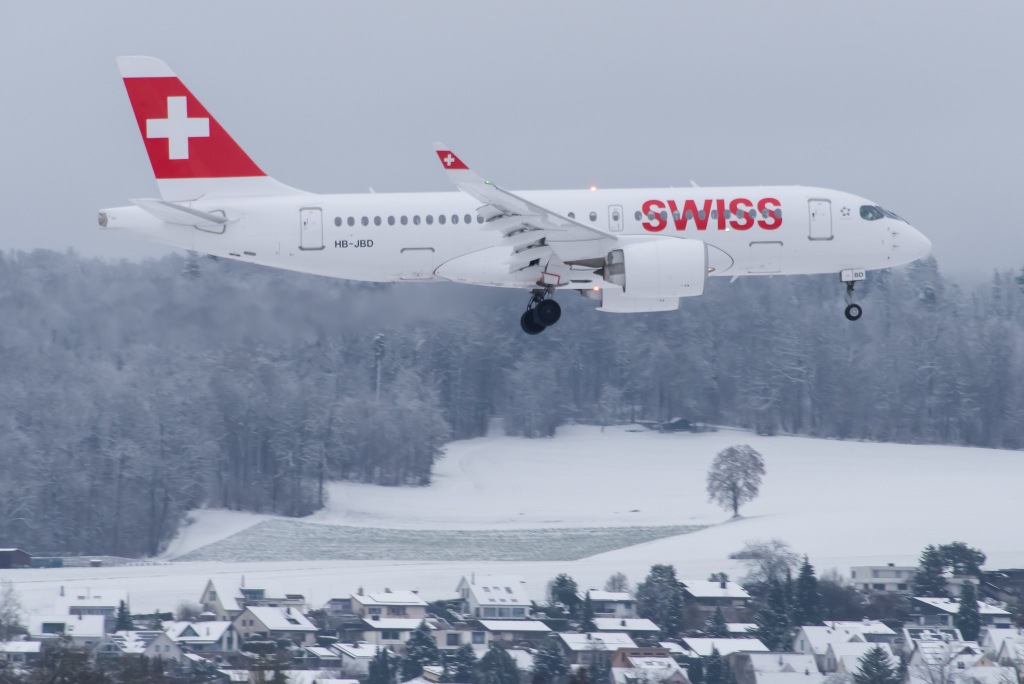
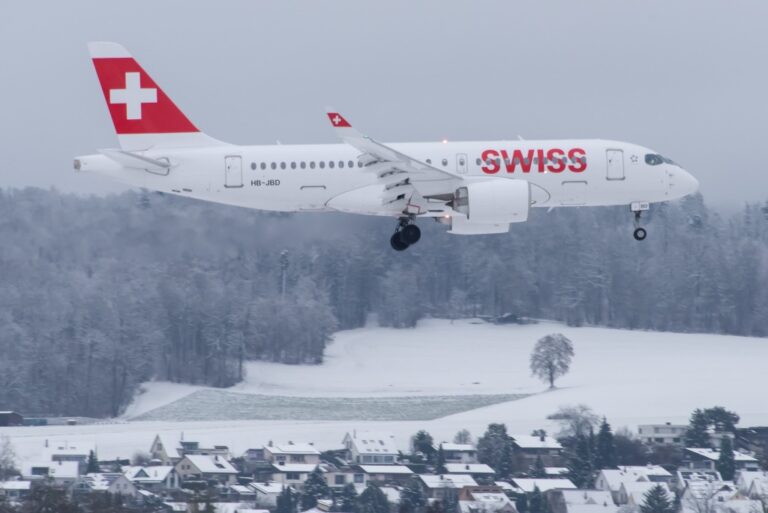
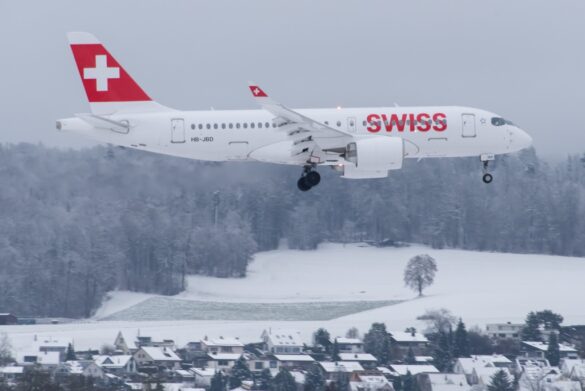
In an unexpected move that underscores the complexities of modern aviation operations, Swiss International Air Lines has announced the dismantling of two of its Airbus A220-100 aircraft. This decision comes as the airline grapples with ongoing challenges related to engine availability, particularly concerning Pratt & Whitney’s geared turbofan (GTF) engines. The aircraft in question, registered as HB-JBC and HB-JBD, were delivered in 2016 and initially hailed as a vital component of the airline’s fleet strategy.
Operational Context of the A220 Programme
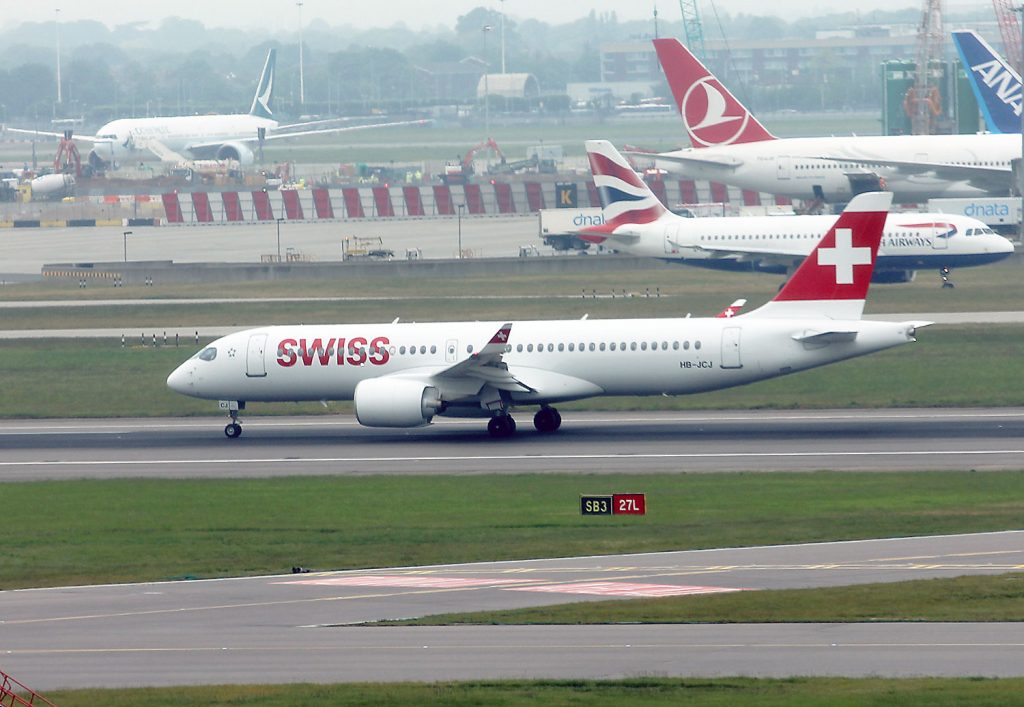
Swiss was the launch operator of the A220, previously known as the Bombardier CSeries, marking a significant milestone in its operational capabilities. Currently, the airline operates a mixed fleet comprising nine A220-100s and 21 A220-300s. The decision to retire the two A220-100s, which have been stored at Toulouse-Francazal Airport since January 2026, reflects a strategic shift in response to pressing operational needs.
Engine Shortages Drive Dismantling Decision
The primary catalyst for this dismantling is the ongoing engine shortages affecting the airline’s fleet. Swiss has faced significant operational disruptions due to the removal of GTF engines for inspections and repairs, with the PW1500G engines powering the A220 family particularly impacted. Instead of waiting for replacement engines to become available, Swiss has opted to repurpose the engines from the retired A220-100s to support its larger A220-300 fleet, which is deemed more critical for operational stability.
The Economic Imperative of Fleet Management
From an economic perspective, the decision to dismantle the A220-100s is grounded in the comparative profitability of the larger A220-300 variant. With a seating capacity of 145 compared to the 125 of the A220-100, the larger model offers better cost efficiency and revenue potential. This prioritization reflects a broader trend in the aviation industry, where airlines are increasingly focused on maximizing the operational utility of their fleets amidst challenging market conditions.
Challenges and Future Considerations
Swiss’s relationship with the A220 programme has been complex, marked by both support and challenges. Despite being an early adopter, the airline has experienced multiple engine-related incidents over the years, including temporary fleet groundings due to in-flight engine shutdowns. These operational hurdles have compelled Swiss to adopt innovative strategies to maintain reliability while navigating the ongoing GTF durability issues that have affected the broader aviation landscape.
Looking Ahead: A220 Fleet’s Future
The dismantling of HB-JBC and HB-JBD is just one chapter in the evolving narrative of Swiss’s A220 operations. The airline has indicated that other A220-100s may also be parked for extended periods, with uncertain futures ahead. While no definitive decisions have been made regarding the long-term status of the A220-100 fleet, Swiss’s immediate focus remains on ensuring the operational integrity of its A220-300 aircraft.
This situation serves as a poignant reminder of the challenges facing the aviation industry today, particularly in terms of engine availability and supply chain constraints. As Swiss navigates these complexities, the decision to dismantle two relatively young aircraft highlights the critical nature of operational efficiency in a rapidly changing environment.



This article was prepared by LibelulaFly as an independent aviation-news summary and editorial reinterpretation based on publicly available reporting. Images, when used, are included for editorial context with source attribution. Original source: www.airportspotting.com. Read the original article here: https://www.airportspotting.com/why-swiss-is-parting-out-two-a220s/.
List, promote, or publish aircraft with LibelulaFly.
LibelulaFly.com • Sales@libelulafly.com • +1 305-332-1942