
Jun
DHL Aviation’s Enduring Commitment to the Airbus A300
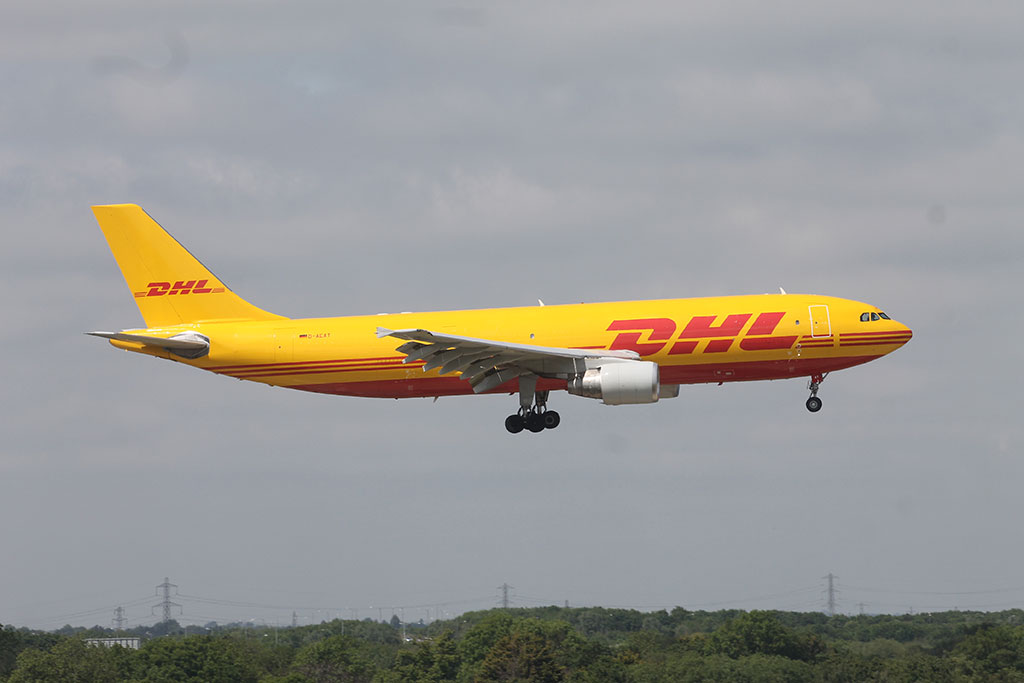
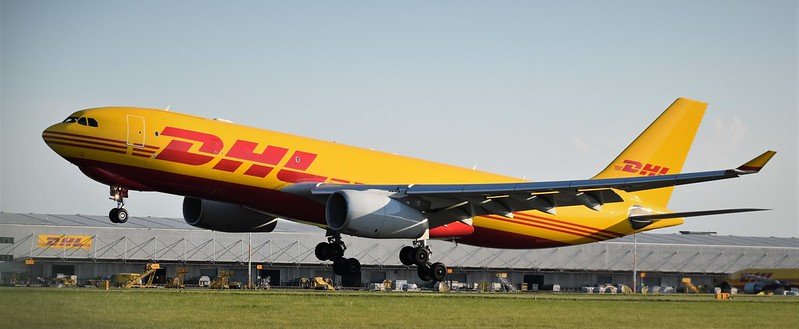
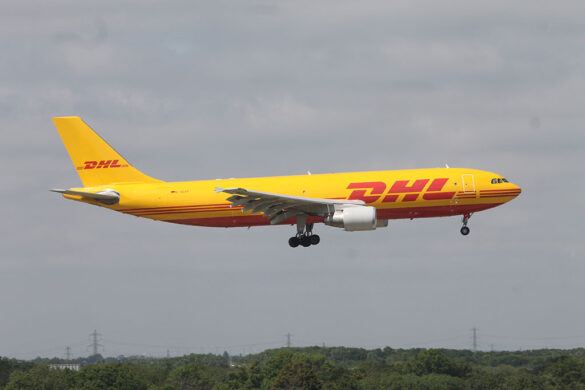
As the aviation industry evolves, DHL Aviation remains steadfast in its use of the Airbus A300, a pioneering aircraft that has played a crucial role in the global cargo transport landscape for over 50 years. With approximately 34 Airbus A300-600RF freighters still in operation, DHL stands as one of the largest operators of this model, ensuring that the aircraft continues to serve vital logistics needs across Europe.
The Evolution of the Airbus A300
First introduced in 1974, the Airbus A300 was groundbreaking as the world’s first twin-engine widebody airliner. Initially facing slow sales, the A300 eventually gained traction due to its efficiency and spacious design. While passenger services waned in the 2000s, the aircraft found a niche in the cargo sector, where its wide fuselage and substantial payload capabilities became invaluable. Today, most A300s in operation are dedicated freighters, with DHL leading the way.
DHL’s Historical Connection to the A300
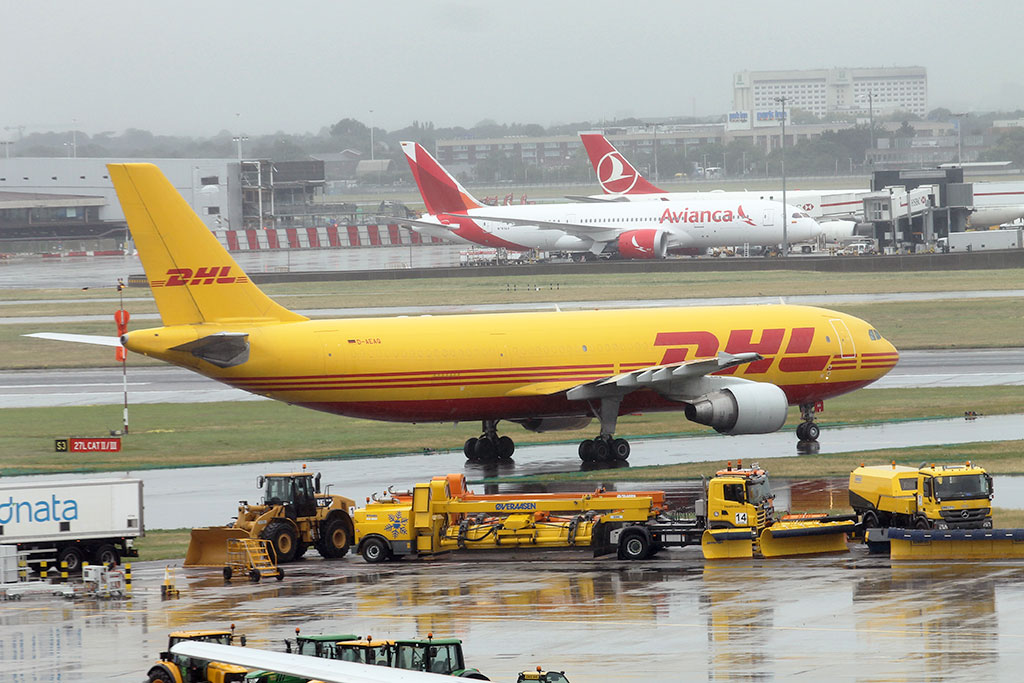
DHL’s relationship with the A300 dates back to its early days, with the company initially operating older A300B4 models for European express services. This strategic decision helped establish Leipzig as a major hub for overnight cargo transport. Over the years, DHL transitioned to the A300-600 variant, which offered advancements in avionics and payload capacity while maintaining the aircraft’s cargo efficiency.
Operational Framework of DHL’s A300 Fleet
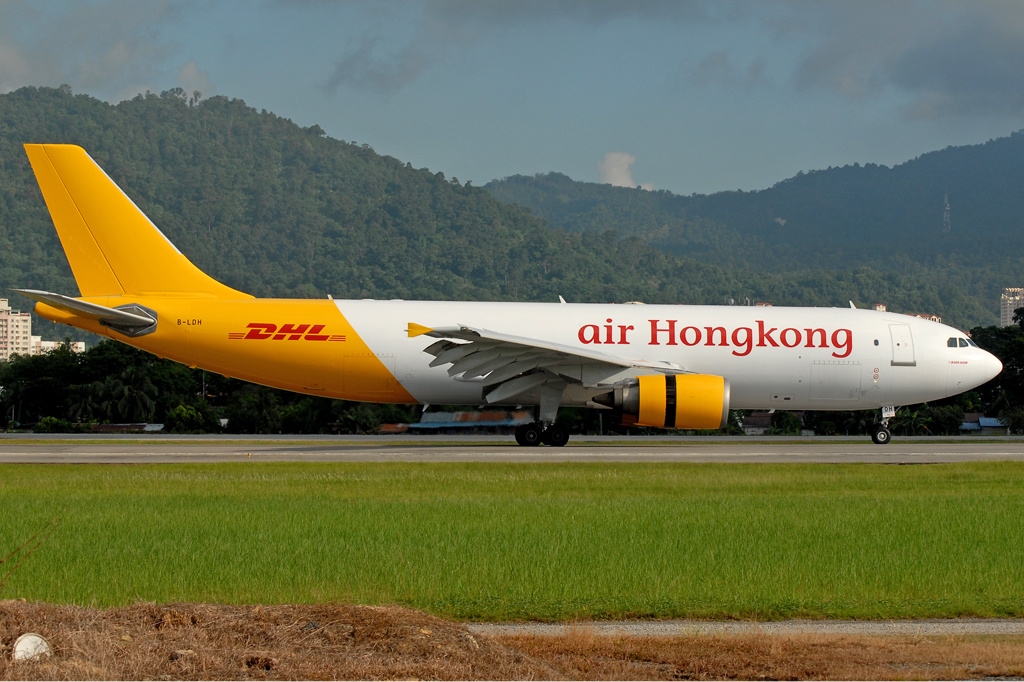
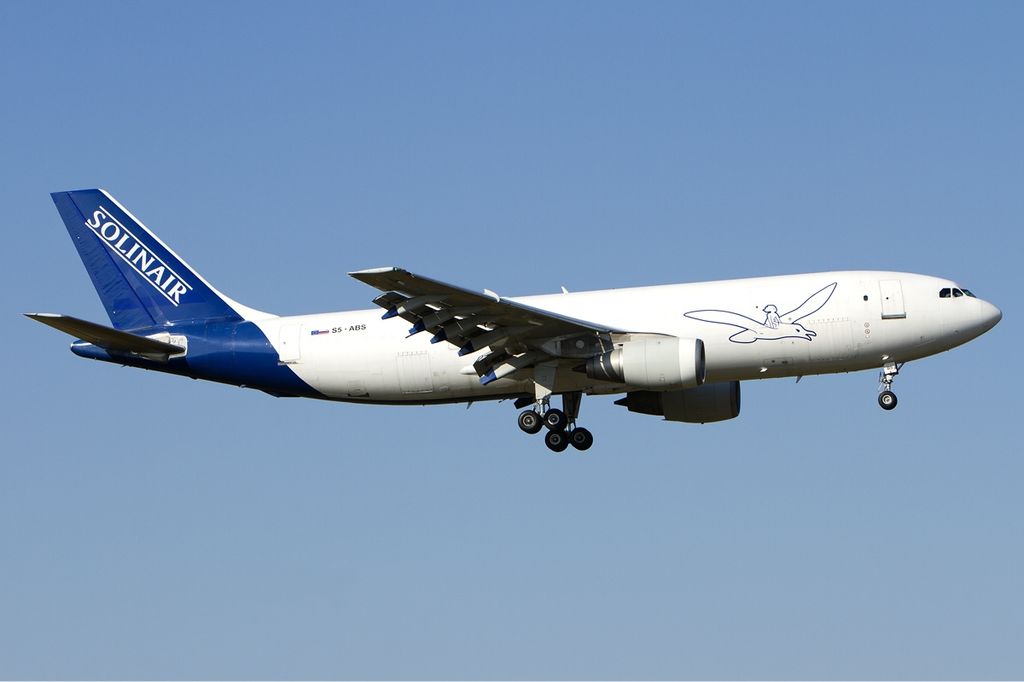
DHL Aviation’s operations are unique, utilizing a network of subsidiary and partner carriers to manage its fleet effectively. The primary operators of the A300 within DHL’s logistics framework include European Air Transport Leipzig, ASL Airlines Ireland, and Solinair. European Air Transport Leipzig, based at Leipzig/Halle Airport, operates the largest share of the fleet, ensuring the timely movement of cargo between major European hubs.
Where to Spot the A300 in Action
The Airbus A300 fleet primarily operates out of DHL’s superhub at Leipzig/Halle Airport, where its nightly schedule sees a flurry of activity as aircraft transport time-sensitive shipments across the continent. Enthusiasts can often spot these freighters at various airports, including Brussels, East Midlands, and Milan Malpensa, particularly during their overnight operations.
Looking Ahead: The Future of the A300 Fleet
Despite its continued relevance, the future of the Airbus A300 fleet is uncertain. With an average age nearing three decades, challenges related to maintenance and spare parts availability have prompted DHL to consider newer alternatives. The company has begun integrating Airbus A330 freighters into its operations, which offer greater payload capacity and efficiency. Additionally, the Airbus A321P2F is being evaluated for lower-density routes, hinting at a strategic shift in DHL’s fleet composition.
A Legacy of Reliability
While the Airbus A300 may no longer be a passenger aircraft, its legacy continues through DHL’s operations. The enduring presence of the A300 in the skies underscores its reliability and adaptability in the ever-evolving world of air freight. As DHL navigates the future of its fleet, the A300 will remain a symbol of innovation and a testament to the aircraft’s remarkable contribution to the logistics industry.


This article was prepared by LibelulaFly as an independent aviation-news summary and editorial reinterpretation based on publicly available reporting. Images, when used, are included for editorial context with source attribution. Original source: www.airportspotting.com. Read the original article here: https://www.airportspotting.com/update-on-the-dhl-airbus-a300-fleet-routes-fleet-and-future/.
List, promote, or publish aircraft with LibelulaFly.
LibelulaFly.com • Sales@libelulafly.com • +1 305-332-1942