
Jun
Delta Air Lines and the Airbus A350: A Strategic Partnership
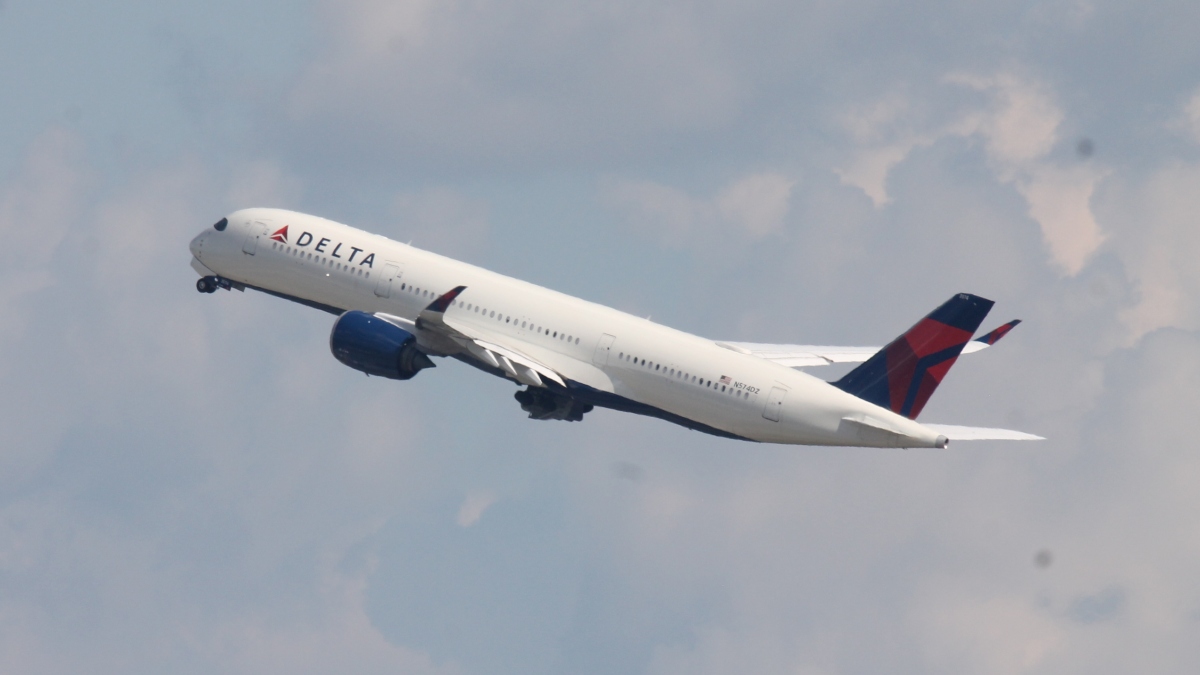
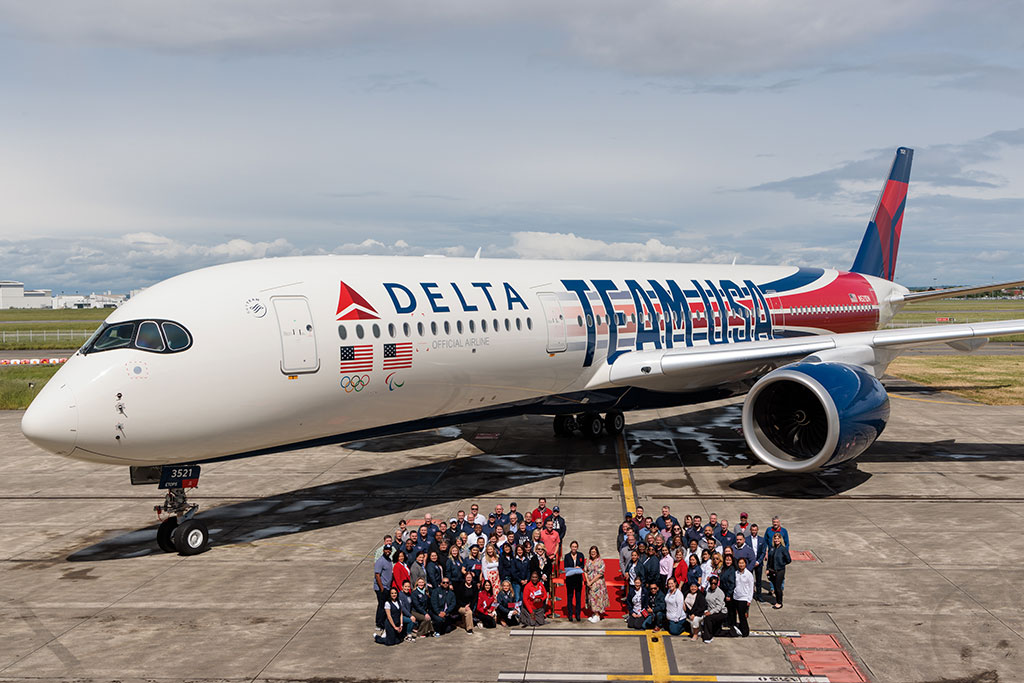
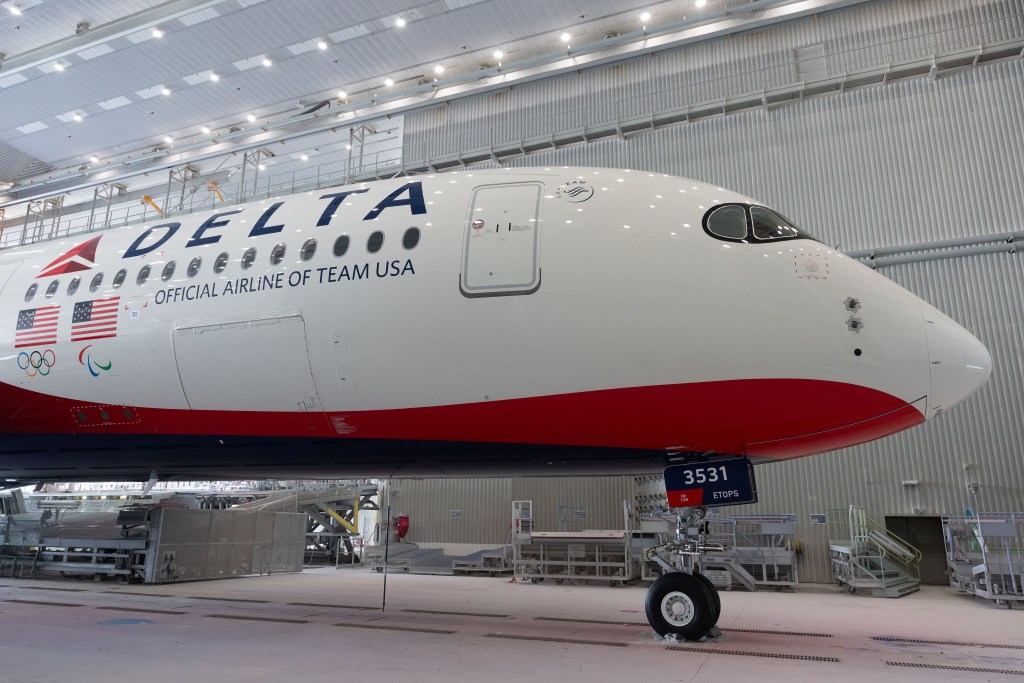
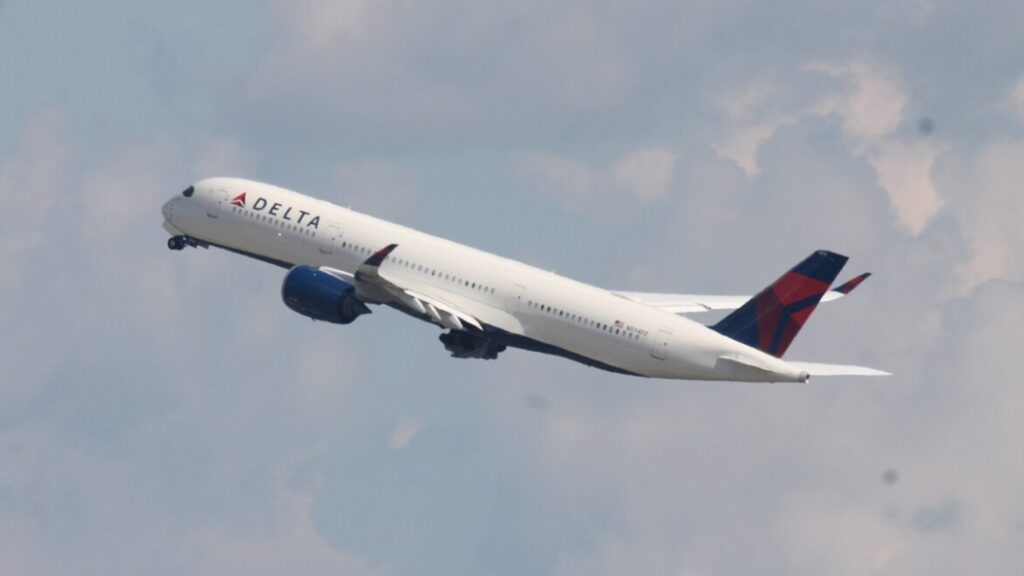
Delta Air Lines has solidified its position in the long-haul market with the Airbus A350, a modern widebody aircraft that has become integral to its fleet since its introduction in 2017. This aircraft has not only replaced older Boeing 777s but has also augmented Delta’s Airbus A330 operations, allowing the airline to maintain its competitive edge on international routes.
Expanding Global Reach
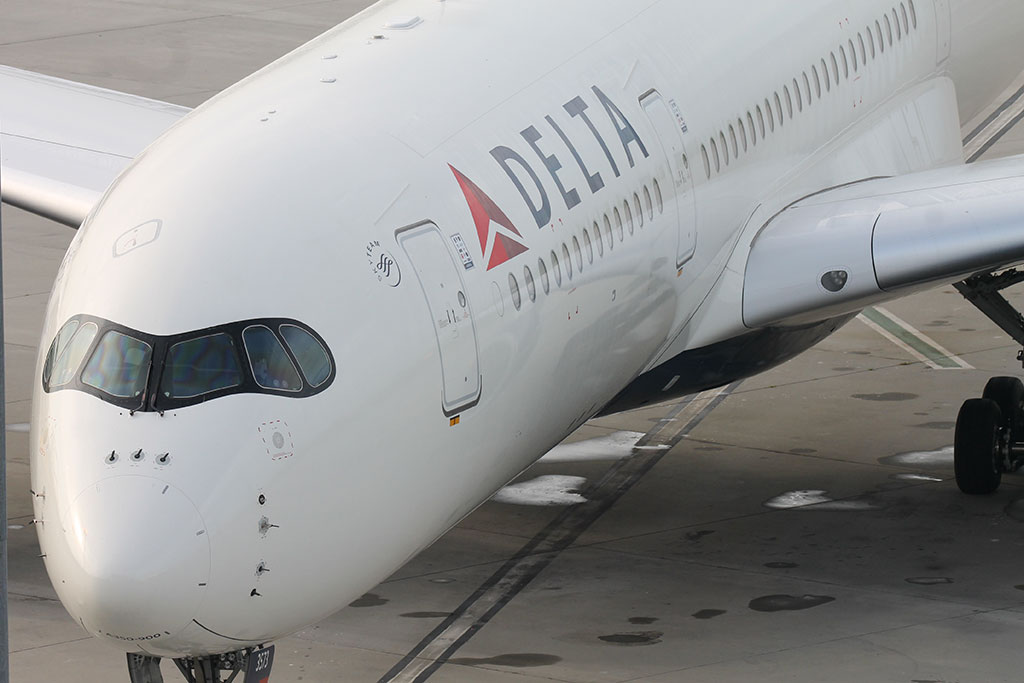
As of 2026, Delta operates a significant fleet of over 35 Airbus A350-900 aircraft, making it one of the largest operators of this model in North America. The A350 is configured to enhance passenger experience, featuring Delta One business class suites, Premium Select economy seating, and Comfort+ options, thereby catering to a diverse clientele. This aircraft has become the backbone of Delta’s long-haul operations, enabling efficient service to destinations across Europe, Asia, Oceania, Africa, and South America.
Key Hubs and Routes
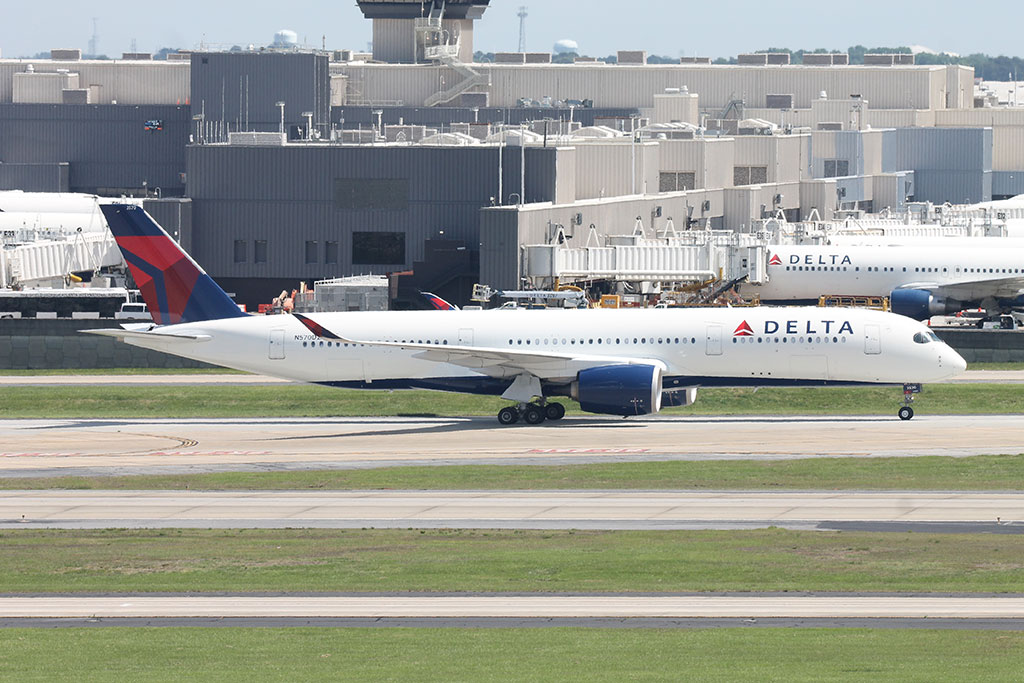
Delta’s Airbus A350 fleet is strategically deployed across its major hubs. Atlanta, as the largest hub, serves as the primary base for A350 operations, connecting to key destinations such as Johannesburg, Cape Town, Seoul Incheon, and Tokyo Haneda. The Johannesburg route is particularly notable, representing one of Delta’s longest flights, showcasing the aircraft’s impressive range and operational capabilities.
Detroit also plays a critical role in Delta’s A350 operations, serving as a gateway to Asia with routes to cities like Seoul Incheon and Tokyo Haneda. Minneapolis-St. Paul further contributes to the A350’s operational footprint, connecting northern U.S. passengers to international destinations including London and Paris.
Seattle has emerged as a rapidly growing hub for Delta, with the A350 flying to destinations such as Taipei and Shanghai. Despite its lower volume compared to other hubs, Los Angeles still features regular A350 flights to Australia and Japan, reflecting Delta’s commitment to serving long-haul markets.
Operational Efficiency and Future Prospects
Delta’s use of the A350 on some of its longest routes, such as Atlanta to Johannesburg and Los Angeles to Sydney, underscores the aircraft’s operational efficiency and range. As Delta continues to expand its fleet and adjust routes based on seasonal demand, the A350 is expected to play an increasingly prominent role in the airline’s long-haul strategy. The potential for additional routes and the replacement of older Airbus A330s highlights Delta’s forward-thinking approach to fleet management.
Conclusion: A Key Player in Delta’s Fleet
Less than a decade after its introduction, the Airbus A350 has become a flagship aircraft for Delta Air Lines, symbolizing the airline’s commitment to modernizing its fleet and enhancing passenger experience. As the airline navigates the evolving landscape of global air travel, the A350 will remain a crucial asset in connecting North America to key international markets. With ongoing fleet expansion and route optimization, Delta is poised to leverage the A350’s capabilities to meet future travel demands.



This article was prepared by LibelulaFly as an independent aviation-news summary and editorial reinterpretation based on publicly available reporting. Images, when used, are included for editorial context with source attribution. Original source: www.airportspotting.com. Read the original article here: https://www.airportspotting.com/where-is-delta-air-lines-flying-its-airbus-a350-fleet-in-2026/.
List, promote, or publish aircraft with LibelulaFly.
LibelulaFly.com • Sales@libelulafly.com • +1 305-332-1942
May
Delta Air Lines Reinforces Boeing 767’s Role in Long-Haul Operations
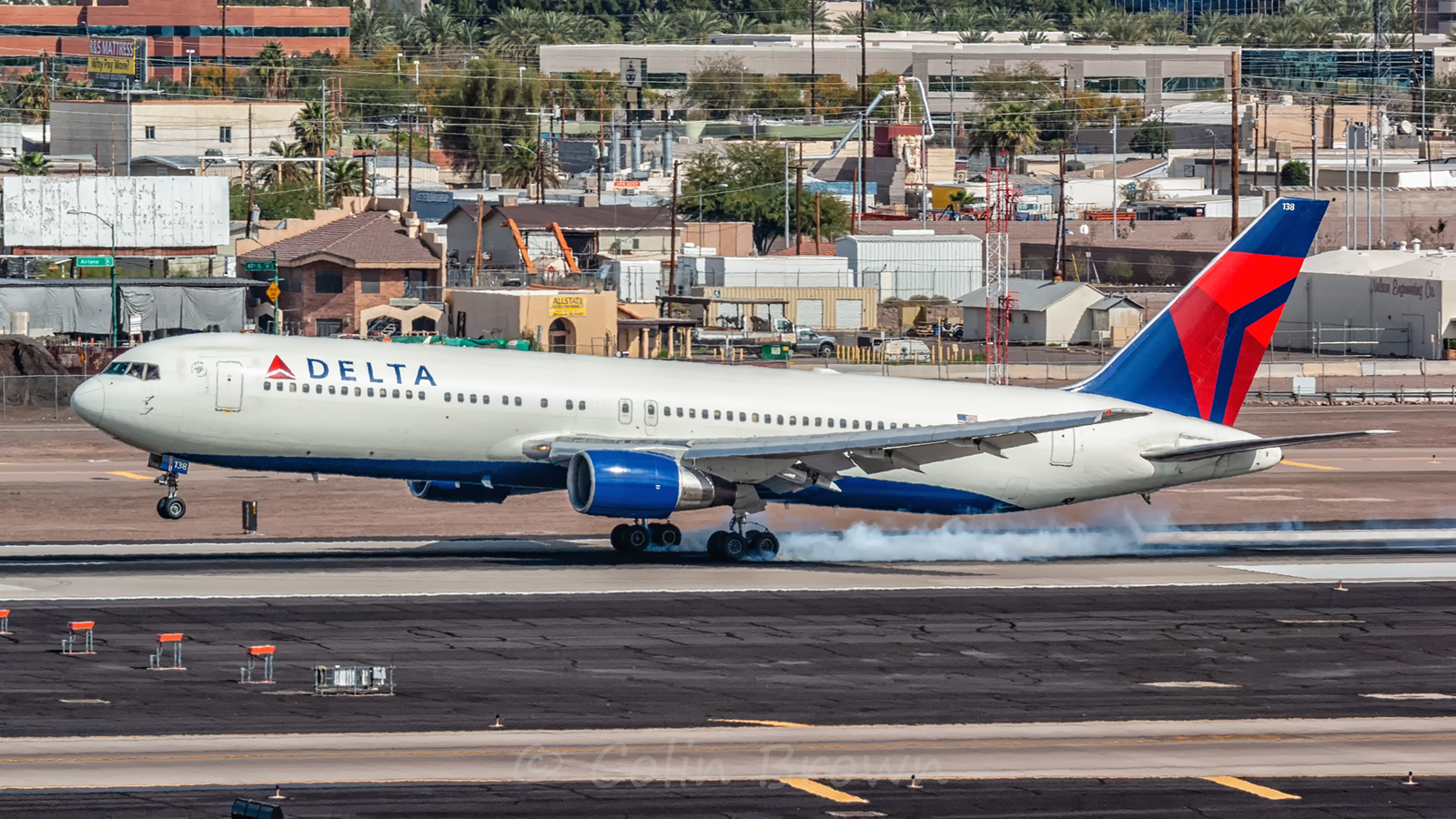
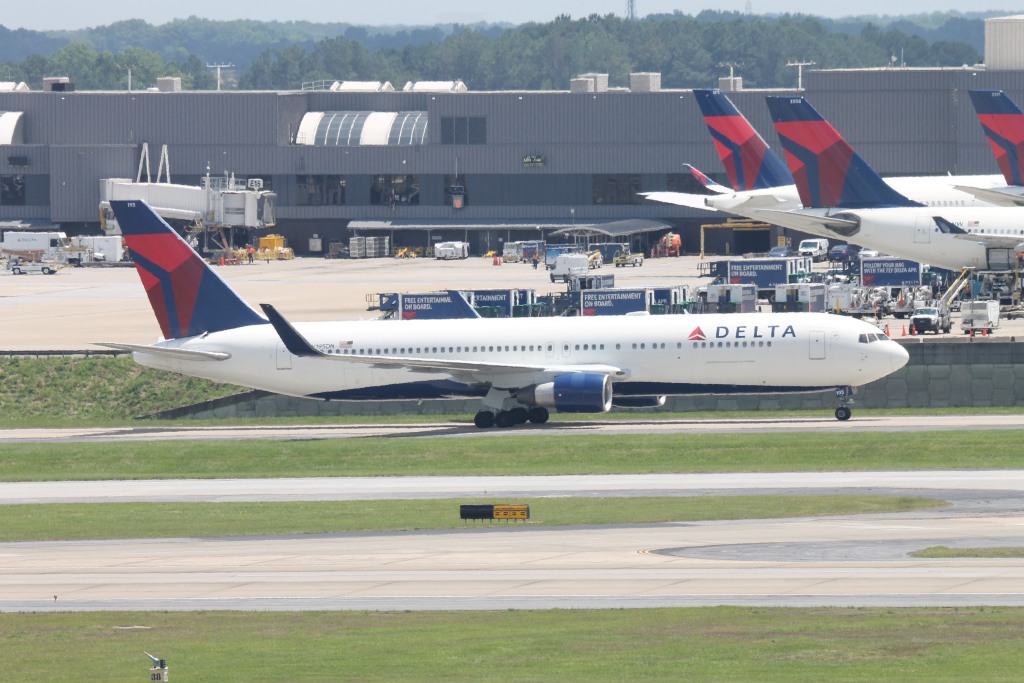
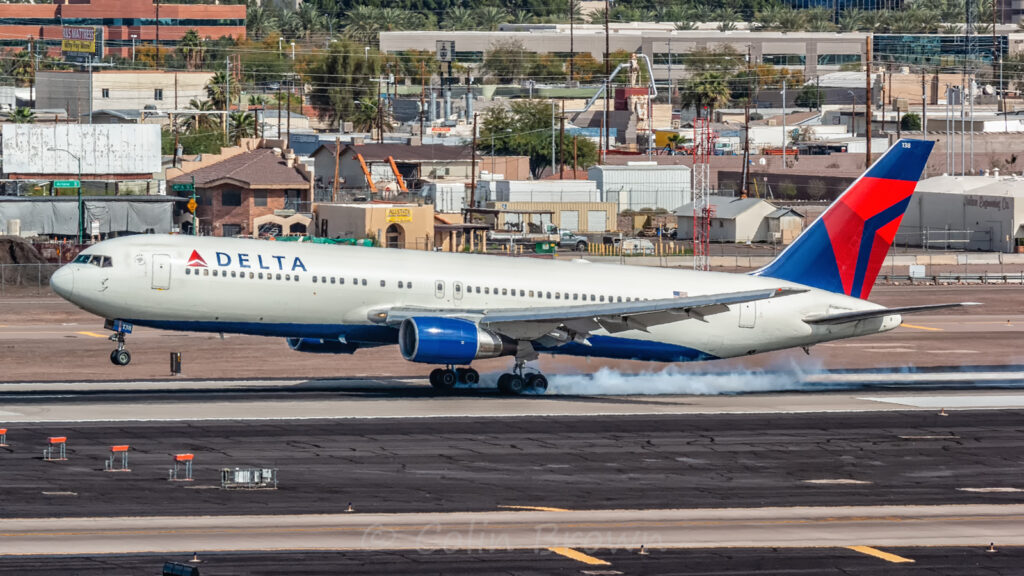
As the aviation industry continues to evolve, Delta Air Lines stands out as the largest operator of the Boeing 767, maintaining a significant presence with this aircraft type in its long-haul fleet. In 2026, Delta’s commitment to the Boeing 767-300ER and 767-400ER remains evident, as the airline deploys these aircraft on key international routes, reflecting a strategic approach to its network.
Operational Strategy: Leveraging the Boeing 767
Delta’s decision to retain its nearly 60 active Boeing 767 aircraft is rooted in the operational efficiency they provide. While many airlines opted to retire their 767s during the pandemic, Delta chose to modernize and refurbish its fleet. This strategic move has allowed the 767 to fill a niche in Delta’s route structure, particularly on “long and thin” routes where larger aircraft would be excessive.
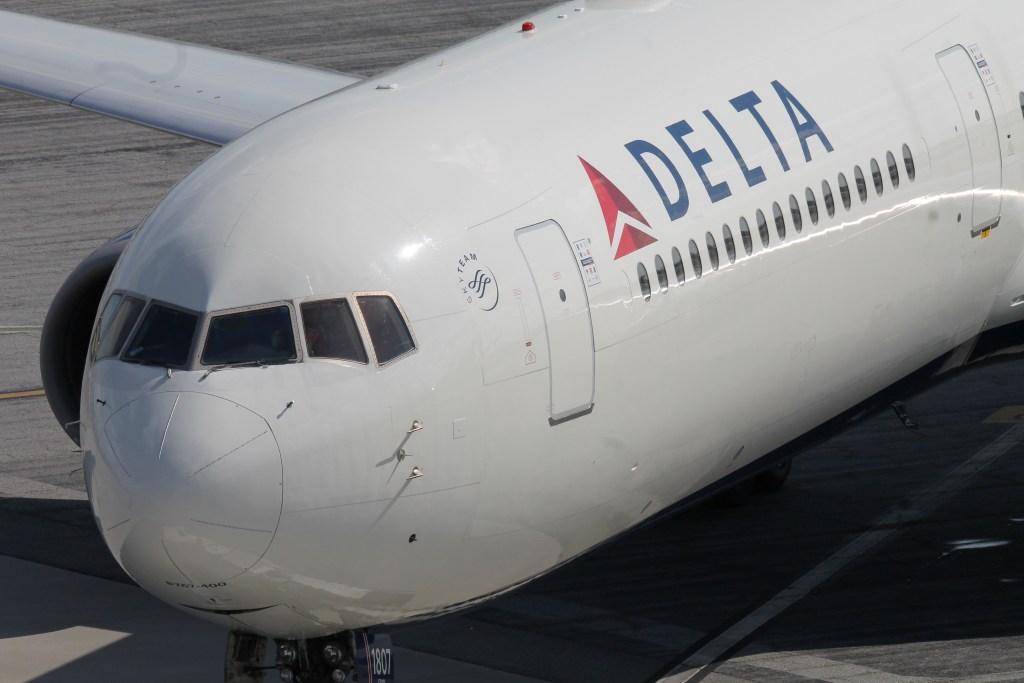
The Boeing 767-400ERs are equipped with Delta One suites and Premium Select seating, enhancing the travel experience for passengers and catering to the growing demand for premium services. This makes the aircraft particularly suitable for routes with a high proportion of business travelers.
Connecting Continents: Delta’s Key Routes This Summer
This summer, Delta’s Boeing 767 fleet will be prominently featured on several critical routes connecting major hubs. The flagship transatlantic corridor between New York JFK and Paris Charles de Gaulle remains a highlight, with multiple daily flights showcasing the aircraft’s ability to meet robust demand from both business and leisure travelers.
Additionally, Delta’s Atlanta to Madrid route capitalizes on the increasing tourism between the United States and Spain, while also facing minimal competition. The 767’s operational efficiency makes it a preferred choice for this service.
Other notable routes include New York JFK to Barcelona and Zurich, both of which are vital for Delta’s premium travel market. The introduction of new routes to Porto and Malta emphasizes Delta’s strategy to expand its Mediterranean offerings, utilizing the 767 to capture burgeoning travel demand in these regions.
Domestic Opportunities: The 767’s Continued Relevance
While the Boeing 767 is primarily recognized for its international operations, Delta also employs the aircraft on select domestic routes. These include premium transcontinental services and flights to popular destinations such as Hawaii and major cities across the U.S. This strategy provides aviation enthusiasts with opportunities to experience the 767 without traveling internationally.
The Future of Delta’s Boeing 767 Fleet
Despite the increasing age of the 767 fleet, Delta’s commitment to these aircraft is expected to persist for several more years. However, the recent order of Boeing 787-10 Dreamliners signals a gradual transition as Delta looks to modernize its long-haul fleet. While the 787 will eventually replace the oldest 767s, the latter will continue to play a pivotal role in the airline’s operations.
For aviation enthusiasts, the summer of 2026 represents a unique opportunity to experience and photograph the Boeing 767 in action. As Delta continues to leverage this aircraft type, the operational landscape of long-haul travel remains dynamic and engaging.



This article was prepared by LibelulaFly as an independent aviation-news summary and editorial reinterpretation based on publicly available reporting. Images, when used, are included for editorial context with source attribution. Original source: www.airportspotting.com. Read the original article here: https://www.airportspotting.com/deltas-top-boeing-767-routes-this-summer/.
List, promote, or publish aircraft with LibelulaFly.
LibelulaFly.com • Sales@libelulafly.com • +1 305-332-1942