
Jul
Farewell to a Cargo Icon
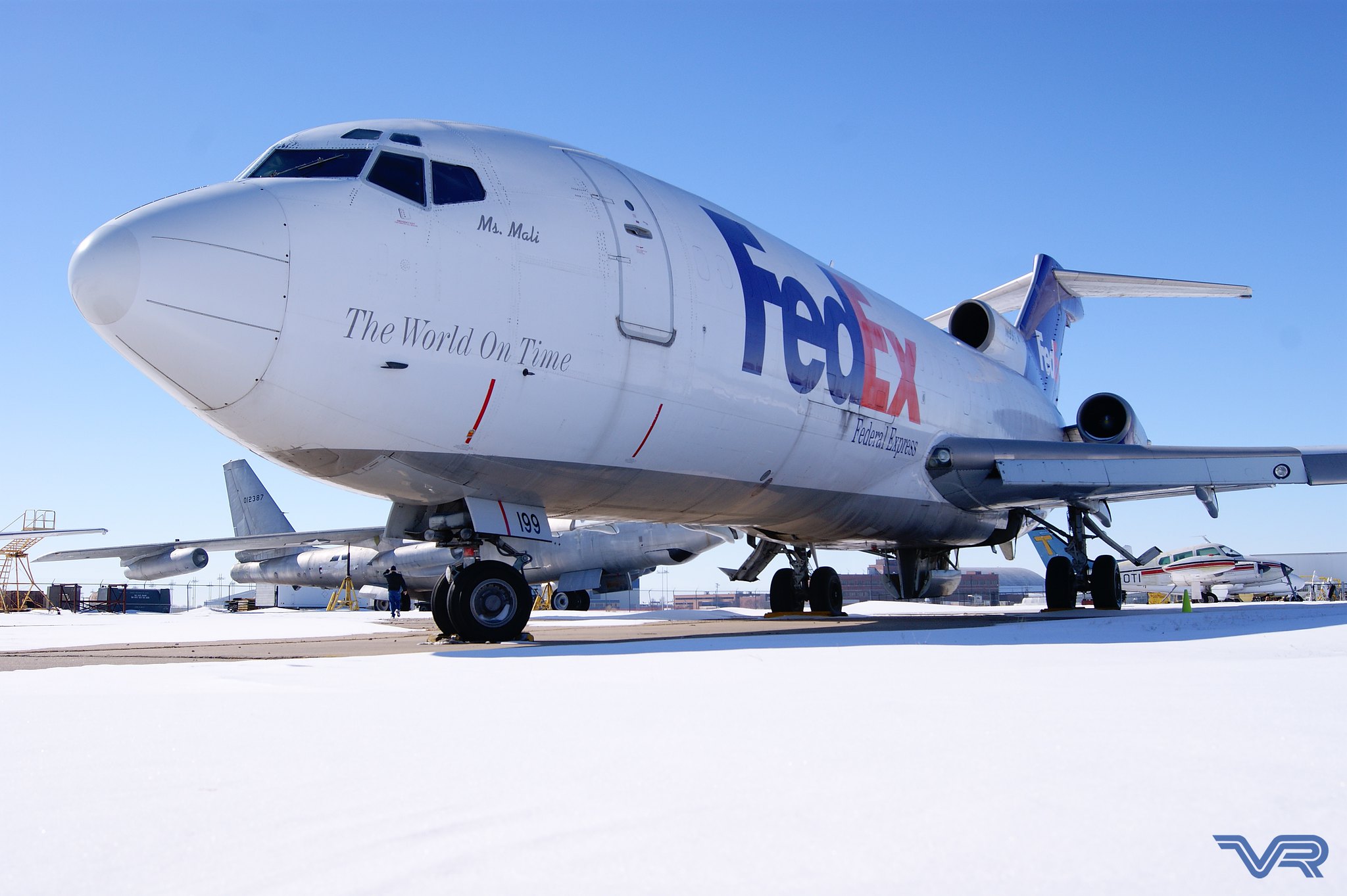
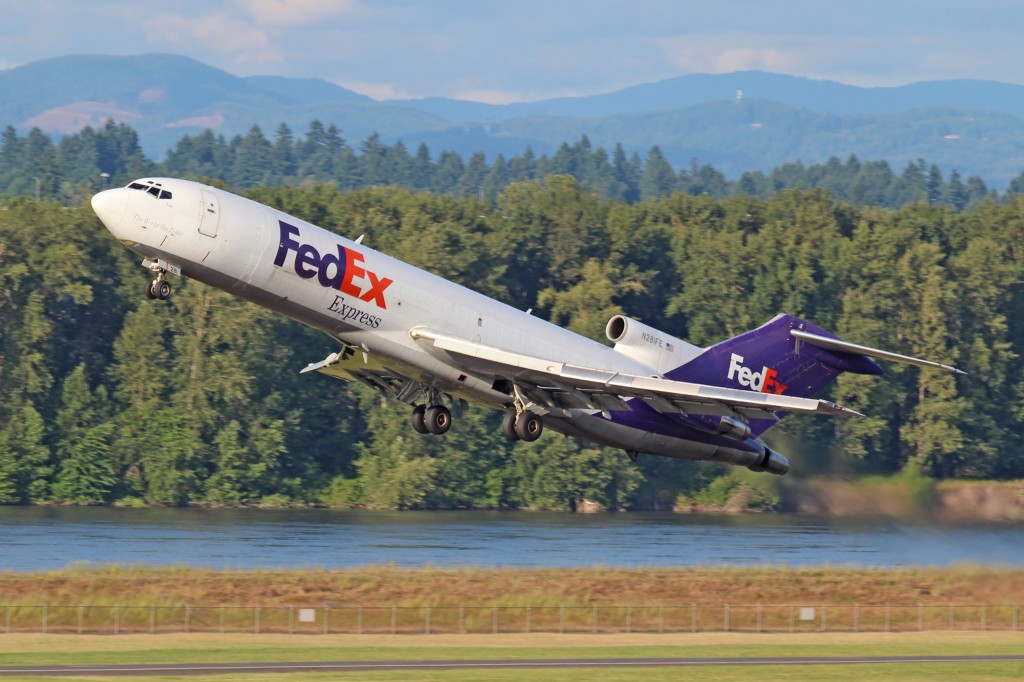
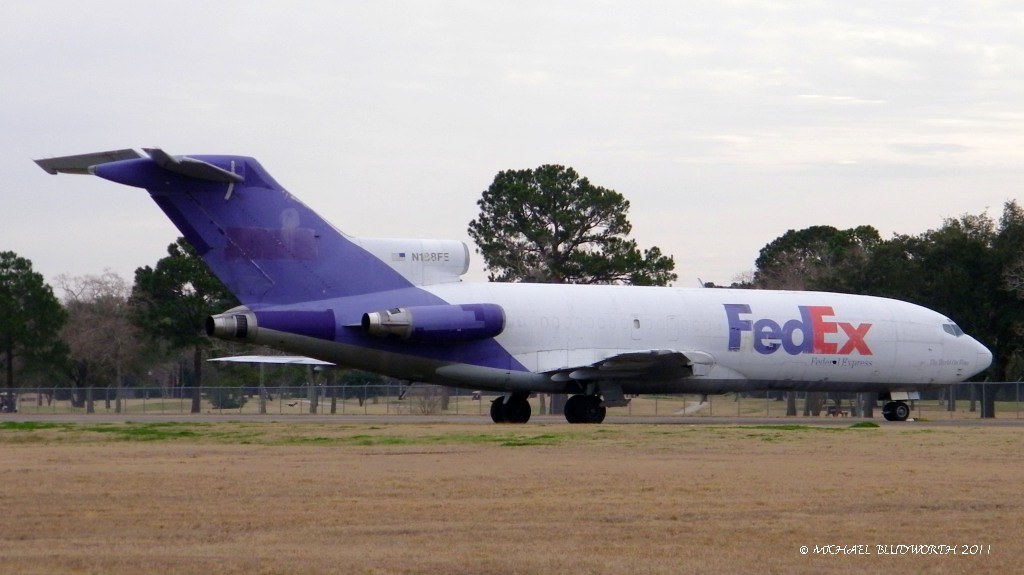
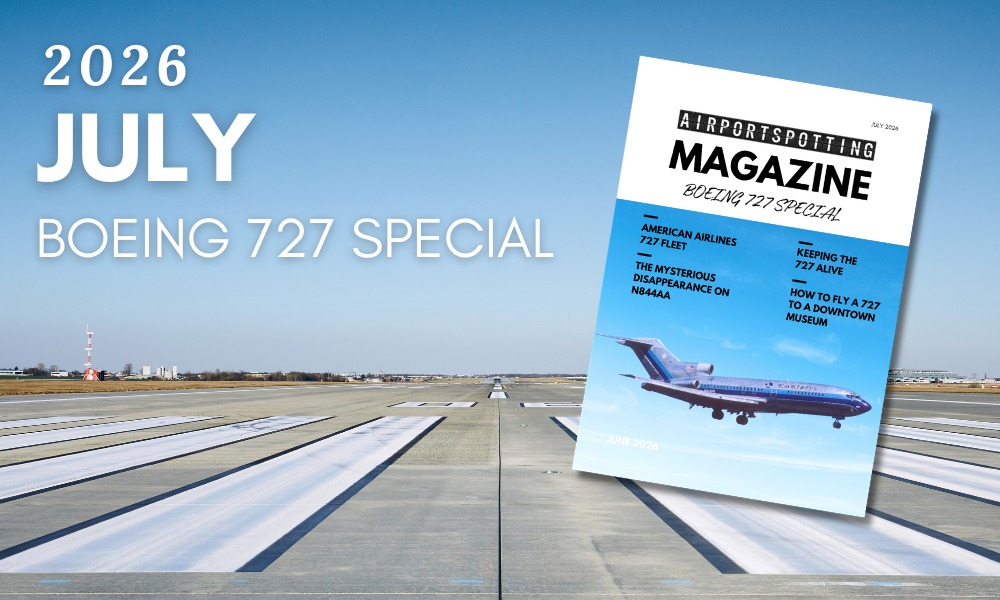
The retirement of FedEx’s Boeing 727 fleet in June 2013 marked the conclusion of a significant chapter in the history of cargo aviation. For nearly four decades, the trijet served as a backbone of the express delivery service, playing a crucial role in shaping FedEx’s operations across North America. With its distinctive purple-and-orange livery, the Boeing 727 became synonymous with FedEx, particularly at its Memphis superhub, where the aircraft facilitated the overnight delivery of packages.
Building an Express Delivery Network
FedEx introduced the Boeing 727 into its operations in 1977, leveraging the aircraft’s unique capabilities to build a robust domestic network. The versatility of the 727, initially designed for passenger transport, allowed FedEx to convert many of these aircraft into freighters. Their ability to serve smaller airports and deliver cargo swiftly made them an ideal choice for the burgeoning express delivery market, contributing to FedEx’s rapid expansion and success.
Transitioning to Modern Freighters
Despite its storied history, the Boeing 727 faced challenges as newer aircraft entered the market. The trijet’s three Pratt & Whitney JT8D engines were less fuel-efficient compared to contemporary twin-engine freighters like the Boeing 757 and 767. As operational costs and environmental regulations evolved, FedEx began phasing out the 727 in favor of more efficient models starting in 2007. The final flight of the 727 on June 21, 2013, signaled the end of an era, as the company transitioned to a more modern fleet.
Preserving a Piece of Aviation History
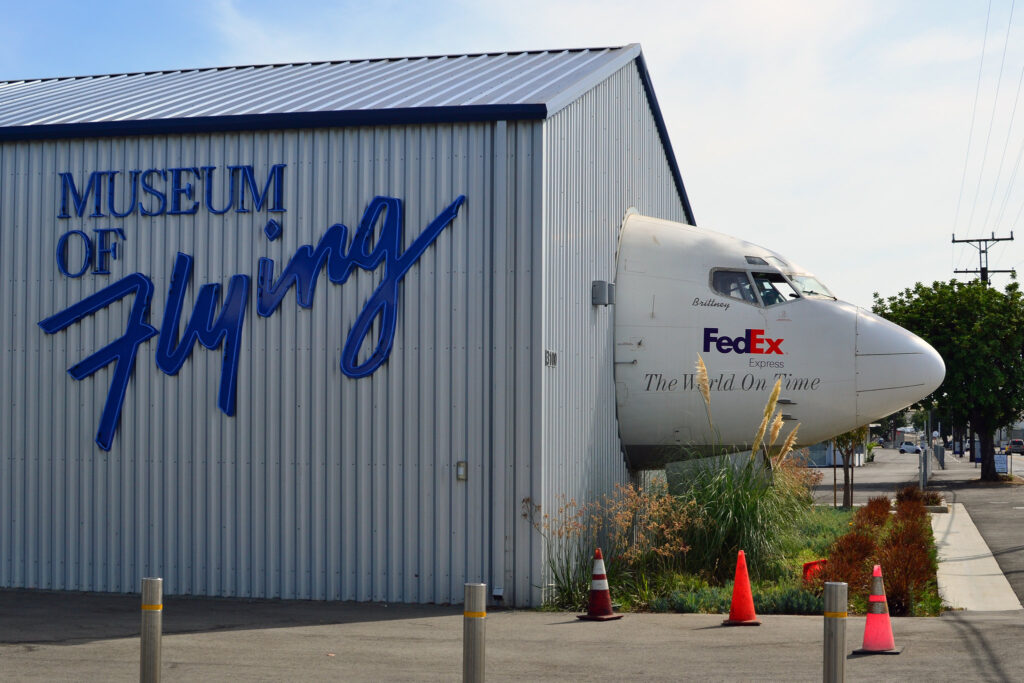
The retirement of the Boeing 727 did not signify the end of its legacy. FedEx took a commendable step by donating many of its retired aircraft to educational institutions, museums, and fire training facilities across the United States. Over 80 former FedEx 727s found new roles as training airframes, ensuring that future generations of aviation technicians could learn on a piece of history.
A Lasting Impact on Aviation Education
Among the institutions that received these aircraft are the Kansas Aviation Museum, Florida Air Museum, and Owens Community College, among others. These donations allow students and aviation enthusiasts to engage with the aircraft firsthand, fostering a deeper appreciation for the engineering and operational aspects of aviation. The Boeing 727 remains an essential part of training programs, providing invaluable hands-on experience for aspiring technicians.
Continuing the Legacy
While the Boeing 727 may no longer fly in FedEx’s fleet, its impact on the aviation industry and express delivery service is undeniable. The aircraft’s design, operational efficiency, and adaptability helped shape the logistics landscape, influencing how goods are transported across the globe. As enthusiasts and professionals reflect on the Boeing 727’s legacy, its contributions to aviation education and preservation ensure that its story will continue to inspire future generations.



This article was prepared by LibelulaFly as an independent aviation-news summary and editorial reinterpretation based on publicly available reporting. Images, when used, are included for editorial context with source attribution. Original source: www.airportspotting.com. Read the original article here: https://www.airportspotting.com/what-happened-to-fedexs-boeing-727-fleet/.
List, promote, or publish aircraft with LibelulaFly.
LibelulaFly.com • Sales@libelulafly.com • +1 305-332-1942
Jun
DHL Aviation’s Enduring Commitment to the Airbus A300
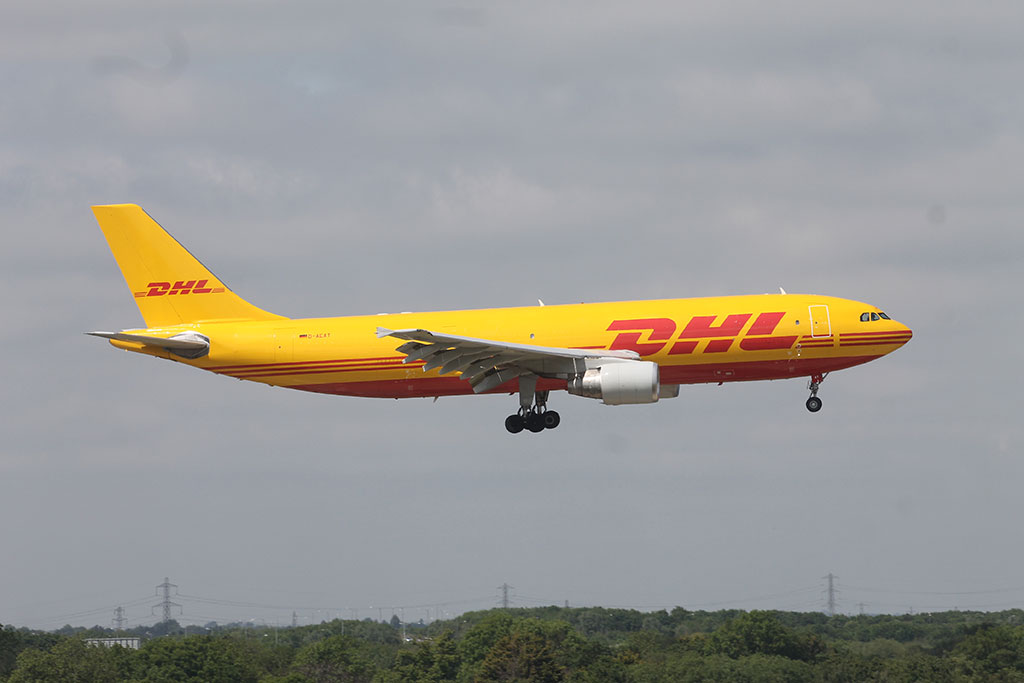
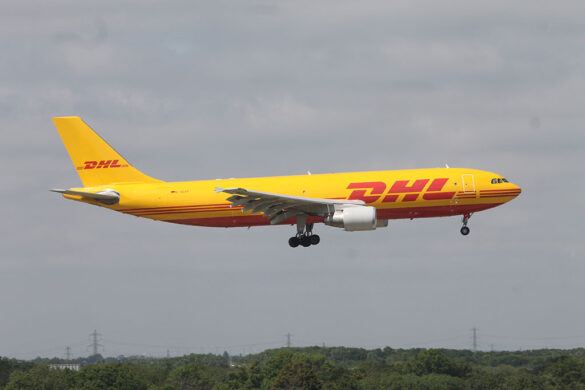
As the aviation industry evolves, DHL Aviation remains steadfast in its use of the Airbus A300, a pioneering aircraft that has played a crucial role in the global cargo transport landscape for over 50 years. With approximately 34 Airbus A300-600RF freighters still in operation, DHL stands as one of the largest operators of this model, ensuring that the aircraft continues to serve vital logistics needs across Europe.
The Evolution of the Airbus A300
First introduced in 1974, the Airbus A300 was groundbreaking as the world’s first twin-engine widebody airliner. Initially facing slow sales, the A300 eventually gained traction due to its efficiency and spacious design. While passenger services waned in the 2000s, the aircraft found a niche in the cargo sector, where its wide fuselage and substantial payload capabilities became invaluable. Today, most A300s in operation are dedicated freighters, with DHL leading the way.
DHL’s Historical Connection to the A300
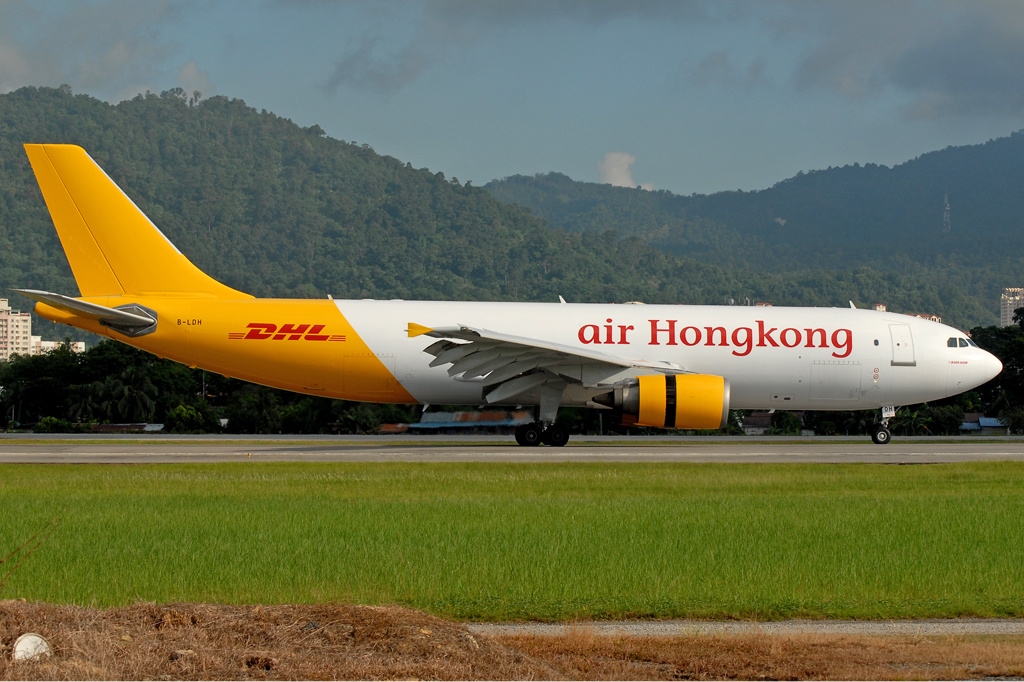
DHL’s relationship with the A300 dates back to its early days, with the company initially operating older A300B4 models for European express services. This strategic decision helped establish Leipzig as a major hub for overnight cargo transport. Over the years, DHL transitioned to the A300-600 variant, which offered advancements in avionics and payload capacity while maintaining the aircraft’s cargo efficiency.
Operational Framework of DHL’s A300 Fleet
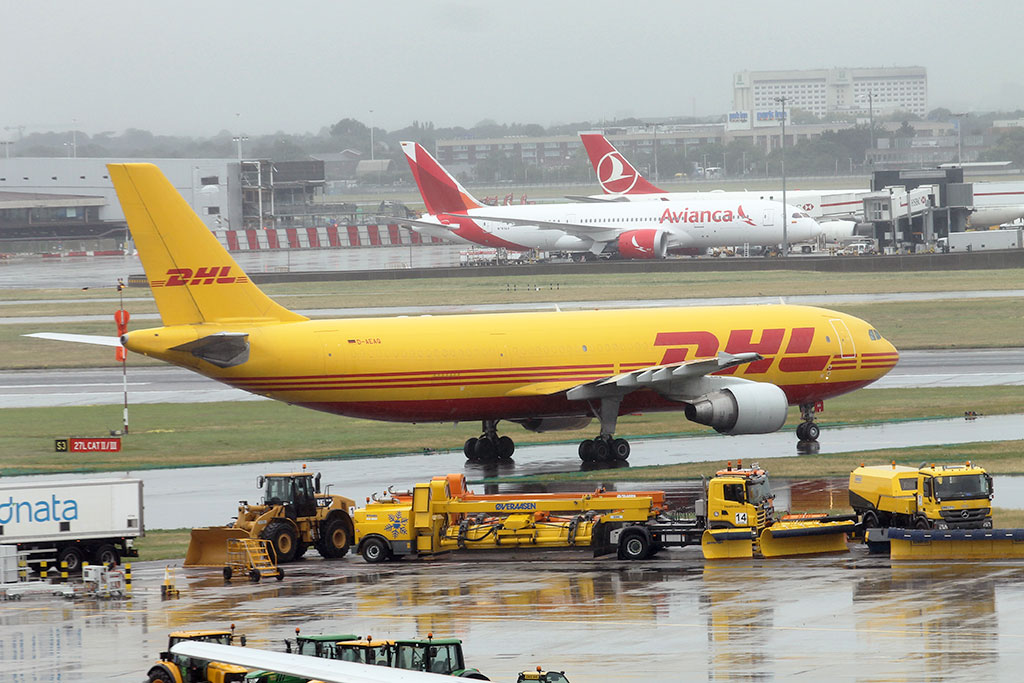
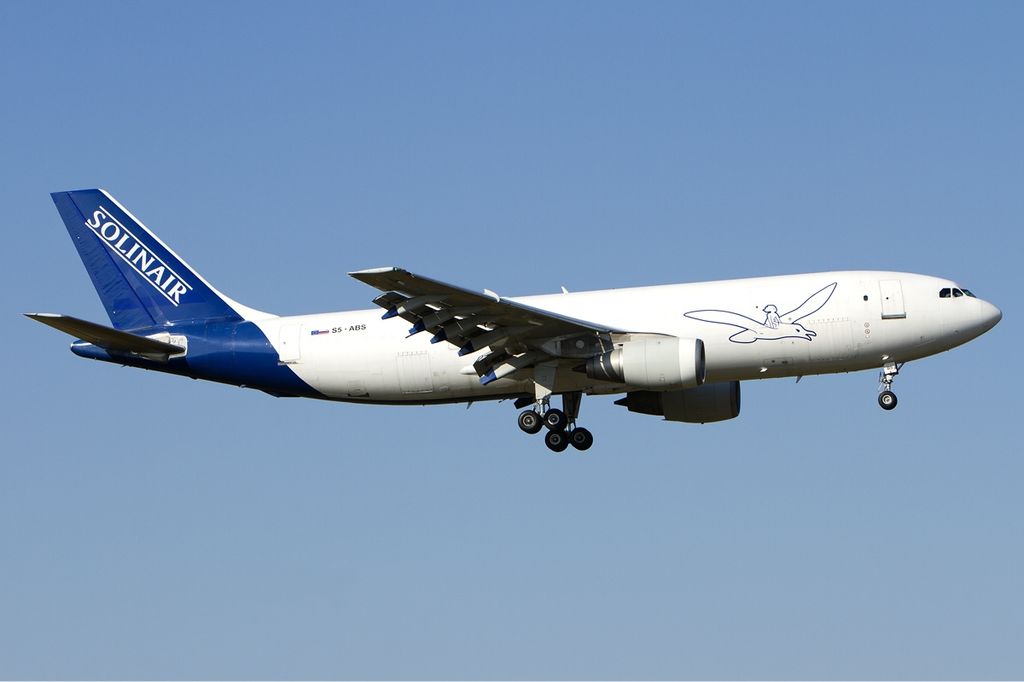
DHL Aviation’s operations are unique, utilizing a network of subsidiary and partner carriers to manage its fleet effectively. The primary operators of the A300 within DHL’s logistics framework include European Air Transport Leipzig, ASL Airlines Ireland, and Solinair. European Air Transport Leipzig, based at Leipzig/Halle Airport, operates the largest share of the fleet, ensuring the timely movement of cargo between major European hubs.
Where to Spot the A300 in Action
The Airbus A300 fleet primarily operates out of DHL’s superhub at Leipzig/Halle Airport, where its nightly schedule sees a flurry of activity as aircraft transport time-sensitive shipments across the continent. Enthusiasts can often spot these freighters at various airports, including Brussels, East Midlands, and Milan Malpensa, particularly during their overnight operations.
Looking Ahead: The Future of the A300 Fleet
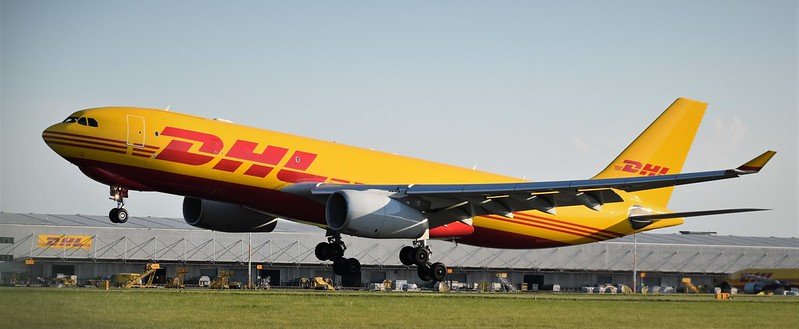
Despite its continued relevance, the future of the Airbus A300 fleet is uncertain. With an average age nearing three decades, challenges related to maintenance and spare parts availability have prompted DHL to consider newer alternatives. The company has begun integrating Airbus A330 freighters into its operations, which offer greater payload capacity and efficiency. Additionally, the Airbus A321P2F is being evaluated for lower-density routes, hinting at a strategic shift in DHL’s fleet composition.
A Legacy of Reliability
While the Airbus A300 may no longer be a passenger aircraft, its legacy continues through DHL’s operations. The enduring presence of the A300 in the skies underscores its reliability and adaptability in the ever-evolving world of air freight. As DHL navigates the future of its fleet, the A300 will remain a symbol of innovation and a testament to the aircraft’s remarkable contribution to the logistics industry.


This article was prepared by LibelulaFly as an independent aviation-news summary and editorial reinterpretation based on publicly available reporting. Images, when used, are included for editorial context with source attribution. Original source: www.airportspotting.com. Read the original article here: https://www.airportspotting.com/update-on-the-dhl-airbus-a300-fleet-routes-fleet-and-future/.
List, promote, or publish aircraft with LibelulaFly.
LibelulaFly.com • Sales@libelulafly.com • +1 305-332-1942
May
MD-11F Takes to the Skies Again
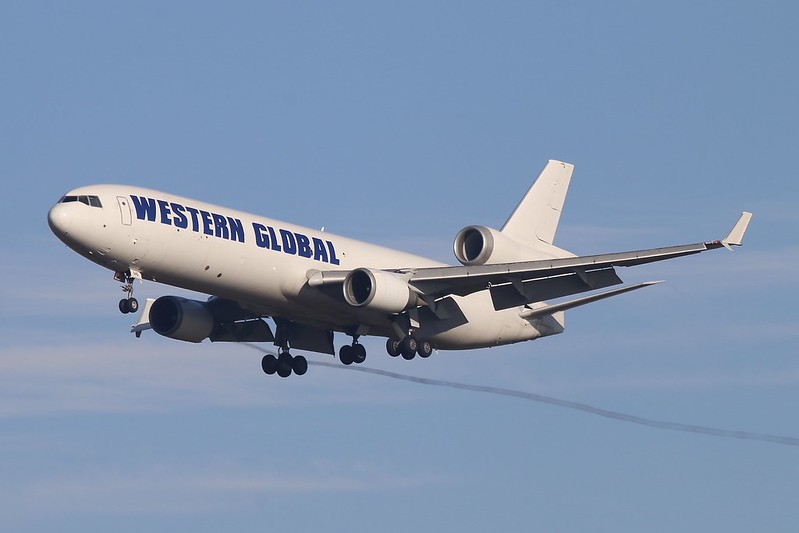
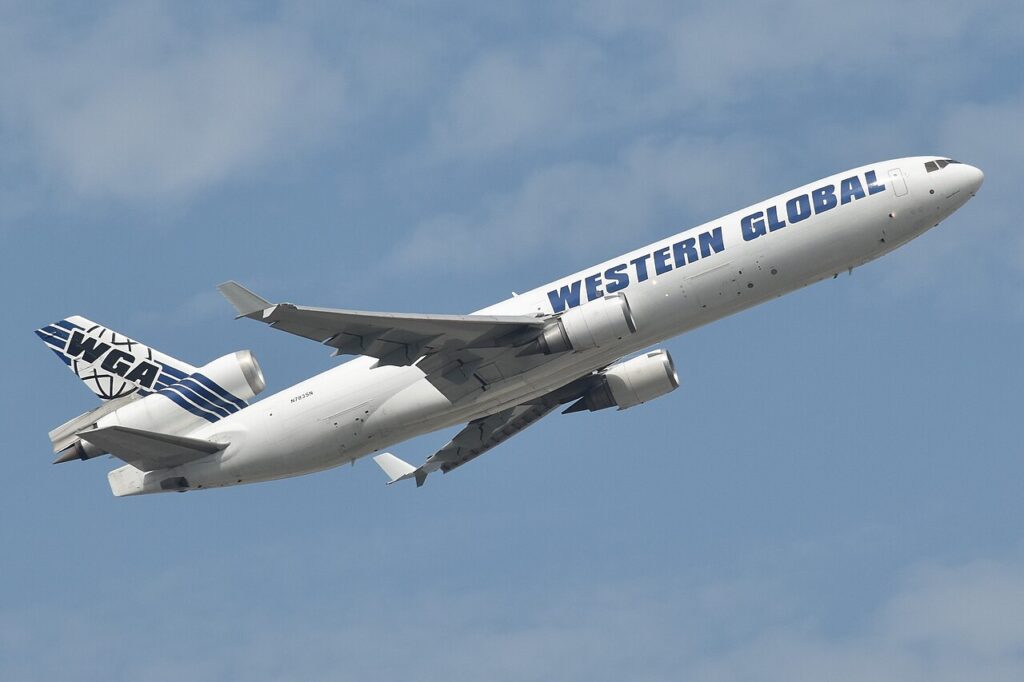
In a notable development for the aviation community, Western Global Airlines has resumed operations of the McDonnell Douglas MD-11F after a period of grounding that followed a tragic incident in late 2025. This return marks a significant moment for one of the last remaining operators of this iconic trijet, as the aircraft reenters the commercial cargo market alongside FedEx Express.
Operational Insights Post-Grounding
Following the grounding, which was triggered by safety concerns after the UPS Airlines MD-11 crash, Western Global Airlines faced considerable operational challenges. The airline, heavily reliant on its MD-11 fleet, experienced pilot furloughs and disruptions that tested its resilience. Reports indicate that the airline successfully conducted its first test flight from Fort Myers, Florida, to Columbus, Ohio, signaling a cautious but hopeful return to full operational capacity.
Western Global’s Unique Position in Cargo Operations
Western Global Airlines has carved a niche in the air cargo sector, focusing on ACMI (Aircraft, Crew, Maintenance, and Insurance) and charter services. The airline’s fleet predominantly comprises MD-11Fs and Boeing 747-400 freighters, enabling it to meet diverse logistical needs across various global markets. With a fleet of approximately 15 MD-11Fs, Western Global’s operational flexibility allows it to serve a wide array of clients, including freight forwarders, government agencies, and military operations.
The MD-11’s Legacy and Future
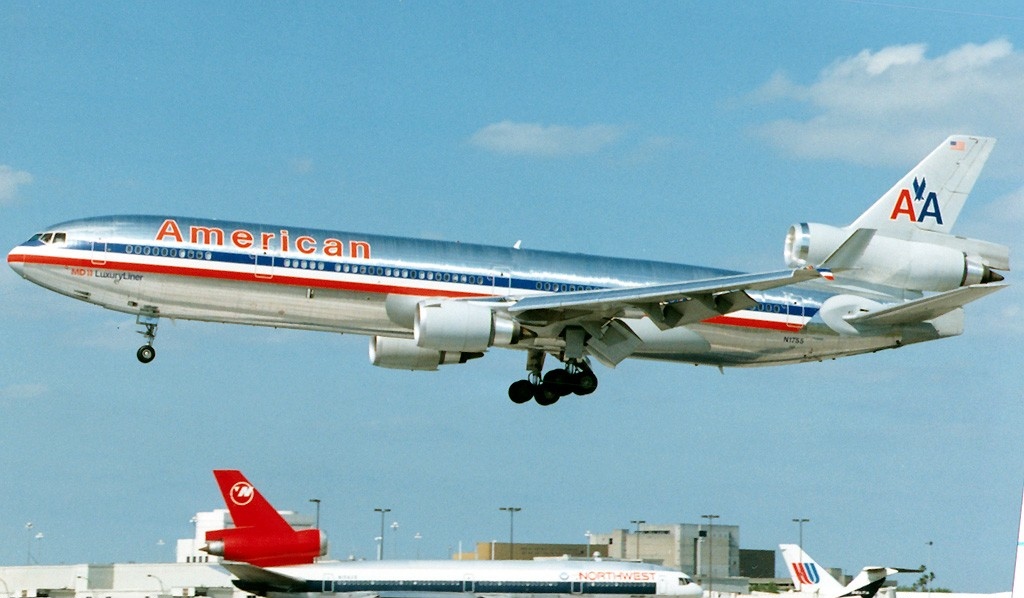
The MD-11, which commenced service in 1990, has a storied history in both passenger and cargo operations. While passenger versions have largely been retired, the freighter variant has continued to demonstrate its utility in the cargo sector due to its substantial payload capacity and operational range. The grounding of the MD-11 fleet following the UPS incident led to the permanent retirement of UPS’s MD-11s, significantly reducing the aircraft’s presence in commercial aviation. However, with Western Global’s resumption of flights, the MD-11 remains a vital player in the specialized charter market, alongside FedEx Express.
Global Reach and Operational Flexibility
Western Global’s MD-11Fs are known for their versatility, frequently deployed on ad-hoc charter operations that span North America, South America, Europe, the Middle East, and Africa. The aircraft has been utilized for a variety of cargo, from e-commerce shipments to military supplies, often landing in airports that are not typically serviced by large freighters. This operational model not only enhances Western Global’s service offerings but also provides aviation enthusiasts with opportunities to spot these rare trijets at diverse locations.
Aviation Enthusiasts and the MD-11’s Enduring Appeal
The return of the MD-11F to commercial service is a bittersweet moment for aviation enthusiasts. As one of the last trijets in operation, the MD-11 holds a unique place in the hearts of many. With Western Global Airlines now back in the air, the distinctive silhouette of the MD-11 will continue to grace runways, ensuring that this iconic aircraft remains a part of the aviation landscape for the foreseeable future.




This article was prepared by LibelulaFly as an independent aviation-news summary and editorial reinterpretation based on publicly available reporting. Images, when used, are included for editorial context with source attribution. Original source: www.airportspotting.com. Read the original article here: https://www.airportspotting.com/the-md-11-is-back-western-global-airlines-resumes-flying-the-classic-trijet/.
List, promote, or publish aircraft with LibelulaFly.
LibelulaFly.com • Sales@libelulafly.com • +1 305-332-1942