

May
Decline of a British Aviation Icon
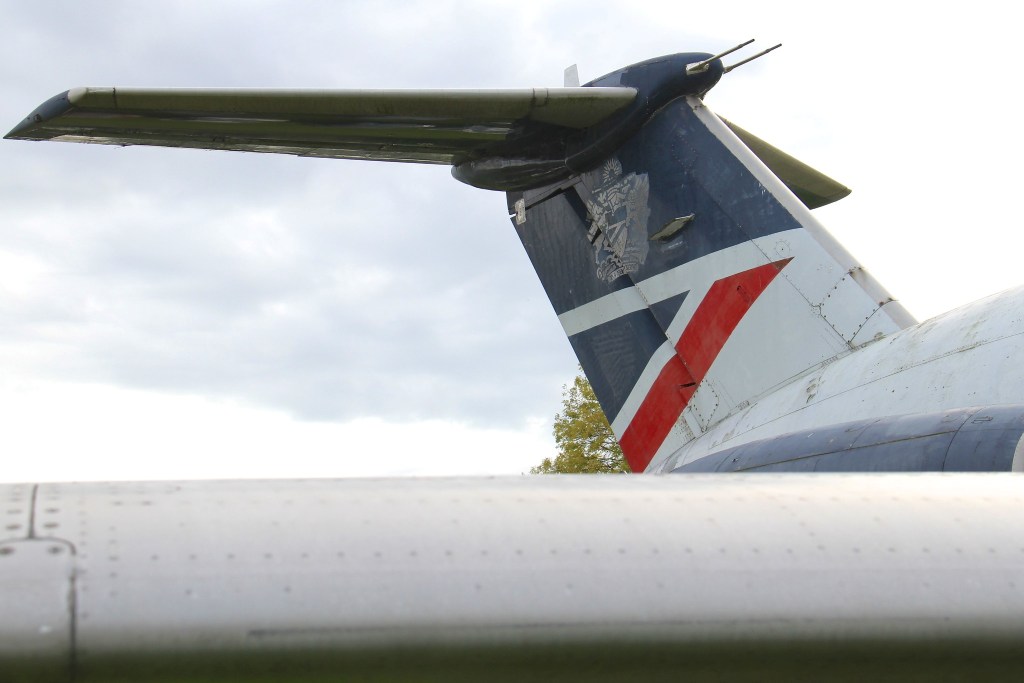
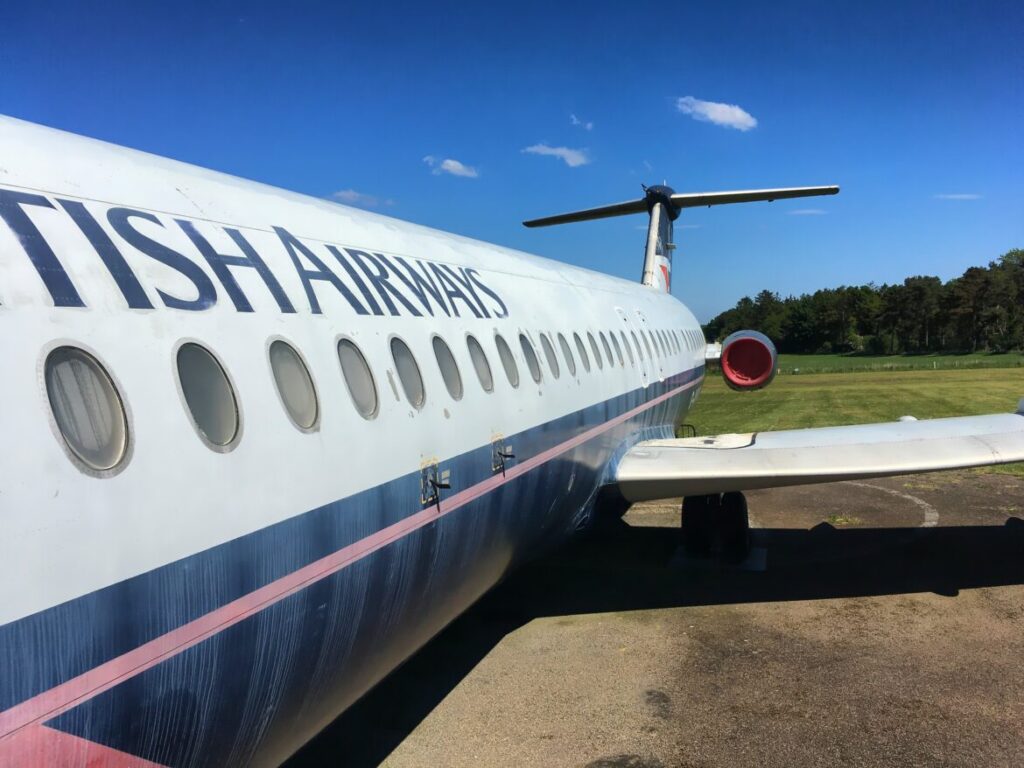
The historic BAC One-Eleven, a hallmark of British aviation from the 1960s through the 1980s, has experienced another significant loss as G-AVMO, a notable example of the aircraft, has been dismantled. Previously showcased at the National Museum of Flight in Scotland, G-AVMO succumbed to years of exposure and deterioration, leading to its removal and subsequent dismantling at Cotswold Airport. This event underscores the ongoing challenges faced in preserving aviation heritage amid changing environmental conditions.
A Legacy of Short-Haul Jet Travel
Developed by the British Aircraft Corporation, the BAC One-Eleven was designed to meet the burgeoning demand for short-haul jet services. Its first flight in 1963 marked the beginning of a successful era, with the aircraft becoming a staple for numerous airlines, including British European Airways and later British Airways. The One-Eleven was celebrated for its operational versatility, allowing it to thrive in various regional settings across Europe.
Challenges in Preservation
The dismantling of G-AVMO raises pressing questions regarding the preservation of historical aircraft. The museum’s decision was driven by the aircraft’s deteriorated state, exacerbated by the UK’s challenging weather conditions. Corrosion and structural damage have rendered many outdoor displays unsustainable, prompting discussions in the aviation community about the future of such significant artifacts.

Remaining Examples and Their Conditions
With G-AVMO’s dismantling, only two complete BAC One-Eleven airframes are now known to exist in the UK. One is housed at the British Airliner Collection in Duxford, while the other is a prototype at Brooklands Museum. Both have benefitted from dedicated preservation efforts, which have helped maintain their structural integrity despite being displayed outdoors. However, the number of complete examples is dwindling, making the need for proactive preservation efforts increasingly urgent.
Reflections on an Era
The BAC One-Eleven’s contribution to aviation history cannot be understated. It played a crucial role in shaping the landscape of regional air travel, offering airlines a reliable and efficient option for short-haul flights. Its distinctive design and operational capabilities left a lasting impact, with its sound and silhouette becoming synonymous with an era of British aviation.
The Future of Aviation Heritage
The fate of G-AVMO serves as a poignant reminder of the challenges faced by aviation museums. As large aircraft become increasingly difficult to maintain, the preservation of aviation history may require innovative solutions and increased funding. Enthusiasts and historians alike are calling for a renewed focus on the protection of these aircraft, not only as technical achievements but as cultural artifacts that represent a significant chapter in Britain’s aviation narrative.
Conclusion: A Call to Action
As the aviation community reflects on the legacy of the BAC One-Eleven, the loss of G-AVMO highlights the urgent need for action in preserving the remaining examples of this iconic aircraft. The memories and experiences associated with the One-Eleven are invaluable, and safeguarding these pieces of history will require collaboration among aviation enthusiasts, museums, and funding bodies. The hope remains that the stories of these aircraft will continue to inspire future generations.





This article was prepared by LibelulaFly as an independent aviation-news summary and editorial reinterpretation based on publicly available reporting. Images, when used, are included for editorial context with source attribution. Original source: www.airportspotting.com. Read the original article here: https://www.airportspotting.com/britains-bac-one-eleven-fleet-dwindles-further-as-scottish-example-broken-up/.
List, promote, or publish aircraft with LibelulaFly.
LibelulaFly.com • Sales@libelulafly.com • +1 305-332-1942