
Jul
Vueling to Launch Boeing 737 MAX Service
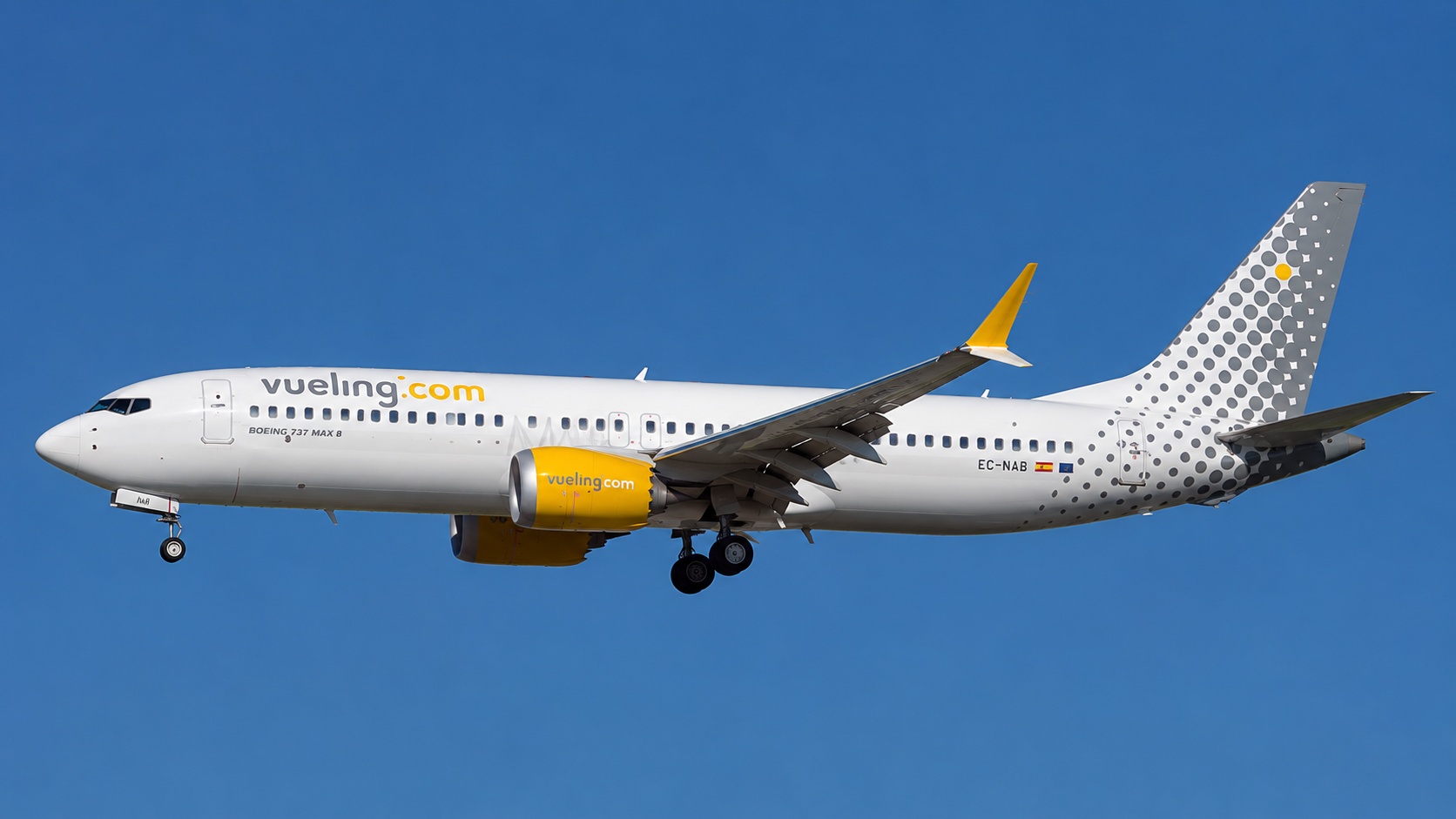
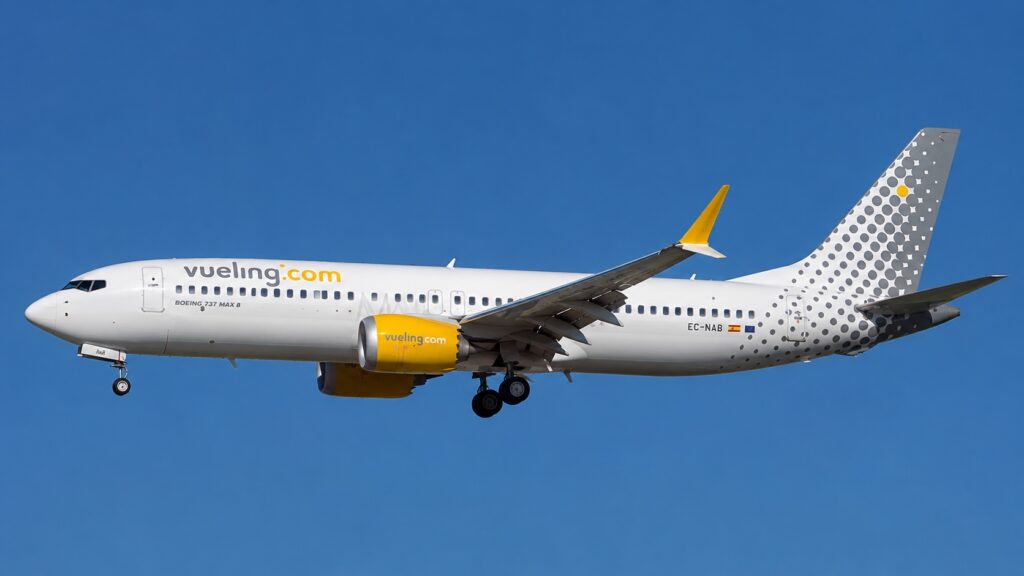
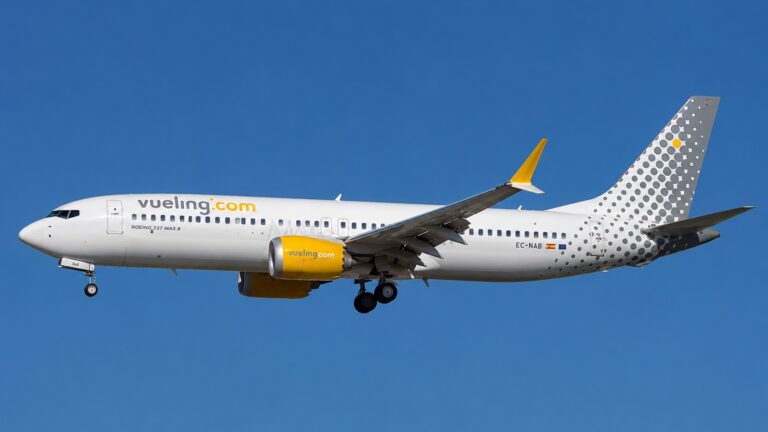
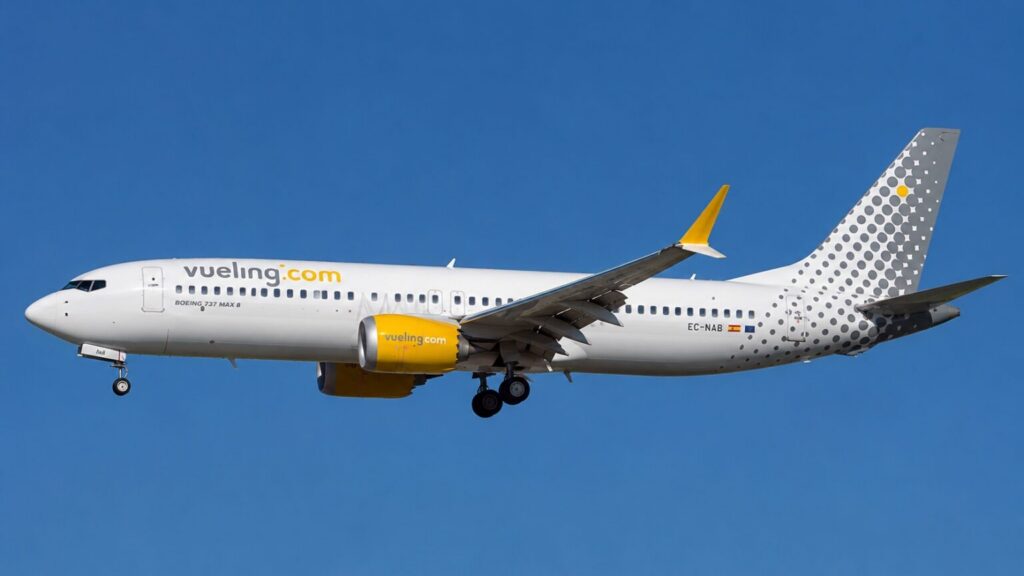
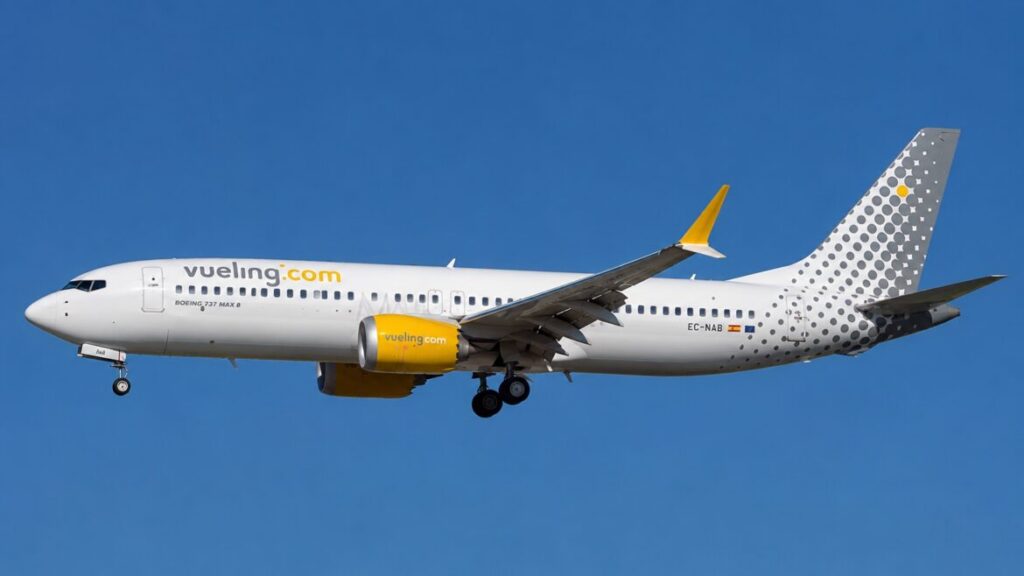
Spanish low-cost airline Vueling has officially announced its plans to introduce the Boeing 737 MAX 8-200 into commercial service, starting December 18, 2026. This decision marks a pivotal moment in the airline’s operational history, transitioning from an all-Airbus fleet to a mixed-fleet strategy under its parent company, International Airlines Group (IAG).
New Routes and Operational Debut
The inaugural flights for the Boeing 737 MAX will operate from Vueling’s main hub at Barcelona-El Prat Airport (BCN). Initially, the aircraft will be deployed on select routes, with the first destinations including popular locations such as Alicante, Málaga, and Palma de Mallorca, as well as major European cities like Paris and Rome. The introduction of this aircraft type is expected to enhance Vueling’s operational efficiency and service offerings during peak travel seasons.
A Shift in Fleet Composition
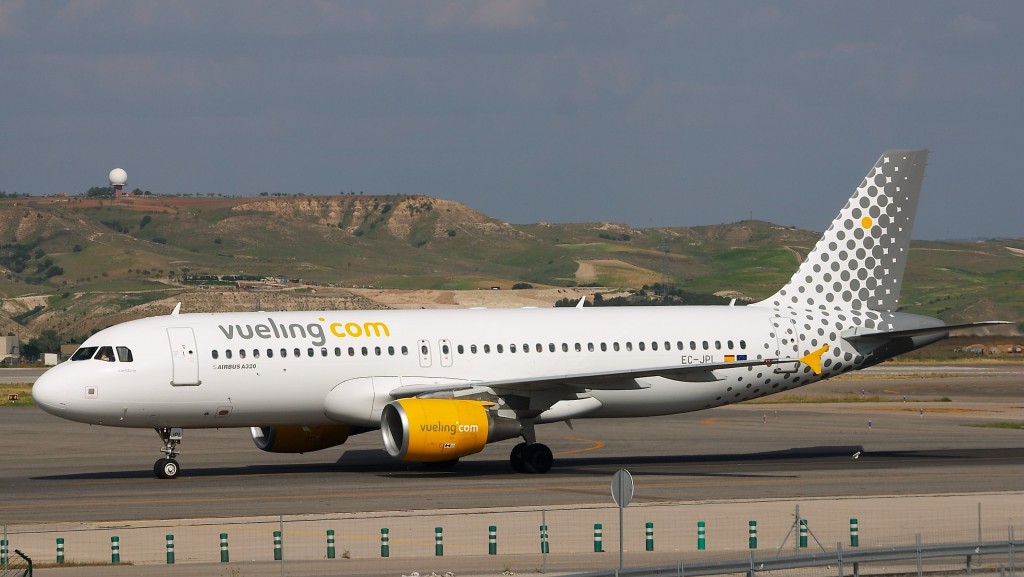
Since its inception in 2004, Vueling has exclusively operated a fleet comprised solely of Airbus aircraft, including various models from the A320 family. The decision to incorporate the Boeing 737 MAX represents a significant shift, necessitating comprehensive training for pilots, engineers, and cabin crew, as well as adjustments to maintenance and operational protocols to support a dual aircraft fleet.
Understanding the Boeing 737 MAX 8-200
The Boeing 737 MAX 8-200 is tailored for low-cost operations, featuring a single-class layout that accommodates approximately 197-200 passengers. This high-capacity model is designed to deliver improved fuel efficiency and reduced operating costs compared to earlier aircraft generations, aligning with Vueling’s commitment to operational excellence and sustainability.
Strategic Fleet Expansion
The decision to add the Boeing 737 MAX to Vueling’s fleet follows IAG’s strategic allocation of a total order for 50 Boeing 737 MAX aircraft to the airline. This order includes 25 units of the MAX 8-200 and 25 units of the larger MAX 10, with the first three aircraft anticipated to arrive before the end of 2026. This fleet diversification allows Vueling to enhance its operational flexibility and mitigate risks associated with reliance on a single aircraft manufacturer.
Current Operations and Future Outlook
Prior to the introduction of the Boeing 737 MAX, Vueling operates a fleet of approximately 140 Airbus aircraft, serving over 100 destinations across Europe, North Africa, and the Mediterranean. The impending arrival of the Boeing fleet signifies a transformative phase for Vueling, transitioning away from more than two decades as a prominent all-Airbus airline. As the airline prepares for this significant operational shift, industry observers will be closely watching its progress and the impact on its service offerings and market position.
Conclusion: Embracing Change in Aviation
Vueling’s move to incorporate the Boeing 737 MAX into its fleet not only reflects a strategic evolution in its operational model but also highlights broader trends within the aviation industry towards fleet diversification and enhanced operational efficiency. As the airline gears up for its first flights with the MAX, stakeholders across the aviation sector will be keenly interested in how this transition shapes Vueling’s future and its competitive landscape.


This article was prepared by LibelulaFly as an independent aviation-news summary and editorial reinterpretation based on publicly available reporting. Images, when used, are included for editorial context with source attribution. Original source: www.airportspotting.com. Read the original article here: https://www.airportspotting.com/vueling-reveals-first-boeing-737-max-routes/.
List, promote, or publish aircraft with LibelulaFly.
LibelulaFly.com • Sales@libelulafly.com • +1 305-332-1942
Jun
Transitioning from a Legacy Fleet
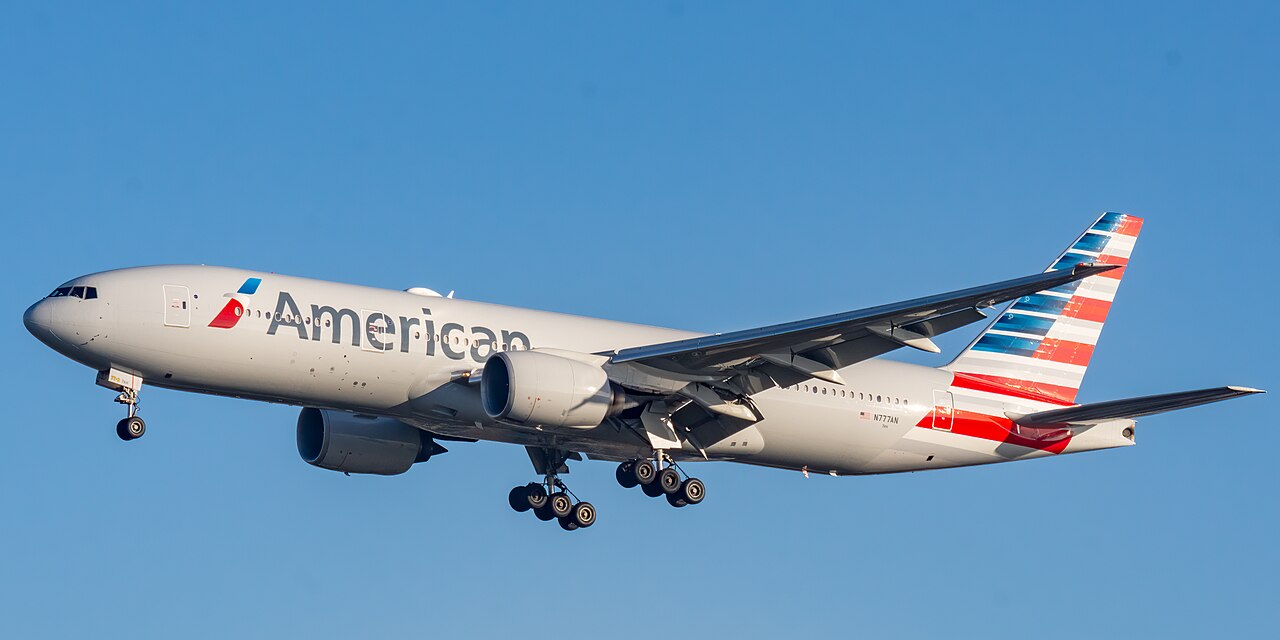
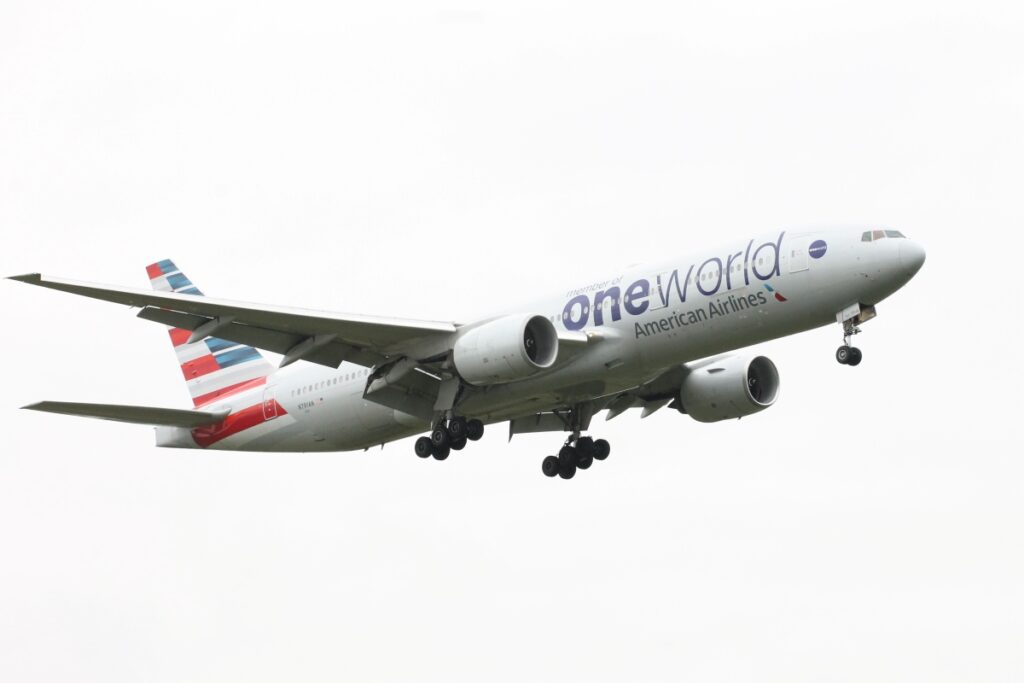
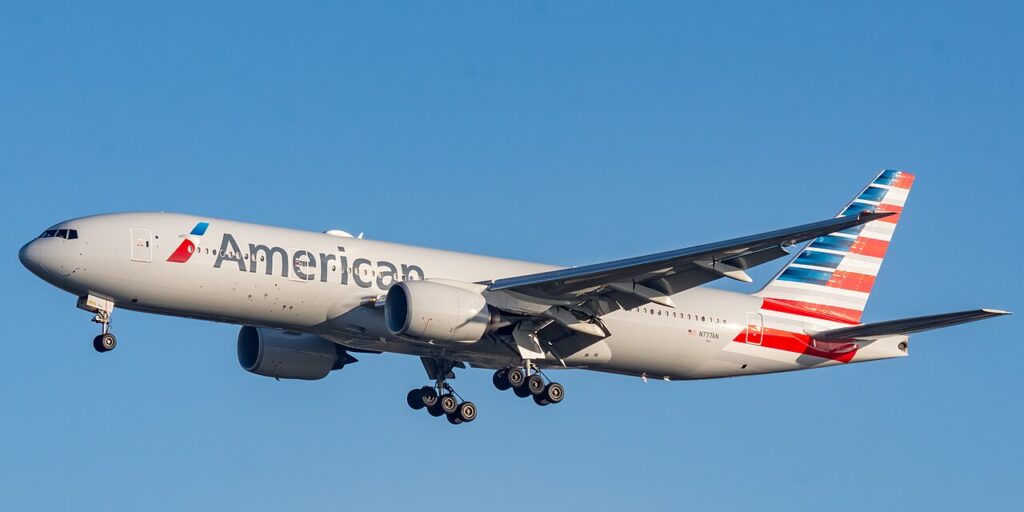
American Airlines has relied on the Boeing 777-200ER for over twenty years, making it a cornerstone of the airline’s long-haul operations. As the fleet ages, with many aircraft nearing 25 years in service, discussions about their eventual replacement have intensified. CEO Robert Isom has indicated that American is actively assessing its future widebody aircraft needs, with proposals from both Boeing and Airbus under consideration.
The Role of the Boeing 777-200ER
Currently, American Airlines operates approximately 45 Boeing 777-200ER aircraft, which serve as critical links between major hubs and international destinations. These aircraft are integral to routes such as Dallas/Fort Worth to London Heathrow and Miami to Buenos Aires, among others. While the Boeing 777-300ER handles flagship routes, the 777-200ER has proven itself as a reliable workhorse, adapting to seasonal demand fluctuations and maintaining a significant presence in the airline’s international operations.
Commitment to the Current Fleet
Despite initial expectations for a swift retirement of the 777-200ERs, American Airlines has opted for extensive refurbishment. Upgrades include modernized interiors, enhanced Wi-Fi connectivity, and cabin improvements designed to align the aircraft with newer models. This strategy suggests that the airline anticipates keeping the 777-200ER operational well into the 2030s, demonstrating a commitment to maximizing the aircraft’s lifespan while improving passenger experience.
Looking Ahead: Evaluating Future Options
As American Airlines prepares for the eventual retirement of its Boeing 777-200ER fleet, the airline is considering several potential successors. The evaluation process is critical, given the long lead times associated with aircraft orders and the current backlog in widebody aircraft production.
Potential Candidates for Replacement
One strong contender is the Boeing 787 Dreamliner, which American already operates. The airline has both 787-8 and 787-9 models and has additional orders pending. The benefits of fleet commonality, including shared pilot training and maintenance, position the Dreamliner as a practical choice for gradual replacement of the 777-200ER.
Another possibility is the Airbus A350, which, despite American’s previous cancellation of its order, has garnered renewed interest due to its efficiency and performance capabilities. The A350-900 could serve as a suitable replacement for many of the routes currently flown by the 777-200ER.
Lastly, the Boeing 777X family, particularly the 777-9 variant, could offer greater capacity and operational flexibility. However, its size may limit its suitability for many routes currently served by the 777-200ER, complicating its potential as a direct replacement.

Strategic Decisions Ahead
While the retirement of the Boeing 777-200ER fleet is not imminent, American Airlines faces crucial decisions regarding its future widebody aircraft strategy. The outcome of this evaluation will significantly shape the airline’s long-haul operations and fleet composition for years to come. For now, the Boeing 777-200ER remains a familiar sight in the skies, continuing to connect passengers across continents while the future unfolds.



This article was prepared by LibelulaFly as an independent aviation-news summary and editorial reinterpretation based on publicly available reporting. Images, when used, are included for editorial context with source attribution. Original source: www.airportspotting.com. Read the original article here: https://www.airportspotting.com/what-will-replace-american-airlines-boeing-777-200er-fleet/.
List, promote, or publish aircraft with LibelulaFly.
LibelulaFly.com • Sales@libelulafly.com • +1 305-332-1942
Jun
Aviation Enthusiasts Anticipate Farnborough 2026
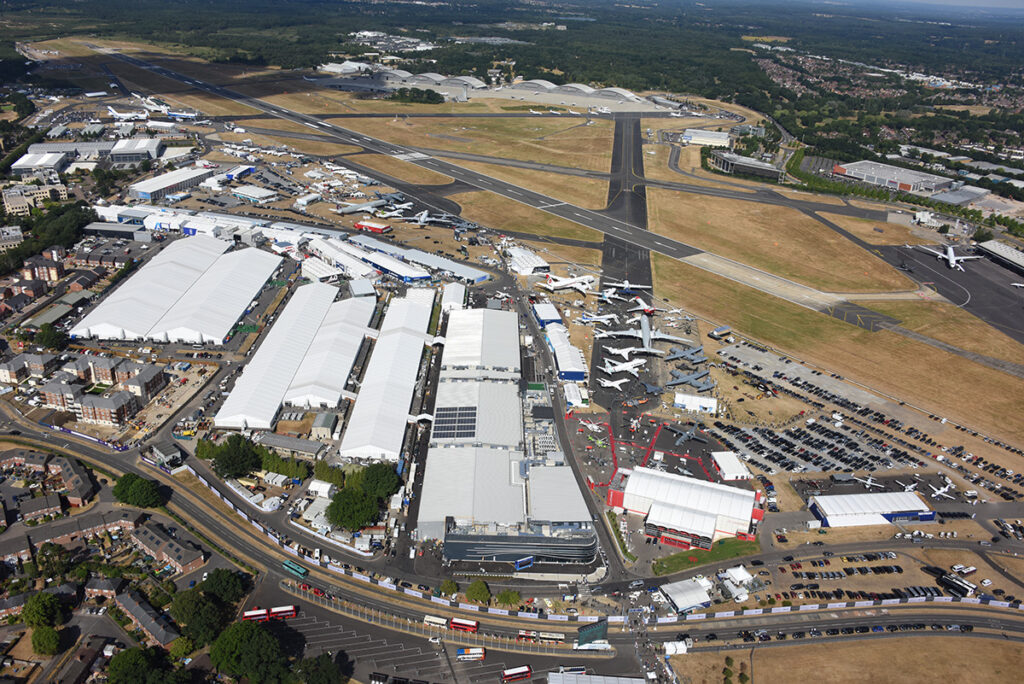
The Farnborough International Airshow, a cornerstone event in the aerospace calendar, has unveiled its first aircraft for the 2026 edition, scheduled from July 20 to 24 at Farnborough Airport in Hampshire. This biennial gathering is renowned for showcasing the latest advancements in aviation technology, alongside a rich array of historic aircraft. The early announcement of participating aircraft has already generated excitement among aviation professionals and enthusiasts alike.
Highlighting Innovation with the Boeing 747-400 Testbed
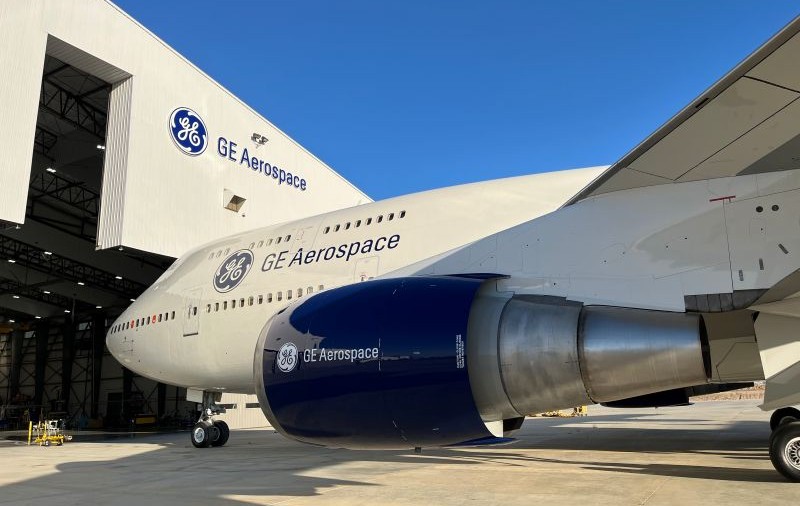
Among the notable aircraft confirmed for the show is the Boeing 747-400 testbed, operated by GE Aerospace. This aircraft has played a pivotal role in engine development and certification, often featuring experimental engines that are vital to the evolution of modern airliner propulsion systems. The 747-400 testbed’s presence at Farnborough not only underscores its significance in aviation research but also offers a rare opportunity for spectators to witness this iconic aircraft in flight, as it gradually phases out of commercial service globally.
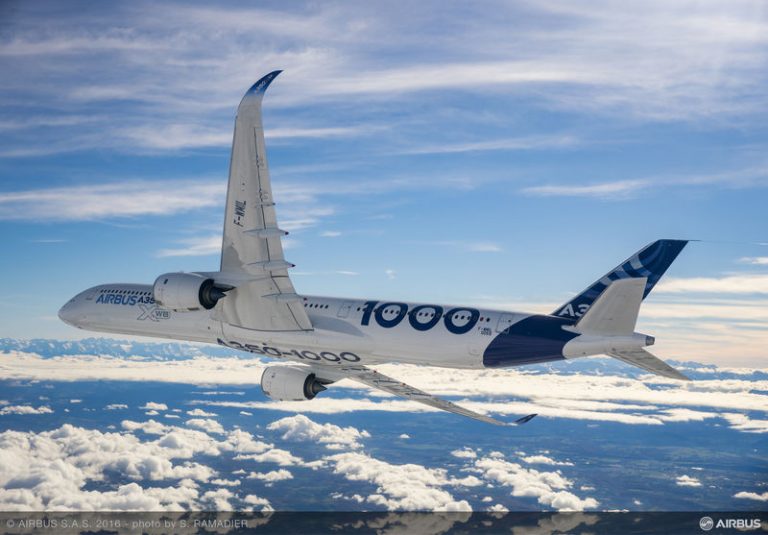
Showcasing the Airbus A350-1000
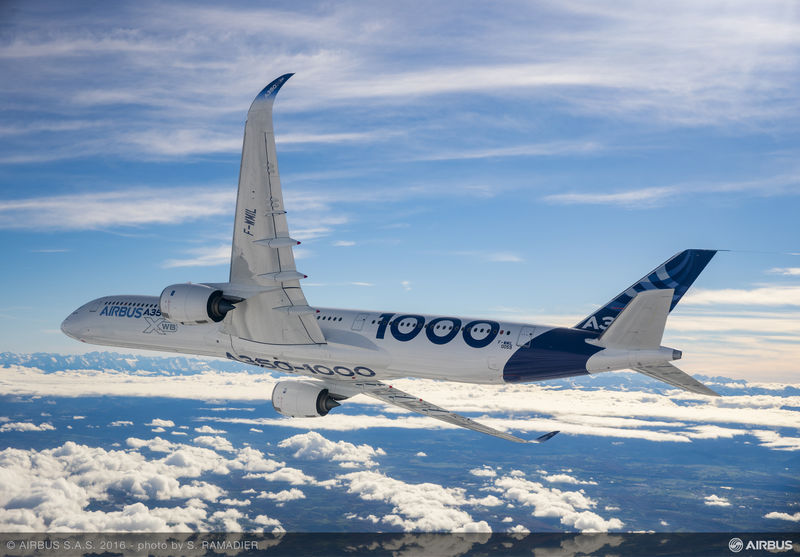
Airbus will also feature its A350-1000, a model that epitomizes the latest advancements in widebody aircraft design and technology. Renowned for its fuel efficiency, extended range, and enhanced passenger comfort, the A350-1000 has become a staple for several major airlines, including British Airways and Qatar Airways. Attendees can expect a compelling aerial demonstration, as Airbus is known for delivering impressive flight displays that highlight the aircraft’s capabilities and innovations.
A Nod to History with the P-51D Mustang
In addition to modern marvels, the airshow will also celebrate aviation history with the inclusion of the P-51D Mustang from Ultimate Warbird Flights. This legendary fighter aircraft, famous for its role in World War II, remains one of the most celebrated warbirds today. Its distinctive design and powerful Merlin engine continue to captivate audiences, providing a nostalgic contrast to the contemporary aircraft populating the event.
Looking Ahead: More Aircraft to Be Announced
The initial lineup represents just a fraction of what attendees can expect at Farnborough 2026. Organizers have indicated that additional aircraft for both flying and static displays will be announced in the coming months, promising a diverse array of aircraft that spans the spectrum of aviation history and innovation. Given the event’s reputation for attracting significant participants, the 2026 show is poised to be one of the largest in its history, reflecting the growing demand within the aerospace sector.
Aviation’s Future Takes Flight
The Farnborough International Airshow 2026 is shaping up to be a landmark event for aviation enthusiasts, industry professionals, and manufacturers alike. With the confirmed presence of the Boeing 747-400 testbed, Airbus A350-1000, and P-51D Mustang, the event not only highlights the ongoing advancements in aviation technology but also honors the rich legacy of flight. As the aviation world continues to evolve, Farnborough remains a vital platform for showcasing both current innovations and historical achievements, making it a must-attend event on the aerospace calendar.



This article was prepared by LibelulaFly as an independent aviation-news summary and editorial reinterpretation based on publicly available reporting. Images, when used, are included for editorial context with source attribution. Original source: www.airportspotting.com. Read the original article here: https://www.airportspotting.com/farnborough-airshow-2026-reveals-aircraft-display-line-up-boeing-747-airbus-a350-mustang-among-highlights/.
List, promote, or publish aircraft with LibelulaFly.
LibelulaFly.com • Sales@libelulafly.com • +1 305-332-1942