
May
Enduring Partnership in Aviation History
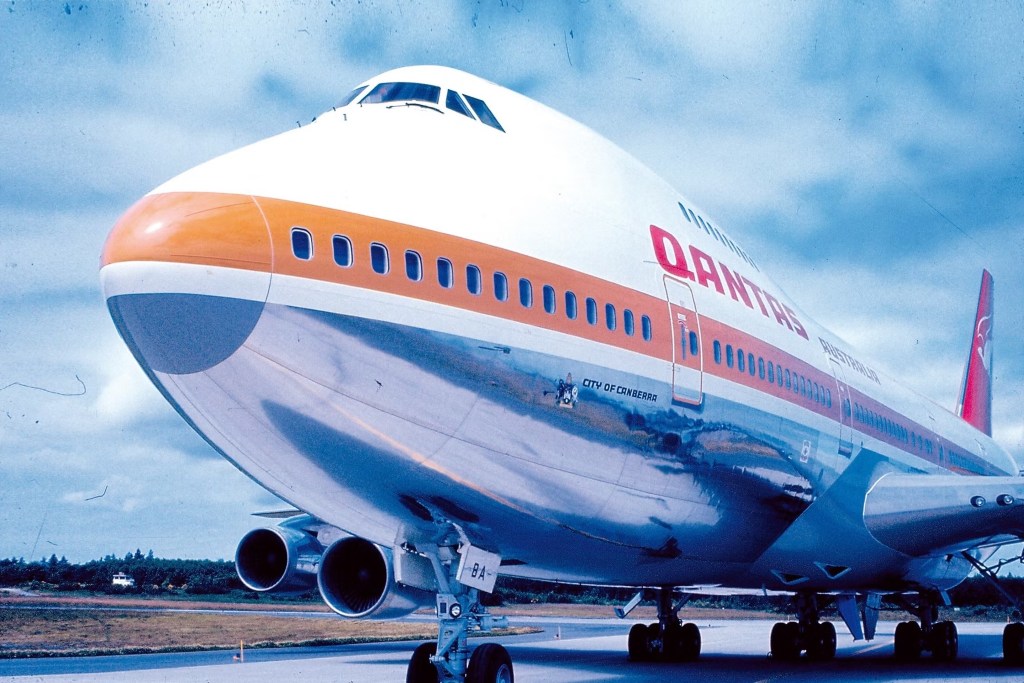
Qantas, Australia’s flagship airline, has enjoyed a remarkable partnership with the Boeing 747 that spanned nearly fifty years, marking a significant chapter in the history of commercial aviation. Since the introduction of the 747-238B in 1971, Qantas has operated 65 aircraft across six variants, including the 747-100, 747-200, 747-300, 747SP, 747-400, and 747-400ER. This enduring relationship not only shaped Qantas’ operational capabilities but also transformed the landscape of air travel globally.
Transforming Long-Haul Travel
The Boeing 747 was pivotal in establishing Qantas as a leader in long-haul air travel. The airline’s inaugural Boeing 747 service commenced on September 17, 1971, with a flight from Sydney to Singapore via Melbourne. This marked the beginning of a new era, allowing Qantas to expand its routes to major cities across the United States and Europe. The 747’s capacity and range enabled Qantas to meet the growing demand for international travel, solidifying its reputation as a pioneer in the industry.
Technical Evolution and Adaptation
Throughout its operational history, Qantas adapted its Boeing 747 fleet to meet evolving market demands and technological advancements. Initially powered by Pratt & Whitney engines, the airline transitioned to Rolls-Royce RB211 engines by the late 1970s, enhancing the aircraft’s performance. The introduction of the 747-400 in 1989 marked a significant upgrade, featuring advanced aerodynamics and fuel efficiency. This variant became known as the ‘Longreach’ due to its extended range capabilities, allowing Qantas to operate non-stop flights on some of the longest routes in the world.
Legacy of Innovation and Comfort
Qantas was known for its commitment to passenger comfort, particularly in its Boeing 747-200s, which featured a unique upper deck lounge known as the ‘Captain Cook’ lounge. This innovation catered to first-class passengers, enhancing the travel experience and setting a standard for luxury in air travel. The airline also pioneered the use of combi aircraft, such as the 747-238BM, which allowed for a flexible configuration of passengers and cargo, showcasing Qantas’ adaptability to market needs.
Farewell to a Legend
As the aviation industry faced unprecedented challenges due to the COVID-19 pandemic, Qantas made the difficult decision to retire its Boeing 747 fleet, with the last aircraft departing Sydney on July 22, 2020. This marked the end of an era for both Qantas and the iconic 747, a symbol of long-haul travel. The retirement of the 747-438ER drew a poignant tribute in the sky, reflecting on the aircraft’s storied history and its significant role in connecting Australia to the world.
A Lasting Impact on Aviation
The legacy of Qantas and the Boeing 747 transcends the operational history of the aircraft. It represents a commitment to innovation, service quality, and the evolution of global air travel. As Qantas moves forward with a modernized fleet, the impact of the Boeing 747 will continue to be felt in the industry, serving as a reminder of the advancements in aviation technology and customer service that have shaped the airline’s journey.

May
Aviation Icon Finds New Purpose in Los Angeles
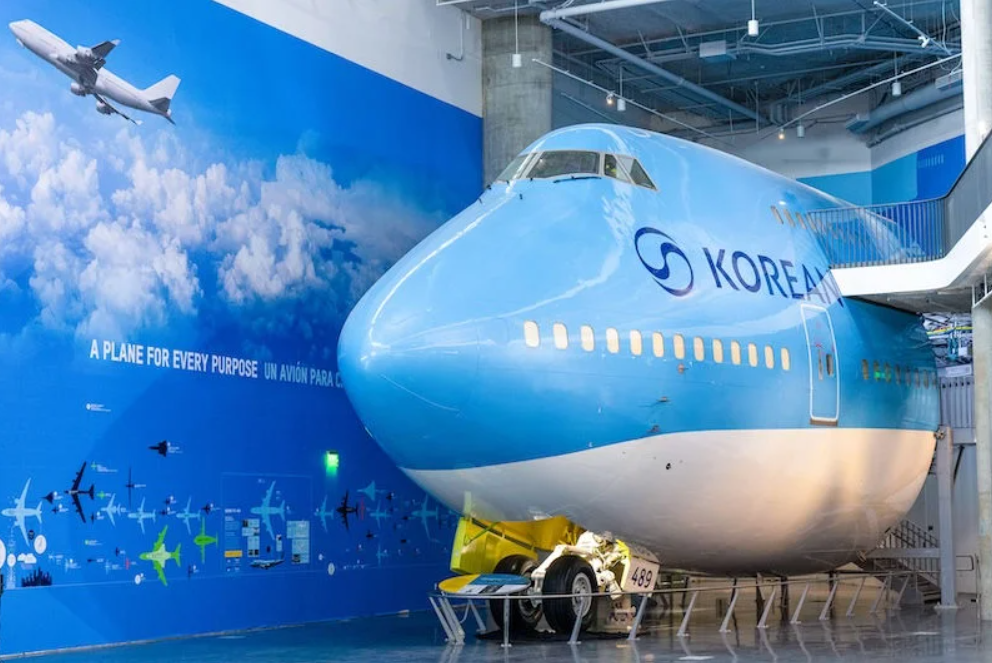
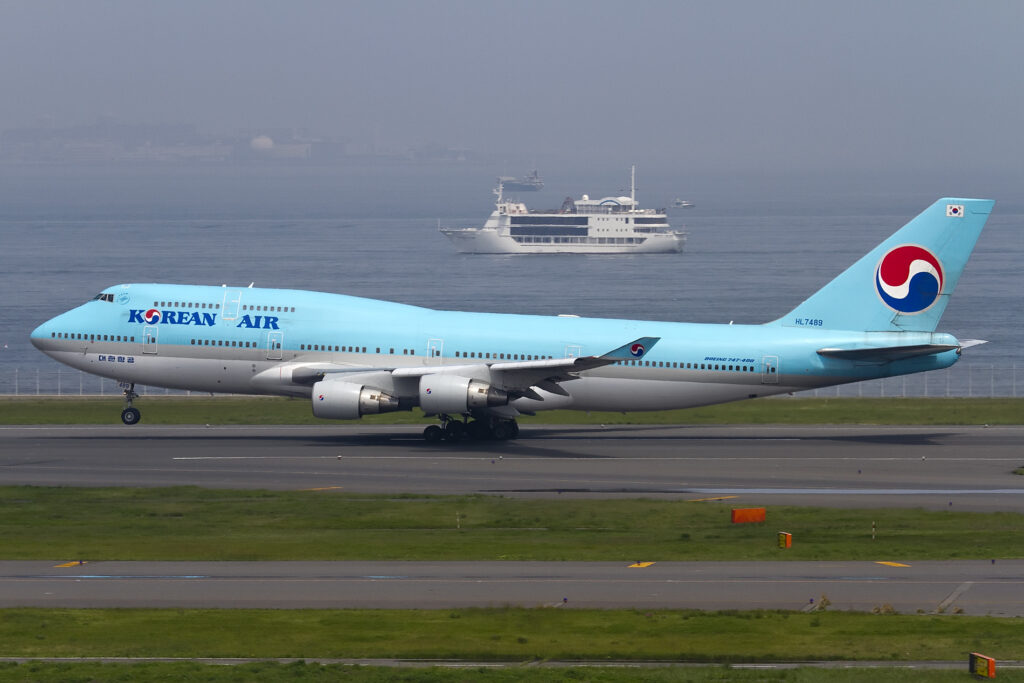
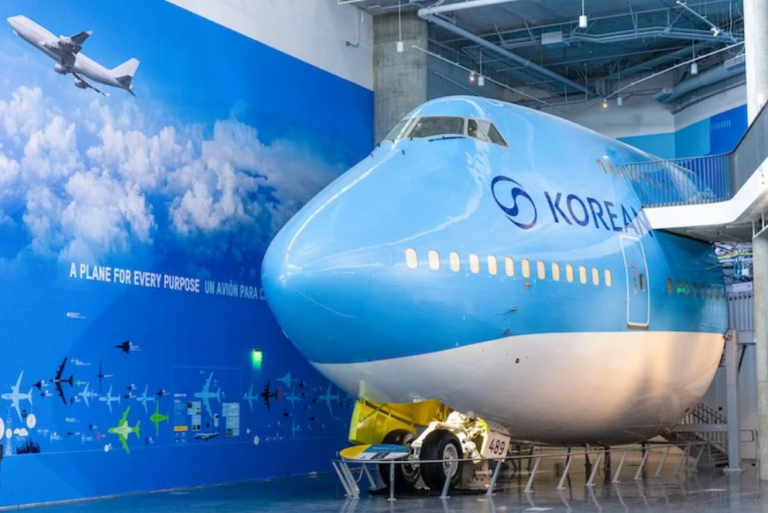
In a significant development for aviation enthusiasts and the public alike, a retired Boeing 747-400 once operated by Korean Air has been repurposed as a centerpiece exhibit at the California Science Center in Los Angeles. This remarkable aircraft, registered as HL7489, has been transformed into a major attraction, inviting visitors to explore its interior while celebrating the rich history and technology of aviation.
The 747 Experience: A Walk Through History
The newly launched exhibit, aptly named “The 747 Experience,” showcases the forward 70-foot section of the aircraft. This area includes key features such as the upper deck, main passenger cabin, cockpit, forward cargo hold, and landing gear area. Visitors will have the unique opportunity to walk through these sections, gaining insights into the operational capabilities and systems of this iconic aircraft.
Interactive displays will enhance the experience, offering educational insights into aerodynamics, aircraft systems, and potential career paths in aviation. A highlight of the exhibit is a simulated flight experience that replicates a journey from Los Angeles to Seoul, reflecting one of Korean Air’s flagship routes. Additionally, hands-on activities involving wind tunnel experiments and aircraft design will further engage visitors.
A Legacy of the Jumbo Jet
HL7489 has an impressive operational history, having been delivered to Korean Air in 1994. Over two decades, it completed 13,842 flights and logged more than 86,000 flight hours before its retirement from passenger service in 2014. After a brief period in storage, the aircraft was earmarked for preservation, a decision that highlights the cultural significance of the Boeing 747, especially the later 747-400 variant.
The Boeing 747, often referred to as the “Queen of the Skies,” has been pivotal in shaping long-haul travel since its introduction in 1970. The 747-400 variant, known for its improved engines, extended range, and advanced cockpit design, became one of the most successful iterations of this legendary aircraft. Despite a decline in passenger operations, the 747 remains a beloved subject among aviation aficionados.
Preserving Aviation History for Future Generations
The addition of HL7489 to the California Science Center’s future Samuel Oschin Air and Space Center expansion underscores the commitment to preserving aviation history. This exhibit not only allows visitors to appreciate the scale and design of the Boeing 747 but also ensures that future generations can engage with the legacy of this remarkable aircraft.
Visiting the Exhibit
The Korean Air 747 Experience is located within the California Science Center, where permanent galleries typically offer free admission. However, specific exhibits may require tickets. For those interested in aviation and history, this exhibit represents a rare opportunity to experience a preserved Boeing 747-400 up close. Further details regarding visiting hours and the ongoing development of the Samuel Oschin Air and Space Center can be accessed through the Science Center’s official website.
As aviation continues to evolve, preserving the stories and technologies of iconic aircraft like the Boeing 747 ensures that their legacy will inspire and educate generations to come.



This article was prepared by LibelulaFly as an independent aviation-news summary and editorial reinterpretation based on publicly available reporting. Images, when used, are included for editorial context with source attribution. Original source: www.airportspotting.com. Read the original article here: https://www.airportspotting.com/retired-korean-air-boeing-747-finds-new-life-at-california-science-center/.
List, promote, or publish aircraft with LibelulaFly.
LibelulaFly.com • Sales@libelulafly.com • +1 305-332-1942