
Jul
SpiceJet’s Resilience Amidst Turbulence
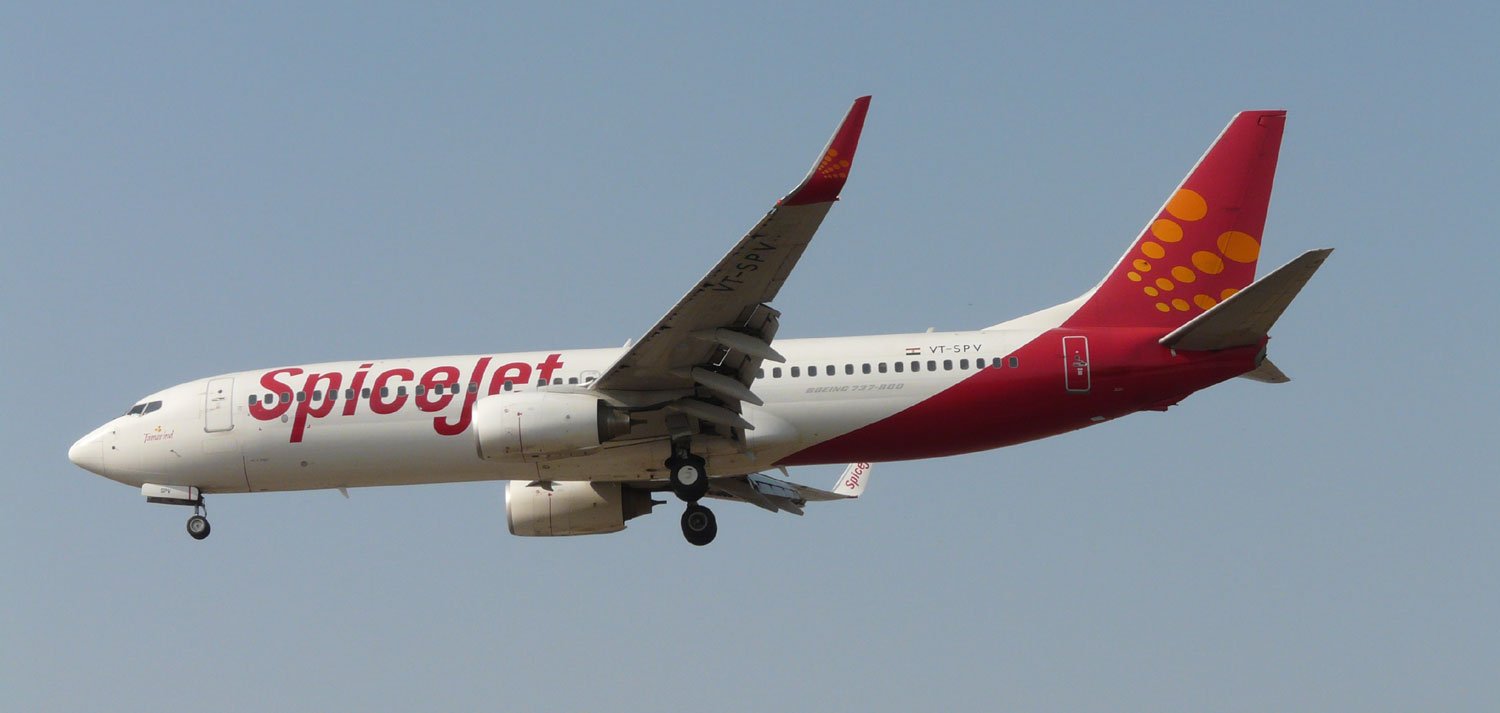
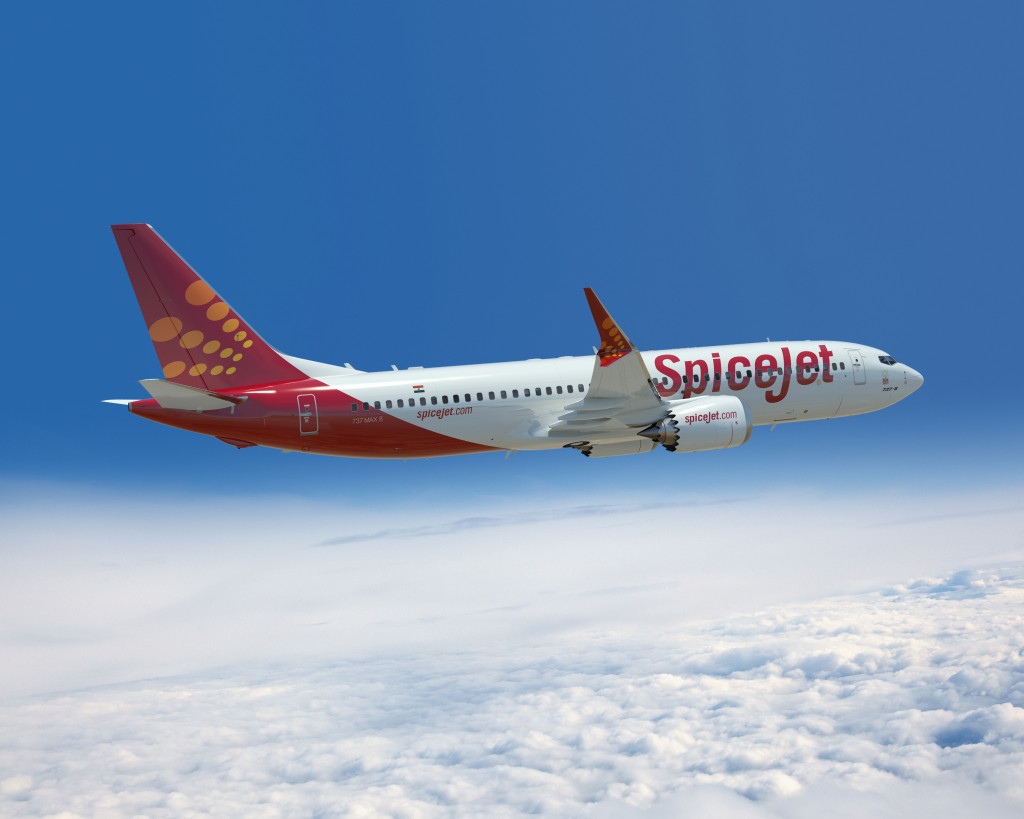
Once celebrated as India’s second-largest airline, SpiceJet has faced a tumultuous journey over the past few years, marked by financial distress and operational challenges. Having once operated a fleet exceeding 100 aircraft and amassed millions of passengers annually, the low-cost carrier now finds itself in a critical phase of recovery. Recent developments indicate that while the airline is striving to regain its foothold, it has considerable ground to cover before returning to its former glory.
A Remarkable Ascent
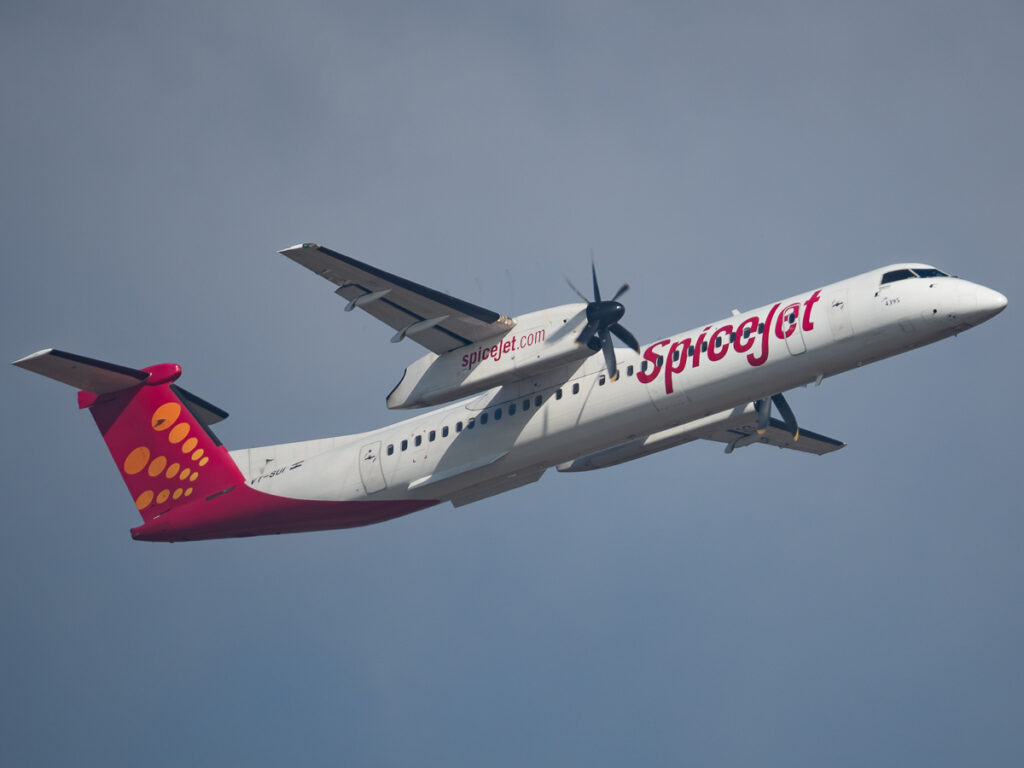
Founded in 2005, SpiceJet quickly rose to prominence as a low-cost carrier, primarily utilizing an all-Boeing 737 fleet to dominate the Indian skies. The airline’s expansion was bolstered by its strategic inclusion of De Havilland Canada Dash 8-400 turboprops, enabling better access to regional airports under India’s connectivity initiatives. By the late 2010s, SpiceJet had established itself as a formidable player in the industry, supported by a significant order of over 150 Boeing 737 MAX aircraft, which were intended to form the backbone of its future operations.
The Onset of Challenges
However, a series of crises began to unfold for SpiceJet, starting with the global grounding of the Boeing 737 MAX in 2019, which severely impacted its operational capacity. This was followed by the COVID-19 pandemic, which decimated air travel demand and exacerbated the airline’s financial situation. Unlike many competitors that rebounded quickly, SpiceJet was left grappling with substantial debts, disputes with lessors, and a dwindling operational fleet as aircraft were either repossessed or grounded for maintenance.
Fleet Transformation and Adaptation
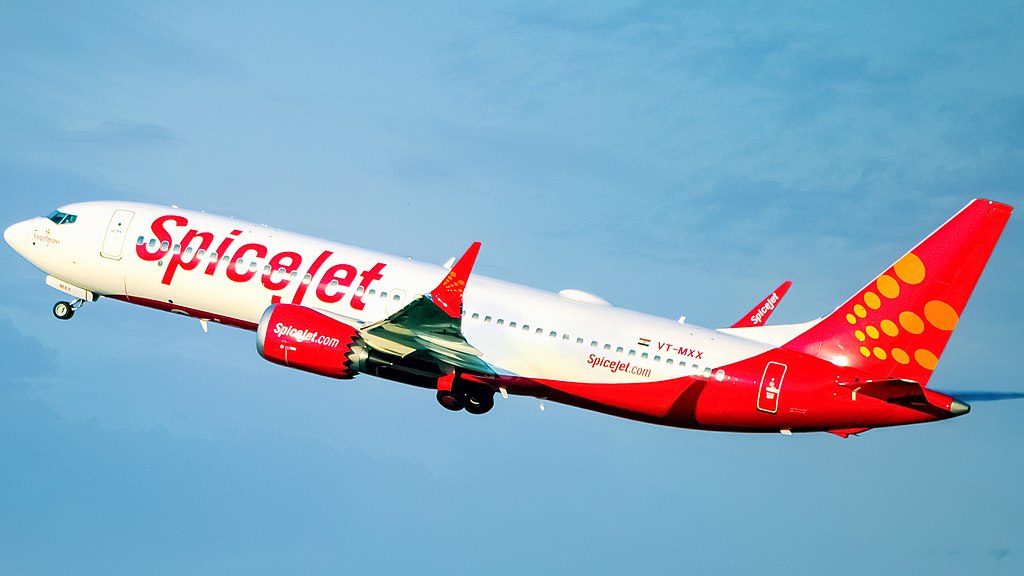
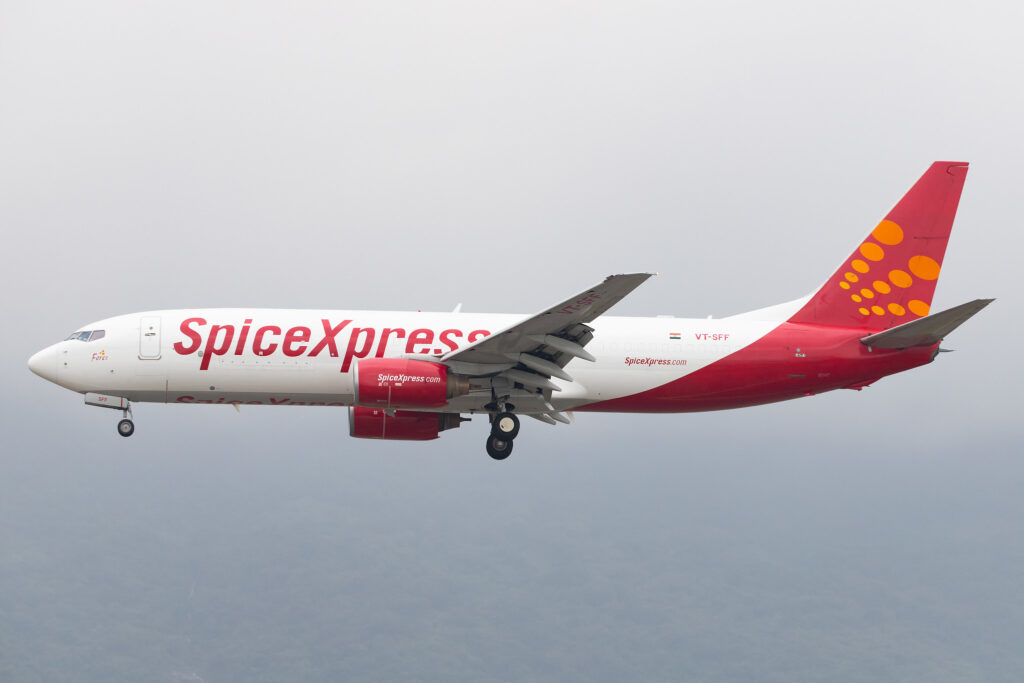
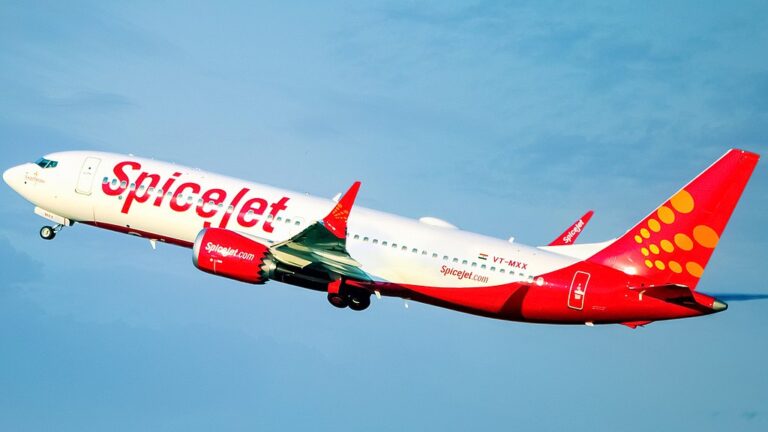
Currently, SpiceJet’s operational fleet primarily comprises various Boeing 737 models alongside Dash 8-400 turboprops. Despite having significant outstanding orders for the Boeing 737 MAX, the number of aircraft actively flying remains limited. Compounding the airline’s challenges, the introduction of Airbus A320 aircraft on a damp-lease basis marks a notable shift in strategy, aimed at supplementing capacity during peak travel seasons while the airline works to reactivate its existing fleet.
Financial Hurdles and Recovery Signs
The overarching hurdle for SpiceJet continues to be its financial health, plagued by ongoing legal disputes and cash-flow issues. Reports of delayed pilot salaries highlight the urgency of securing government-backed funding to stabilize operations. Meanwhile, external factors such as rising fuel prices and currency fluctuations have further strained the airline’s recovery efforts.
Glimmers of Hope
Despite these challenges, there are emerging signs of recovery. Over the past year, SpiceJet has successfully reactivated several grounded Boeing 737 MAX aircraft and added leased 737s to enhance its service offerings. Financial restructuring efforts have led to improved quarterly revenues as passenger demand gradually rebounds. Management remains focused on restoring grounded aircraft, aiming to eventually expand both domestic and international services.
Future Outlook: A Sustainable Business Model
The Indian aviation landscape is witnessing rapid growth, yet it remains fiercely competitive, with major players like IndiGo and the newly revitalized Air India Group leading the charge. For SpiceJet, the path to survival may require a shift from aspirations of regaining its former size to establishing a viable business model characterized by fleet reliability and financial stability. With a well-recognized brand and a loyal customer base, the airline’s future hinges on its ability to navigate these complexities and leverage its substantial order book of Boeing 737 MAX aircraft for future growth. As the airline embarks on this journey of recovery, the aviation community will be watching closely to see if SpiceJet can reclaim its status as a key player in India’s vibrant aviation market.



This article was prepared by LibelulaFly as an independent aviation-news summary and editorial reinterpretation based on publicly available reporting. Images, when used, are included for editorial context with source attribution. Original source: www.airportspotting.com. Read the original article here: https://www.airportspotting.com/whats-happening-with-spicejet/.
List, promote, or publish aircraft with LibelulaFly.
LibelulaFly.com • Sales@libelulafly.com • +1 305-332-1942
Jun
Singapore Airlines Expands Its Reach with the Boeing 737 MAX
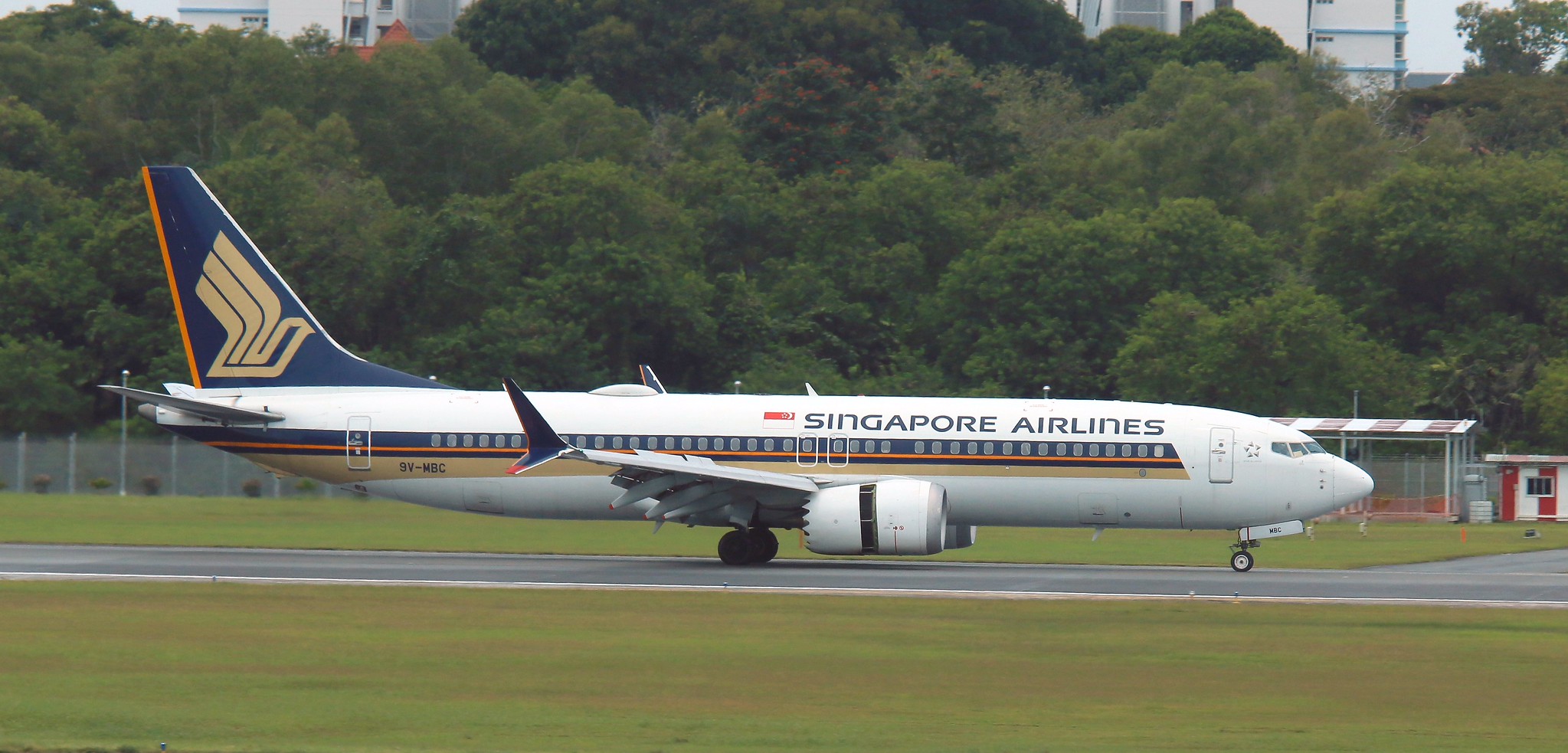
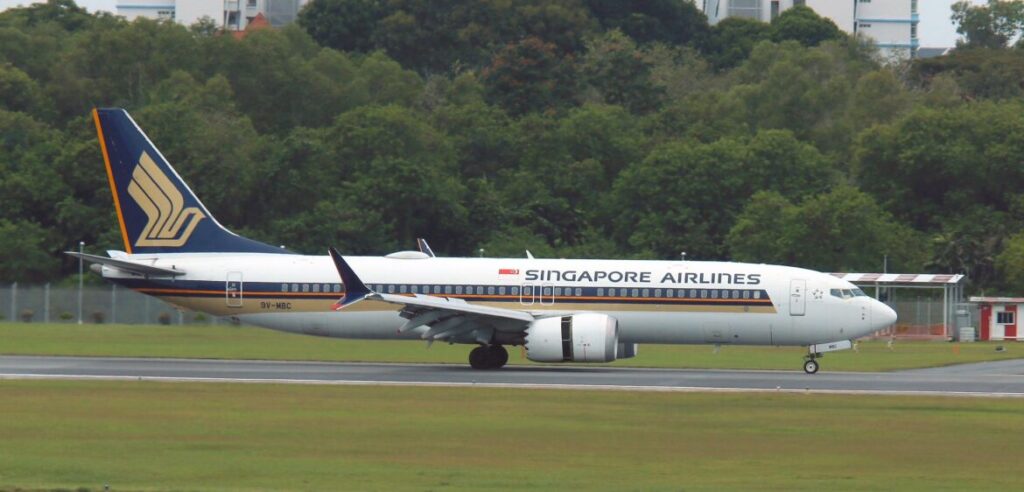
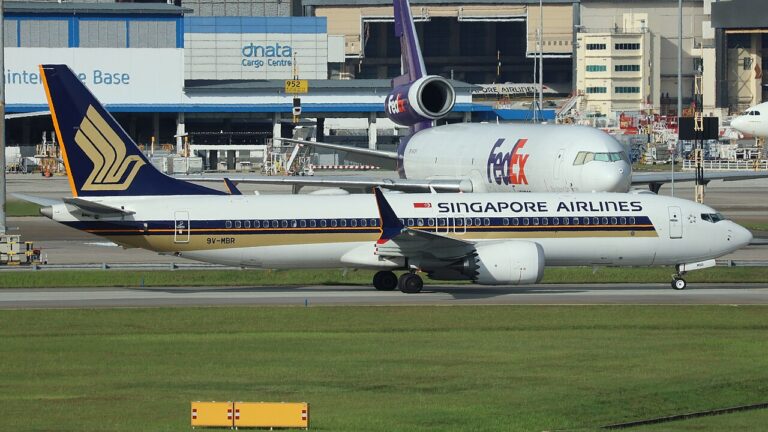
Singapore Airlines has broadened its operational capabilities with the integration of the Boeing 737 MAX into its fleet. Originally inherited from the merger with SilkAir, this aircraft type has transitioned into a vital component of the airline’s short and medium-haul services. As the aviation landscape evolves, the 737 MAX plays a pivotal role in connecting Singapore with key destinations across Southeast Asia, India, and beyond.
A Modern Solution for Regional Connectivity
The inclusion of the Boeing 737 MAX allows Singapore Airlines to optimize its route network by offering a narrowbody solution for shorter flights that do not necessitate the use of larger widebody aircraft like the Airbus A350 or Boeing 787. Currently, the airline operates a fleet of 23 Boeing 737-8 aircraft, with plans for further expansion as demand for regional travel grows.
Changi Airport: The Heart of Operations
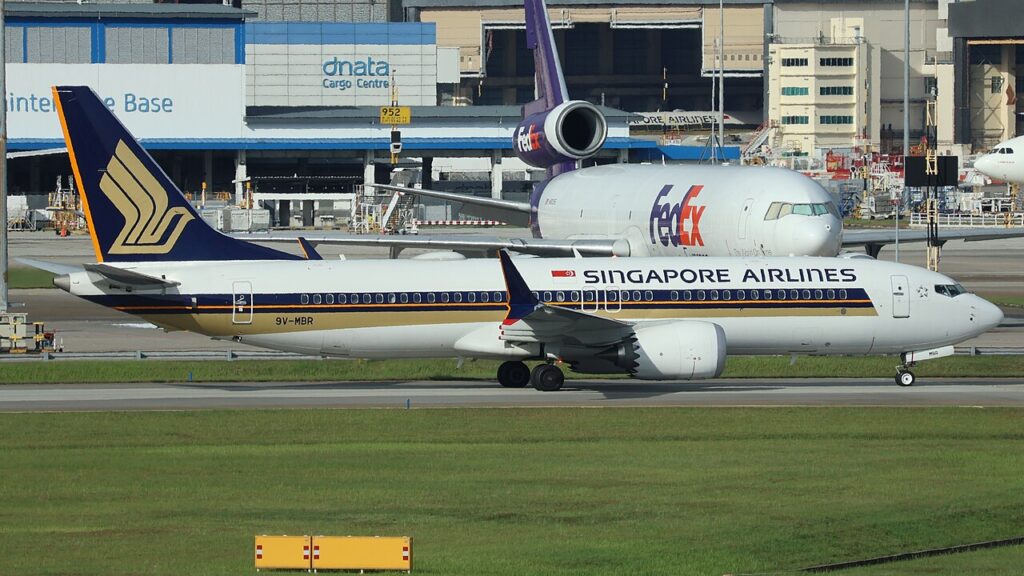
Singapore Changi Airport serves as the primary hub for Singapore Airlines’ Boeing 737 MAX operations. Enthusiasts can observe a bustling scene as the aircraft frequently departs for various destinations throughout Asia. The airport’s strategic location and efficient operations make it the perfect vantage point for aviation aficionados to witness the diverse fleet in action.
Key Destinations for the Boeing 737 MAX
As Singapore Airlines enhances its regional service offerings, several airports have emerged as hotspots for spotting the Boeing 737 MAX:
- Phuket, Thailand: This popular leisure destination sees multiple daily flights, making it a prime location for enthusiasts.
- Bangkok Suvarnabhumi Airport: A critical hub for both business and leisure travel, the 737 MAX regularly operates on this route.
- Kuala Lumpur International Airport: Known for its short international routes, Kuala Lumpur frequently welcomes the Boeing 737 MAX.
- Denpasar (Bali) Airport: Bali’s allure as a tourist hotspot means the 737 MAX is a common sight here.
- Jakarta Soekarno-Hatta Airport: With Indonesia being a significant market, Jakarta sees consistent 737 MAX operations.
- Bengaluru Airport: This Indian city has gained importance in Singapore Airlines’ network, accommodating the 737 MAX.
- Kathmandu Airport: Known for its challenging approach amid stunning landscapes, Kathmandu is a unique destination for the 737 MAX.
- Male, Maldives: The scenic approach to Male over the Indian Ocean makes for a memorable spotting experience.
The Future of the 737 MAX in Singapore Airlines’ Network
The Boeing 737 MAX is set to play an increasingly significant role in Singapore Airlines’ operations, with additional destinations likely to be added to its network. While it may not possess the same grandeur as the Airbus A380 or the extended range of the A350, the 737 MAX has proven to be an essential asset in meeting the demands of modern air travel.
Conclusion: Embracing the Evolution of Air Travel
As Singapore Airlines continues to adapt to the dynamic aviation market, the Boeing 737 MAX stands as a testament to its commitment to providing efficient and reliable service. This aircraft not only enhances the airline’s operational flexibility but also offers aviation enthusiasts numerous opportunities to engage with the evolving landscape of regional air travel.


This article was prepared by LibelulaFly as an independent aviation-news summary and editorial reinterpretation based on publicly available reporting. Images, when used, are included for editorial context with source attribution. Original source: www.airportspotting.com. Read the original article here: https://www.airportspotting.com/10-airports-where-you-can-see-singapore-airlines-boeing-737-max-fleet/.
List, promote, or publish aircraft with LibelulaFly.
LibelulaFly.com • Sales@libelulafly.com • +1 305-332-1942
Jun
WestJet Expands European Reach in 2026
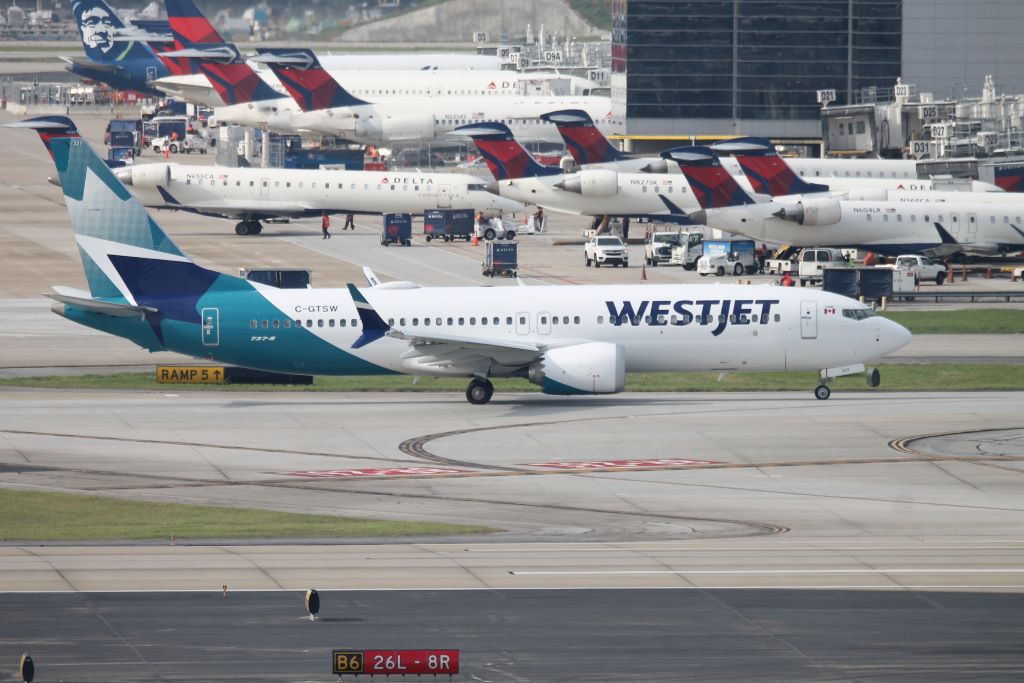
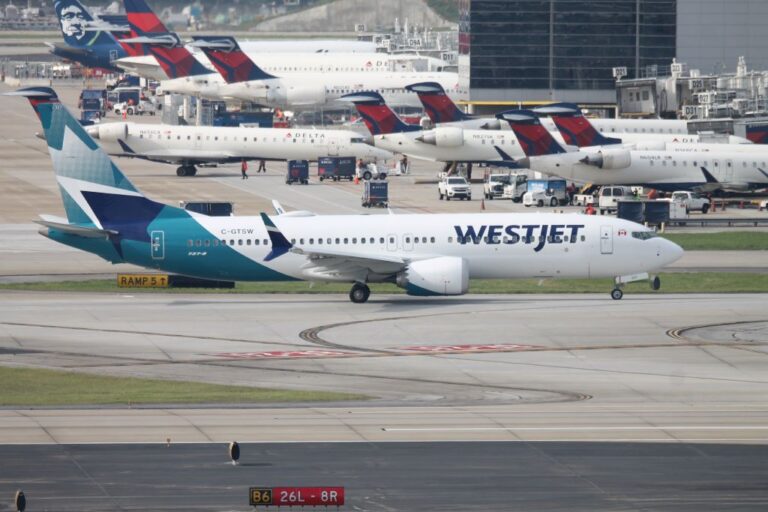
In a significant development for transatlantic travel, WestJet has unveiled its most extensive European network to date for 2026. This expansion will see the airline offering a total of 26 routes, connecting various Canadian cities to a diverse selection of European destinations. The strategic use of Boeing 737 MAX 8 aircraft allows WestJet to operate routes that are typically underserved, thereby enhancing its operational footprint across the Atlantic.
Strategic Route Development
WestJet’s approach to its European operations sets it apart from competitors like Air Canada. While Air Canada centralizes many of its flights through Toronto and Montreal, WestJet has adopted a more decentralized strategy. Calgary continues to serve as the primary long-haul hub for the airline, particularly for its Boeing 787 Dreamliner services. However, cities such as Toronto, Halifax, and others in western Canada are now emerging as vital gateways to Europe, thanks to the operational flexibility provided by the Boeing 737 MAX 8.
Utilizing the Boeing 737 MAX
The integration of the Boeing 737 MAX into WestJet’s transatlantic operations is noteworthy. The aircraft’s range capabilities enable the airline to connect eastern Canada with various European destinations while maintaining efficient operations with fewer passengers compared to widebody aircraft. Currently, WestJet operates approximately 20 European routes using the 737 MAX, positioning itself as one of the largest narrowbody transatlantic operators globally.

New Routes for Summer 2026
As part of its ongoing expansion, WestJet has announced eight new routes for the summer of 2026, all operated by the Boeing 737 MAX 8. The new destinations include:
- From Toronto: Glasgow, Cardiff, Ponta Delgada (Azores)
- From Halifax: Lisbon, Madrid, Copenhagen
- From Edmonton: Reykjavik Keflavik
- From Winnipeg: Reykjavik Keflavik
This expansion marks a significant milestone for WestJet, enhancing its European network’s overall capacity.
Toronto: A Key European Gateway
Toronto Pearson International Airport has solidified its role as a crucial gateway for WestJet’s European operations. The airline now connects Toronto to a range of destinations including Edinburgh, Dublin, and the newly added Cardiff, which is notable for being North America’s only non-stop service to Wales. This route, at nearly 3,000 nautical miles, represents a significant operational achievement for WestJet.
Halifax’s Growing European Schedule
Halifax Stanfield International Airport has experienced the most substantial growth from WestJet’s European expansion. With the addition of new routes to Copenhagen, Lisbon, and Madrid, Halifax now boasts its largest-ever European schedule, further establishing it as Canada’s Atlantic gateway.

Future Prospects for WestJet
Looking ahead, WestJet remains committed to enhancing its fleet with a focus on Boeing aircraft. The airline has one of Canada’s largest aircraft order books, with plans to introduce the Boeing 737 MAX 10 starting in 2027, along with an expansion of its Boeing 787 fleet. This strategic investment is anticipated to facilitate further growth in European markets, allowing WestJet to continue capitalizing on underserved routes while avoiding direct competition with larger North American carriers.
As WestJet continues to evolve its transatlantic network, its innovative approach may set new standards for narrowbody operations in long-haul markets.




This article was prepared by LibelulaFly as an independent aviation-news summary and editorial reinterpretation based on publicly available reporting. Images, when used, are included for editorial context with source attribution. Original source: www.airportspotting.com. Read the original article here: https://www.airportspotting.com/where-is-westjet-flying-in-europe-in-2026/.
List, promote, or publish aircraft with LibelulaFly.
LibelulaFly.com • Sales@libelulafly.com • +1 305-332-1942