

Jul
Oshkosh Set to Host the Premier Aviation Event of 2026
From July 20 to 26, 2026, Wittman Regional Airport in Oshkosh, Wisconsin, will transform into the epicenter of aviation as it hosts the EAA AirVenture Oshkosh. This week-long event is recognized globally as the largest fly-in and airshow, drawing in more than 600,000 aviation enthusiasts and approximately 10,000 aircraft from around the world.
An Unmatched Showcase of Aviation Excellence
The EAA AirVenture is renowned for its diverse display of aircraft, ranging from vintage warbirds and homebuilt planes to the latest commercial and military jets. Attendees can expect to see an extensive static display featuring iconic aircraft from manufacturers like Boeing, Airbus, and Textron, alongside cutting-edge aerospace innovations. Daily flying demonstrations will captivate audiences, showcasing the capabilities of both historical and contemporary aircraft.
Events and Activities to Engage Every Aviation Fan
Throughout the week, the event will offer an array of activities designed to engage aviation enthusiasts of all backgrounds. Visitors can participate in forums and workshops led by industry experts, attend product launches, and explore one of the largest aviation trade exhibitions globally. Evening air shows promise to deliver breathtaking aerial performances, further enriching the experience.

A Unique Arrival Experience for Pilots
The arrival weekend preceding the official opening of AirVenture is a spectacle in itself. Thousands of pilots will navigate the FAA’s famous arrival procedures, creating a remarkable scene as a wide variety of aircraft approach Wittman Field. This coordinated effort highlights the camaraderie and passion that define the aviation community.
Weather Challenges and Safety Considerations
This year’s event is beginning under atypical circumstances due to smoke from ongoing wildfires in Canada, which has affected visibility and air quality in the region. The National Weather Service has issued advisories, prompting air traffic controllers to remind pilots of the importance of conservative decision-making in such conditions. As the event approaches, updates on weather conditions will be critical for ensuring the safety of all participants.
Aviation Community Anticipates a Memorable Experience
As the aviation community prepares for this landmark event, it serves as a reminder of the shared passion that unites pilots, enthusiasts, and industry professionals. EAA AirVenture Oshkosh 2026 is not just an event; it embodies the spirit of aviation and the continuous innovations that drive the industry forward. For those unable to attend in person, various media outlets will provide coverage, ensuring that the excitement of AirVenture reaches audiences worldwide.
Looking Ahead: The Future of AirVenture
As anticipation builds for EAA AirVenture Oshkosh 2026, the event promises to be a significant highlight in the aviation calendar. With its rich history and commitment to aviation excellence, AirVenture continues to inspire future generations of aviators and enthusiasts alike. The gathering is not just a celebration of the past but a platform for showcasing the future of aviation.







This article was prepared by LibelulaFly as an independent aviation-news summary and editorial reinterpretation based on publicly available reporting. Images, when used, are included for editorial context with source attribution. Original source: www.airportspotting.com. Read the original article here: https://www.airportspotting.com/airventure-oshkosh-2026-the-worlds-greatest-aviation-gathering-is-almost-here/.
List, promote, or publish aircraft with LibelulaFly.
LibelulaFly.com • Sales@libelulafly.com • +1 305-332-1942

Jul
All Nippon Airways’ Distinctive Approach to the A380
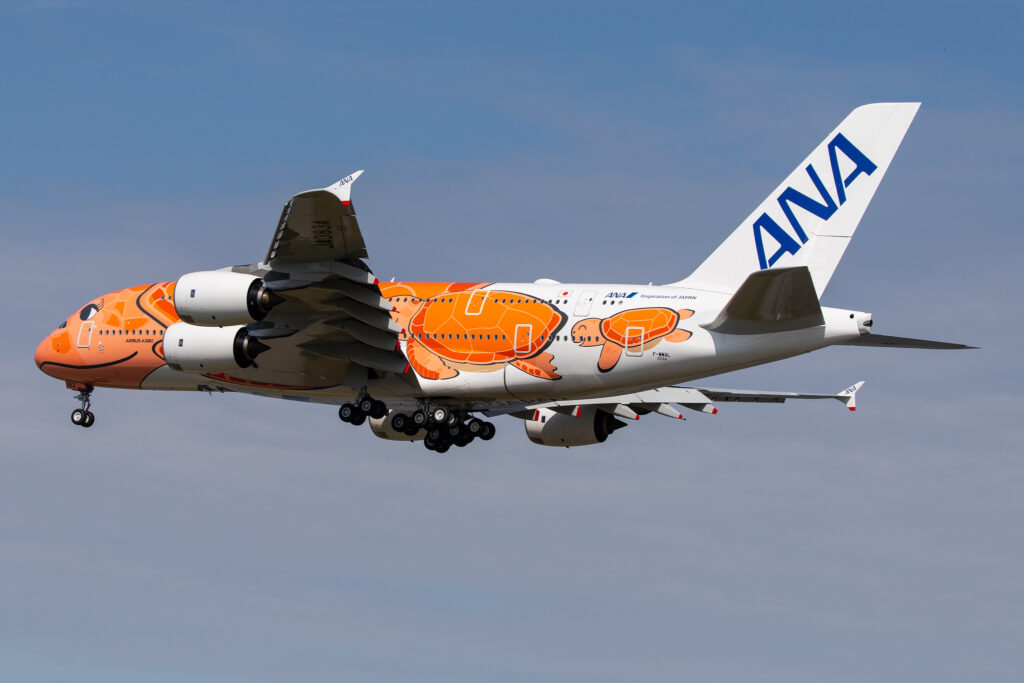
All Nippon Airways (ANA) has carved out a unique niche in the aviation landscape with its fleet of Airbus A380s, known as the ‘Flying Honu.’ Unlike most operators who deploy the superjumbo across multiple high-capacity routes, ANA has committed its three A380-800s exclusively to the Tokyo Narita-Honolulu route. This strategic decision not only highlights the airline’s focus on a popular leisure market but also positions the A380 as a vital asset in ANA’s operational framework.
The Genesis of the Flying Honu
ANA’s journey with the A380 began unexpectedly when the airline acquired three aircraft as part of a restructuring deal following the bankruptcy of Skymark Airlines. Initially, the A380 was not part of ANA’s fleet strategy; however, the airline quickly recognized the potential of these aircraft to serve one of Japan’s most sought-after holiday destinations, Hawaii.
Meet the Fleet
The ‘Flying Honu’ fleet consists of three uniquely liveried A380s:

- JA381A Lani – Blue sea turtle
- JA382A Kai – Emerald green sea turtle
- JA383A Lā – Sunset orange sea turtle
Each aircraft’s livery pays homage to the Hawaiian culture, with ‘Honu’ symbolizing good luck and safe travel. The vibrant designs have made these aircraft some of the most recognizable in the global aviation community.
Operational Focus on Hawaii
ANA operates its A380 fleet solely between Tokyo Narita and Honolulu, a route that has long been a staple for Japanese travelers seeking leisure in Hawaii. Since entering service in May 2019, the A380s have been a consistent presence on this high-demand route, with seasonal frequency adjustments to meet passenger needs.
Innovative Cabin Design
ANA’s A380 configuration is tailored to enhance family travel. With a total capacity of 520 passengers across four classes—8 in First Class, 56 in Business Class, 73 in Premium Economy, and 383 in Economy—the aircraft features the ANA COUCHii, which allows families to convert groups of economy seats into a sofa-like space. This innovative design, along with a multi-purpose room and Hawaiian-themed interiors, underscores the airline’s commitment to providing a family-friendly travel experience.
The Future of the Flying Honu
Despite speculation regarding the potential early retirement of the A380s, there are no current indications that ANA plans to phase them out. The airline continues to invest in the fleet, with the third aircraft having entered service recently after an extended period of storage during the pandemic. Furthermore, the A380 remains prominently featured in ANA’s flight schedules through 2026.

Why the A380 Will Likely Remain
The Flying Honu fleet serves as a powerful marketing tool for ANA, reinforcing the airline’s connection to Hawaii through its distinctive aircraft. The ability to transport over 500 passengers in a single flight is particularly advantageous in a high-capacity market like Tokyo-Honolulu, where demand can be met more efficiently with fewer flights. Additionally, with deliveries occurring between 2019 and 2021, these A380s are among the newest in operation, ensuring they have many productive years ahead.
Conclusion: A Unique Asset in ANA’s Fleet
In conclusion, ANA’s Airbus A380 fleet exemplifies a strategic commitment to serving a key leisure market while also embracing unique branding opportunities. As the airline continues to adapt to changing travel patterns, the Flying Honu is poised to remain a distinctive and valuable component of its operational landscape.





This article was prepared by LibelulaFly as an independent aviation-news summary and editorial reinterpretation based on publicly available reporting. Images, when used, are included for editorial context with source attribution. Original source: www.airportspotting.com. Read the original article here: https://www.airportspotting.com/anas-unique-airbus-a380-fleet-what-makes-the-flying-honu-so-special/.
List, promote, or publish aircraft with LibelulaFly.
LibelulaFly.com • Sales@libelulafly.com • +1 305-332-1942

Jul
Aviation Enthusiasts Flock to Larnaca International Airport
Larnaca International Airport (LCA) has emerged as a notable destination for aviation enthusiasts, thanks to its unique combination of year-round sunshine and a diverse array of airlines. Despite its modest size, Larnaca offers a rich tapestry of flight operations that includes European, Middle Eastern, and regional carriers, making it a fascinating location for plane spotting.
Historical Significance and Operational Scope
As the busiest airport in Cyprus, Larnaca serves as the island’s primary international gateway. Its prominence grew significantly after the division of Cyprus in 1974, which resulted in the closure of Nicosia International Airport. Since then, Larnaca has developed into a vital hub in the eastern Mediterranean, accommodating millions of passengers annually through scheduled, charter, and low-cost flights.
The airport features a single runway (04/22) and a modern passenger terminal located on the southwestern side of the airfield. Additionally, a remote apron at the opposite end is designated for cargo operations, business aviation, and occasional military traffic, further enhancing its operational relevance.
A Diverse Airline Ecosystem
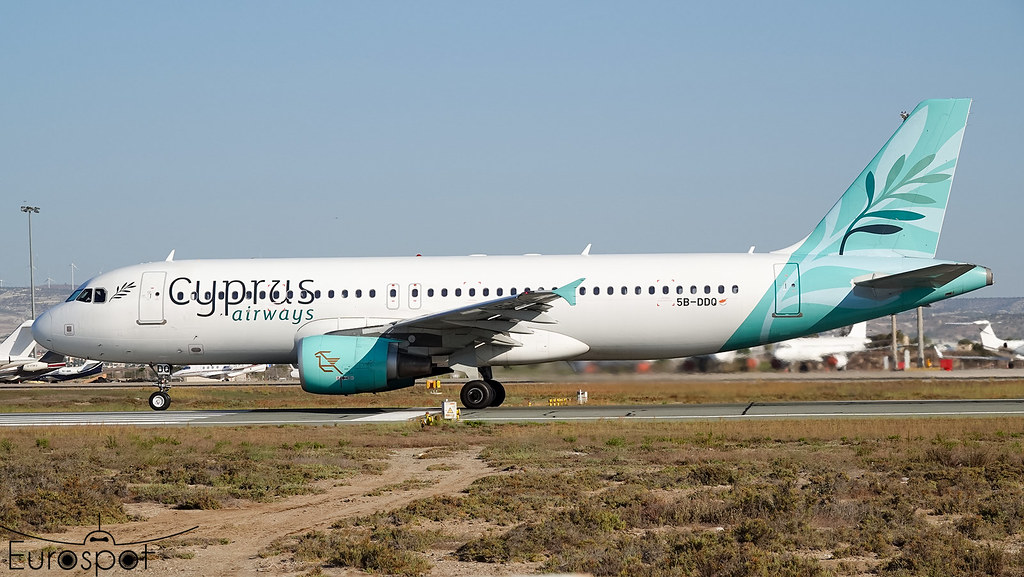
While summer months witness a surge in holiday traffic, Larnaca’s route network remains impressively diverse throughout the year. Cyprus Airways and TUS Airways provide scheduled services that connect to various European and eastern Mediterranean destinations. Low-cost carriers such as easyJet and Wizz Air also maintain extensive operations from the airport.
Other notable airlines operating from Larnaca include Aegean Airlines, British Airways, Emirates, and Qatar Airways, among others. This eclectic mix not only ensures a steady stream of aircraft movements but also presents unique opportunities for enthusiasts to capture images of rare aircraft types that may not be frequently seen in other European airports.
Prime Locations for Plane Spotting
For aviation photographers, Larnaca offers some of the best vantage points in the region. Mackenzie Beach, located directly beneath the approach to runway 22, provides spectacular viewing opportunities as aircraft pass low overhead just before landing. The beach is equipped with various cafés and restaurants, allowing spotters to enjoy a relaxing afternoon while capturing stunning photographs.
Moreover, the Eastern Apron Viewpoint along the B4 road offers a vantage point for observing cargo and business jets. A telephoto lens can yield excellent views of aircraft parked on the remote apron, although spotters should be mindful of airport security protocols.

Accommodations Tailored for Aviation Fans
For those wishing to immerse themselves in the aviation experience, the Flamingo Beach Hotel stands out as an ideal accommodation. Located just minutes from the runway threshold, the hotel offers rooms with views of aircraft on final approach. The rooftop terrace provides an exceptional vantage point for observing flight operations, making it a favored choice among spotting enthusiasts.
Conclusion: A Unique Aviation Experience Awaits
Larnaca International Airport may not rival the largest European hubs in terms of traffic volume, but it offers an unparalleled variety of airlines and flight operations in a picturesque Mediterranean setting. For aviation enthusiasts, the combination of excellent weather, diverse aircraft movements, and iconic spotting locations makes Larnaca a must-visit destination. Whether you are a seasoned spotter or a casual aviation fan, the experiences awaiting you at Larnaca are sure to leave a lasting impression.





This article was prepared by LibelulaFly as an independent aviation-news summary and editorial reinterpretation based on publicly available reporting. Images, when used, are included for editorial context with source attribution. Original source: www.airportspotting.com. Read the original article here: https://www.airportspotting.com/plane-spotting-at-larnaca-airport-cyprus-best-airport-for-aviation-enthusiasts/.
List, promote, or publish aircraft with LibelulaFly.
LibelulaFly.com • Sales@libelulafly.com • +1 305-332-1942

Jul
Tragedy at Tenerife: A Day to Remember
On April 25, 1980, the aviation community was shaken by the catastrophic crash of Dan-Air Flight 1008, a Boeing 727-46, during its approach to Tenerife North Airport in the Canary Islands. This incident resulted in the loss of all 146 individuals on board, marking it as one of the deadliest accidents in British aviation history. The flight, a charter service from Manchester, was carrying holidaymakers eager to enjoy their vacation in the sun.
The Flight and Its Journey
Dan-Air Flight 1008 was a routine charter operation, featuring a Boeing 727 that had joined the airline’s fleet in 1974 after being previously operated in the United States. With over 30,000 flight hours logged, the aircraft was fully capable of handling the journey across the Bay of Biscay. However, as the flight neared its destination, adverse weather conditions presented a significant challenge. Low cloud cover obscured the mountainous terrain of Tenerife, necessitating reliance on instrument flight rules for a safe approach.
Confusion in the Skies
As the aircraft approached the airport, it was placed in a holding pattern behind a slower Iberia flight. The air traffic control instructions provided to the Dan-Air flight were not included in the published approach procedures, leading to confusion among the crew. This ambiguity resulted in a critical navigational error as the aircraft inadvertently descended towards mountainous terrain instead of remaining at a safe altitude.

A Fatal Descent
Despite being cleared to descend to 5,000 feet, the pilots misjudged their position relative to the terrain. The Ground Proximity Warning System (GPWS) activated, alerting the crew of impending danger. In a desperate attempt to avoid disaster, the pilots applied full power and initiated a steep right turn. Tragically, at 13:21 local time, the aircraft collided with the slopes of Mount La Esperanza, resulting in total destruction and no survivors.
Investigation and Findings
The official investigation into the crash identified it as a classic case of Controlled Flight Into Terrain (CFIT). The Spanish authorities determined that the crew’s misinterpretation of the holding procedure, combined with the lack of clear air traffic control instructions, played a crucial role in the accident. The British investigation further highlighted systemic issues, emphasizing the need for clear communication and adequate terrain protection during instrument approaches.
Impact on Dan-Air and Aviation Safety
The loss of Flight 1008 was a profound tragedy for Dan-Air, an airline known for its inclusive-tour charters and scheduled services throughout Europe. Although the airline continued to operate and expand after the accident, this incident remained its most devastating moment. It underscored the crucial importance of unambiguous air traffic procedures and the need for rigorous adherence to safety protocols in aviation.
Legacy and Remembrance
Over four decades later, the memory of Flight 1008 serves as a reminder of the inherent risks of aviation and the critical importance of safety measures. While overshadowed by other aviation disasters, the tragedy remains a significant event in British aviation history, reinforcing lessons that are still relevant today. The legacy of the 146 lives lost continues to influence safety standards and operational protocols within the industry.


This article was prepared by LibelulaFly as an independent aviation-news summary and editorial reinterpretation based on publicly available reporting. Images, when used, are included for editorial context with source attribution. Original source: www.airportspotting.com. Read the original article here: https://www.airportspotting.com/dan-air-flight-1008-remembering-the-tragic-boeing-727-crash-that-shocked-britain/.
List, promote, or publish aircraft with LibelulaFly.
LibelulaFly.com • Sales@libelulafly.com • +1 305-332-1942

Jul
Air Canada Enhances Route Network with A321XLR
Air Canada has unveiled its strategic deployment plans for the Airbus A321XLR aircraft during the winter schedule of 2026/27. The airline aims to capitalize on the aircraft’s long-range capabilities by integrating it into a more extensive array of both domestic and international routes, marking a significant evolution in its operational strategy.
Broadening Horizons: Domestic and Transatlantic Services
Initially, the A321XLR was primarily associated with Air Canada’s new European routes. However, as part of the upcoming winter schedule, the aircraft will become an integral part of the airline’s North American services. Key routes set to feature the A321XLR include:
- Montreal – San Francisco: Transitioning to a daily service starting January 15, 2027.
- Toronto Pearson – Los Angeles: Introducing A321XLR operations from December 15, 2026.
- Toronto Pearson – Calgary: Daily A321XLR flights commencing December 16, 2026.
- Montreal – Toronto Pearson: Offering two to three weekly flights from October 25 to January 7.
- Montreal – Miami: Adding a weekly A321XLR service during the peak Christmas travel period.
- Montreal – Ottawa: Weekly flights scheduled for the festive season.
In addition to these domestic routes, Air Canada is also expanding the A321XLR’s reach into the Caribbean, introducing a new service from Montreal to Bridgetown, Barbados, with five weekly flights planned for December.

Refining Transatlantic Operations
As the airline continues to receive additional A321XLR aircraft, it is also optimizing its transatlantic operations. A notable adjustment includes the replacement of the Boeing 737 MAX 8 with the A321XLR on the Halifax to London Heathrow route, set to begin on December 17, 2026, with four flights per week. Although the A321XLR was initially slated to commence earlier, the revised schedule reflects a careful assessment of demand and operational efficiency.
Furthermore, the Montreal to Lisbon route will now feature a mixed operation, with three weekly A321XLR flights supplemented by one Airbus A330-300 service, adjusting from the previously planned five A321XLR flights.
Strategic Adaptations in a Dynamic Market
These recent changes exemplify Air Canada’s proactive approach to fleet management and route optimization. By diversifying the A321XLR’s deployment across a wider range of routes, the airline not only enhances passenger choice but also aligns its services with evolving market demands. The adjustments highlight the airline’s commitment to leveraging the capabilities of its fleet while responding to passenger preferences and operational realities.
Looking Ahead: Future Prospects for Air Canada
The ongoing integration of the Airbus A321XLR into Air Canada’s operations signifies a pivotal moment for the airline as it seeks to strengthen its market position. As the fleet expands and operational data becomes clearer, further adjustments may be anticipated. This strategic deployment not only underscores Air Canada’s adaptability but also positions it favorably for future growth in both domestic and international markets.







This article was prepared by LibelulaFly as an independent aviation-news summary and editorial reinterpretation based on publicly available reporting. Images, when used, are included for editorial context with source attribution. Original source: www.airportspotting.com. Read the original article here: https://www.airportspotting.com/air-canada-expands-airbus-a321xlr-network-for-winter-2026-27/.
List, promote, or publish aircraft with LibelulaFly.
LibelulaFly.com • Sales@libelulafly.com • +1 305-332-1942

Jun
Preserving Aviation History Through Spotting
Aviation is an ever-evolving industry, with airlines continuously updating their fleets to enhance efficiency and performance. While this modernization is beneficial for operational costs and environmental impact, it also means that many classic airliner types are fading from the skies. For aviation enthusiasts and plane spotters, this presents a limited opportunity to witness these iconic aircraft before they are permanently retired from commercial service.
Spotlight on Ten Iconic Airliners
As the aviation landscape transforms, certain airliner types have become increasingly rare, making them prime targets for spotting trips. Below are ten aircraft types that merit attention before they disappear from regular airline operations.
Airbus A300 Freighter: A Legacy in Cargo
While passenger variants of the Airbus A300 have long been retired, the freighter version continues to serve vital roles in cargo operations. European air carriers such as DHL Aviation maintain a notable presence with this aircraft, particularly at Leipzig/Halle Airport, which has become a hotspot for spotting A300s in action.
Boeing 717: The Last of Its Kind
The Boeing 717 is dwindling in numbers, with its largest fleets now operating under Delta Air Lines and Hawaiian Airlines. As Hawaiian Airlines transitions to newer models, enthusiasts should take the opportunity to experience this aircraft in Honolulu, one of the few locations where it remains a common sight.
Boeing 757-300: A Unique Narrowbody
The Boeing 757-300 is a distinctive narrowbody aircraft, yet only a few airlines, including Delta and United, continue to operate this variant. Its unique characteristics and the absence of a direct replacement make it a noteworthy inclusion on any spotting itinerary.
Boeing 767-200: The End of an Era
Despite its recent prevalence, the Boeing 767-200 is rapidly approaching the end of its operational life. Once a staple in many airlines’ fleets, this aircraft is now primarily flown by a select few, including UTair and Eastern Airlines, making sightings of this variant increasingly rare.
Boeing 777-200: A Fading Icon
The Boeing 777-200, while still a popular choice for many airlines, is becoming increasingly scarce, especially earlier variants. With only a handful of operators left, including Austrian Airlines and United Airlines, spotting this aircraft type is becoming a unique experience.
Airbus A380: The Superjumbo’s Legacy
As the largest passenger aircraft ever built, the Airbus A380 is a marvel of modern engineering. Although production has ceased, airlines like Emirates and Qantas continue to operate substantial fleets. However, as retirements loom, enthusiasts should prioritize opportunities to witness this monumental aircraft.
Boeing 747 Passenger Variants: A Nostalgic Farewell
The passenger variant of the Boeing 747 has become a rare sight in today’s aviation environment. With only a few airlines, including Lufthansa and Korean Air, still operating these aircraft, spotting a 747 has become a nostalgic experience that should not be missed.
McDonnell Douglas MD-11 Freighter: A Tri-Jet in Service
The MD-11’s passenger operations have largely ceased, but it remains in service as a freighter. Major operators like FedEx provide opportunities to see this unique tri-jet, particularly at key cargo hubs such as Memphis and Anchorage.
Ilyushin Il-62: A Soviet Classic
Surprisingly, the Ilyushin Il-62 still has a presence in the skies, albeit limited. With a few remaining examples operating in North Korea and for government use in Russia, this vintage aircraft represents a rare glimpse into aviation history.
Airbus A318: The Rarest of the A320 Family
As the smallest member of the A320 family, the Airbus A318 has quietly become one of the rarest commercial aircraft. Air France operates a dwindling number of these aircraft, which are being phased out in favor of newer models. Spotting an A318 is becoming increasingly challenging.
Final Thoughts: A Call for Preservation
As the aviation industry continues to innovate, the importance of preserving the legacy of these iconic aircraft cannot be overstated. For aviation enthusiasts, now is the time to seize the opportunity to spot these rare airliners before they become part of history. Each sighting not only celebrates the engineering marvels of the past but also serves as a reminder of the ever-changing face of aviation.

Jun
Unlock New Horizons in Aviation Enthusiasm
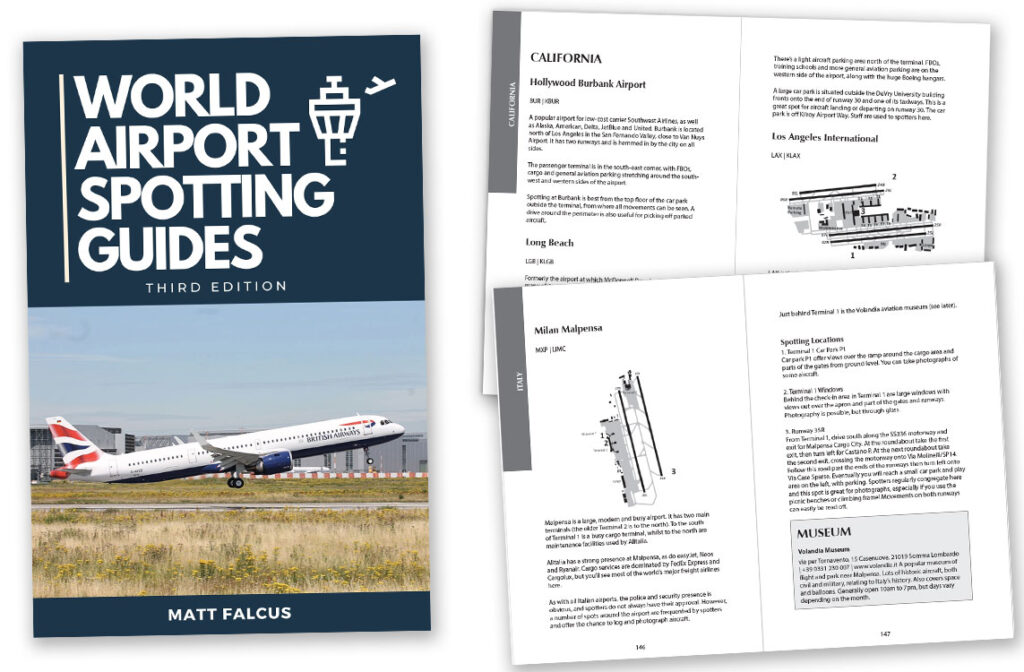
The world of aviation offers endless opportunities for exploration and excitement, particularly for enthusiasts who engage in plane spotting. To support both newcomers and seasoned spotters, a new resource has emerged: The Plane Spotter’s Toolkit (2026 Edition). This free downloadable guide is designed to enrich the plane spotting experience by providing essential information, practical advice, and inspiration for enthusiasts of all levels.
Your Essential Companion for Spotting Adventures
Plane spotting is not merely a hobby; it is a passion that connects individuals with the dynamic world of aviation. Each visit to an airport can reveal unique aircraft, special liveries, and a variety of airlines. However, knowing where to go and what to look for can be challenging. The Plane Spotter’s Toolkit addresses these challenges by offering comprehensive guidance on the best practices for maximizing your spotting experience.
Explore the Best Plane Spotting Locations
One of the standout features of the Toolkit is its curated list of premier plane spotting locations worldwide. From iconic airport approaches to breathtaking beach vantage points, the guide highlights destinations that every aviation enthusiast should consider. Whether you are planning a dedicated spotting trip or simply looking to enhance your next vacation, these recommendations will inspire your journey and ensure memorable experiences.

Understanding Equipment Essentials
Many aspiring plane spotters often believe that high-end cameras and specialized gear are prerequisites for the hobby. The Toolkit dispels this myth by emphasizing that enjoyment can be achieved with minimal investment. It provides practical advice on essential equipment, whether using a smartphone for casual spotting or a dedicated camera for capturing stunning images. This section aims to help enthusiasts focus their resources wisely as their interest in aviation grows.
Spotting Rare Aircraft and Unique Liveries
A thrilling aspect of plane spotting is the chance to observe rare aircraft and newly unveiled special liveries. The Toolkit features a dedicated section that identifies notable aircraft types still in operation and highlights the most visually striking liveries to look out for in 2026. This information can serve as a valuable resource for collectors and photographers, offering insights into which aircraft to prioritize during spotting excursions.
Accommodation for the Avid Spotter
For those who wish to combine comfort with their spotting experience, the Toolkit also lists some of the finest hotels that cater to aviation enthusiasts. These accommodations provide excellent views of airport operations, allowing guests to enjoy aircraft movements without stepping outside. Such hotels are perfect bases for spotting trips, offering a unique vantage point to appreciate the aviation world.
Download Your Free Toolkit Today
The Plane Spotter’s Toolkit (2026 Edition) is more than just a guide; it is an invitation to dive deeper into the captivating world of aviation spotting. Regardless of your experience level, this resource is filled with valuable tips, fresh ideas, and inspiration for your next adventure. To start your journey into the skies, simply download your free copy today and prepare to elevate your spotting experience.







This article was prepared by LibelulaFly as an independent aviation-news summary and editorial reinterpretation based on publicly available reporting. Images, when used, are included for editorial context with source attribution. Original source: www.airportspotting.com. Read the original article here: https://www.airportspotting.com/plane-spotters-toolkit-guide-free-download/.
List, promote, or publish aircraft with LibelulaFly.
LibelulaFly.com • Sales@libelulafly.com • +1 305-332-1942

Jun
A Gateway to Adventure
Lukla Airport, officially known as Tenzing-Hillary Airport, serves as a crucial access point for adventurers heading to the Everest region. Nestled in the Himalayas, this airport is renowned not only for its proximity to the world’s highest peak but also for its challenging operational conditions. It has earned a reputation as one of the most perilous airports globally, attracting both thrill-seekers and aviation aficionados alike.
Operational Challenges and Unique Features
The airport features a short, sloping runway that presents significant challenges for pilots. The runway orientation is such that landings can only occur from one direction while takeoffs must proceed in the opposite direction. This setup, combined with unpredictable weather conditions, can lead to flight cancellations and requires pilots to possess specialized skills and training. Aircraft operating in this environment must be equipped to handle the steep terrain and sudden weather changes, making each flight a testament to pilot expertise and aircraft capability.
Airlines Serving Lukla
Several airlines and charter operators provide essential connectivity to Lukla, primarily from Kathmandu and Manthali. Regular operators include Air Dynasty, Sita Air, Summit Air, and Tara Air, each utilizing aircraft that are suited for the unique conditions of the airport. The Dornier 228 and DHC-6 Twin Otter are among the aircraft frequently seen at Lukla, enabling multiple daily flights that cater to both trekkers and tourists eager to experience the majestic Himalayas.

The Plane Spotter’s Paradise
For aviation enthusiasts, Lukla Airport offers a distinctive environment for plane spotting. The airport’s compact layout allows for close observation of aircraft movements, with the best viewing spots located near the thresholds of the runway. Behind the 24 threshold, visitors can enjoy elevated views of the runway and parking apron, providing excellent opportunities for photography. Adventurous spotters can also navigate through the town to reach areas near the 06 threshold, where they can capture dynamic action shots of aircraft during landing.
Experiencing Lukla: A Unique Aviation Journey
While the journey to Lukla can be fraught with challenges, it is equally rewarding. The breathtaking backdrop of the Himalayas combined with the thrill of flying into one of the world’s most dangerous airports creates an unforgettable experience for travelers. For those who have visited Lukla, the memories of the flight and the stunning scenery remain etched in their minds. Whether you are an aviation enthusiast or a traveler seeking adventure, Lukla Airport stands as a remarkable testament to the resilience and spirit of aviation in one of the most challenging environments on Earth.
This article was prepared by LibelulaFly as an independent aviation-news summary and editorial reinterpretation based on publicly available reporting. Images, when used, are included for editorial context with source attribution. Original source: www.airportspotting.com. Read the original article here: https://www.airportspotting.com/a-guide-to-lukla-airport-for-plane-spotters/.
List, promote, or publish aircraft with LibelulaFly.
LibelulaFly.com • Sales@libelulafly.com • +1 305-332-1942
Jun
Swiss International Air Lines Takes Unconventional Step with A220-100s
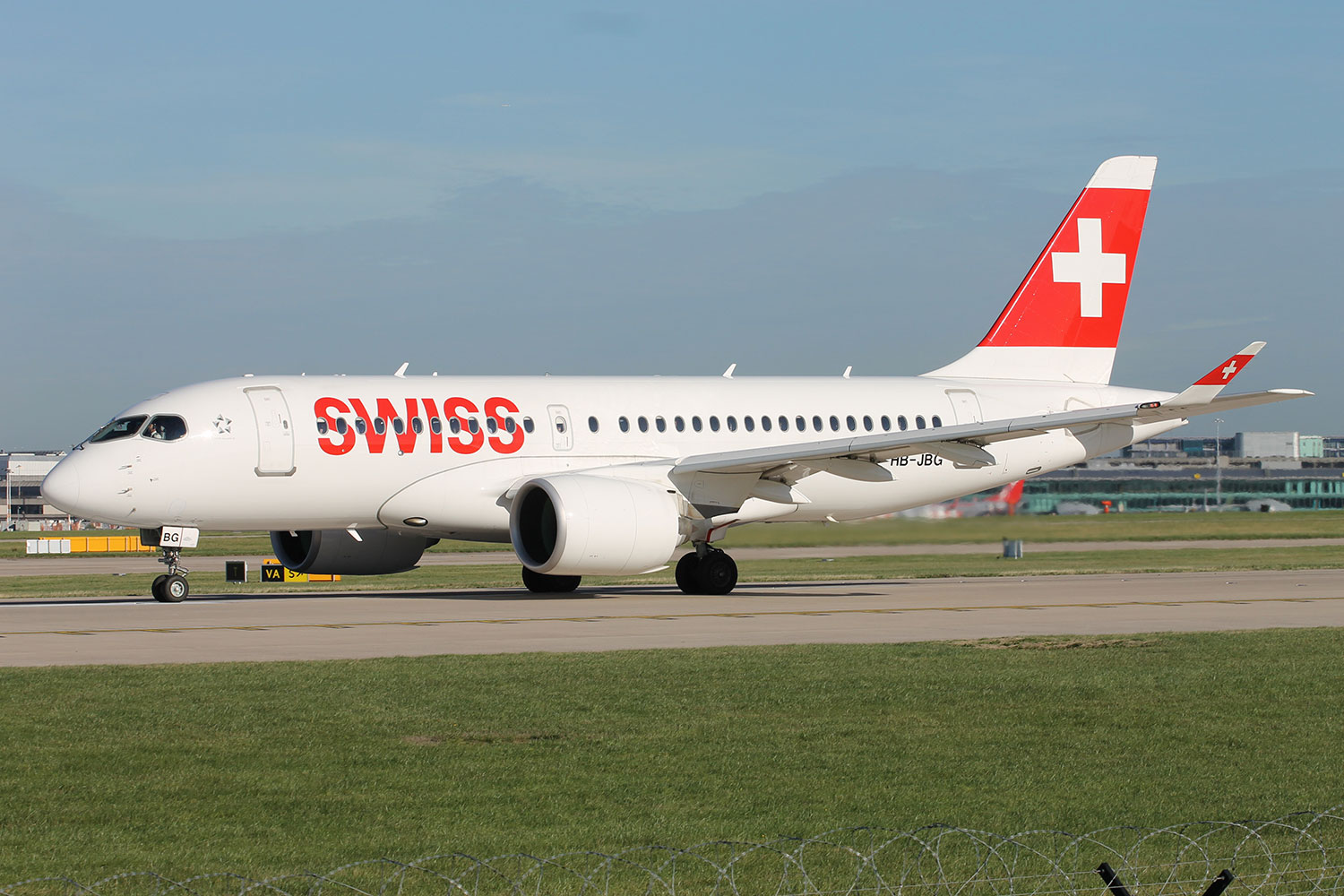
In an unexpected move that underscores the complexities of modern aviation operations, Swiss International Air Lines has announced the dismantling of two of its Airbus A220-100 aircraft. This decision comes as the airline grapples with ongoing challenges related to engine availability, particularly concerning Pratt & Whitney’s geared turbofan (GTF) engines. The aircraft in question, registered as HB-JBC and HB-JBD, were delivered in 2016 and initially hailed as a vital component of the airline’s fleet strategy.
Operational Context of the A220 Programme
Swiss was the launch operator of the A220, previously known as the Bombardier CSeries, marking a significant milestone in its operational capabilities. Currently, the airline operates a mixed fleet comprising nine A220-100s and 21 A220-300s. The decision to retire the two A220-100s, which have been stored at Toulouse-Francazal Airport since January 2026, reflects a strategic shift in response to pressing operational needs.
Engine Shortages Drive Dismantling Decision
The primary catalyst for this dismantling is the ongoing engine shortages affecting the airline’s fleet. Swiss has faced significant operational disruptions due to the removal of GTF engines for inspections and repairs, with the PW1500G engines powering the A220 family particularly impacted. Instead of waiting for replacement engines to become available, Swiss has opted to repurpose the engines from the retired A220-100s to support its larger A220-300 fleet, which is deemed more critical for operational stability.

The Economic Imperative of Fleet Management
From an economic perspective, the decision to dismantle the A220-100s is grounded in the comparative profitability of the larger A220-300 variant. With a seating capacity of 145 compared to the 125 of the A220-100, the larger model offers better cost efficiency and revenue potential. This prioritization reflects a broader trend in the aviation industry, where airlines are increasingly focused on maximizing the operational utility of their fleets amidst challenging market conditions.
Challenges and Future Considerations
Swiss’s relationship with the A220 programme has been complex, marked by both support and challenges. Despite being an early adopter, the airline has experienced multiple engine-related incidents over the years, including temporary fleet groundings due to in-flight engine shutdowns. These operational hurdles have compelled Swiss to adopt innovative strategies to maintain reliability while navigating the ongoing GTF durability issues that have affected the broader aviation landscape.
Looking Ahead: A220 Fleet’s Future
The dismantling of HB-JBC and HB-JBD is just one chapter in the evolving narrative of Swiss’s A220 operations. The airline has indicated that other A220-100s may also be parked for extended periods, with uncertain futures ahead. While no definitive decisions have been made regarding the long-term status of the A220-100 fleet, Swiss’s immediate focus remains on ensuring the operational integrity of its A220-300 aircraft.
This situation serves as a poignant reminder of the challenges facing the aviation industry today, particularly in terms of engine availability and supply chain constraints. As Swiss navigates these complexities, the decision to dismantle two relatively young aircraft highlights the critical nature of operational efficiency in a rapidly changing environment.







This article was prepared by LibelulaFly as an independent aviation-news summary and editorial reinterpretation based on publicly available reporting. Images, when used, are included for editorial context with source attribution. Original source: www.airportspotting.com. Read the original article here: https://www.airportspotting.com/why-swiss-is-parting-out-two-a220s/.
List, promote, or publish aircraft with LibelulaFly.
LibelulaFly.com • Sales@libelulafly.com • +1 305-332-1942

May
New York: A Hub for Aviation Enthusiasts
New York City stands out as a premier destination for aviation enthusiasts, offering unparalleled access to a dynamic range of aircraft movements across its major airports. With three bustling commercial airports — John F. Kennedy International (JFK), LaGuardia (LGA), and Newark Liberty International (EWR) — along with Teterboro Airport, a key player in business aviation, the region showcases a captivating mix of international airliners, cargo jets, and private aircraft.
Iconic Spotting Locations at JFK
For those seeking the ultimate plane spotting experience, JFK offers several prime locations. The TWA Hotel, situated at the former Trans World Airlines terminal, features a rooftop observation deck that provides stunning views of the airport’s operations. Visitors can enjoy watching a variety of aircraft, from the Airbus A380 to Boeing 777s, all while relaxing beside an infinity pool.
Bayswater Park, located adjacent to Jamaica Bay, is another excellent spot for aviation photography. With its unobstructed views of aircraft on Runways 04L and 04R, spotters can capture a diverse array of airlines from around the globe. The elevated Brookville Park Mounds also offers a unique vantage point for arrivals and departures, allowing enthusiasts to enjoy a more tranquil spotting experience.

Exploring LaGuardia’s Unique Offerings
LaGuardia Airport, although smaller, is equally rewarding for plane spotters. Planeview Park, located near the airport, is a favored spot where visitors can witness low-flying arrivals on Runway 04. The constant activity from major airlines such as American Airlines and Delta Air Lines makes it a vibrant location for capturing daily aviation operations.
Nearby, the World’s Fair Marina provides a picturesque setting for photography, particularly for departures from Runway 13. The scenic backdrop of Flushing Bay enhances the appeal, especially during the golden hours of late afternoon and evening.
Newark Liberty: A Gateway for Global Aviation
At Newark Liberty International Airport, the IKEA parking lot has become a well-known site for spotters, offering views of aircraft approaching Runways 04L and 04R. Dominated by United Airlines, Newark also handles substantial international traffic, providing a diverse mix of aircraft to observe. However, spotters should remain mindful of security personnel in the area.
Teterboro: The Epicenter of Business Aviation
For those with a keen interest in business jets, Teterboro Airport is a must-visit. Known as one of the busiest executive jet airports globally, Teterboro attracts a range of high-profile aircraft. Industrial Avenue runs alongside key ramps and hangars, providing an ideal spot for observing both parked and taxiing business jets, from Gulfstreams to rare private aircraft.

Conclusion: A Diverse Aviation Landscape
New York City offers an unmatched aviation experience, where enthusiasts can witness a remarkable variety of aircraft in a single day. From the grandeur of international airlines at JFK to the bustling domestic traffic at LaGuardia and the elite business jets at Teterboro, the city remains a vibrant hub for aviation lovers. As spotters explore these iconic locations, they not only enjoy the thrill of aviation but also contribute to the rich tapestry of New York’s aviation culture.






This article was prepared by LibelulaFly as an independent aviation-news summary and editorial reinterpretation based on publicly available reporting. Images, when used, are included for editorial context with source attribution. Original source: www.airportspotting.com. Read the original article here: https://www.airportspotting.com/7-great-places-for-plane-spotting-in-new-york/.
List, promote, or publish aircraft with LibelulaFly.
LibelulaFly.com • Sales@libelulafly.com • +1 305-332-1942