
Jul
SpiceJet’s Resilience Amidst Turbulence
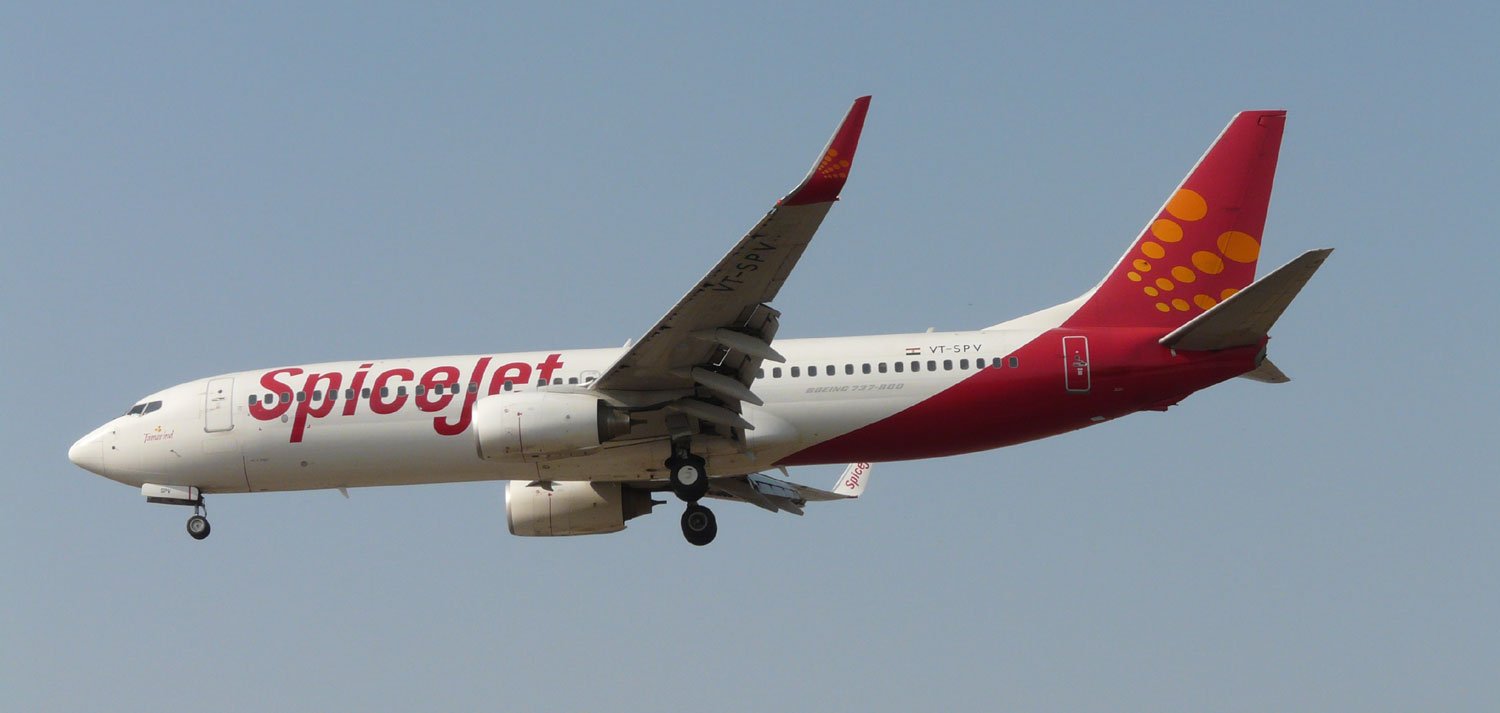
Once celebrated as India’s second-largest airline, SpiceJet has faced a tumultuous journey over the past few years, marked by financial distress and operational challenges. Having once operated a fleet exceeding 100 aircraft and amassed millions of passengers annually, the low-cost carrier now finds itself in a critical phase of recovery. Recent developments indicate that while the airline is striving to regain its foothold, it has considerable ground to cover before returning to its former glory.
A Remarkable Ascent
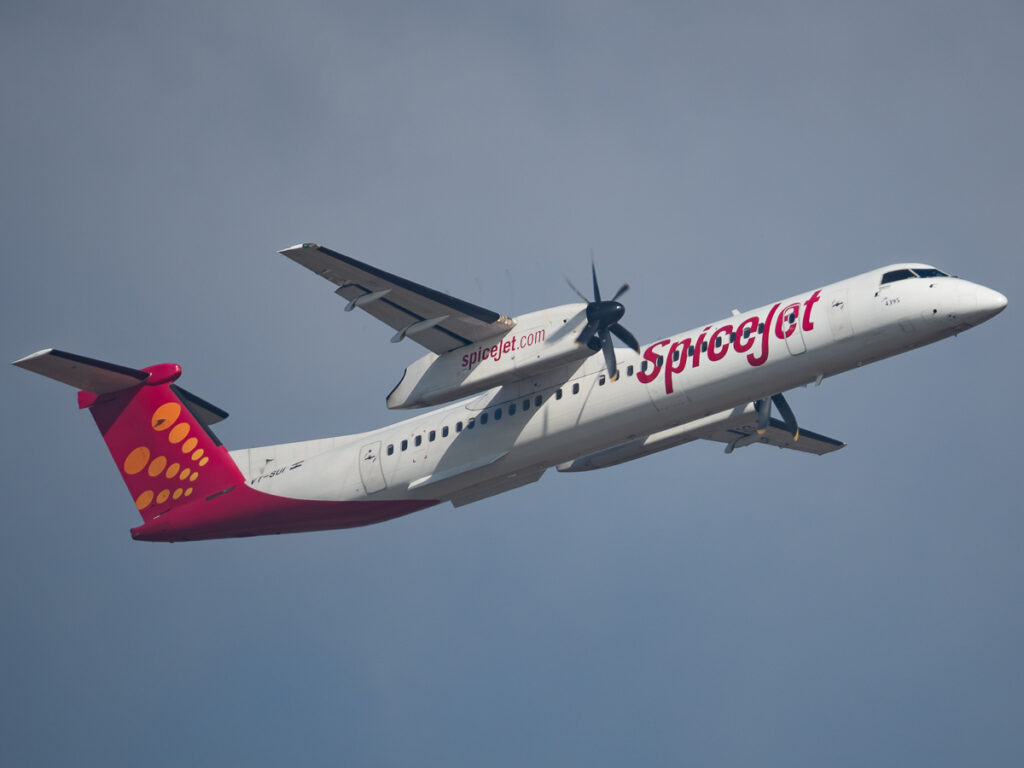
Founded in 2005, SpiceJet quickly rose to prominence as a low-cost carrier, primarily utilizing an all-Boeing 737 fleet to dominate the Indian skies. The airline’s expansion was bolstered by its strategic inclusion of De Havilland Canada Dash 8-400 turboprops, enabling better access to regional airports under India’s connectivity initiatives. By the late 2010s, SpiceJet had established itself as a formidable player in the industry, supported by a significant order of over 150 Boeing 737 MAX aircraft, which were intended to form the backbone of its future operations.
The Onset of Challenges
However, a series of crises began to unfold for SpiceJet, starting with the global grounding of the Boeing 737 MAX in 2019, which severely impacted its operational capacity. This was followed by the COVID-19 pandemic, which decimated air travel demand and exacerbated the airline’s financial situation. Unlike many competitors that rebounded quickly, SpiceJet was left grappling with substantial debts, disputes with lessors, and a dwindling operational fleet as aircraft were either repossessed or grounded for maintenance.
Fleet Transformation and Adaptation
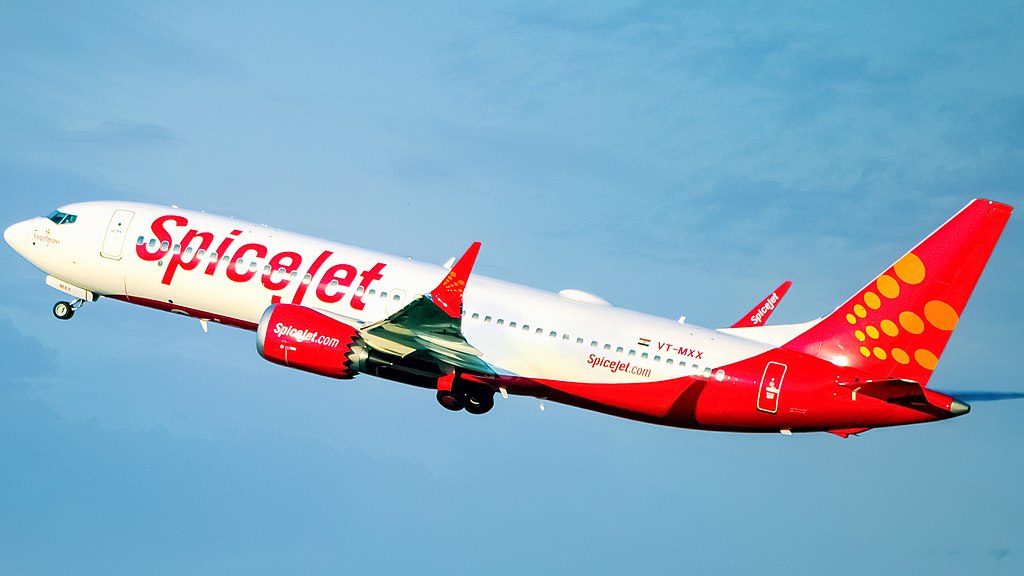
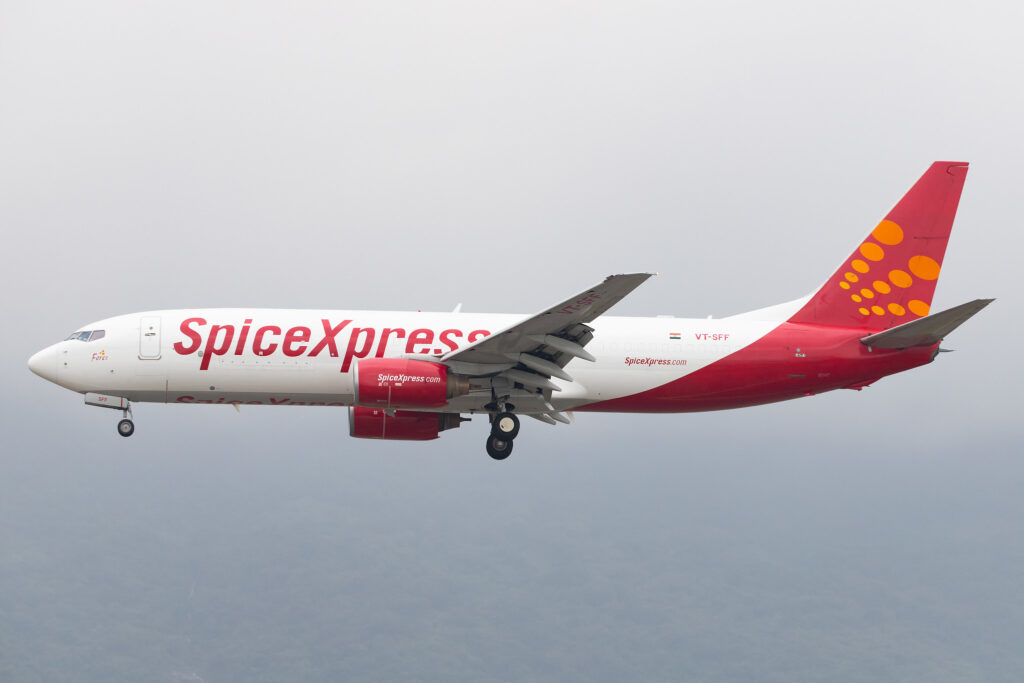
Currently, SpiceJet’s operational fleet primarily comprises various Boeing 737 models alongside Dash 8-400 turboprops. Despite having significant outstanding orders for the Boeing 737 MAX, the number of aircraft actively flying remains limited. Compounding the airline’s challenges, the introduction of Airbus A320 aircraft on a damp-lease basis marks a notable shift in strategy, aimed at supplementing capacity during peak travel seasons while the airline works to reactivate its existing fleet.
Financial Hurdles and Recovery Signs
The overarching hurdle for SpiceJet continues to be its financial health, plagued by ongoing legal disputes and cash-flow issues. Reports of delayed pilot salaries highlight the urgency of securing government-backed funding to stabilize operations. Meanwhile, external factors such as rising fuel prices and currency fluctuations have further strained the airline’s recovery efforts.
Glimmers of Hope
Despite these challenges, there are emerging signs of recovery. Over the past year, SpiceJet has successfully reactivated several grounded Boeing 737 MAX aircraft and added leased 737s to enhance its service offerings. Financial restructuring efforts have led to improved quarterly revenues as passenger demand gradually rebounds. Management remains focused on restoring grounded aircraft, aiming to eventually expand both domestic and international services.
Future Outlook: A Sustainable Business Model
The Indian aviation landscape is witnessing rapid growth, yet it remains fiercely competitive, with major players like IndiGo and the newly revitalized Air India Group leading the charge. For SpiceJet, the path to survival may require a shift from aspirations of regaining its former size to establishing a viable business model characterized by fleet reliability and financial stability. With a well-recognized brand and a loyal customer base, the airline’s future hinges on its ability to navigate these complexities and leverage its substantial order book of Boeing 737 MAX aircraft for future growth. As the airline embarks on this journey of recovery, the aviation community will be watching closely to see if SpiceJet can reclaim its status as a key player in India’s vibrant aviation market.





This article was prepared by LibelulaFly as an independent aviation-news summary and editorial reinterpretation based on publicly available reporting. Images, when used, are included for editorial context with source attribution. Original source: www.airportspotting.com. Read the original article here: https://www.airportspotting.com/whats-happening-with-spicejet/.
List, promote, or publish aircraft with LibelulaFly.
LibelulaFly.com • Sales@libelulafly.com • +1 305-332-1942

Jul
Aviation Heritage in Transition
The China Aviation Museum at Datangshan, a renowned destination for aviation enthusiasts, has officially closed its doors as of late 2025. This significant development marks a pivotal moment for one of the world’s largest and most unique aviation museums, which features an extraordinary collection of military and civil aircraft. The museum’s closure is linked to an ambitious relocation project aimed at moving its extensive collection to a new site in Changchun, Jilin Province.
A Glimpse into the Museum’s Legacy
Established in 1989 to commemorate the 40th anniversary of the People’s Liberation Army Air Force (PLAAF), the China Aviation Museum quickly gained recognition as a national treasure and a prominent institution within the global aviation community. Spanning over 700,000 square meters, the museum housed more than 300 aircraft, showcasing the evolution of both military and civil aviation in China.
Among its most striking features was the underground exhibition hall, originally designed as a hardened shelter during the Cold War. This unique setting allowed visitors to explore historic aircraft in a truly one-of-a-kind environment. Outside, the museum’s grounds displayed an extensive array of military fighters, bombers, and helicopters, providing a comprehensive overview of the Chinese Air Force’s aerial capabilities.

A Diverse Collection of Aircraft
While the museum primarily focused on military aviation, it also boasted a notable selection of classic airliners, many of which had historical significance within China’s aviation narrative. Aircraft such as the Hawker Siddeley Trident, Douglas DC-8, and Airbus A310 were among the highlights, illustrating the diverse lineage of China’s commercial aviation.
This unique combination of military and civil aviation artifacts made Datangshan a rare venue where enthusiasts could appreciate both Chinese and international aircraft side by side. The collection also included notable military models, from early MiGs to indigenous Chinese fighters and experimental prototypes, further enriching the museum’s offerings.
The Challenges of Relocation
The decision to relocate the museum’s vast collection is a monumental undertaking. Reports suggest that the move to the new aviation museum in Changchun involves complex logistics, given the size and fragility of many exhibits. Some aircraft may require disassembly for transport, while others necessitate specialized conservation efforts to ensure their preservation.
Looking Ahead: The Future of Aviation Exhibits in China
As plans for the new museum progress, it is anticipated that the facility may not open its doors until mid-2027 at the earliest. This timeline reflects the careful planning required to ensure the proper handling and presentation of the collection. Aviation enthusiasts planning visits to Beijing should note that the Datangshan museum is currently closed, despite outdated travel resources indicating otherwise.

A Hopeful Horizon for Aviation Enthusiasts
While the closure of the China Aviation Museum is undoubtedly a setback for aviation fans, it also presents an opportunity for the preservation of invaluable artifacts in a modern setting. The forthcoming museum aims not only to safeguard China’s military aviation heritage but also to continue showcasing its unique collection of classic airliners. As the aviation community awaits the new facility’s debut, the promise of a revitalized and accessible collection remains a beacon of hope for enthusiasts worldwide.






This article was prepared by LibelulaFly as an independent aviation-news summary and editorial reinterpretation based on publicly available reporting. Images, when used, are included for editorial context with source attribution. Original source: www.airportspotting.com. Read the original article here: https://www.airportspotting.com/whats-happening-with-chinas-datangshan-aviation-museum/.
List, promote, or publish aircraft with LibelulaFly.
LibelulaFly.com • Sales@libelulafly.com • +1 305-332-1942

Jul
The Airbus A220: Transforming the 100-150 Seat Market
The Airbus A220 has emerged as a pivotal player in commercial aviation, particularly within the 100-150 seat segment. Initially developed by Bombardier as the CSeries, the aircraft transitioned to Airbus ownership in 2018, leading to a significant redesign and rebranding. Today, the A220 is celebrated for its fuel efficiency, extended range, and passenger-centric cabin features, making it a preferred choice for airlines worldwide.
A Growing Global Presence
With over 500 A220 aircraft currently in operation, the model has effectively replaced older aircraft types, such as the Airbus A319 and Boeing 737-700, across various airlines. As Airbus ramps up production, the A220 is increasingly visible at airports in North America, Europe, and beyond, solidifying its status as a mainstay in modern fleets.
Leading Operators in the A220 Fleet
Delta Air Lines stands at the forefront as the largest operator of the Airbus A220, with a fleet of 87 aircraft. The airline utilized the A220 to modernize its fleet, replacing older models like the McDonnell Douglas MD-88 and MD-90. This strategic move has allowed Delta to enhance its operational efficiency while providing passengers with a comfortable travel experience.

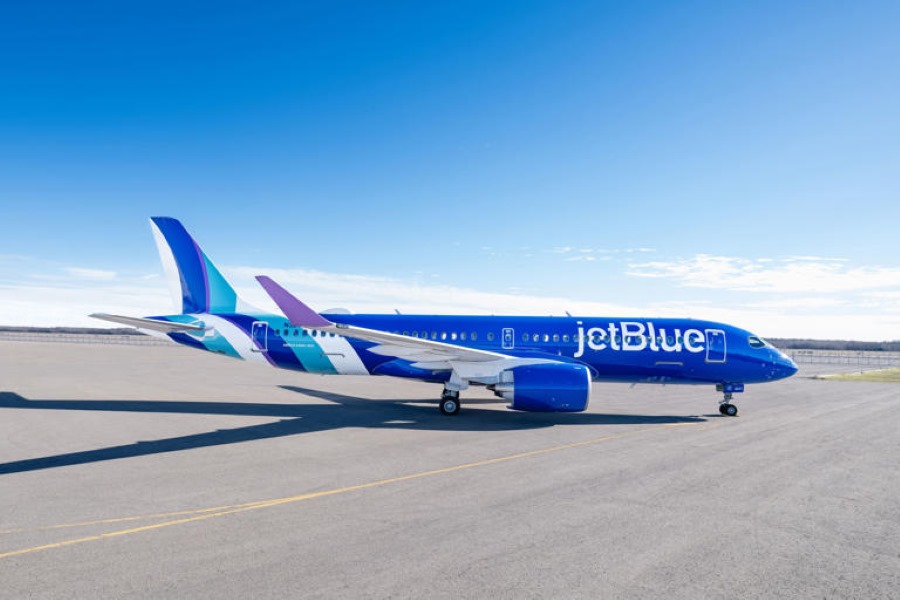
JetBlue follows closely with 65 A220-300s, replacing its Embraer E190 fleet. The airline’s focus on passenger comfort and modern amenities, combined with lower fuel consumption, has made the A220 a valuable addition to its operations.
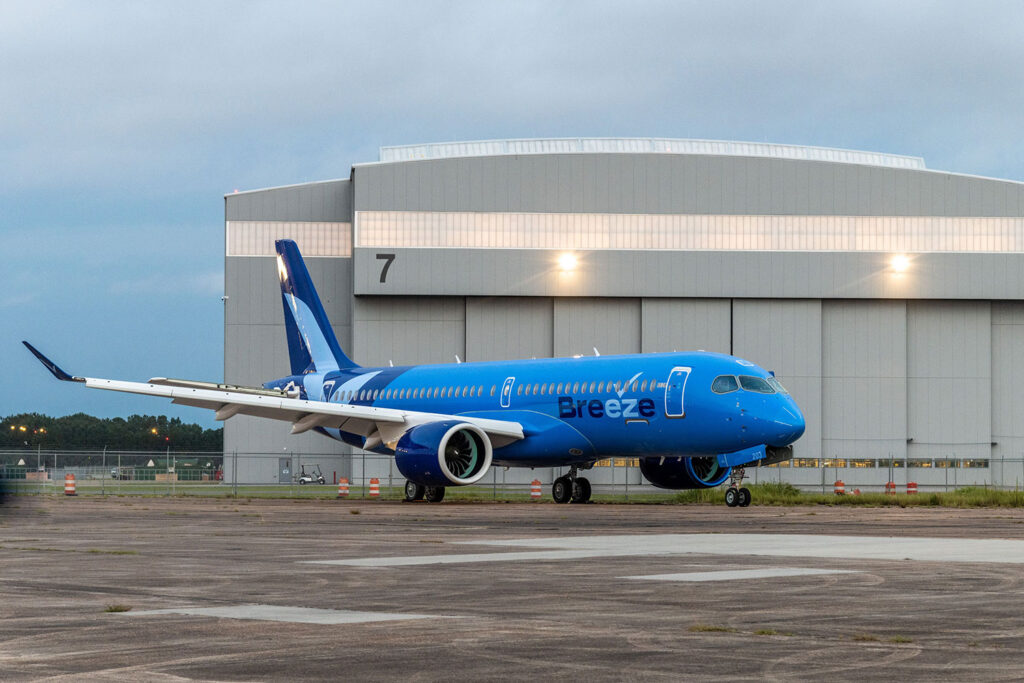
Breeze Airways has also embraced the A220-300, operating 57 units to connect underserved markets across the U.S. The aircraft’s long-range capabilities and cost-effectiveness align with Breeze’s mission to serve routes that larger jets cannot efficiently cover.
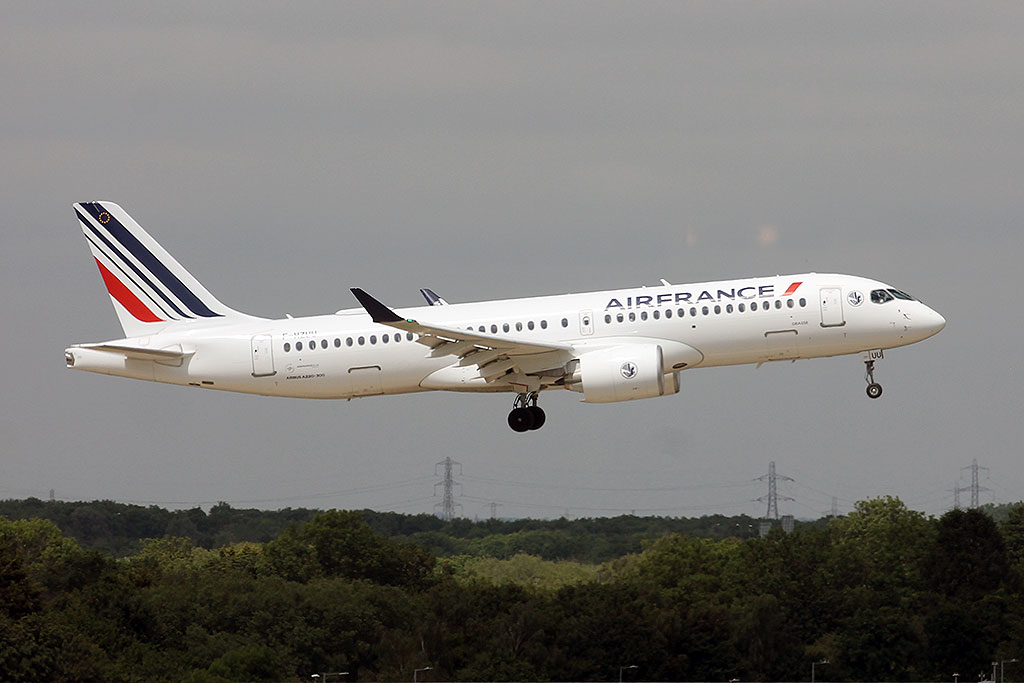
Air France and airBaltic are notable operators as well, with 56 and 55 A220s in their fleets, respectively. Air France is leveraging the A220 to refresh its short-haul services, while airBaltic proudly operates an all-A220 fleet, emphasizing its commitment to modern, efficient air travel.
Market Implications and Future Developments
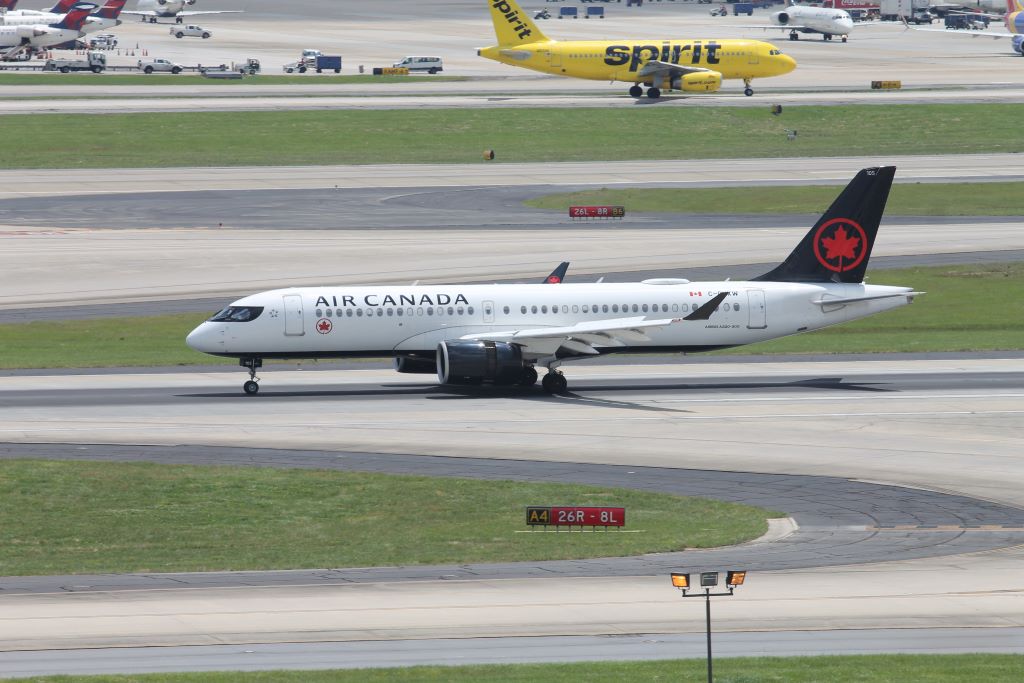
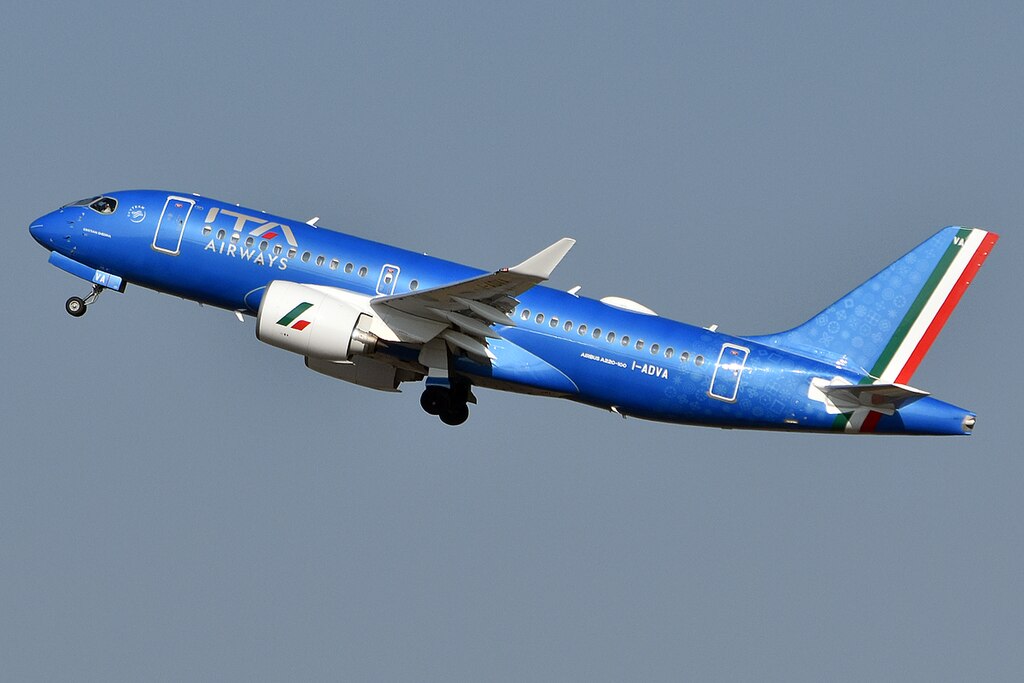
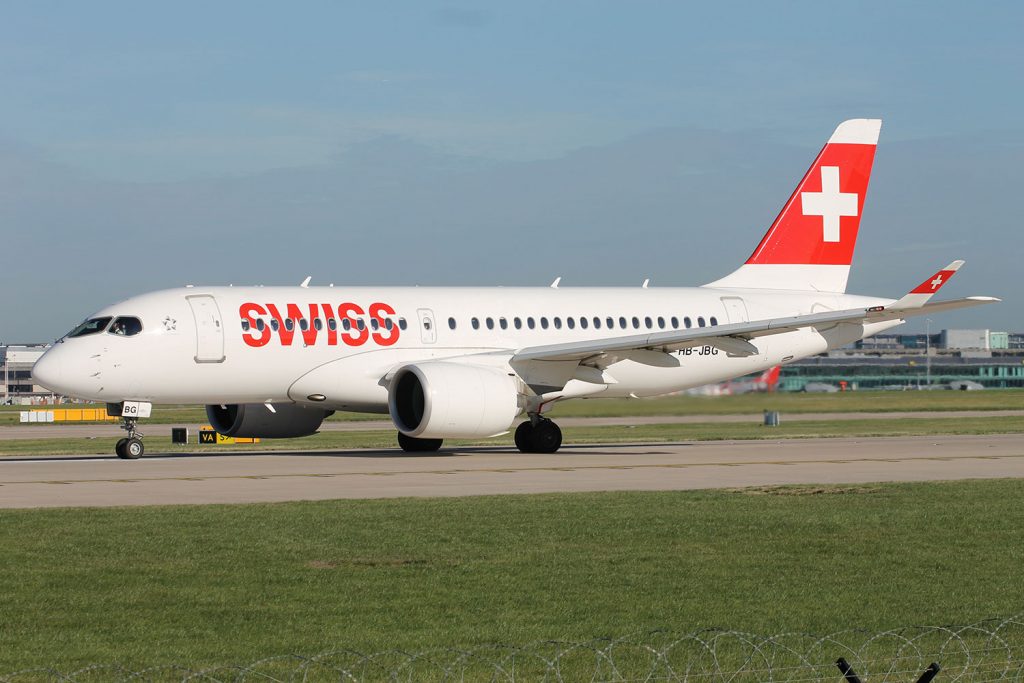
As airlines like Air Canada, ITA Airways, SWISS, QantasLink, and Korean Air integrate the A220 into their fleets, the aircraft’s influence continues to expand. The operational versatility and economic advantages of the A220 are evident, as it serves routes ranging from domestic flights to international connections.
The A220’s success has prompted Airbus to consider an extended version, the A220-500, which could further enhance its appeal in the competitive narrowbody market currently dominated by the A320neo and Boeing 737 MAX 8. Additionally, a recent order from AirAsia for 150 A220-300s signifies the aircraft’s growing popularity, positioning AirAsia to potentially become the largest operator of the A220 series.
A Bright Future for the A220
As the Airbus A220 continues to gain traction among airlines globally, its role in shaping the future of commercial aviation is undeniable. The aircraft’s combination of operational efficiency, passenger comfort, and environmental sustainability aligns with the evolving demands of the airline industry. With production on the rise and new variants on the horizon, the A220 is set to play a critical role in the next chapter of aviation history.

This article was prepared by LibelulaFly as an independent aviation-news summary and editorial reinterpretation based on publicly available reporting. Images, when used, are included for editorial context with source attribution. Original source: www.airportspotting.com. Read the original article here: https://www.airportspotting.com/10-biggest-operators-of-the-airbus-a220/.
List, promote, or publish aircraft with LibelulaFly.
LibelulaFly.com • Sales@libelulafly.com • +1 305-332-1942
Jul
easyJet Faces Major Transition with Proposed Takeover
In a significant development for the airline industry, easyJet has announced its intention to consider a £5.5 billion takeover offer from US investment firm Castlelake. This deal, which values the airline at £6.90 per share, could lead to easyJet transitioning into a private entity if finalized. According to UK takeover regulations, Castlelake has until August 3, 2026, to submit a formal offer.
Assessing easyJet’s Fleet Strategy
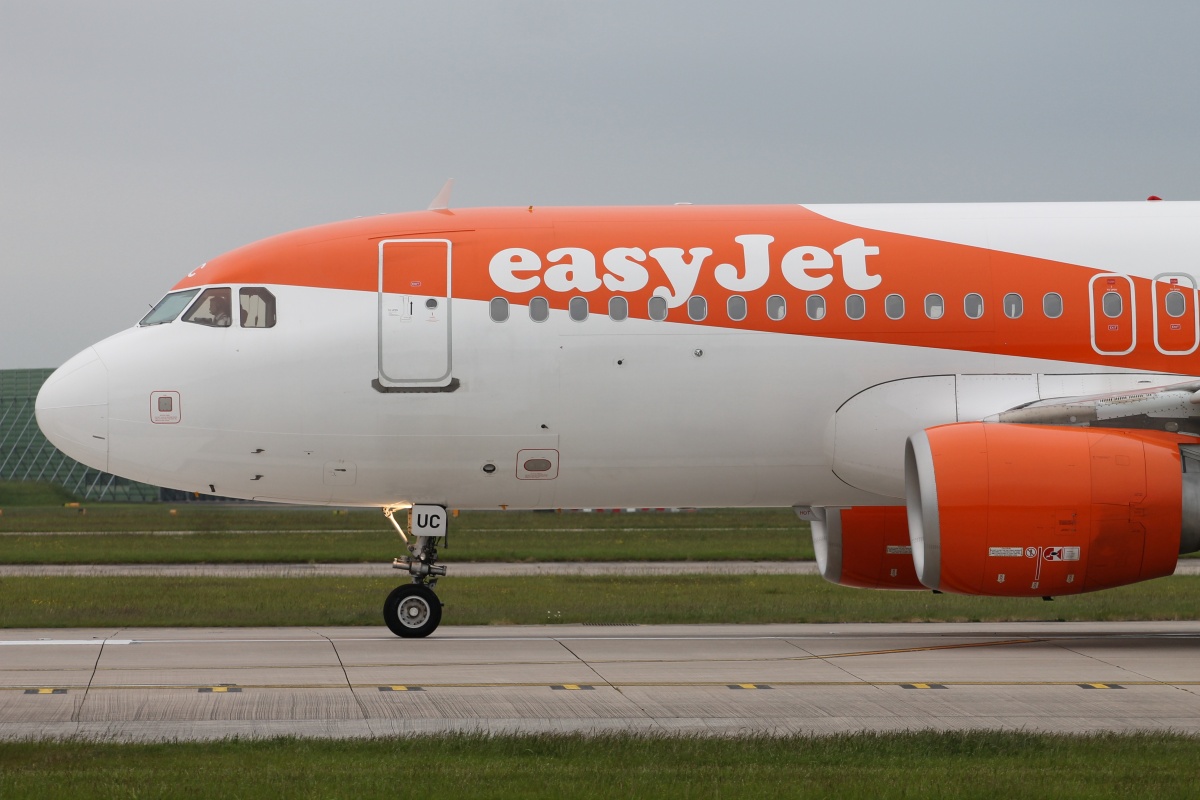
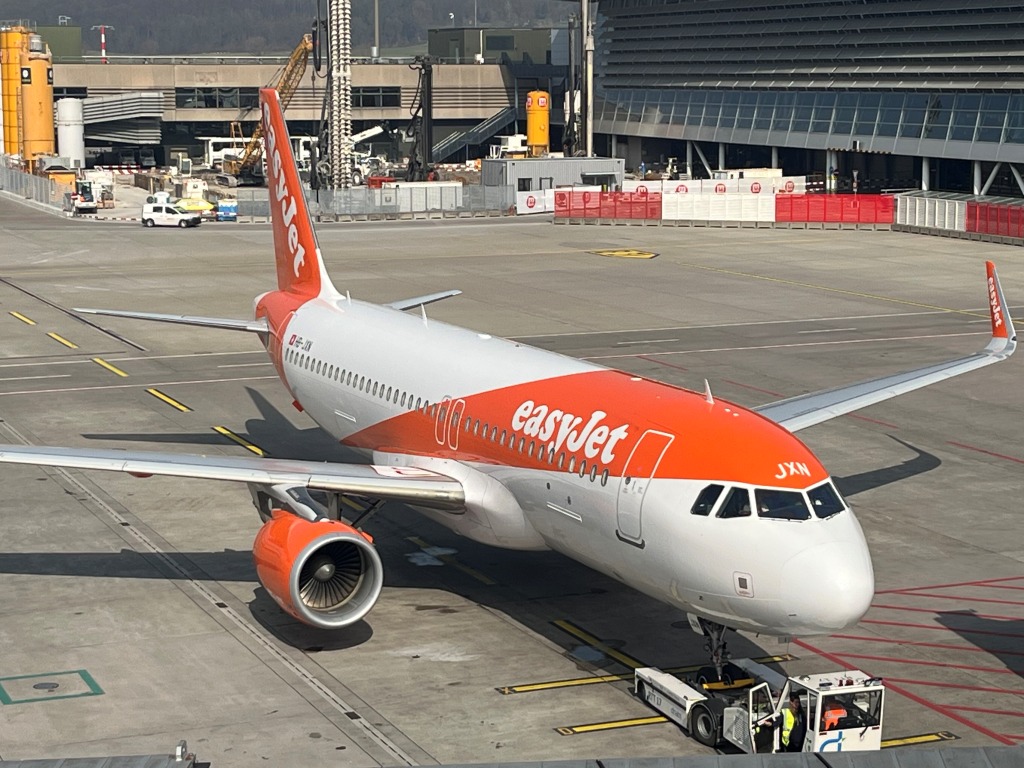
easyJet stands as one of Europe’s leading low-cost carriers, boasting a robust short-haul network that spans the UK, Europe, and North Africa. As of March 31, 2026, the airline operates a fleet of 356 aircraft across 1,273 routes and 165 airports in 37 countries. The current fleet is exclusively composed of Airbus models, primarily the A319, A320, A320neo, and A321neo families.
The attractiveness of easyJet to potential investors is underscored by its valuable airport slots at key locations, including London Gatwick and major European hubs. However, the question arises: will the fleet undergo significant changes under new ownership?
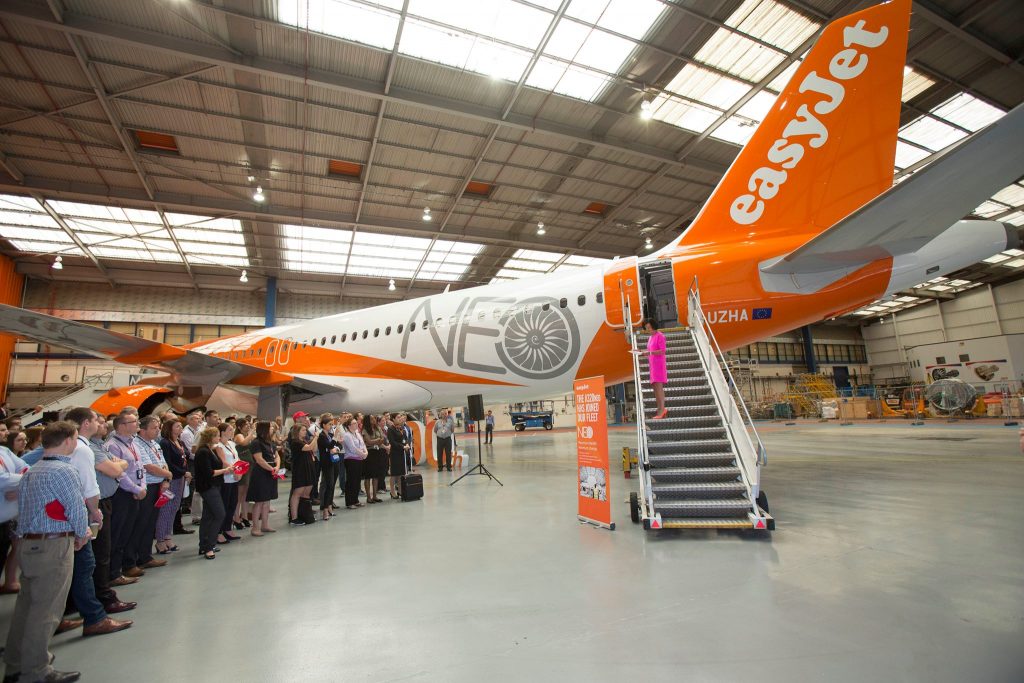
While substantial alterations are not anticipated, easyJet’s existing commitments to the Airbus A320neo family suggest a clear trajectory for fleet modernization. In recent years, the airline has placed a firm order for 157 additional A320neo family aircraft, including a mix of A320neos and A321neos, indicating a shift towards larger, more efficient models. This evolution is likely to phase out older A319s, making way for the A321neo on high-demand routes.
Brand Identity: Stability Amidst Change
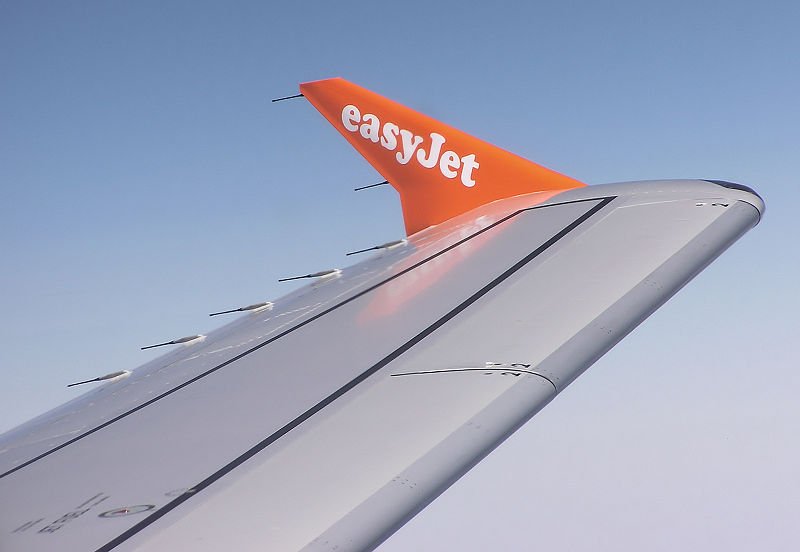
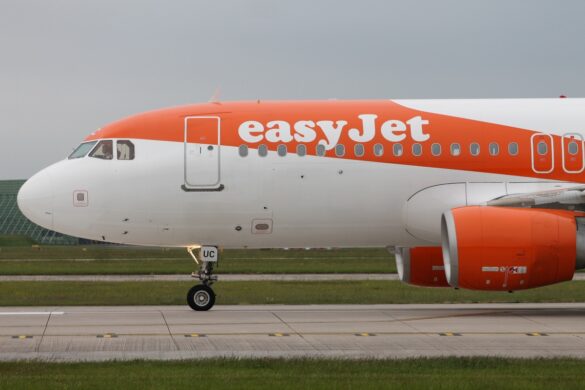
The iconic orange-and-white branding of easyJet is unlikely to undergo drastic changes. Recognized throughout Europe, this branding is integral to the airline’s identity and marketing strategy. While private ownership could lead to adjustments in investment focus or operational strategies, a complete rebranding would pose significant risks.
However, smaller branding modifications may emerge, particularly if Castlelake seeks to enhance easyJet Holidays or expand its premium travel offerings. Such changes could subtly influence customer perception while maintaining the airline’s recognizable presence.
Route Network: Potential for Strategic Adjustments
One of the more likely areas for transformation lies within easyJet’s route network. Given the airline’s strong positioning at several major airports, including London Gatwick, a new ownership structure may prompt a thorough review of routes based on profitability. This could lead to an increased emphasis on leisure markets and a more robust integration of easyJet Holidays into its operational framework.
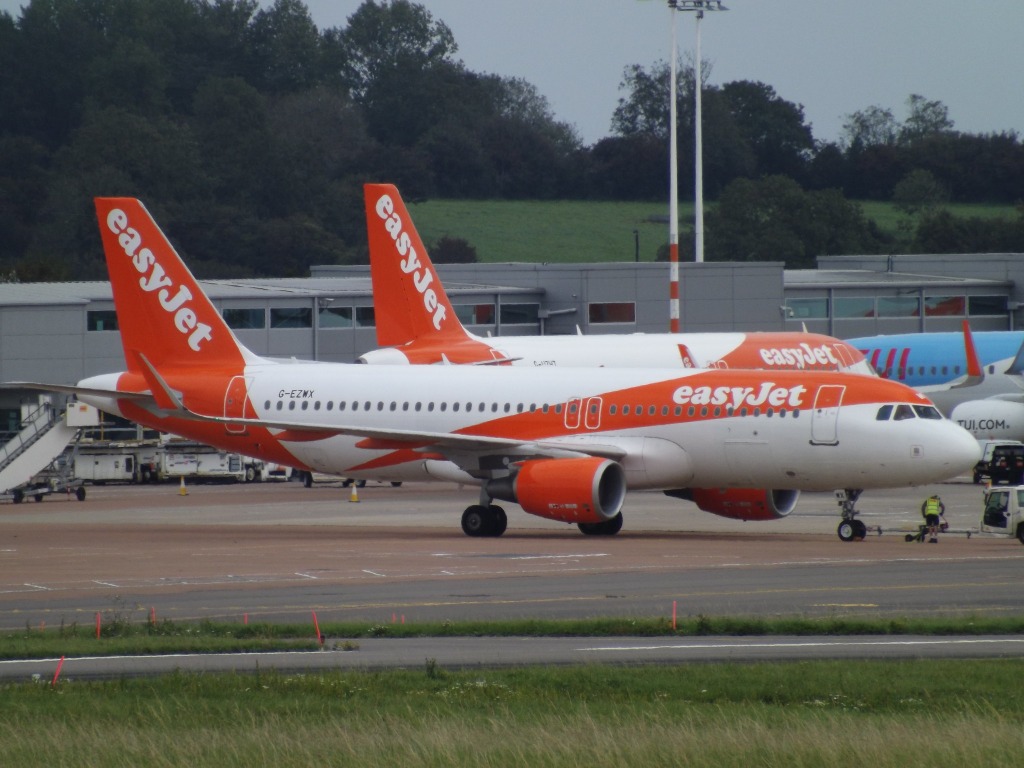
For aviation enthusiasts, the possibilities are intriguing. Observers will be keen to see whether easyJet expands its operations at key airports, increases the deployment of A321neos on busy routes, or modifies less profitable routes. The potential for a shift in operational focus under private management could yield significant changes in the airline’s service offerings.
Future Outlook: What Lies Ahead for easyJet?
Speculation exists regarding the potential for structural changes within easyJet, particularly concerning the separation of easyJet Holidays from the core airline operations. Nevertheless, Castlelake has publicly expressed support for easyJet’s growth and fleet modernization, suggesting that immediate disruption is unlikely.
In the near term, customers and aviation enthusiasts can expect continuity in easyJet’s operations, with aircraft continuing to fly in their familiar colors and the established route network remaining intact. The proposed takeover marks a pivotal moment for easyJet, and its implications will unfold in the coming years as the airline navigates this transition.



This article was prepared by LibelulaFly as an independent aviation-news summary and editorial reinterpretation based on publicly available reporting. Images, when used, are included for editorial context with source attribution. Original source: www.airportspotting.com. Read the original article here: https://www.airportspotting.com/easyjet-takeover-what-could-it-mean-for-the-airlines-fleet-routes-and-brand/.
List, promote, or publish aircraft with LibelulaFly.
LibelulaFly.com • Sales@libelulafly.com • +1 305-332-1942

Jul
Celebrating the Boeing 727’s Enduring Legacy
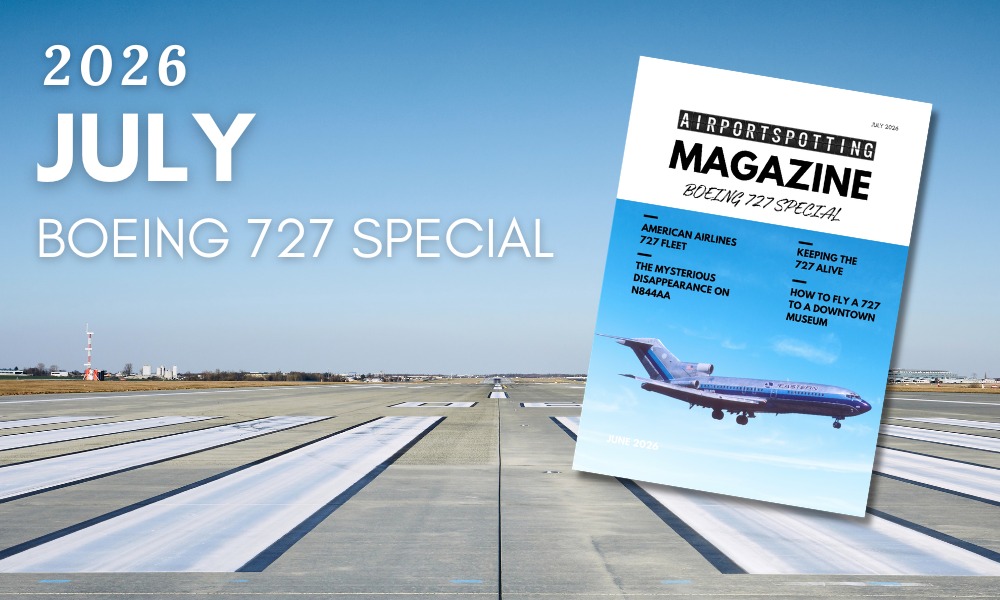
The Boeing 727, a trijet that revolutionized air travel, has left an indelible mark on the aviation landscape for over four decades. Renowned for its versatility and reliability, the aircraft became a staple at numerous airports across the United States. This article highlights five airports that not only witnessed the 727’s operational prowess but also became synonymous with its legacy.
New York LaGuardia: The Urban Gateway
New York’s LaGuardia Airport (LGA) became an iconic site for the Boeing 727, thanks to its unique operational demands. The aircraft’s short-field capabilities, bolstered by powerful Pratt & Whitney JT8D engines, allowed it to thrive in the airport’s constrained environment. Throughout the late 20th century, major airlines such as Eastern Air Lines and TWA showcased the 727 against the backdrop of New York City, turning the distinctive sound of its engines into a familiar urban soundtrack.
Miami International: A Latin American Hub
Miami International Airport (MIA) emerged as a key hub for the Boeing 727 during its peak years, serving as a crucial gateway to Latin America and the Caribbean. Eastern Air Lines operated a robust network of 727 flights, connecting passengers to various destinations across the region. Even as U.S. carriers phased out the aircraft, Miami remained a sanctuary for 727s, with many Latin American airlines continuing to operate the model into the 2000s, showcasing its enduring relevance in regional aviation.

Washington National: The Performance Showcase
At Washington National Airport (DCA), the Boeing 727’s exceptional climb performance shone through. The airport’s short runways and strict departure procedures necessitated an aircraft capable of rapid ascent, and the 727 delivered just that. Airlines like American and United relied on the trijet to navigate the airport’s operational constraints, making it a frequent sight as it soared over the Potomac River, much to the delight of aviation enthusiasts.
Seattle Boeing Field: Birthplace of the 727
Unlike the other airports highlighted, Seattle Boeing Field (BFI) holds a special place in the Boeing 727’s history as its birthplace. Each of the 1,832 aircraft produced rolled out from the Renton production plant and underwent testing at BFI. For spotters and aviation fans, the sight of newly minted 727s taking to the skies was a testament to Boeing’s engineering prowess and innovation during a transformative era in aviation.
Atlanta Hartsfield-Jackson: Delta’s Dominance
Atlanta Hartsfield-Jackson International Airport (ATL) became a critical operating base for Delta Air Lines and its extensive fleet of Boeing 727s. The airport facilitated hundreds of daily departures, solidifying its status as a major hub for the trijet. The constant activity of 727s at ATL not only underscored Delta’s operational strength but also made the airport a defining location for the aircraft during its height in commercial aviation.
Memphis International: The Cargo Stronghold
While not traditionally recognized as a passenger hub for the Boeing 727, Memphis International Airport (MEM) became a notable center for cargo operations. FedEx embraced the trijet for its freight services, operating a significant fleet that sustained the aircraft’s legacy well into the 21st century. The sight of FedEx 727s on the tarmac remains a powerful symbol of the aircraft’s adaptability and lasting impact on air cargo logistics.

Conclusion: A Lasting Influence
The Boeing 727’s legacy is intricately woven into the fabric of American aviation history. From bustling passenger hubs to pivotal cargo operations, these airports not only showcased the aircraft’s capabilities but also contributed to its storied journey. As the aviation industry continues to evolve, the 727’s influence endures, reminding us of an era where trijets ruled the skies.





This article was prepared by LibelulaFly as an independent aviation-news summary and editorial reinterpretation based on publicly available reporting. Images, when used, are included for editorial context with source attribution. Original source: www.airportspotting.com. Read the original article here: https://www.airportspotting.com/five-us-airports-that-became-synonymous-with-the-boeing-727/.
List, promote, or publish aircraft with LibelulaFly.
LibelulaFly.com • Sales@libelulafly.com • +1 305-332-1942
Jul
Avelo Airlines to Establish Operations at McKinney National Airport
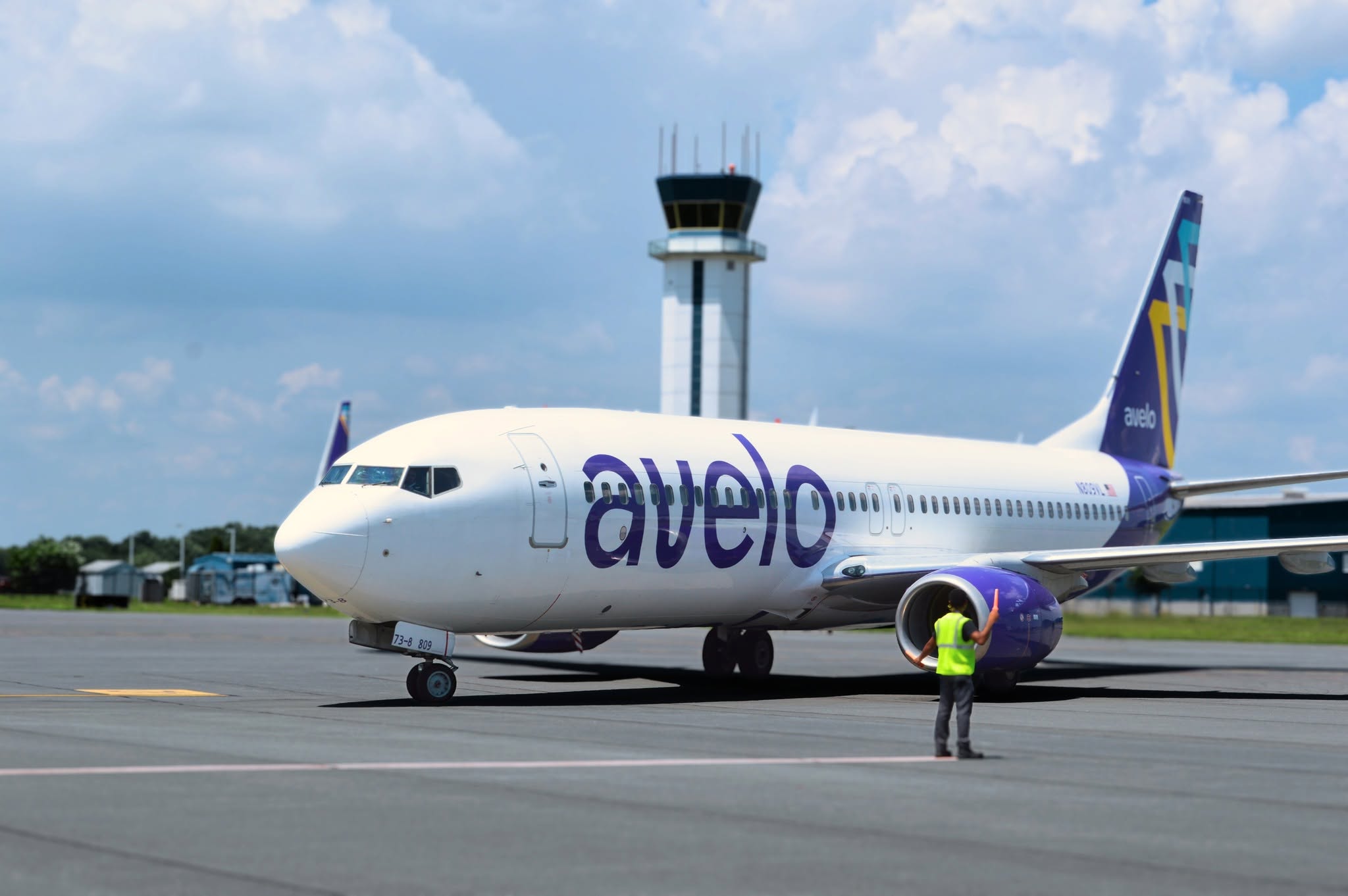
In a significant development for the Dallas-Fort Worth area, Avelo Airlines has confirmed plans to commence commercial passenger flights from McKinney National Airport (DTX/TKI) starting November 11, 2026. This announcement marks a pivotal transformation of the airport, which has primarily served general aviation since its inception in 1979, into a new commercial hub for North Texas.
A New Gateway for Northern Suburbs
With the addition of Avelo Airlines, McKinney National Airport will become the third passenger airport in the densely populated region, joining Dallas/Fort Worth International Airport (DFW) and Dallas Love Field (DAL). Avelo’s initial service will focus on five leisure destinations, including Las Vegas, Fort Lauderdale, Fort Myers, Orlando, and Tampa, utilizing its Boeing 737-800 fleet. The airline’s decision to base two aircraft at McKinney is expected to create over 100 local jobs, encompassing roles for pilots, cabin crew, engineers, and ground support personnel.
Strategic Location and Future Expansion
Situated approximately 30 miles north of downtown Dallas, McKinney National Airport has long been a vital facility for business aviation, supporting a mix of corporate aircraft and private aviation activities. The airport currently handles more than 140,000 aircraft movements annually and is home to over 200 based aircraft, making it one of Texas’s busiest general aviation airports. The introduction of commercial services is poised to provide a more accessible travel option for residents of the rapidly growing northern suburbs, potentially alleviating congestion at the larger airports.

Modern Facilities Designed for Growth
The airport is set to unveil a new 46,000 square foot passenger terminal tailored specifically for low-cost airline operations. This facility will initially feature four boarding gates, with plans to expand to six as demand increases. Additional amenities will include central food and beverage concessions, spacious departure lounges, and nearly 1,000 public parking spaces, along with car rental facilities and modern security screening processes. Airport officials anticipate that the initial phase will accommodate around 200,000 passengers annually, with infrastructure capable of supporting up to one million passengers in the future.
Maintaining General Aviation Character
Despite the shift towards commercial airline operations, McKinney National Airport will continue to support a diverse range of aviation activities. The existing infrastructure, including a single concrete runway equipped with ILS and RNAV procedures, is well-suited for the Boeing 737 and Airbus A320 families, which are expected to dominate future scheduled services. Additionally, the airport will likely retain its vibrant general aviation presence, allowing enthusiasts to witness a variety of aircraft types, from business jets to light aircraft.
Looking Ahead
The arrival of Avelo Airlines at McKinney National Airport signifies a new era for the facility and the surrounding community. As commercial operations begin, the airport is poised to enhance regional connectivity and contribute to the local economy while maintaining its roots in general aviation. The integration of scheduled passenger services will not only provide convenience for travelers but also create opportunities for growth and expansion in the years to come.





This article was prepared by LibelulaFly as an independent aviation-news summary and editorial reinterpretation based on publicly available reporting. Images, when used, are included for editorial context with source attribution. Original source: www.airportspotting.com. Read the original article here: https://www.airportspotting.com/mckinney-national-airport-lands-avelo-airlines-as-dallas-fort-worths-third-passenger-airport/.
List, promote, or publish aircraft with LibelulaFly.
LibelulaFly.com • Sales@libelulafly.com • +1 305-332-1942

Jun
Preserving Aviation History Through Spotting
Aviation is an ever-evolving industry, with airlines continuously updating their fleets to enhance efficiency and performance. While this modernization is beneficial for operational costs and environmental impact, it also means that many classic airliner types are fading from the skies. For aviation enthusiasts and plane spotters, this presents a limited opportunity to witness these iconic aircraft before they are permanently retired from commercial service.
Spotlight on Ten Iconic Airliners
As the aviation landscape transforms, certain airliner types have become increasingly rare, making them prime targets for spotting trips. Below are ten aircraft types that merit attention before they disappear from regular airline operations.
Airbus A300 Freighter: A Legacy in Cargo
While passenger variants of the Airbus A300 have long been retired, the freighter version continues to serve vital roles in cargo operations. European air carriers such as DHL Aviation maintain a notable presence with this aircraft, particularly at Leipzig/Halle Airport, which has become a hotspot for spotting A300s in action.
Boeing 717: The Last of Its Kind
The Boeing 717 is dwindling in numbers, with its largest fleets now operating under Delta Air Lines and Hawaiian Airlines. As Hawaiian Airlines transitions to newer models, enthusiasts should take the opportunity to experience this aircraft in Honolulu, one of the few locations where it remains a common sight.
Boeing 757-300: A Unique Narrowbody
The Boeing 757-300 is a distinctive narrowbody aircraft, yet only a few airlines, including Delta and United, continue to operate this variant. Its unique characteristics and the absence of a direct replacement make it a noteworthy inclusion on any spotting itinerary.
Boeing 767-200: The End of an Era
Despite its recent prevalence, the Boeing 767-200 is rapidly approaching the end of its operational life. Once a staple in many airlines’ fleets, this aircraft is now primarily flown by a select few, including UTair and Eastern Airlines, making sightings of this variant increasingly rare.
Boeing 777-200: A Fading Icon
The Boeing 777-200, while still a popular choice for many airlines, is becoming increasingly scarce, especially earlier variants. With only a handful of operators left, including Austrian Airlines and United Airlines, spotting this aircraft type is becoming a unique experience.
Airbus A380: The Superjumbo’s Legacy
As the largest passenger aircraft ever built, the Airbus A380 is a marvel of modern engineering. Although production has ceased, airlines like Emirates and Qantas continue to operate substantial fleets. However, as retirements loom, enthusiasts should prioritize opportunities to witness this monumental aircraft.
Boeing 747 Passenger Variants: A Nostalgic Farewell
The passenger variant of the Boeing 747 has become a rare sight in today’s aviation environment. With only a few airlines, including Lufthansa and Korean Air, still operating these aircraft, spotting a 747 has become a nostalgic experience that should not be missed.
McDonnell Douglas MD-11 Freighter: A Tri-Jet in Service
The MD-11’s passenger operations have largely ceased, but it remains in service as a freighter. Major operators like FedEx provide opportunities to see this unique tri-jet, particularly at key cargo hubs such as Memphis and Anchorage.
Ilyushin Il-62: A Soviet Classic
Surprisingly, the Ilyushin Il-62 still has a presence in the skies, albeit limited. With a few remaining examples operating in North Korea and for government use in Russia, this vintage aircraft represents a rare glimpse into aviation history.
Airbus A318: The Rarest of the A320 Family
As the smallest member of the A320 family, the Airbus A318 has quietly become one of the rarest commercial aircraft. Air France operates a dwindling number of these aircraft, which are being phased out in favor of newer models. Spotting an A318 is becoming increasingly challenging.
Final Thoughts: A Call for Preservation
As the aviation industry continues to innovate, the importance of preserving the legacy of these iconic aircraft cannot be overstated. For aviation enthusiasts, now is the time to seize the opportunity to spot these rare airliners before they become part of history. Each sighting not only celebrates the engineering marvels of the past but also serves as a reminder of the ever-changing face of aviation.
Jun
Transitioning from a Legacy Fleet
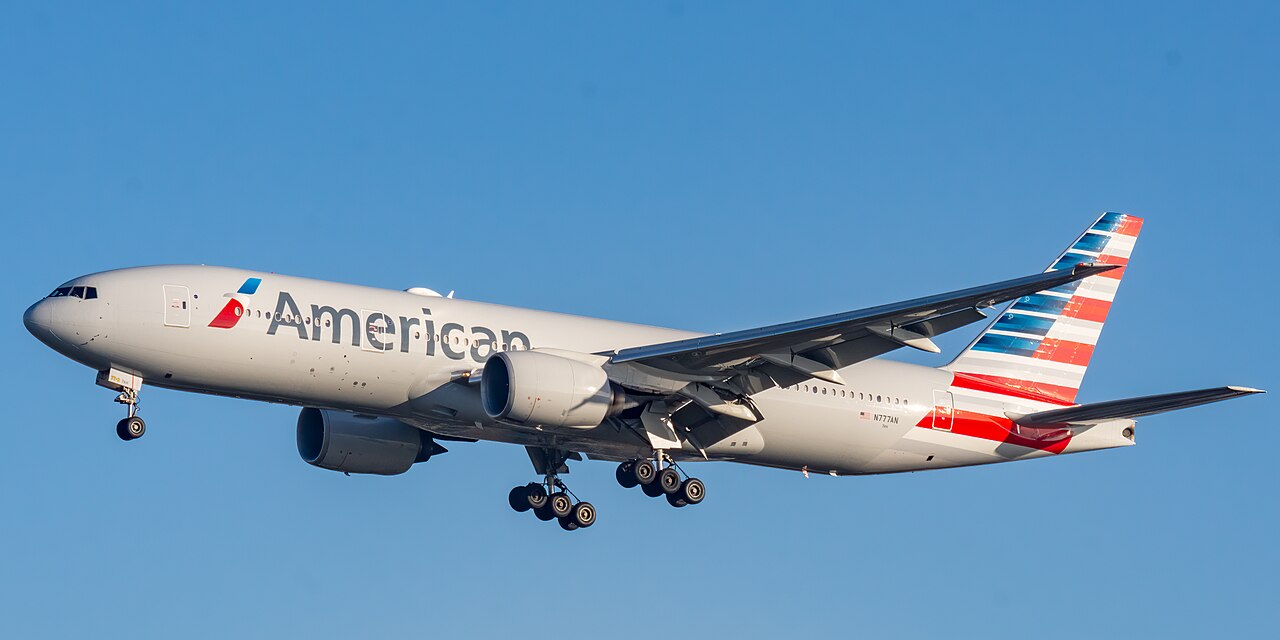
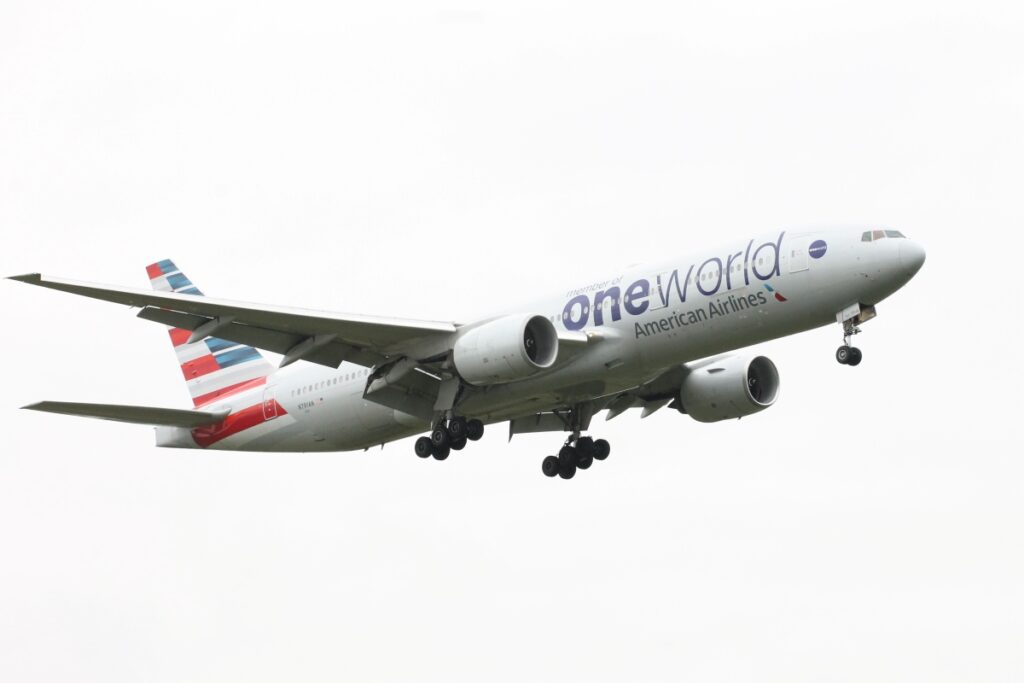
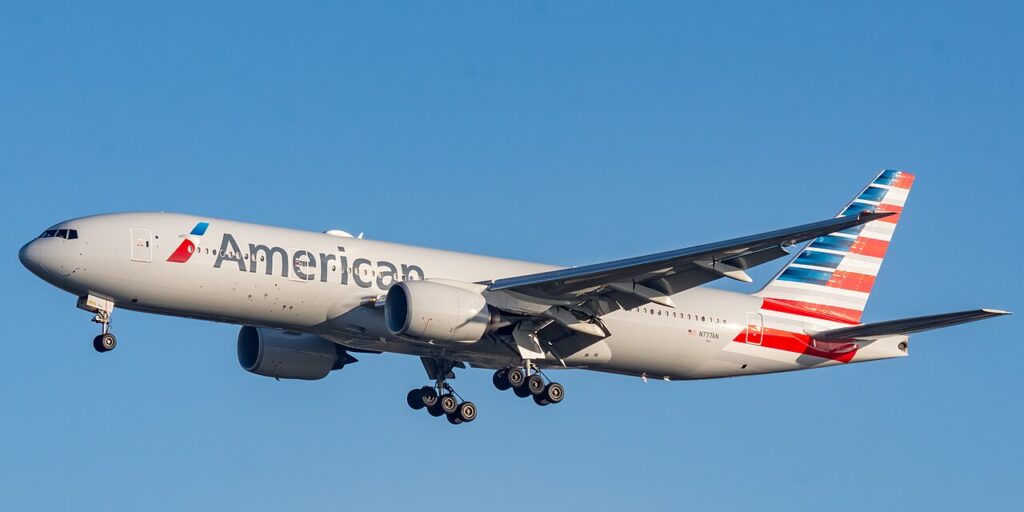
American Airlines has relied on the Boeing 777-200ER for over twenty years, making it a cornerstone of the airline’s long-haul operations. As the fleet ages, with many aircraft nearing 25 years in service, discussions about their eventual replacement have intensified. CEO Robert Isom has indicated that American is actively assessing its future widebody aircraft needs, with proposals from both Boeing and Airbus under consideration.
The Role of the Boeing 777-200ER
Currently, American Airlines operates approximately 45 Boeing 777-200ER aircraft, which serve as critical links between major hubs and international destinations. These aircraft are integral to routes such as Dallas/Fort Worth to London Heathrow and Miami to Buenos Aires, among others. While the Boeing 777-300ER handles flagship routes, the 777-200ER has proven itself as a reliable workhorse, adapting to seasonal demand fluctuations and maintaining a significant presence in the airline’s international operations.
Commitment to the Current Fleet
Despite initial expectations for a swift retirement of the 777-200ERs, American Airlines has opted for extensive refurbishment. Upgrades include modernized interiors, enhanced Wi-Fi connectivity, and cabin improvements designed to align the aircraft with newer models. This strategy suggests that the airline anticipates keeping the 777-200ER operational well into the 2030s, demonstrating a commitment to maximizing the aircraft’s lifespan while improving passenger experience.
Looking Ahead: Evaluating Future Options
As American Airlines prepares for the eventual retirement of its Boeing 777-200ER fleet, the airline is considering several potential successors. The evaluation process is critical, given the long lead times associated with aircraft orders and the current backlog in widebody aircraft production.
Potential Candidates for Replacement
One strong contender is the Boeing 787 Dreamliner, which American already operates. The airline has both 787-8 and 787-9 models and has additional orders pending. The benefits of fleet commonality, including shared pilot training and maintenance, position the Dreamliner as a practical choice for gradual replacement of the 777-200ER.
Another possibility is the Airbus A350, which, despite American’s previous cancellation of its order, has garnered renewed interest due to its efficiency and performance capabilities. The A350-900 could serve as a suitable replacement for many of the routes currently flown by the 777-200ER.
Lastly, the Boeing 777X family, particularly the 777-9 variant, could offer greater capacity and operational flexibility. However, its size may limit its suitability for many routes currently served by the 777-200ER, complicating its potential as a direct replacement.

Strategic Decisions Ahead
While the retirement of the Boeing 777-200ER fleet is not imminent, American Airlines faces crucial decisions regarding its future widebody aircraft strategy. The outcome of this evaluation will significantly shape the airline’s long-haul operations and fleet composition for years to come. For now, the Boeing 777-200ER remains a familiar sight in the skies, continuing to connect passengers across continents while the future unfolds.



This article was prepared by LibelulaFly as an independent aviation-news summary and editorial reinterpretation based on publicly available reporting. Images, when used, are included for editorial context with source attribution. Original source: www.airportspotting.com. Read the original article here: https://www.airportspotting.com/what-will-replace-american-airlines-boeing-777-200er-fleet/.
List, promote, or publish aircraft with LibelulaFly.
LibelulaFly.com • Sales@libelulafly.com • +1 305-332-1942
Jun
Singapore Airlines Expands Its Reach with the Boeing 737 MAX
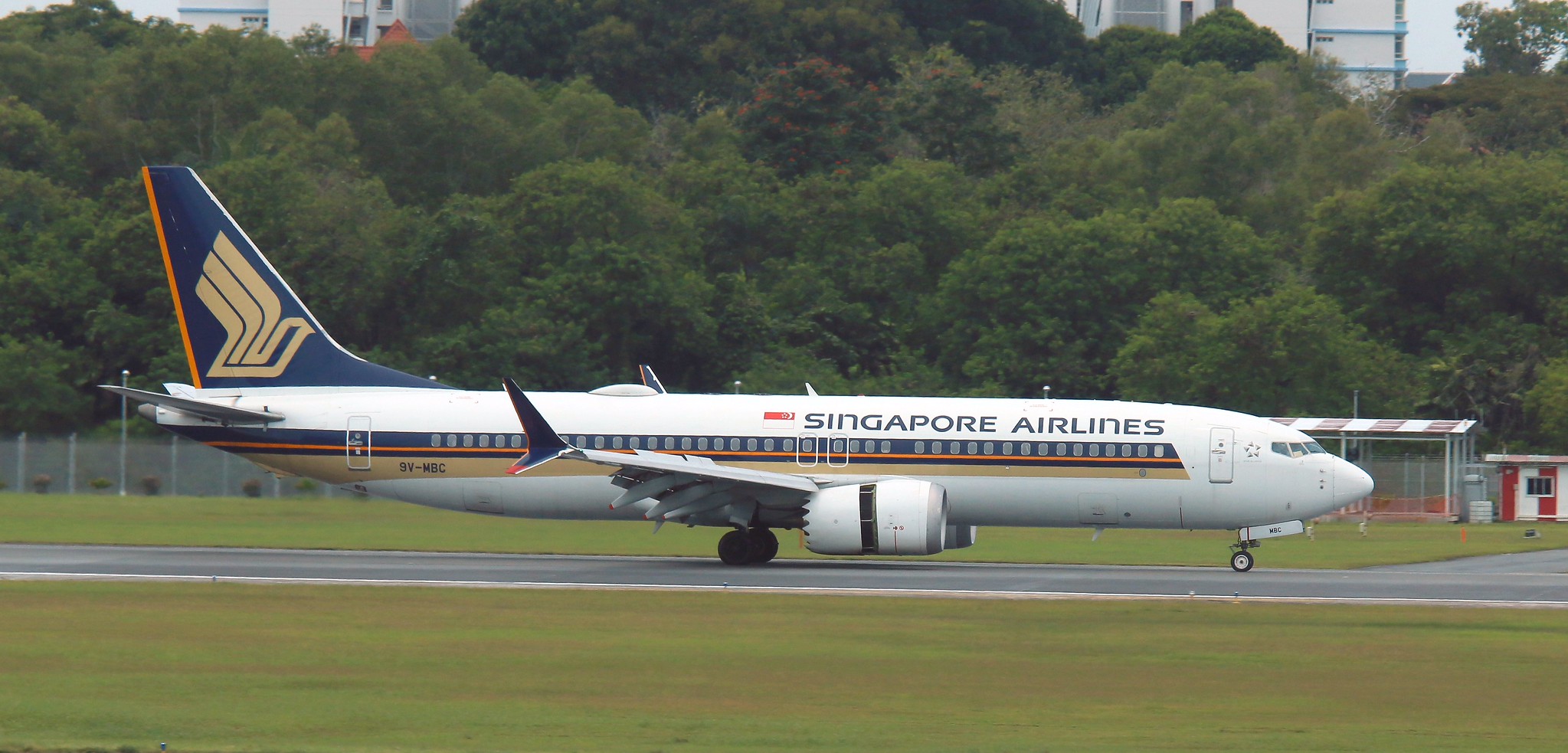
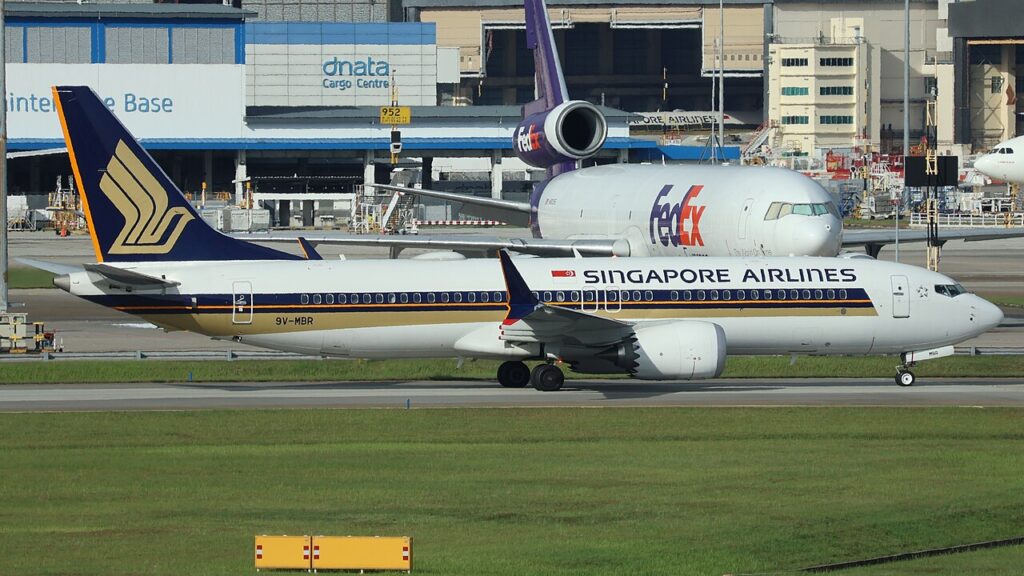
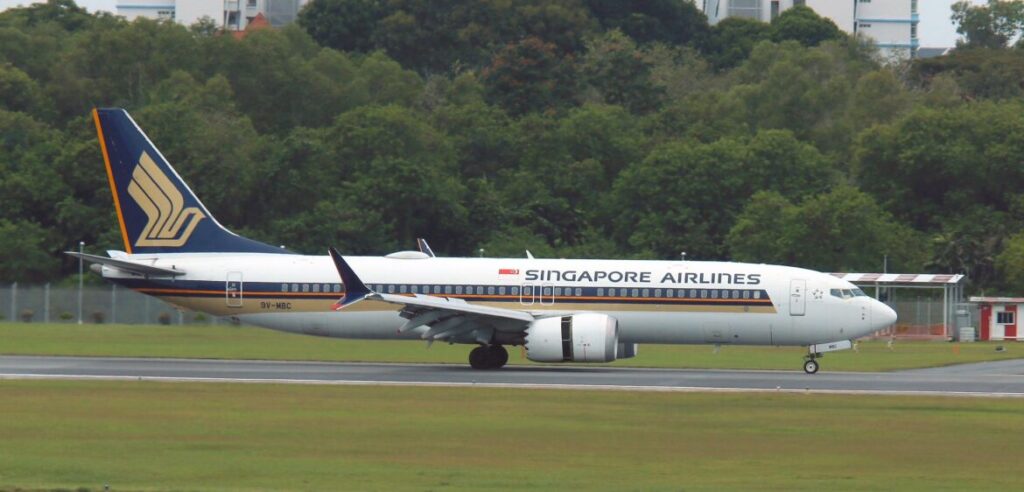
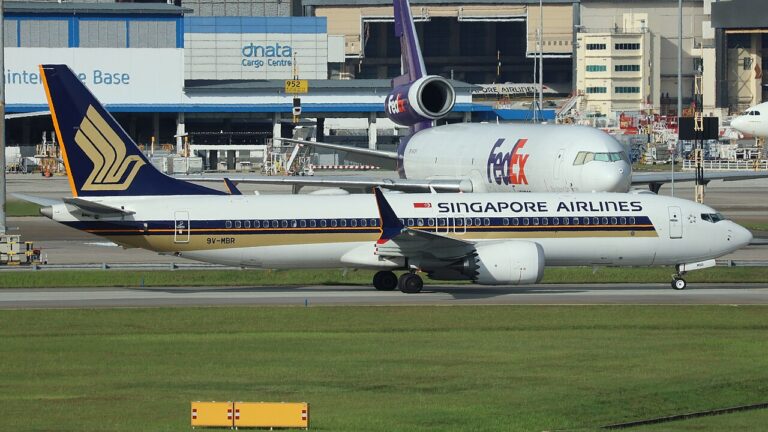
Singapore Airlines has broadened its operational capabilities with the integration of the Boeing 737 MAX into its fleet. Originally inherited from the merger with SilkAir, this aircraft type has transitioned into a vital component of the airline’s short and medium-haul services. As the aviation landscape evolves, the 737 MAX plays a pivotal role in connecting Singapore with key destinations across Southeast Asia, India, and beyond.
A Modern Solution for Regional Connectivity
The inclusion of the Boeing 737 MAX allows Singapore Airlines to optimize its route network by offering a narrowbody solution for shorter flights that do not necessitate the use of larger widebody aircraft like the Airbus A350 or Boeing 787. Currently, the airline operates a fleet of 23 Boeing 737-8 aircraft, with plans for further expansion as demand for regional travel grows.
Changi Airport: The Heart of Operations
Singapore Changi Airport serves as the primary hub for Singapore Airlines’ Boeing 737 MAX operations. Enthusiasts can observe a bustling scene as the aircraft frequently departs for various destinations throughout Asia. The airport’s strategic location and efficient operations make it the perfect vantage point for aviation aficionados to witness the diverse fleet in action.
Key Destinations for the Boeing 737 MAX
As Singapore Airlines enhances its regional service offerings, several airports have emerged as hotspots for spotting the Boeing 737 MAX:
- Phuket, Thailand: This popular leisure destination sees multiple daily flights, making it a prime location for enthusiasts.
- Bangkok Suvarnabhumi Airport: A critical hub for both business and leisure travel, the 737 MAX regularly operates on this route.
- Kuala Lumpur International Airport: Known for its short international routes, Kuala Lumpur frequently welcomes the Boeing 737 MAX.
- Denpasar (Bali) Airport: Bali’s allure as a tourist hotspot means the 737 MAX is a common sight here.
- Jakarta Soekarno-Hatta Airport: With Indonesia being a significant market, Jakarta sees consistent 737 MAX operations.
- Bengaluru Airport: This Indian city has gained importance in Singapore Airlines’ network, accommodating the 737 MAX.
- Kathmandu Airport: Known for its challenging approach amid stunning landscapes, Kathmandu is a unique destination for the 737 MAX.
- Male, Maldives: The scenic approach to Male over the Indian Ocean makes for a memorable spotting experience.
The Future of the 737 MAX in Singapore Airlines’ Network
The Boeing 737 MAX is set to play an increasingly significant role in Singapore Airlines’ operations, with additional destinations likely to be added to its network. While it may not possess the same grandeur as the Airbus A380 or the extended range of the A350, the 737 MAX has proven to be an essential asset in meeting the demands of modern air travel.
Conclusion: Embracing the Evolution of Air Travel
As Singapore Airlines continues to adapt to the dynamic aviation market, the Boeing 737 MAX stands as a testament to its commitment to providing efficient and reliable service. This aircraft not only enhances the airline’s operational flexibility but also offers aviation enthusiasts numerous opportunities to engage with the evolving landscape of regional air travel.



This article was prepared by LibelulaFly as an independent aviation-news summary and editorial reinterpretation based on publicly available reporting. Images, when used, are included for editorial context with source attribution. Original source: www.airportspotting.com. Read the original article here: https://www.airportspotting.com/10-airports-where-you-can-see-singapore-airlines-boeing-737-max-fleet/.
List, promote, or publish aircraft with LibelulaFly.
LibelulaFly.com • Sales@libelulafly.com • +1 305-332-1942
Jun
WestJet Expands European Reach in 2026
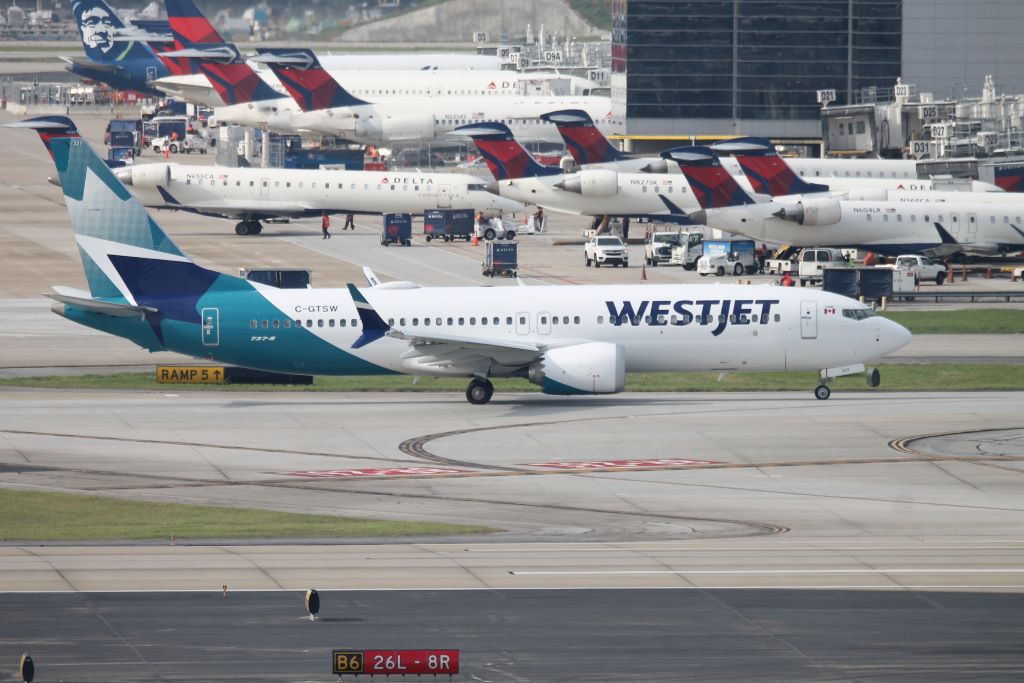
In a significant development for transatlantic travel, WestJet has unveiled its most extensive European network to date for 2026. This expansion will see the airline offering a total of 26 routes, connecting various Canadian cities to a diverse selection of European destinations. The strategic use of Boeing 737 MAX 8 aircraft allows WestJet to operate routes that are typically underserved, thereby enhancing its operational footprint across the Atlantic.
Strategic Route Development
WestJet’s approach to its European operations sets it apart from competitors like Air Canada. While Air Canada centralizes many of its flights through Toronto and Montreal, WestJet has adopted a more decentralized strategy. Calgary continues to serve as the primary long-haul hub for the airline, particularly for its Boeing 787 Dreamliner services. However, cities such as Toronto, Halifax, and others in western Canada are now emerging as vital gateways to Europe, thanks to the operational flexibility provided by the Boeing 737 MAX 8.
Utilizing the Boeing 737 MAX
The integration of the Boeing 737 MAX into WestJet’s transatlantic operations is noteworthy. The aircraft’s range capabilities enable the airline to connect eastern Canada with various European destinations while maintaining efficient operations with fewer passengers compared to widebody aircraft. Currently, WestJet operates approximately 20 European routes using the 737 MAX, positioning itself as one of the largest narrowbody transatlantic operators globally.

New Routes for Summer 2026
As part of its ongoing expansion, WestJet has announced eight new routes for the summer of 2026, all operated by the Boeing 737 MAX 8. The new destinations include:
- From Toronto: Glasgow, Cardiff, Ponta Delgada (Azores)
- From Halifax: Lisbon, Madrid, Copenhagen
- From Edmonton: Reykjavik Keflavik
- From Winnipeg: Reykjavik Keflavik
This expansion marks a significant milestone for WestJet, enhancing its European network’s overall capacity.
Toronto: A Key European Gateway
Toronto Pearson International Airport has solidified its role as a crucial gateway for WestJet’s European operations. The airline now connects Toronto to a range of destinations including Edinburgh, Dublin, and the newly added Cardiff, which is notable for being North America’s only non-stop service to Wales. This route, at nearly 3,000 nautical miles, represents a significant operational achievement for WestJet.
Halifax’s Growing European Schedule
Halifax Stanfield International Airport has experienced the most substantial growth from WestJet’s European expansion. With the addition of new routes to Copenhagen, Lisbon, and Madrid, Halifax now boasts its largest-ever European schedule, further establishing it as Canada’s Atlantic gateway.

Future Prospects for WestJet
Looking ahead, WestJet remains committed to enhancing its fleet with a focus on Boeing aircraft. The airline has one of Canada’s largest aircraft order books, with plans to introduce the Boeing 737 MAX 10 starting in 2027, along with an expansion of its Boeing 787 fleet. This strategic investment is anticipated to facilitate further growth in European markets, allowing WestJet to continue capitalizing on underserved routes while avoiding direct competition with larger North American carriers.
As WestJet continues to evolve its transatlantic network, its innovative approach may set new standards for narrowbody operations in long-haul markets.





This article was prepared by LibelulaFly as an independent aviation-news summary and editorial reinterpretation based on publicly available reporting. Images, when used, are included for editorial context with source attribution. Original source: www.airportspotting.com. Read the original article here: https://www.airportspotting.com/where-is-westjet-flying-in-europe-in-2026/.
List, promote, or publish aircraft with LibelulaFly.
LibelulaFly.com • Sales@libelulafly.com • +1 305-332-1942