
Jul
American Airlines’ Commitment to the Boeing 777-200ER
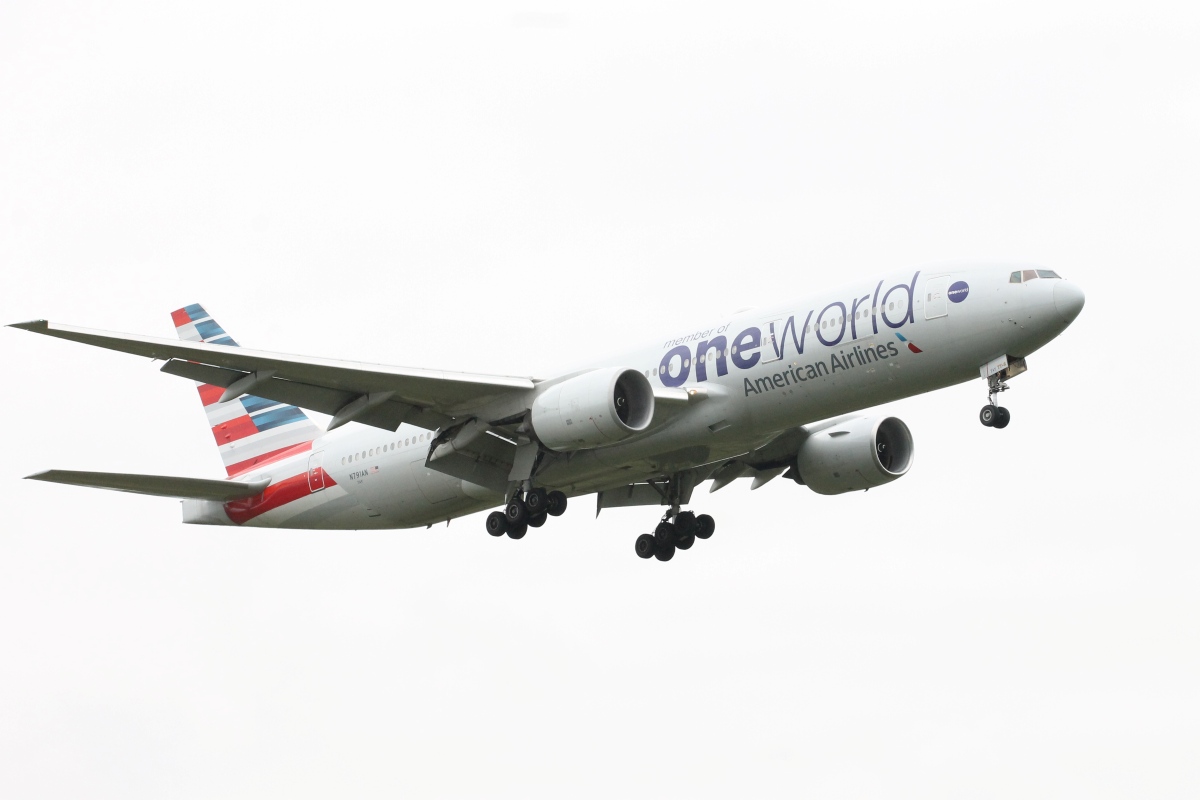
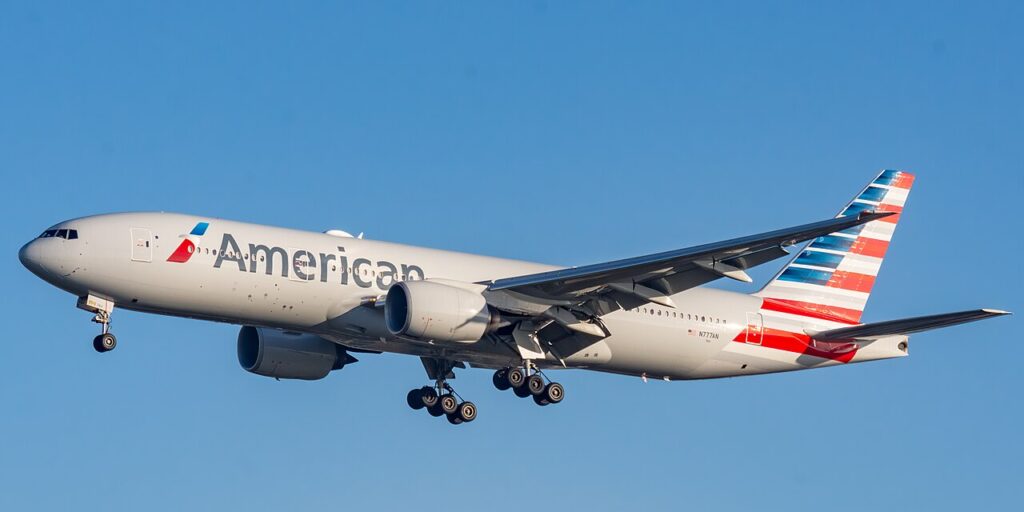
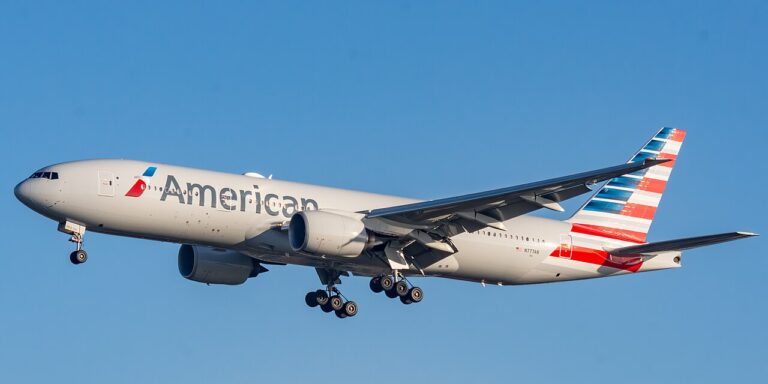
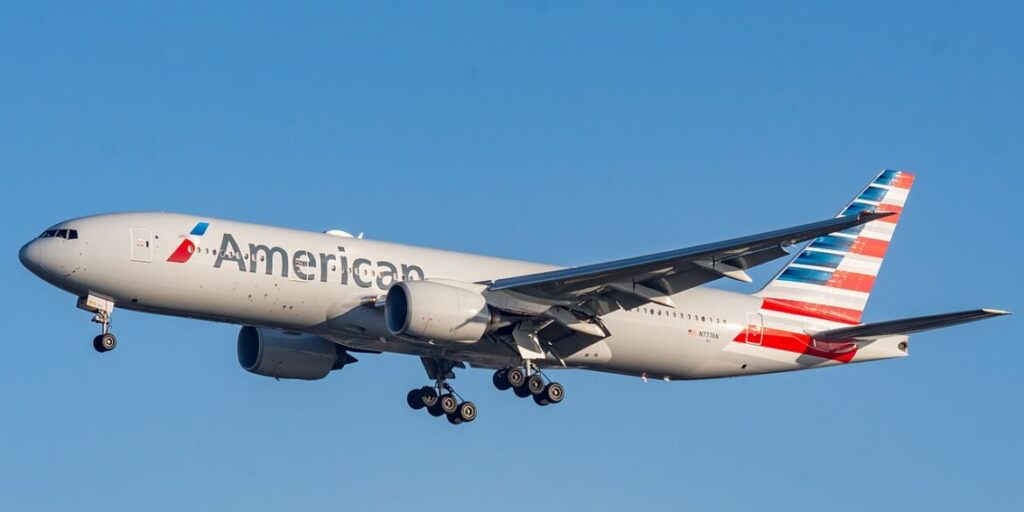
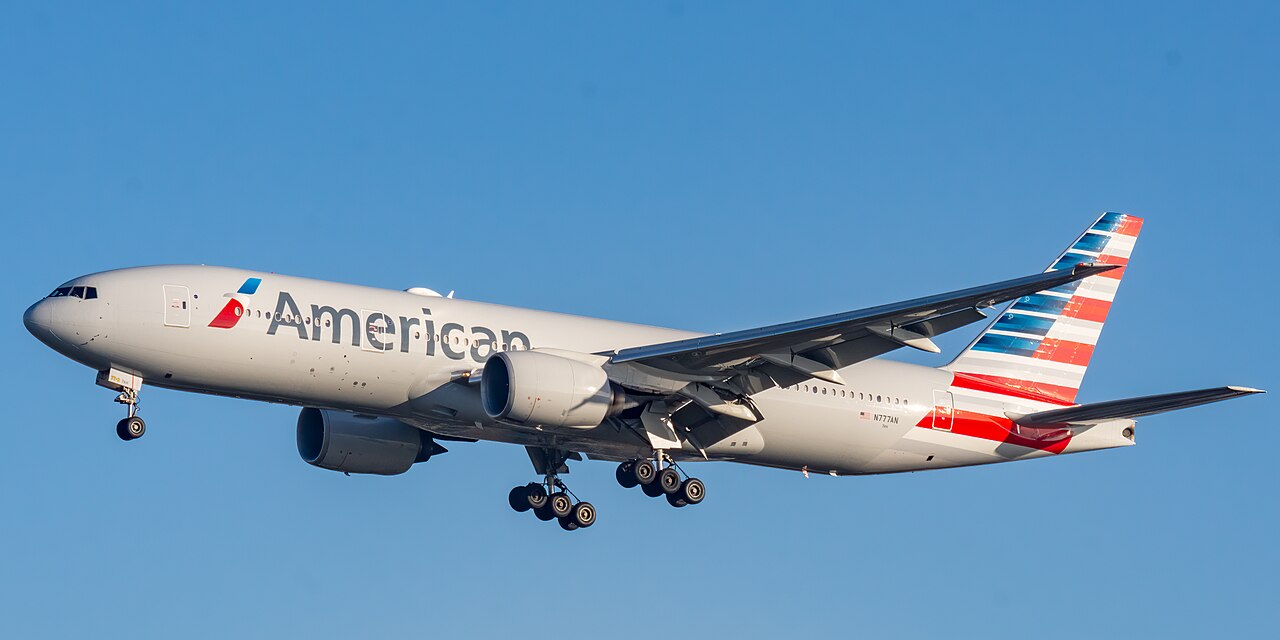
American Airlines has reaffirmed the operational significance of its Boeing 777-200ER fleet, a model that has been integral to its long-haul services for over 25 years. Despite the introduction of newer aircraft like the Boeing 787 Dreamliner, the 777-200ER remains a workhorse for the airline, serving numerous international routes that connect major hubs with key destinations around the globe.
Key Routes Featuring the Boeing 777-200ER
The Boeing 777-200ER continues to operate on several high-demand routes, reflecting its versatility and reliability. Among the most notable is the Dallas/Fort Worth to London Heathrow route, which serves as a flagship service for American Airlines. This route not only facilitates significant business travel but also caters to leisure passengers, making it one of the prime opportunities for aviation enthusiasts to experience the aircraft on a major transatlantic flight.
Another important route is from Charlotte to London Heathrow. While Charlotte may not boast the same international prominence as other hubs, it plays a crucial role in American’s strategy to connect secondary cities with major global destinations. The frequent deployment of the 777-200ER on this route underscores its capability in linking diverse markets.
In Europe, the Philadelphia to Athens route has emerged as a successful addition to American’s network, particularly during the summer months when demand surges. The 777-200ER is well-suited for this route, efficiently transporting passengers between the United States and Greece.
Expanding Horizons in South America
The aircraft’s adaptability is further demonstrated on routes to South America, such as Dallas/Fort Worth to São Paulo, which remains a vital long-haul service for American Airlines. This route exemplifies the aircraft’s ability to meet the demands of diverse international markets.
Additionally, Miami serves as a critical gateway to Latin America, with the 777-200ER frequently operating flights to Buenos Aires and Santiago de Chile. These routes highlight American’s strong presence in the region, catering to both business and leisure travelers.
Future Considerations for the Boeing 777-200ER
While American Airlines has initiated discussions regarding potential replacements for its aging 777 fleet, the aircraft is expected to remain in service for several more years. The airline’s ongoing investments in cabin refurbishments and updated interiors suggest that the 777-200ER will continue to be a prominent feature of its international operations well into the next decade.
As the aviation industry evolves, the role of the 777-200ER remains critical. For aviation enthusiasts, the opportunity to experience this aircraft on various routes is still very much alive. However, as the airline navigates its future fleet composition, it is advisable for those interested in flying on this iconic model to stay informed about route assignments and schedule changes.
Conclusion: A Legacy in the Skies
The Boeing 777-200ER has firmly established itself as a cornerstone of American Airlines’ fleet, providing essential connectivity across its extensive international network. As discussions of future aircraft developments unfold, the legacy of the 777-200ER will continue to be celebrated by both passengers and aviation enthusiasts alike. With its robust operational history and ongoing relevance, this aircraft is poised to remain a significant player in American Airlines’ long-haul services for years to come.



This article was prepared by LibelulaFly as an independent aviation-news summary and editorial reinterpretation based on publicly available reporting. Images, when used, are included for editorial context with source attribution. Original source: www.airportspotting.com. Read the original article here: https://www.airportspotting.com/10-routes-where-you-can-still-fly-american-airlines-boeing-777-200er/.
List, promote, or publish aircraft with LibelulaFly.
LibelulaFly.com • Sales@libelulafly.com • +1 305-332-1942
Jul
Tracing the Journey of USAir in American Aviation
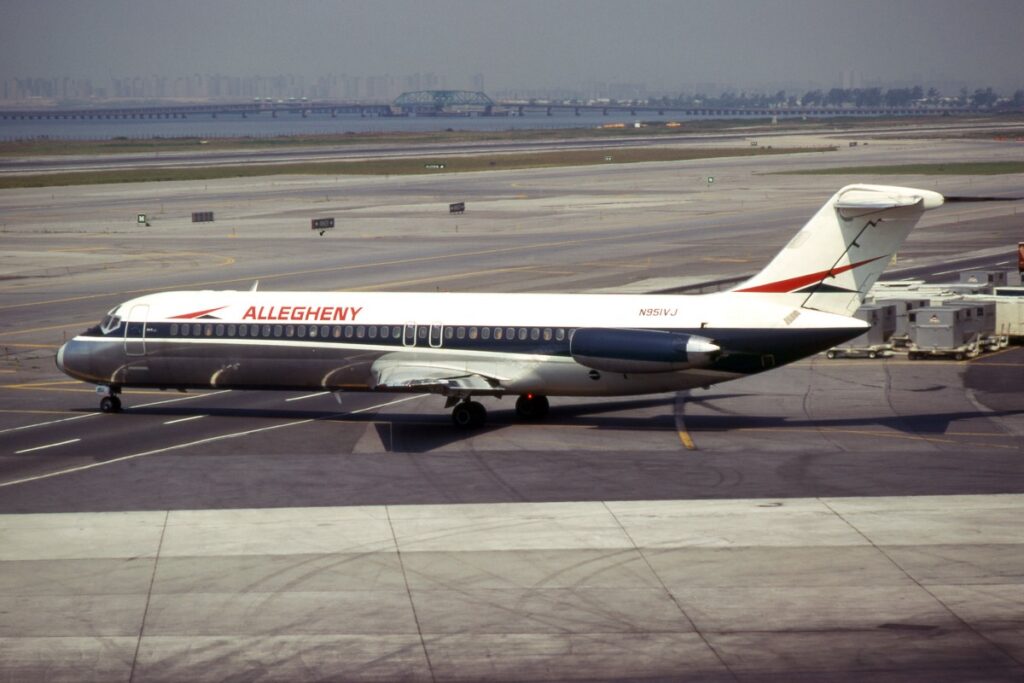
USAir, a name synonymous with American aviation history, traces its roots back to Allegheny Airlines. Founded in 1939 as All American Aviation, the airline initially focused on mail transportation before transitioning to passenger services post-World War II. By 1953, it adopted the name Allegheny Airlines, reflecting its expanding network across the northeastern United States.
Transformation Through Deregulation
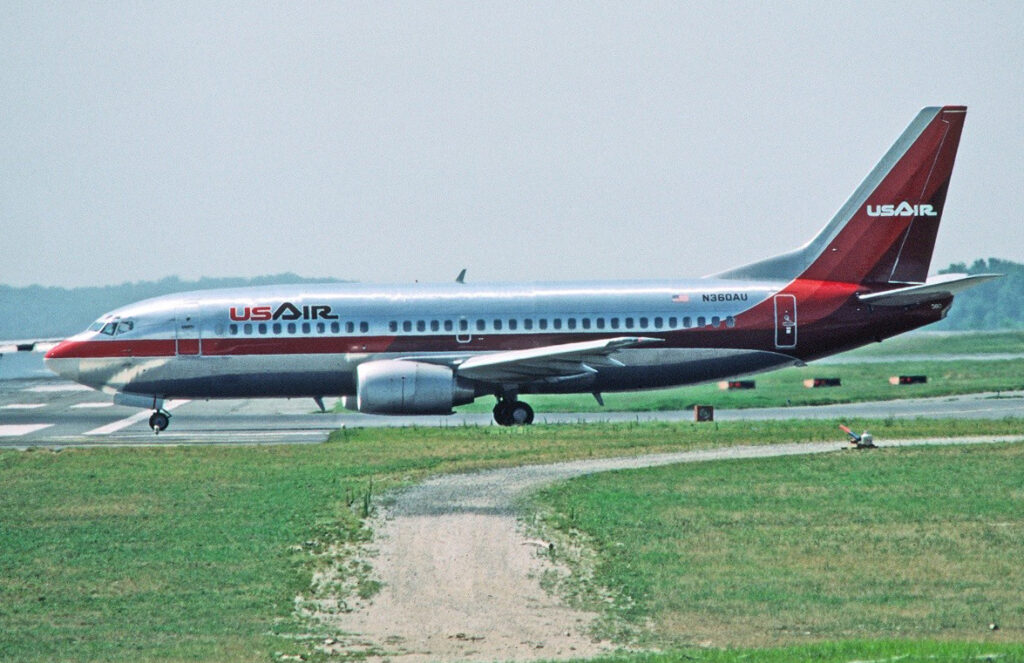
The airline landscape in the United States underwent significant changes with the deregulation of the aviation industry in 1978. This shift provided Allegheny Airlines with the opportunity to broaden its horizons beyond its traditional markets. The airline had already begun expanding its reach through strategic acquisitions, absorbing Lake Central Airlines in 1968 and Mohawk Airlines in 1972, thus enhancing its route network. The rebranding to USAir in 1979 marked a pivotal moment, signaling its ambition to evolve into a national carrier with Pittsburgh as its primary hub.
A Diverse Fleet and Operational Expansion
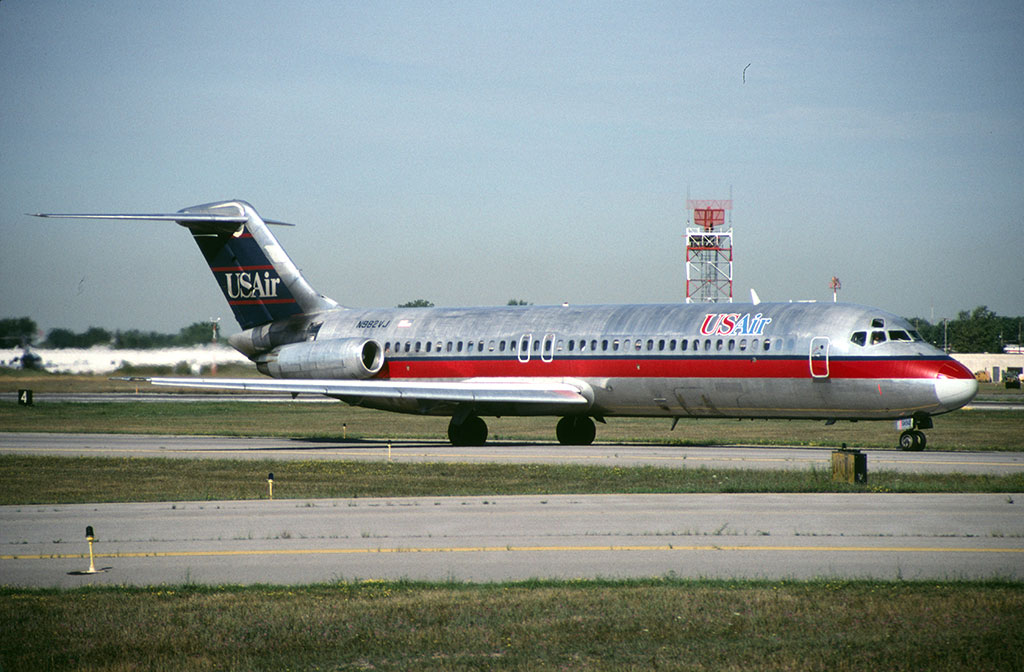
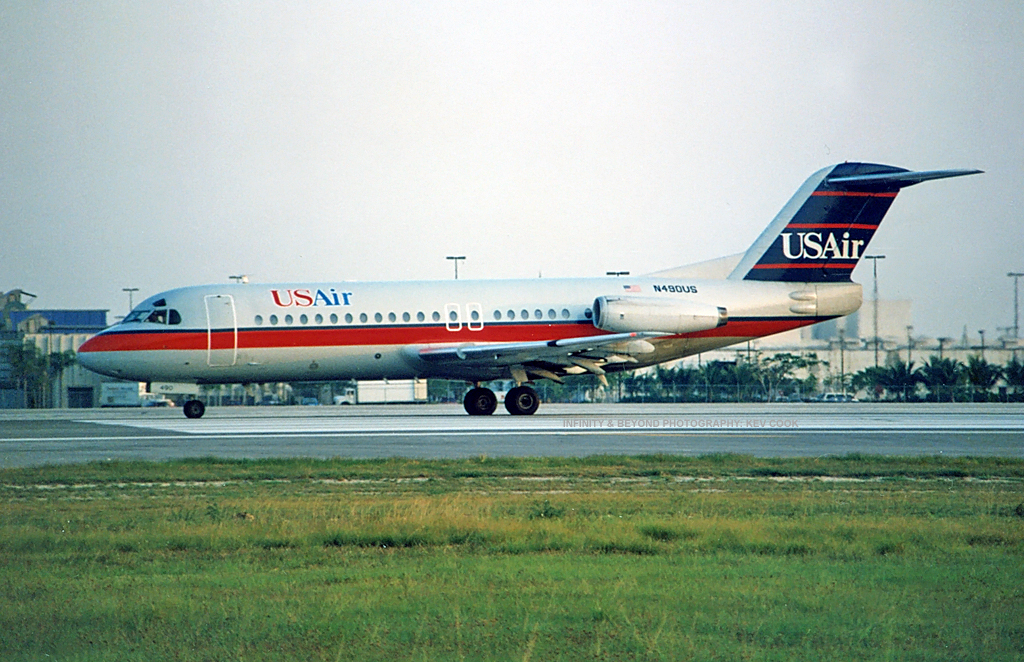
Throughout the 1980s, USAir became known for its diverse fleet, which included the Boeing 727, Douglas DC-9, and Boeing 737. The introduction of the Fokker F28 Fellowship jets allowed the airline to serve shorter regional routes efficiently. By the 1990s, USAir had modernized its operations with newer aircraft like the Airbus A319 and A320, while also expanding its widebody fleet to include Boeing 767s and Airbus A330s, opening transatlantic routes to Europe.
Strategic Mergers and Growth
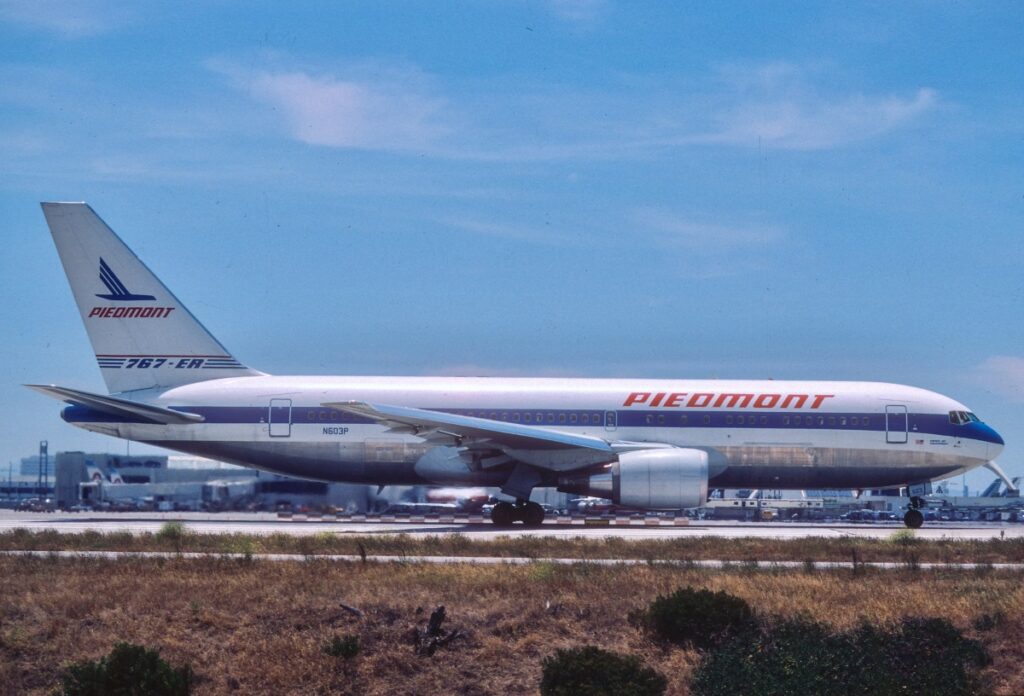
USAir’s growth trajectory was significantly influenced by strategic mergers. The acquisition of Pacific Southwest Airlines in 1987 and Piedmont Airlines in 1989 expanded its operational footprint, transforming it into one of the largest carriers in the United States. These mergers not only consolidated its market position but also unified several iconic airline liveries under the USAir brand.
Challenges and Resilience
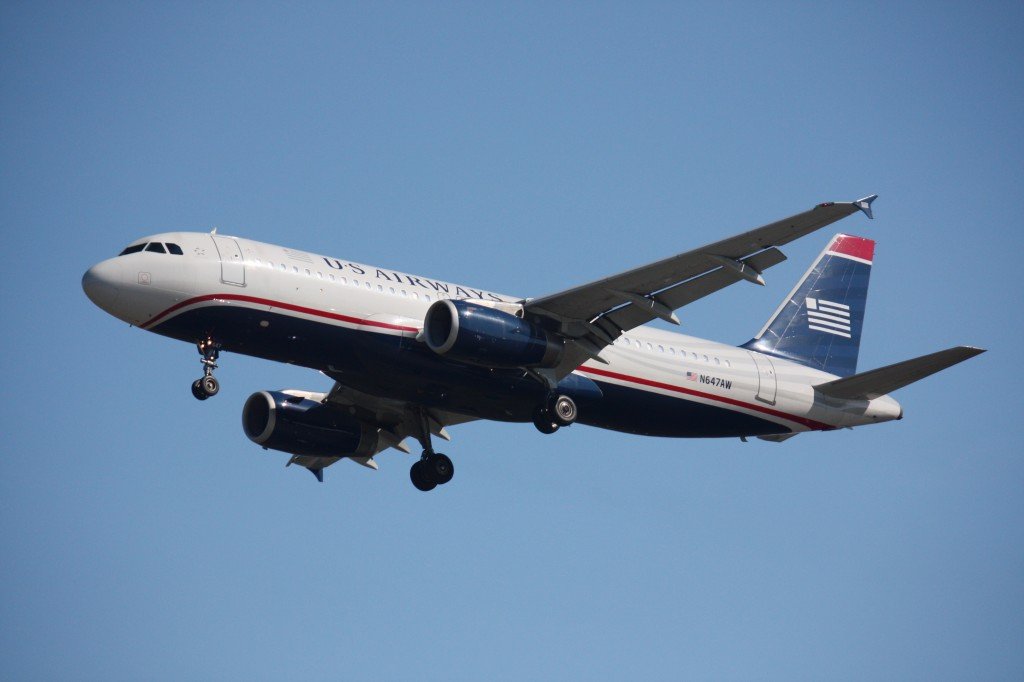
The early 2000s presented formidable challenges for US Airways, particularly following the events of September 11, 2001. The airline faced a steep decline in passenger demand, compounded by rising fuel costs and increasing competition from low-cost carriers. Despite entering Chapter 11 bankruptcy protection twice, US Airways managed to navigate these turbulent times through restructuring and strategic adjustments.
A New Era with America West
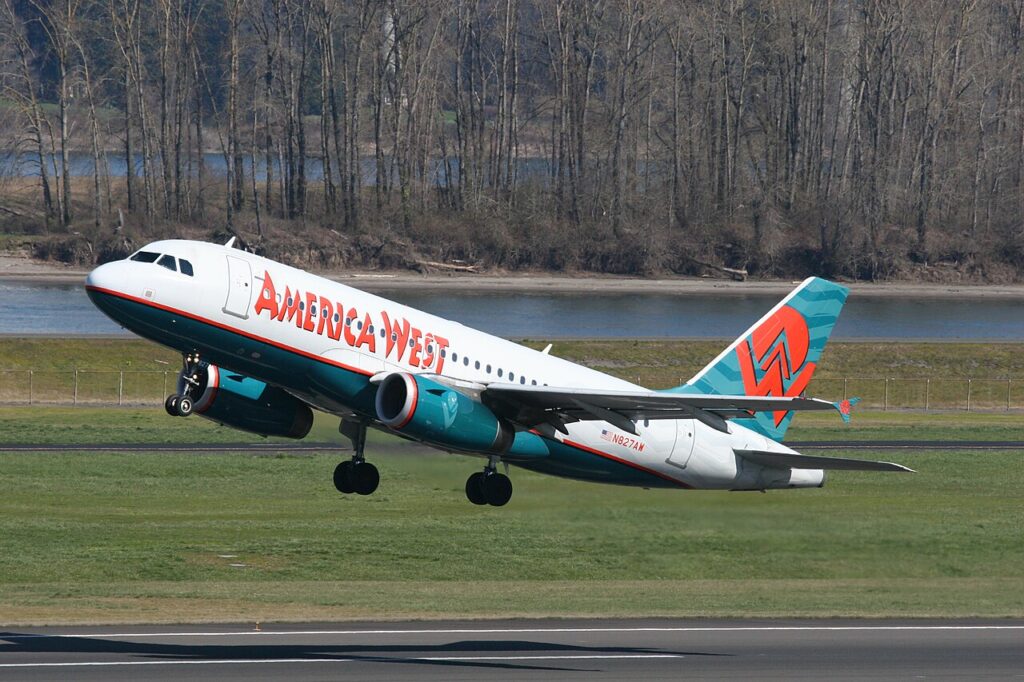
A turning point in US Airways’ history came in 2005 with its merger with America West Airlines. Although the combined entity retained the US Airways name, the management team from America West took the helm, establishing Phoenix as a crucial western hub alongside existing hubs in Philadelphia and Charlotte. This merger laid the groundwork for further expansion and operational synergy.
The Final Chapter: Merger with American Airlines
The culmination of USAir’s journey occurred in 2013 when it merged with American Airlines, creating the world’s largest airline at that time. The integration process culminated with the final US Airways flight on October 16, 2015, marking the end of an era that began with Allegheny Airlines. Although the USAir brand has faded from the skies, its legacy continues to influence American Airlines today.

Honoring a Legacy
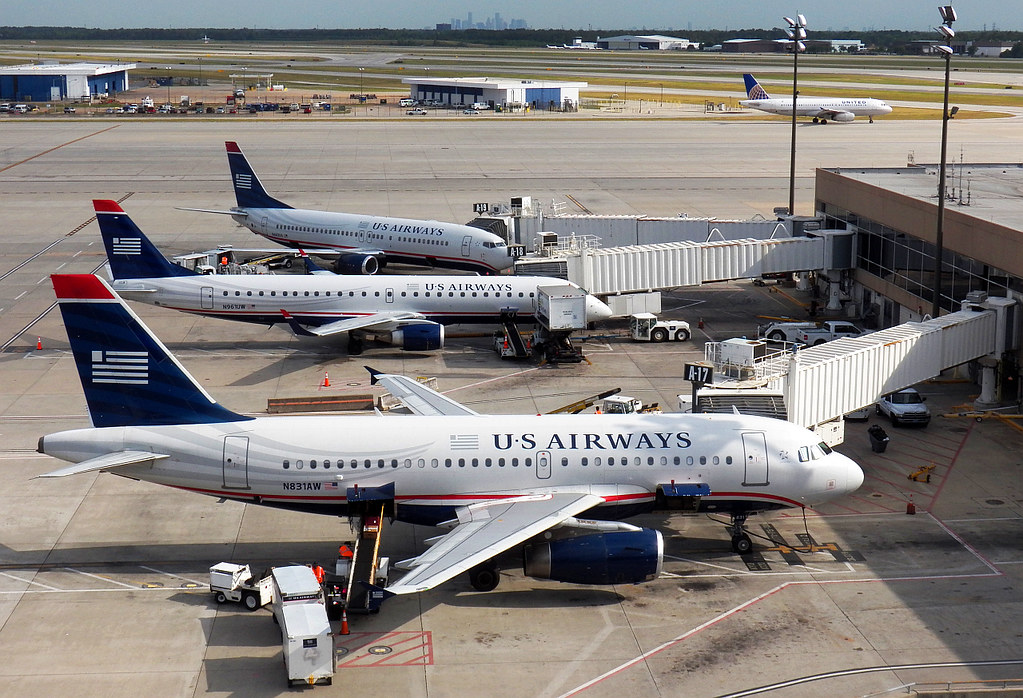
The history of USAir is not just a story of an airline; it is a narrative woven into the fabric of American aviation. While the name may no longer exist, the impact of USAir on the industry is evident in the expansive network, fleet diversity, and operational practices that are now part of American Airlines. Heritage liveries honoring USAir, Allegheny, and other predecessors serve as a testament to the enduring legacy of this once-iconic carrier.
This article was prepared by LibelulaFly as an independent aviation-news summary and editorial reinterpretation based on publicly available reporting. Images, when used, are included for editorial context with source attribution. Original source: www.airportspotting.com. Read the original article here: https://www.airportspotting.com/the-history-of-usair-from-local-service-carrier-to-american-airlines/.
List, promote, or publish aircraft with LibelulaFly.
LibelulaFly.com • Sales@libelulafly.com • +1 305-332-1942
Jun
Transitioning from a Legacy Fleet
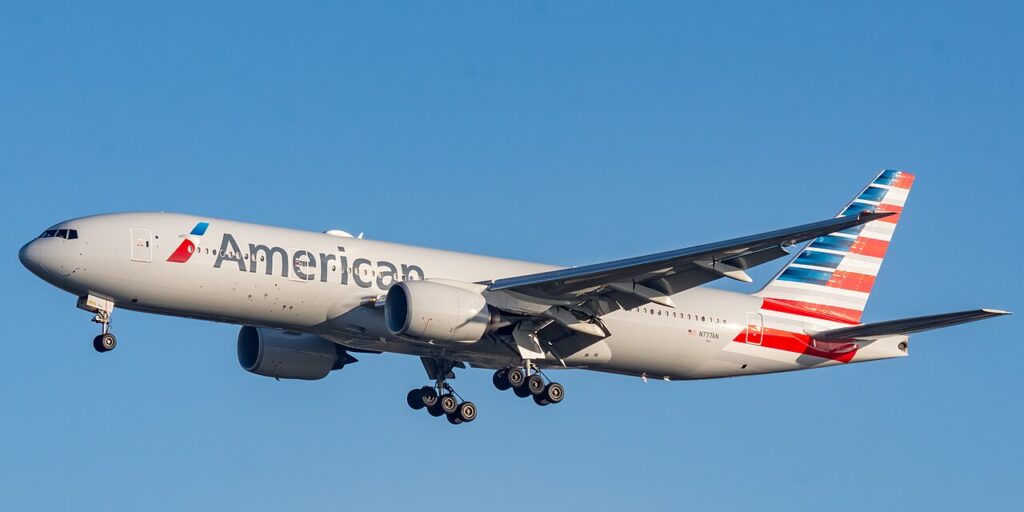
American Airlines has relied on the Boeing 777-200ER for over twenty years, making it a cornerstone of the airline’s long-haul operations. As the fleet ages, with many aircraft nearing 25 years in service, discussions about their eventual replacement have intensified. CEO Robert Isom has indicated that American is actively assessing its future widebody aircraft needs, with proposals from both Boeing and Airbus under consideration.
The Role of the Boeing 777-200ER
Currently, American Airlines operates approximately 45 Boeing 777-200ER aircraft, which serve as critical links between major hubs and international destinations. These aircraft are integral to routes such as Dallas/Fort Worth to London Heathrow and Miami to Buenos Aires, among others. While the Boeing 777-300ER handles flagship routes, the 777-200ER has proven itself as a reliable workhorse, adapting to seasonal demand fluctuations and maintaining a significant presence in the airline’s international operations.
Commitment to the Current Fleet
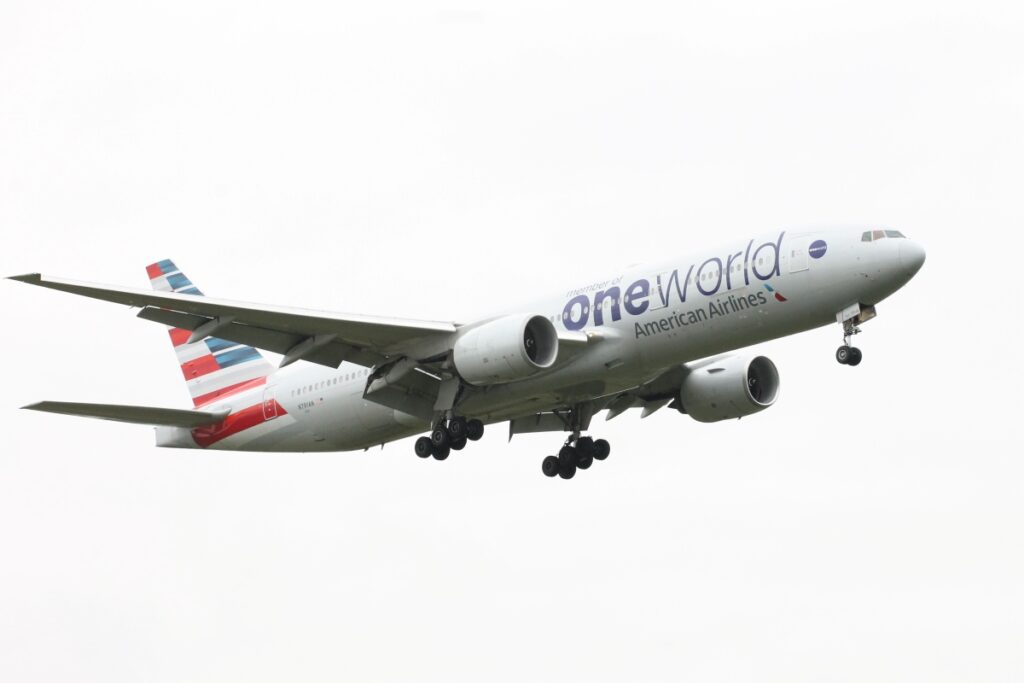
Despite initial expectations for a swift retirement of the 777-200ERs, American Airlines has opted for extensive refurbishment. Upgrades include modernized interiors, enhanced Wi-Fi connectivity, and cabin improvements designed to align the aircraft with newer models. This strategy suggests that the airline anticipates keeping the 777-200ER operational well into the 2030s, demonstrating a commitment to maximizing the aircraft’s lifespan while improving passenger experience.
Looking Ahead: Evaluating Future Options
As American Airlines prepares for the eventual retirement of its Boeing 777-200ER fleet, the airline is considering several potential successors. The evaluation process is critical, given the long lead times associated with aircraft orders and the current backlog in widebody aircraft production.
Potential Candidates for Replacement
One strong contender is the Boeing 787 Dreamliner, which American already operates. The airline has both 787-8 and 787-9 models and has additional orders pending. The benefits of fleet commonality, including shared pilot training and maintenance, position the Dreamliner as a practical choice for gradual replacement of the 777-200ER.
Another possibility is the Airbus A350, which, despite American’s previous cancellation of its order, has garnered renewed interest due to its efficiency and performance capabilities. The A350-900 could serve as a suitable replacement for many of the routes currently flown by the 777-200ER.
Lastly, the Boeing 777X family, particularly the 777-9 variant, could offer greater capacity and operational flexibility. However, its size may limit its suitability for many routes currently served by the 777-200ER, complicating its potential as a direct replacement.

Strategic Decisions Ahead
While the retirement of the Boeing 777-200ER fleet is not imminent, American Airlines faces crucial decisions regarding its future widebody aircraft strategy. The outcome of this evaluation will significantly shape the airline’s long-haul operations and fleet composition for years to come. For now, the Boeing 777-200ER remains a familiar sight in the skies, continuing to connect passengers across continents while the future unfolds.



This article was prepared by LibelulaFly as an independent aviation-news summary and editorial reinterpretation based on publicly available reporting. Images, when used, are included for editorial context with source attribution. Original source: www.airportspotting.com. Read the original article here: https://www.airportspotting.com/what-will-replace-american-airlines-boeing-777-200er-fleet/.
List, promote, or publish aircraft with LibelulaFly.
LibelulaFly.com • Sales@libelulafly.com • +1 305-332-1942