

Jul
Unveiling Switzerland’s Aviation Treasures
Switzerland, renowned for its picturesque landscapes and efficient transportation, is a hidden gem for aviation enthusiasts. With its compact size, the country offers a diverse range of experiences for plane spotters, from vibrant airports to insightful museums. This article highlights ten essential activities that every aviation aficionado should consider during their visit to Switzerland.
Zurich Airport: A Spotter’s Paradise
Zurich Airport stands out as one of Europe’s premier destinations for aviation enthusiasts. The airport features well-designed public viewing terraces that provide panoramic views of the bustling runways, taxiways, and terminal operations. Spotters can observe a variety of aircraft, including regional jets and long-haul airliners, while enjoying interactive displays and dining options that enhance the overall experience.
Swiss Museum of Transport: A Journey Through Time
Located in Lucerne, the Swiss Museum of Transport is a must-visit for those interested in the history of aviation. The museum showcases an extensive collection of aircraft, from military jets to commercial airliners, alongside interactive exhibits that illustrate the evolution of aviation in Switzerland. A visit here can easily occupy the better part of a day, making it a worthwhile stop for aviation enthusiasts.
Business Aviation Hub: Geneva Airport
Geneva Airport offers a unique blend of commercial and business aviation. Known as a busy hub for private jets, particularly during the winter ski season, the airport provides ample opportunities for spotting a variety of aircraft. With its strategic location, Geneva serves as a gateway for travelers heading to the Swiss Alps, ensuring a dynamic range of movements throughout the day.
Captivating Views at Runway 34
One of the most popular spotting locations at Zurich Airport is near Runway 34. Here, aircraft approach at remarkably low altitudes, providing excellent photography opportunities against the stunning Swiss countryside. This vantage point not only offers breathtaking views but also features preserved aircraft displays, enriching the experience for visitors.
Buochs Airfield: Home of Pilatus Aircraft
For those interested in aircraft manufacturing, Buochs Airfield, located near Stans, is an essential destination. This site is the production hub for Pilatus Aircraft, known for its PC-12 and PC-24 models. Depending on operational activity, visitors may witness test flights and customer deliveries, all set against a magnificent mountainous backdrop.
Flieger Flab Museum: A Military Aviation Experience
The Flieger Flab Museum, adjacent to Dübendorf Air Base, offers a comprehensive look at Switzerland’s military aviation history. The museum houses a range of aircraft from different eras, providing insight into the nation’s defense strategies and technological advancements in aviation. Its well-preserved exhibits make it an excellent indoor activity for aviation fans.
Clin d’Ailes Museum: Celebrating the Jet Age
Located by Payerne Air Base, the Clin d’Ailes Museum focuses on Switzerland’s jet age, featuring iconic military aircraft such as the Hawker Hunter and Mirage III. The museum frequently hosts exhibitions and events, and the nearby active air base adds an extra layer of excitement for visitors.
EBACE: A Showcase of Business Aviation
If your visit coincides with the European Business Aviation Convention & Exhibition (EBACE) in Geneva, you will experience a showcase of the latest business jets from top manufacturers. This annual event attracts industry professionals and provides a unique opportunity to see new developments in executive aviation.
Sion Airport: Scenic Spotting
Nestled in the Alps, Sion Airport is renowned for its breathtaking scenery. The airport not only accommodates scheduled flights and charter services but also shares facilities with the Swiss Air Force. The dramatic mountain landscape enhances every aircraft movement, making it a picturesque location for photography.
Historic Dübendorf Air Base
Dübendorf Air Base, though no longer a primary military installation, holds historical significance in Swiss aviation. The airfield continues to host military units and aviation activities, making it a vital stop for anyone interested in the evolution of Swiss aviation history.
Plan Your Aviation Adventure
Switzerland’s rich aviation landscape offers countless opportunities for enthusiasts. Whether visiting iconic airports or exploring aviation museums, there is no shortage of experiences to enrich your understanding of flight. Plan your next aviation adventure in Switzerland and discover the unique blend of history and modernity that this country has to offer.
Jul
Aviation Enthusiasts Flock to Larnaca International Airport
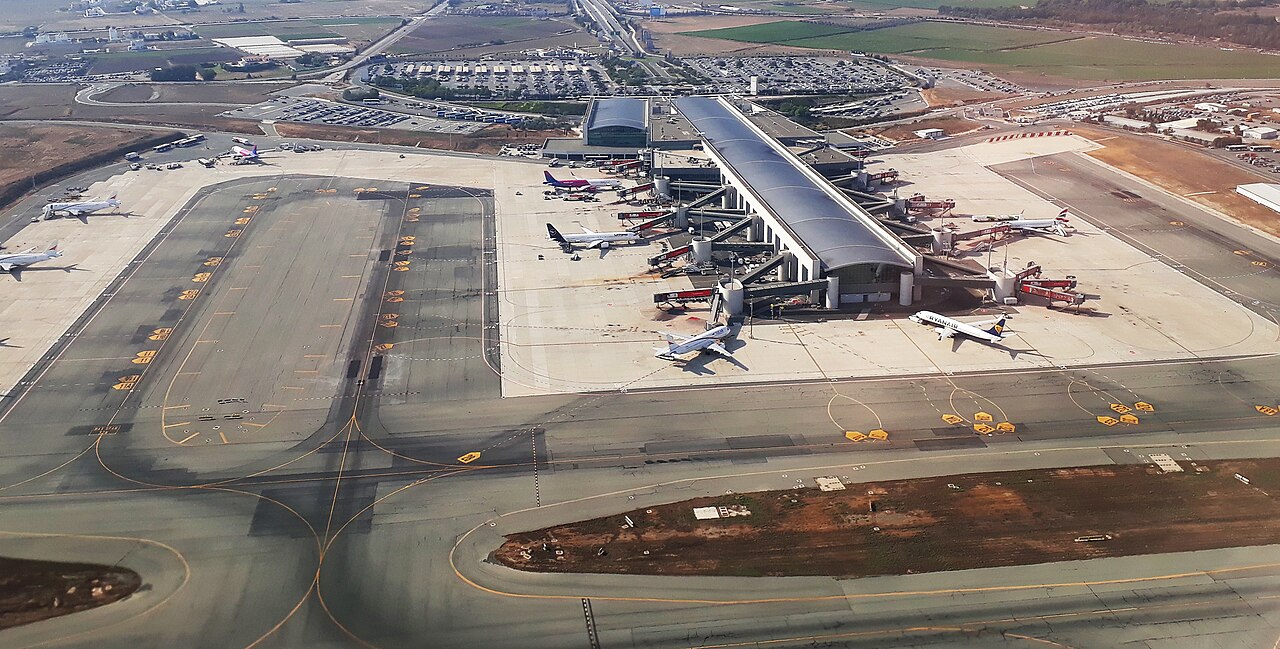
Larnaca International Airport (LCA) has emerged as a notable destination for aviation enthusiasts, thanks to its unique combination of year-round sunshine and a diverse array of airlines. Despite its modest size, Larnaca offers a rich tapestry of flight operations that includes European, Middle Eastern, and regional carriers, making it a fascinating location for plane spotting.
Historical Significance and Operational Scope
As the busiest airport in Cyprus, Larnaca serves as the island’s primary international gateway. Its prominence grew significantly after the division of Cyprus in 1974, which resulted in the closure of Nicosia International Airport. Since then, Larnaca has developed into a vital hub in the eastern Mediterranean, accommodating millions of passengers annually through scheduled, charter, and low-cost flights.
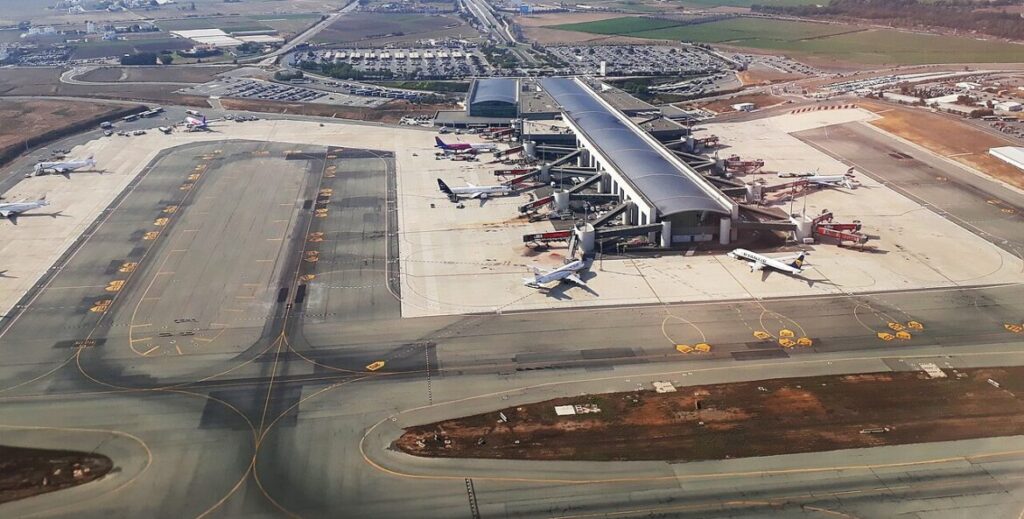
The airport features a single runway (04/22) and a modern passenger terminal located on the southwestern side of the airfield. Additionally, a remote apron at the opposite end is designated for cargo operations, business aviation, and occasional military traffic, further enhancing its operational relevance.
A Diverse Airline Ecosystem
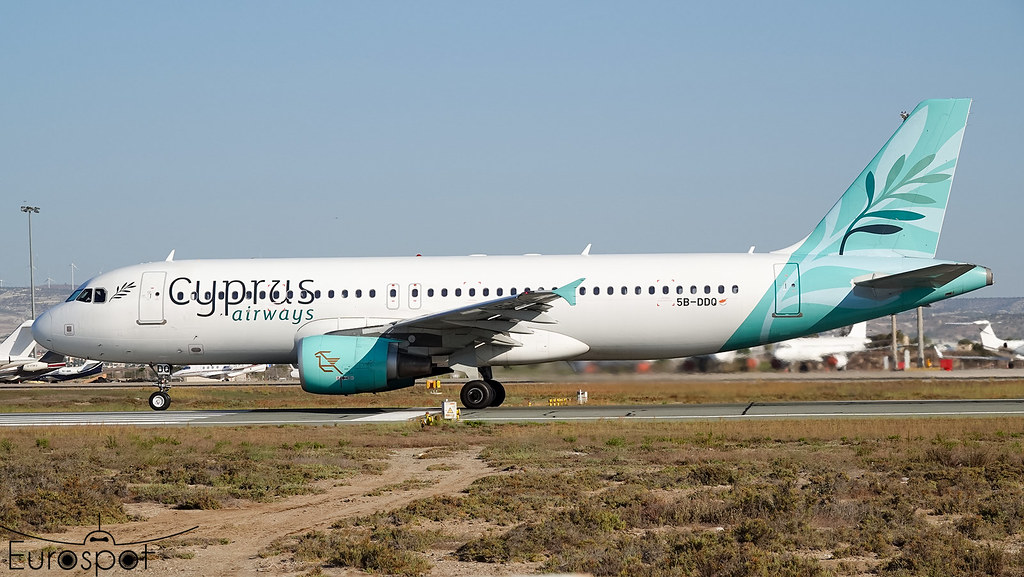
While summer months witness a surge in holiday traffic, Larnaca’s route network remains impressively diverse throughout the year. Cyprus Airways and TUS Airways provide scheduled services that connect to various European and eastern Mediterranean destinations. Low-cost carriers such as easyJet and Wizz Air also maintain extensive operations from the airport.
Other notable airlines operating from Larnaca include Aegean Airlines, British Airways, Emirates, and Qatar Airways, among others. This eclectic mix not only ensures a steady stream of aircraft movements but also presents unique opportunities for enthusiasts to capture images of rare aircraft types that may not be frequently seen in other European airports.
Prime Locations for Plane Spotting
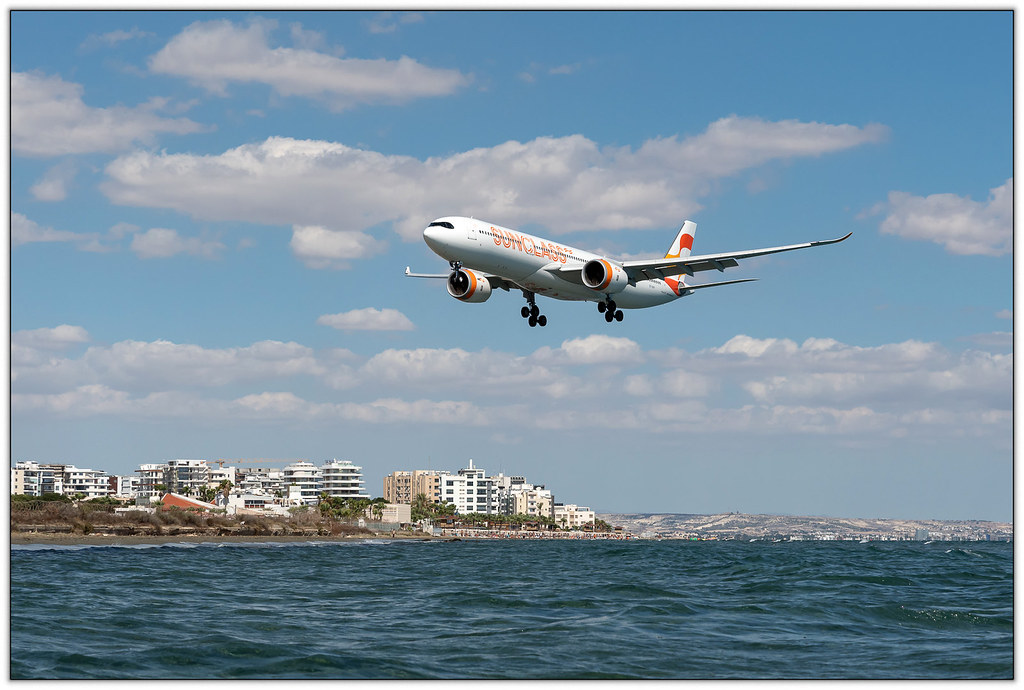
For aviation photographers, Larnaca offers some of the best vantage points in the region. Mackenzie Beach, located directly beneath the approach to runway 22, provides spectacular viewing opportunities as aircraft pass low overhead just before landing. The beach is equipped with various cafés and restaurants, allowing spotters to enjoy a relaxing afternoon while capturing stunning photographs.
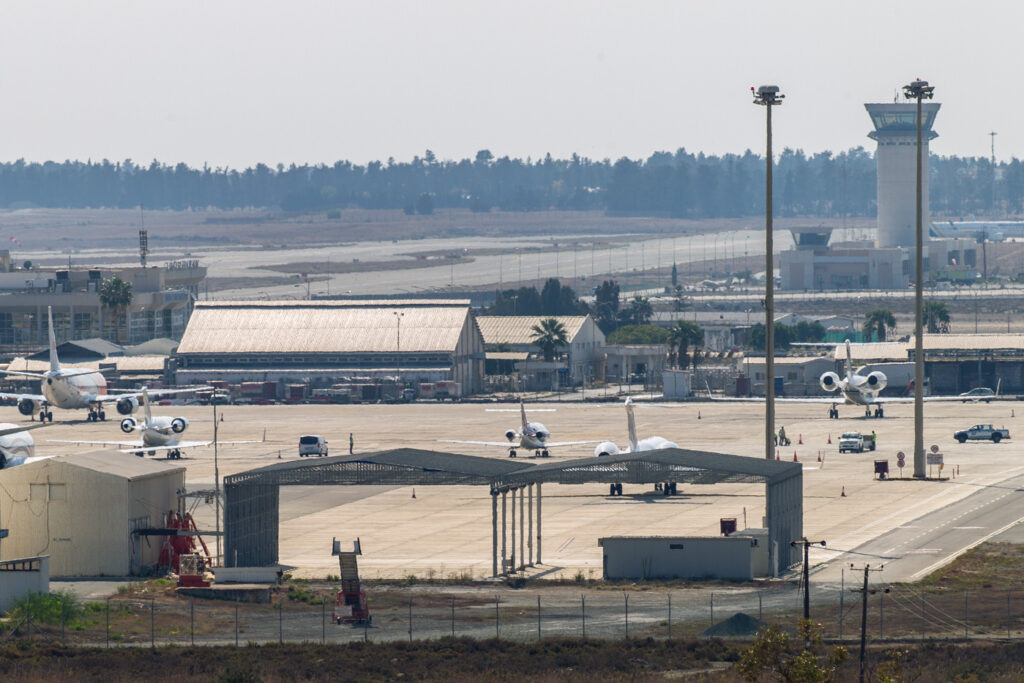
Moreover, the Eastern Apron Viewpoint along the B4 road offers a vantage point for observing cargo and business jets. A telephoto lens can yield excellent views of aircraft parked on the remote apron, although spotters should be mindful of airport security protocols.
Accommodations Tailored for Aviation Fans
For those wishing to immerse themselves in the aviation experience, the Flamingo Beach Hotel stands out as an ideal accommodation. Located just minutes from the runway threshold, the hotel offers rooms with views of aircraft on final approach. The rooftop terrace provides an exceptional vantage point for observing flight operations, making it a favored choice among spotting enthusiasts.
Conclusion: A Unique Aviation Experience Awaits
Larnaca International Airport may not rival the largest European hubs in terms of traffic volume, but it offers an unparalleled variety of airlines and flight operations in a picturesque Mediterranean setting. For aviation enthusiasts, the combination of excellent weather, diverse aircraft movements, and iconic spotting locations makes Larnaca a must-visit destination. Whether you are a seasoned spotter or a casual aviation fan, the experiences awaiting you at Larnaca are sure to leave a lasting impression.



This article was prepared by LibelulaFly as an independent aviation-news summary and editorial reinterpretation based on publicly available reporting. Images, when used, are included for editorial context with source attribution. Original source: www.airportspotting.com. Read the original article here: https://www.airportspotting.com/plane-spotting-at-larnaca-airport-cyprus-best-airport-for-aviation-enthusiasts/.
List, promote, or publish aircraft with LibelulaFly.
LibelulaFly.com • Sales@libelulafly.com • +1 305-332-1942

Jul
Celebrating the Boeing 727’s Enduring Legacy
The Boeing 727, a trijet that revolutionized air travel, has left an indelible mark on the aviation landscape for over four decades. Renowned for its versatility and reliability, the aircraft became a staple at numerous airports across the United States. This article highlights five airports that not only witnessed the 727’s operational prowess but also became synonymous with its legacy.
New York LaGuardia: The Urban Gateway
New York’s LaGuardia Airport (LGA) became an iconic site for the Boeing 727, thanks to its unique operational demands. The aircraft’s short-field capabilities, bolstered by powerful Pratt & Whitney JT8D engines, allowed it to thrive in the airport’s constrained environment. Throughout the late 20th century, major airlines such as Eastern Air Lines and TWA showcased the 727 against the backdrop of New York City, turning the distinctive sound of its engines into a familiar urban soundtrack.
Miami International: A Latin American Hub
Miami International Airport (MIA) emerged as a key hub for the Boeing 727 during its peak years, serving as a crucial gateway to Latin America and the Caribbean. Eastern Air Lines operated a robust network of 727 flights, connecting passengers to various destinations across the region. Even as U.S. carriers phased out the aircraft, Miami remained a sanctuary for 727s, with many Latin American airlines continuing to operate the model into the 2000s, showcasing its enduring relevance in regional aviation.

Washington National: The Performance Showcase
At Washington National Airport (DCA), the Boeing 727’s exceptional climb performance shone through. The airport’s short runways and strict departure procedures necessitated an aircraft capable of rapid ascent, and the 727 delivered just that. Airlines like American and United relied on the trijet to navigate the airport’s operational constraints, making it a frequent sight as it soared over the Potomac River, much to the delight of aviation enthusiasts.
Seattle Boeing Field: Birthplace of the 727
Unlike the other airports highlighted, Seattle Boeing Field (BFI) holds a special place in the Boeing 727’s history as its birthplace. Each of the 1,832 aircraft produced rolled out from the Renton production plant and underwent testing at BFI. For spotters and aviation fans, the sight of newly minted 727s taking to the skies was a testament to Boeing’s engineering prowess and innovation during a transformative era in aviation.
Atlanta Hartsfield-Jackson: Delta’s Dominance
Atlanta Hartsfield-Jackson International Airport (ATL) became a critical operating base for Delta Air Lines and its extensive fleet of Boeing 727s. The airport facilitated hundreds of daily departures, solidifying its status as a major hub for the trijet. The constant activity of 727s at ATL not only underscored Delta’s operational strength but also made the airport a defining location for the aircraft during its height in commercial aviation.
Memphis International: The Cargo Stronghold
While not traditionally recognized as a passenger hub for the Boeing 727, Memphis International Airport (MEM) became a notable center for cargo operations. FedEx embraced the trijet for its freight services, operating a significant fleet that sustained the aircraft’s legacy well into the 21st century. The sight of FedEx 727s on the tarmac remains a powerful symbol of the aircraft’s adaptability and lasting impact on air cargo logistics.

Conclusion: A Lasting Influence
The Boeing 727’s legacy is intricately woven into the fabric of American aviation history. From bustling passenger hubs to pivotal cargo operations, these airports not only showcased the aircraft’s capabilities but also contributed to its storied journey. As the aviation industry continues to evolve, the 727’s influence endures, reminding us of an era where trijets ruled the skies.






This article was prepared by LibelulaFly as an independent aviation-news summary and editorial reinterpretation based on publicly available reporting. Images, when used, are included for editorial context with source attribution. Original source: www.airportspotting.com. Read the original article here: https://www.airportspotting.com/five-us-airports-that-became-synonymous-with-the-boeing-727/.
List, promote, or publish aircraft with LibelulaFly.
LibelulaFly.com • Sales@libelulafly.com • +1 305-332-1942
Jun
Berlin’s Aviation Legacy: A Journey Through Time
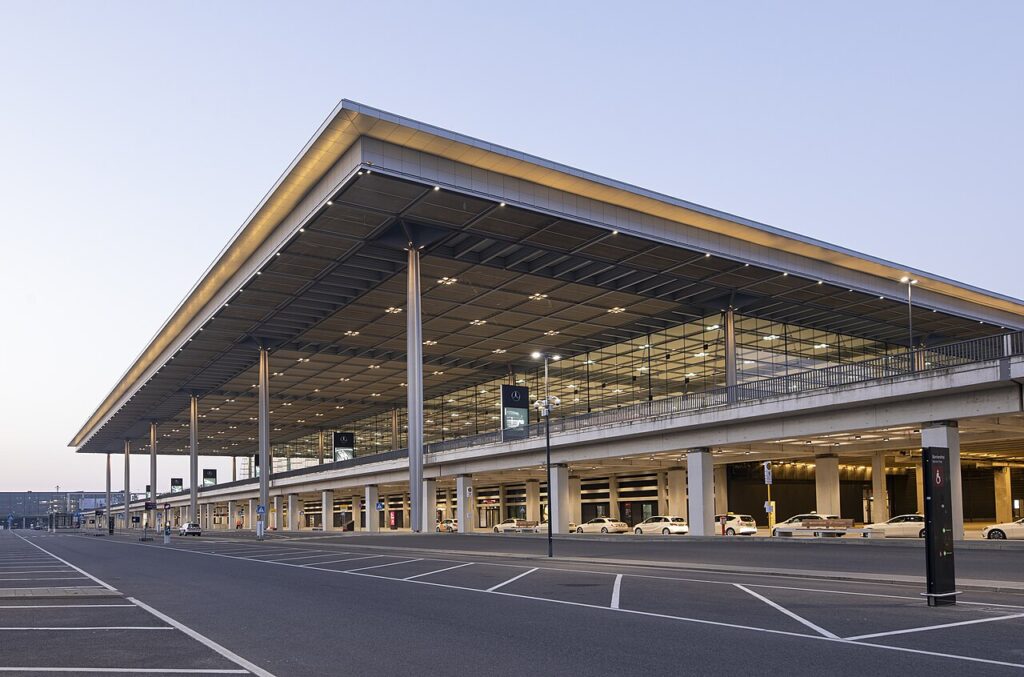
Berlin’s aviation landscape has undergone significant transformations over the decades, culminating in the opening of Berlin Brandenburg Airport in 2020. This modern hub now serves as the primary gateway to the German capital, but it was not always so singular in its function. Throughout the 20th century, Berlin was home to multiple airports that played pivotal roles in shaping not only the city’s identity but also the broader narrative of European aviation history.
The Rise of Tempelhof: An Icon of Resilience
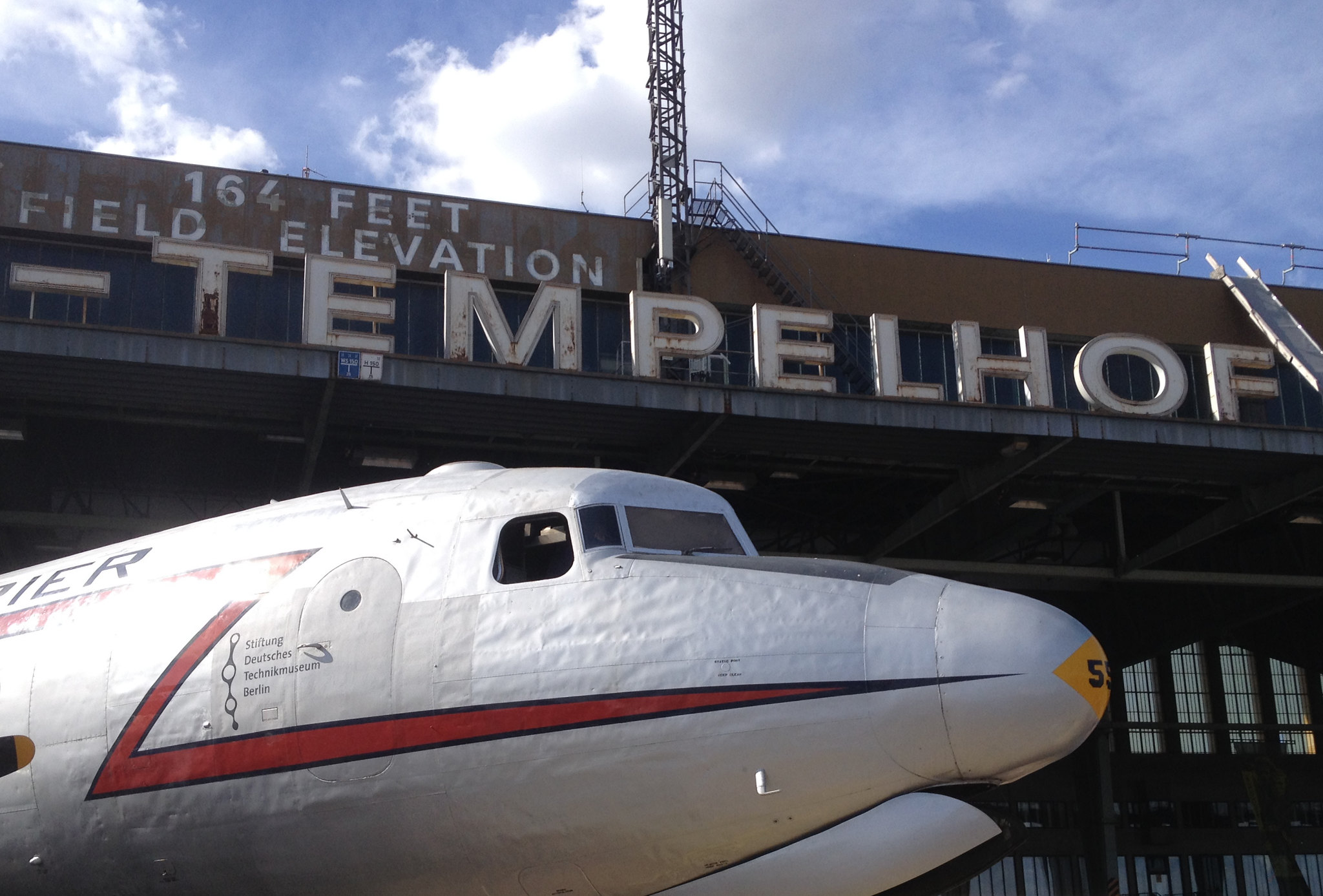
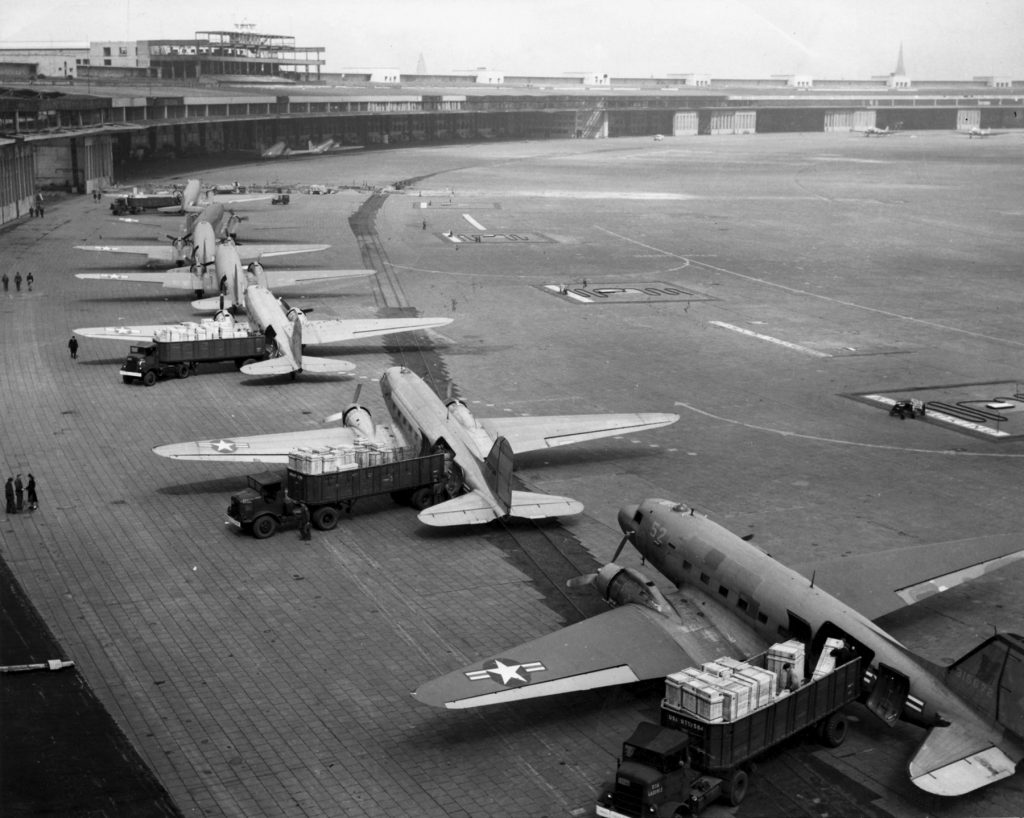
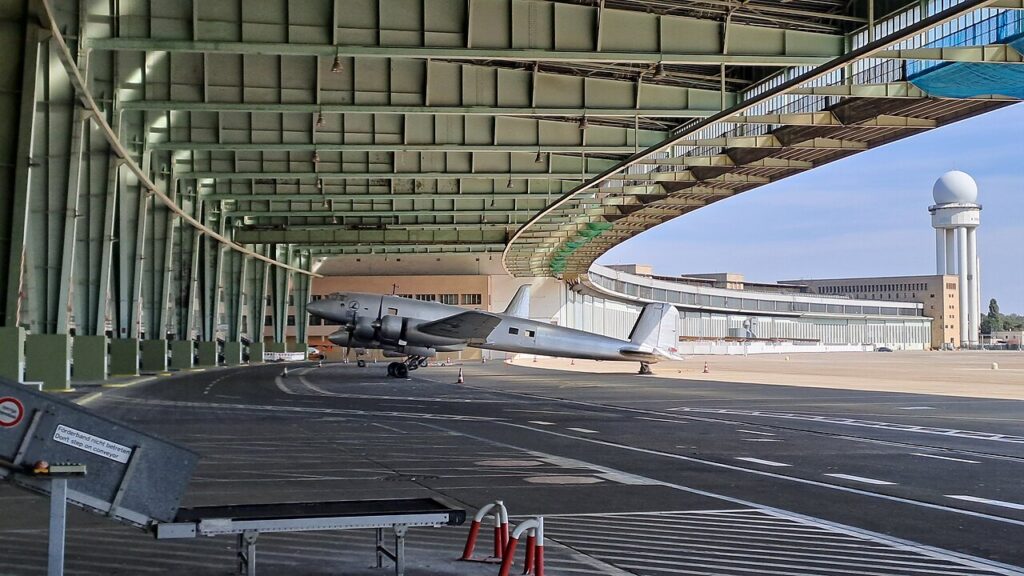
Among the most storied of these airports is Berlin Tempelhof, which became a symbol of resilience during the Berlin Airlift from 1948 to 1949. Originally established in the early 20th century, its expansive terminal, designed by Ernst Sagebiel, was a marvel of engineering and architecture. During the Airlift, it served as a crucial logistical hub for Allied forces, facilitating the delivery of vital supplies to West Berlin amidst the Soviet blockade.
Despite its historical significance, commercial operations at Tempelhof dwindled over the years, leading to its closure in 2008. Today, the site has been transformed into Tempelhofer Feld, a public park that retains the spirit of its aviation past while serving as a recreational space for the community.
Tegel: The Gateway of West Berlin
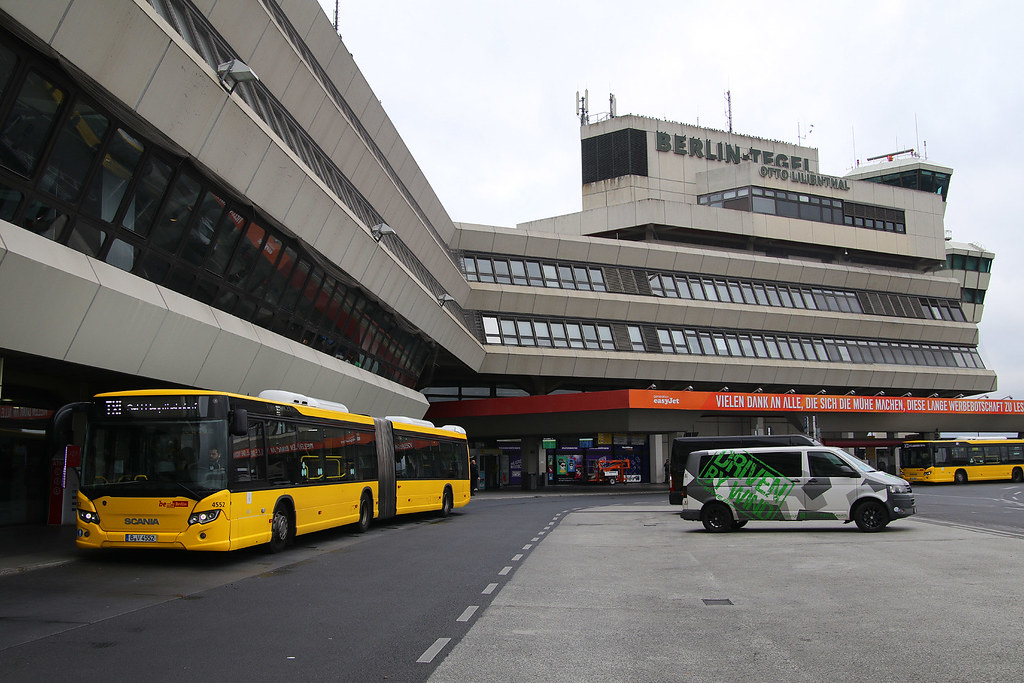
Berlin Tegel Airport, constructed rapidly in 1948, became the main airport for West Berlin and was characterized by its distinctive hexagonal design. It emerged as a vital transport hub during the Cold War, accommodating airlines from the Allied powers. Tegel’s strategic importance was underscored by its role in connecting West Berlin to the rest of the world during a time of division.
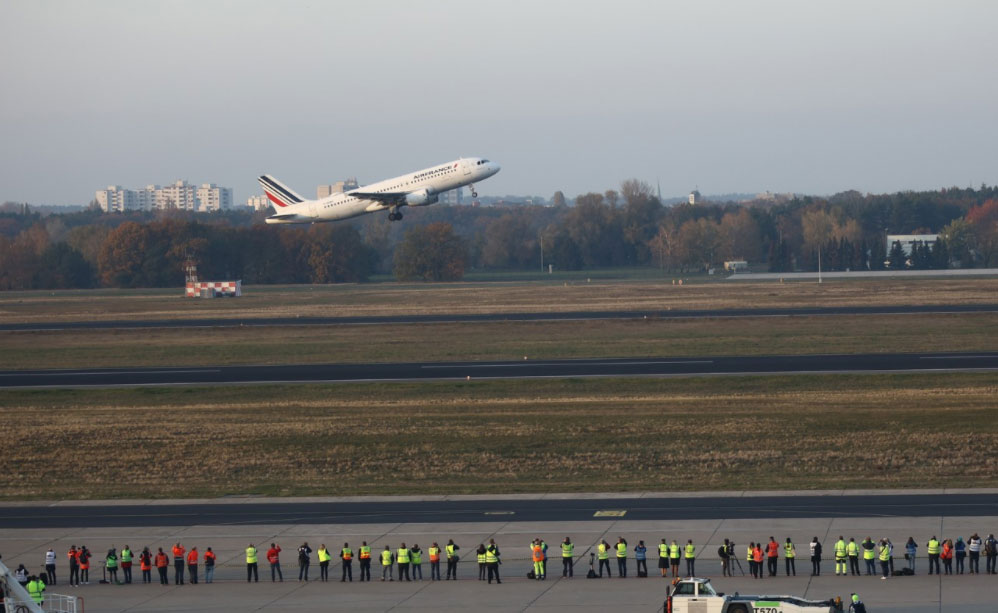
Following reunification, Tegel saw significant growth and became a major airport for both traditional and low-cost carriers. However, it ultimately closed in November 2020, shortly after the inauguration of Berlin Brandenburg Airport. The site is now undergoing redevelopment into Berlin TXL, a modern urban project aimed at fostering innovation and sustainable industries.
Schönefeld: The East Berlin Connection
Unlike its counterparts, Berlin Schönefeld Airport has maintained a continuous presence in the aviation landscape. Initially serving as East Berlin’s primary international airport, it became synonymous with the operations of Interflug, East Germany’s national airline. Following the fall of the Berlin Wall, Schönefeld adapted to changing market dynamics and now functions as Terminal 5 of the Berlin Brandenburg Airport complex.
This integration has allowed Schönefeld to continue serving passengers, albeit under a new operational framework, highlighting the adaptability of aviation infrastructure in response to geopolitical changes.
The Military Legacy: RAF Gatow
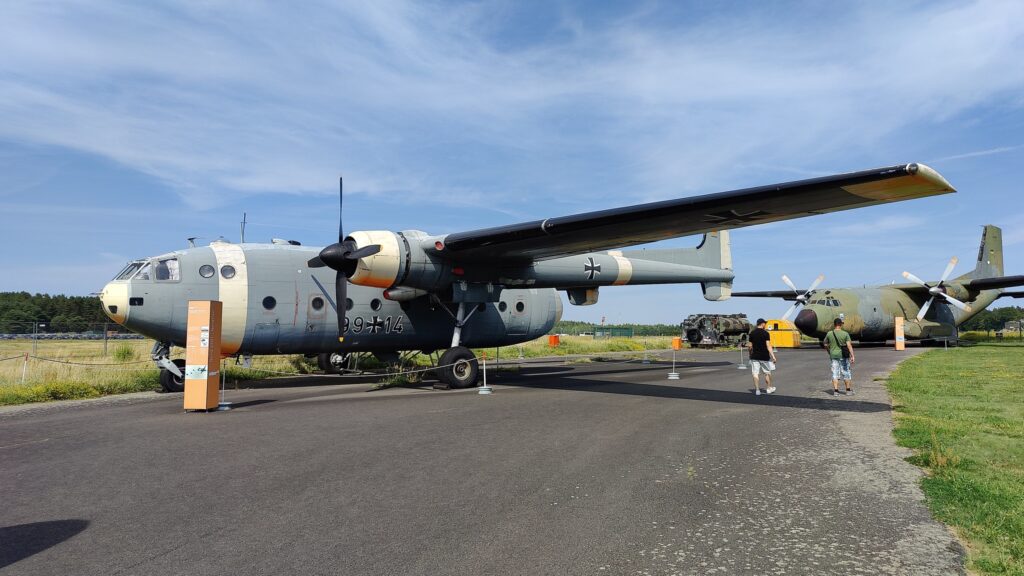
RAF Gatow, the least recognized of Berlin’s former airports, was established in 1935 and served as a key military airfield during the Cold War. Its strategic location and operational significance were evident during the Berlin Airlift and subsequent military operations. The base was closed in 1994, but it now houses the Luftwaffe Museum, where visitors can explore the rich tapestry of military aviation history.
Aviation Heritage in Modern Berlin
As Berlin Brandenburg Airport continues to serve as the city’s aviation nexus, the historical airports of Tempelhof, Tegel, Schönefeld, and Gatow offer a glimpse into the past. These sites not only reflect the evolution of air travel but also encapsulate the resilience and spirit of a city that has navigated significant historical challenges. For aviation enthusiasts and historians alike, exploring these former gateways provides valuable insights into the rich narrative of Berlin’s aviation legacy.


This article was prepared by LibelulaFly as an independent aviation-news summary and editorial reinterpretation based on publicly available reporting. Images, when used, are included for editorial context with source attribution. Original source: www.airportspotting.com. Read the original article here: https://www.airportspotting.com/what-happened-to-berlins-old-airports-exploring-the-german-capitals-lost-aviation-gateways/.
List, promote, or publish aircraft with LibelulaFly.
LibelulaFly.com • Sales@libelulafly.com • +1 305-332-1942