
Jul
Global Airliner Deliveries Highlight Aviation Growth
In July 2026, the aviation industry continues to witness significant developments with new airliner deliveries and special liveries enhancing airline fleets worldwide. This month showcases a variety of aircraft ranging from widebody airliners to regional jets, reflecting the ongoing evolution of airline operations and branding strategies.
Expanding Horizons: Air Congo’s New Dreamliner
Air Congo has made a noteworthy stride in expanding its long-haul capabilities by leasing a Boeing 787-8 Dreamliner from Ethiopian Airlines. This aircraft, registered as ET-ASI, marks a significant enhancement in Air Congo’s fleet, enabling the airline to operate more efficiently on international routes. The Dreamliner is renowned for its fuel efficiency and passenger comfort, positioning Air Congo to better serve its growing customer base.
Celebrating Heritage: Special Liveries Commemorate USA’s 250th Anniversary
In celebration of the United States’ 250th anniversary, several airlines have unveiled special liveries. Alaska Airlines has adorned its Boeing 737 MAX 9 with promotional stickers linked to the FIFA World Cup, while American Airlines has introduced a commemorative scheme on its Boeing 737-800. These initiatives not only enhance brand visibility but also connect the airlines with national pride and historical significance.
Innovative Additions: New Aircraft Enhance Operational Capabilities
Several airlines are expanding their fleets with new aircraft types to improve operational flexibility. AZAL Azerbaijan Airlines has welcomed its first Airbus A320neo, enhancing its regional service capabilities. Meanwhile, Ethiopian Airlines is diversifying its fleet with the addition of DHC-6 Twin Otters for domestic operations, showcasing a commitment to serving various market segments effectively.
Private Aviation Growth: Deer Jet’s Acquisition of the C909
In the realm of private aviation, Deer Jet has taken delivery of its first Comac C909, marking a significant milestone for the operator. This aircraft, identified as B-65A9, is poised to cater to the growing demand for business travel in Asia, offering luxurious amenities and advanced technology for discerning clientele.
International Flavor: New Liveries and Aircraft from Global Airlines
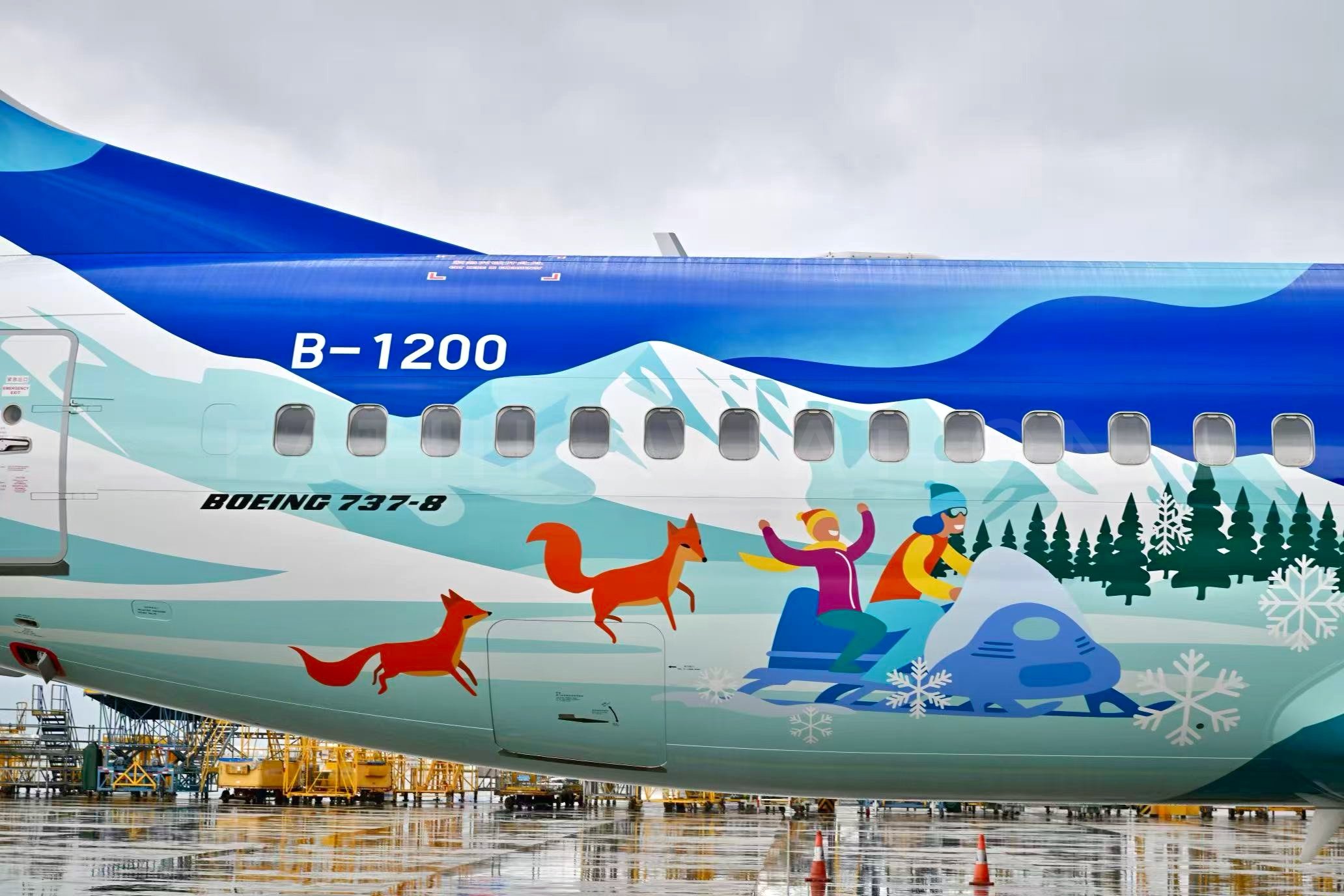
Airlines across the globe are also showcasing their identities through unique liveries. China Southern Airlines has introduced a special livery promoting the Altay region on its Boeing 737 MAX 8. Additionally, Emirates has applied the UAE flag scheme to its Airbus A350-900, further emphasizing its national heritage. These liveries not only serve branding purposes but also enhance the visibility of cultural and regional identities across their routes.
Looking Ahead: The Future of Airline Operations
As airlines continue to innovate and expand their fleets, the industry is positioned for sustained growth. The integration of new aircraft types, coupled with strategic branding initiatives, reflects a dynamic market responding to evolving passenger preferences and operational demands. Stakeholders in the aviation sector should monitor these developments closely, as they signal broader trends in fleet modernization, service enhancement, and market positioning.
As the aviation landscape evolves, the commitment to improving operational capabilities and enhancing passenger experiences remains a priority. With each new delivery and livery, airlines are not just adding to their fleets but are also reinforcing their identities and roles in the global market.
Jun
Preserving Aviation History Through Spotting
Aviation is an ever-evolving industry, with airlines continuously updating their fleets to enhance efficiency and performance. While this modernization is beneficial for operational costs and environmental impact, it also means that many classic airliner types are fading from the skies. For aviation enthusiasts and plane spotters, this presents a limited opportunity to witness these iconic aircraft before they are permanently retired from commercial service.
Spotlight on Ten Iconic Airliners
As the aviation landscape transforms, certain airliner types have become increasingly rare, making them prime targets for spotting trips. Below are ten aircraft types that merit attention before they disappear from regular airline operations.
Airbus A300 Freighter: A Legacy in Cargo
While passenger variants of the Airbus A300 have long been retired, the freighter version continues to serve vital roles in cargo operations. European air carriers such as DHL Aviation maintain a notable presence with this aircraft, particularly at Leipzig/Halle Airport, which has become a hotspot for spotting A300s in action.
Boeing 717: The Last of Its Kind
The Boeing 717 is dwindling in numbers, with its largest fleets now operating under Delta Air Lines and Hawaiian Airlines. As Hawaiian Airlines transitions to newer models, enthusiasts should take the opportunity to experience this aircraft in Honolulu, one of the few locations where it remains a common sight.
Boeing 757-300: A Unique Narrowbody
The Boeing 757-300 is a distinctive narrowbody aircraft, yet only a few airlines, including Delta and United, continue to operate this variant. Its unique characteristics and the absence of a direct replacement make it a noteworthy inclusion on any spotting itinerary.
Boeing 767-200: The End of an Era
Despite its recent prevalence, the Boeing 767-200 is rapidly approaching the end of its operational life. Once a staple in many airlines’ fleets, this aircraft is now primarily flown by a select few, including UTair and Eastern Airlines, making sightings of this variant increasingly rare.
Boeing 777-200: A Fading Icon
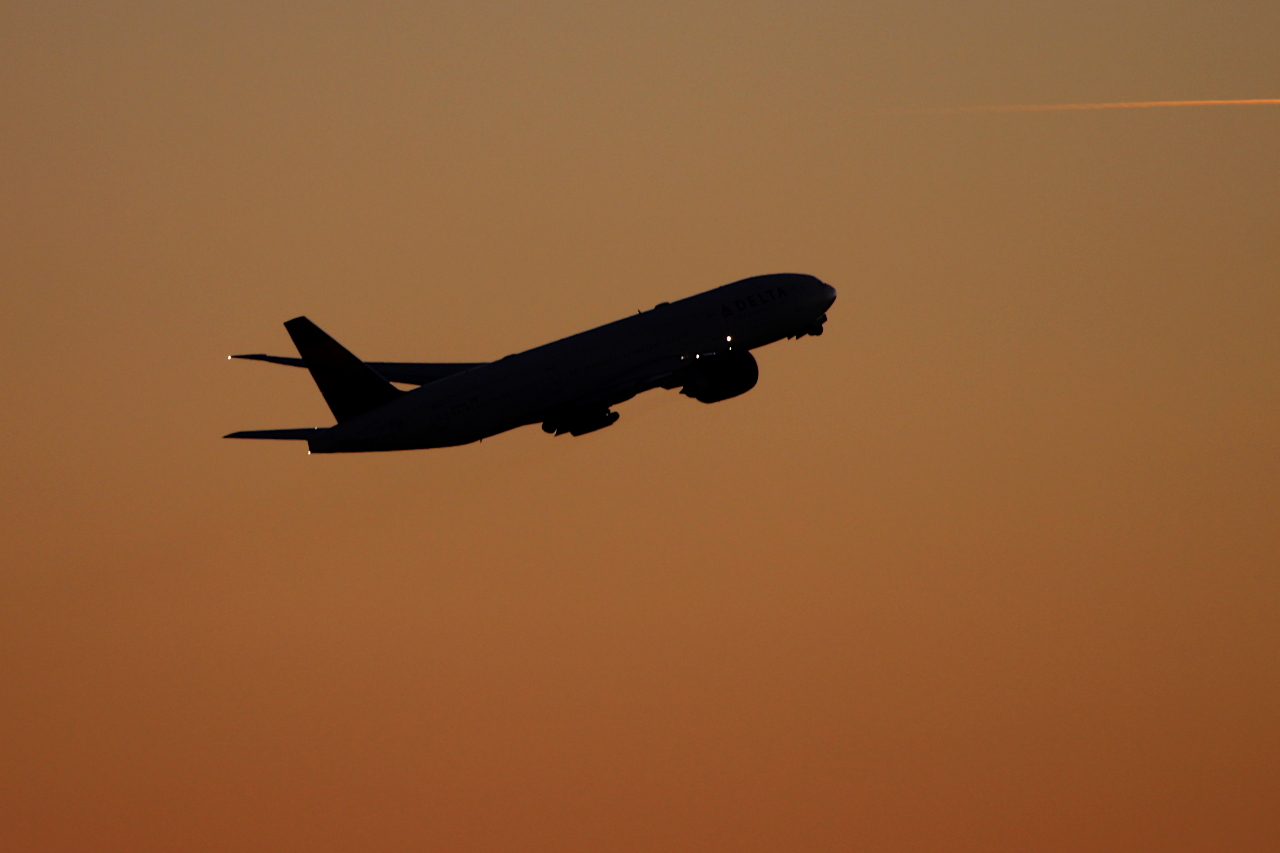
The Boeing 777-200, while still a popular choice for many airlines, is becoming increasingly scarce, especially earlier variants. With only a handful of operators left, including Austrian Airlines and United Airlines, spotting this aircraft type is becoming a unique experience.
Airbus A380: The Superjumbo’s Legacy
As the largest passenger aircraft ever built, the Airbus A380 is a marvel of modern engineering. Although production has ceased, airlines like Emirates and Qantas continue to operate substantial fleets. However, as retirements loom, enthusiasts should prioritize opportunities to witness this monumental aircraft.
Boeing 747 Passenger Variants: A Nostalgic Farewell
The passenger variant of the Boeing 747 has become a rare sight in today’s aviation environment. With only a few airlines, including Lufthansa and Korean Air, still operating these aircraft, spotting a 747 has become a nostalgic experience that should not be missed.
McDonnell Douglas MD-11 Freighter: A Tri-Jet in Service
The MD-11’s passenger operations have largely ceased, but it remains in service as a freighter. Major operators like FedEx provide opportunities to see this unique tri-jet, particularly at key cargo hubs such as Memphis and Anchorage.
Ilyushin Il-62: A Soviet Classic
Surprisingly, the Ilyushin Il-62 still has a presence in the skies, albeit limited. With a few remaining examples operating in North Korea and for government use in Russia, this vintage aircraft represents a rare glimpse into aviation history.
Airbus A318: The Rarest of the A320 Family
As the smallest member of the A320 family, the Airbus A318 has quietly become one of the rarest commercial aircraft. Air France operates a dwindling number of these aircraft, which are being phased out in favor of newer models. Spotting an A318 is becoming increasingly challenging.
Final Thoughts: A Call for Preservation
As the aviation industry continues to innovate, the importance of preserving the legacy of these iconic aircraft cannot be overstated. For aviation enthusiasts, now is the time to seize the opportunity to spot these rare airliners before they become part of history. Each sighting not only celebrates the engineering marvels of the past but also serves as a reminder of the ever-changing face of aviation.