
Jul
Transforming the Single-Aisle Market
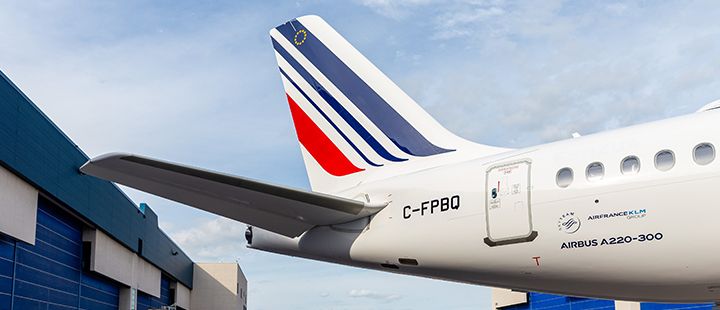
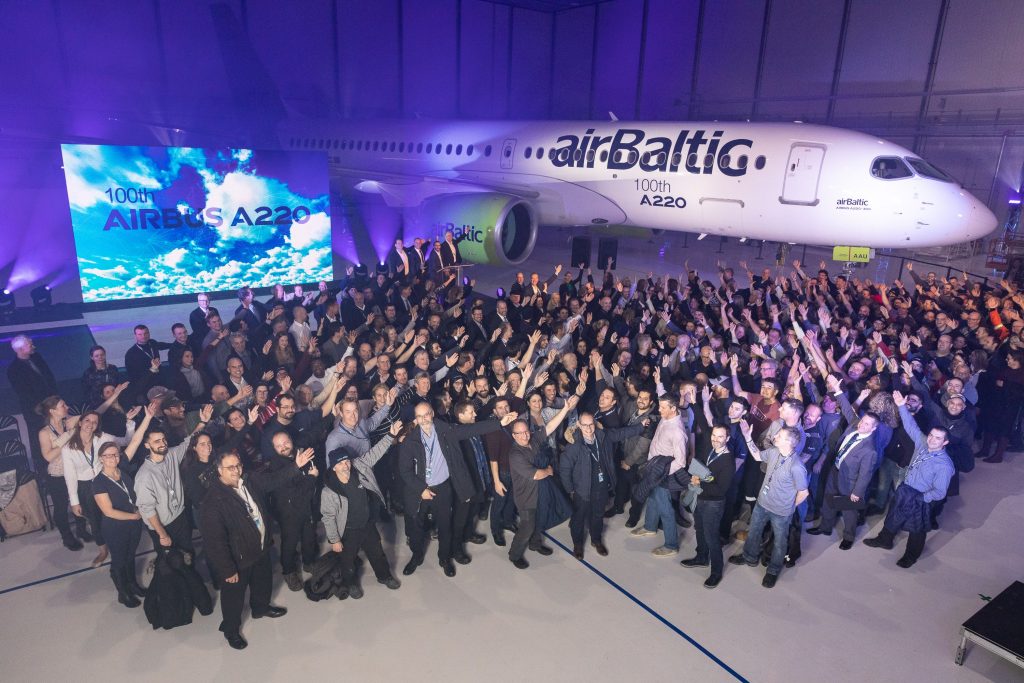
The aviation landscape is witnessing a significant shift as the Airbus A220 increasingly replaces the A319neo in the competitive 100-150 seat segment. This development underscores a broader trend in airline preferences for aircraft that deliver superior efficiency and passenger comfort.
Designed for Modern Demands
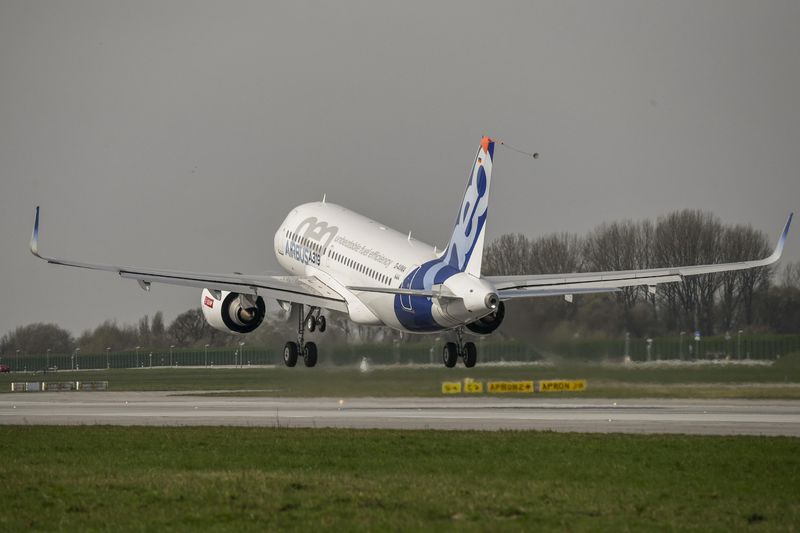
The Airbus A319neo, while a notable member of the A320 family, was not originally conceived for the specific needs of today’s airlines operating thinner routes. The A319neo is an evolution of the A320 series, which first took to the skies in 1987. Despite incorporating modern enhancements such as new engines and aerodynamic improvements, the aircraft retains many features from its larger siblings, resulting in compromises in both weight and economics.
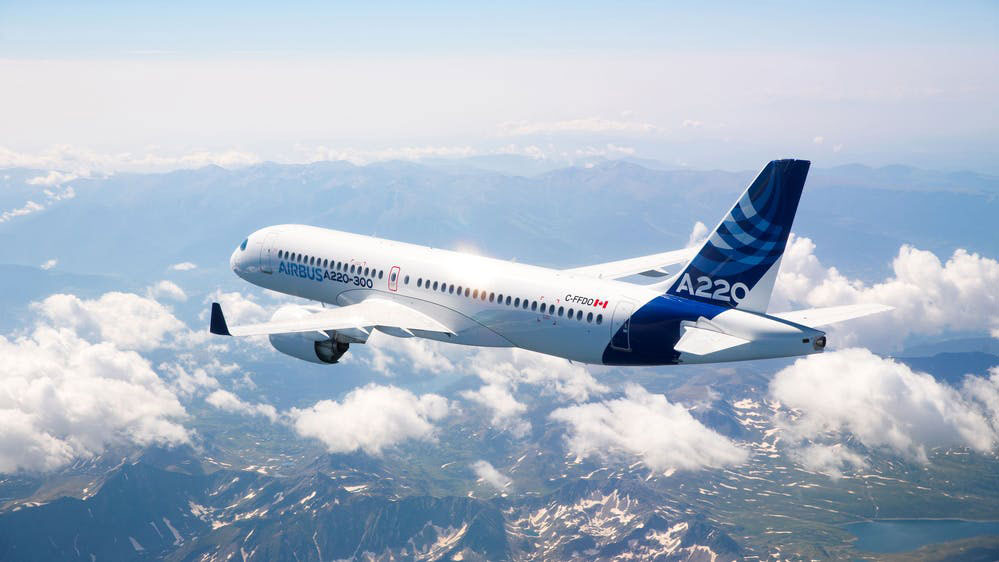
In contrast, the A220, originally developed by Bombardier as the CSeries, was designed with the modern market in mind. Its lightweight structure and advanced aerodynamics, combined with efficient Pratt & Whitney geared turbofan engines, make it a purpose-built solution for airlines targeting the 100-150 seat market. This strategic design focus allows the A220 to operate with lower fuel burn and operating costs compared to the A319neo.
Economic Efficiency as a Priority
For airlines, the cost per seat is a critical factor in operational success. Although the A319neo offers improved fuel efficiency over its predecessor, the A319ceo, it cannot compete with the A220’s optimized performance on short- and medium-haul flights. The A220’s lower operating costs and fuel consumption make it a more attractive option for airlines looking to replace older aircraft like the A319 and Boeing 737-700.
Passenger Preferences Drive Adoption
Beyond operational efficiencies, passenger experience plays a crucial role in the A220’s rising popularity. The aircraft features a five-abreast seating configuration (2-3 layout), minimizing the number of middle seats and enhancing overall comfort. Additionally, the A220 boasts larger windows, quieter cabins, and ample overhead storage, leading to consistently high satisfaction ratings among travelers.
Market Dynamics Favoring Larger Aircraft
The evolving preferences of airlines also contribute to the A319neo’s decline. As air traffic increases and pilot shortages persist, airlines are gravitating towards larger aircraft to maximize efficiency within limited airport slots. The success of the A321neo has further squeezed the A319neo out of the market, as carriers increasingly opt for the A220-300 for about 140 seats or step up to the A320neo for greater capacity.
Sales Figures Reflect the Shift
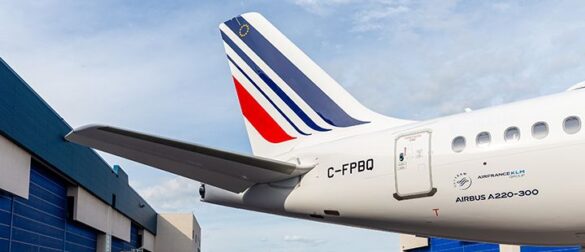
The sales trajectory of both aircraft illustrates this transition. The A319neo has garnered limited orders, with many airlines opting to convert their commitments to the more popular A320 family. Meanwhile, the A220 has surpassed 1,000 firm orders since Airbus took over the program in 2018, with a growing list of operators that include major carriers such as Delta Air Lines and Air France.
Looking Ahead: The Potential of the A220-500
Airbus is also exploring the possibility of a stretched variant, the A220-500, which could further enhance its market position by accommodating more passengers. This potential expansion of the A220 family would solidify its role as Airbus’ dedicated aircraft for the smaller end of the single-aisle market, increasing pressure on the A319neo.
Conclusion: A Strategic Shift in Aviation
The A319neo remains a competent aircraft, but it is clear that the market has evolved beyond its capabilities. Airlines now favor aircraft that are purpose-built for modern operational demands, where efficiency and passenger experience are paramount. By acquiring the Bombardier CSeries program, Airbus has positioned itself to meet these needs effectively, allowing the A220 to not only complement but effectively replace the A319neo in the competitive landscape of single-aisle aviation.



This article was prepared by LibelulaFly as an independent aviation-news summary and editorial reinterpretation based on publicly available reporting. Images, when used, are included for editorial context with source attribution. Original source: www.airportspotting.com. Read the original article here: https://www.airportspotting.com/why-has-the-airbus-a220-replaced-the-a319neo/.
List, promote, or publish aircraft with LibelulaFly.
LibelulaFly.com • Sales@libelulafly.com • +1 305-332-1942

Jun
A Comprehensive Look at Jet2.com’s Journey
Jet2.com, a name synonymous with low-cost leisure travel in the UK, has established itself as a dominant player in the aviation sector since its inception in 2003. However, the airline’s roots extend back to 1971, tracing its lineage to a small freight operation in the Channel Islands. This remarkable evolution is meticulously chronicled in a newly released hardback book titled Jet2.com The Complete History by author Nigel Richardson.
From Freight to Leisure Travel
The book offers a detailed narrative of Jet2’s transformation from its origins as Carpenter’s Air Services Ltd, which initially transported goods such as flowers from Guernsey using Douglas DC-3 aircraft. Over the years, the company underwent several rebranding phases, including becoming Channel Express, which expanded its operations to include passenger flights with Boeing 737-300 Quick Change variants. This strategic move allowed the airline to optimize aircraft utilization by catering to both cargo and passenger markets.
The Birth of Jet2.com
In 2002, as the low-cost carrier market began to burgeon with the likes of easyJet and Ryanair, the owners of Channel Express identified an opportunity to pivot towards the leisure travel sector. The launch of Jet2.com marked a significant milestone, with Leeds Bradford Airport chosen as its operational base. This strategic decision laid the groundwork for what would become the UK’s largest tour operator, demonstrating the airline’s agile response to market demands.

A Rich Tapestry of Aviation History
Richardson’s book is not just a recount of Jet2’s corporate milestones; it is enriched with a plethora of photographs that capture the airline’s journey through the decades. It spans 55 years of aviation history, providing readers with visual insights into the various aircraft and branding iterations that have characterized Jet2 and its predecessors. This narrative serves as both an educational resource and a nostalgic tribute for aviation enthusiasts.
The Significance of Jet2’s Evolution
Jet2.com’s growth story is emblematic of the broader shifts within the aviation industry, particularly in the context of the low-cost carrier model that has reshaped travel accessibility. The airline’s ability to adapt and thrive amidst changing market conditions highlights the resilience and innovation that are crucial in the competitive landscape of air travel.
Looking Ahead
As Jet2.com continues to expand its fleet and enhance its service offerings, the insights gleaned from Richardson’s book provide valuable context for understanding the airline’s strategic direction. For aviation professionals, operators, and enthusiasts alike, Jet2.com The Complete History serves as a testament to the dynamic nature of the aviation industry and the enduring legacy of a company that began as a humble freight operator.
This book is now available for purchase from Key Publishing and other retailers, making it an essential addition to any aviation enthusiast’s library.


This article was prepared by LibelulaFly as an independent aviation-news summary and editorial reinterpretation based on publicly available reporting. Images, when used, are included for editorial context with source attribution. Original source: www.airportspotting.com. Read the original article here: https://www.airportspotting.com/jet2-com-the-complete-history-book-review/.
List, promote, or publish aircraft with LibelulaFly.
LibelulaFly.com • Sales@libelulafly.com • +1 305-332-1942