
Jul
Vueling to Launch Boeing 737 MAX Service
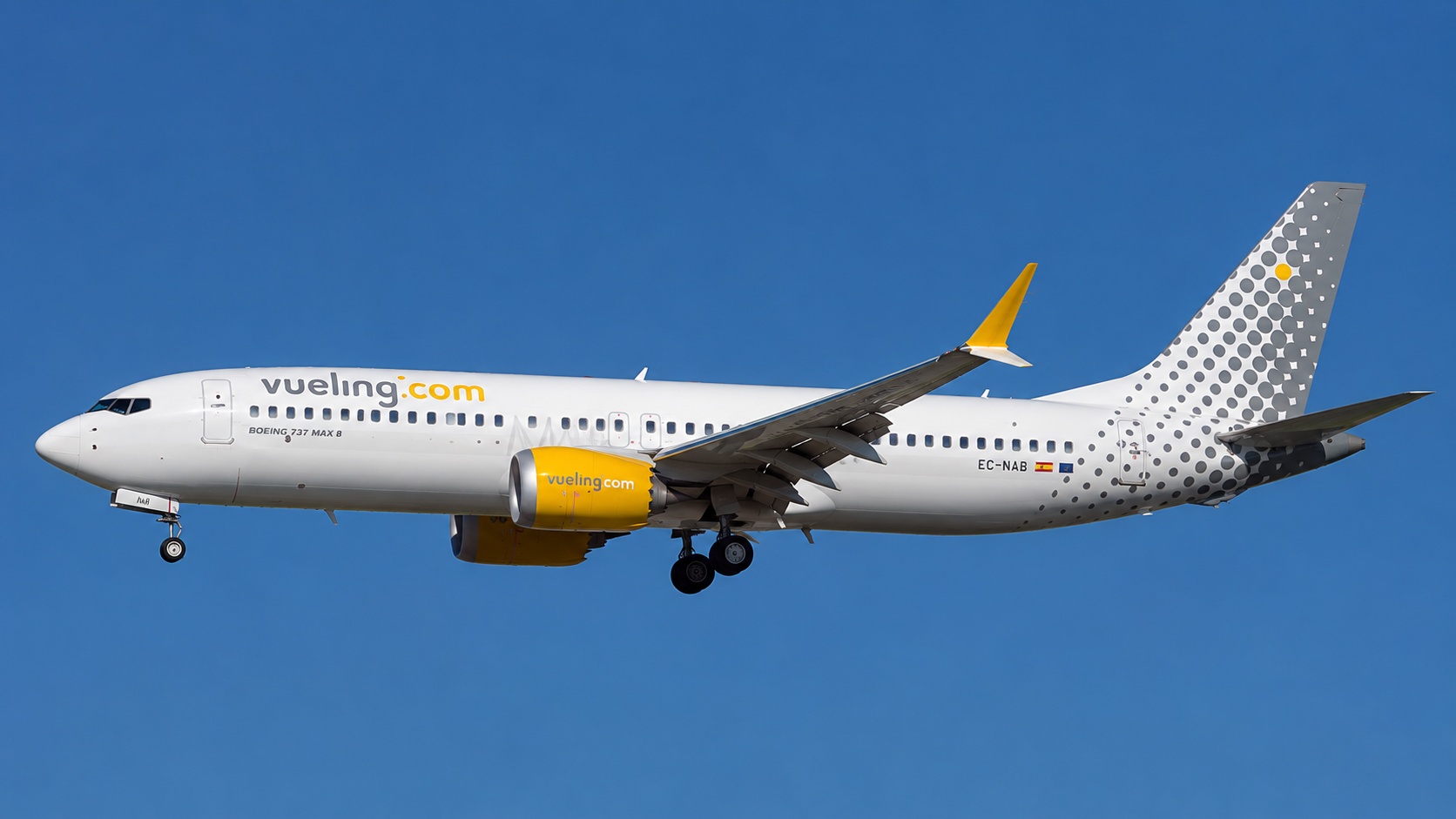
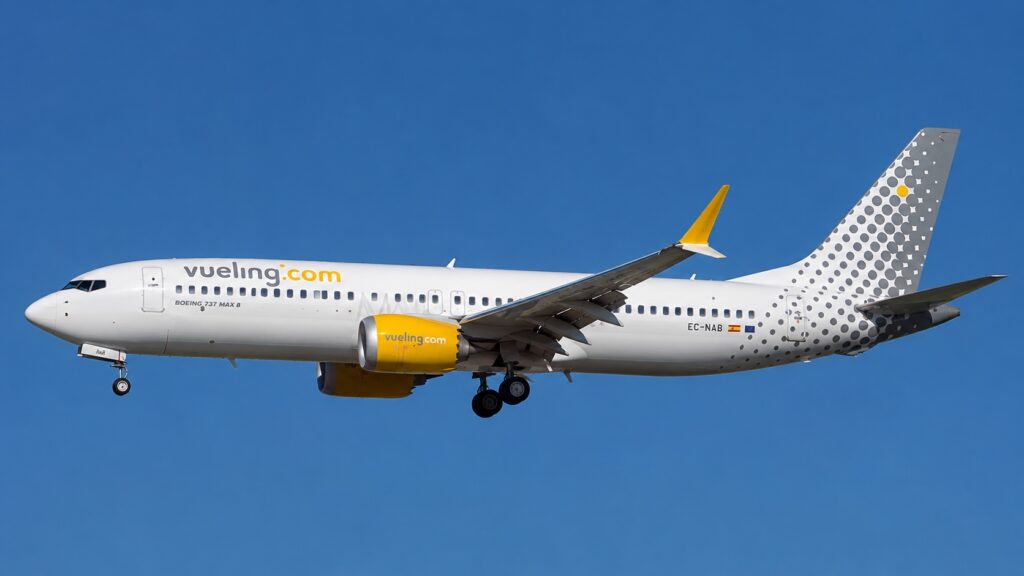
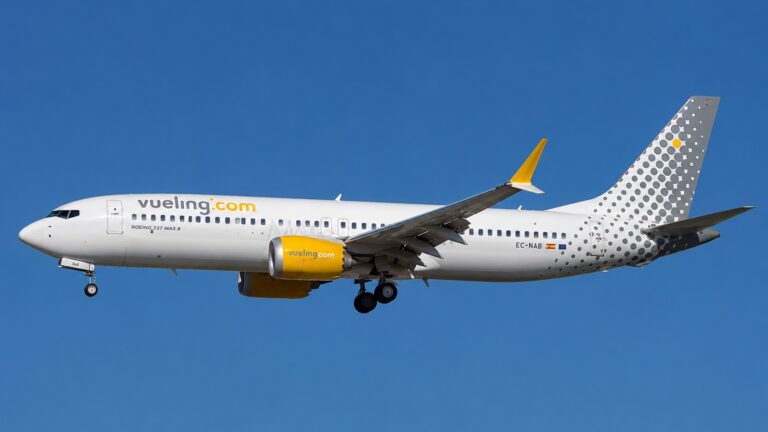
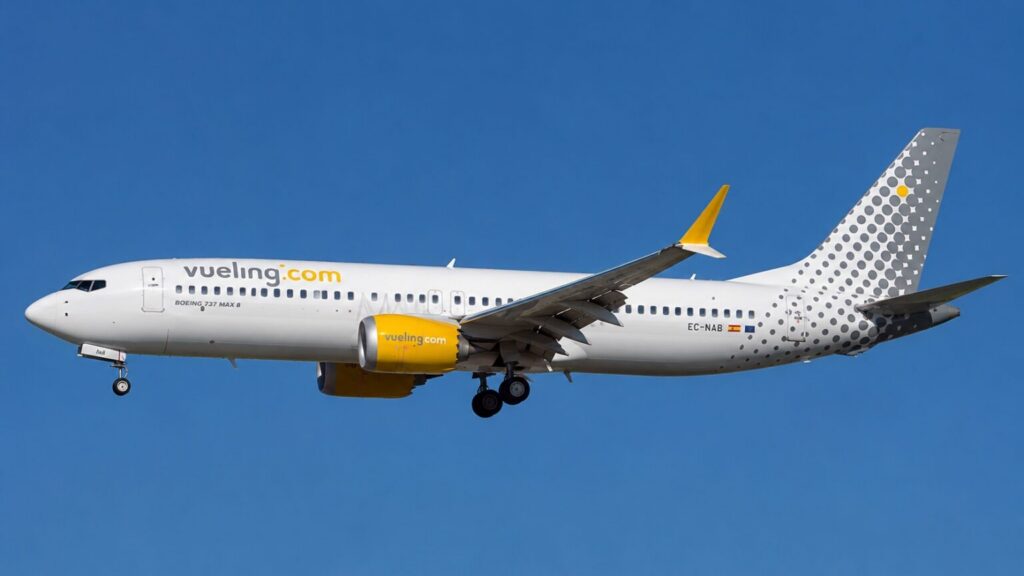
Spanish low-cost airline Vueling has officially announced its plans to introduce the Boeing 737 MAX 8-200 into commercial service, starting December 18, 2026. This decision marks a pivotal moment in the airline’s operational history, transitioning from an all-Airbus fleet to a mixed-fleet strategy under its parent company, International Airlines Group (IAG).
New Routes and Operational Debut
The inaugural flights for the Boeing 737 MAX will operate from Vueling’s main hub at Barcelona-El Prat Airport (BCN). Initially, the aircraft will be deployed on select routes, with the first destinations including popular locations such as Alicante, Málaga, and Palma de Mallorca, as well as major European cities like Paris and Rome. The introduction of this aircraft type is expected to enhance Vueling’s operational efficiency and service offerings during peak travel seasons.
A Shift in Fleet Composition
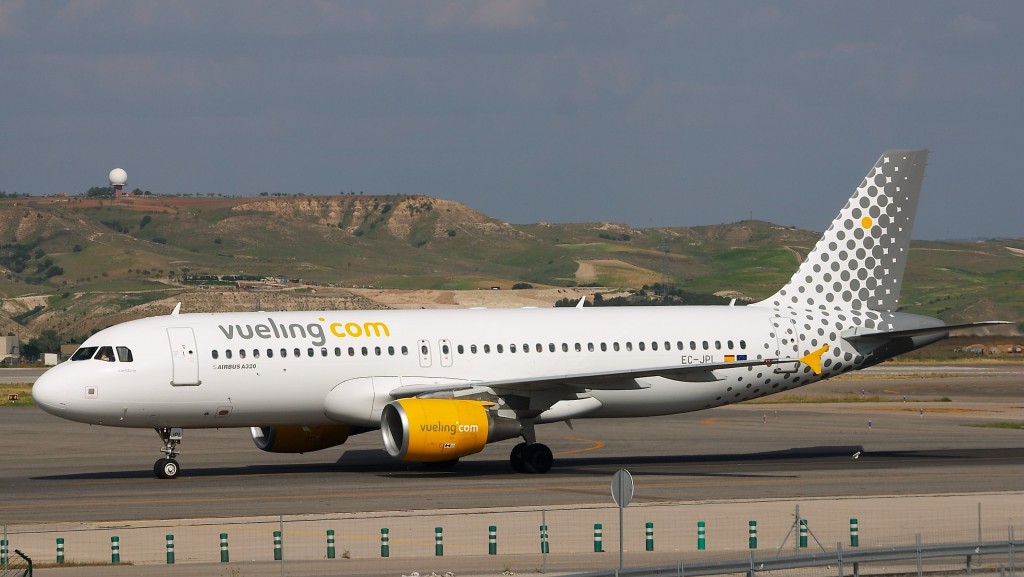
Since its inception in 2004, Vueling has exclusively operated a fleet comprised solely of Airbus aircraft, including various models from the A320 family. The decision to incorporate the Boeing 737 MAX represents a significant shift, necessitating comprehensive training for pilots, engineers, and cabin crew, as well as adjustments to maintenance and operational protocols to support a dual aircraft fleet.
Understanding the Boeing 737 MAX 8-200
The Boeing 737 MAX 8-200 is tailored for low-cost operations, featuring a single-class layout that accommodates approximately 197-200 passengers. This high-capacity model is designed to deliver improved fuel efficiency and reduced operating costs compared to earlier aircraft generations, aligning with Vueling’s commitment to operational excellence and sustainability.
Strategic Fleet Expansion
The decision to add the Boeing 737 MAX to Vueling’s fleet follows IAG’s strategic allocation of a total order for 50 Boeing 737 MAX aircraft to the airline. This order includes 25 units of the MAX 8-200 and 25 units of the larger MAX 10, with the first three aircraft anticipated to arrive before the end of 2026. This fleet diversification allows Vueling to enhance its operational flexibility and mitigate risks associated with reliance on a single aircraft manufacturer.
Current Operations and Future Outlook
Prior to the introduction of the Boeing 737 MAX, Vueling operates a fleet of approximately 140 Airbus aircraft, serving over 100 destinations across Europe, North Africa, and the Mediterranean. The impending arrival of the Boeing fleet signifies a transformative phase for Vueling, transitioning away from more than two decades as a prominent all-Airbus airline. As the airline prepares for this significant operational shift, industry observers will be closely watching its progress and the impact on its service offerings and market position.
Conclusion: Embracing Change in Aviation
Vueling’s move to incorporate the Boeing 737 MAX into its fleet not only reflects a strategic evolution in its operational model but also highlights broader trends within the aviation industry towards fleet diversification and enhanced operational efficiency. As the airline gears up for its first flights with the MAX, stakeholders across the aviation sector will be keenly interested in how this transition shapes Vueling’s future and its competitive landscape.


This article was prepared by LibelulaFly as an independent aviation-news summary and editorial reinterpretation based on publicly available reporting. Images, when used, are included for editorial context with source attribution. Original source: www.airportspotting.com. Read the original article here: https://www.airportspotting.com/vueling-reveals-first-boeing-737-max-routes/.
List, promote, or publish aircraft with LibelulaFly.
LibelulaFly.com • Sales@libelulafly.com • +1 305-332-1942
May
A Pivotal Era for Hawaiian Airlines
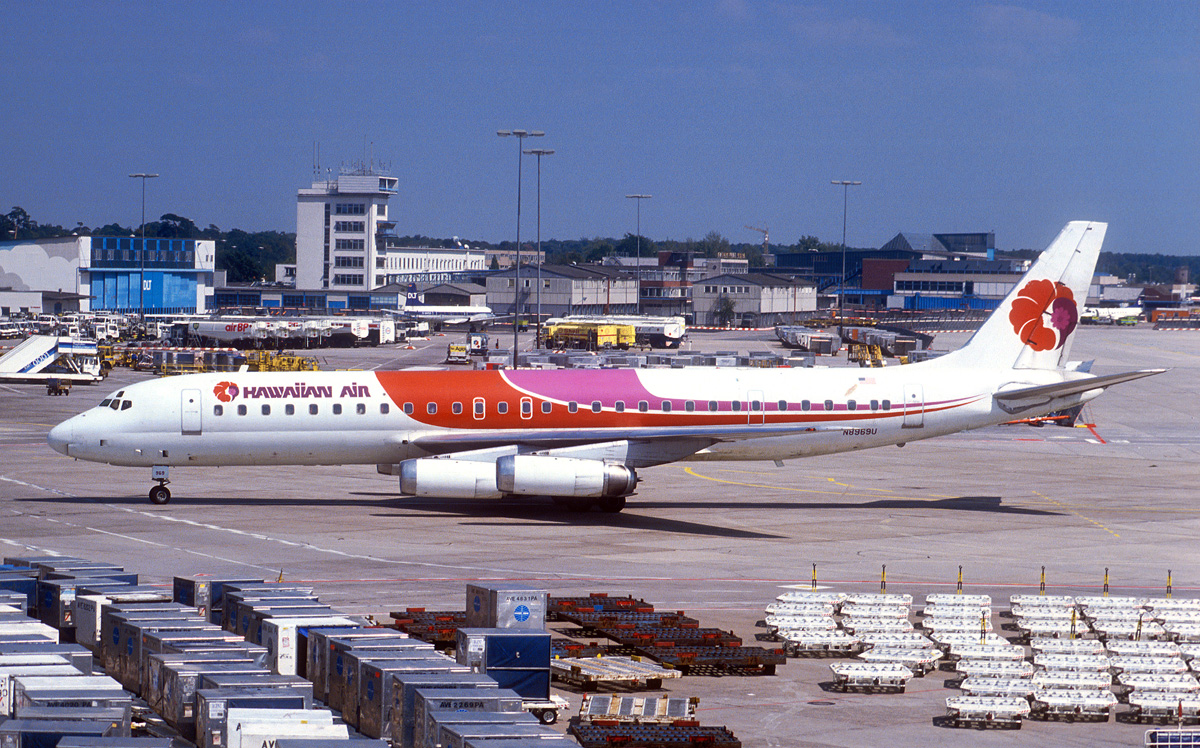
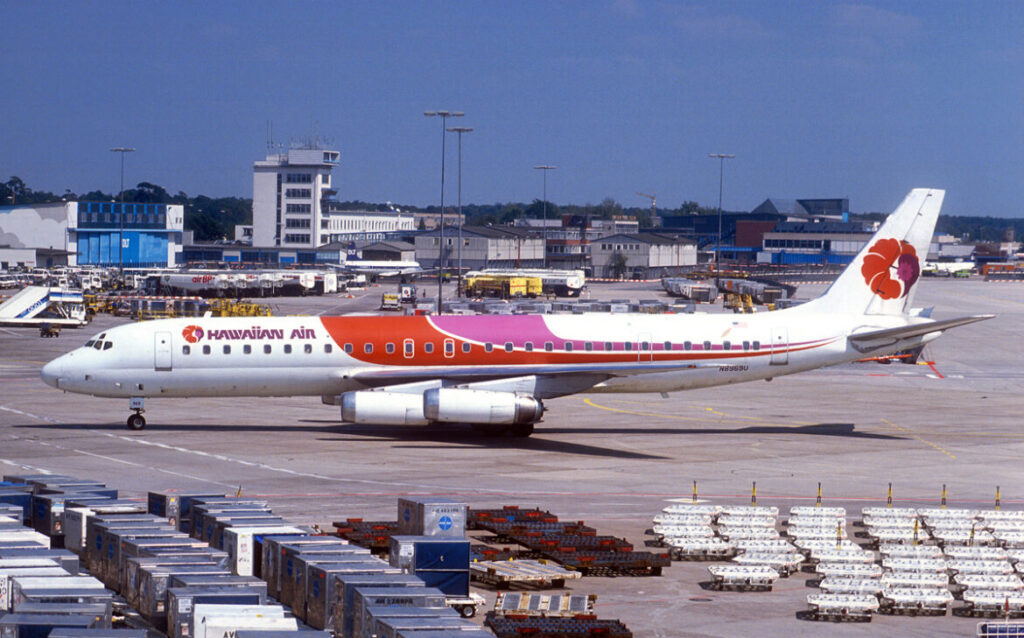
In the 1980s, Hawaiian Airlines embarked on a transformative journey, shifting from its traditional inter-island operations to a more ambitious international profile. Central to this strategic pivot was the introduction of the Douglas DC-8, a classic aircraft that played a crucial role in expanding the airline’s reach across the Pacific.
Embracing Long-Haul Opportunities
Faced with increasing competition on its core routes, Hawaiian Airlines recognized the need to innovate. The decision to incorporate widebody aircraft into its fleet marked a significant departure from its established business model. The DC-8, particularly its stretched variants, was chosen for its proven long-range capabilities and capacity, making it an ideal candidate for the airline’s expansion into long-haul markets.
The DC-8 Fleet Takes Flight
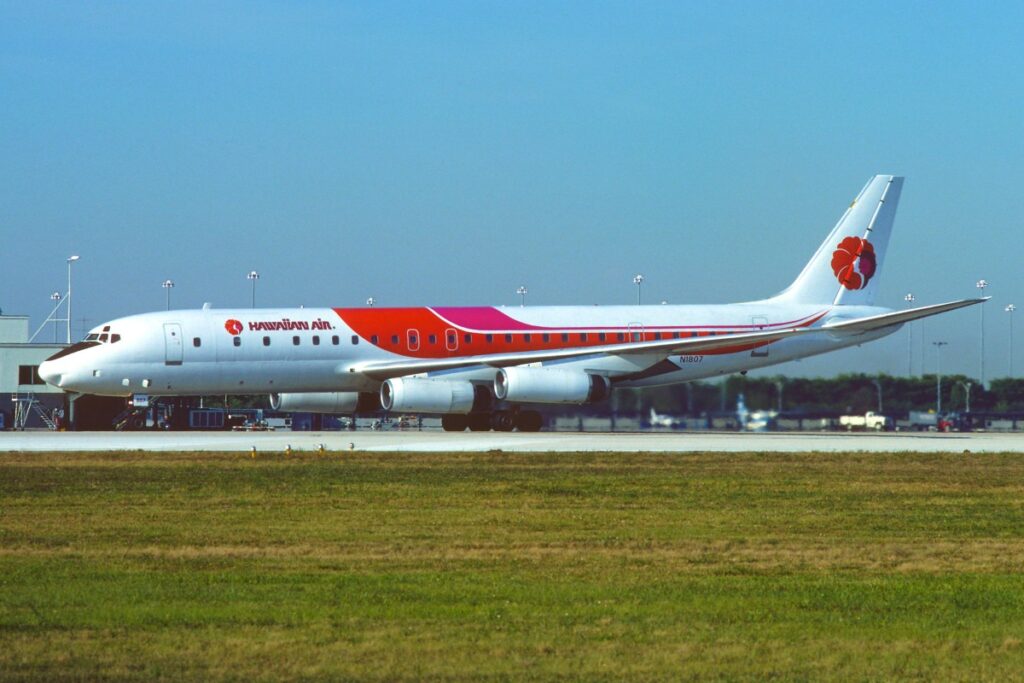
Hawaiian Airlines began operating a fleet of seven Douglas DC-8s in the mid-1980s, primarily sourcing these aircraft as second-hand models. This strategic choice allowed the airline to capitalize on the aircraft’s relatively low acquisition costs while leveraging its capabilities for both charter and scheduled services. The fleet consisted mainly of the DC-8-61 and DC-8-63 variants, which were designed to handle dense passenger routes and extended range operations.
Operational Versatility and Market Impact
The DC-8s were not utilized for the airline’s typical inter-island services but instead served as the backbone of Hawaiian’s burgeoning international charter business. Routes included destinations in Japan, South Pacific islands, and military contract flights. This flexibility enabled Hawaiian Airlines to explore lucrative markets without committing to full scheduled services, a significant advantage during the deregulated era.
Challenges and Regulatory Hurdles
Despite the initial success of the DC-8 operations, the fleet faced considerable challenges. Stricter noise regulations imposed by U.S. authorities made it increasingly difficult to operate older jetliners like the DC-8 without costly modifications. Additionally, Hawaiian Airlines struggled to balance its long-haul ambitions with the financial pressures of maintaining its inter-island network, leading to significant operational strain.
The Conclusion of an Era
By the early 1990s, Hawaiian Airlines entered a period of financial difficulty, culminating in Chapter 11 bankruptcy protection in 1993. As part of its restructuring efforts, the airline opted to retire its DC-8 fleet, marking the end of a significant chapter in its history. The last of the DC-8s were phased out just as larger, more efficient aircraft began to dominate the skies.
A Legacy in Aviation History
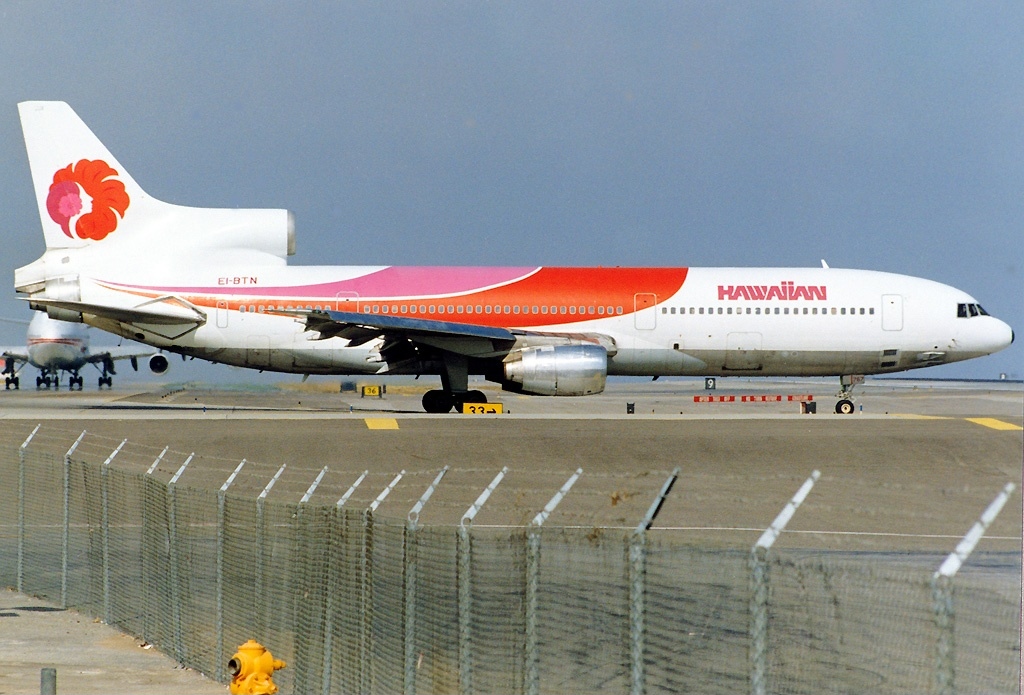
The Douglas DC-8 holds a unique place in aviation history, particularly for Hawaiian Airlines. As one of the last airlines to operate the type in scheduled passenger service, Hawaiian’s experience with the DC-8 underscores the aircraft’s durability and the airline’s unique operational needs during a transformative period. Following the DC-8, Hawaiian transitioned to more modern aircraft, including the Lockheed L-1011 TriStar and later the Boeing 767, which became the backbone of its transpacific services.
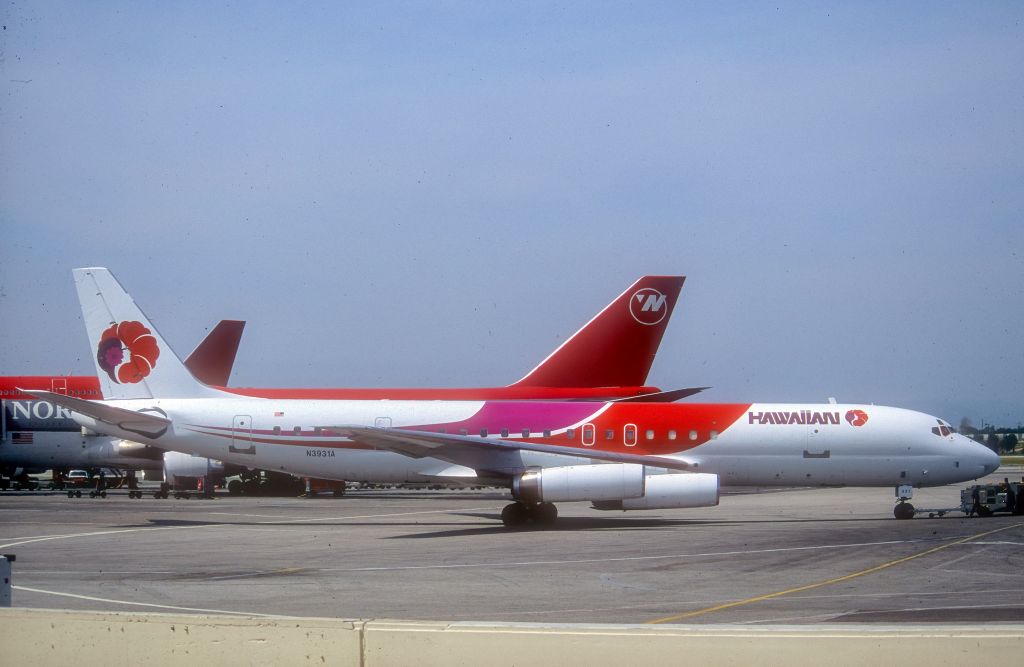
Today, the DC-8 is largely absent from commercial aviation, with only a few examples remaining in limited cargo roles. The legacy of Hawaiian Airlines’ DC-8s serves as a reminder of the airline’s bold ambitions and the enduring impact of classic aircraft in shaping the industry’s landscape.


This article was prepared by LibelulaFly as an independent aviation-news summary and editorial reinterpretation based on publicly available reporting. Images, when used, are included for editorial context with source attribution. Original source: www.airportspotting.com. Read the original article here: https://www.airportspotting.com/classic-airline-fleets-hawaiian-airlines-douglas-dc-8s/.
List, promote, or publish aircraft with LibelulaFly.
LibelulaFly.com • Sales@libelulafly.com • +1 305-332-1942