

Jul
The Boeing 727: A Jet Age Icon
The Boeing 727, a hallmark of commercial aviation, continues to capture the interest of aviation enthusiasts and professionals alike. Developed in the early 1960s, this tri-jet was designed for short- to medium-haul routes, offering unique capabilities that allowed it to serve smaller airports effectively. With its innovative T-tail design and rear airstairs, the 727 provided airlines with operational flexibility that was unmatched at the time.
First taking to the skies in February 1963, the 727 quickly gained traction, entering service with major airlines such as United Air Lines and Eastern Air Lines. Over its 22-year production span, Boeing manufactured 1,832 units, making it the best-selling jet airliner until the Boeing 737 took that title. Its versatility allowed it to operate in diverse environments, with significant fleets across North America, Europe, and beyond.
A Shift in the Aviation Landscape
However, as the aviation industry evolved, so did the demands placed on commercial aircraft. By the 1990s, the Boeing 727’s three-engine configuration became a liability as newer twin-engine jets emerged, boasting better fuel efficiency and lower maintenance costs. The operational economics shifted, leading to the retirement of many passenger variants in favor of more modern aircraft.

Today, only a handful of Boeing 727s remain active, primarily serving specialized roles in cargo transport and governmental operations. The aircraft’s legacy is preserved in various capacities, demonstrating its adaptability and resilience in a rapidly changing market.
Current Operators of the Boeing 727
As of 2026, the fleet of active Boeing 727s is limited but notable. These aircraft are primarily utilized for cargo operations and special missions across several regions. Noteworthy operators include:
- Safe Air Company: Operating in Nairobi, Kenya
- Serve Air Cargo: Active in Kinshasa, Democratic Republic of Congo
- Government of Democratic Congo: Utilizing 727s for governmental purposes
- Air Class: Based in Montevideo, Uruguay
- USA Jet Airlines: Operating in Michigan, USA
These operators highlight the ongoing relevance of the 727 in niche markets where its unique capabilities can be leveraged effectively.
Preserving History: The Prototype’s Legacy
The historical significance of the Boeing 727 is preserved not only through its operational fleet but also via its prototype, which resides at the Museum of Flight in Seattle. This aircraft serves as a testament to the innovative spirit of the Jet Age and the impact the 727 has had on commercial aviation.

As aviation continues to evolve, the legacy of the Boeing 727 reminds us of the technological advancements that have shaped the industry. While the operational fleet may be dwindling, the aircraft’s influence remains significant, marking an era of aviation that paved the way for modern air travel.


This article was prepared by LibelulaFly as an independent aviation-news summary and editorial reinterpretation based on publicly available reporting. Images, when used, are included for editorial context with source attribution. Original source: www.airportspotting.com. Read the original article here: https://www.airportspotting.com/every-active-boeing-727-in-2026-your-guide/.
List, promote, or publish aircraft with LibelulaFly.
LibelulaFly.com • Sales@libelulafly.com • +1 305-332-1942
Jun
A Legacy of Performance: The Boeing 757-300
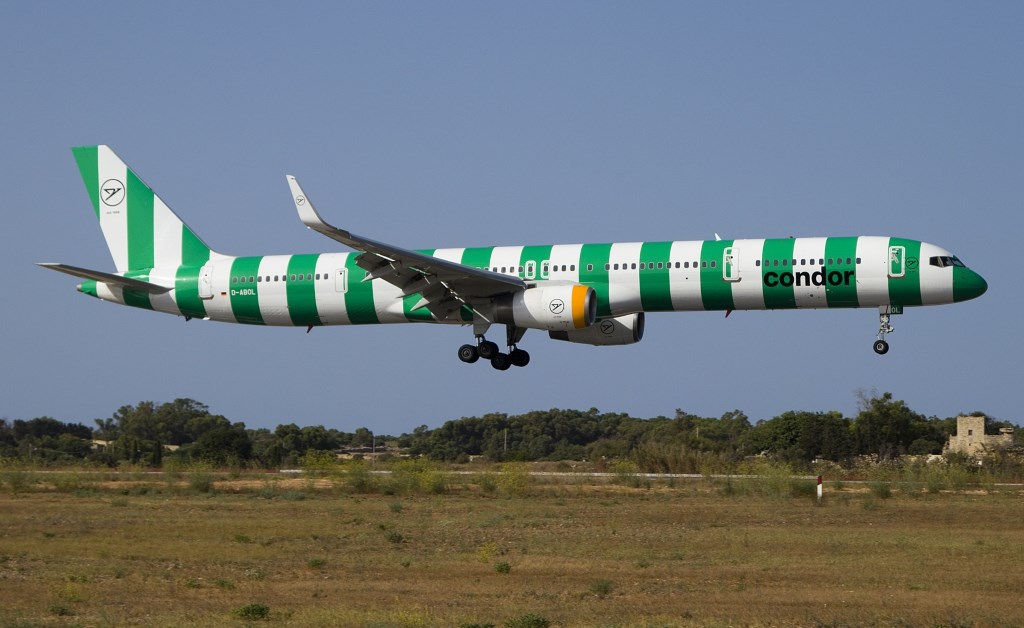
The Boeing 757-300, an extended variant of the iconic 757 series, remains a notable figure in commercial aviation despite its limited production run. With only 55 units manufactured, the 757-300 has become a rare sight in the skies, cherished by enthusiasts for its distinctive design and operational capabilities. While its production ceased in 2004, a handful of airlines continue to operate this aircraft, keeping its legacy alive.
The Current Landscape: Four Airlines Still Flying the 757-300
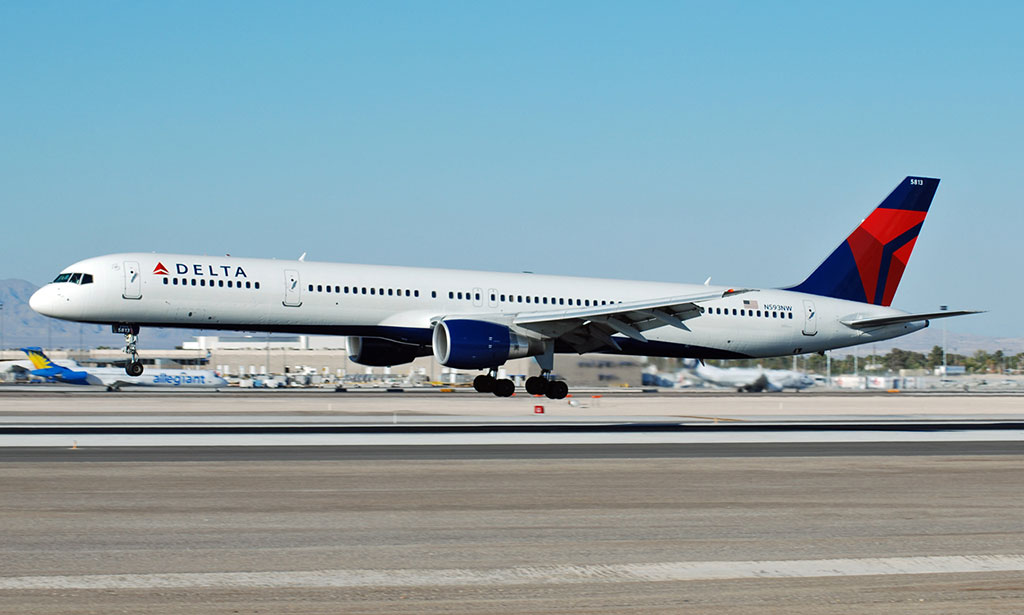
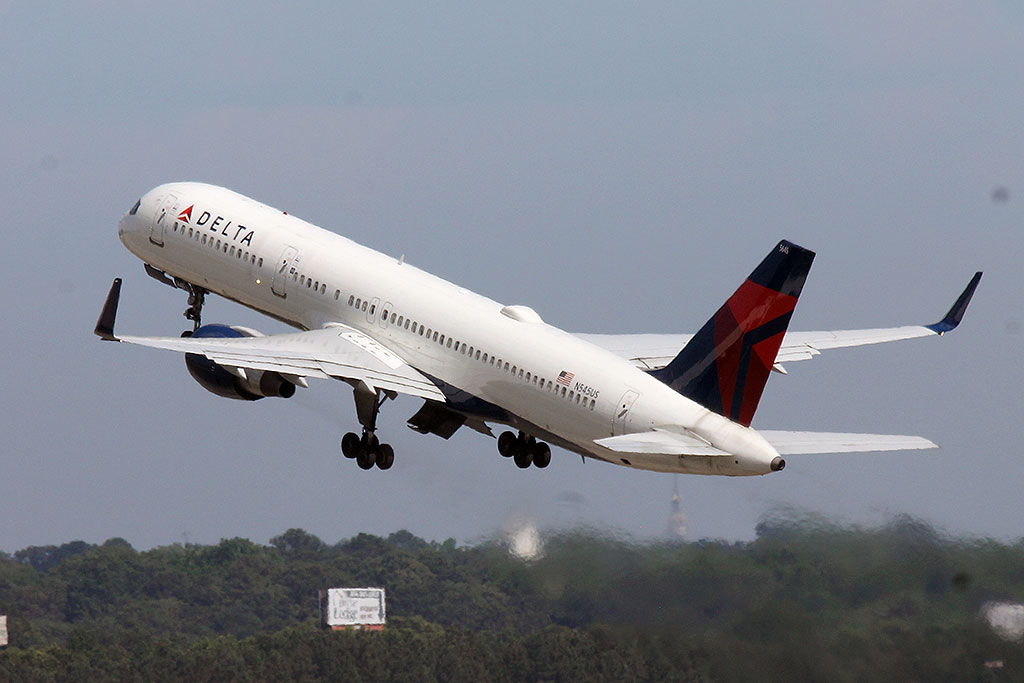
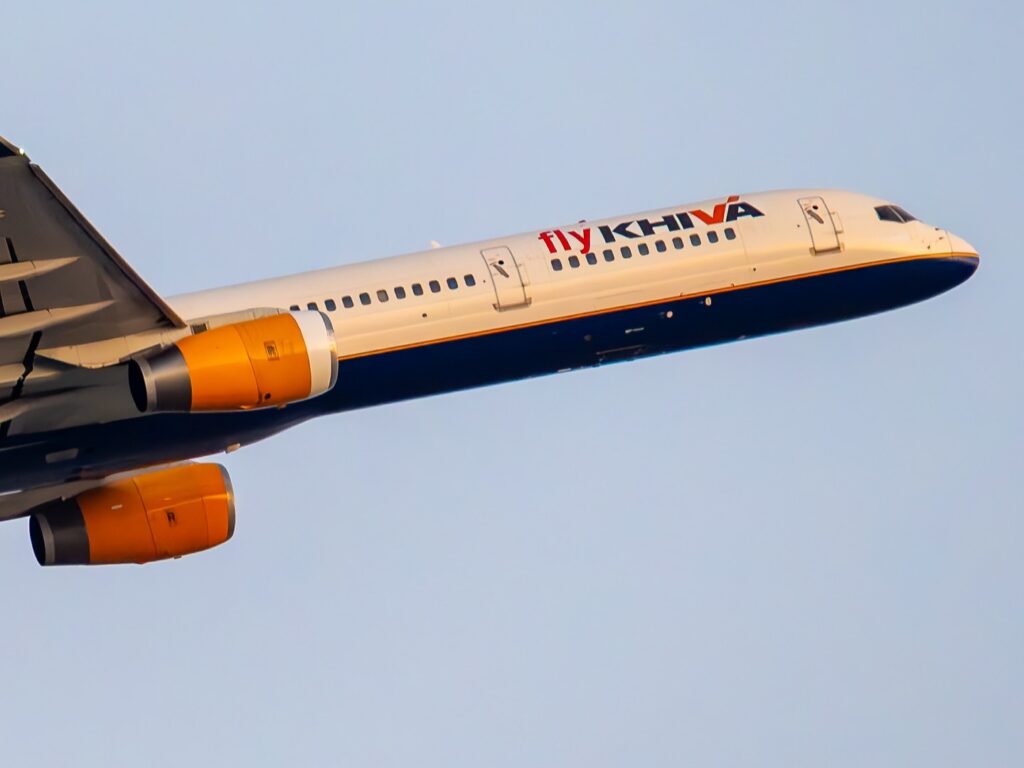
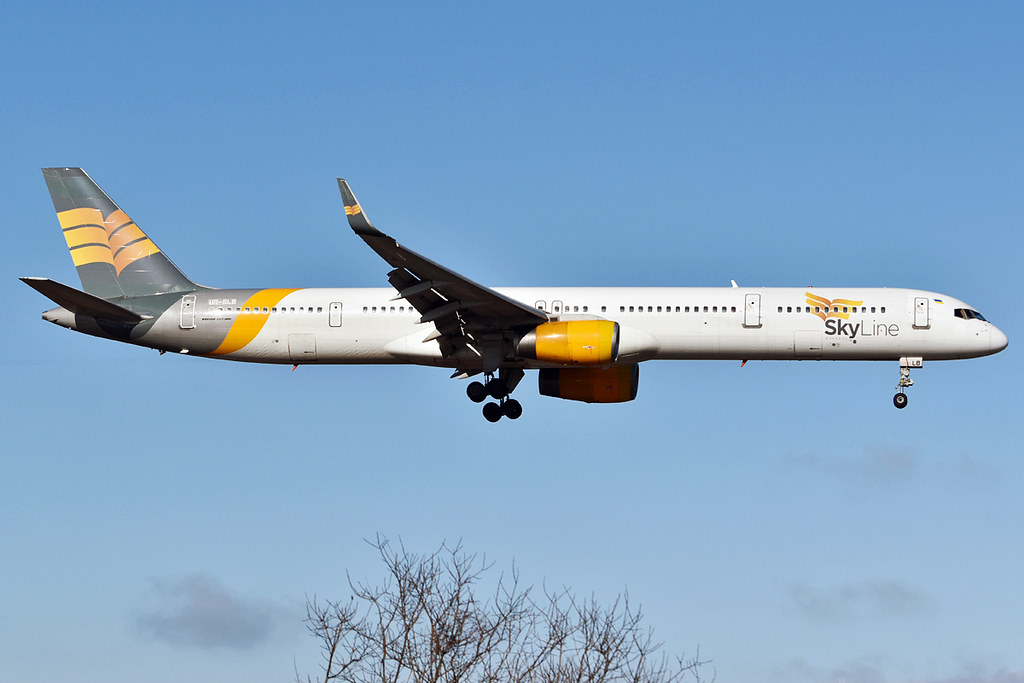
As of now, just four airlines are actively operating the Boeing 757-300, each utilizing the aircraft in ways that highlight its unique features. These operators include Delta Air Lines, United Airlines, Fly Khiva, and Skyline Express Airlines. Each plays a critical role in maintaining the operational relevance of this aircraft type.
Delta Air Lines: The Largest Operator
Delta Air Lines stands as the largest operator of the Boeing 757-300, with approximately 16 aircraft in its fleet. The airline primarily employs these aircraft on high-demand domestic routes, where their capacity of up to 295 passengers is advantageous. Popular destinations served by Delta’s 757-300s include major hubs and leisure locations, such as Orlando and Las Vegas. The airline’s continued use of this model underscores its importance in Delta’s operational strategy.
United Airlines: A Key Player
United Airlines operates around 21 Boeing 757-300s, making it the largest fleet by aircraft numbers. Like Delta, United utilizes the aircraft on busy domestic routes, linking major cities such as Chicago and Los Angeles. Additionally, these aircraft are occasionally deployed on transcontinental flights to Hawaii, showcasing their range capabilities. United’s commitment to the 757-300 highlights its value in the airline’s network amid a competitive landscape.
International Operators: Fly Khiva and Skyline Express
Beyond North America, Fly Khiva, based in Uzbekistan, and Skyline Express Airlines from Ukraine have emerged as notable operators of the Boeing 757-300. Fly Khiva has integrated the aircraft into its fleet for charter and scheduled services, connecting Central Asia with various international destinations. Meanwhile, Skyline Express, which specializes in charter operations, continues to utilize its aircraft for leisure travel across Europe and the Middle East, despite operational challenges stemming from regional instability.
The Future of the Boeing 757-300
The outlook for the Boeing 757-300 is increasingly uncertain as airlines modernize their fleets. With competitors like the Airbus A321neo offering similar capacity and improved efficiency, the longevity of the 757-300 in commercial service is in question. While Delta and United remain committed to their fleets for the time being, the smaller operators face challenges related to aging aircraft and support.
Conclusion: A Cherished Icon in Aviation
The Boeing 757-300, with its impressive performance and operational flexibility, continues to captivate aviation enthusiasts and professionals alike. As the number of active operators dwindles, the rarity of this aircraft only enhances its allure. Its ability to serve high-demand routes while providing a unique flying experience ensures that the 757-300 will be remembered as a significant chapter in aviation history for years to come.



This article was prepared by LibelulaFly as an independent aviation-news summary and editorial reinterpretation based on publicly available reporting. Images, when used, are included for editorial context with source attribution. Original source: www.airportspotting.com. Read the original article here: https://www.airportspotting.com/last-boeing-757-300-operators/.
List, promote, or publish aircraft with LibelulaFly.
LibelulaFly.com • Sales@libelulafly.com • +1 305-332-1942