
Jun
Strategic Deployment of the A380 in Singapore Airlines’ Future
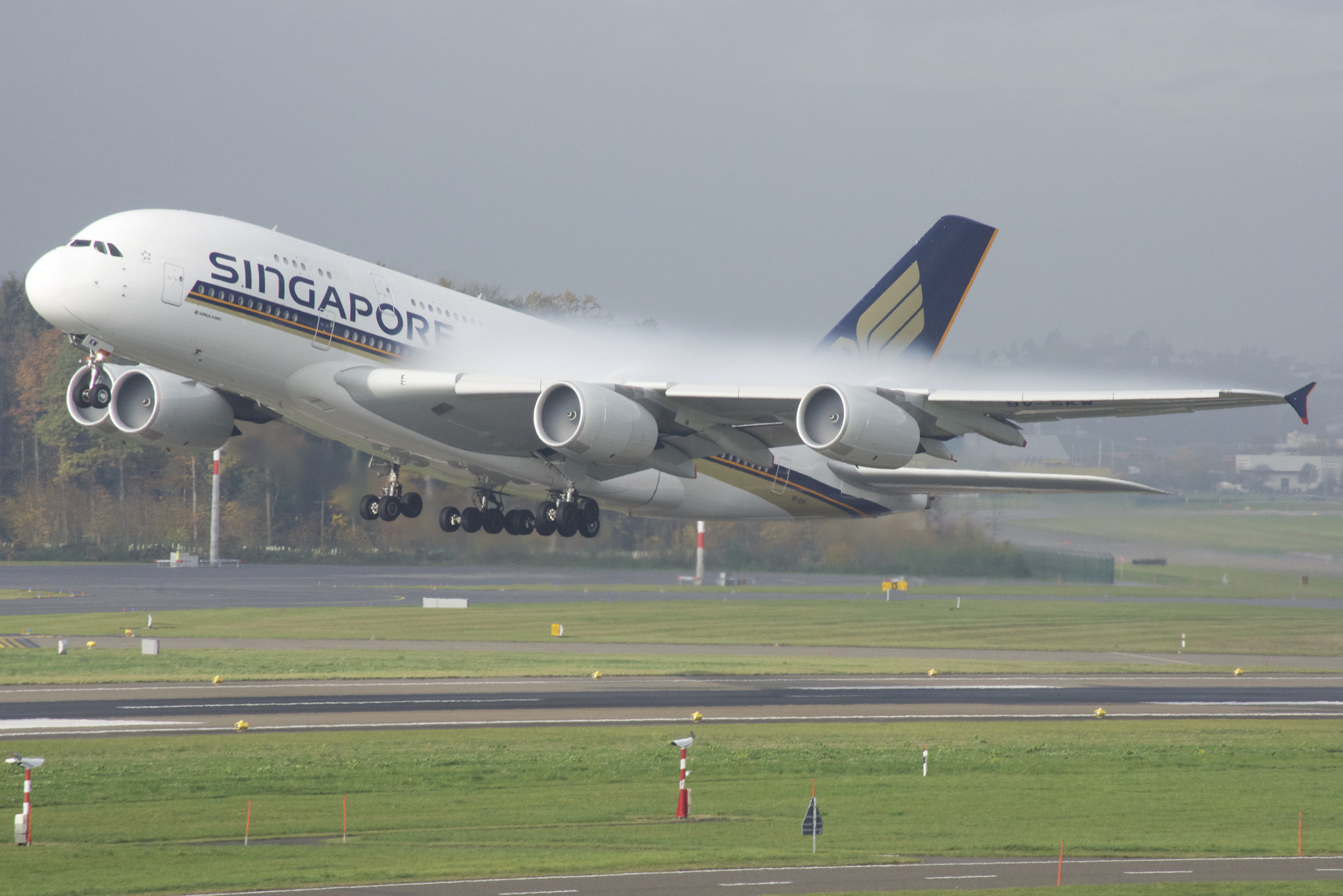
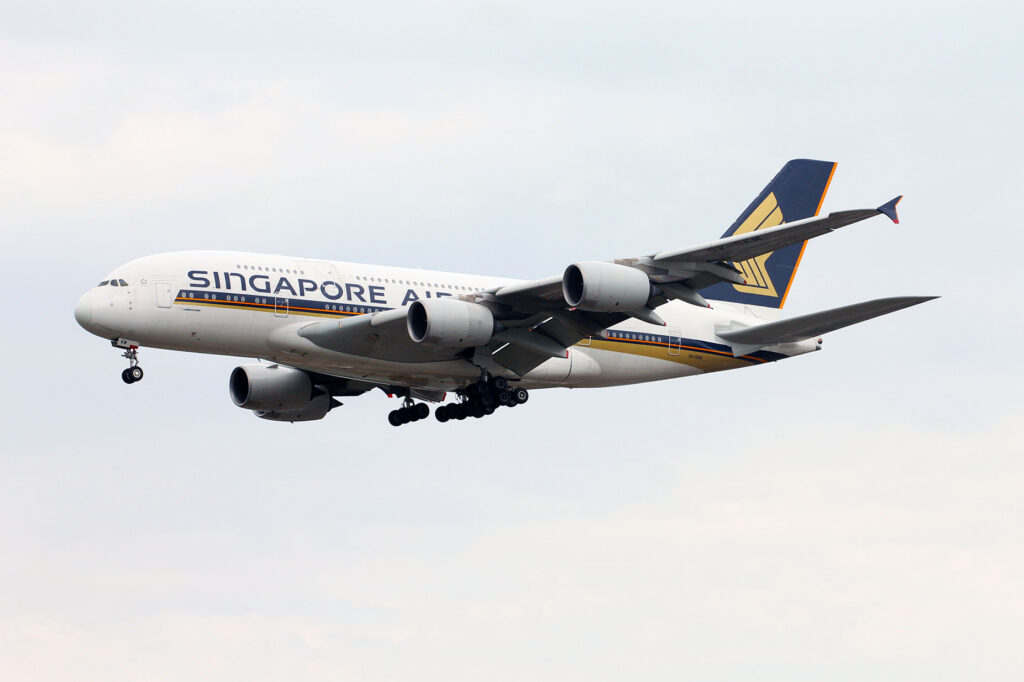
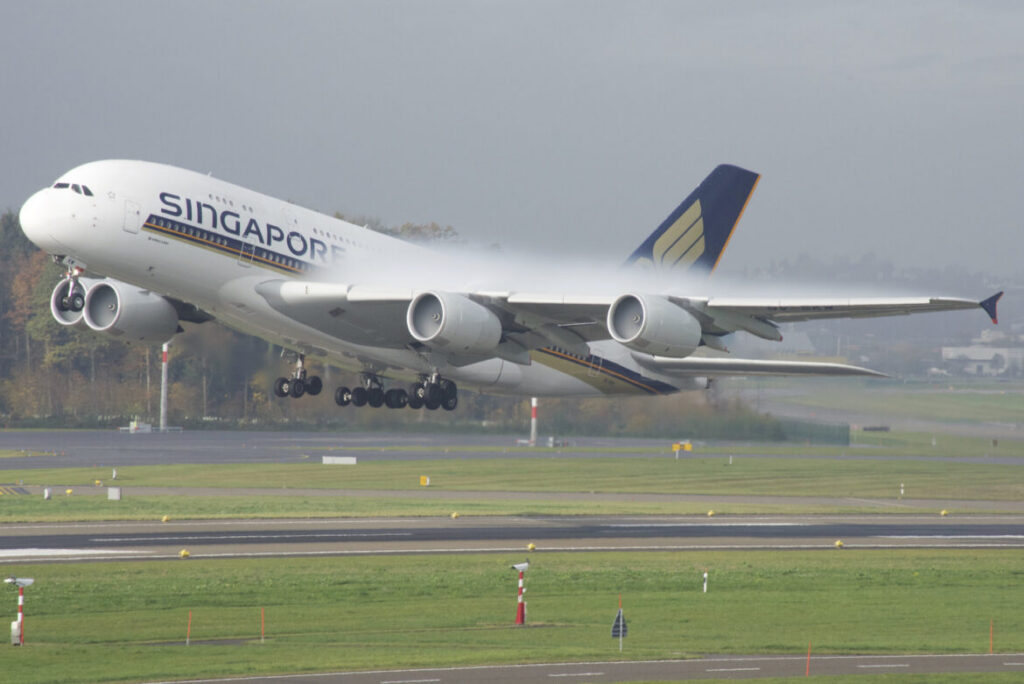
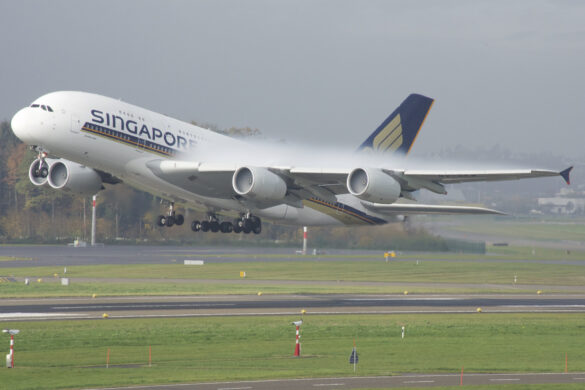
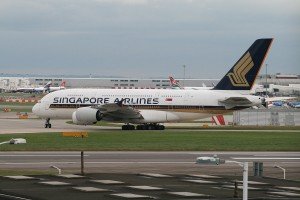
Singapore Airlines has long been synonymous with the Airbus A380, having made history as its launch customer in 2007. As the world’s largest passenger aircraft, the A380 has become a centerpiece of the airline’s fleet, serving high-demand routes with its impressive capacity and luxurious offerings. With its continued commitment to this aircraft, Singapore Airlines is poised to maintain its status as a leading operator of the A380 through 2026.
A380 Fleet Overview
Currently, Singapore Airlines operates a fleet of 12 Airbus A380-800 aircraft. Although reduced from pre-pandemic levels, these aircraft have undergone extensive refurbishments, enhancing their cabins to provide some of the most luxurious flying experiences available today. Configured to accommodate approximately 470 passengers, the fleet includes the airline’s renowned Suites, Business Class, Premium Economy, and Economy Class offerings, ensuring a diverse range of travel options for passengers.
High-Demand Routes for the A380
The deployment of the A380 is strategically focused on routes with exceptionally high passenger demand and limited airport capacity. Singapore Airlines utilizes this aircraft on key international routes to maximize revenue potential while providing a premium travel experience. Notable destinations for the A380 include:
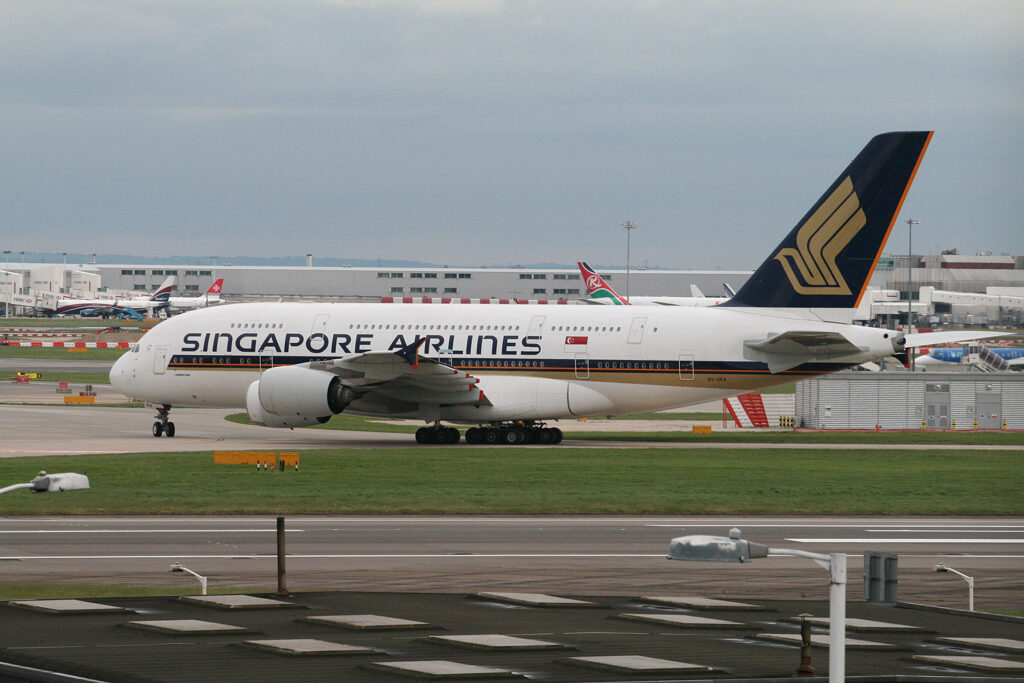
- London Heathrow: A long-standing A380 hub, Singapore Airlines operates multiple daily flights to Heathrow, making it a prime location for aviation enthusiasts to view this iconic aircraft.
- Sydney: As one of the airline’s most important markets, Sydney regularly sees A380 services, connecting passengers to a wide range of destinations through Singapore’s Changi Airport.
- Melbourne: This route supports a significant number of business and leisure travelers, further solidifying the A380’s role in Singapore Airlines’ operations.
- Frankfurt: The A380 continues to serve Germany’s busiest airport, facilitating connections to various European destinations.
- Paris Charles de Gaulle: Strong tourism and business traffic ensure that the A380 remains a staple on this route.
- Tokyo Narita: This route links two major Asian hubs, sustaining a robust demand for A380 operations.
- Shanghai Pudong: Regular A380 services cater to the growing international travel market in China.
- Mumbai: A mix of business and leisure travel supports periodic A380 flights to India.
Dynamic Route Adjustments
As with many airlines, Singapore Airlines continually assesses its route network, making adjustments based on seasonal demand and market conditions. This flexibility allows the airline to optimize its A380 operations to meet passenger needs effectively. Routes such as Hong Kong, Zurich, New Delhi, Auckland, and Osaka have seen A380 service at various times, highlighting the adaptability of the airline’s operations.
Commitment to the A380
Nearly two decades after introducing the A380, Singapore Airlines remains a steadfast advocate for this aircraft. The airline has made significant investments in refurbishing its fleet, ensuring that the A380 continues to play a vital role in its operations. With Airbus ceasing production of the A380, the existing fleet is likely to remain a prized asset for both aviation enthusiasts and travelers. As the airline looks to the future, it is clear that the A380 will continue to be an integral part of Singapore Airlines’ strategy, offering unparalleled capacity and comfort in the skies.


This article was prepared by LibelulaFly as an independent aviation-news summary and editorial reinterpretation based on publicly available reporting. Images, when used, are included for editorial context with source attribution. Original source: www.airportspotting.com. Read the original article here: https://www.airportspotting.com/where-is-singapore-airlines-flying-its-airbus-a380-fleet-in-2026/.
List, promote, or publish aircraft with LibelulaFly.
LibelulaFly.com • Sales@libelulafly.com • +1 305-332-1942
Jun
Swiss International Air Lines Takes Unconventional Step with A220-100s
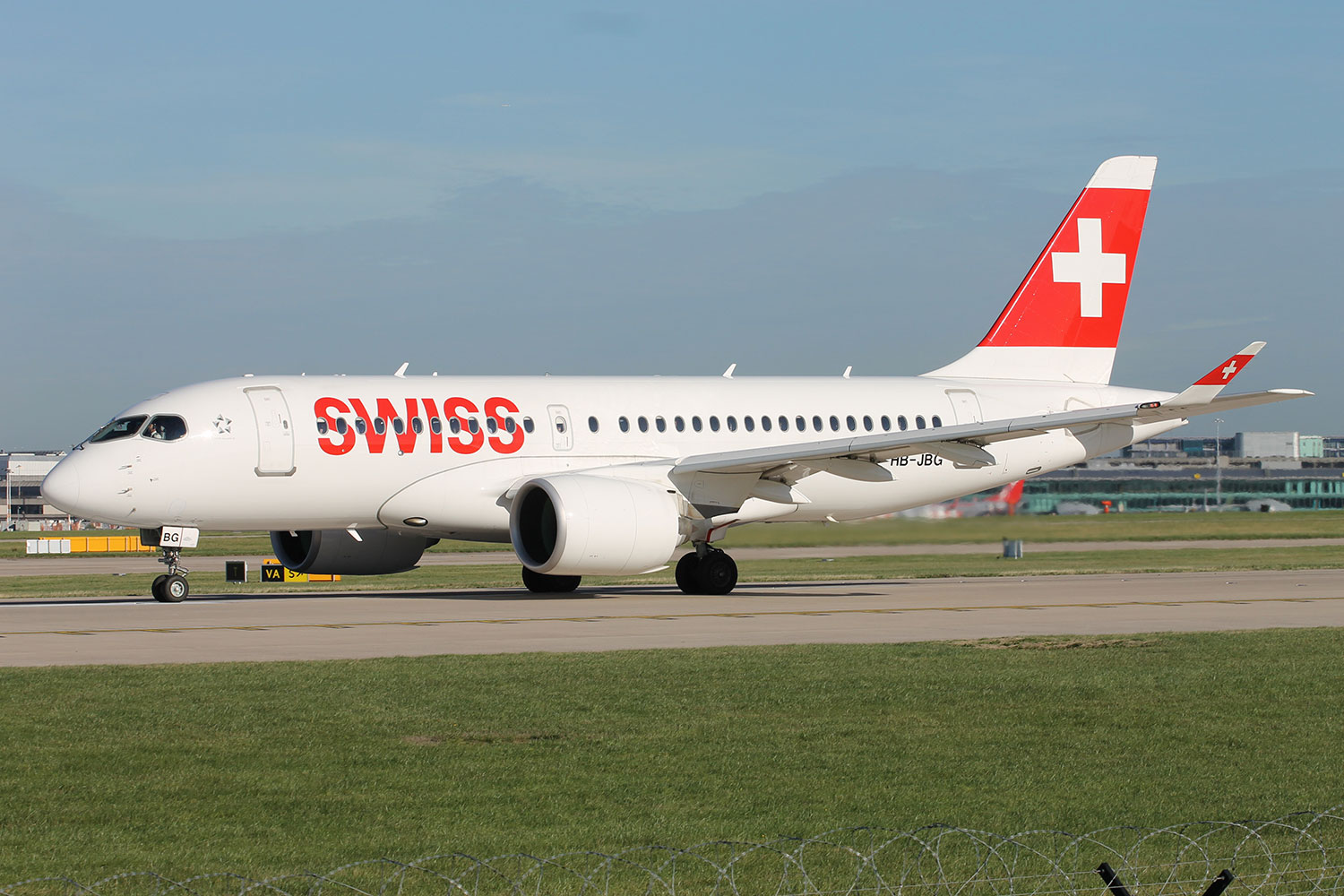
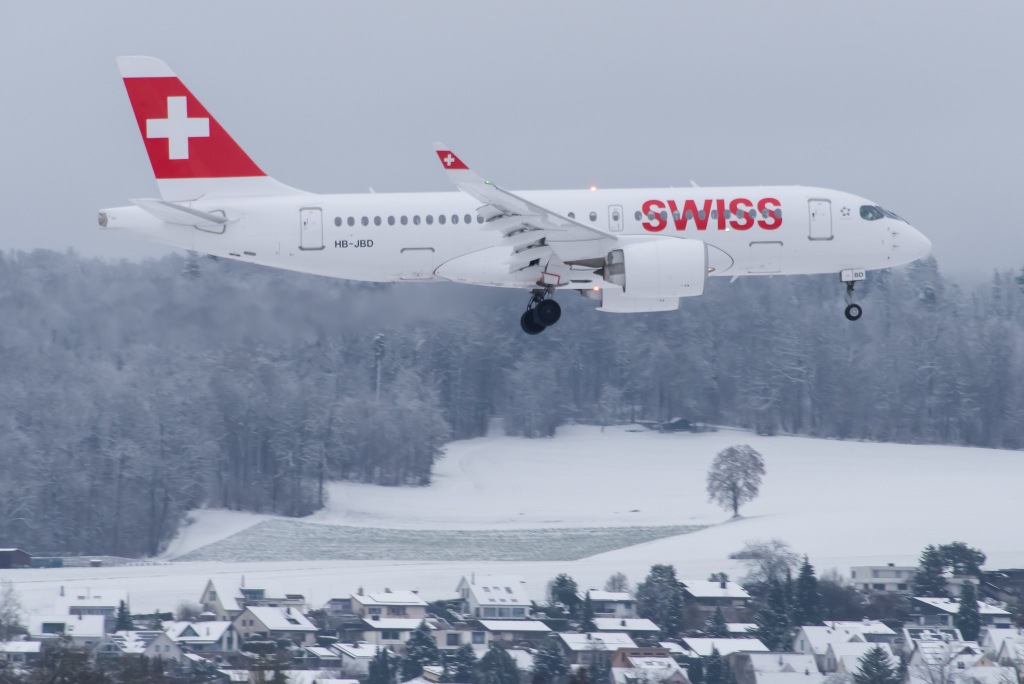
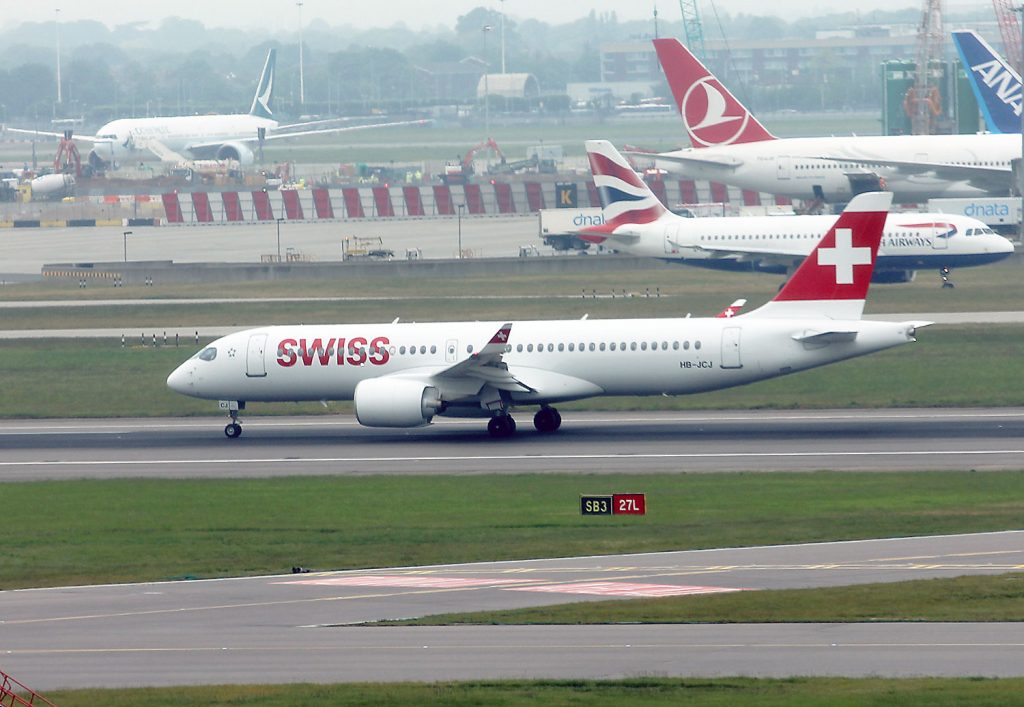
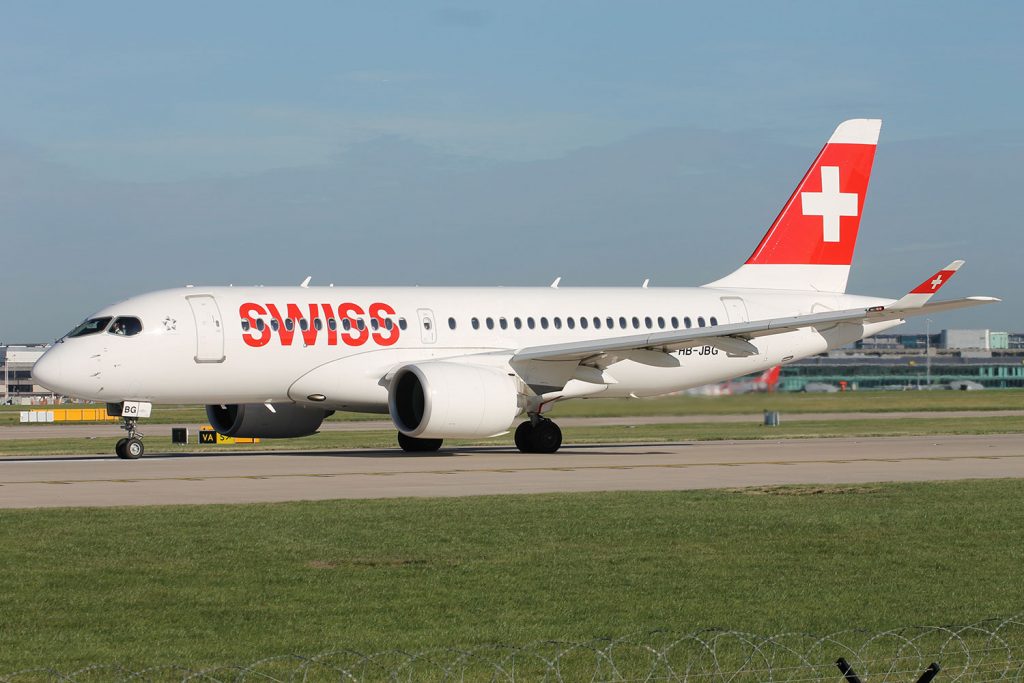
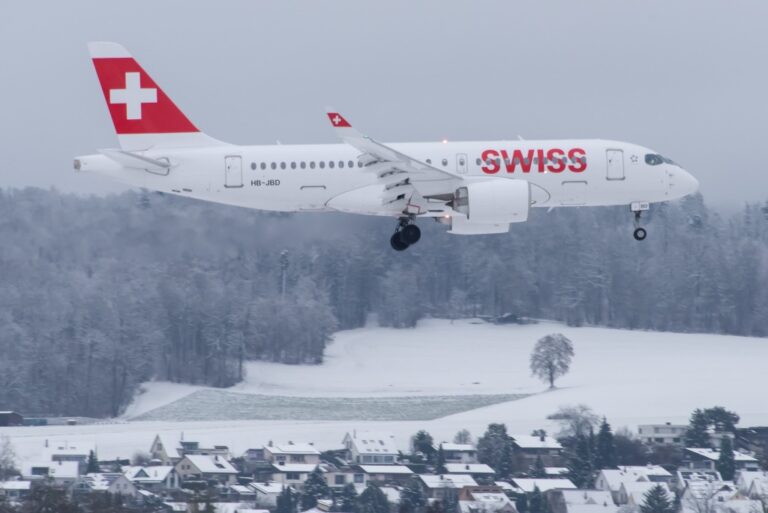
In an unexpected move that underscores the complexities of modern aviation operations, Swiss International Air Lines has announced the dismantling of two of its Airbus A220-100 aircraft. This decision comes as the airline grapples with ongoing challenges related to engine availability, particularly concerning Pratt & Whitney’s geared turbofan (GTF) engines. The aircraft in question, registered as HB-JBC and HB-JBD, were delivered in 2016 and initially hailed as a vital component of the airline’s fleet strategy.
Operational Context of the A220 Programme
Swiss was the launch operator of the A220, previously known as the Bombardier CSeries, marking a significant milestone in its operational capabilities. Currently, the airline operates a mixed fleet comprising nine A220-100s and 21 A220-300s. The decision to retire the two A220-100s, which have been stored at Toulouse-Francazal Airport since January 2026, reflects a strategic shift in response to pressing operational needs.
Engine Shortages Drive Dismantling Decision
The primary catalyst for this dismantling is the ongoing engine shortages affecting the airline’s fleet. Swiss has faced significant operational disruptions due to the removal of GTF engines for inspections and repairs, with the PW1500G engines powering the A220 family particularly impacted. Instead of waiting for replacement engines to become available, Swiss has opted to repurpose the engines from the retired A220-100s to support its larger A220-300 fleet, which is deemed more critical for operational stability.
The Economic Imperative of Fleet Management
From an economic perspective, the decision to dismantle the A220-100s is grounded in the comparative profitability of the larger A220-300 variant. With a seating capacity of 145 compared to the 125 of the A220-100, the larger model offers better cost efficiency and revenue potential. This prioritization reflects a broader trend in the aviation industry, where airlines are increasingly focused on maximizing the operational utility of their fleets amidst challenging market conditions.
Challenges and Future Considerations
Swiss’s relationship with the A220 programme has been complex, marked by both support and challenges. Despite being an early adopter, the airline has experienced multiple engine-related incidents over the years, including temporary fleet groundings due to in-flight engine shutdowns. These operational hurdles have compelled Swiss to adopt innovative strategies to maintain reliability while navigating the ongoing GTF durability issues that have affected the broader aviation landscape.
Looking Ahead: A220 Fleet’s Future
The dismantling of HB-JBC and HB-JBD is just one chapter in the evolving narrative of Swiss’s A220 operations. The airline has indicated that other A220-100s may also be parked for extended periods, with uncertain futures ahead. While no definitive decisions have been made regarding the long-term status of the A220-100 fleet, Swiss’s immediate focus remains on ensuring the operational integrity of its A220-300 aircraft.
This situation serves as a poignant reminder of the challenges facing the aviation industry today, particularly in terms of engine availability and supply chain constraints. As Swiss navigates these complexities, the decision to dismantle two relatively young aircraft highlights the critical nature of operational efficiency in a rapidly changing environment.



This article was prepared by LibelulaFly as an independent aviation-news summary and editorial reinterpretation based on publicly available reporting. Images, when used, are included for editorial context with source attribution. Original source: www.airportspotting.com. Read the original article here: https://www.airportspotting.com/why-swiss-is-parting-out-two-a220s/.
List, promote, or publish aircraft with LibelulaFly.
LibelulaFly.com • Sales@libelulafly.com • +1 305-332-1942
May
MD-11F Takes to the Skies Again
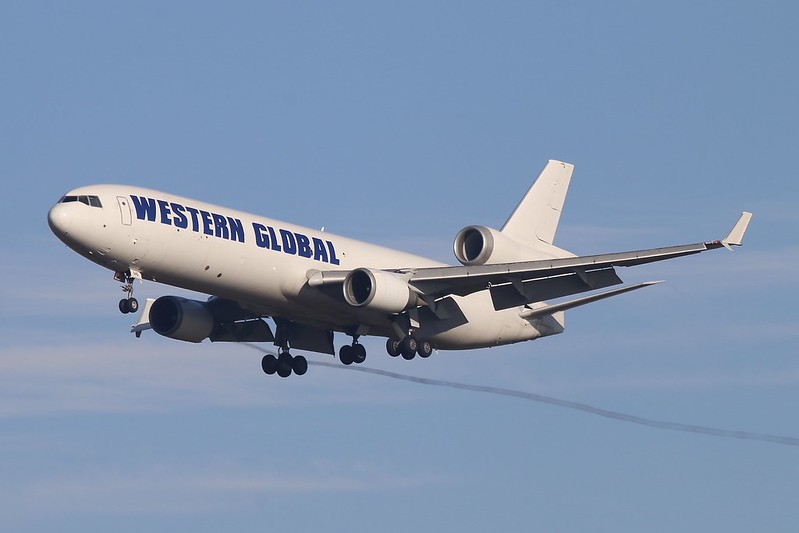
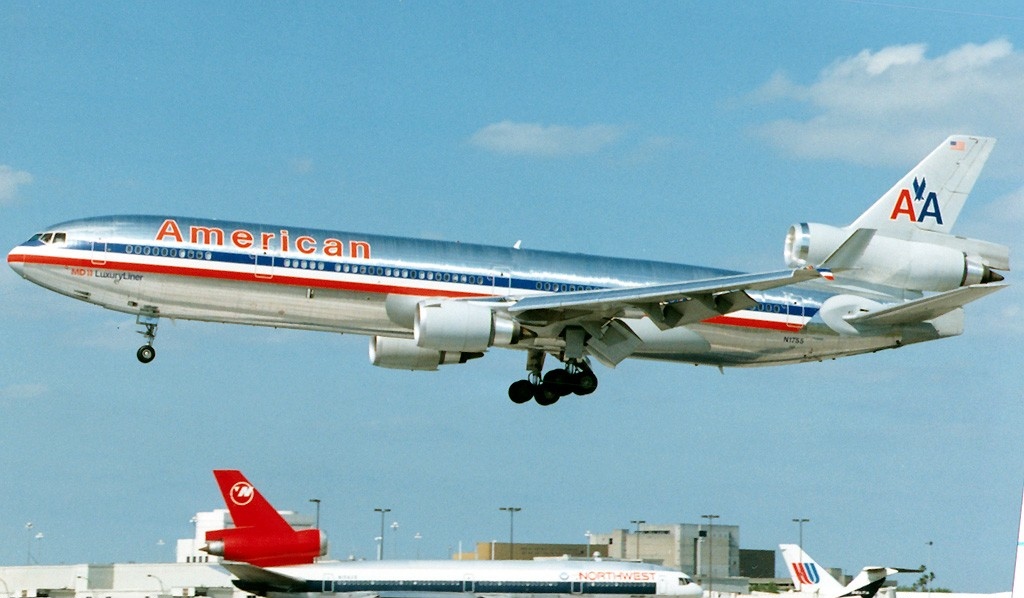
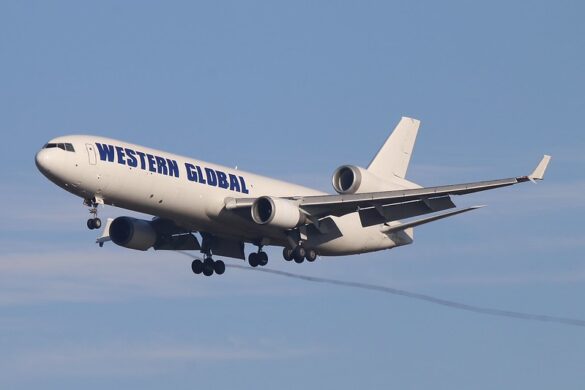
In a notable development for the aviation community, Western Global Airlines has resumed operations of the McDonnell Douglas MD-11F after a period of grounding that followed a tragic incident in late 2025. This return marks a significant moment for one of the last remaining operators of this iconic trijet, as the aircraft reenters the commercial cargo market alongside FedEx Express.
Operational Insights Post-Grounding
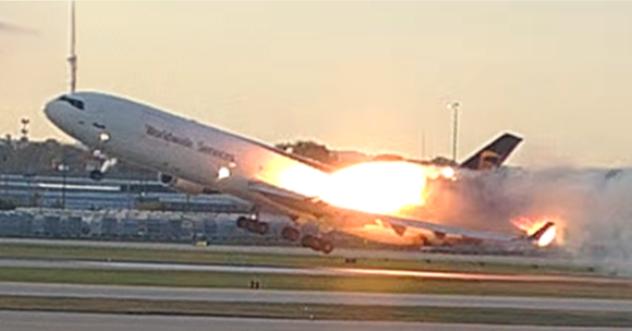
Following the grounding, which was triggered by safety concerns after the UPS Airlines MD-11 crash, Western Global Airlines faced considerable operational challenges. The airline, heavily reliant on its MD-11 fleet, experienced pilot furloughs and disruptions that tested its resilience. Reports indicate that the airline successfully conducted its first test flight from Fort Myers, Florida, to Columbus, Ohio, signaling a cautious but hopeful return to full operational capacity.
Western Global’s Unique Position in Cargo Operations
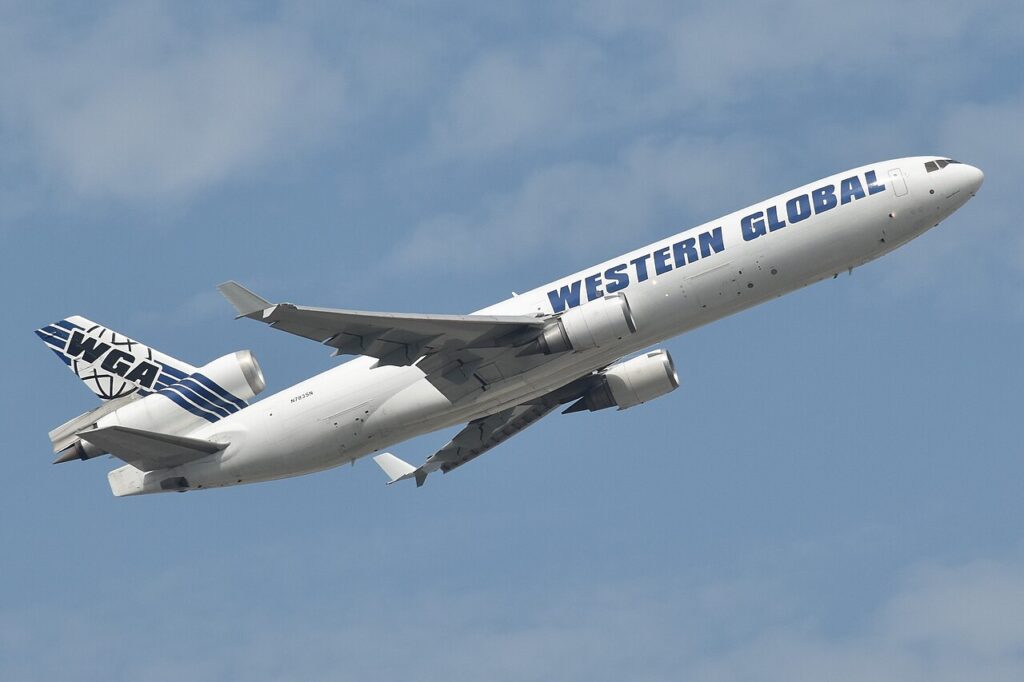
Western Global Airlines has carved a niche in the air cargo sector, focusing on ACMI (Aircraft, Crew, Maintenance, and Insurance) and charter services. The airline’s fleet predominantly comprises MD-11Fs and Boeing 747-400 freighters, enabling it to meet diverse logistical needs across various global markets. With a fleet of approximately 15 MD-11Fs, Western Global’s operational flexibility allows it to serve a wide array of clients, including freight forwarders, government agencies, and military operations.
The MD-11’s Legacy and Future
The MD-11, which commenced service in 1990, has a storied history in both passenger and cargo operations. While passenger versions have largely been retired, the freighter variant has continued to demonstrate its utility in the cargo sector due to its substantial payload capacity and operational range. The grounding of the MD-11 fleet following the UPS incident led to the permanent retirement of UPS’s MD-11s, significantly reducing the aircraft’s presence in commercial aviation. However, with Western Global’s resumption of flights, the MD-11 remains a vital player in the specialized charter market, alongside FedEx Express.
Global Reach and Operational Flexibility
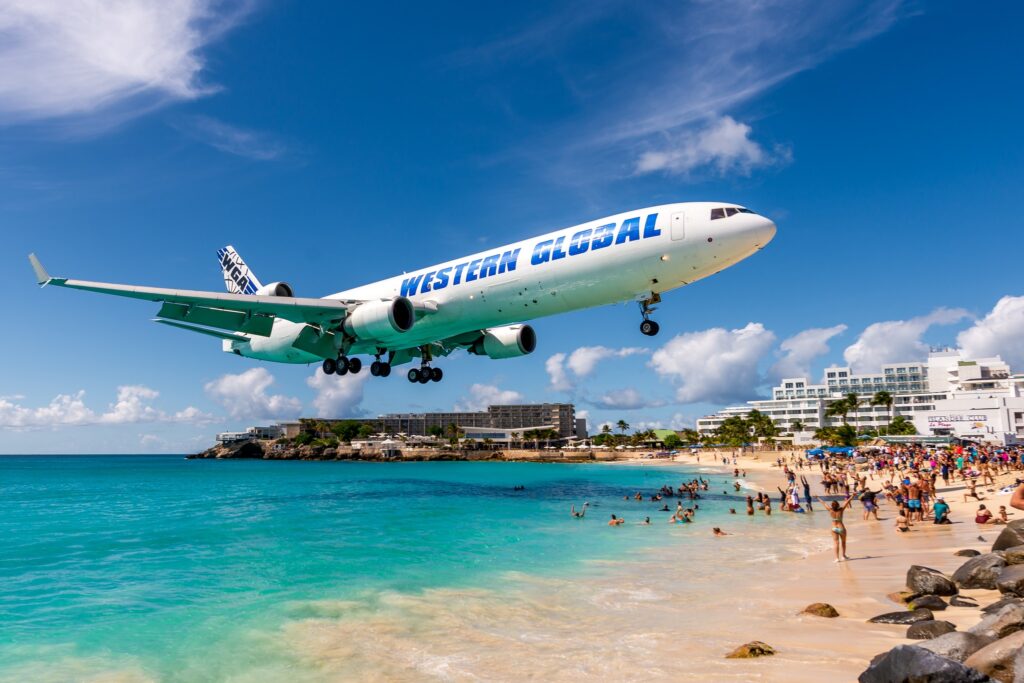
Western Global’s MD-11Fs are known for their versatility, frequently deployed on ad-hoc charter operations that span North America, South America, Europe, the Middle East, and Africa. The aircraft has been utilized for a variety of cargo, from e-commerce shipments to military supplies, often landing in airports that are not typically serviced by large freighters. This operational model not only enhances Western Global’s service offerings but also provides aviation enthusiasts with opportunities to spot these rare trijets at diverse locations.
Aviation Enthusiasts and the MD-11’s Enduring Appeal
The return of the MD-11F to commercial service is a bittersweet moment for aviation enthusiasts. As one of the last trijets in operation, the MD-11 holds a unique place in the hearts of many. With Western Global Airlines now back in the air, the distinctive silhouette of the MD-11 will continue to grace runways, ensuring that this iconic aircraft remains a part of the aviation landscape for the foreseeable future.


This article was prepared by LibelulaFly as an independent aviation-news summary and editorial reinterpretation based on publicly available reporting. Images, when used, are included for editorial context with source attribution. Original source: www.airportspotting.com. Read the original article here: https://www.airportspotting.com/the-md-11-is-back-western-global-airlines-resumes-flying-the-classic-trijet/.
List, promote, or publish aircraft with LibelulaFly.
LibelulaFly.com • Sales@libelulafly.com • +1 305-332-1942
May
Air China Keeps a Classic in the Air
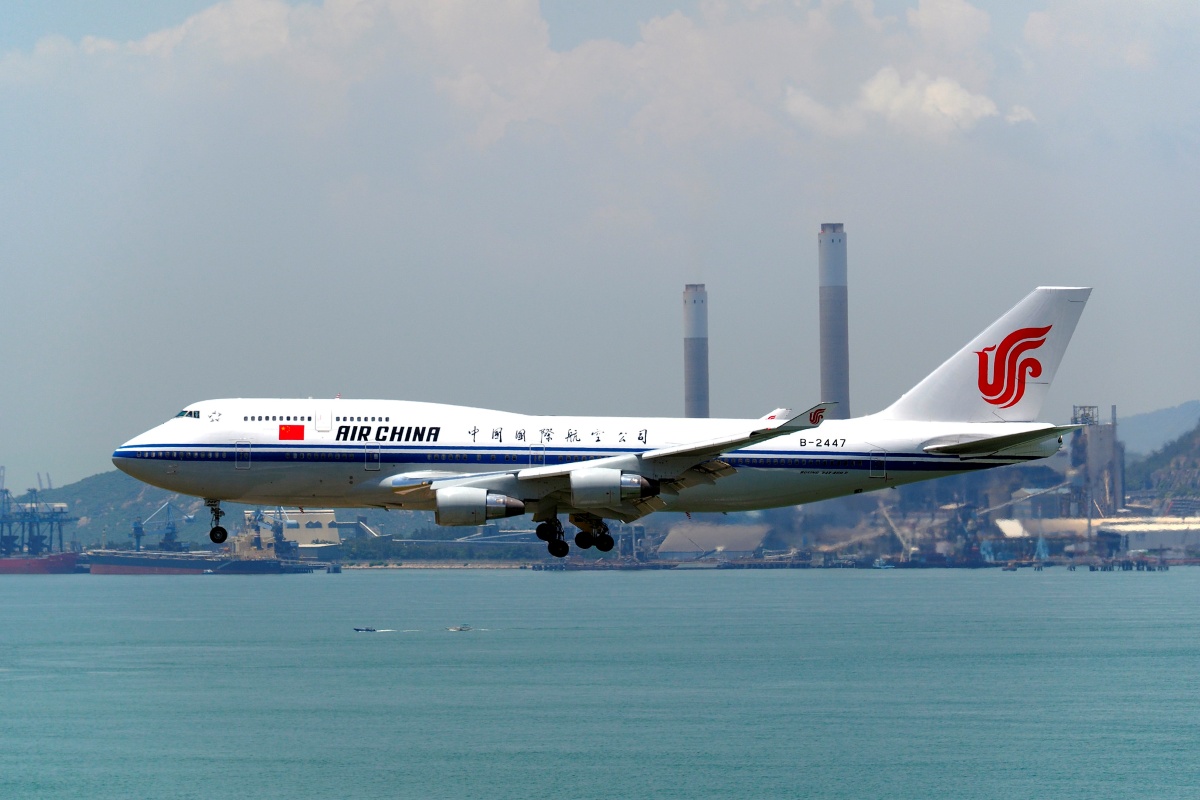
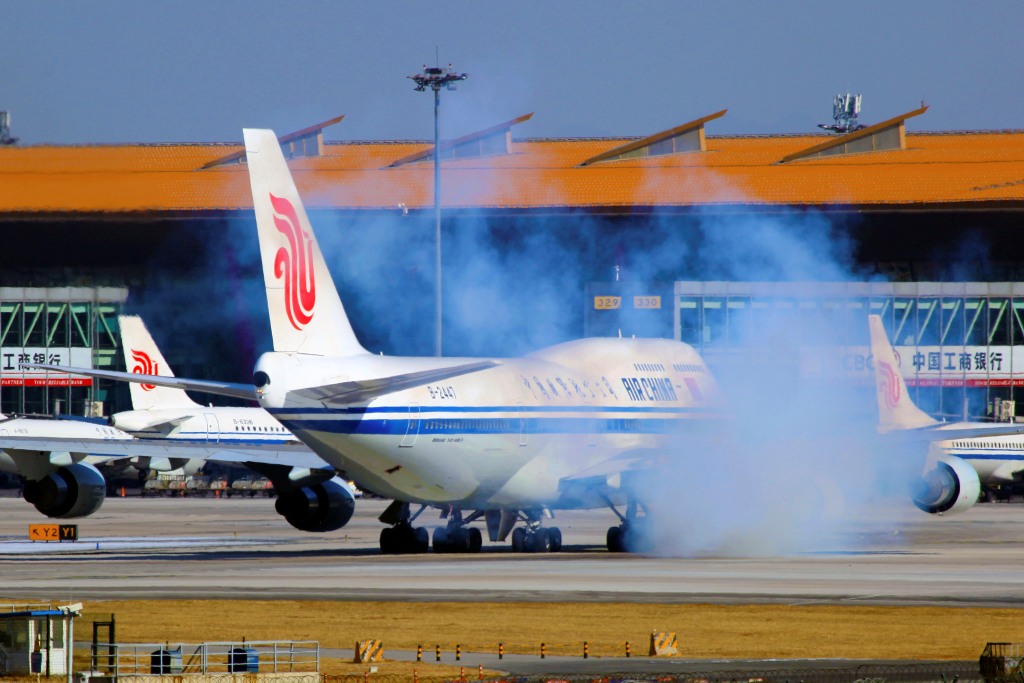
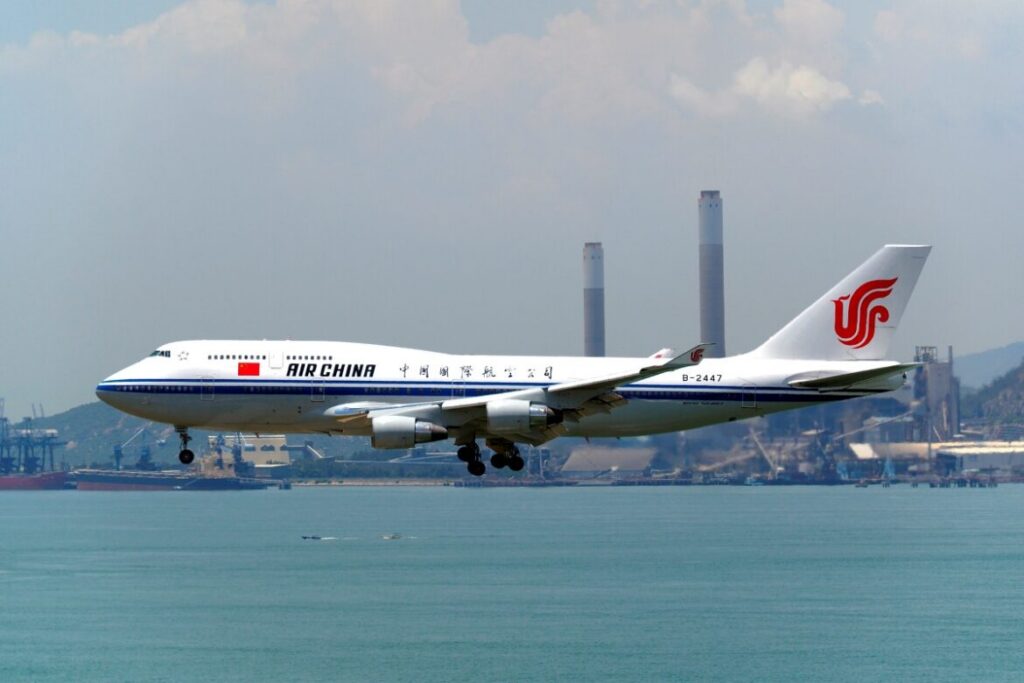
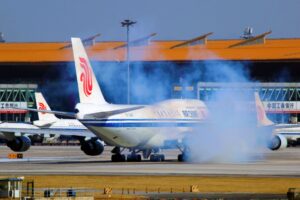
In an aviation landscape increasingly dominated by modern aircraft, Air China continues to operate a remarkable piece of history: the Boeing 747-400, specifically registered as B-2447. First taking to the skies in 1995, this aircraft currently holds the title of the oldest passenger airliner still flying in mainland China, a testament to its enduring legacy.
A Unique Operational Role
Despite the Boeing 747’s original design for long-haul international flights, B-2447 primarily operates on domestic routes. Its current mission profile includes high-demand connections between major Chinese cities, such as Beijing, Shanghai, Guangzhou, and Shenzhen. This operational focus allows aviation enthusiasts a rare opportunity to experience a classic passenger aircraft on shorter domestic services.
A Historical Perspective
Throughout its 31 years, B-2447 has not only served commercial passengers but has also been linked to significant state missions, including transporting high-ranking officials. This dual role enriches the aircraft’s narrative, as it has transitioned from a symbol of luxury air travel to a critical asset for governmental transport.
Classic Features in a Modern Era
B-2447 retains a traditional cabin layout reminiscent of a bygone era, featuring 10 First Class seats, 42 Business Class seats, and 292 Economy Class seats, accommodating a total of 344 passengers. The aircraft’s design is complemented by its distinctive upper deck and the powerful sound of four Pratt & Whitney PW4056 engines, offering a nostalgic experience for those fortunate enough to board.
The Last of Its Kind in Asia
As global airlines phase out the Boeing 747-400, Air China stands as the last scheduled passenger operator of this model in Asia. The COVID-19 pandemic expedited the retirement of many 747 fleets worldwide, making B-2447’s continued operation all the more significant. While the newer Boeing 747-8 models still serve certain routes, the disappearance of the 747-400 from passenger service marks a pivotal moment in aviation history.
Looking Ahead: An Uncertain Future
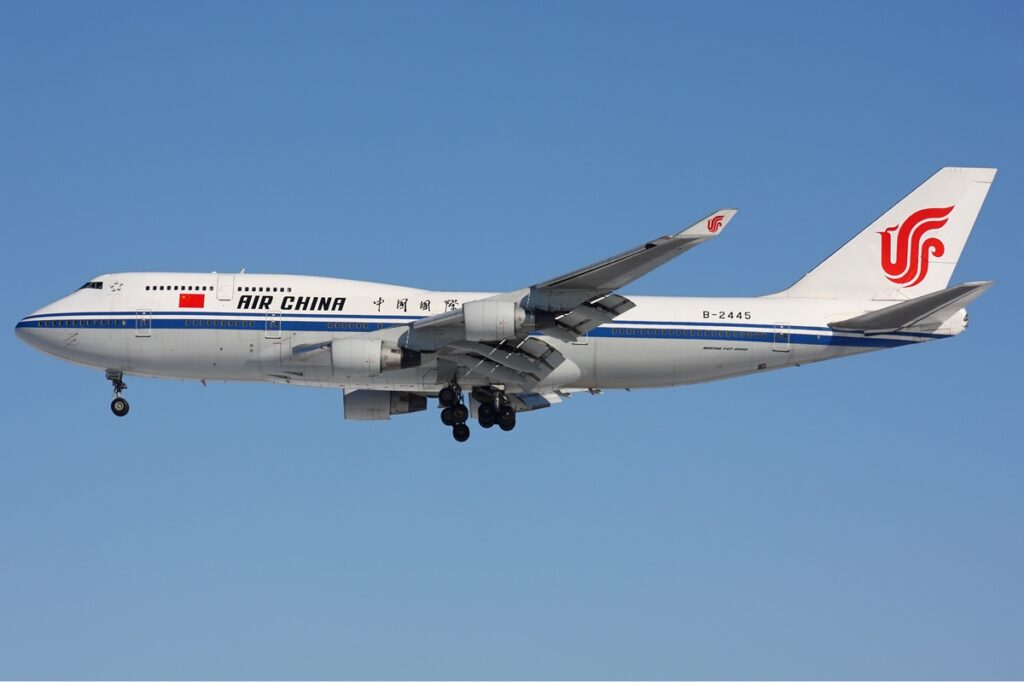
Despite its reliability, B-2447’s days may be numbered. Air China has begun to streamline its fleet towards more efficient twin-engine aircraft such as the Boeing 777 and Airbus A350. With the retirement of sister aircraft B-2445 in 2024, the future of B-2447 remains uncertain, signaling a potential end to an era that has defined Chinese aviation for over three decades.
Conclusion: A Legacy Worth Remembering
As aviation enthusiasts and industry professionals alike reflect on the significance of Air China’s Boeing 747-400, it serves as a reminder of the evolution of air travel and the remarkable stories embedded within each aircraft. B-2447’s legacy is not just a chapter in the history of commercial aviation; it is a living testament to the enduring spirit of the Boeing 747.


This article was prepared by LibelulaFly as an independent aviation-news summary and editorial reinterpretation based on publicly available reporting. Images, when used, are included for editorial context with source attribution. Original source: www.airportspotting.com. Read the original article here: https://www.airportspotting.com/at-31-years-old-inside-chinas-oldest-passenger-airliner-still-flying-today/.
List, promote, or publish aircraft with LibelulaFly.
LibelulaFly.com • Sales@libelulafly.com • +1 305-332-1942
May
A Pivotal Era for Hawaiian Airlines
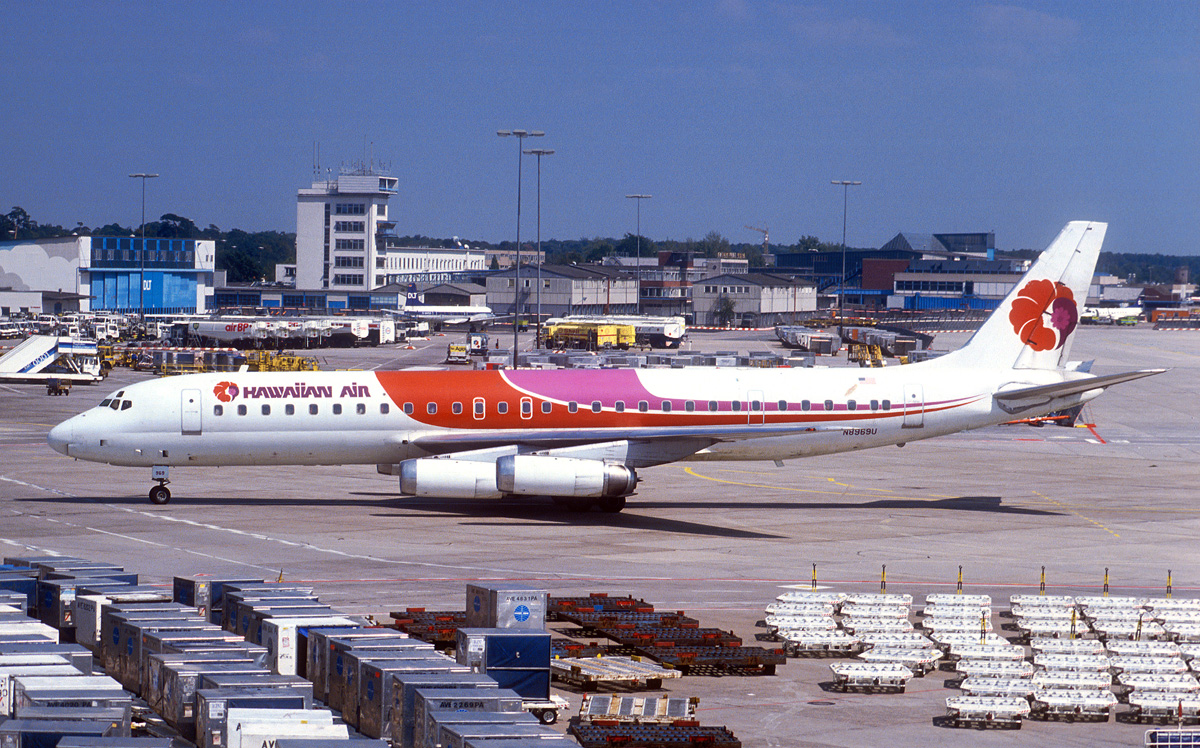
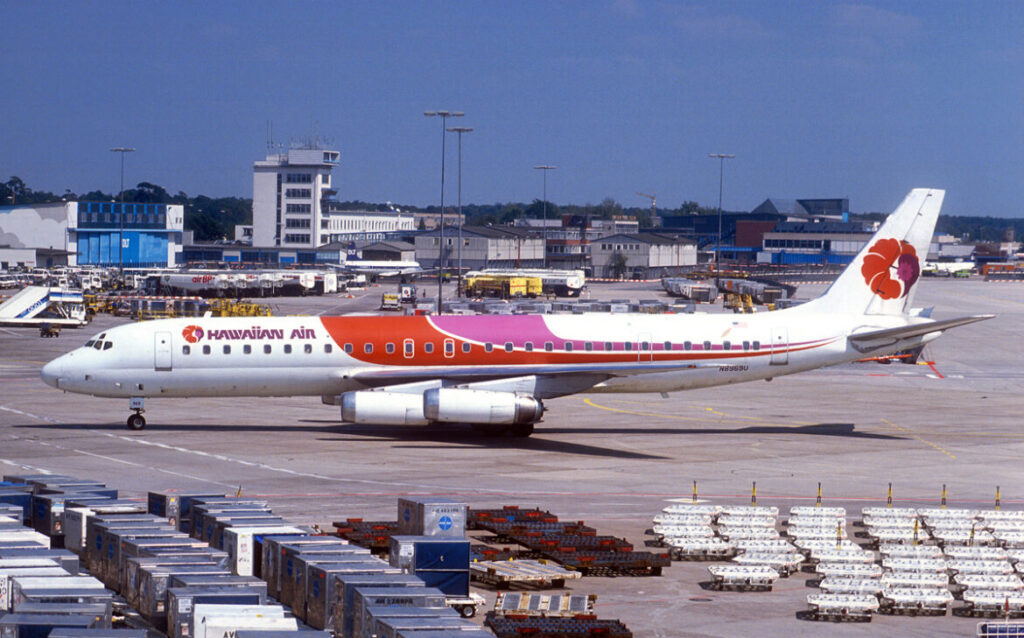
In the 1980s, Hawaiian Airlines embarked on a transformative journey, shifting from its traditional inter-island operations to a more ambitious international profile. Central to this strategic pivot was the introduction of the Douglas DC-8, a classic aircraft that played a crucial role in expanding the airline’s reach across the Pacific.
Embracing Long-Haul Opportunities
Faced with increasing competition on its core routes, Hawaiian Airlines recognized the need to innovate. The decision to incorporate widebody aircraft into its fleet marked a significant departure from its established business model. The DC-8, particularly its stretched variants, was chosen for its proven long-range capabilities and capacity, making it an ideal candidate for the airline’s expansion into long-haul markets.
The DC-8 Fleet Takes Flight
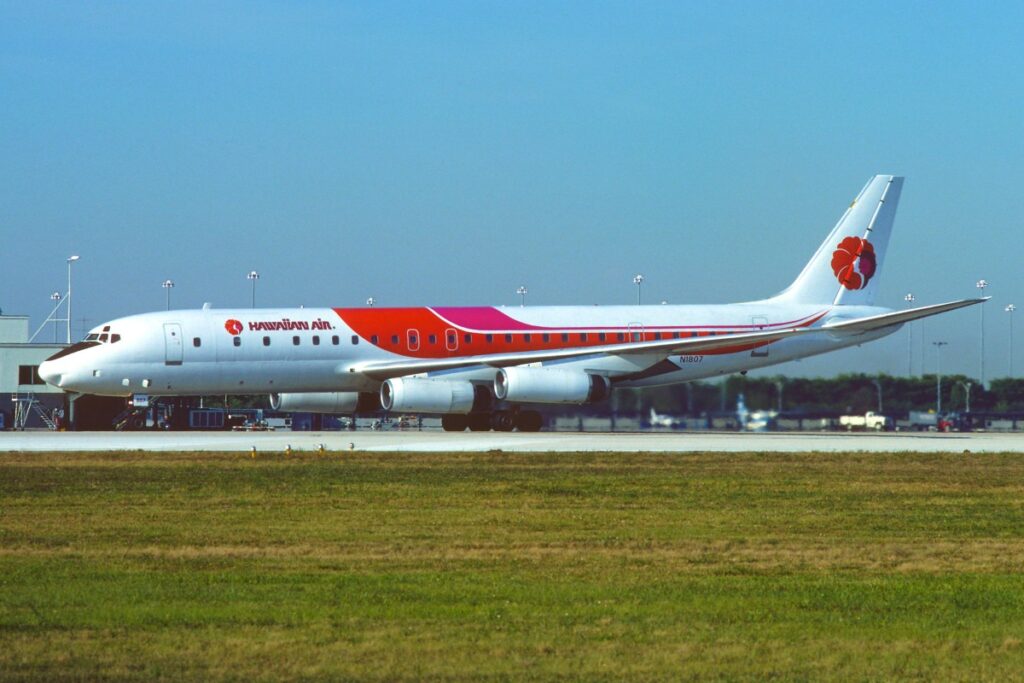
Hawaiian Airlines began operating a fleet of seven Douglas DC-8s in the mid-1980s, primarily sourcing these aircraft as second-hand models. This strategic choice allowed the airline to capitalize on the aircraft’s relatively low acquisition costs while leveraging its capabilities for both charter and scheduled services. The fleet consisted mainly of the DC-8-61 and DC-8-63 variants, which were designed to handle dense passenger routes and extended range operations.
Operational Versatility and Market Impact
The DC-8s were not utilized for the airline’s typical inter-island services but instead served as the backbone of Hawaiian’s burgeoning international charter business. Routes included destinations in Japan, South Pacific islands, and military contract flights. This flexibility enabled Hawaiian Airlines to explore lucrative markets without committing to full scheduled services, a significant advantage during the deregulated era.
Challenges and Regulatory Hurdles
Despite the initial success of the DC-8 operations, the fleet faced considerable challenges. Stricter noise regulations imposed by U.S. authorities made it increasingly difficult to operate older jetliners like the DC-8 without costly modifications. Additionally, Hawaiian Airlines struggled to balance its long-haul ambitions with the financial pressures of maintaining its inter-island network, leading to significant operational strain.
The Conclusion of an Era
By the early 1990s, Hawaiian Airlines entered a period of financial difficulty, culminating in Chapter 11 bankruptcy protection in 1993. As part of its restructuring efforts, the airline opted to retire its DC-8 fleet, marking the end of a significant chapter in its history. The last of the DC-8s were phased out just as larger, more efficient aircraft began to dominate the skies.
A Legacy in Aviation History
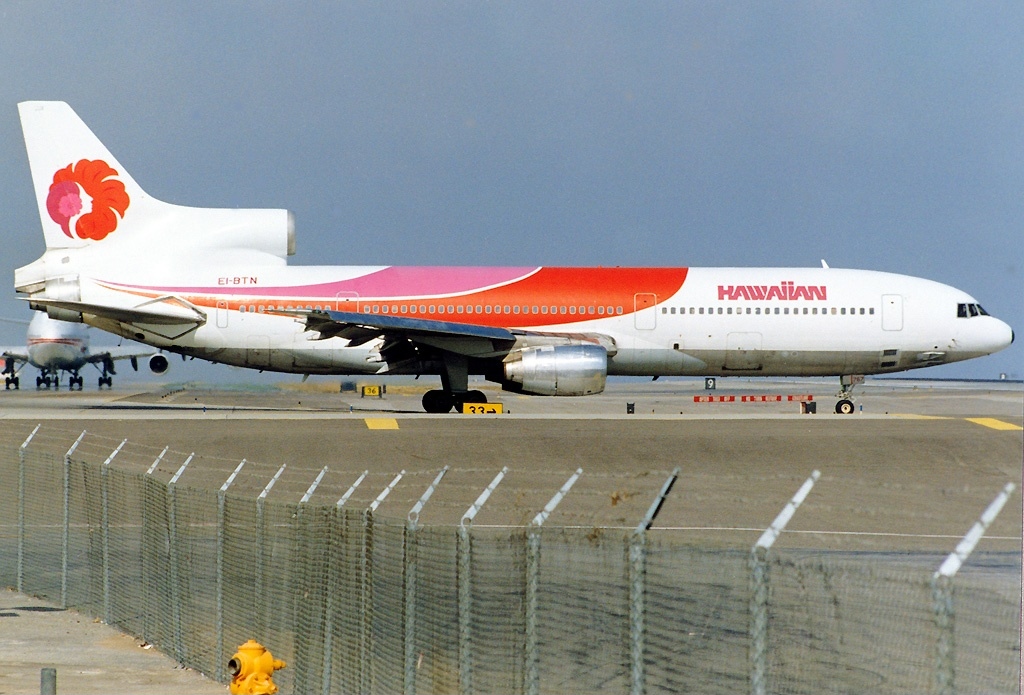
The Douglas DC-8 holds a unique place in aviation history, particularly for Hawaiian Airlines. As one of the last airlines to operate the type in scheduled passenger service, Hawaiian’s experience with the DC-8 underscores the aircraft’s durability and the airline’s unique operational needs during a transformative period. Following the DC-8, Hawaiian transitioned to more modern aircraft, including the Lockheed L-1011 TriStar and later the Boeing 767, which became the backbone of its transpacific services.
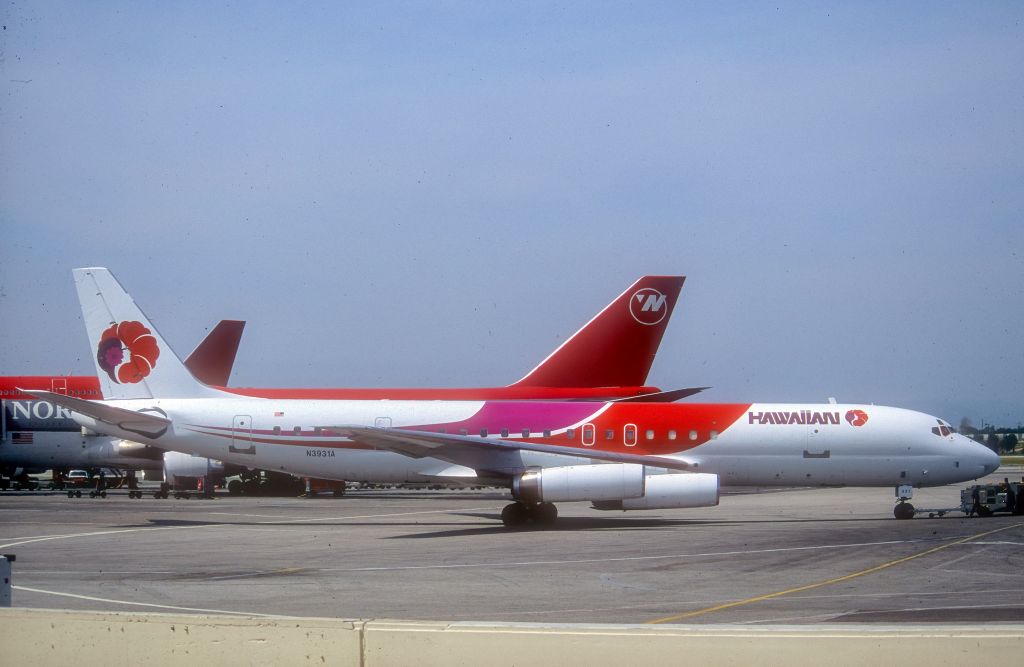
Today, the DC-8 is largely absent from commercial aviation, with only a few examples remaining in limited cargo roles. The legacy of Hawaiian Airlines’ DC-8s serves as a reminder of the airline’s bold ambitions and the enduring impact of classic aircraft in shaping the industry’s landscape.



This article was prepared by LibelulaFly as an independent aviation-news summary and editorial reinterpretation based on publicly available reporting. Images, when used, are included for editorial context with source attribution. Original source: www.airportspotting.com. Read the original article here: https://www.airportspotting.com/classic-airline-fleets-hawaiian-airlines-douglas-dc-8s/.
List, promote, or publish aircraft with LibelulaFly.
LibelulaFly.com • Sales@libelulafly.com • +1 305-332-1942